Upgrade to Pro
— share decks privately, control downloads, hide ads and more …
Speaker Deck
Features
Speaker Deck
PRO
Sign in
Sign up for free
Search
Search
Ruby: Dicas & Truques
Search
Sponsored
·
Ship Features Fearlessly
Turn features on and off without deploys. Used by thousands of Ruby developers.
→
Nando Vieira
July 07, 2012
Technology
20
1.4k
Ruby: Dicas & Truques
Nando Vieira
July 07, 2012
Tweet
Share
More Decks by Nando Vieira
See All by Nando Vieira
Permanecendo Relevante
fnando
9
1.5k
O que mudou no Rails 5
fnando
3
570
Porque usar PostgreSQL (Se você ainda não o faz)
fnando
25
3k
Criando aplicações web mais seguras
fnando
4
680
Criando aplicações mais fáceis de manter com Ruby on Rails
fnando
35
2.1k
Conhecendo Variants do Rails 4.1
fnando
11
580
JavaScript Funcional
fnando
36
1.8k
Segurança em Aplicações Web
fnando
31
3k
Segurança no Rails
fnando
20
950
Other Decks in Technology
See All in Technology
クレジットカード決済基盤を支えるSRE - 厳格な監査とSRE運用の両立 (SRE Kaigi 2026)
capytan
6
2.8k
2026年、サーバーレスの現在地 -「制約と戦う技術」から「当たり前の実行基盤」へ- /serverless2026
slsops
2
260
CDKで始めるTypeScript開発のススメ
tsukuboshi
1
480
[CV勉強会@関東 World Model 読み会] Orbis: Overcoming Challenges of Long-Horizon Prediction in Driving World Models (Mousakhan+, NeurIPS 2025)
abemii
0
140
30万人の同時アクセスに耐えたい!新サービスの盤石なリリースを支える負荷試験 / SRE Kaigi 2026
genda
4
1.3k
22nd ACRi Webinar - NTT Kawahara-san's slide
nao_sumikawa
0
100
【Ubie】AIを活用した広告アセット「爆速」生成事例 | AI_Ops_Community_Vol.2
yoshiki_0316
1
110
usermode linux without MMU - fosdem2026 kernel devroom
thehajime
0
240
外部キー制約の知っておいて欲しいこと - RDBMSを正しく使うために必要なこと / FOREIGN KEY Night
soudai
PRO
12
5.6k
AWS Network Firewall Proxyを触ってみた
nagisa53
1
240
量子クラウドサービスの裏側 〜Deep Dive into OQTOPUS〜
oqtopus
0
130
Oracle Base Database Service 技術詳細
oracle4engineer
PRO
15
93k
Featured
See All Featured
Improving Core Web Vitals using Speculation Rules API
sergeychernyshev
21
1.4k
Information Architects: The Missing Link in Design Systems
soysaucechin
0
780
Google's AI Overviews - The New Search
badams
0
910
Breaking role norms: Why Content Design is so much more than writing copy - Taylor Woolridge
uxyall
0
170
Future Trends and Review - Lecture 12 - Web Technologies (1019888BNR)
signer
PRO
0
3.2k
Done Done
chrislema
186
16k
Git: the NoSQL Database
bkeepers
PRO
432
66k
How People are Using Generative and Agentic AI to Supercharge Their Products, Projects, Services and Value Streams Today
helenjbeal
1
130
How To Stay Up To Date on Web Technology
chriscoyier
791
250k
Stop Working from a Prison Cell
hatefulcrawdad
273
21k
The Hidden Cost of Media on the Web [PixelPalooza 2025]
tammyeverts
2
190
Evolving SEO for Evolving Search Engines
ryanjones
0
130
Transcript
DICAS & TRUQUES RUBY Nando Vieira hellobits.com
@fnando
None
None
None
DICAS E TRUQUES CURIOSOS QUE PODEM SER ÚTEIS (OU NÃO)
NO DIA-A-DIA.
None
No Ruby, tudo é objeto (ou quase tudo).
Classes, módulos, números, strings, arrays, intervalos, símbolos, métodos, blocos, procs,
nil, booleanos, hashes, expressões regulares.
O Ruby possui classes abertas que podem ser modi cadas
a qualquer momento.
O Ruby é extremamente exível.
O Ruby é muito mais difícil do que as pessoas
assumem.
DUCK TYPING, PROTOCOLOS E CONTRATOS
O Duck Typing permite estabelecer interfaces com um contrato informal.
class SimpleLogger def initialize(storage = []) unless storage.is_a?(Array) raise "you
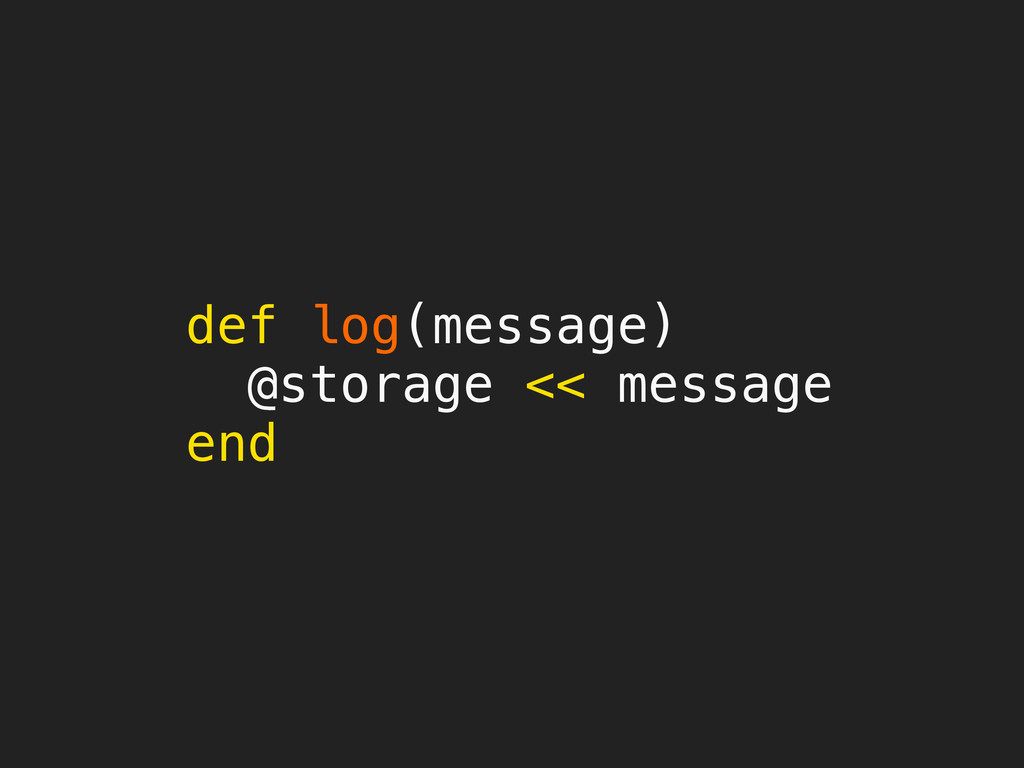
need to pass an array" end @storage = storage end def log(message) @storage << message end end
def initialize(storage = []) unless storage.is_a?(Array) raise "you need to
pass an array" end @storage = storage end
def log(message) @storage << message end
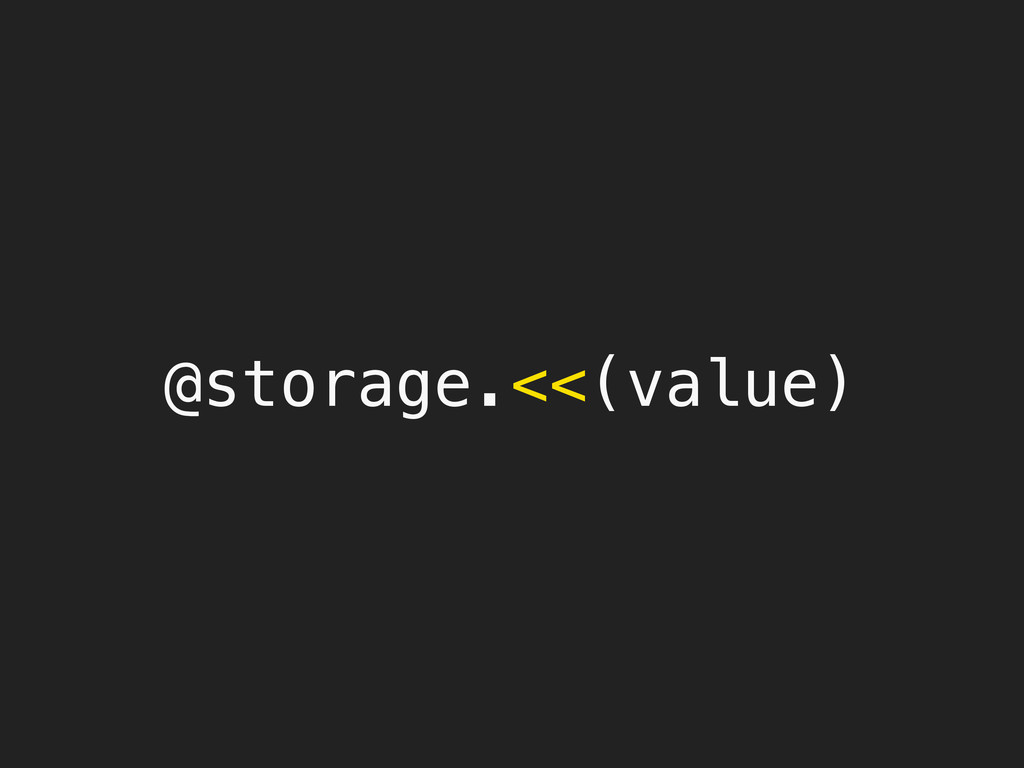
@storage.<<(value)
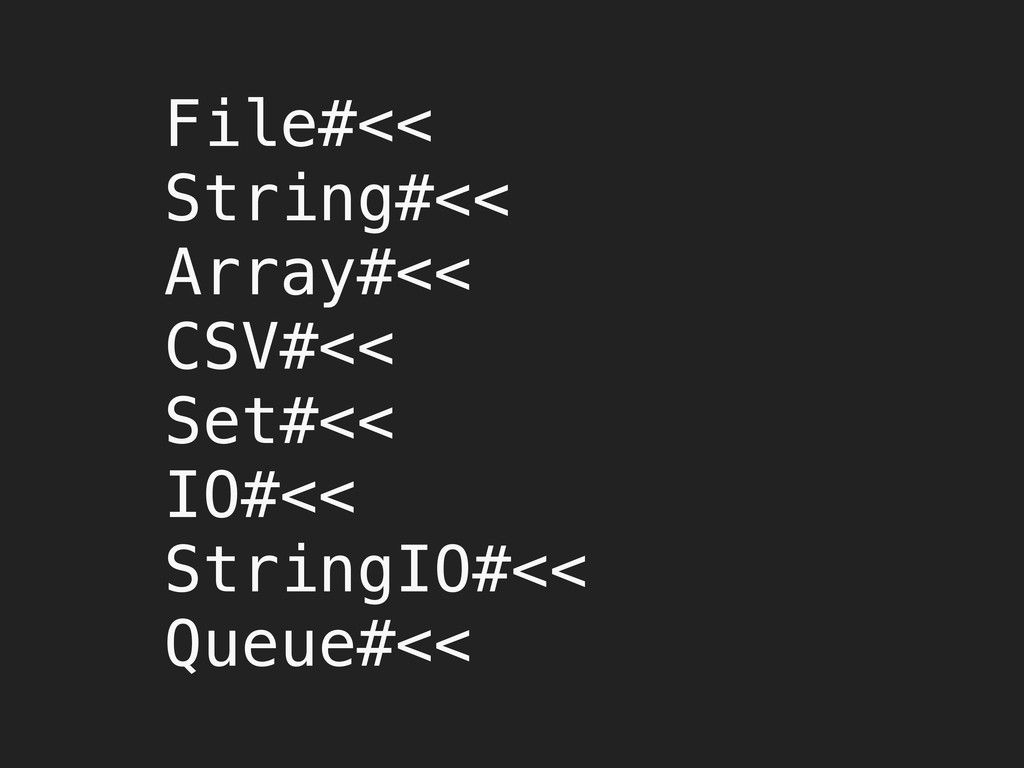
File#<< String#<< Array#<< CSV#<< Set#<< IO#<< StringIO#<< Queue#<<
class SimpleLogger def initialize(storage = []) @storage = storage end
def log(message) @storage << message end end
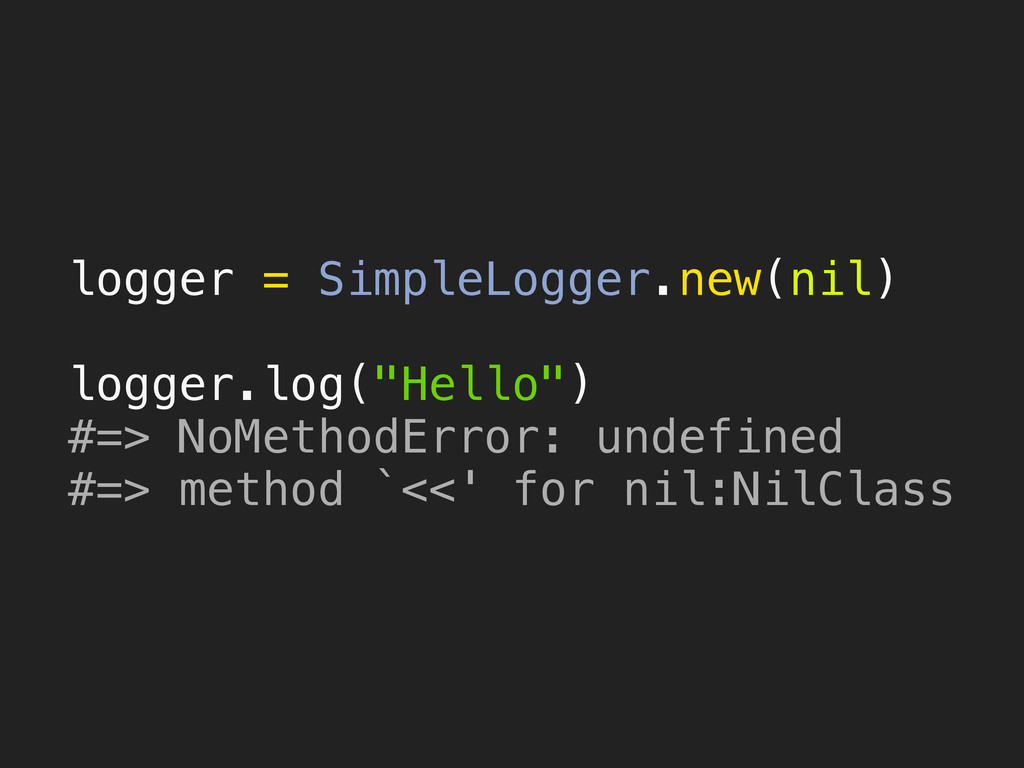
logger = SimpleLogger.new(nil) logger.log("Hello") #=> NoMethodError: undefined #=> method `<<'
for nil:NilClass
O Ruby leva o Duck Typing por toda a linguagem,
usando-o como protocolo de coersão.
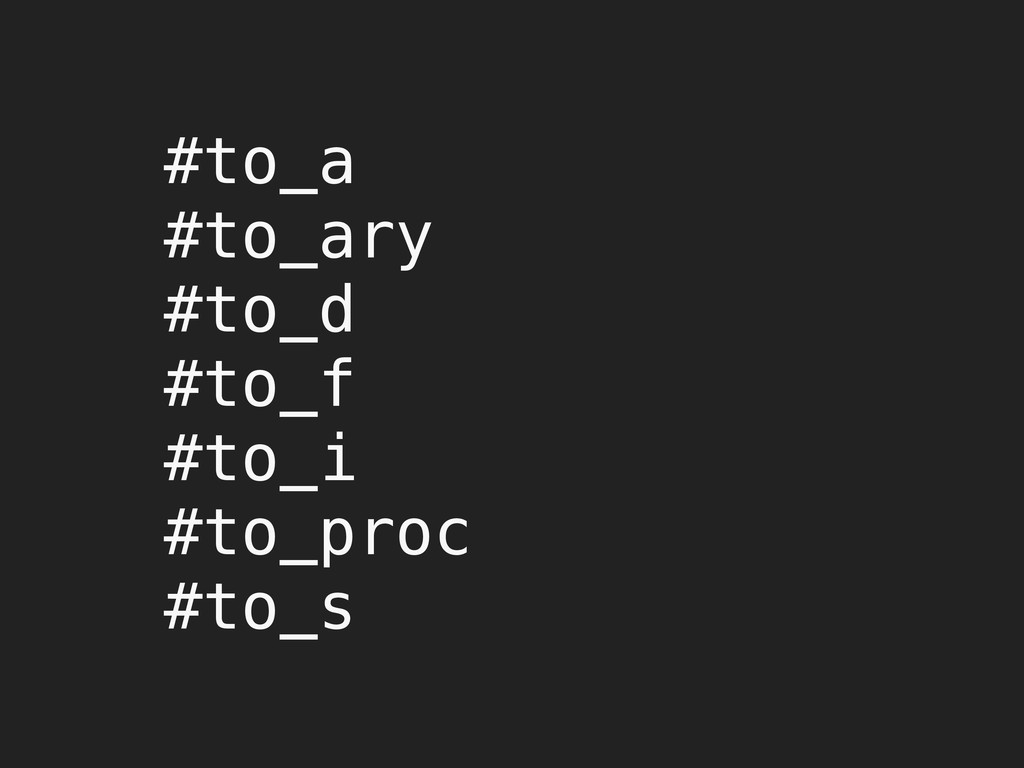
#to_a #to_ary #to_d #to_f #to_i #to_proc #to_s
#to_proc
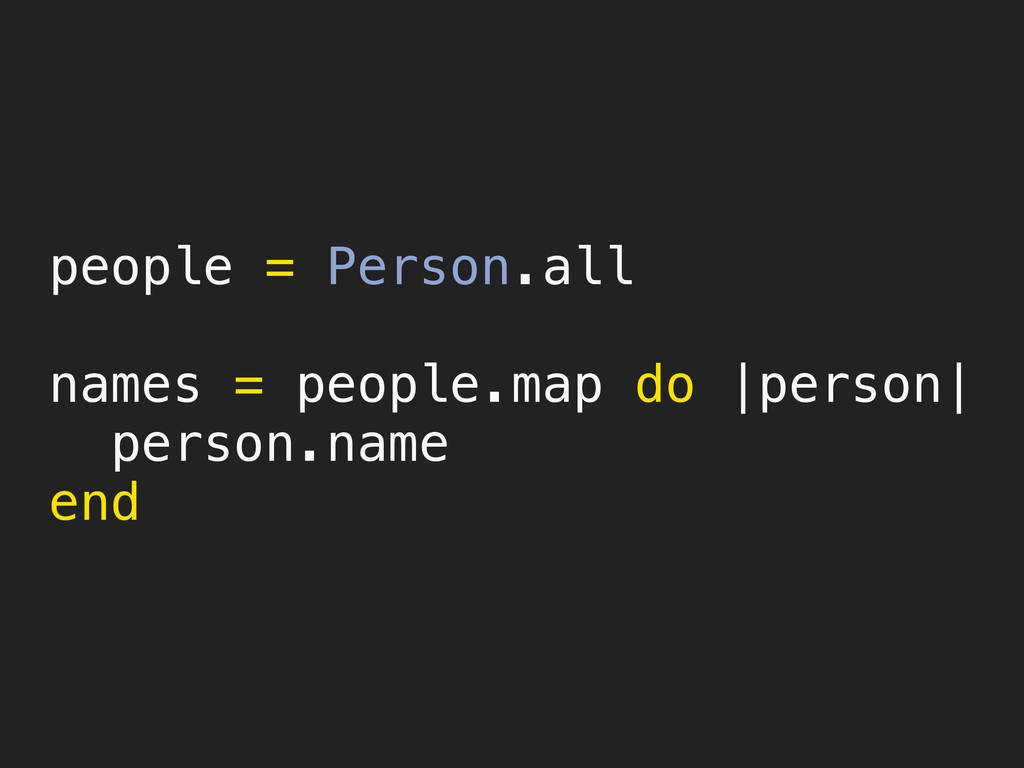
people = Person.all names = people.map do |person| person.name end
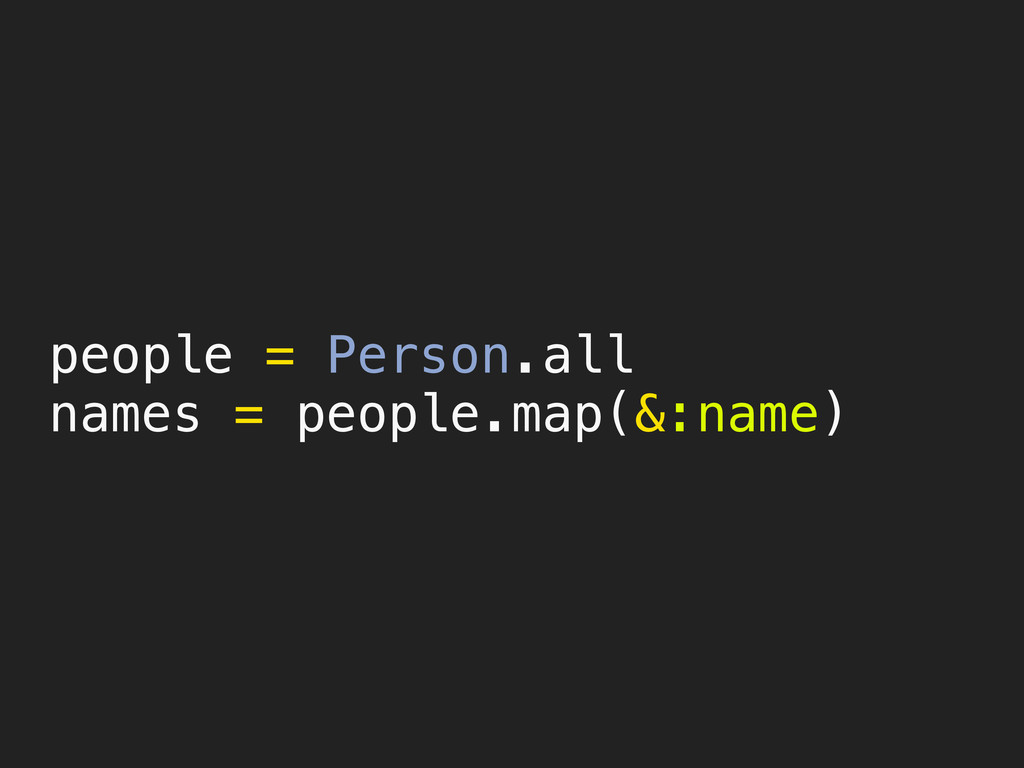
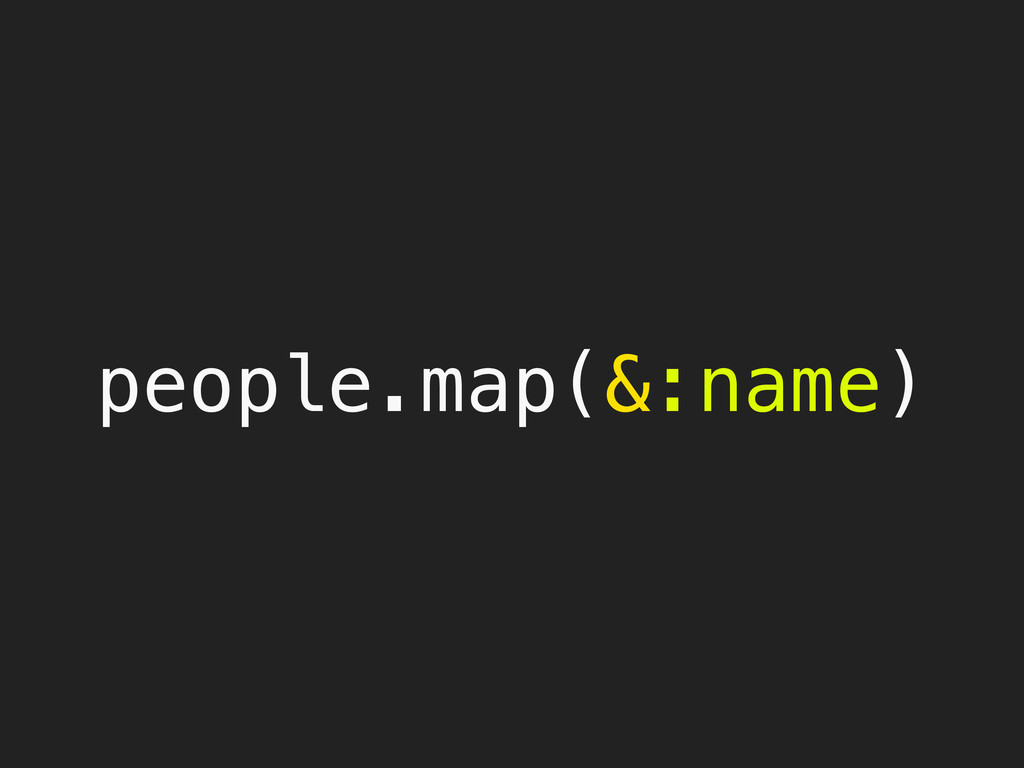
people = Person.all names = people.map(&:name)
&Na assinatura do método, converte bloco em Proc.
&Na chamada do método, converte Proc em bloco.
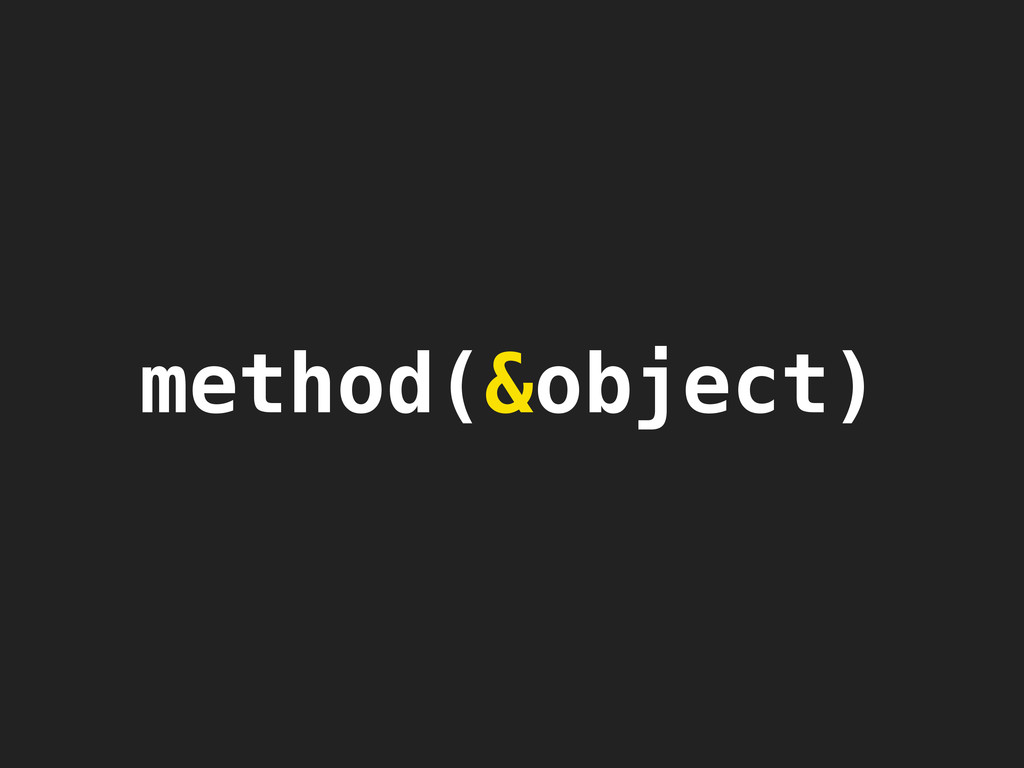
method(&object)
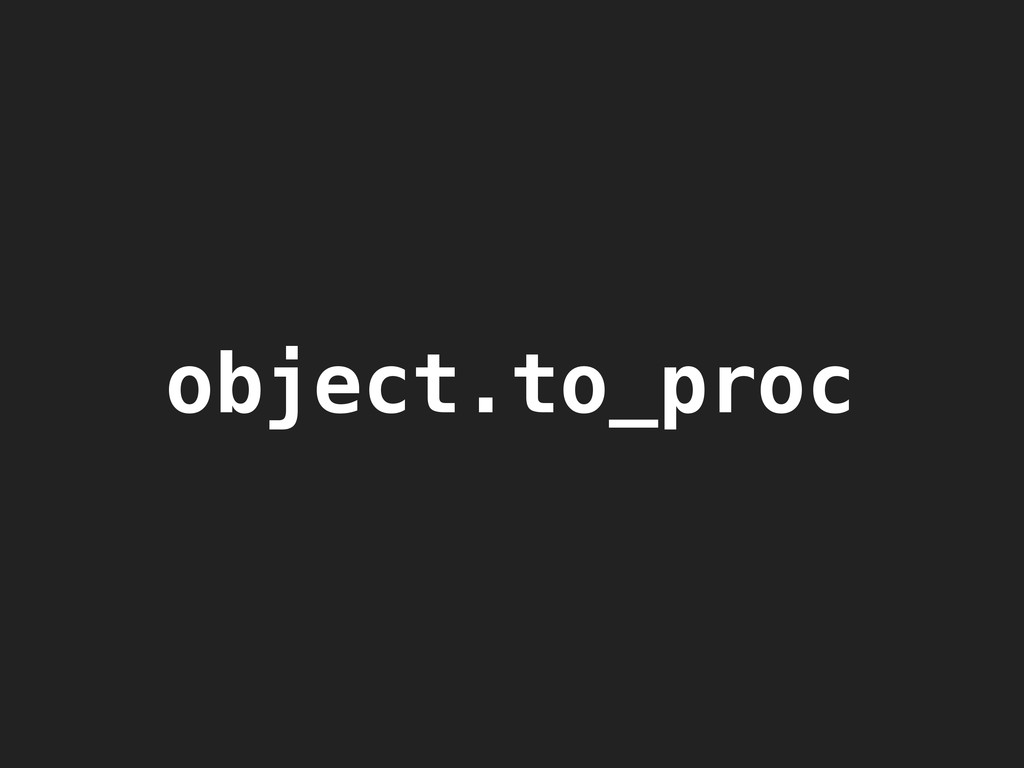
object.to_proc
people.map(&:name)
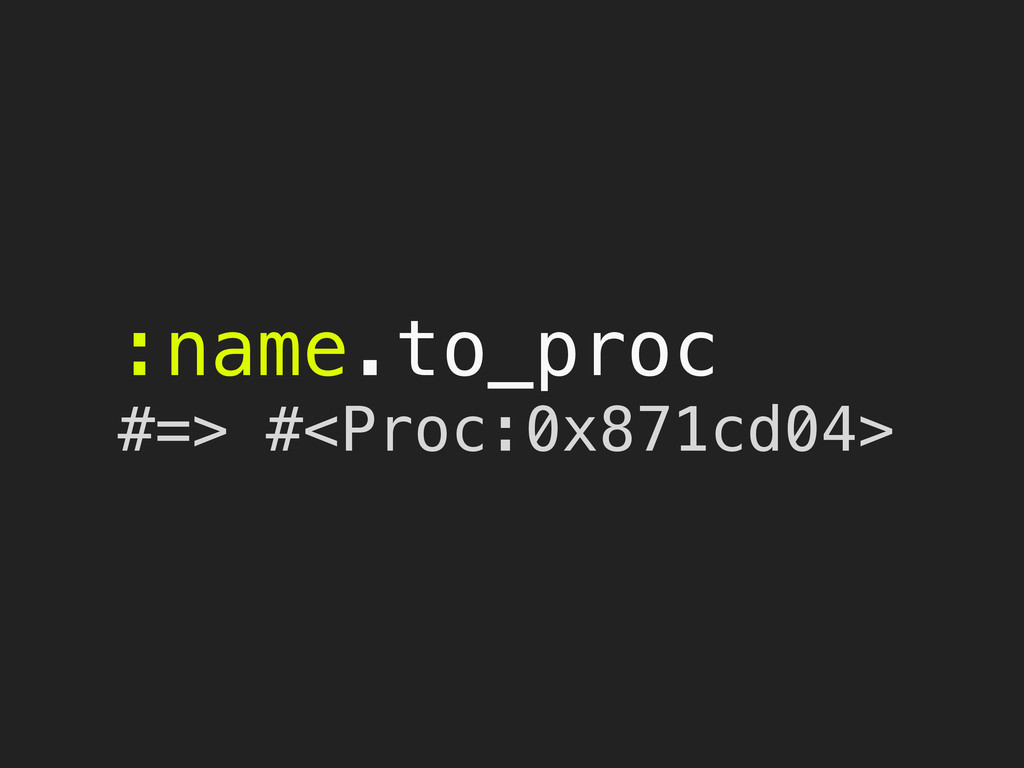
:name.to_proc #=> #<Proc:0x871cd04>
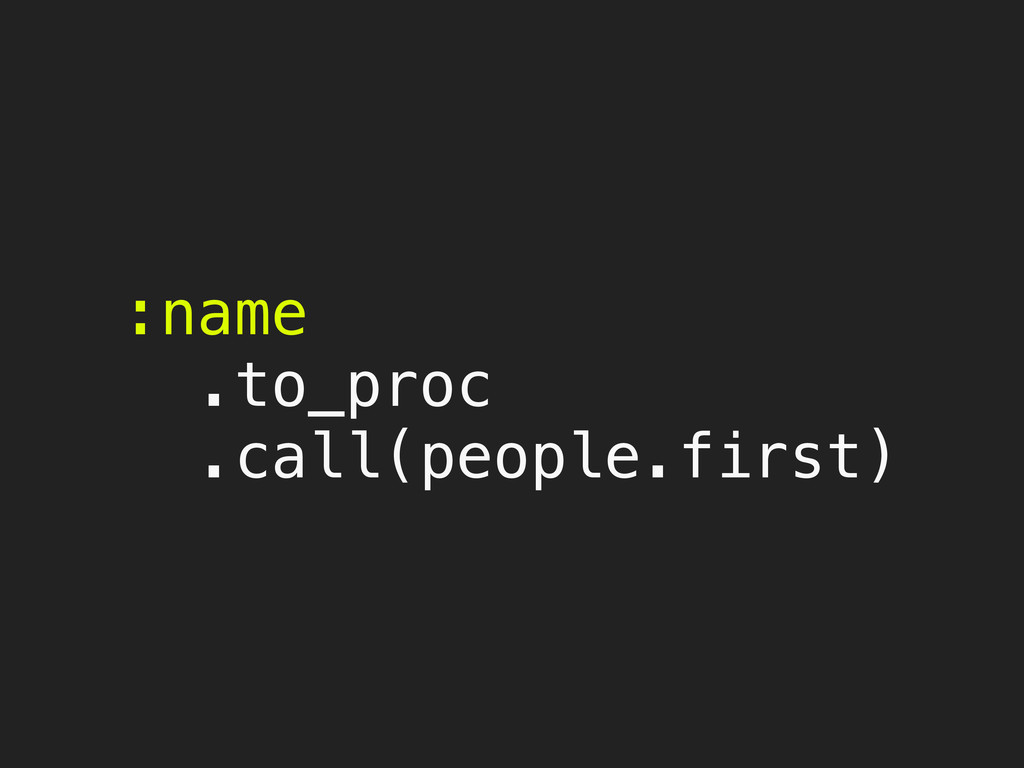
:name .to_proc .call(people.first)
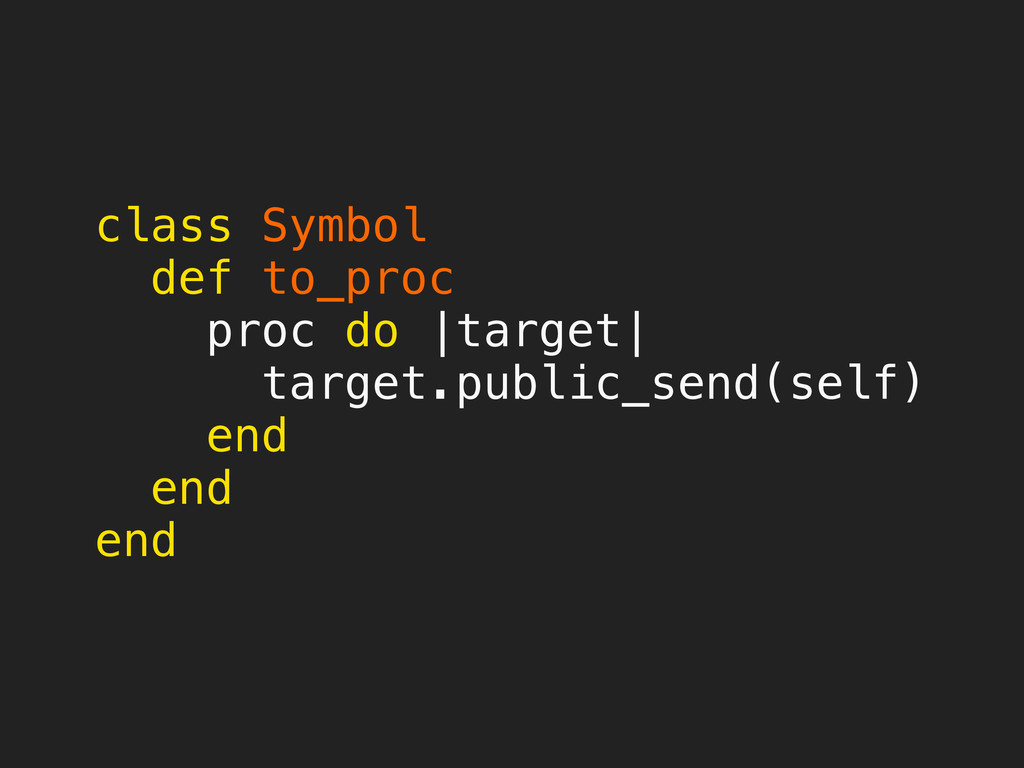
class Symbol def to_proc proc do |target| target.public_send(self) end end
end
PROCS & LAMBDAS
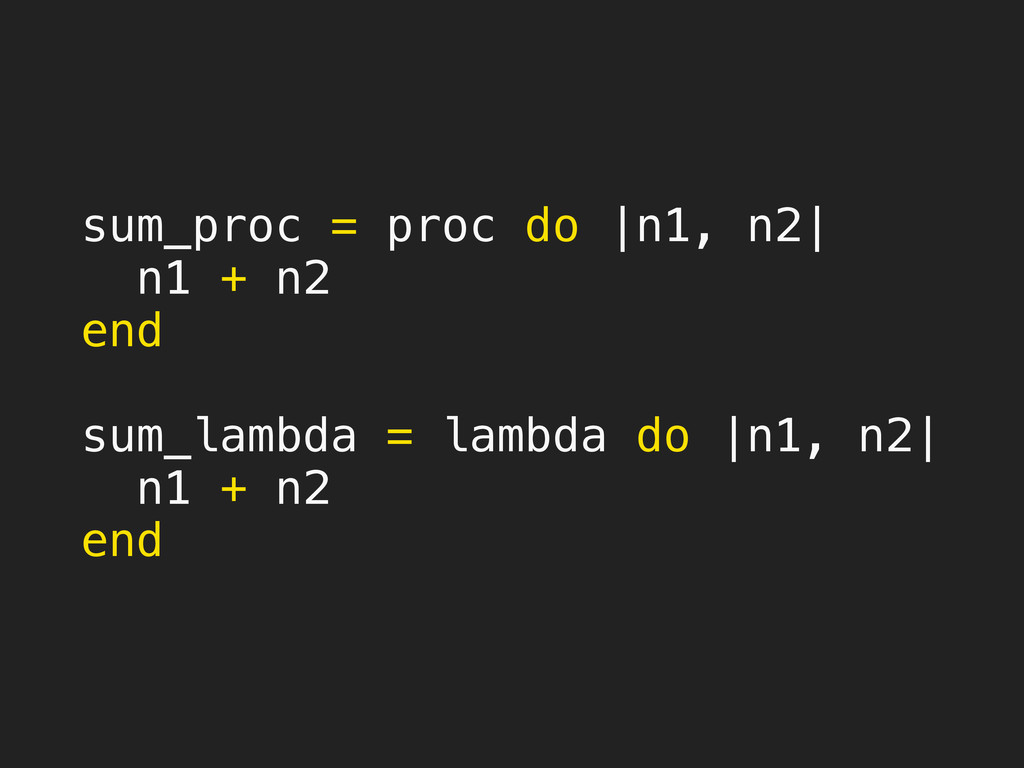
sum_proc = proc do |n1, n2| n1 + n2 end
sum_lambda = lambda do |n1, n2| n1 + n2 end
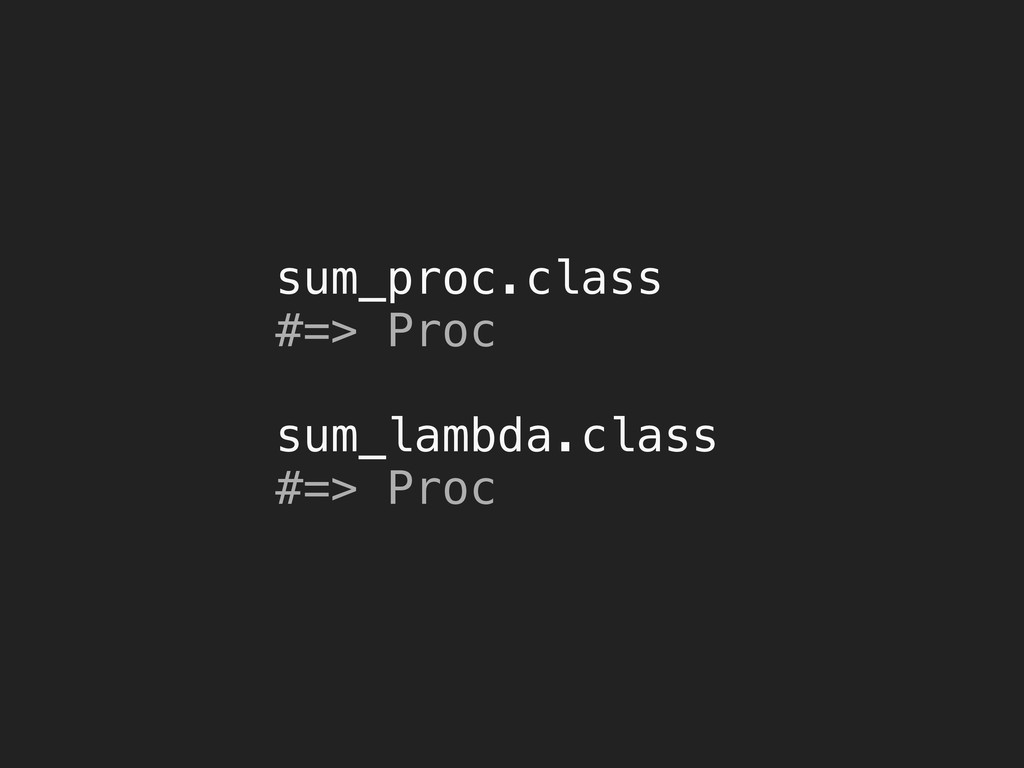
sum_proc.class #=> Proc sum_lambda.class #=> Proc
sum_proc.lambda? #=> false sum_lambda.lambda? #=> true
sum_proc.parameters #=> [[:opt, :n1], [:opt, :n2]] sum_lambda.parameters #=> [[:req, :n1],
[:req, :n2]]
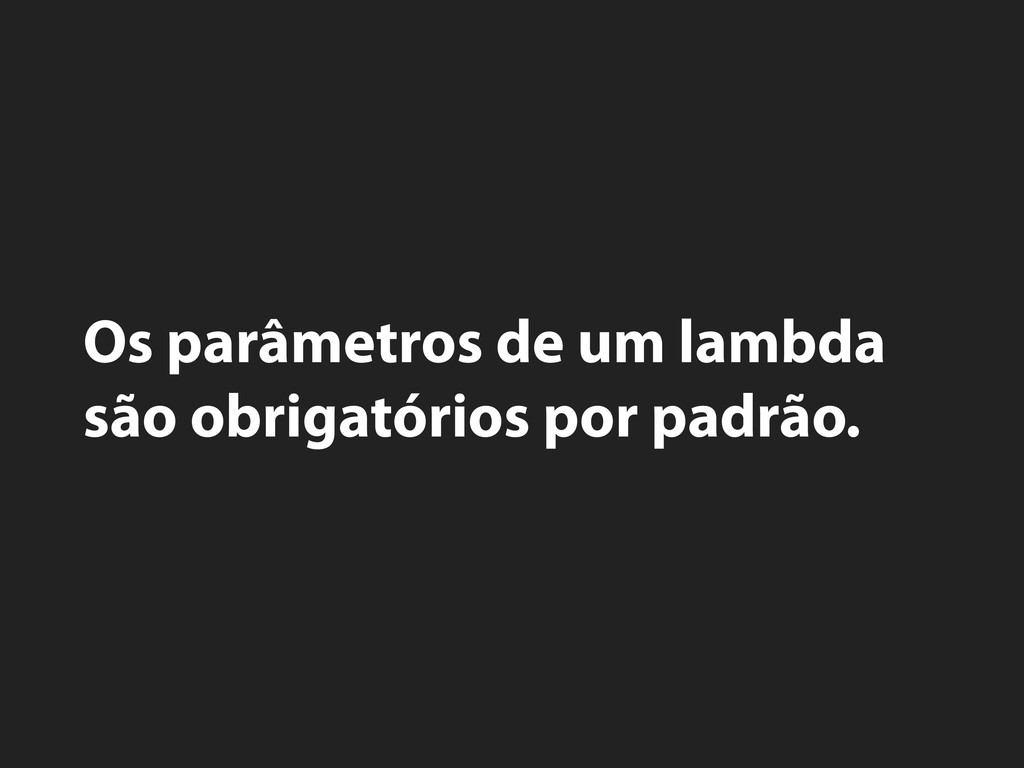
Os parâmetros de um lambda são obrigatórios por padrão.
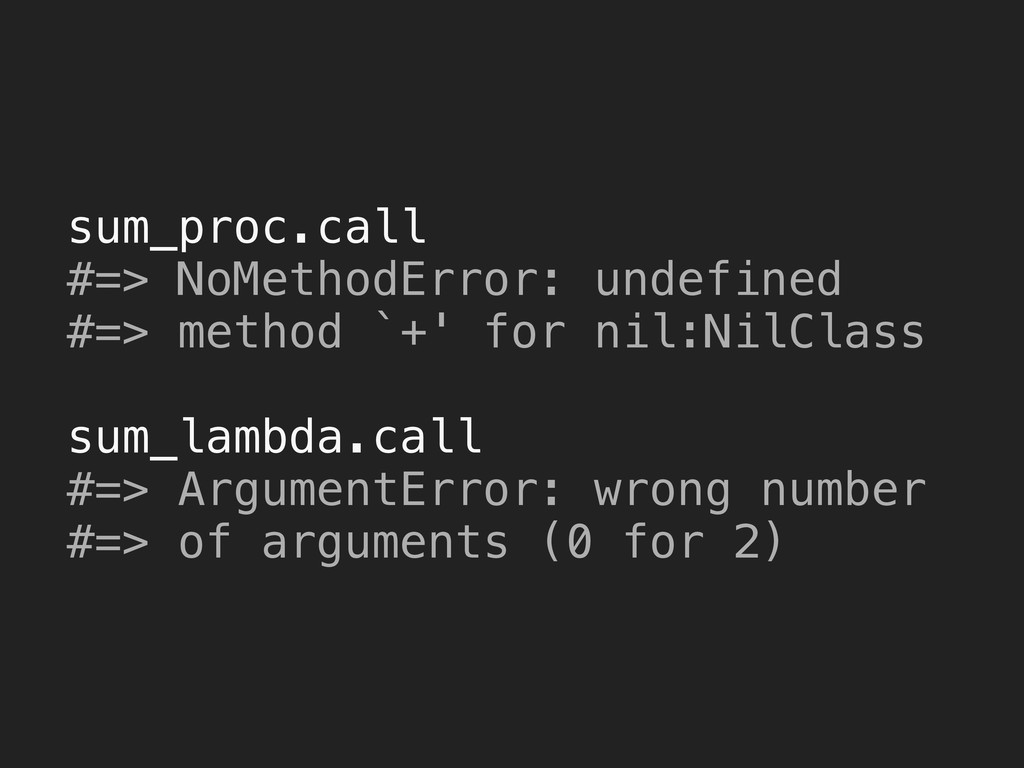
sum_proc.call #=> NoMethodError: undefined #=> method `+' for nil:NilClass sum_lambda.call
#=> ArgumentError: wrong number #=> of arguments (0 for 2)
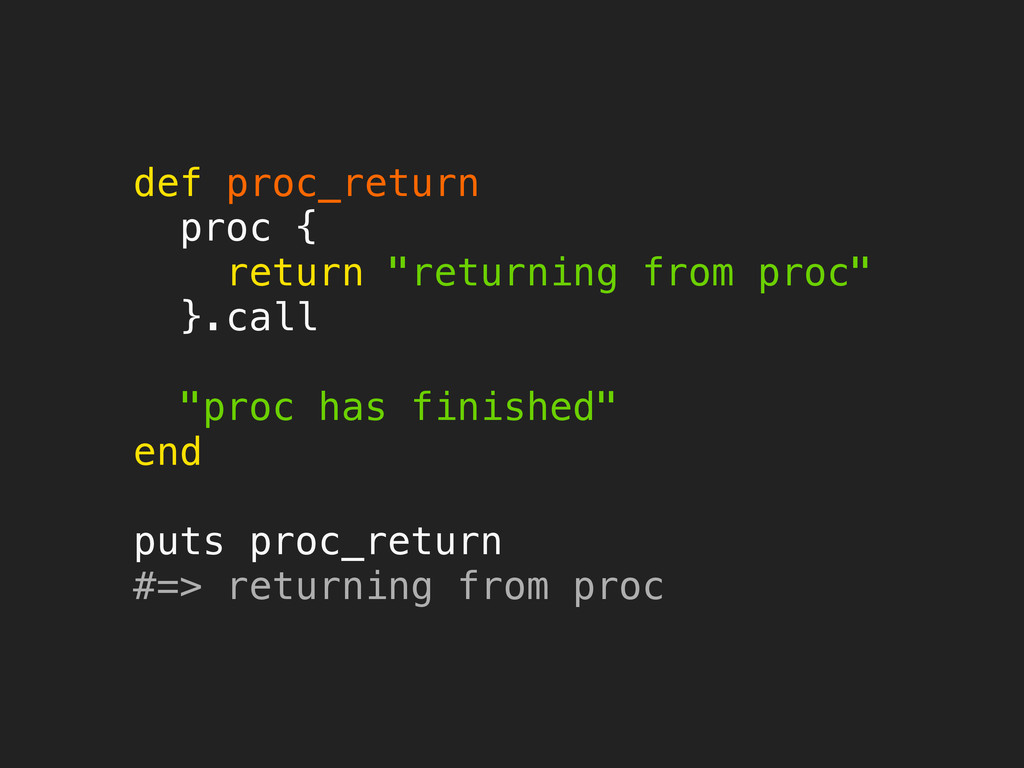
def proc_return proc { return "returning from proc" }.call "proc
has finished" end puts proc_return #=> returning from proc
O retorno da proc, na verdade, faz com que o
método pare de executar.
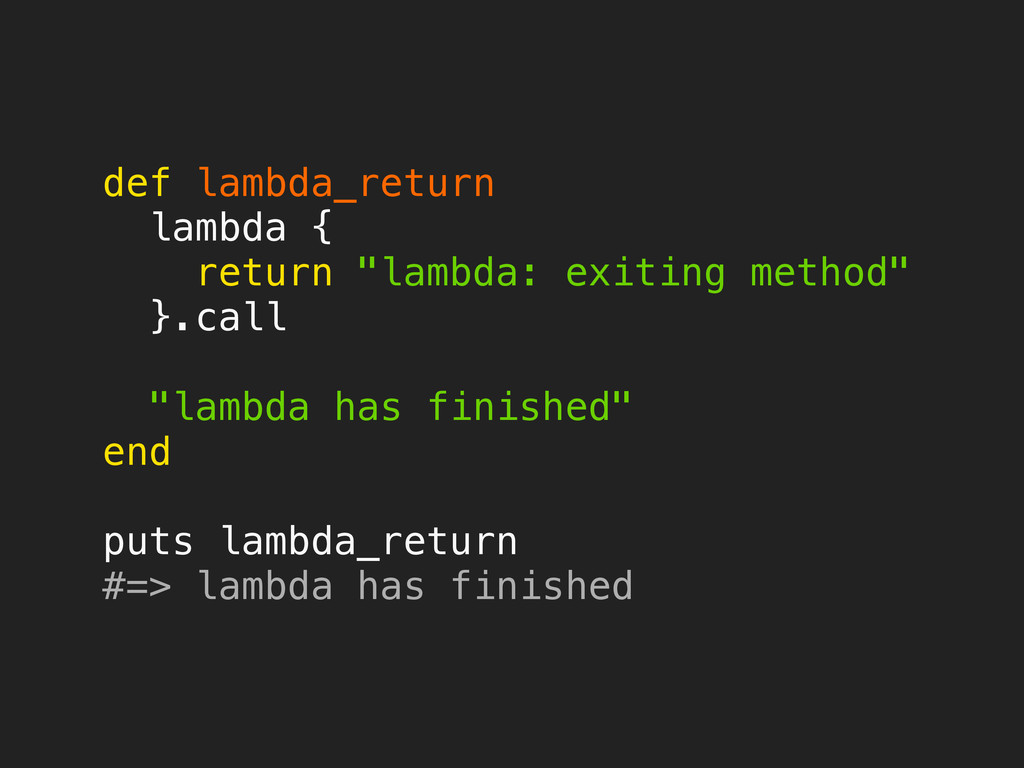
def lambda_return lambda { return "lambda: exiting method" }.call "lambda
has finished" end puts lambda_return #=> lambda has finished
O retorno do lambda é auto- contido e não afeta
o método.
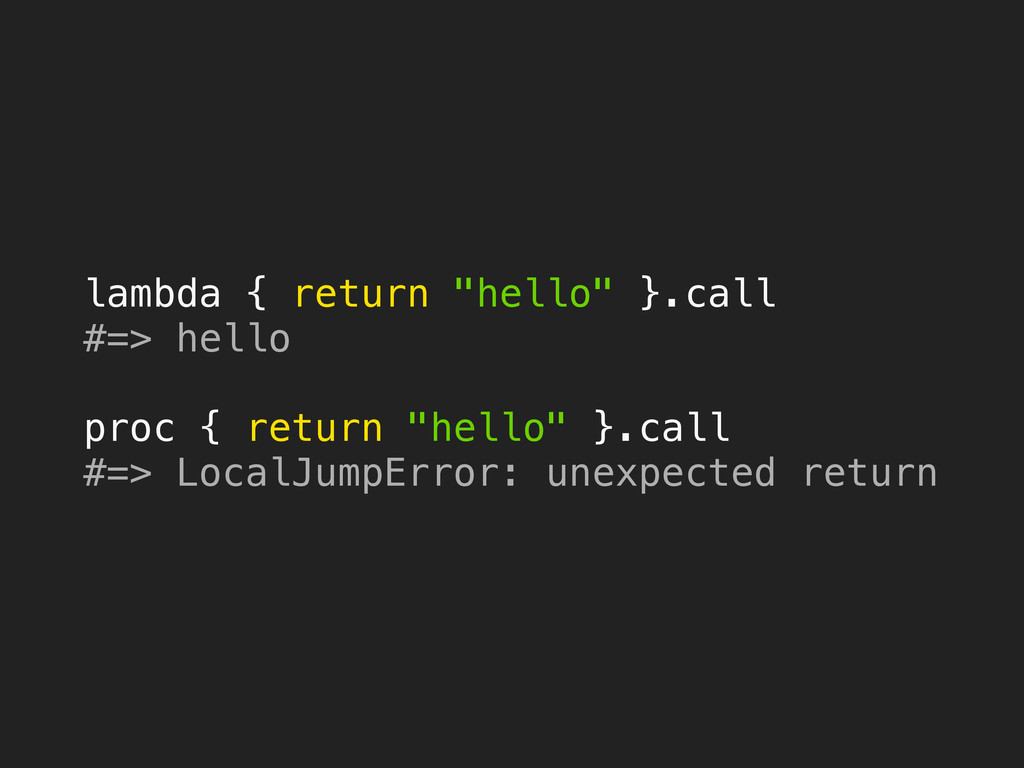
O retorno de procs pode, inclusive, lançar exceções.
lambda { return "hello" }.call #=> hello proc { return
"hello" }.call #=> LocalJumpError: unexpected return
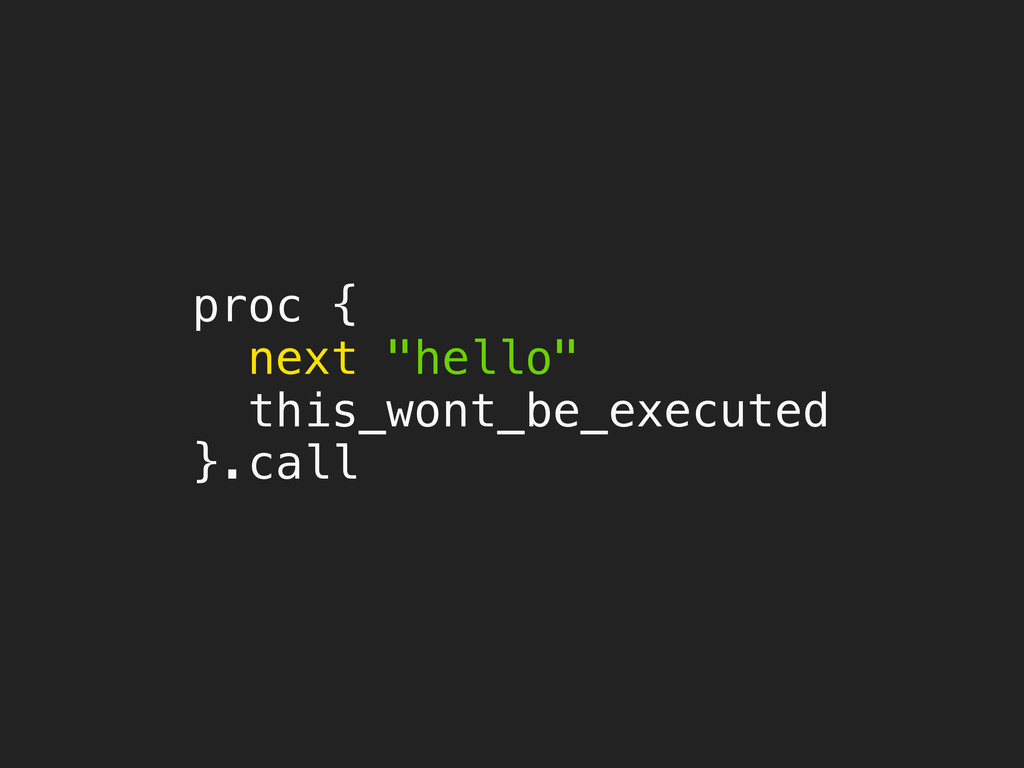
proc { next "hello" this_wont_be_executed }.call
CALLABLE OBJECTS
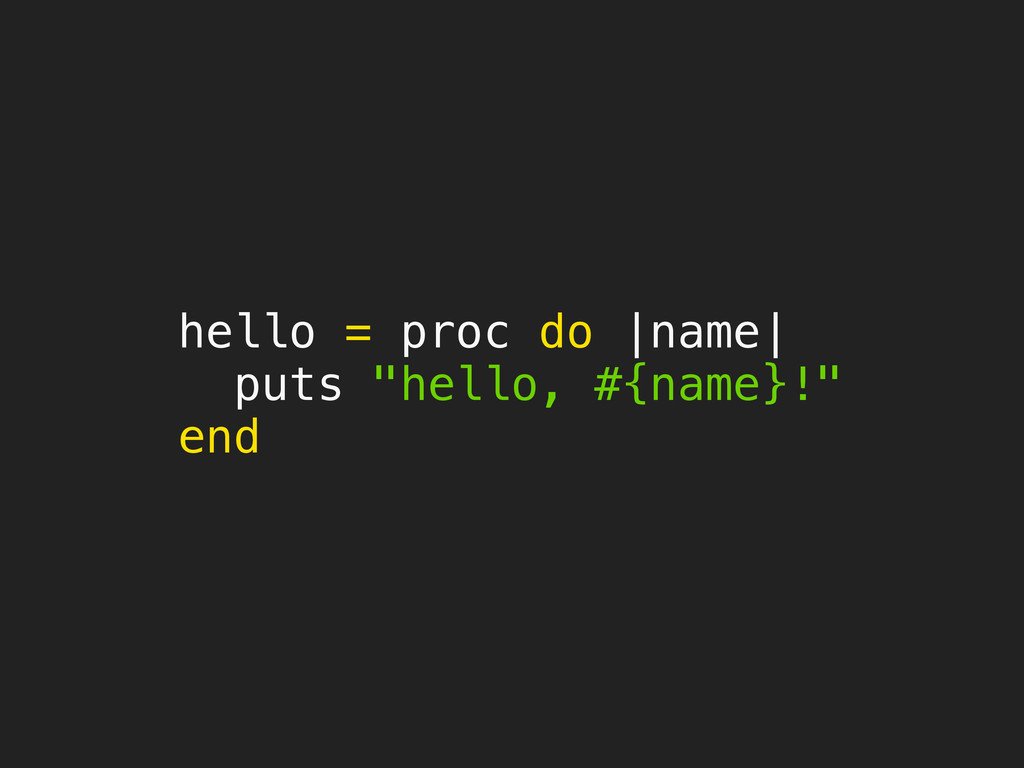
hello = proc do |name| puts "hello, #{name}!" end
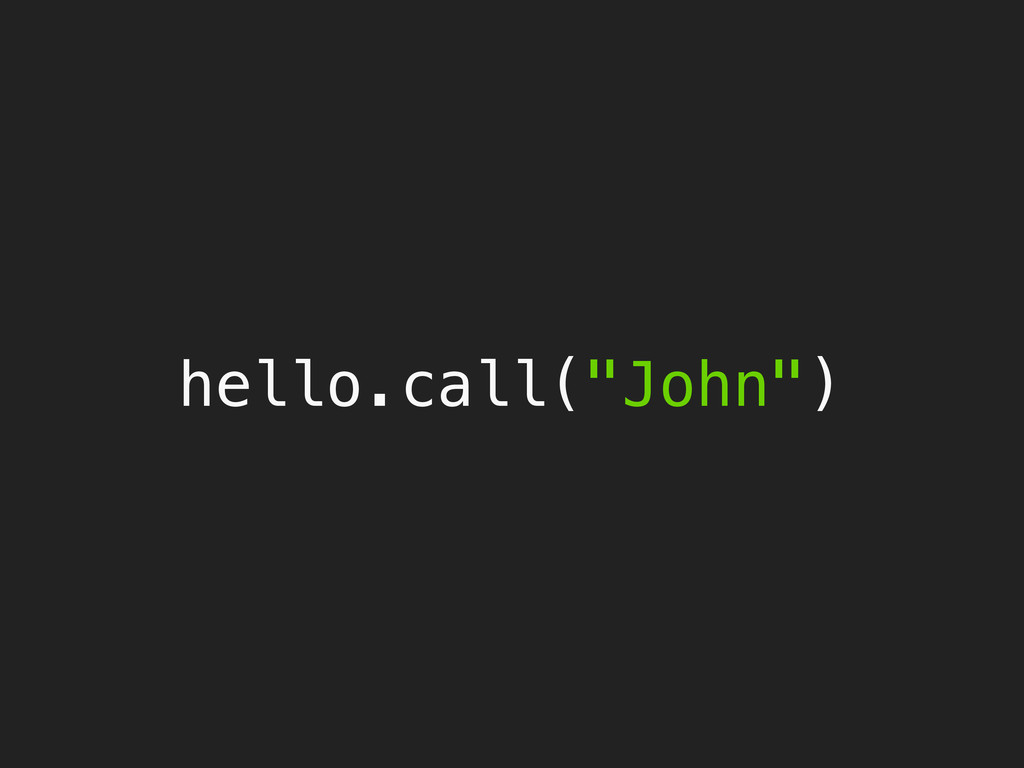
hello.call("John")
hello["John"]
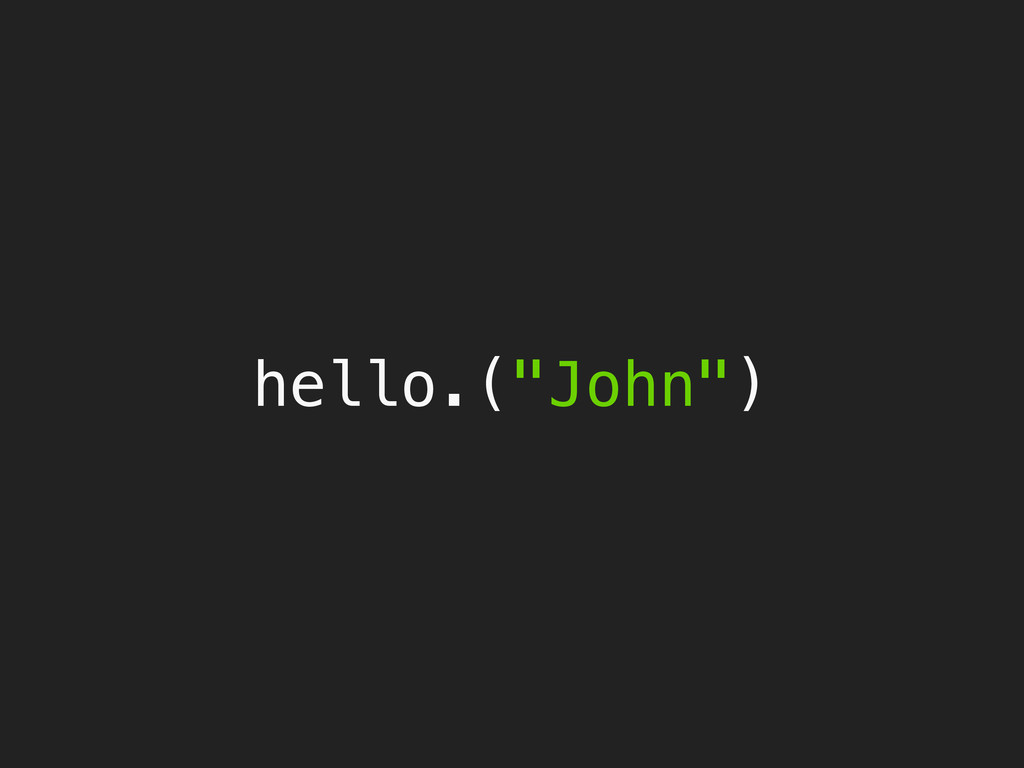
hello.("John")
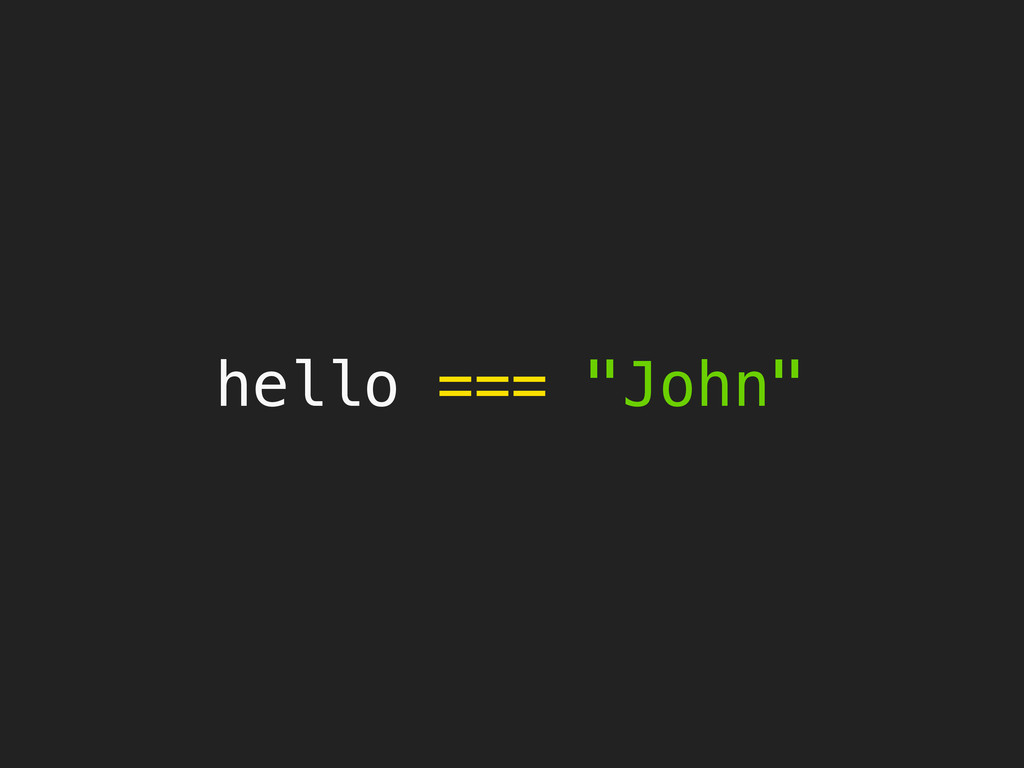
hello === "John"
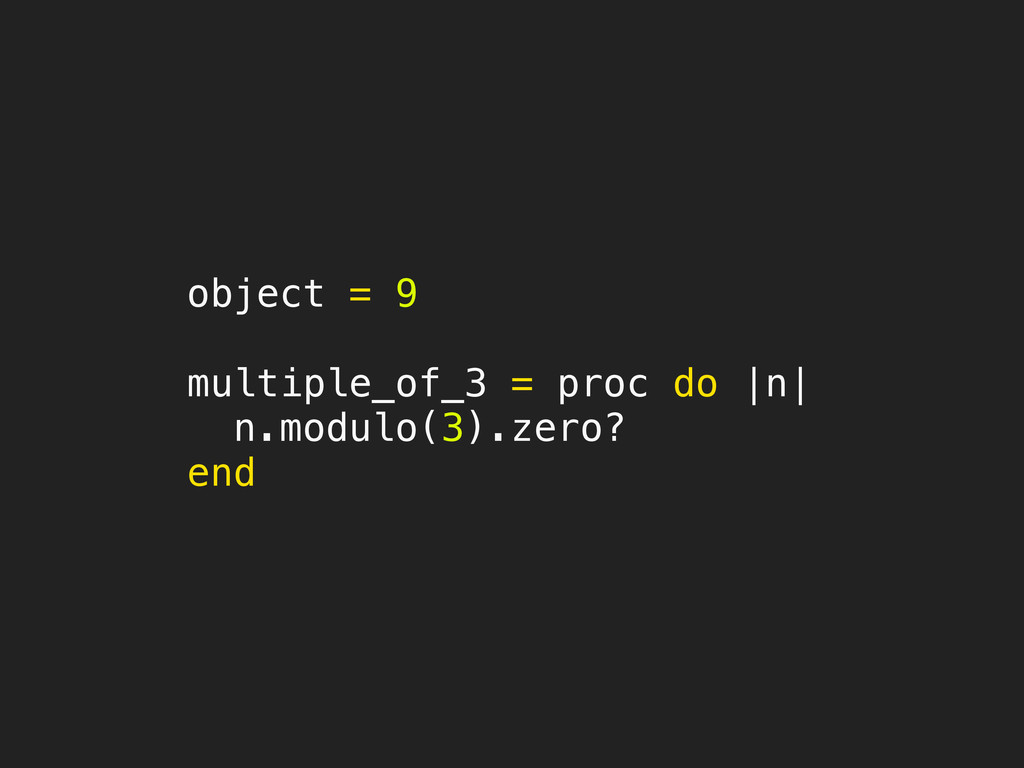
object = 9 multiple_of_3 = proc do |n| n.modulo(3).zero? end
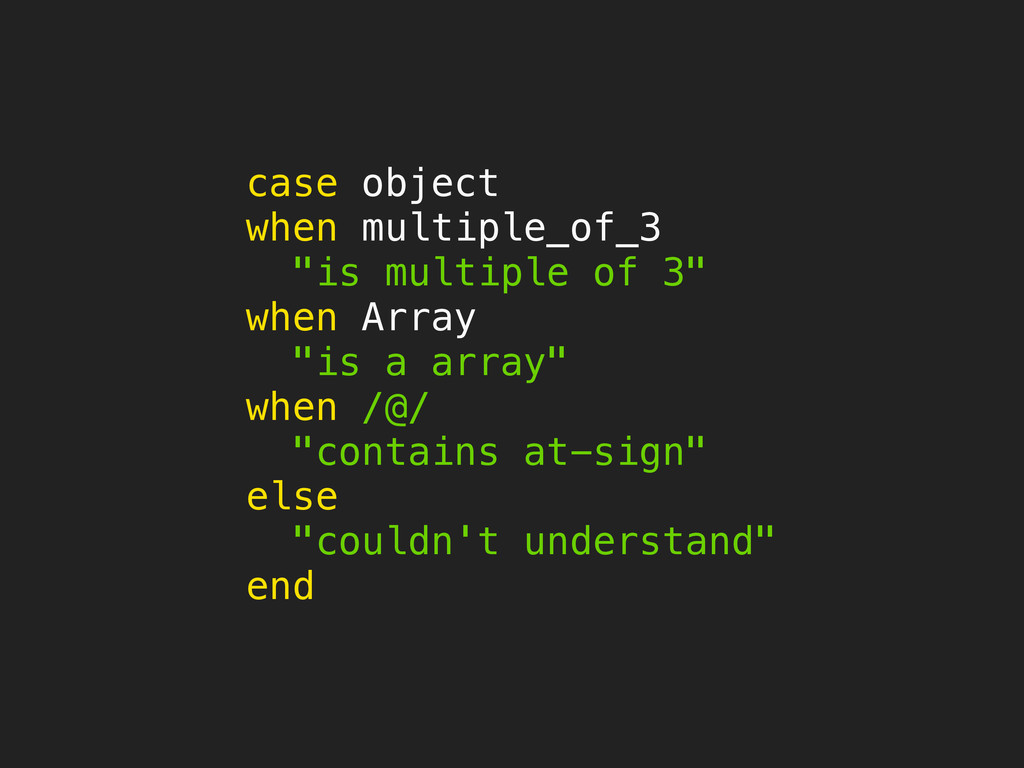
case object when multiple_of_3 "is multiple of 3" when Array
"is a array" when /@/ "contains at-sign" else "couldn't understand" end
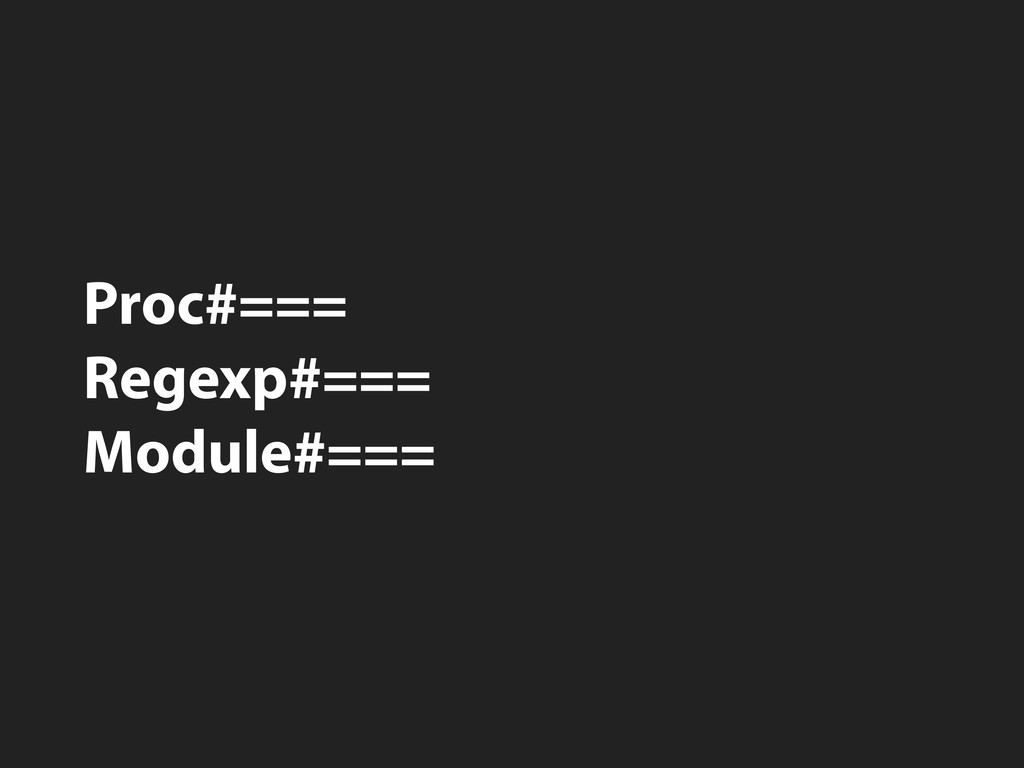
Proc#=== Regexp#=== Module#===
Array === [] #=> true multiple_of_3 === 9 #=> true
/@/ === "
[email protected]
" #=> true
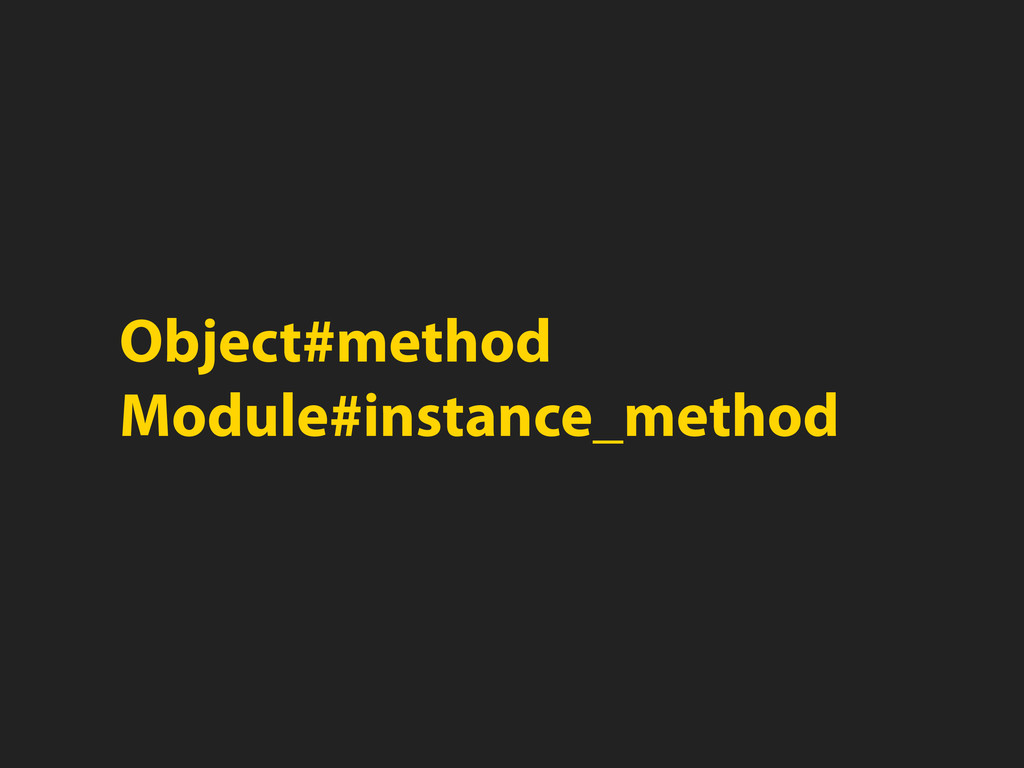
Object#method Module#instance_method
Métodos não são objetos de primeira classe.
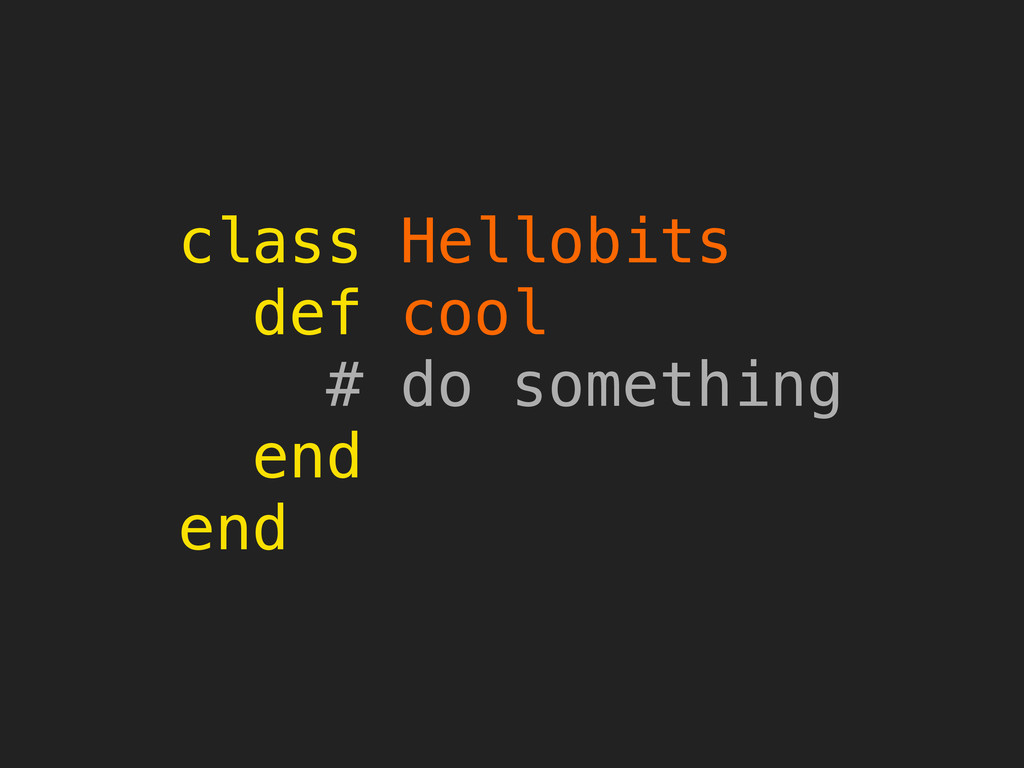
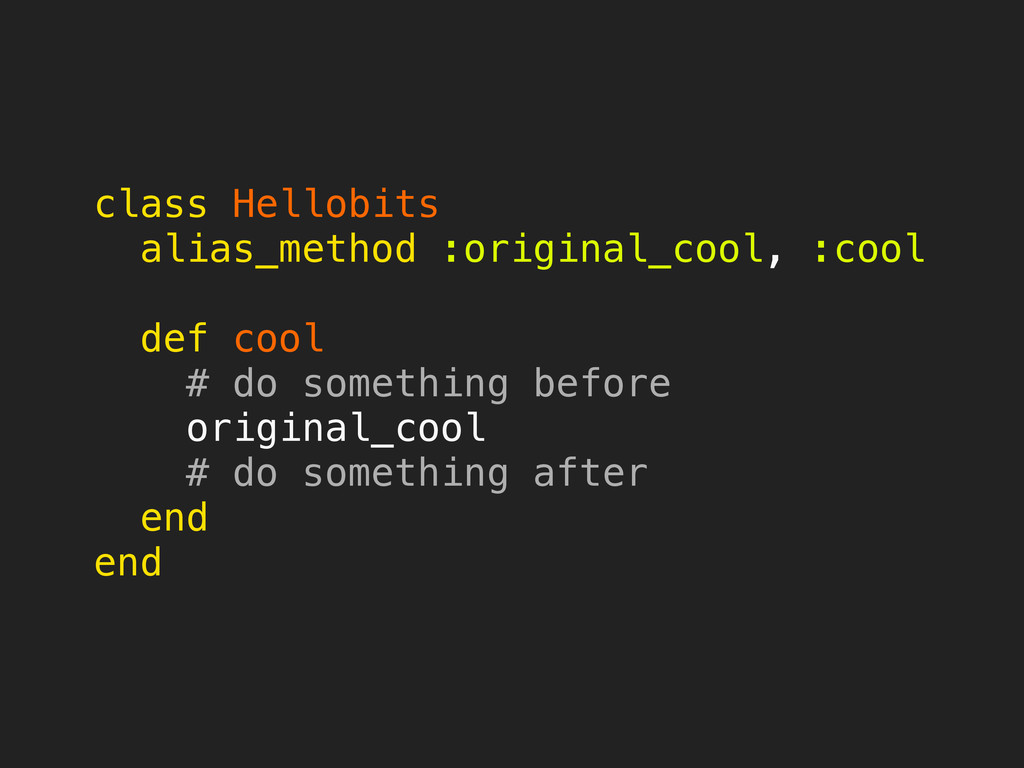
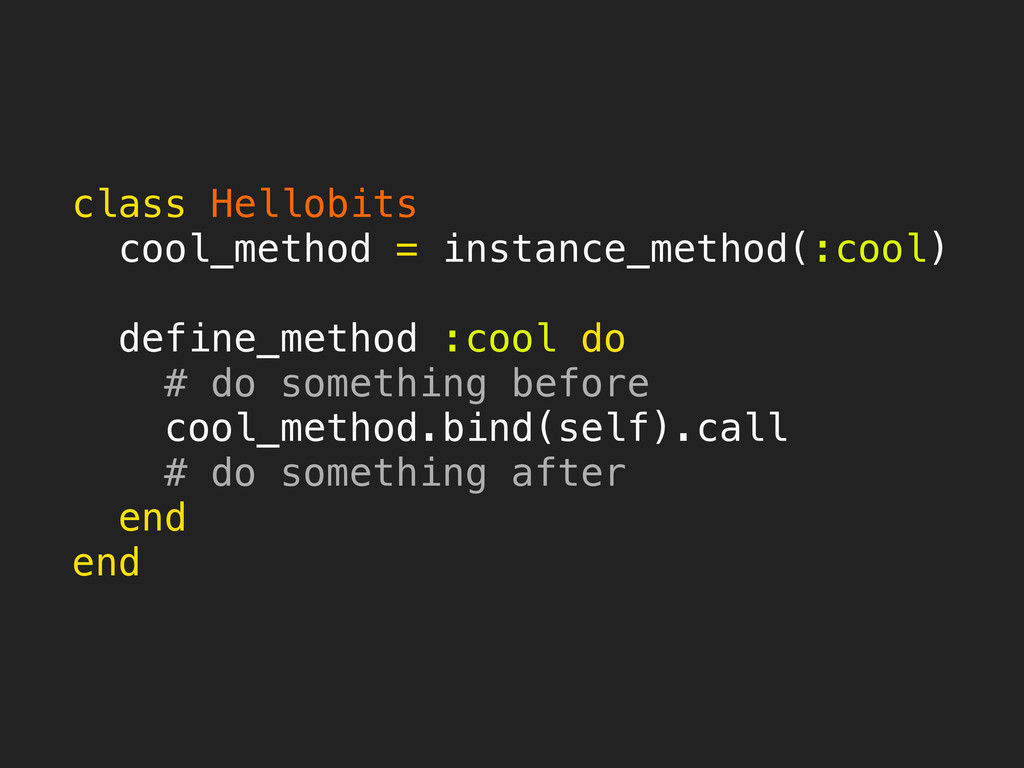
Estendendo métodos sem ter que criar uma nova classe.
class Hellobits def cool # do something end end
class Hellobits alias_method :original_cool, :cool def cool # do something
before original_cool # do something after end end
class Hellobits cool_method = instance_method(:cool) define_method :cool do # do
something before cool_method.bind(self).call # do something after end end
SPLATTING
*args
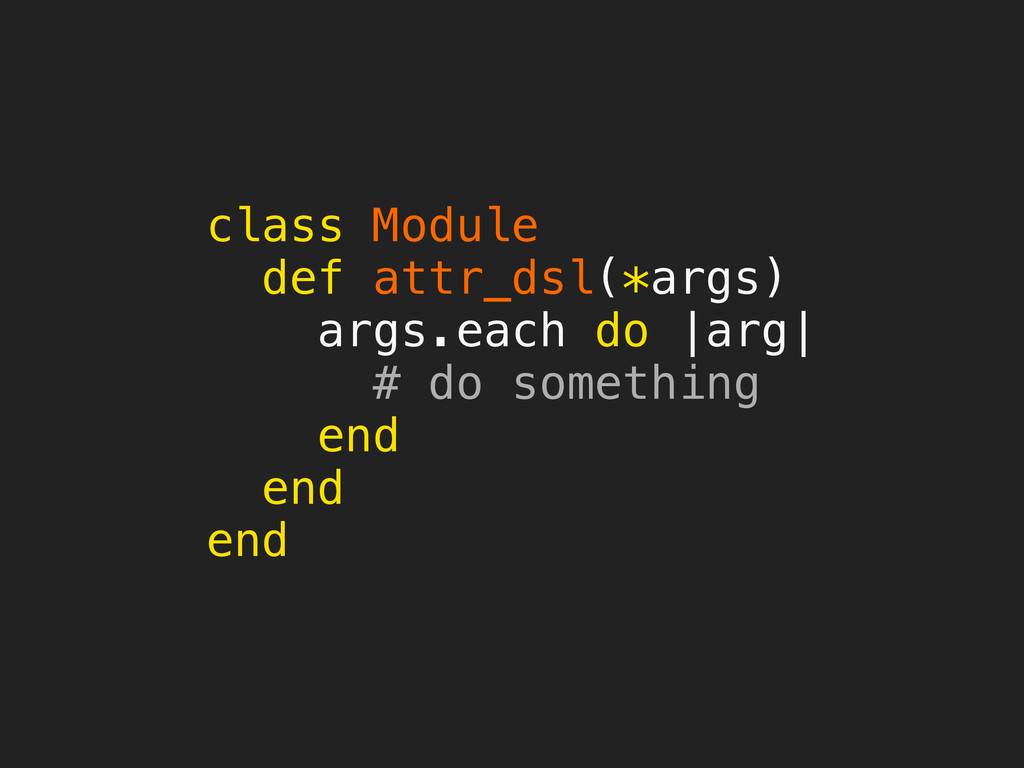
class Module def attr_dsl(*args) args.each do |arg| # do something
end end end
class Settings names = %w[path size locale] attr_dsl *names end
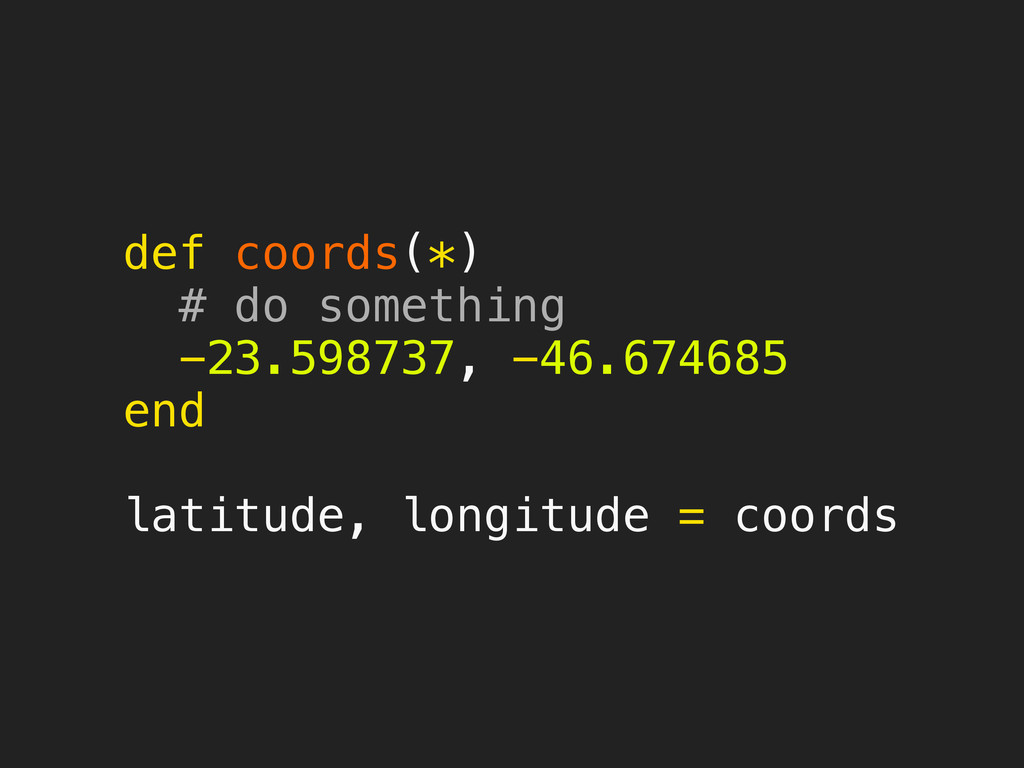
def coords(*) # do something -23.598737, -46.674685 end latitude, longitude
= coords
a, b, c, d = [1, 2, 3, 4]
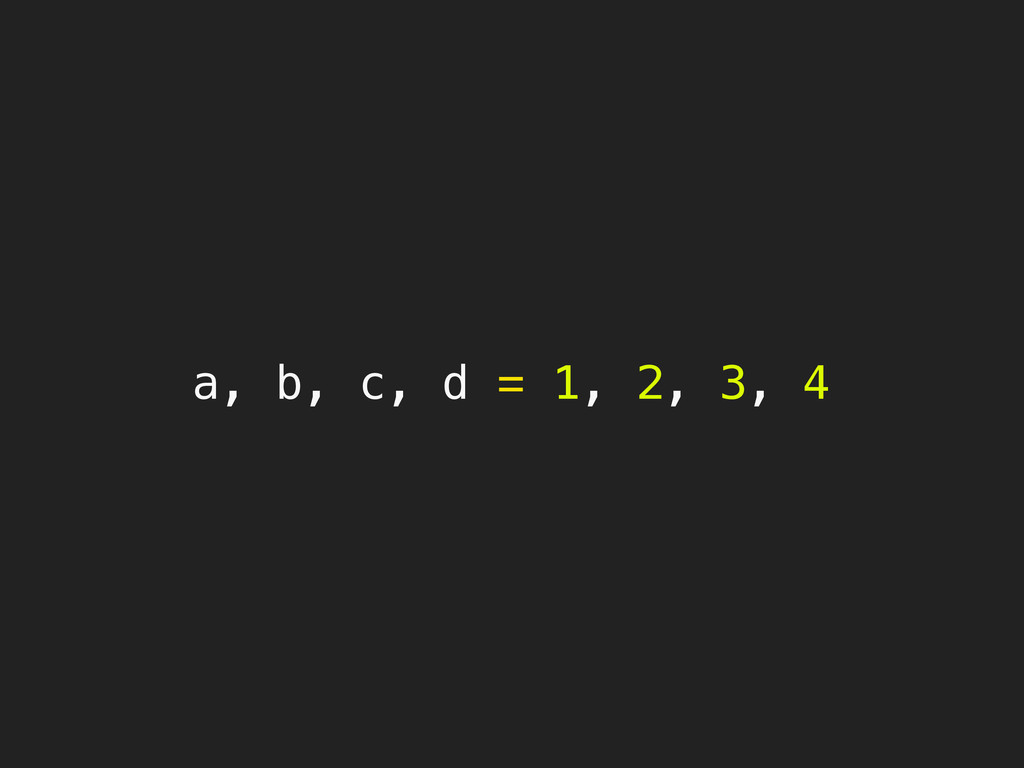
a, b, c, d = 1, 2, 3, 4
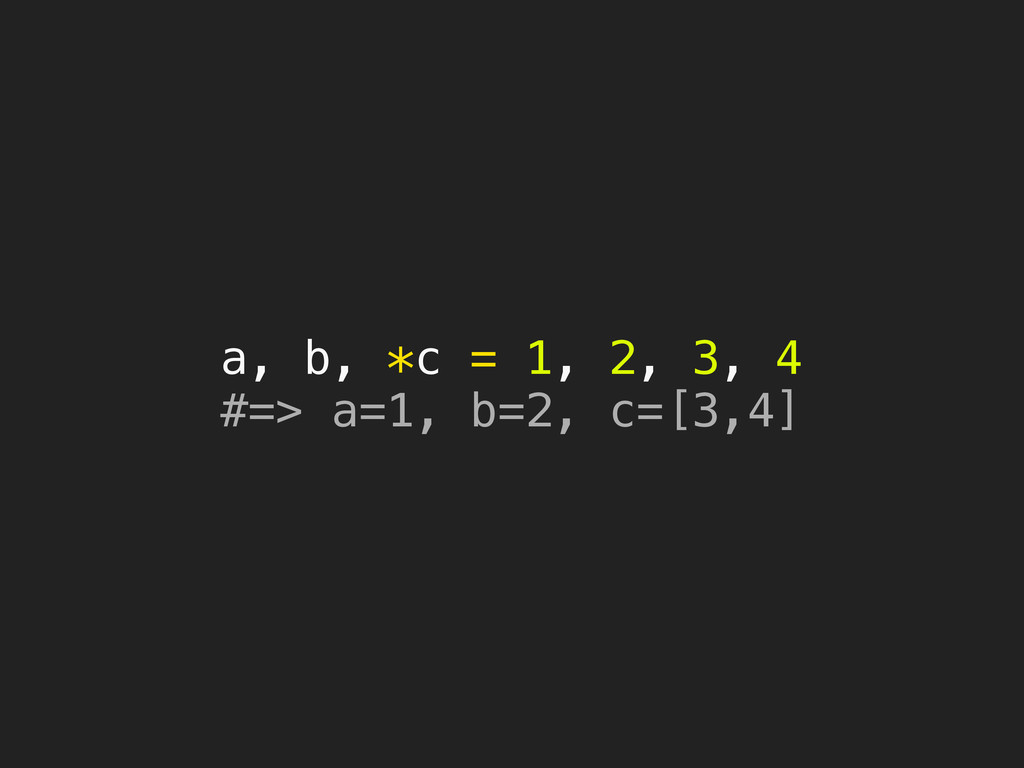
a, b, *c = 1, 2, 3, 4 #=> a=1,
b=2, c=[3,4]
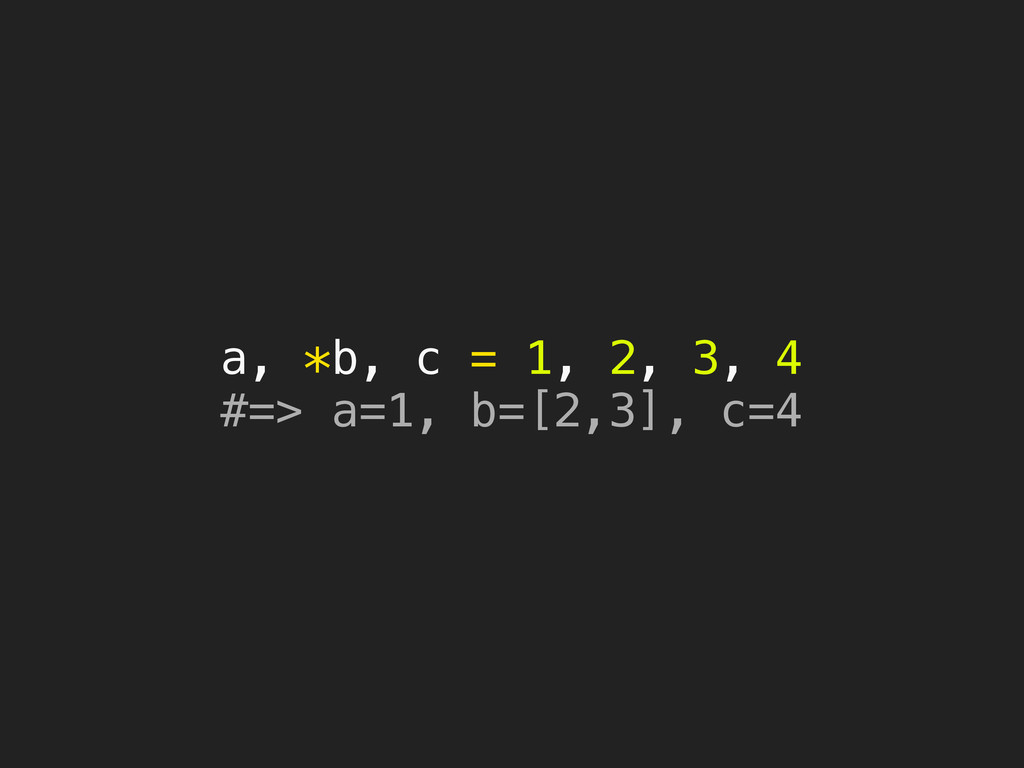
a, *b, c = 1, 2, 3, 4 #=> a=1,
b=[2,3], c=4
numbers = [1, 2, 3] more_numbers = [*numbers, 4, 5,
6] #=> [1, 2, 3, 4, 5, 6]
(1..10).to_a.sample [*1..10].sample
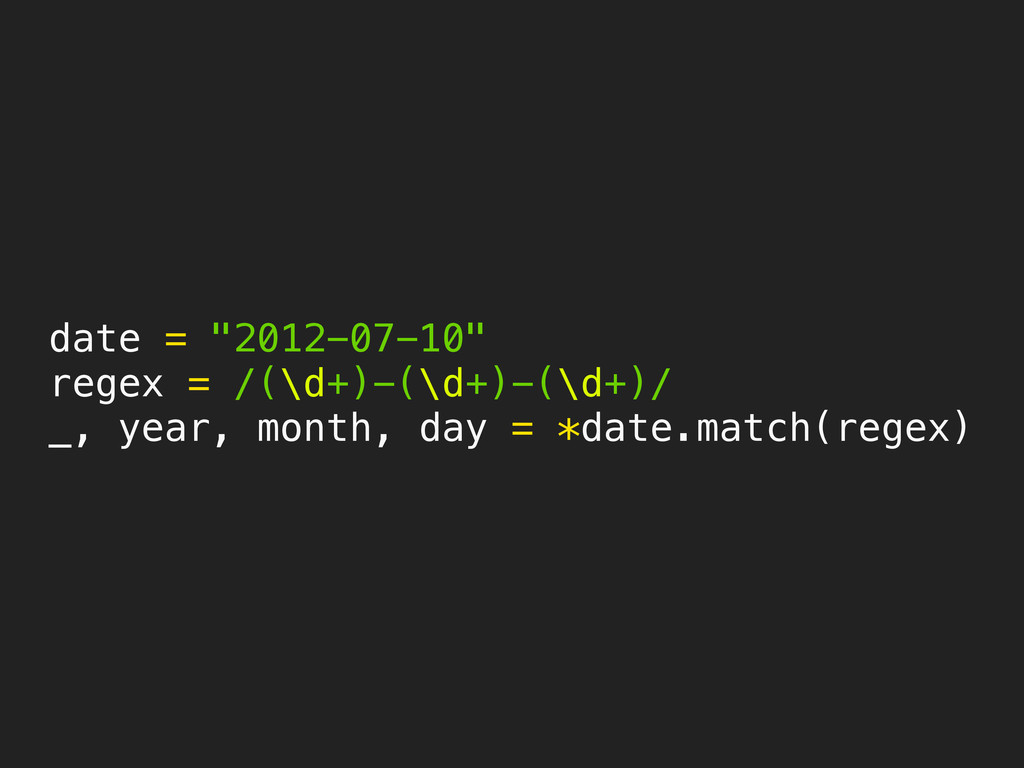
date = "2012-07-10" regex = /(\d+)-(\d+)-(\d+)/ _, year, month, day
= *date.match(regex)
class Sample def to_a [1, 2, 3] end end a,
b, c = *Sample.new
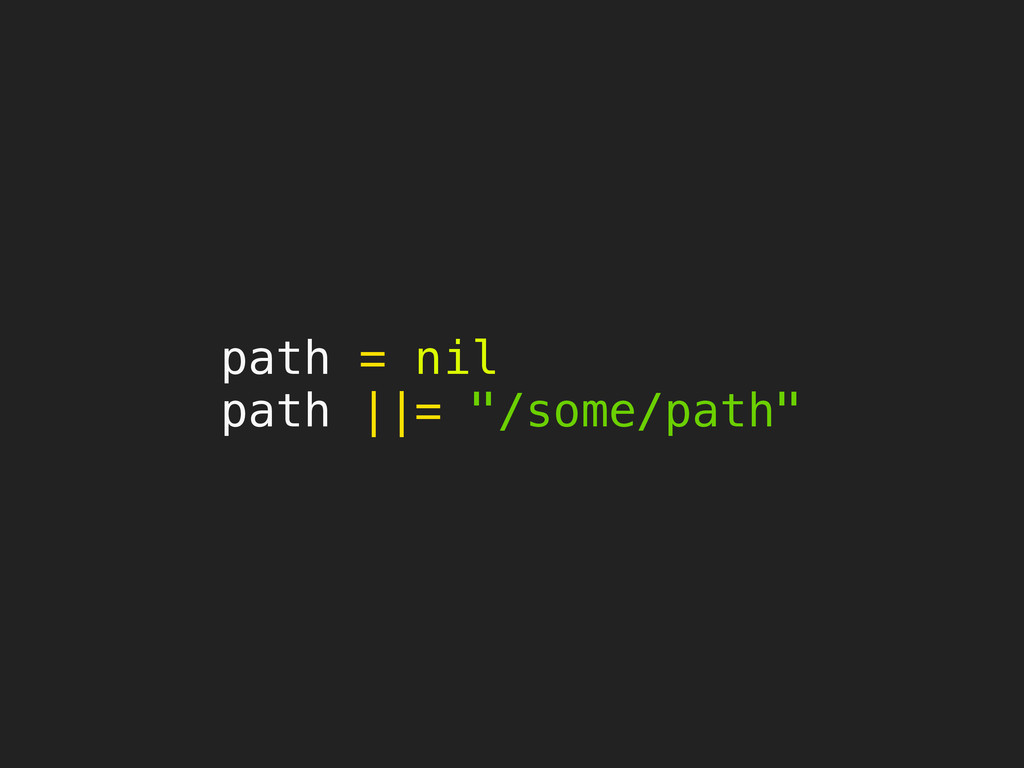
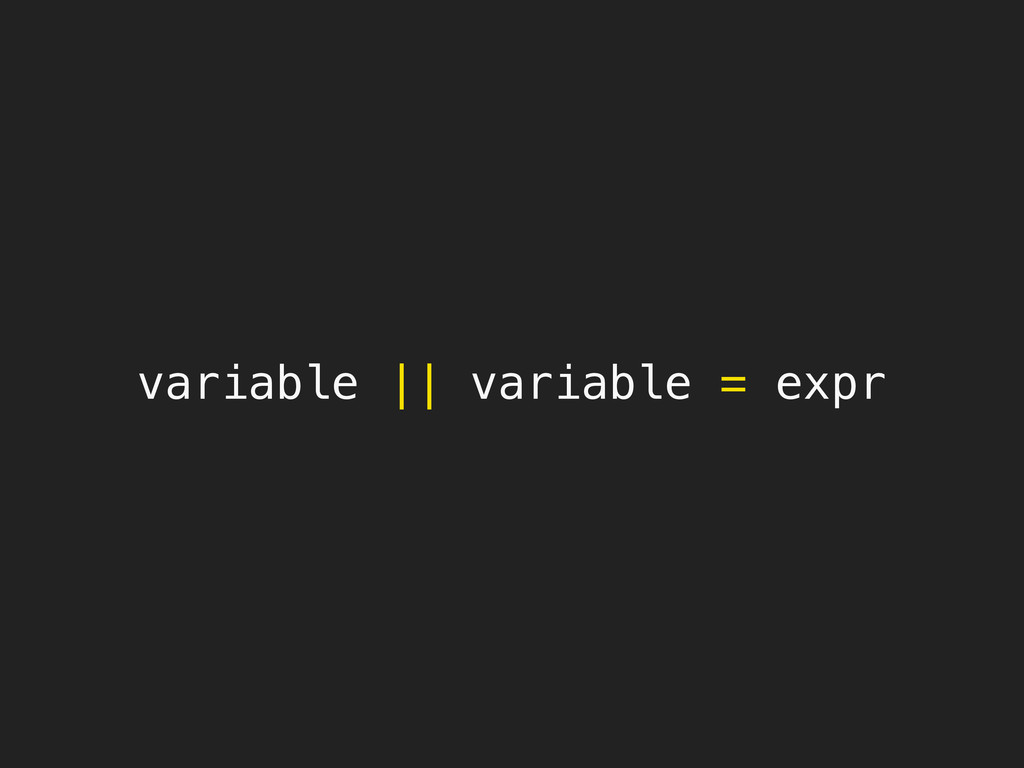
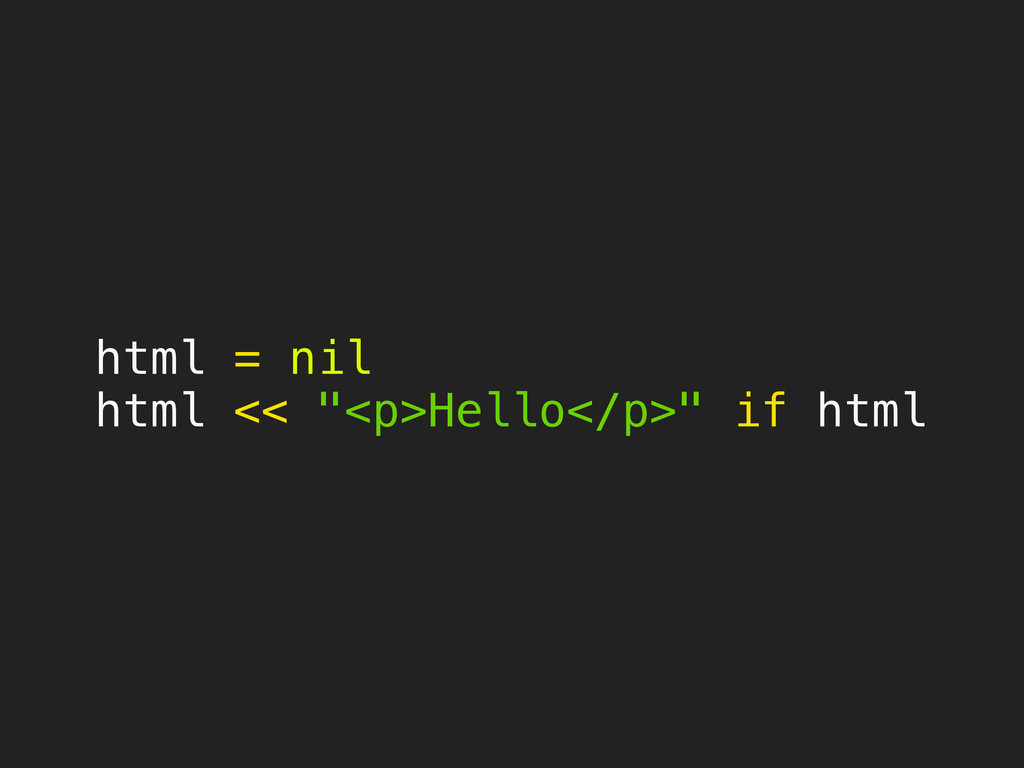
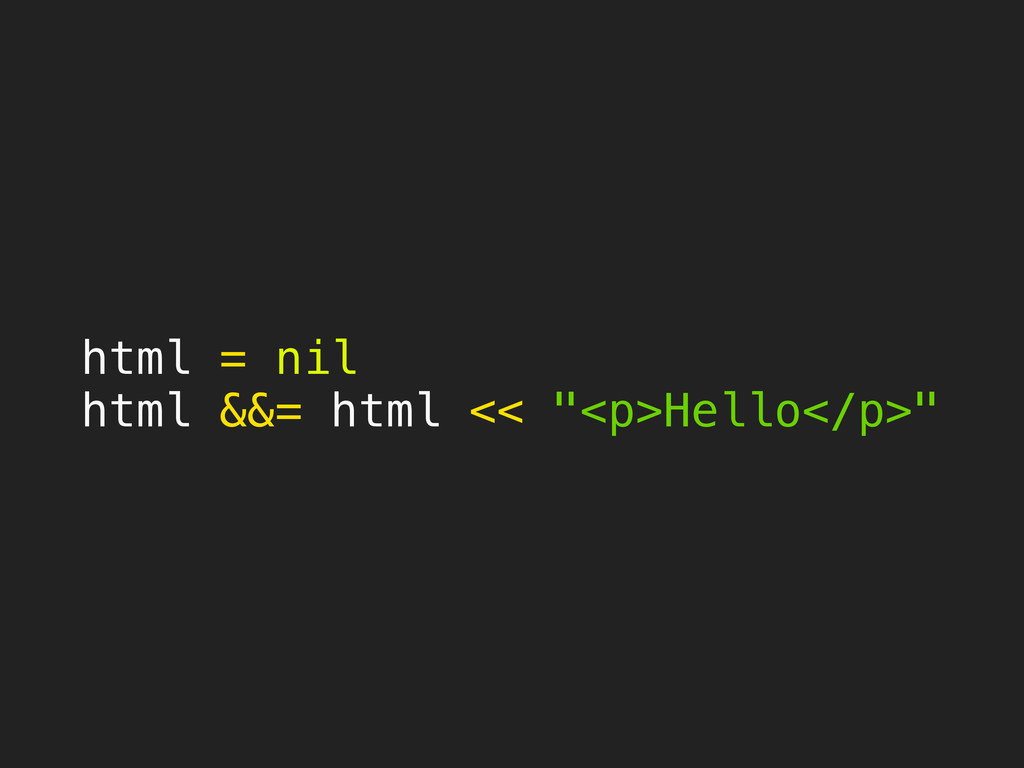
MAIS SOBRE ATRIBUIÇÕES
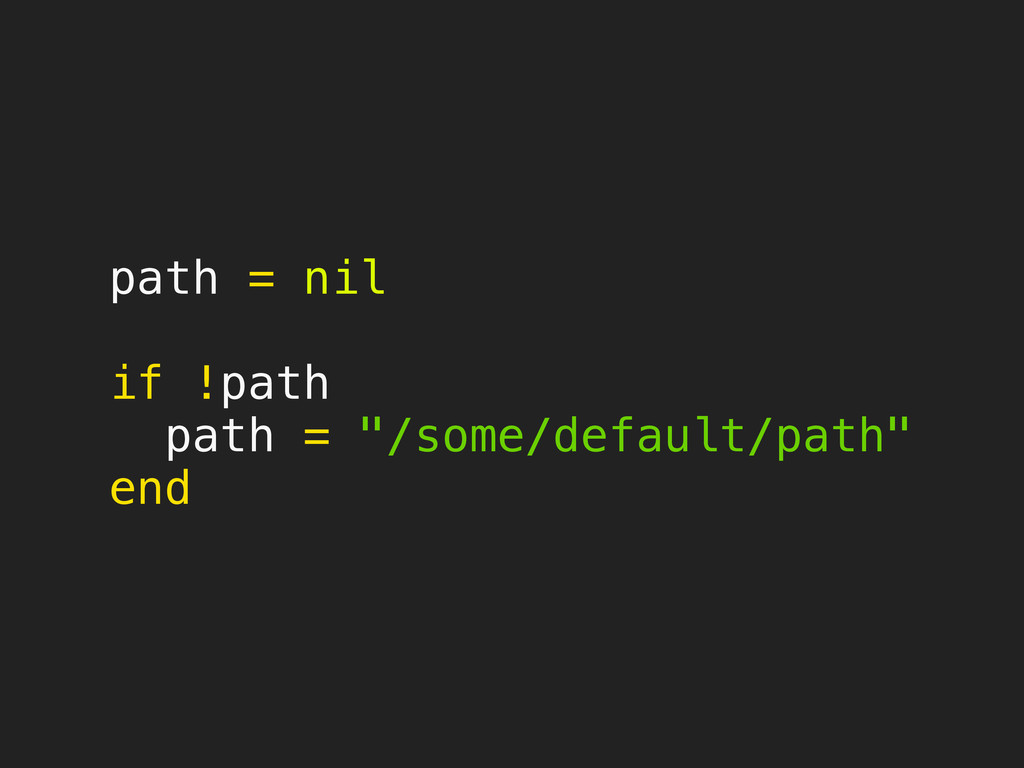
path = nil if !path path = "/some/default/path" end
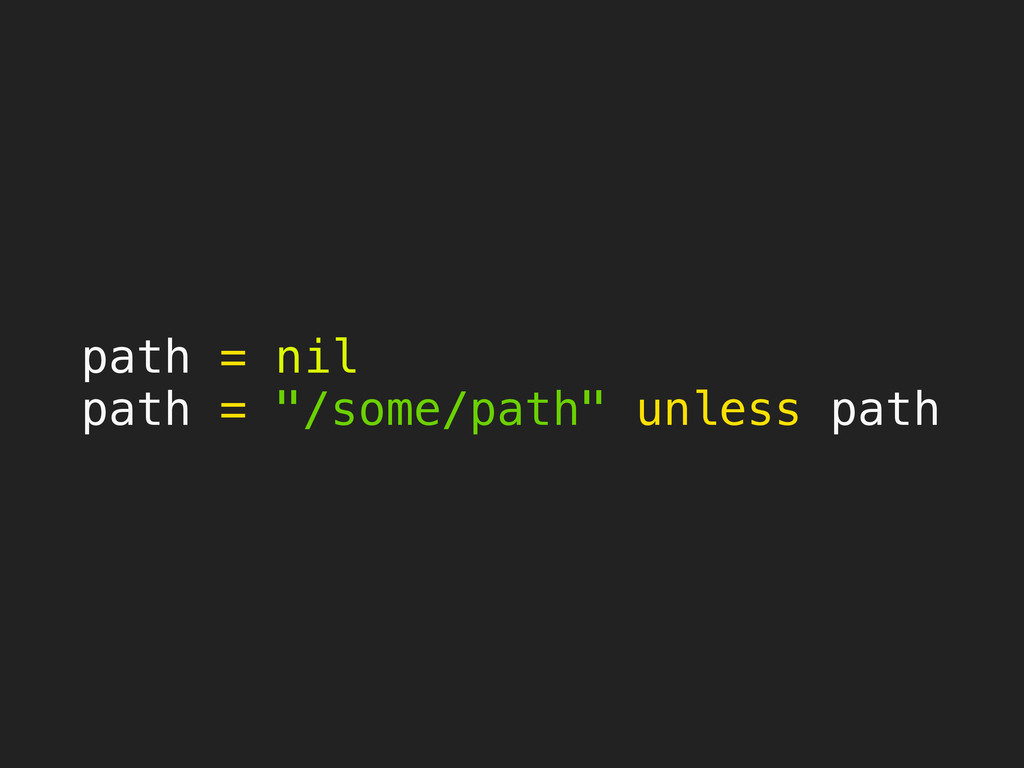
path = nil path = "/some/path" unless path
path = nil path ||= "/some/path"
variable || variable = expr
html = nil if html html << "<p>Hello</p>" end
html = nil html << "<p>Hello</p>" if html
html = nil html &&= html << "<p>Hello</p>"
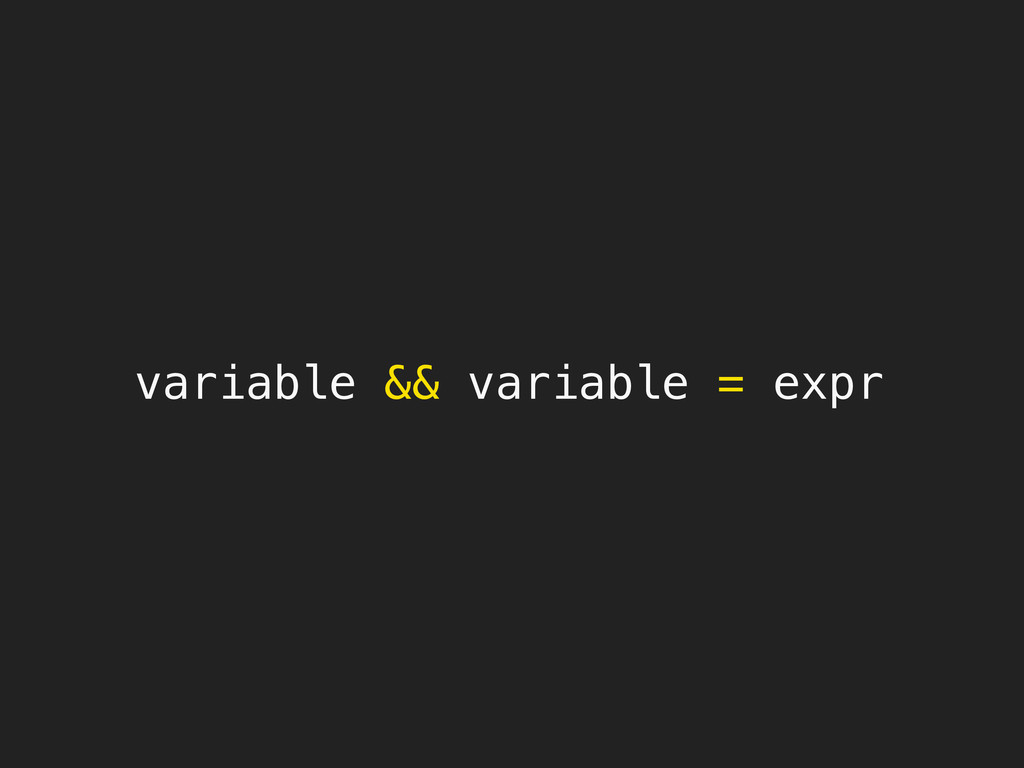
variable && variable = expr
DE ONDE VEM ESSE MÉTODO
user = User.new user.methods #=> [:name, :age, ...]
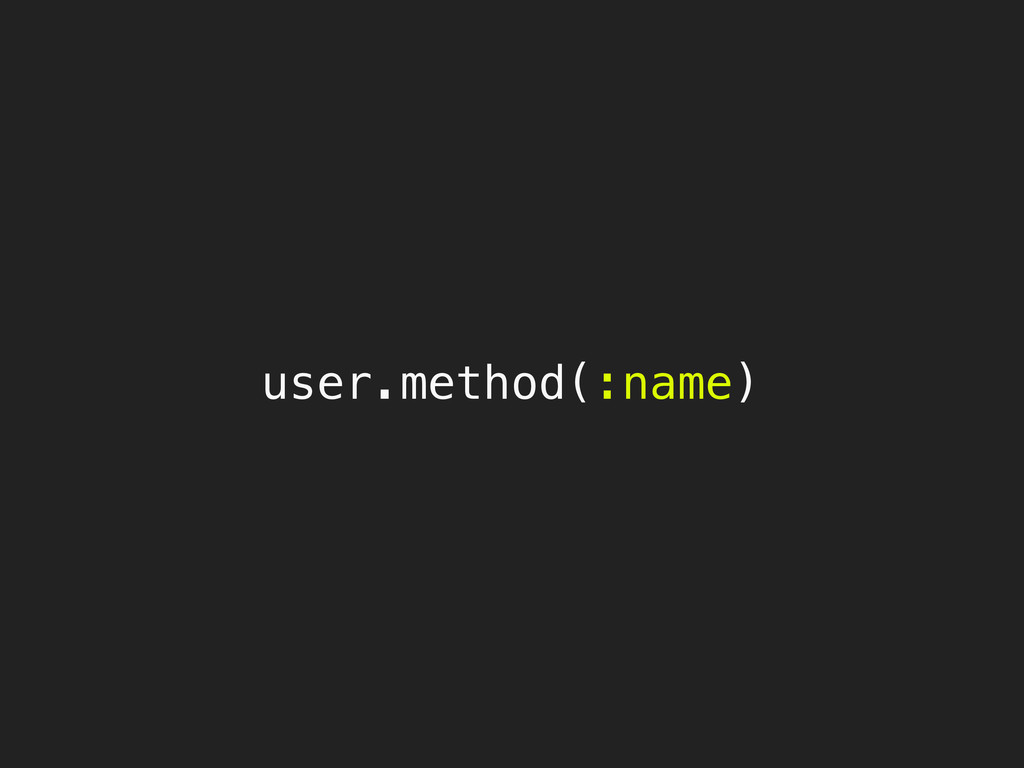
user.method(:name)
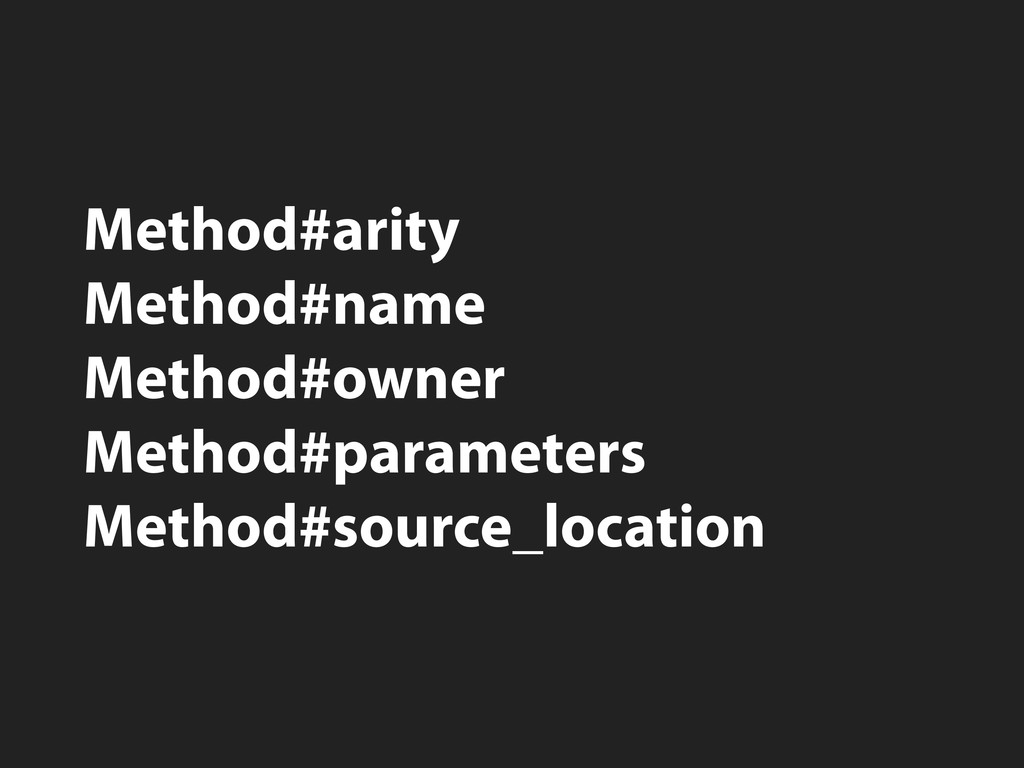
Method#arity Method#name Method#owner Method#parameters Method#source_location
user.method(:name) .source_location #=> ["/tmp/user.rb", 2]
EXPRESSÕES REGULARES
person = "John <
[email protected]
>" regex = /(.*?) <(.*?)>/ _, name,
email = *person.match(regex)
person[/(.*?) <(.*?)>/, 1] person[/(.*?) <(.*?)>/, 2]
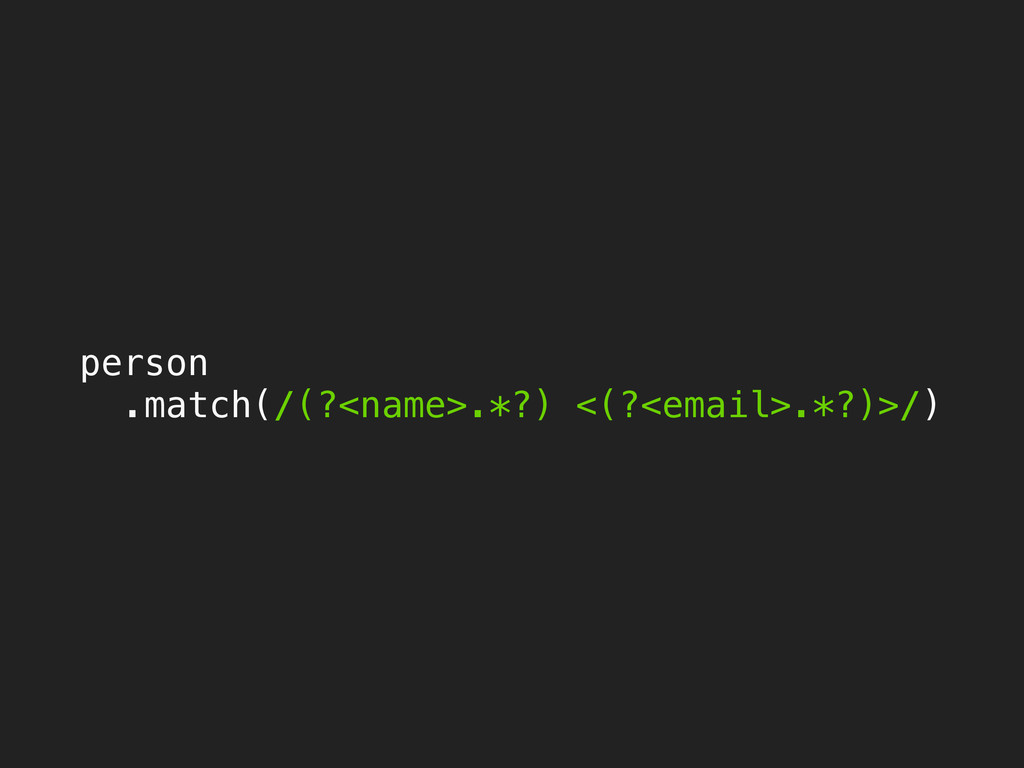
person .match(/(?<name>.*?) <(?<email>.*?)>/)
match.names #=> ["name", "email"] match.captures #=> ["John Doe", "
[email protected]
"] match[:name]
#=> "John Doe" match[:email] #=> "
[email protected]
"
ENUMERATORS
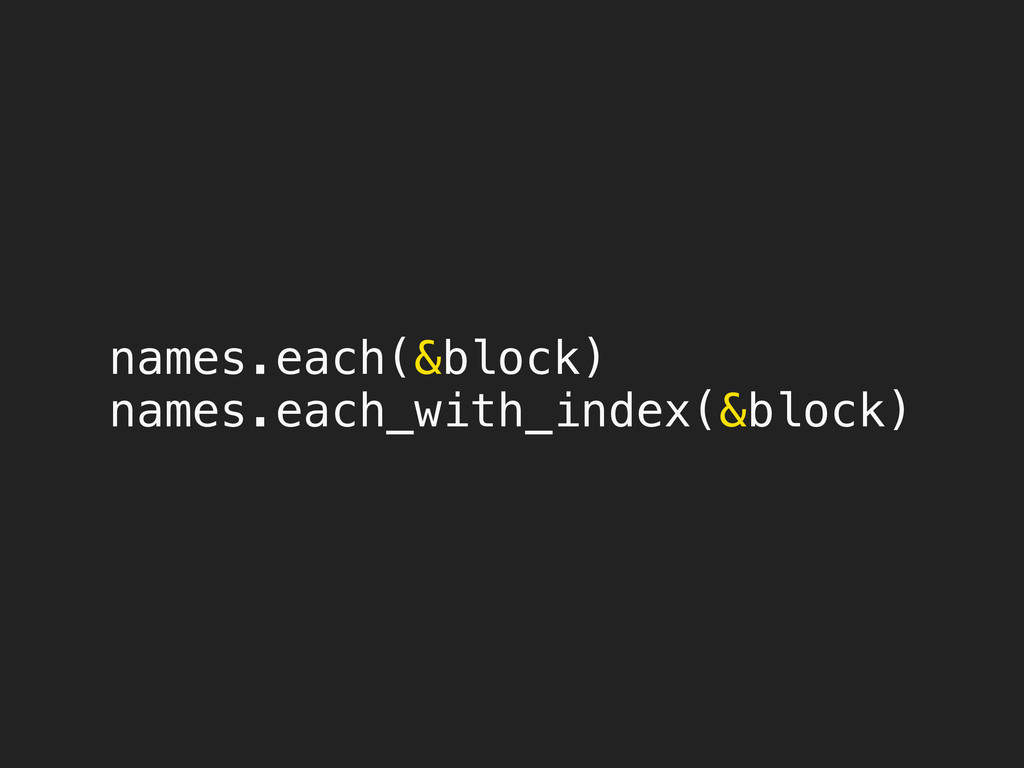
names.each(&block) names.each_with_index(&block)
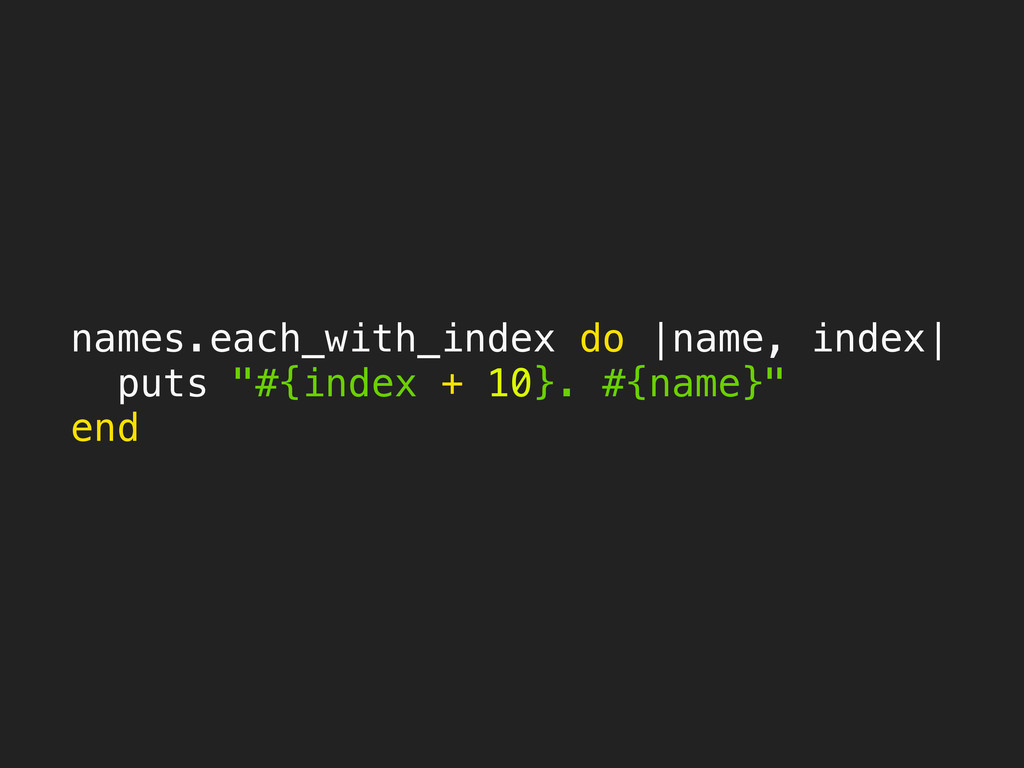
names.each_with_index do |name, index| puts "#{index + 10}. #{name}" end
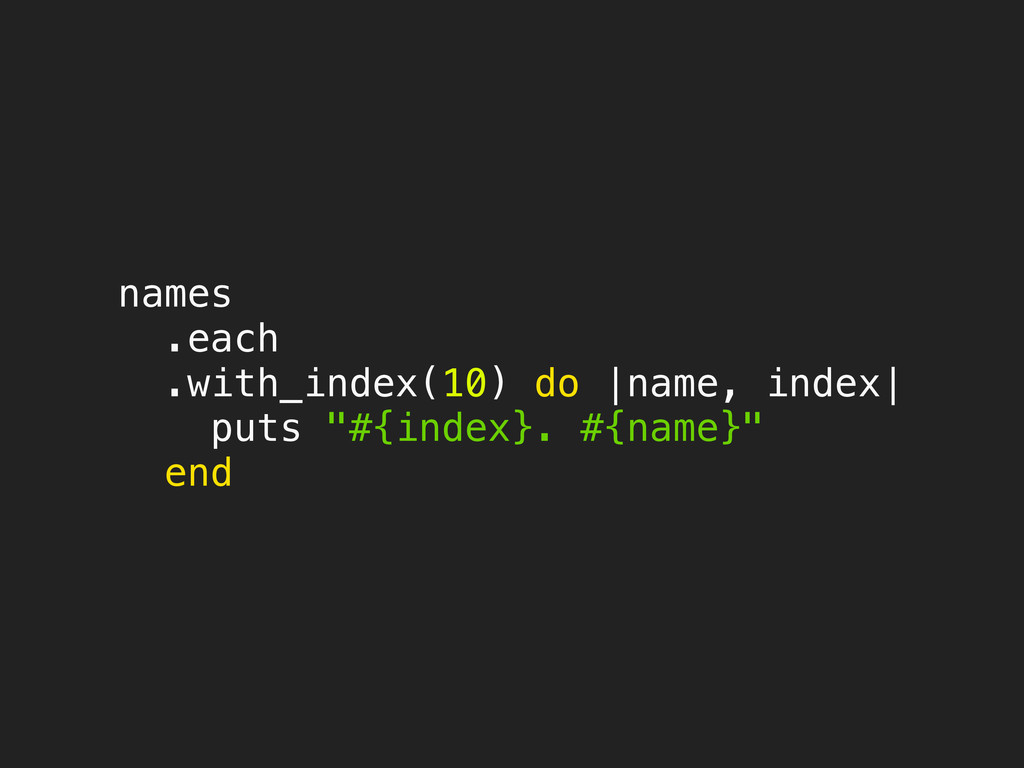
names .each .with_index(10) do |name, index| puts "#{index}. #{name}" end
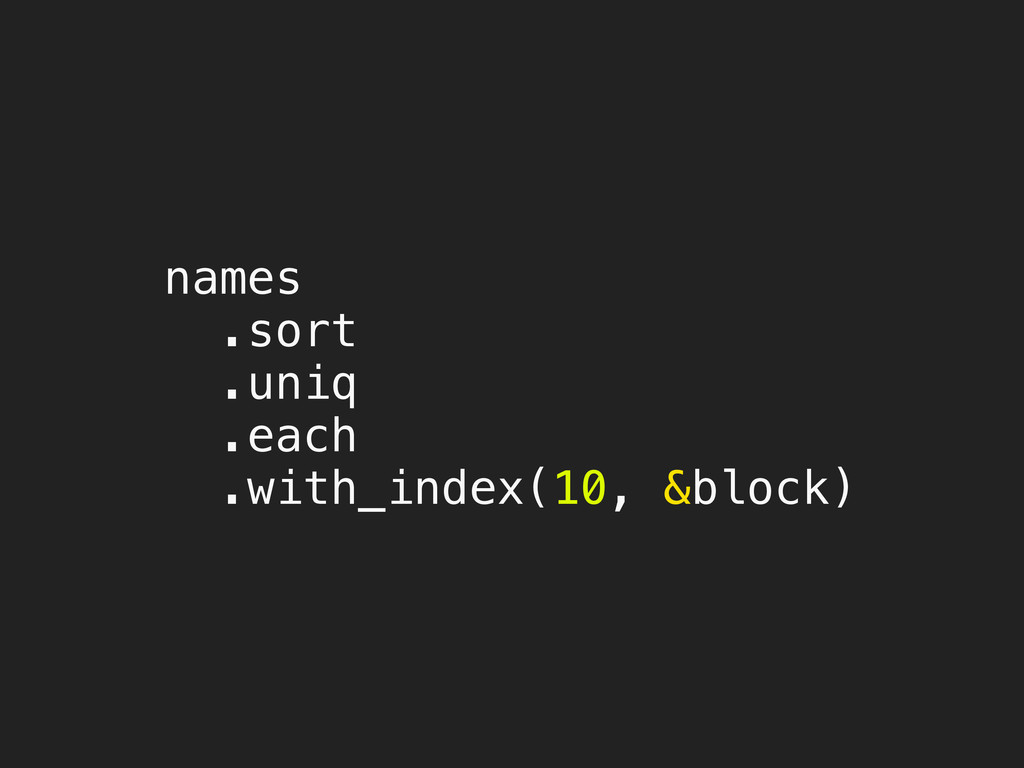
names .sort .uniq .each .with_index(10, &block)
HASHES & ENUMERATORS
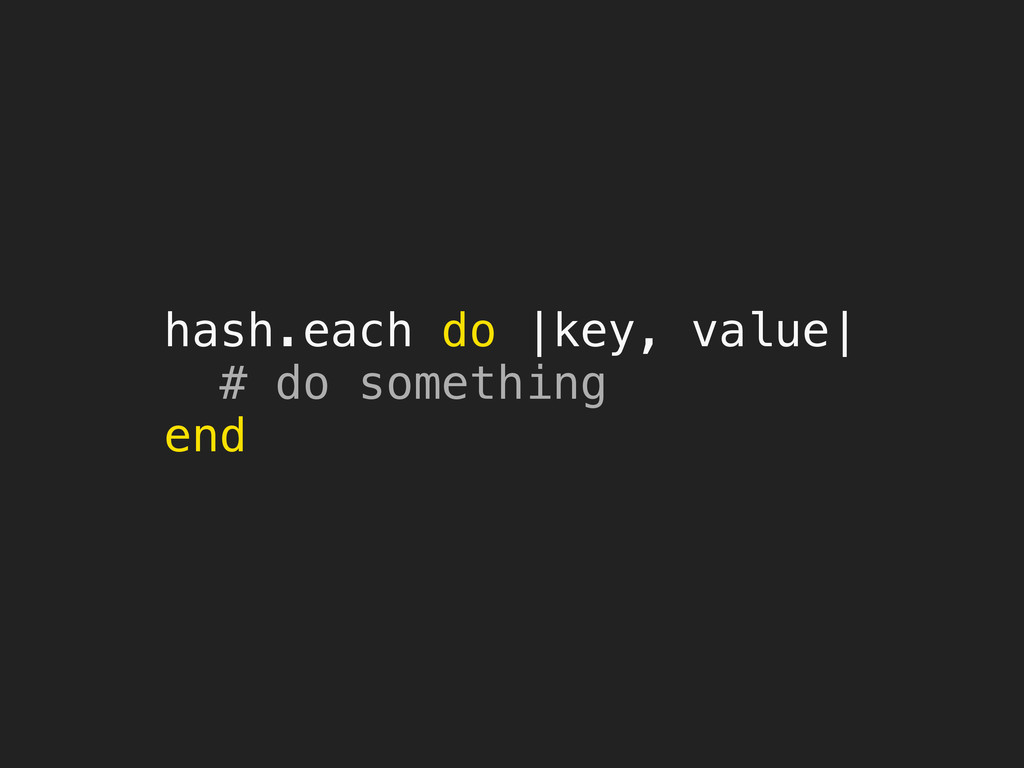
hash.each do |key, value| # do something end
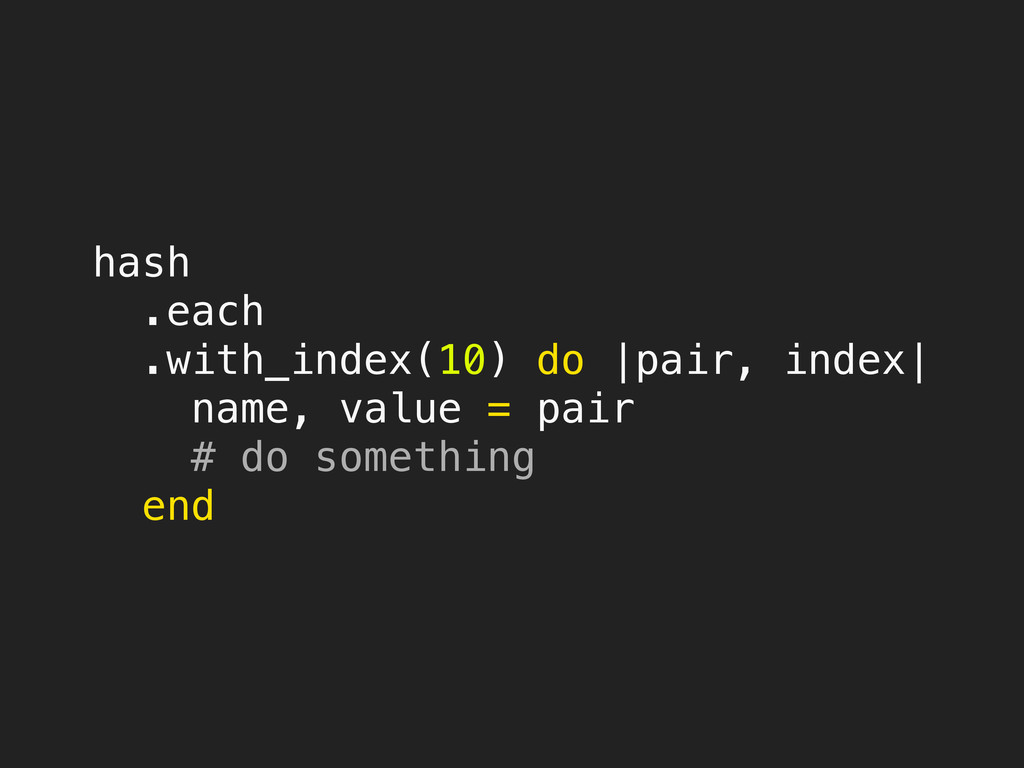
hash .each .with_index(10) do |pair, index| name, value = pair
# do something end
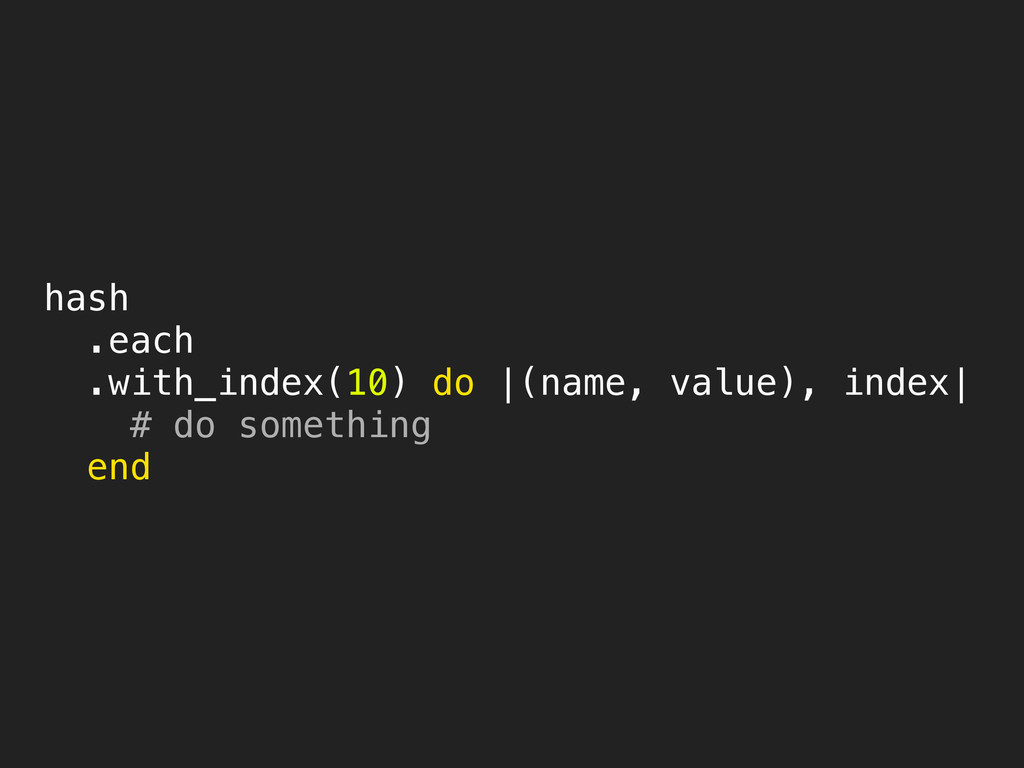
hash .each .with_index(10) do |(name, value), index| # do something
end
SYMBOLS
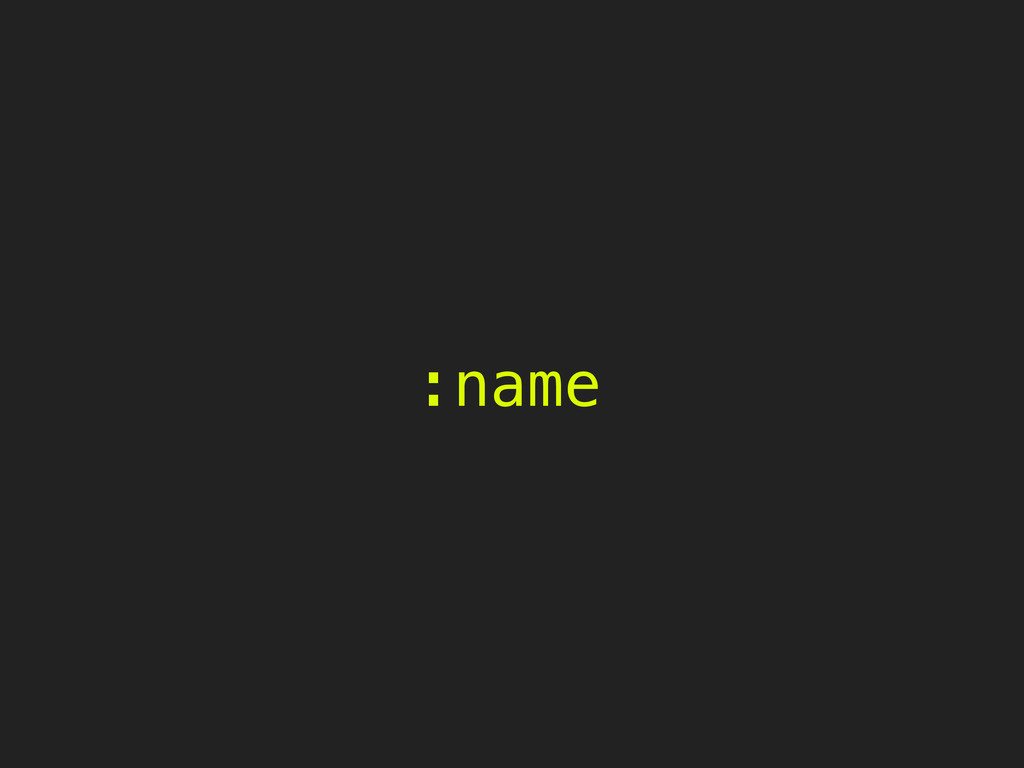
:name
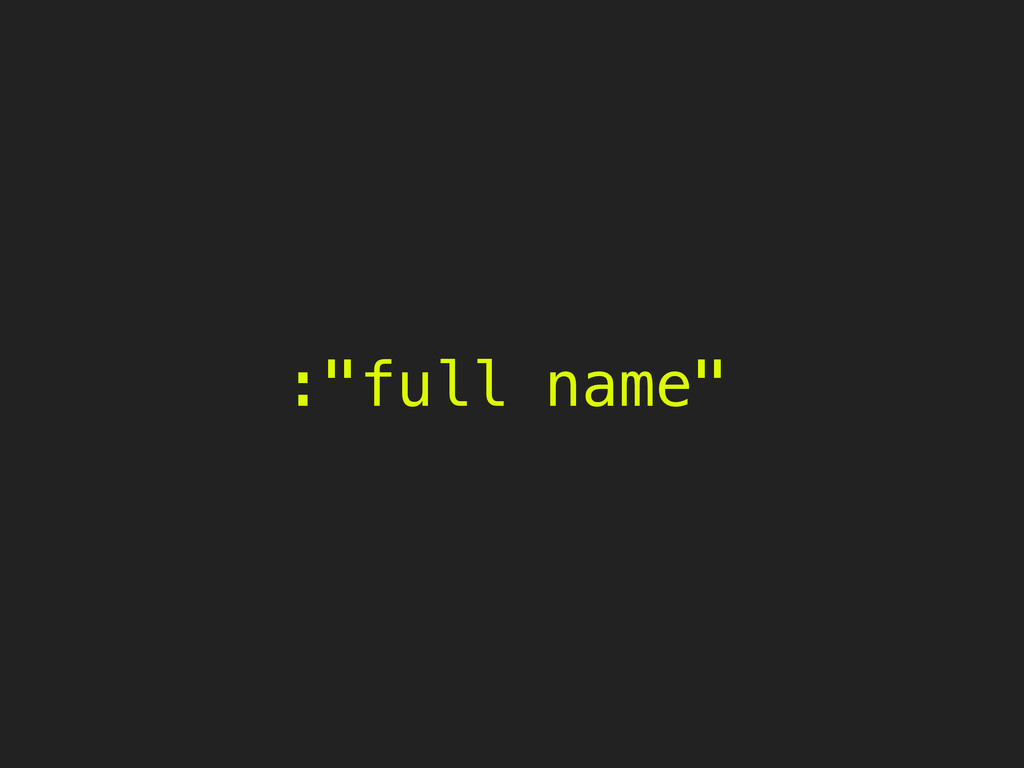
:"full name"
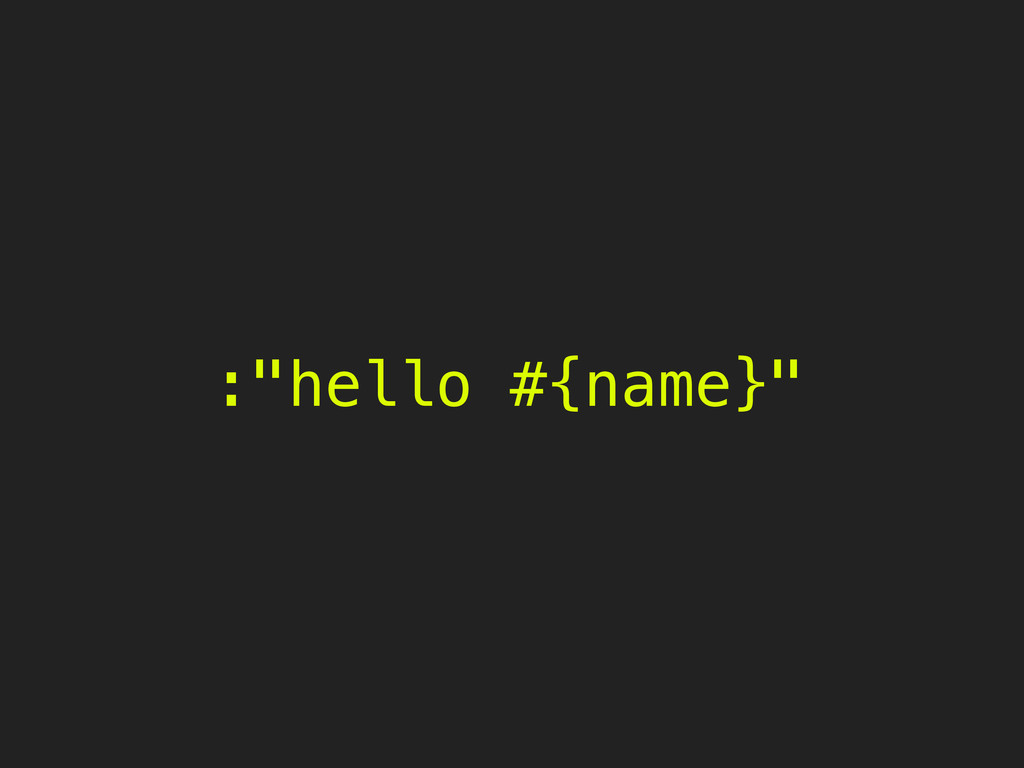
:"hello #{name}"
E PARA FINALIZAR...
O Ruby possui uma série de truques que podem ajudar
bastante.
Mais do que saber usar, você precisa saber quando usar.
Sintaxes exotéricas serão mais difíceis de entender.
Conheça Ruby. Todo o resto vem de graça.
OBRIGADO!


 fnando
 capytan
 slsops
 tsukuboshi
 abemii
 genda
genda
 nao_sumikawa
 yoshiki_0316
 thehajime
 soudai
 nagisa53
 oqtopus
 oracle4engineer
 sergeychernyshev
 soysaucechin
 badams
 uxyall
 signer
 chrislema
 bkeepers
.png) helenjbeal
helenjbeal
 chriscoyier
 hatefulcrawdad
 tammyeverts
 ryanjones












![class SimpleLogger def initialize(storage = []) unless storage.is_a?(Array) raise "you](https://files.speakerdeck.com/presentations/4ff86d30f2f646000c0013c2/slide_14.jpg)
![def initialize(storage = []) unless storage.is_a?(Array) raise "you need to](https://files.speakerdeck.com/presentations/4ff86d30f2f646000c0013c2/slide_15.jpg)
![class SimpleLogger def initialize(storage = []) @storage = storage end](https://files.speakerdeck.com/presentations/4ff86d30f2f646000c0013c2/slide_19.jpg)






![sum_proc.parameters #=> [[:opt, :n1], [:opt, :n2]] sum_lambda.parameters #=> [[:req, :n1],](https://files.speakerdeck.com/presentations/4ff86d30f2f646000c0013c2/slide_38.jpg)




![hello["John"]](https://files.speakerdeck.com/presentations/4ff86d30f2f646000c0013c2/slide_51.jpg)
![Array === [] #=> true multiple_of_3 === 9 #=> true](https://files.speakerdeck.com/presentations/4ff86d30f2f646000c0013c2/slide_57.jpg)




![class Settings names = %w[path size locale] attr_dsl *names end](https://files.speakerdeck.com/presentations/4ff86d30f2f646000c0013c2/slide_67.jpg)
![a, b, c, d = [1, 2, 3, 4]](https://files.speakerdeck.com/presentations/4ff86d30f2f646000c0013c2/slide_69.jpg)
![numbers = [1, 2, 3] more_numbers = [*numbers, 4, 5,](https://files.speakerdeck.com/presentations/4ff86d30f2f646000c0013c2/slide_73.jpg)
![(1..10).to_a.sample [*1..10].sample](https://files.speakerdeck.com/presentations/4ff86d30f2f646000c0013c2/slide_74.jpg)
![class Sample def to_a [1, 2, 3] end end a,](https://files.speakerdeck.com/presentations/4ff86d30f2f646000c0013c2/slide_76.jpg)



![user = User.new user.methods #=> [:name, :age, ...]](https://files.speakerdeck.com/presentations/4ff86d30f2f646000c0013c2/slide_87.jpg)
![user.method(:name) .source_location #=> ["/tmp/user.rb", 2]](https://files.speakerdeck.com/presentations/4ff86d30f2f646000c0013c2/slide_90.jpg)

![person = "John <[email protected]>" regex = /(.*?) <(.*?)>/ _, name,](https://files.speakerdeck.com/presentations/4ff86d30f2f646000c0013c2/slide_92.jpg)
![person[/(.*?) <(.*?)>/, 1] person[/(.*?) <(.*?)>/, 2]](https://files.speakerdeck.com/presentations/4ff86d30f2f646000c0013c2/slide_93.jpg)
![match.names #=> ["name", "email"] match.captures #=> ["John Doe", "[email protected]"] match[:name]](https://files.speakerdeck.com/presentations/4ff86d30f2f646000c0013c2/slide_95.jpg)