Upgrade to Pro — share decks privately, control downloads, hide ads and more …

The modern OAuth 2.0

Sponsored · Ship Features Fearlessly Turn features on and off without deploys. Used by thousands of Ruby developers.
Avatar for Hsiaoming Yang Hsiaoming Yang
September 17, 2018

The modern OAuth 2.0

An introduction of OAuth 2.0 framework. Slide for #pyconjp 2018.

Avatar for Hsiaoming Yang

Hsiaoming Yang

September 17, 2018
Tweet

More Decks by Hsiaoming Yang

Other Decks in Programming

Transcript

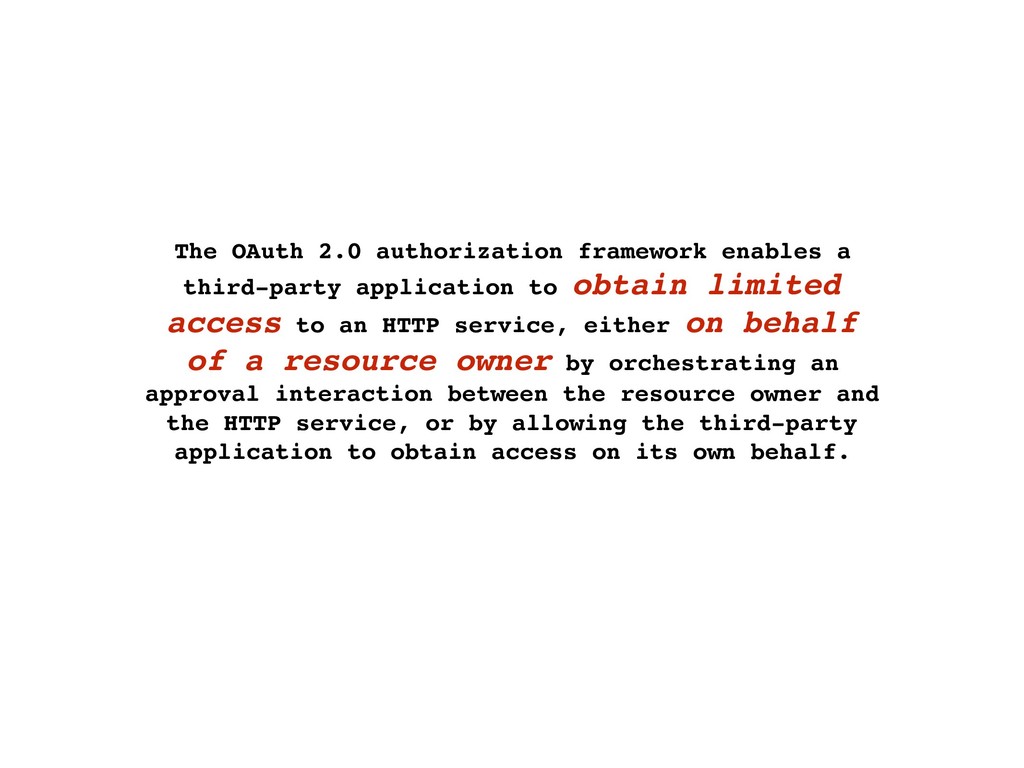
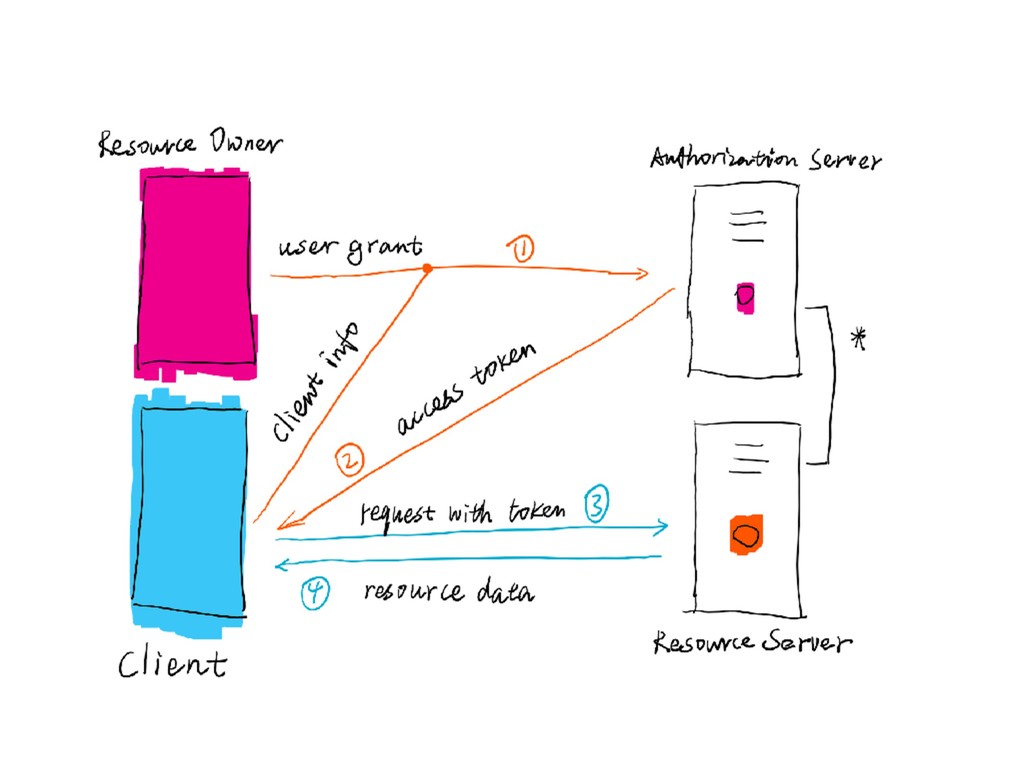
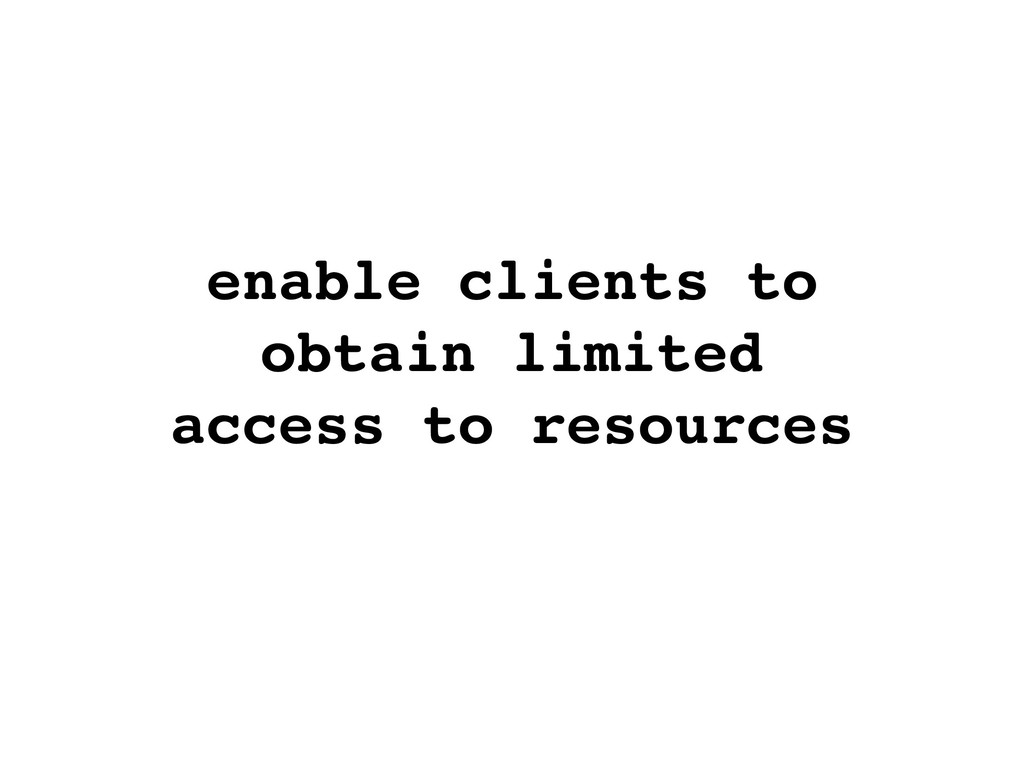
  1. The OAuth 2.0 authorization framework enables a third-party application to

    obtain limited access to an HTTP service, either on behalf of a resource owner by orchestrating an approval interaction between the resource owner and the HTTP service, or by allowing the third-party application to obtain access on its own behalf.
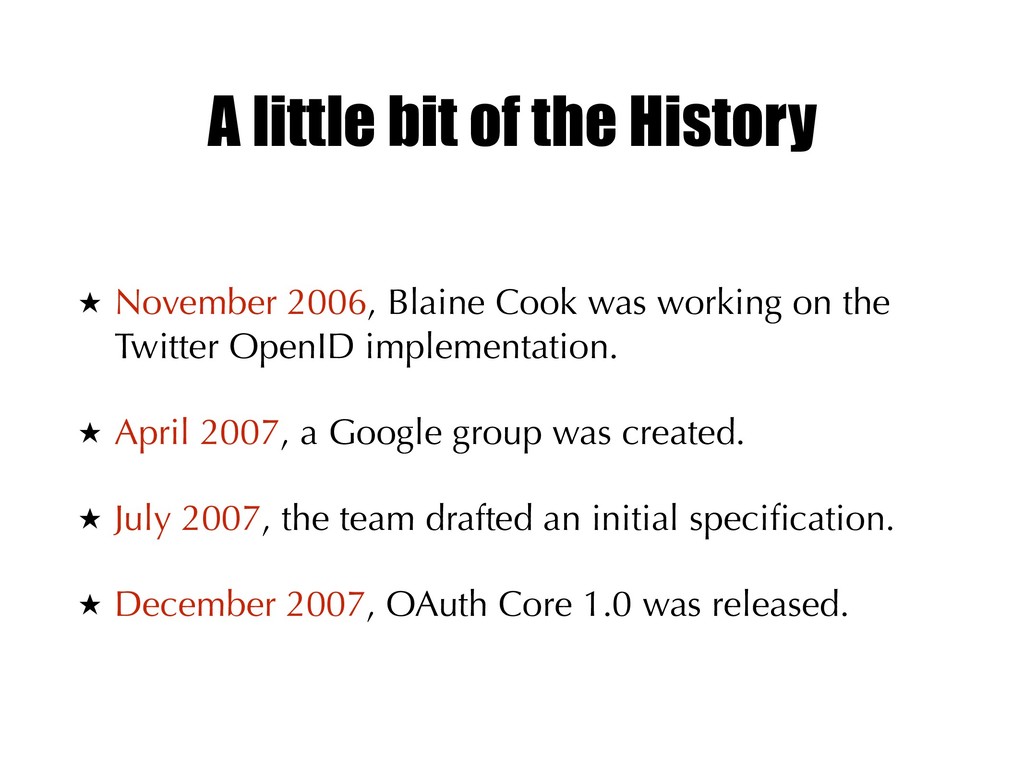
  2. A little bit of the History ★ November 2006, Blaine

    Cook was working on the Twitter OpenID implementation. ★ April 2007, a Google group was created. ★ July 2007, the team drafted an initial specification. ★ December 2007, OAuth Core 1.0 was released.
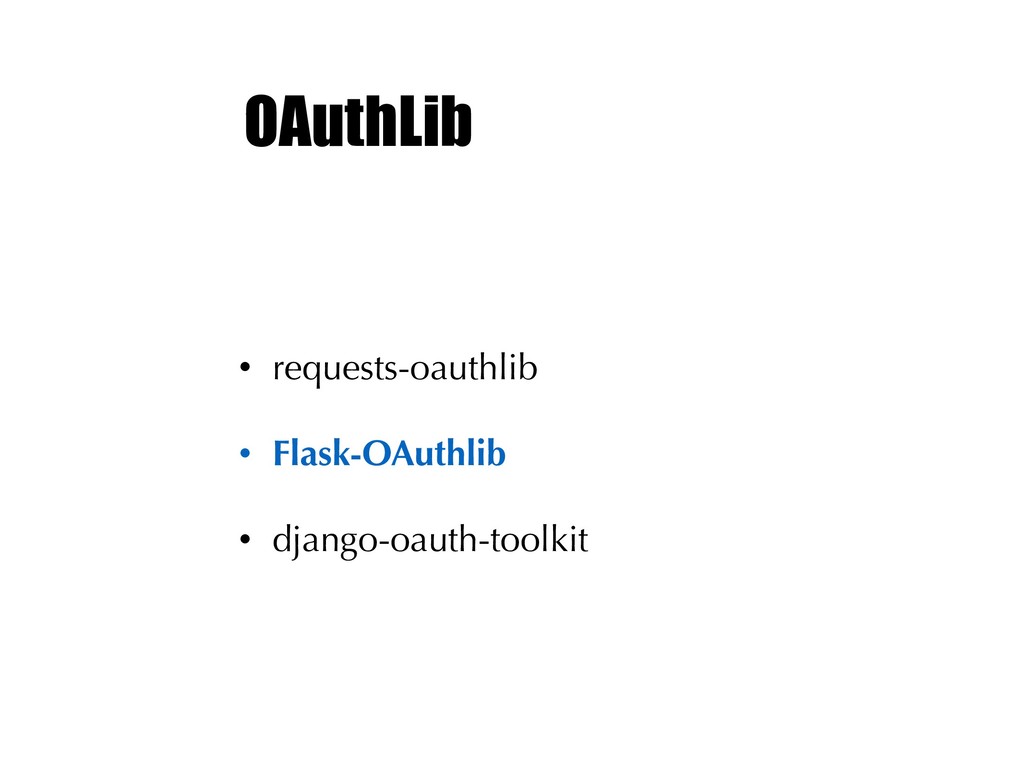
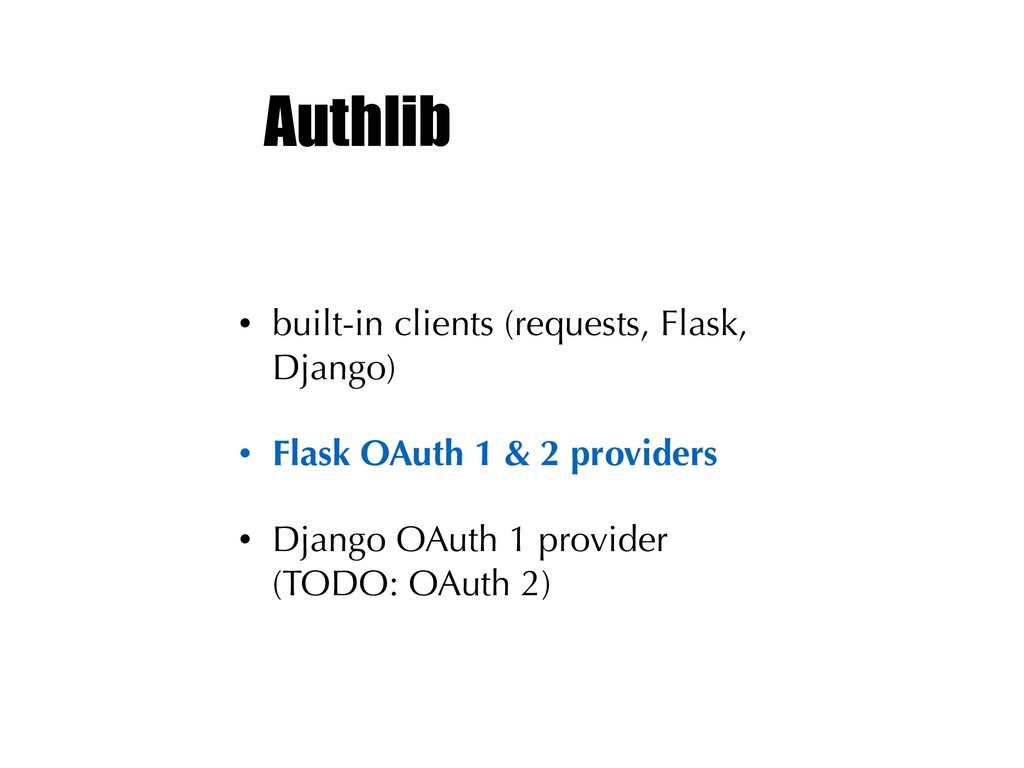
  3. Authlib • built-in clients (requests, Flask, Django) • Flask OAuth

    1 & 2 providers • Django OAuth 1 provider (TODO: OAuth 2)
  4. Authlib vs OAuthlib • Commercial Driven vs Community Driven •

    Monolithic vs Core Code • Flexible Clean Code vs Mixed Code
  5. POST /token HTTP/1.1 Host: server.example.com Authorization: Basic czZCaGRSa3F0MzpnWDFmQmF0M2JW Content-Type: application/x-www-form-urlencoded

    grant_type=authorization_code&code=SplxlOBeZQQYbYS6WxSbIA &redirect_uri=https%3A%2F%2Fclient%2Eexample%2Ecom%2Fcb
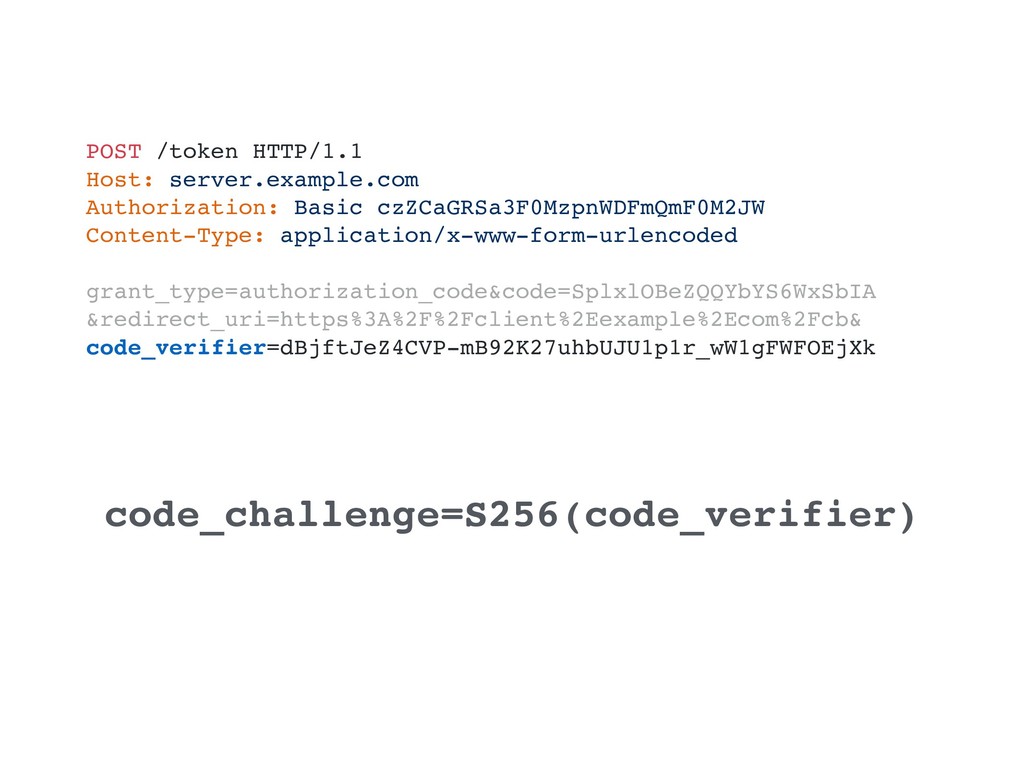
  6. POST /token HTTP/1.1 Host: server.example.com Authorization: Basic czZCaGRSa3F0MzpnWDFmQmF0M2JW Content-Type: application/x-www-form-urlencoded

    grant_type=authorization_code&code=SplxlOBeZQQYbYS6WxSbIA &redirect_uri=https%3A%2F%2Fclient%2Eexample%2Ecom%2Fcb& code_verifier=dBjftJeZ4CVP-mB92K27uhbUJU1p1r_wW1gFWFOEjXk code_challenge=S256(code_verifier)
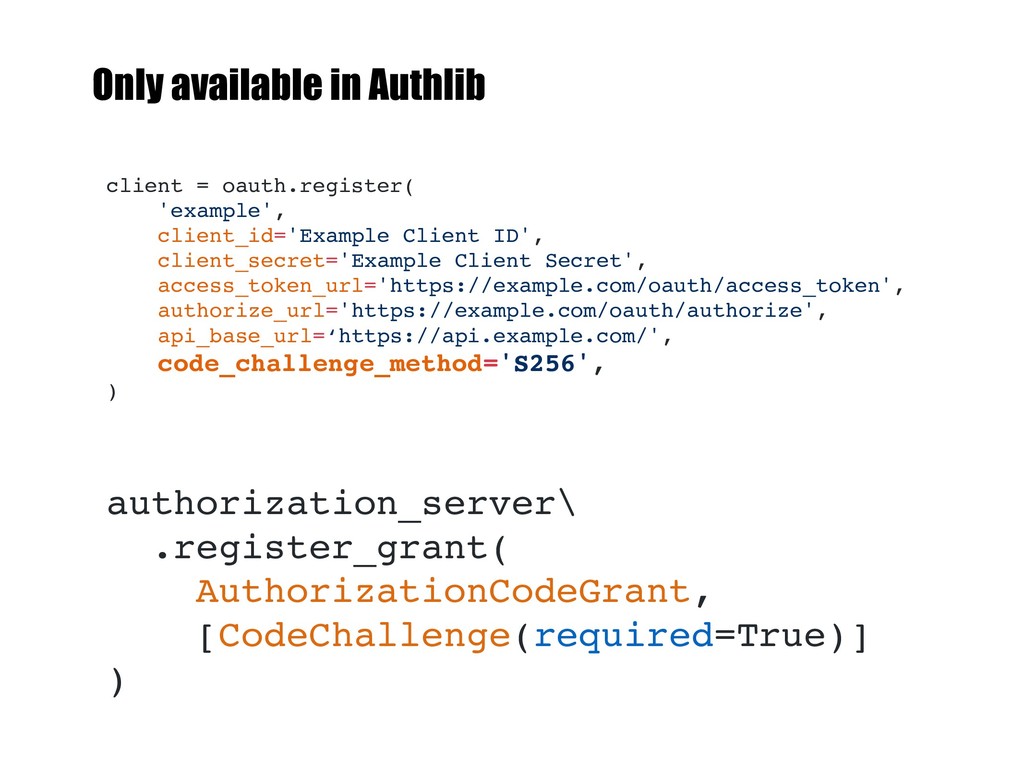
  7. client = oauth.register( 'example', client_id='Example Client ID', client_secret='Example Client Secret',

    access_token_url='https://example.com/oauth/access_token', authorize_url='https://example.com/oauth/authorize', api_base_url=‘https://api.example.com/', code_challenge_method='S256', ) Only available in Authlib authorization_server\ .register_grant( AuthorizationCodeGrant, [CodeChallenge(required=True)] )
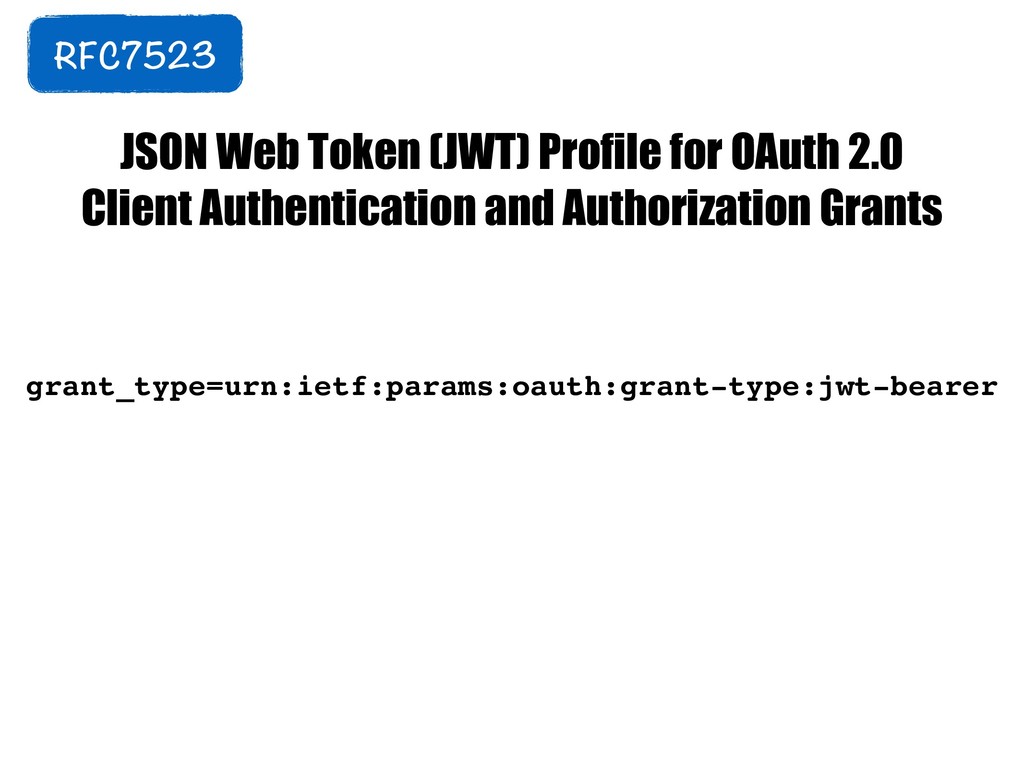
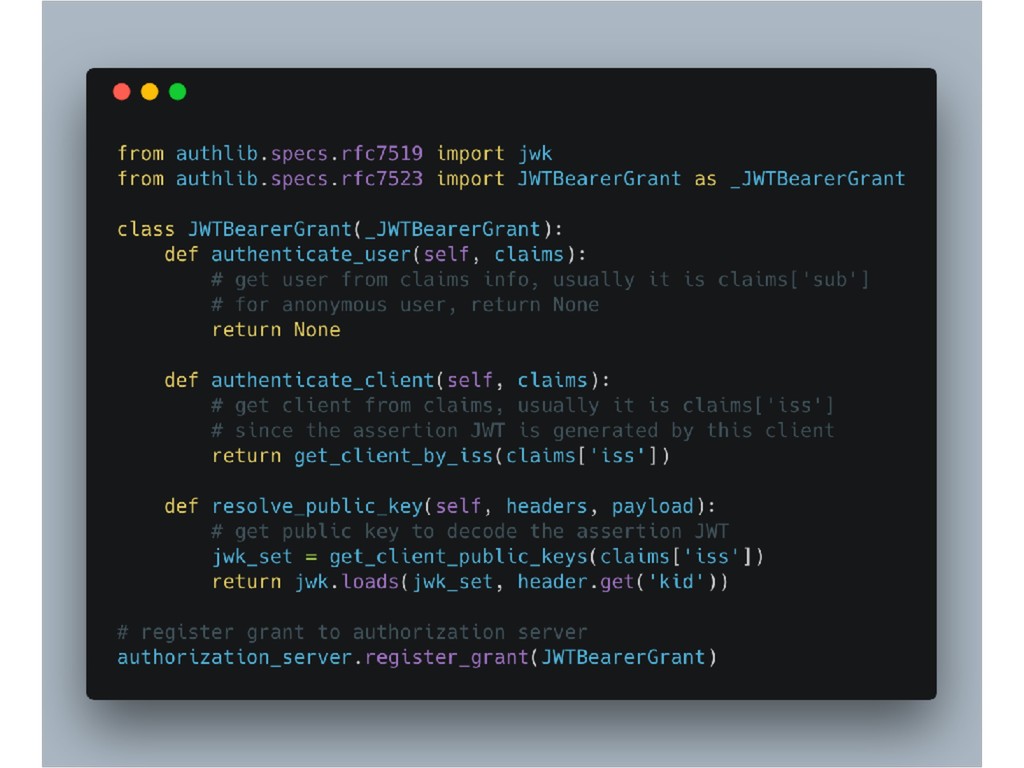
  8. JSON Web Token (JWT) Profile for OAuth 2.0 Client Authentication
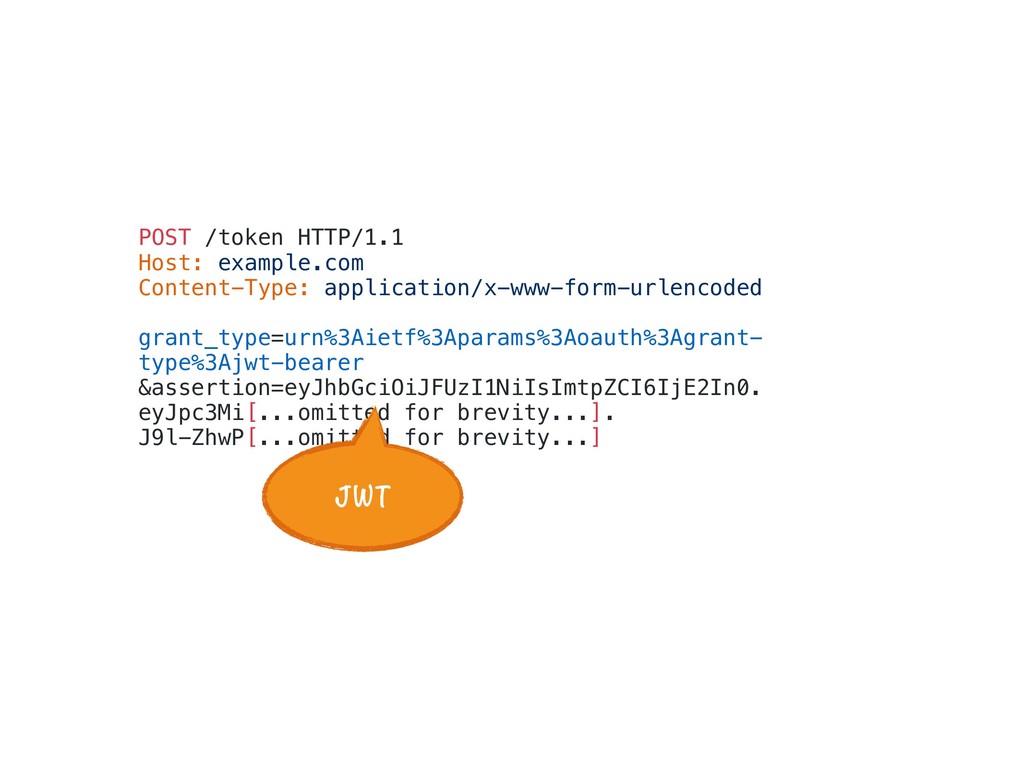
    and Authorization Grants RFC7523 grant_type=urn:ietf:params:oauth:grant-type:jwt-bearer
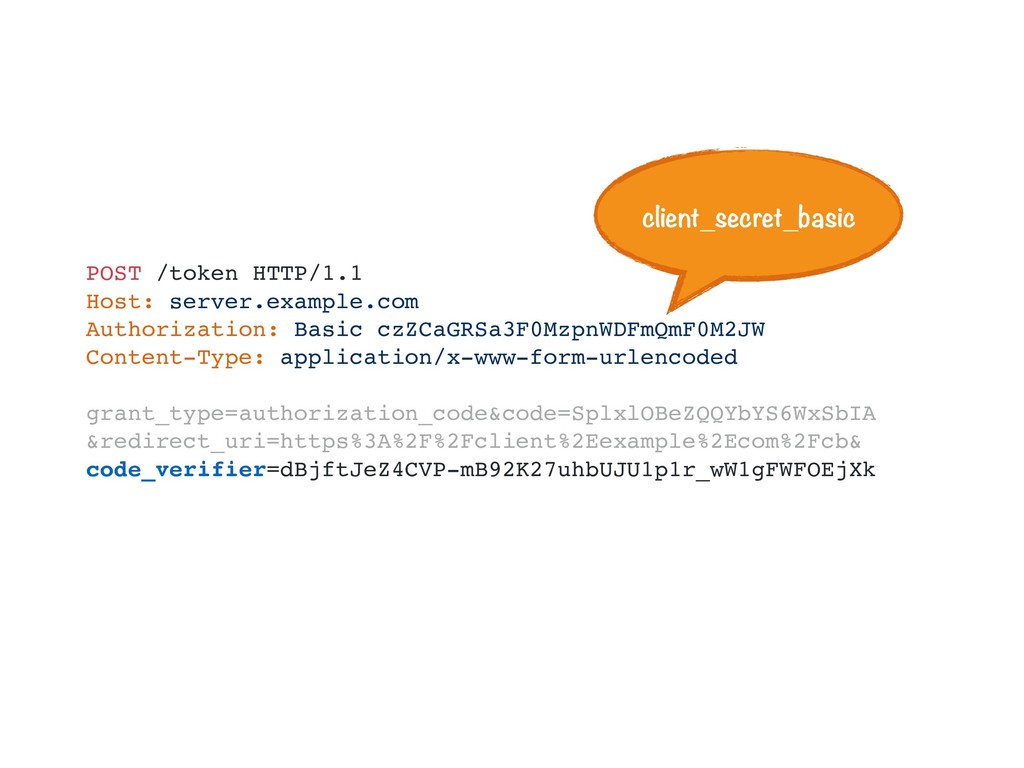
  9. POST /token HTTP/1.1 Host: server.example.com Authorization: Basic czZCaGRSa3F0MzpnWDFmQmF0M2JW Content-Type: application/x-www-form-urlencoded

    grant_type=authorization_code&code=SplxlOBeZQQYbYS6WxSbIA &redirect_uri=https%3A%2F%2Fclient%2Eexample%2Ecom%2Fcb& code_verifier=dBjftJeZ4CVP-mB92K27uhbUJU1p1r_wW1gFWFOEjXk client_secret_basic
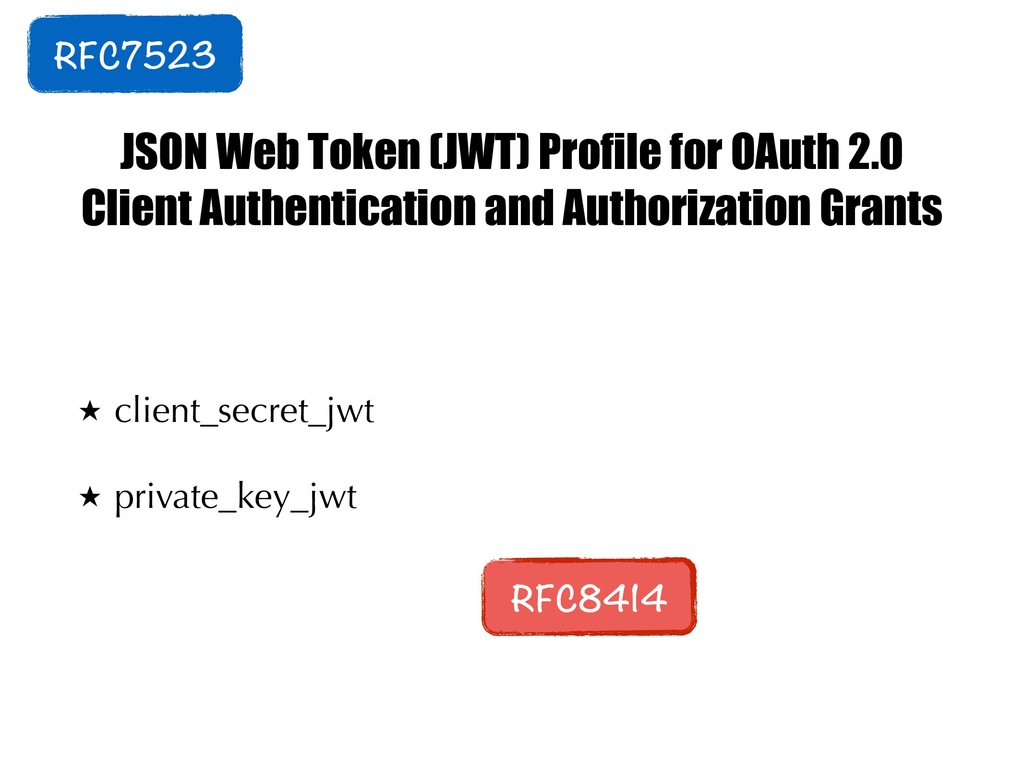
  10. JSON Web Token (JWT) Profile for OAuth 2.0 Client Authentication

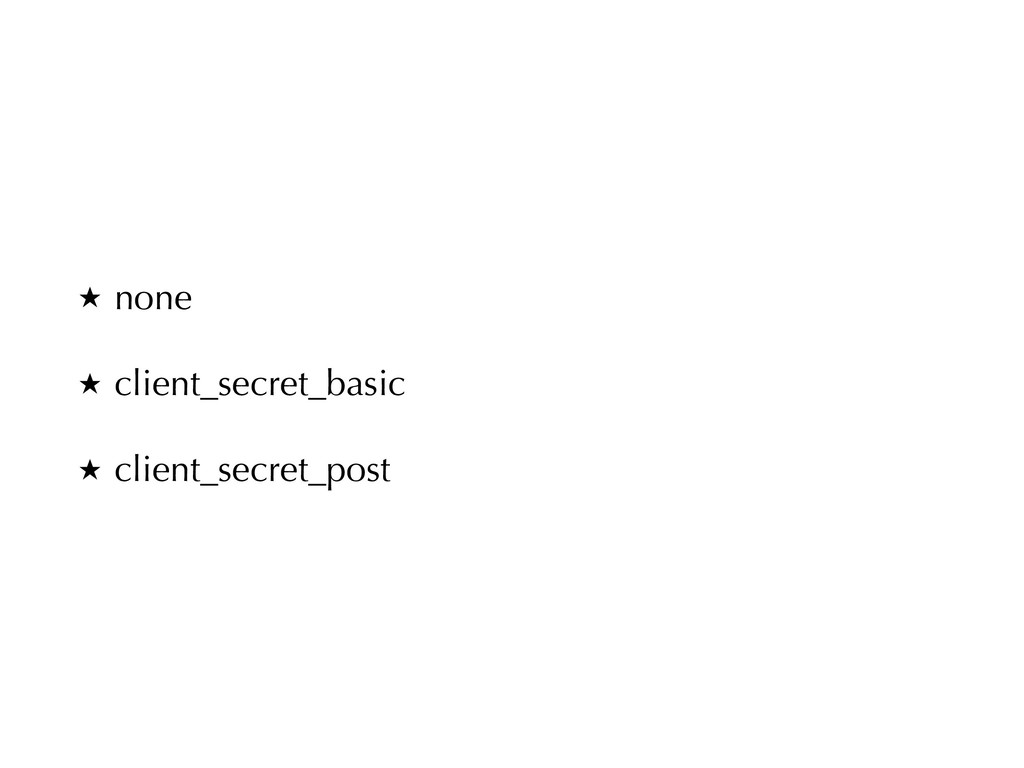
    and Authorization Grants RFC7523 ★ client_secret_jwt ★ private_key_jwt RFC8414