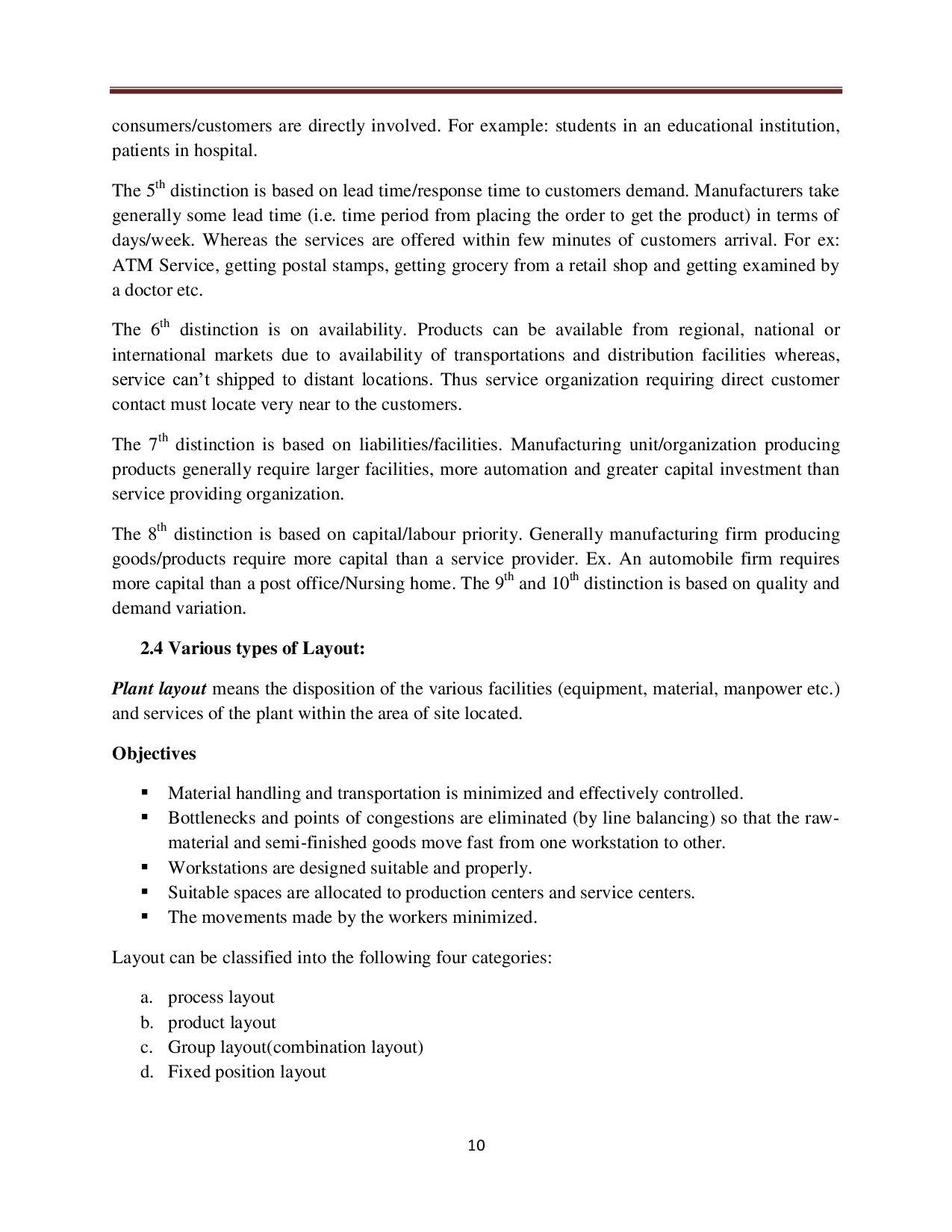
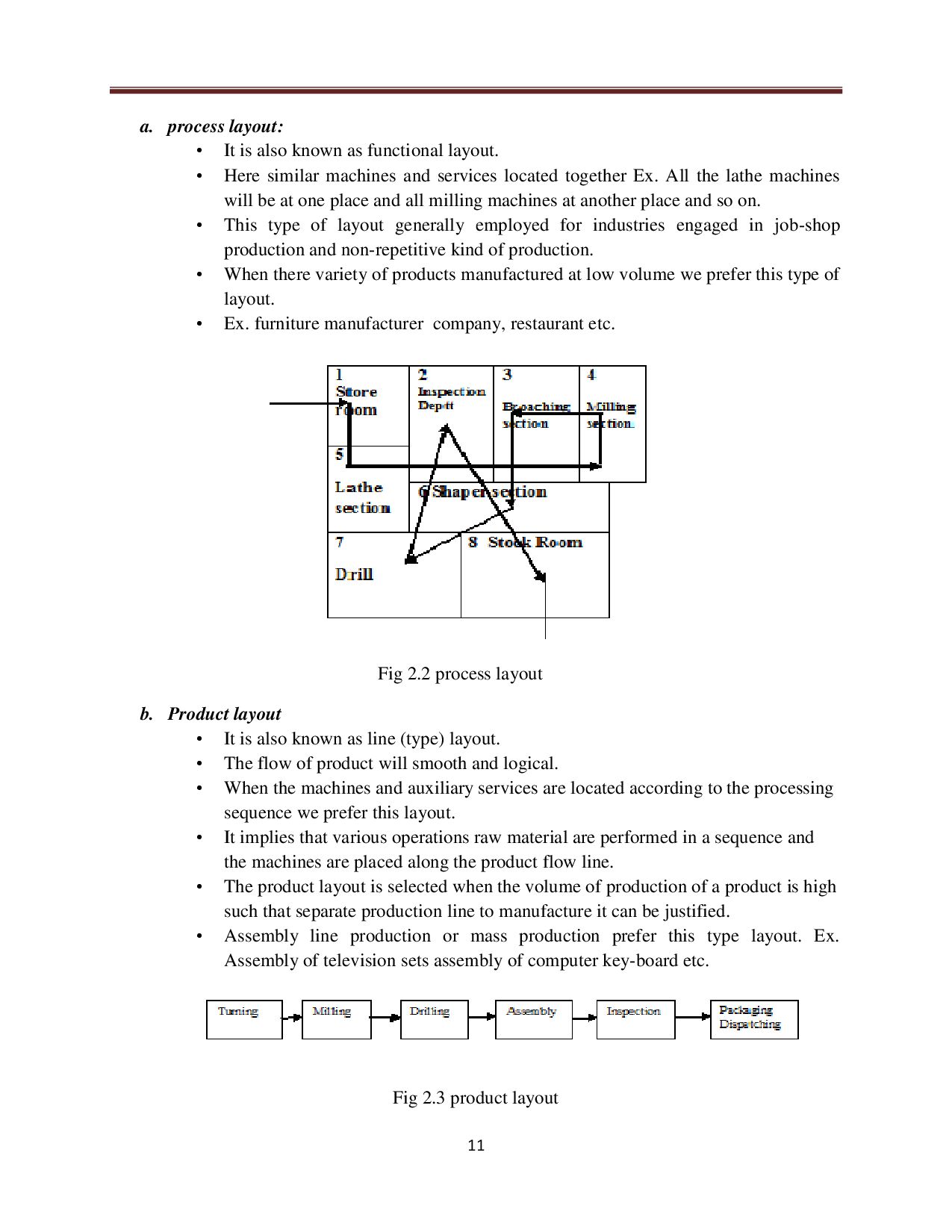
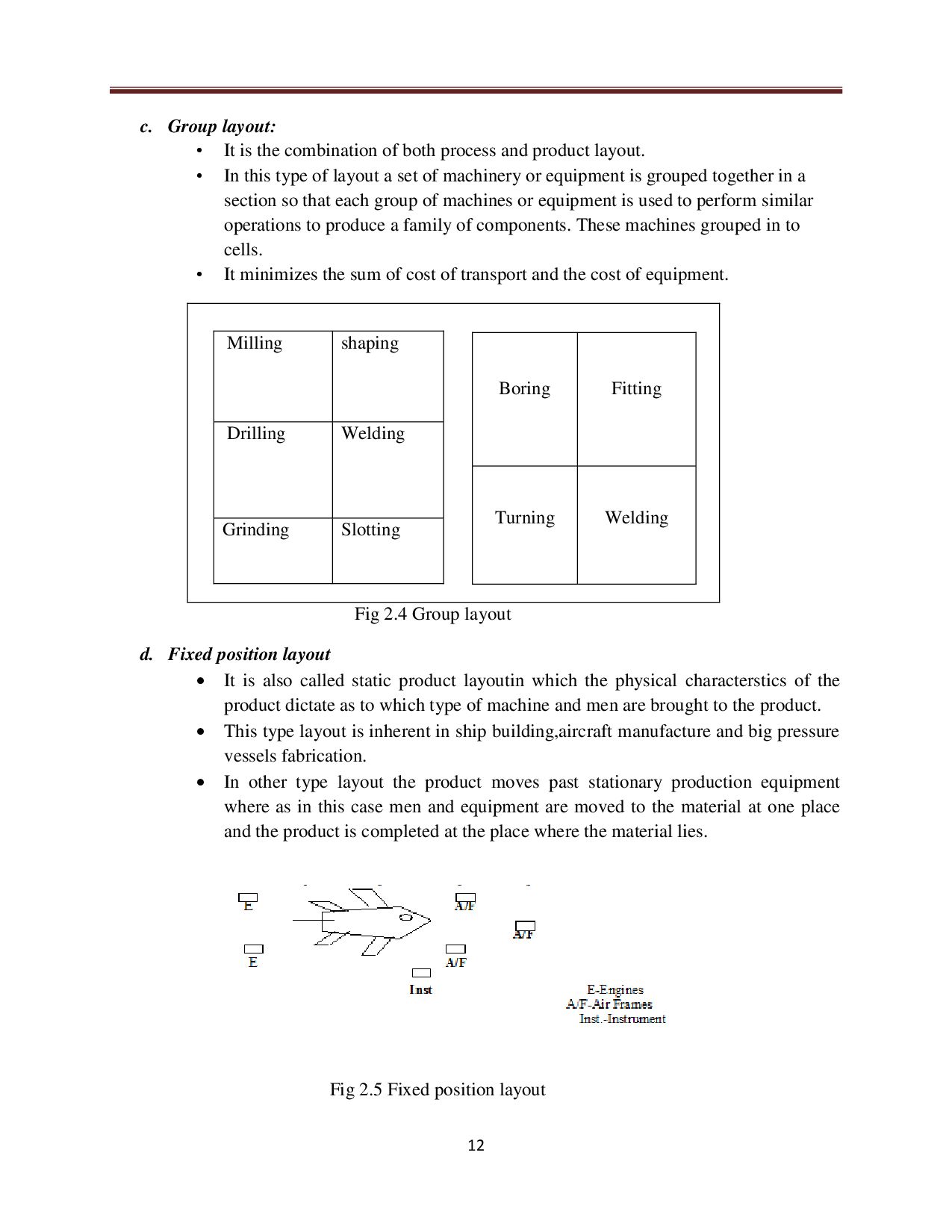
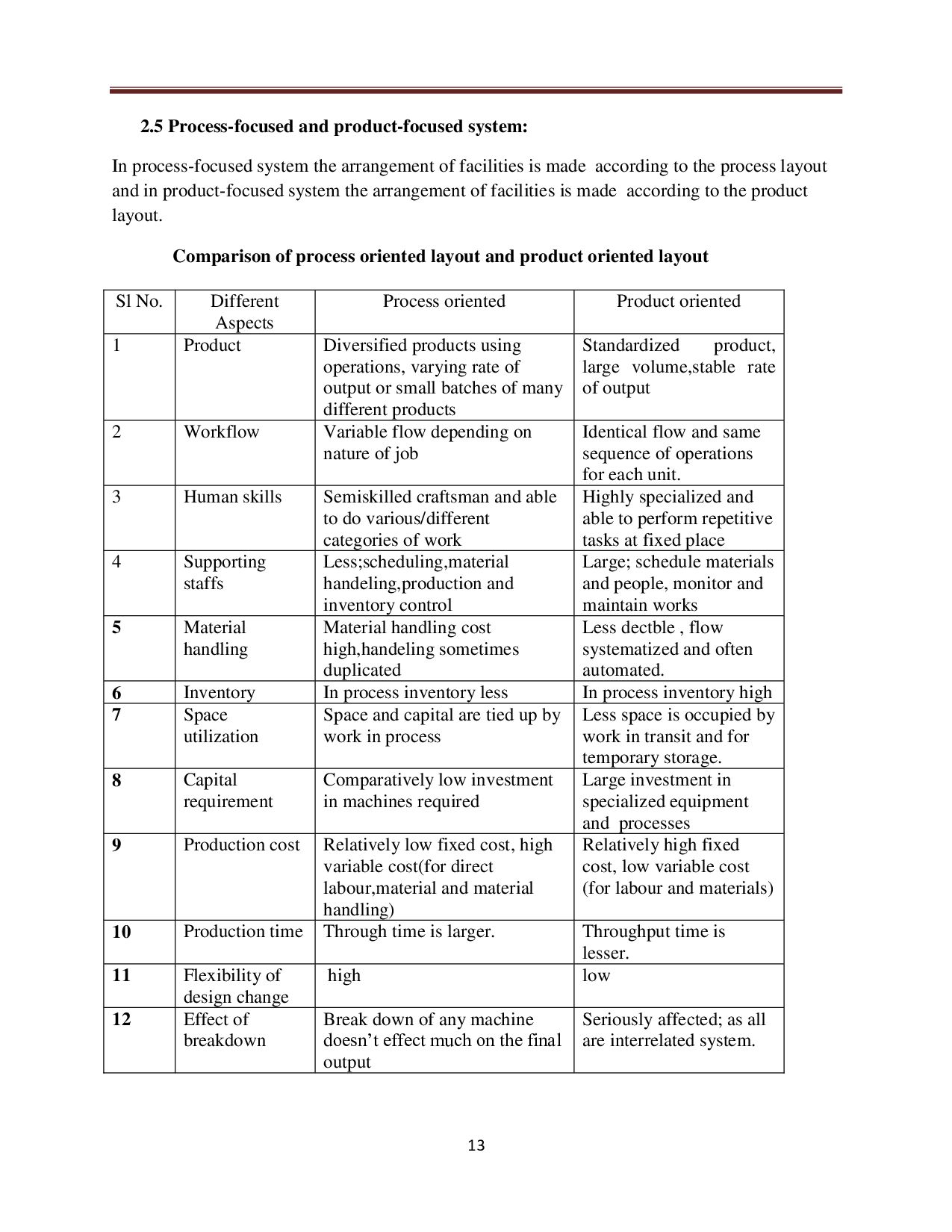
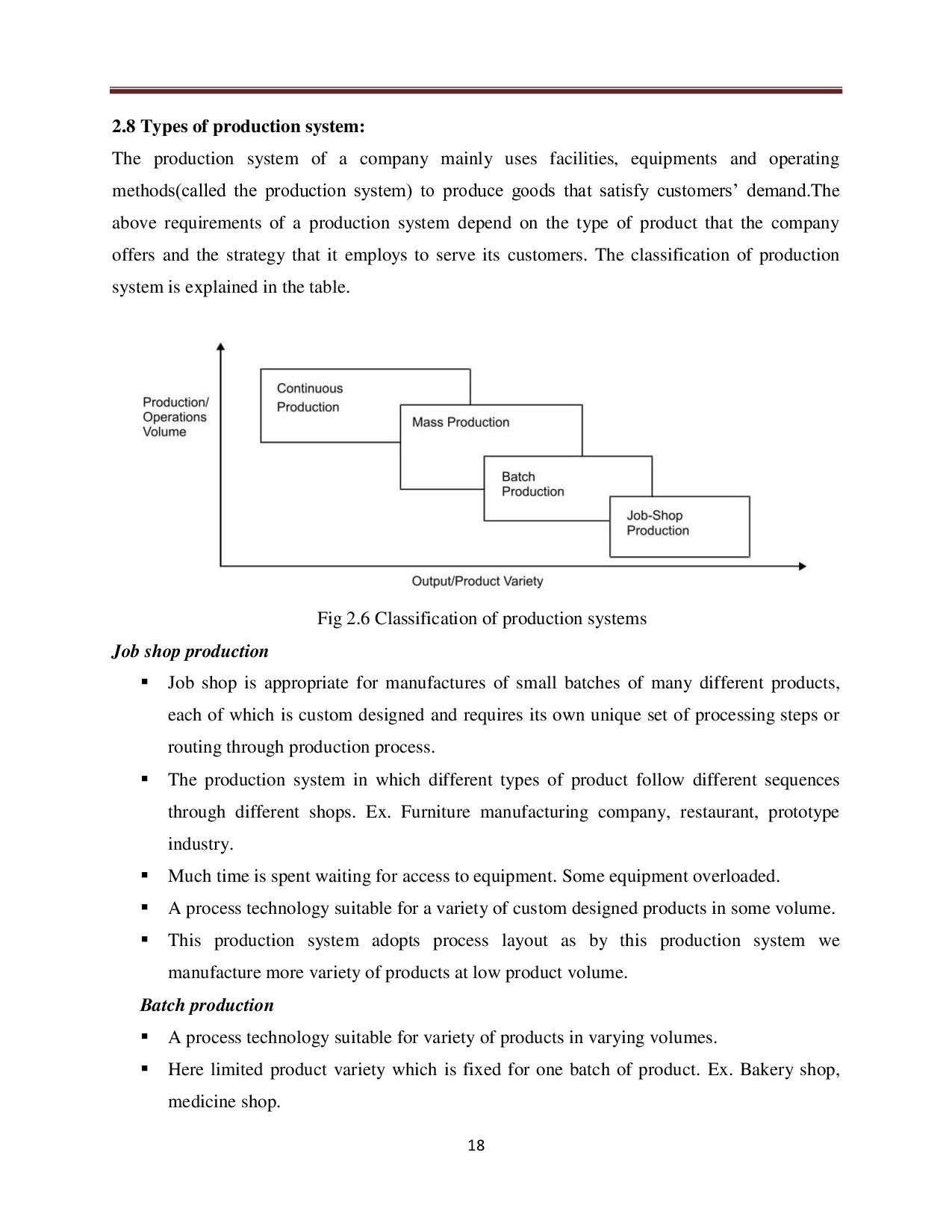
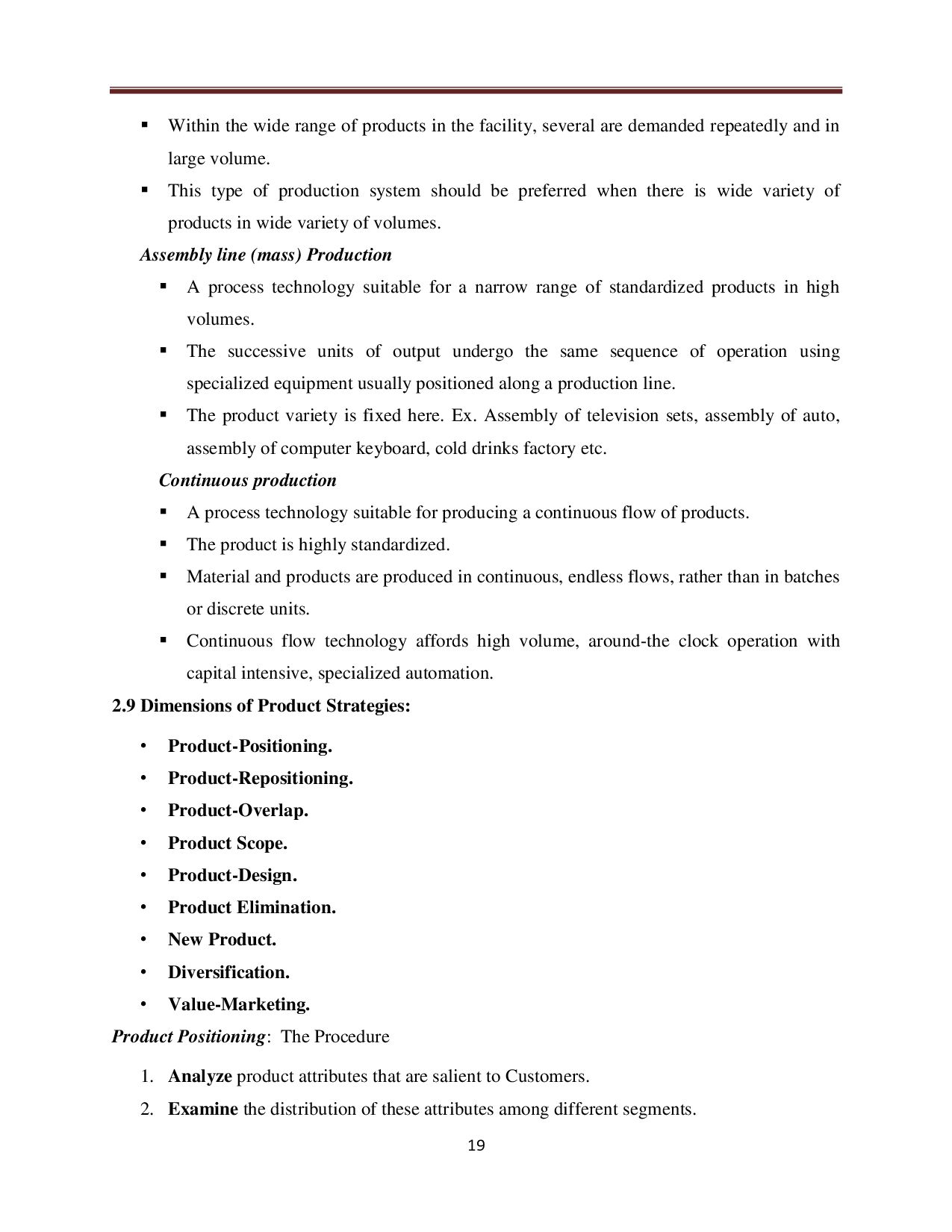
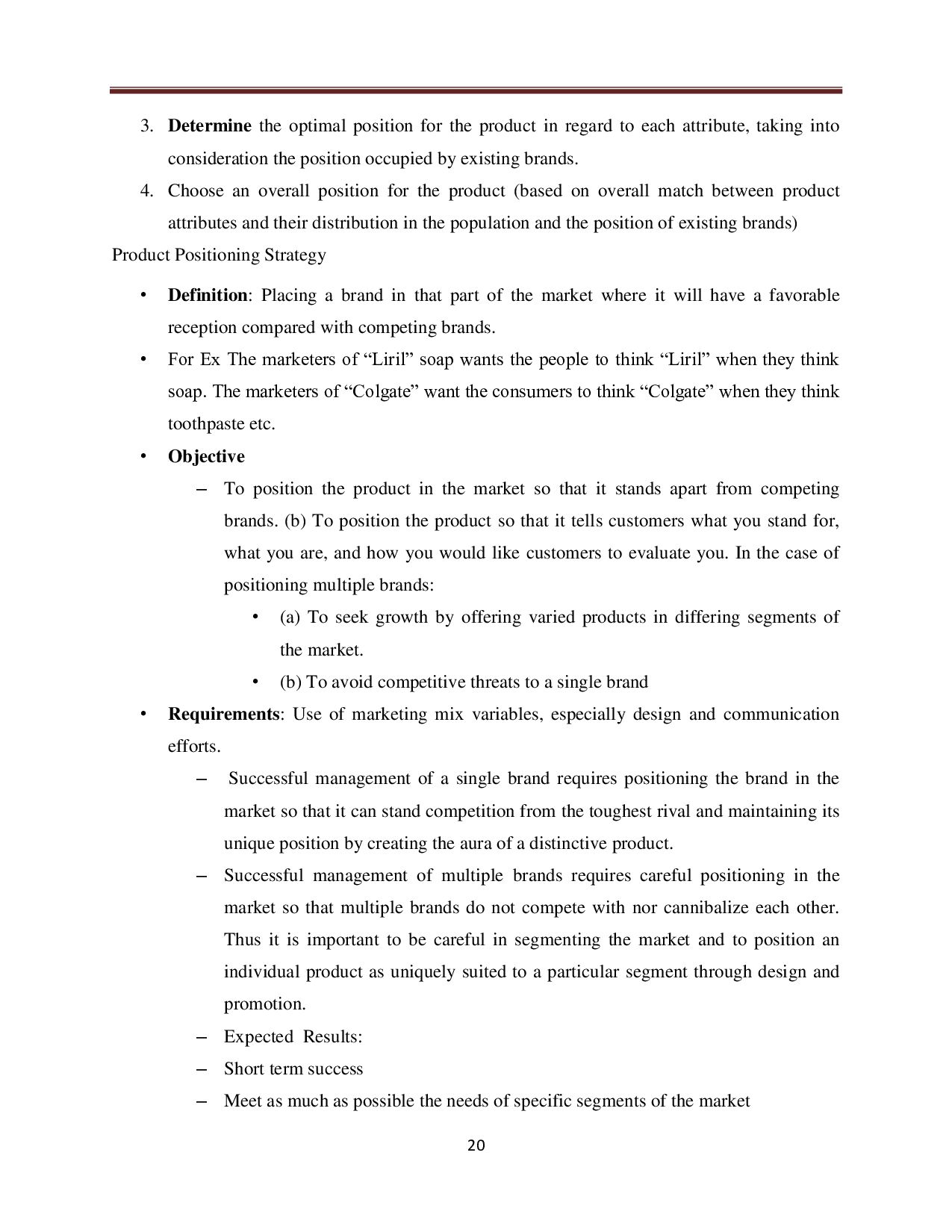
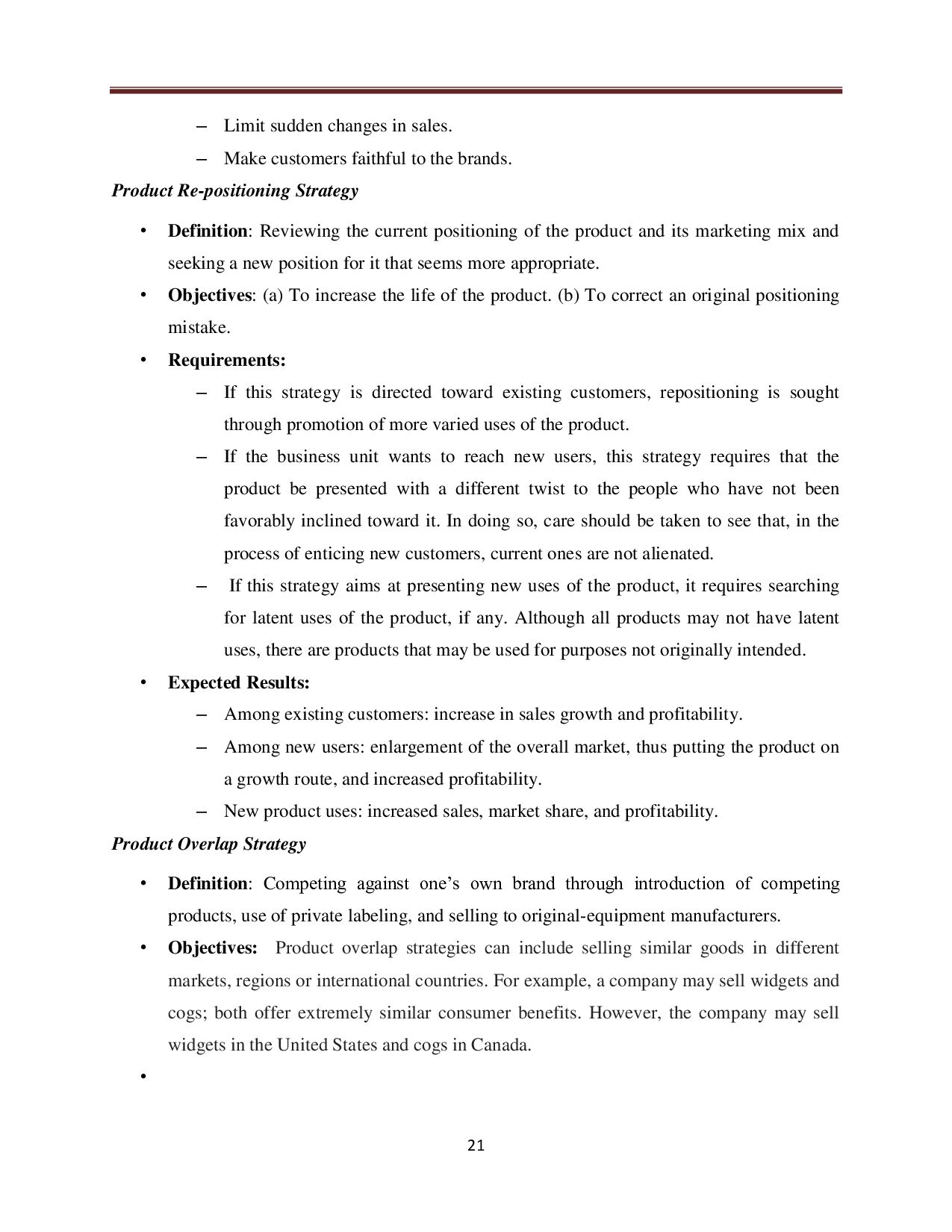
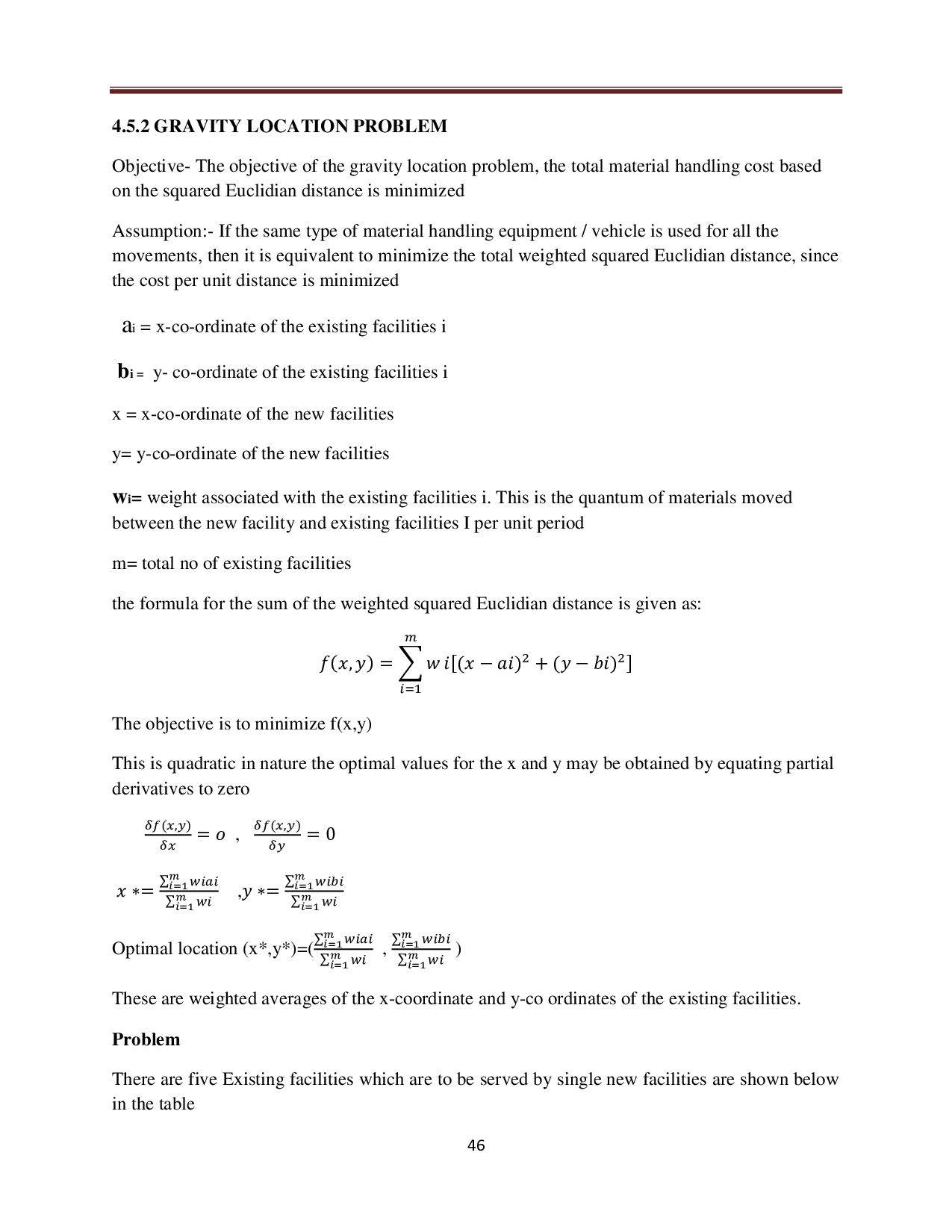
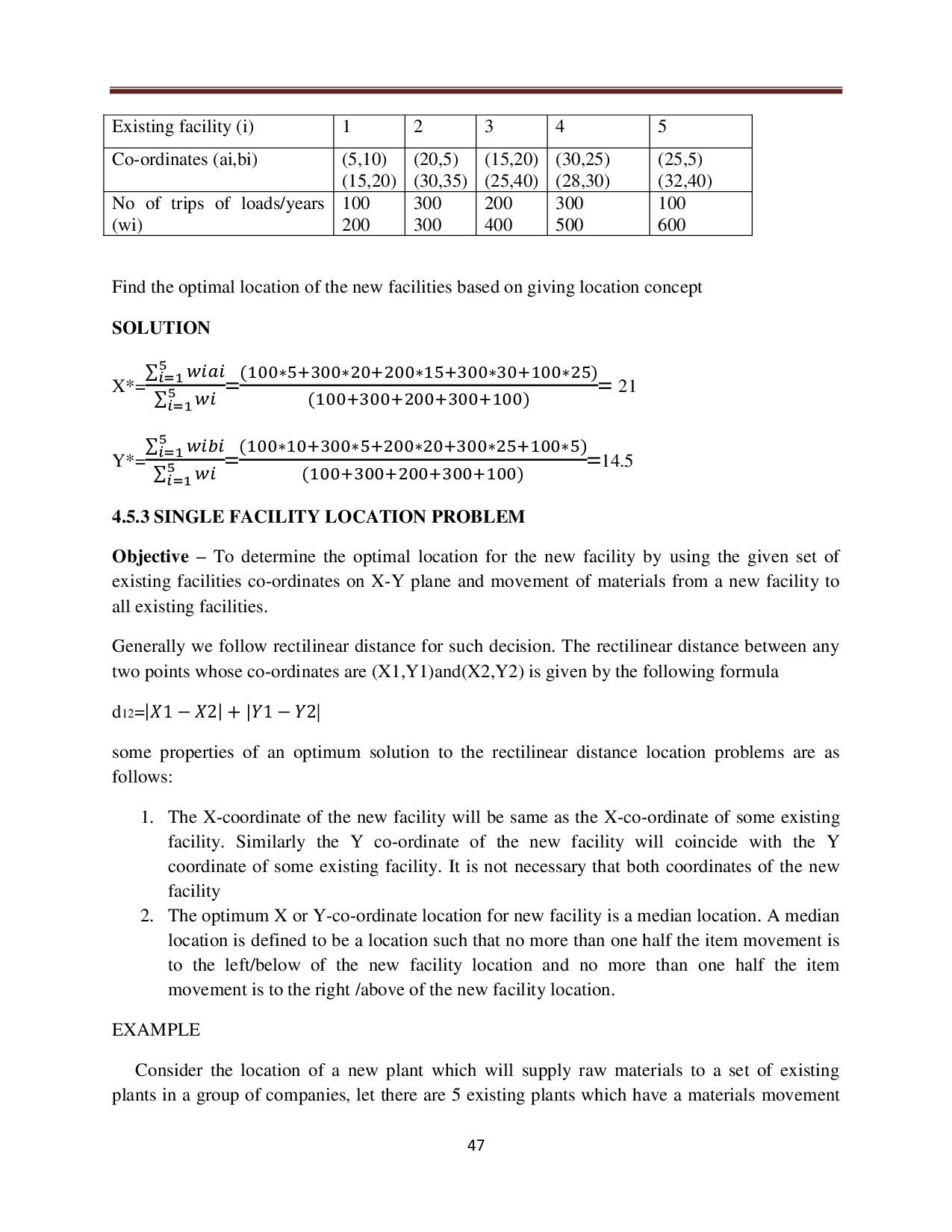
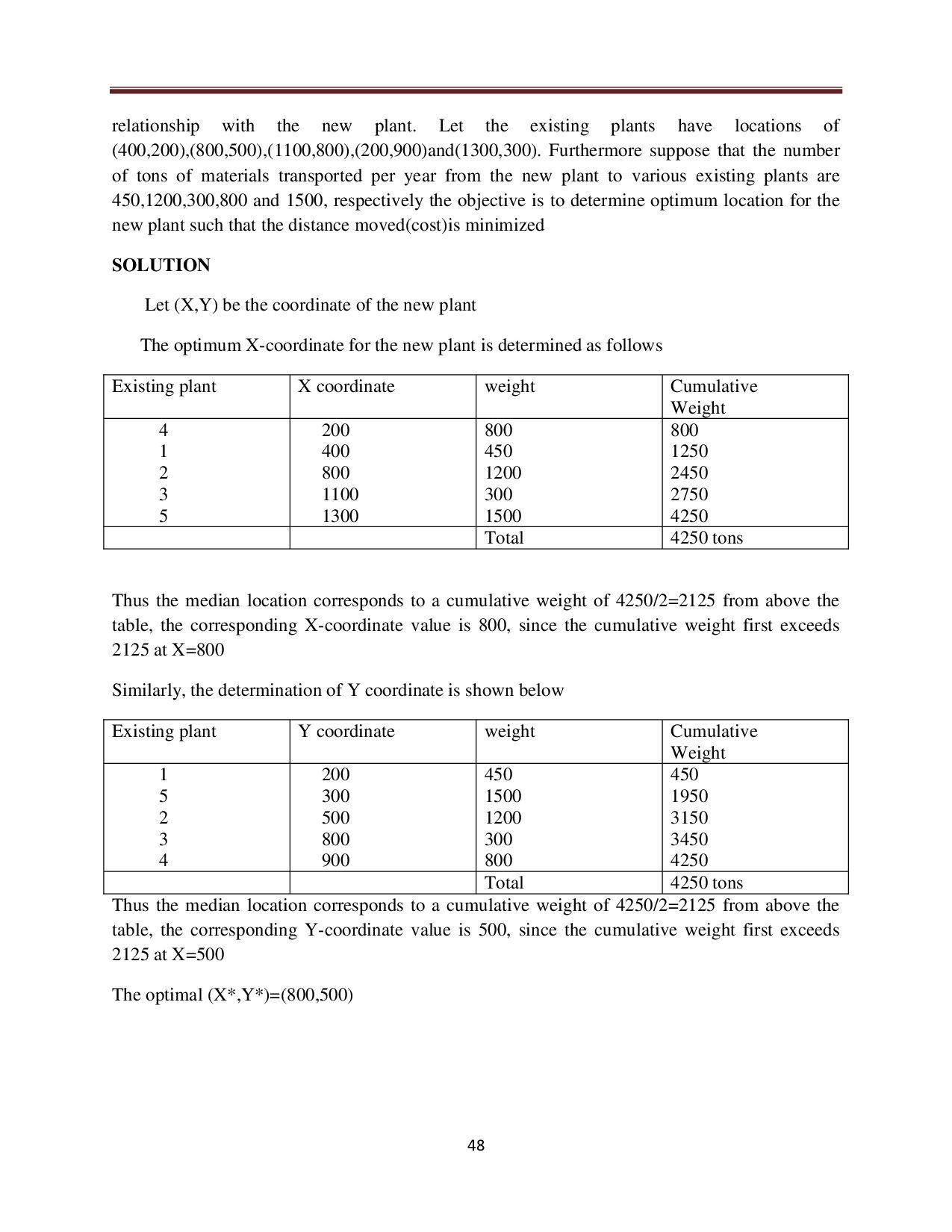
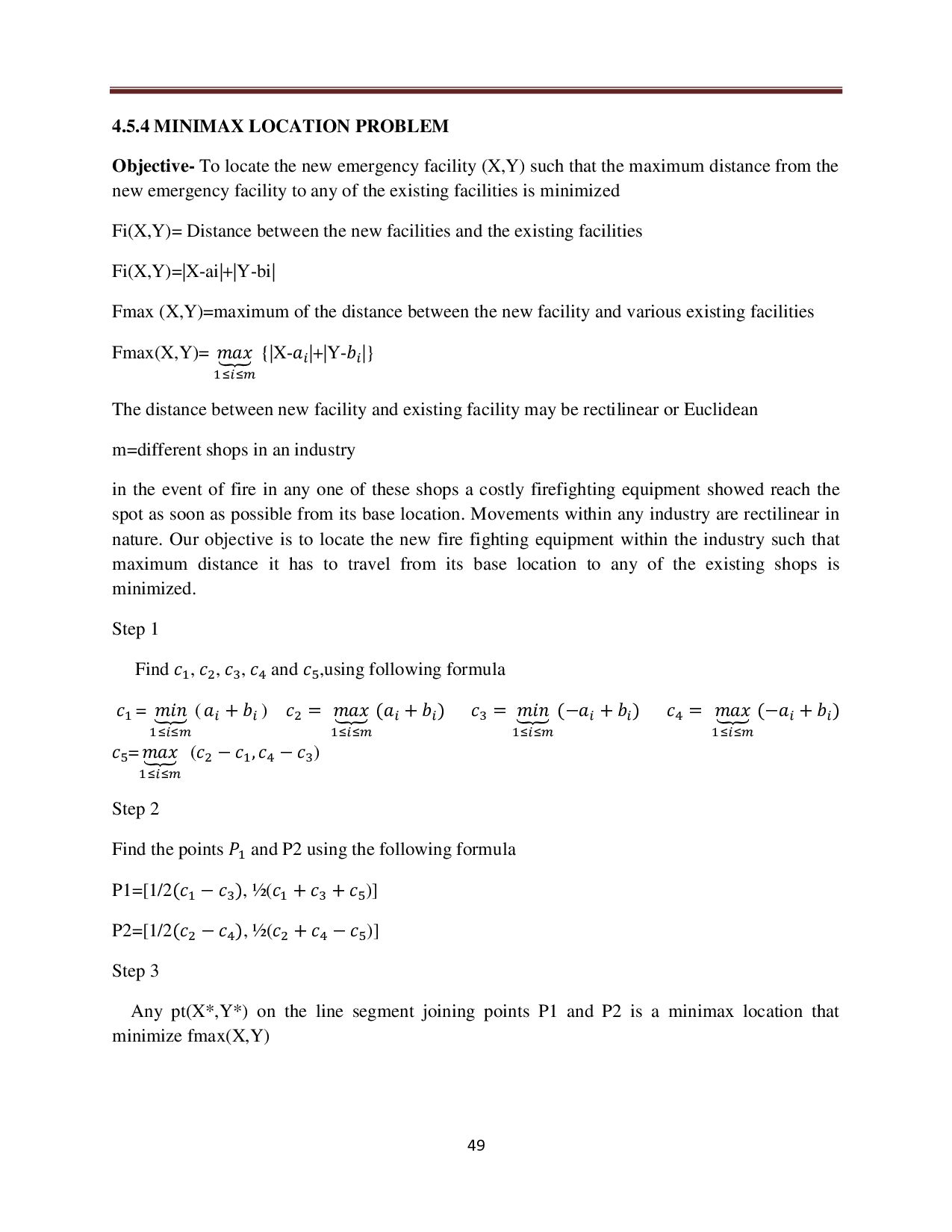
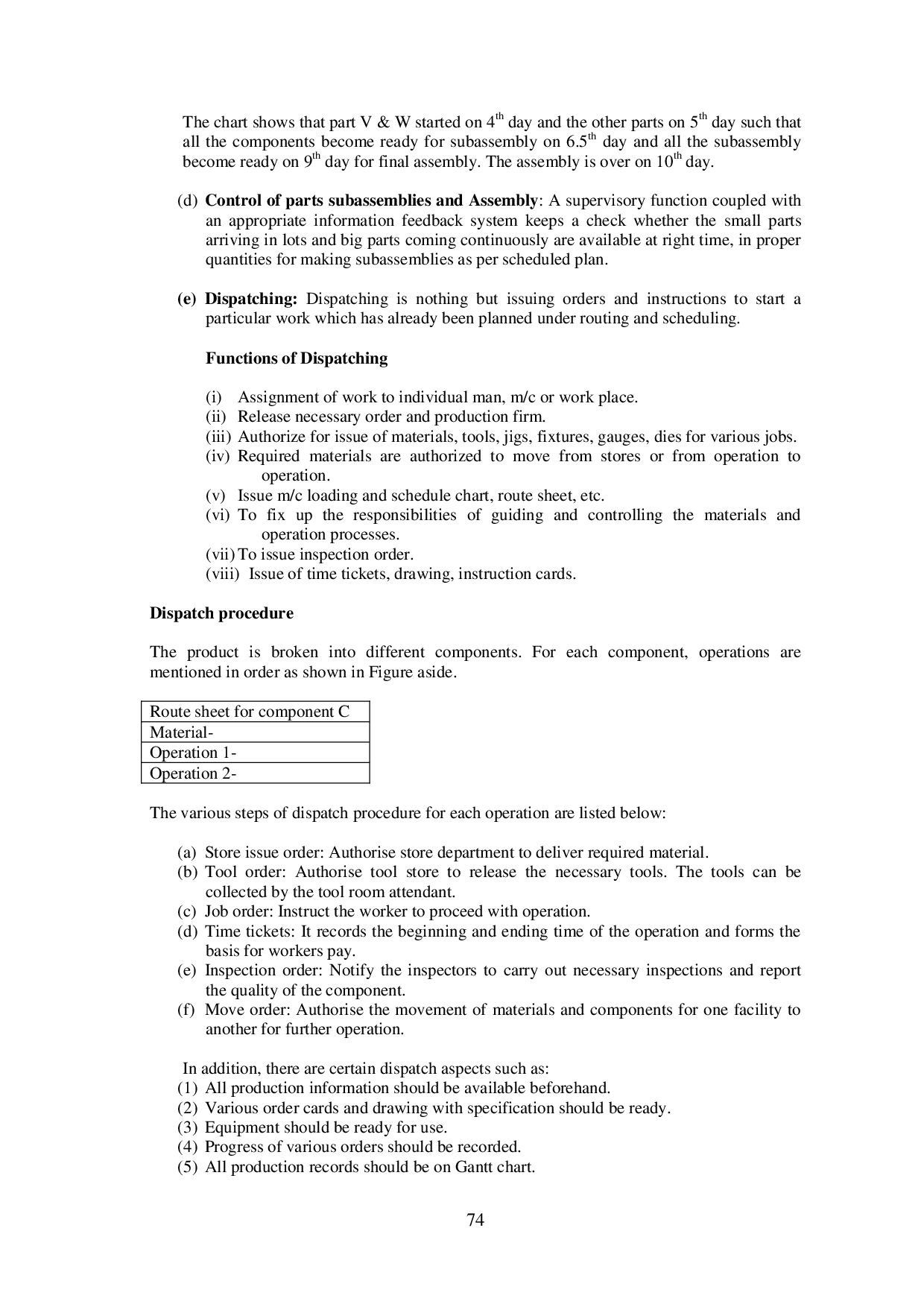
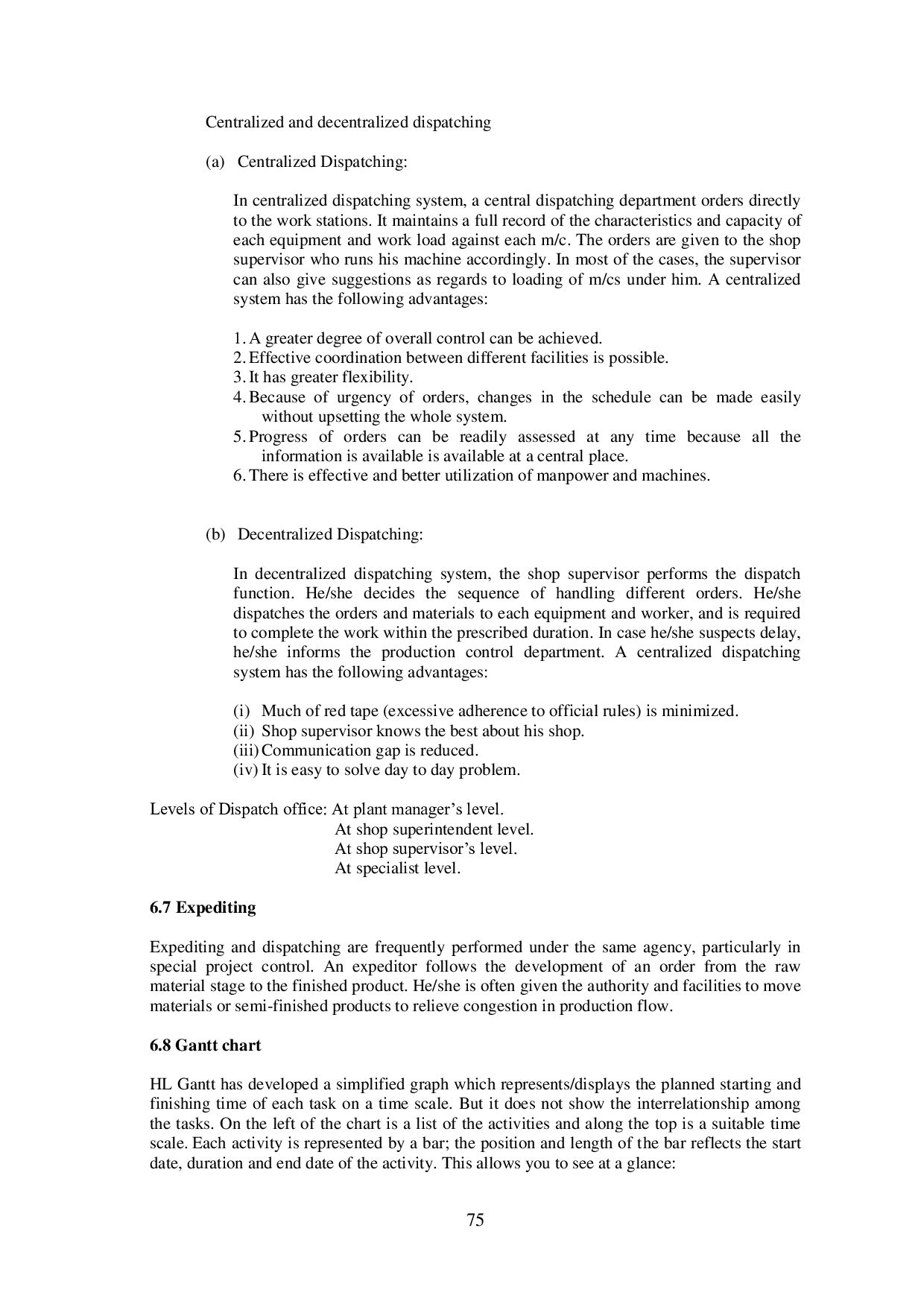
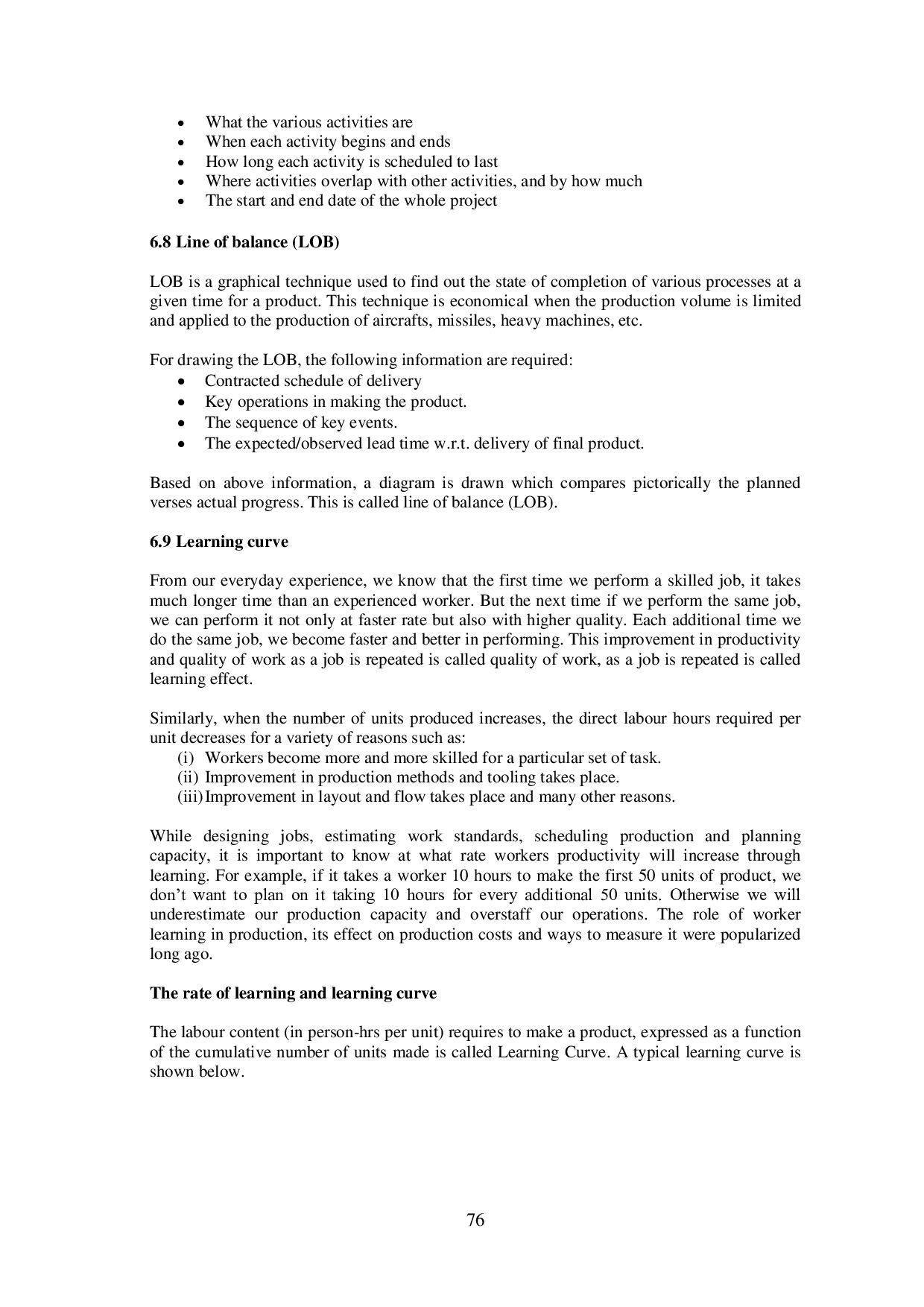
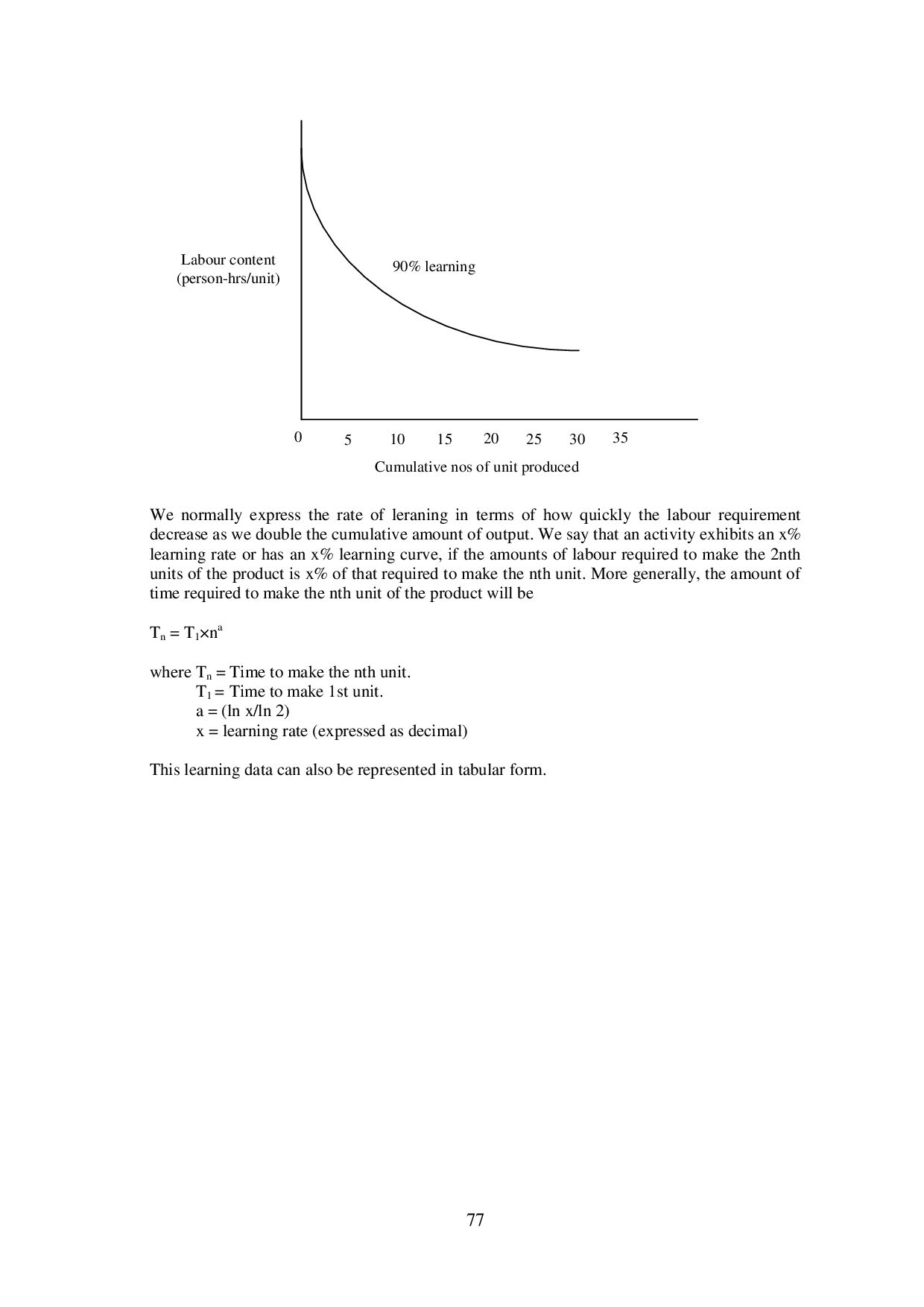
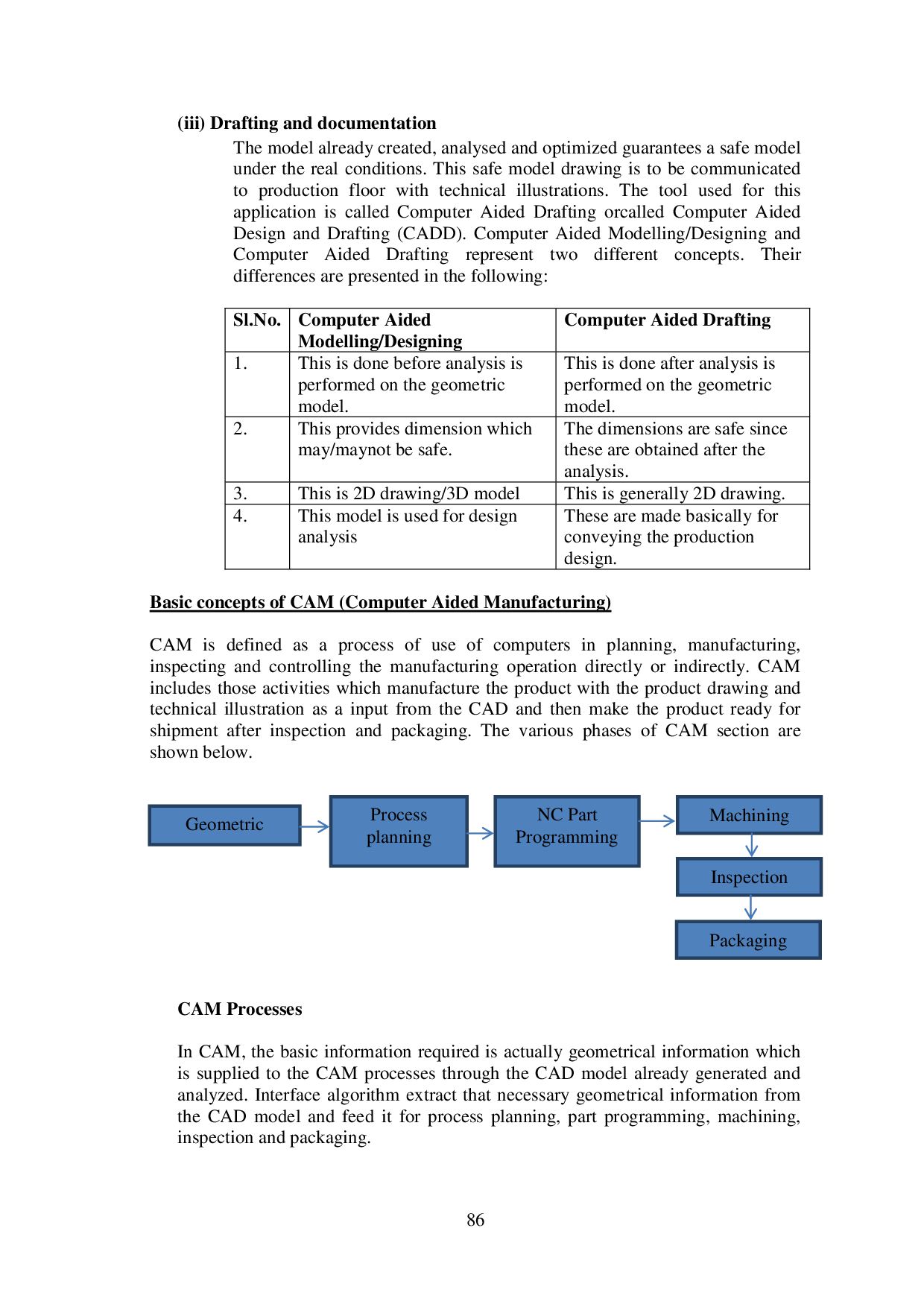
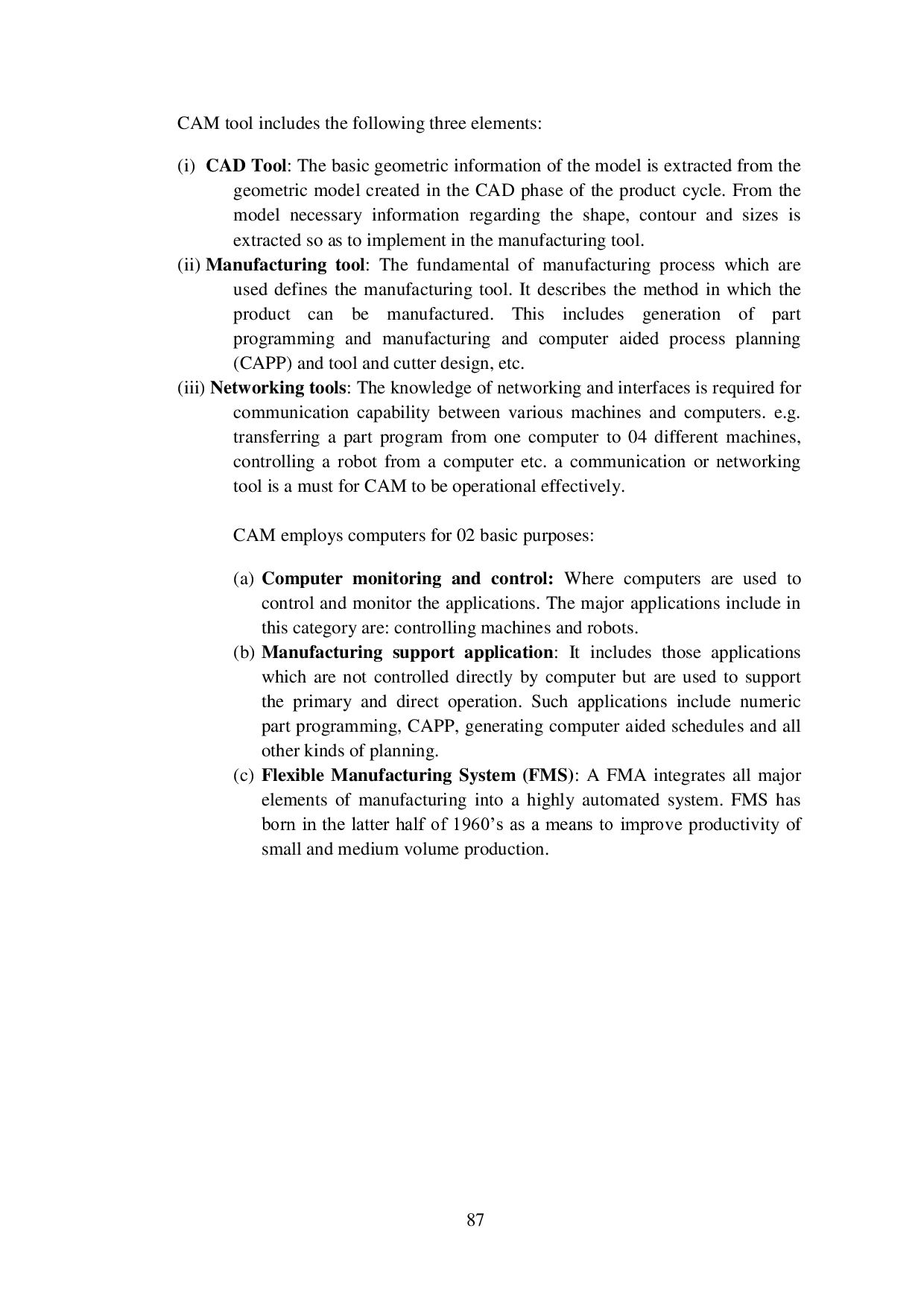
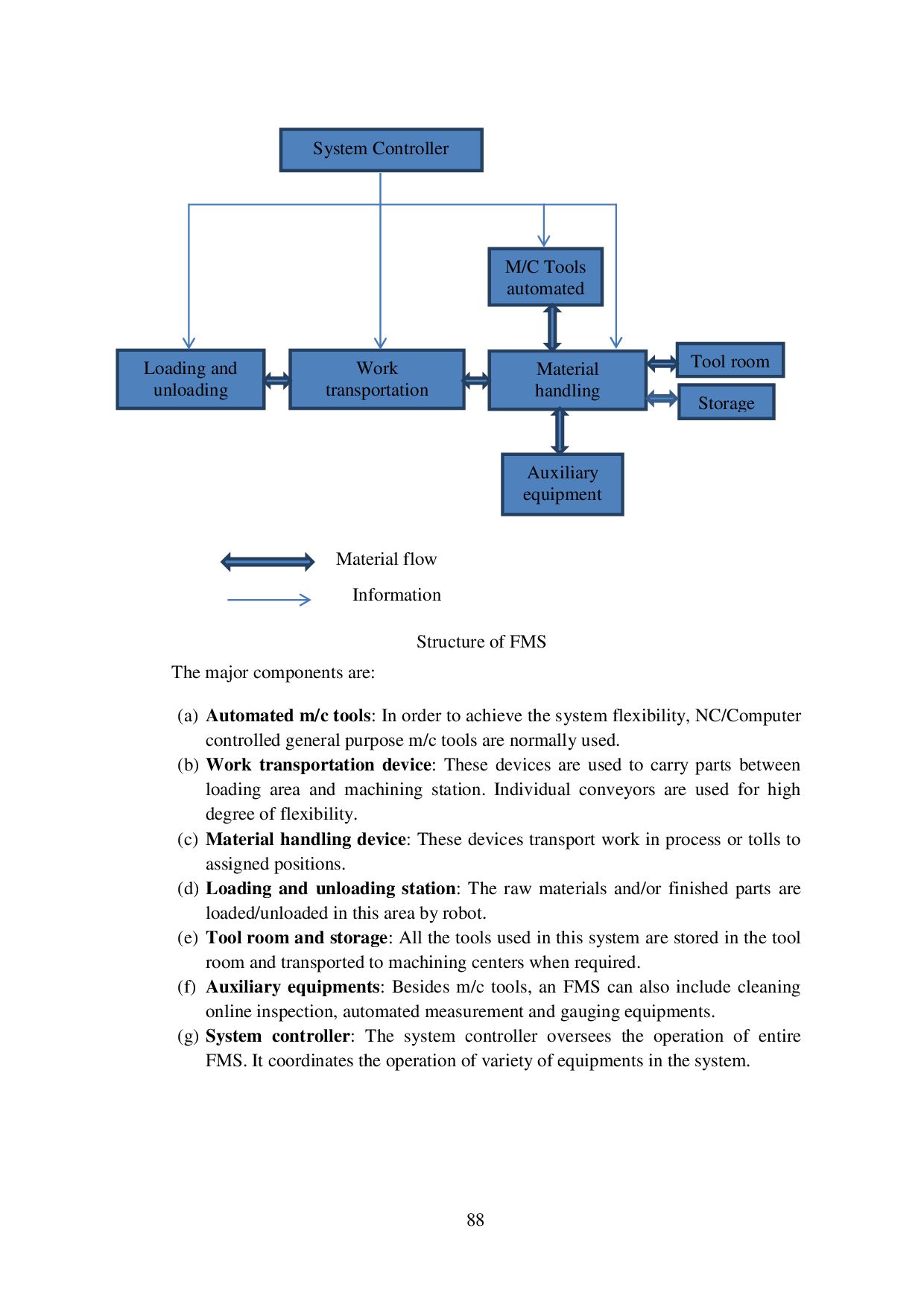
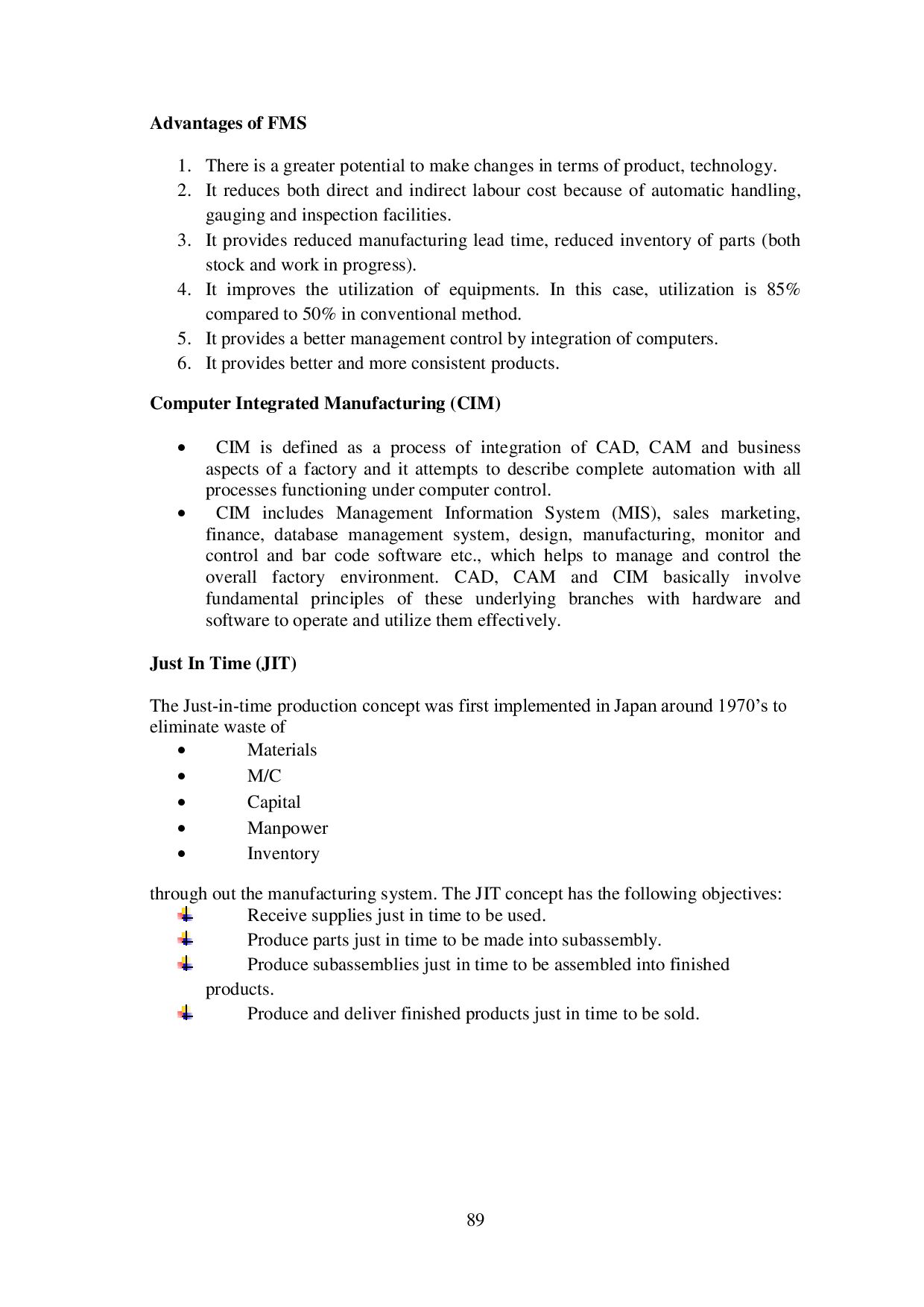
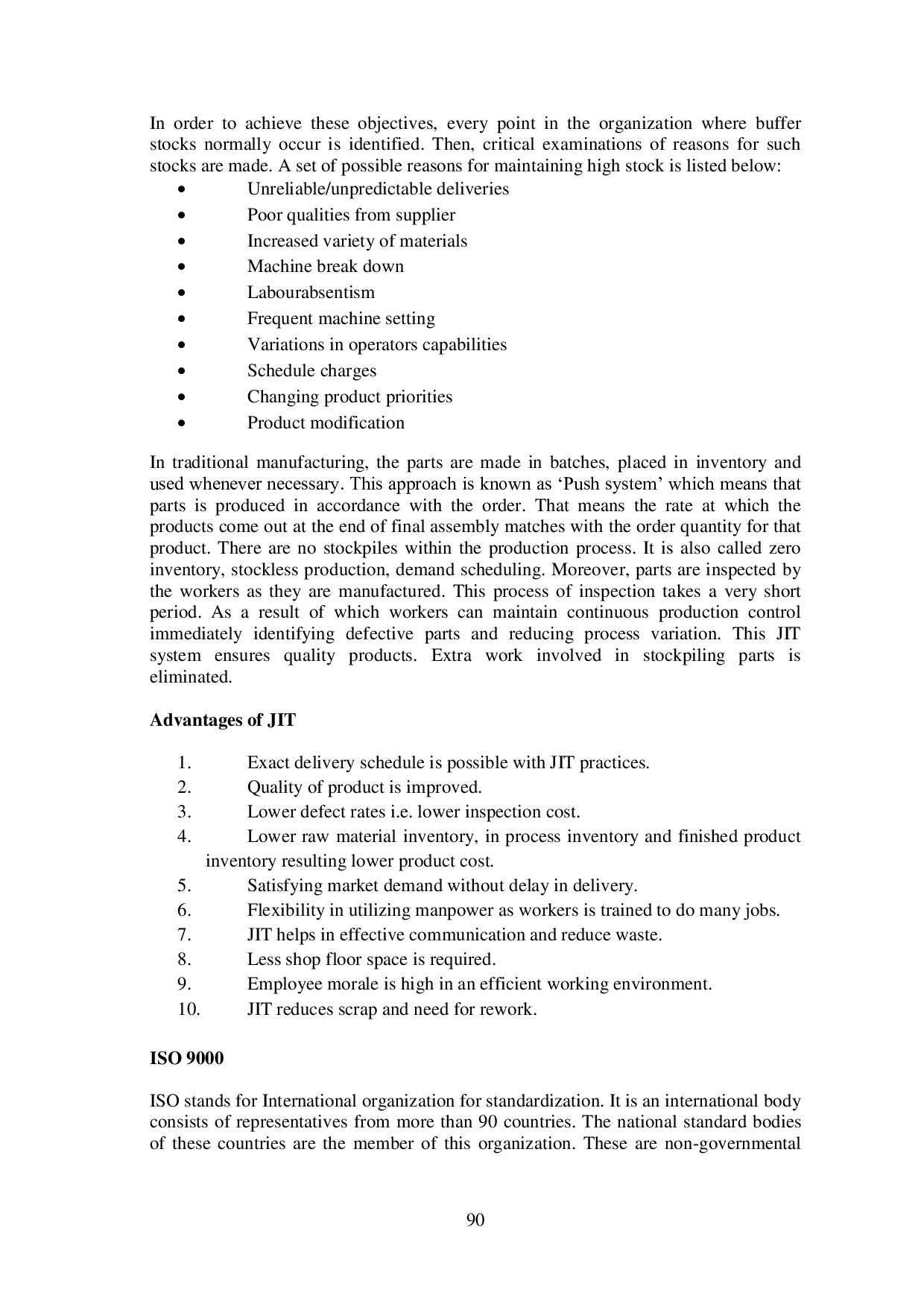
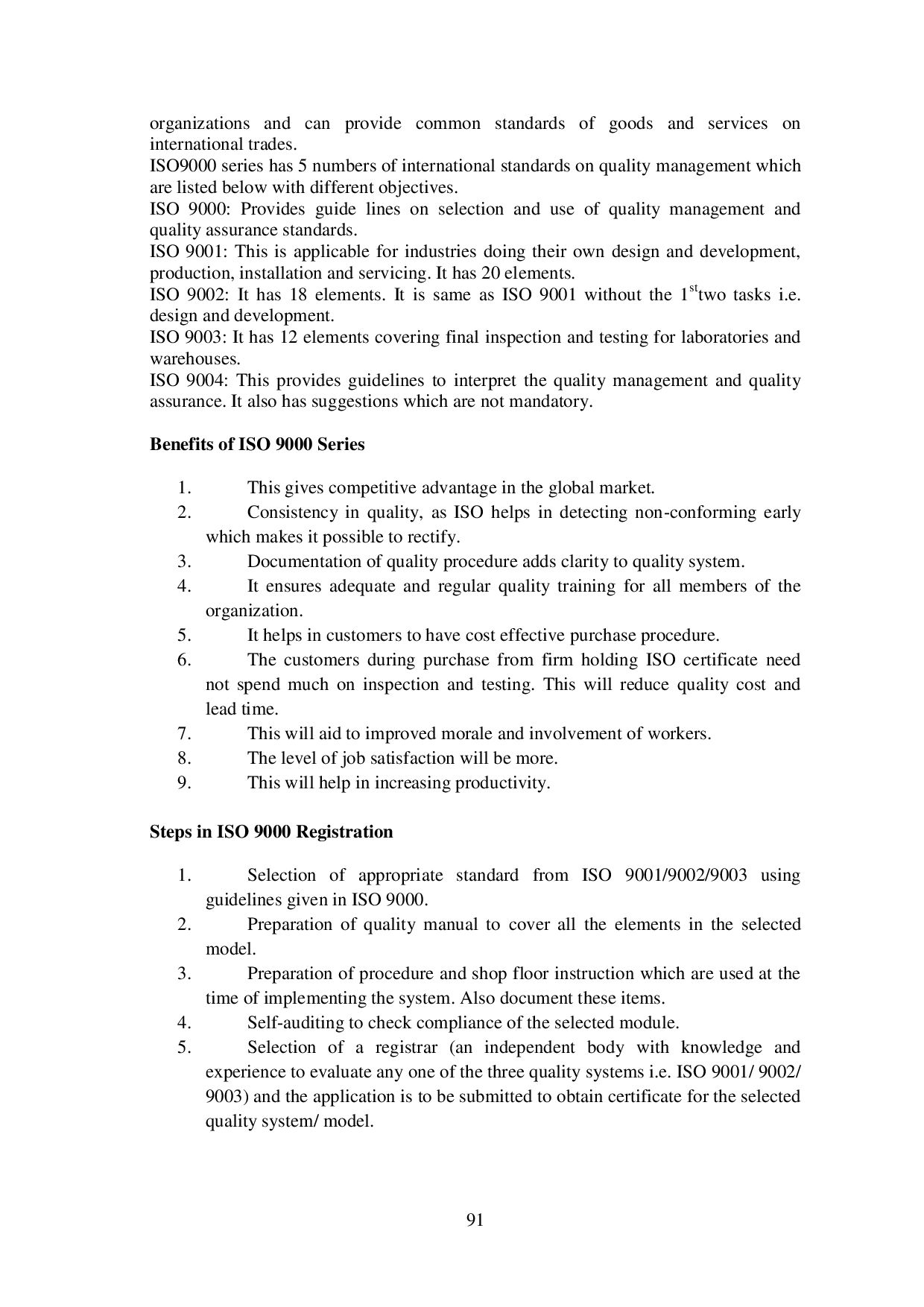
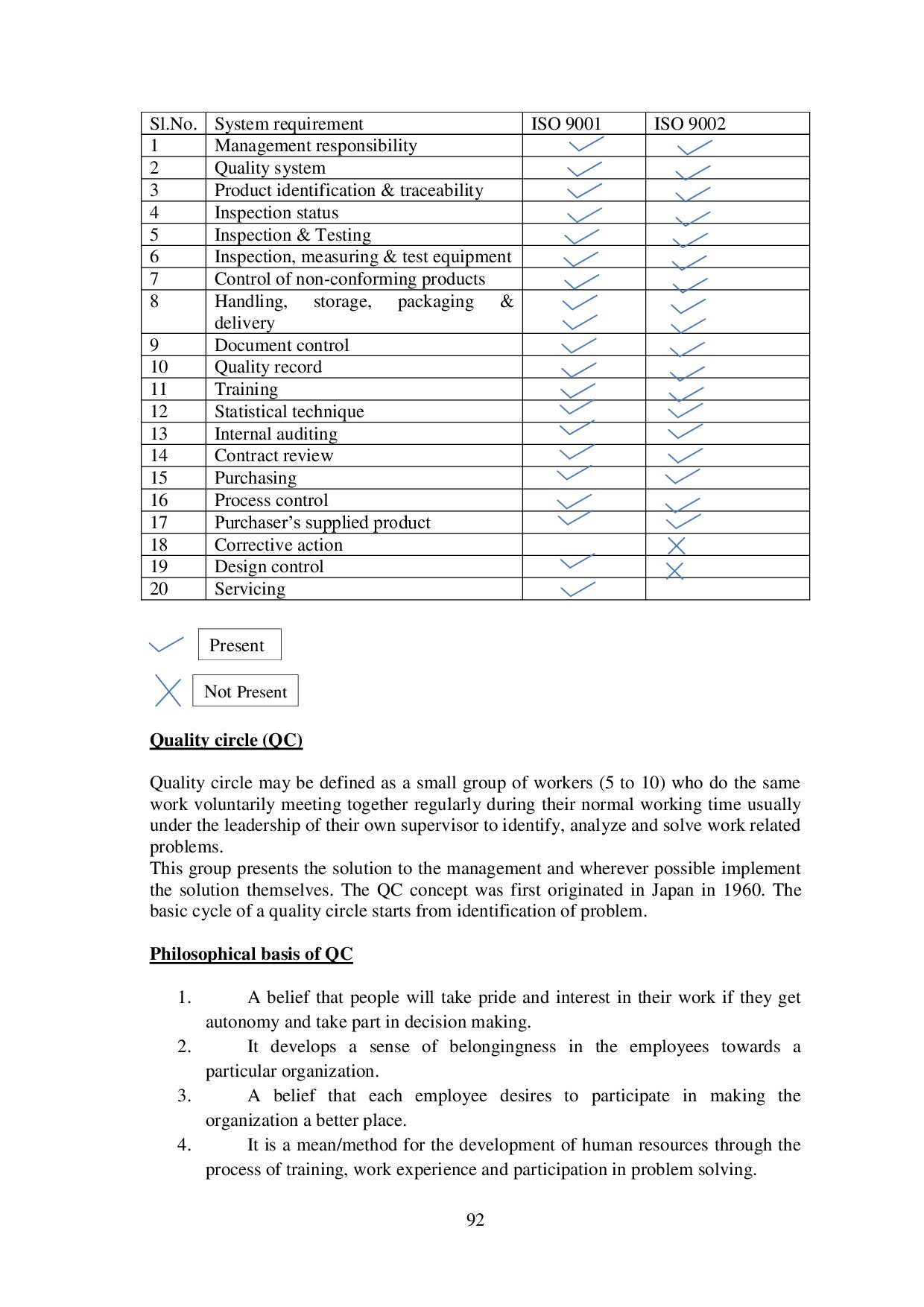
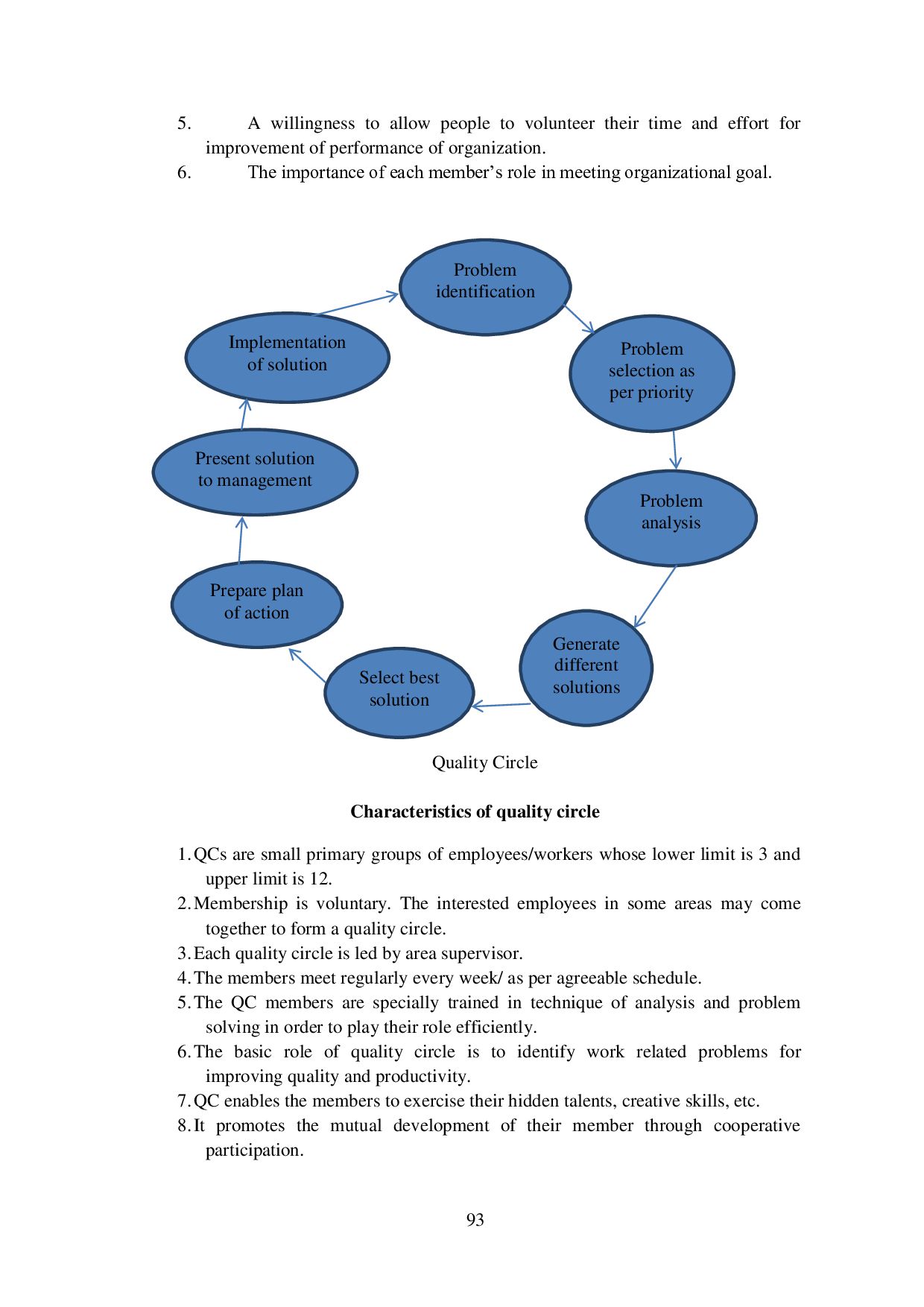
=min[30,70,130,70,130,170,210]=30 ⏟ ( ) = max[30,70,130,70,130,170,210]=210 ⏟ ( )=min[(-10+20),(-30+40),(-10+120),(-10+60),(-30+100),(-30+140), (-20+190)]=min[10,10,110,50,70,110,170]=10 ⏟ ( ) =max[10,10,110,50,70,110,170]=170 = ⏟ ( )=max[(210-30),(170-10)]=max[180,160]=180 P1=[1/2( ), ½( )]=[1/2(30-10),1/2(30+10+180)]=(10,110) P2=[1/2( ), ½( )]= [1/2(210-170),1/2(210+170-180)]=(20,100) Any point X*,Y* on the line segment joining pts (10,110),(20,100) is a minimax location for the firefighting equipment. 4.6 Layout Design Procedure Layout design procedures can be classified into manual methods and computerized methods. Manual methods. Under this category, there are some conventional methods like travel chart and Systematic Layout Planning (SLP). Computerized methods Under this method, again the layout design procedures can be classified in to constructive type algorithm and improvement type algorithms. Construction type algorithms Automated Layout Design program (ALDEP) Computerized Relationship Layout Planning (CORELAP) Improvement type Algorithm Computerized Relative Allocation of Facilities Technique (CRAFT)


 chrisshort
 erikaheidi
 jnunemaker
 chikuwait
 addyosmani
 tmiket
 techseoconnect
 rakko
 joshbly
 bkeepers
 mfonobong
 chriscoyier