Upgrade to Pro
— share decks privately, control downloads, hide ads and more …
Speaker Deck
Sign up for free
Menu
Search
Features
All features
Private URLs
Password Protection
Custom URLS
Scheduled publishing
Remove Branding
Restrict embedding
Deck Collections
Notes
Features
All features
Private URLs
Password Protection
Custom URLS
Scheduled publishing
Remove Branding
Restrict embedding
Deck Collections
Notes
Explore
Featured decks
Featured speakers
Programming
Technology
Storyboards
Explore
Featured decks
Featured speakers
Programming
Technology
Storyboards
Pricing
Search
Sign in
Sign up for free
How async and await ended up in Python
Search
Pavlin Gergov
July 27, 2018
330
0
Share
Embed
Copy iframe code
Copy JS code
Copy link
Start on current slide
How async and await ended up in Python
EuroPython 2018, Edinbugh
Pavlin Gergov
July 27, 2018
Featured
See All Featured
Believing is Seeing
oripsolob
1
240
Technical Leadership for Architectural Decision Making
baasie
3
600
The browser strikes back
jonoalderson
0
1.8k
Side Projects
sachag
456
43k
Jess Joyce - The Pitfalls of Following Frameworks
techseoconnect
PRO
1
450
Hiding What from Whom? A Critical Review of the History of Programming languages for Music
tomoyanonymous
3
1.3k
Ethics towards AI in product and experience design
skipperchong
2
430
Building an army of robots
kneath
307
47k
How to Talk to Developers About Accessibility
jct
2
580
Bash Introduction
62gerente
615
220k
The Invisible Side of Design
smashingmag
301
52k
Pawsitive SEO: Lessons from My Dog (and Many Mistakes) on Thriving as a Consultant in the Age of AI
davidcarrasco
0
260
Transcript
How async and await ended up in Python EuroPython 2018,
Edinburgh
Hello (: https:/ /www.hacksoft.io Django React Twitter: @pgergov_
None
Python is synchronous
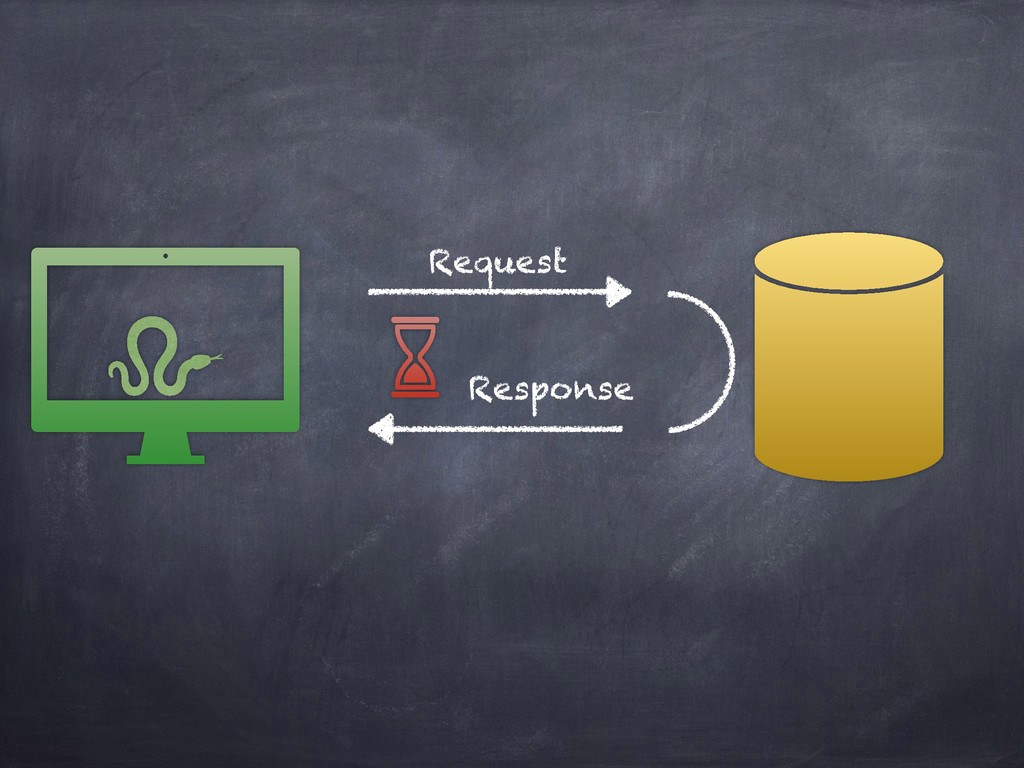
Request Response
None
None
Threads
Asynchronous
asyncio
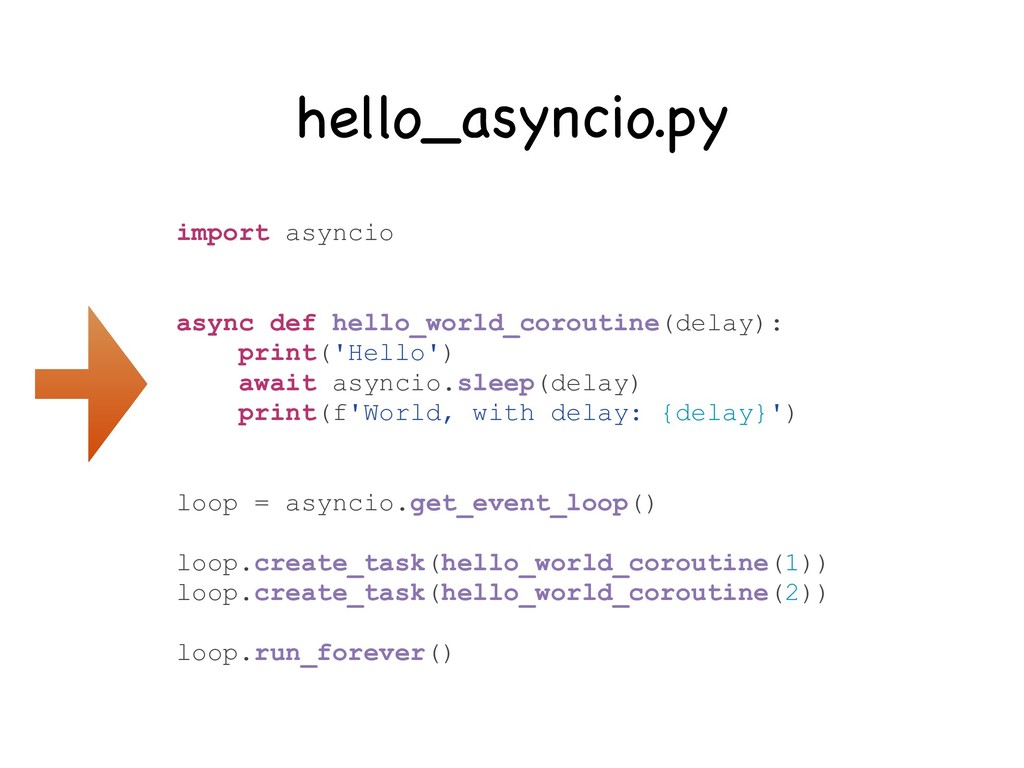
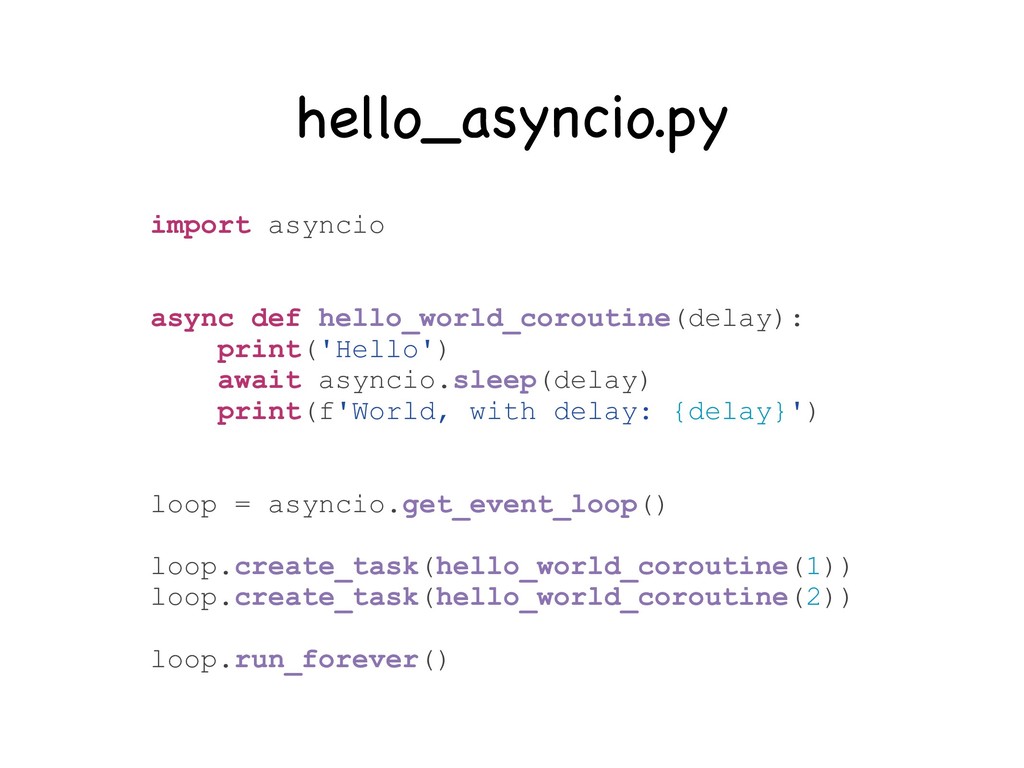
hello_asyncio.py import asyncio async def hello_world_coroutine(delay): print('Hello') await asyncio.sleep(delay) print(f'World,
with delay: {delay}') loop = asyncio.get_event_loop() loop.create_task(hello_world_coroutine(1)) loop.create_task(hello_world_coroutine(2)) loop.run_forever()
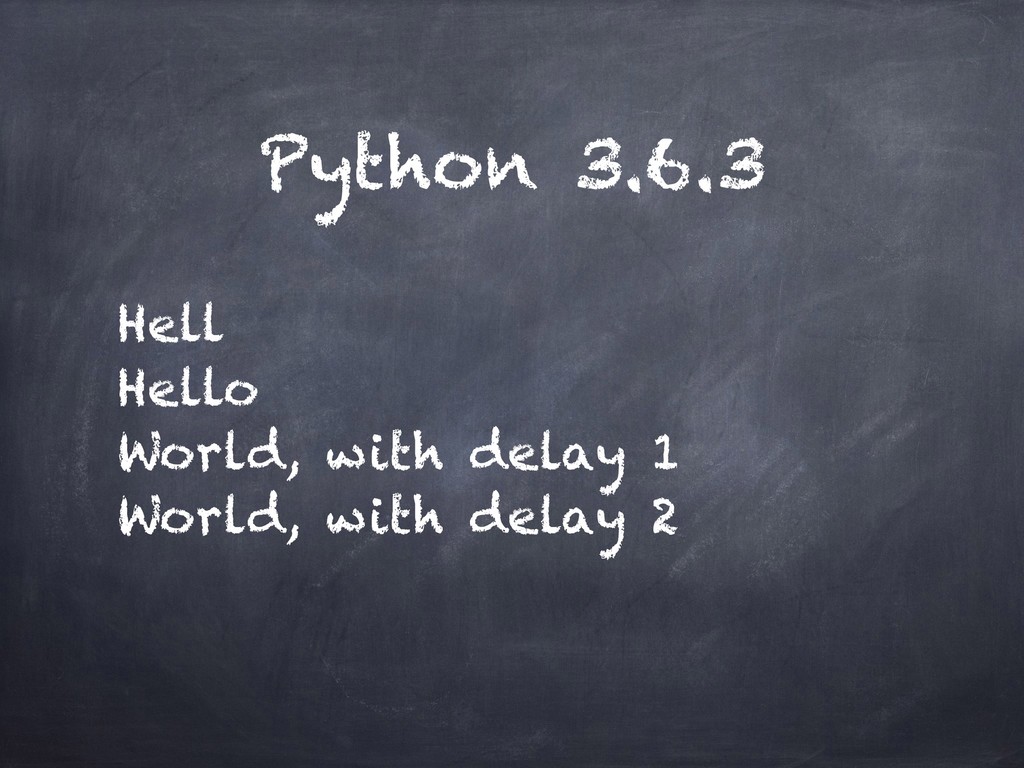
Python 3.6.3 Hell Hello World, with delay 1 World, with
delay 2
hello_asyncio.py import asyncio async def hello_world_coroutine(delay): print('Hello') await asyncio.sleep(delay) print(f'World,
with delay: {delay}') loop = asyncio.get_event_loop() loop.create_task(hello_world_coroutine(1)) loop.create_task(hello_world_coroutine(2)) loop.run_forever()
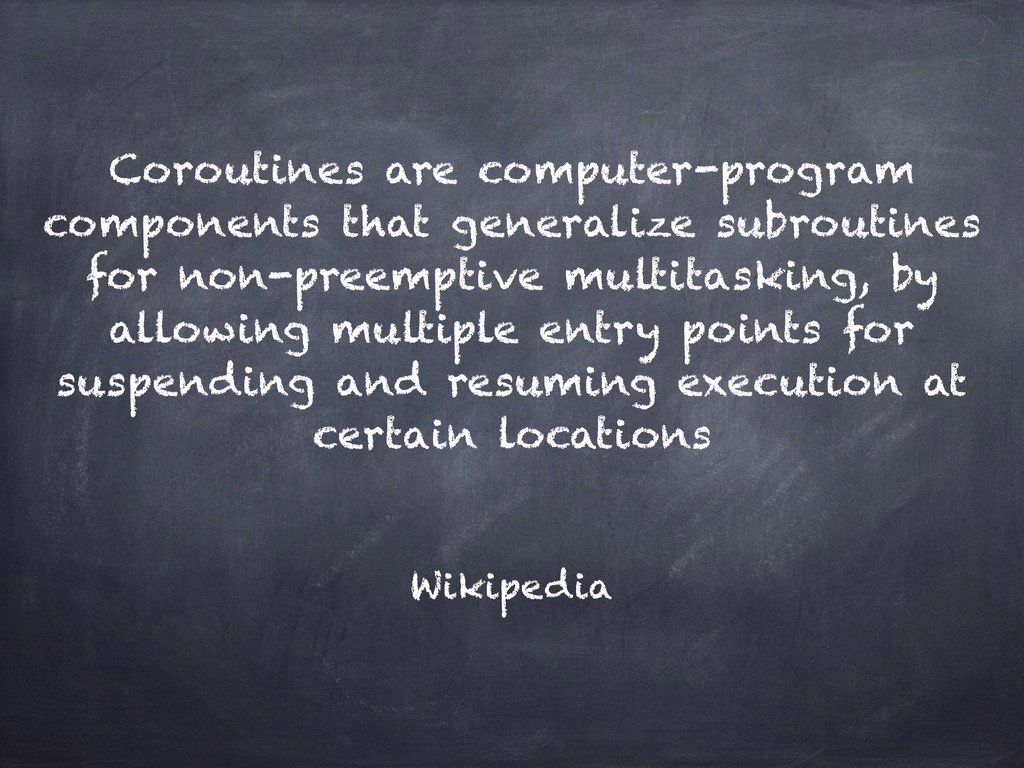
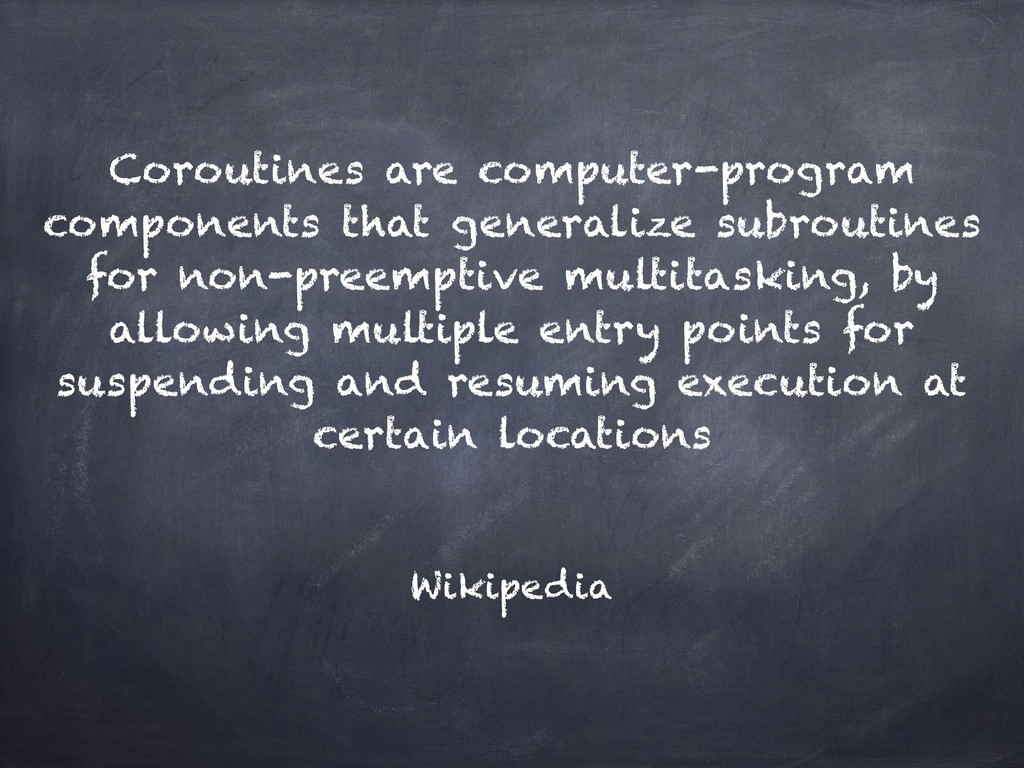
Coroutines are computer-program components that generalize subroutines for non-preemptive multitasking,
by allowing multiple entry points for suspending and resuming execution at certain locations Wikipedia
None
None
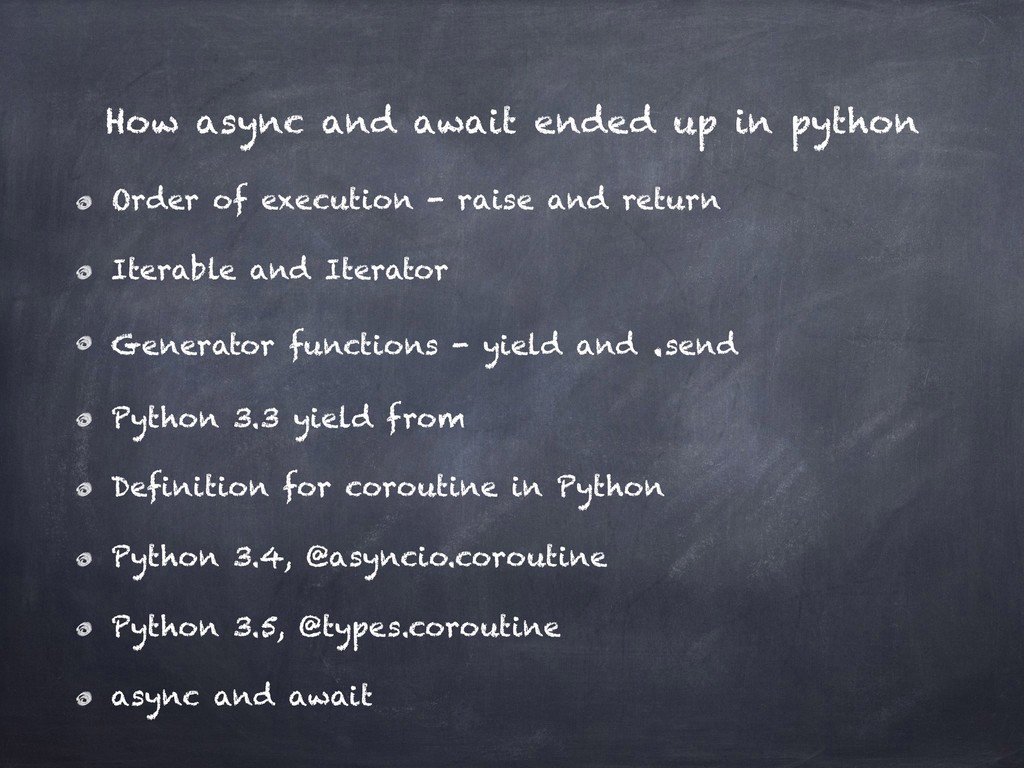
How async and await ended up in python Order of
execution - raise and return Iterable and Iterator Generator functions - yield and .send Python 3.3 yield from Definition for coroutine in Python Python 3.4, @asyncio.coroutine Python 3.5, @types.coroutine async and await
Order of execution
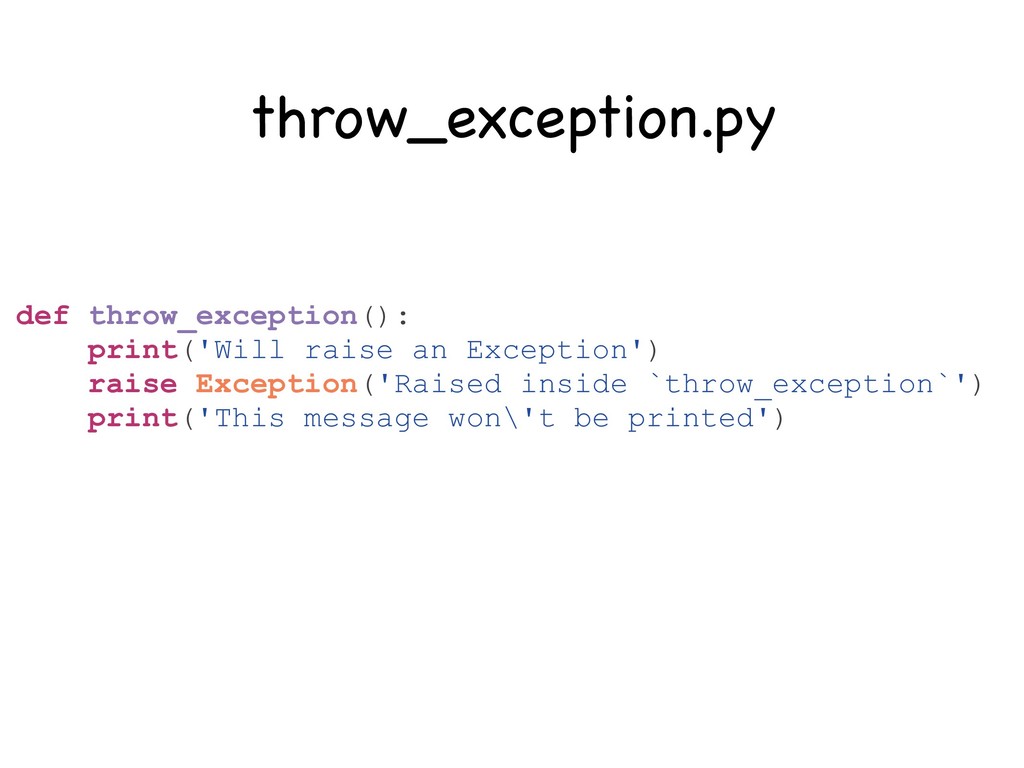
throw_exception.py def throw_exception(): print('Will raise an Exception') raise Exception('Raised inside
`throw_exception`') print('This message won\'t be printed')
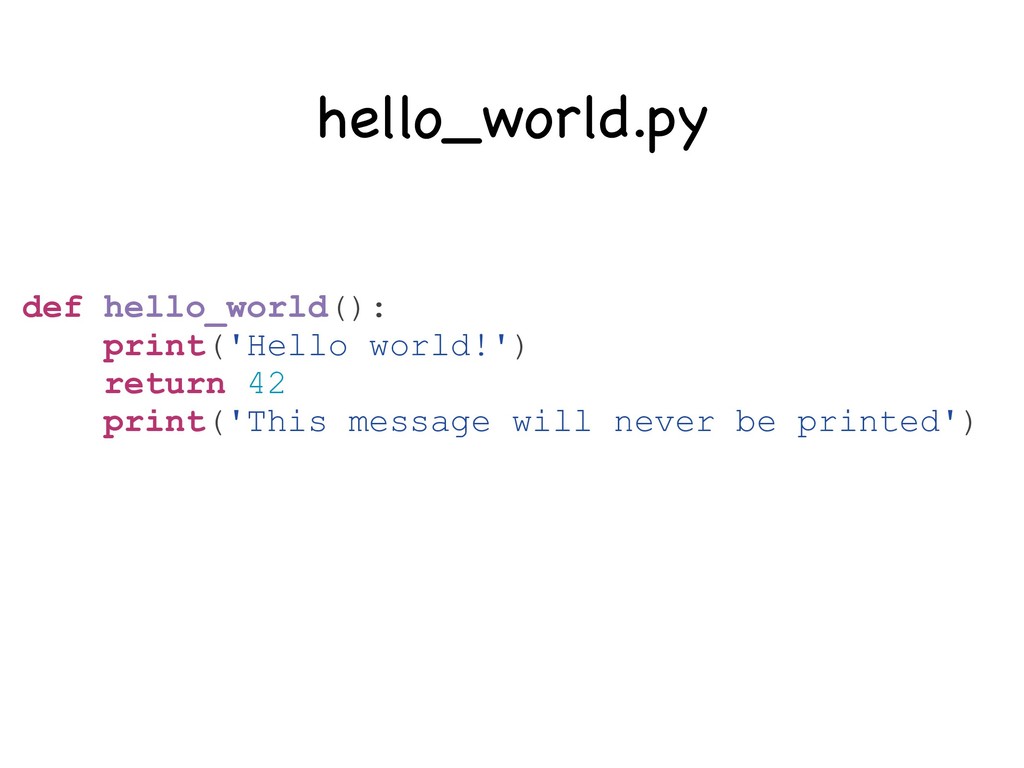
hello_world.py def hello_world(): print('Hello world!') return 42 print('This message will
never be printed')
yield
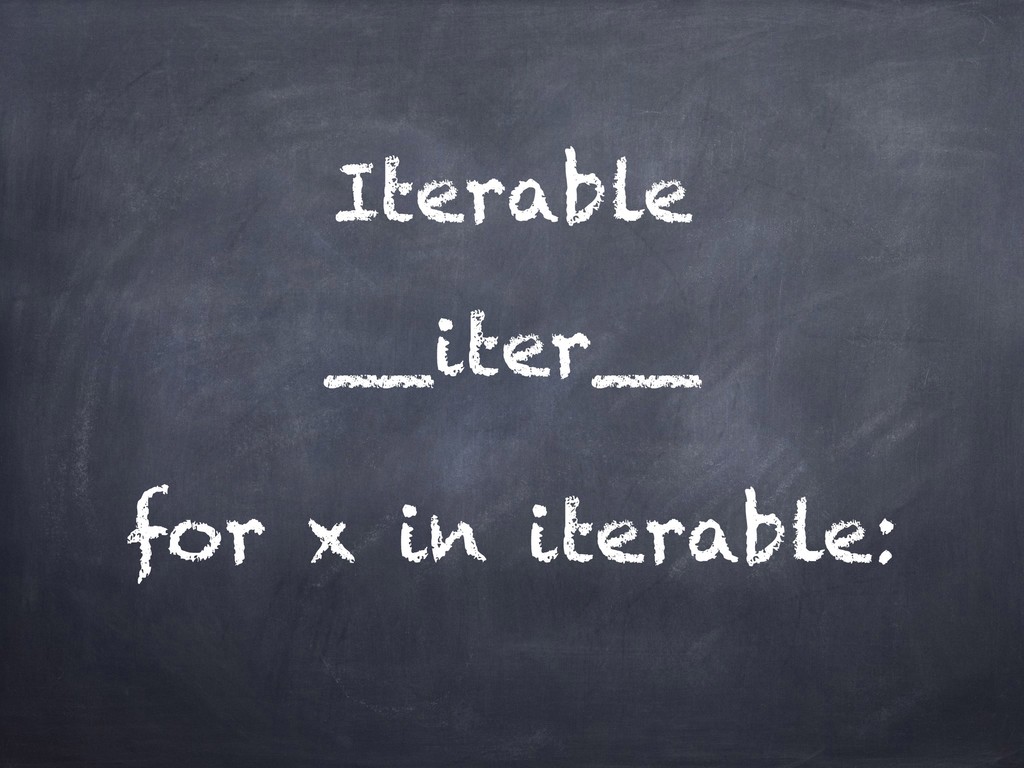
Iterable __iter__ for x in iterable:
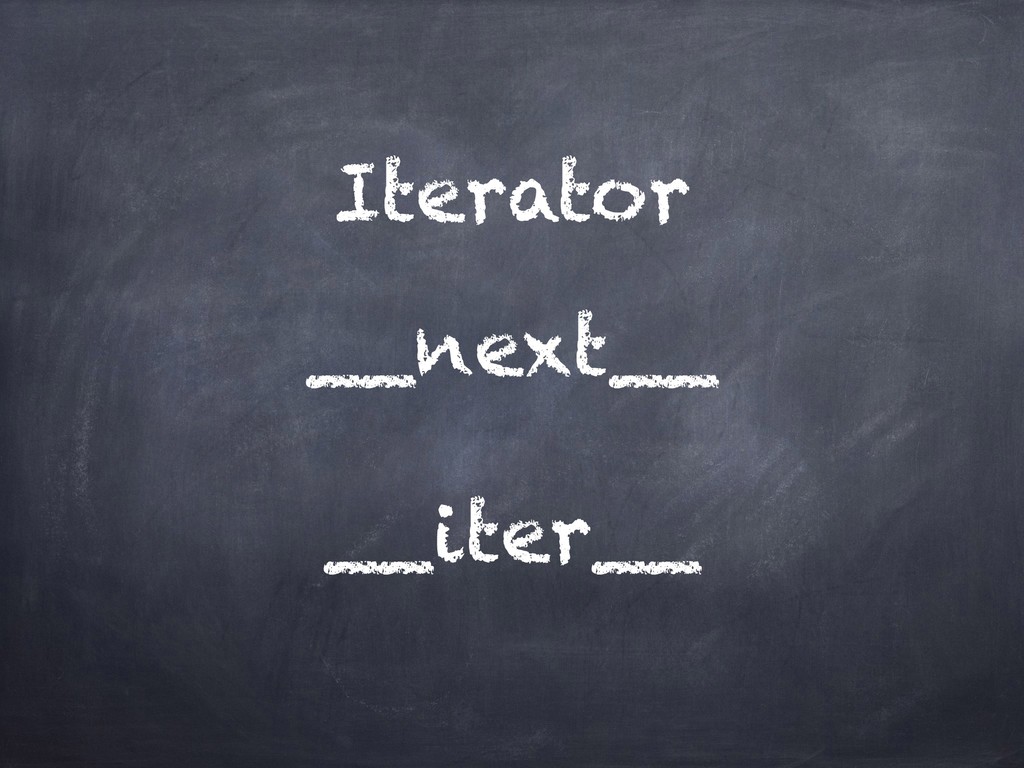
Iterator __next__ __iter__
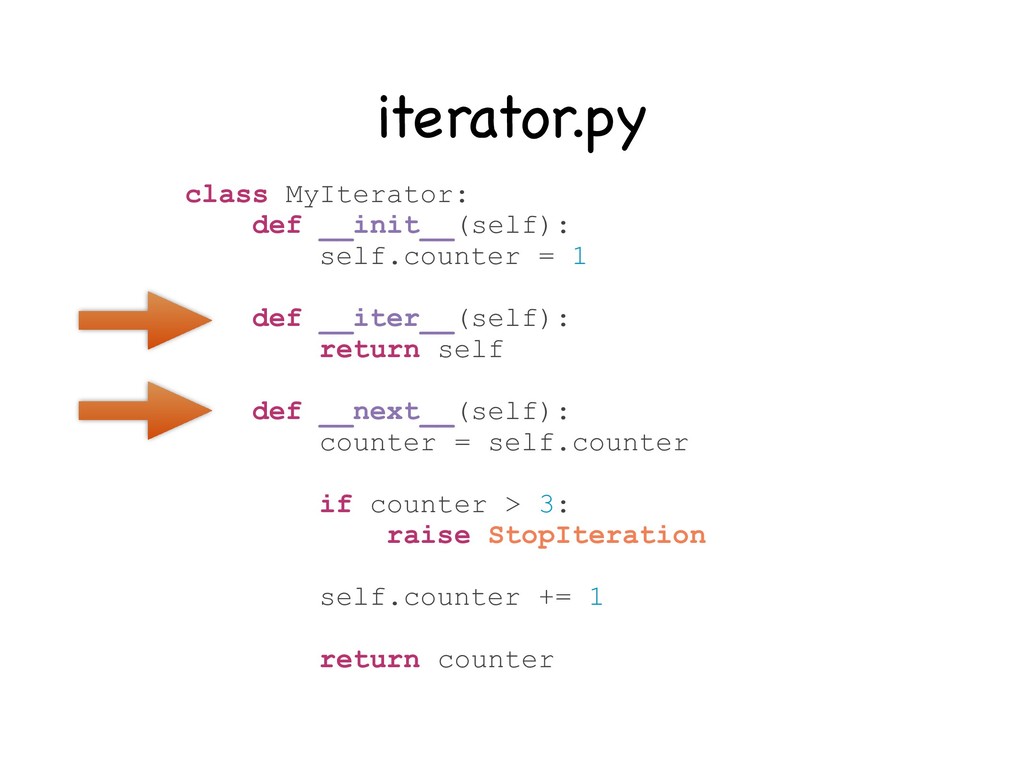
class MyIterator: def __init__(self): self.counter = 1 def __iter__(self): return
self def __next__(self): counter = self.counter if counter > 3: raise StopIteration self.counter += 1 return counter iterator.py
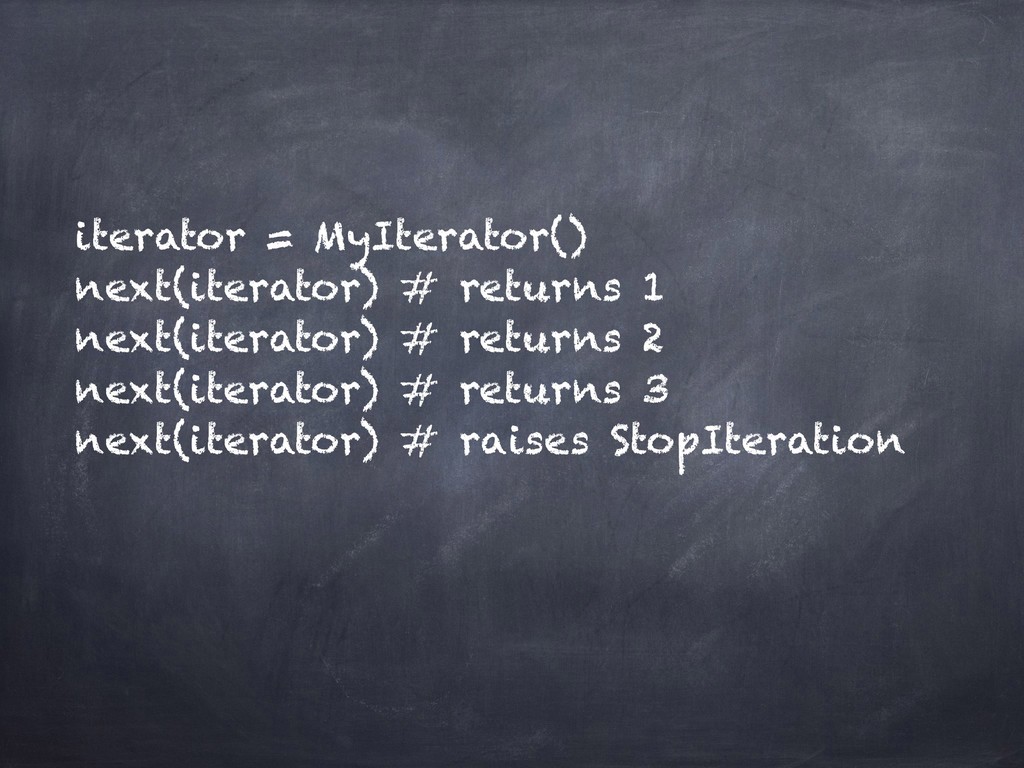
iterator = MyIterator() next(iterator) # returns 1 next(iterator) # returns
2 next(iterator) # returns 3 next(iterator) # raises StopIteration
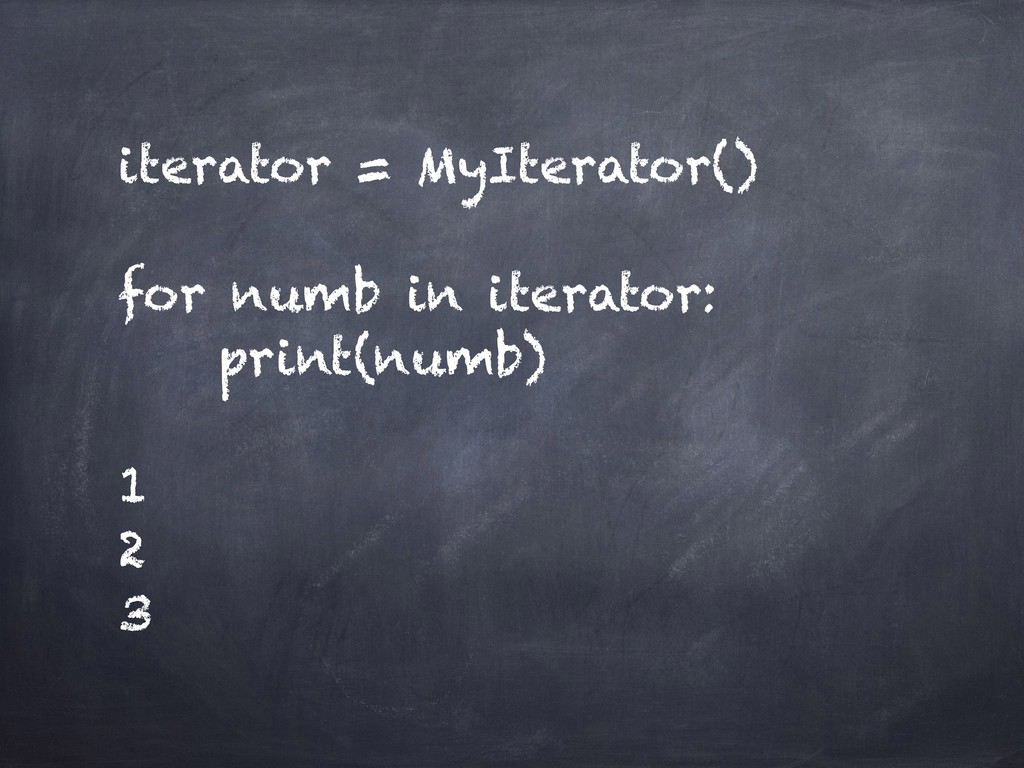
iterator = MyIterator() for numb in iterator: print(numb) 1 2
3
Generator function
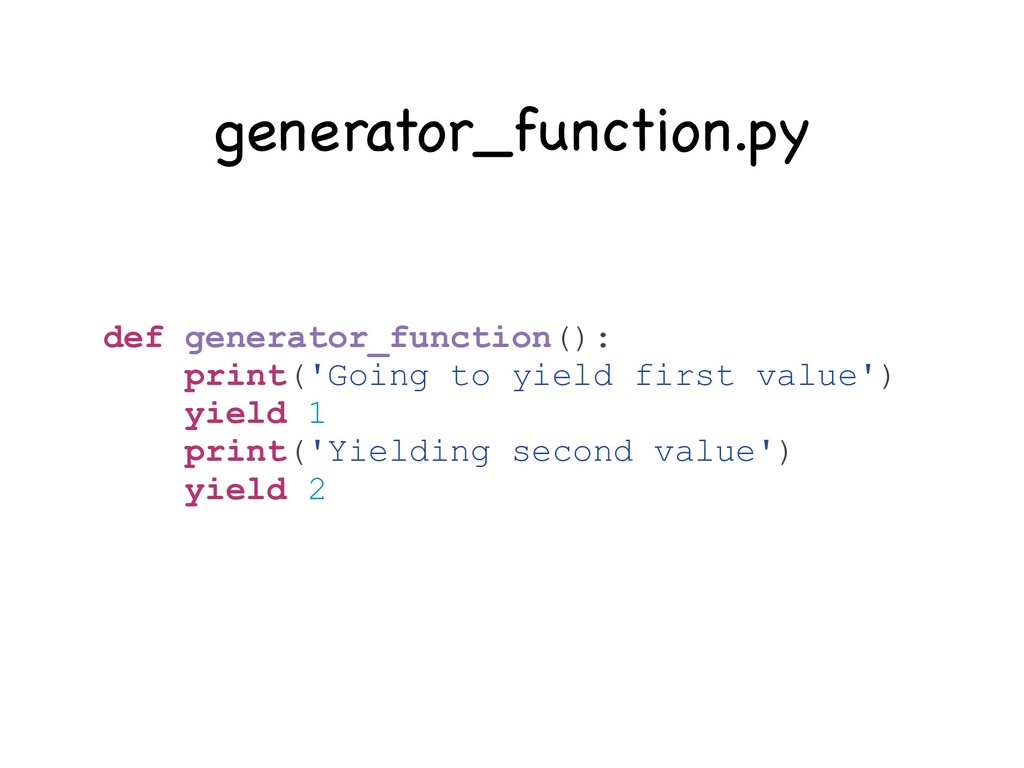
def generator_function(): print('Going to yield first value') yield 1 print('Yielding
second value') yield 2 generator_function.py
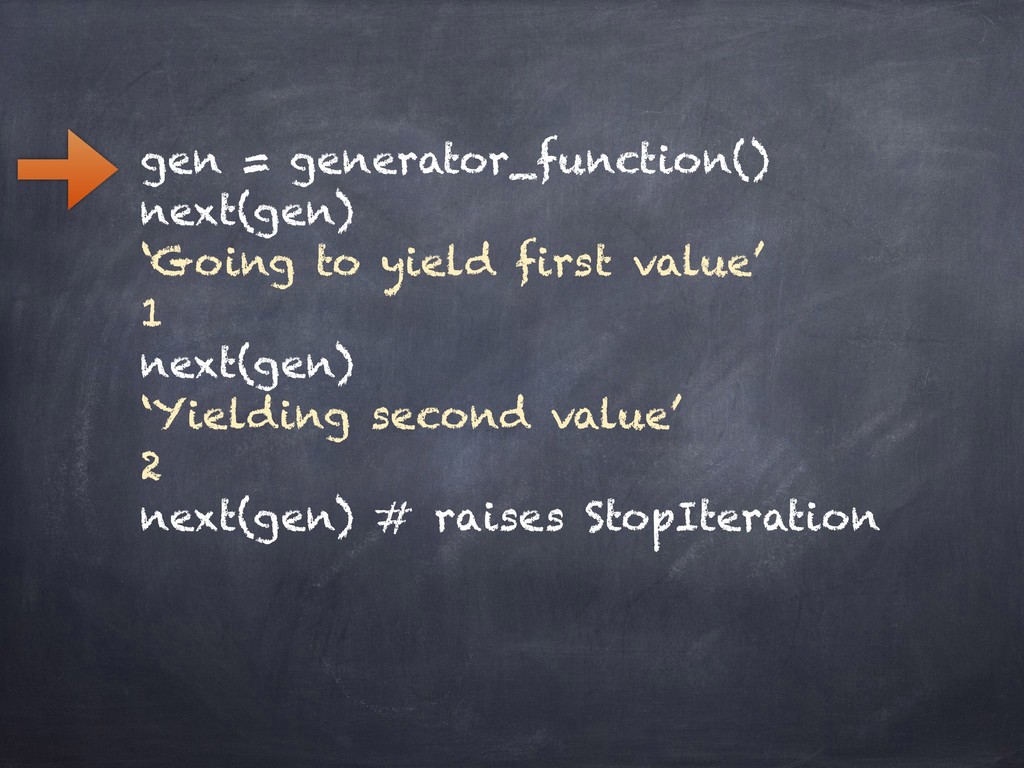
gen = generator_function() next(gen) ‘Going to yield first value’ 1
next(gen) ‘Yielding second value’ 2 next(gen) # raises StopIteration
.send
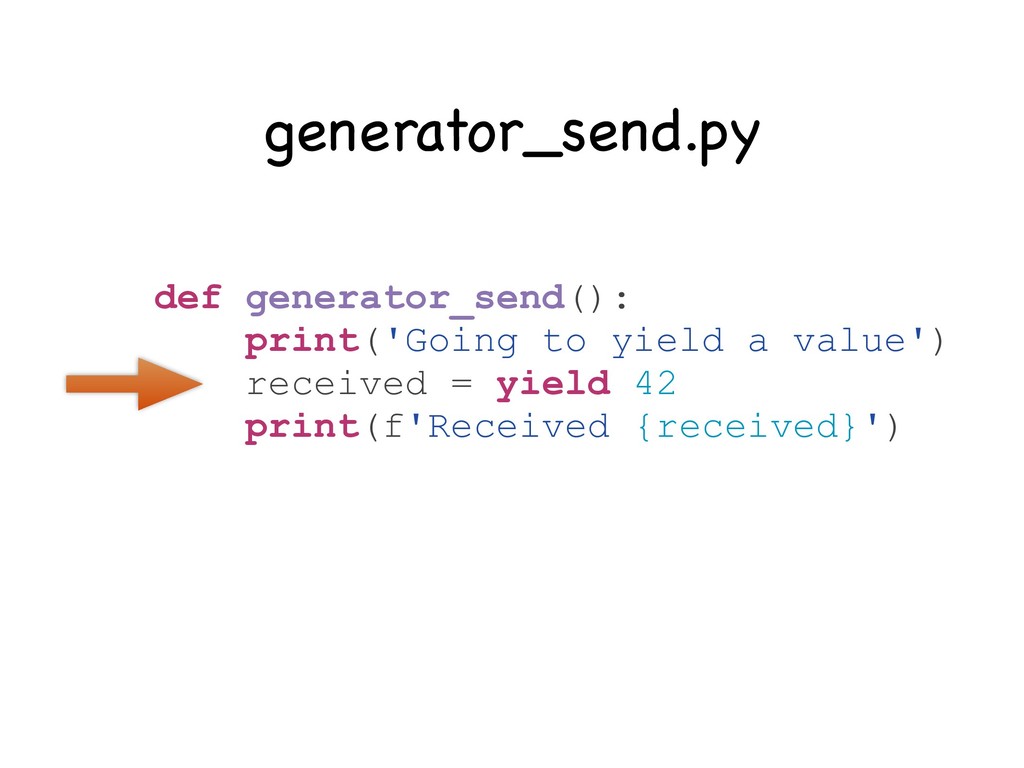
def generator_send(): print('Going to yield a value') received = yield
42 print(f'Received {received}') generator_send.py
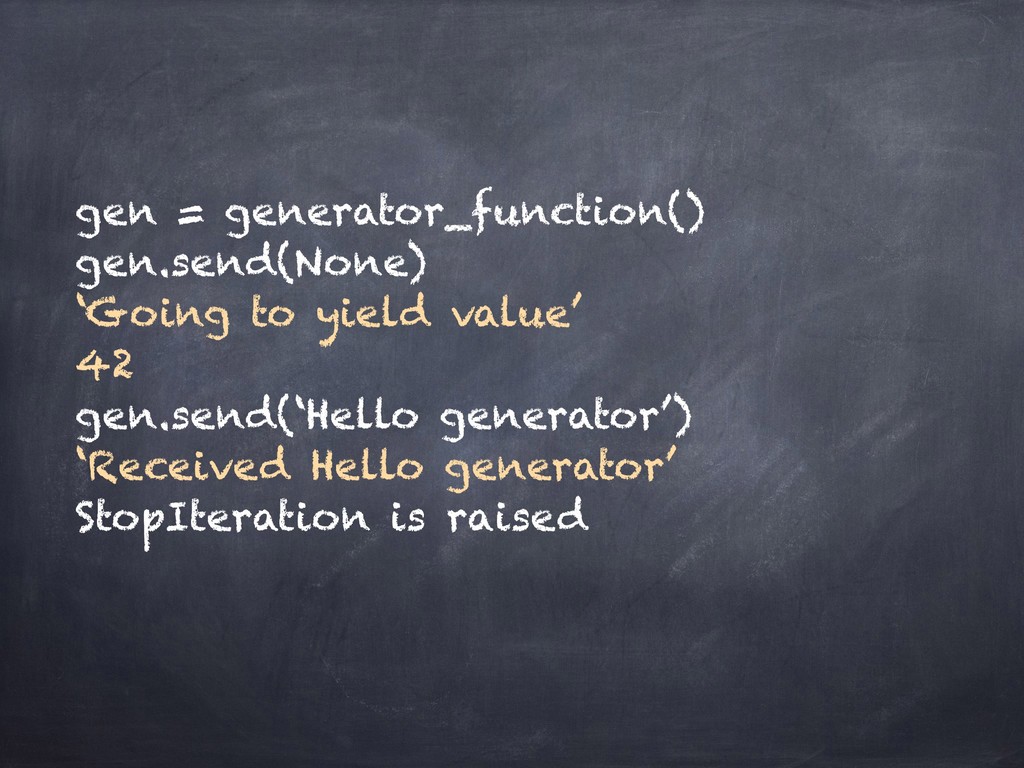
gen = generator_function() gen.send(None) ‘Going to yield value’ 42 gen.send(‘Hello
generator’) ‘Received Hello generator’ StopIteration is raised
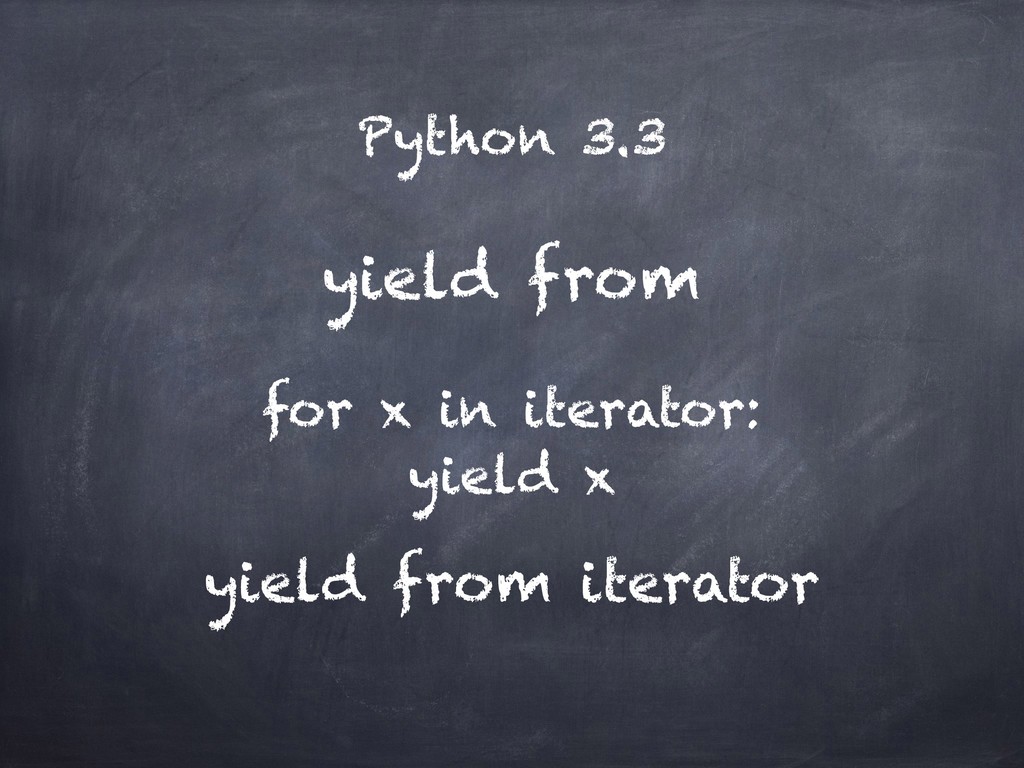
yield from for x in iterator: yield x yield from
iterator Python 3.3
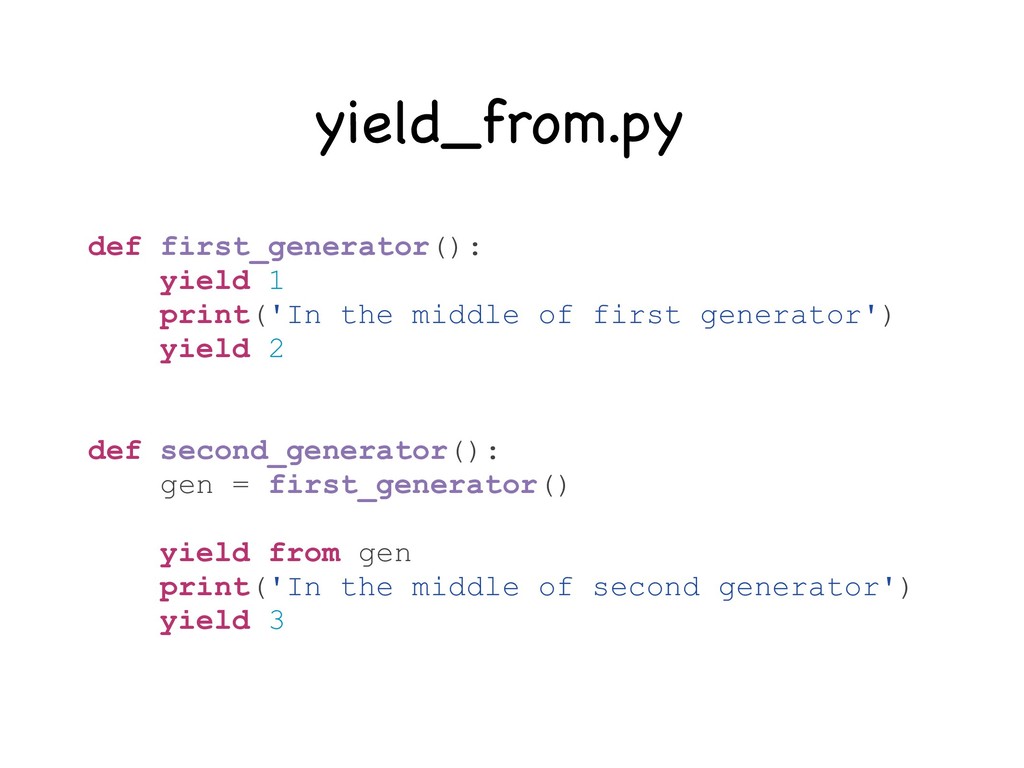
def first_generator(): yield 1 print('In the middle of first generator')
yield 2 def second_generator(): gen = first_generator() yield from gen print('In the middle of second generator') yield 3 yield_from.py
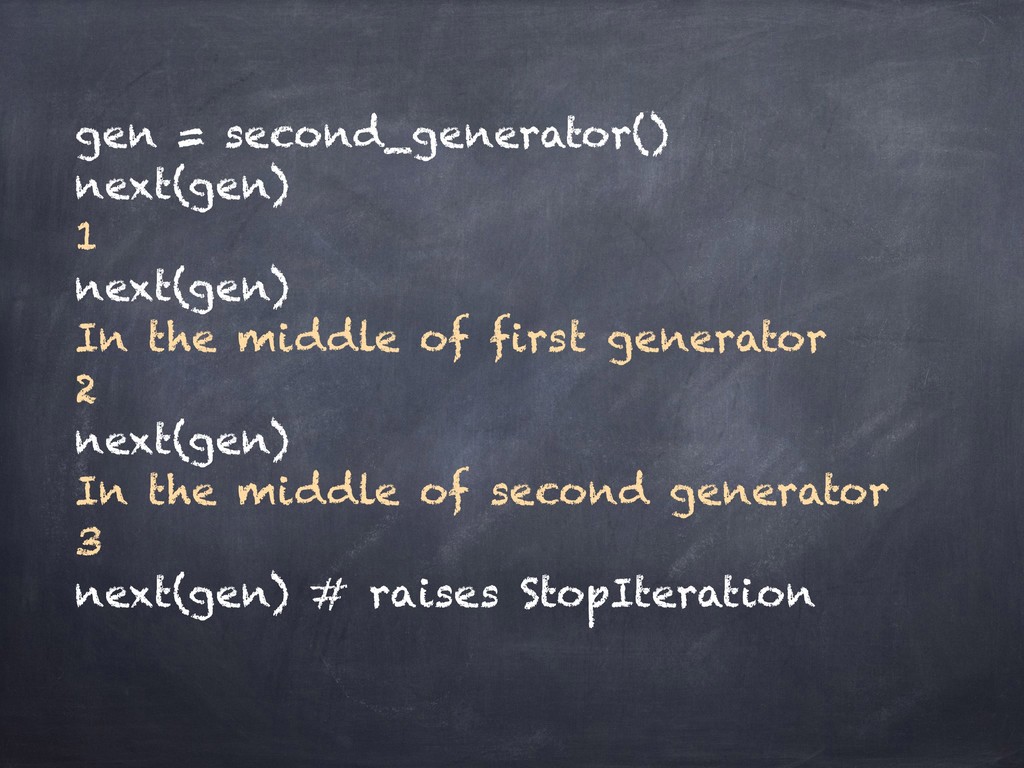
gen = second_generator() next(gen) 1 next(gen) In the middle of
first generator 2 next(gen) In the middle of second generator 3 next(gen) # raises StopIteration
Coroutines are computer-program components that generalize subroutines for non-preemptive multitasking,
by allowing multiple entry points for suspending and resuming execution at certain locations Wikipedia
definition of coroutine in Python Python 3.3
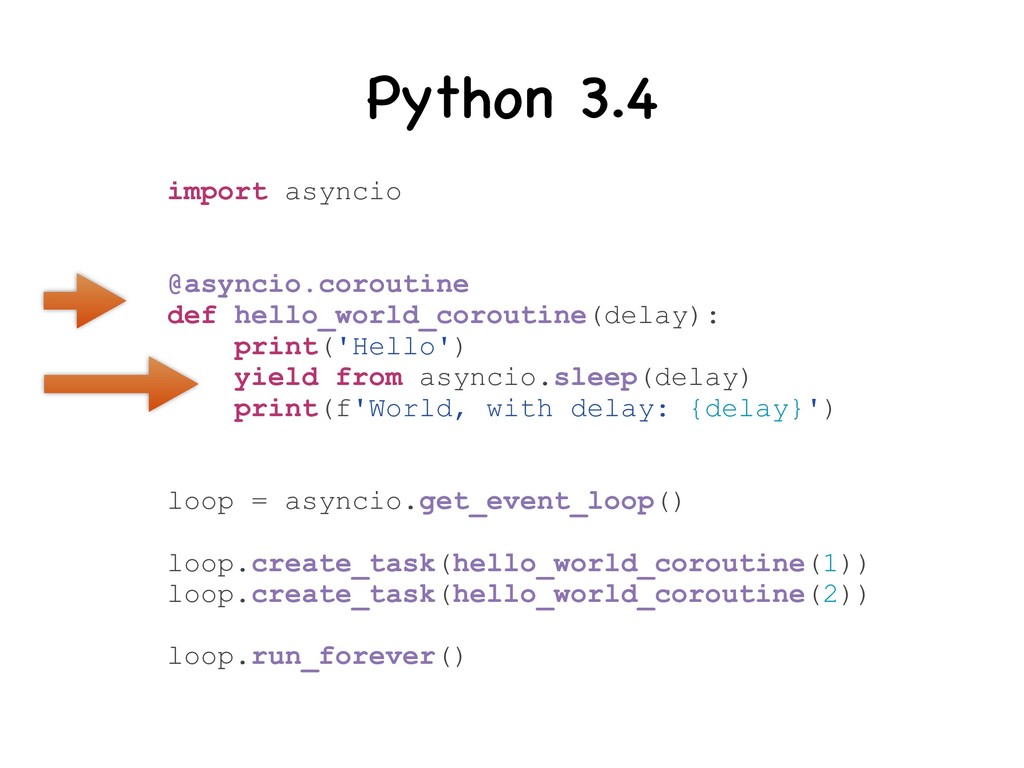
@asyncio.coroutine Python 3.4
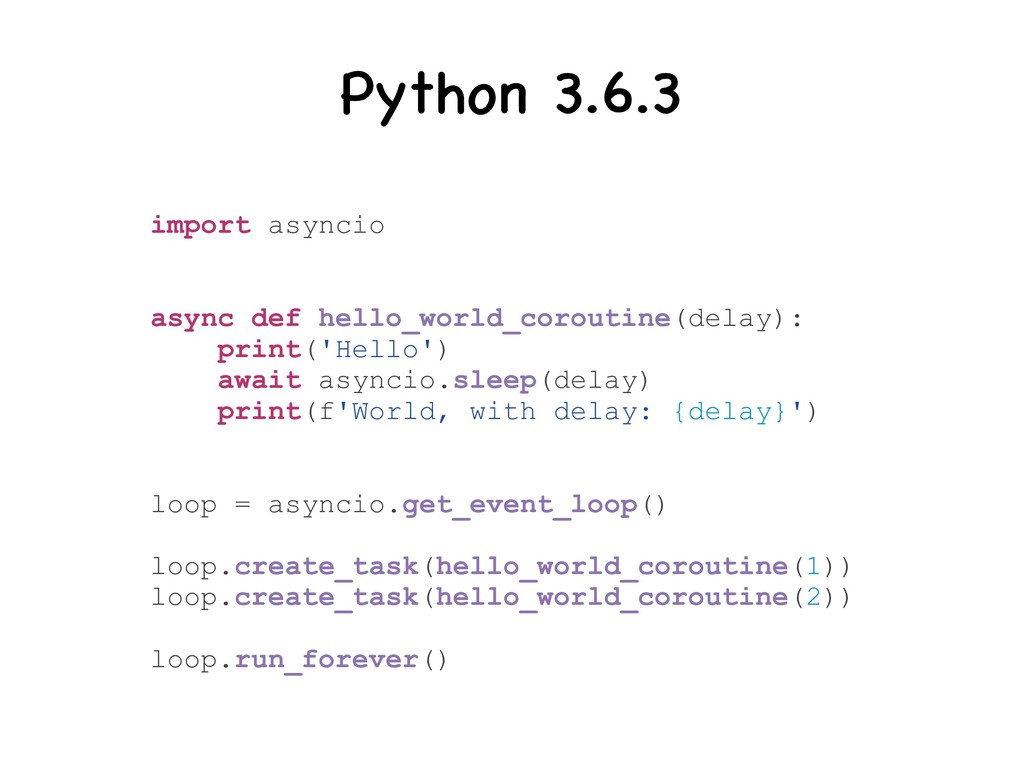
Python 3.6.3 import asyncio async def hello_world_coroutine(delay): print('Hello') await asyncio.sleep(delay)
print(f'World, with delay: {delay}') loop = asyncio.get_event_loop() loop.create_task(hello_world_coroutine(1)) loop.create_task(hello_world_coroutine(2)) loop.run_forever()
Python 3.4 import asyncio @asyncio.coroutine def hello_world_coroutine(delay): print('Hello') yield from
asyncio.sleep(delay) print(f'World, with delay: {delay}') loop = asyncio.get_event_loop() loop.create_task(hello_world_coroutine(1)) loop.create_task(hello_world_coroutine(2)) loop.run_forever()
@types.coroutine Python 3.5
async Python 3.5 async def
await Python 3.5
__await__
Conclusion
What’s next?
The superpowers of async and await
Thank you Here’s a kiss for you! https:/ /github.com/pgergov/europython-2018


 oripsolob
 baasie
 jonoalderson
 sachag
 techseoconnect
 tomoyanonymous
 skipperchong
 kneath
 jct
jct
 62gerente
 smashingmag
 davidcarrasco