like application manifests • Don’t like yaml! • Want visibility into CI/CD process • Don’t like difficult to understand CI configuration • Don’t like difficult to reuse CI pipelines • Don’t like inflexible CI/CD • Don’t like yaml! • Want K8s native CI pipelines • Want robust application lifecycle management • Don’t like not knowing what version of which app they just tested out • Don’t like not having a list of all deployed applications • Don’t like incorrectly informing users which features are available on prod
jsonnet is unfamiliar to developers ◦ There was alpha support for Kubernetes runtime, however not configurable from CI config...Drone internally was creating Jobs/Pods, was later deprecated - drone/drone-runtime/issues/69 • GitLab ◦ K8s GitLab runner a huge blackbox, don’t want to maintain a fork, also different scope ◦ Reusability via YAML DSL (“.partial: &partial”, “<<: *partial” !?) is annoying for Ops, difficult for Devs • Tektoncd/pipeline ◦ Was seen as alternative to Argo Workflows, which we already had operational experience with
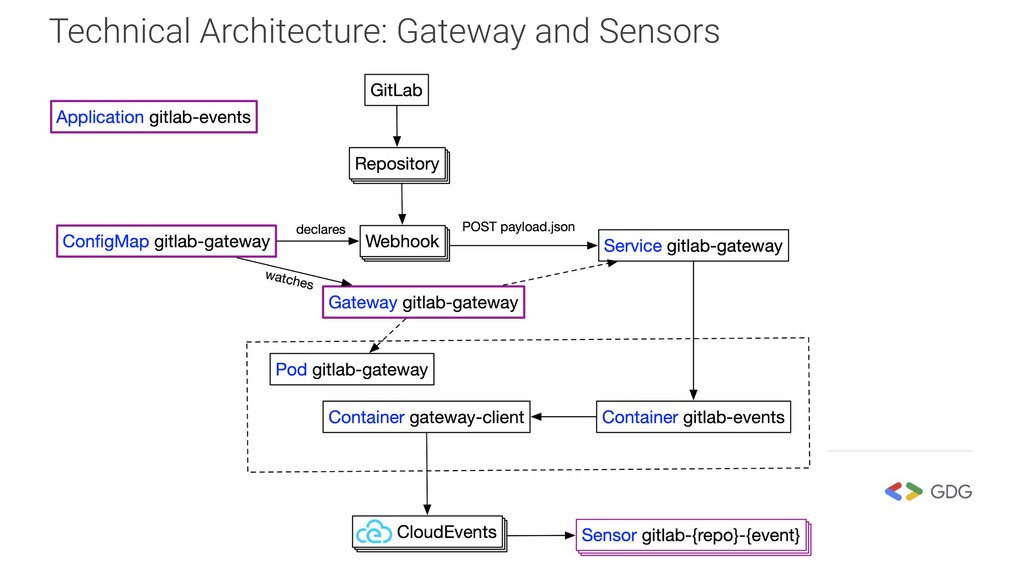
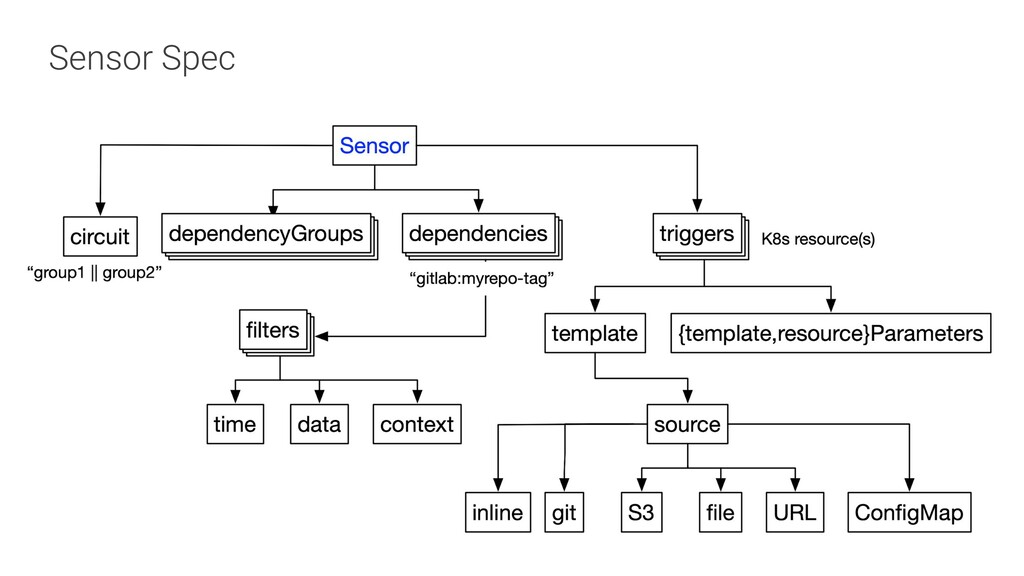
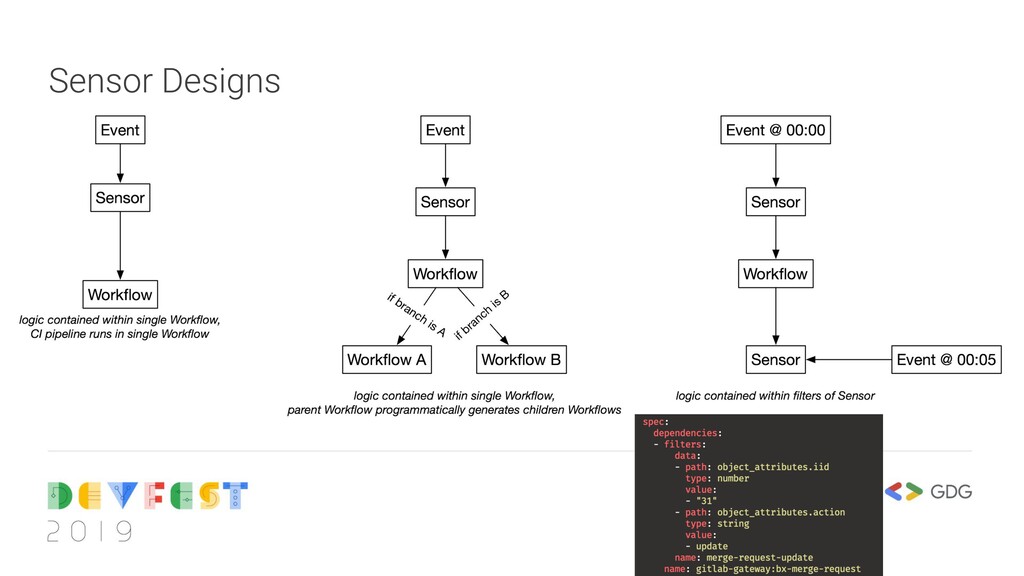
helps you define multiple dependencies from a variety of event sources like webhook, s3, schedules, streams etc. and trigger Kubernetes objects after successful event dependencies resolution.”
services to deploy in a monorepo • Developer can test one or more altered services in the context of the entire stack (the rest deployed from whichever was latest release)


 cncfcanada
 chrisshort
 jonrohan
 katarinadahlin
 aleyda
 tammyeverts
 uxyall
 tamaranovitovic
 marktimemedia
 rkendrick25
 tapps
tapps
 auna
auna
 andyhume