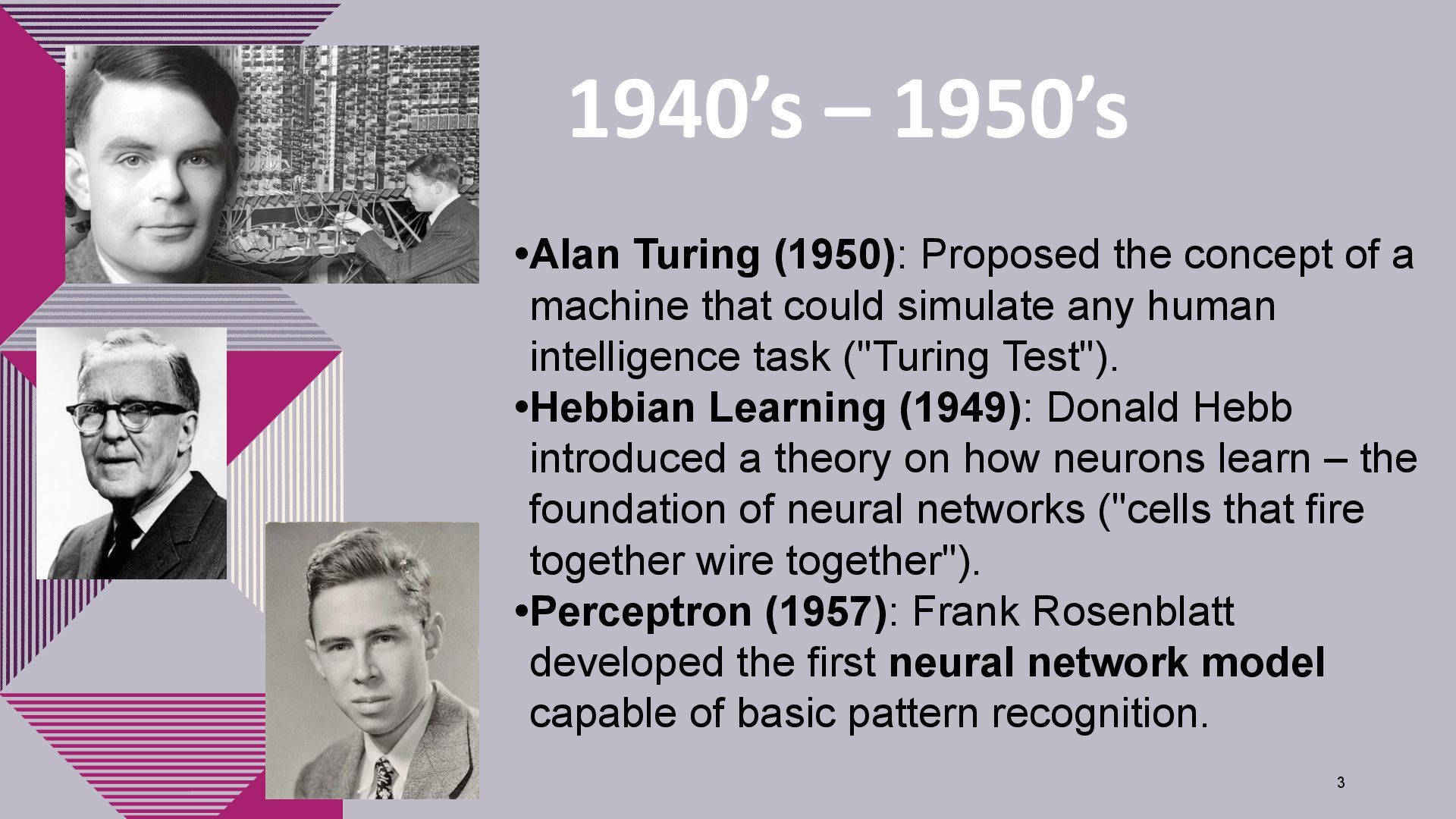
that could simulate any human intelligence task ("Turing Test"). •Hebbian Learning (1949): Donald Hebb introduced a theory on how neurons learn – the foundation of neural networks ("cells that fire together wire together"). •Perceptron (1957): Frank Rosenblatt developed the first neural network model capable of basic pattern recognition. 1940’s – 1950’s
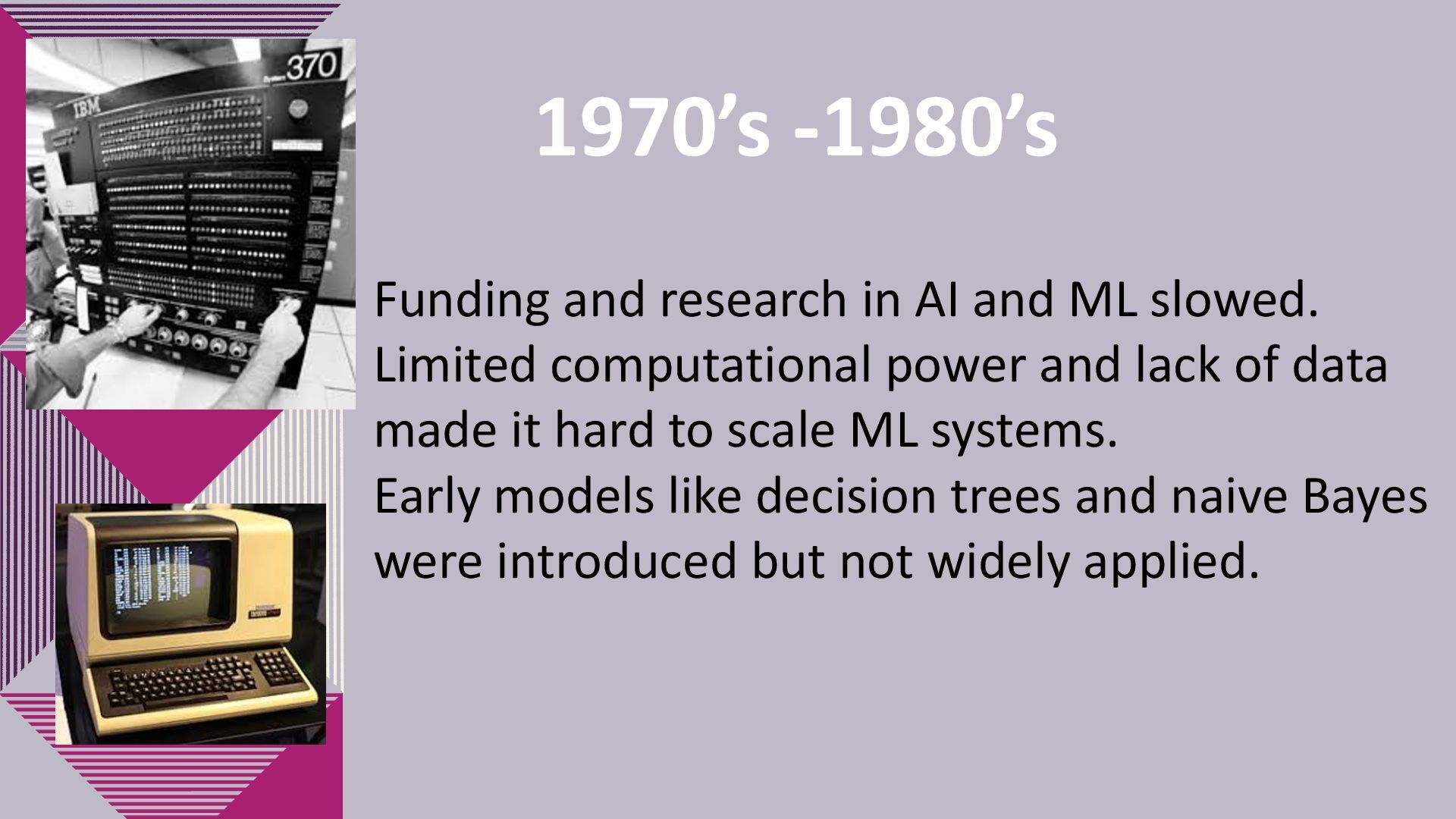
power and lack of data made it hard to scale ML systems. Early models like decision trees and naive Bayes were introduced but not widely applied. 1970’s -1980’s
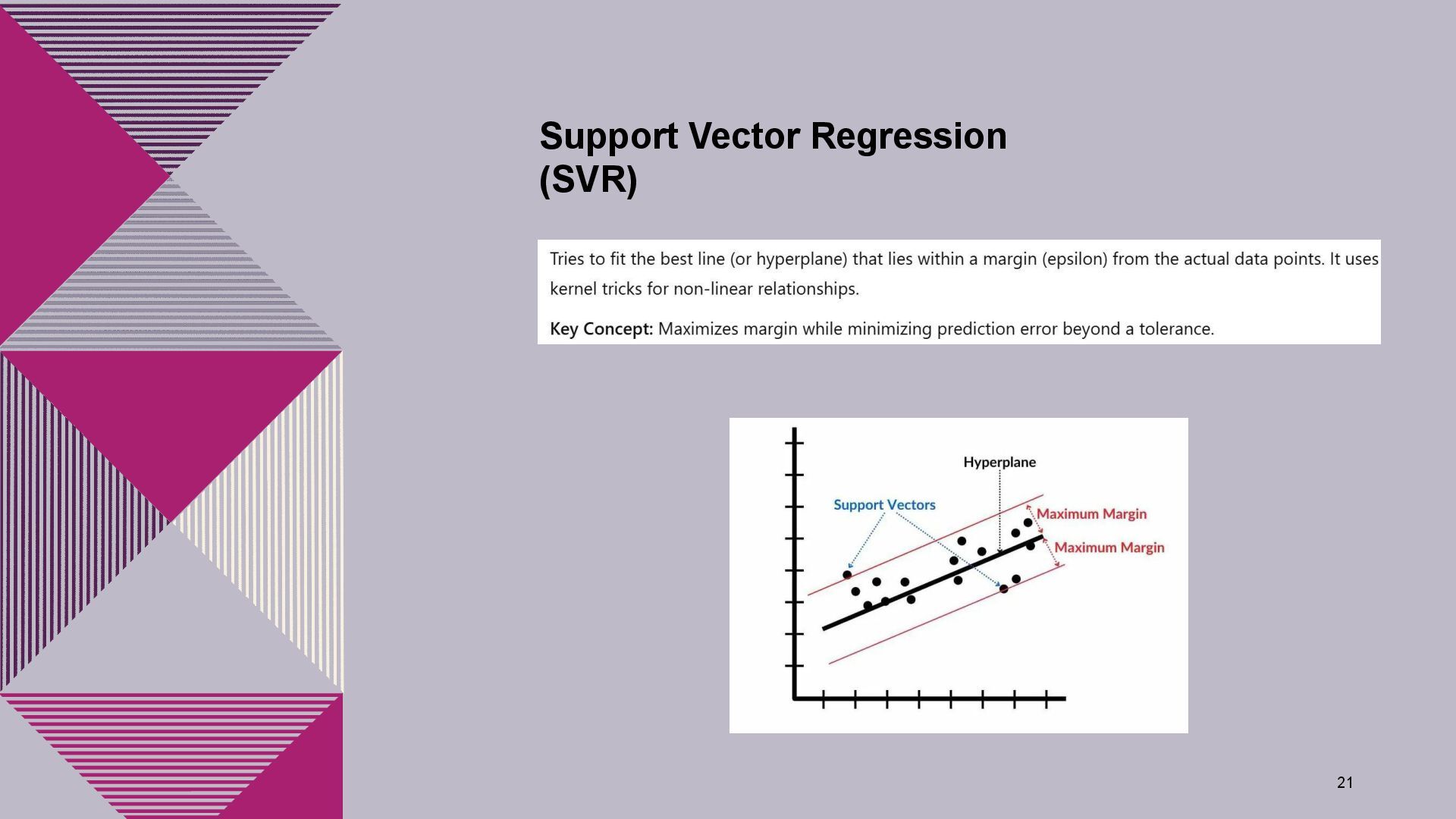
networks (by Rumelhart, Hinton, and Williams). •Decision Trees & Support Vector Machines (SVMs): Became popular for classification tasks. •Reinforcement Learning (Late 1980s): Algorithms like Q-learning enabled agents to learn through trial and error.
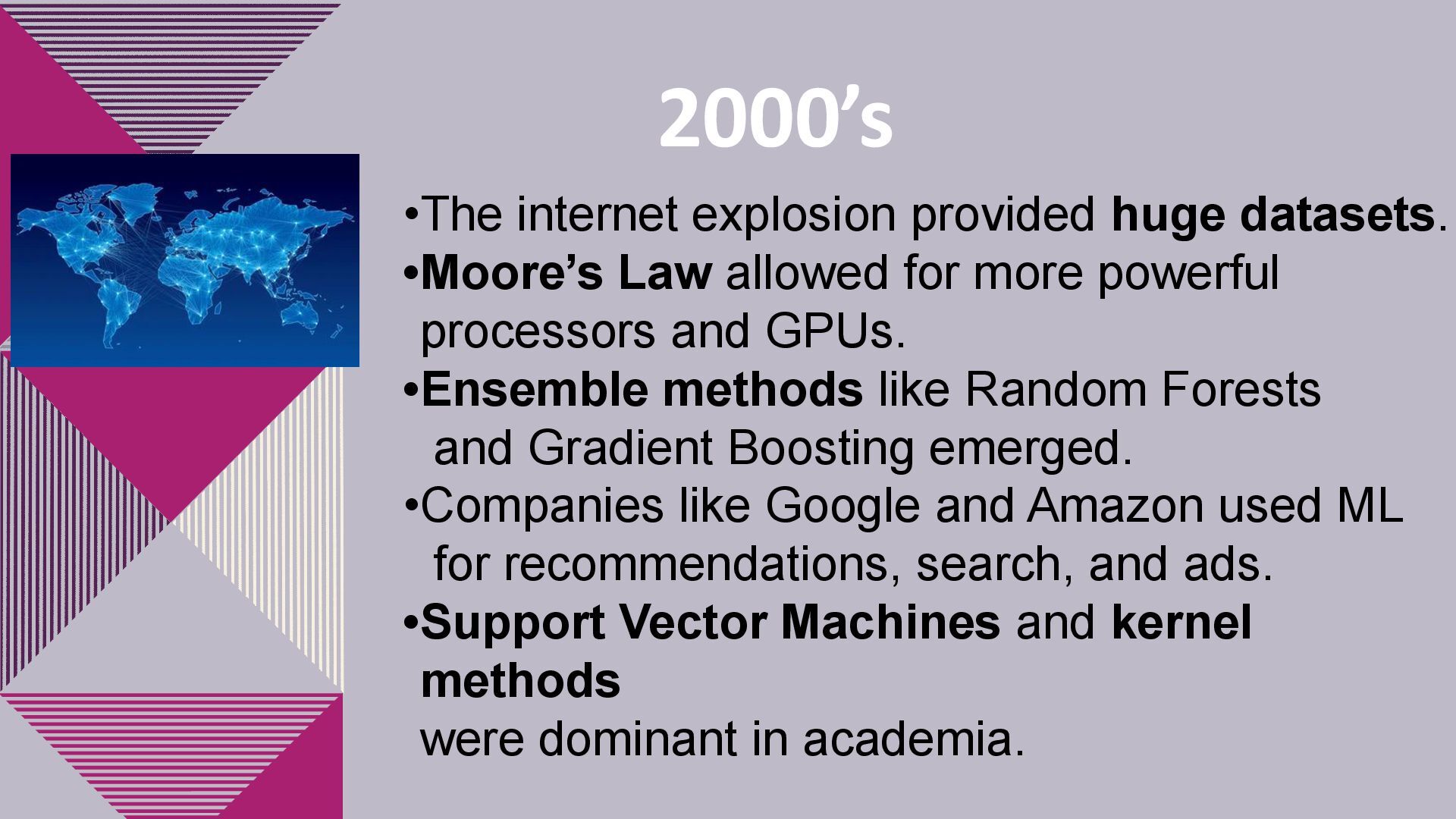
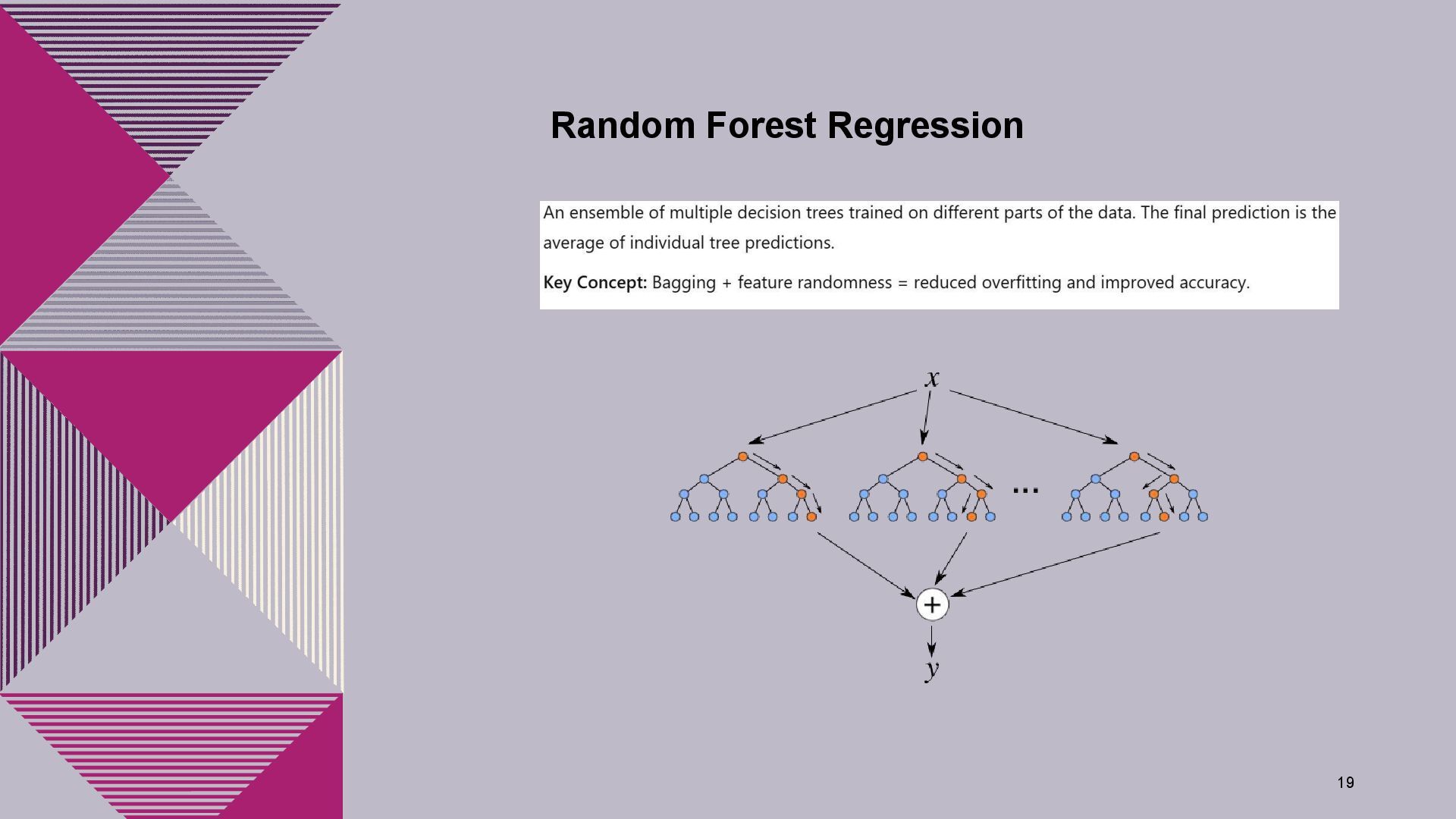
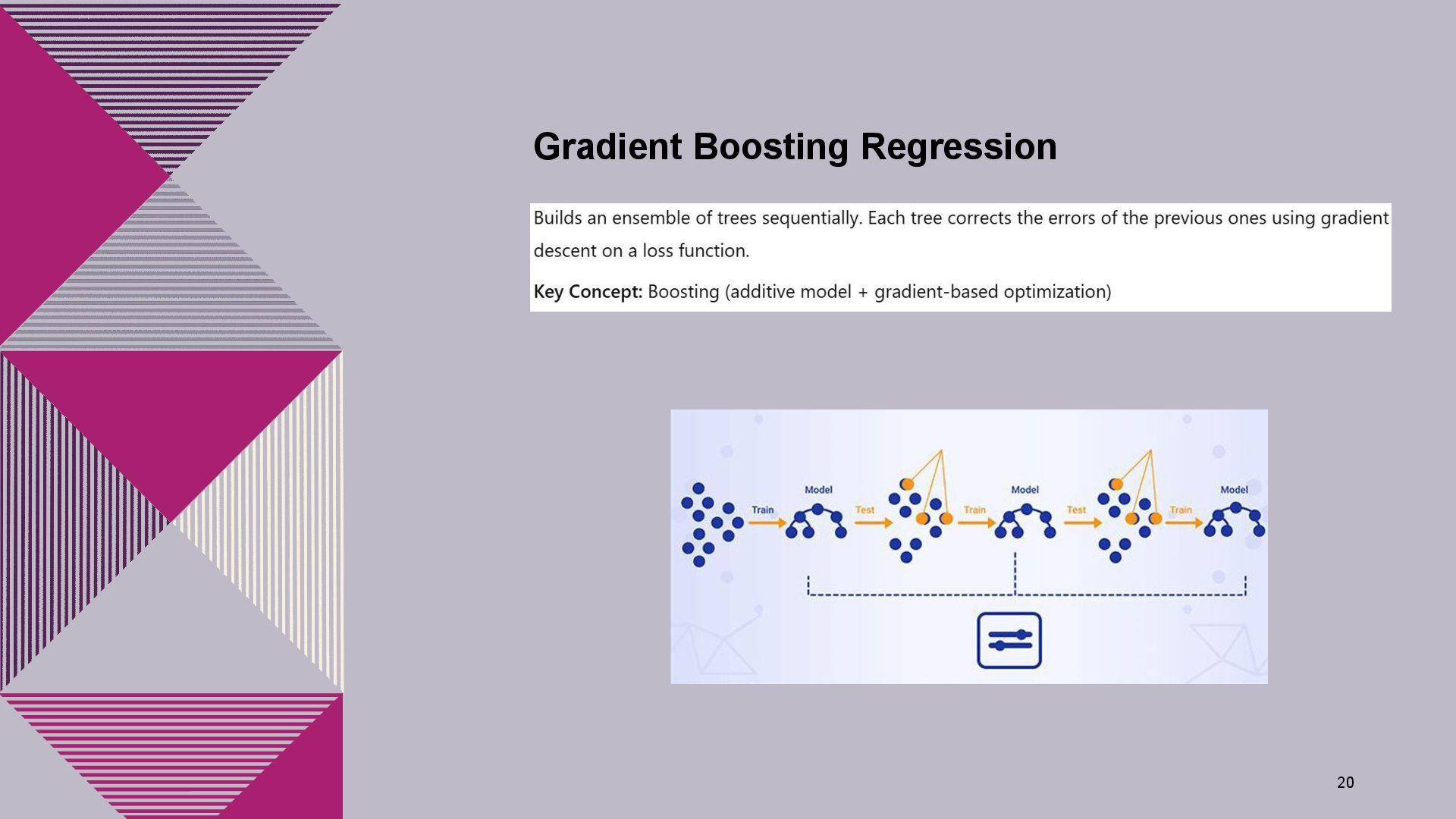
for more powerful processors and GPUs. •Ensemble methods like Random Forests and Gradient Boosting emerged. •Companies like Google and Amazon used ML for recommendations, search, and ads. •Support Vector Machines and kernel methods were dominant in academia.
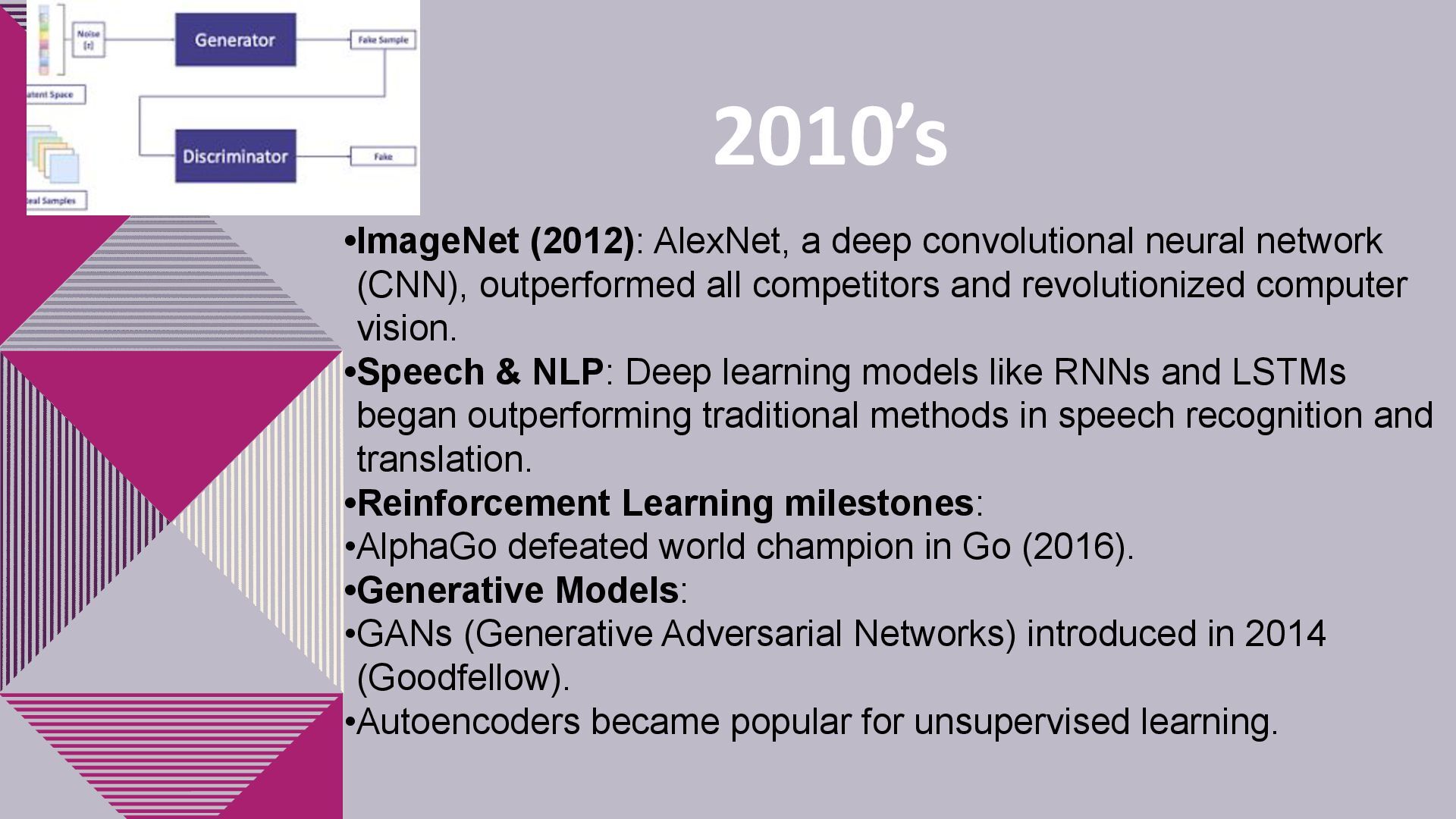
outperformed all competitors and revolutionized computer vision. •Speech & NLP: Deep learning models like RNNs and LSTMs began outperforming traditional methods in speech recognition and translation. •Reinforcement Learning milestones: •AlphaGo defeated world champion in Go (2016). •Generative Models: •GANs (Generative Adversarial Networks) introduced in 2014 (Goodfellow). •Autoencoders became popular for unsupervised learning.
"Attention is All You Need", revolutionized NLP. •BERT (2018) and GPT (2018–2023): Led to language models that could understand and generate text with human-like fluency. •Multimodal models: Models like CLIP and DALL·E can process both images and text. •Scaling Laws: Models trained with more parameters and data performed better (e.g., GPT-3 with 175B parameters, GPT-4 even larger).
retrieval systems used in academic libraries and news clipping services. •Expert systems: Rule-based recommendations (e.g., “if a user is interested in X, recommend Y”).
collaborative filtering systems using manual user annotations. •1994: GroupLens – Introduced automated collaborative filtering using user ratings for Usenet news articles. •1997: MovieLens project launched – Still a widely used benchmark dataset today. •1998: Amazon popularizes item-based collaborative filtering for product recommendations.
algorithm by 10%. Sparked massive innovation in matrix factorization (e.g., SVD, ALS). •Google News Recommendations: Real-time recommender based on collaborative filtering and clustering. •Hybrid Systems: Systems began combining collaborative filtering + content-based filtering.
Machines for collaborative filtering). •2015: YouTube publishes deep learning architecture for large-scale recommendations using user watch history. •2016+: Wide & Deep models (Google), DeepFM, Autoencoders, and Neural Collaborative Filtering (NCF). •2017: Reinforcement learning and contextual bandits used for dynamic recommendations (news, ads). •Spotify, TikTok, Netflix: Start using personalized deep neural nets, attention models, and embeddings
personalized recommendation. •Graph Neural Networks (GNNs) used to model user–item relationships (e.g., PinSage at Pinterest). •Multimodal recommender systems: Combining text, audio, video, and interaction data. •Reinforcement learning agents: E.g., Netflix uses RL for content selection and adaptive UIs. •Large Language Models (LLMs) begin to support zero-shot and few-shot recommendation (e.g., using GPT to infer preferences). •Privacy-preserving techniques such as federated learning and differential privacy. •Agentic Recommenders: AutoGPT-style systems plan and reason to recommend or automate decision-making.
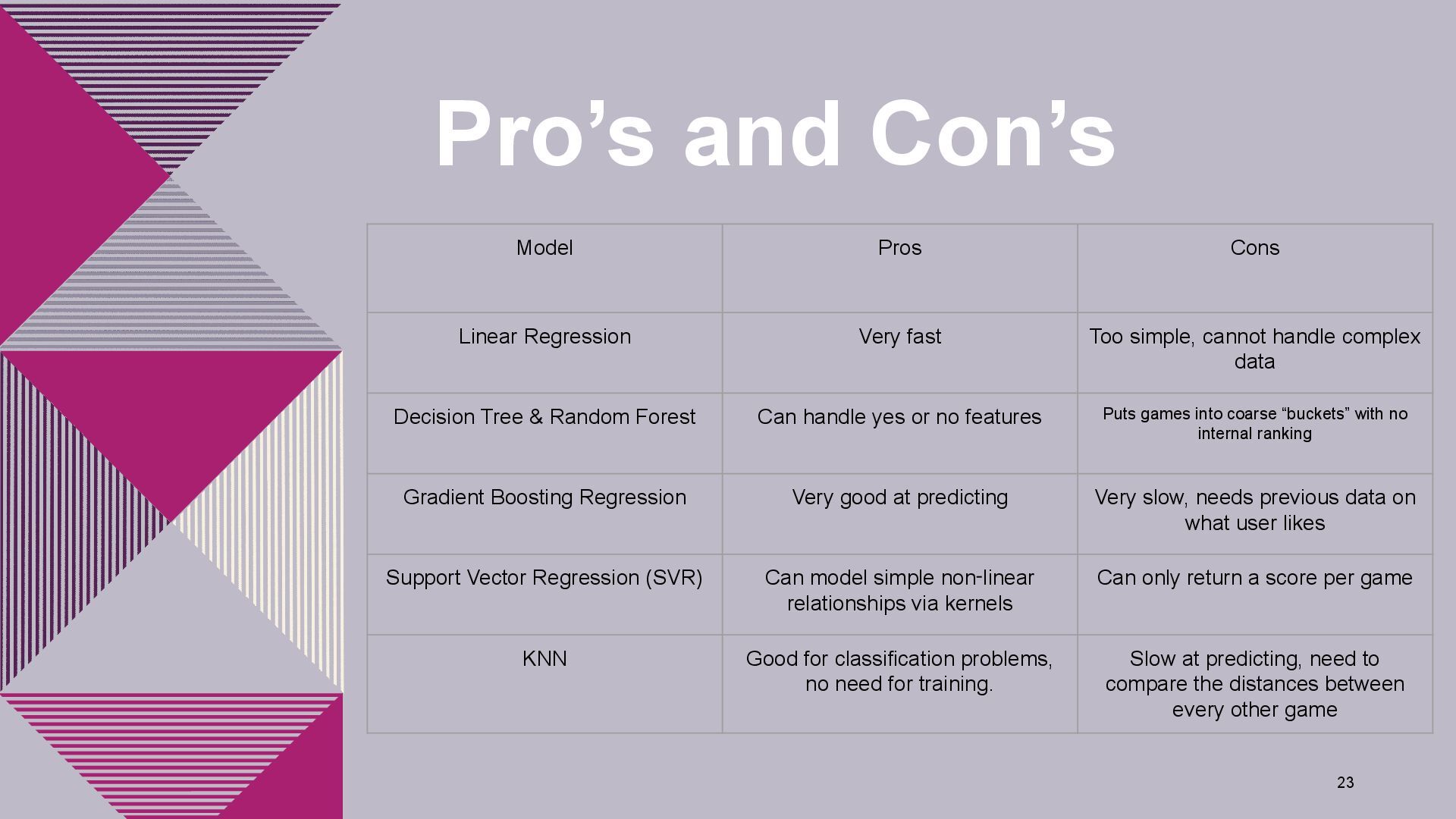
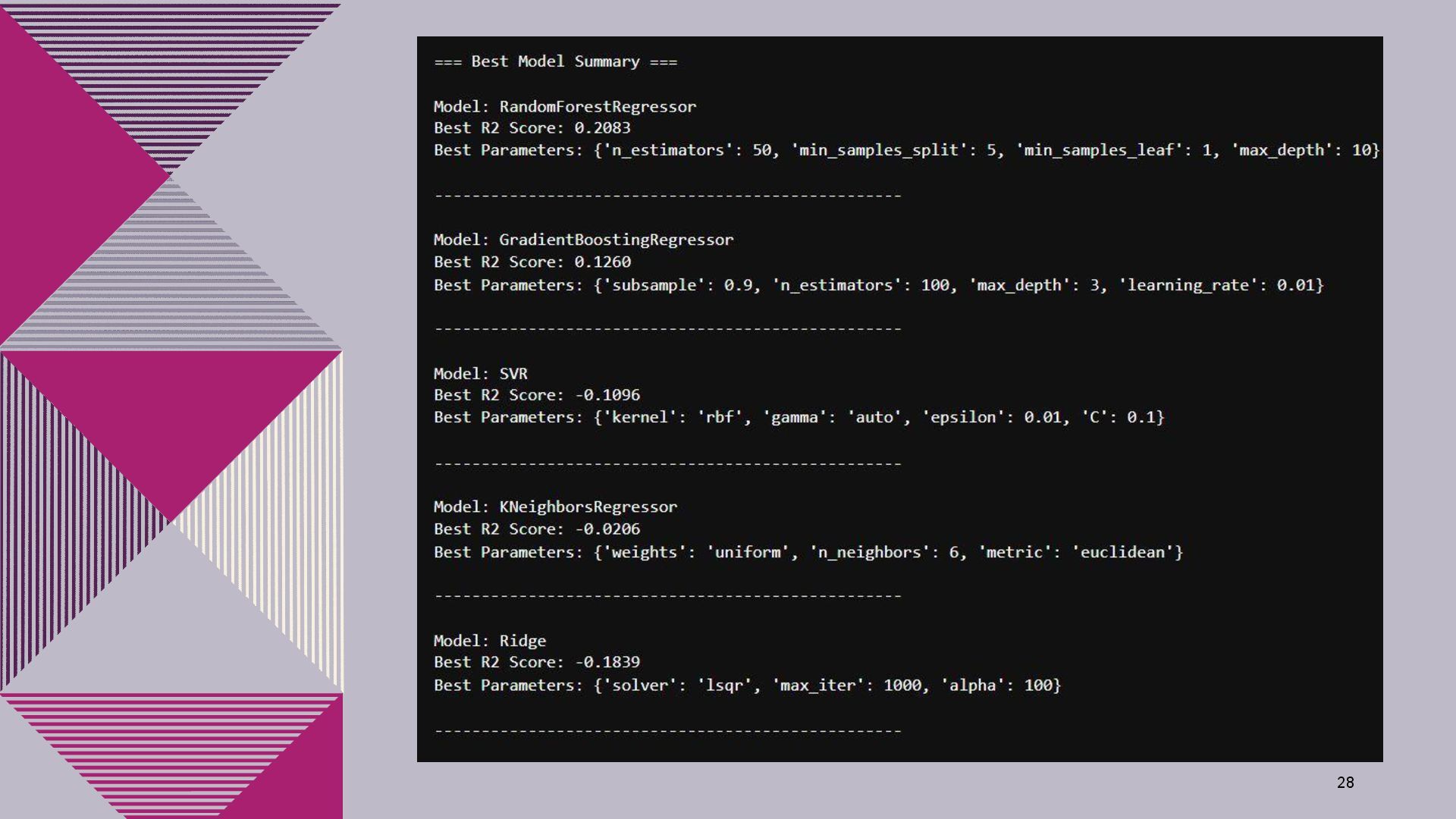
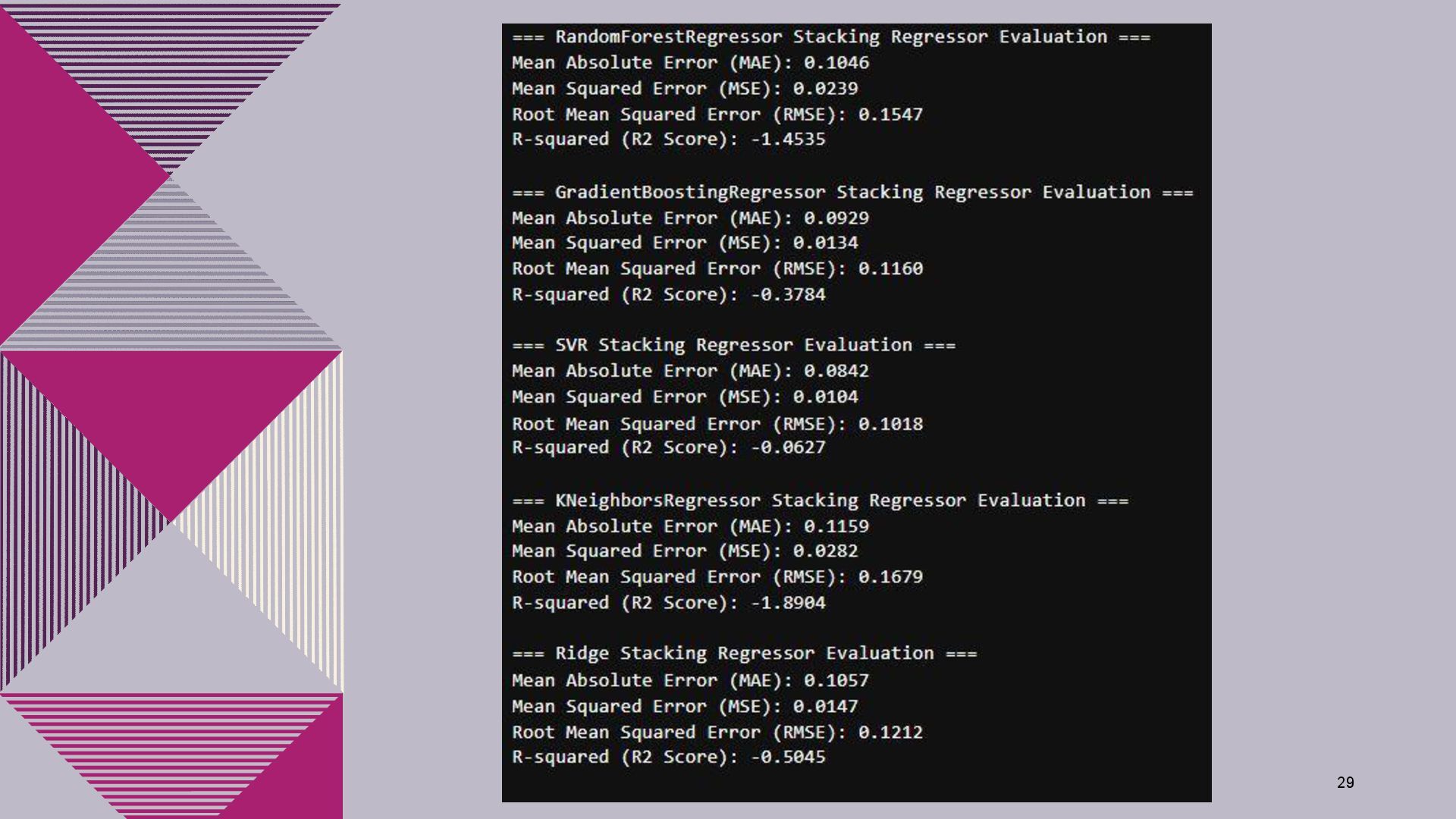
cannot handle complex data Decision Tree & Random Forest Can handle yes or no features Puts games into coarse “buckets” with no internal ranking Gradient Boosting Regression Very good at predicting Very slow, needs previous data on what user likes Support Vector Regression (SVR) Can model simple non‑linear relationships via kernels Can only return a score per game KNN Good for classification problems, no need for training. Slow at predicting, need to compare the distances between every other game Pro’s and Con’s
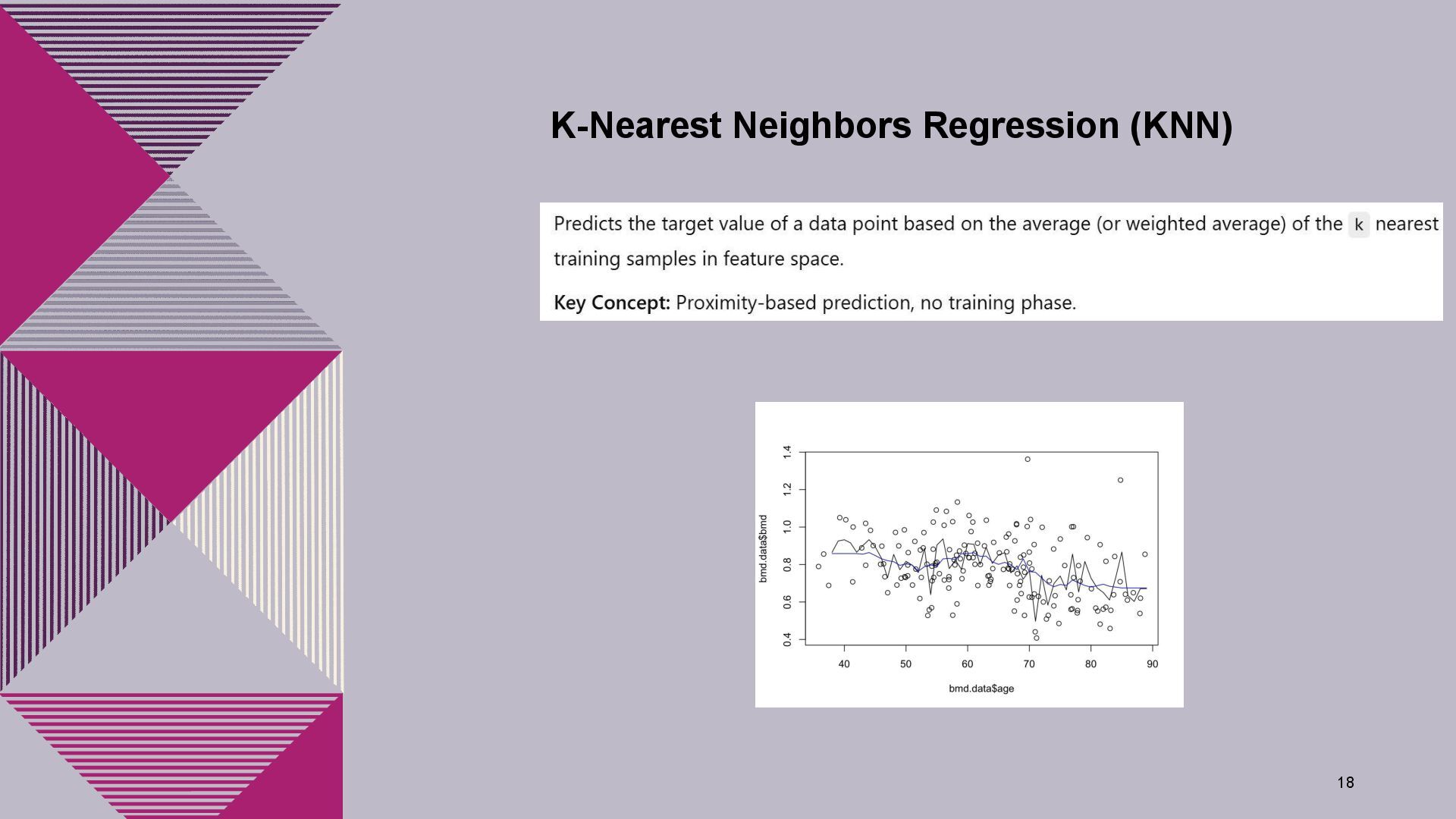
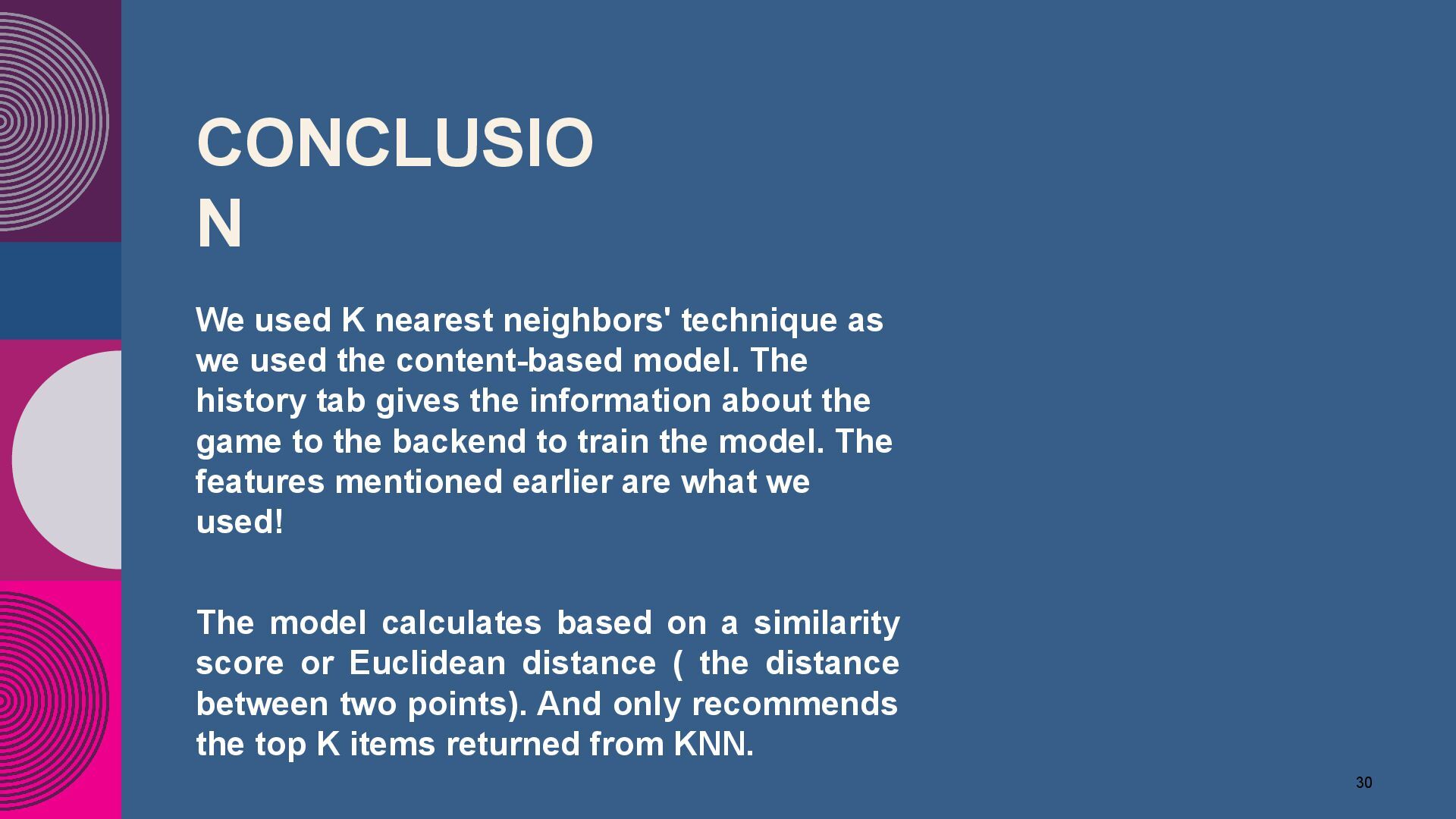
we used the content-based model. The history tab gives the information about the game to the backend to train the model. The features mentioned earlier are what we used! The model calculates based on a similarity score or Euclidean distance ( the distance between two points). And only recommends the top K items returned from KNN.


 diegowearden
 danielanewman
 wjessup
 addyosmani
 rasmusluckow
 davidcarrasco
 lara
 frankvandijk
 rmw
 sugarenia
 letsgokoyo
 lauravandoore