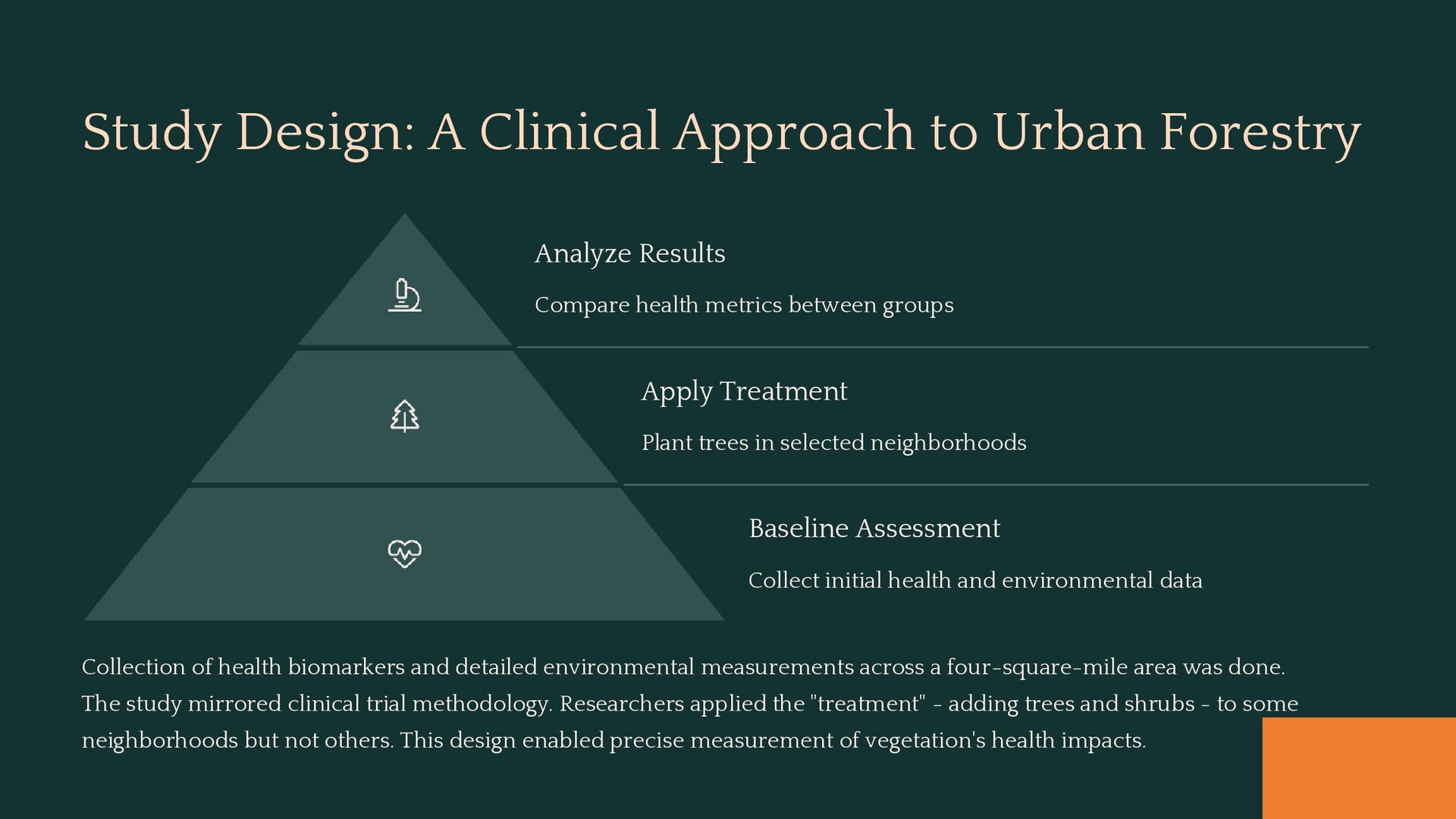
Results Compare health metrics between groups Apply Treatment Plant trees in selected neighborhoods Baseline Assessment Collect initial health and environmental data Collection of health biomarkers and detailed environmental measurements across a four-square-mile area was done. The study mirrored clinical trial methodology. Researchers applied the "treatment" - adding trees and shrubs - to some neighborhoods but not others. This design enabled precise measurement of vegetation's health impacts.
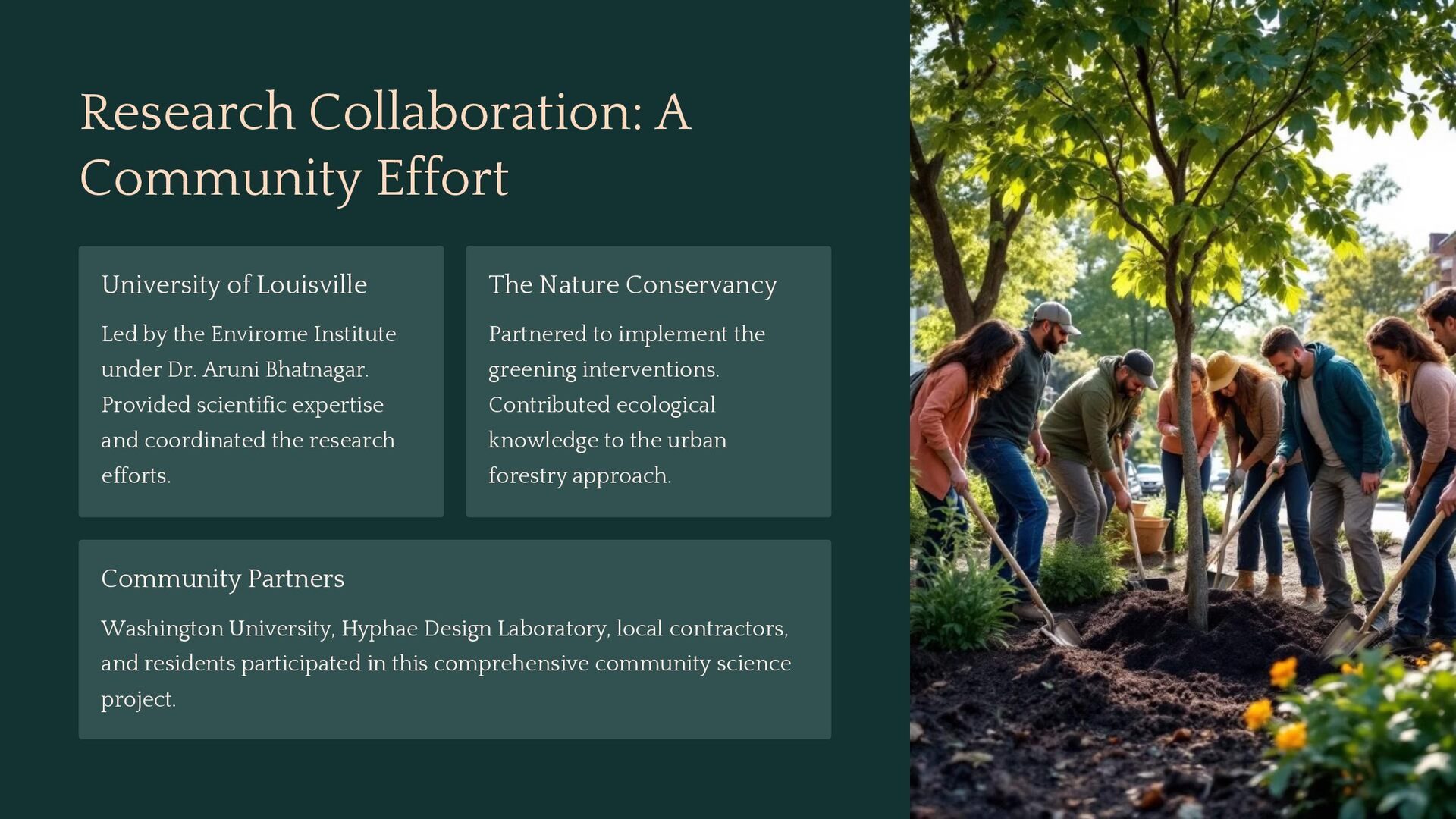
by the Envirome Institute under Dr. Aruni Bhatnagar. Provided scientific expertise and coordinated the research efforts. The Nature Conservancy Partnered to implement the greening interventions. Contributed ecological knowledge to the urban forestry approach. Community Partners Washington University, Hyphae Design Laboratory, local contractors, and residents participated in this comprehensive community science project.
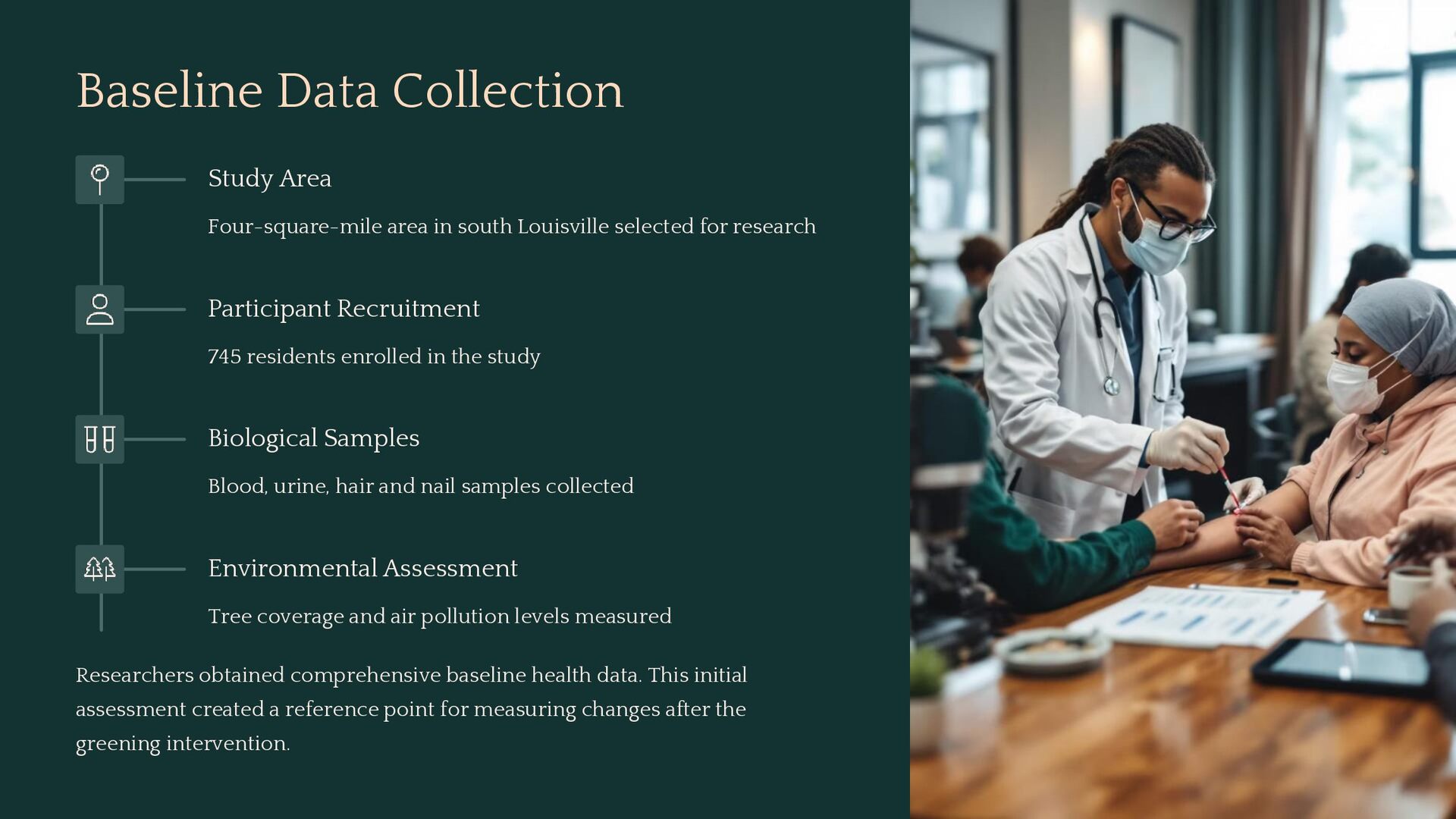
Louisville selected for research Participant Recruitment 745 residents enrolled in the study Biological Samples Blood, urine, hair and nail samples collected Environmental Assessment Tree coverage and air pollution levels measured Researchers obtained comprehensive baseline health data. This initial assessment created a reference point for measuring changes after the greening intervention.
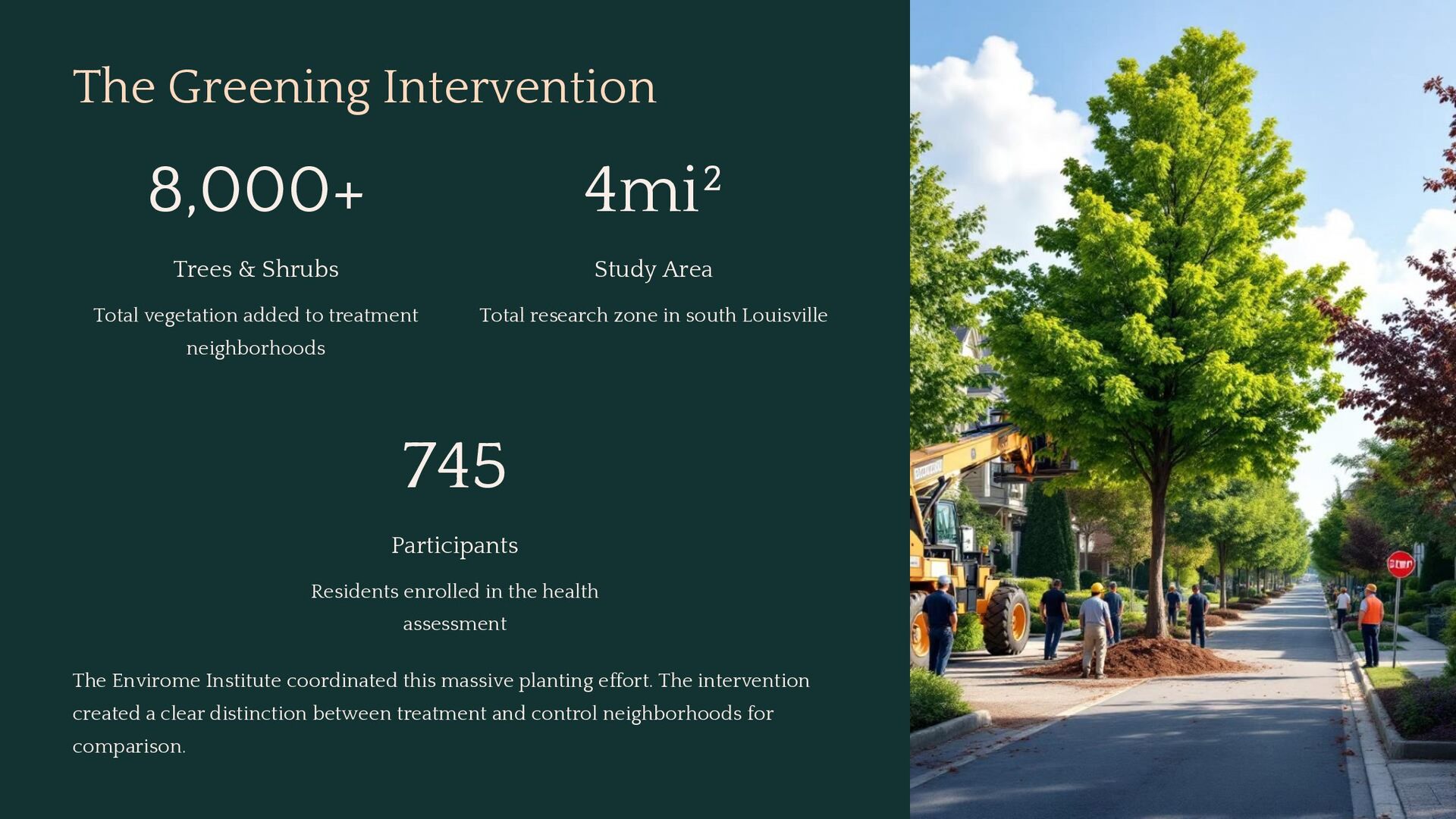
added to treatment neighborhoods 4mi² Study Area Total research zone in south Louisville 745 Participants Residents enrolled in the health assessment The Envirome Institute coordinated this massive planting effort. The intervention created a clear distinction between treatment and control neighborhoods for comparison.
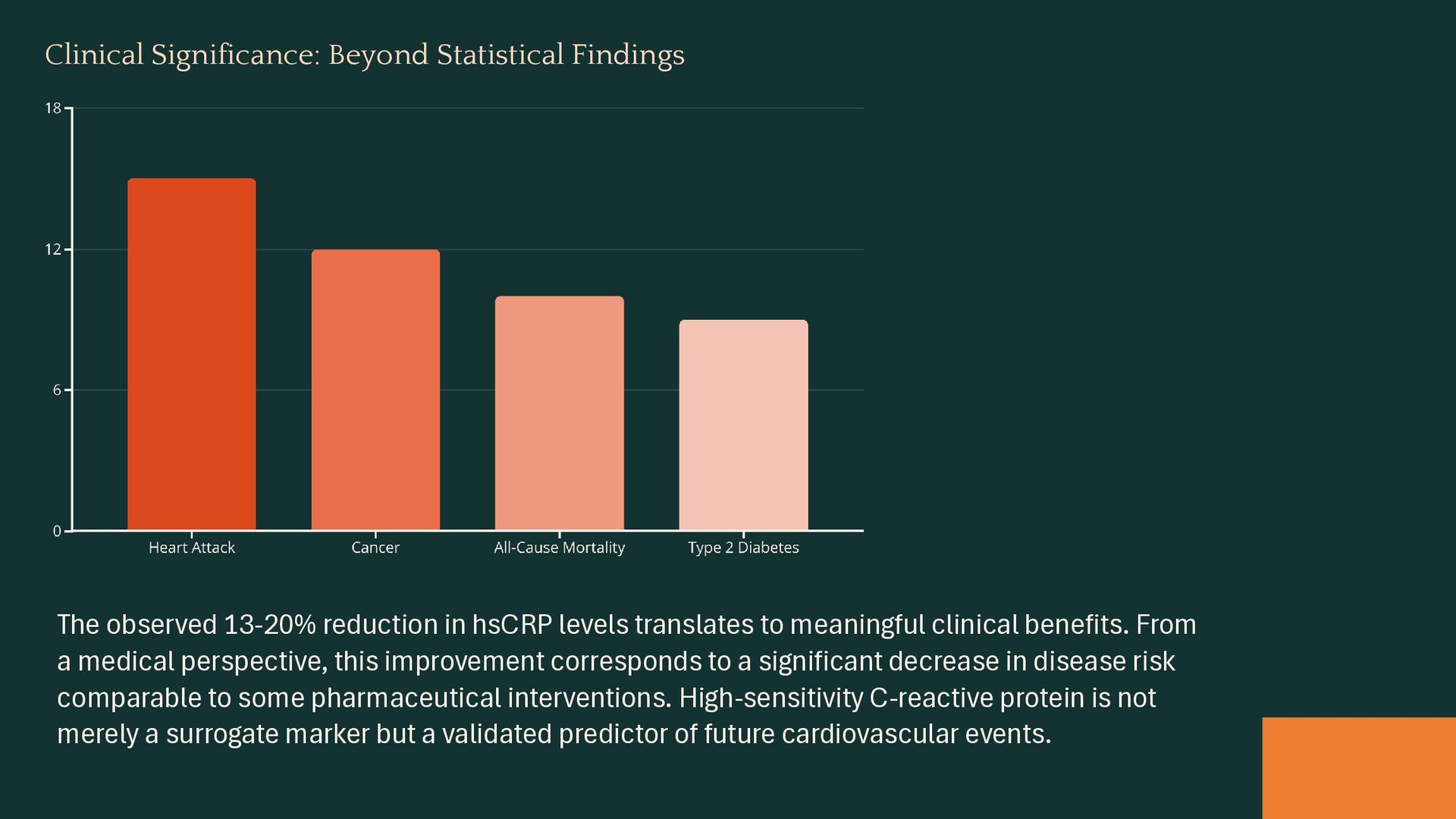
in high-sensitivity C- reactive protein, a key biomarker of systemic inflammation 10-15% Reduced Risk Estimated reduction in risk of heart attacks, cancer, or all-cause mortality 8,000+ Trees Planted Number of large trees and shrubs added to treatment neighborhoods The study's primary finding revealed that residents living in neighborhoods with increased tree coverage showed significantly lower levels of high-sensitivity C-reactive protein (hsCRP) compared to those in control areas. This inflammatory biomarker is strongly associated with cardiovascular disease risk and is considered an even stronger predictor of heart attack than cholesterol levels. Remarkably, this biological improvement occurred without any direct medical intervention, demonstrating the powerful health impact of environmental modification alone.
received strategic planting of large trees and shrubs • Significant increase in tree canopy coverage • 13-20% lower hsCRP levels • Visible transformation of streetscape • Improved perception of neighborhood quality Control Neighborhoods Areas maintained baseline vegetation levels • No change in tree canopy coverage • Maintained baseline hsCRP levels • Unchanged streetscape appearance • Served as critical comparison group Methodology Strengths The comparative design eliminated many confounding variables • Adjacent neighborhoods with similar demographics • Same geographic area with similar exposures • Consistent data collection protocols • Temporal controls (before/after) This rigorous comparison between treatment and control areas strengthens the study's internal validity. By maintaining all other factors as constant as possible while only manipulating the tree coverage, researchers could isolate the specific effect of increased greenery on health outcomes.
in hsCRP levels translates to meaningful clinical benefits. From a medical perspective, this improvement corresponds to a significant decrease in disease risk comparable to some pharmaceutical interventions. High-sensitivity C-reactive protein is not merely a surrogate marker but a validated predictor of future cardiovascular events.
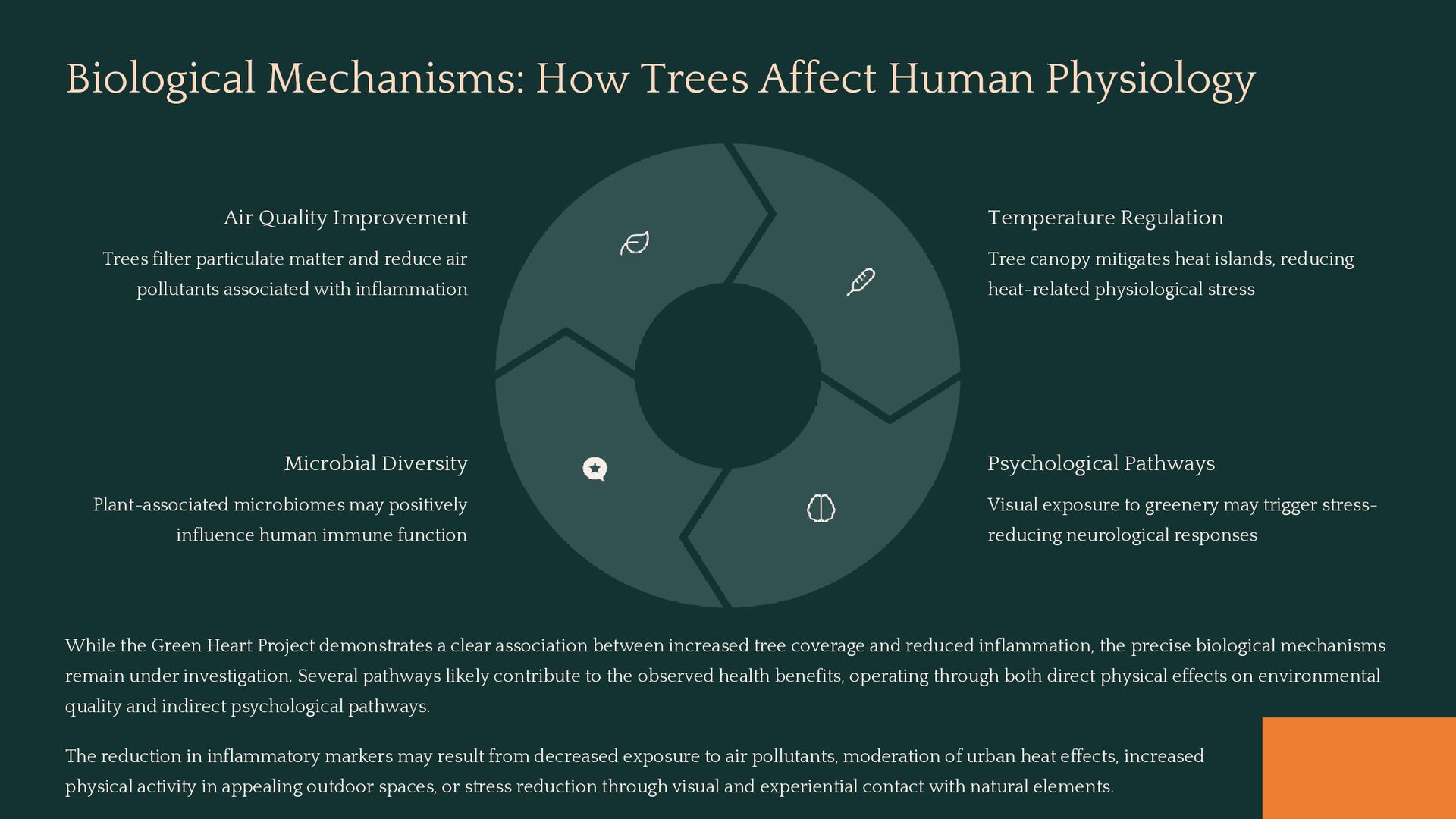
Improvement Trees filter particulate matter and reduce air pollutants associated with inflammation Temperature Regulation Tree canopy mitigates heat islands, reducing heat-related physiological stress Psychological Pathways Visual exposure to greenery may trigger stress- reducing neurological responses Microbial Diversity Plant-associated microbiomes may positively influence human immune function While the Green Heart Project demonstrates a clear association between increased tree coverage and reduced inflammation, the precise biological mechanisms remain under investigation. Several pathways likely contribute to the observed health benefits, operating through both direct physical effects on environmental quality and indirect psychological pathways. The reduction in inflammatory markers may result from decreased exposure to air pollutants, moderation of urban heat effects, increased physical activity in appealing outdoor spaces, or stress reduction through visual and experiential contact with natural elements.
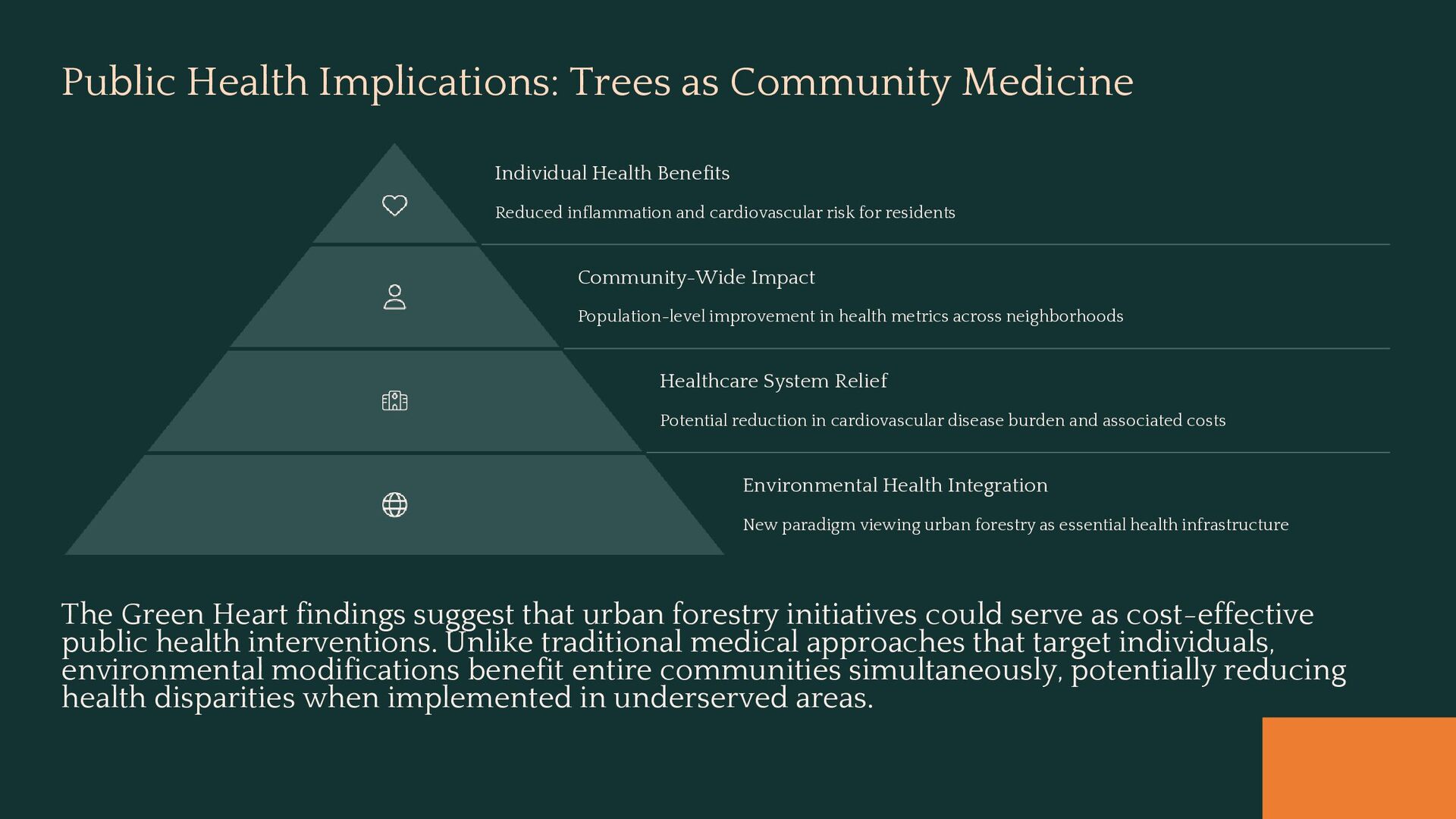
Benefits Reduced inflammation and cardiovascular risk for residents Community-Wide Impact Population-level improvement in health metrics across neighborhoods Healthcare System Relief Potential reduction in cardiovascular disease burden and associated costs Environmental Health Integration New paradigm viewing urban forestry as essential health infrastructure The Green Heart findings suggest that urban forestry initiatives could serve as cost-effective public health interventions. Unlike traditional medical approaches that target individuals, environmental modifications benefit entire communities simultaneously, potentially reducing health disparities when implemented in underserved areas.
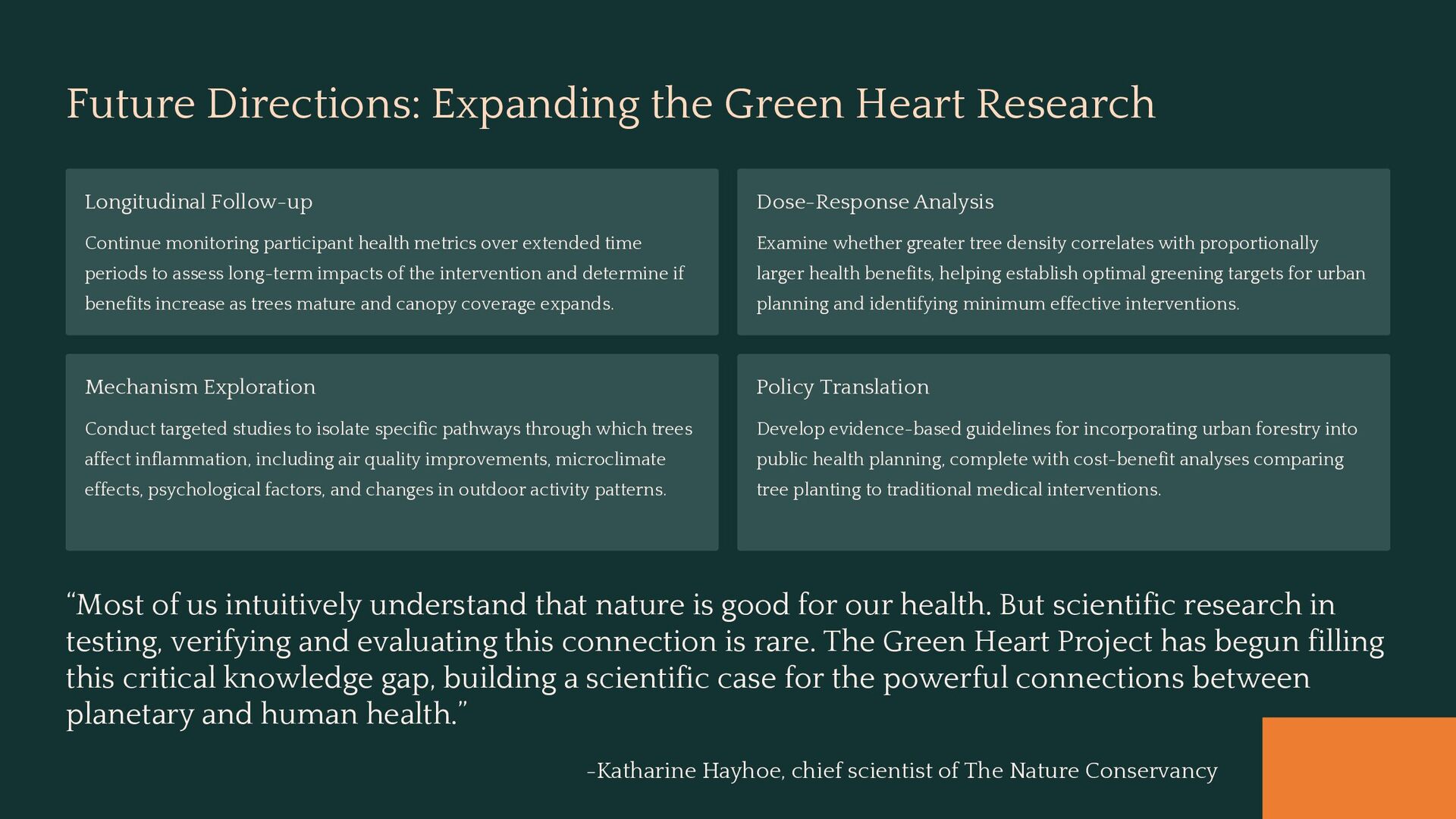
Continue monitoring participant health metrics over extended time periods to assess long-term impacts of the intervention and determine if benefits increase as trees mature and canopy coverage expands. Dose-Response Analysis Examine whether greater tree density correlates with proportionally larger health benefits, helping establish optimal greening targets for urban planning and identifying minimum effective interventions. Mechanism Exploration Conduct targeted studies to isolate specific pathways through which trees affect inflammation, including air quality improvements, microclimate effects, psychological factors, and changes in outdoor activity patterns. Policy Translation Develop evidence-based guidelines for incorporating urban forestry into public health planning, complete with cost-benefit analyses comparing tree planting to traditional medical interventions. “Most of us intuitively understand that nature is good for our health. But scientific research in testing, verifying and evaluating this connection is rare. The Green Heart Project has begun filling this critical knowledge gap, building a scientific case for the powerful connections between planetary and human health.” -Katharine Hayhoe, chief scientist of The Nature Conservancy
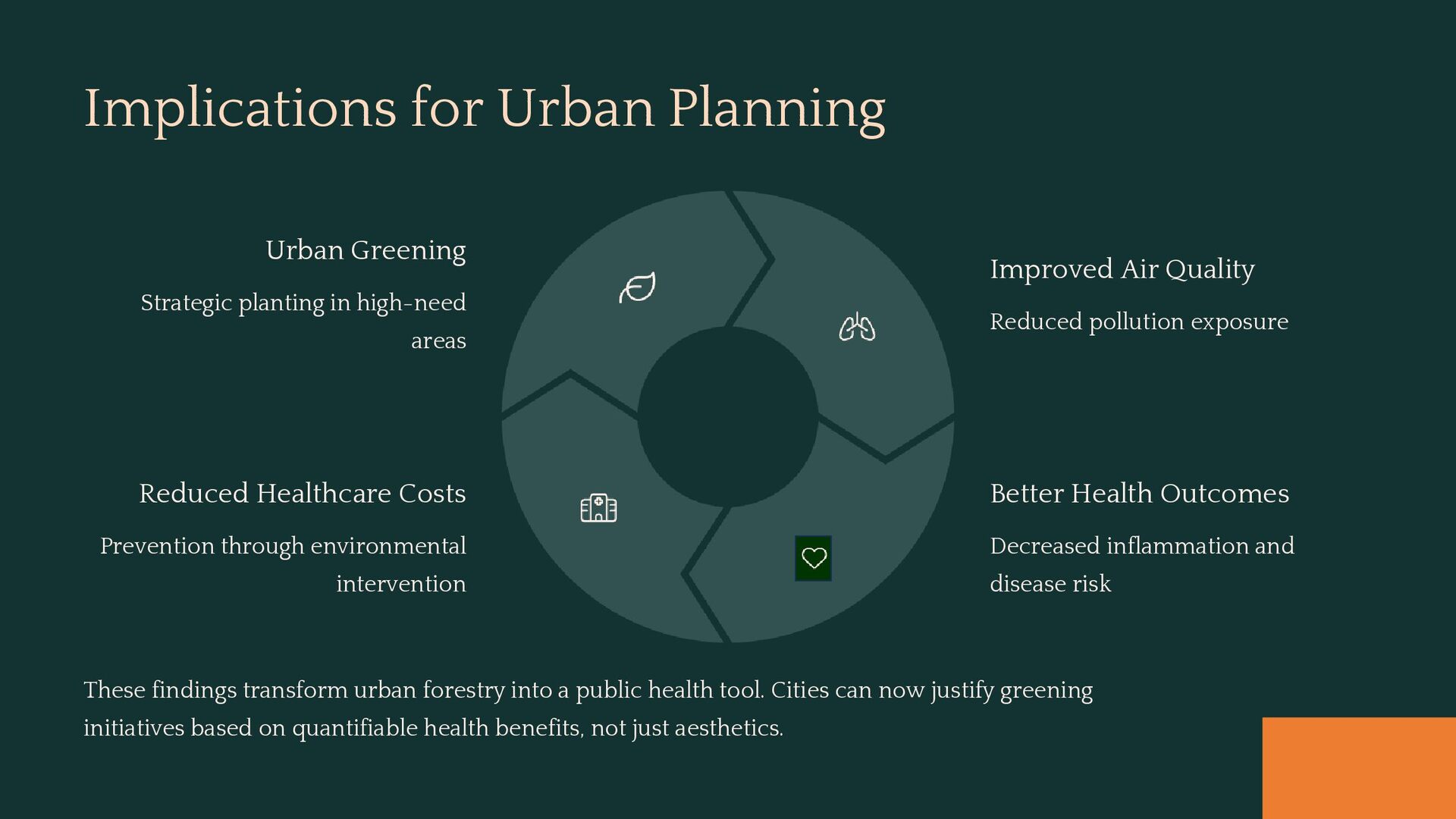
high-need areas Improved Air Quality Reduced pollution exposure Better Health Outcomes Decreased inflammation and disease risk 3 Reduced Healthcare Costs Prevention through environmental intervention These findings transform urban forestry into a public health tool. Cities can now justify greening initiatives based on quantifiable health benefits, not just aesthetics.
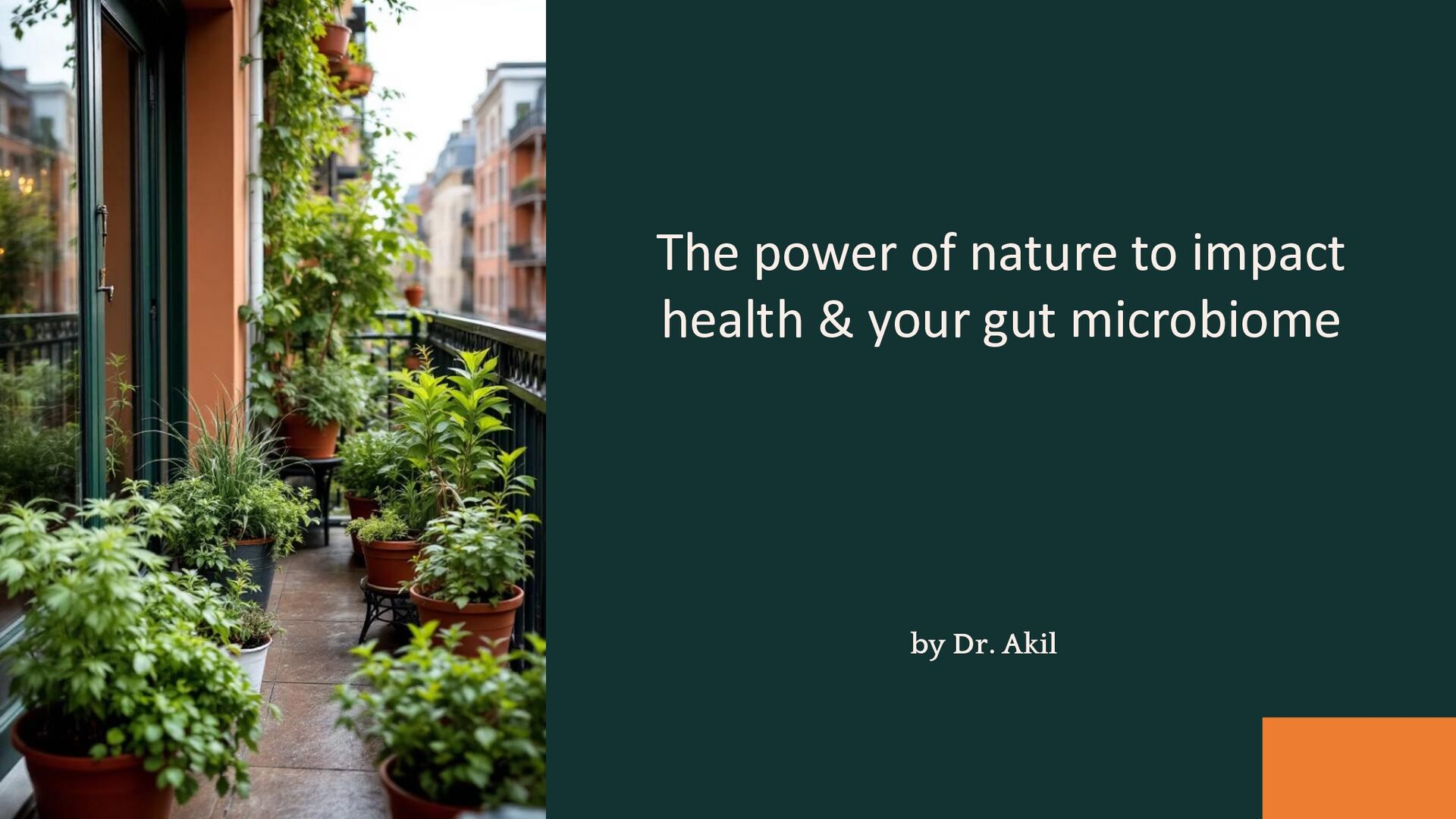
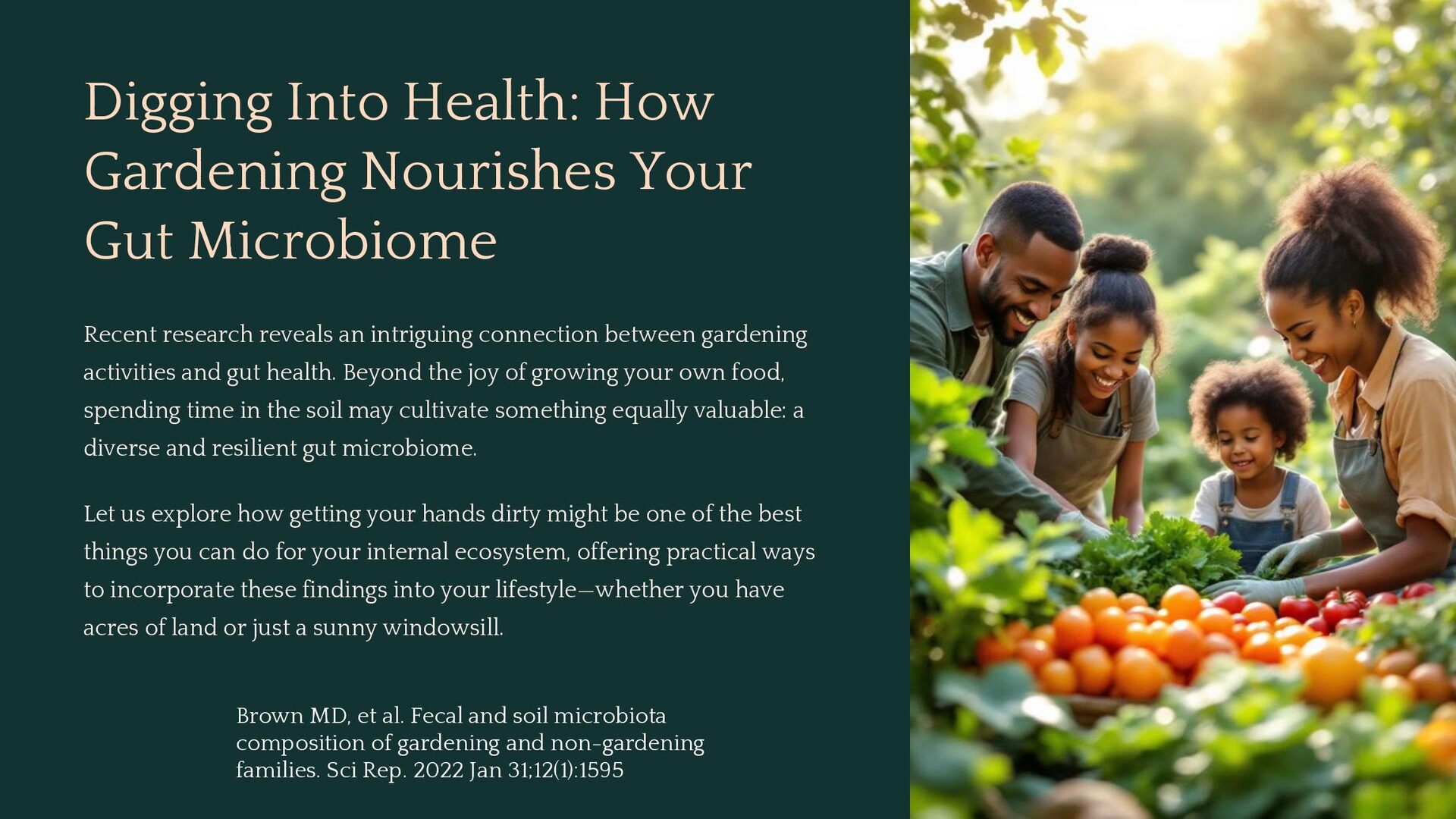
Recent research reveals an intriguing connection between gardening activities and gut health. Beyond the joy of growing your own food, spending time in the soil may cultivate something equally valuable: a diverse and resilient gut microbiome. Let us explore how getting your hands dirty might be one of the best things you can do for your internal ecosystem, offering practical ways to incorporate these findings into your lifestyle—whether you have acres of land or just a sunny windowsill. Brown MD, et al. Fecal and soil microbiota composition of gardening and non-gardening families. Sci Rep. 2022 Jan 31;12(1):1595
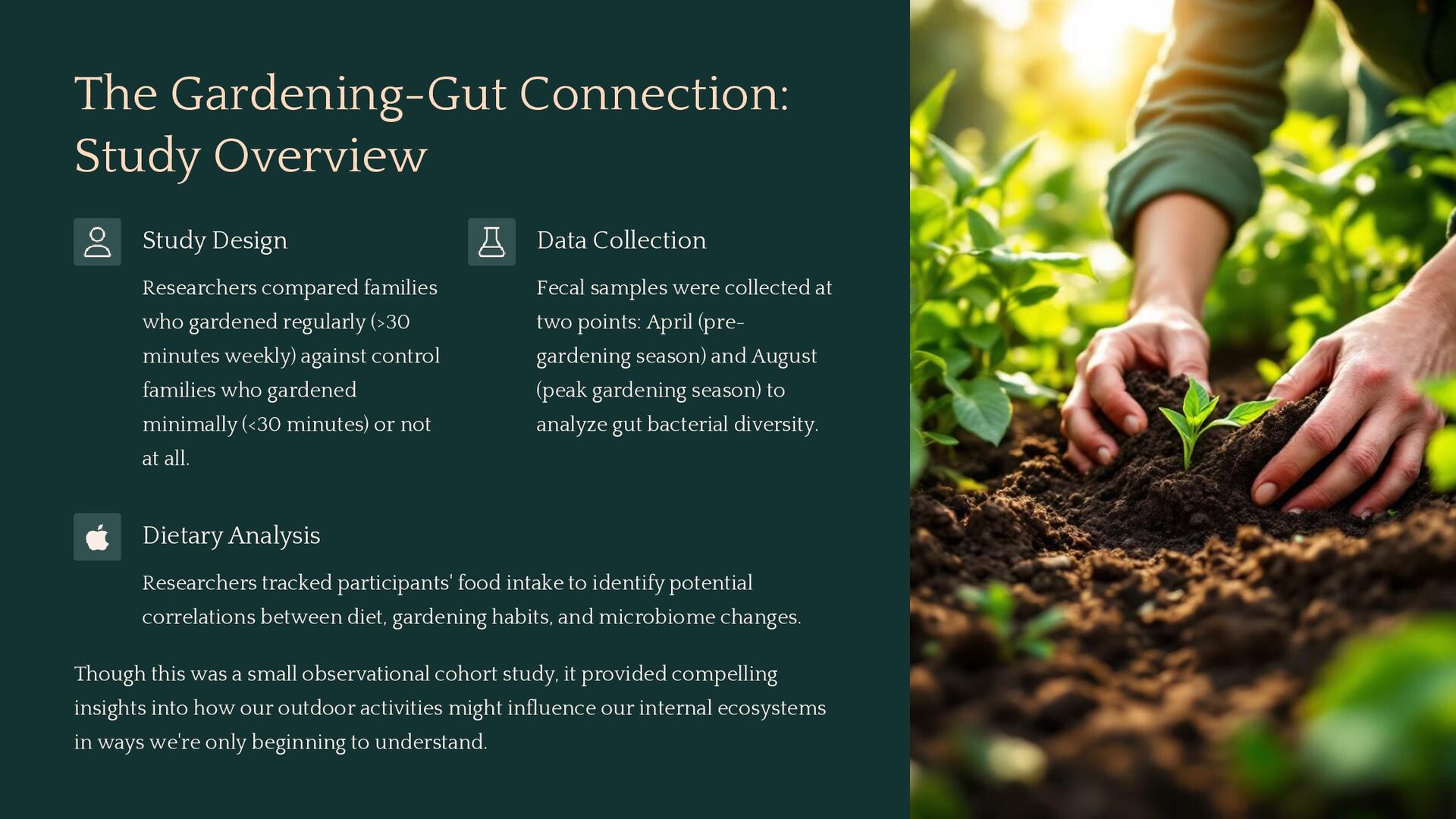
families who gardened regularly (>30 minutes weekly) against control families who gardened minimally (<30 minutes) or not at all. Data Collection Fecal samples were collected at two points: April (pre- gardening season) and August (peak gardening season) to analyze gut bacterial diversity. Dietary Analysis Researchers tracked participants' food intake to identify potential correlations between diet, gardening habits, and microbiome changes. Though this was a small observational cohort study, it provided compelling insights into how our outdoor activities might influence our internal ecosystems in ways we're only beginning to understand.
showed significantly greater fecal bacterial diversity, particularly during August's peak gardening season. This diversity is considered a hallmark of gut health. Researchers identified 24 unique bacterial species that were enriched specifically in gardeners' samples by the peak season, many associated with beneficial fiber fermentation processes. Seasonal Progression Microbial richness increased progressively throughout the gardening season for those who regularly tended gardens, suggesting a cumulative beneficial effect. One child whose family gardened 5-8 hours weekly and consumed home-grown produce daily exhibited strong evidence of soil microbes transferring directly into their gut microbiome. These findings suggest that regular interaction with soil may create pathways for beneficial environmental microbes to establish themselves in our digestive systems.
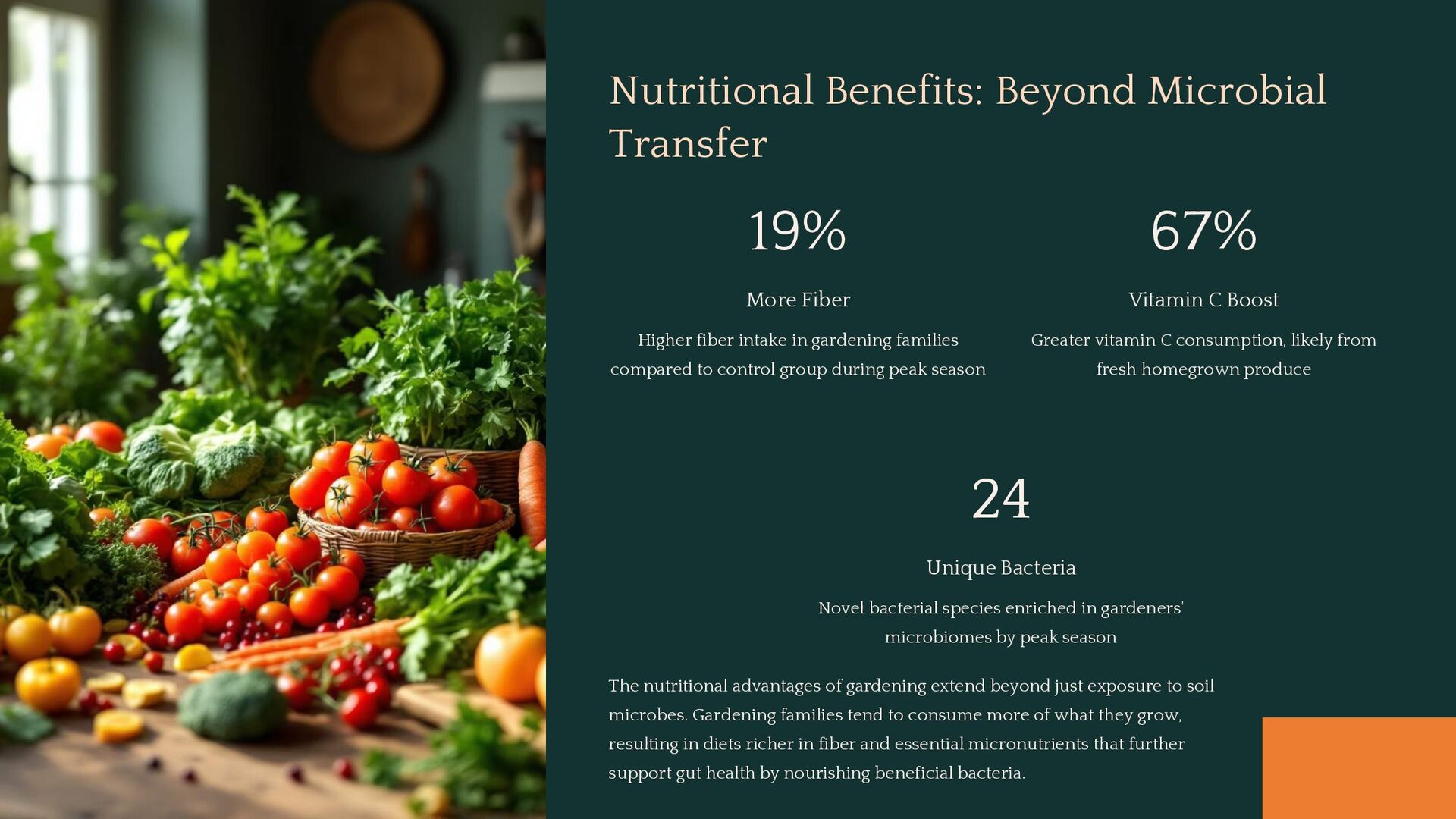
fiber intake in gardening families compared to control group during peak season 67% Vitamin C Boost Greater vitamin C consumption, likely from fresh homegrown produce 24 Unique Bacteria Novel bacterial species enriched in gardeners' microbiomes by peak season The nutritional advantages of gardening extend beyond just exposure to soil microbes. Gardening families tend to consume more of what they grow, resulting in diets richer in fiber and essential micronutrients that further support gut health by nourishing beneficial bacteria.
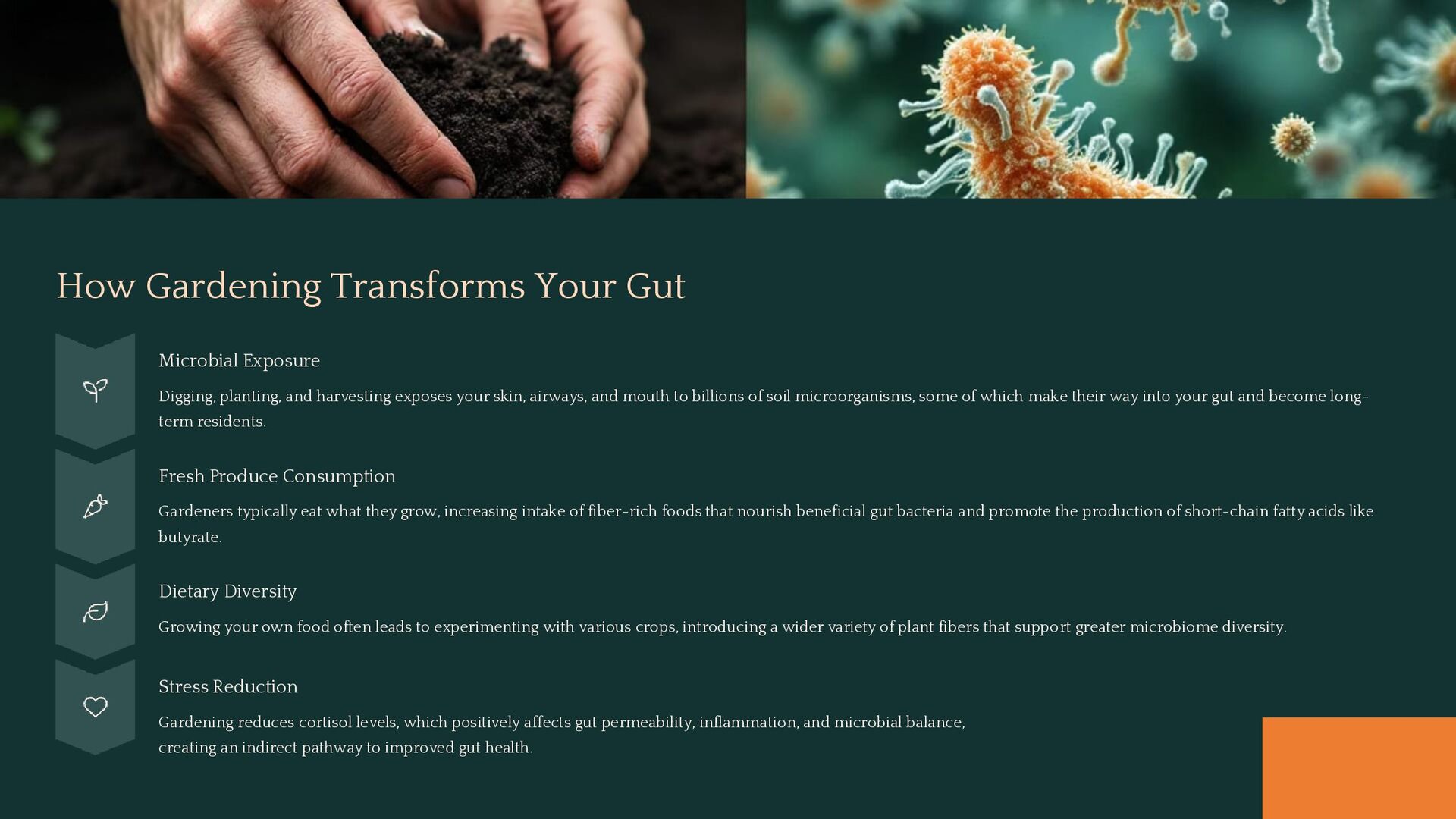
and harvesting exposes your skin, airways, and mouth to billions of soil microorganisms, some of which make their way into your gut and become long- term residents. Fresh Produce Consumption Gardeners typically eat what they grow, increasing intake of fiber-rich foods that nourish beneficial gut bacteria and promote the production of short-chain fatty acids like butyrate. Dietary Diversity Growing your own food often leads to experimenting with various crops, introducing a wider variety of plant fibers that support greater microbiome diversity. Stress Reduction Gardening reduces cortisol levels, which positively affects gut permeability, inflammation, and microbial balance, creating an indirect pathway to improved gut health.
soil-based microbes isn't just safe for most people—it's potentially beneficial. Many expensive "soil-based" probiotic supplements attempt to replicate what natural gardening provides for free. Family Benefits Research shows that soil-derived microbial species are often shared across family members, meaning even non-gardeners in a household can benefit if they share meals and living spaces with gardeners. Immune Education Contact with diverse environmental microbes helps "train" your immune system, potentially reducing the risk of allergic and autoimmune conditions by establishing immune tolerance. While modern hygiene practices have reduced exposure to harmful pathogens, we may have inadvertently eliminated beneficial microbial exposures as well. Controlled contact with soil through gardening may help restore this balance.
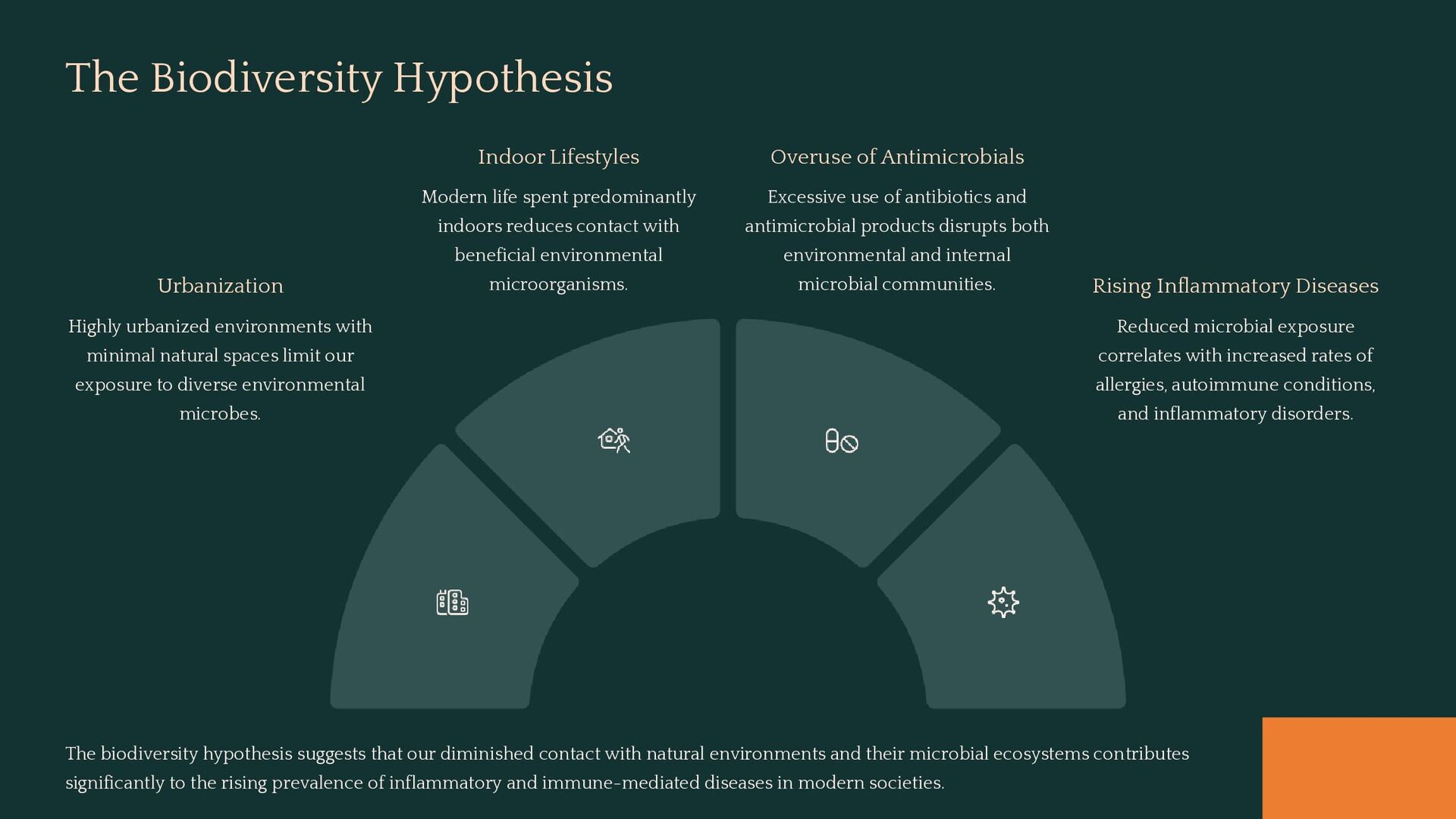
diminished contact with natural environments and their microbial ecosystems contributes significantly to the rising prevalence of inflammatory and immune-mediated diseases in modern societies. Urbanization Highly urbanized environments with minimal natural spaces limit our exposure to diverse environmental microbes. Indoor Lifestyles Modern life spent predominantly indoors reduces contact with beneficial environmental microorganisms. Overuse of Antimicrobials Excessive use of antibiotics and antimicrobial products disrupts both environmental and internal microbial communities. Rising Inflammatory Diseases Reduced microbial exposure correlates with increased rates of allergies, autoimmune conditions, and inflammatory disorders.
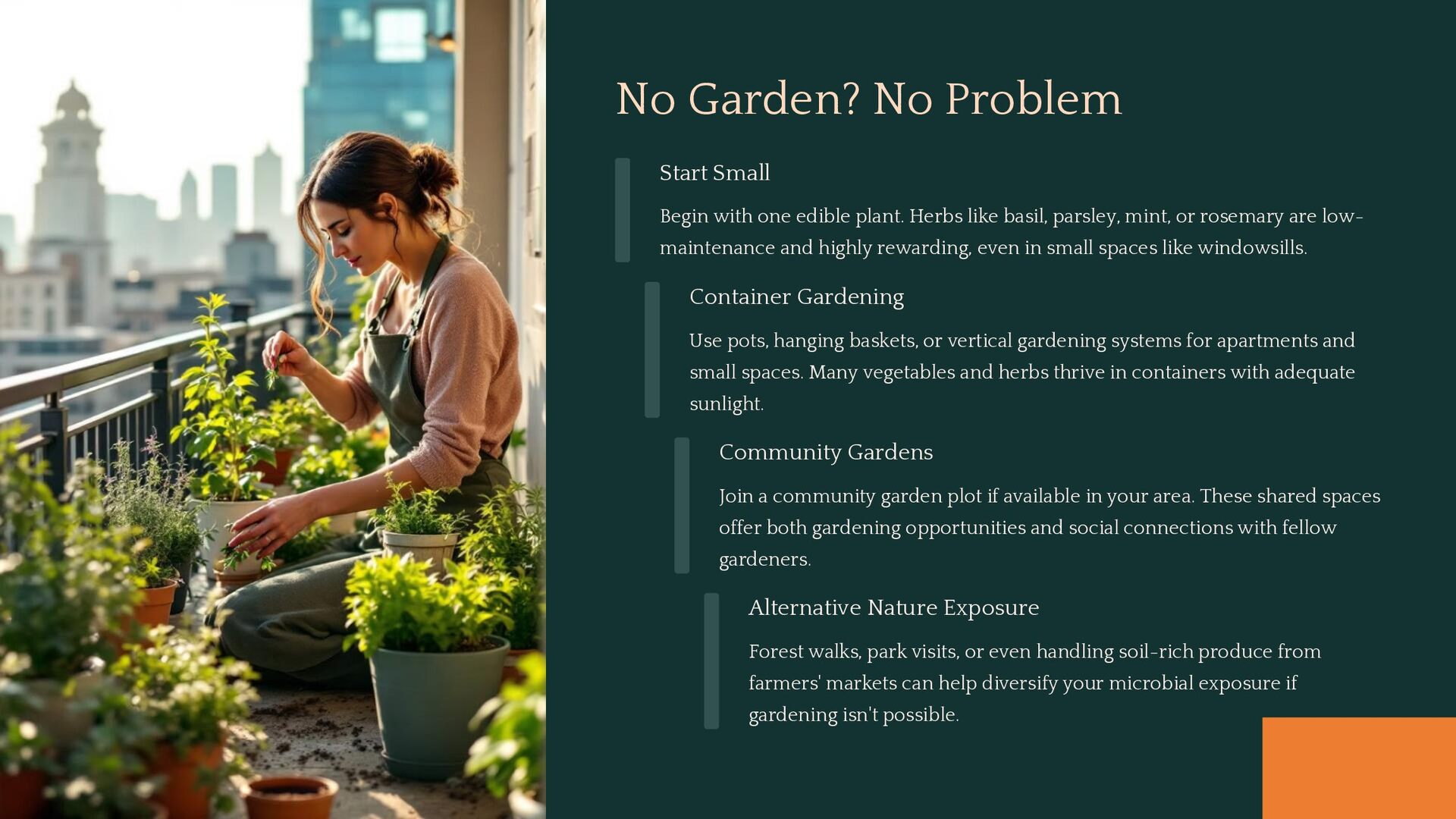
edible plant. Herbs like basil, parsley, mint, or rosemary are low- maintenance and highly rewarding, even in small spaces like windowsills. Container Gardening Use pots, hanging baskets, or vertical gardening systems for apartments and small spaces. Many vegetables and herbs thrive in containers with adequate sunlight. Community Gardens Join a community garden plot if available in your area. These shared spaces offer both gardening opportunities and social connections with fellow gardeners. Alternative Nature Exposure Forest walks, park visits, or even handling soil-rich produce from farmers' markets can help diversify your microbial exposure if gardening isn't possible.
Determine what grows well in your climate and space. Consider starting with herbs or leafy greens that mature quickly and provide regular harvests. Week 2: Gather Supplies Purchase or repurpose containers, quality soil, seeds or seedlings, and basic tools. Many vegetables can grow in recycled containers with proper drainage. Week 3: Plant & Nurture Get your hands dirty! Plant your chosen varieties, water appropriately, and position for adequate sunlight. Begin regular maintenance routines. Week 4: Harvest & Enjoy Start harvesting fast-growing varieties like herbs and lettuce. Incorporate your home-grown produce into meals to maximize both nutritional and microbial benefits.
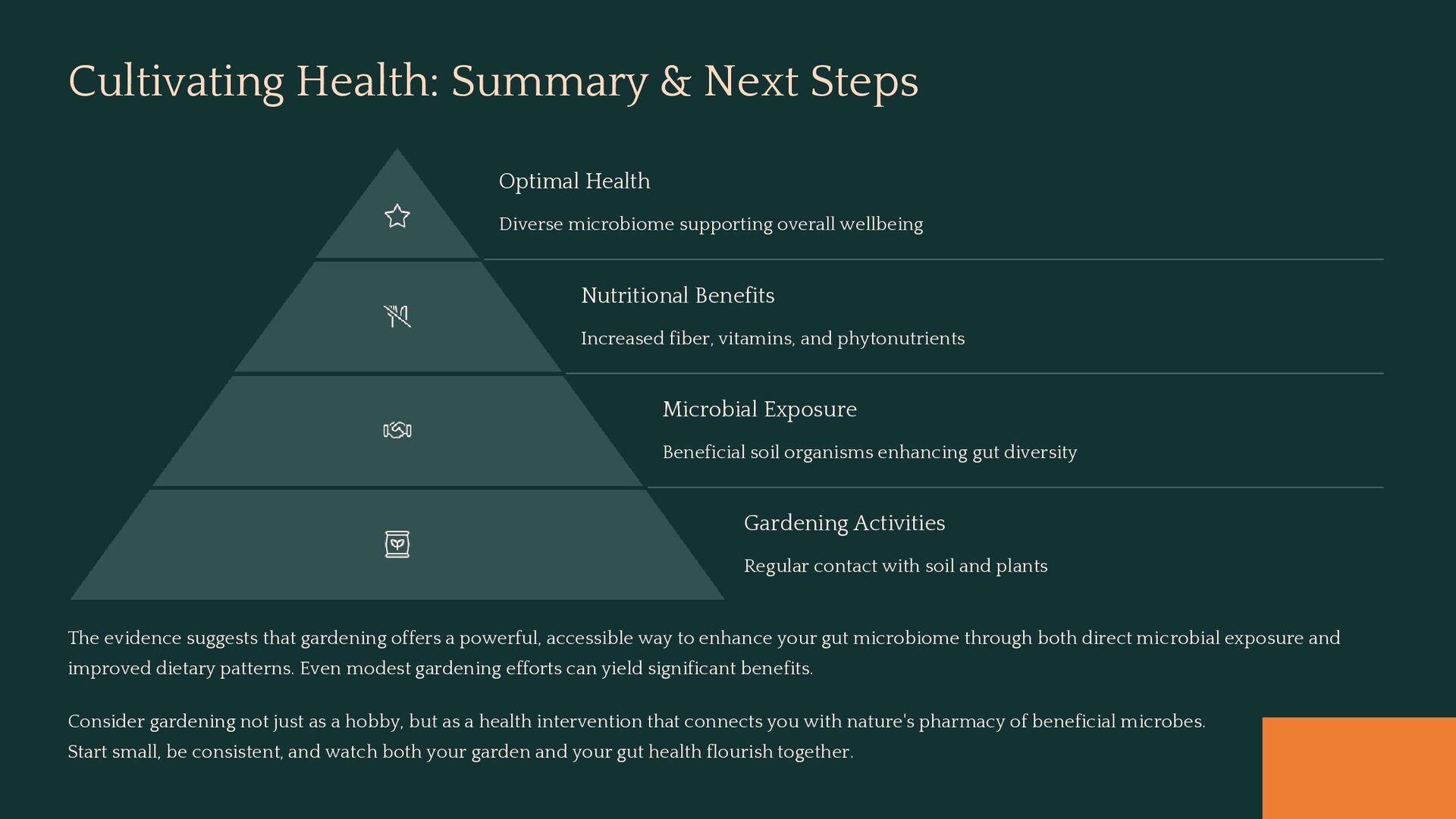
microbiome supporting overall wellbeing Nutritional Benefits Increased fiber, vitamins, and phytonutrients Microbial Exposure Beneficial soil organisms enhancing gut diversity Gardening Activities Regular contact with soil and plants The evidence suggests that gardening offers a powerful, accessible way to enhance your gut microbiome through both direct microbial exposure and improved dietary patterns. Even modest gardening efforts can yield significant benefits. Consider gardening not just as a hobby, but as a health intervention that connects you with nature's pharmacy of beneficial microbes. Start small, be consistent, and watch both your garden and your gut health flourish together.


 microbiome22
 tamaranovitovic
 techseoconnect
 sarafernandez
 tonyrice
 nonsquared
 inesmontani
 axbom
axbom
 marcduiker
 stuffmc
 bkeepers
 baasie