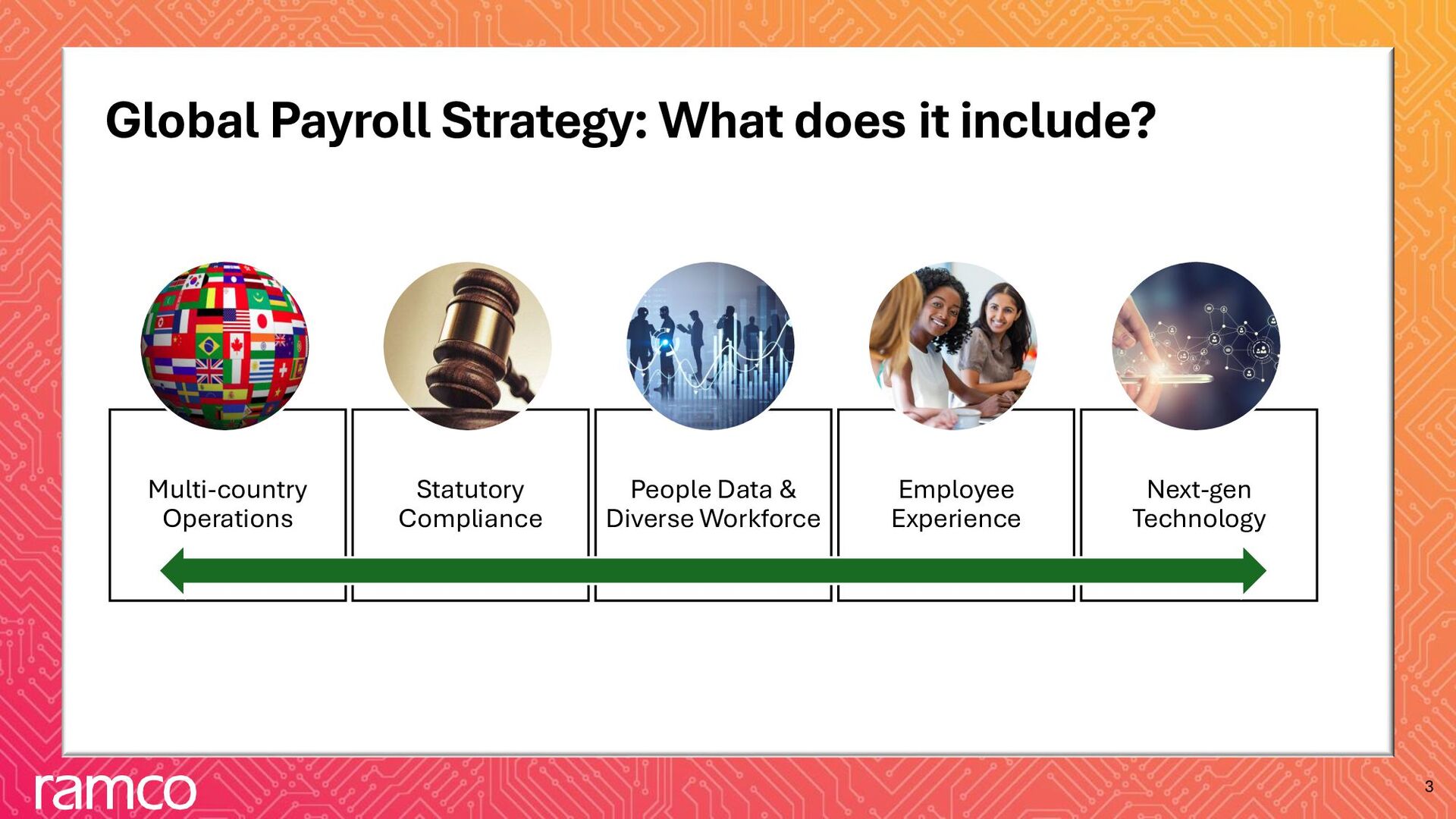
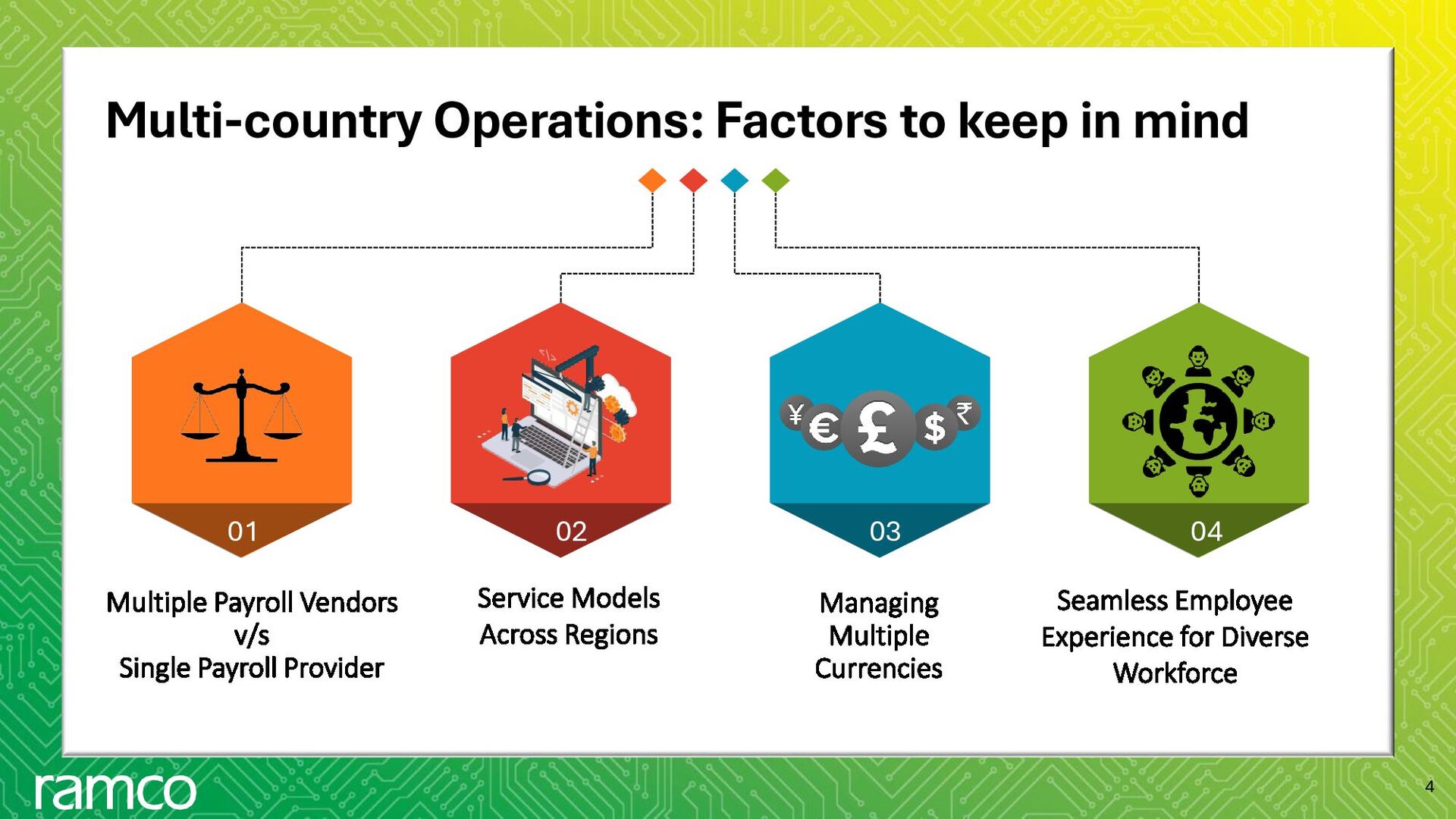
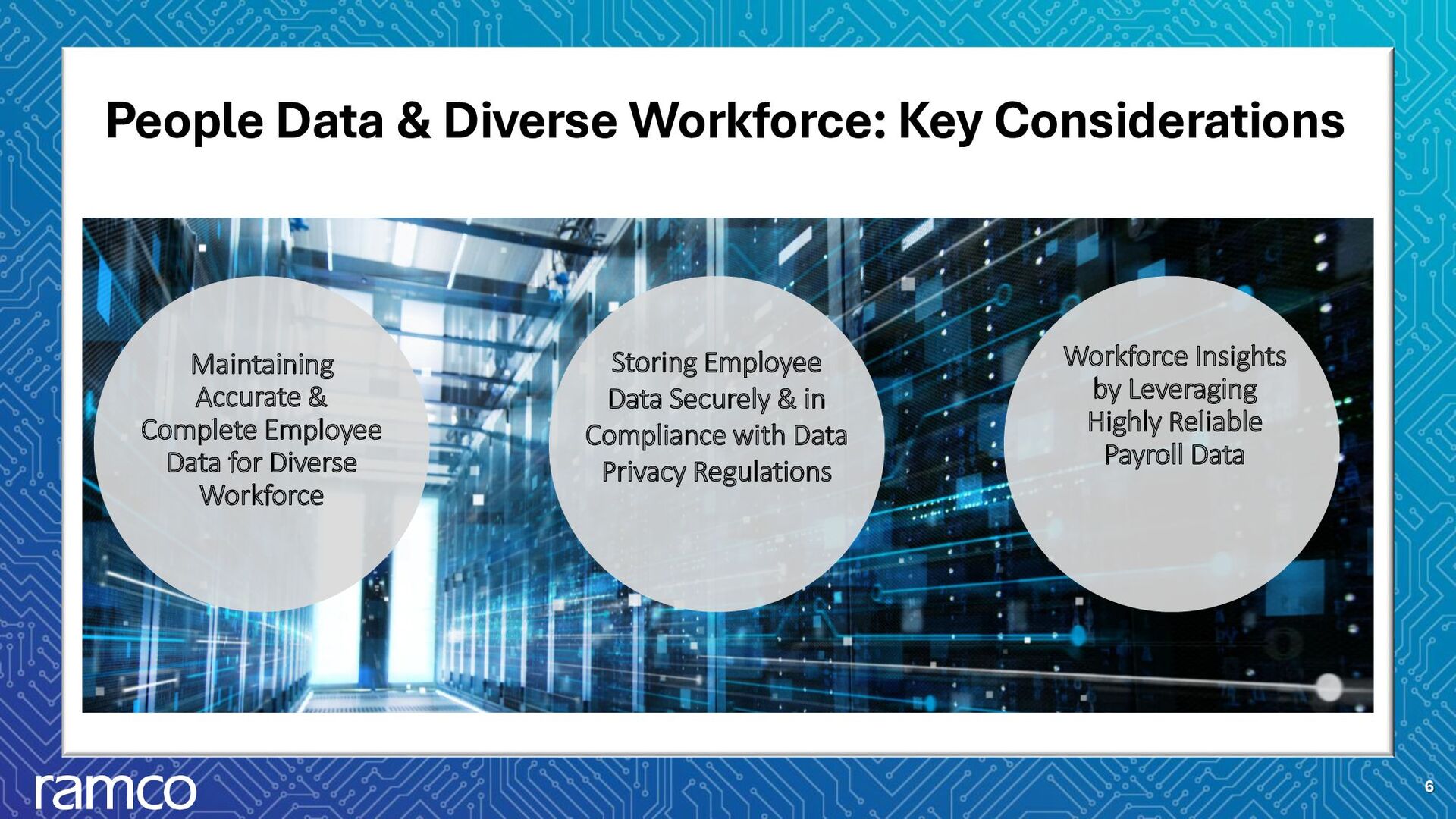
Complete Employee Data for Diverse Workforce Workforce Insights by Leveraging Highly Reliable Payroll Data Storing Employee Data Securely & in Compliance with Data Privacy Regulations 6
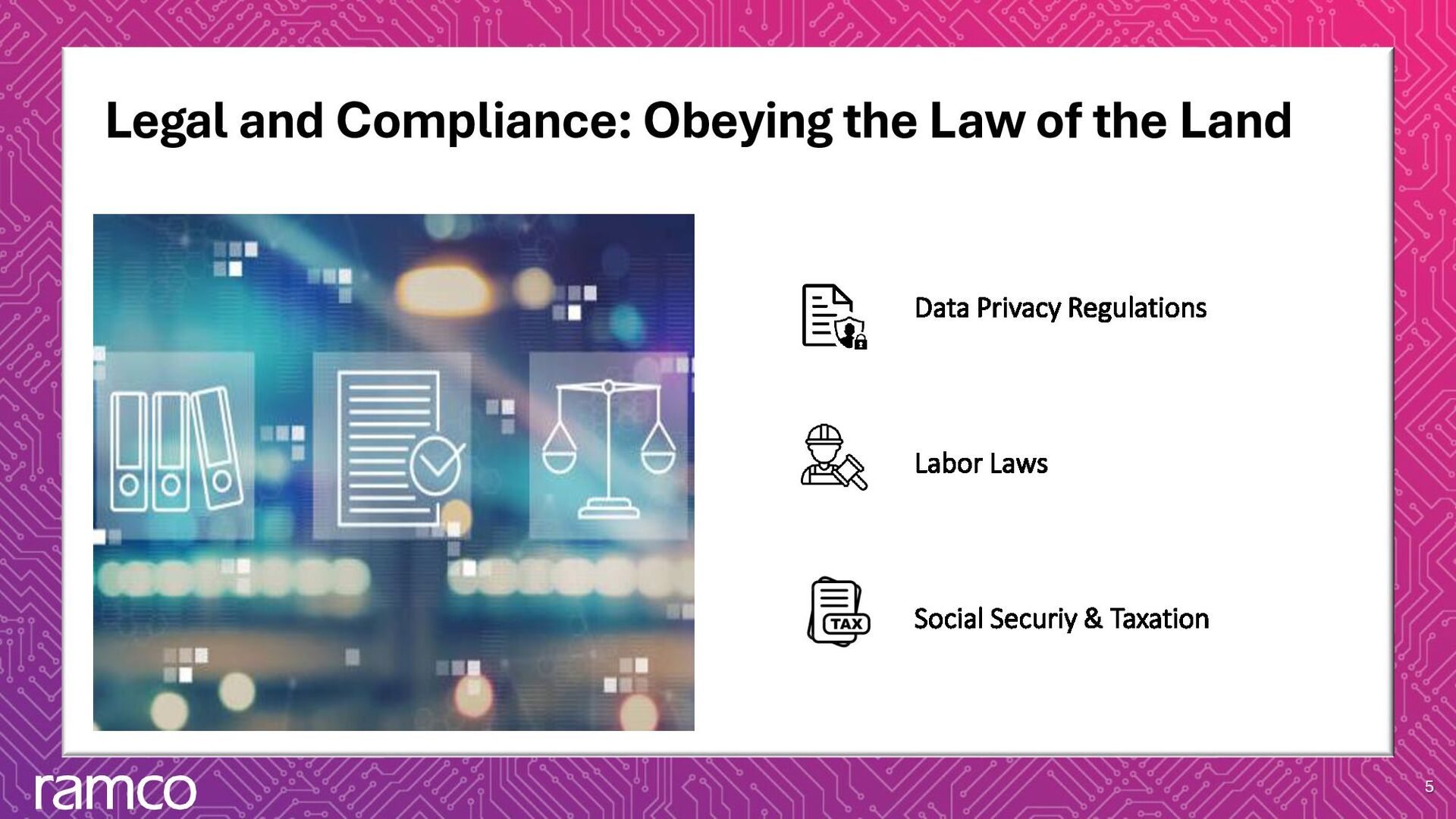
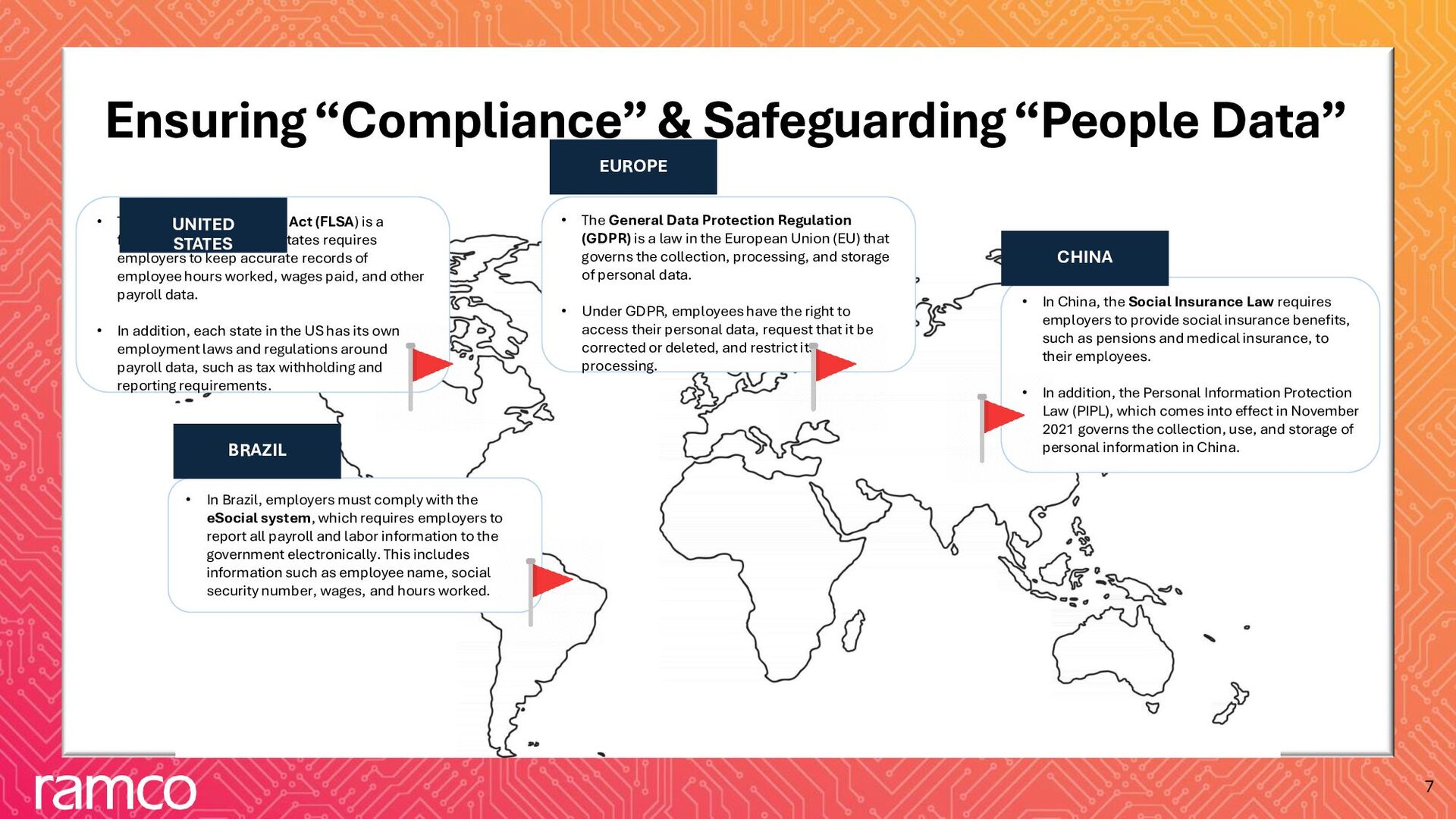
Protection Regulation (GDPR) is a law in the European Union (EU) that governs the collection, processing, and storage of personal data. • Under GDPR, employees have the right to access their personal data, request that it be corrected or deleted, and restrict its processing. • The Fair Labor Standards Act (FLSA) is a federal law in the United States requires employers to keep accurate records of employee hours worked, wages paid, and other payroll data. • In addition, each state in the US has its own employment laws and regulations around payroll data, such as tax withholding and reporting requirements. • In China, the Social Insurance Law requires employers to provide social insurance benefits, such as pensions and medical insurance, to their employees. • In addition, the Personal Information Protection Law (PIPL), which comes into effect in November 2021 governs the collection, use, and storage of personal information in China. • In Brazil, employers must comply with the eSocial system, which requires employers to report all payroll and labor information to the government electronically. This includes information such as employee name, social security number, wages, and hours worked. UNITED STATES BRAZIL EUROPE CHINA 7
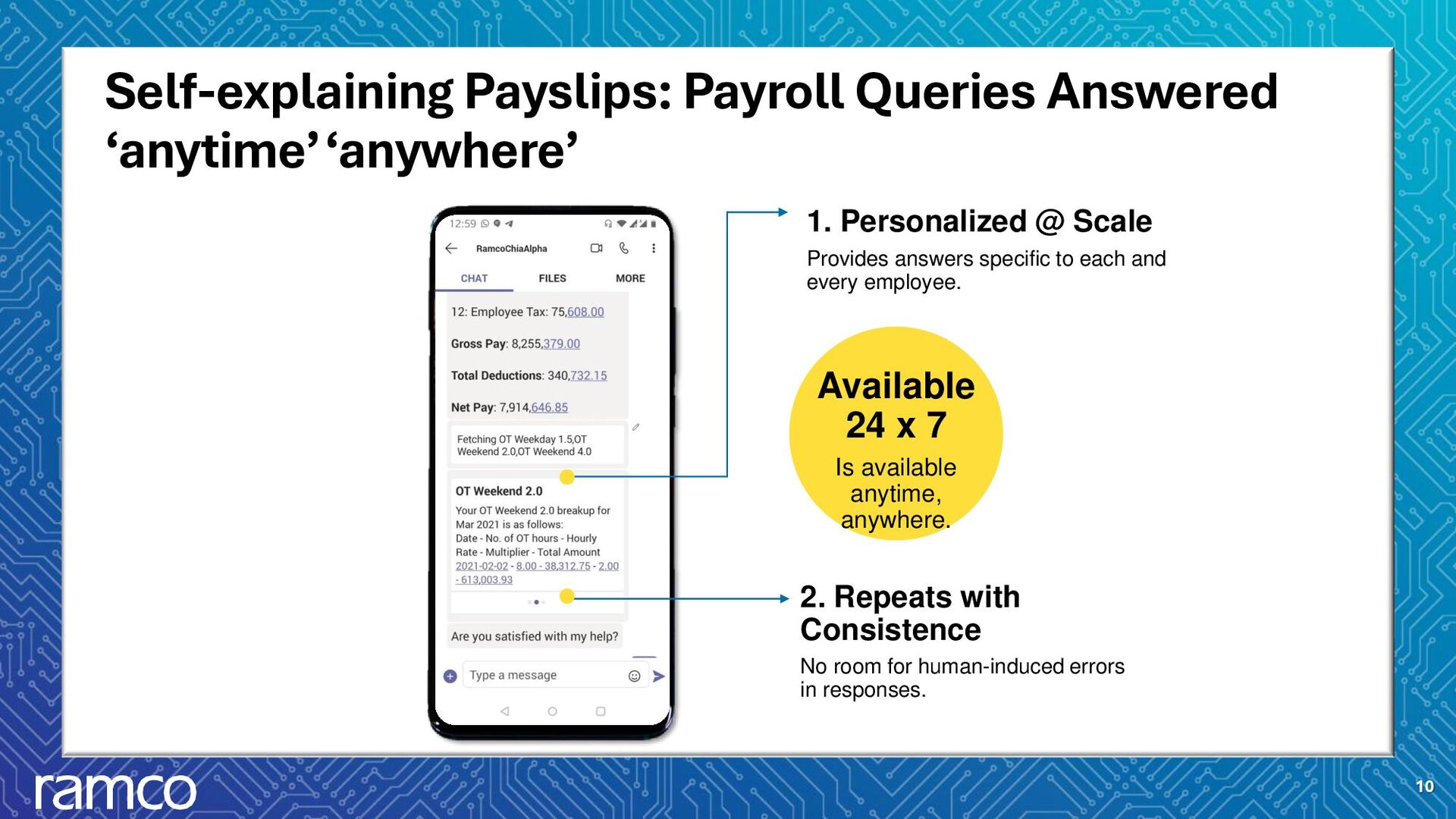
Scale Provides answers specific to each and every employee. 2. Repeats with Consistence No room for human-induced errors in responses. Available 24 x 7 Is available anytime, anywhere. 10
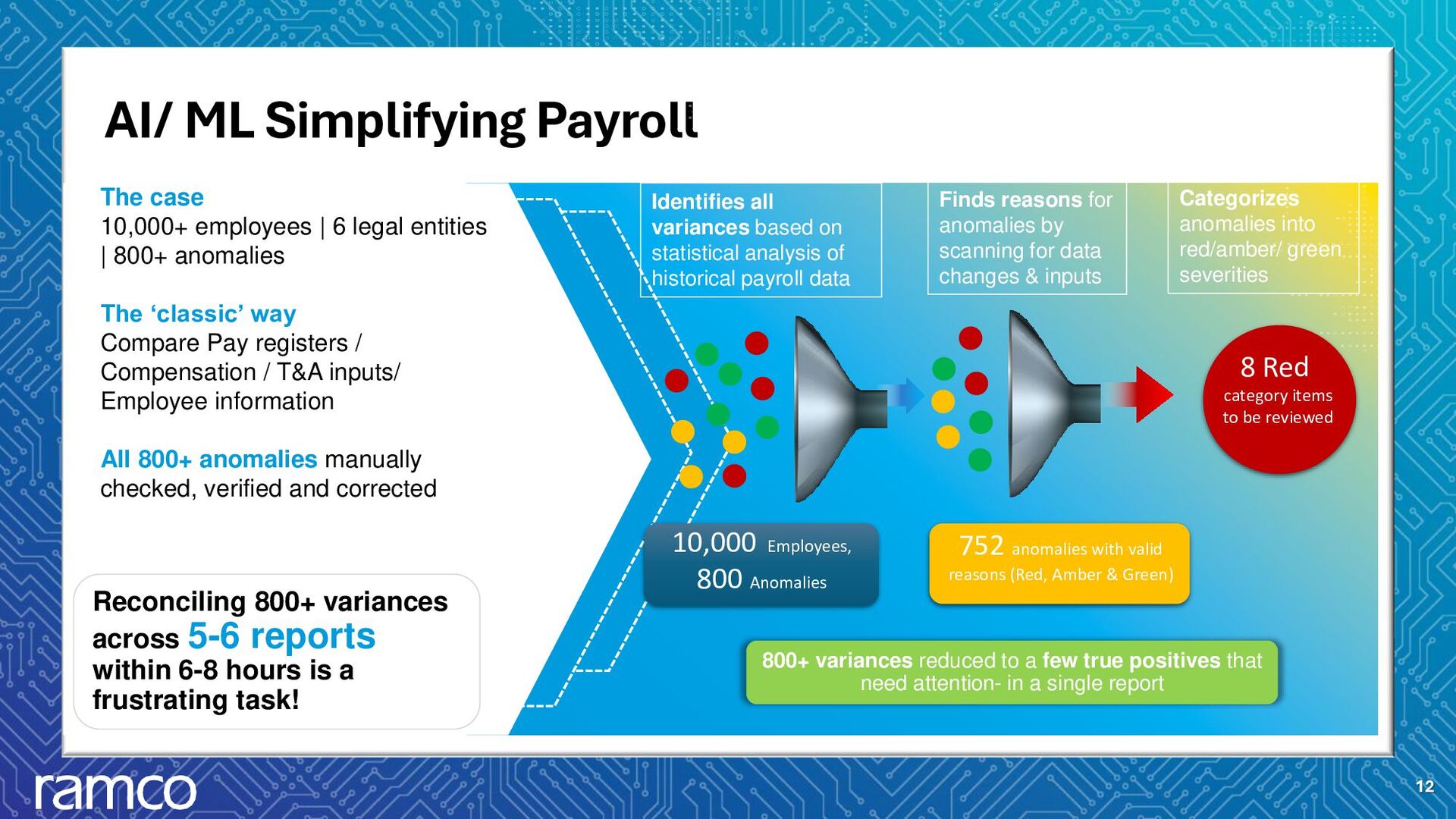
within 6-8 hours is a frustrating task! The case 10,000+ employees | 6 legal entities | 800+ anomalies The ‘classic’ way Compare Pay registers / Compensation / T&A inputs/ Employee information All 800+ anomalies manually checked, verified and corrected Identifies all variances based on statistical analysis of historical payroll data 800+ variances reduced to a few true positives that need attention- in a single report Finds reasons for anomalies by scanning for data changes & inputs Categorizes anomalies into red/amber/ green severities 10,000 Employees, 800 Anomalies 752 anomalies with valid reasons (Red, Amber & Green) 8 Red category items to be reviewed 12
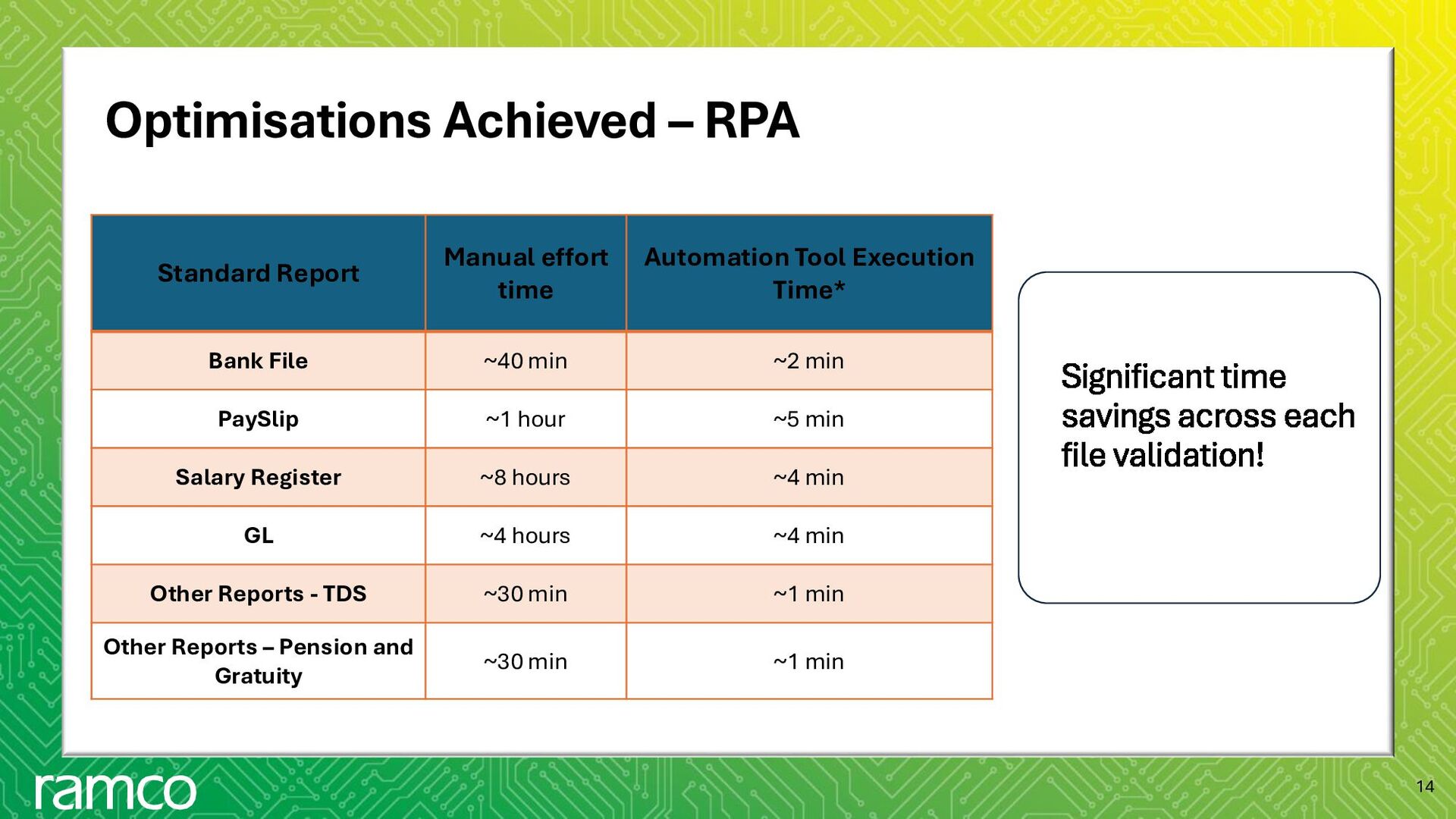
Tool Execution Time* Bank File ~40 min ~2 min PaySlip ~1 hour ~5 min Salary Register ~8 hours ~4 min GL ~4 hours ~4 min Other Reports - TDS ~30 min ~1 min Other Reports – Pension and Gratuity ~30 min ~1 min 14
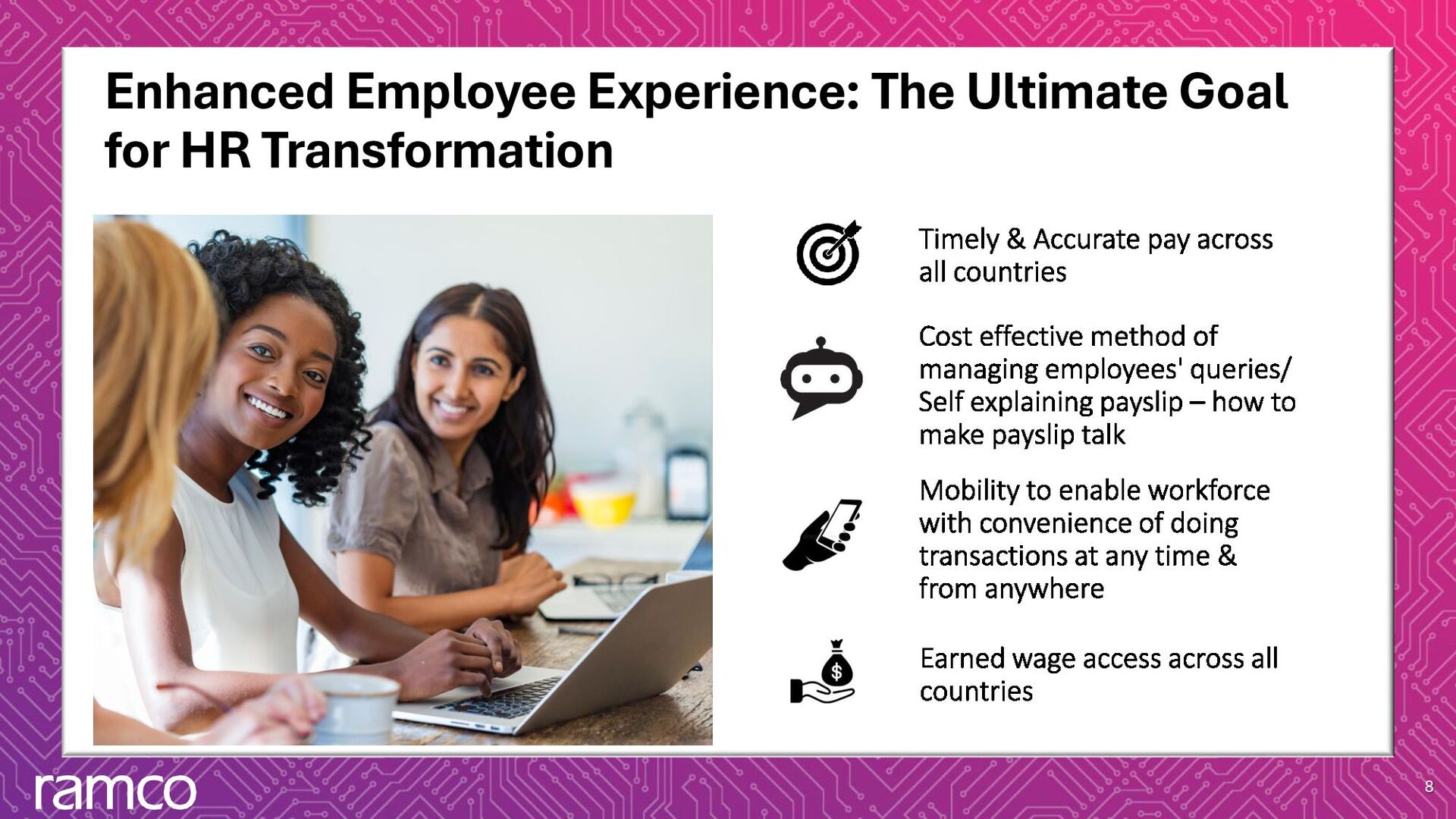
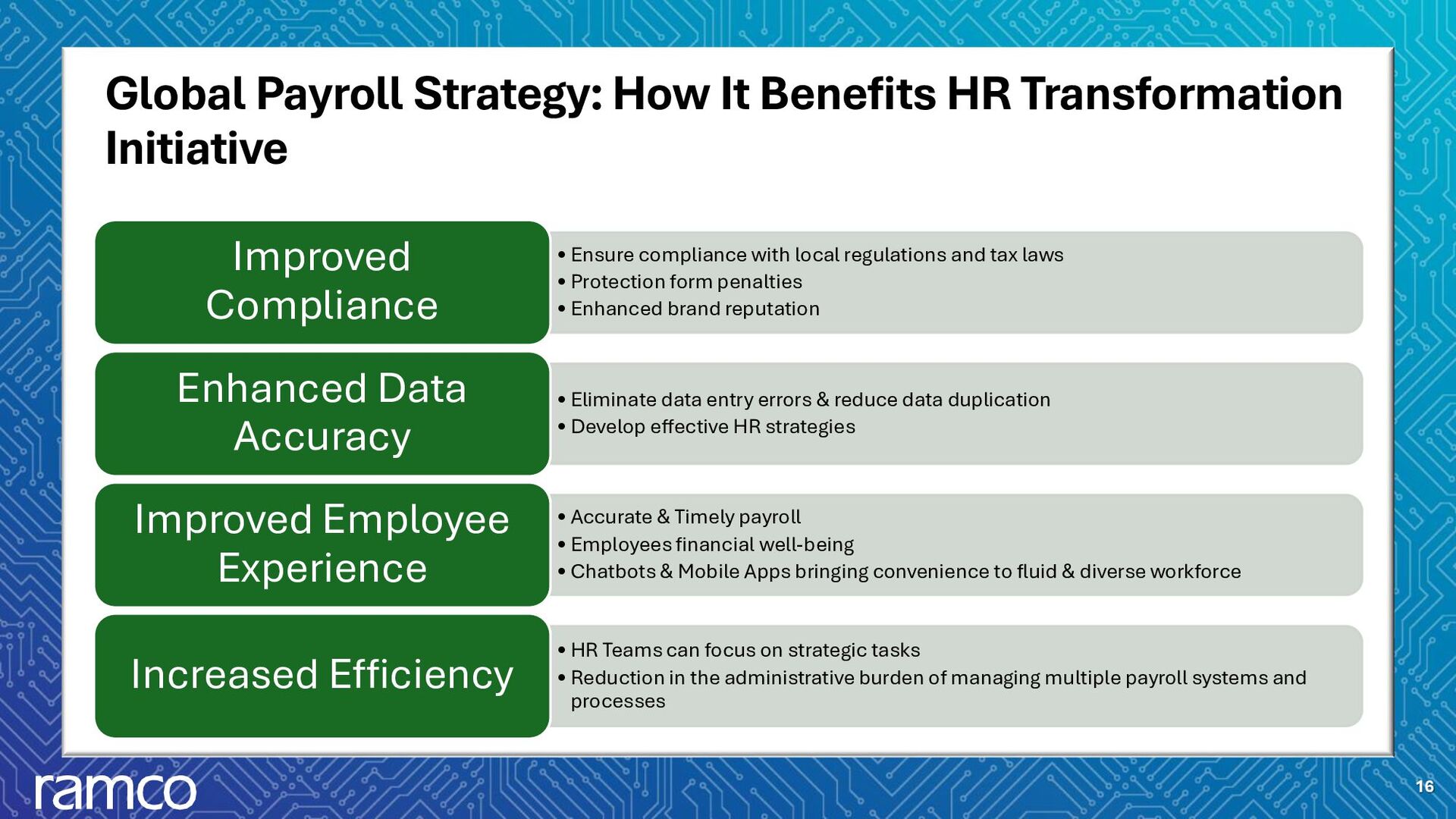
Ensure compliance with local regulations and tax laws • Protection form penalties • Enhanced brand reputation Improved Compliance • Eliminate data entry errors & reduce data duplication • Develop effective HR strategies Enhanced Data Accuracy • Accurate & Timely payroll • Employees financial well-being • Chatbots & Mobile Apps bringing convenience to fluid & diverse workforce Improved Employee Experience • HR Teams can focus on strategic tasks • Reduction in the administrative burden of managing multiple payroll systems and processes Increased Efficiency 16
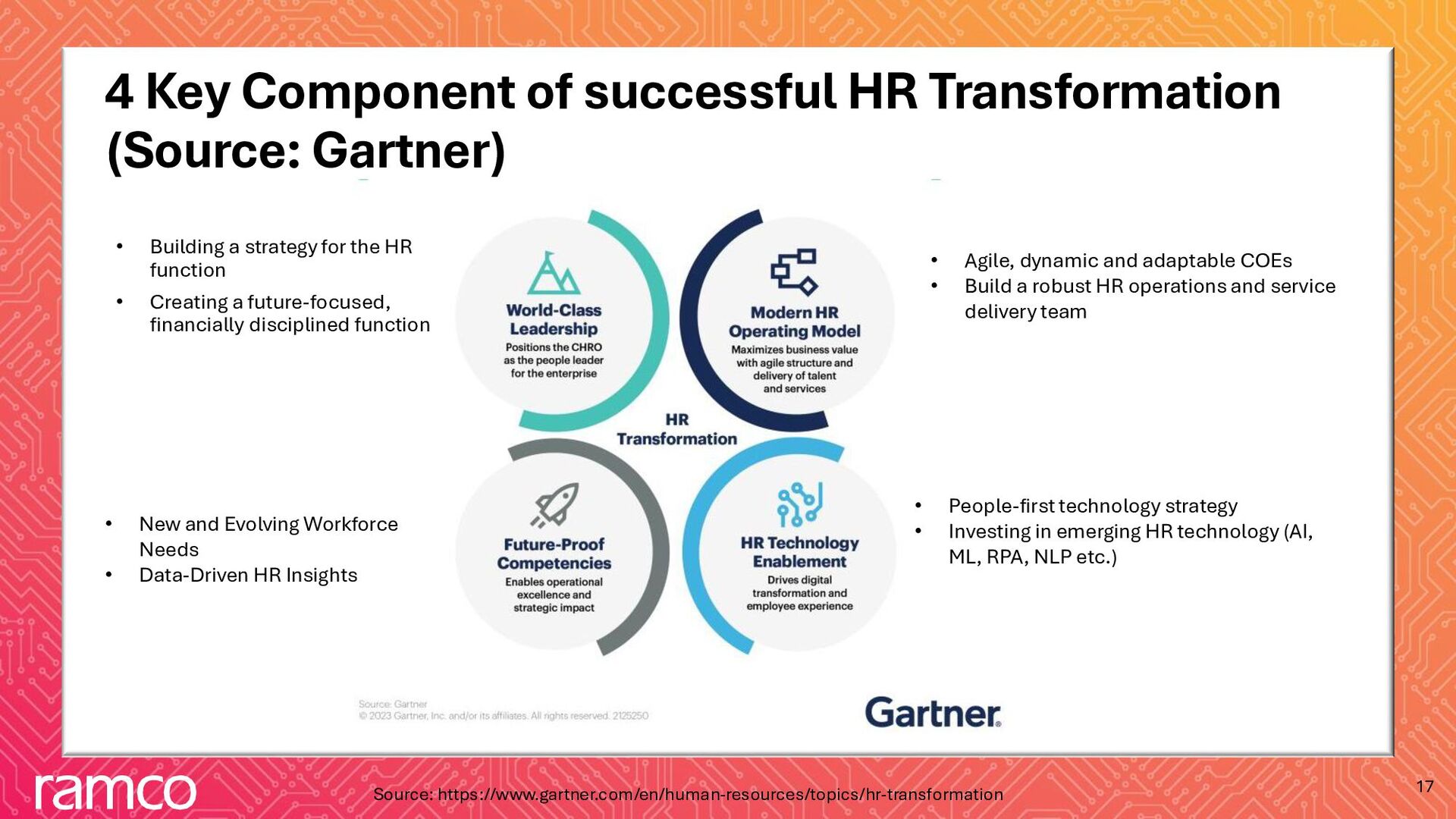
https://www.gartner.com/en/human-resources/topics/hr-transformation • Building a strategy for the HR function • Creating a future-focused, financially disciplined function • Agile, dynamic and adaptable COEs • Build a robust HR operations and service delivery team • New and Evolving Workforce Needs • Data-Driven HR Insights • People-first technology strategy • Investing in emerging HR technology (AI, ML, RPA, NLP etc.) 17
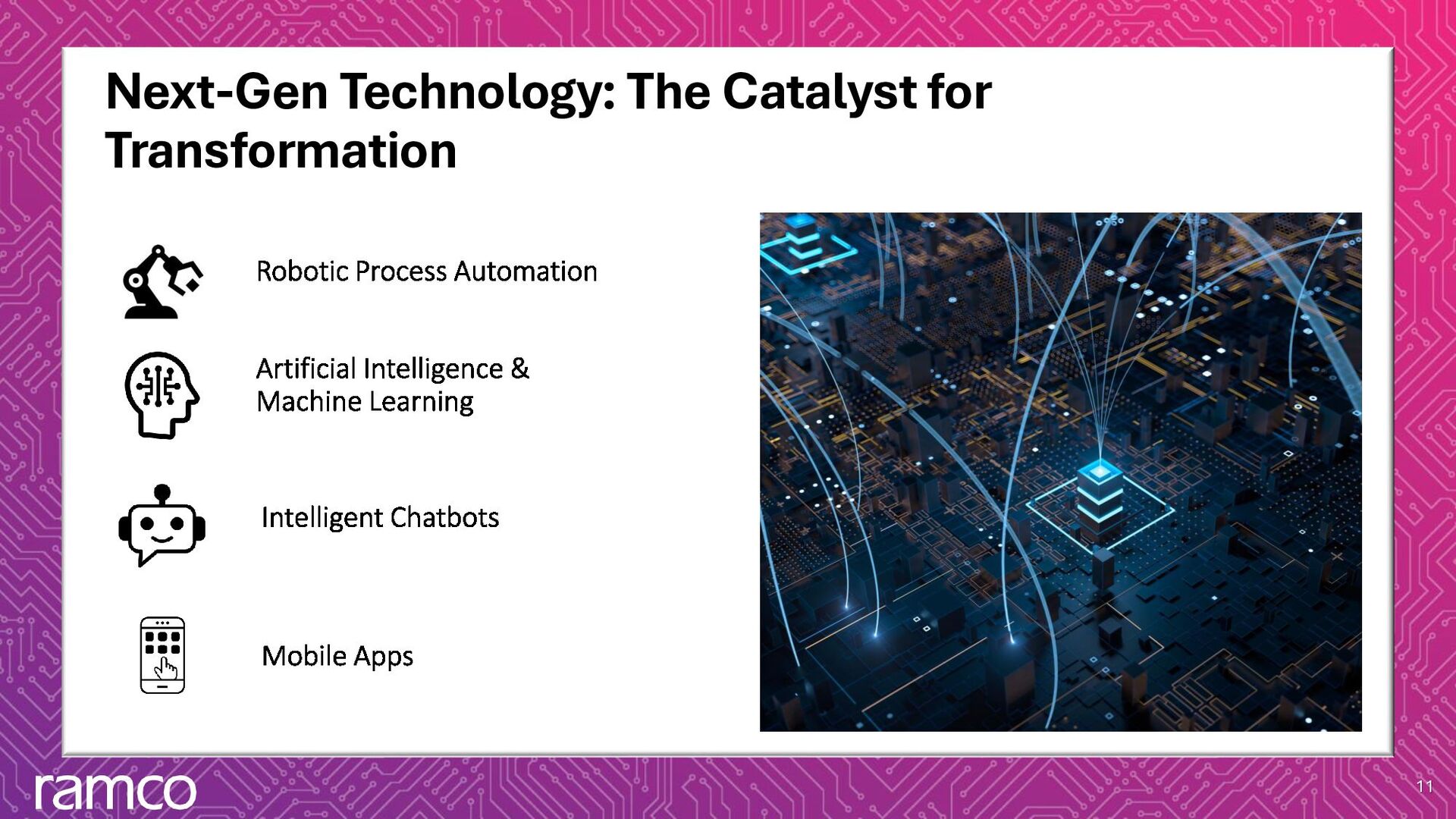
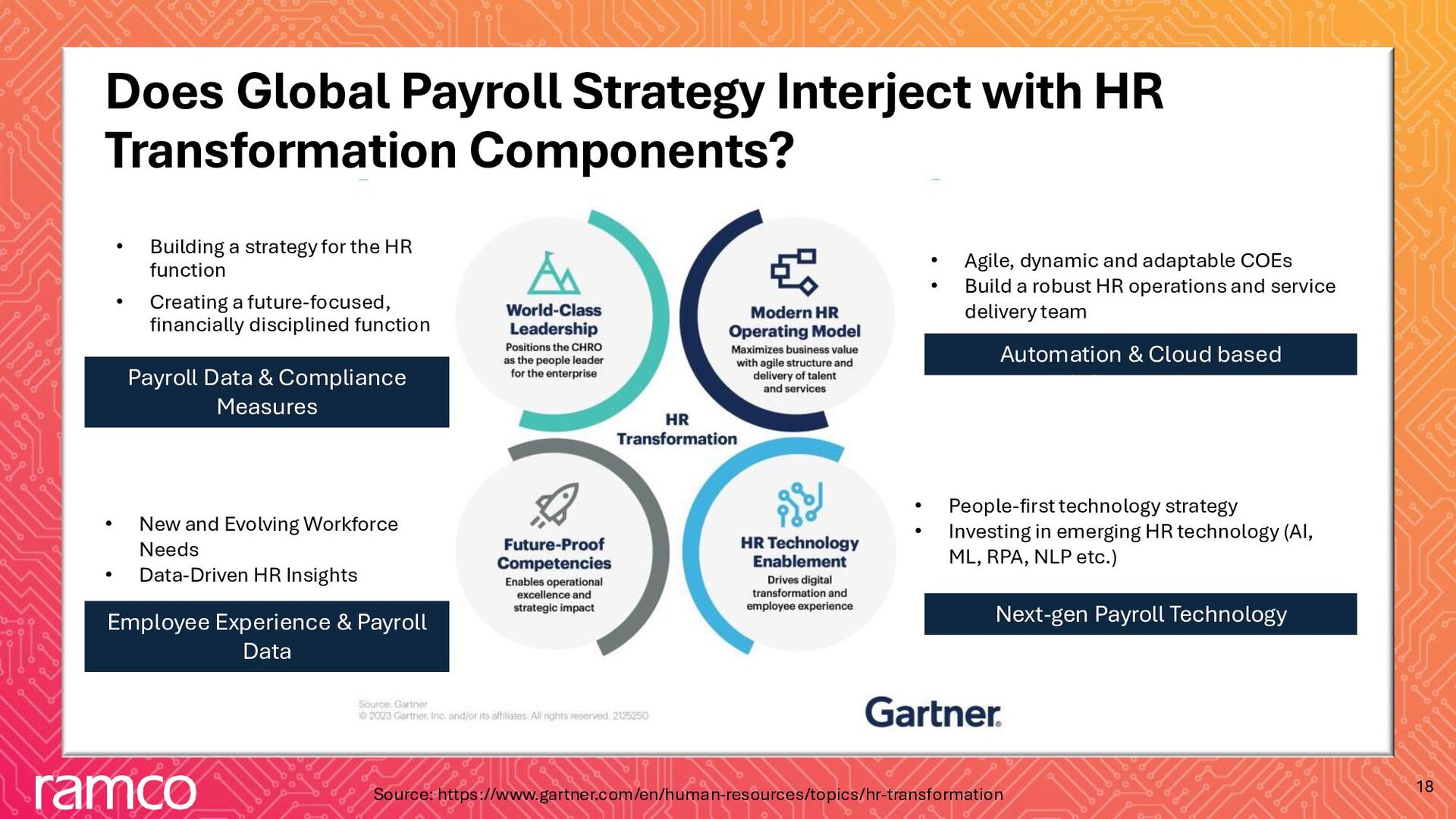
https://www.gartner.com/en/human-resources/topics/hr-transformation • Building a strategy for the HR function • Creating a future-focused, financially disciplined function • Agile, dynamic and adaptable COEs • Build a robust HR operations and service delivery team • New and Evolving Workforce Needs • Data-Driven HR Insights • People-first technology strategy • Investing in emerging HR technology (AI, ML, RPA, NLP etc.) Payroll Data & Compliance Measures Automation & Cloud based Infrastructure Employee Experience & Payroll Data Next-gen Payroll Technology 18


 ramcosystems
 eileencodes
 skipperchong
 brad_frost
 stephenakadiri
 tonyrice
 dougneiner
 garrettdimon
 addyosmani
 szymonslowik
 aleyda
 soudai
 cassininazir