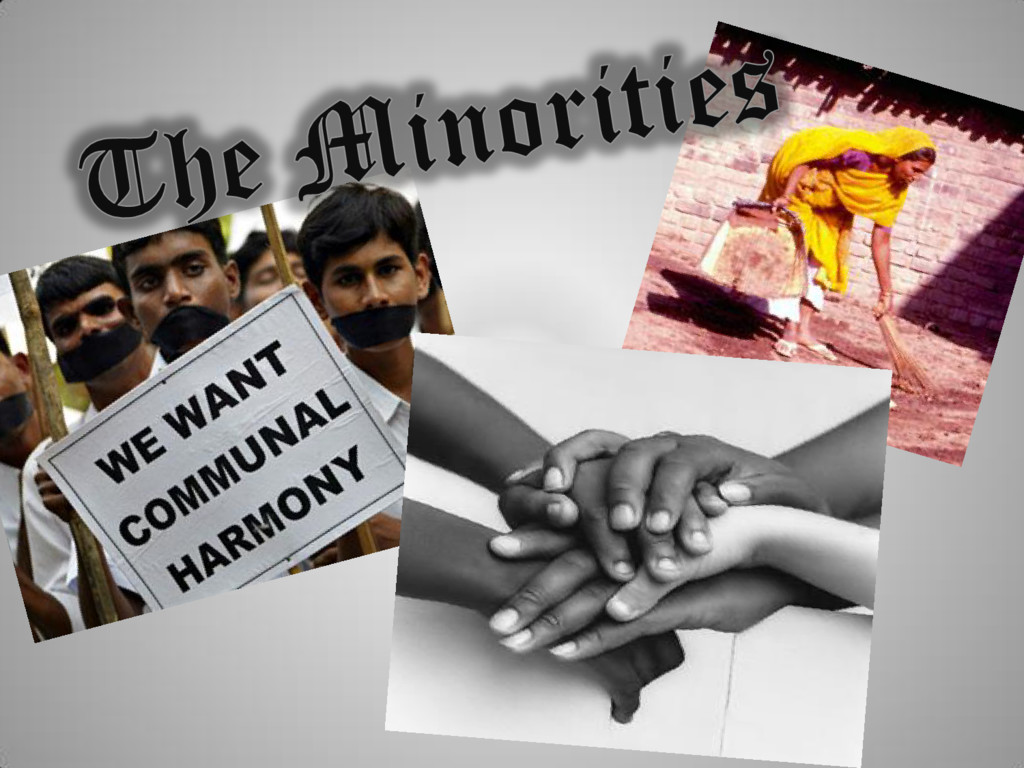
of people differentiated from the social majority, i.e. those who hold the majority of positions of social power in a society, and may be defined by law. The differentiation can be based on one or more observable human characteristics, including, but not limited to: ethnicity, race, gender, wealth, health or sexual orientation. The term "minority" is used to refer to categories of persons who hold fewer positions of social power.
is affected by one disability or the other. In other words, this Nation has 60 to 70 million disabled citizens who according to me form an ‘Invisible Minority’. The invisible…...
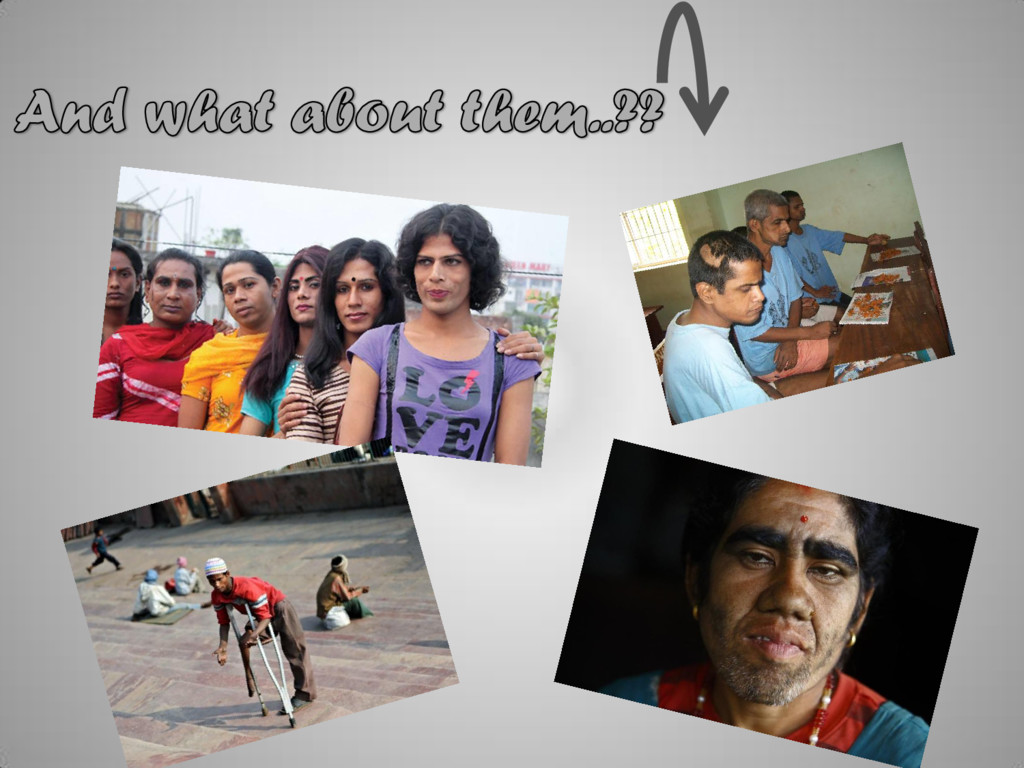
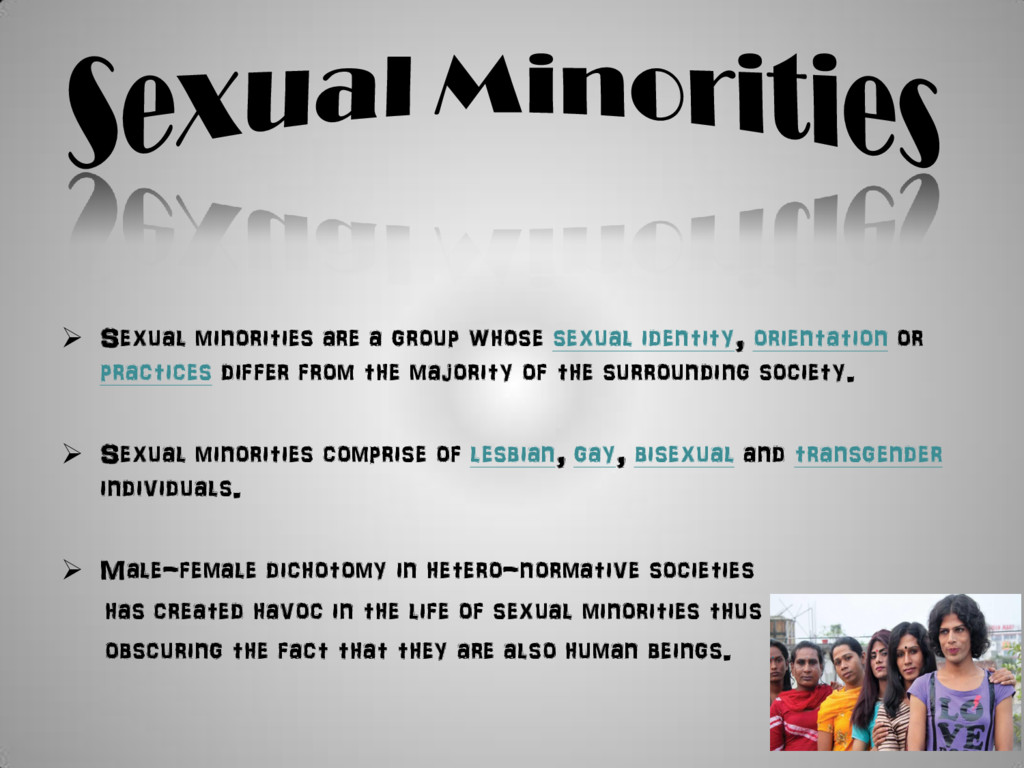
or practices differ from the majority of the surrounding society. Sexual minorities comprise of lesbian, gay, bisexual and transgender individuals. Male-female dichotomy in hetero-normative societies has created havoc in the life of sexual minorities thus obscuring the fact that they are also human beings.
minorities are at high risk for developing sexually transmitted diseases (STDs) and HIV/AIDS. (The reason for high prevalence of HIV is attributed to re-use of needles and unprotected intercourse as part of commercial sex work both in hetro- and homo-sexual relationship.) They are also high-risk victims of physical, sexual, economical and emotional violence from the so called normal community.
minorities are at a risk for developing emotional disorders because of the stigma and discrimination. Suicide risk has been shown to be greatly elevated for men in same-sex partnerships in Denmark.
of their homes or chose to leave home because of parental rejection or fear of rejection, increasing their risk of homelessness, poverty, and associated negative sequel.
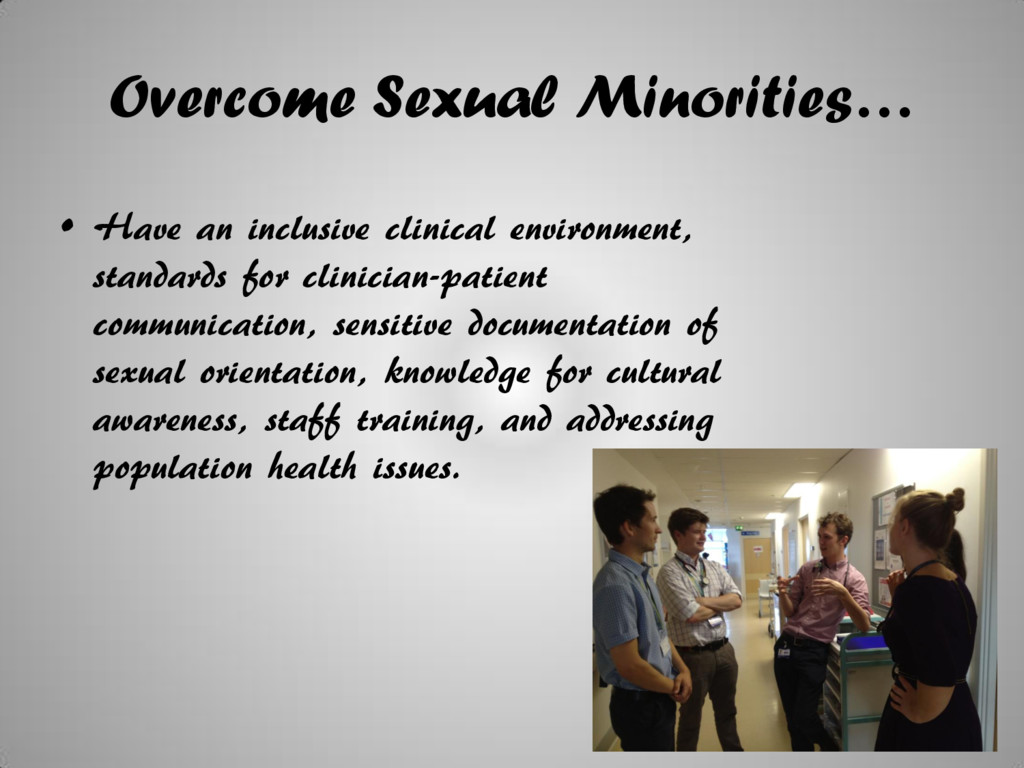
for clinician-patient communication, sensitive documentation of sexual orientation, knowledge for cultural awareness, staff training, and addressing population health issues.
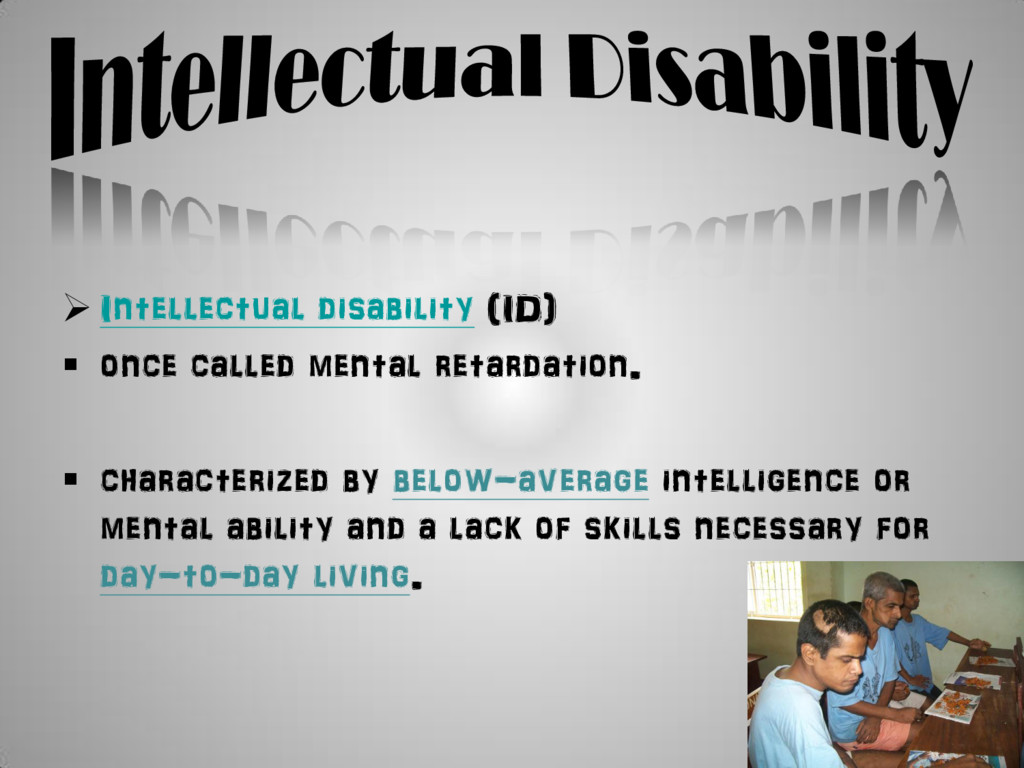
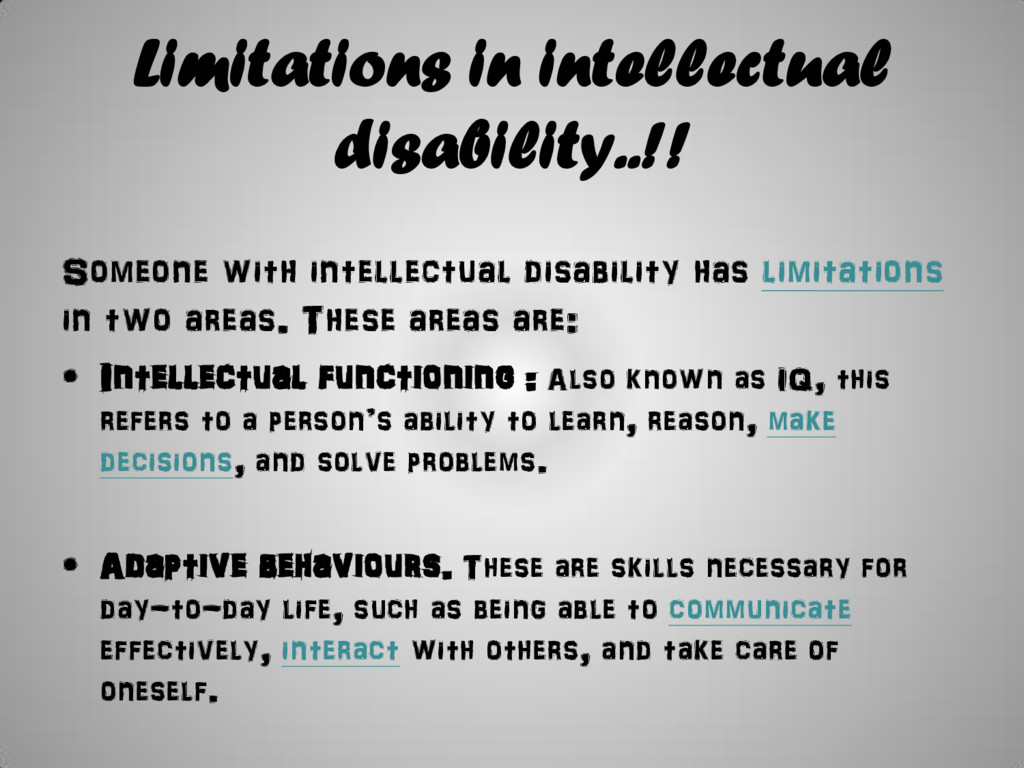
in two areas. These areas are: • Intellectual functioning : Also known as IQ, this refers to a person’s ability to learn, reason, make decisions, and solve problems. • Adaptive behaviours. These are skills necessary for day-to-day life, such as being able to communicate effectively, interact with others, and take care of oneself.
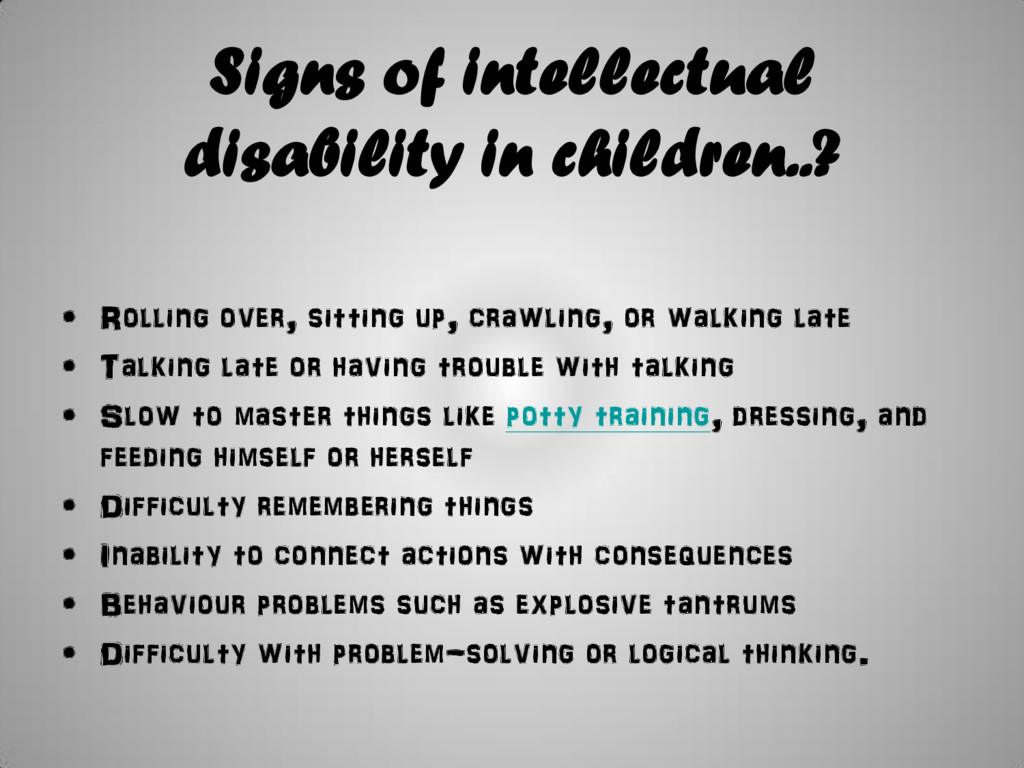
up, crawling, or walking late • Talking late or having trouble with talking • Slow to master things like potty training, dressing, and feeding himself or herself • Difficulty remembering things • Inability to connect actions with consequences • Behaviour problems such as explosive tantrums • Difficulty with problem-solving or logical thinking.
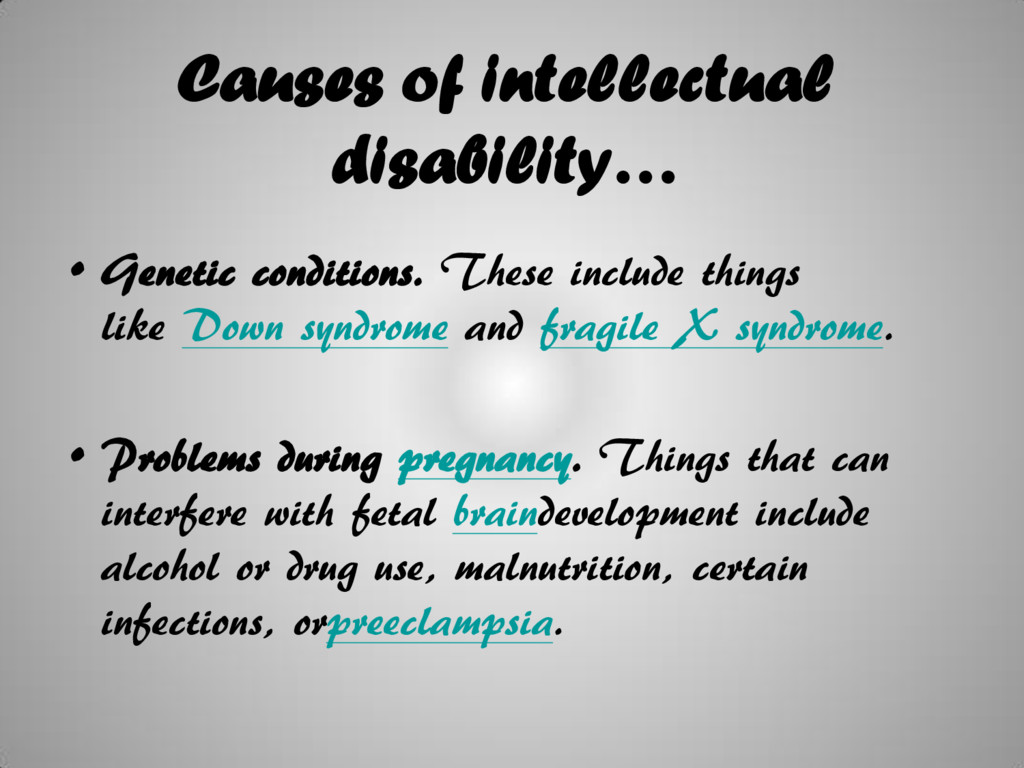
like Down syndrome and fragile X syndrome. • Problems during pregnancy. Things that can interfere with fetal braindevelopment include alcohol or drug use, malnutrition, certain infections, orpreeclampsia.
meningitis, whooping cough, or the measlescan lead to intellectual disability. Severe head injury, near-drowning, extreme malnutrition, exposure to toxic substances such as lead, and severe neglect or abuse can also cause it.
drink alcohol. • Getting vaccinated against certain infectious diseases • Genetic testing before conception. • Tests, such as ultrasound and amniocentesis, be performed during pregnancy.


 inesmontani
 mlcsv
mlcsv
 sarafernandez
 keathley
 tmiket
 khoart
 lemiorhan
 marcduiker
 colly
colly
 schroneko
 reverentgeek
 mkilby