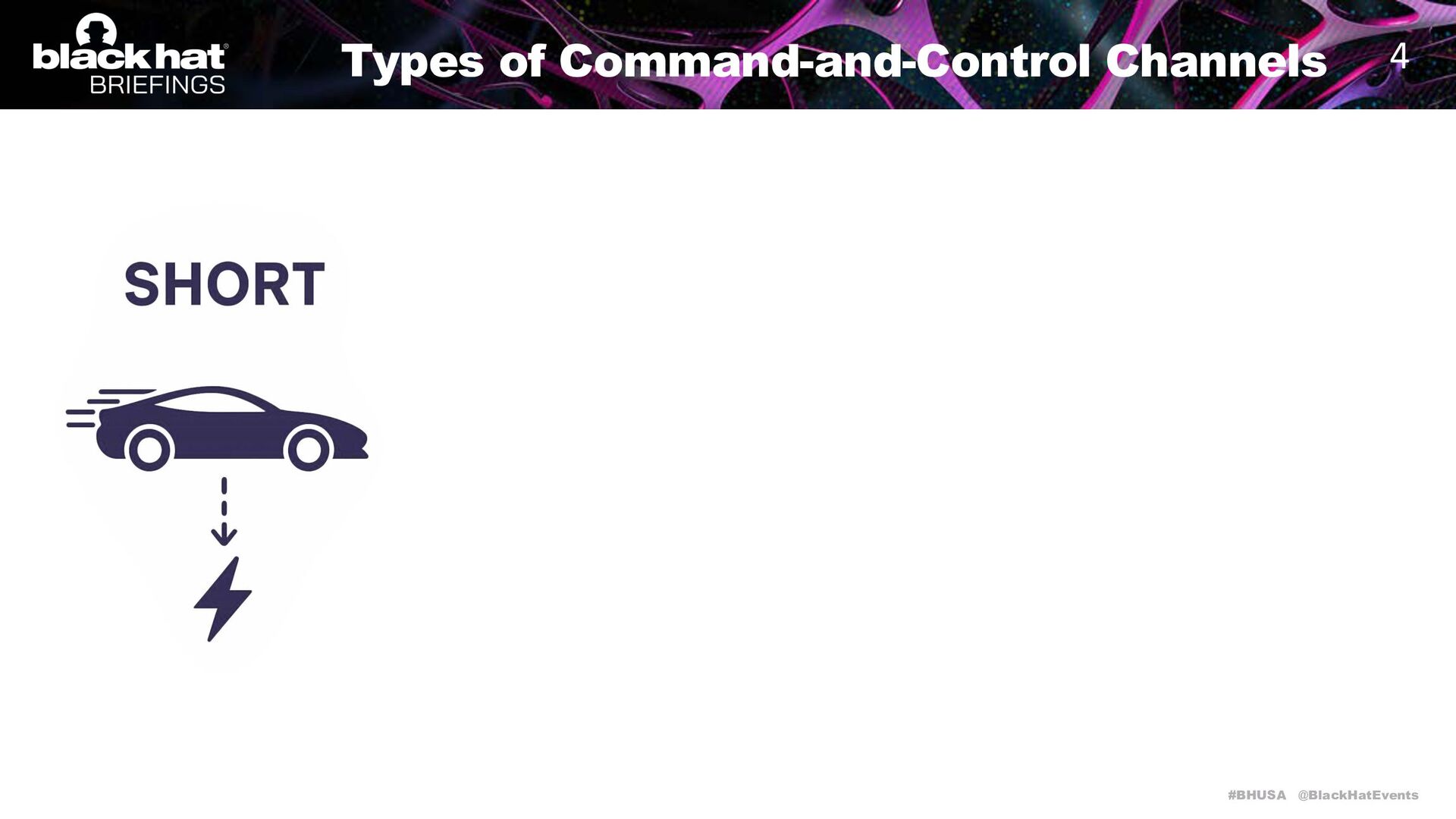
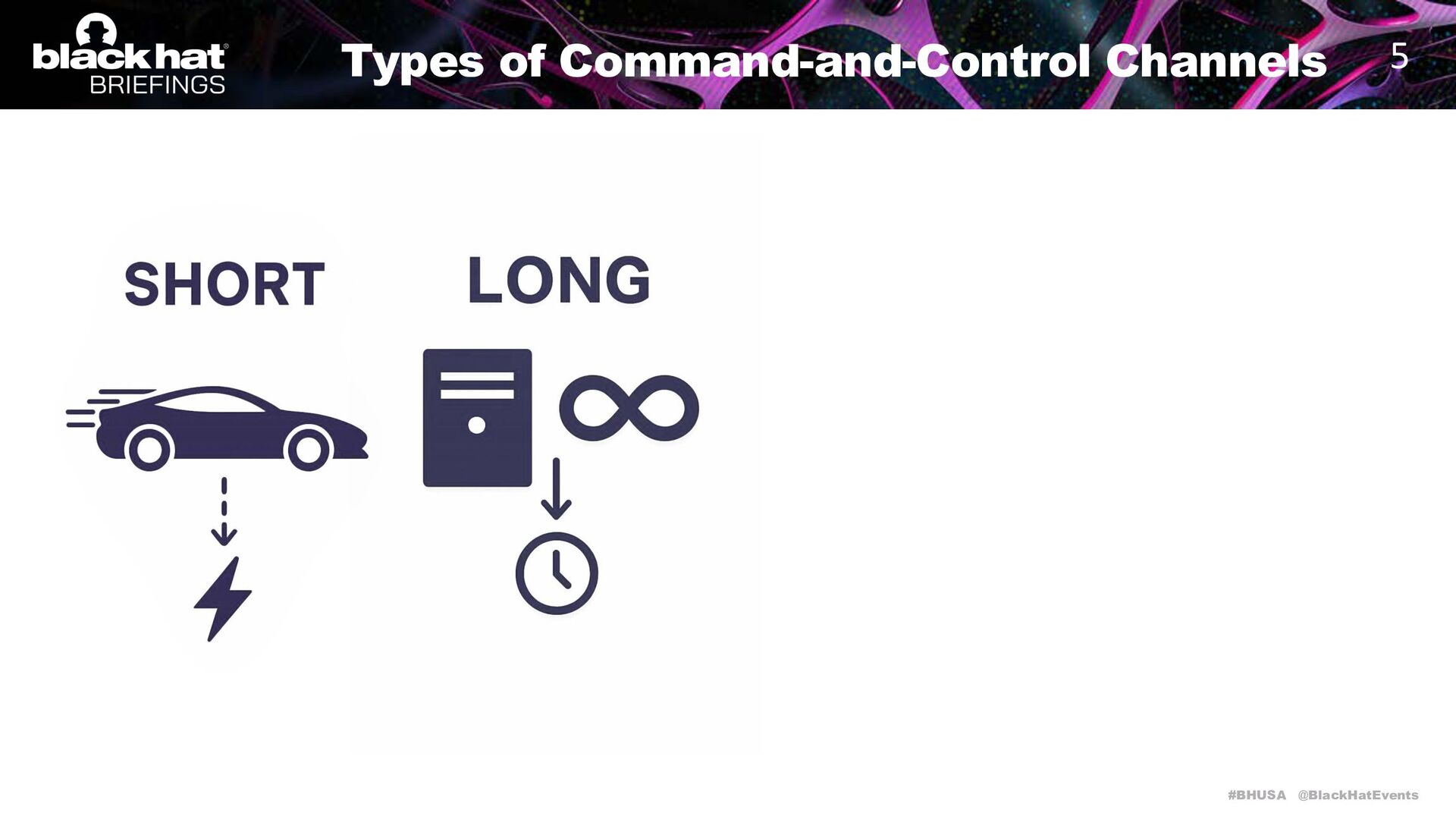
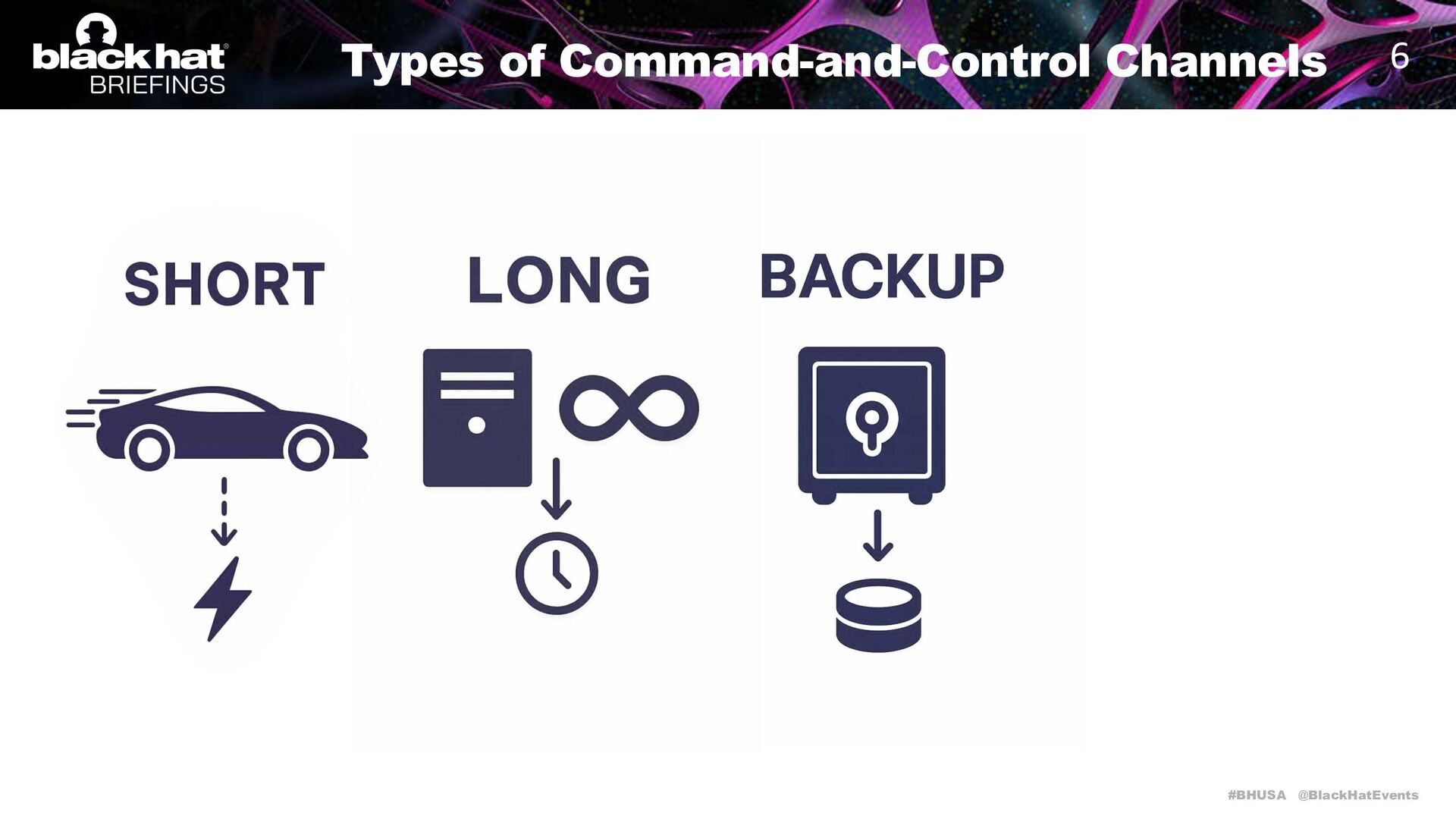
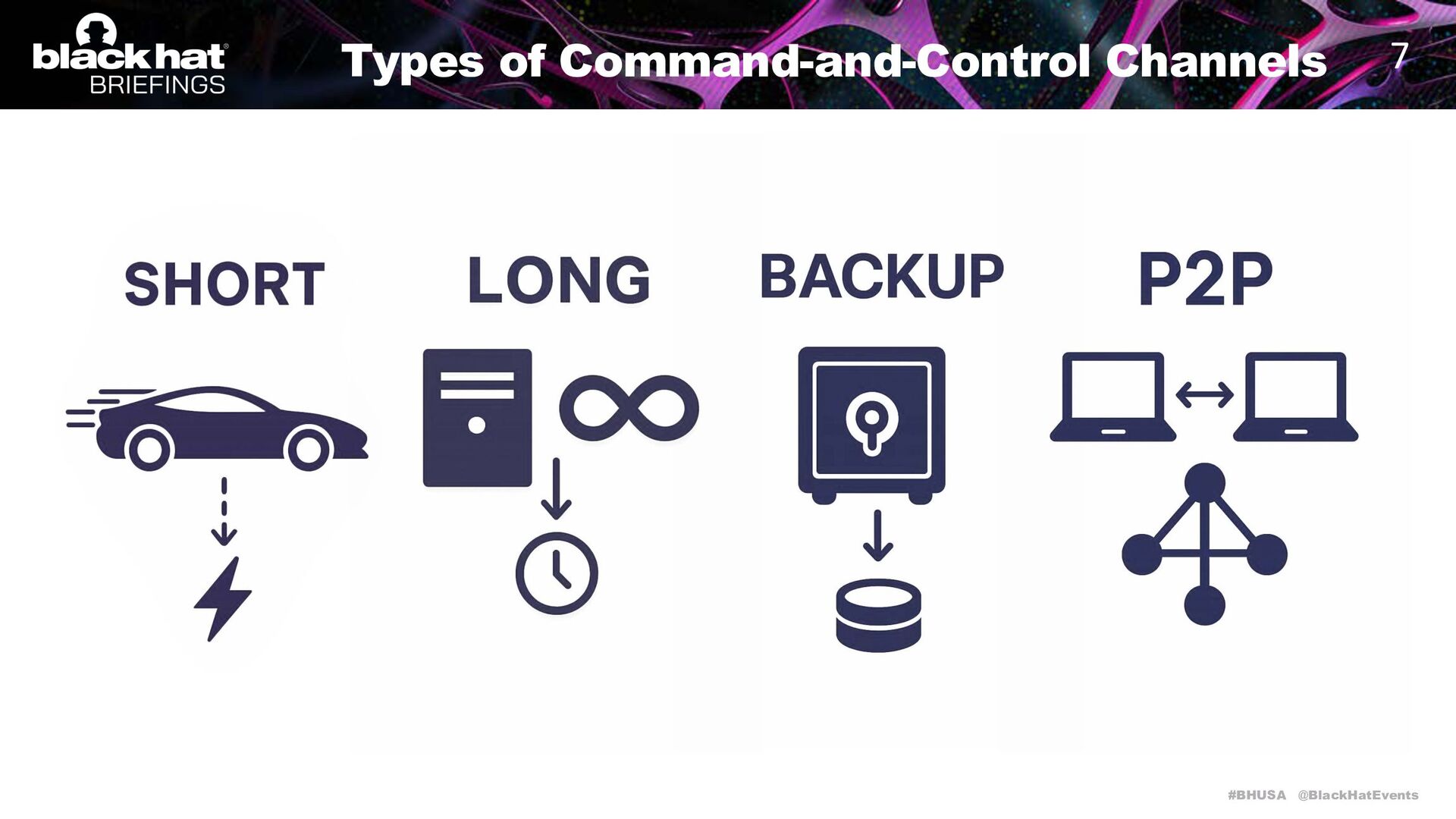
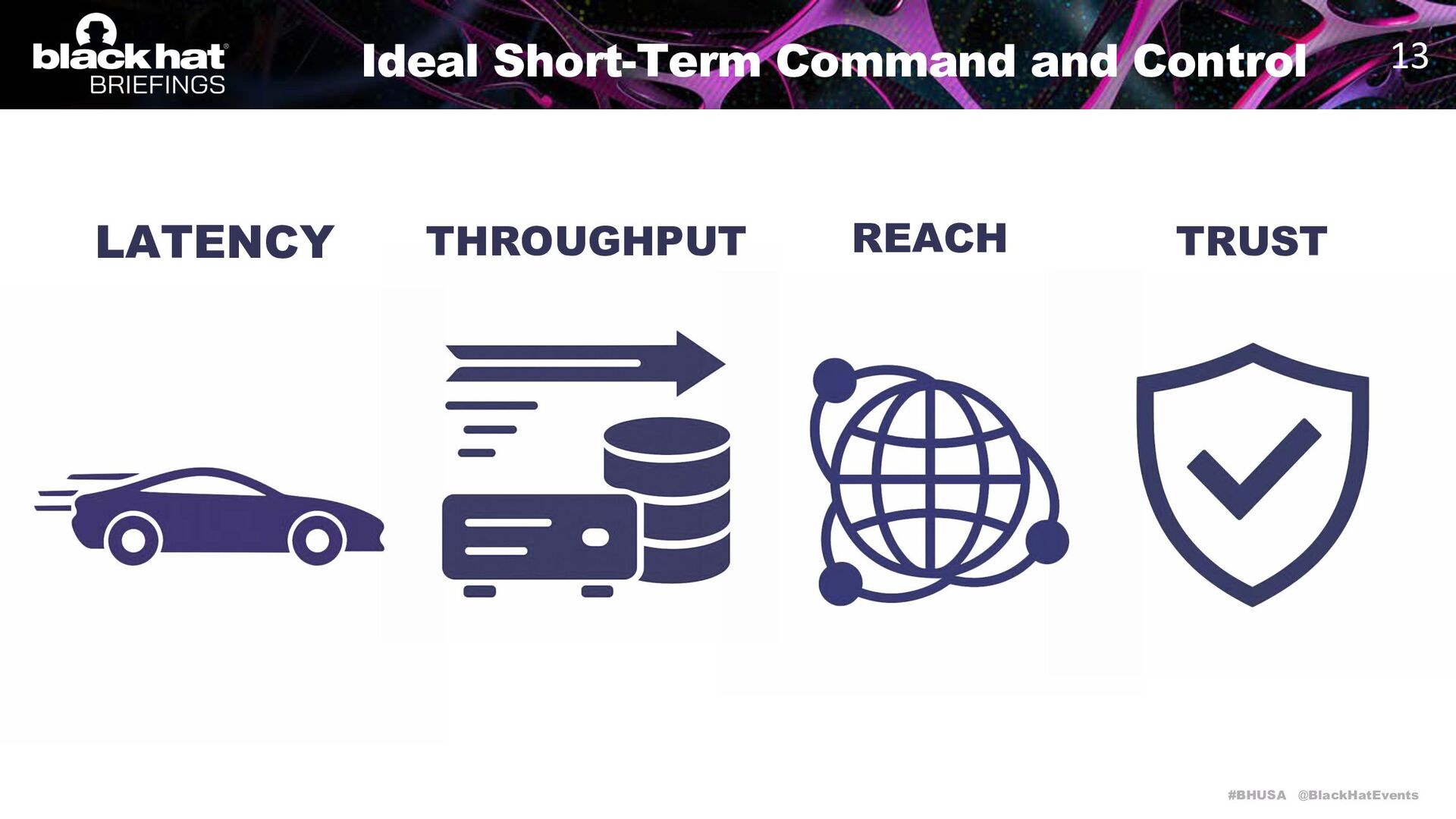
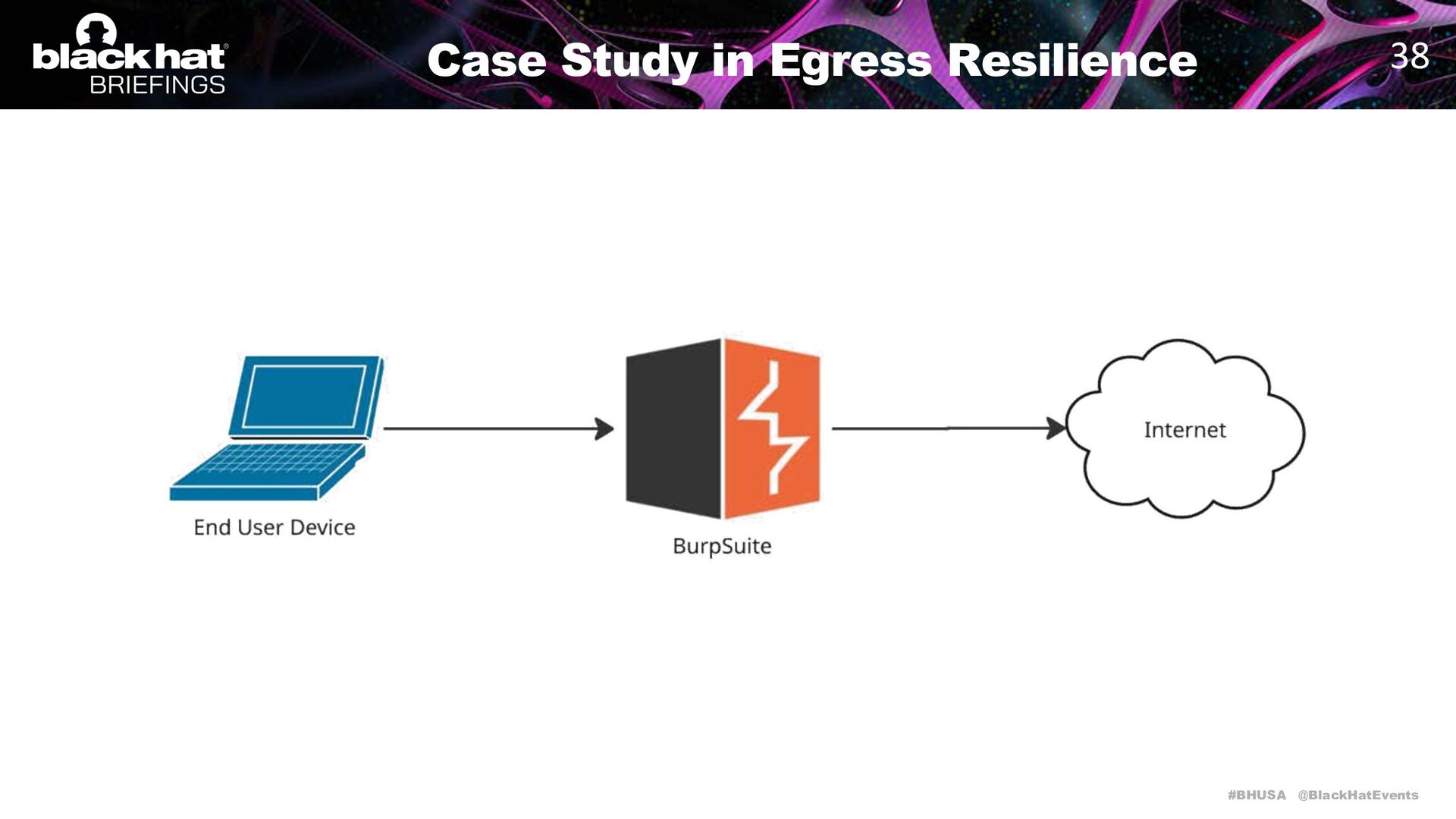
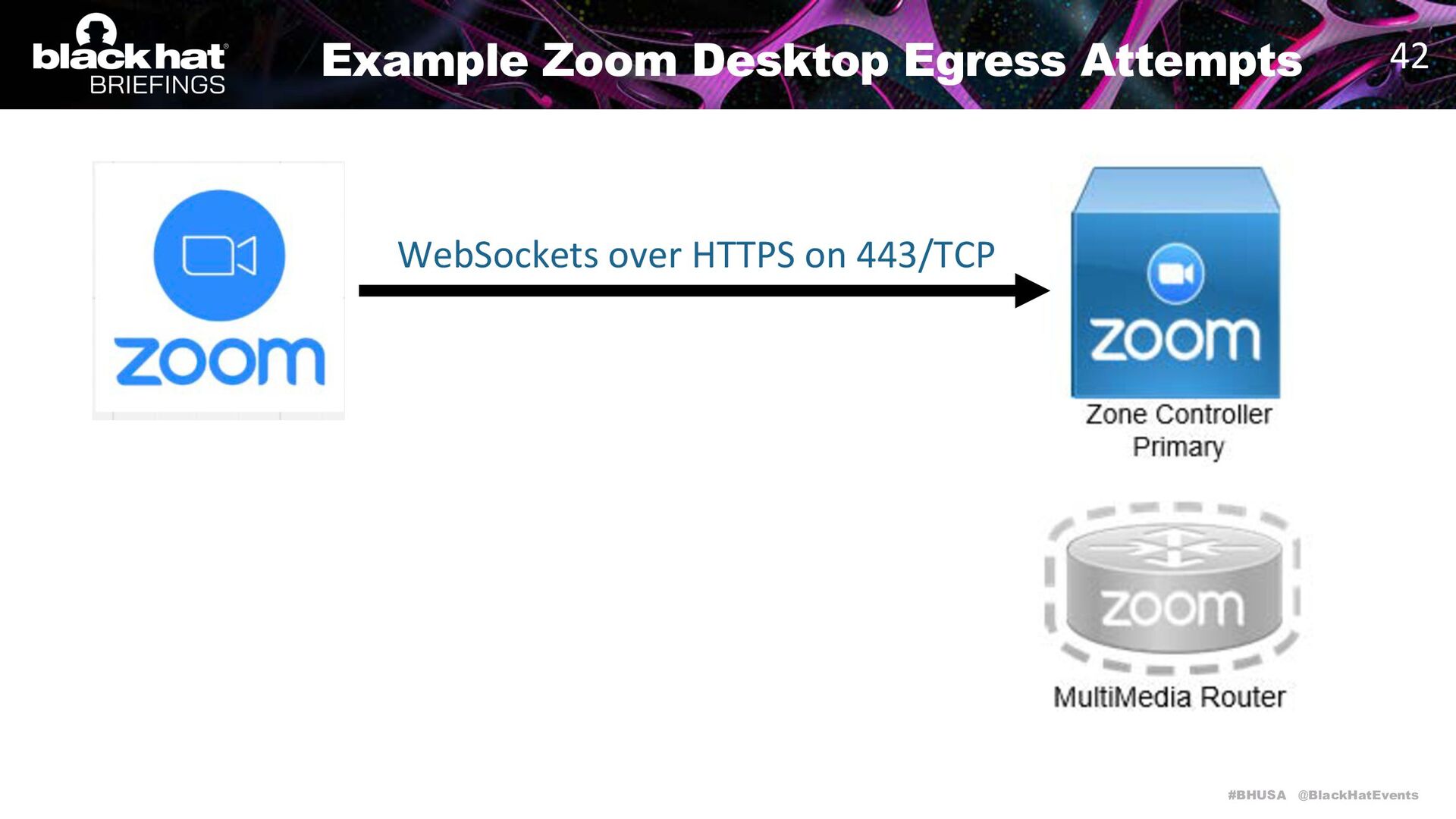
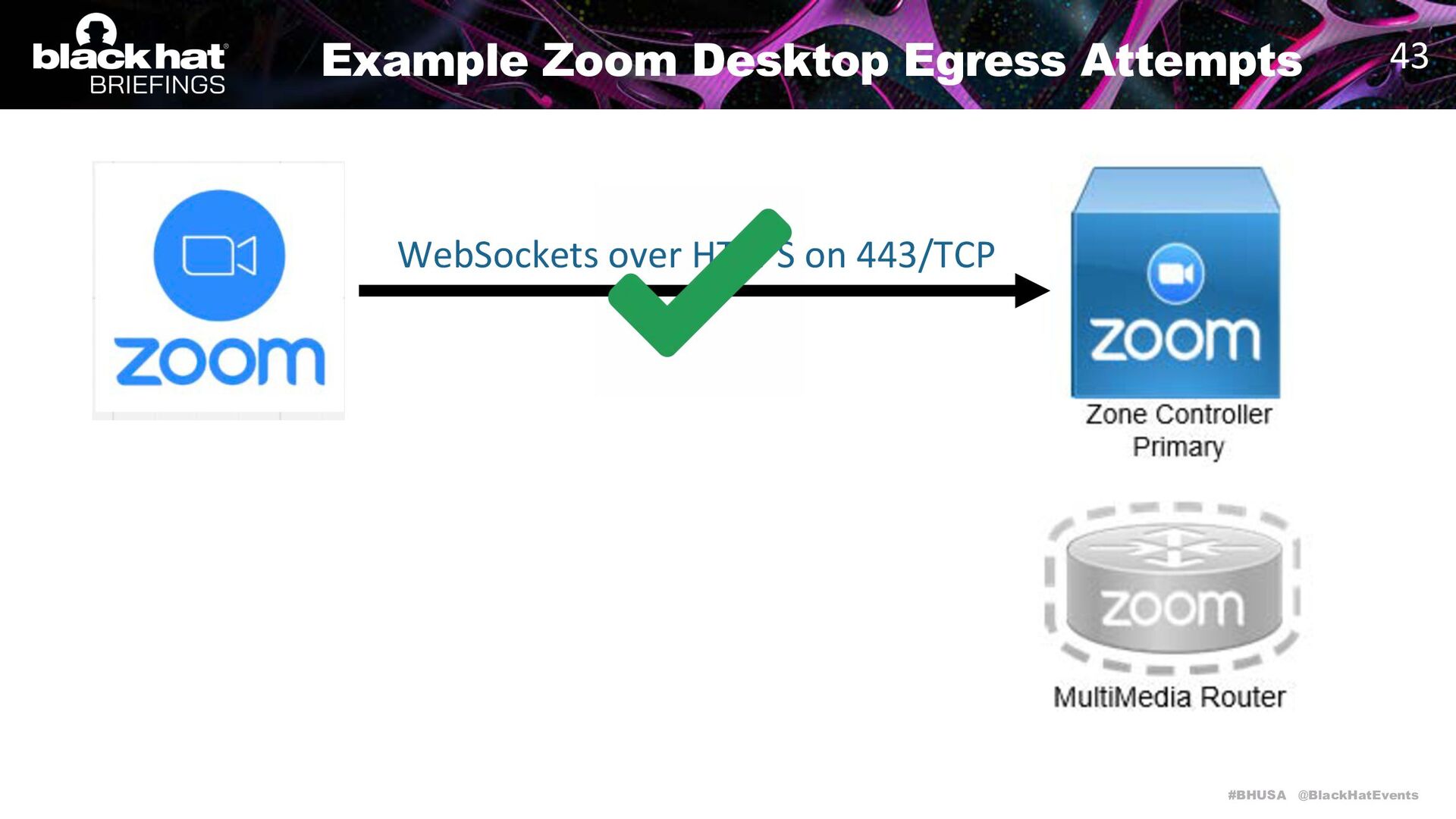
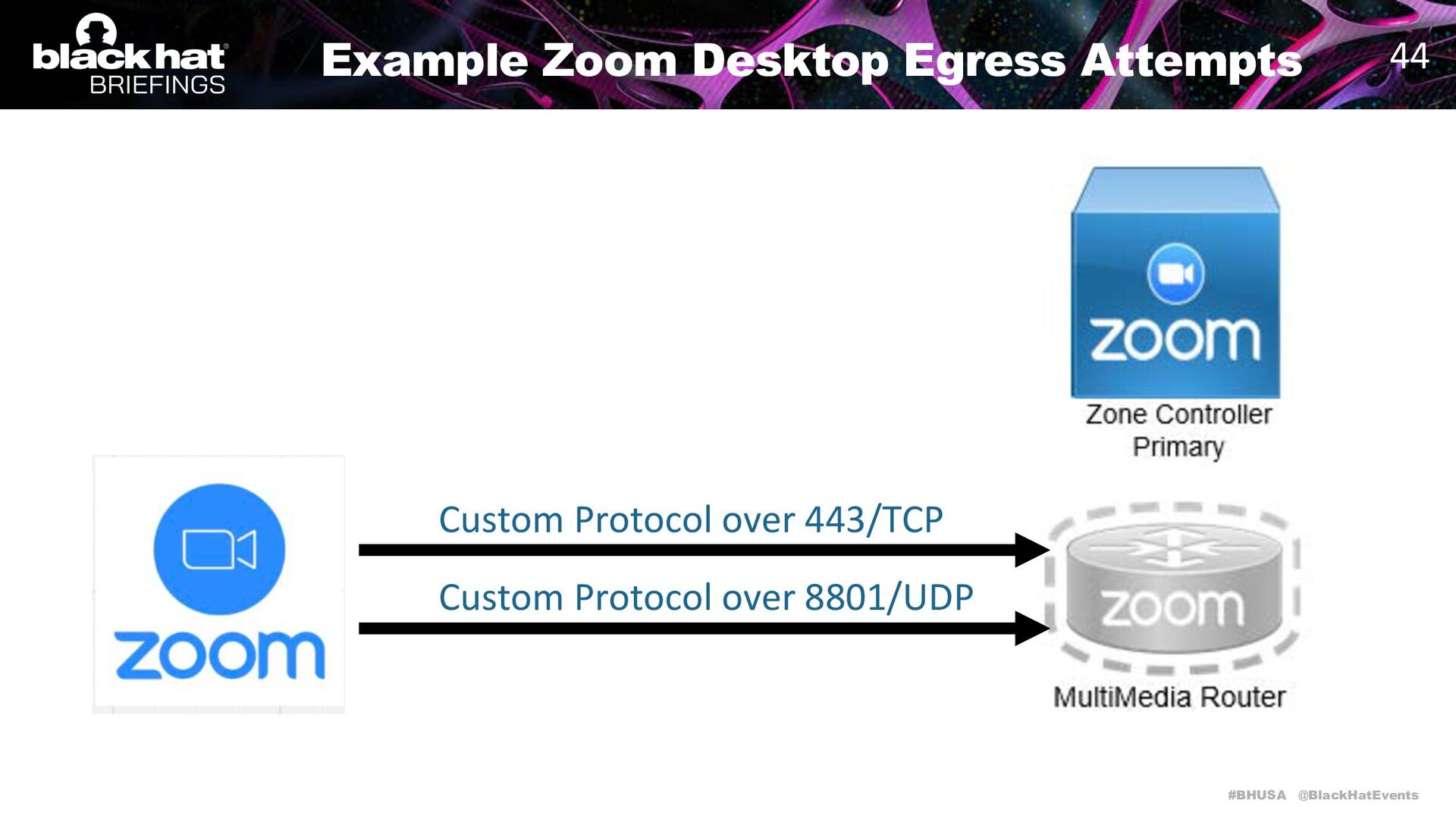
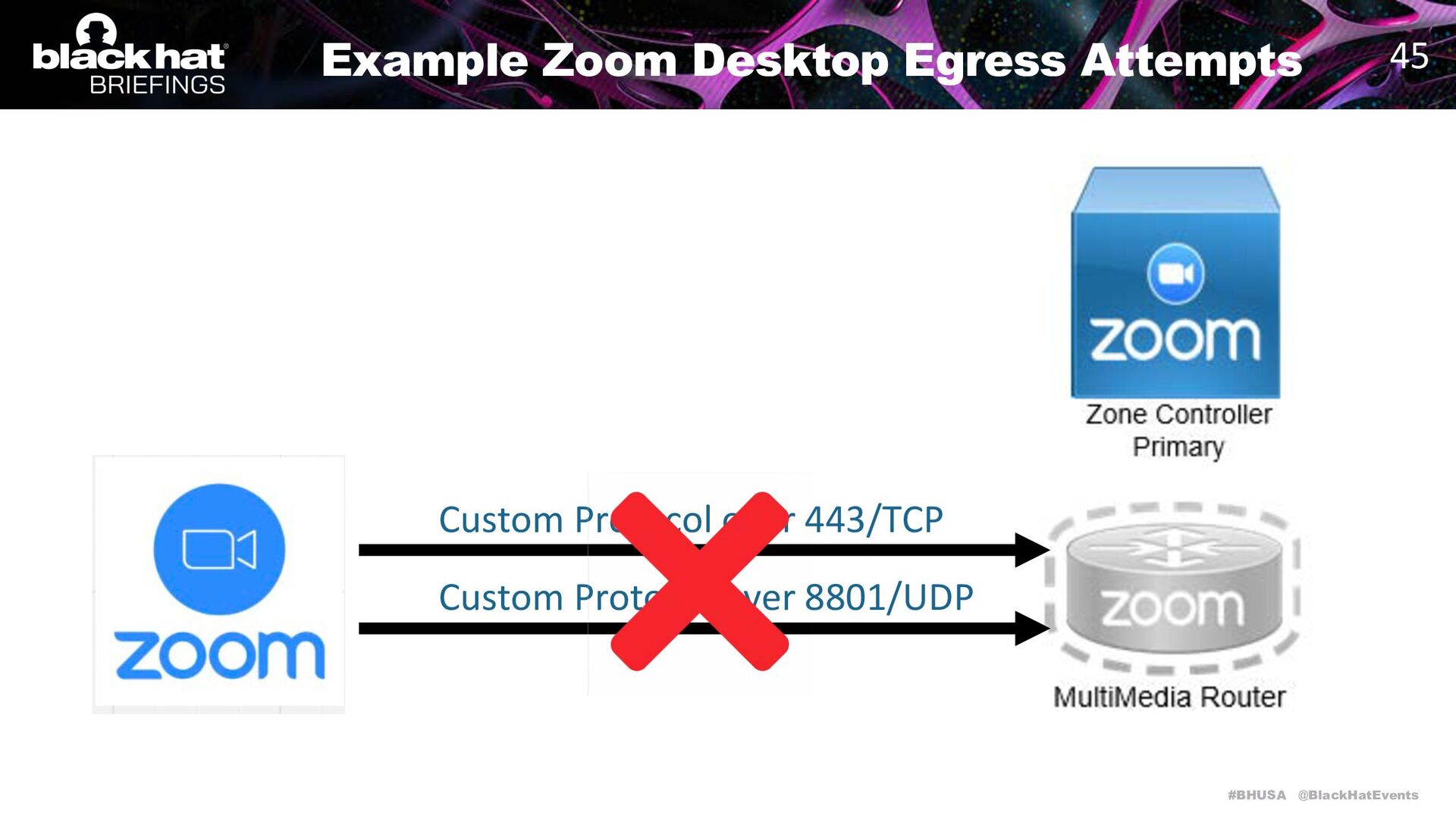
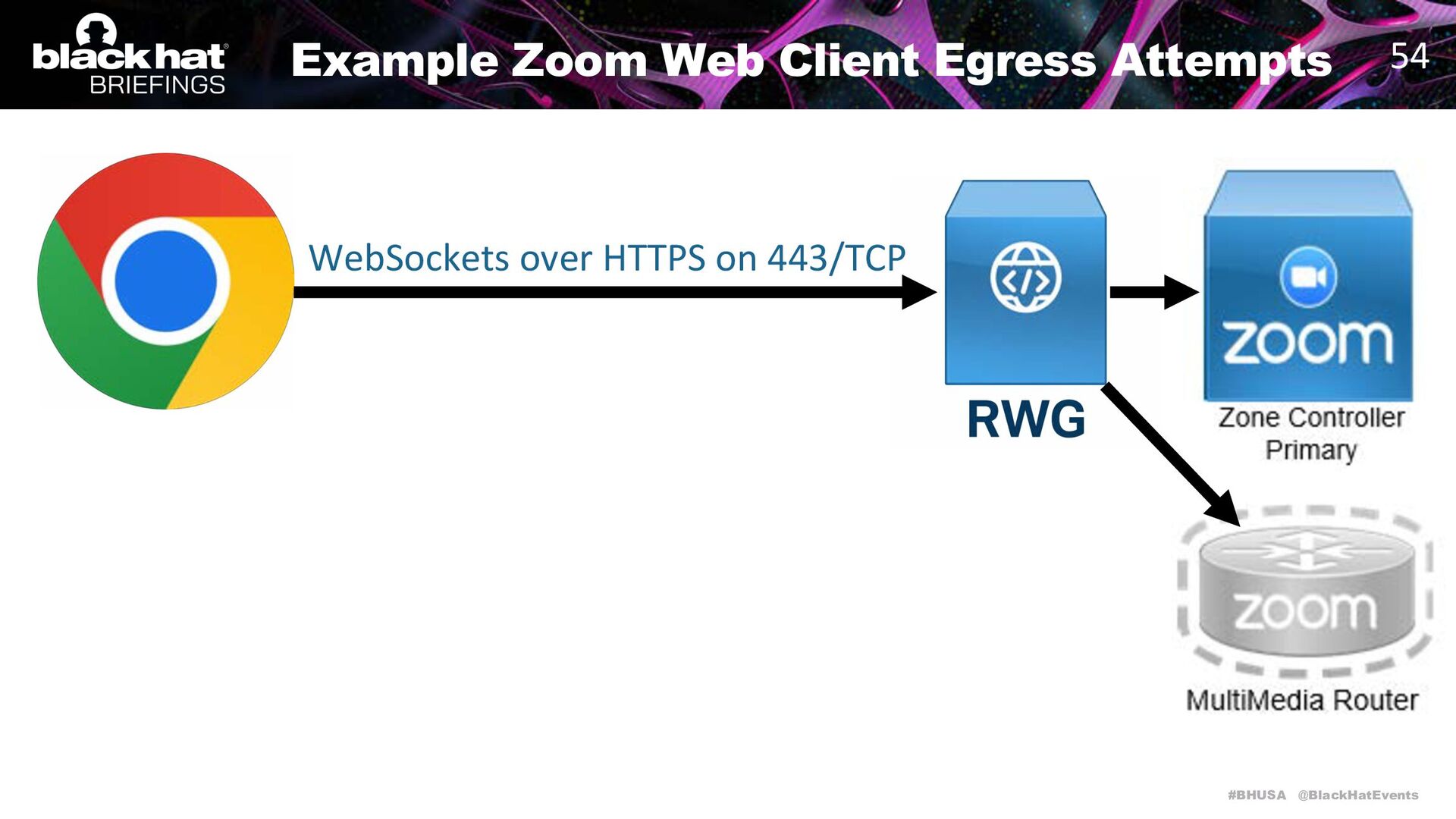
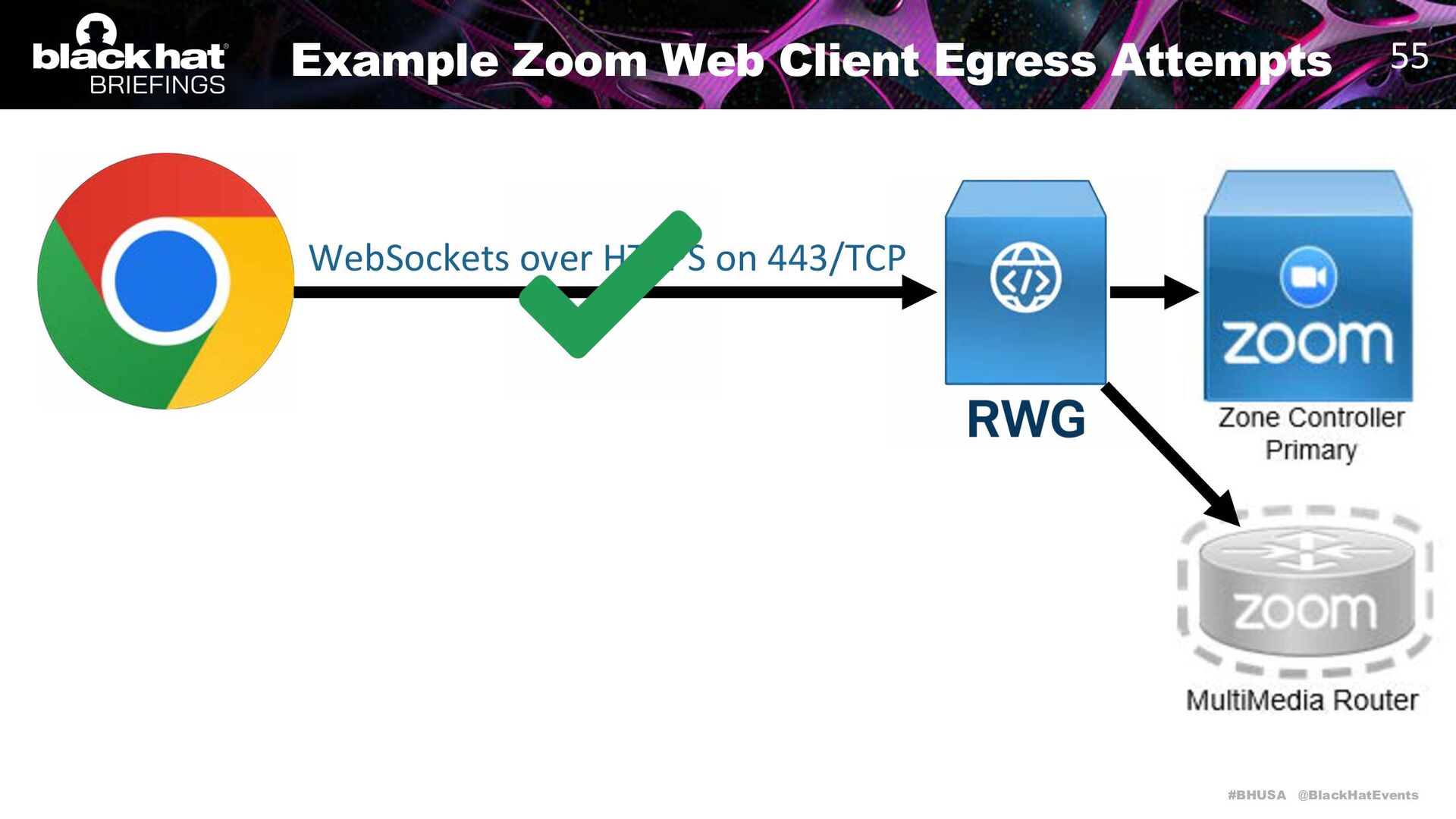
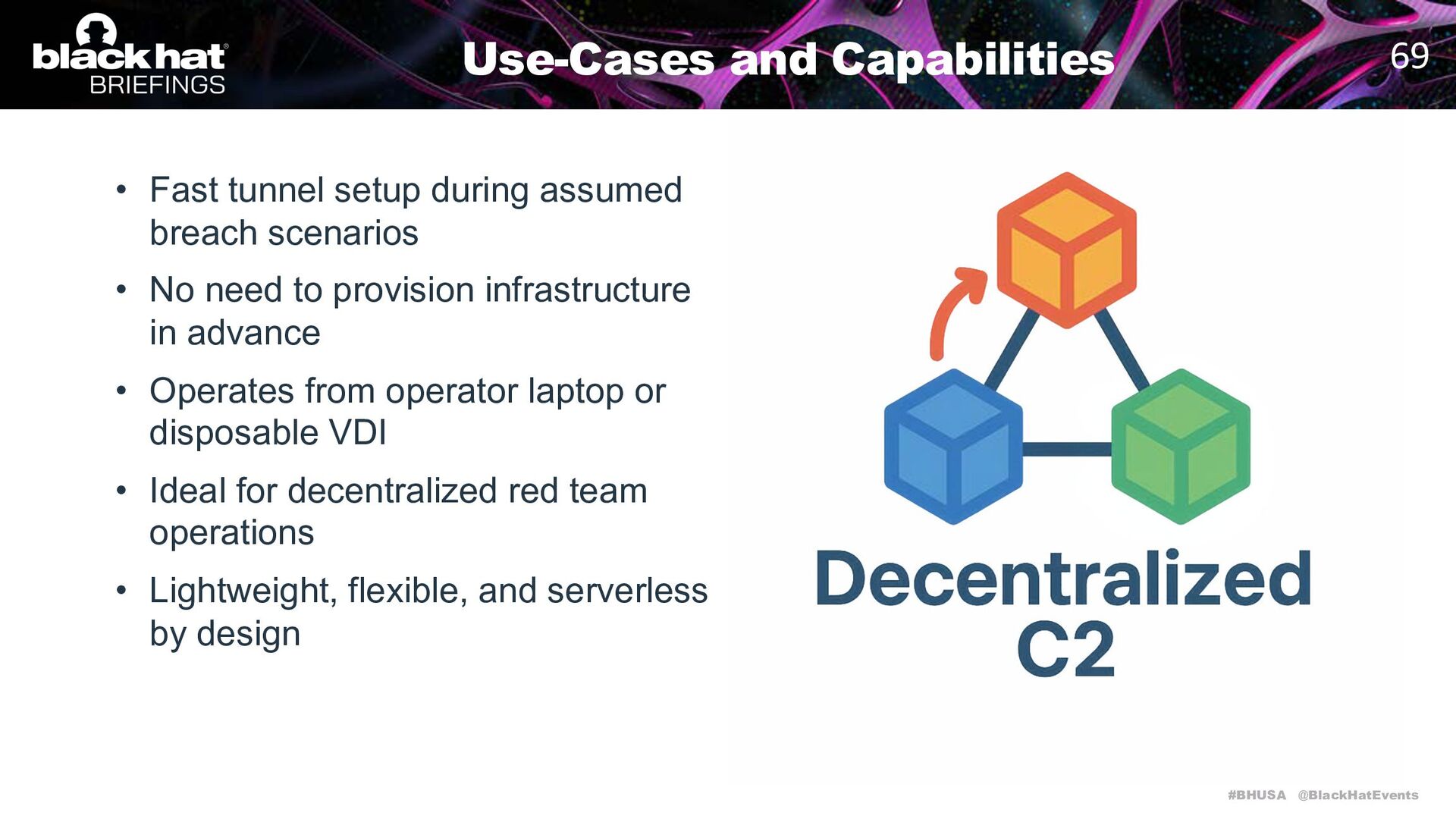
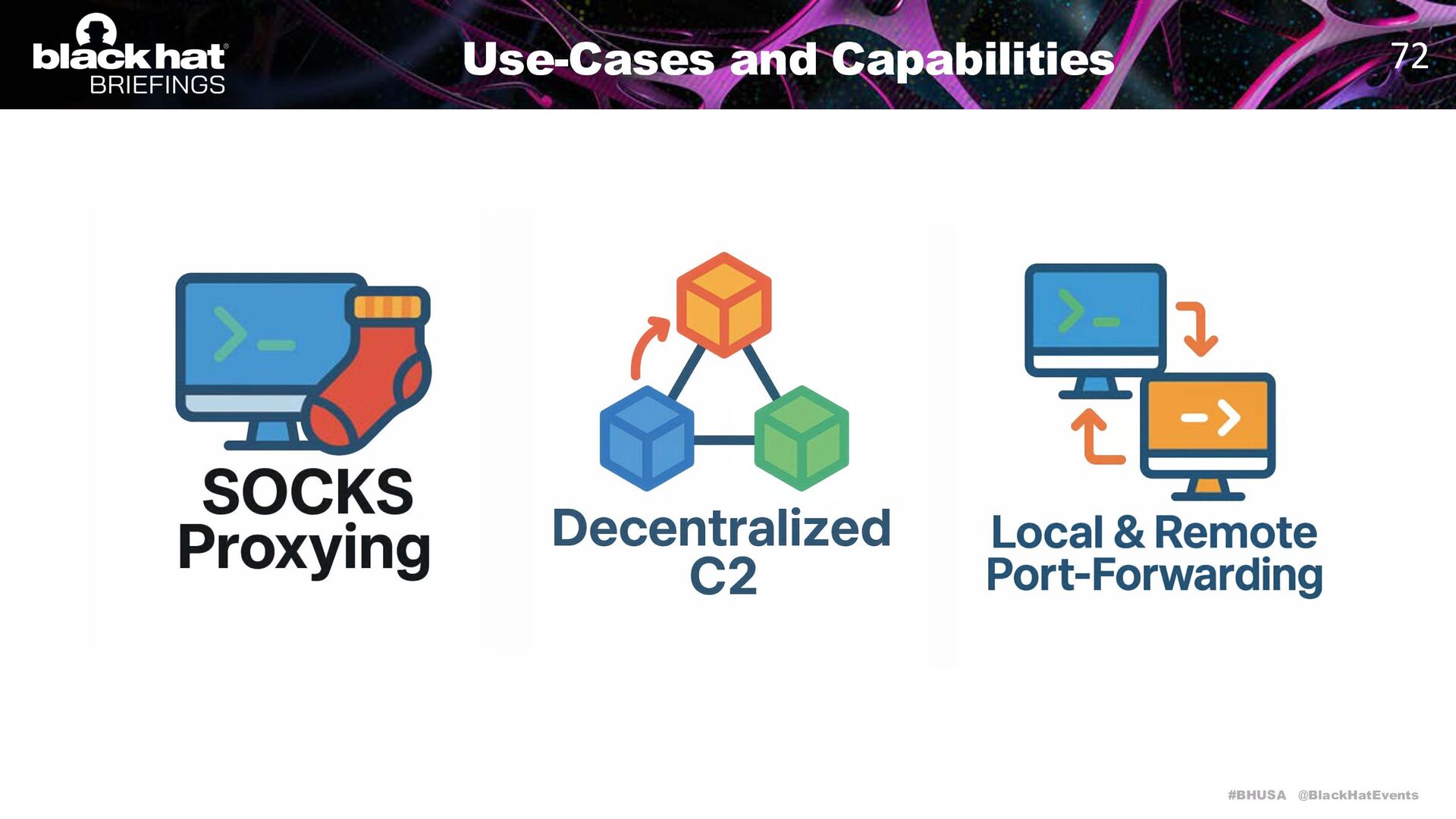
Red team operators frequently struggle with establishing interactive command and control (C2) over traditional C2 channels. While long-term covert channels are well-suited for stealthy, persistent communication, they often lack the bandwidth or real-time responsiveness needed for operations such as SOCKS proxying, layer two pivoting, relaying attacks, or hidden VNC sessions. Attempting to use traditional C2 mechanisms for these activities in a well-monitored network can be slow, conspicuous, and easily detected.
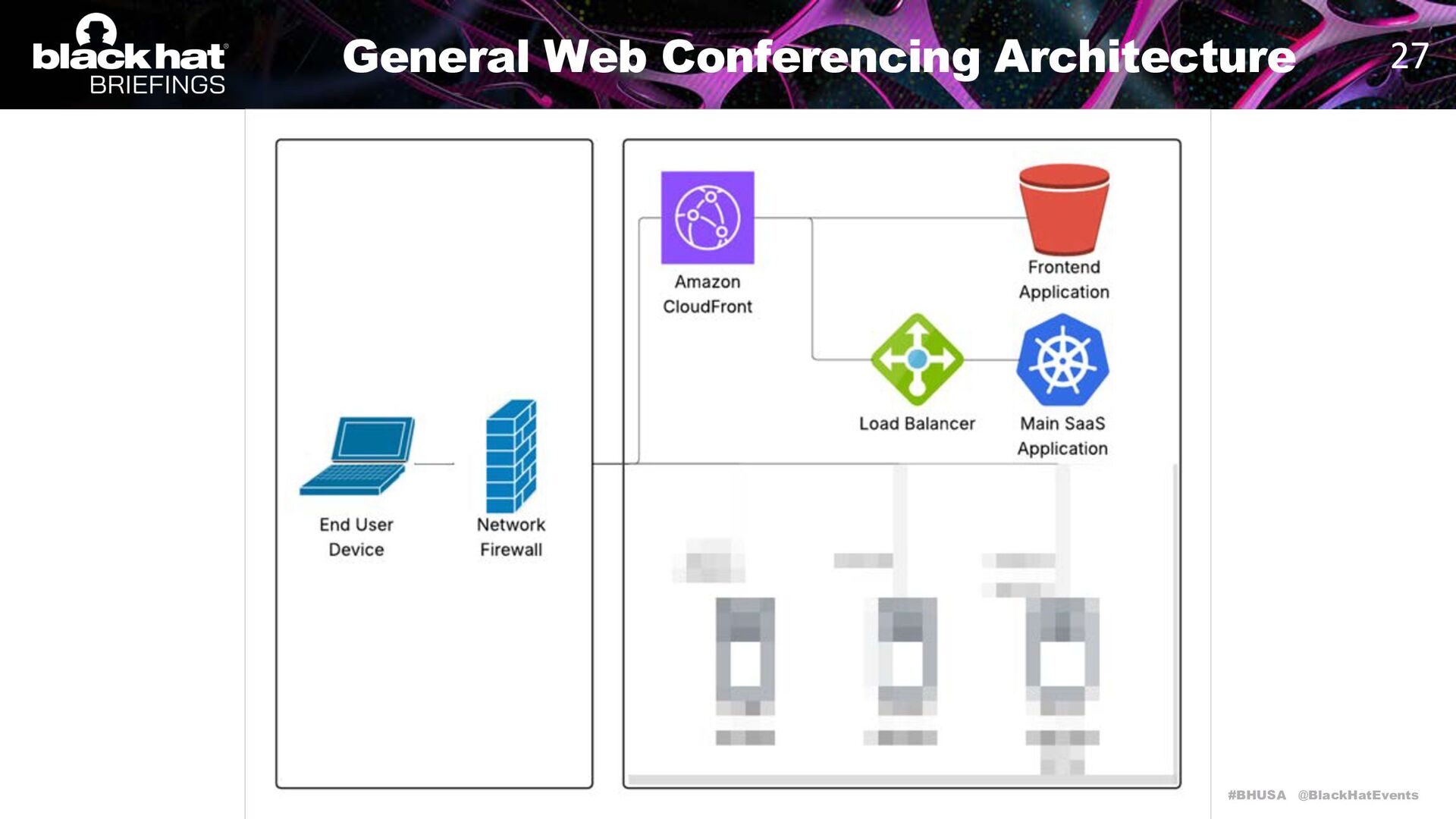
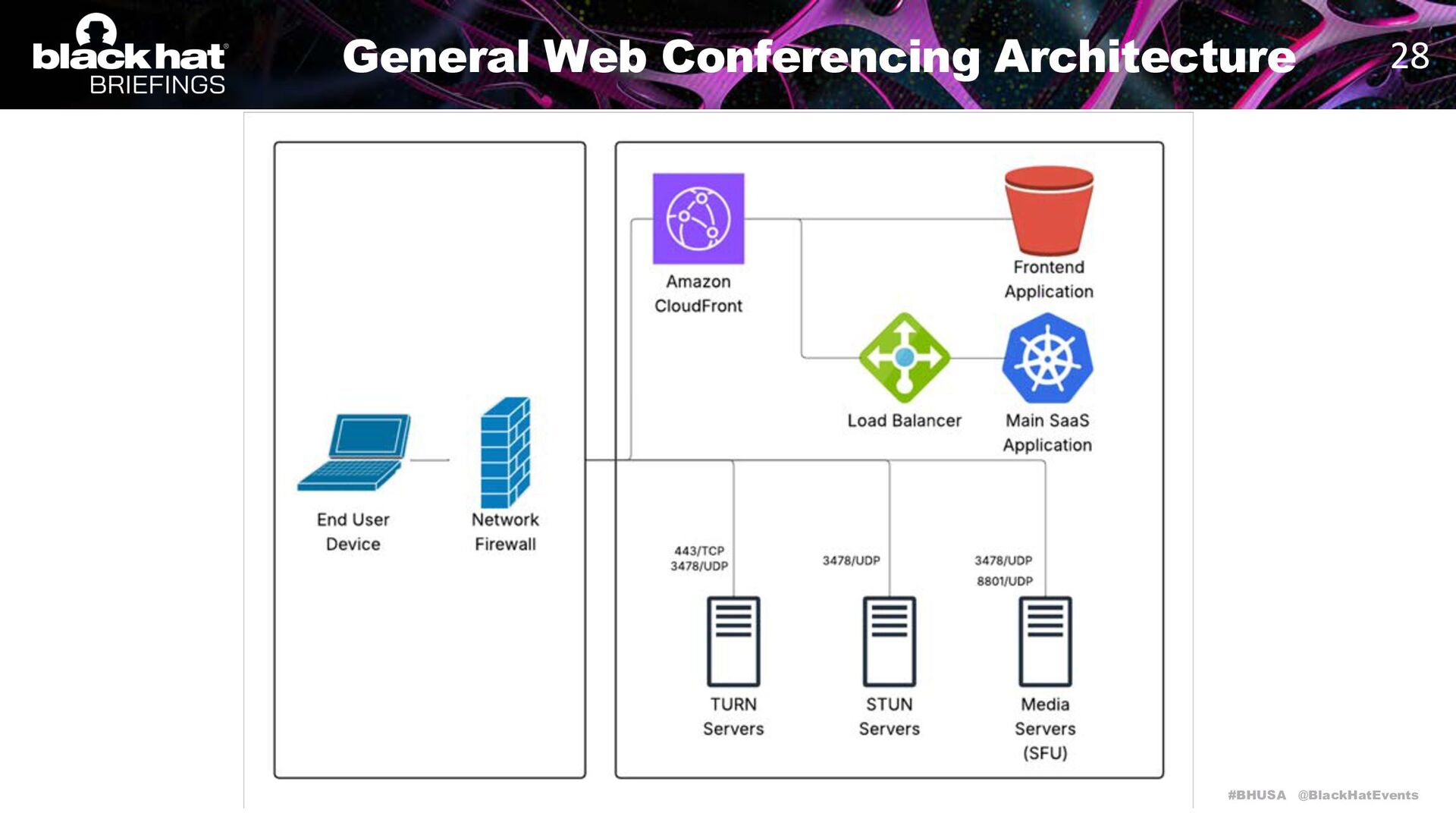
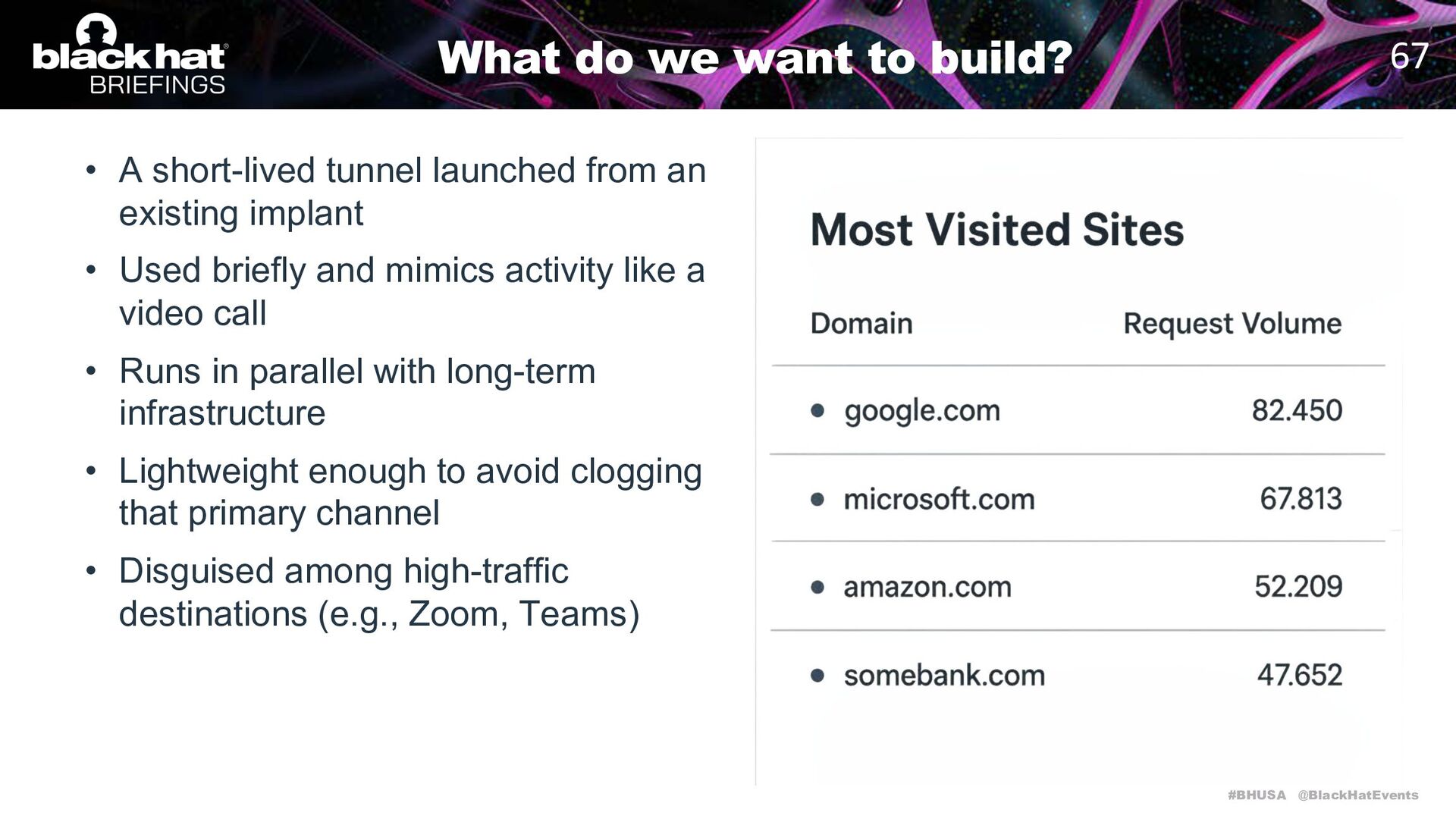
Our research explores the use of real-time communication protocols as a short-term, high-speed C2 channel that seamlessly complements a covert long-term C2 infrastructure. Specifically, we leverage web conferencing protocols, which are designed for real-time, low-latency communication and operate through globally distributed media servers that function as natural traffic relays. This approach allows operators to blend interactive C2 sessions into normal enterprise traffic patterns, appearing as nothing more than a temporarily joined online meeting. Any enterprise reliant on collaboration suites could be exposed to these vectors, making it a critical concern across industries.
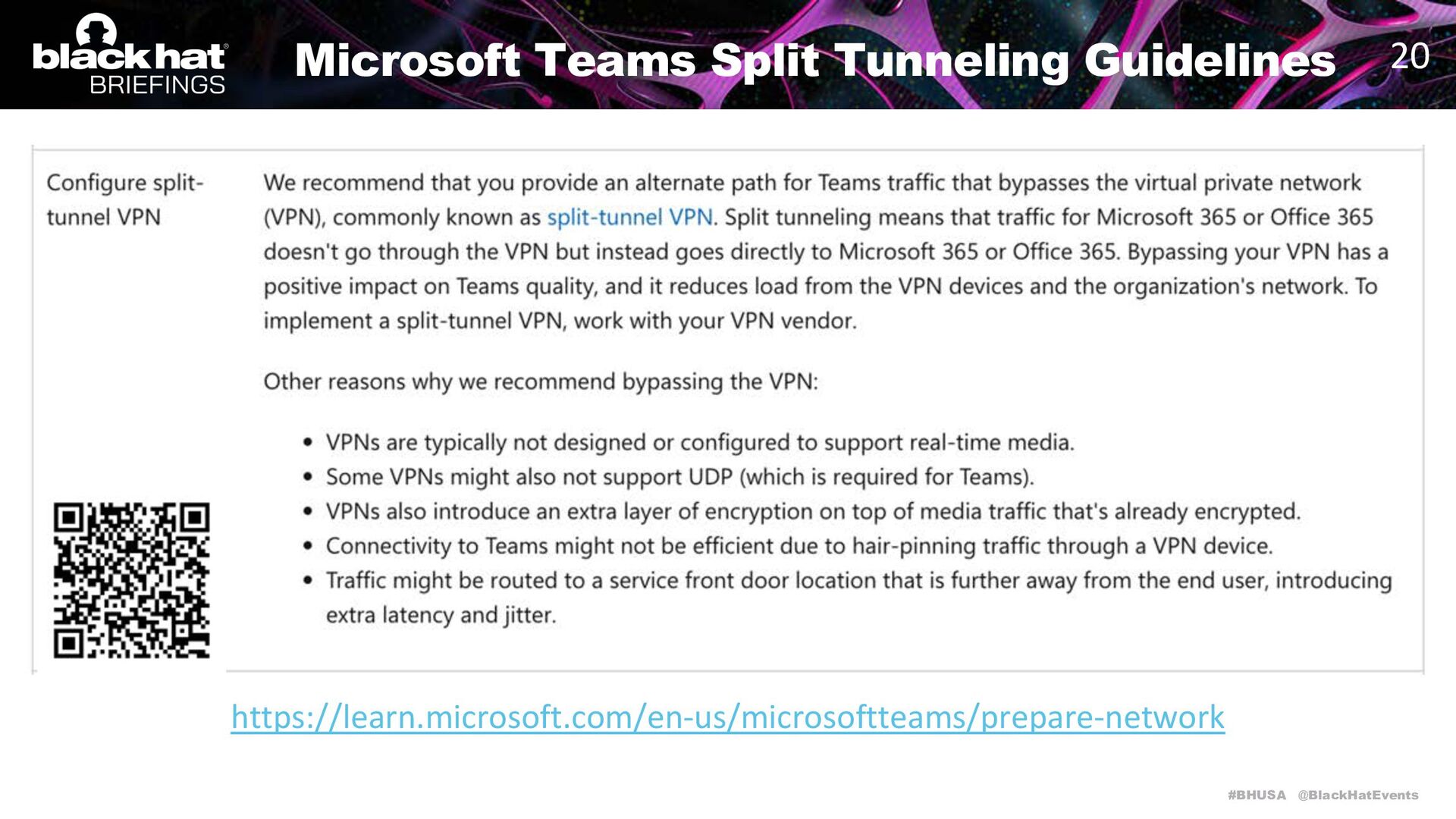
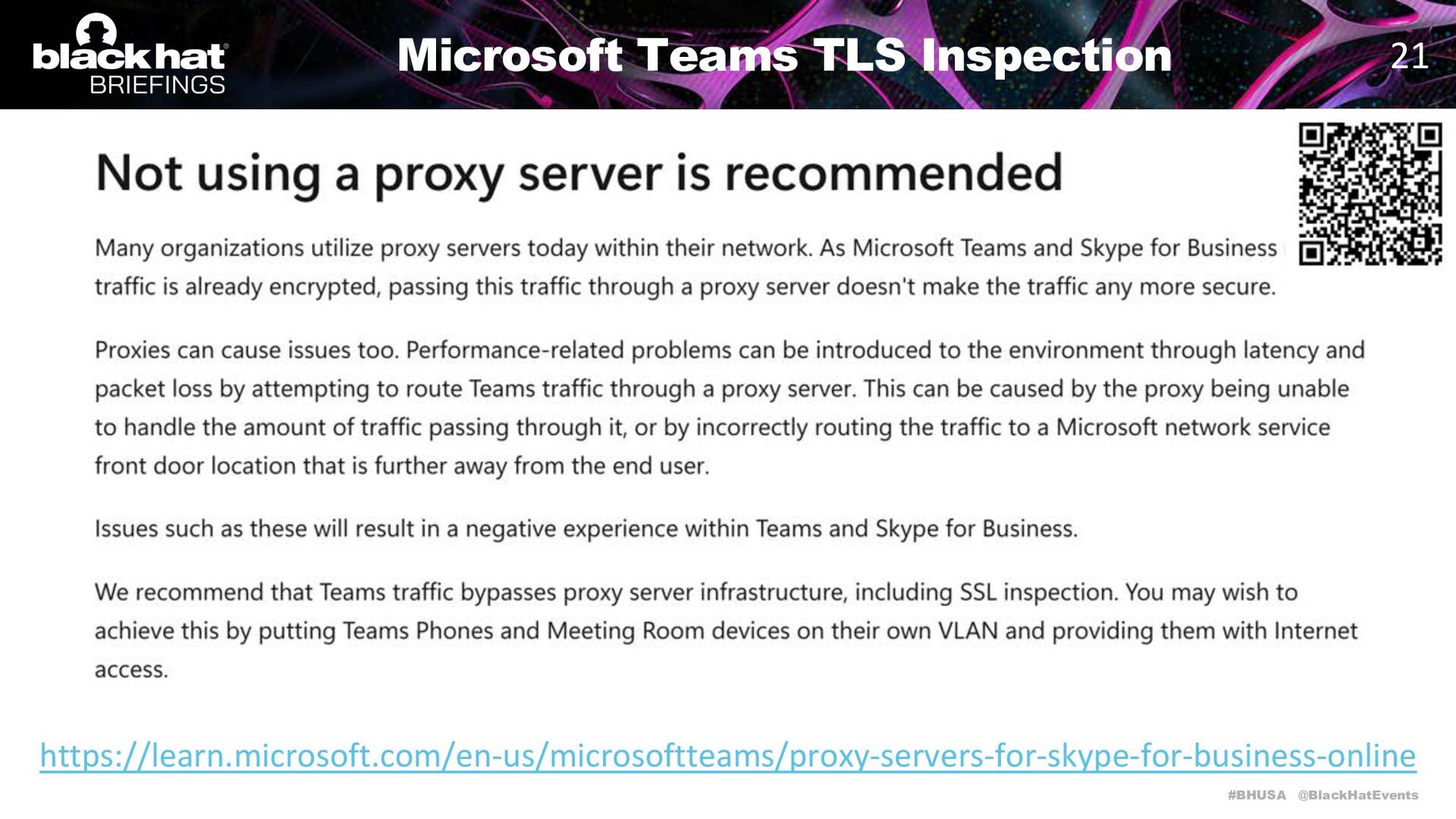
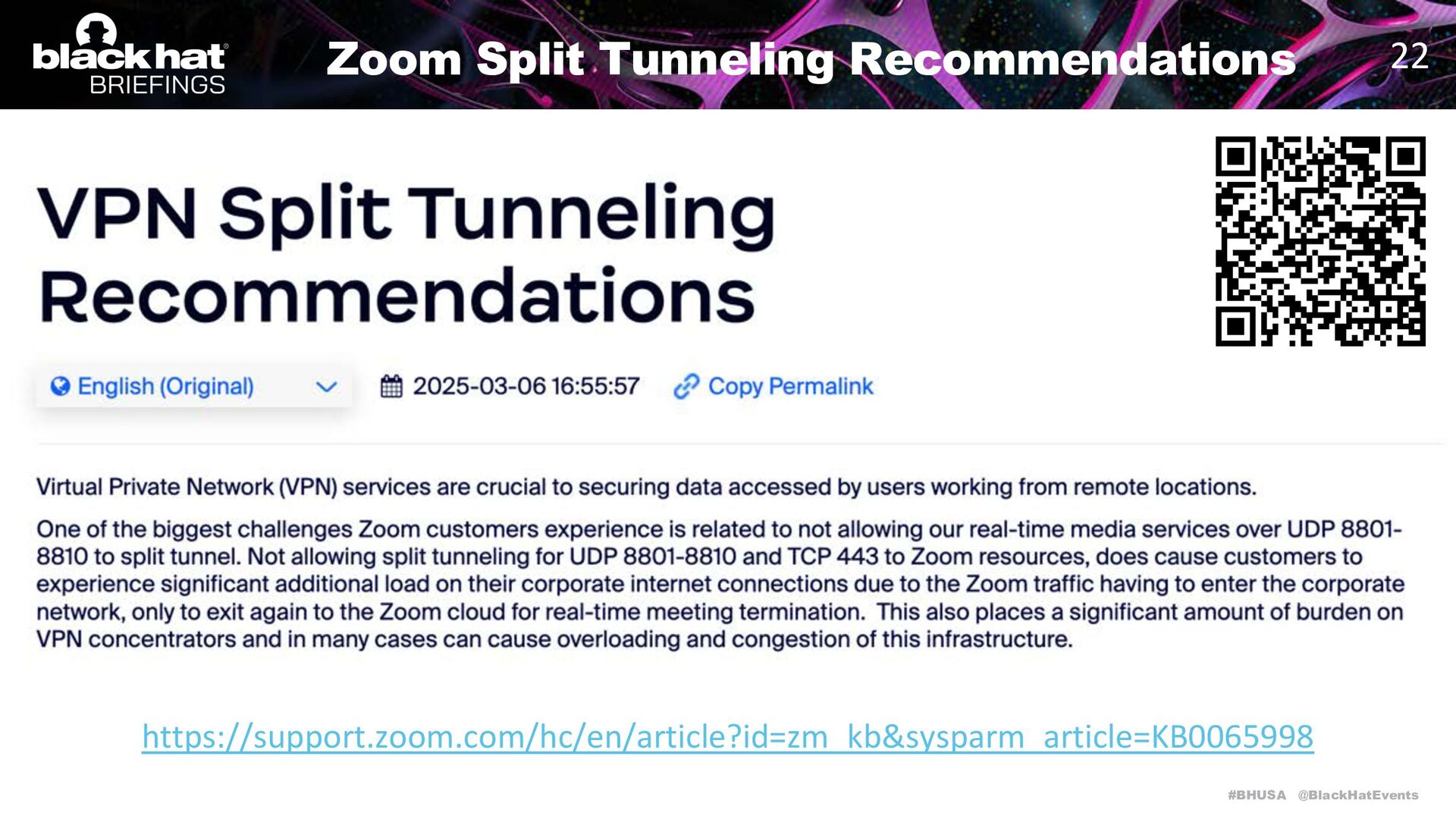
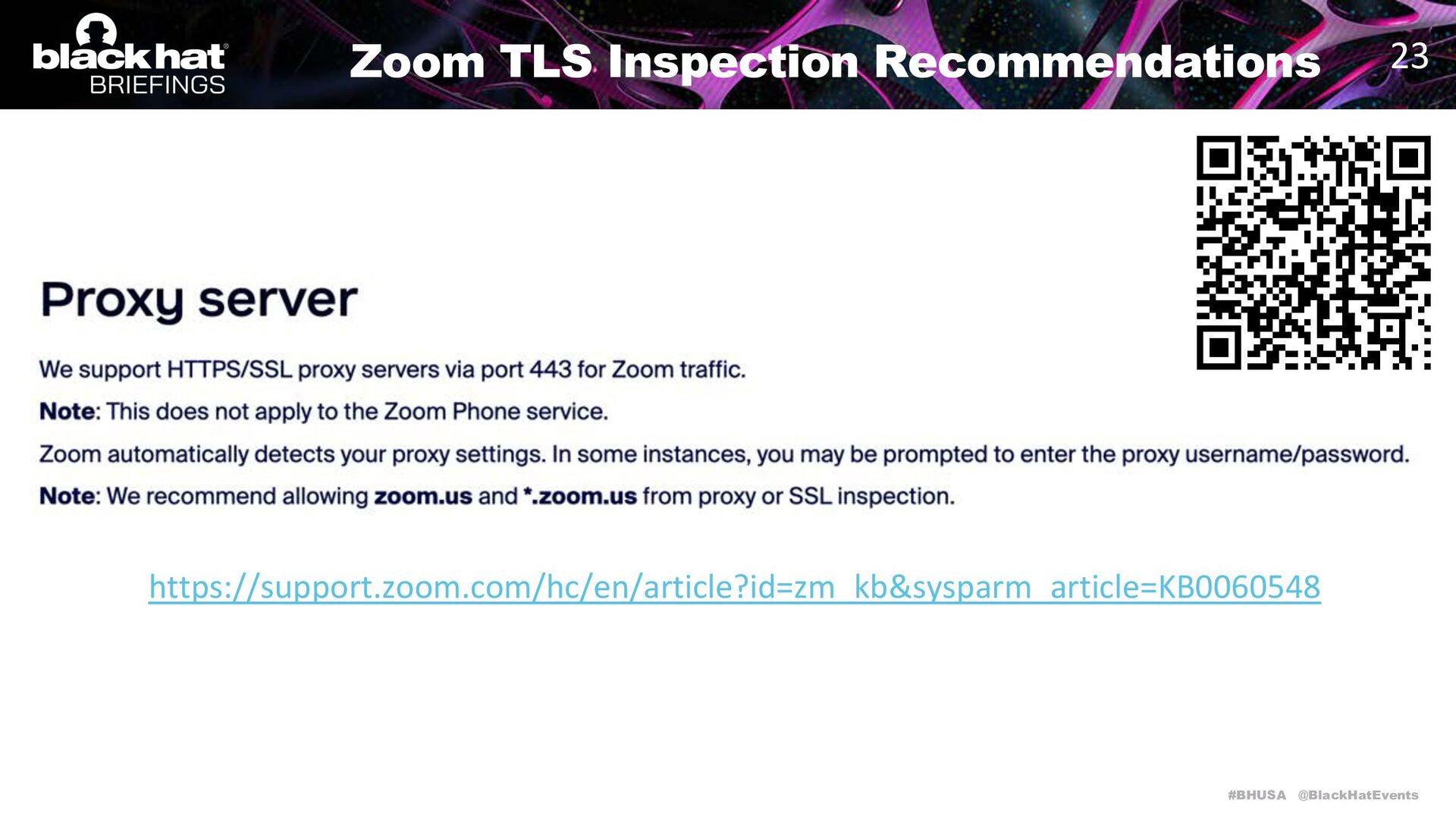
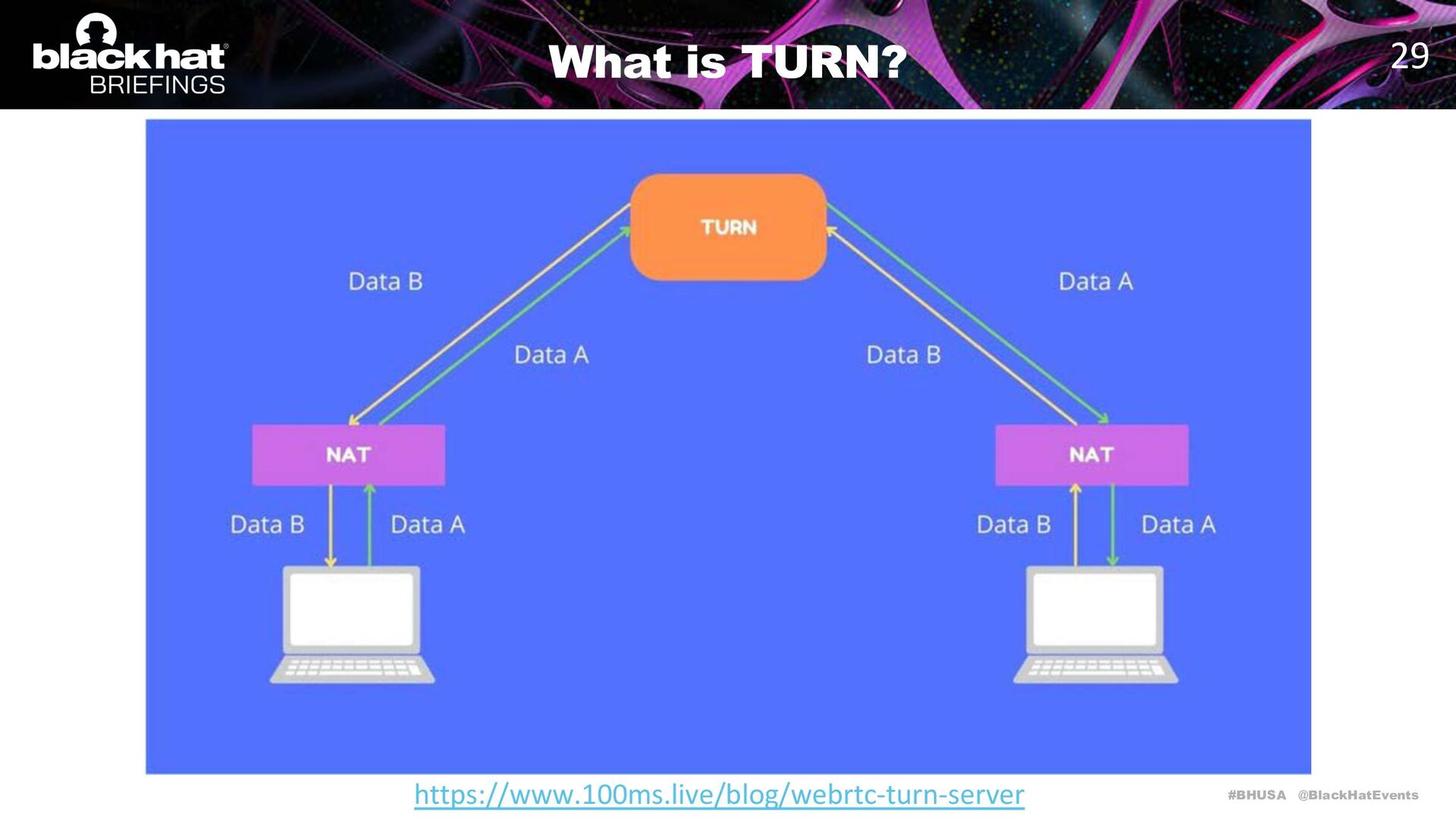
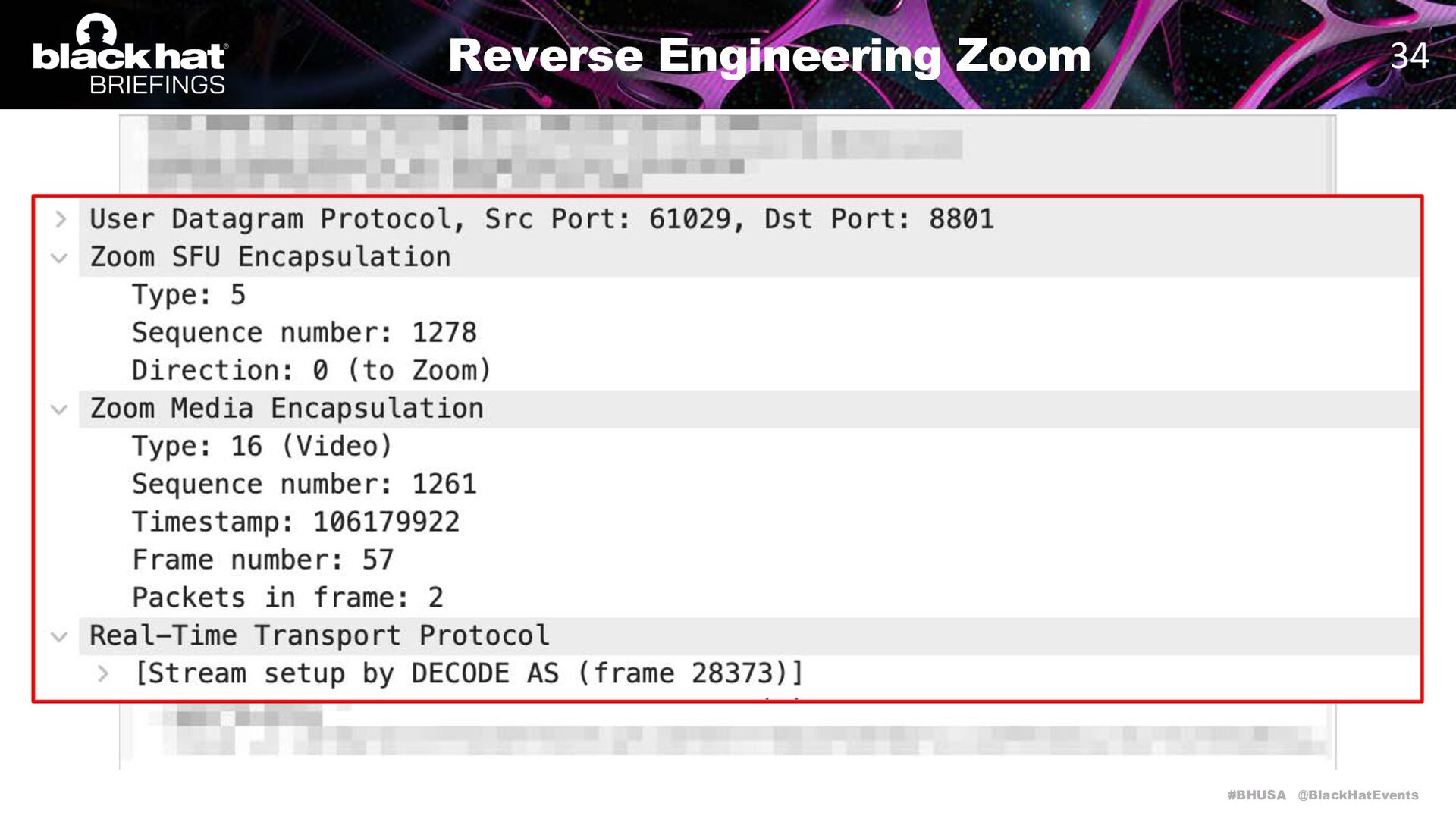
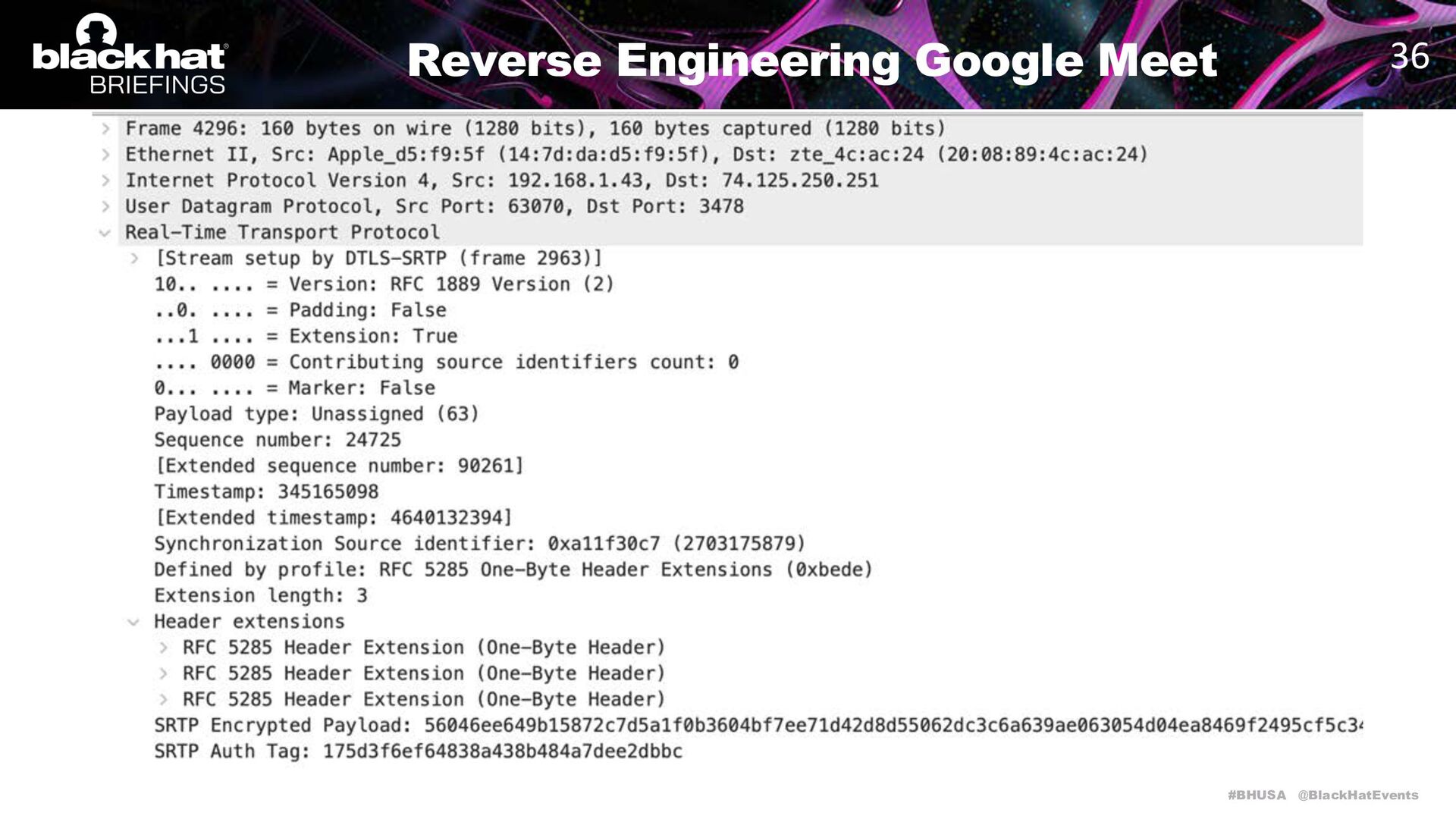
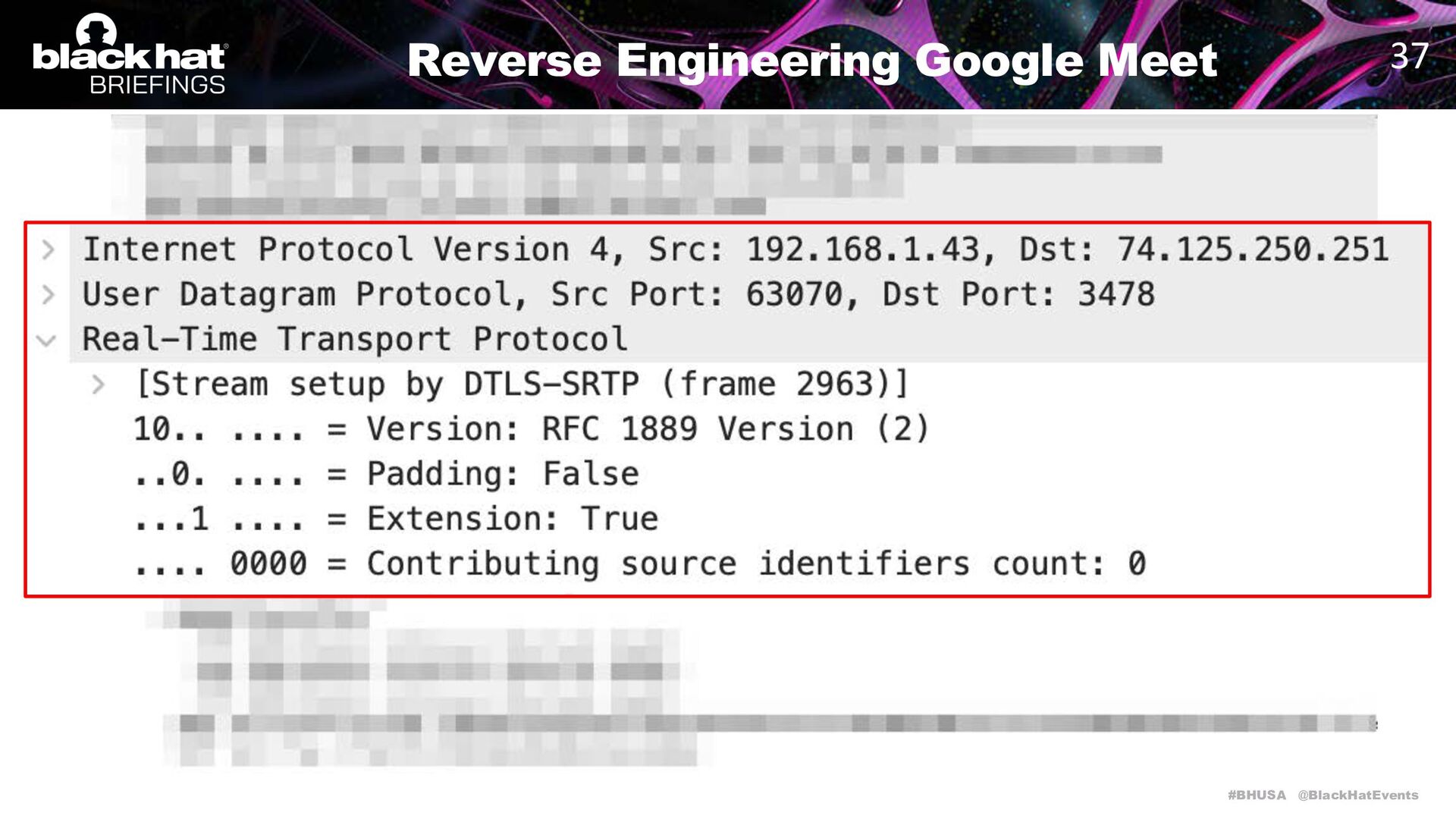
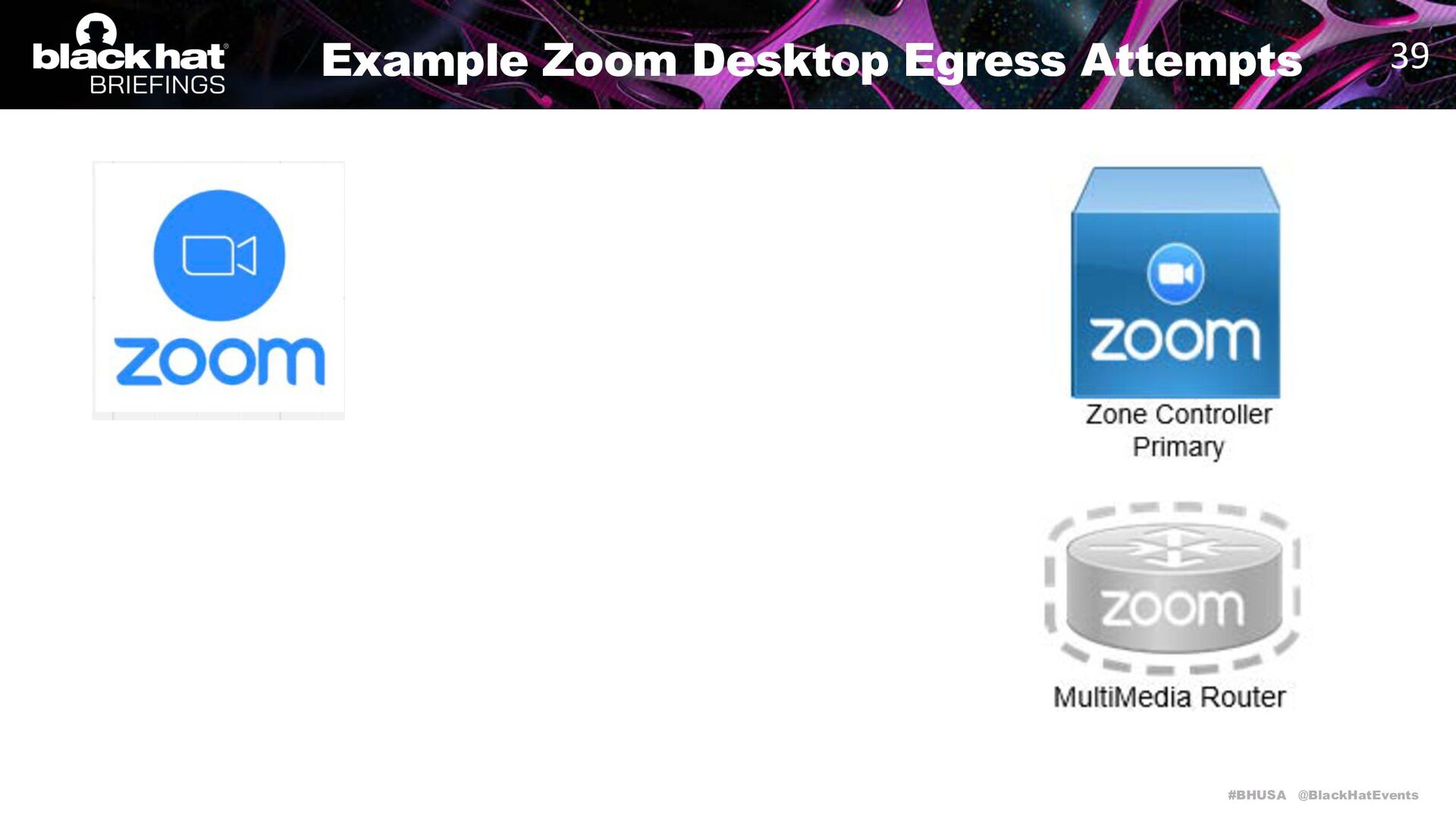
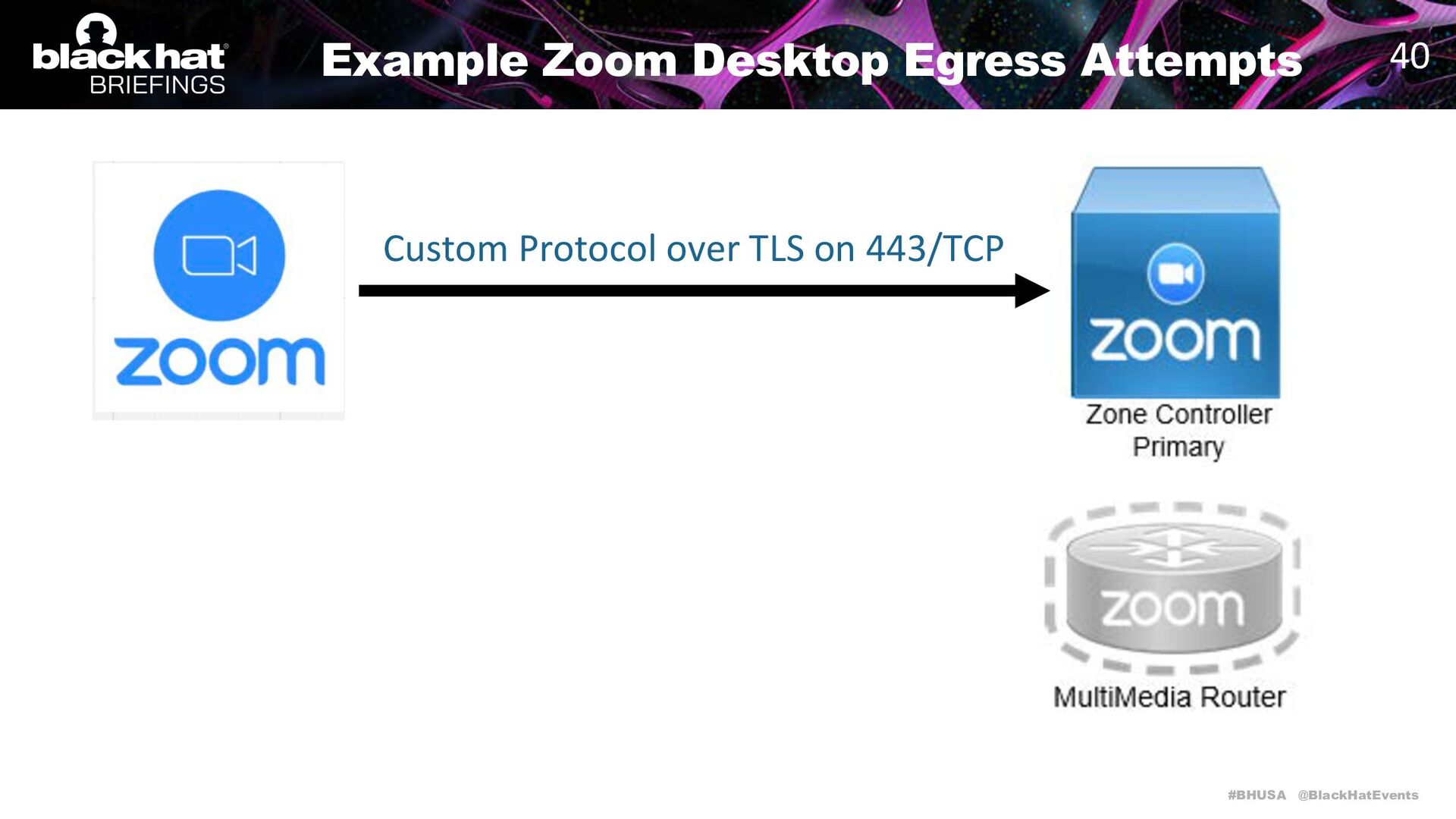
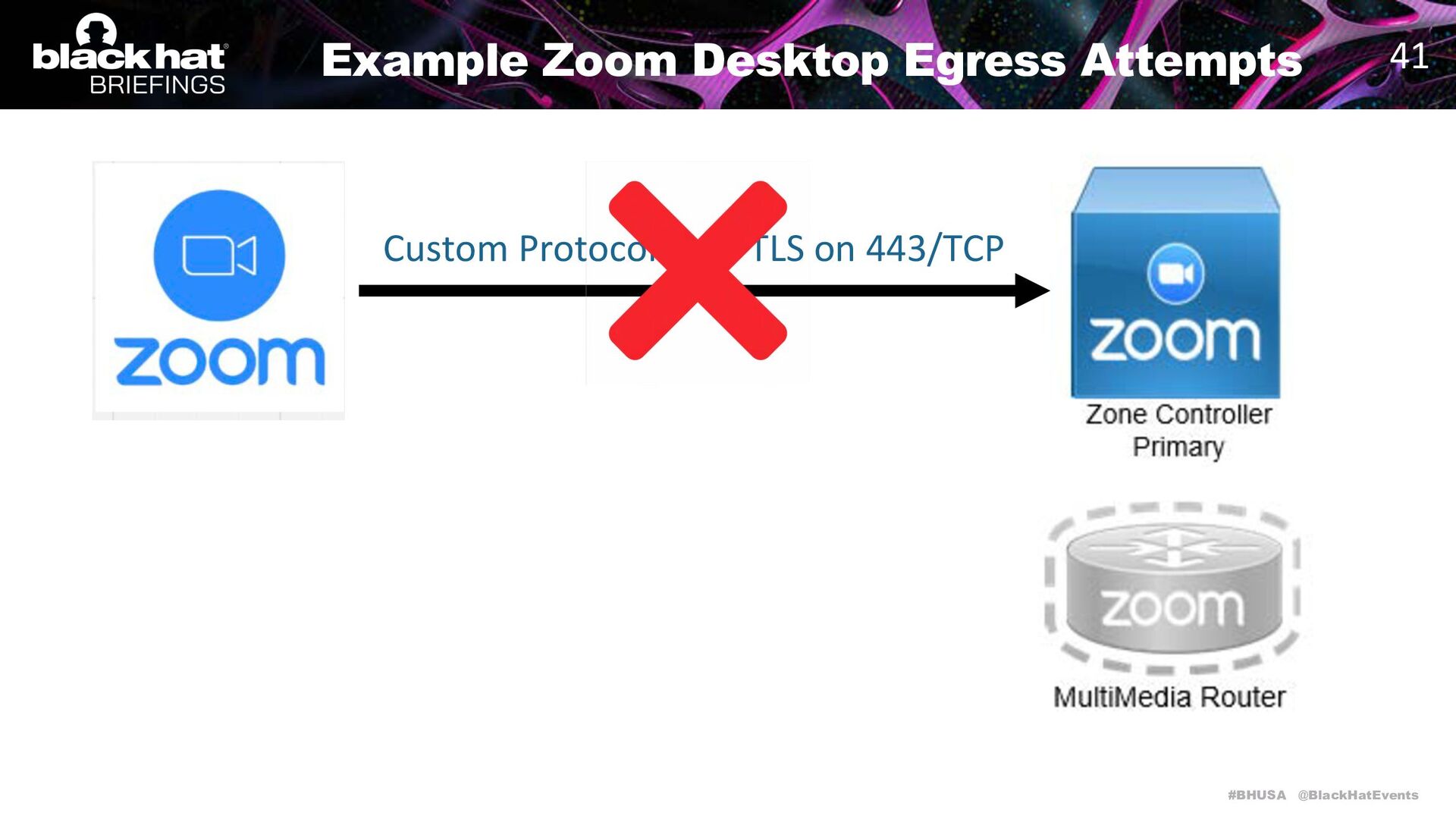
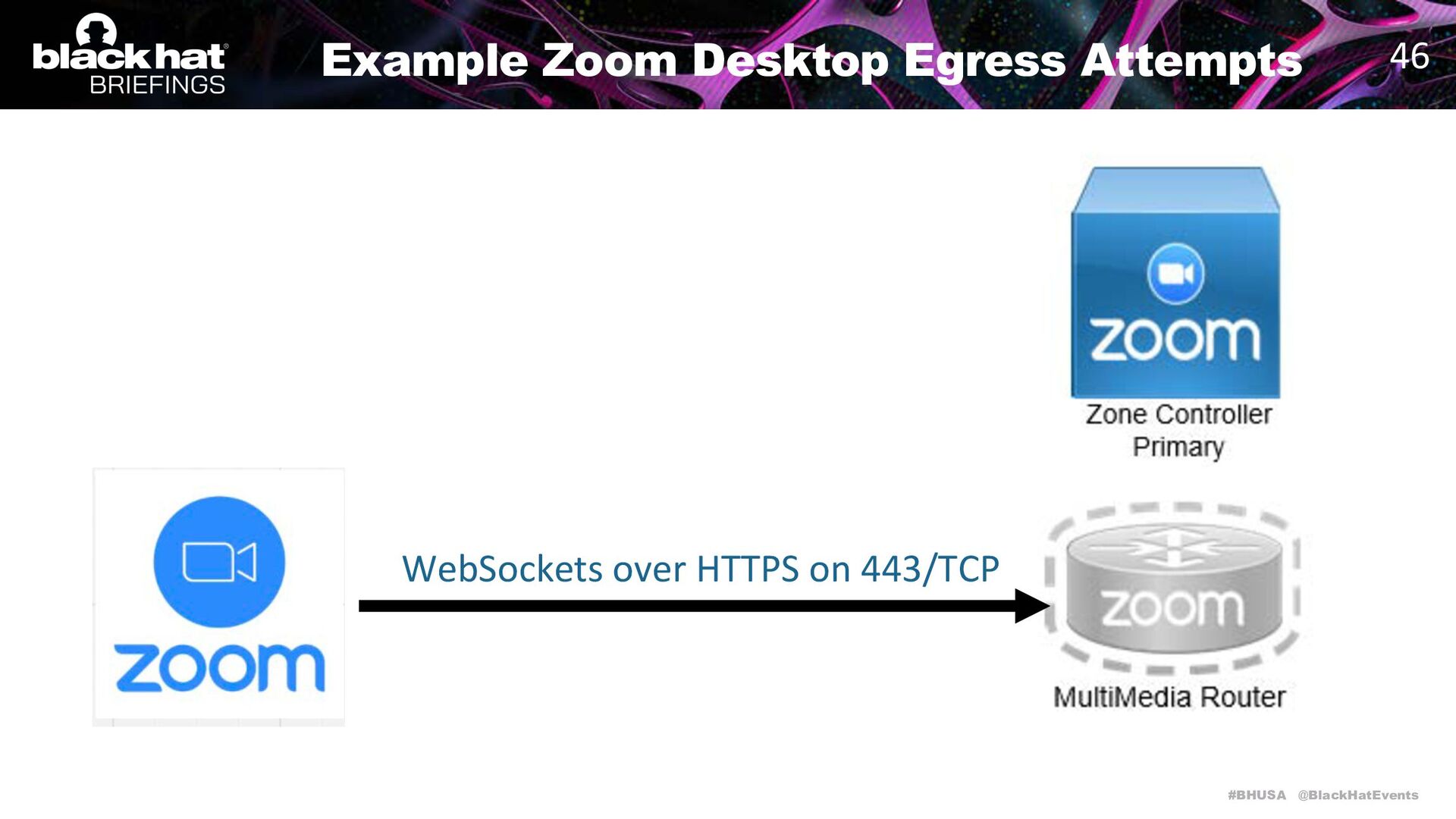
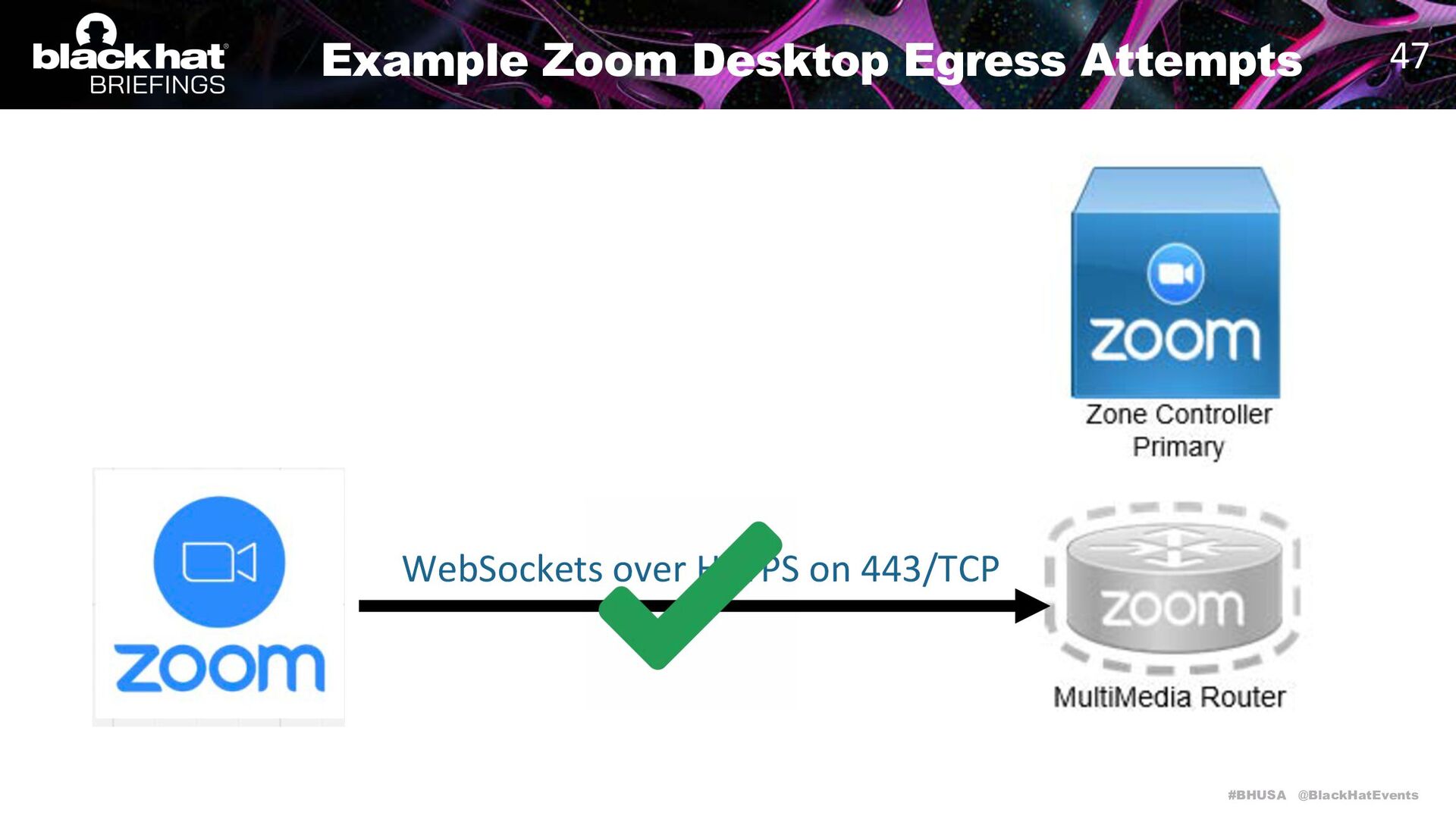
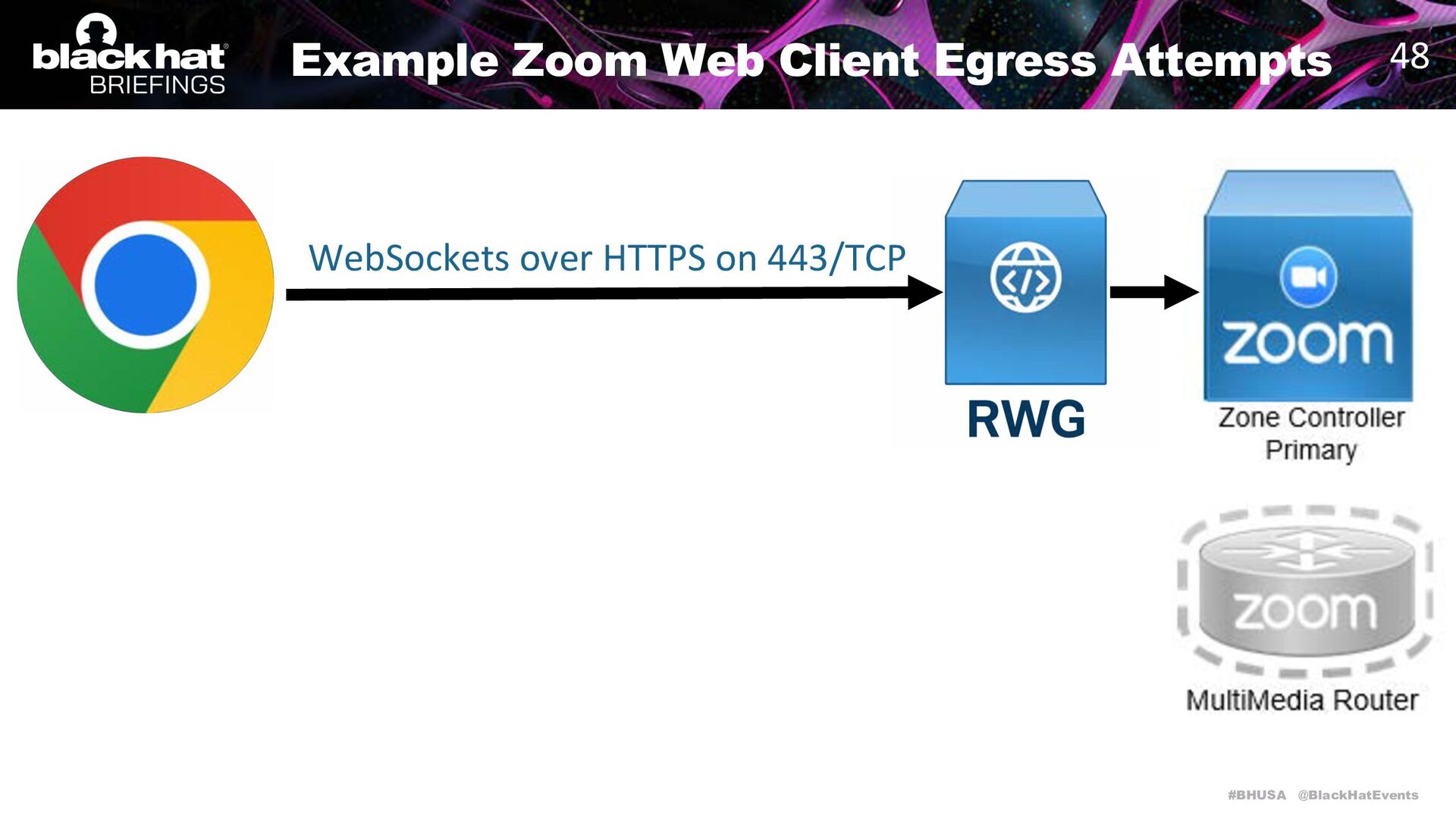
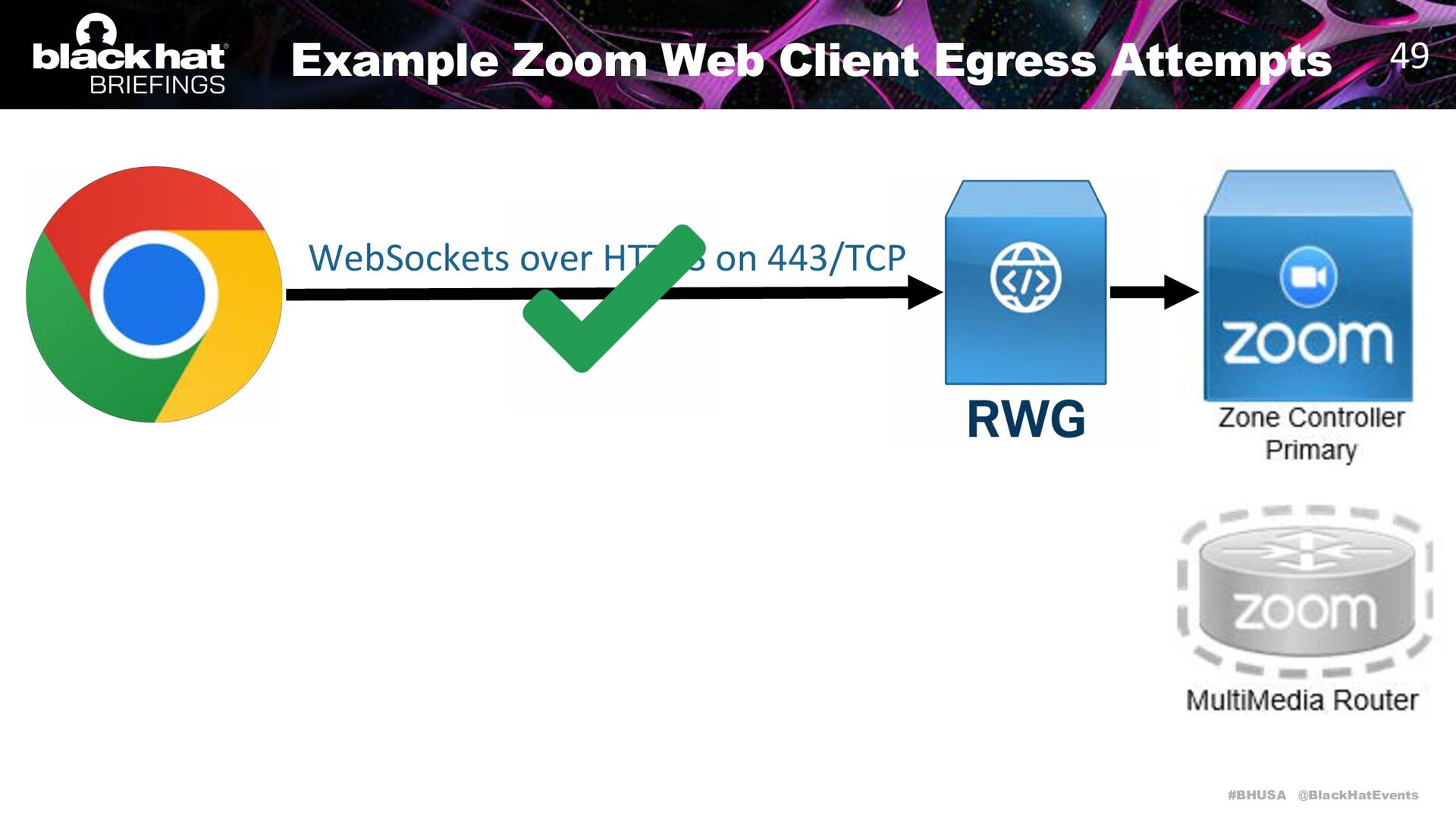
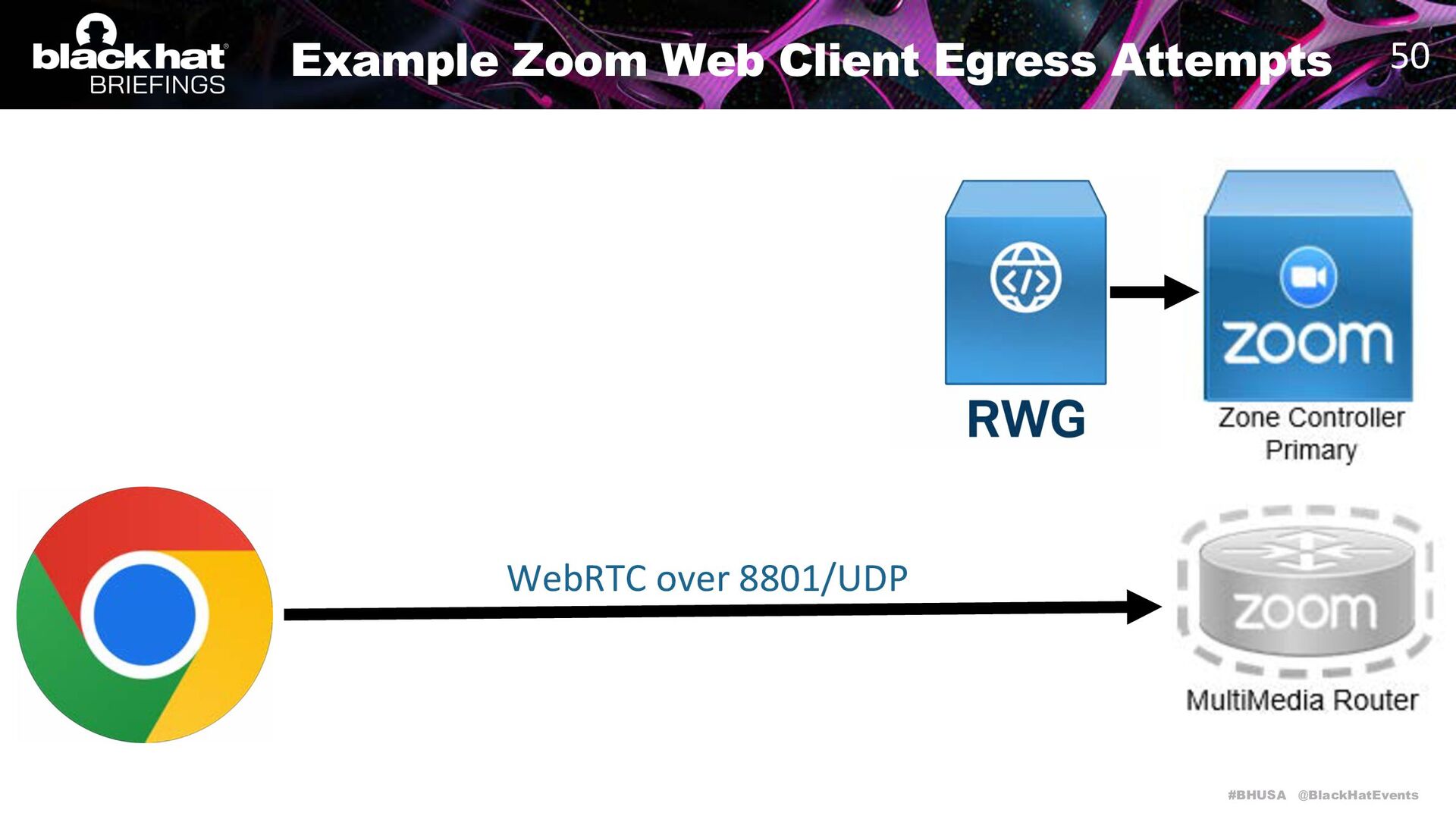
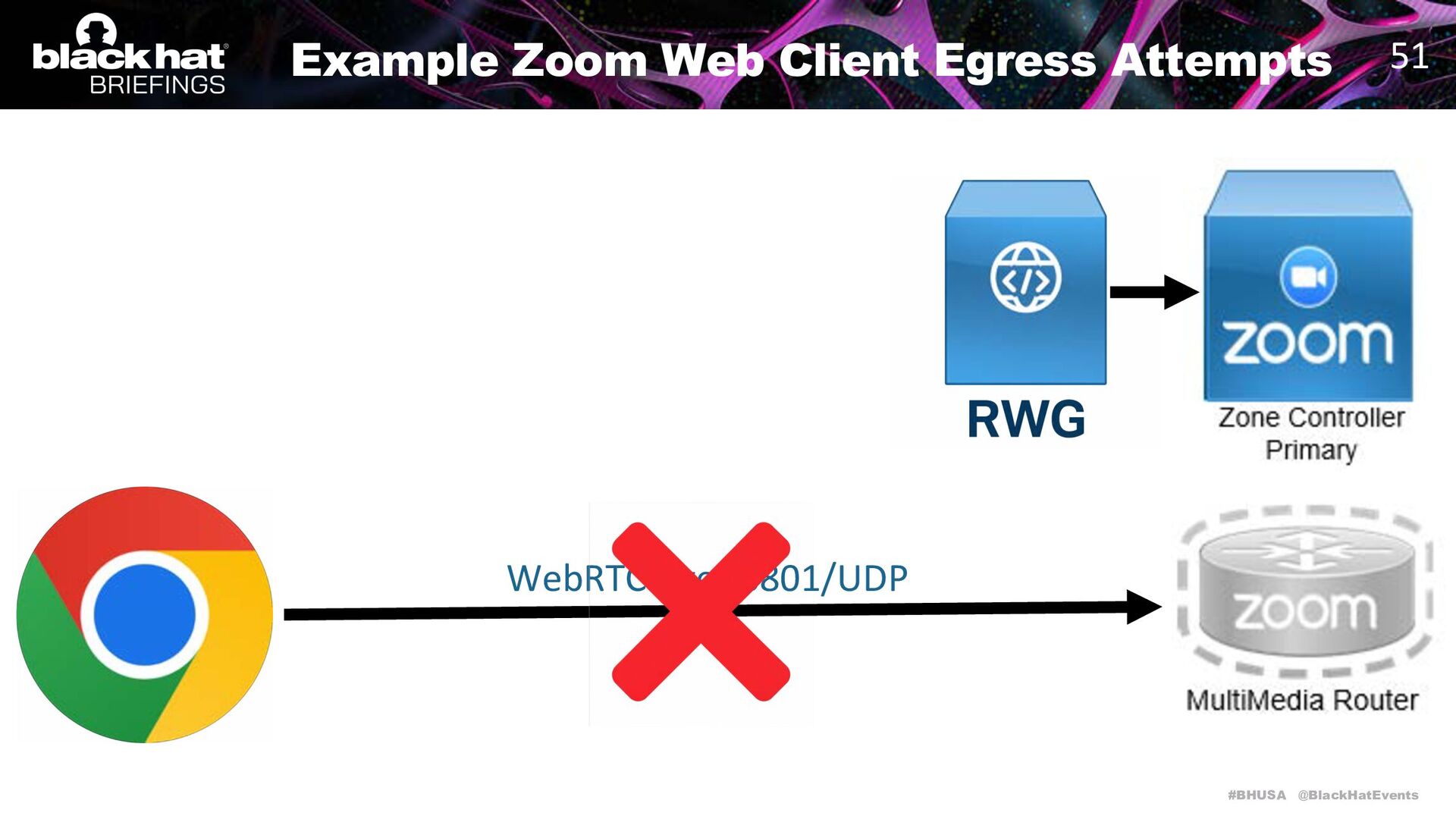
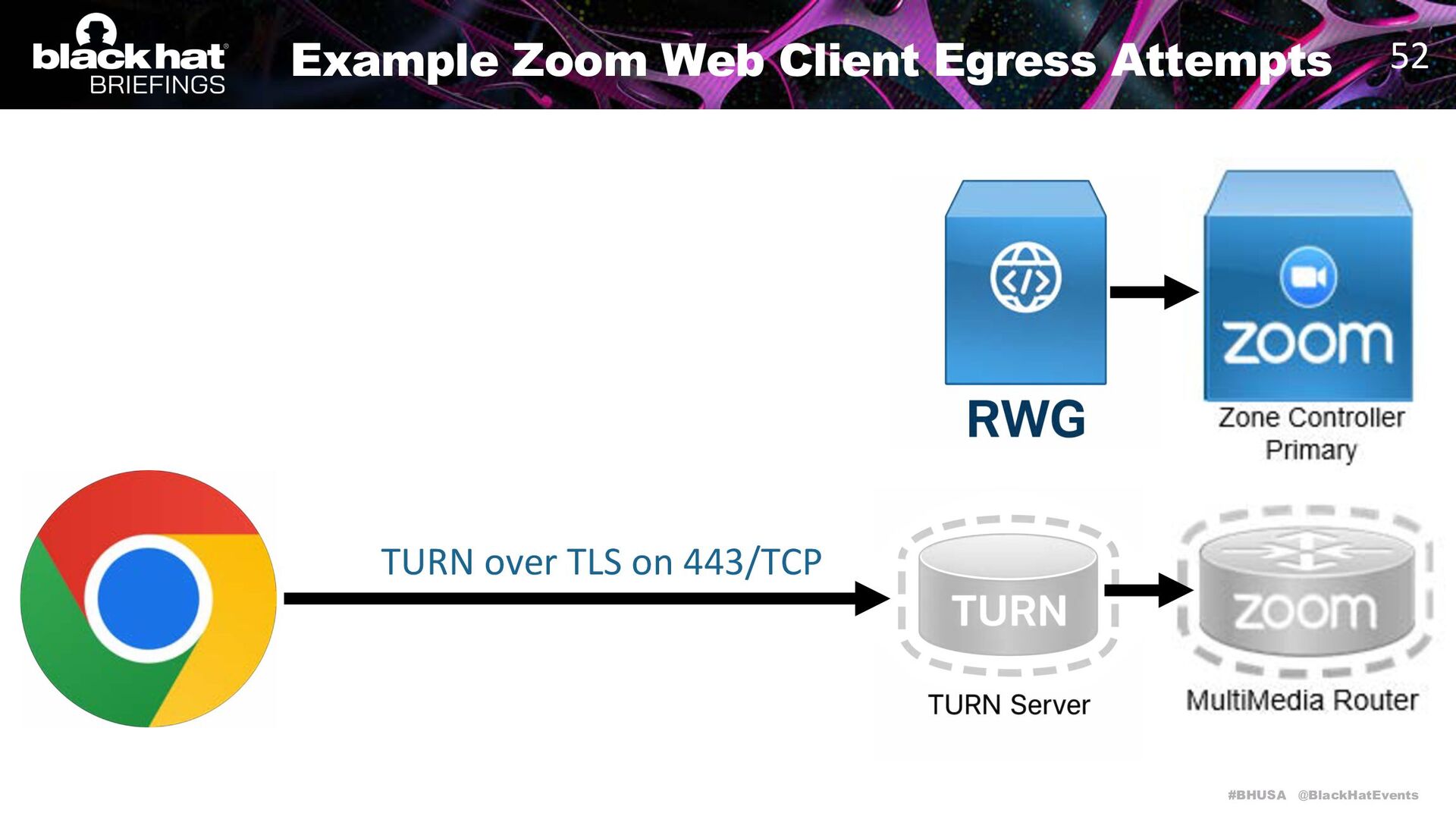
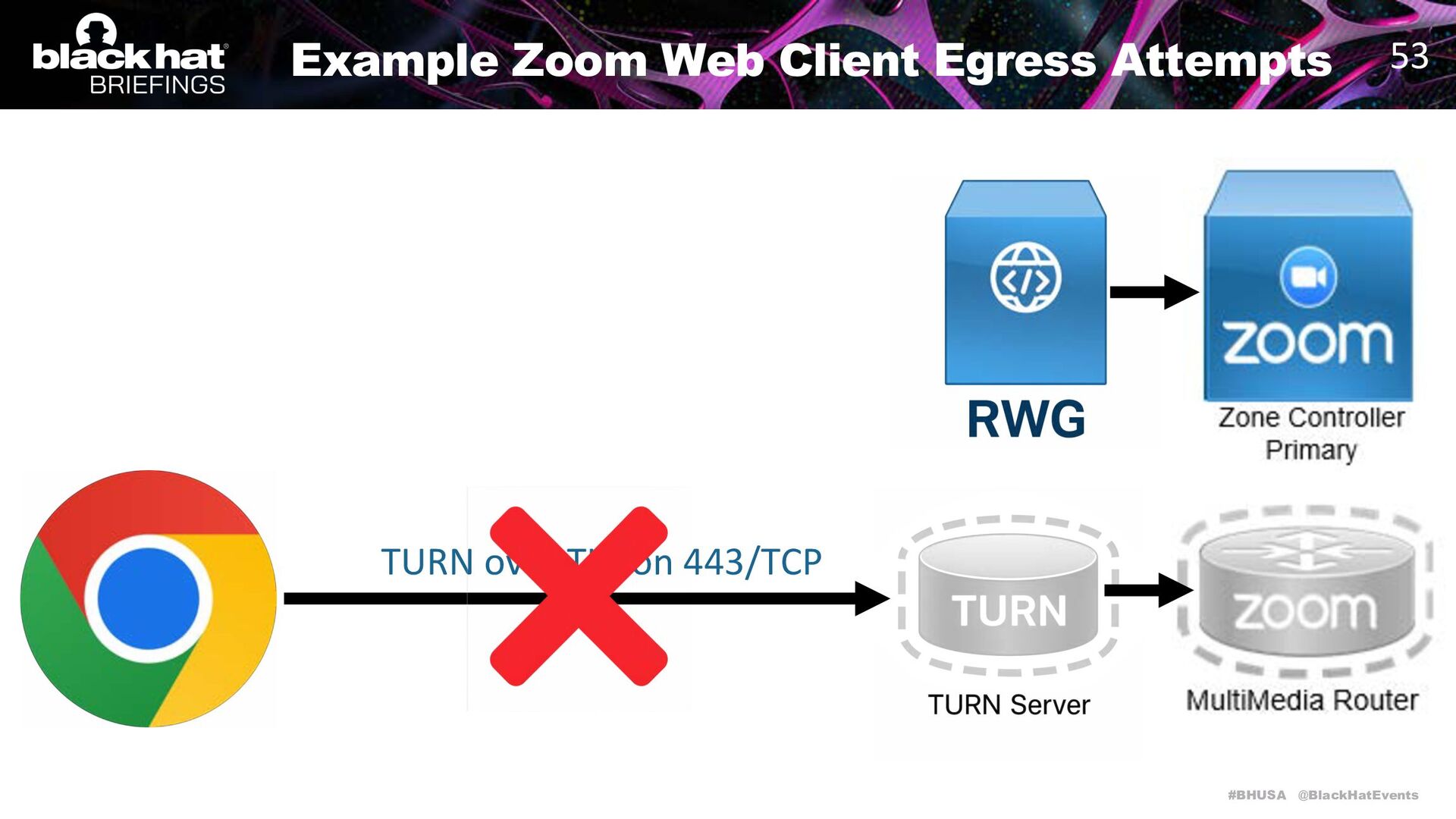
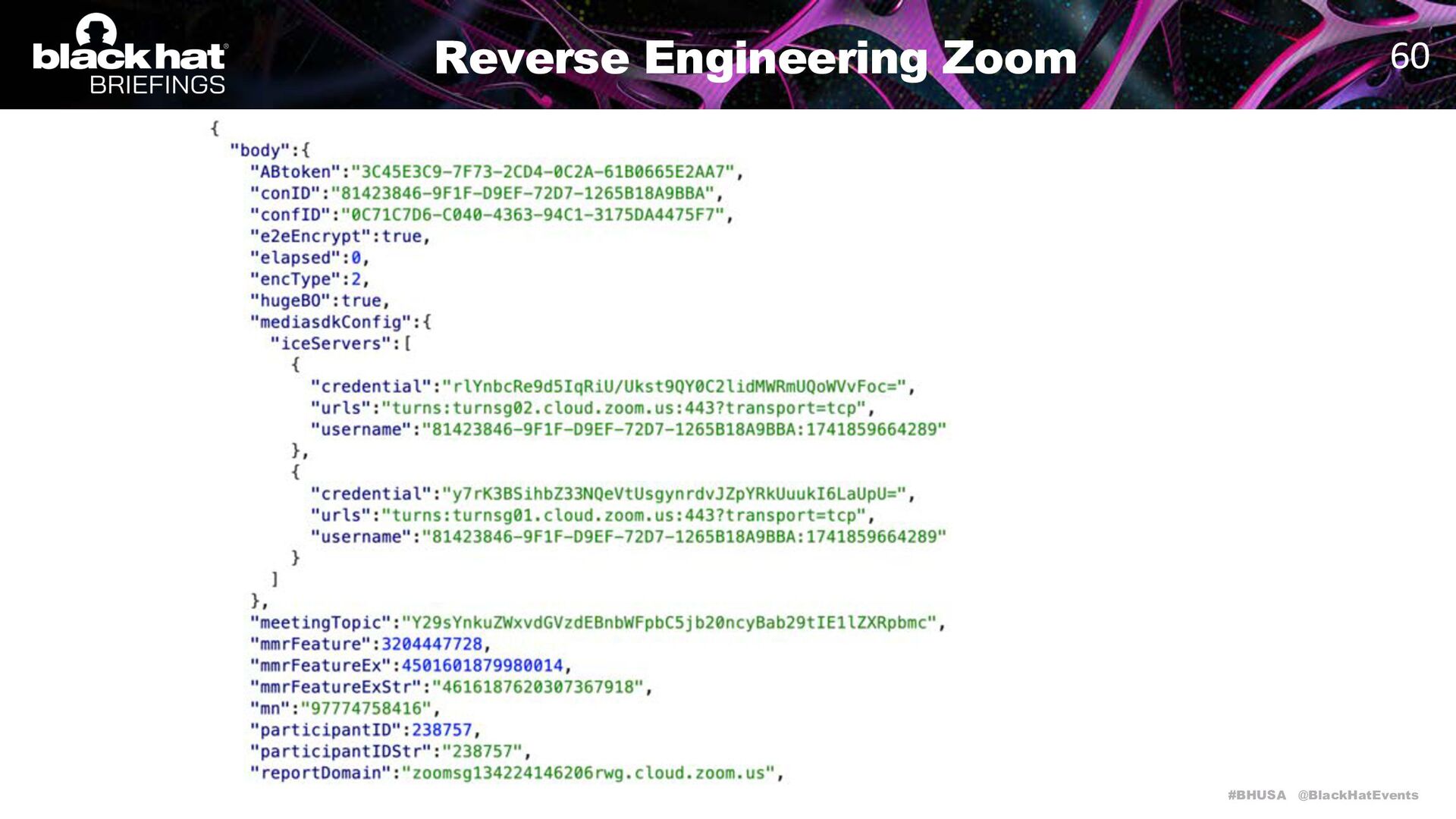
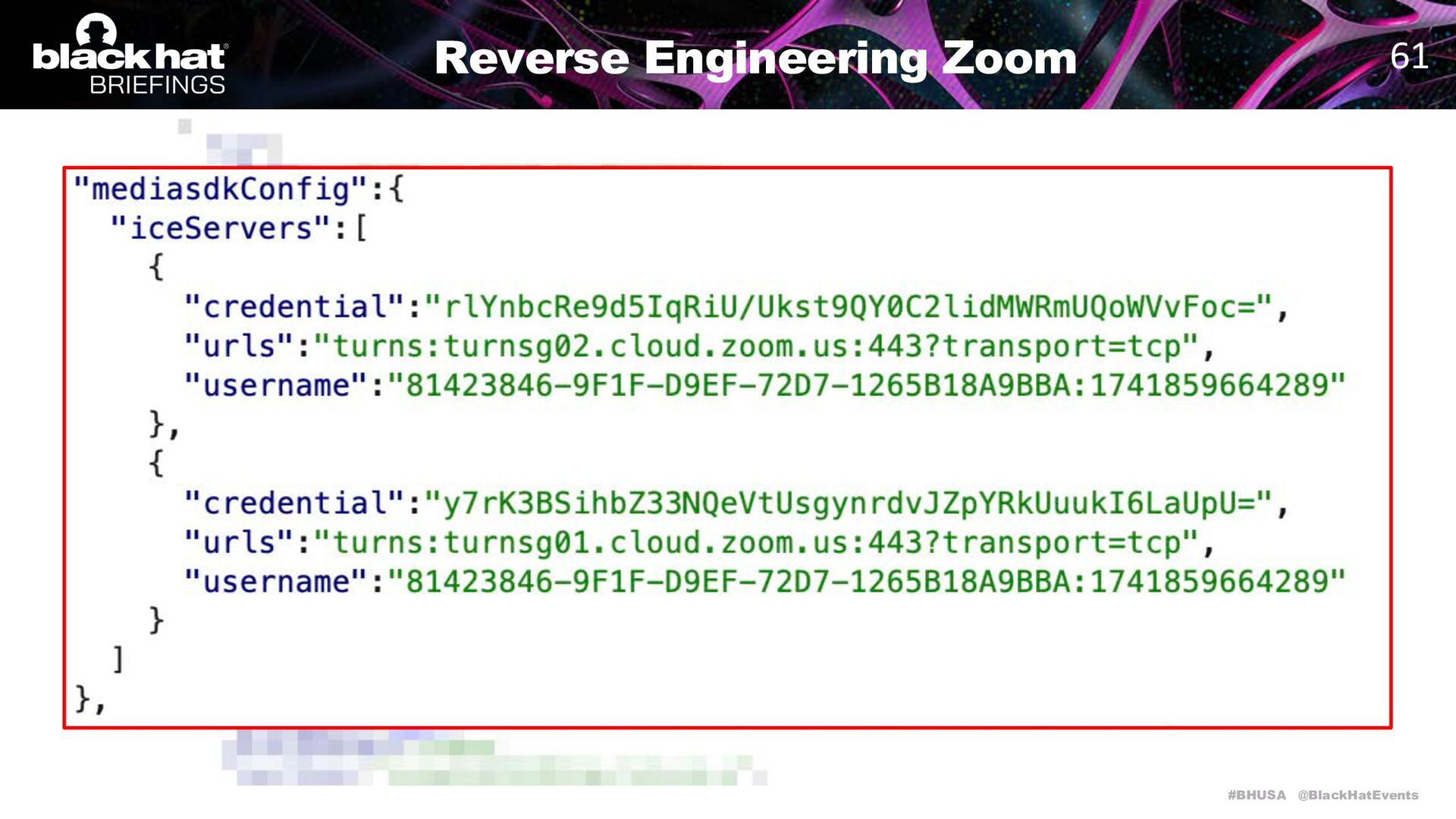
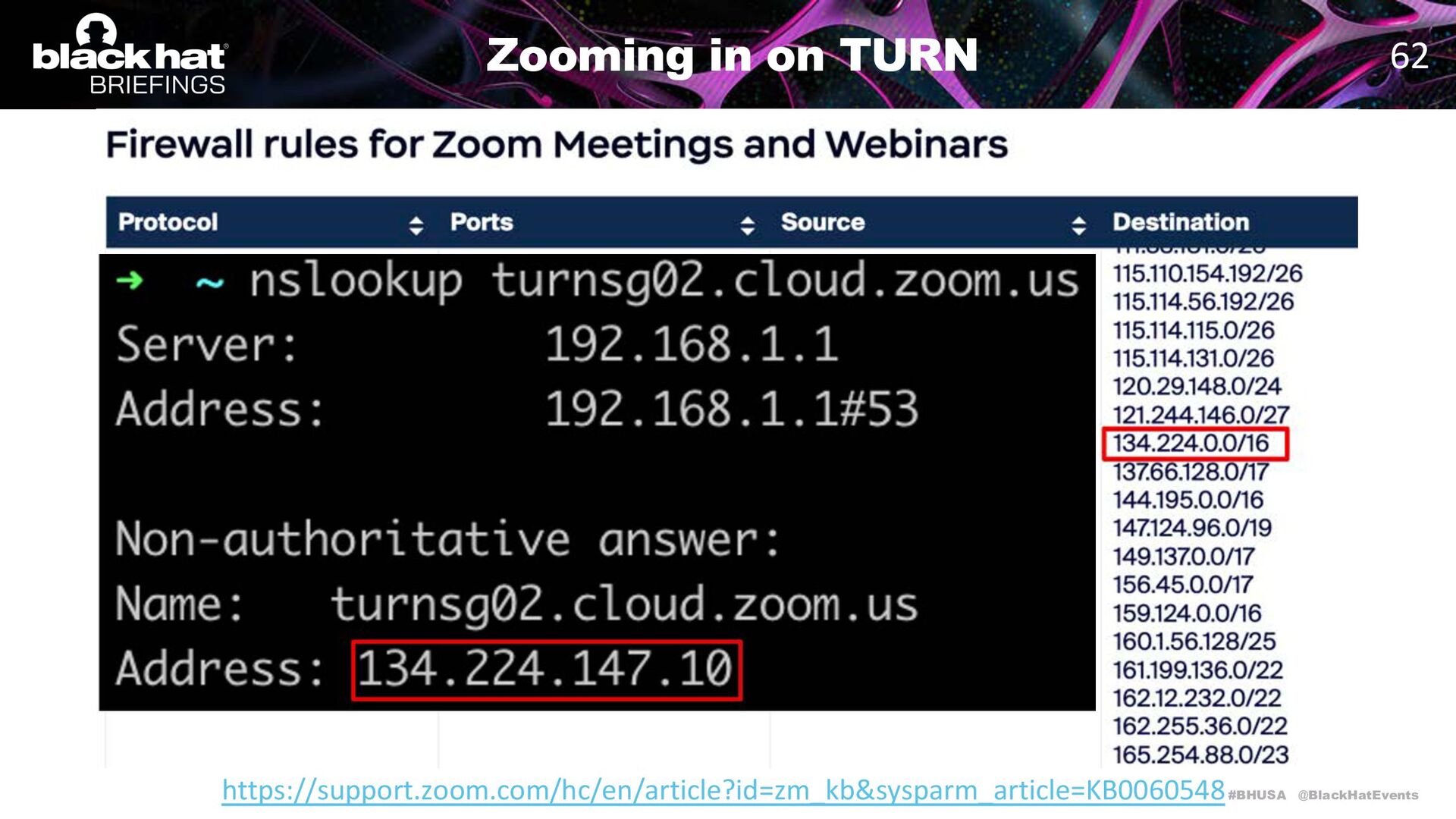
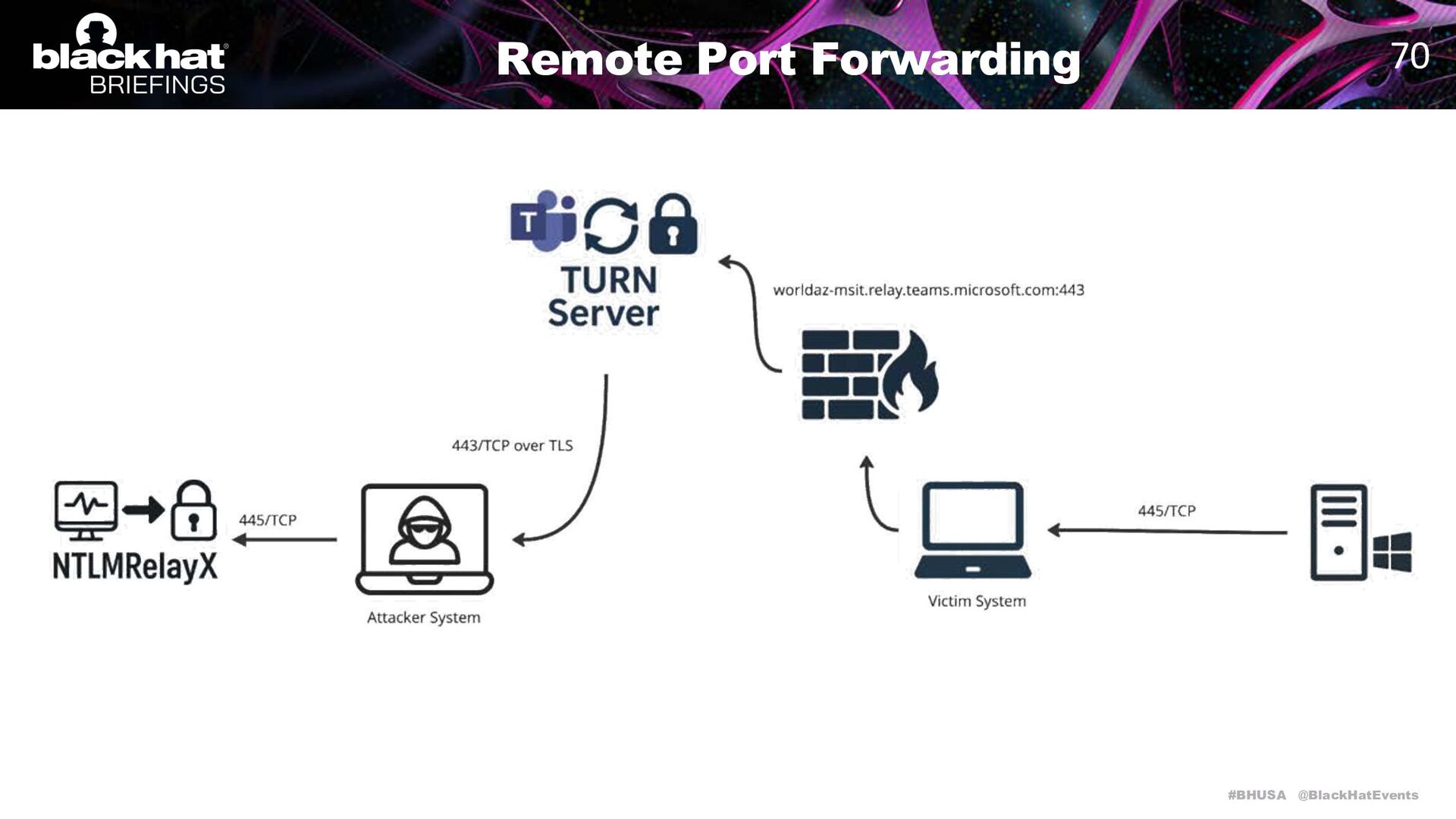
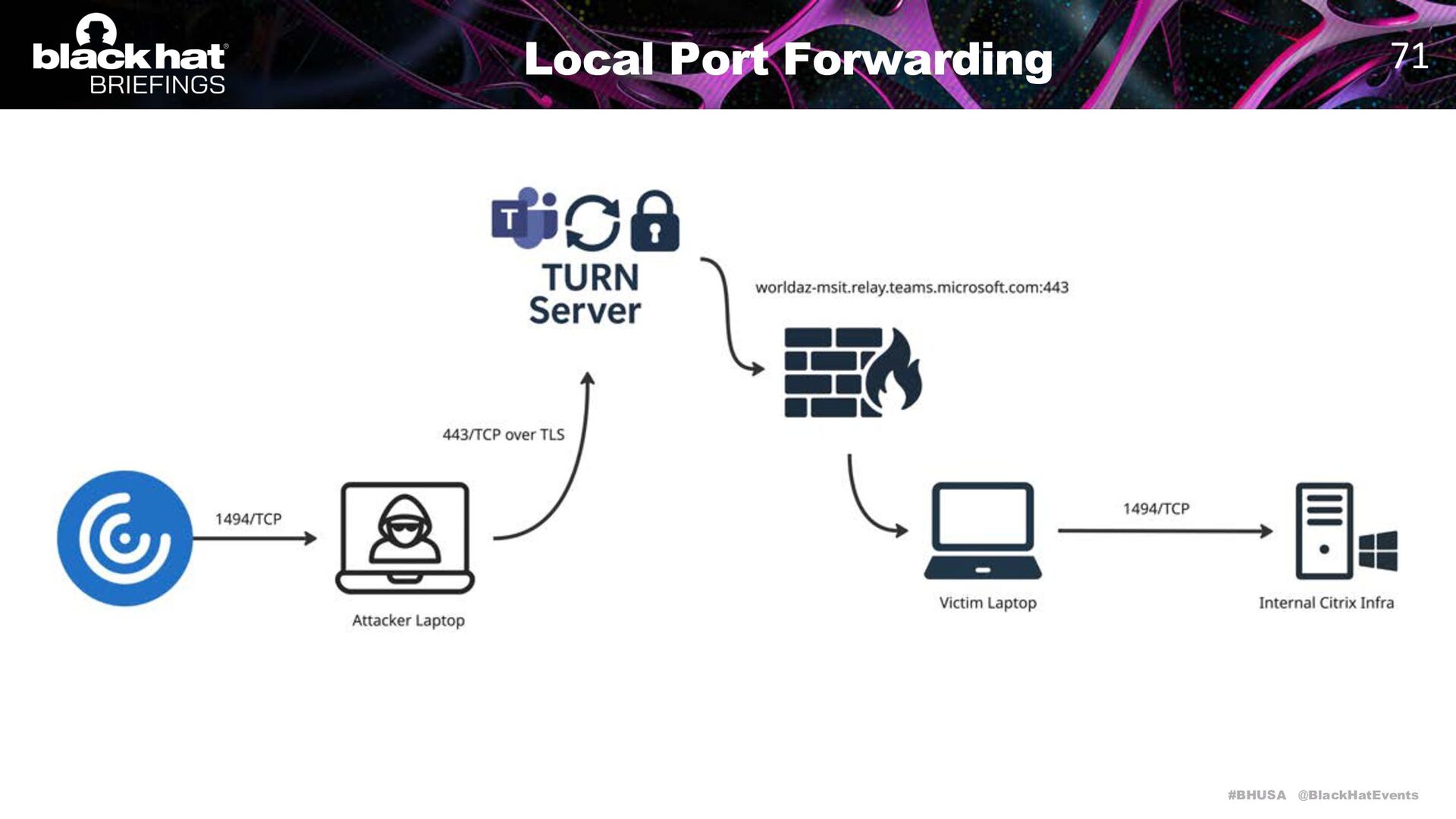
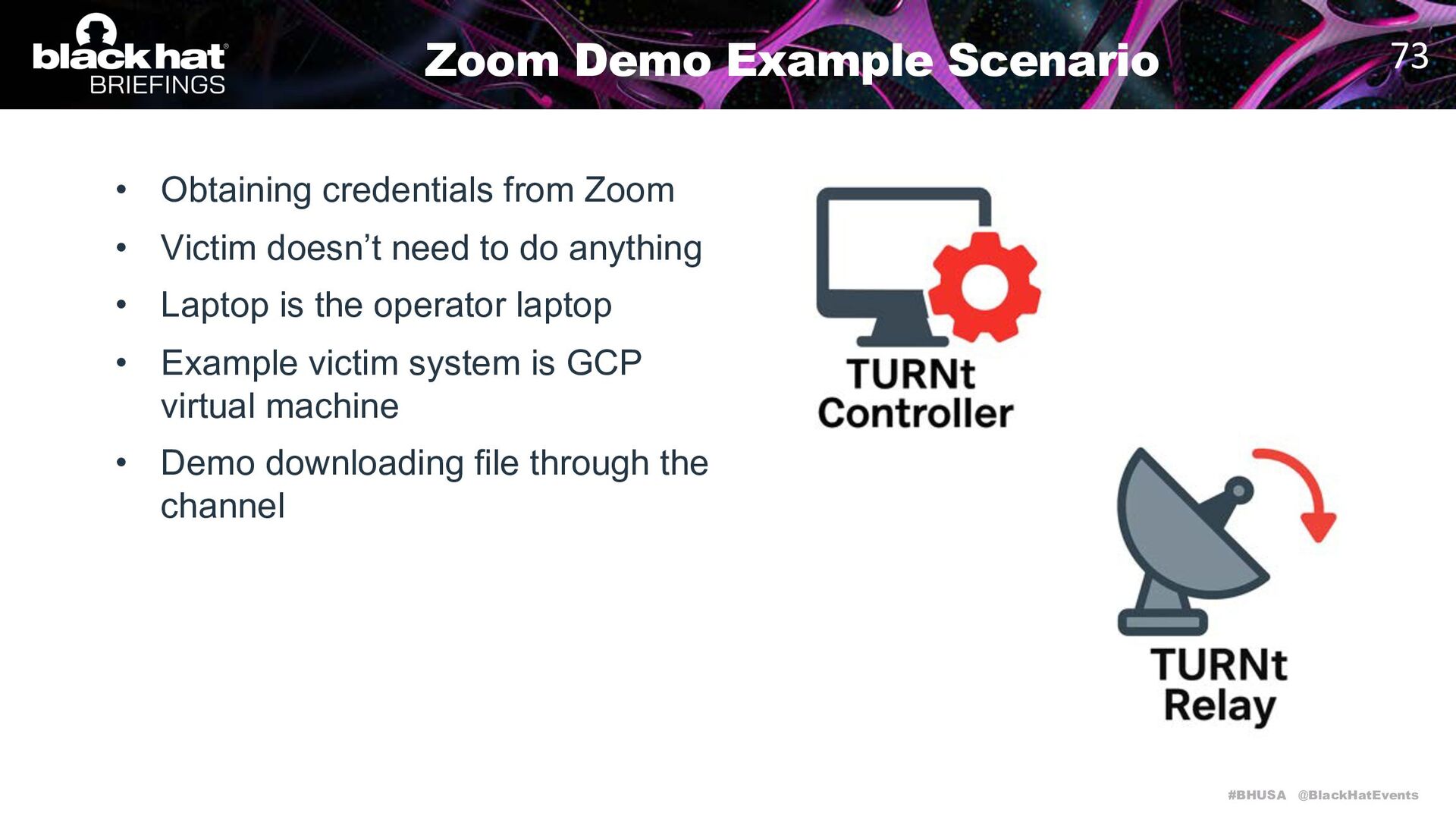
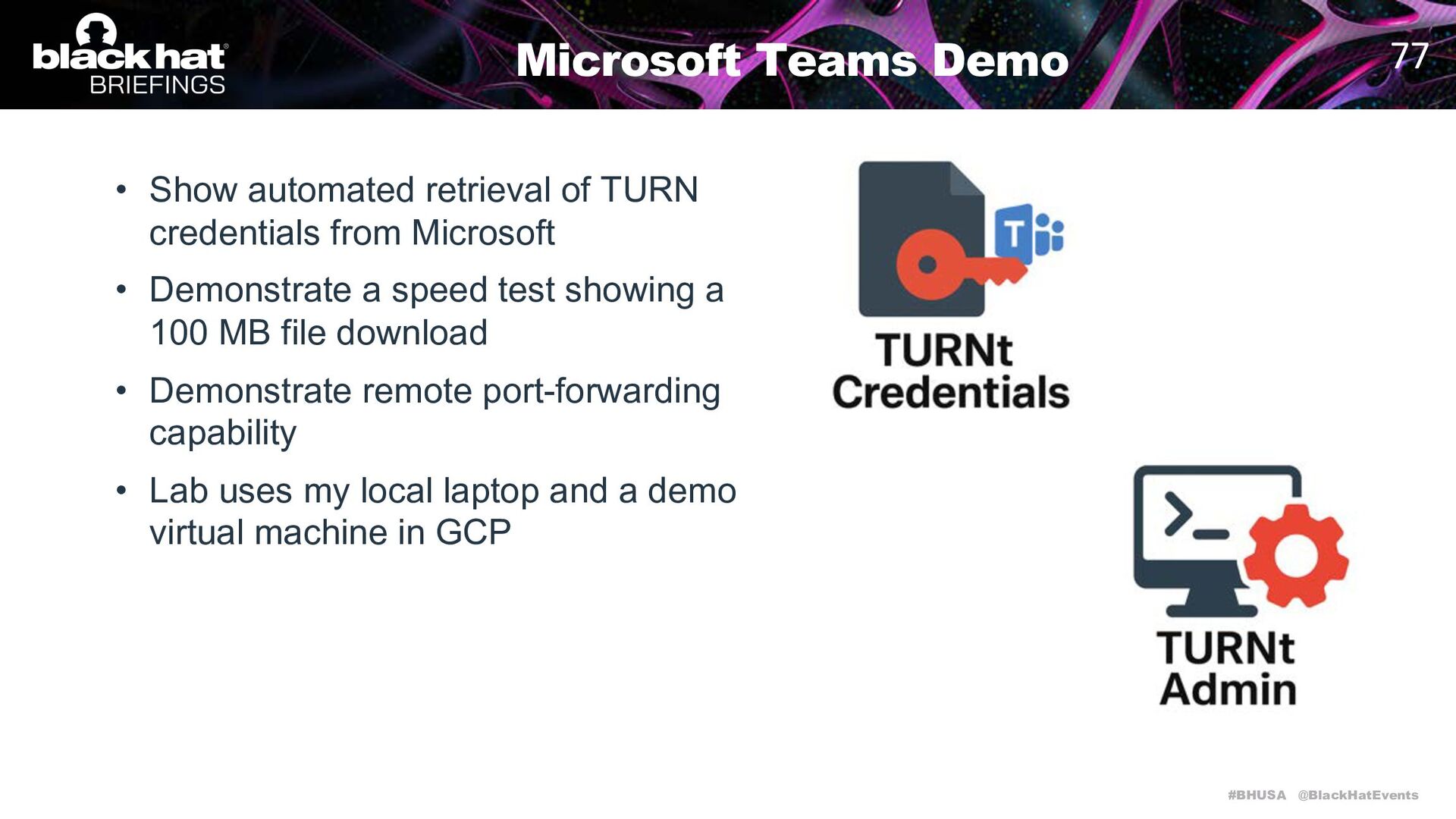
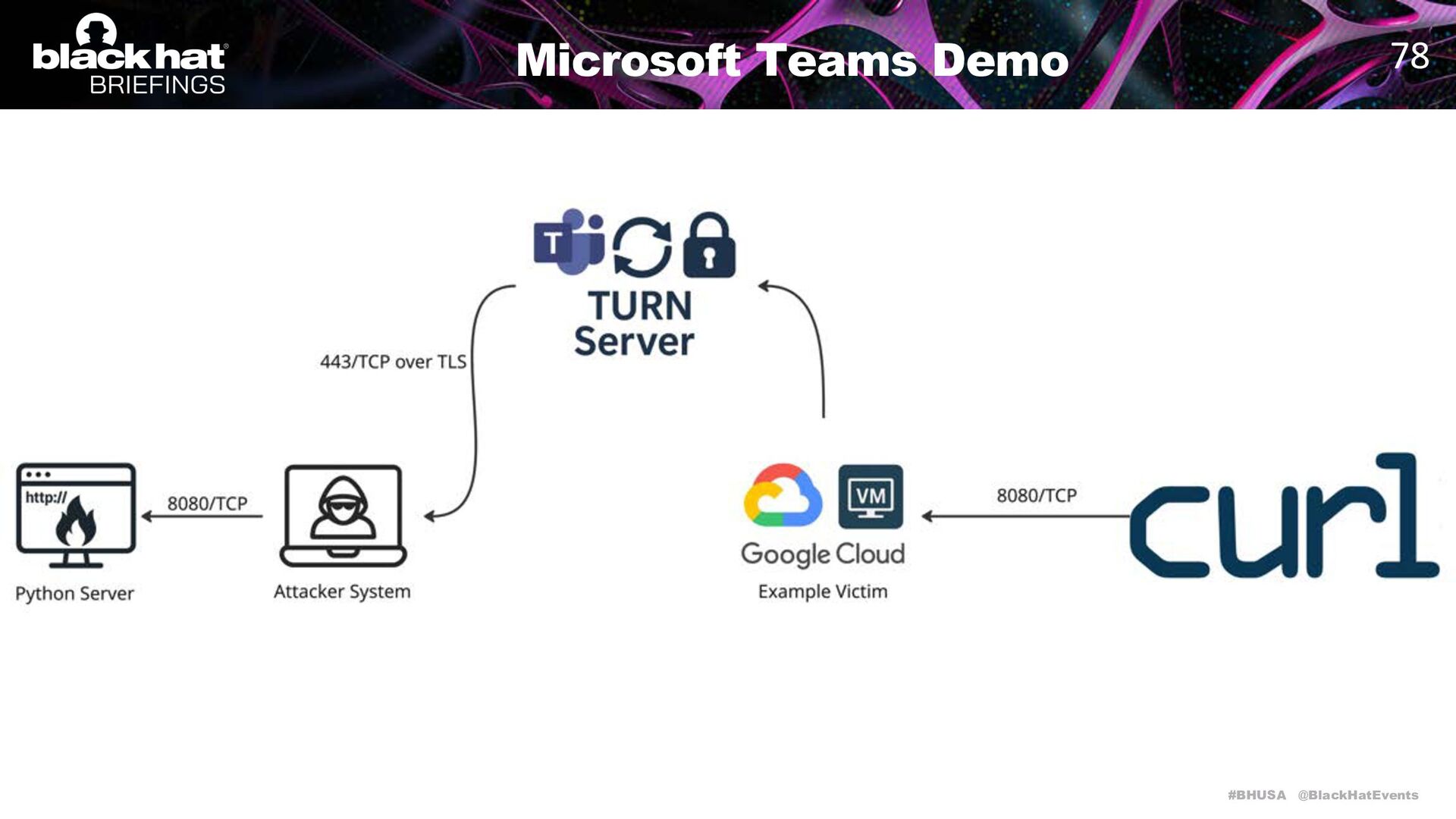
In this presentation, we introduce TURNt, an open-source tool that enables covert traffic routing through media servers hosted by web conferencing providers. These media servers offer a unique advantage: vendors frequently recommend whitelisting their IP addresses and exempting them from TLS inspection, significantly reducing the risk of detection. TURNt allows red team operators to maintain persistent, stealthy communication via traditional C2 while activating high-bandwidth interactive sessions for short, one-to-two-hour periods—mimicking legitimate conferencing activity.
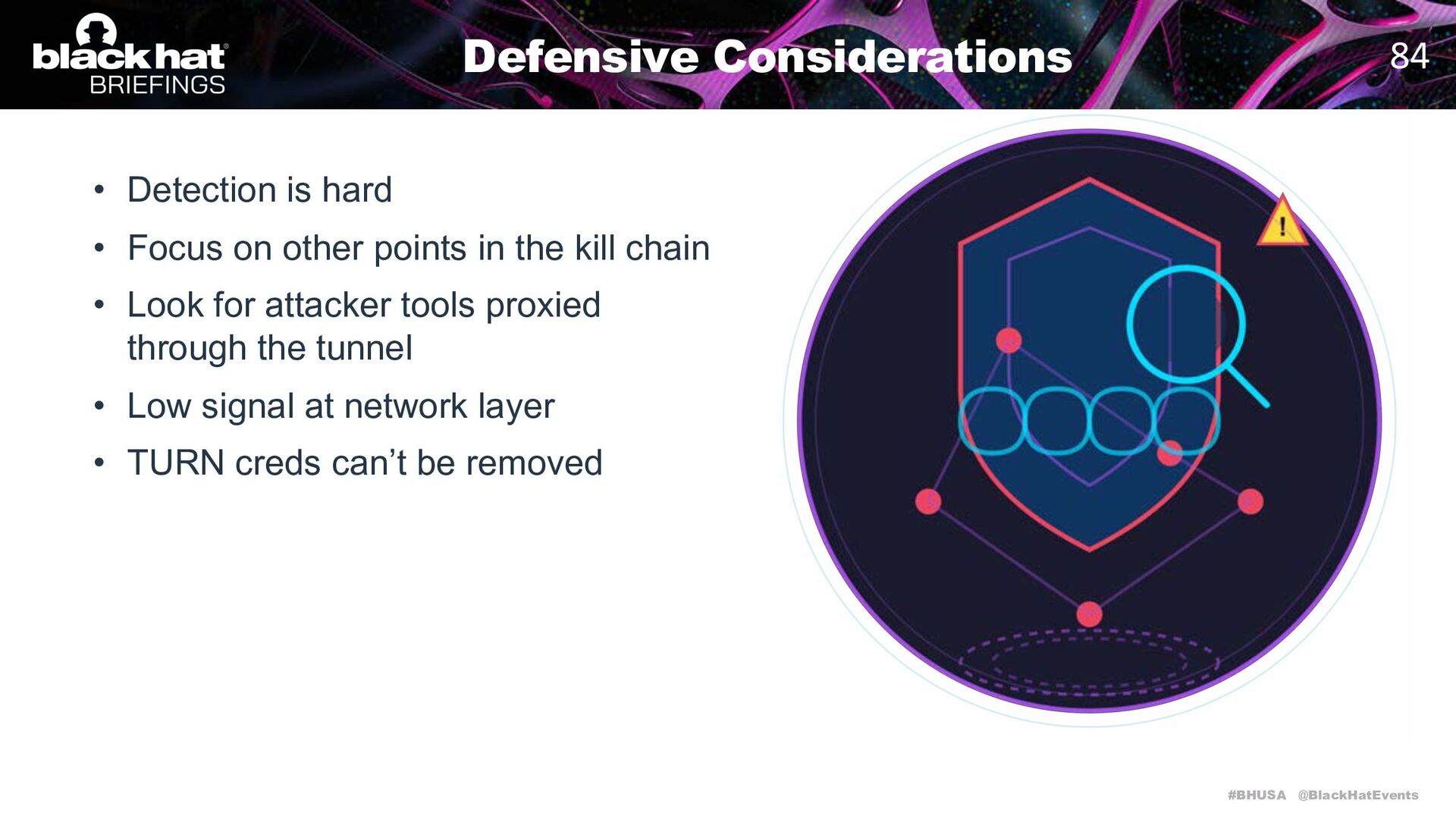
We will demonstrate how this technique can be integrated into existing red team operations, discuss the trade-offs and detection risks, and explore countermeasures defenders can implement to identify and mitigate this emerging technique. Attendees will learn how to stealthily blend short-term, interactive C2 into existing red team operations and how to detect/mitigate these techniques defensively.


 unc1739
 shlominoach
 inesmontani
 62gerente
 caitiem20
 lindahogenes
 bkeepers
 marktimemedia
 cassininazir
 hatefulcrawdad
 jonoalderson
 katarinadahlin