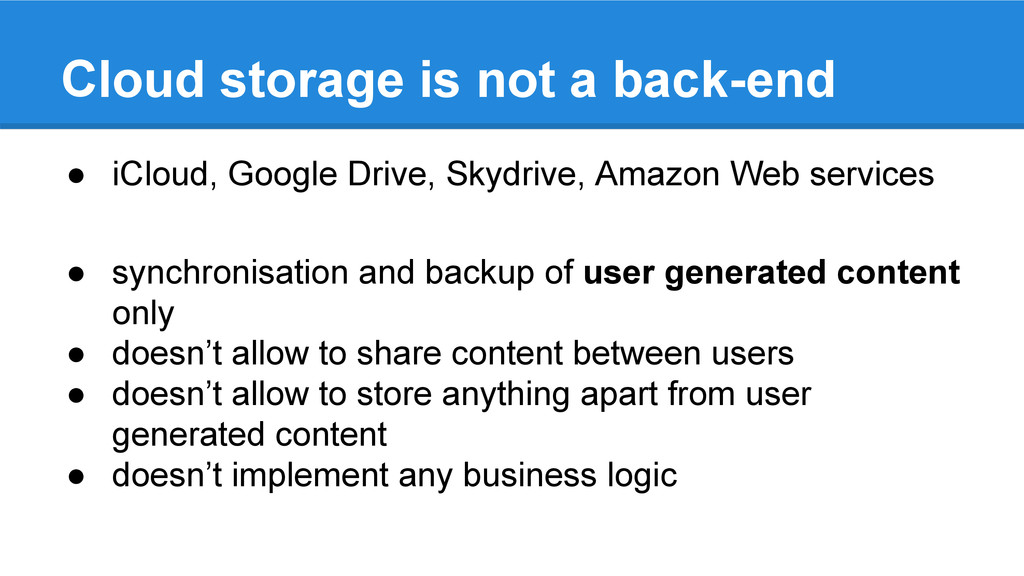
Skydrive, Amazon Web services • synchronisation and backup of user generated content only • doesn’t allow to share content between users • doesn’t allow to store anything apart from user generated content • doesn’t implement any business logic
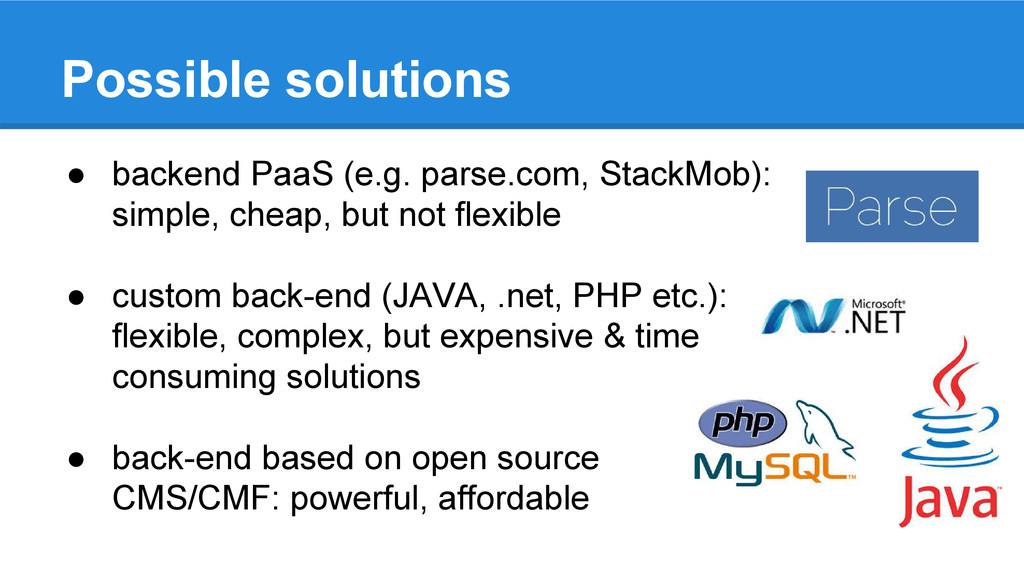
but not flexible • custom back-end (JAVA, .net, PHP etc.): flexible, complex, but expensive & time consuming solutions • back-end based on open source CMS/CMF: powerful, affordable
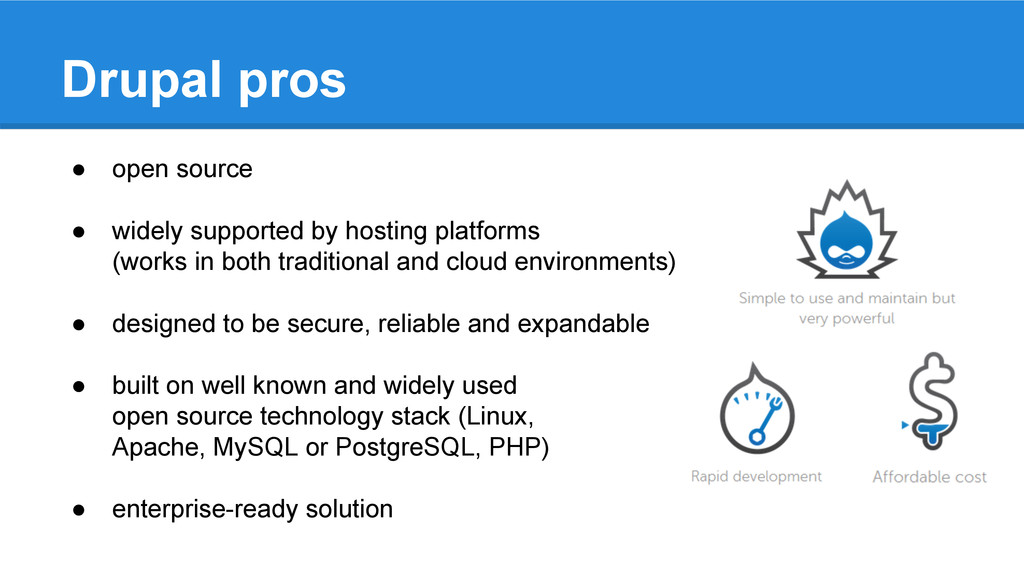
platforms (works in both traditional and cloud environments) • designed to be secure, reliable and expandable • built on well known and widely used open source technology stack (Linux, Apache, MySQL or PostgreSQL, PHP) • enterprise-ready solution


 akit37
 yukiny
 kawashimo0
 akihisaikeda
 artoy
artoy
 iwatsukayura
 gonta
gonta
 deka_morita
 kmars0605
 tomokon
 mixplace
 optim
optim
 nmsamuel
 jcasabona
 tammyeverts
 tanoku
 tenderlove
 eileencodes
.jpg) cargoodrich
cargoodrich
 kastner
 greggifford
 maggiecrowley
 jlugia
 coloredviolet

![Contact Lemberg for more information: lemberg.co.uk blog.lemberg.co.uk [email protected] skype: lemberg.solutions](https://files.speakerdeck.com/presentations/7b086e7023f001317cb4020c2f9a5198/slide_10.jpg)