Upgrade to Pro — share decks privately, control downloads, hide ads and more …

Testing 4

Avatar for benvelker benvelker
May 06, 2022
6

Testing 4

Avatar for benvelker

benvelker

May 06, 2022

Transcript

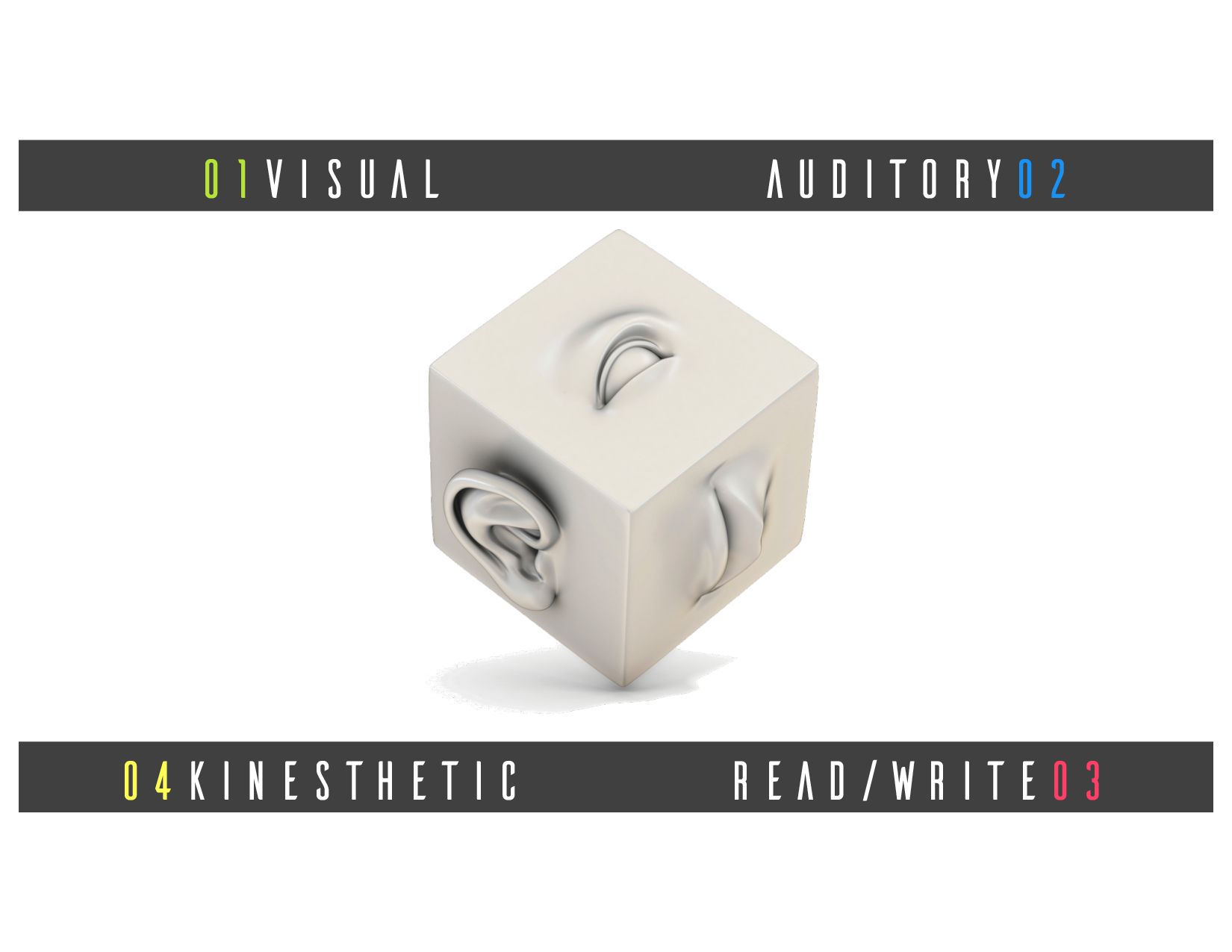
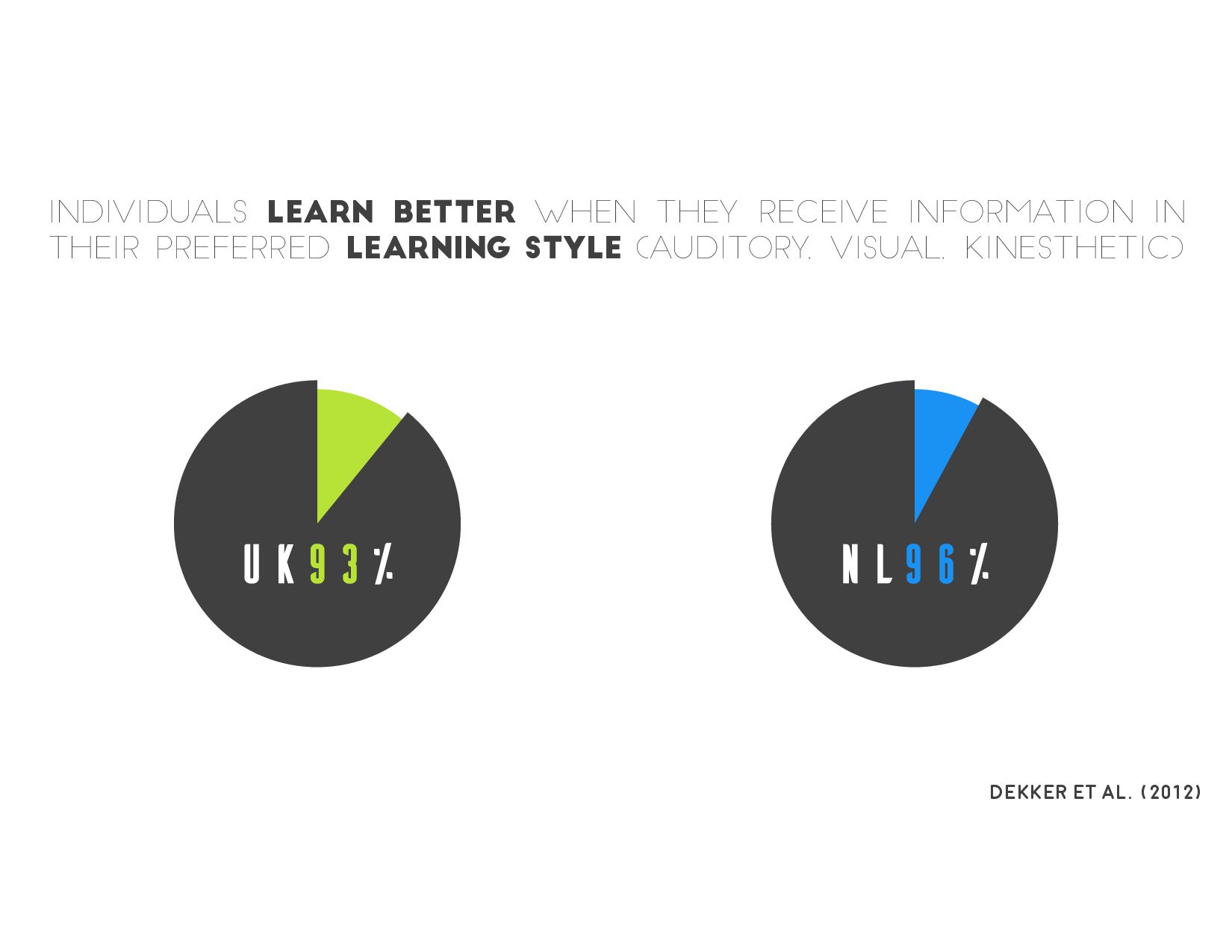
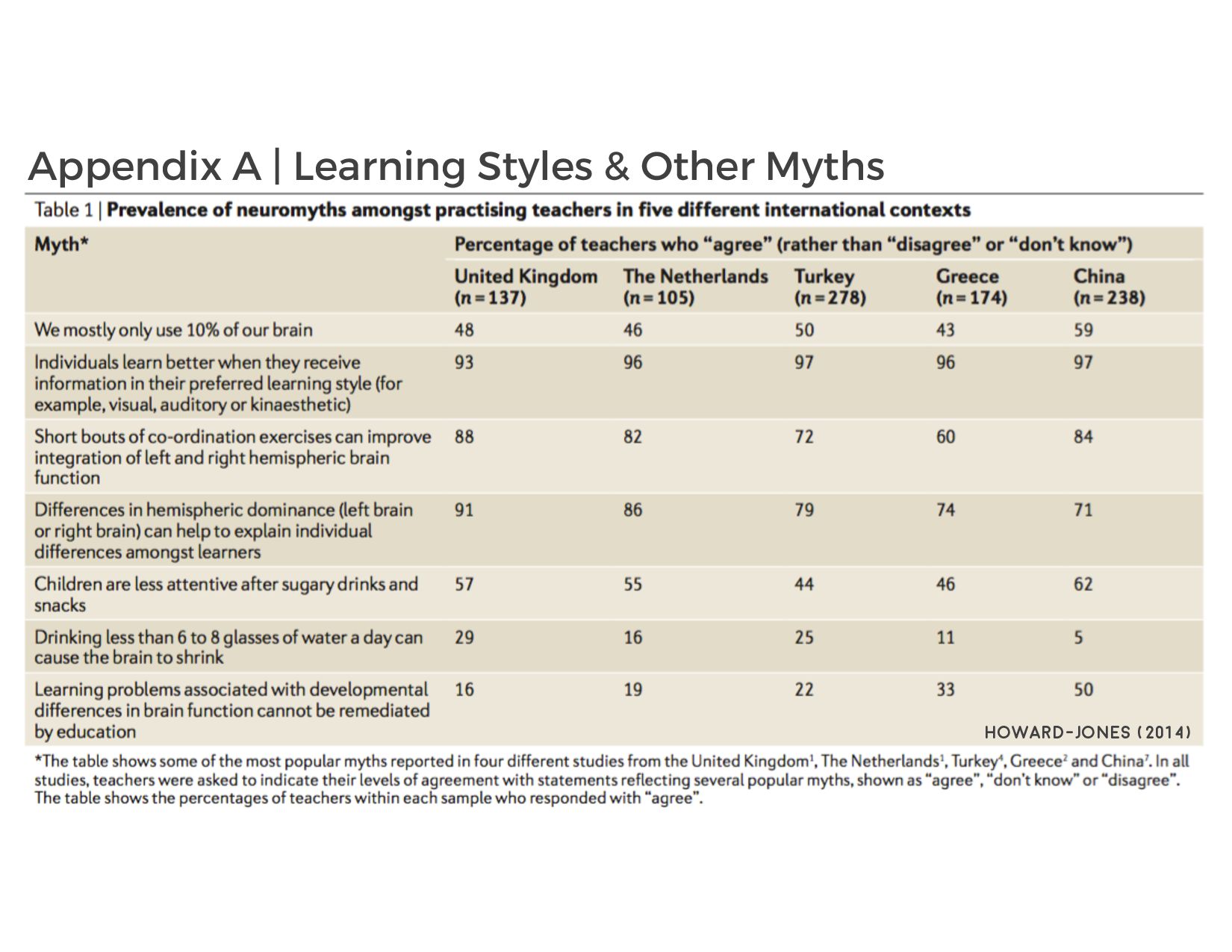
  1. Individuals learn better when they receive information in their preferred

    learning style (auditory, visual, kinesthetic) UK93% NL96% Dekker et al. (2012)
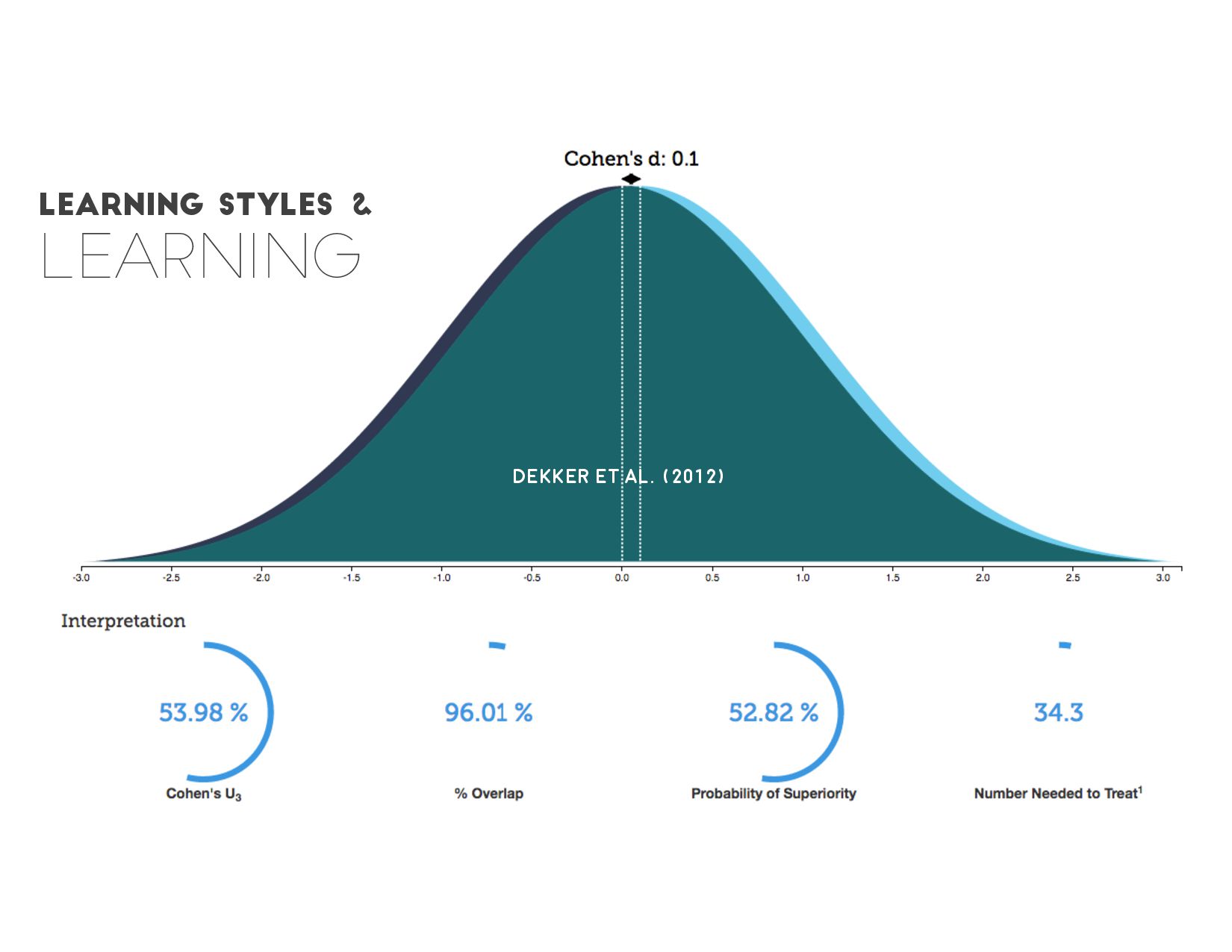
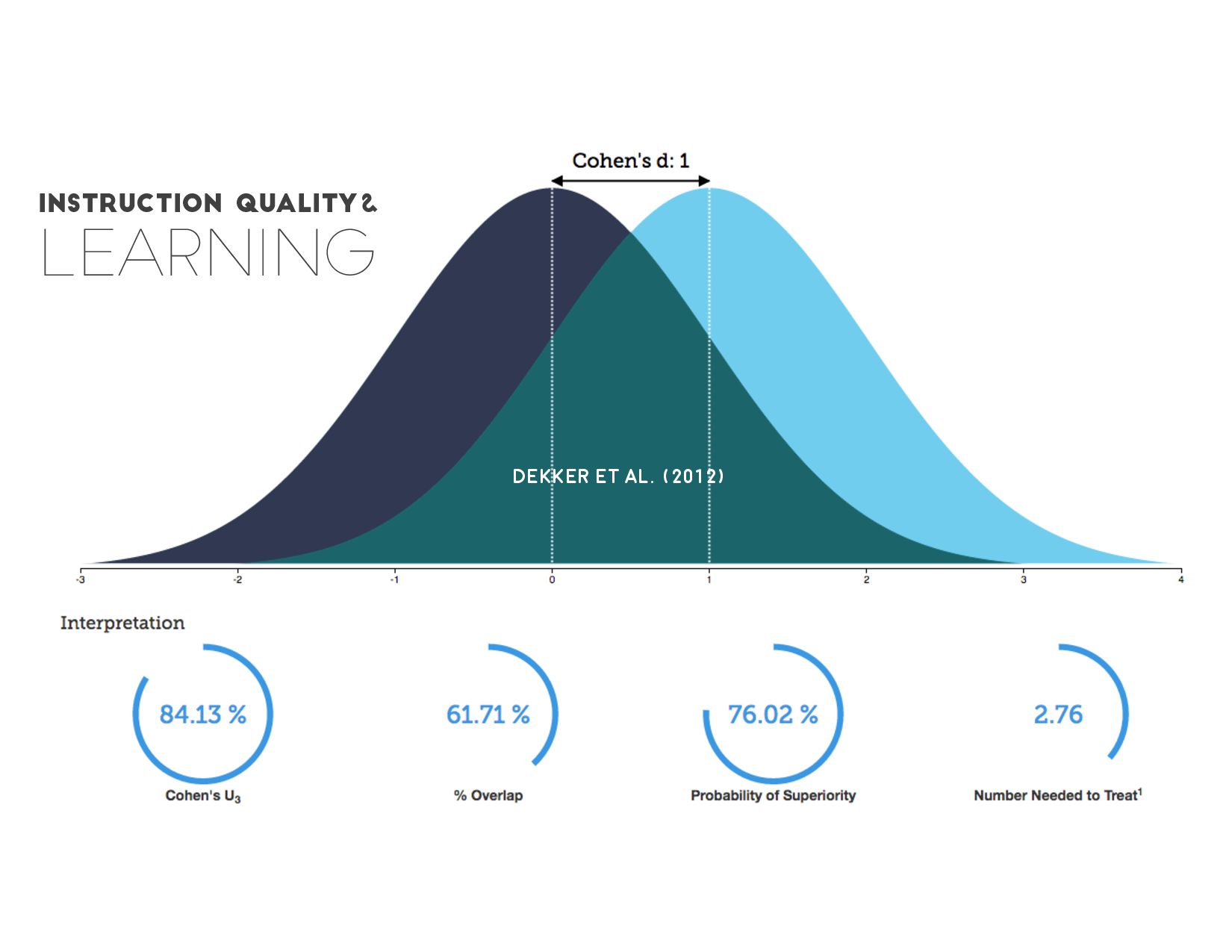
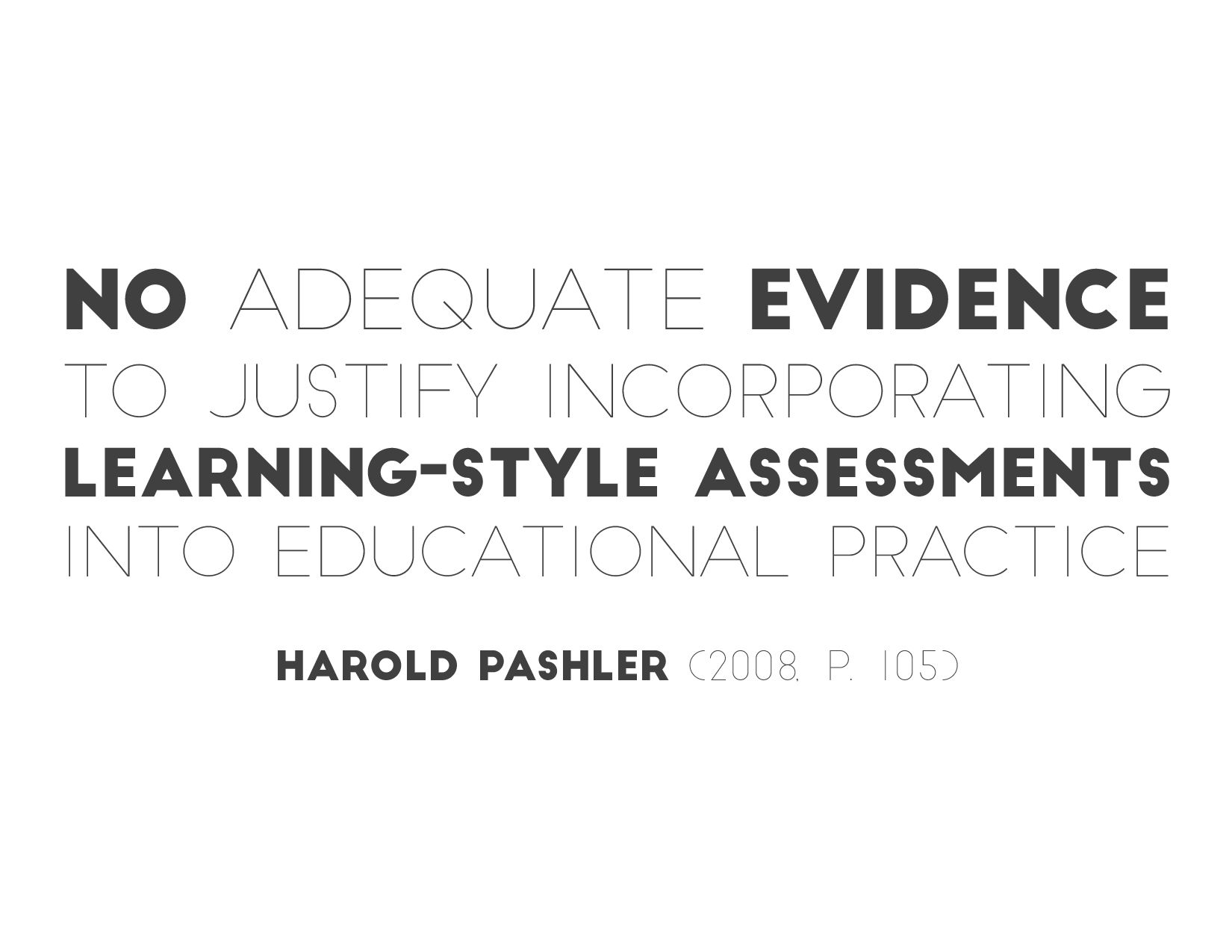
  2. Learning Styles do not work yet the current research literature

    is full of papers which advocate their use Phillip Newton (2015, p. 5)
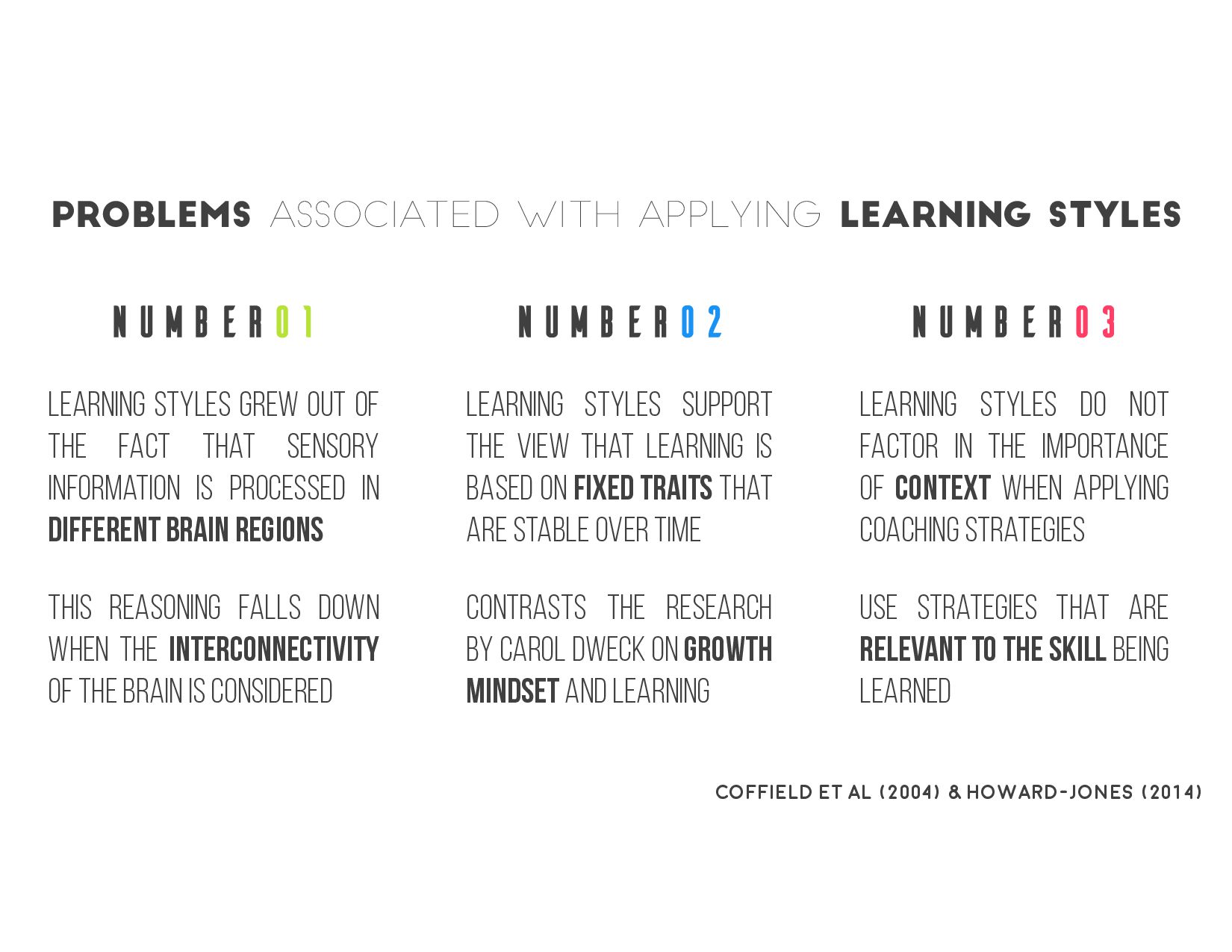
  3. Problems associated with applying learning styles Number01 Number02 Coffield et

    al (2004) & Howard-Jones (2014) Learning styles support the view that learning is based on fixed traits that are stable over time Contrasts The research By Carol Dweck on growth mindset and learning Number03 Learning styles grew out of the fact that sensory information is processed in different brain regions this reasoning falls down when the interconnectivity of the brain is considered Learning styles do not factor in the importance of context when applying coaching strategies Use strategies that are relevant to the skill being learned
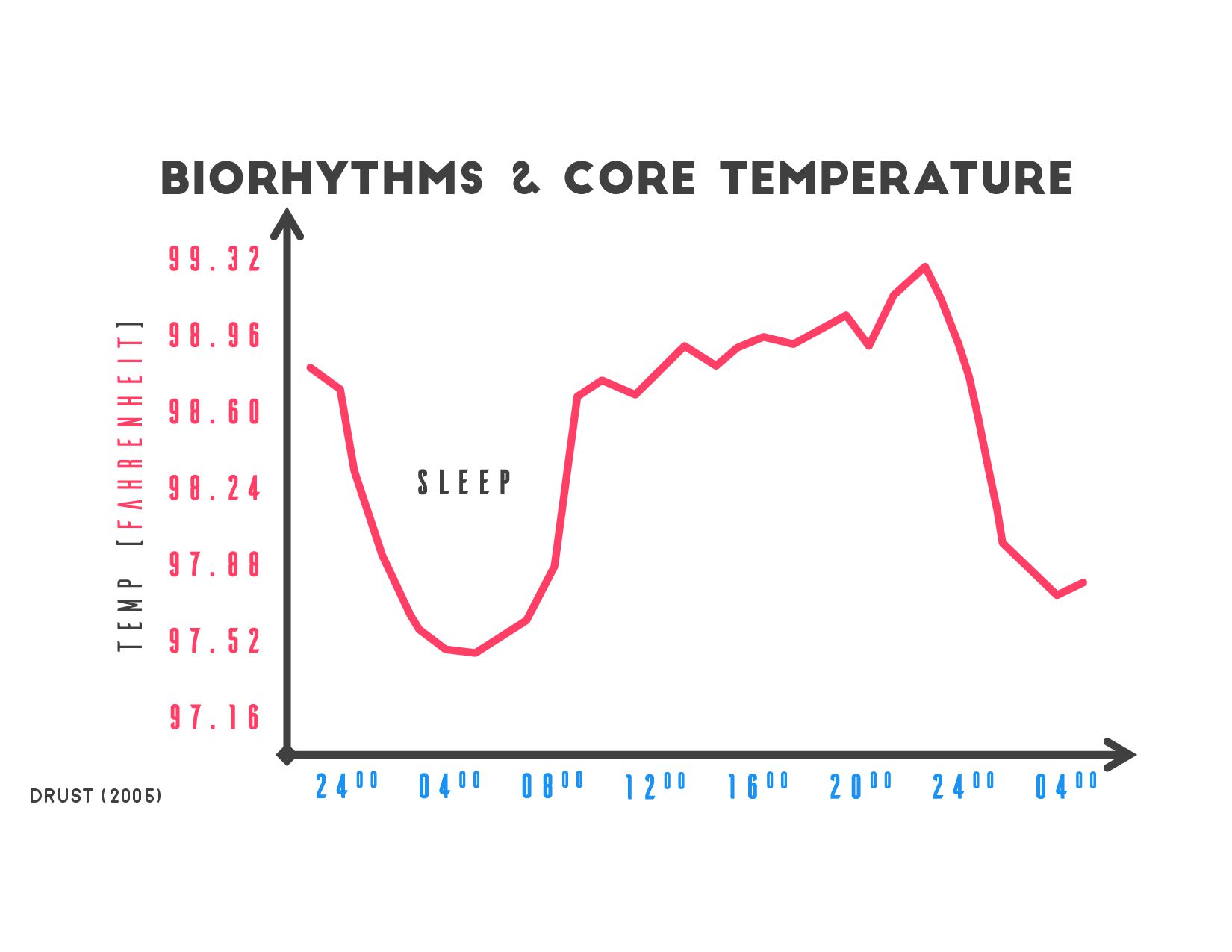
  4. 97.16 97.52 97.88 98.24 98.60 98.96 99.32 2400 0400 0800

    1200 1600 2000 2400 0400 TEMP (Fahrenheit) SLEEP Drust (2005) Biorhythms & core temperature
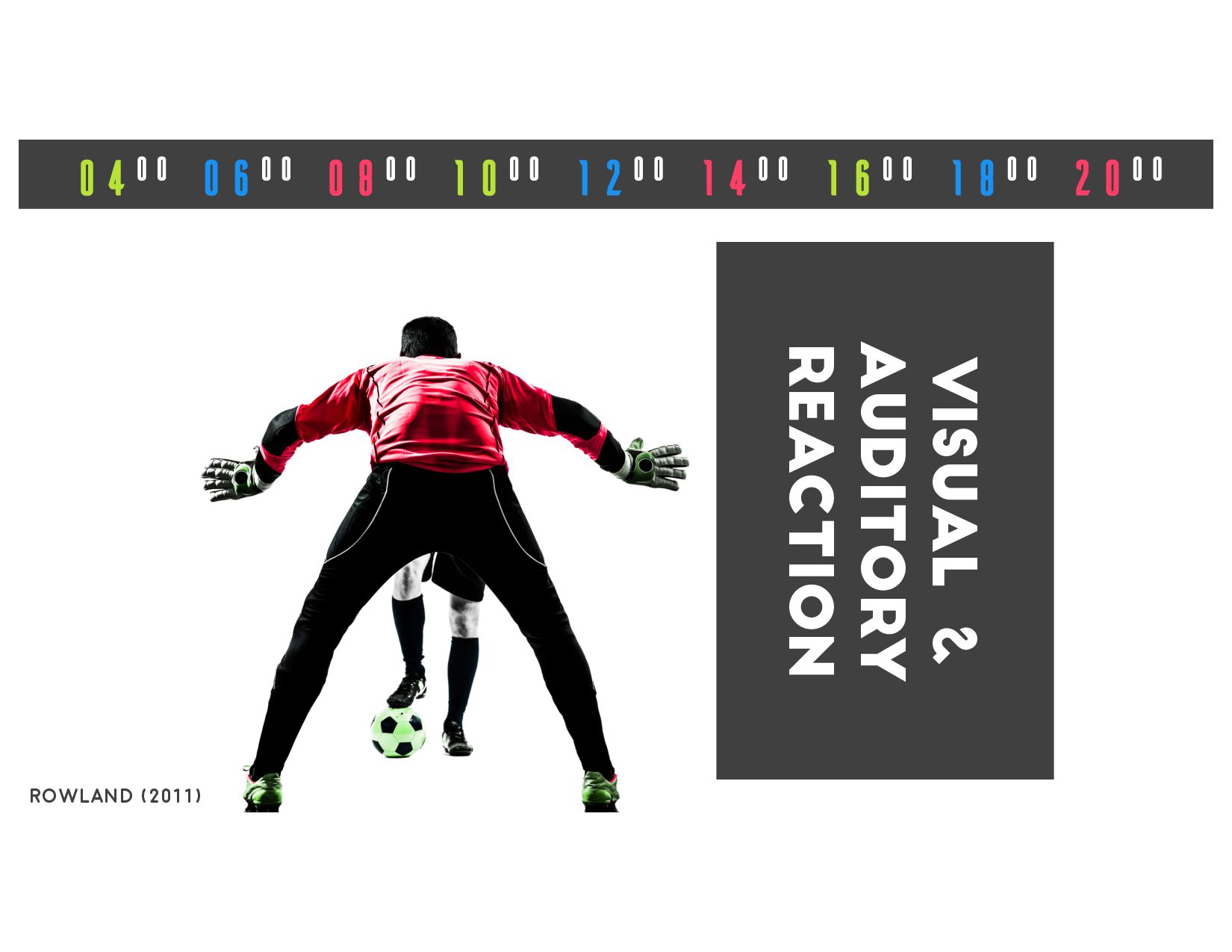
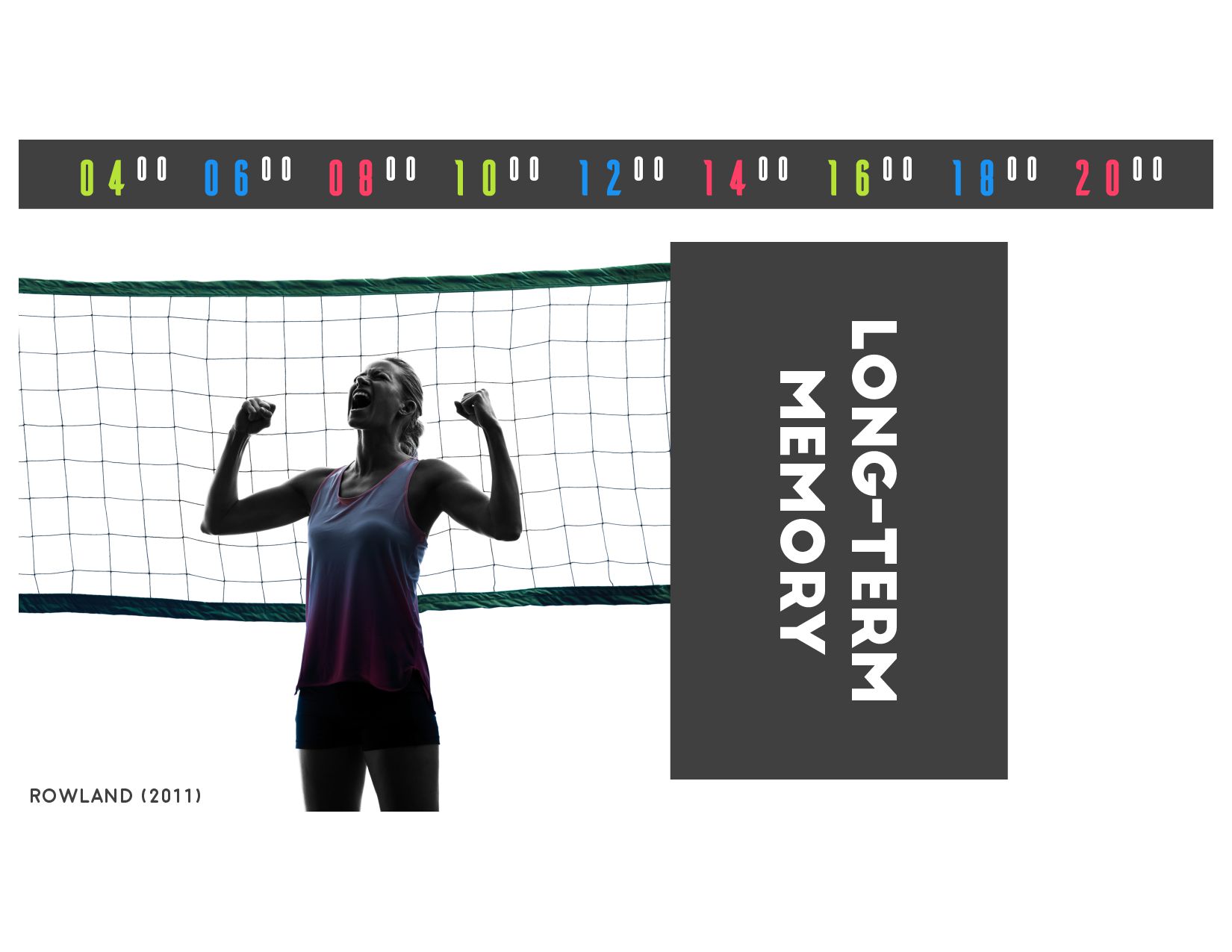
  5. 0400 0800 1200 0600 1000 1400 1800 1600 2000 Visual

    & Auditory Reaction Rowland (2011)
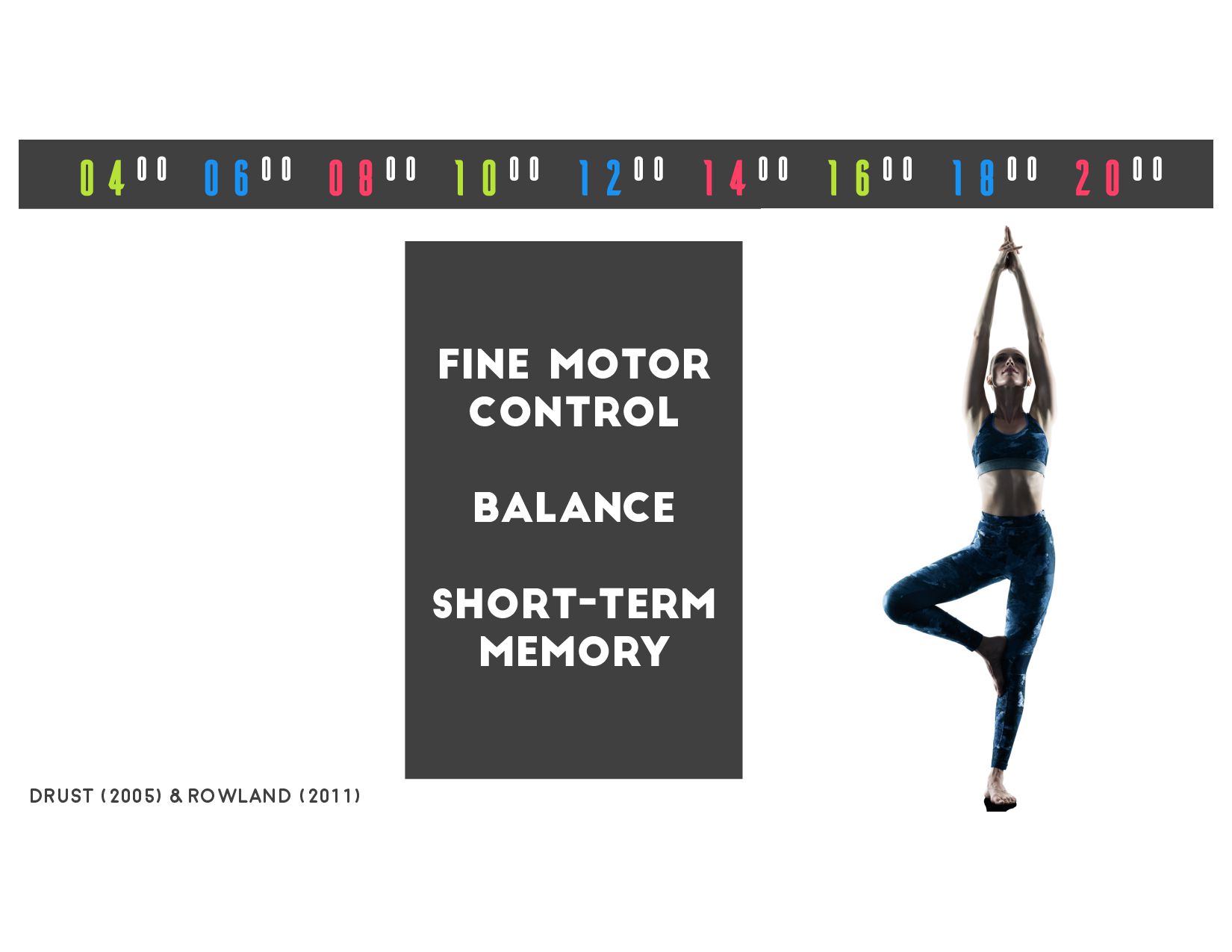
  6. 0400 0800 1200 0600 1000 1400 1800 1600 2000 Fine

    Motor Control Balance Short-Term Memory Drust (2005) & Rowland (2011)
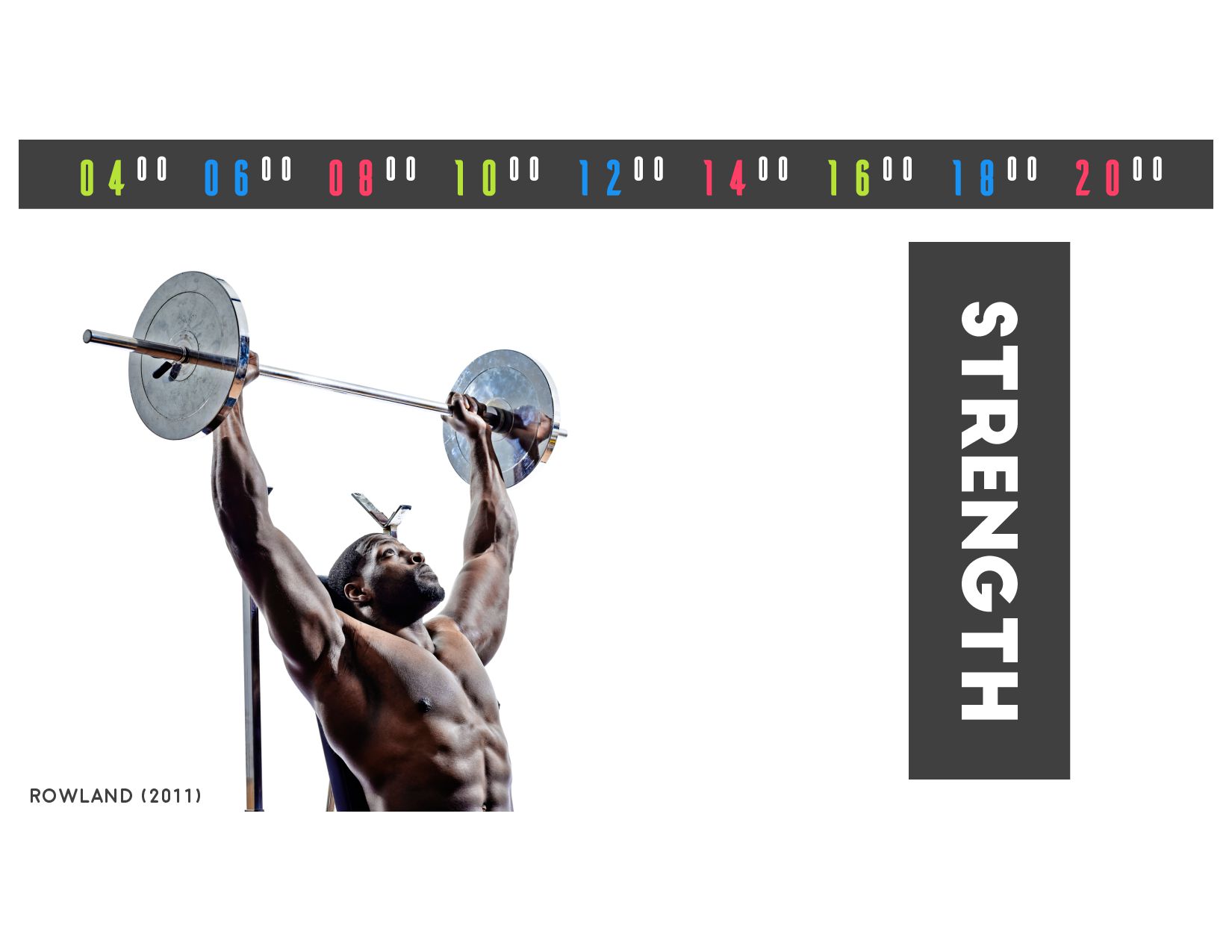
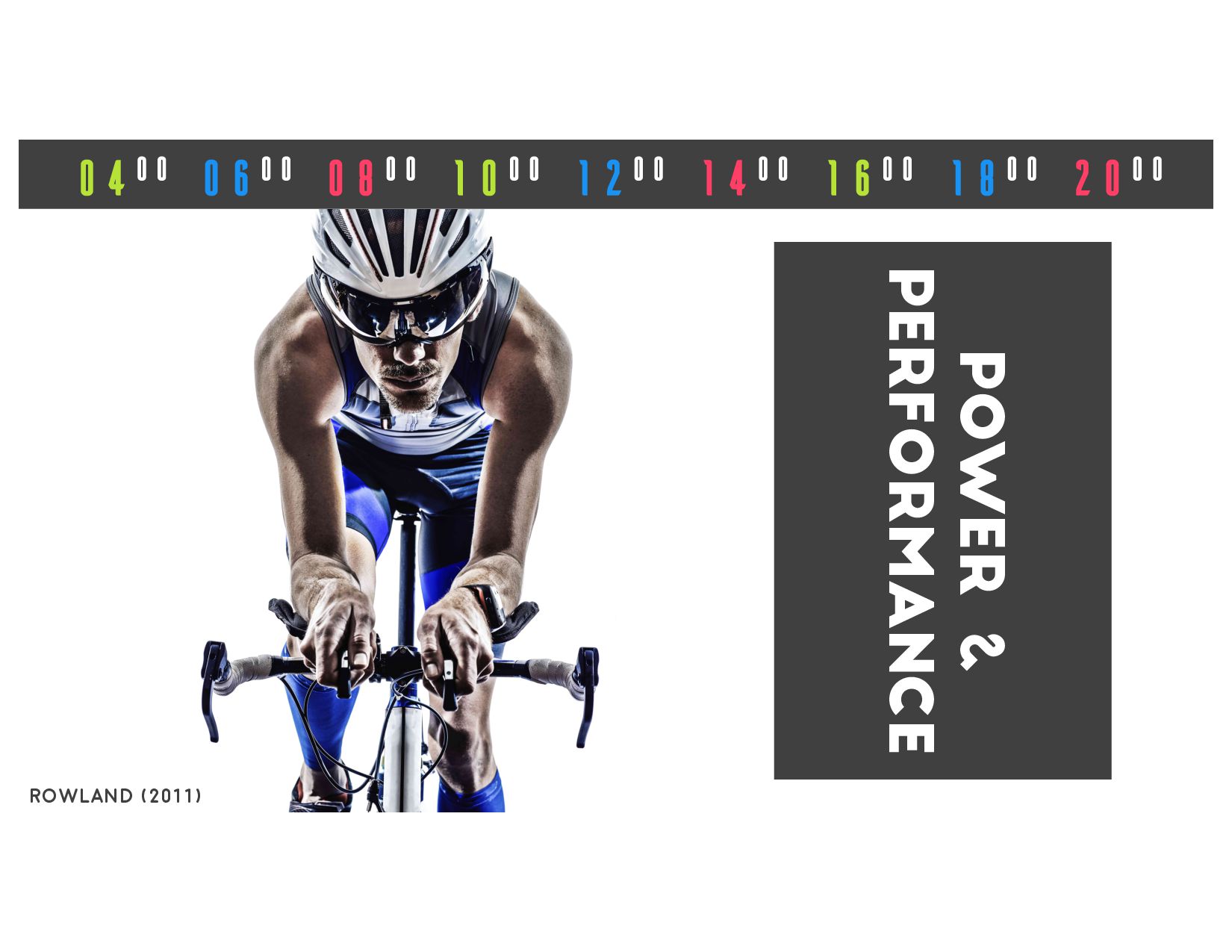
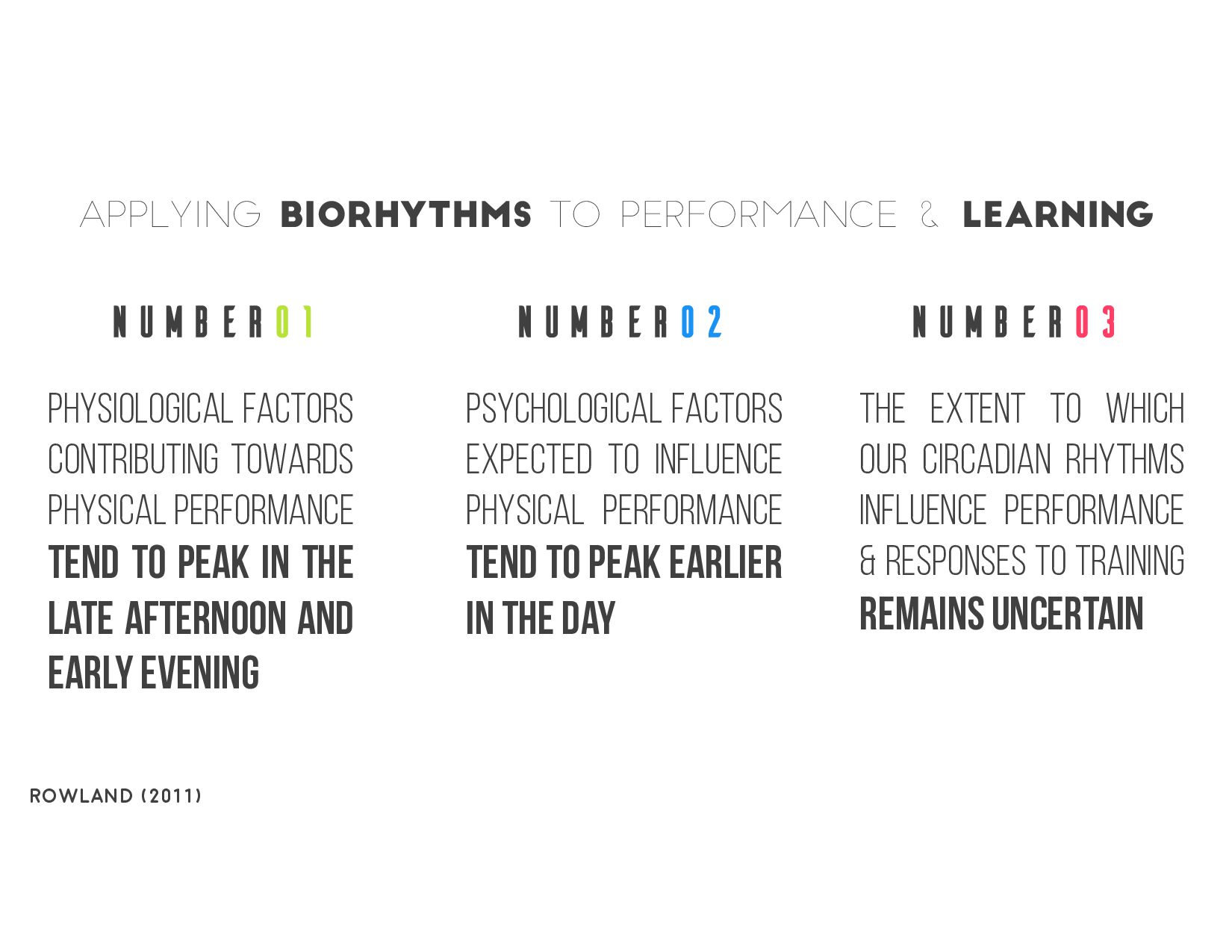
  7. Rowland (2011) Number01 Number02 Psychological Factors expected to influence Physical

    performance tend to peak earlier in the day Number03 physiological factors contributing towards physical performance Tend to peak in the late afternoon and early evening The extent to which our circadian rhythms Influence performance & responses to training remains uncertain applying Biorhythms to performance & Learning
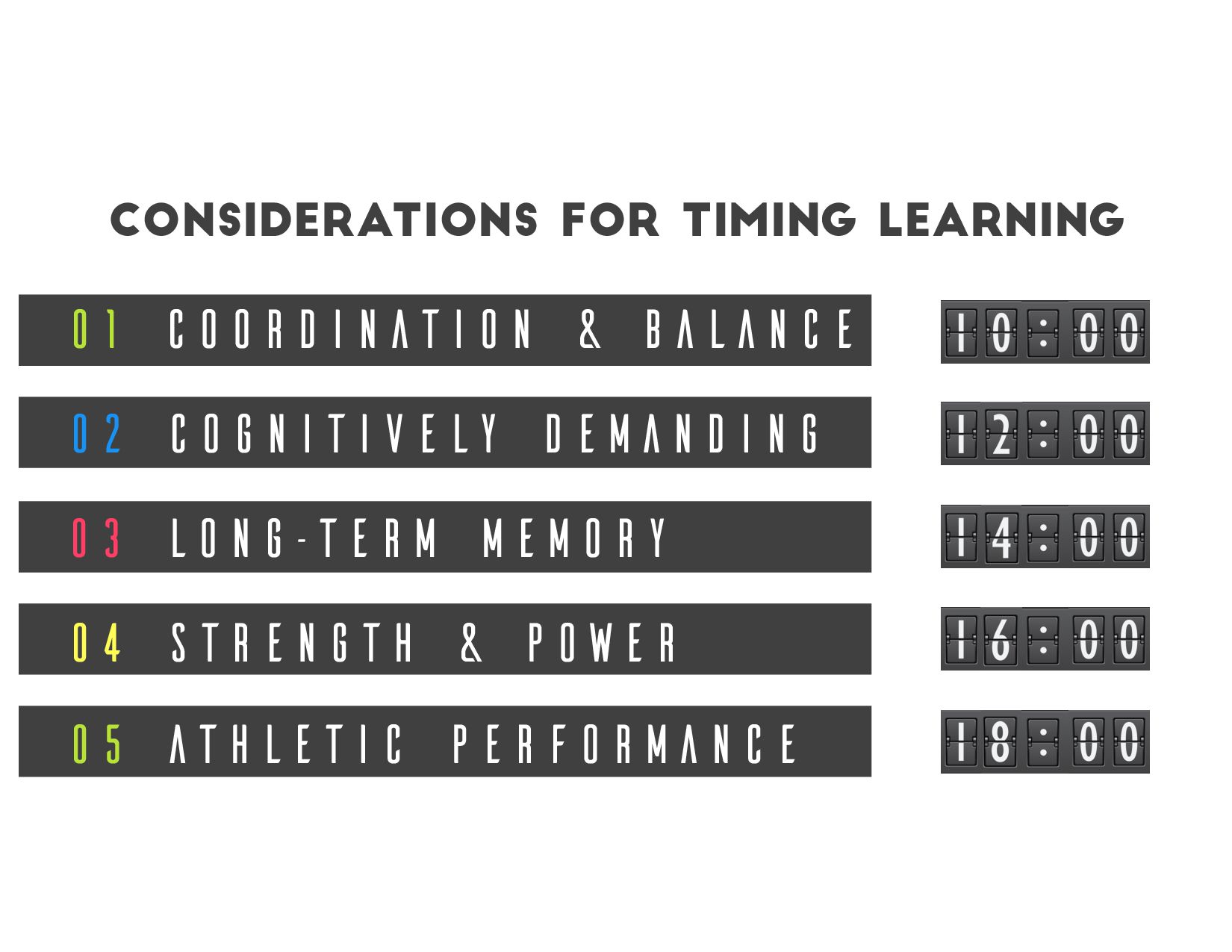
  8. considerations for timing learning 01 Coordination & Balance 02 Cognitively

    Demanding 03 Long-Term Memory 04 Strength & Power 05 Athletic performance
  9. Fact Fiction The time of day you train has a

    direct impact on learning & performance
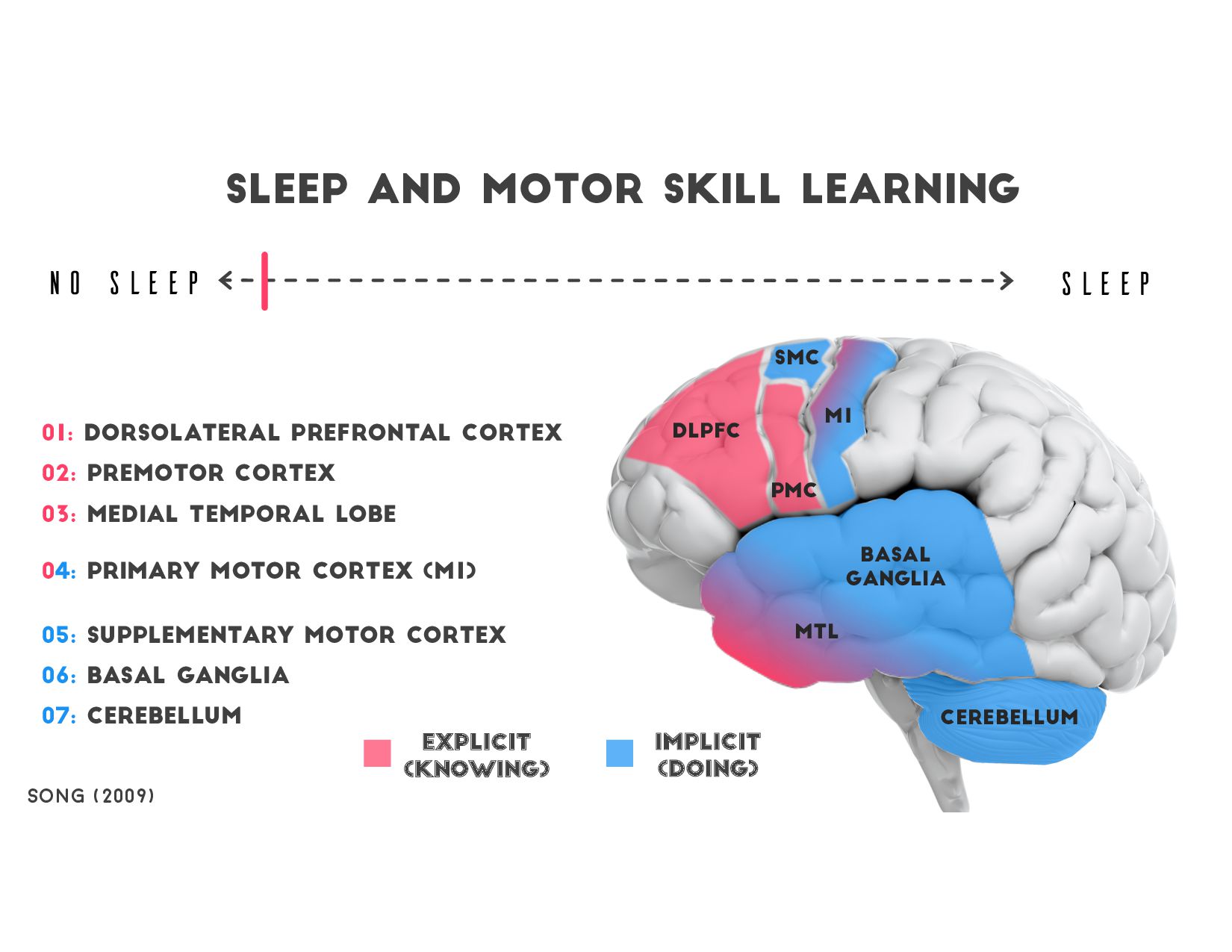
  10. 24 DLPFC PMC SMC M1 No Sleep Sleep 01: Dorsolateral

    Prefrontal Cortex 02: Premotor Cortex 03: Medial Temporal Lobe 04: Primary Motor Cortex (M1) 05: Supplementary Motor Cortex 06: Basal Ganglia 07: Cerebellum Sleep and motor skill learning MTL Basal Ganglia Cerebellum Explicit (Knowing) Implicit (Doing) Song (2009)
  11. Implicit & explicit systems work together to formulate learning, however,

    the elements that require explicit attention also require sleep for consolidation – “saving to the hard drive”
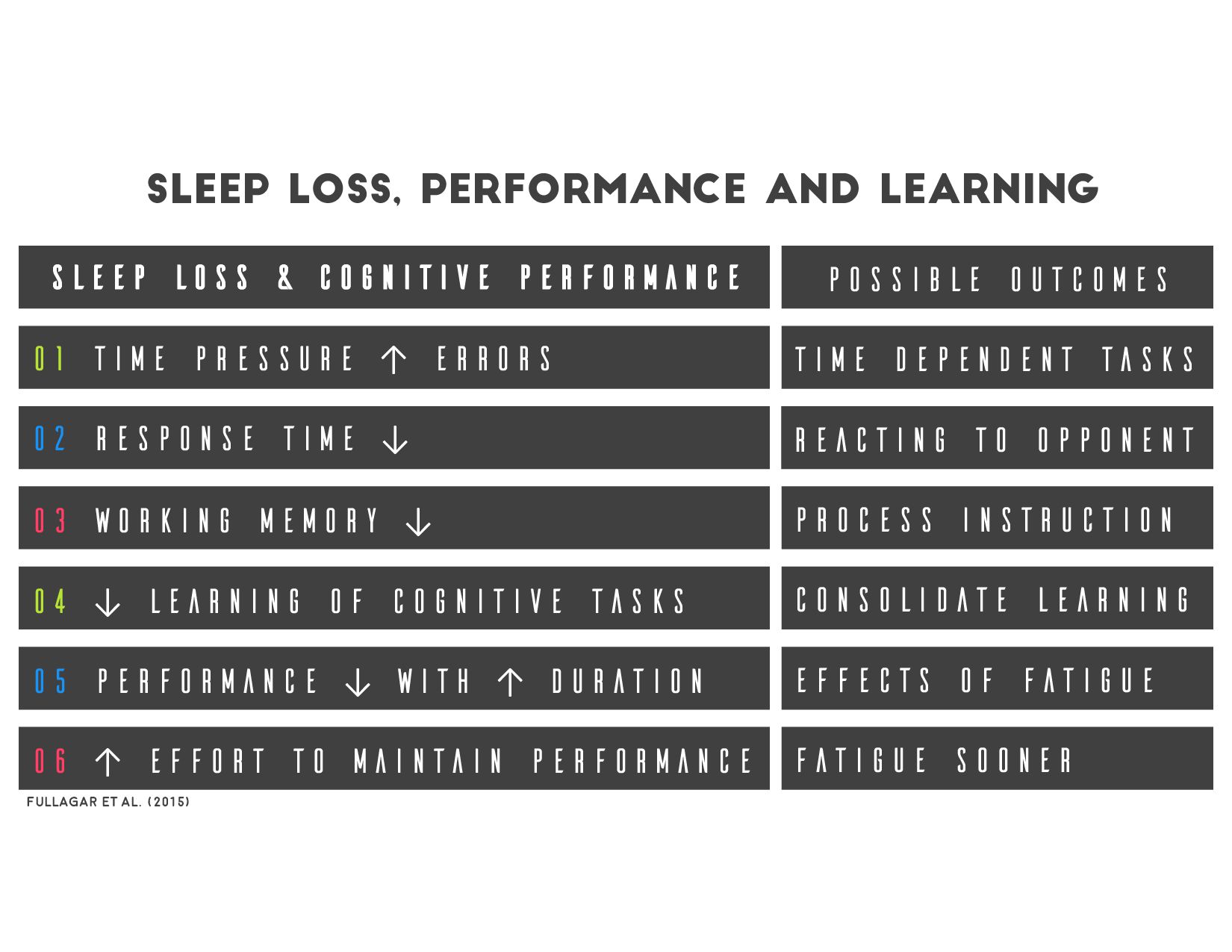
  12. 01 Time pressure ↑ Errors 02 Response Time ↓ 03

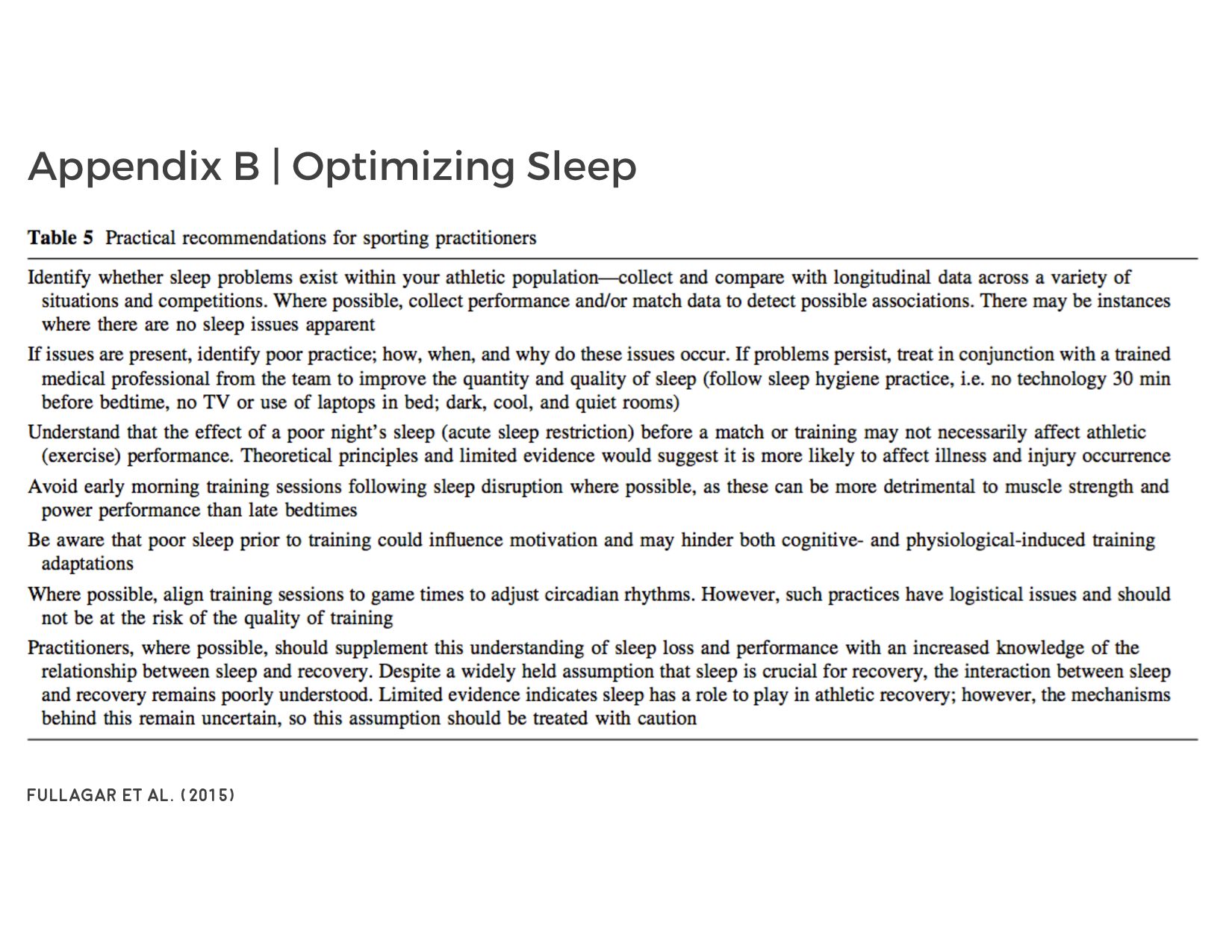
    Working memory ↓ 04 ↓ learning of cognitive Tasks Sleep Loss & cognitive performance Sleep Loss, Performance and learning 05 Performance ↓ With ↑ Duration 06 ↑ Effort to maintain performance Process instruction Reacting to opponent Time dependent Tasks Possible outcomes Consolidate learning Effects of fatigue Fatigue sooner Fullagar et al. (2015)
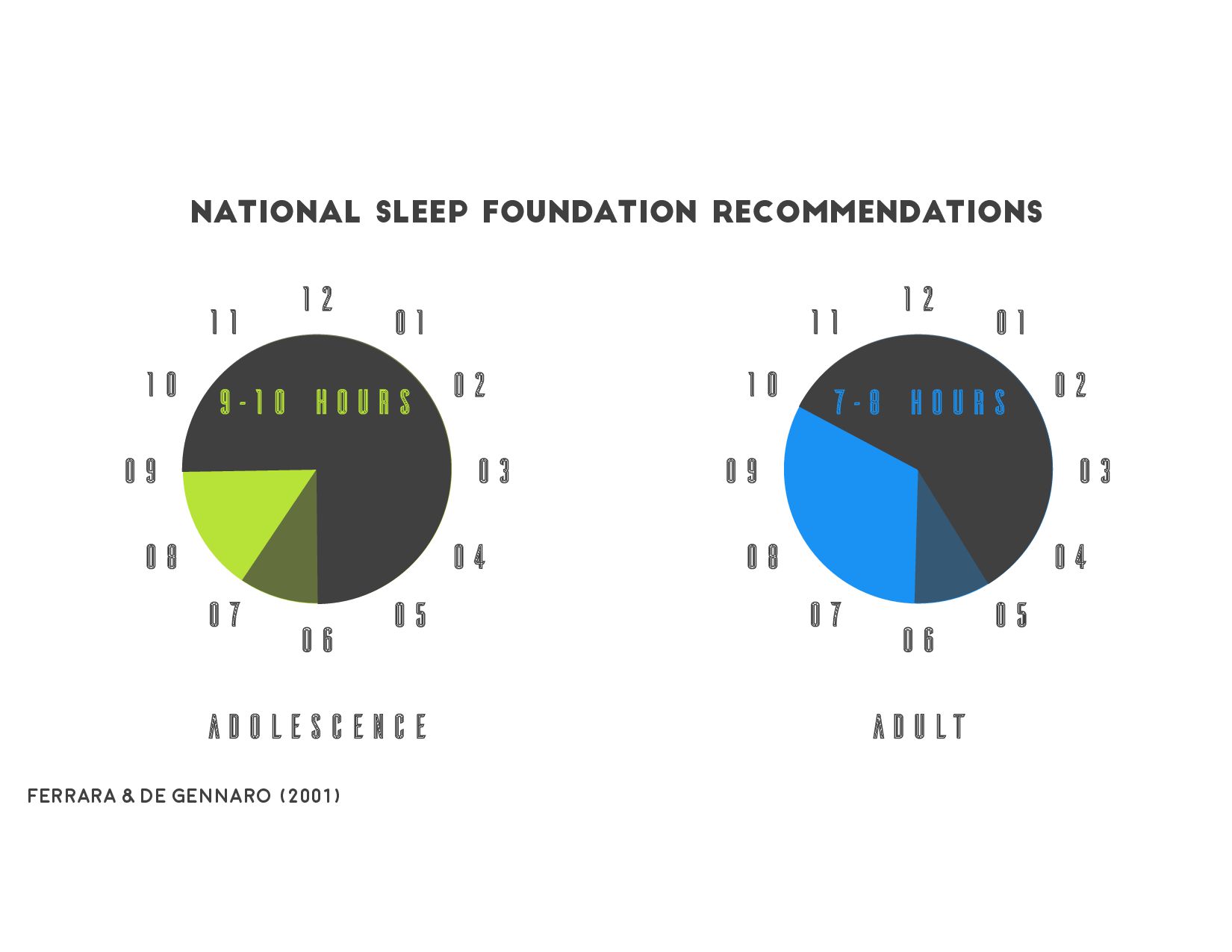
  13. National Sleep Foundation Recommendations 12 06 03 09 01 02

    04 05 07 08 10 11 Adolescence 9-10 Hours 12 06 03 09 01 02 04 05 07 08 10 11 7-8 Hours Adult Ferrara & De Gennaro (2001)
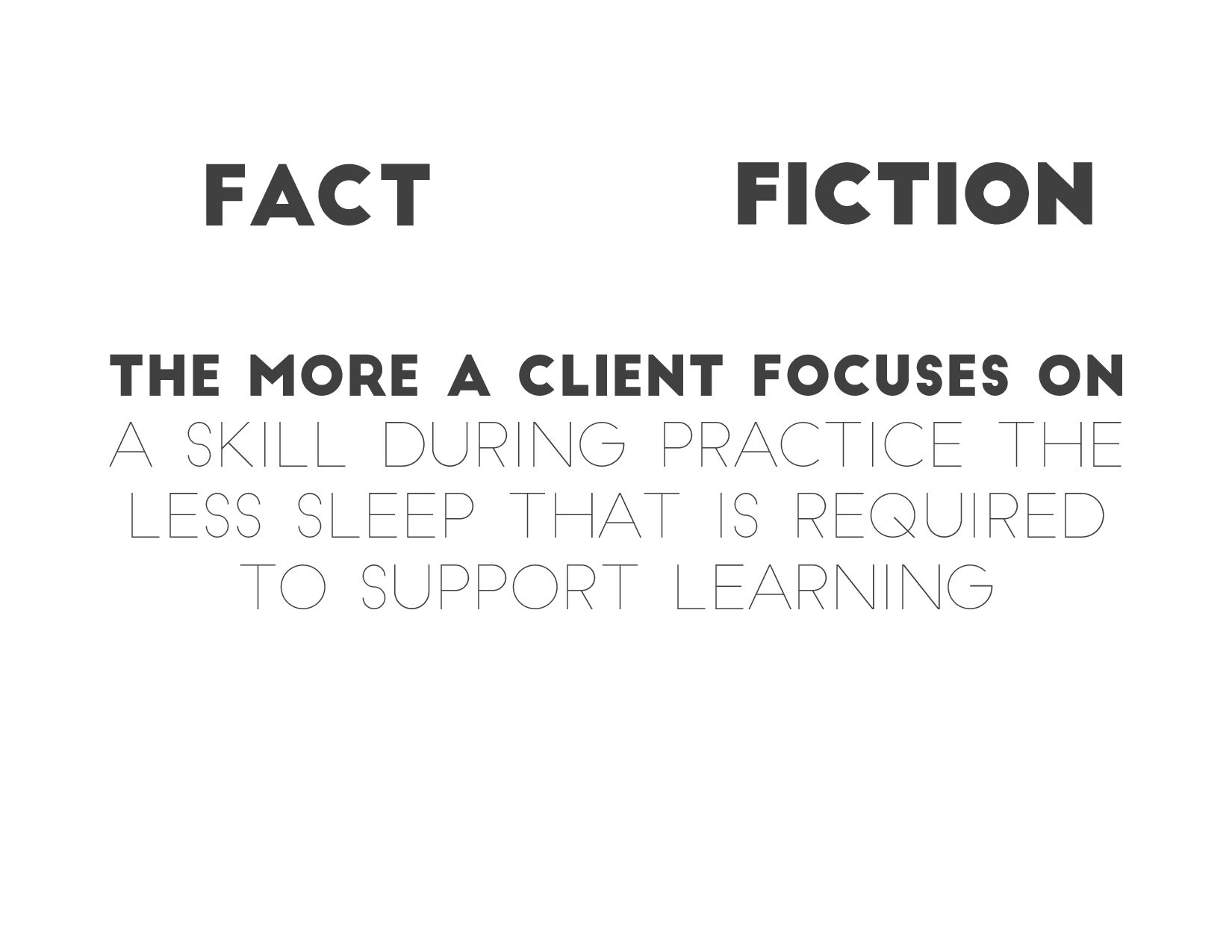
  14. Fact Fiction The more a client focuses on a skill

    during practice the less sleep that is required to support learning
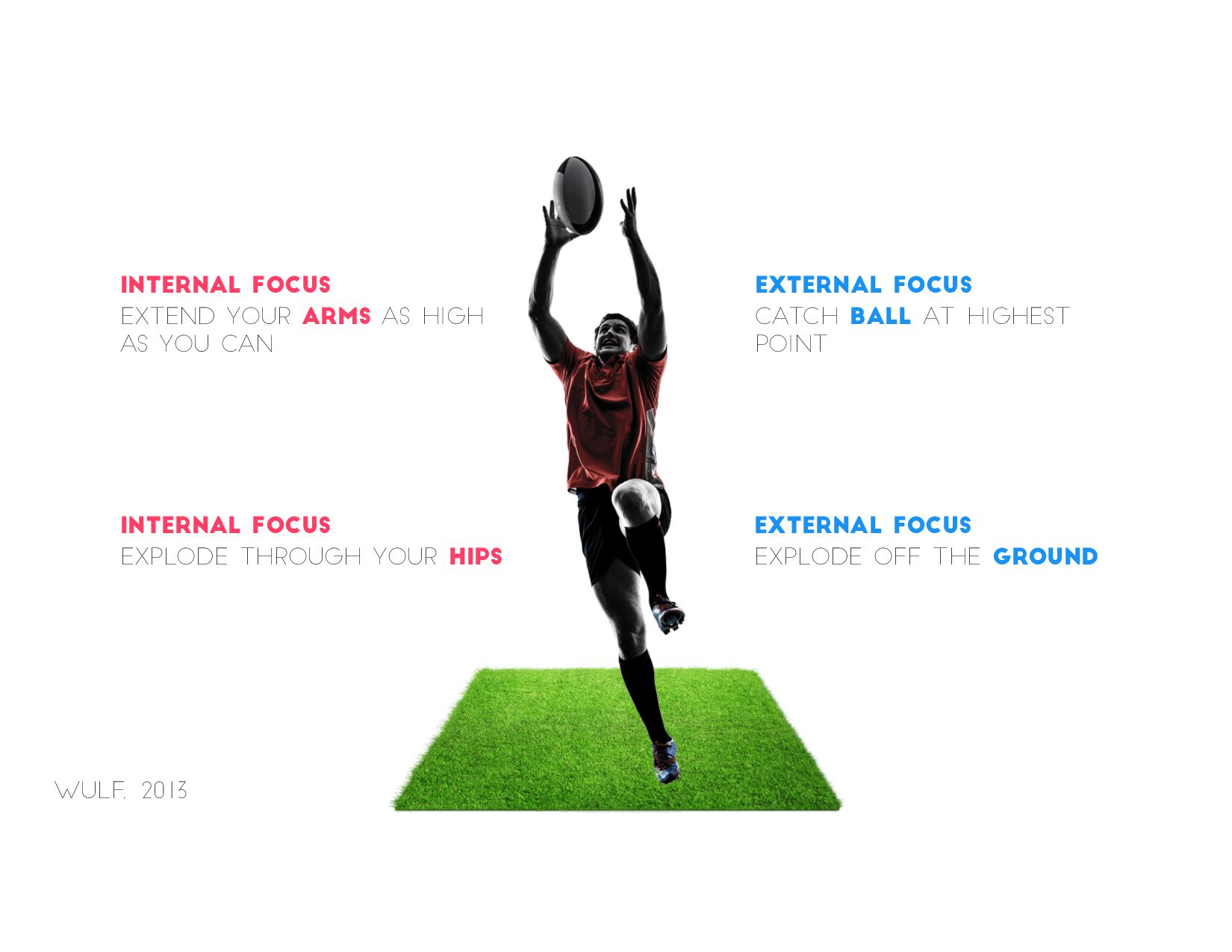
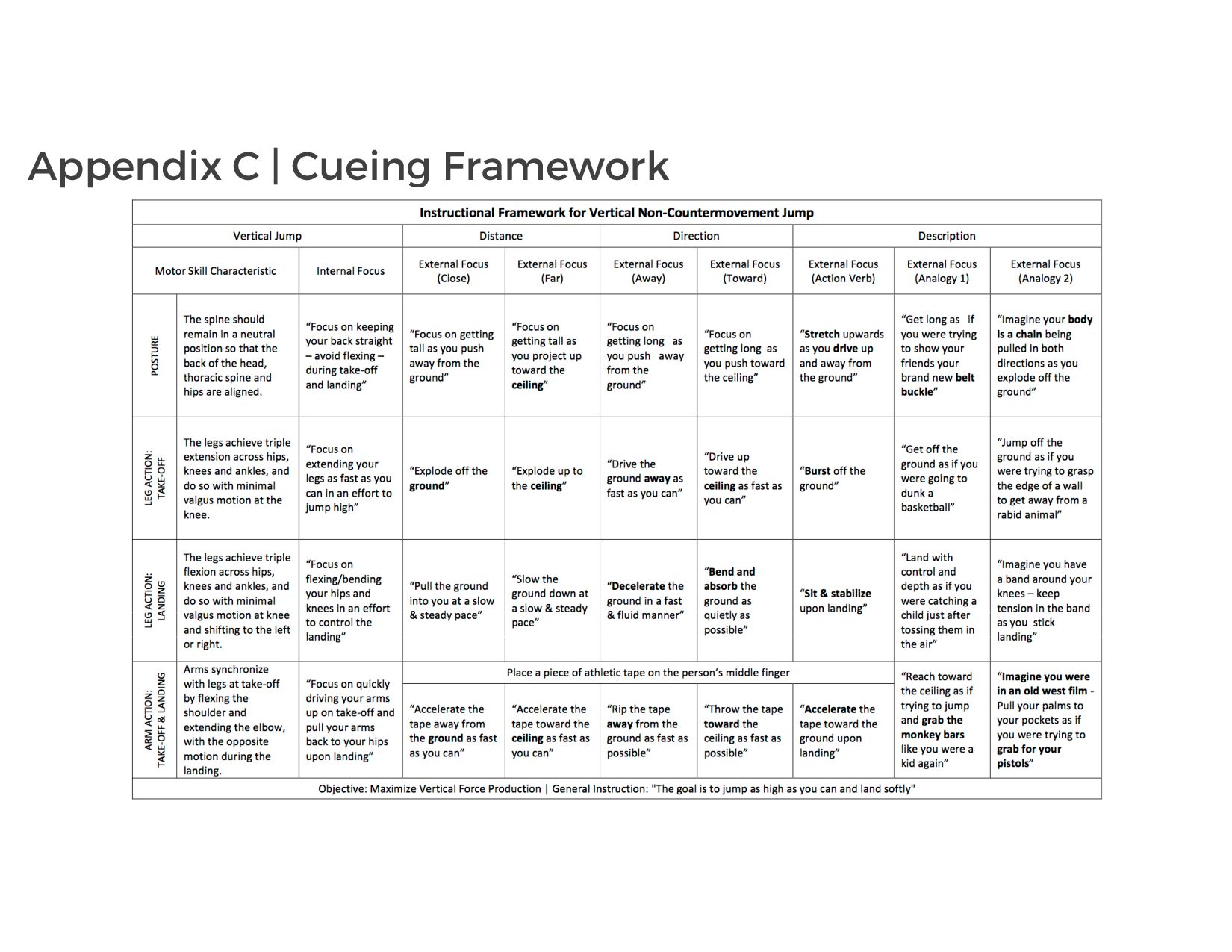
  15. External Focus Explode Off The Ground Internal Focus Explode Through

    Your Hips External Focus Catch Ball at Highest Point Internal Focus Extend your arms as high as you can Wulf, 2013
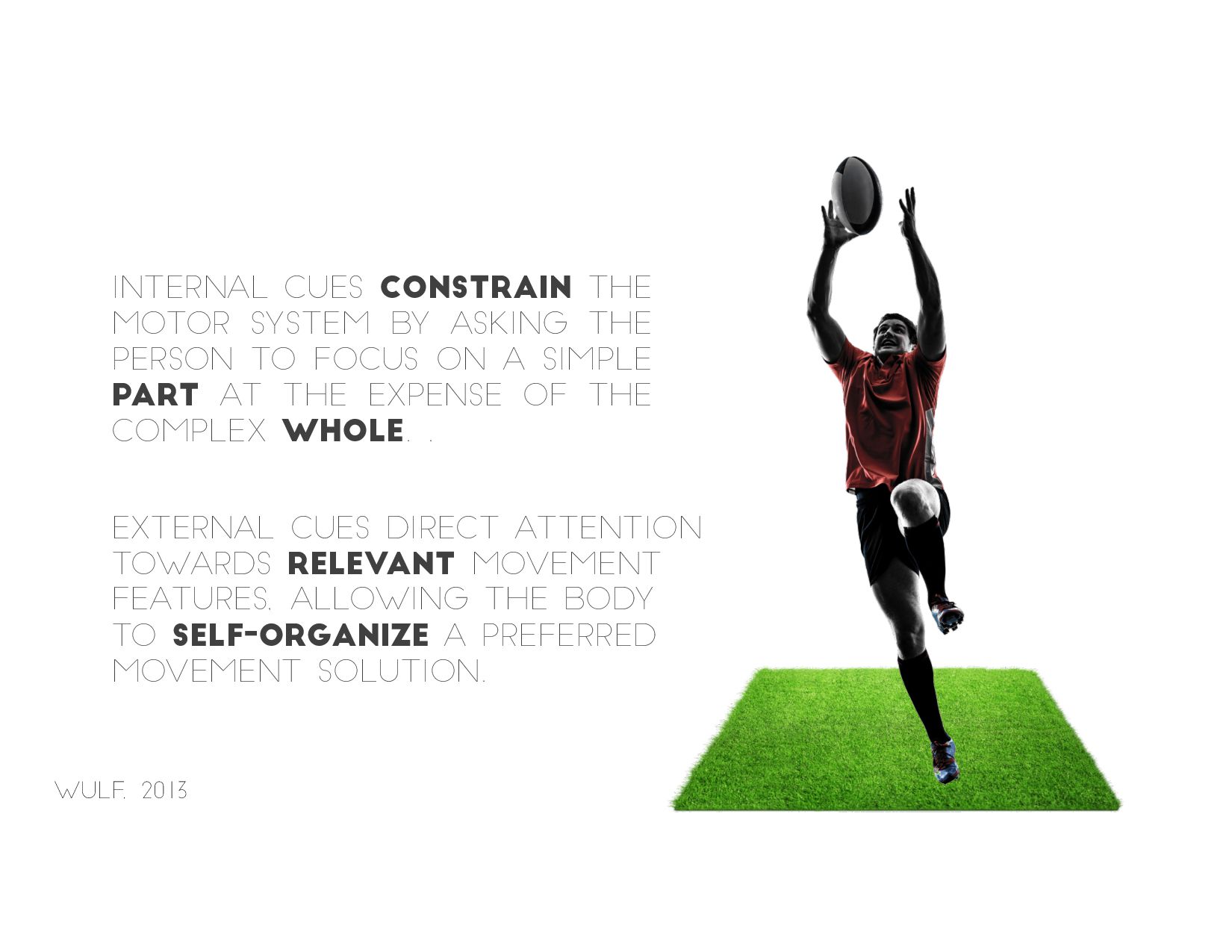
  16. Wulf, 2013 Internal cues constrain the motor system by asking

    the person to focus on a Simple part at the expense of the complex whole. . External cues Direct attention towards relevant movement features, allowing the body to self-organize a preferred movement solution.
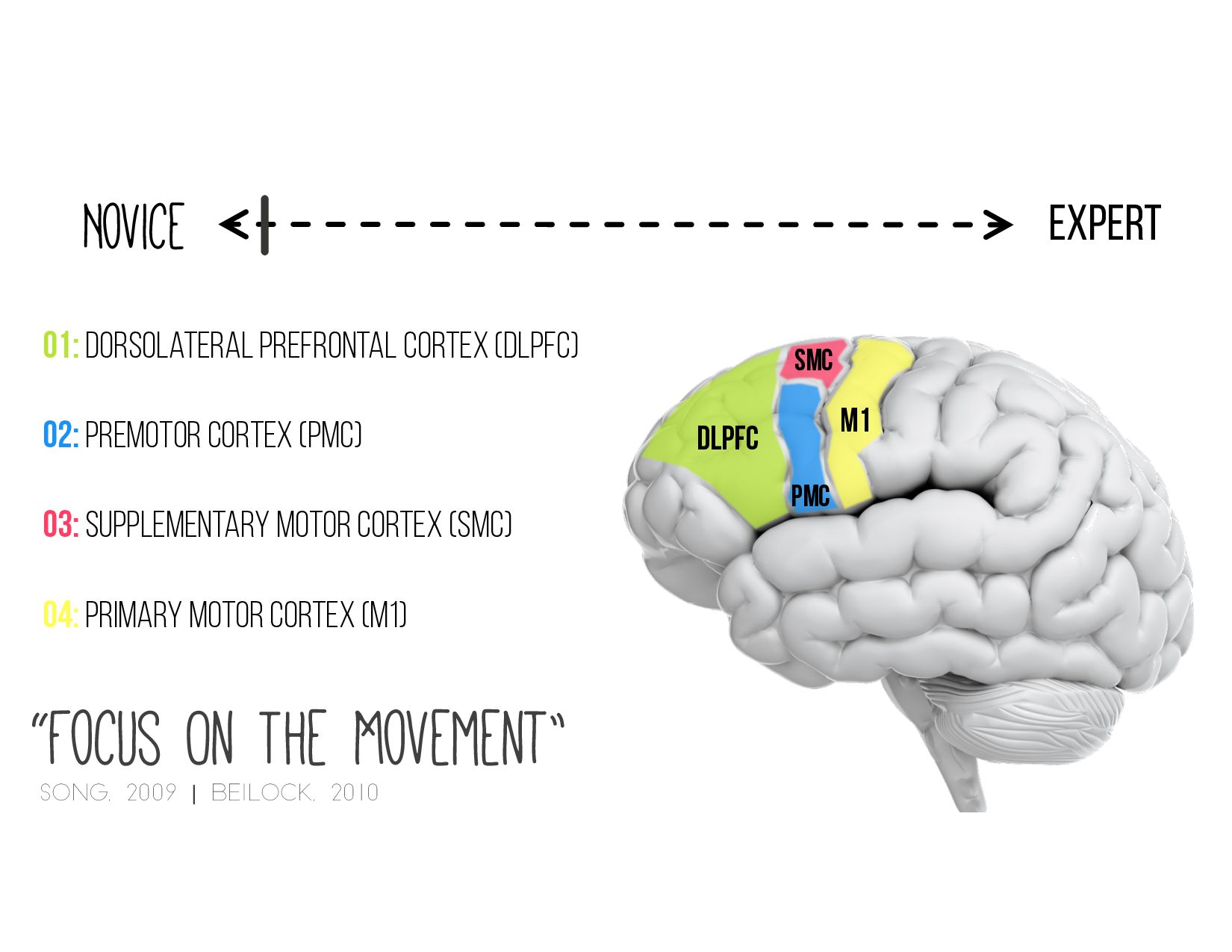
  17. DLPFC PMC SMC M1 Novice Expert 01: Dorsolateral Prefrontal Cortex

    (DLPFC) 02: Premotor Cortex (PMC) 03: Supplementary Motor Cortex (SMC) 04: Primary Motor Cortex (M1) “Focus On The Movement” Song, 2009 | Beilock, 2010
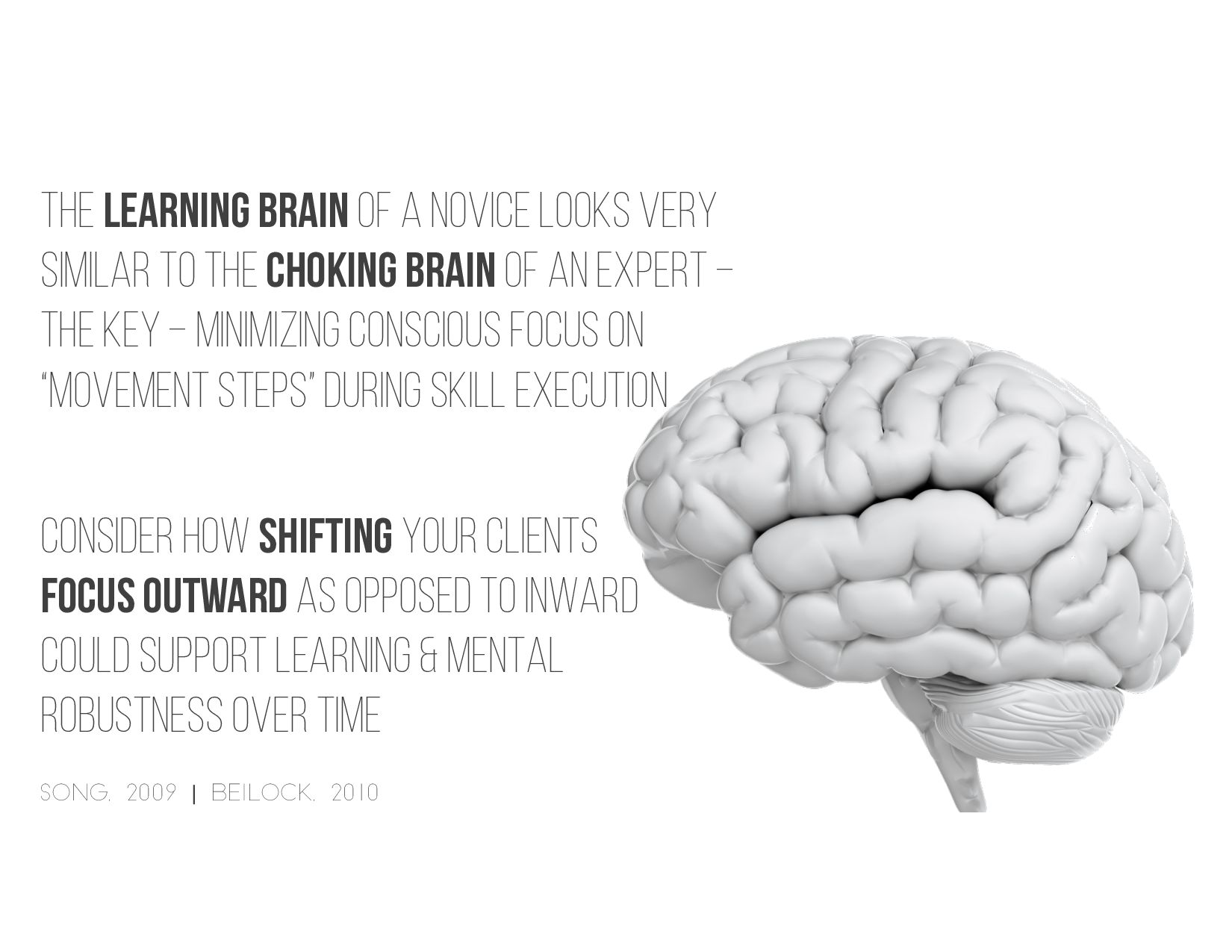
  18. The Learning Brain of a Novice looks very similar to

    the Choking Brain of an Expert – the key – minimizing conscious focus on “movement steps” during skill execution Song, 2009 | Beilock, 2010 Consider how shifting your Clients focus outward as opposed to inward could support learning & mental Robustness Over time
  19. External Focus cues have been shown to Protect Against choking

    & encourage an expert-like physiological state
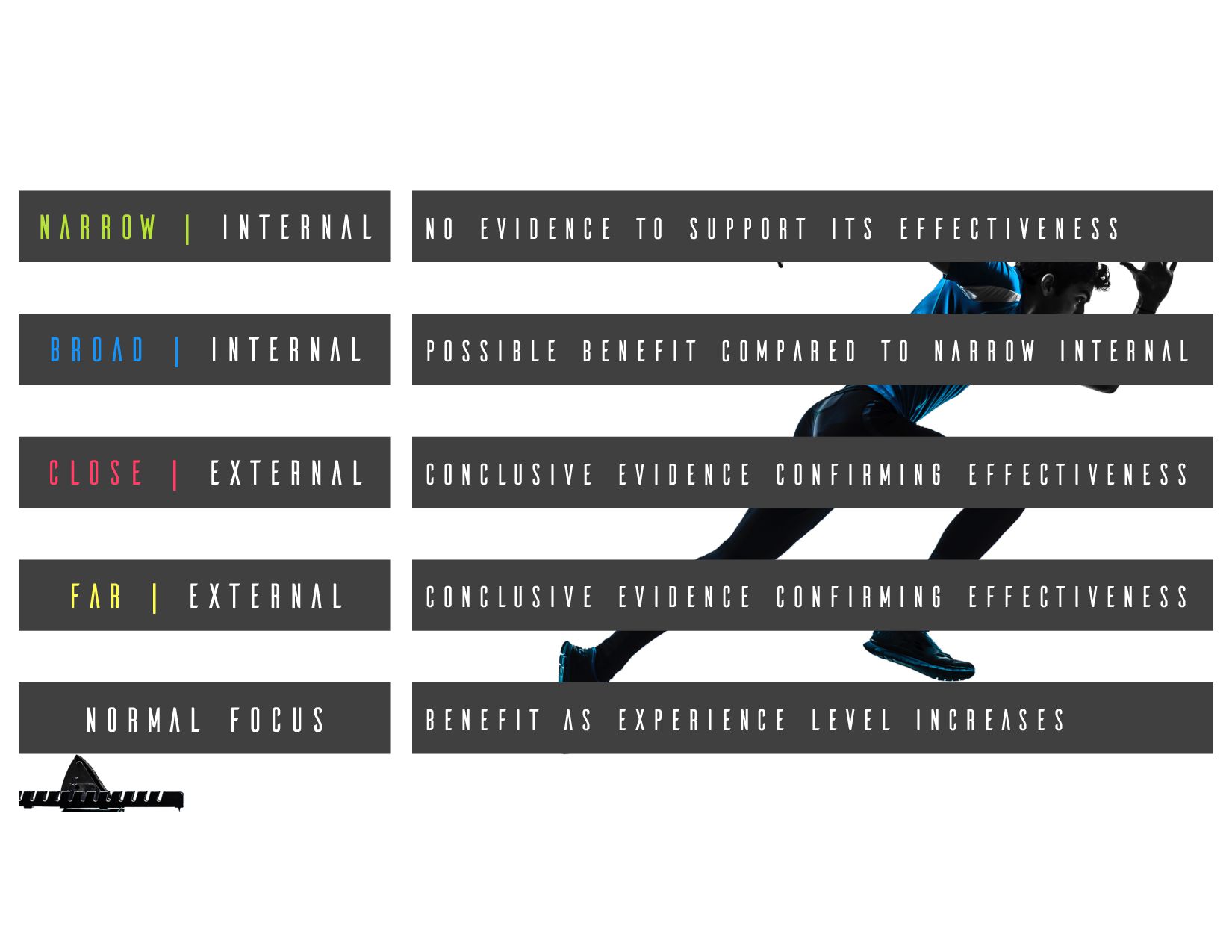
  20. Narrow | Internal Broad | Internal Close | External Far

    | External Normal Focus No evidence to support its effectiveness Possible benefit compared to narrow Internal Conclusive evidence confirming effectiveness Conclusive evidence confirming effectiveness Benefit as experience level increases
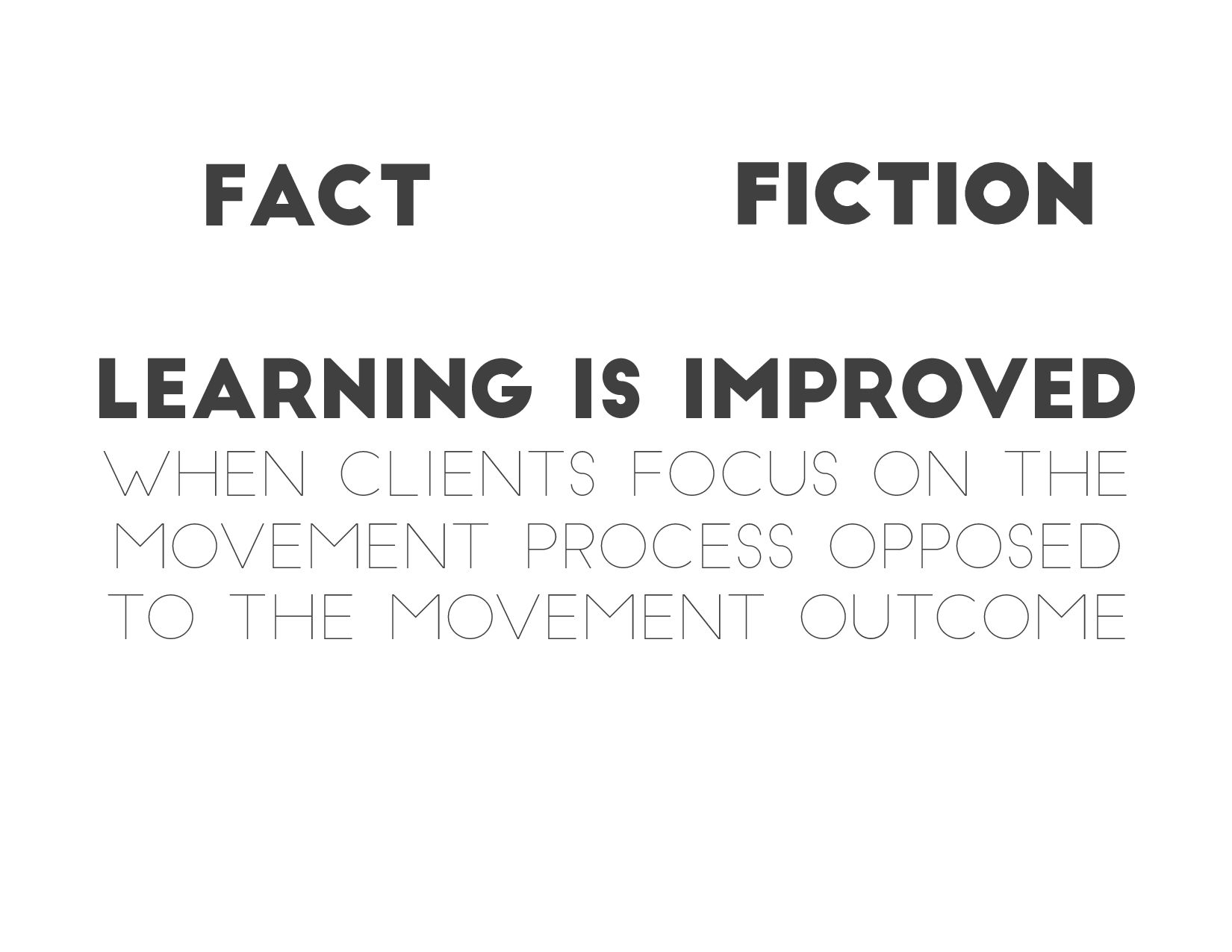
  21. Fact Fiction Learning is improved when clients focus on the

    movement process opposed to the movement outcome
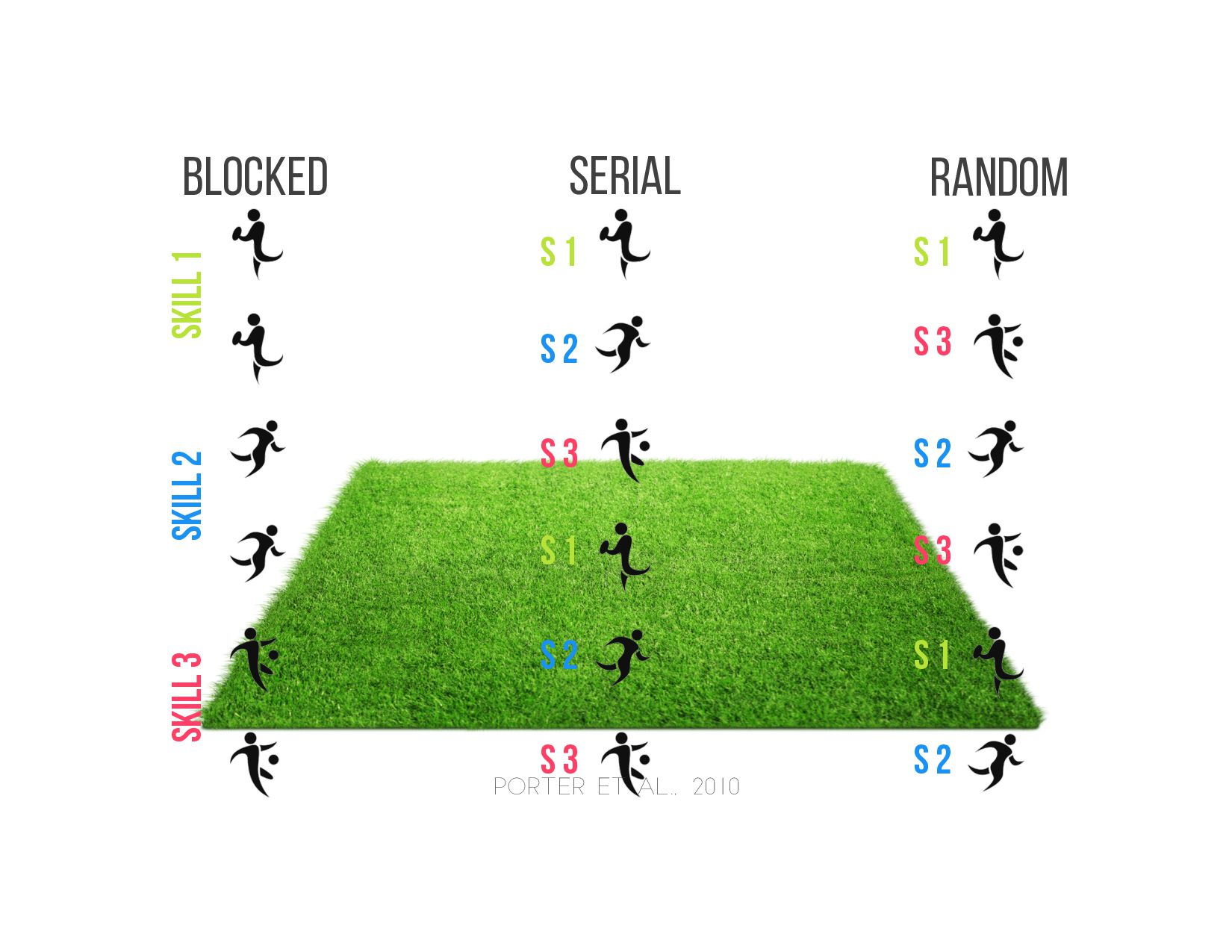
  22. Skill 1 Skill 2 Skill 3 S 1 S 1

    S 1 S 1 S 2 S 2 S 2 S 2 S 3 S 3 S 3 S 3 BLOCKED Serial Random Porter et al., 2010
  23. A progressive increase in contextual interference from blocked to random

    has been shown to be superior to blocked or random only. Porter et al., 2010
  24. Porter et al., 2010 Learning is a result of the

    attention deployed during Training and the demands placed on memory retrieval. Interleaving drills ↑ demands placed on Attention & memory.
  25. Skill Retrieval Drives learning. To strengthen retrieval we must first

    forget. Skill spacing & variability creates Desirable difficulty.
  26. spacing out short & frequent bursts of practice is key

    When trying to learn or improve upon a given motor skill.
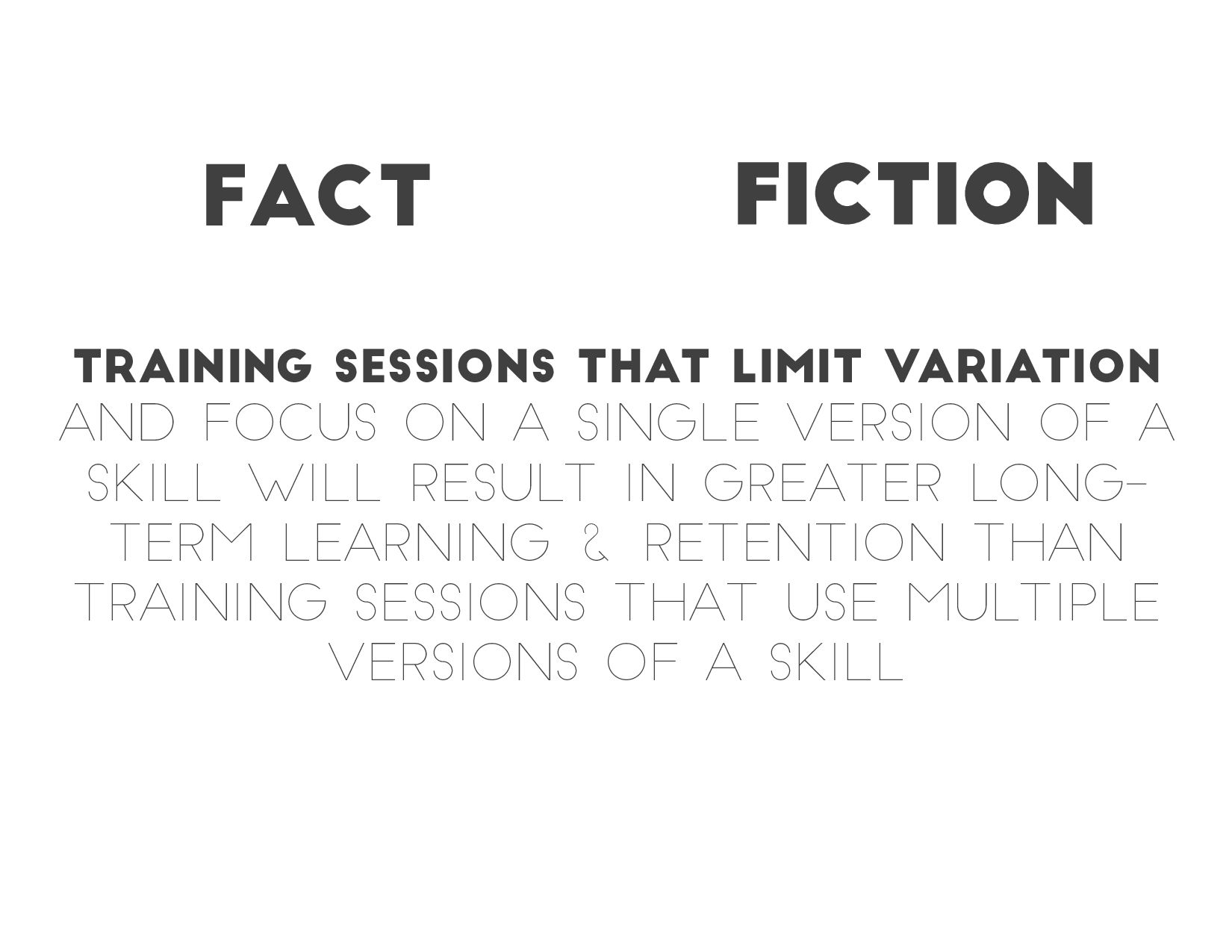
  27. Fact Fiction Training sessions that limit variation and focus on

    a single version of a skill will result in greater long- term learning & retention than training sessions that use multiple versions of a skill
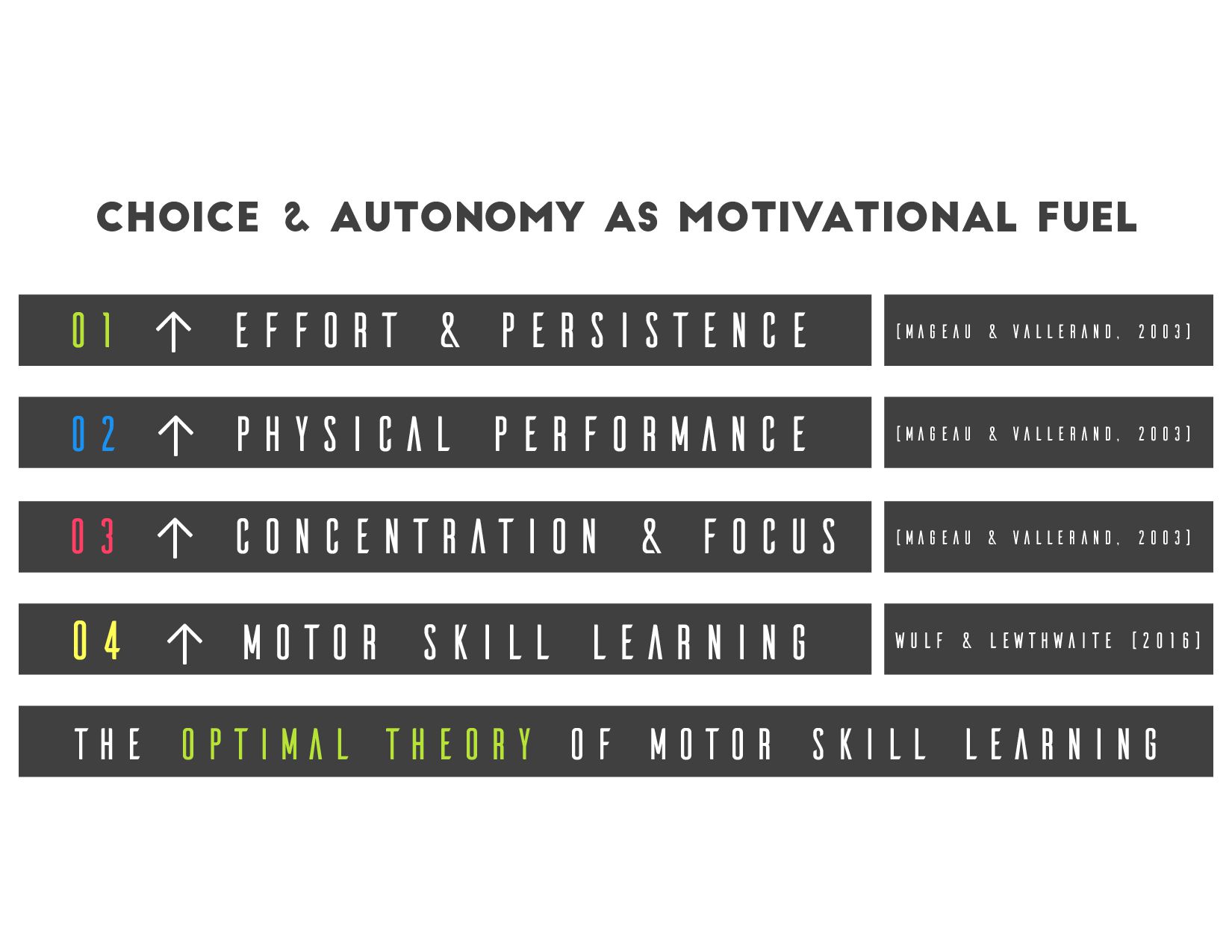
  28. Choice & Autonomy As Motivational Fuel 01 ↑ effort &

    persistence 02 ↑ physical performance 03 ↑ Concentration & Focus 04 ↑ Motor skill learning The Optimal theory of Motor Skill learning Wulf & Lewthwaite (2016) (Mageau & Vallerand, 2003) (Mageau & Vallerand, 2003) (Mageau & Vallerand, 2003)
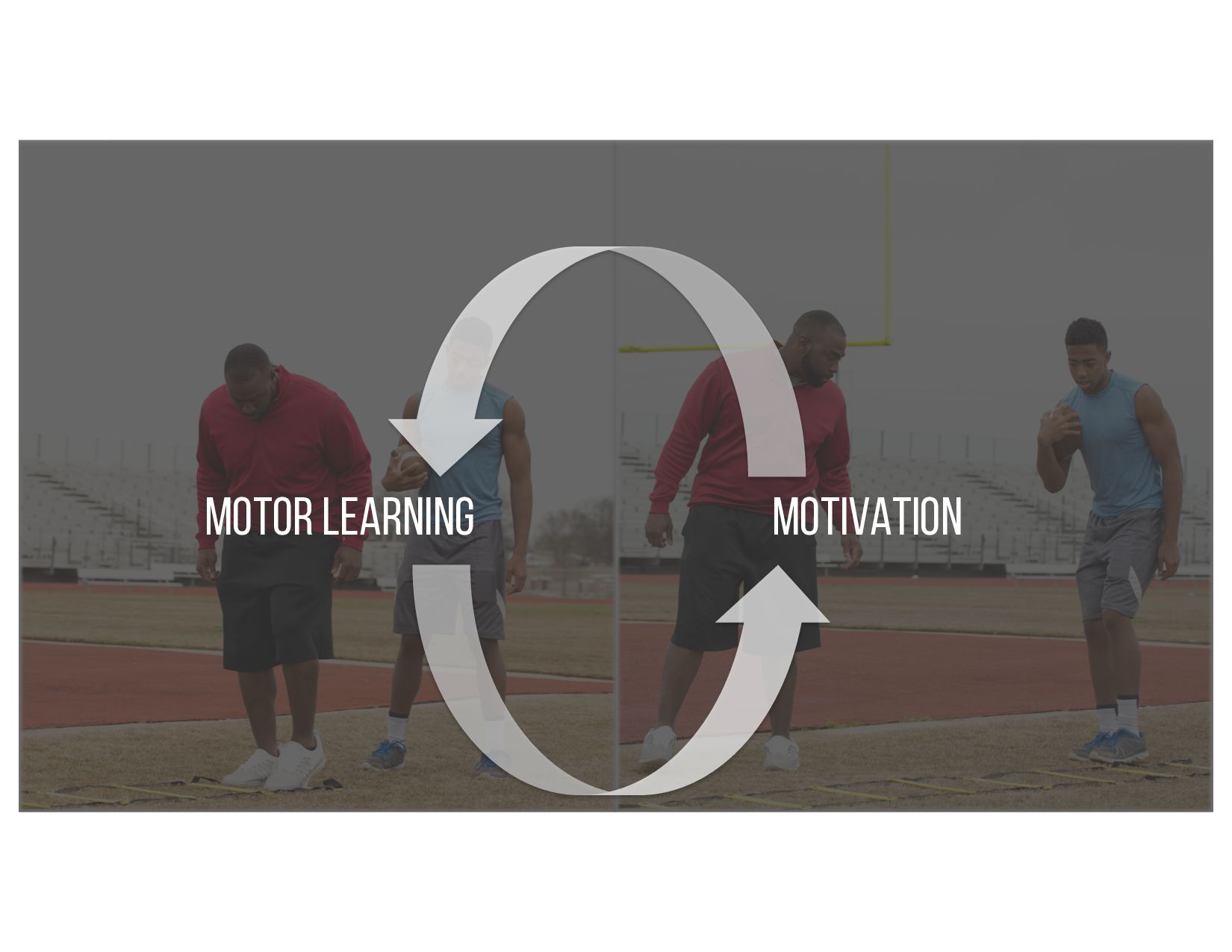
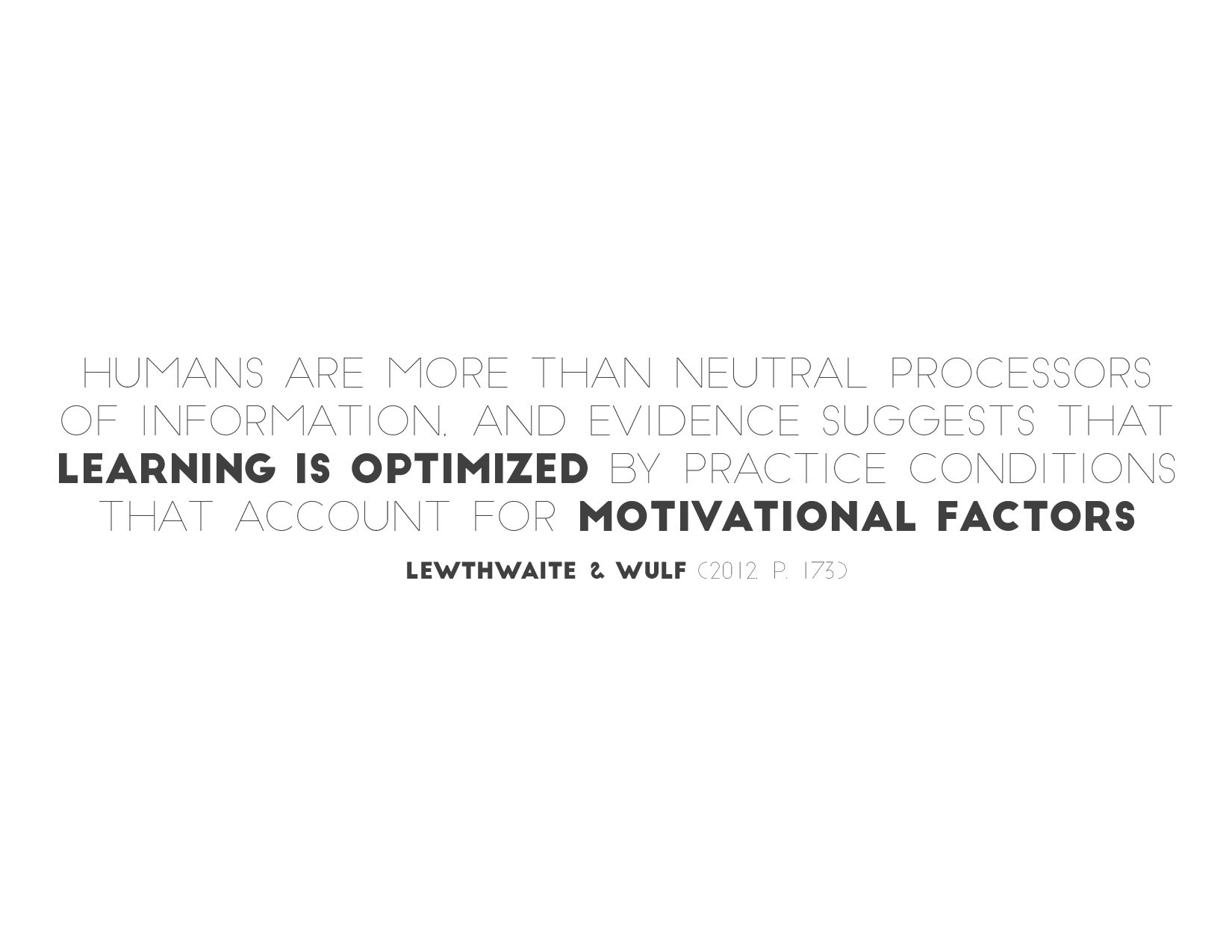
  29. Humans are more than neutral processors of information, and evidence

    suggests that learning is optimized by practice conditions that account for motivational factors Lewthwaite & Wulf (2012, p. 173)
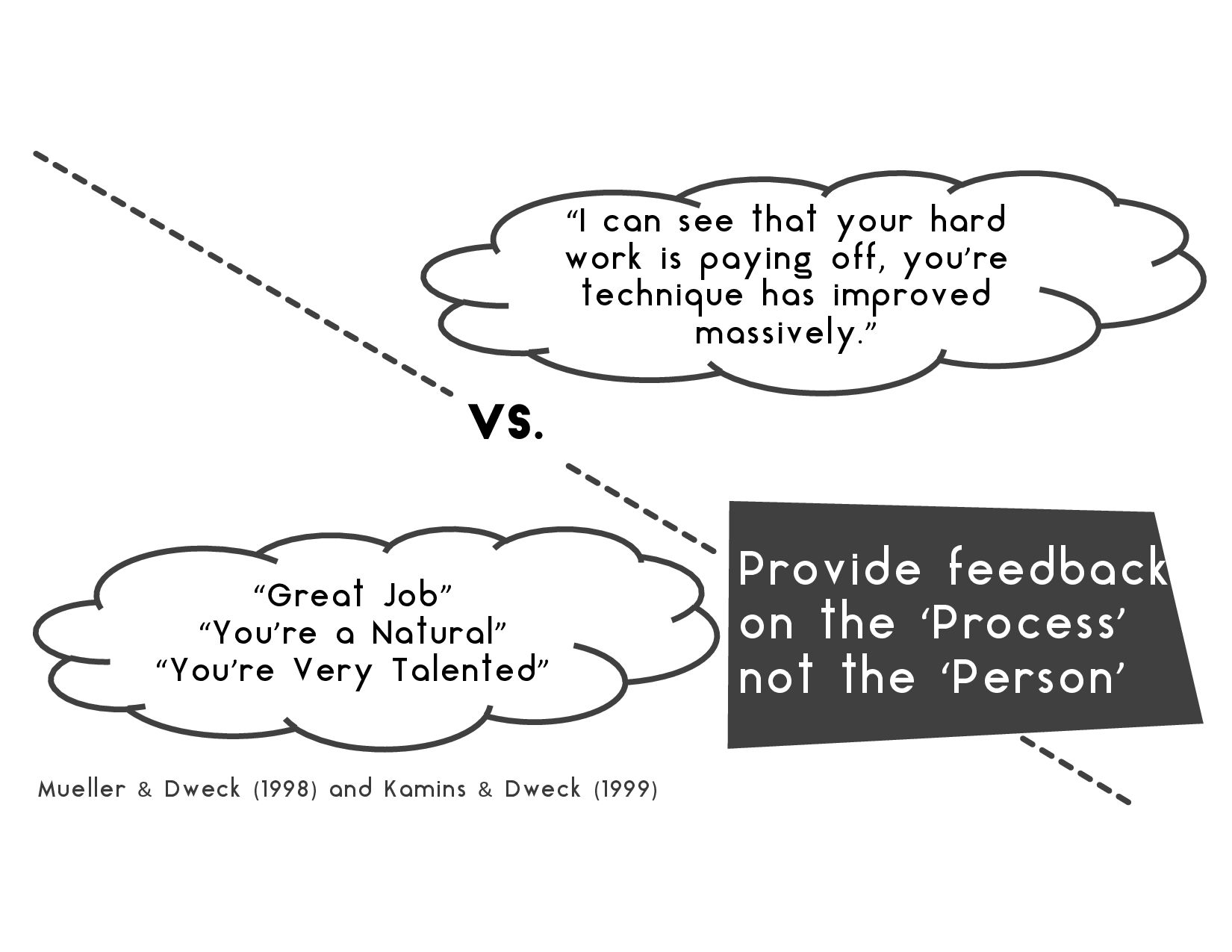
  30. Provide feedback on the ‘Process’ not the ‘Person’ “I can

    see that your hard work is paying off, you’re technique has improved massively.” VS. “Great Job” “You’re a Natural” “You’re Very Talented” Mueller & Dweck (1998) and Kamins & Dweck (1999)
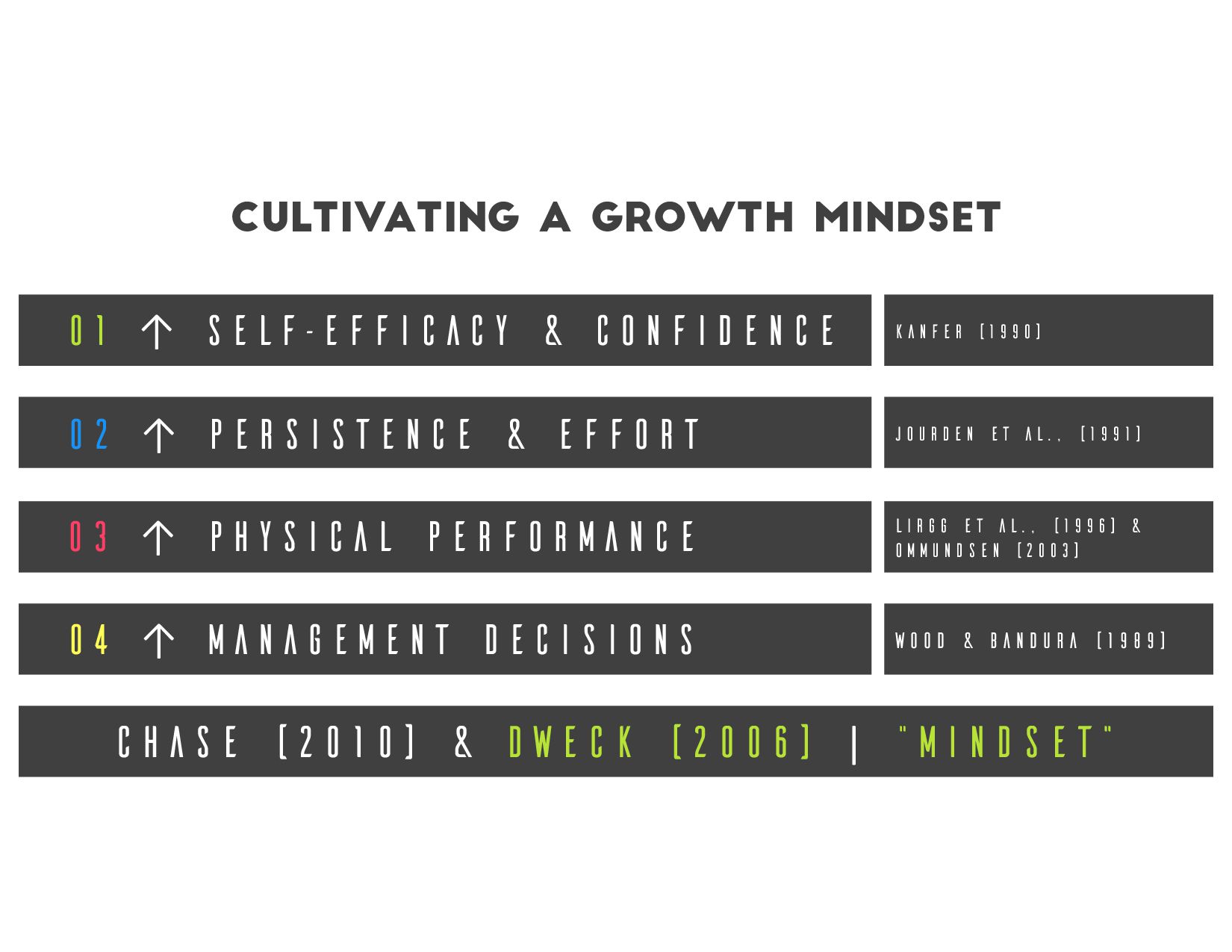
  31. Cultivating a growth mindset 01 ↑ Self-Efficacy & Confidence 02

    ↑ Persistence & Effort 03 ↑ Physical Performance 04 ↑ Management Decisions Chase (2010) & Dweck (2006) | “Mindset” Wood & Bandura (1989) Lirgg et al., (1996) & Ommundsen (2003) Jourden et al., (1991) Kanfer (1990)
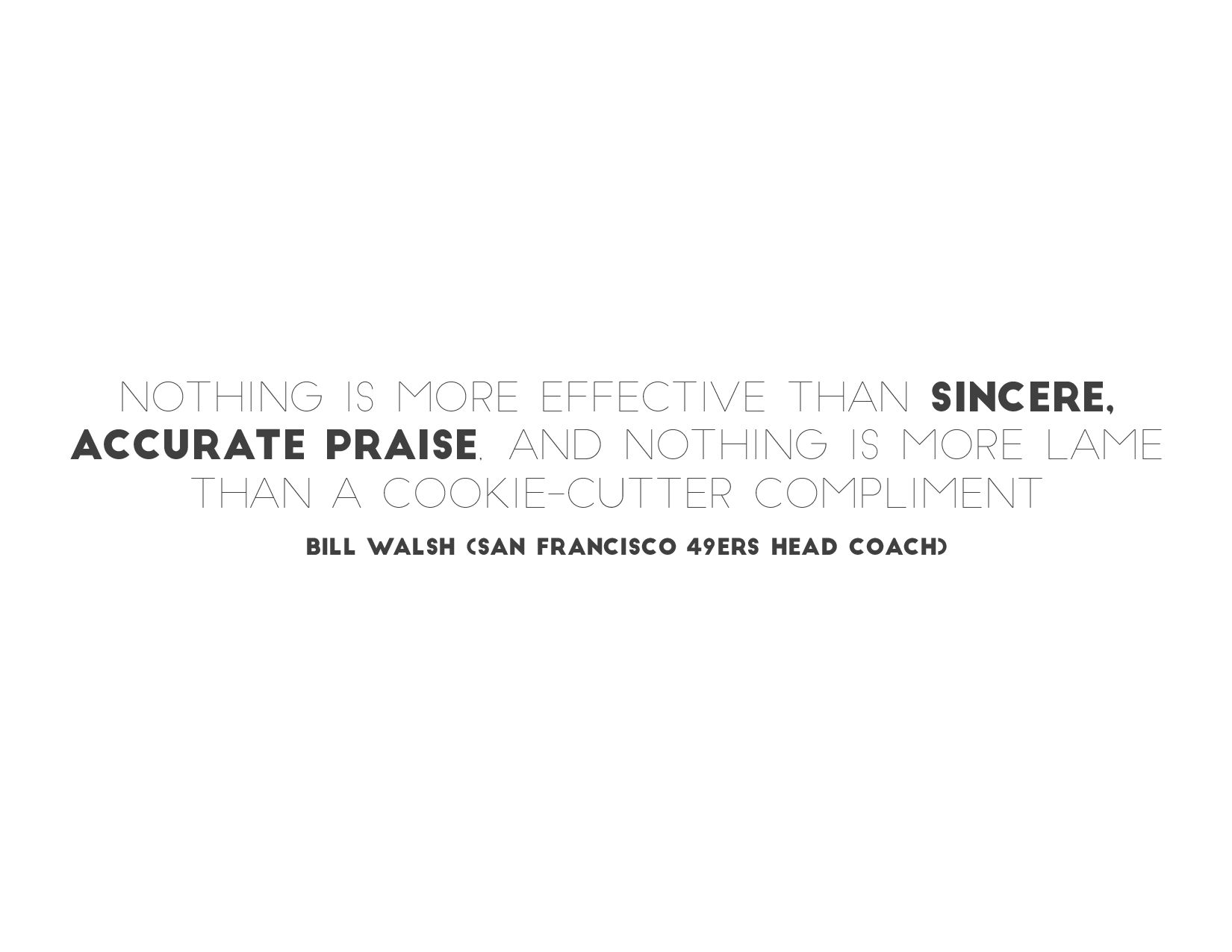
  32. Nothing is more effective than sincere, accurate praise, and nothing

    is more lame than a cookie-cutter compliment Bill Walsh (San Francisco 49ers Head Coach)
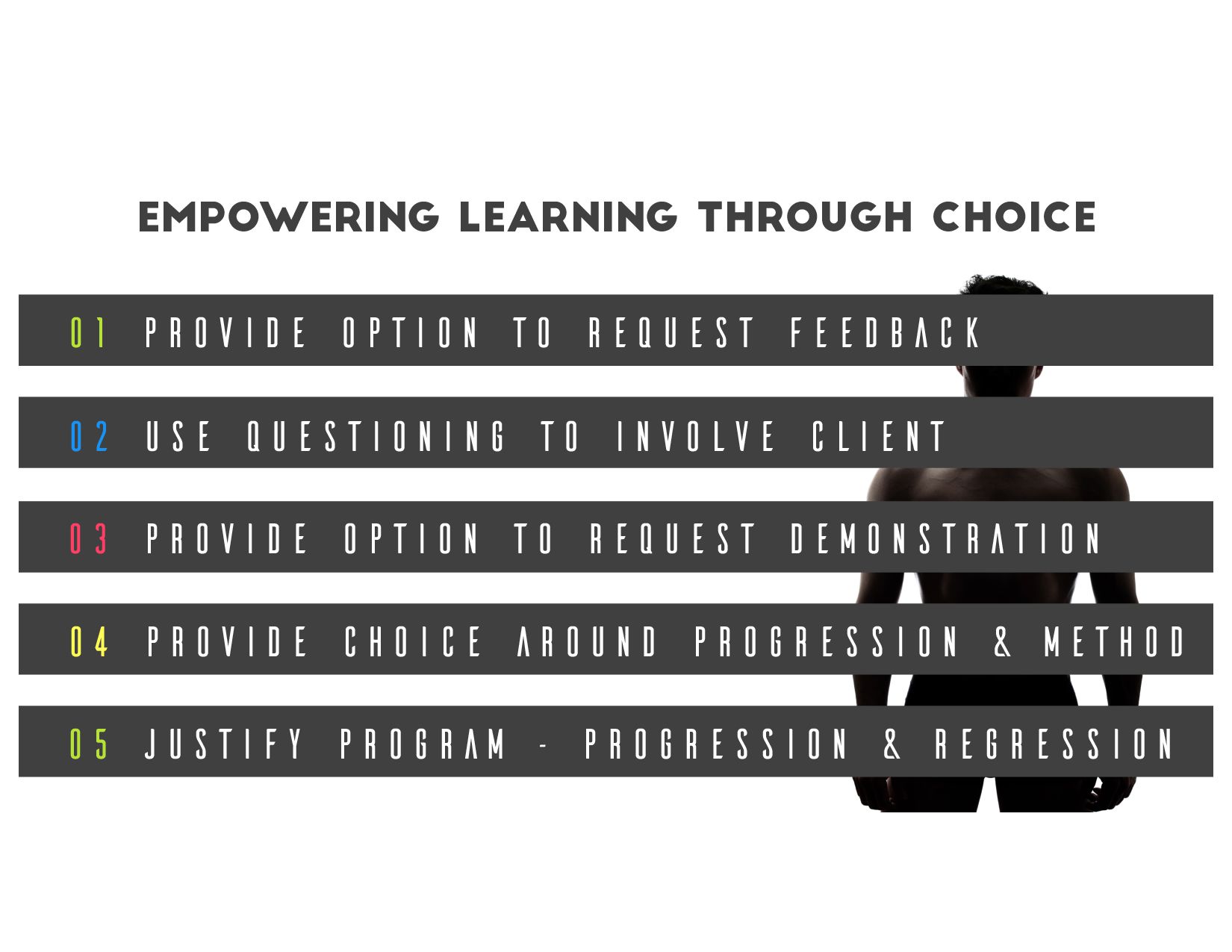
  33. Empowering Learning Through Choice 01 Provide option to request feedback

    02 Use questioning to involve client 03 Provide option to request demonstration 04 Provide choice around progression & Method 05 Justify Program - Progression & Regression
  34. Fact Fiction Just by giving a client choice, you can

    increase motivation and improve learning and retention of a given skill
  35. References | Learning Styles _ Coffield, F., Moseley, D., Hall,

    E., & Ecclestone, K. (2004). Learning styles and pedagogy in post-16 learning: A systematic and critical review: Learning and Skills Research Centre London. _ Pashler, H., McDaniel, M., Rohrer, D., & Bjork, R. (2008). Learning styles concepts and evidence. Psychological science in the public interest, 9(3), 105-119. _ Dekker, S., Lee, N.C., Howard-Jones, P., & Jolles, J. (2012). Neuromyths in education: Prevalence and predictors of misconceptions among teachers. _ Howard-Jones, P.A. (2014). Neuroscience and education: myths and messages. Nature Reviews Neuroscience, 15(12), 817-824. _ Newton, P.M. (2015). The learning styles myth is thriving in higher education. Frontiers in psychology, 6. _ Newton, P.M., & Miah, M. (2017). Evidence-Based Higher Education–Is the Learning Styles ‘Myth’Important? Frontiers in Psychology, 8.
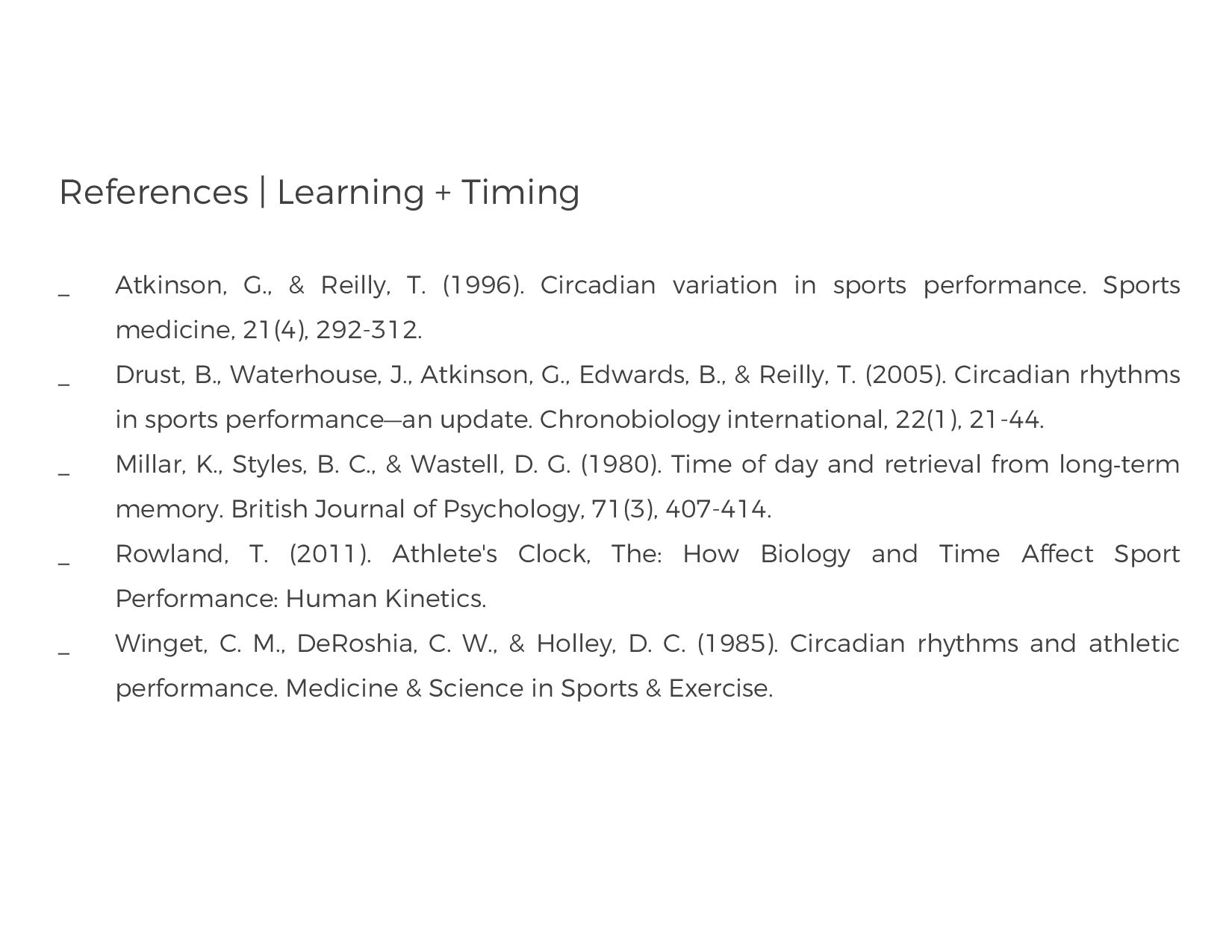
  36. References | Learning + Timing _ Atkinson, G., & Reilly,

    T. (1996). Circadian variation in sports performance. Sports medicine, 21(4), 292-312. _ Drust, B., Waterhouse, J., Atkinson, G., Edwards, B., & Reilly, T. (2005). Circadian rhythms in sports performance—an update. Chronobiology international, 22(1), 21-44. _ Millar, K., Styles, B. C., & Wastell, D. G. (1980). Time of day and retrieval from long-term memory. British Journal of Psychology, 71(3), 407-414. _ Rowland, T. (2011). Athlete's Clock, The: How Biology and Time Affect Sport Performance: Human Kinetics. _ Winget, C. M., DeRoshia, C. W., & Holley, D. C. (1985). Circadian rhythms and athletic performance. Medicine & Science in Sports & Exercise.
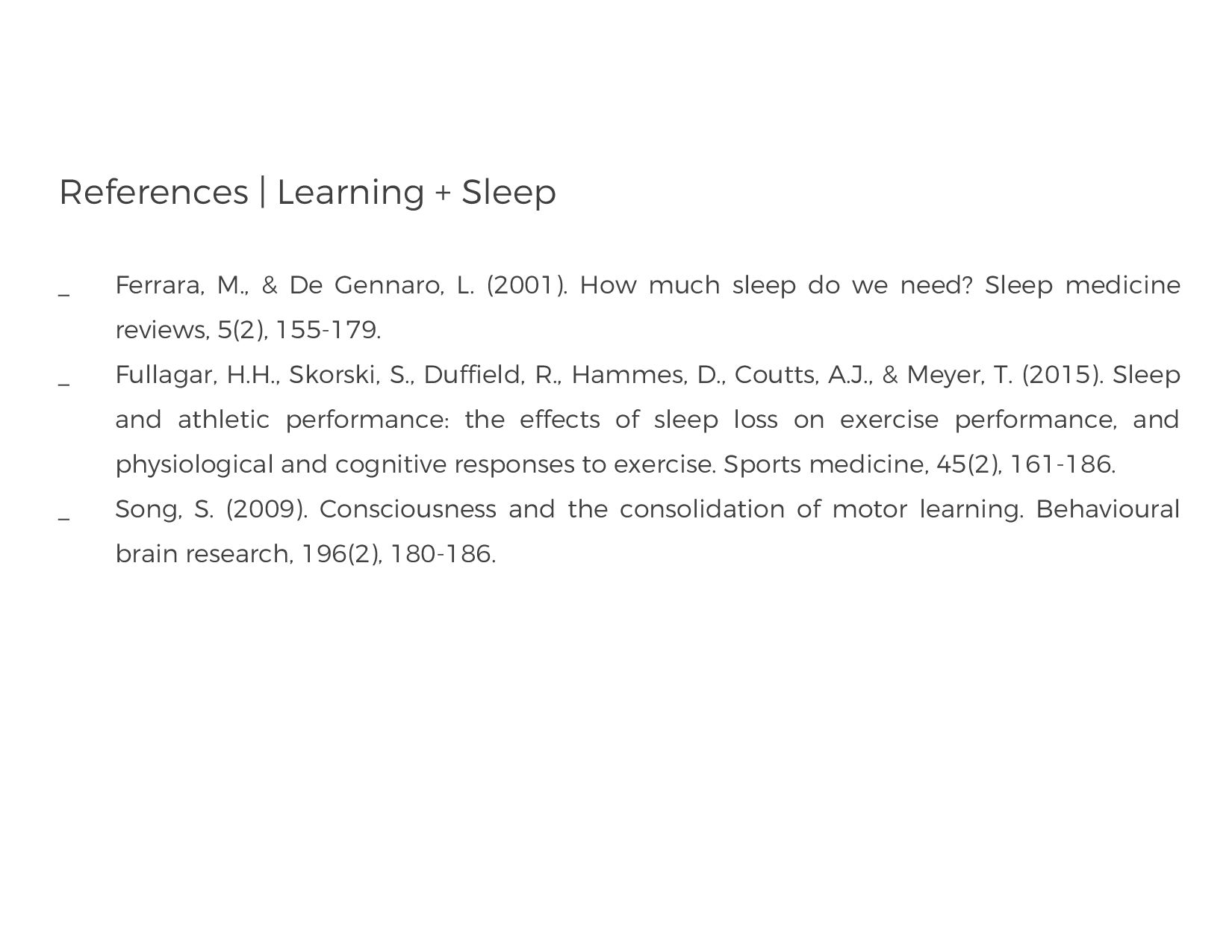
  37. References | Learning + Sleep _ Ferrara, M., & De

    Gennaro, L. (2001). How much sleep do we need? Sleep medicine reviews, 5(2), 155-179. _ Fullagar, H.H., Skorski, S., Duffield, R., Hammes, D., Coutts, A.J., & Meyer, T. (2015). Sleep and athletic performance: the effects of sleep loss on exercise performance, and physiological and cognitive responses to exercise. Sports medicine, 45(2), 161-186. _ Song, S. (2009). Consciousness and the consolidation of motor learning. Behavioural brain research, 196(2), 180-186.
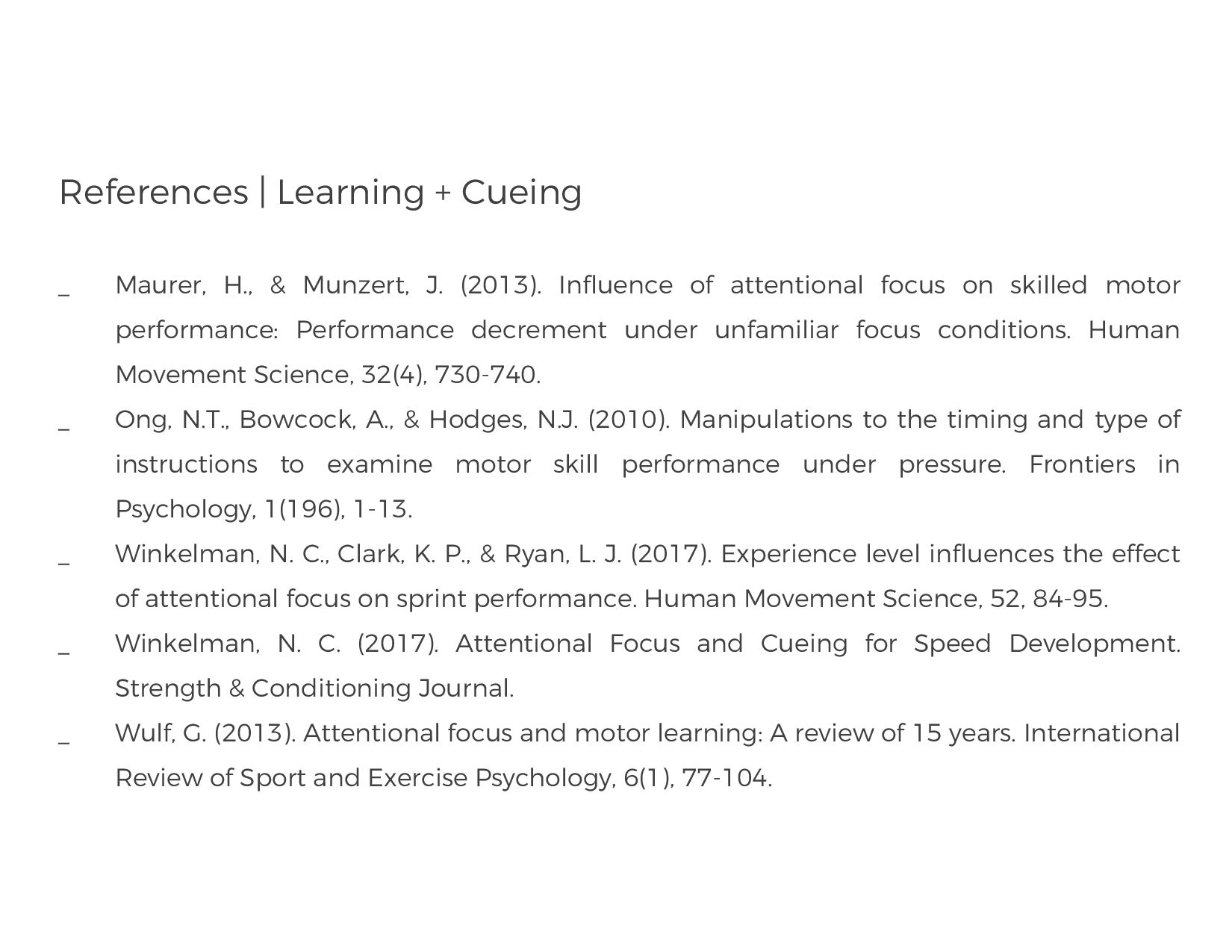
  38. References | Learning + Cueing _ Maurer, H., & Munzert,

    J. (2013). Influence of attentional focus on skilled motor performance: Performance decrement under unfamiliar focus conditions. Human Movement Science, 32(4), 730-740. _ Ong, N.T., Bowcock, A., & Hodges, N.J. (2010). Manipulations to the timing and type of instructions to examine motor skill performance under pressure. Frontiers in Psychology, 1(196), 1-13. _ Winkelman, N. C., Clark, K. P., & Ryan, L. J. (2017). Experience level influences the effect of attentional focus on sprint performance. Human Movement Science, 52, 84-95. _ Winkelman, N. C. (2017). Attentional Focus and Cueing for Speed Development. Strength & Conditioning Journal. _ Wulf, G. (2013). Attentional focus and motor learning: A review of 15 years. International Review of Sport and Exercise Psychology, 6(1), 77-104.
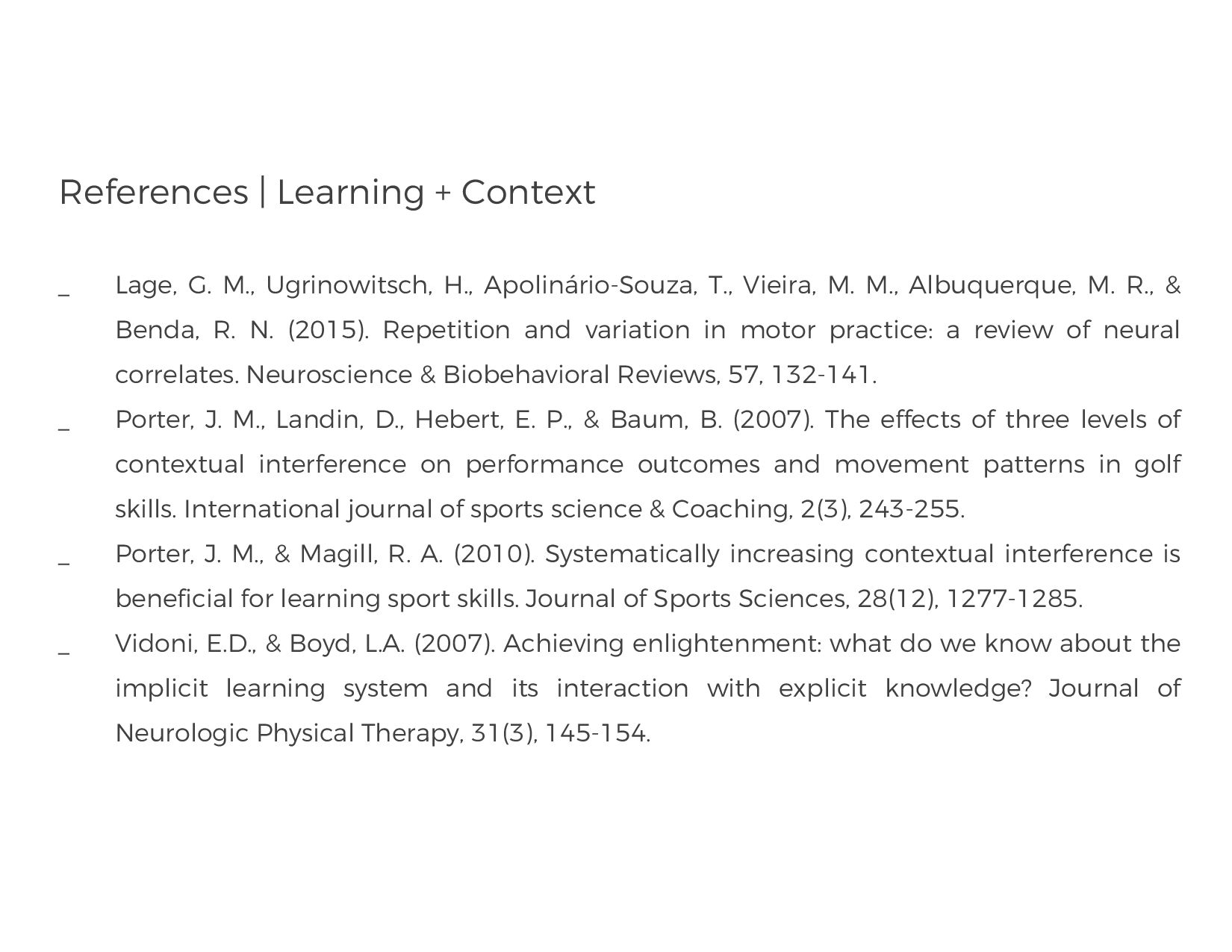
  39. References | Learning + Context _ Lage, G. M., Ugrinowitsch,

    H., Apolinário-Souza, T., Vieira, M. M., Albuquerque, M. R., & Benda, R. N. (2015). Repetition and variation in motor practice: a review of neural correlates. Neuroscience & Biobehavioral Reviews, 57, 132-141. _ Porter, J. M., Landin, D., Hebert, E. P., & Baum, B. (2007). The effects of three levels of contextual interference on performance outcomes and movement patterns in golf skills. International journal of sports science & Coaching, 2(3), 243-255. _ Porter, J. M., & Magill, R. A. (2010). Systematically increasing contextual interference is beneficial for learning sport skills. Journal of Sports Sciences, 28(12), 1277-1285. _ Vidoni, E.D., & Boyd, L.A. (2007). Achieving enlightenment: what do we know about the implicit learning system and its interaction with explicit knowledge? Journal of Neurologic Physical Therapy, 31(3), 145-154.
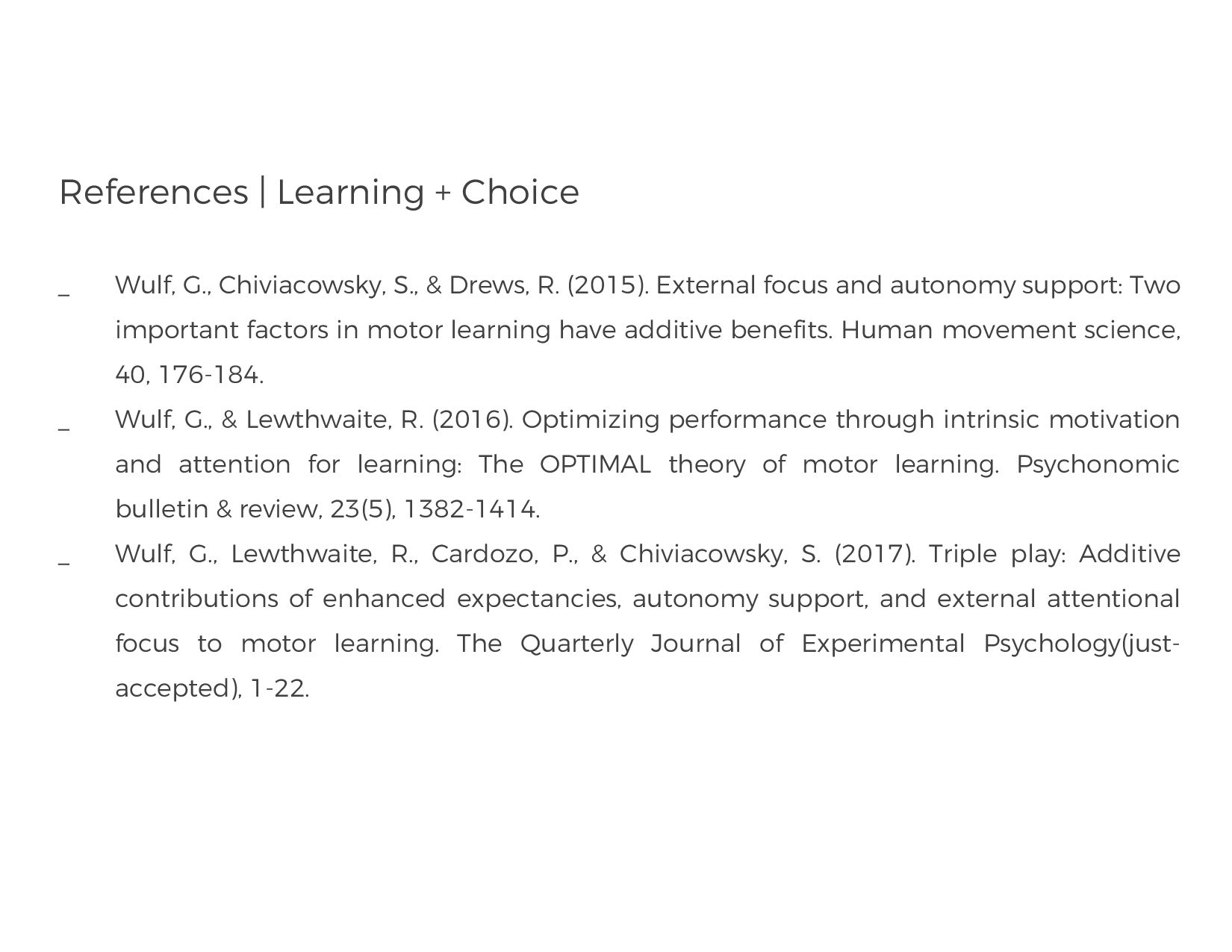
  40. References | Learning + Choice _ Wulf, G., Chiviacowsky, S.,

    & Drews, R. (2015). External focus and autonomy support: Two important factors in motor learning have additive benefits. Human movement science, 40, 176-184. _ Wulf, G., & Lewthwaite, R. (2016). Optimizing performance through intrinsic motivation and attention for learning: The OPTIMAL theory of motor learning. Psychonomic bulletin & review, 23(5), 1382-1414. _ Wulf, G., Lewthwaite, R., Cardozo, P., & Chiviacowsky, S. (2017). Triple play: Additive contributions of enhanced expectancies, autonomy support, and external attentional focus to motor learning. The Quarterly Journal of Experimental Psychology(just- accepted), 1-22.