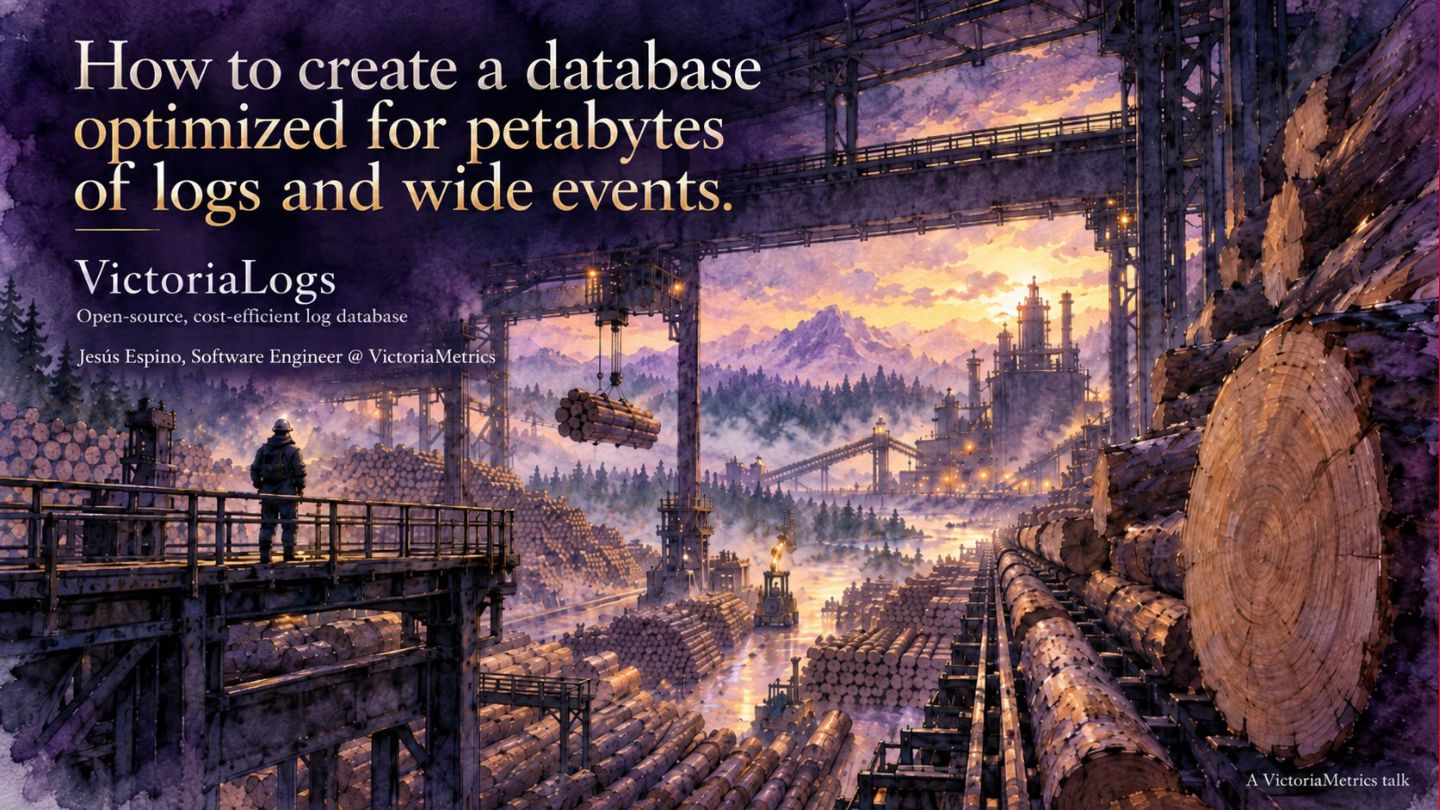
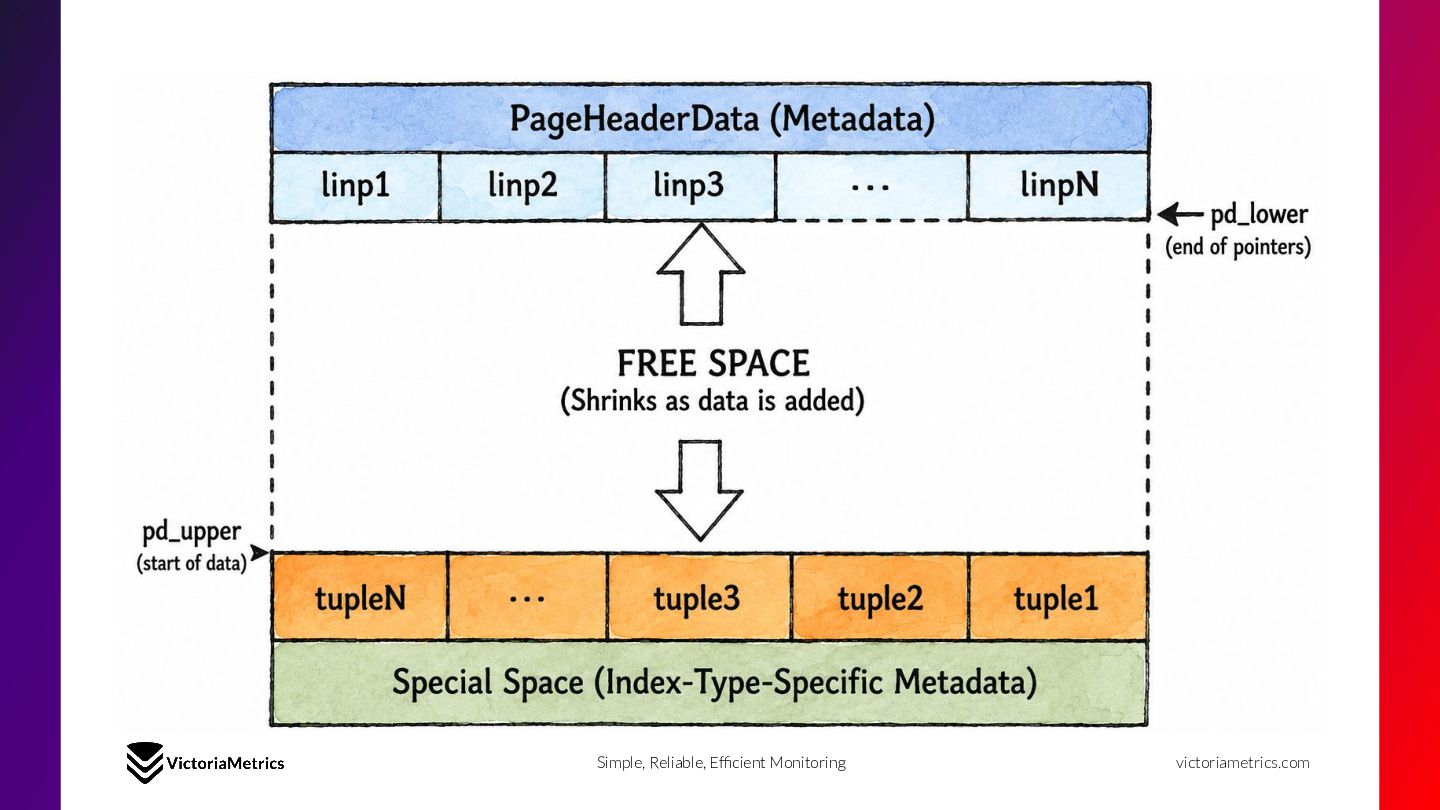
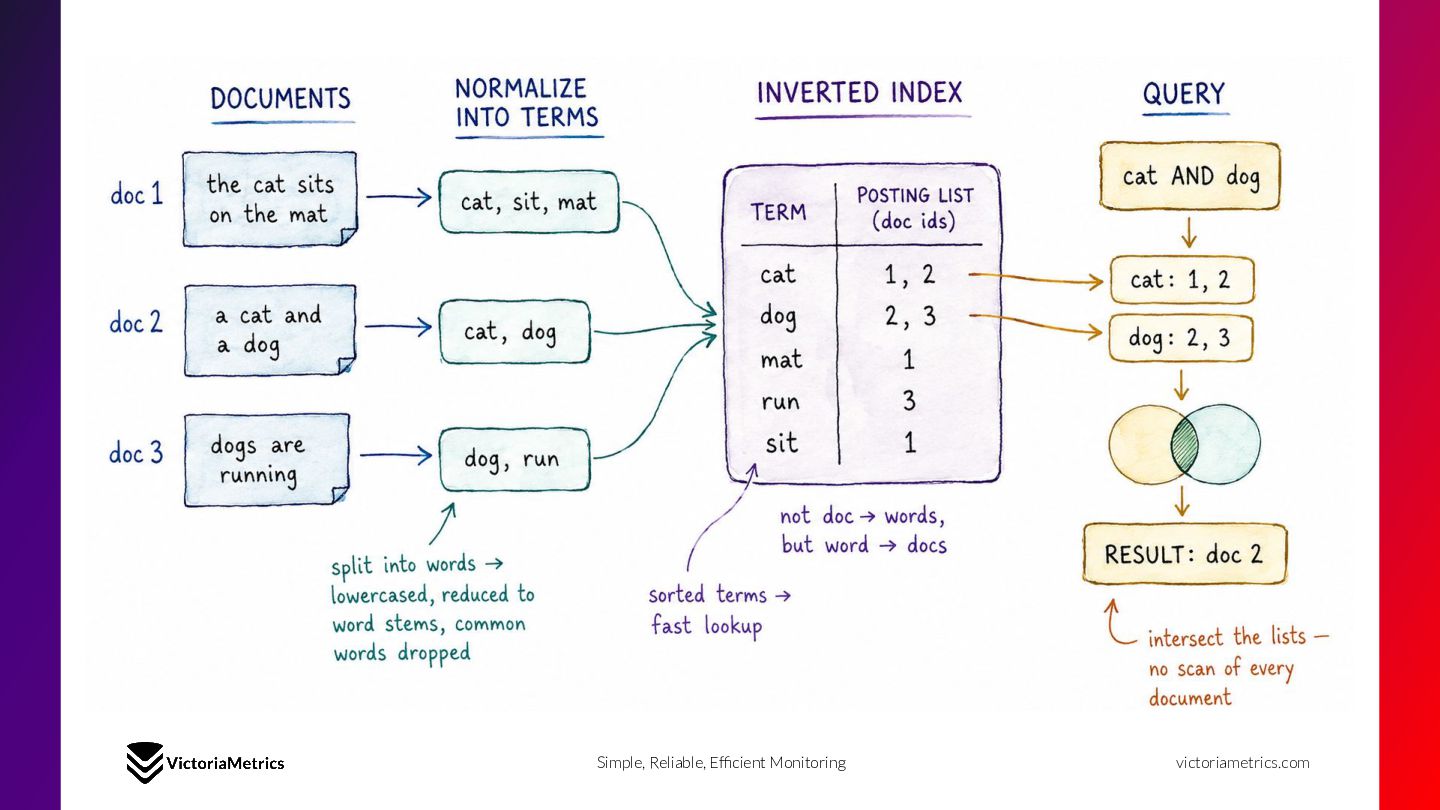
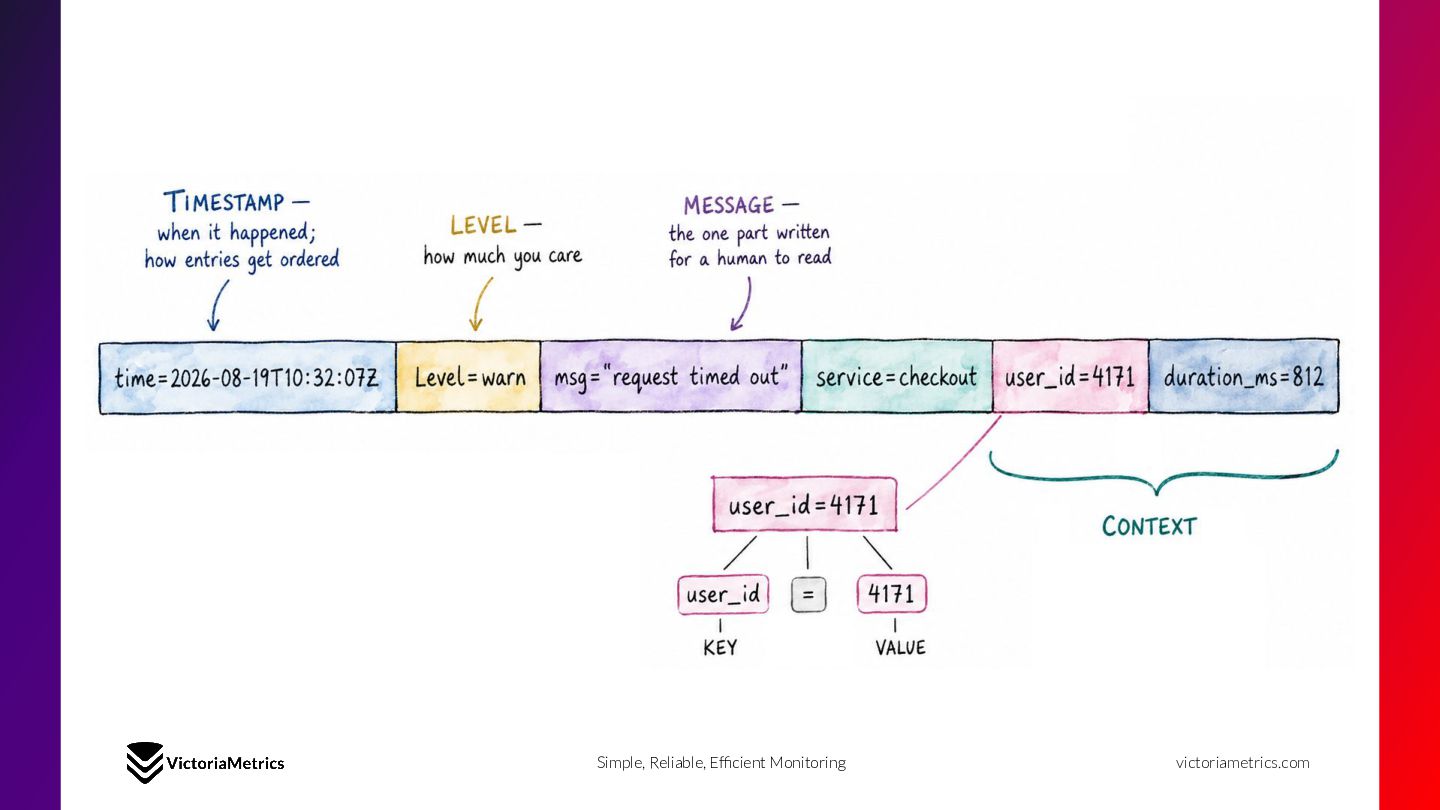
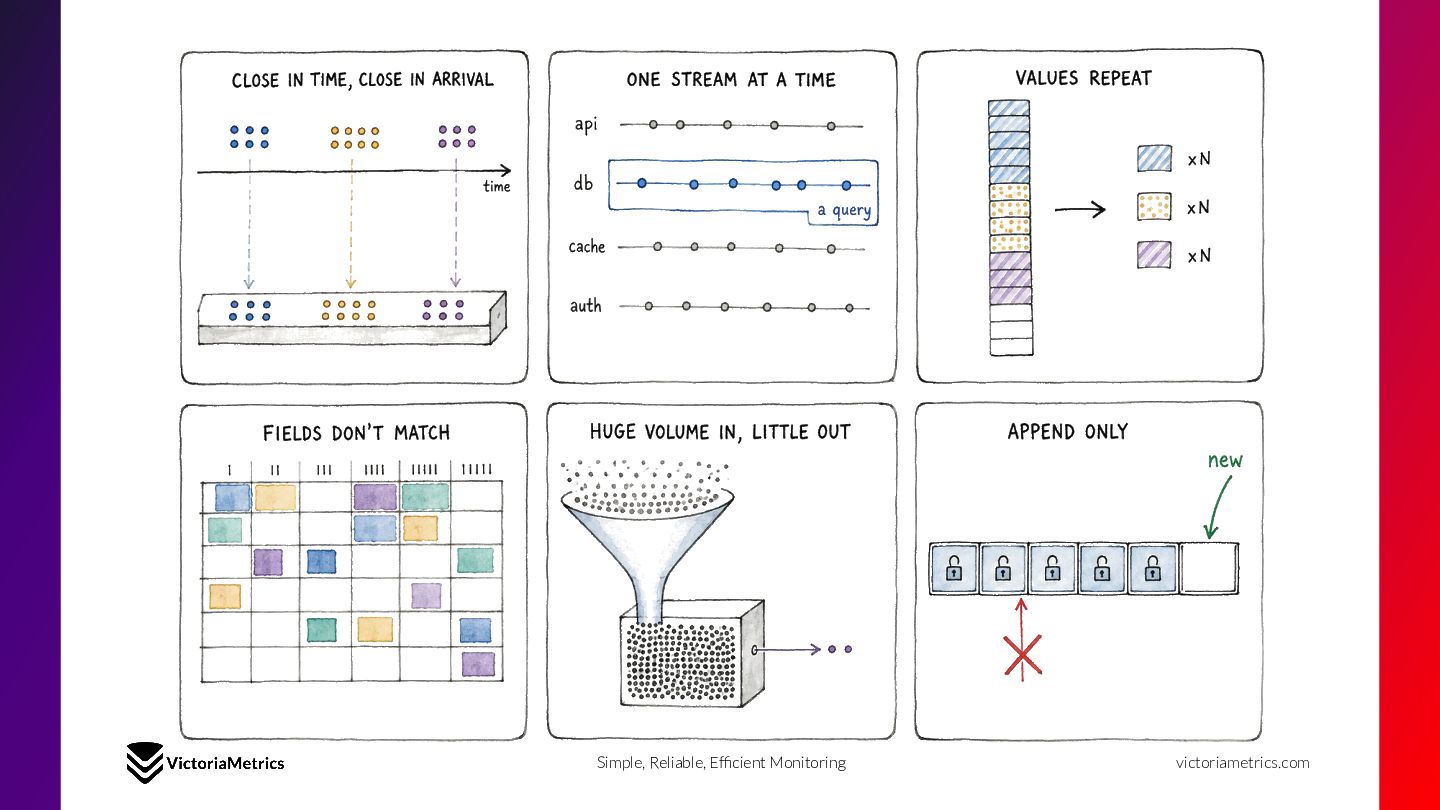
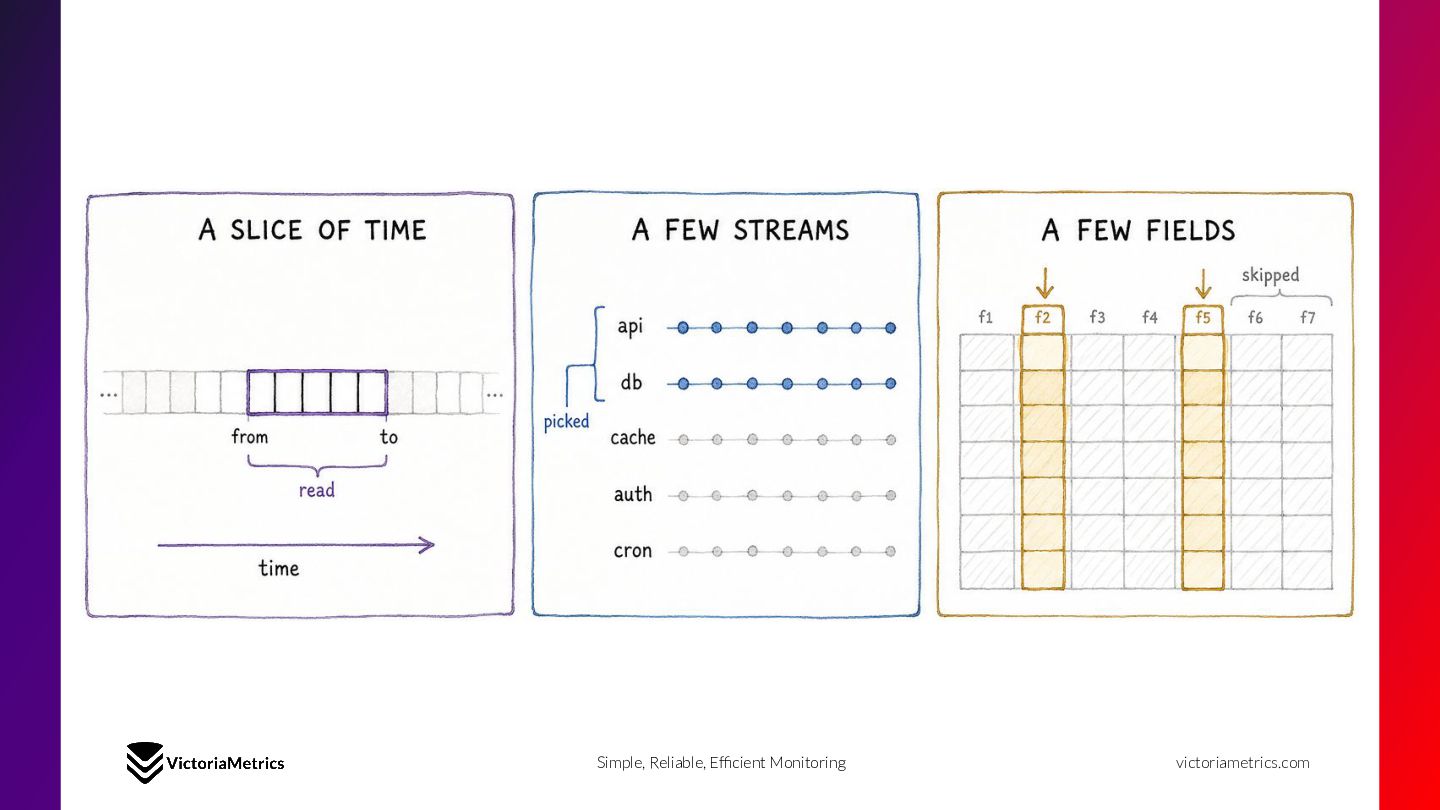
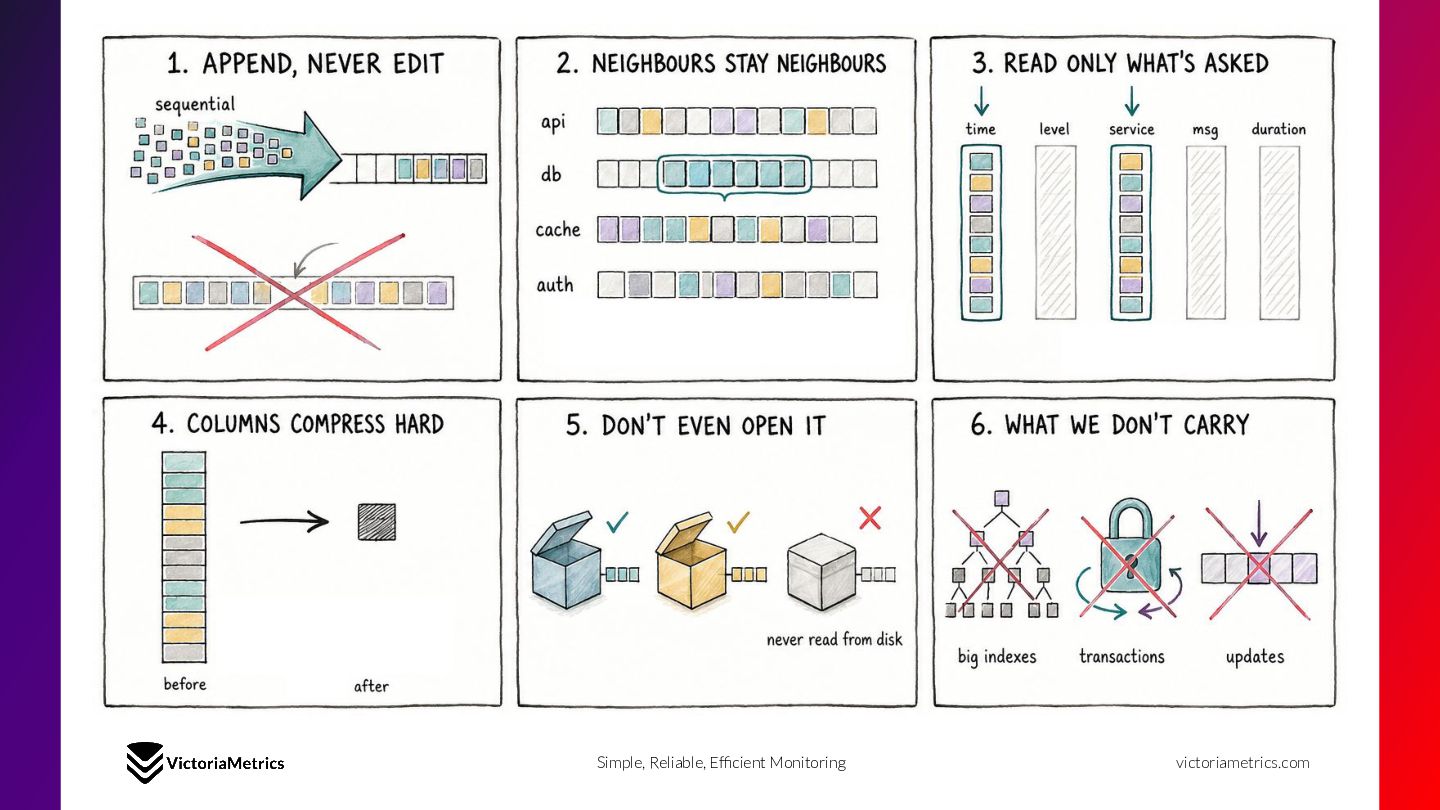
Databases for logs are usually forced to pick a side: build heavy inverted indexes for the ingested logs and pay for them on every write, or ingest raw data cheaply and pay with slow queries later. Is there a better approach? Yes - to make brute-force scanning so selective that most data is never read. This approach is taken by VictoriaLogs.
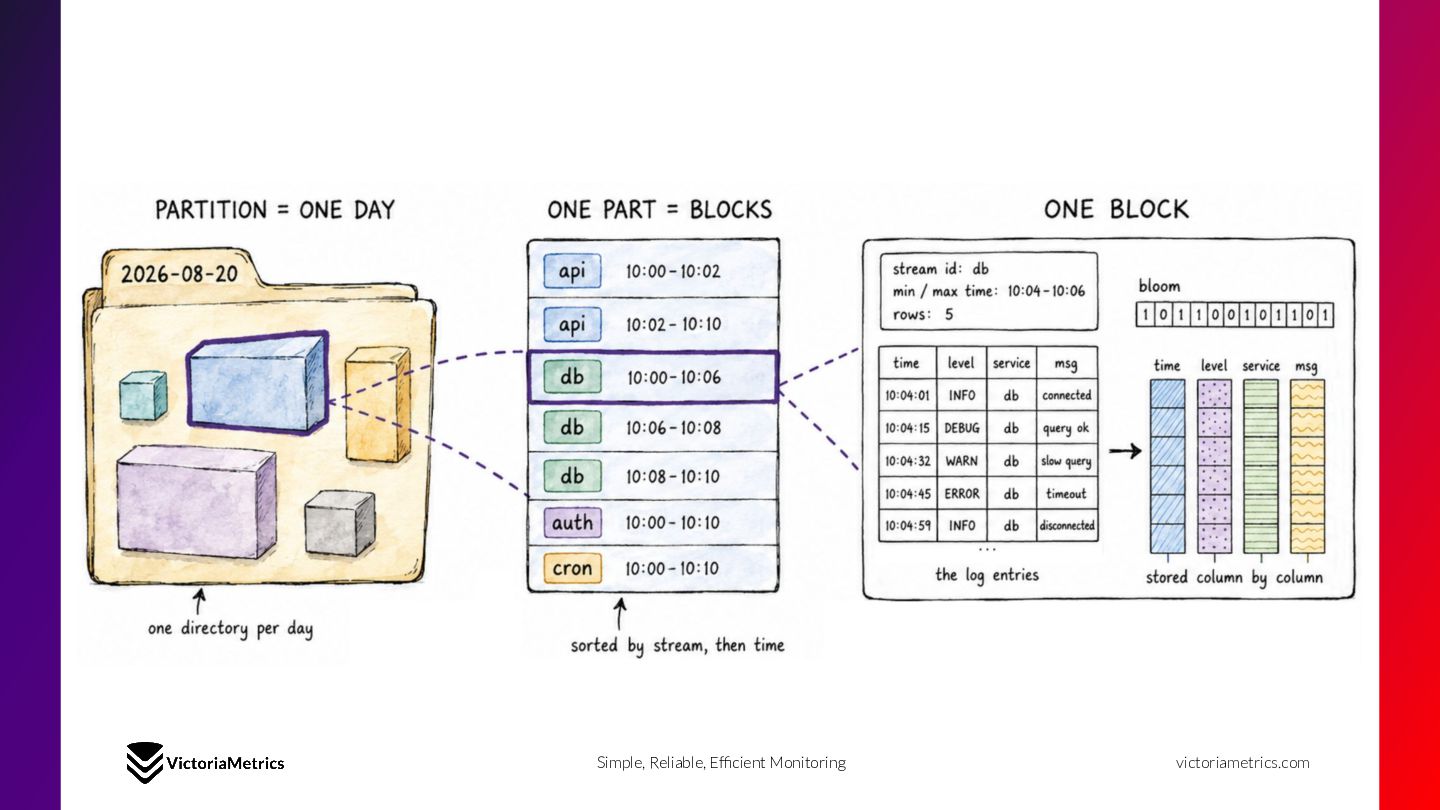
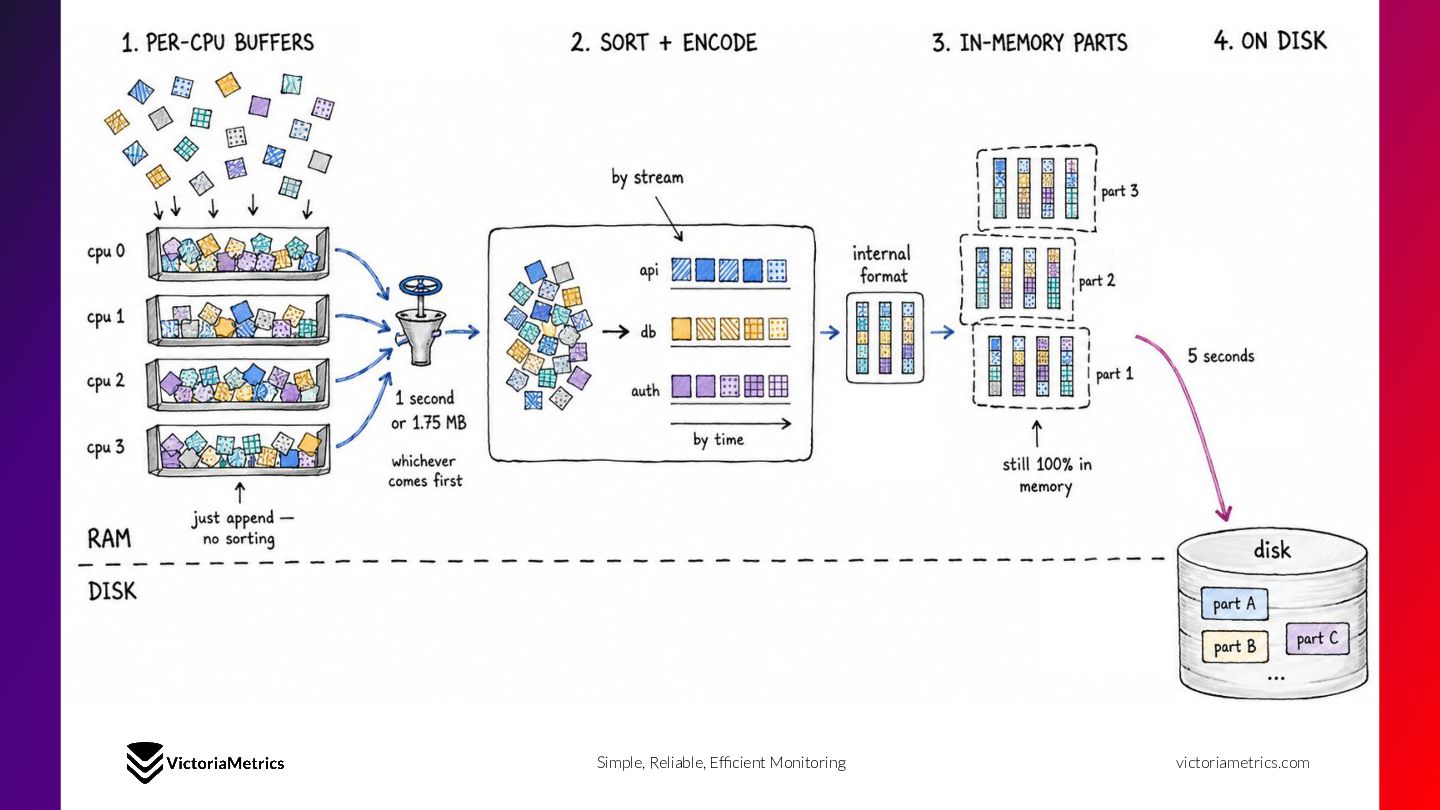
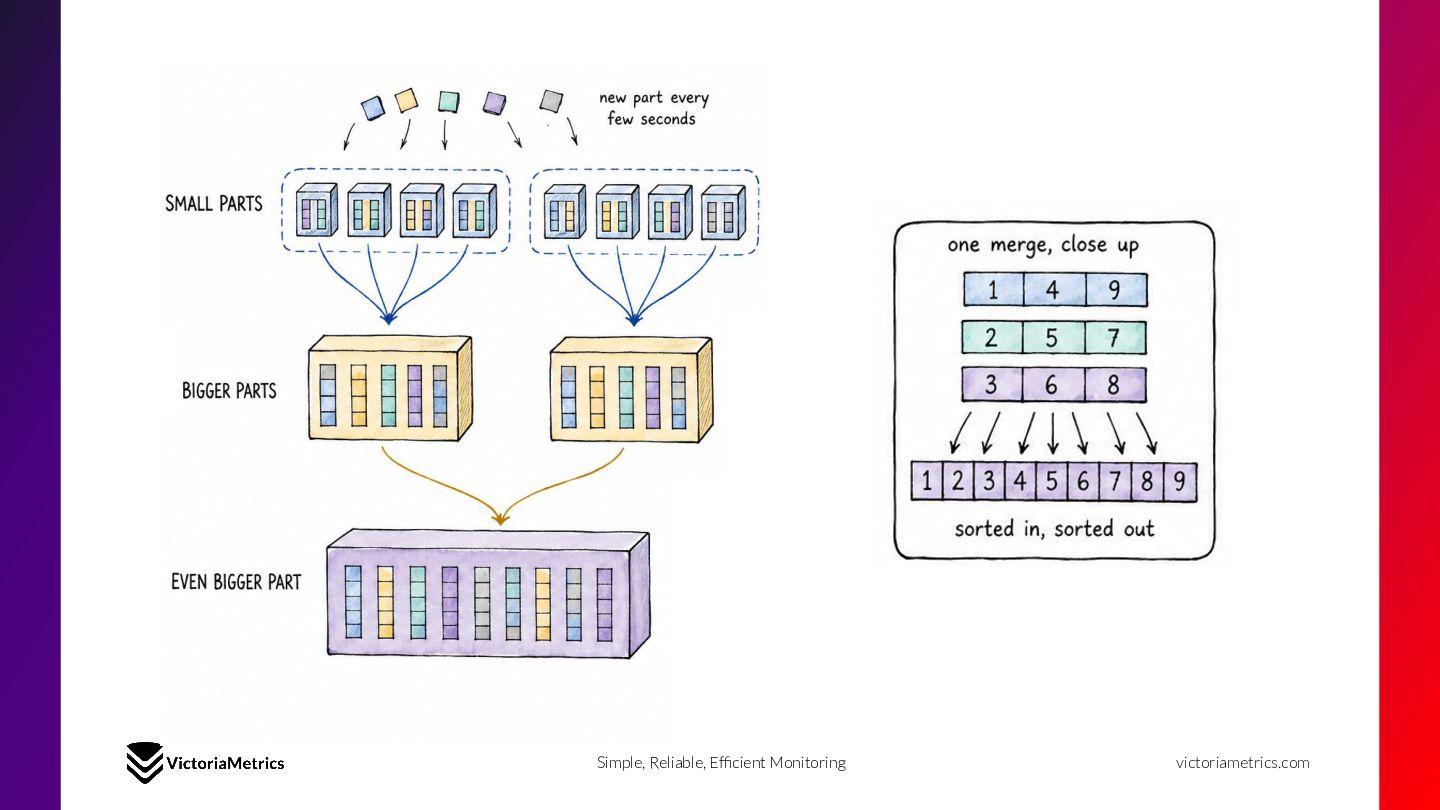
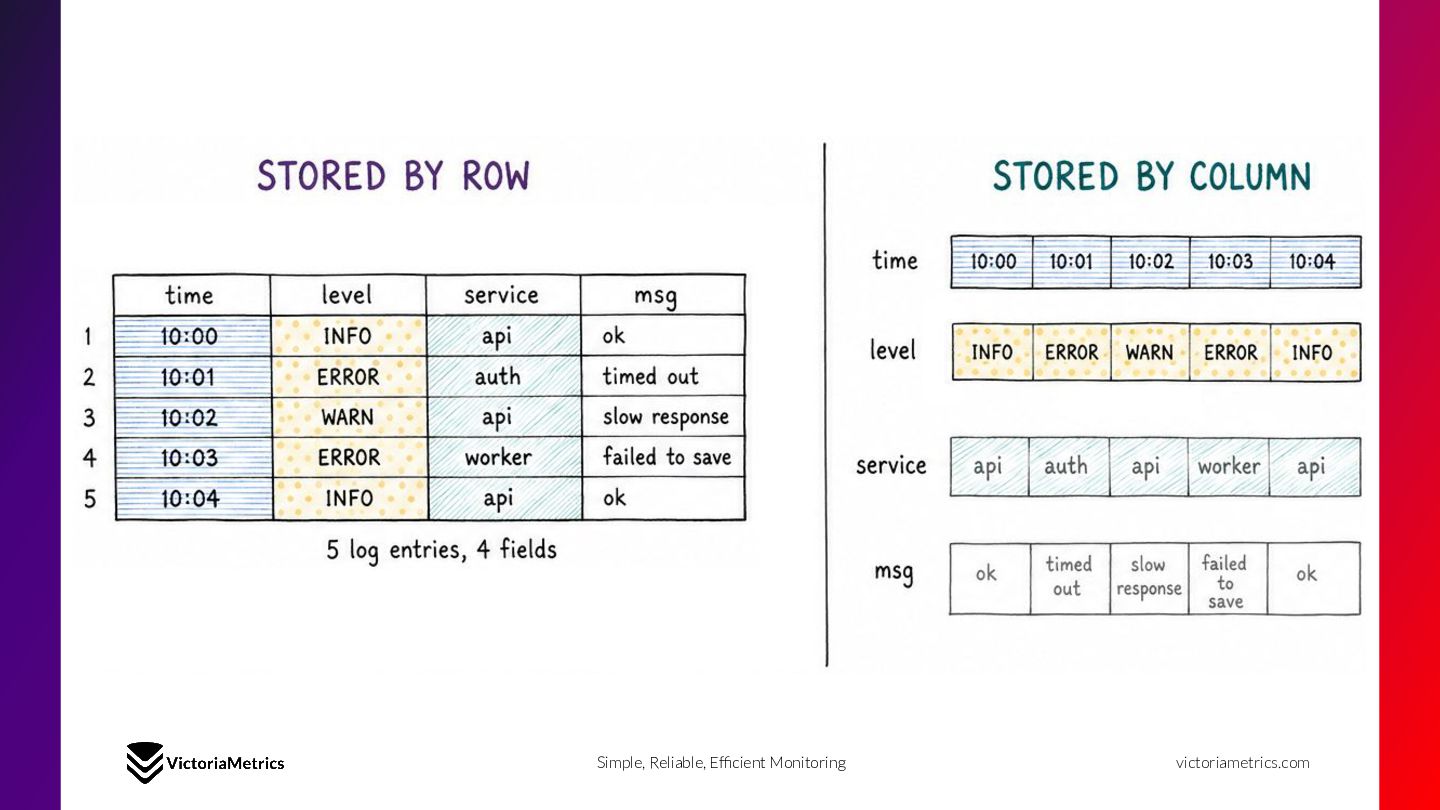
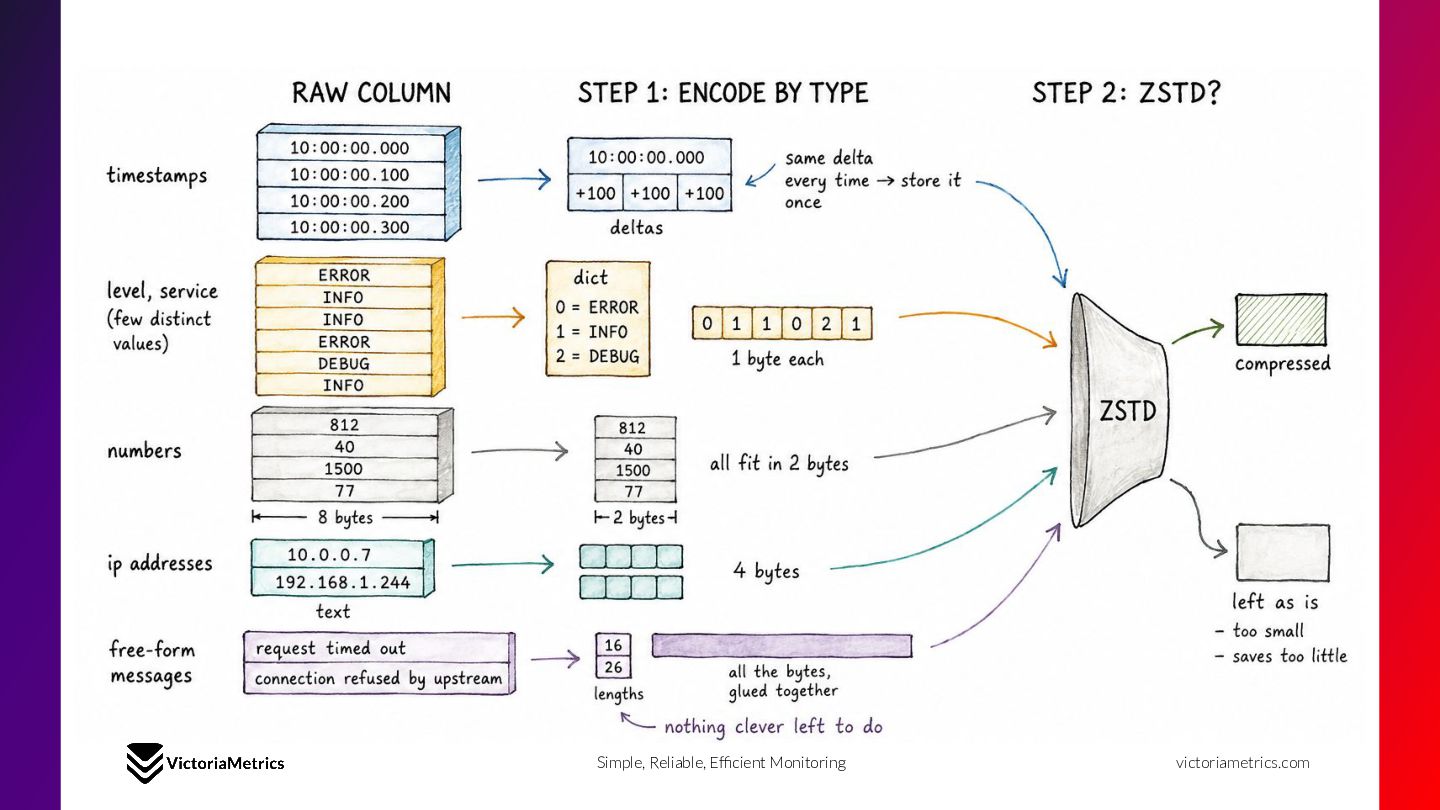
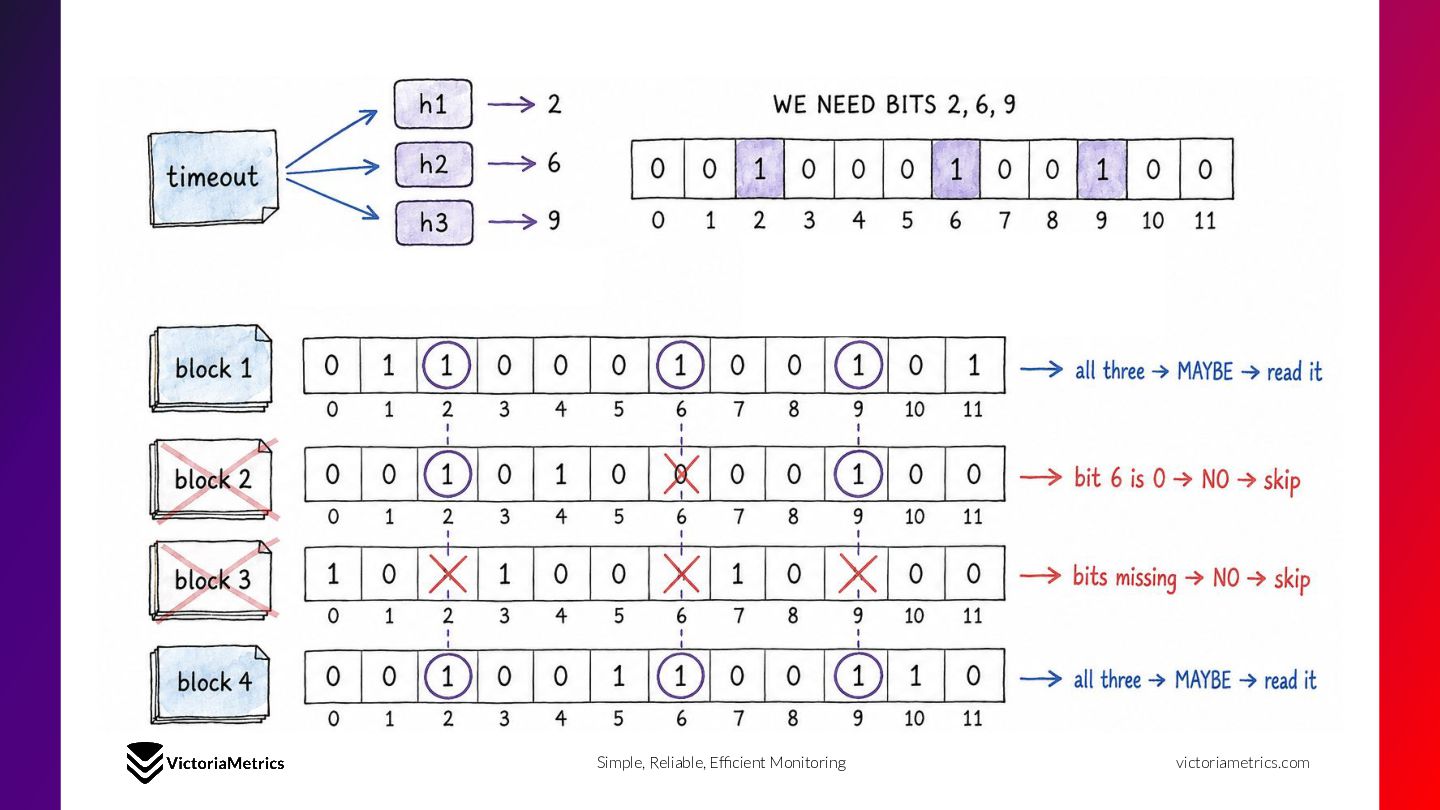
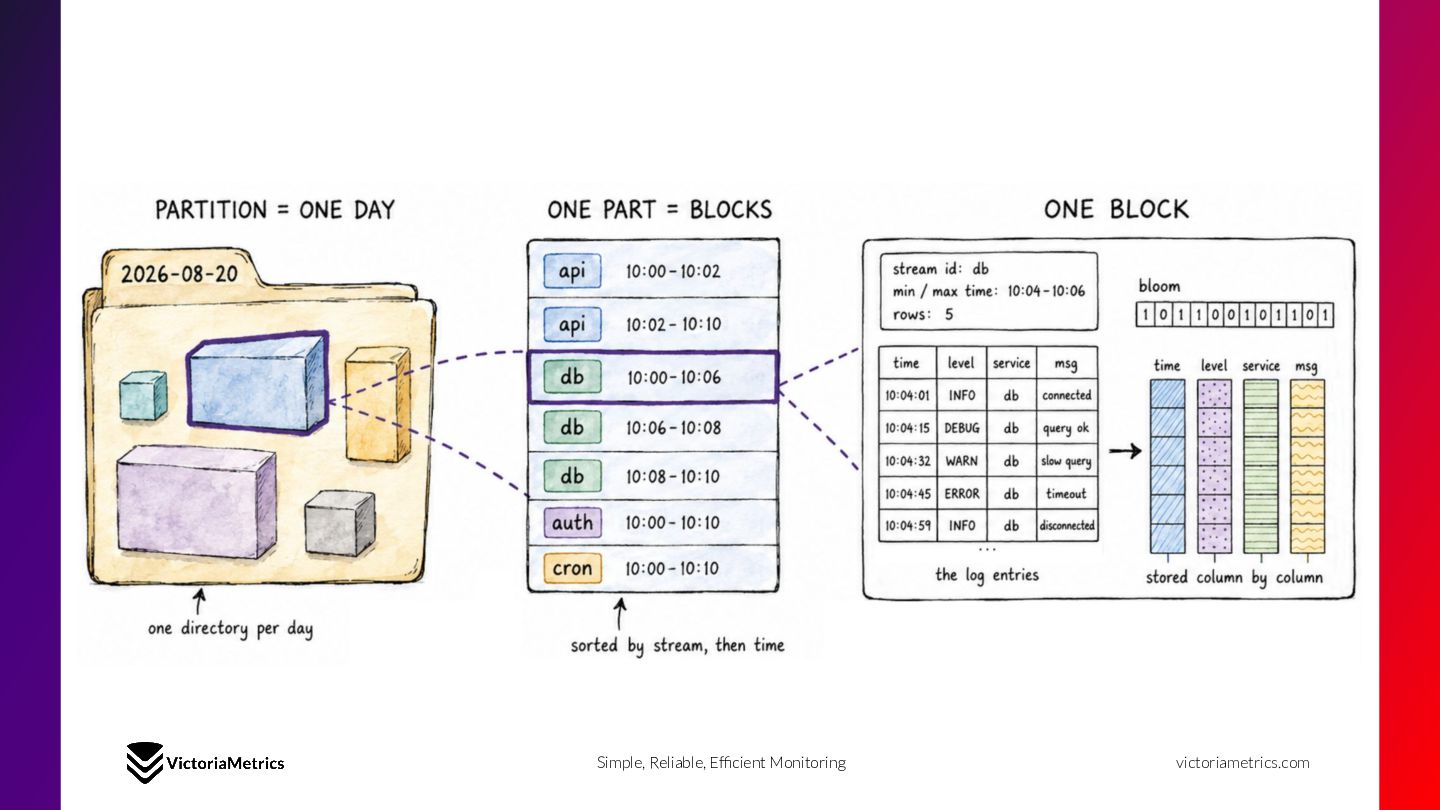
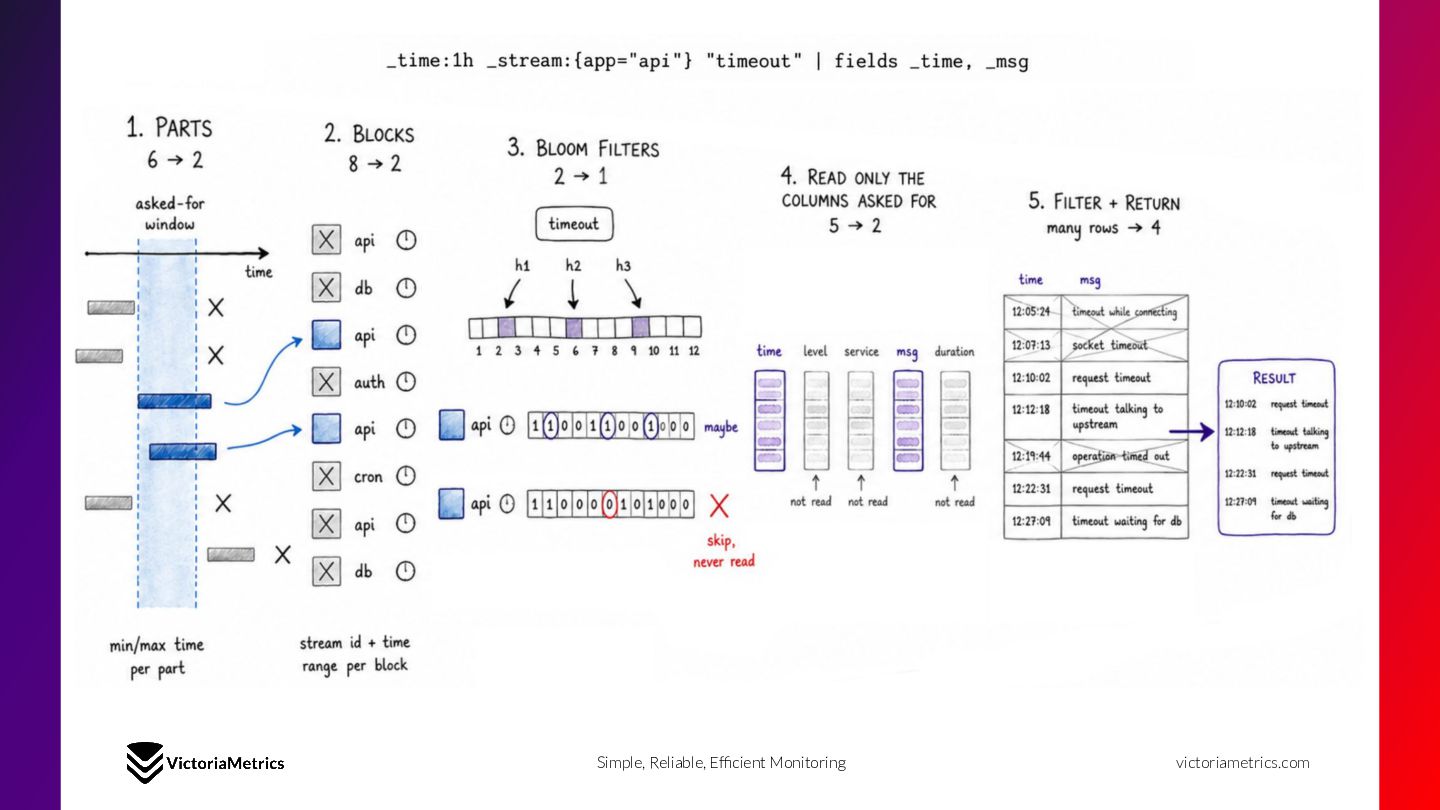
This talk follows a log entry through the VictoriaLogs engine: how it is ingested with no upfront schema, how it lands in an immutable LSM-like compressed column-oriented storage, and how queries run the same structure in reverse, applying a stack of pruning mechanisms based on time, stream labels, and bloom filters so that only the data that can actually match is ever read.
Beyond one system's internals, this is a talk about a design stance: when you specialize in one kind of data and know exactly how it is laid out and how it will be consumed, you can be smarter about what you build, sometimes discarding indexes entirely, and avoiding reading most of the data at all. You leave with a concrete set of patterns you can apply to your own storage problems, whether the data is logs or something else entirely.


 jespino
 sylph01
 kasacchiful
 tosite
 sorah
 palkan
 ziobrando
 akase244
 yutobara
 optim
 mofurune
 cclai999
 xleitix
 addyosmani
 mongodb
 kneath
 livdayseo
 wayneb77
 aleyda
 jcasabona
 eileencodes
 sabderemane
 mfonobong
 jct
 jacobian