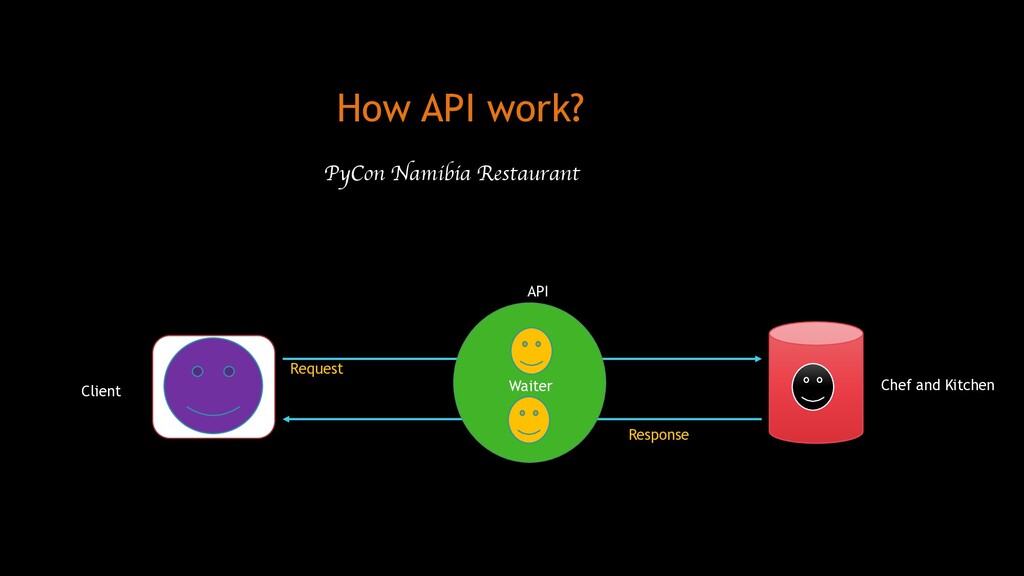
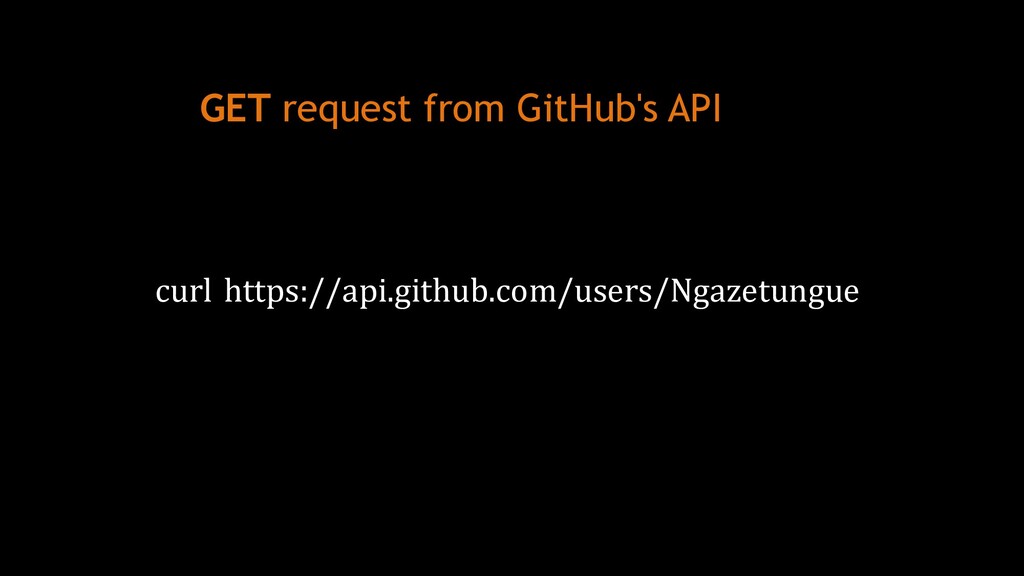
that allows two software programs to communicate with each other Ø It helps in connecting various software components Ø An API make it easier for developers to use certain technologies in building application using predefined operations.
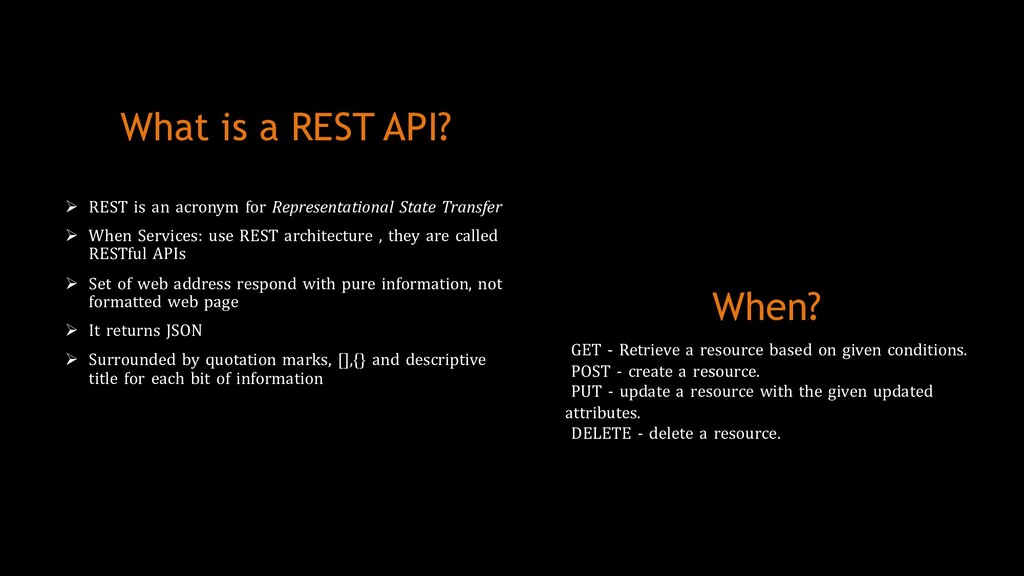
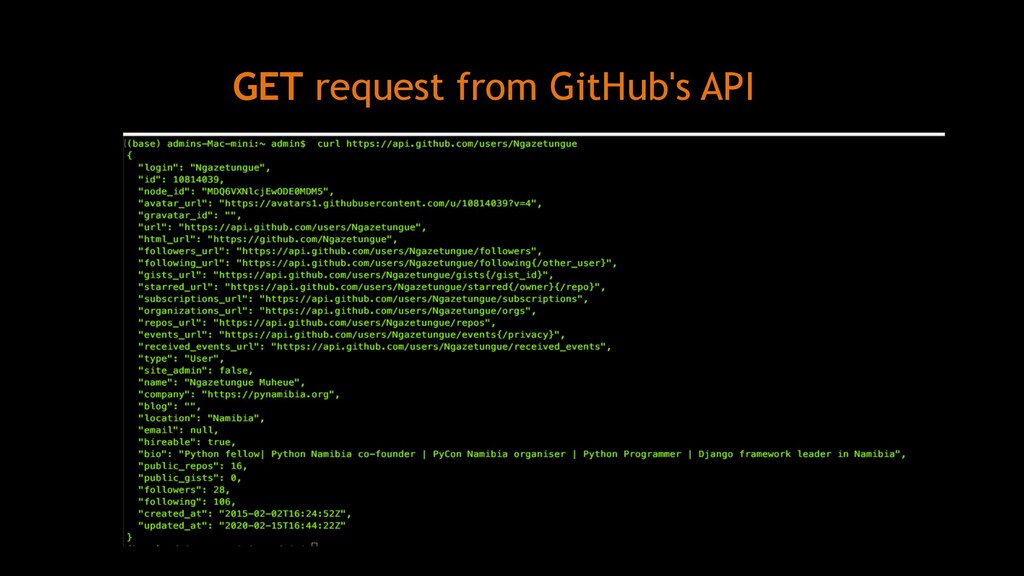
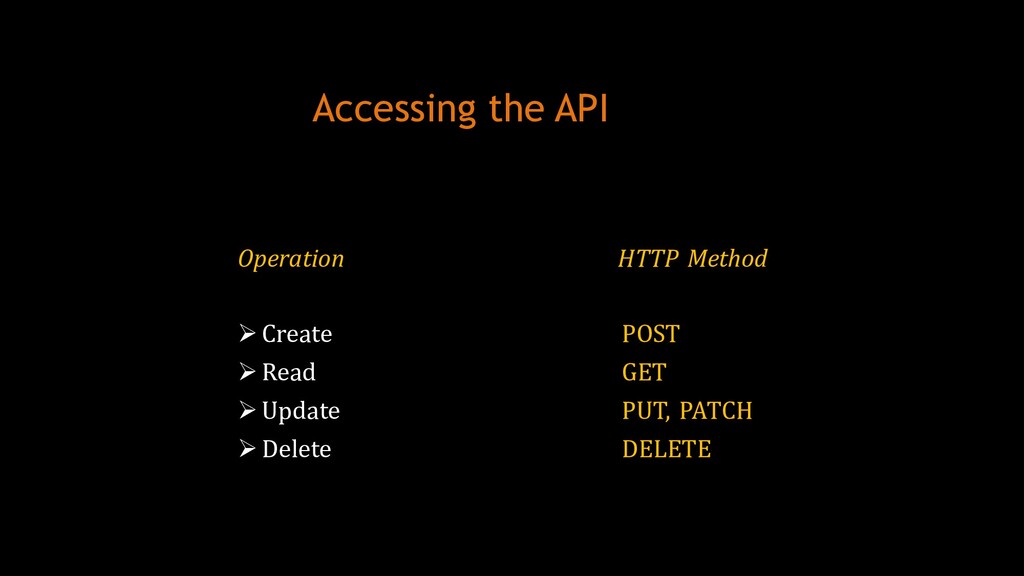
for Representational State Transfer Ø When Services: use REST architecture , they are called RESTful APIs Ø Set of web address respond with pure information, not formatted web page Ø It returns JSON Ø Surrounded by quotation marks, [],{} and descriptive title for each bit of information GET - Retrieve a resource based on given conditions. POST - create a resource. PUT - update a resource with the given updated attributes. DELETE - delete a resource. When?
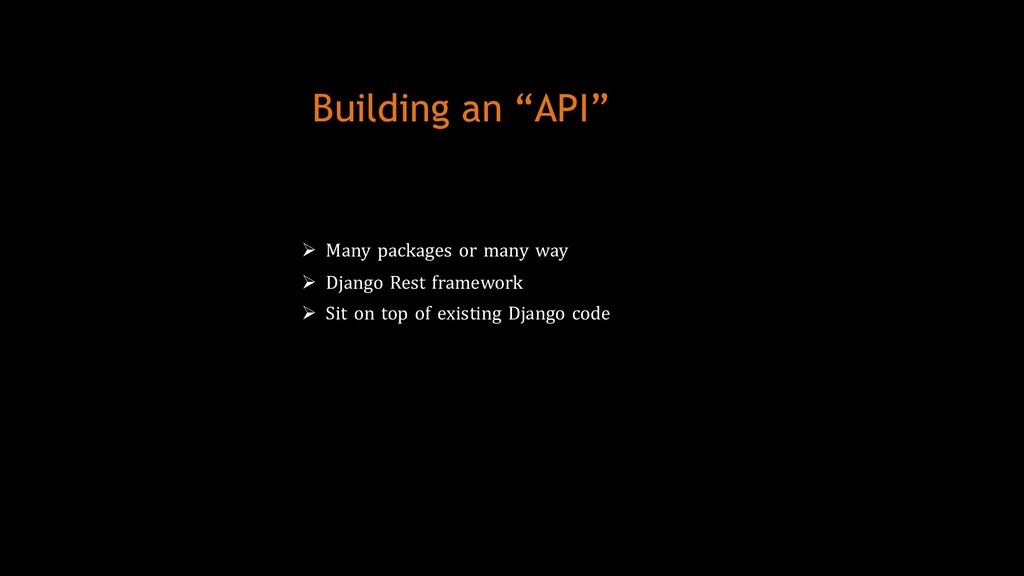
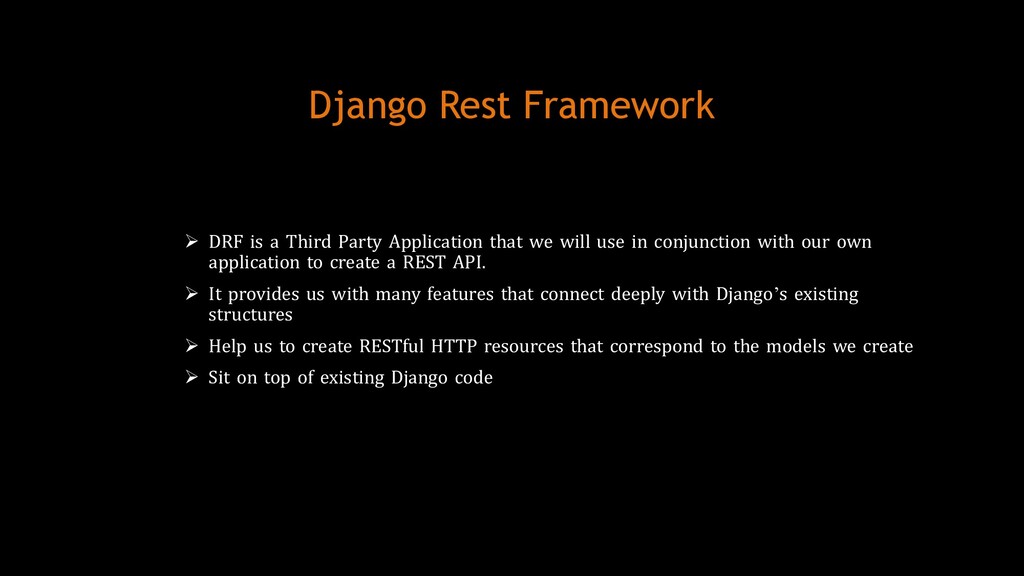
that we will use in conjunction with our own application to create a REST API. Ø It provides us with many features that connect deeply with Django’s existing structures Ø Help us to create RESTful HTTP resources that correspond to the models we create Ø Sit on top of existing Django code
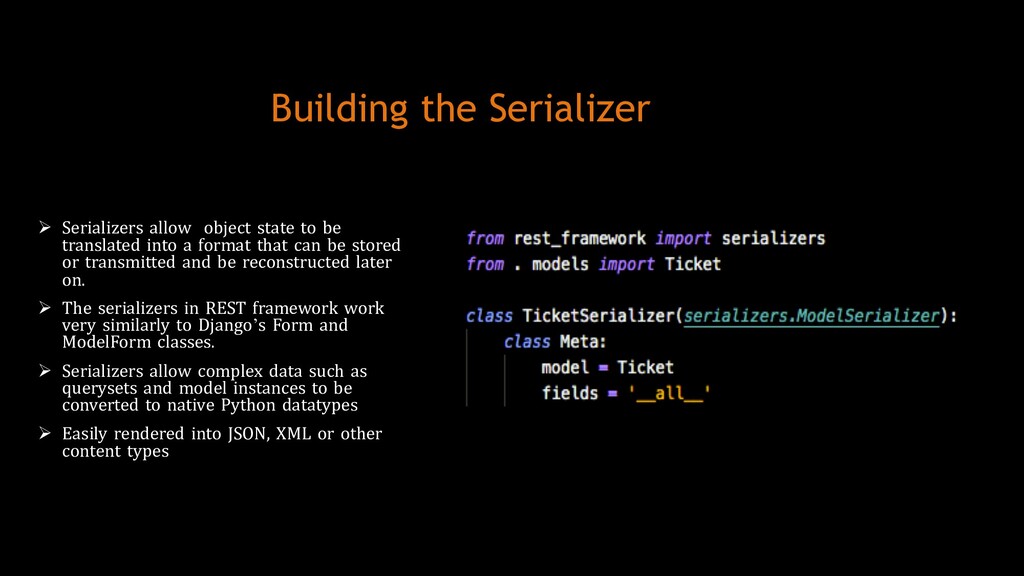
translated into a format that can be stored or transmitted and be reconstructed later on. Ø The serializers in REST framework work very similarly to Django’s Form and ModelForm classes. Ø Serializers allow complex data such as querysets and model instances to be converted to native Python datatypes Ø Easily rendered into JSON, XML or other content types


 muheuenga20
 skydoves
 htkym
htkym
 yuta_onishi_97
 sylph01
 koic
koic
 deka_morita
.jpg) yumnumm
yumnumm
 optim
optim
 andpad
 kenjiyoneyama
 artoy
artoy
 uyuki234
 tmiket
 uxyall
 marcoroth
 addyosmani
 notwaldorf
 chikuwait
 techseoconnect
 keithpitt
 iamctodd
 szymonslowik
 honnibal
![Creating a RESTful Web API in Django Ngazetungue Muheue [email protected]](https://files.speakerdeck.com/presentations/108dac61367448069bbe564be21db7aa/slide_0.jpg)