SiteGround - Reliable hosting with speed, security, and support you can count on.
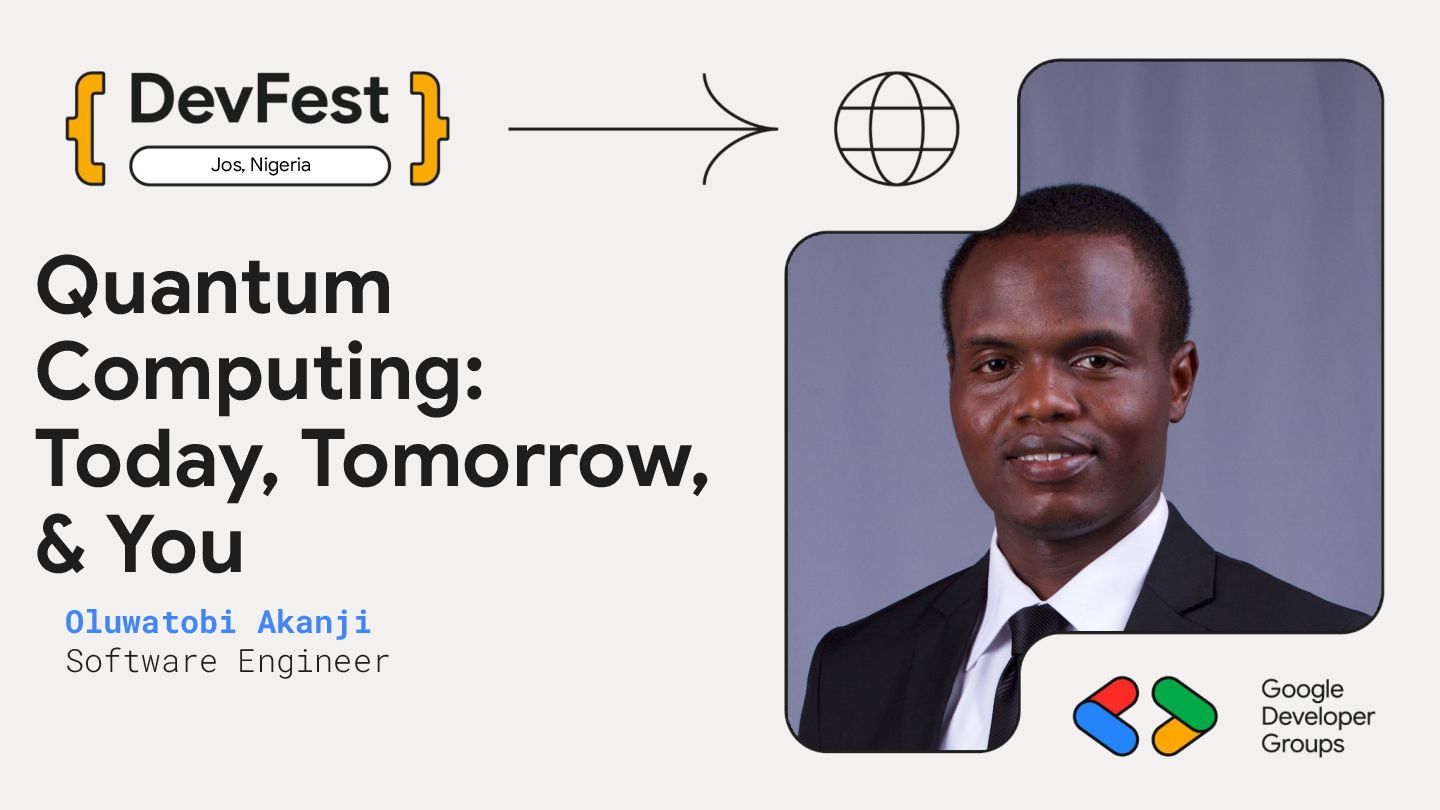
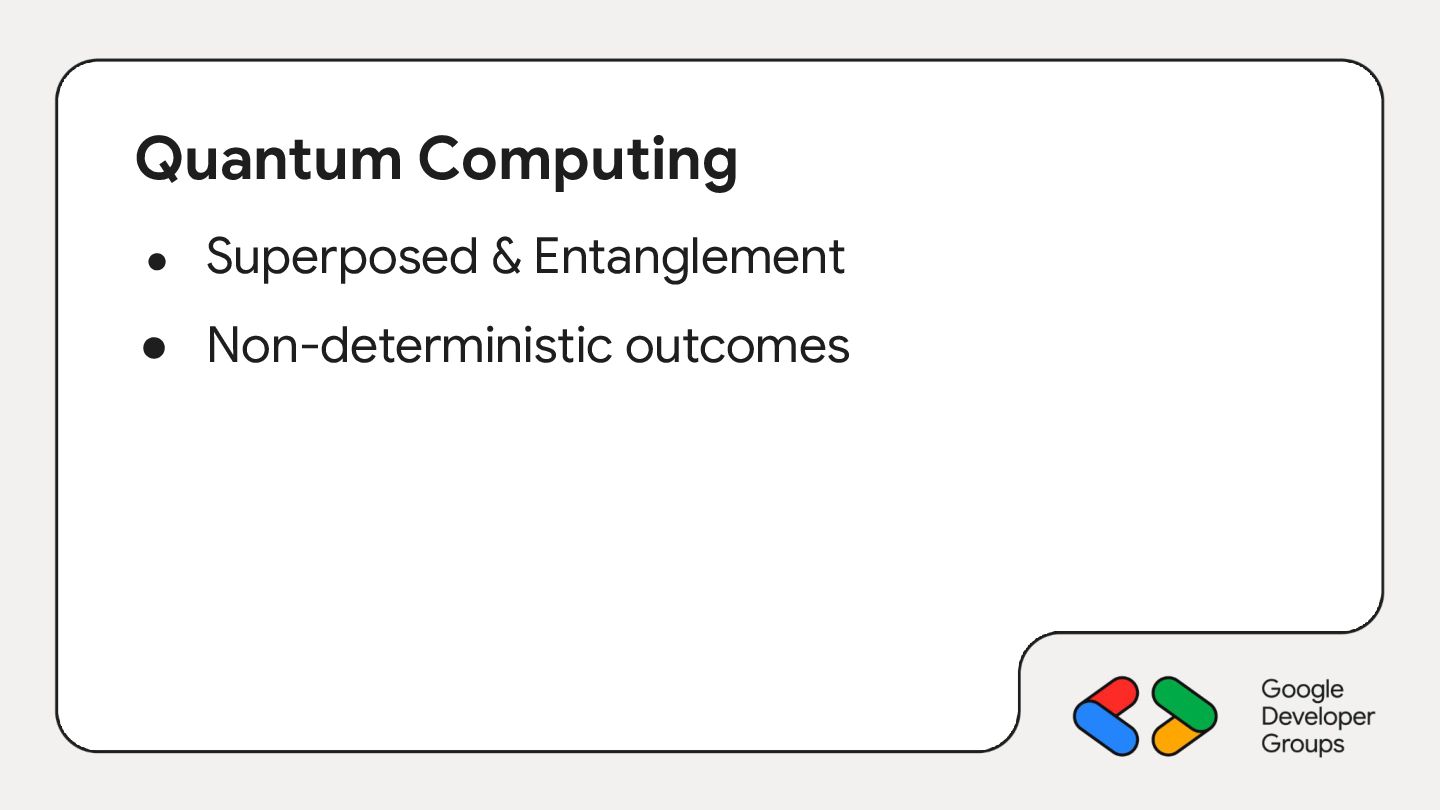
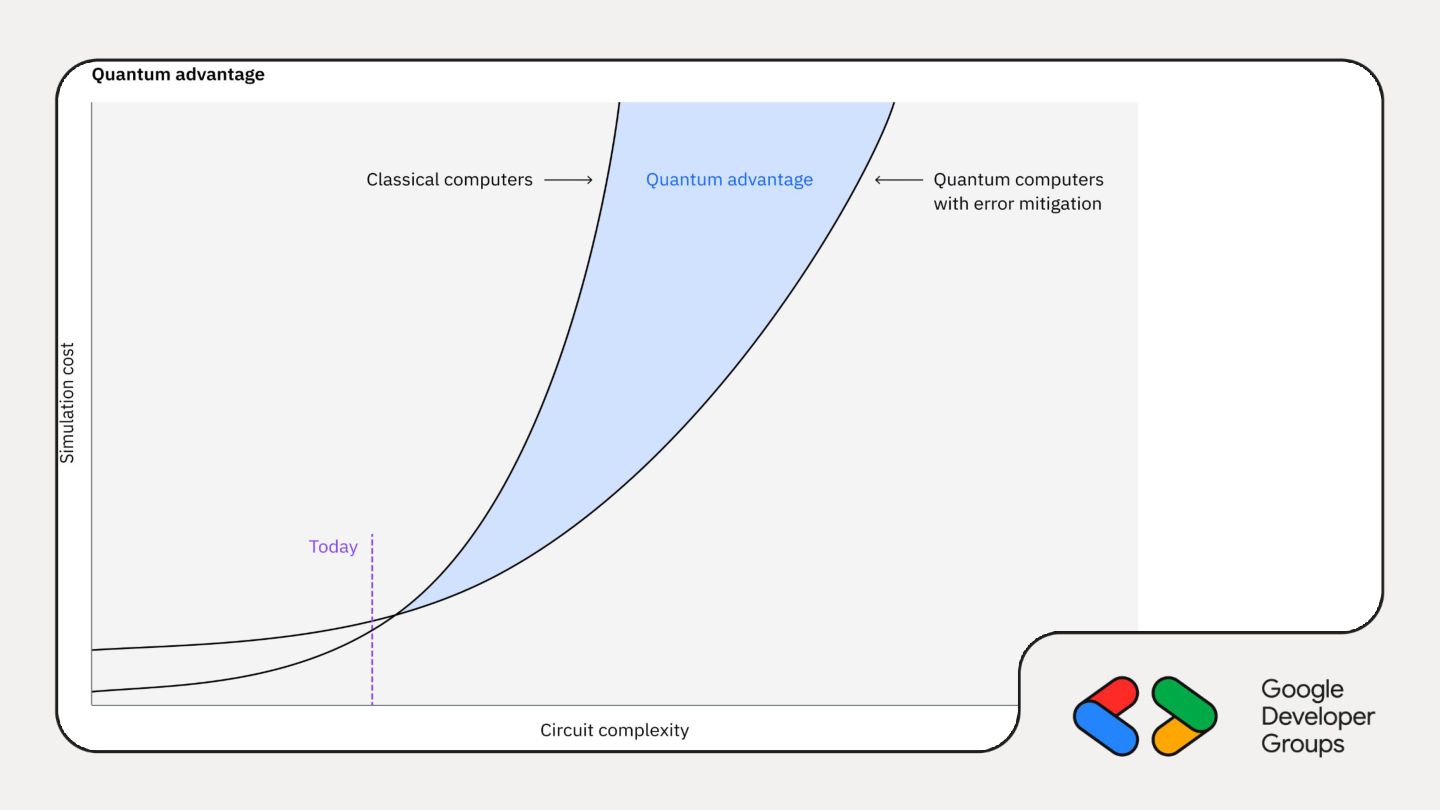
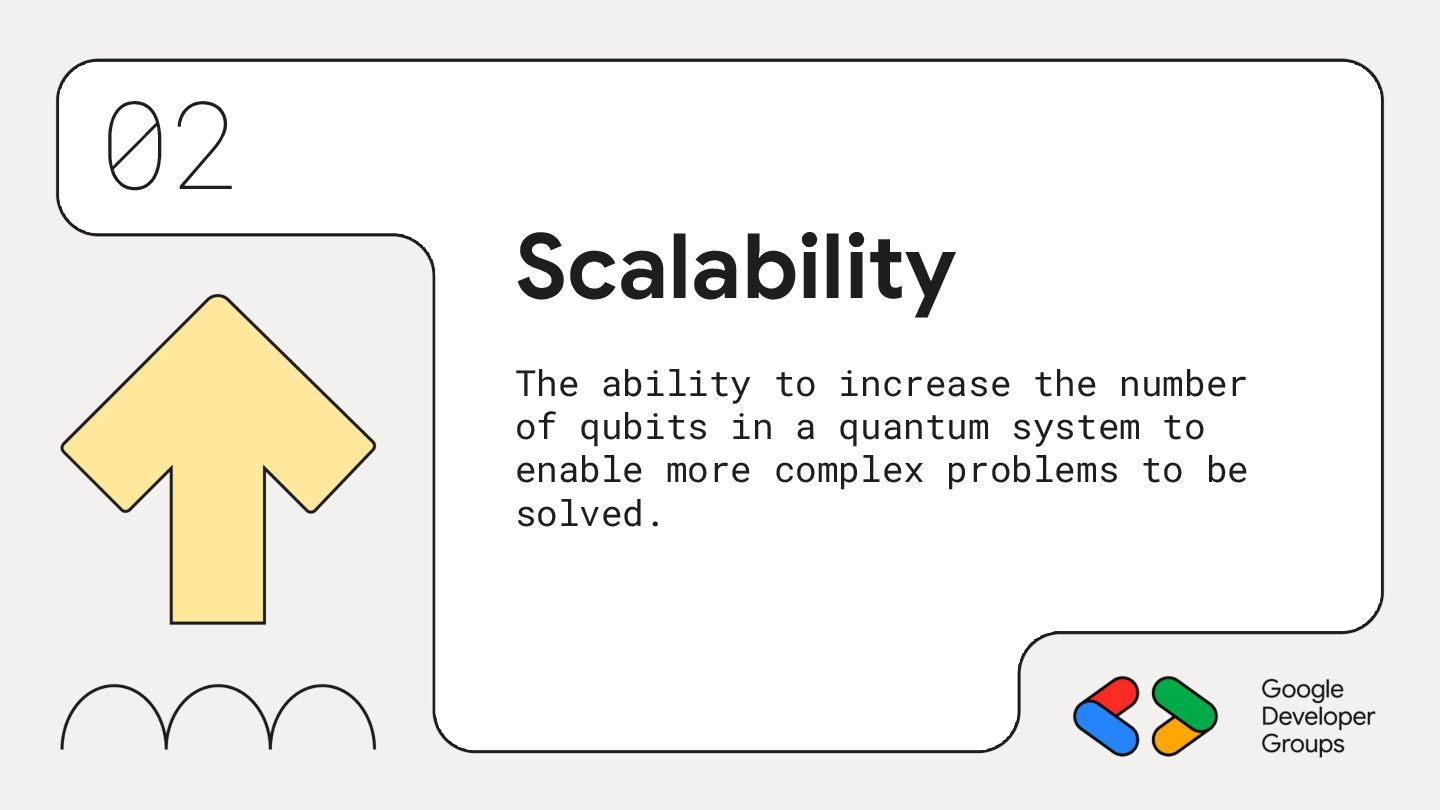
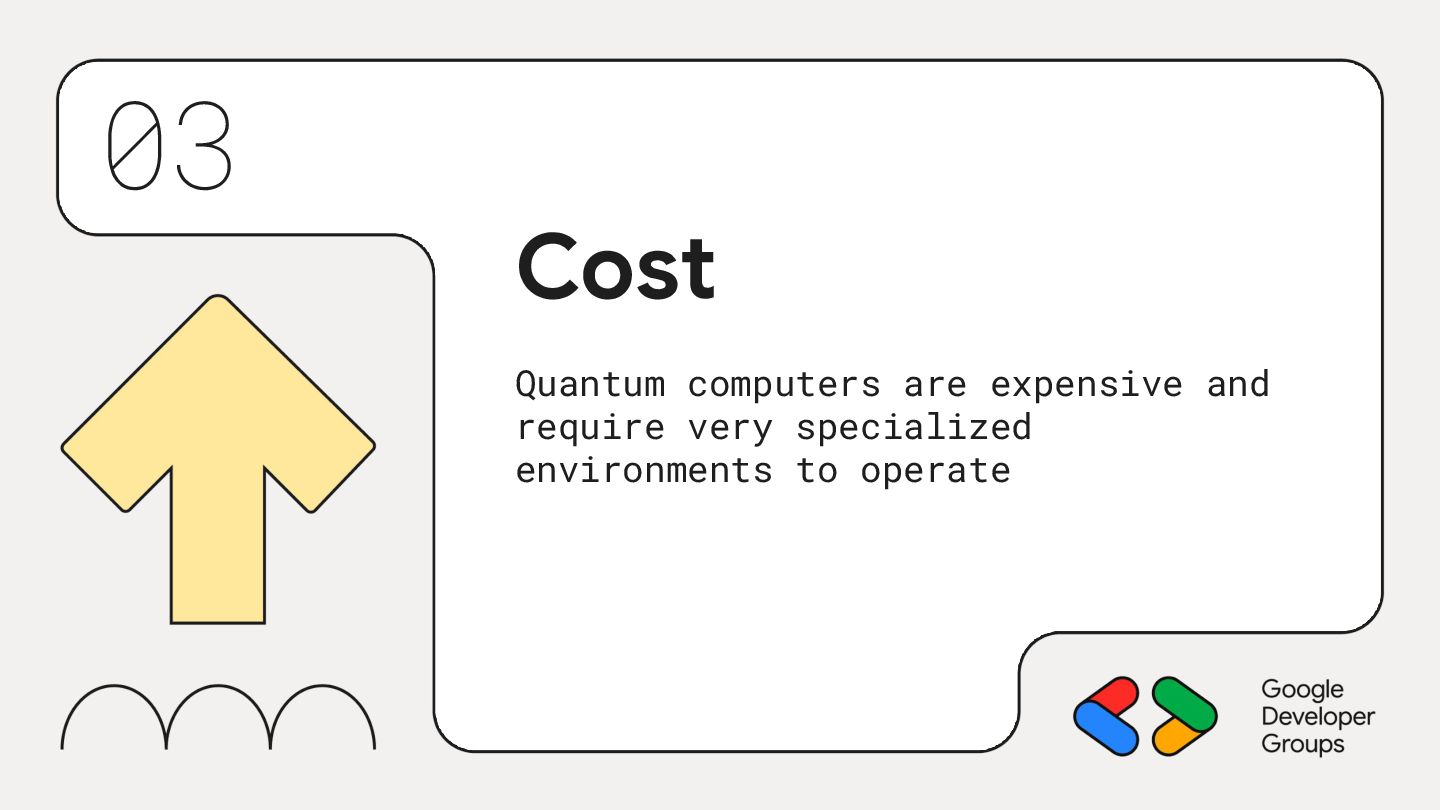
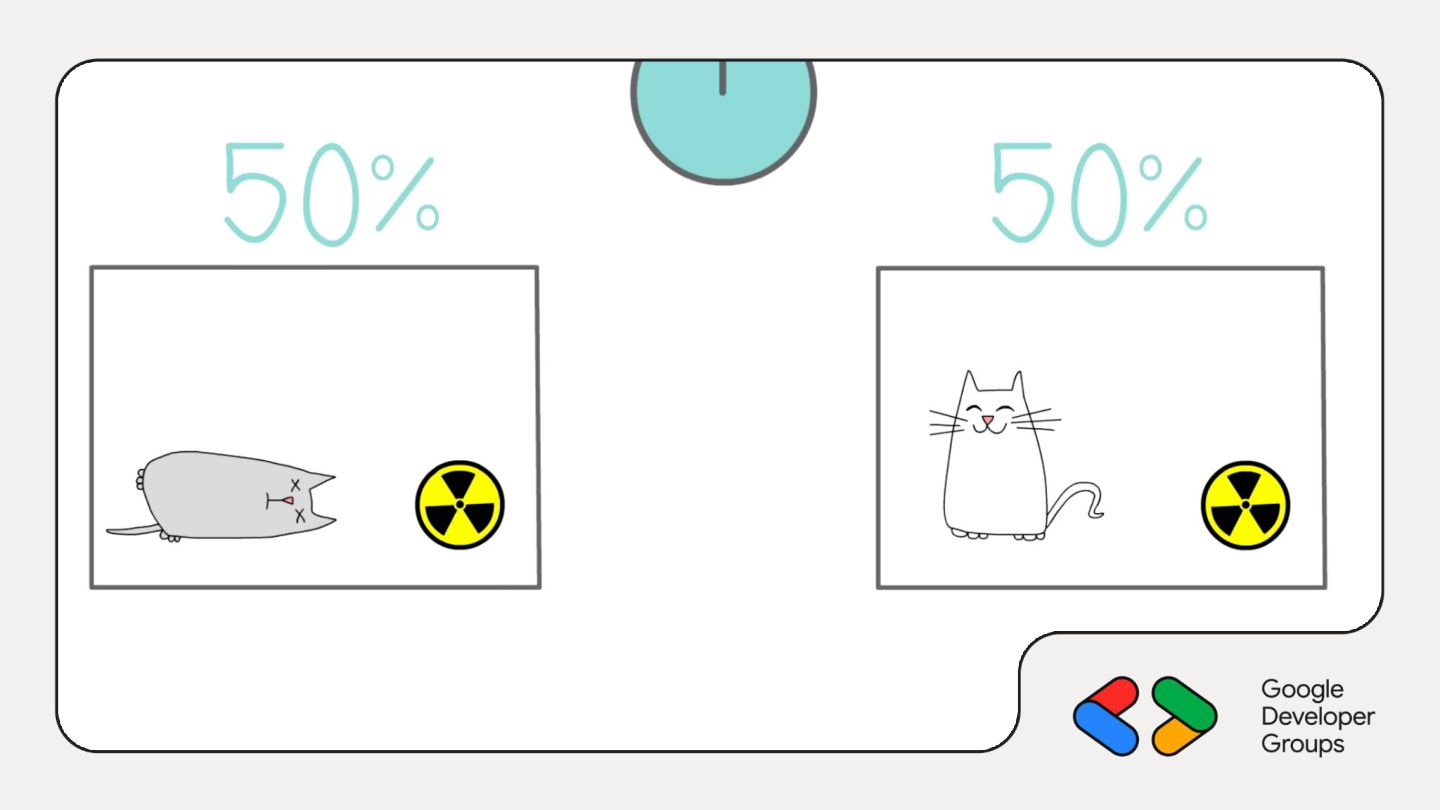
Quantum computing has captured global attention as Artificial Intelligence (AI) systems demand ever-increasing computing power. Yet, the dream of achieving quantum advantage faces a significant hurdle: the difficulty of building scalable quantum hardware. These challenges raise a critical question - how can we prepare for the computing power of the future while working within the limits of today’s technology?
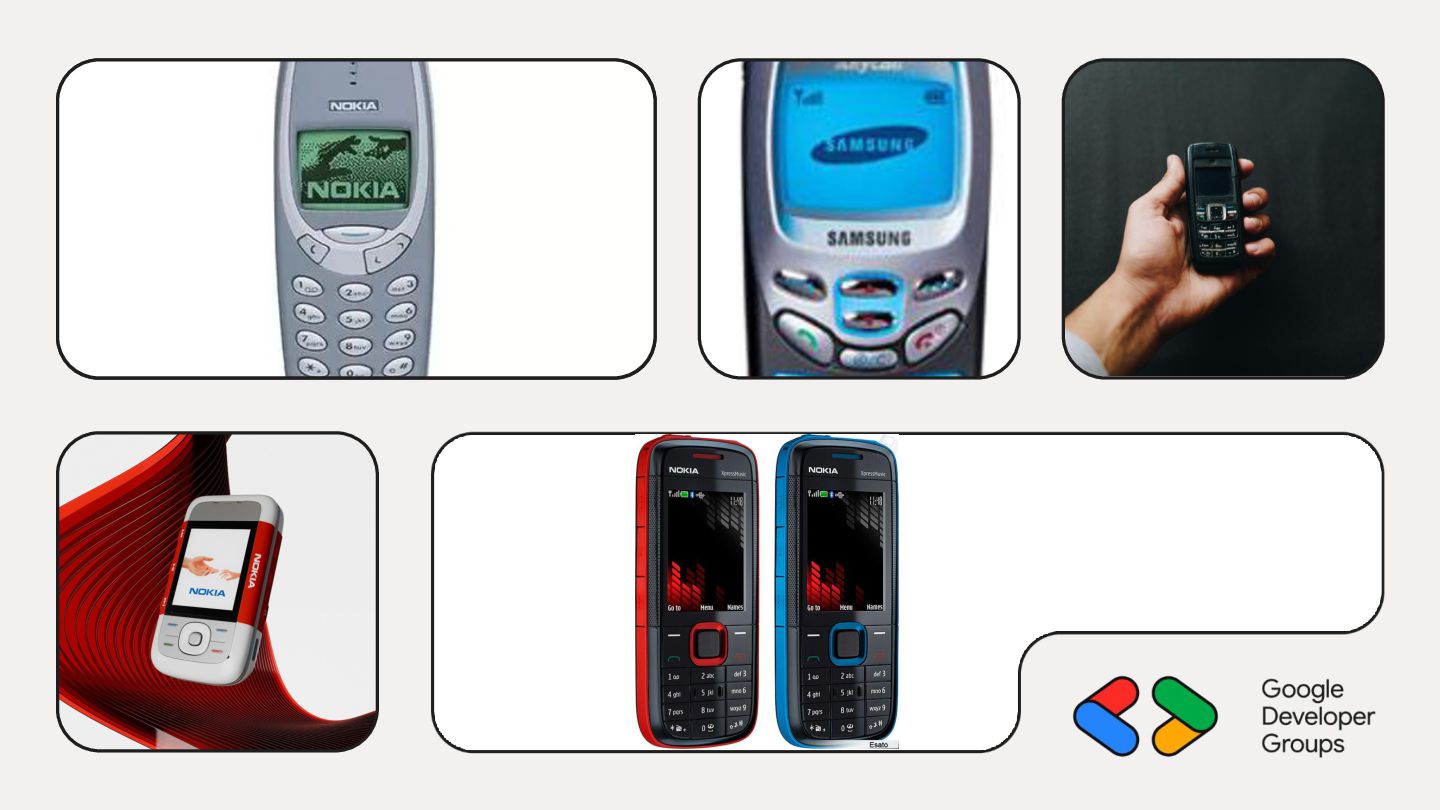
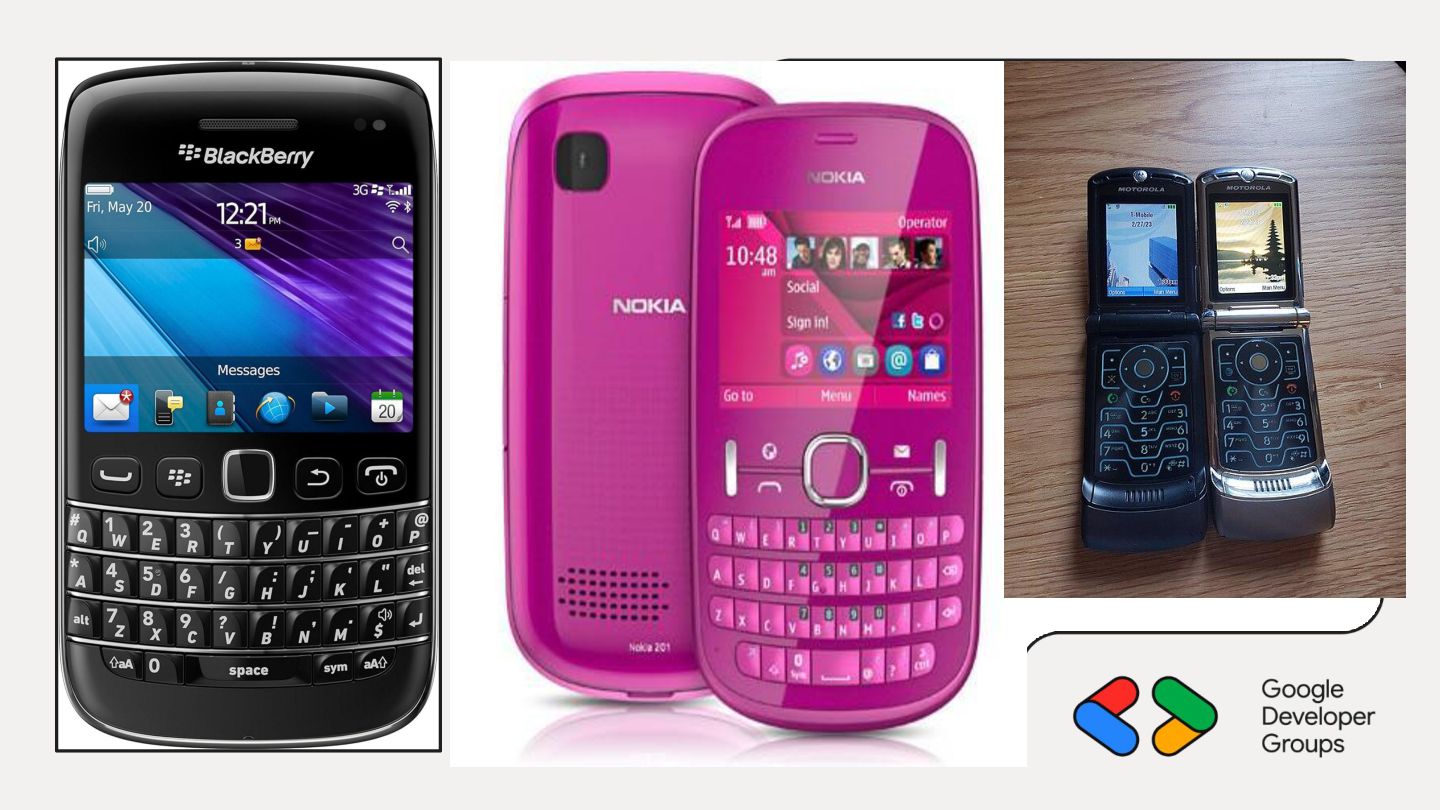
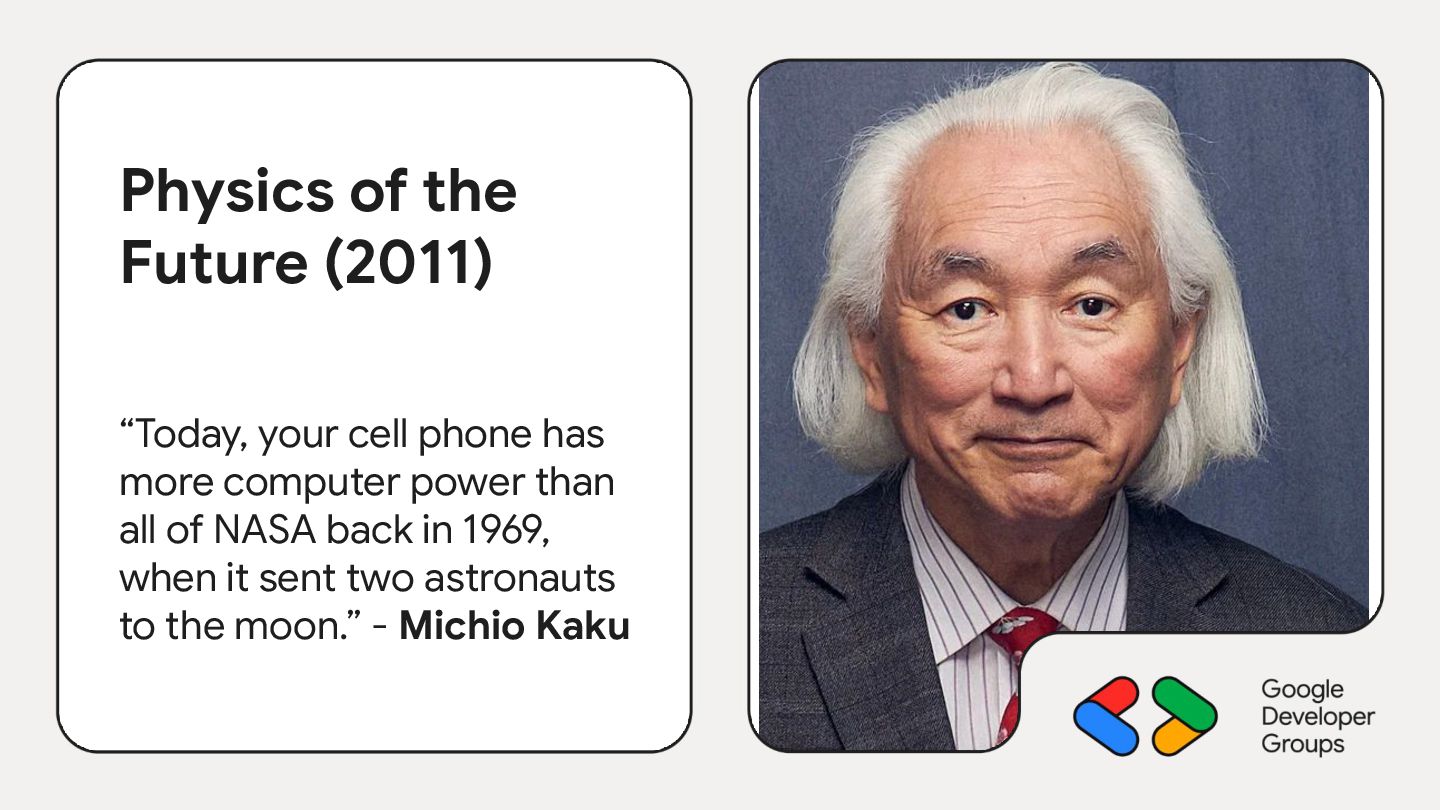
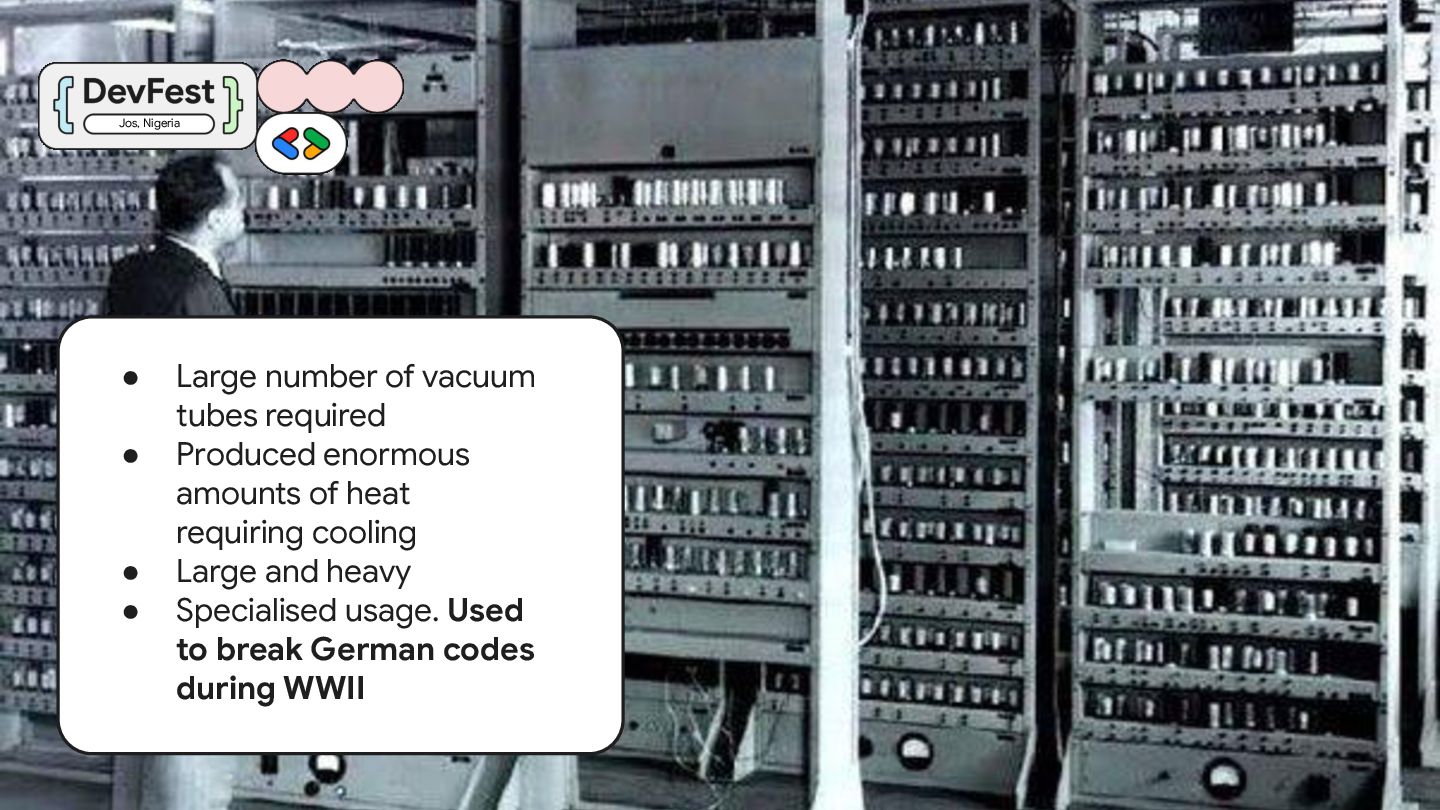
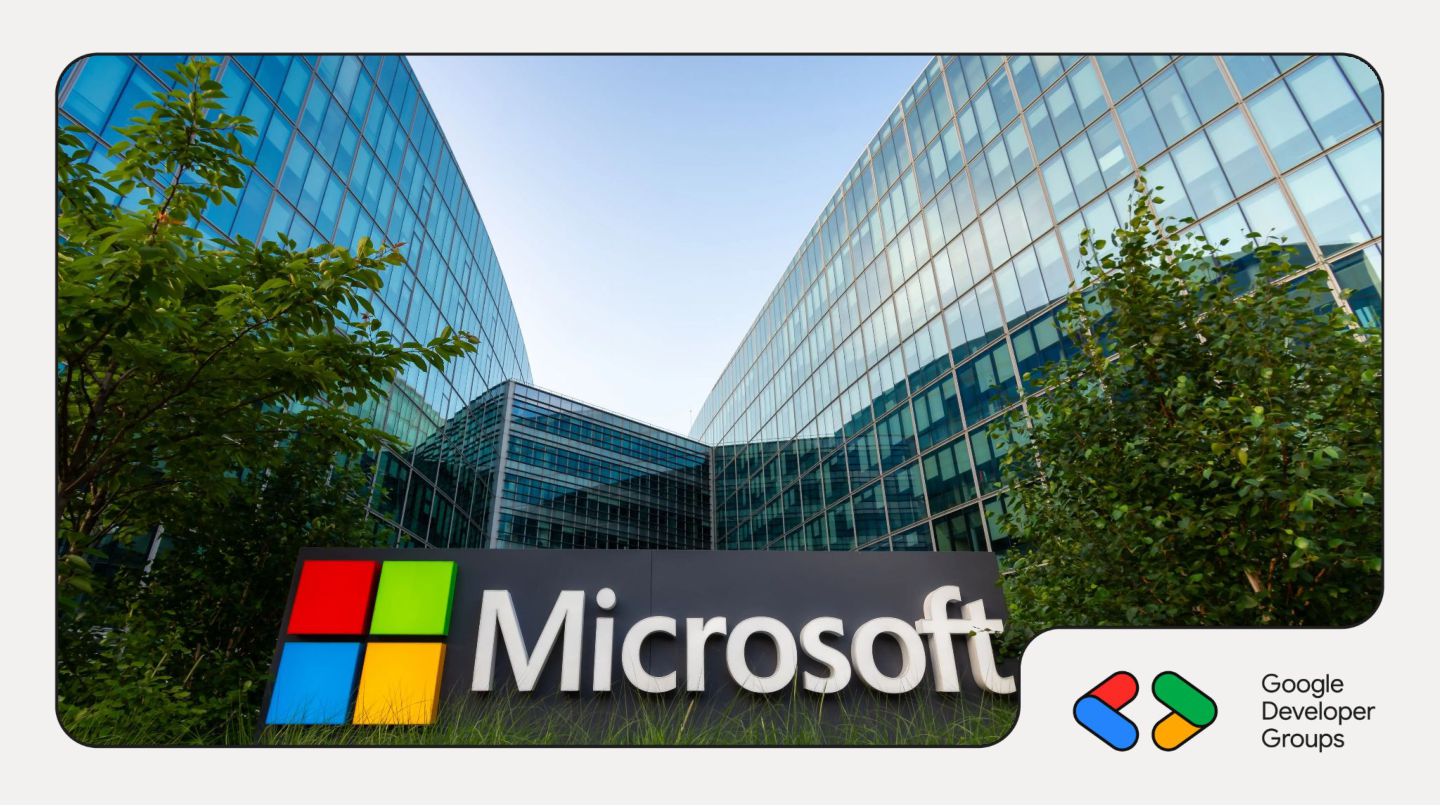
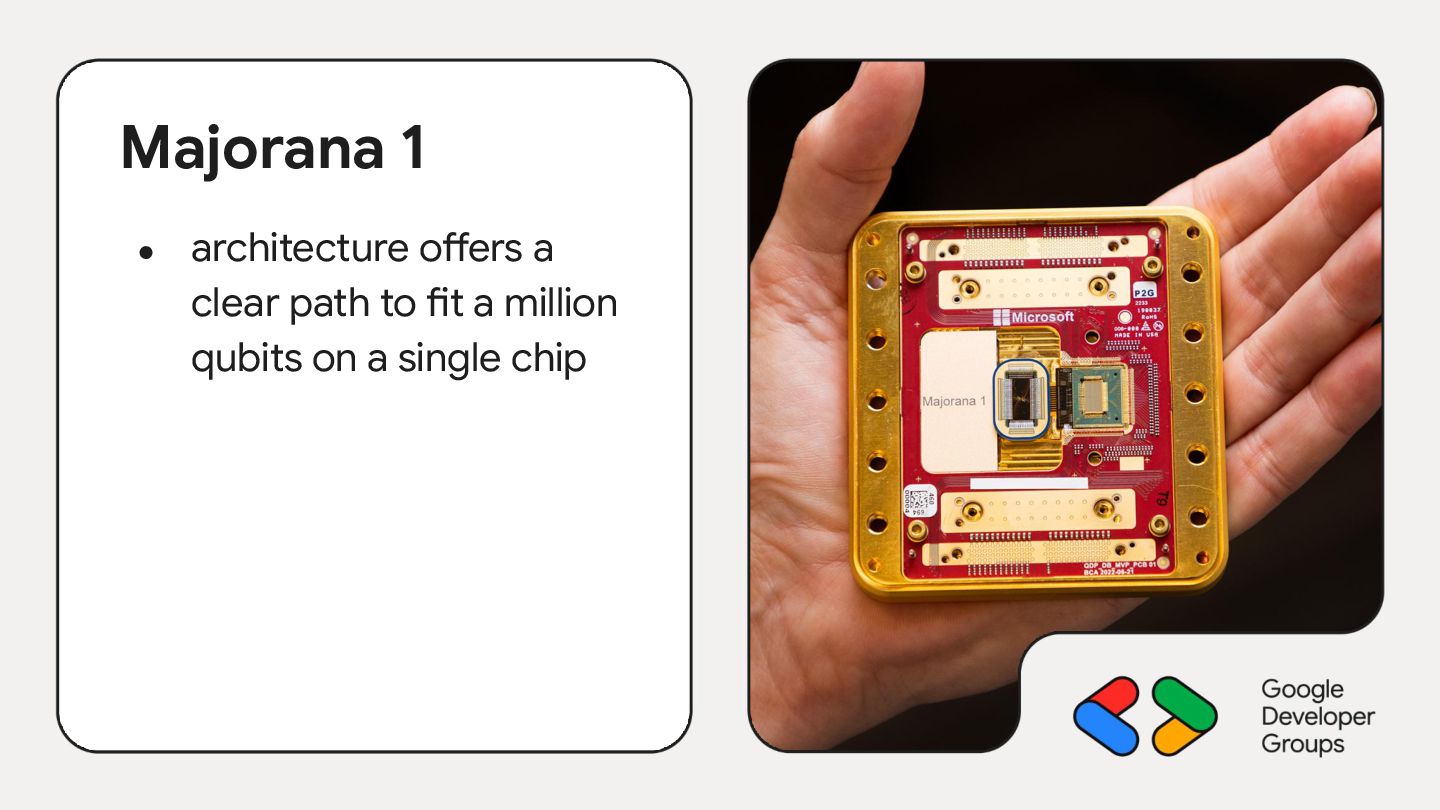
This talk will draw compelling parallels between the history of classical computing and the rapid developments in quantum computing, showcasing breakthroughs such as Microsoft’s Majorana One Quantum chip and other ecosystem milestones. By viewing today’s progress through the lens of history, we gain perspective on how far we have come and where the next wave of innovation may take us.
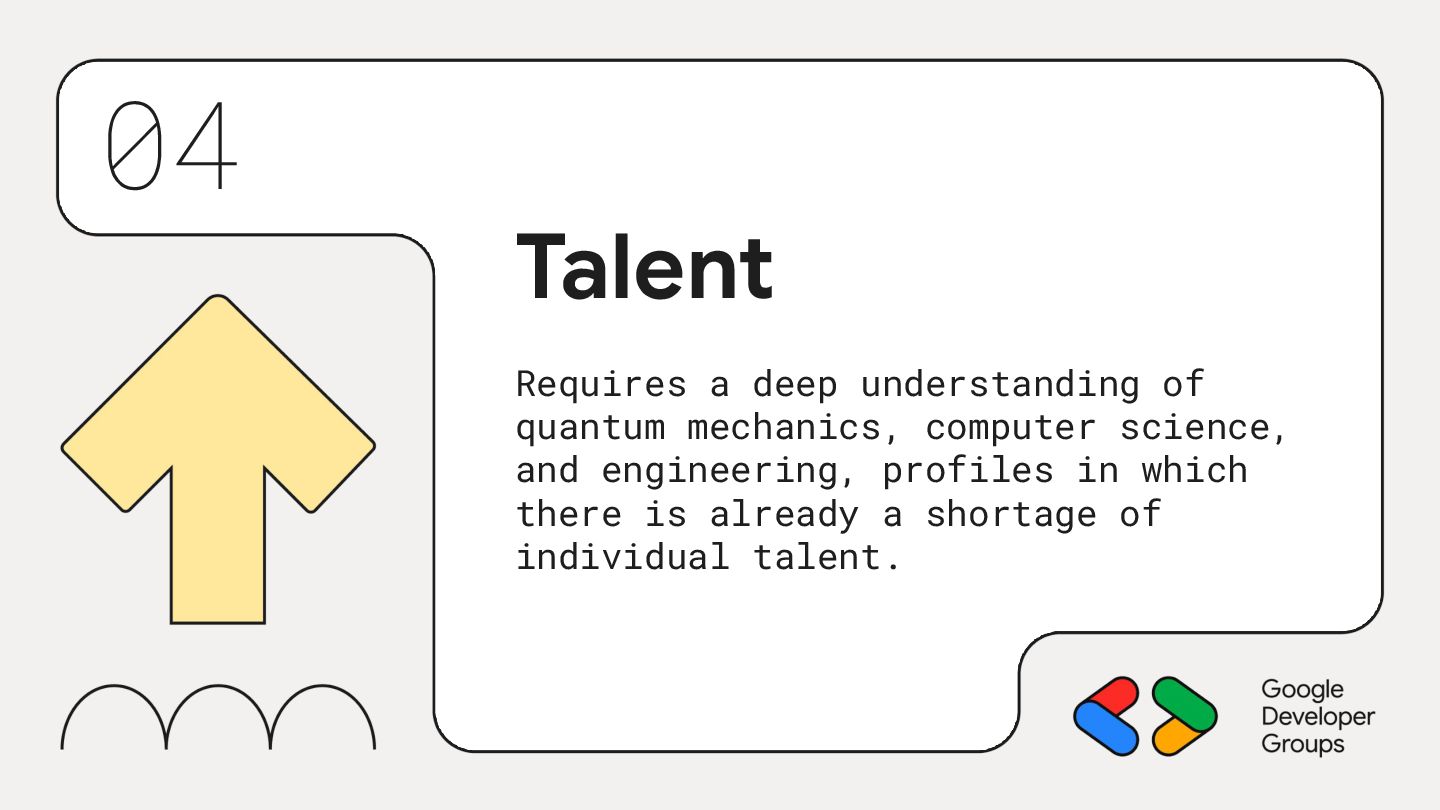
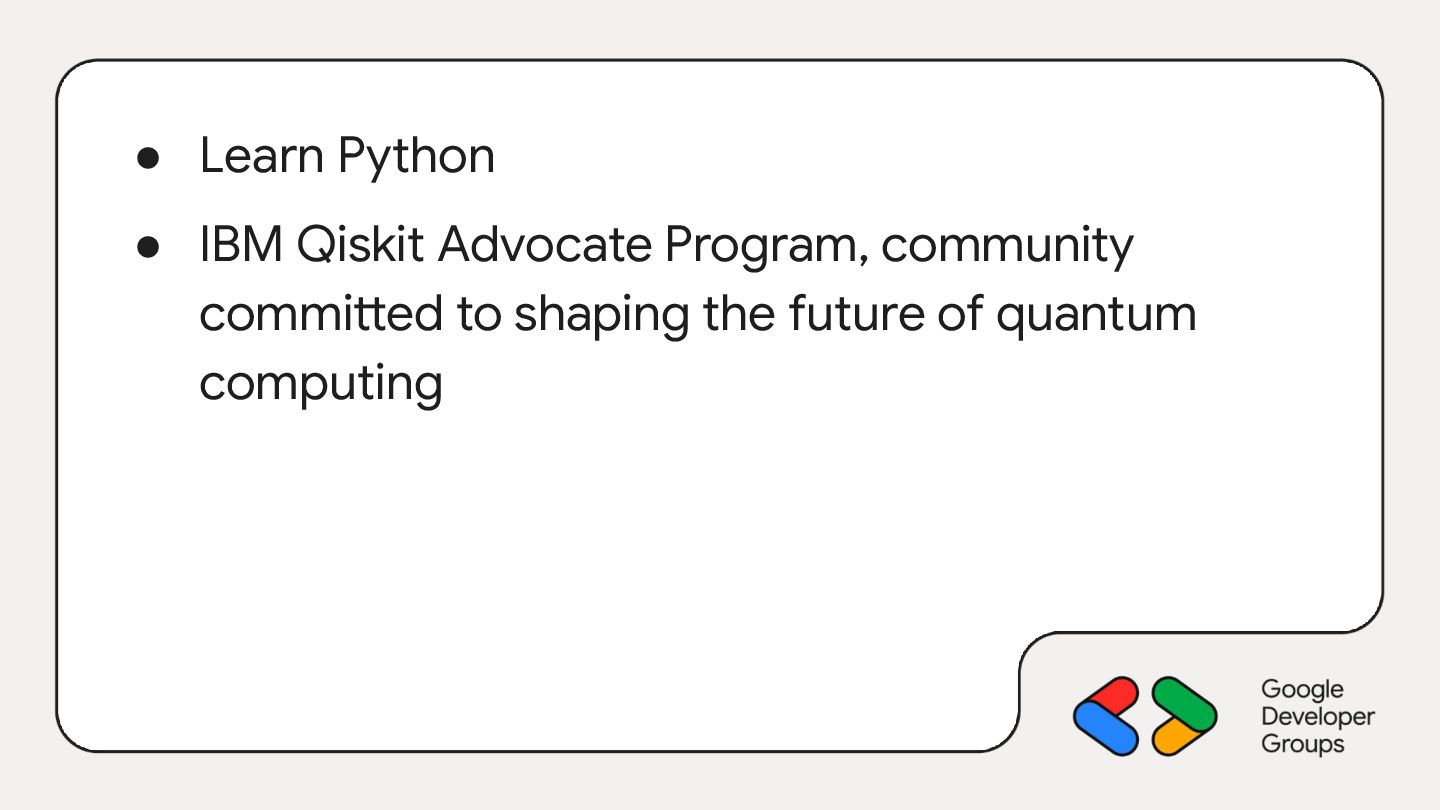
Looking ahead, we will explore the kinds of problems quantum computing promises to solve, the expected hardware breakthroughs on the horizon, and most importantly, how attendees can position themselves to benefit from this evolution. From understanding emerging quantum programming languages to engaging with active communities shaping the field, participants will leave with practical insights on using the tools and resources of today to prepare for the quantum-powered future that lies ahead.
.png)

.png)
.png) oluwatobiakanji
oluwatobiakanji
 ezaki
ezaki
 prog893
 iktakahiro
 yamanoku
 sh_fk2
 jyouryuusui
 shogo4131
 ishikawa_satoru
 takahashim
 glaforge
 yut0naga1_fa
 shugo
shugo
 tomoyanonymous
 akihiro_kokubo
 marcelosomers
 pedronauck
 eileencodes
 lara
lara
 mlcsv
mlcsv
 axbom
axbom
 bluesmoon
 baasie
 garrettdimon
 kristinabergwall1