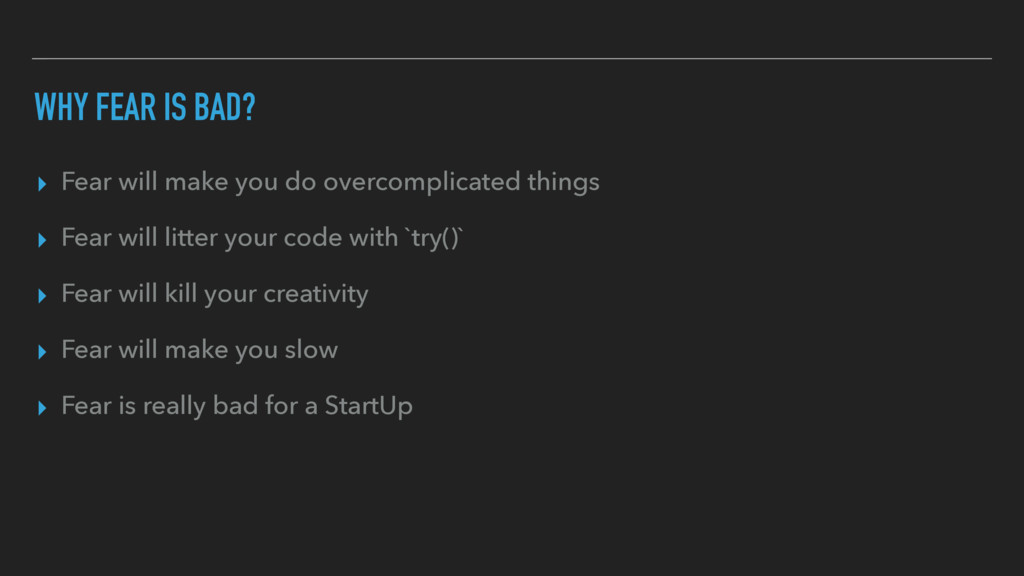
overcomplicated things ▸ Fear will litter your code with `try()` ▸ Fear will kill your creativity ▸ Fear will make you slow ▸ Fear is really bad for a StartUp
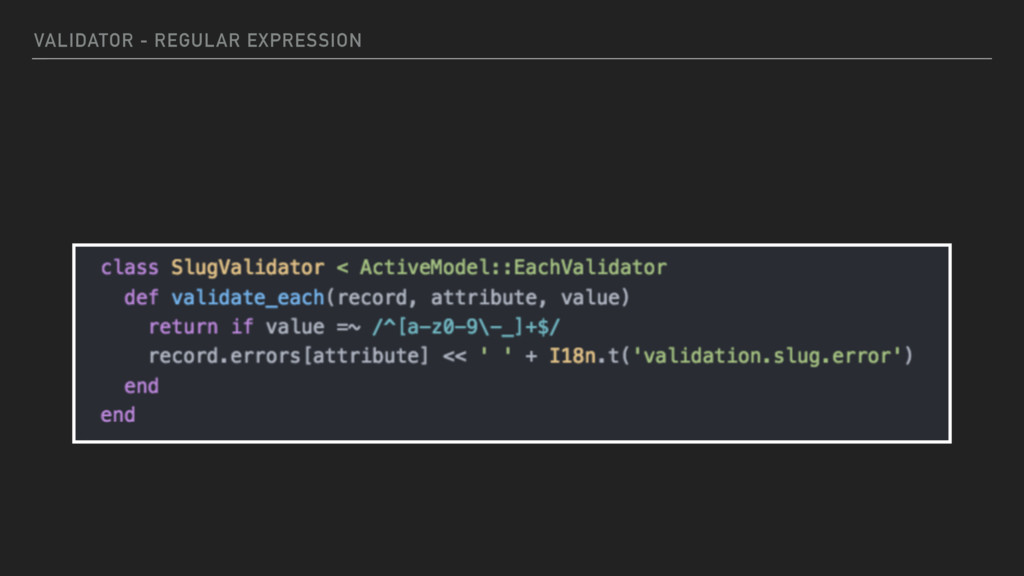
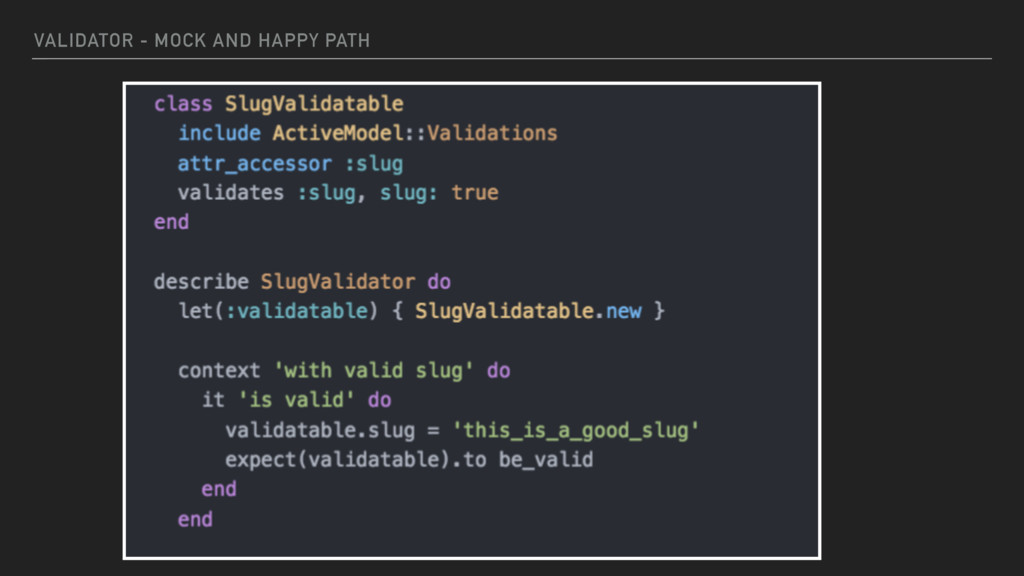
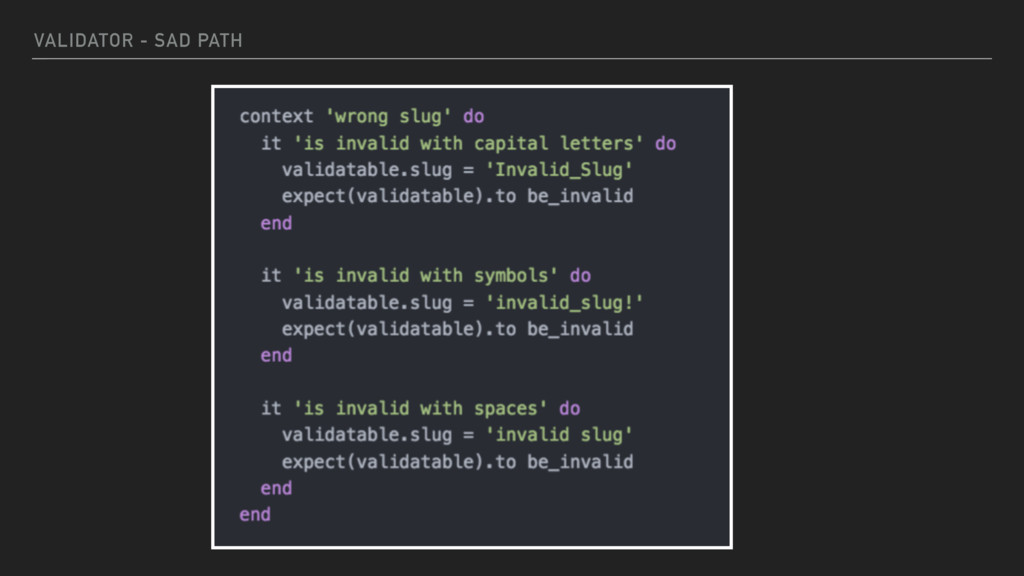
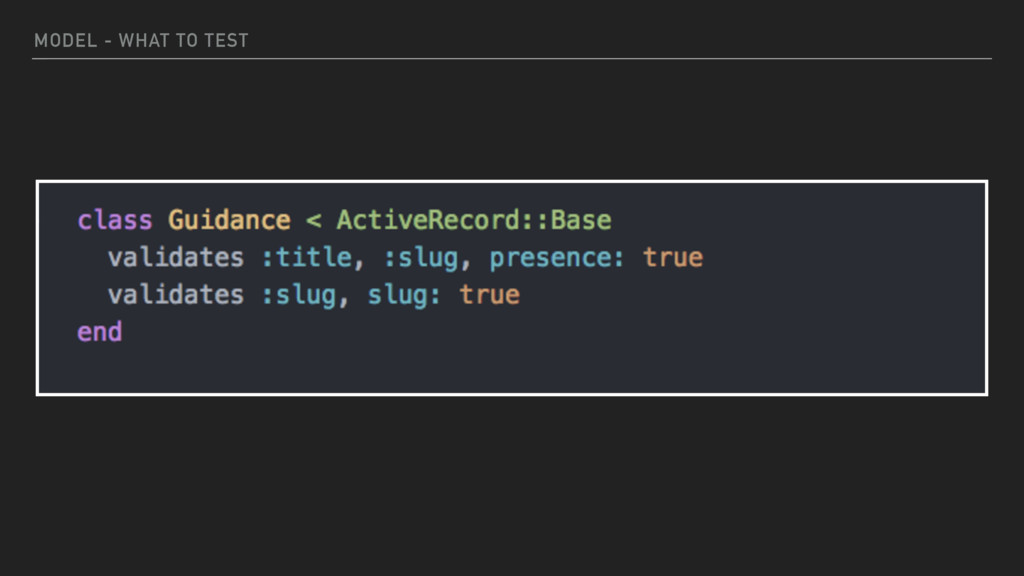
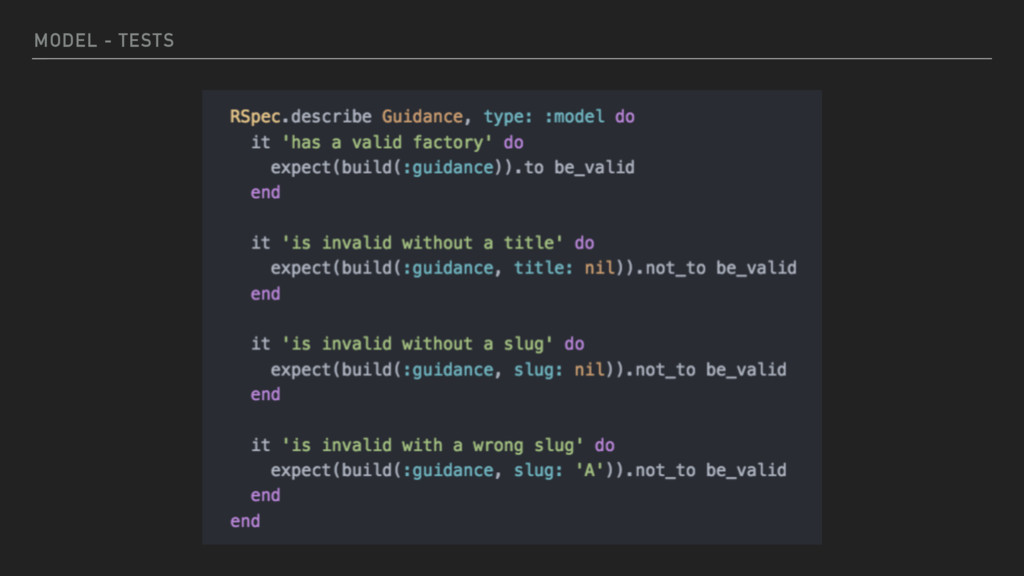
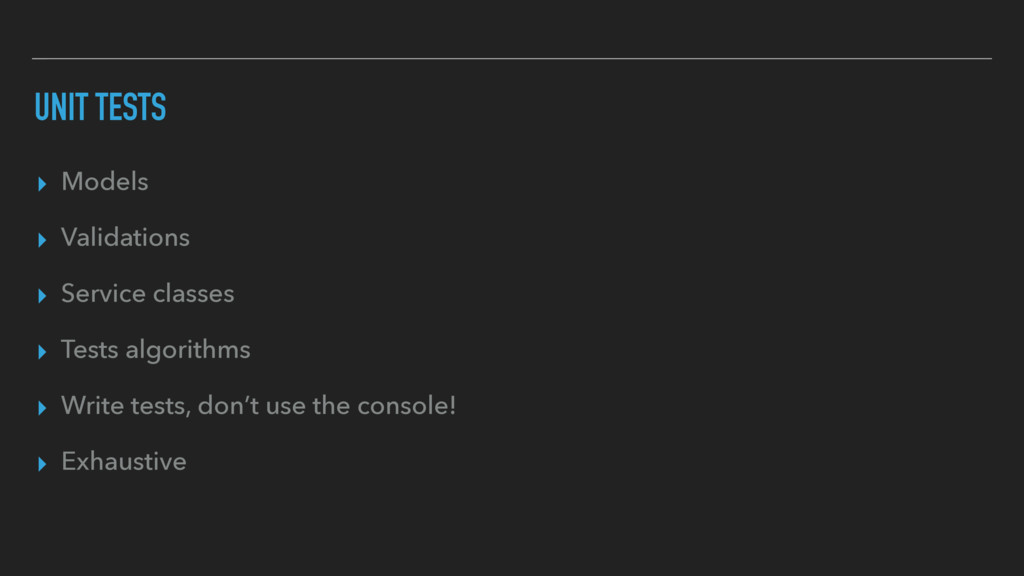
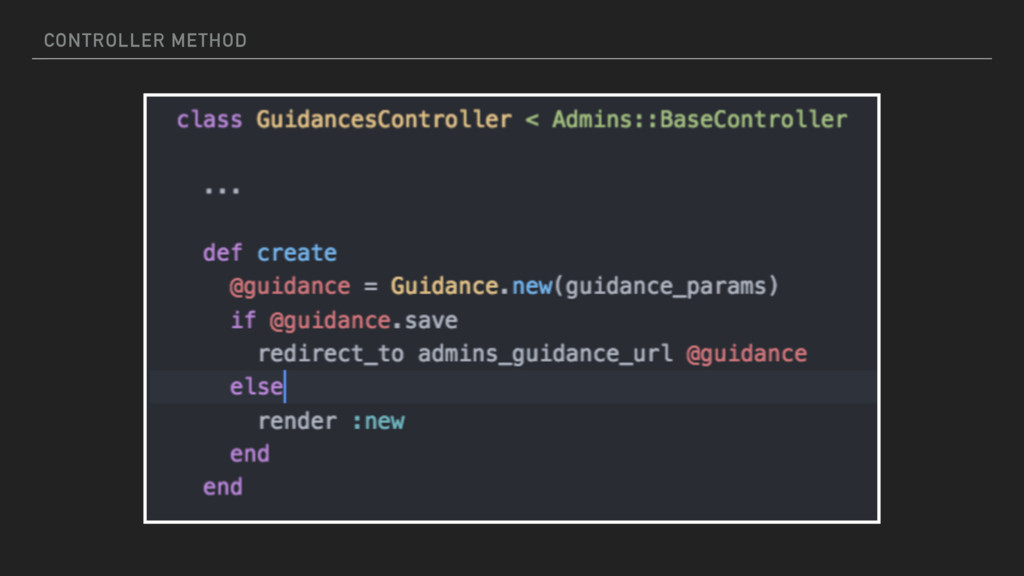
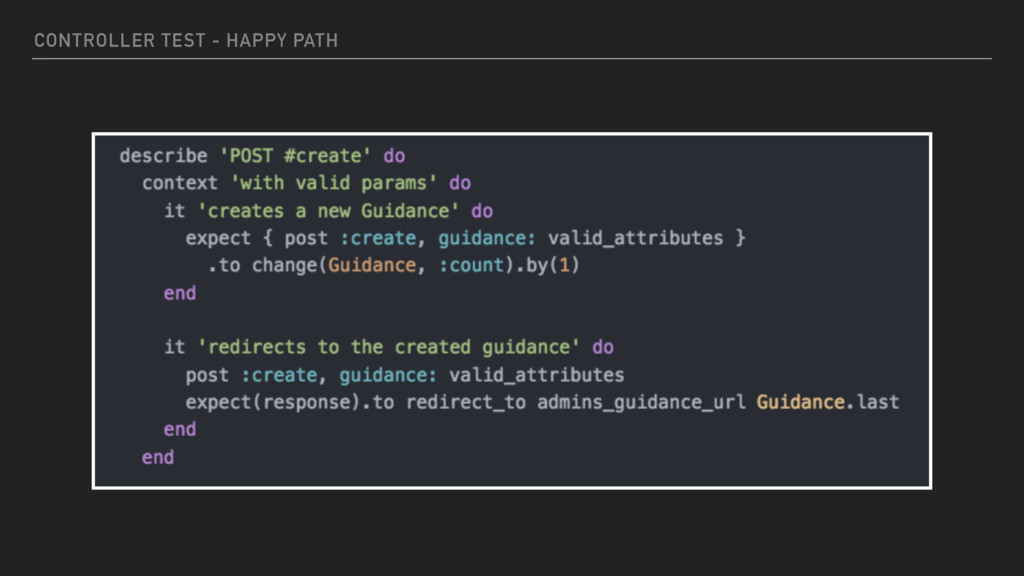
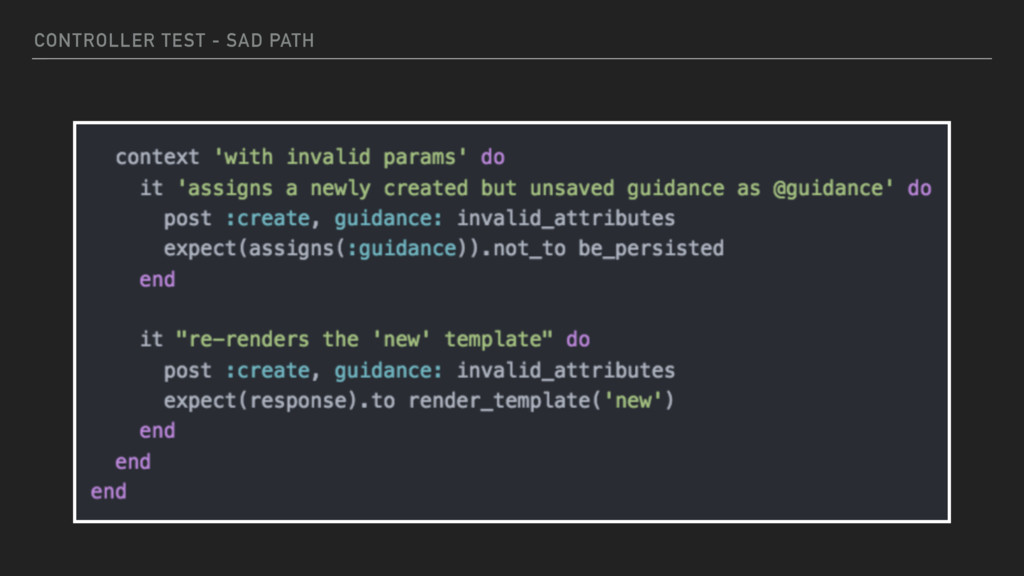
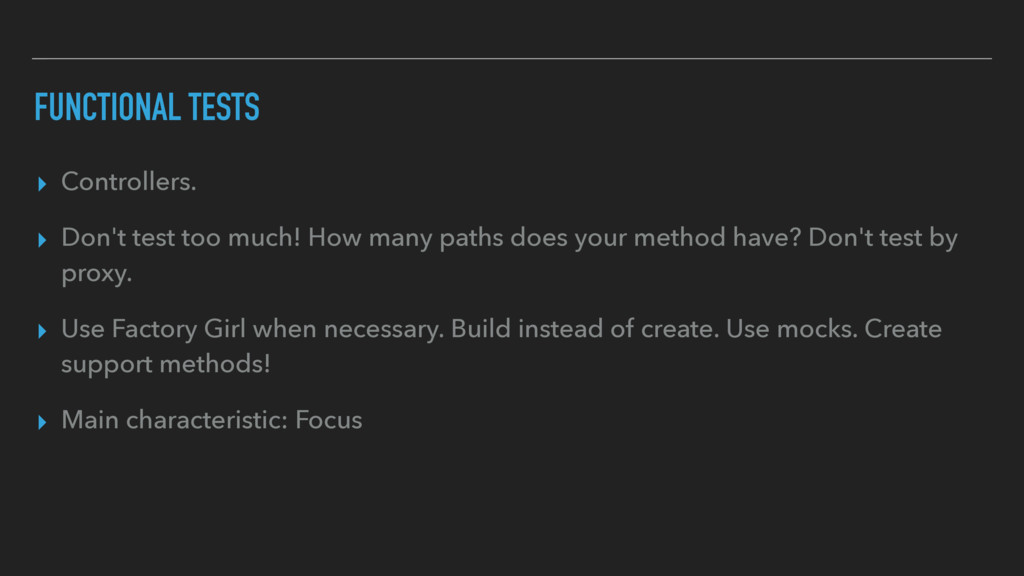
many paths does your method have? Don't test by proxy. ▸ Use Factory Girl when necessary. Build instead of create. Use mocks. Create support methods! ▸ Main characteristic: Focus
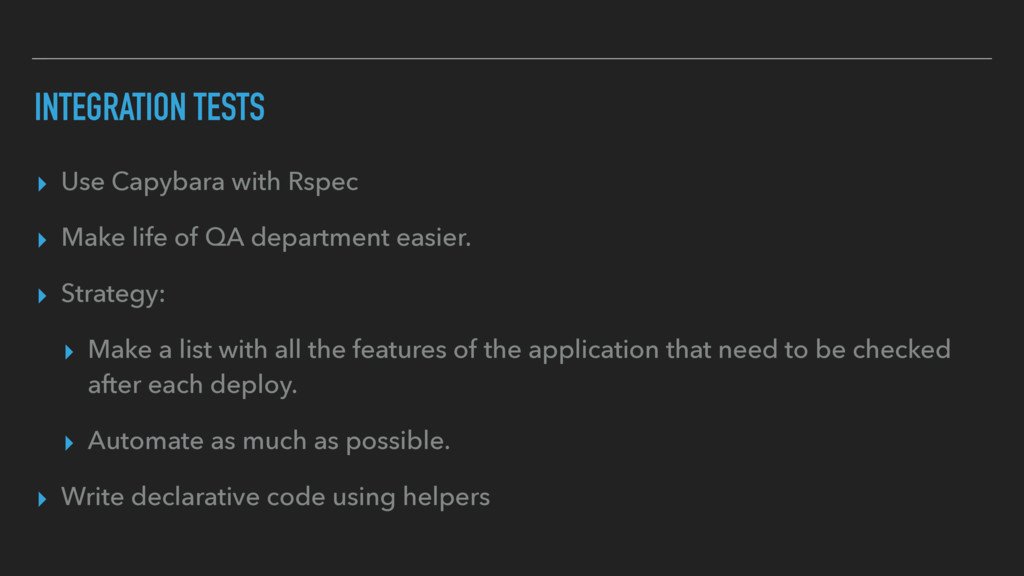
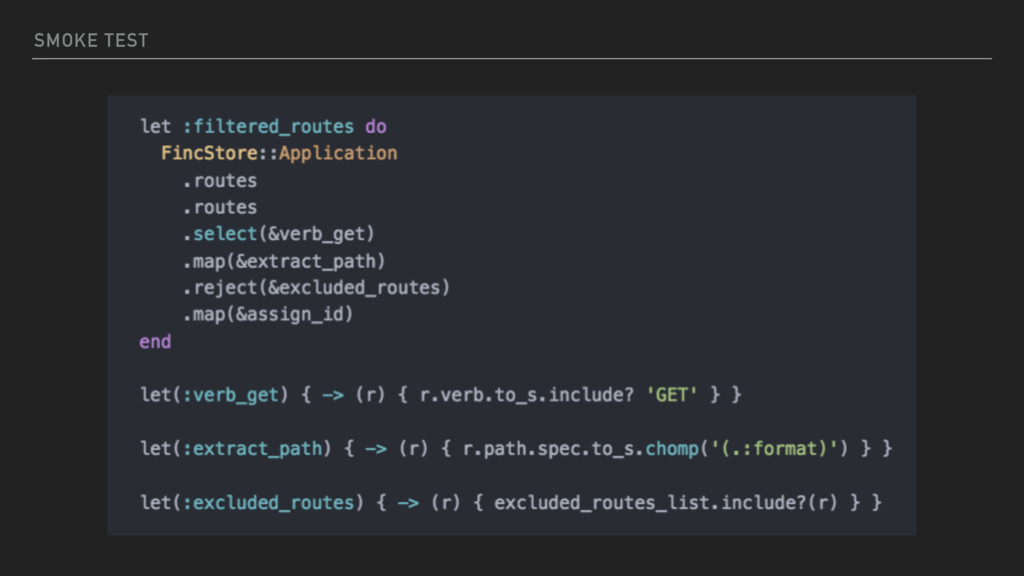
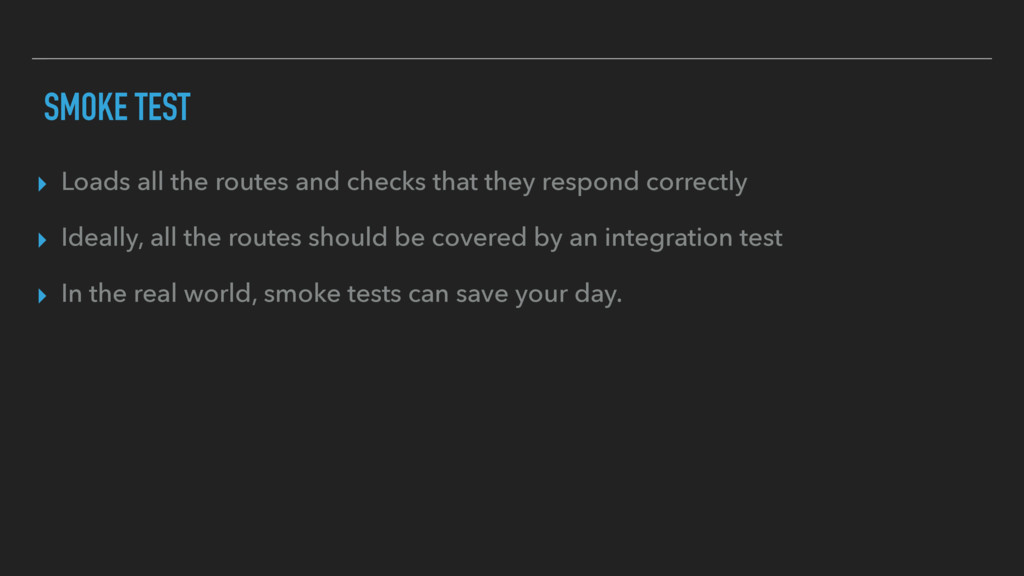
of QA department easier. ▸ Strategy: ▸ Make a list with all the features of the application that need to be checked after each deploy. ▸ Automate as much as possible. ▸ Write declarative code using helpers
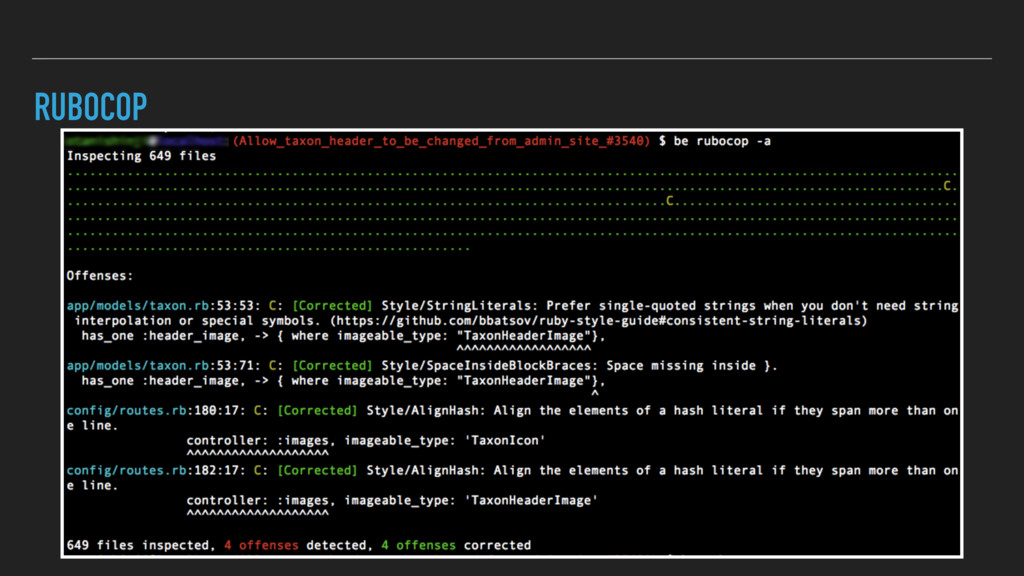
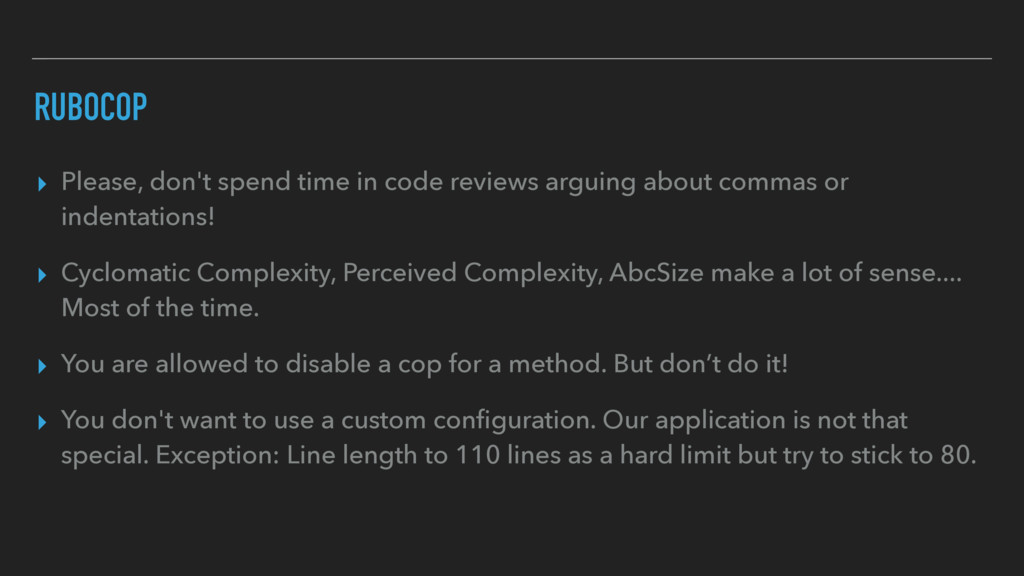
about commas or indentations! ▸ Cyclomatic Complexity, Perceived Complexity, AbcSize make a lot of sense.... Most of the time. ▸ You are allowed to disable a cop for a method. But don’t do it! ▸ You don't want to use a custom configuration. Our application is not that special. Exception: Line length to 110 lines as a hard limit but try to stick to 80.
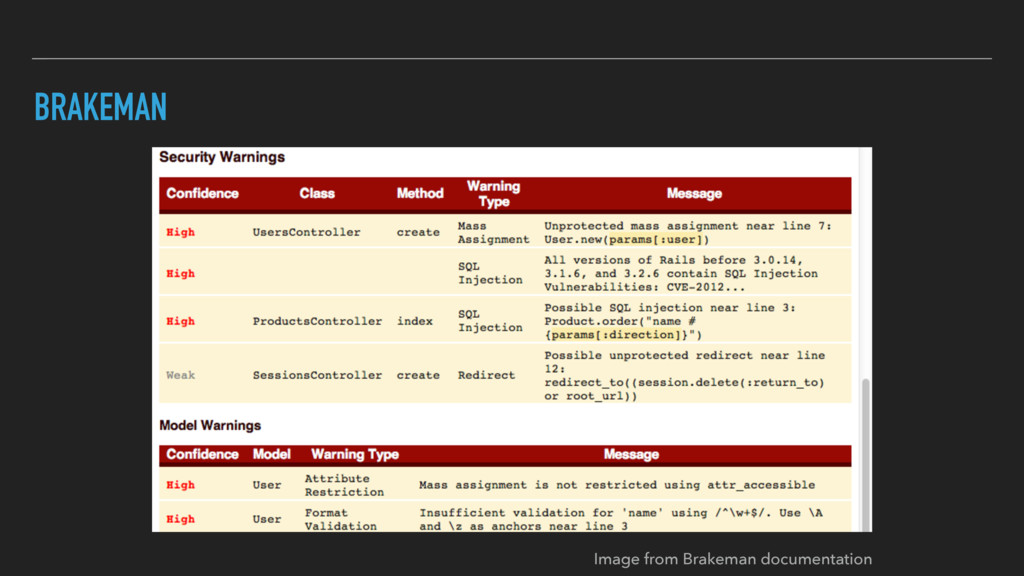
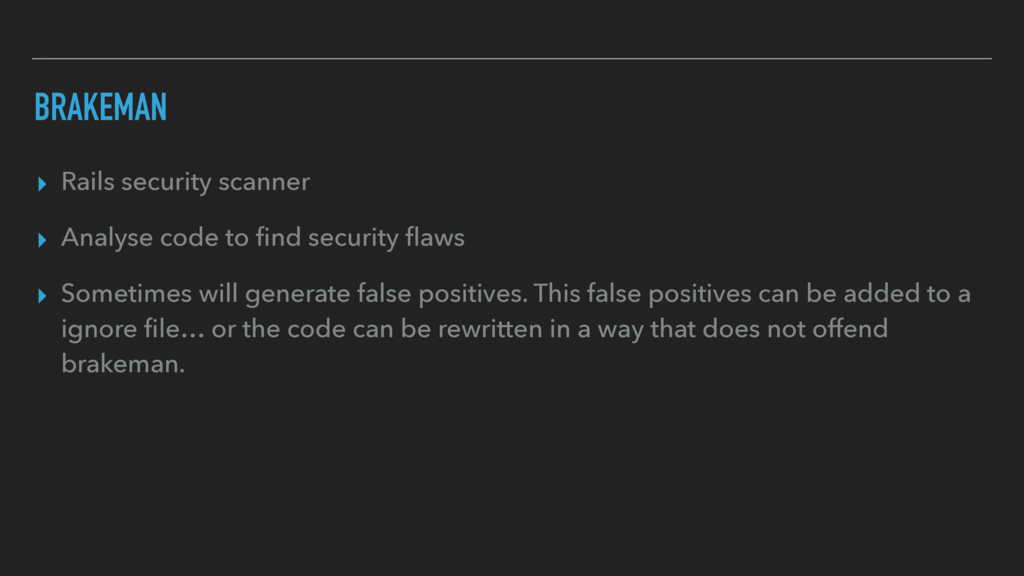
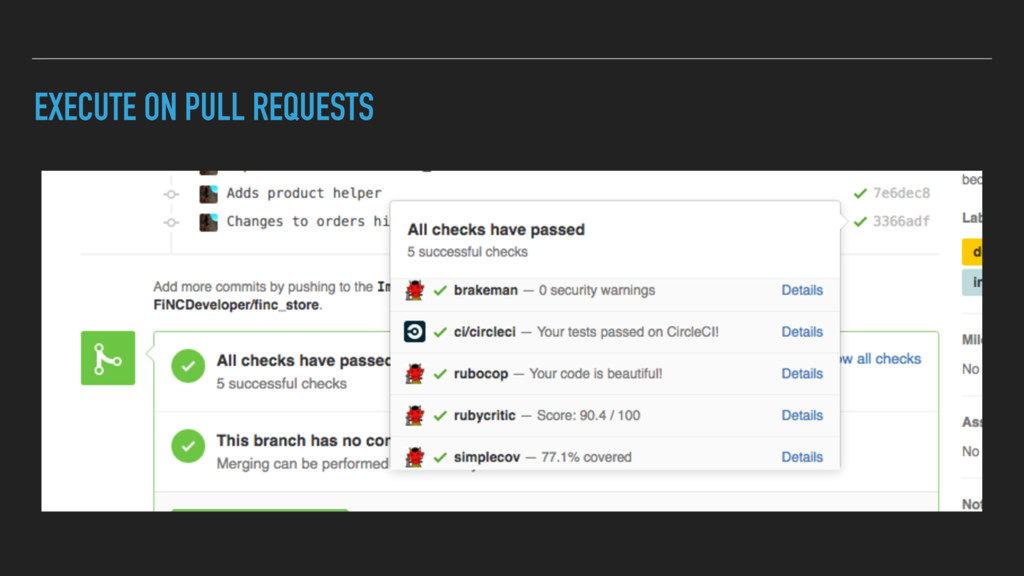
security flaws ▸ Sometimes will generate false positives. This false positives can be added to a ignore file… or the code can be rewritten in a way that does not offend brakeman.
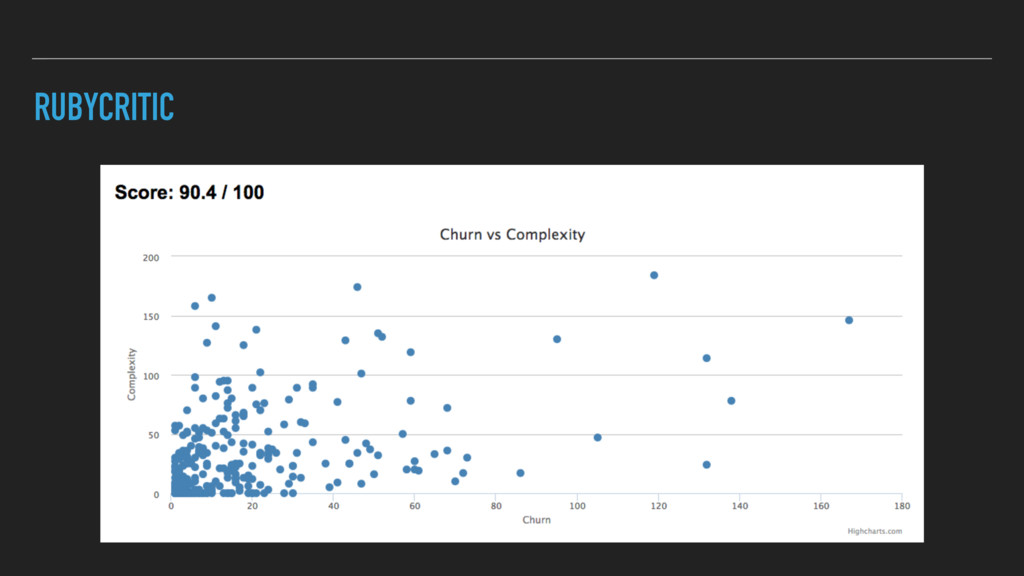
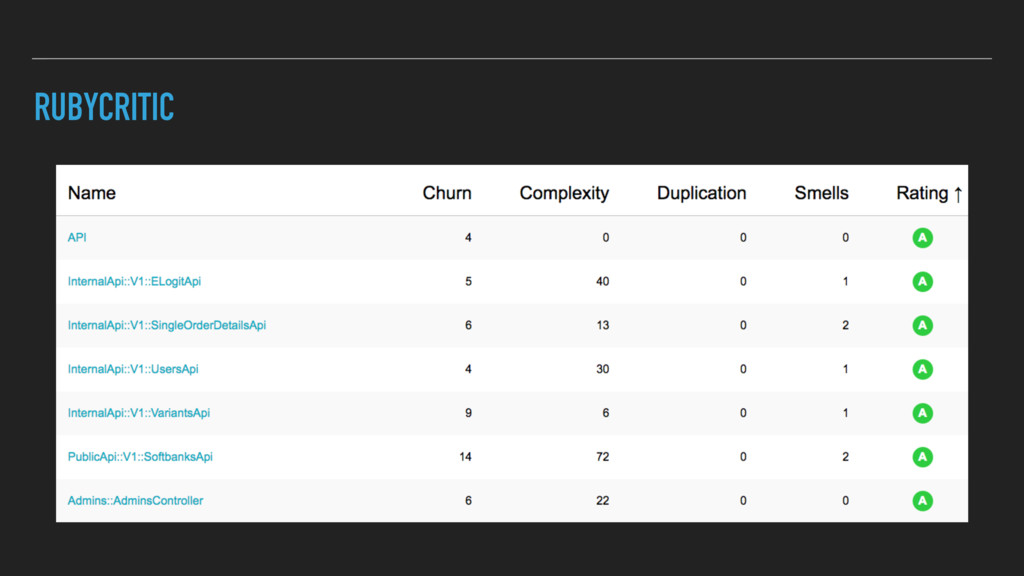
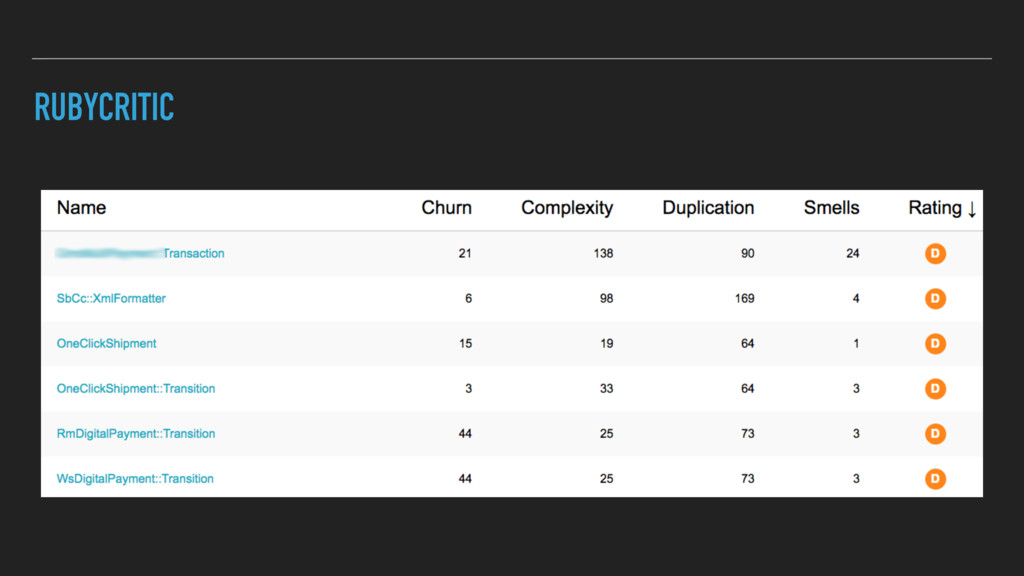
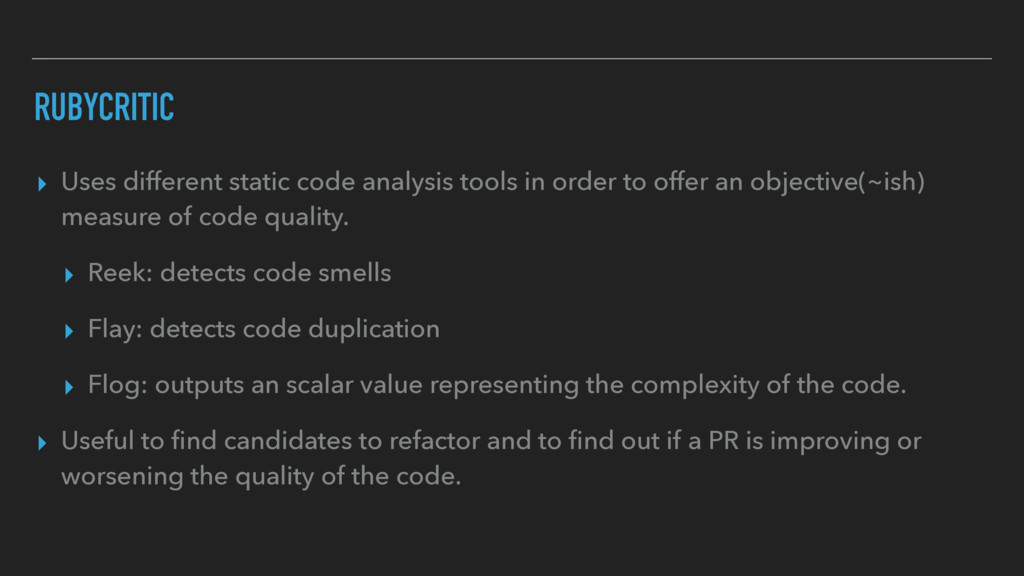
to offer an objective(~ish) measure of code quality. ▸ Reek: detects code smells ▸ Flay: detects code duplication ▸ Flog: outputs an scalar value representing the complexity of the code. ▸ Useful to find candidates to refactor and to find out if a PR is improving or worsening the quality of the code.


 t45k
 takehaya
 veronikapj
 tarao
 kosukesaigusa
 okajun35
 nextbeatdev
 youto
 ryunen344
 ooga04
 itsmedreamwalker
 nasa9084
 reverentgeek
 jacobian
 shlominoach
 palkan
 tmiket
 hannesfritz
 tamaranovitovic
 lauravandoore
 twada
 varn
 raygrieselhuber
 3n