Upgrade to PRO for Only $50/Year—Limited-Time Offer! 🔥

OSINT

Avatar for Mariya Mariya
May 05, 2025
29

 OSINT

This PDF provides an overview of Open-Source Intelligence (OSINT) — the collection and analysis of data from publicly available sources. It explains how OSINT is used in various fields, including law enforcement, cybercrime, and business intelligence. Key topics include:

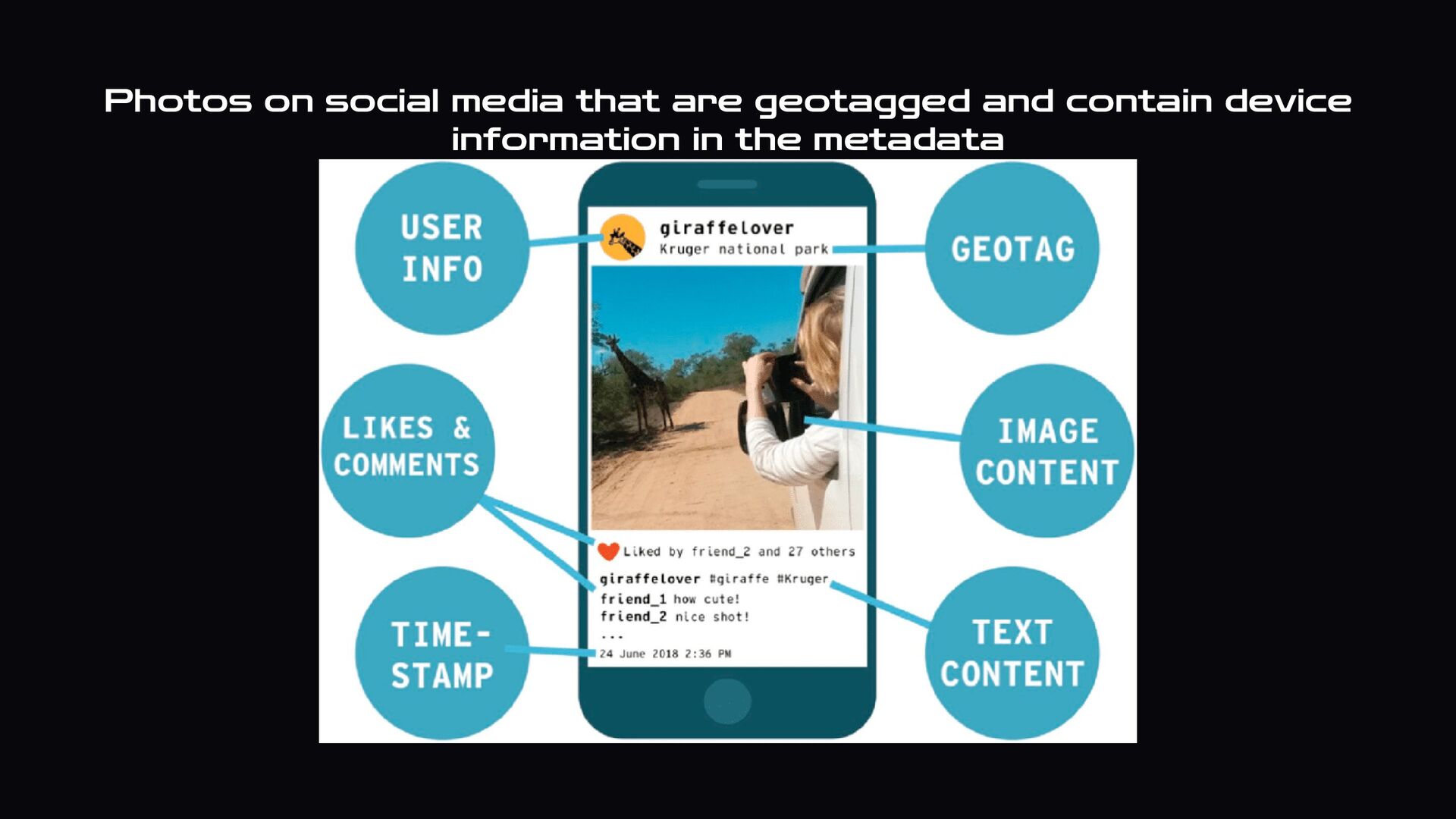
Definition and Uses of OSINT: Describes how attackers can leverage public information from websites and social media for reconnaissance without direct interaction.

OSINT Tools: Mentions tools used for gathering and analyzing public data, emphasizing ethical use.

The Internet Layers: Breaks down the Clear Web, Deep Web, and Dark Web, clarifying misconceptions and explaining how these layers differ in accessibility and content.

Dark Web Exploration: Discusses the role of anonymity, illegal activities, and the use of .onion domains.

Social Engineering and Phishing: Explores how attackers use OSINT to craft personalized phishing and spear-phishing attacks, including tactics like whaling and behavioral exploitation.

Overall, the presentation serves as an educational resource on how public data can be used both defensively and offensively in the digital world.

For more details - www.sysdevcode.com

Avatar for Mariya

Mariya

May 05, 2025
Tweet

Transcript

  1. OSINT is widely used within law enforcement work, cybercrime activities

    such as planning an attack, business operation purposes, such as checking out the competition
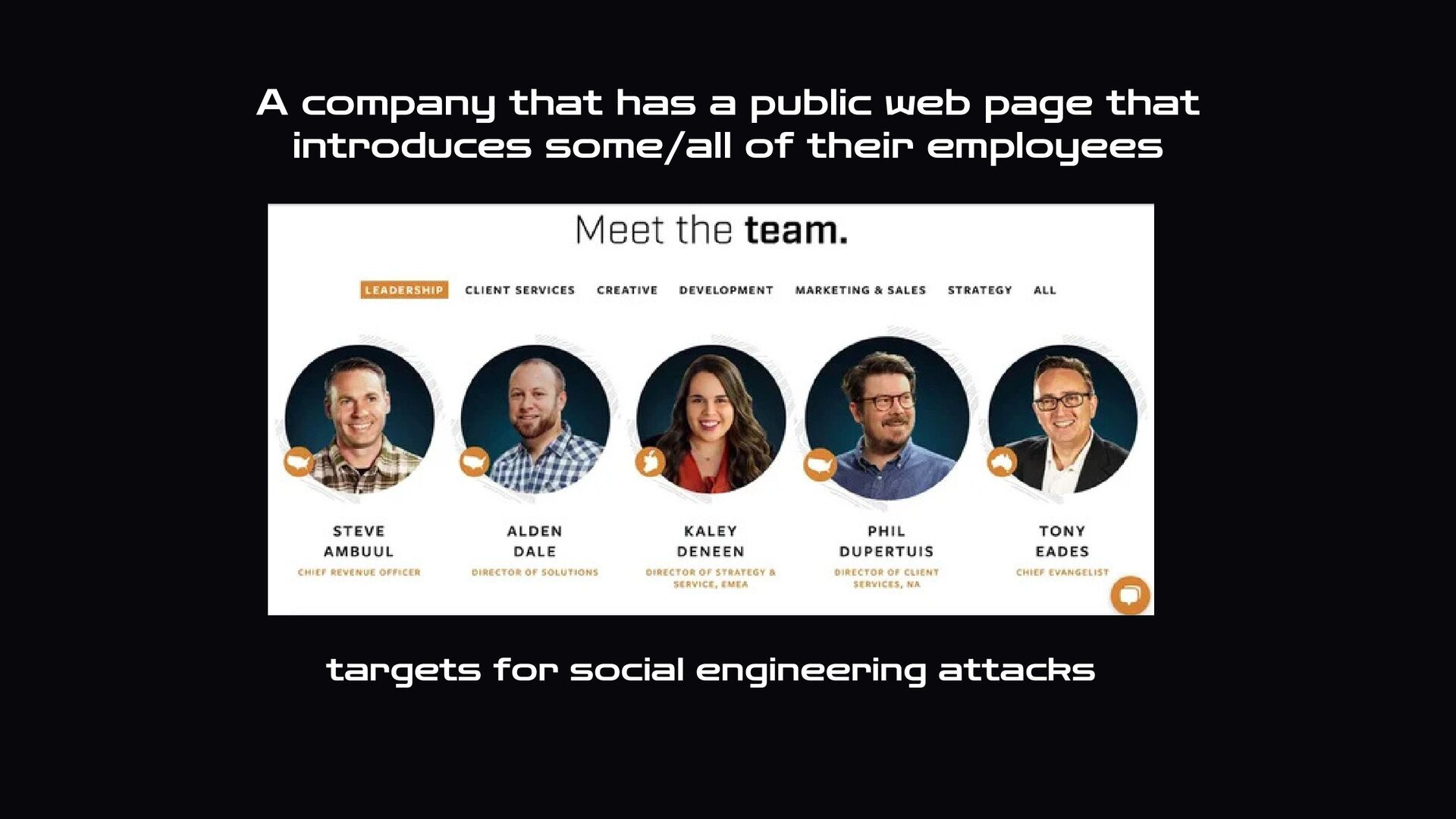
  2. A company that has a public web page that introduces

    some/all of their employees targets for social engineering attacks
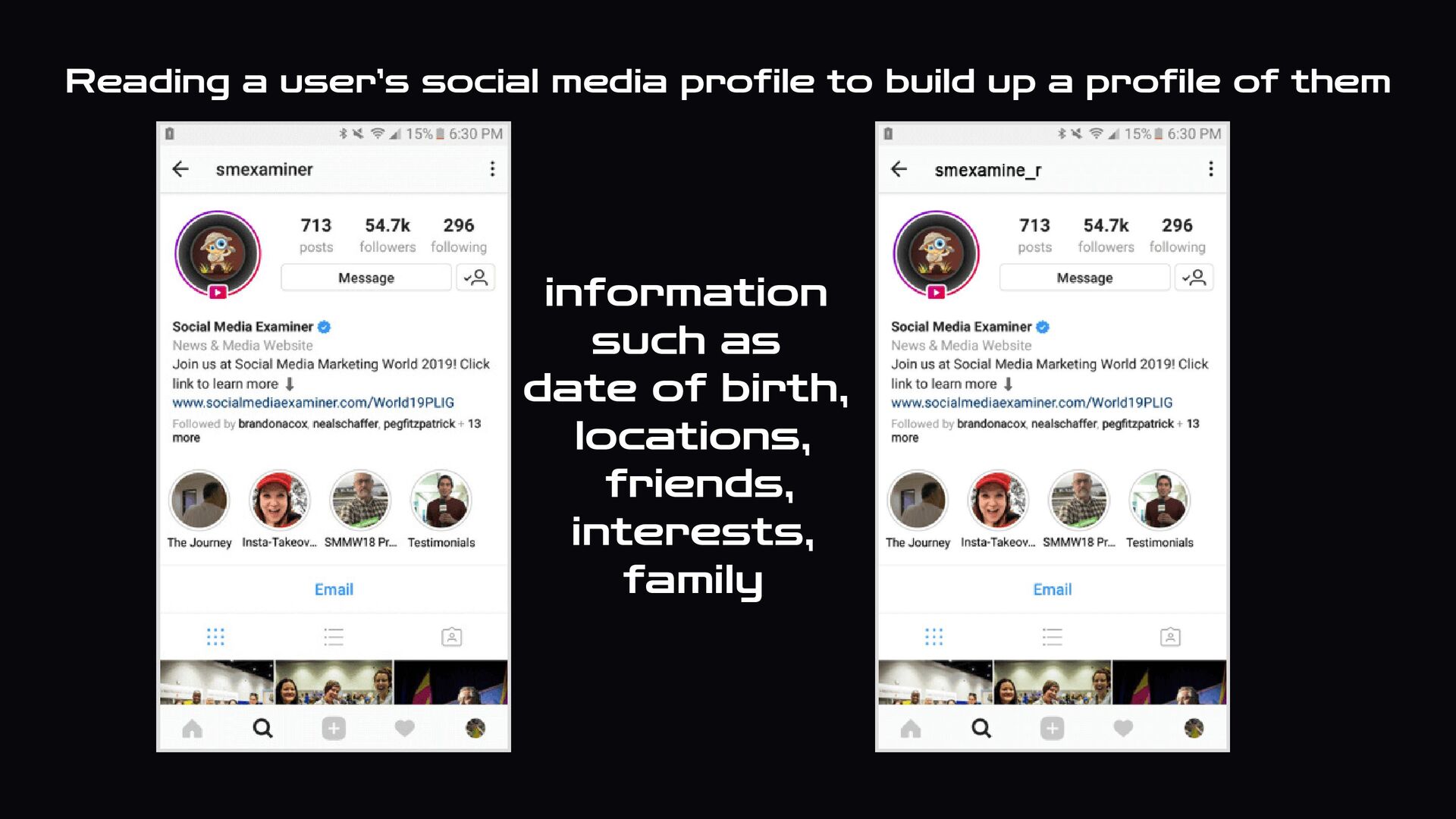
  3. Reading a user’s social media profile to build up a

    profile of them information such as date of birth, locations, friends, interests, family
  4. Attackers can build up a good picture of their target

    without directly interacting with their systems
  5. OSINT tools DISCLAIMER: This article is written for informational purposes

    and is not a guide to illegal actions or training material for concealing offenses
  6. Before we dive into the blackness of the darkweb .

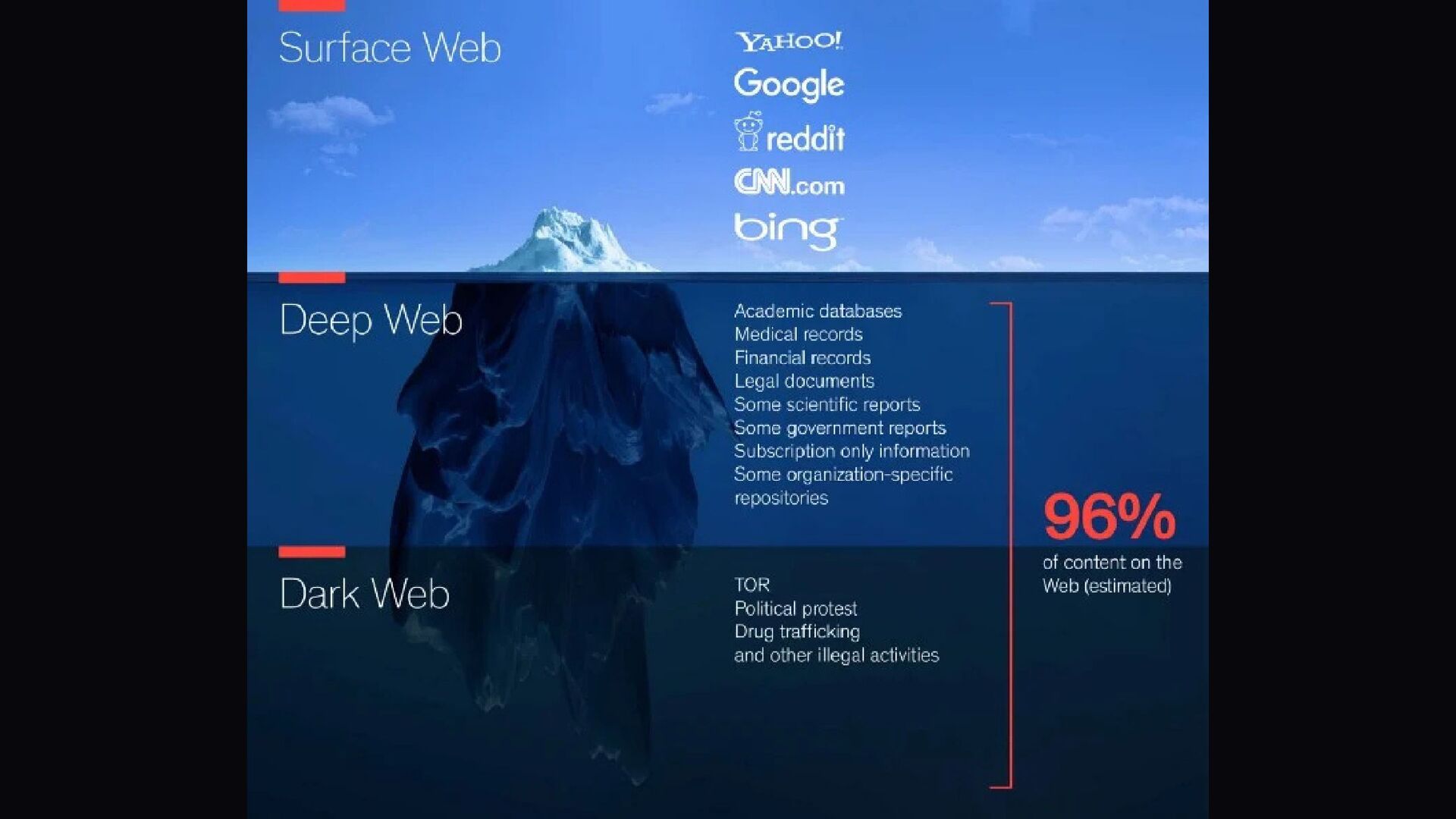
    we first need to explore how the internet is split up into three regions known as; the Clear Web, the Deep Web, and the Dark Web
  7. Clear Web This part of the internet has many names,

    such as; The Clear Web, Surface Web, and Indexed Web. These are the sites that you access daily, such as Facebook, Google, YouTube, Reddit, and so on. These websites and web pages are indexed on a mass scale by search engines such as Google and Bing, which is why we can find them when using search engines.
  8. Crawlers Crawlers are a type of software that searches the

    internet for publicly available webpages so that search engines can offer them as results. These bots go from site to site, link to link, finding every page that they’re allowed to view, and reporting back.
  9. Deep Web The Deep Web, also known as the Underground

    Web or Invisible Web, is the part of the Internet that isn’t indexed by conventional search engines, such as Google or Bing. Either the site owners have prevented crawlers from indexing their site, or they have implemented access controls to only allowed their intended audience to access the site. The Deep Web is huge. “Public information on the deep Web is currently 400 to 550 times larger than the commonly defined World Wide Web.”
  10. Are the Dark Web and the Deep Web the same

    thing? No. They’re different. Log in to your Amazon account – you’re on the Deep Web. Sign in to your Facebook – you’re on the Deep Web. These are web pages that are not indexed or publicly available, imagine if anyone could search on Google and find your private Amazon page with your order history, payment details, and more private information. Not everything on the Deep Web is illegal or shady, it’s just private pages that only certain people should have access to. Other examples include private forums, private membership pages, and online banking.
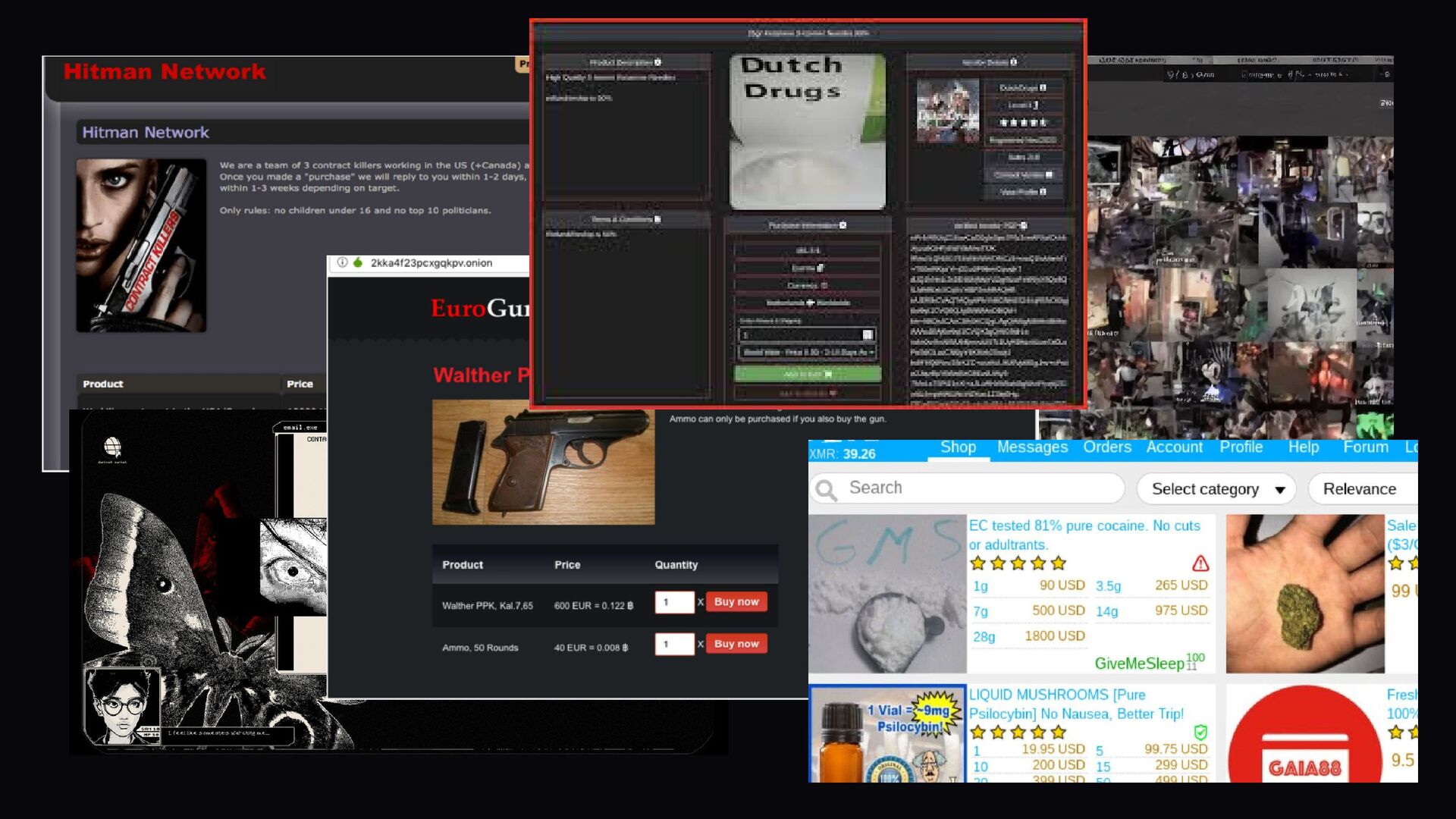
  11. Dark Web A section of the internet that is utilized

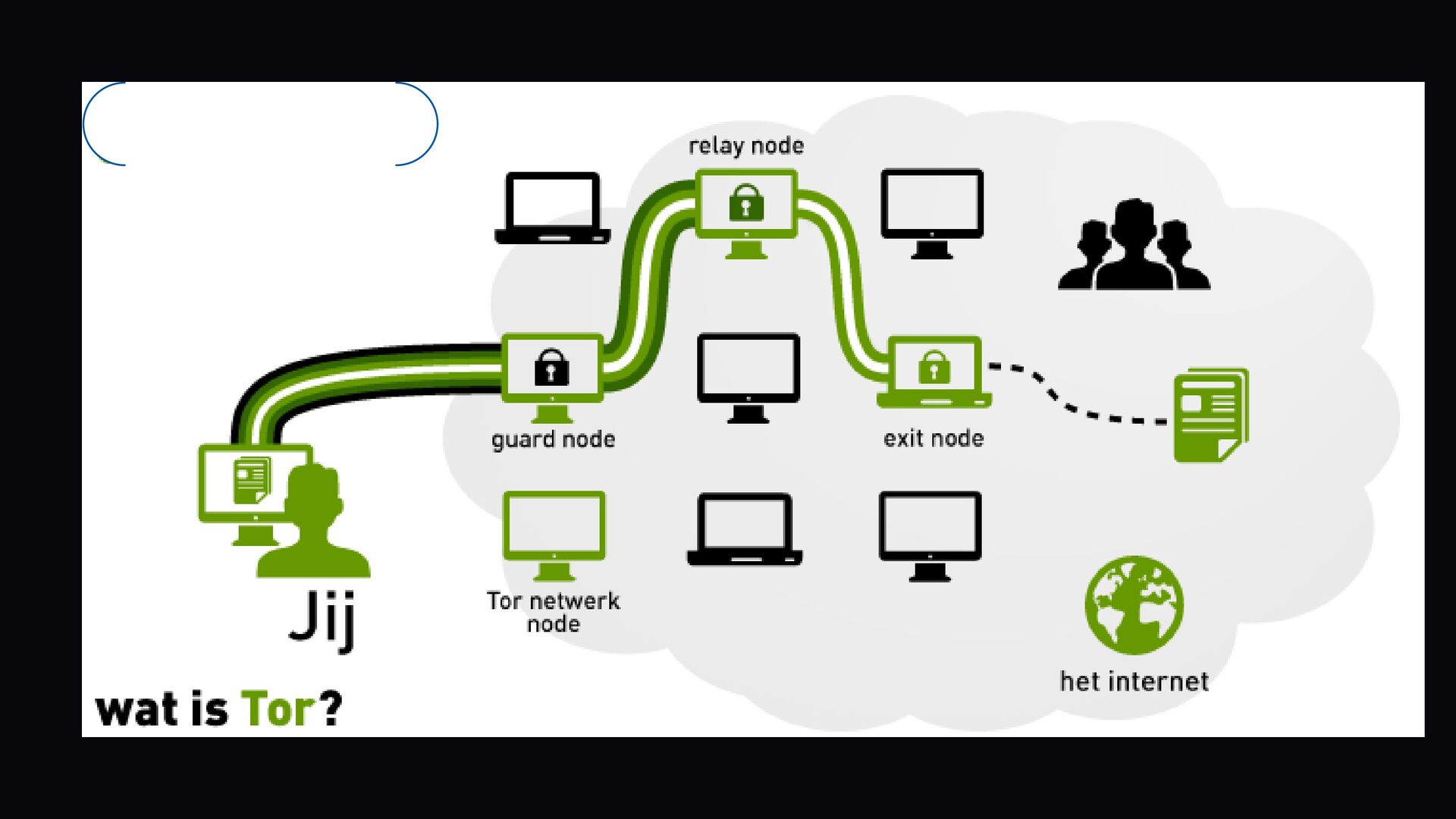
    for anonymity, illegal operations, intelligence gathering, and more. Whilst some search engines do exist for the Dark Web, sites are usually hidden, and you’ll need to know the exact URL in order to find them. Sites on the Dark Web use the Top Level Domain (TLD) ‘.onion’ as opposed to Clear Web TLDs such as ‘.com’ or ‘.co.uk’.
  12. The big question on all of your minds, is it

    illegal to visit the Dark Web?
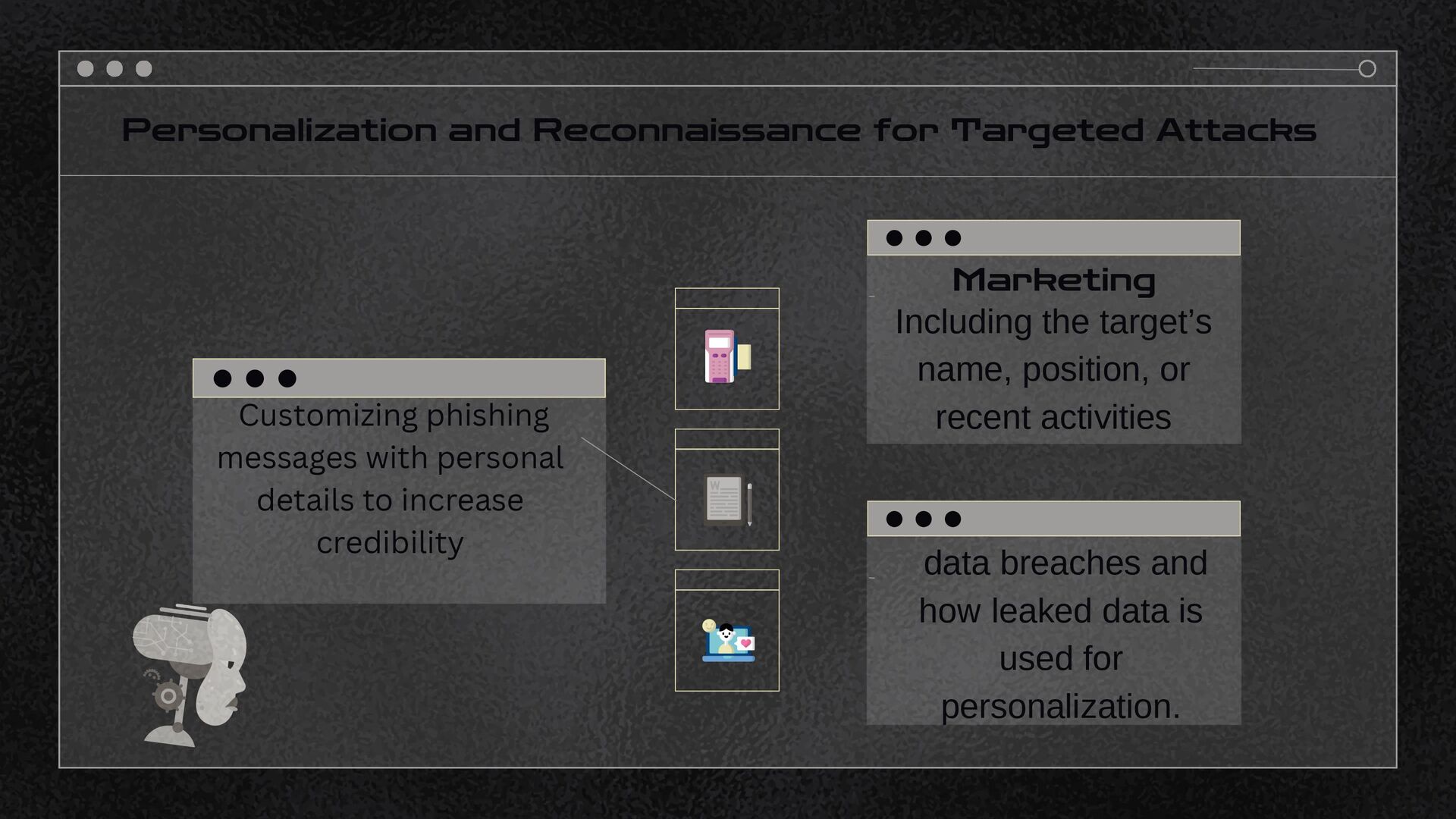
  13. Personalization and Reconnaissance for Targeted Attacks Marketing Customizing phishing messages

    with personal details to increase credibility Including the target’s name, position, or recent activities data breaches and how leaked data is used for personalization.
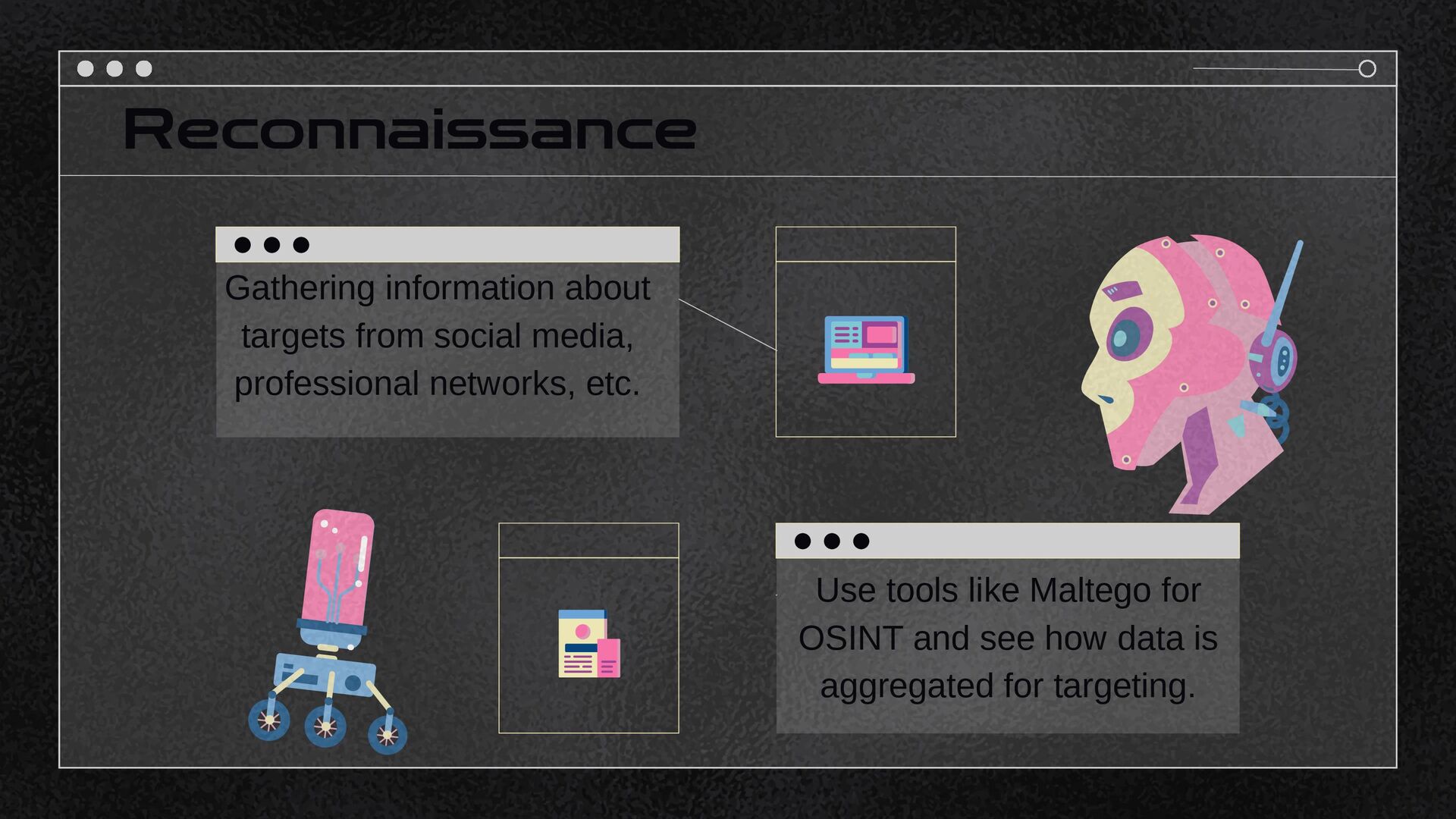
  14. Reconnaissance Gathering information about targets from social media, professional networks,

    etc. Use tools like Maltego for OSINT and see how data is aggregated for targeting.
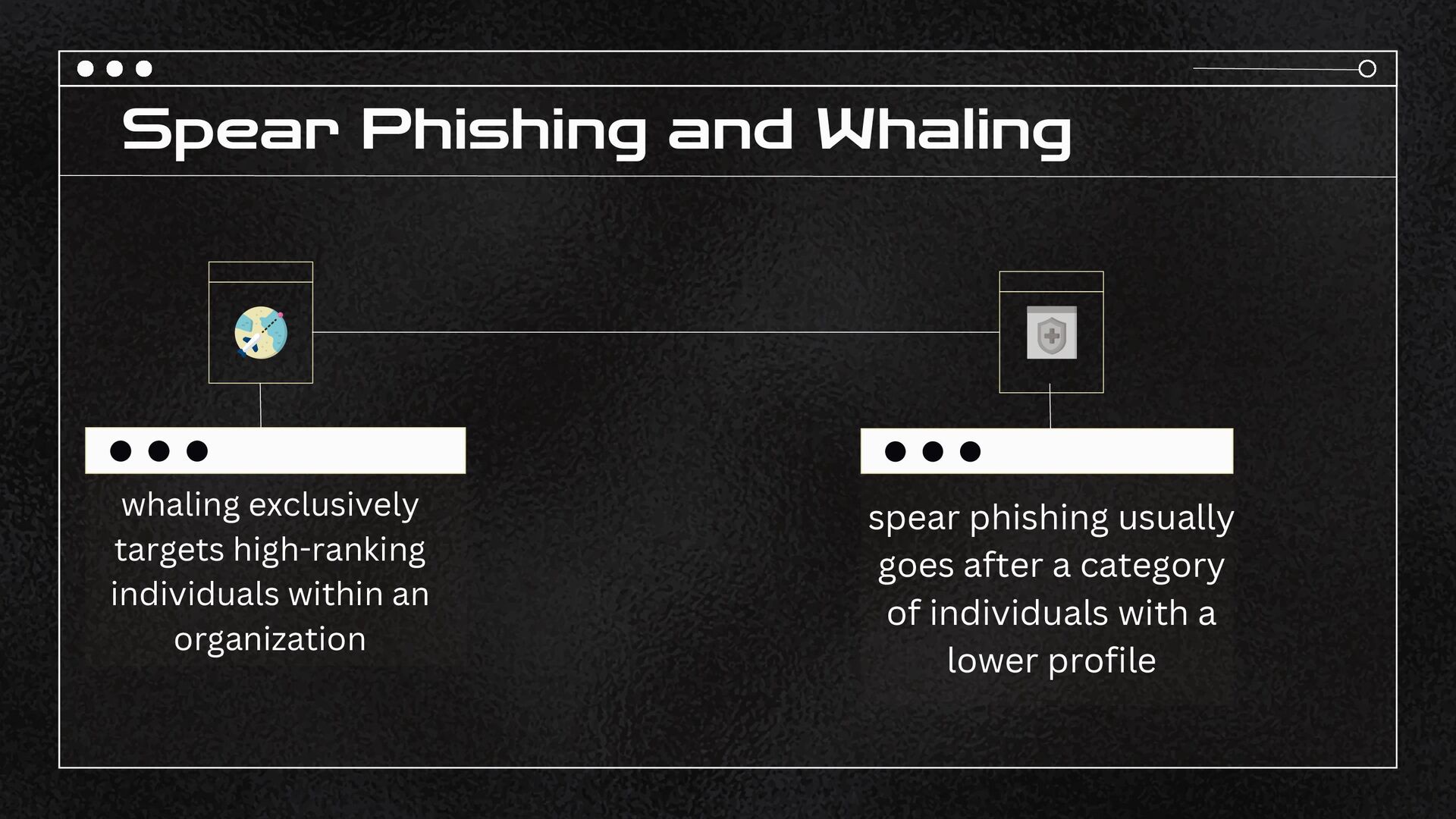
  15. Spear Phishing and Whaling whaling exclusively targets high-ranking individuals within

    an organization spear phishing usually goes after a category of individuals with a lower profile