Upgrade to Pro — share decks privately, control downloads, hide ads and more …

Breaking Down The Last Monolith

Sponsored · SiteGround - Reliable hosting with speed, security, and support you can count on.
Avatar for Rahul Gaur Rahul Gaur
September 29, 2019

Breaking Down The Last Monolith

In this talk, speaker Rahul Gaur describes his team's experiences, their learnings and the challenges they encountered while breaking down Innovaccer's front-end monolith and running it in production.

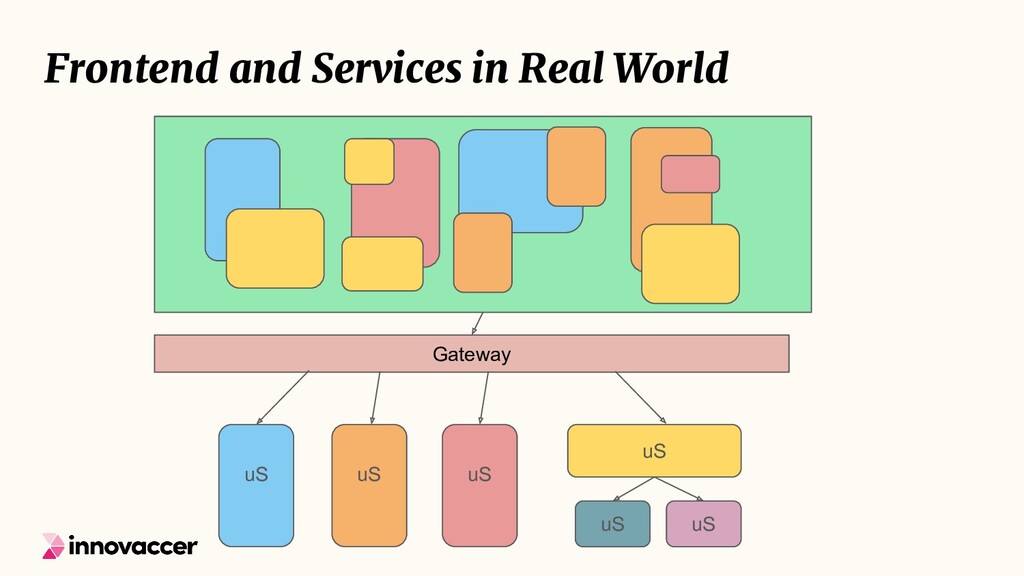
With a monolithic front-end, you don't get the pliability to scale across groups as assured by microservices. Besides not being able to scale, there is also the classical overhead of a separate backend and front-end team. Each time there is a breaking change in the API of one of the services, the front-end has to be updated. Especially when a feature is added to a service, the front-end has to be updated to ensure that customers can use the feature.

If you have a front-end small enough, it can be maintained by a team which is responsible for one or more services which are coupled to the front-end. This means that there is no overhead in cross team communication. But because the front-end and the backend cannot be worked on independently, you are not really doing microservices.

Rahul Gaur covers:
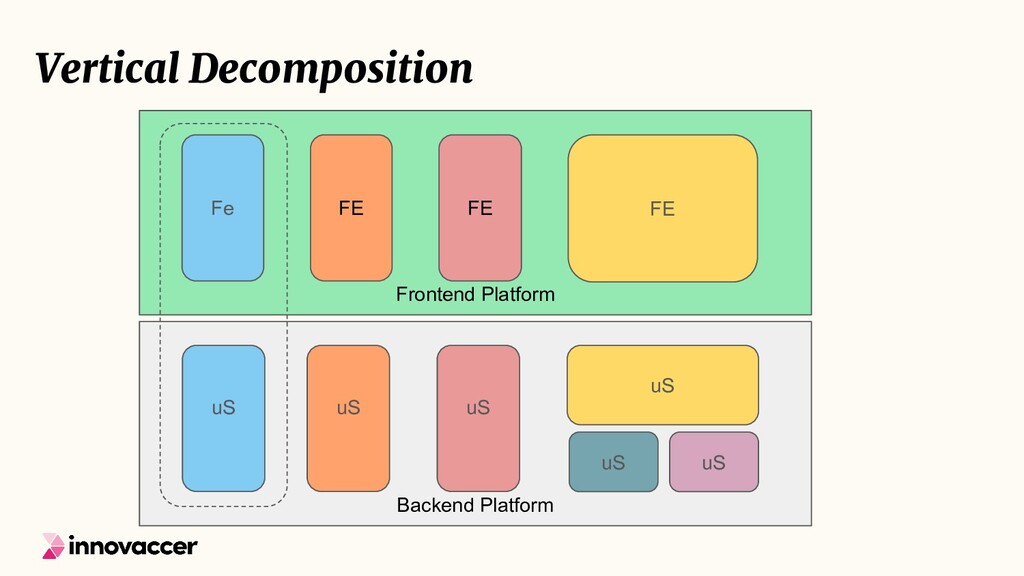
1. What are micro front-ends?
2. Why should micro front-ends matter to you?
3. Innovaccer’s case study of migrating a large angular 1.x application
4. Self-contained systems

https://youtu.be/VMGmgwYNmQY

Avatar for Rahul Gaur

Rahul Gaur

September 29, 2019
Tweet

Other Decks in Programming

Transcript

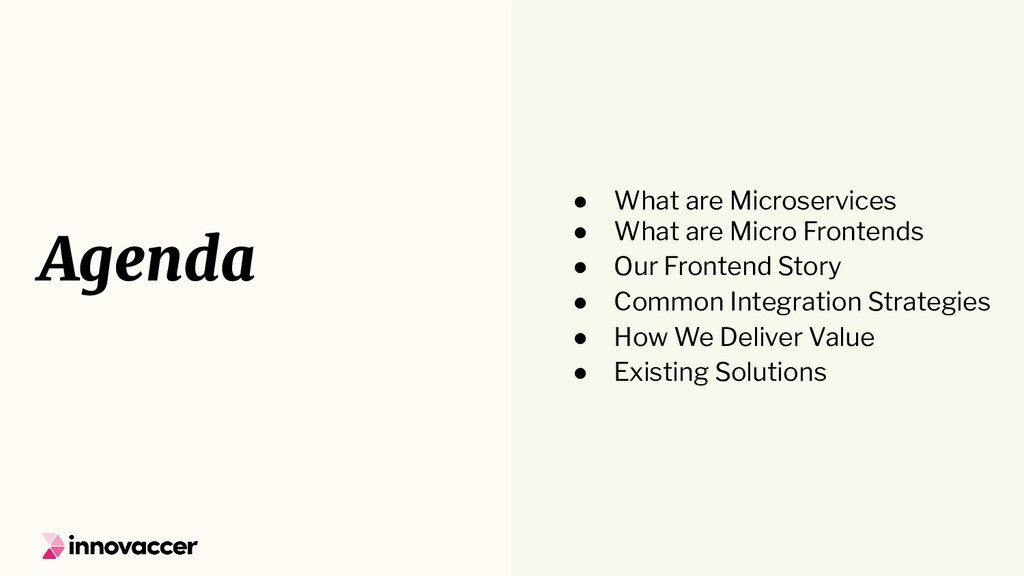
  1. Agenda • What are Microservices • What are Micro Frontends

    • Our Frontend Story • Common Integration Strategies • How We Deliver Value • Existing Solutions
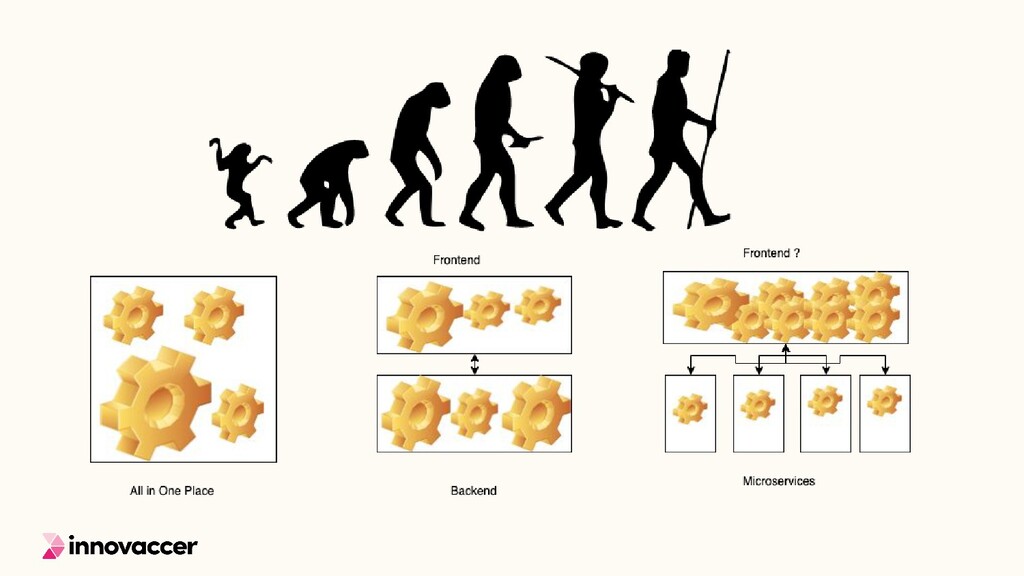
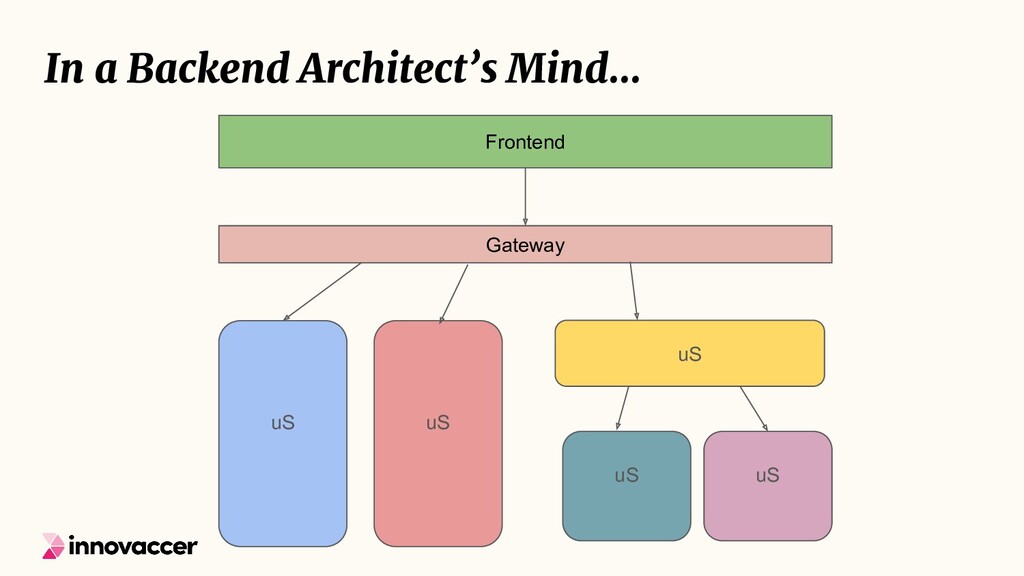
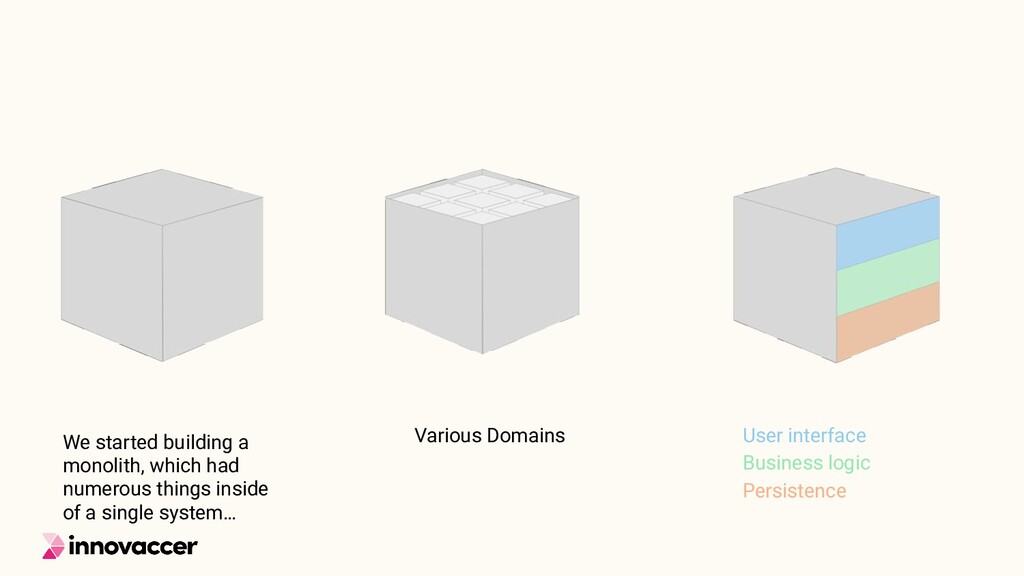
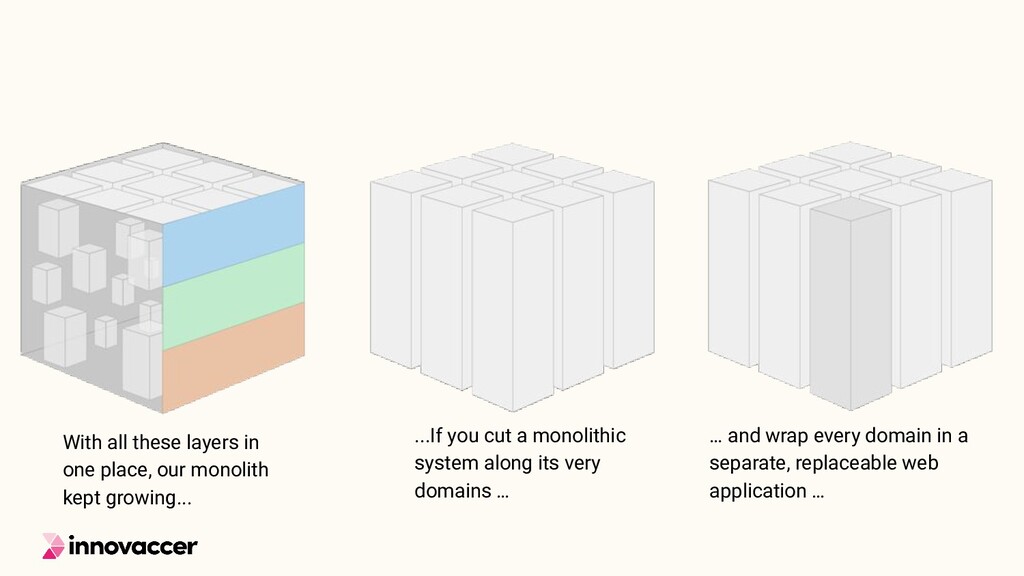
  2. User interface Business logic Persistence We started building a monolith,

    which had numerous things inside of a single system… Various Domains
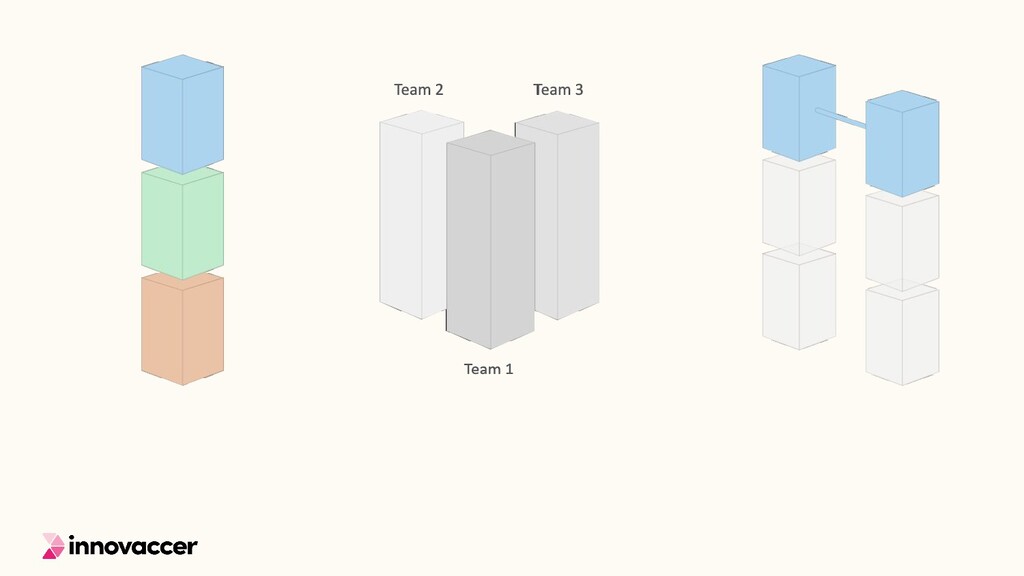
  3. … and wrap every domain in a separate, replaceable web

    application … With all these layers in one place, our monolith kept growing... ...If you cut a monolithic system along its very domains …
  4. The way to reduce product development time is by reducing

    the incremental cost of building new features!
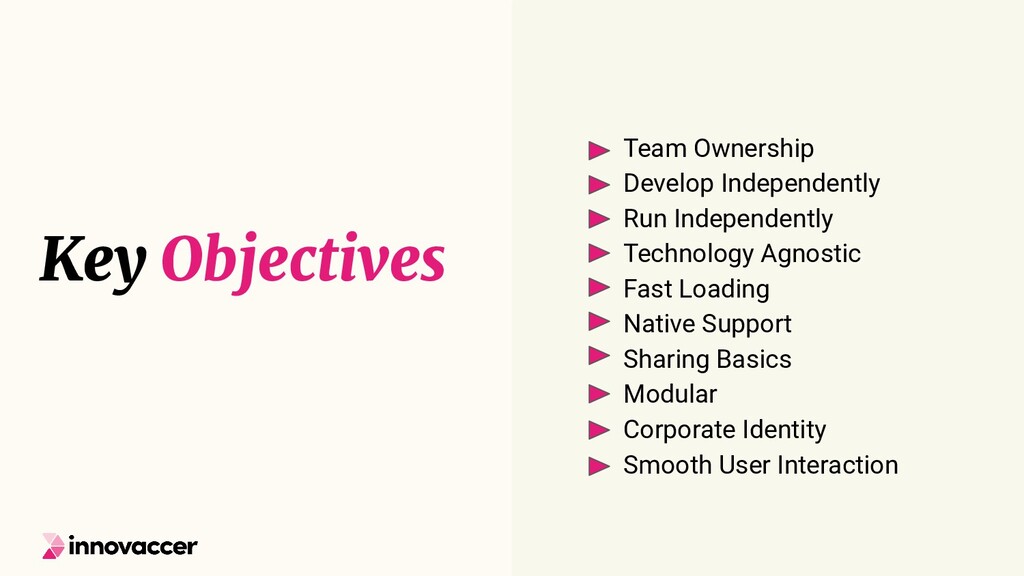
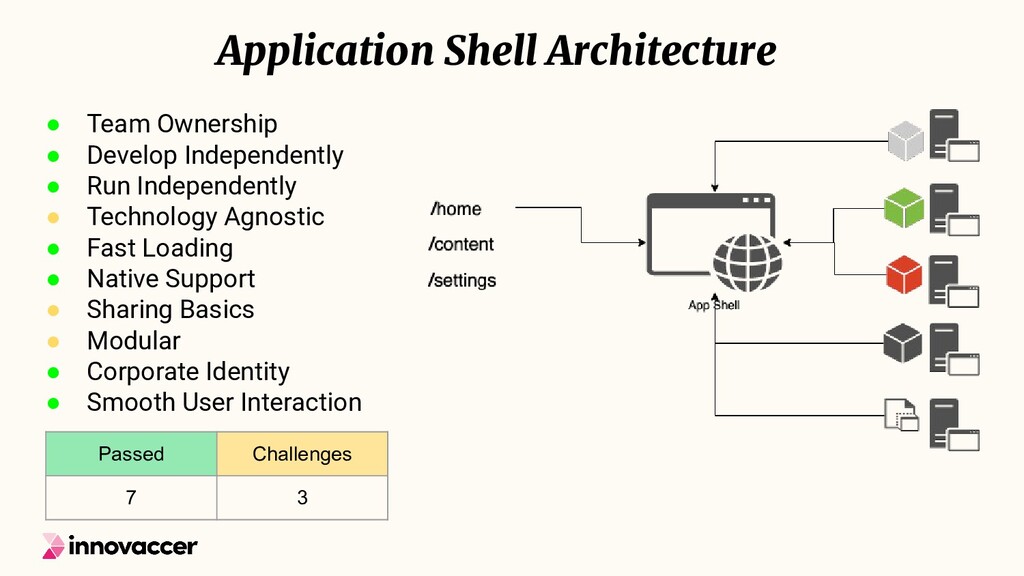
  5. Key Objectives Team Ownership Develop Independently Run Independently Technology Agnostic

    Fast Loading Native Support Sharing Basics Modular Corporate Identity Smooth User Interaction
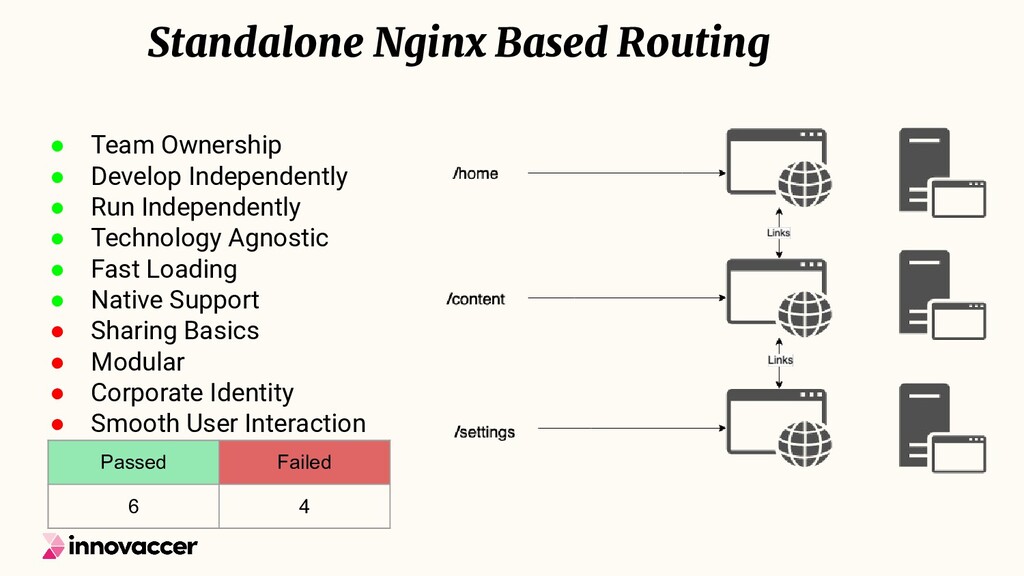
  6. • Team Ownership • Develop Independently • Run Independently •

    Technology Agnostic • Fast Loading • Native Support • Sharing Basics • Modular • Corporate Identity • Smooth User Interaction Standalone Nginx Based Routing Passed Failed 6 4
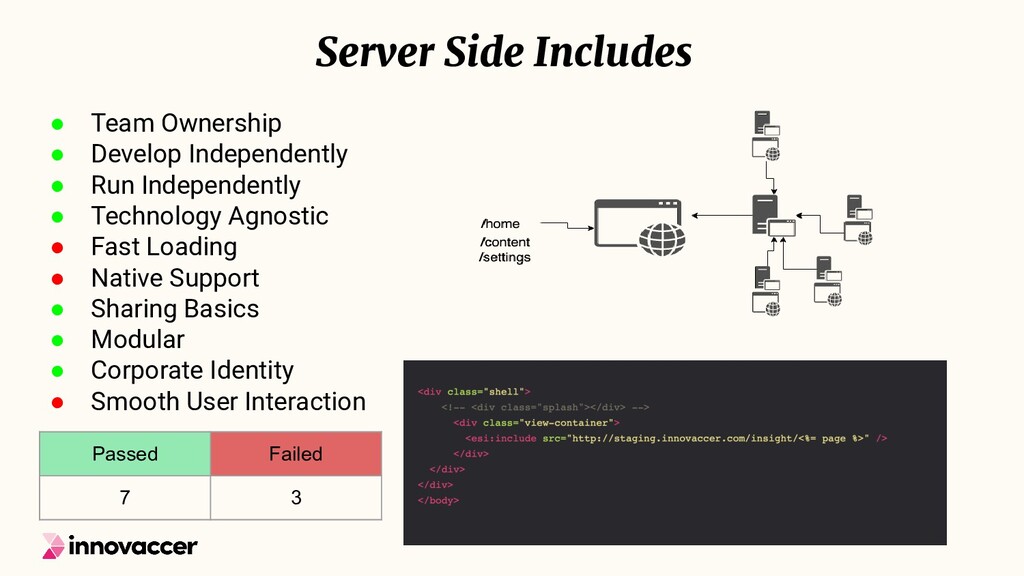
  7. • Team Ownership • Develop Independently • Run Independently •

    Technology Agnostic • Fast Loading • Native Support • Sharing Basics • Modular • Corporate Identity • Smooth User Interaction Server Side Includes Passed Failed 7 3
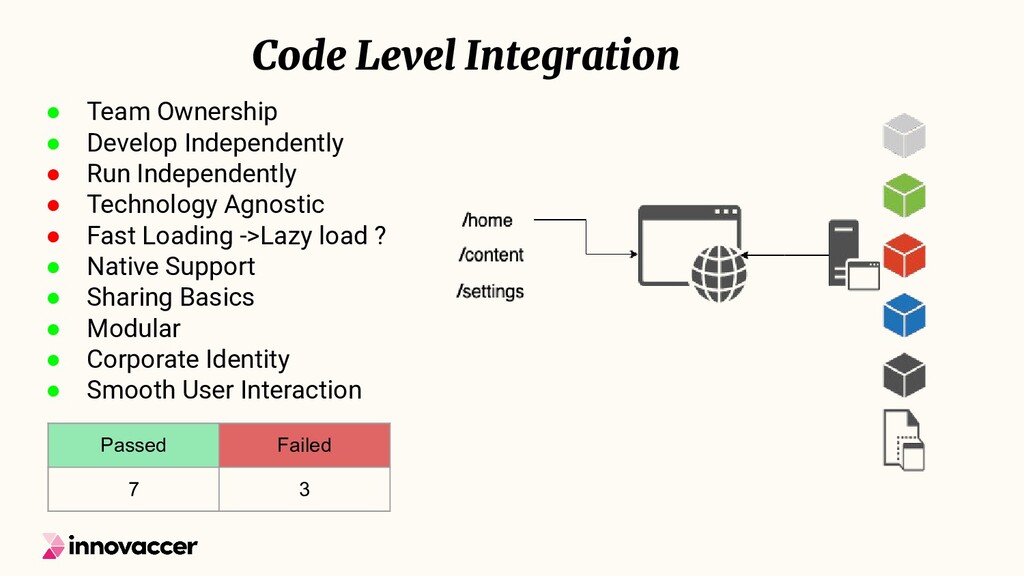
  8. • Team Ownership • Develop Independently • Run Independently •

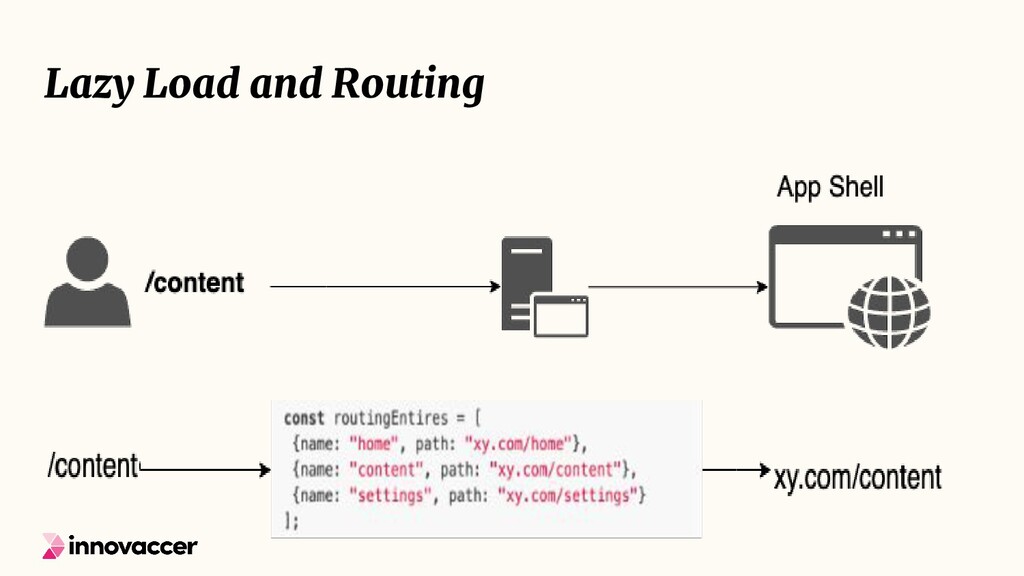
    Technology Agnostic • Fast Loading ->Lazy load ? • Native Support • Sharing Basics • Modular • Corporate Identity • Smooth User Interaction Code Level Integration Passed Failed 7 3
  9. • Team Ownership • Develop Independently • Run Independently •

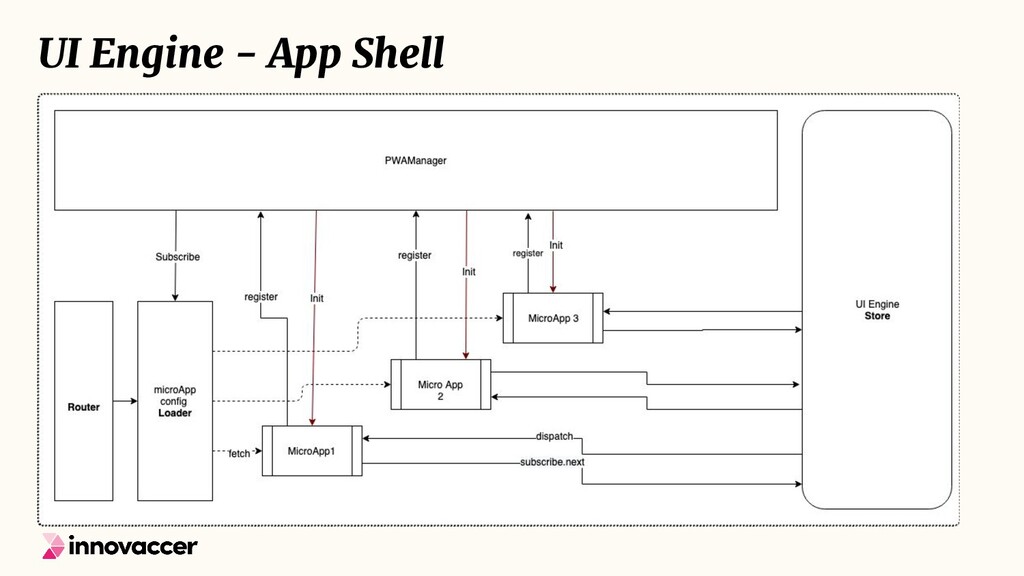
    Technology Agnostic • Fast Loading • Native Support • Sharing Basics • Modular • Corporate Identity • Smooth User Interaction Application Shell Architecture Passed Challenges 7 3
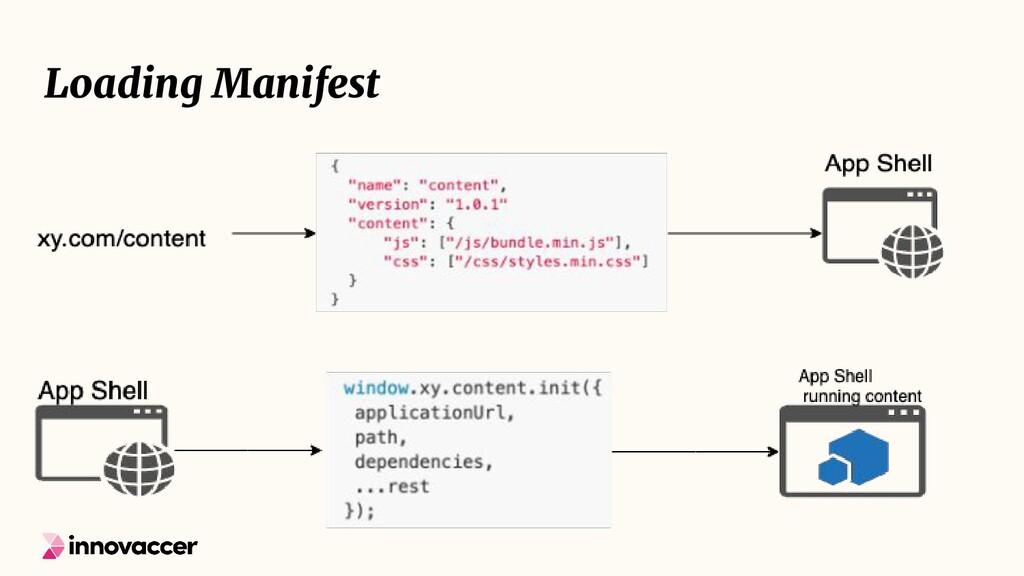
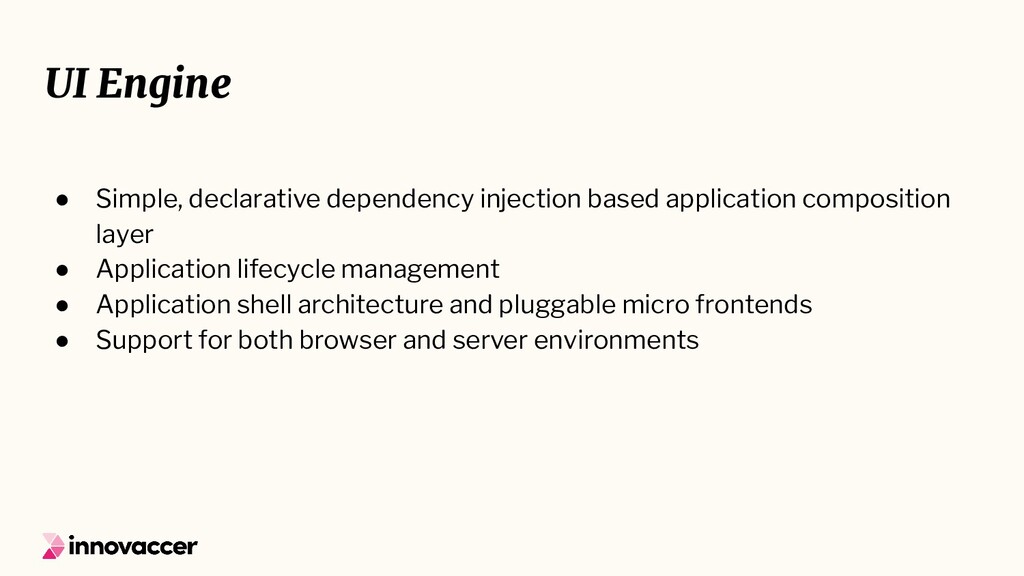
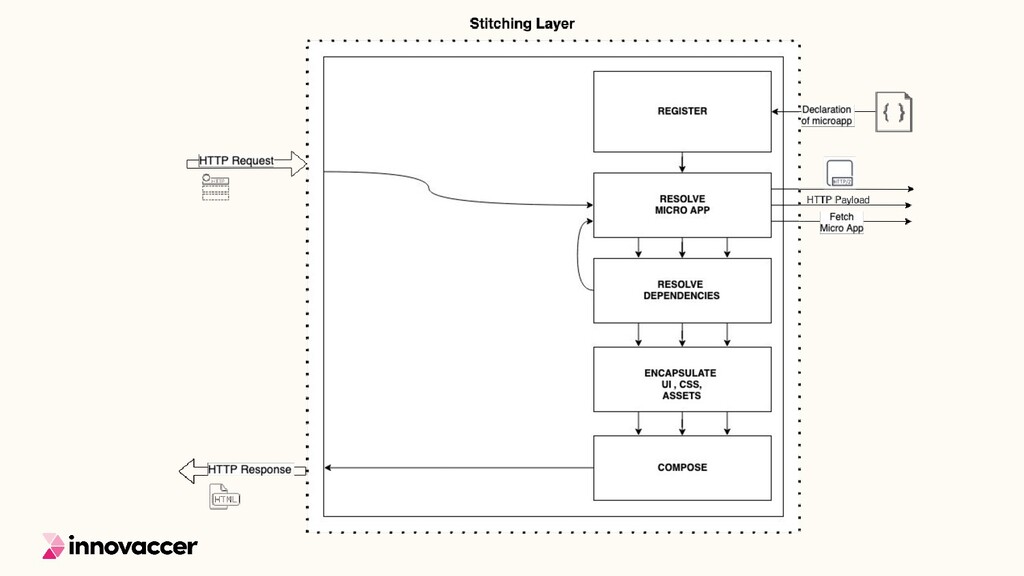
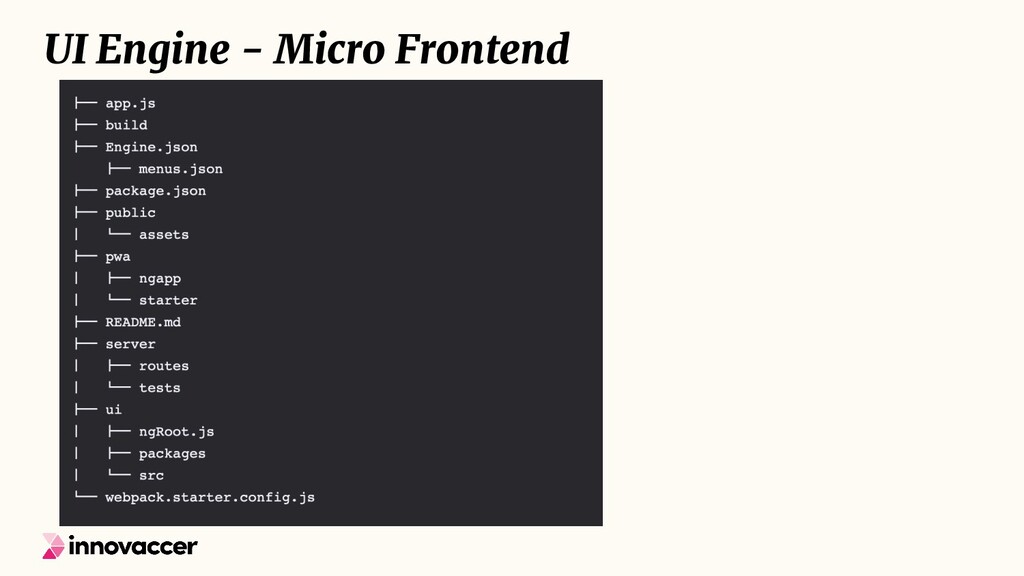
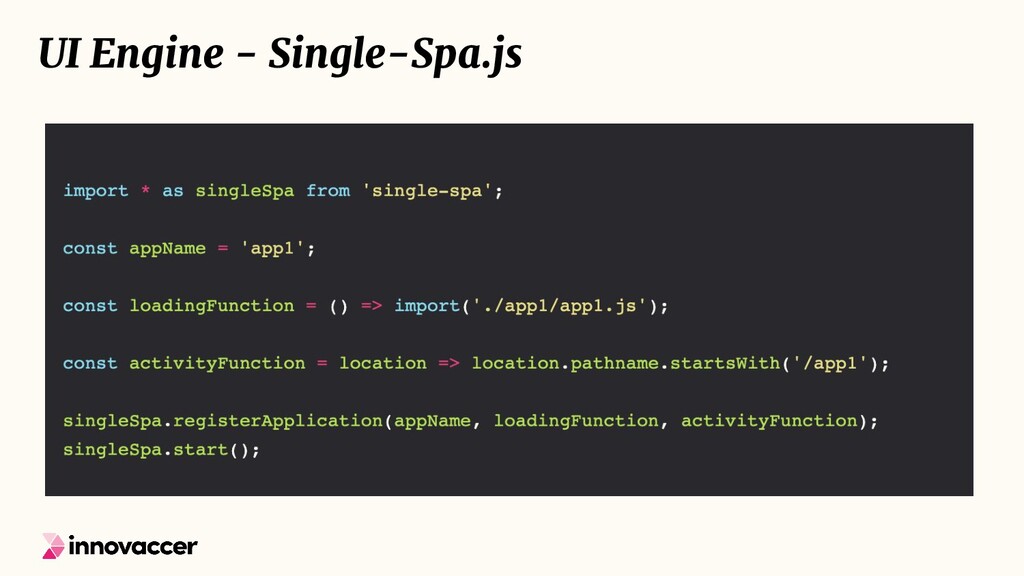
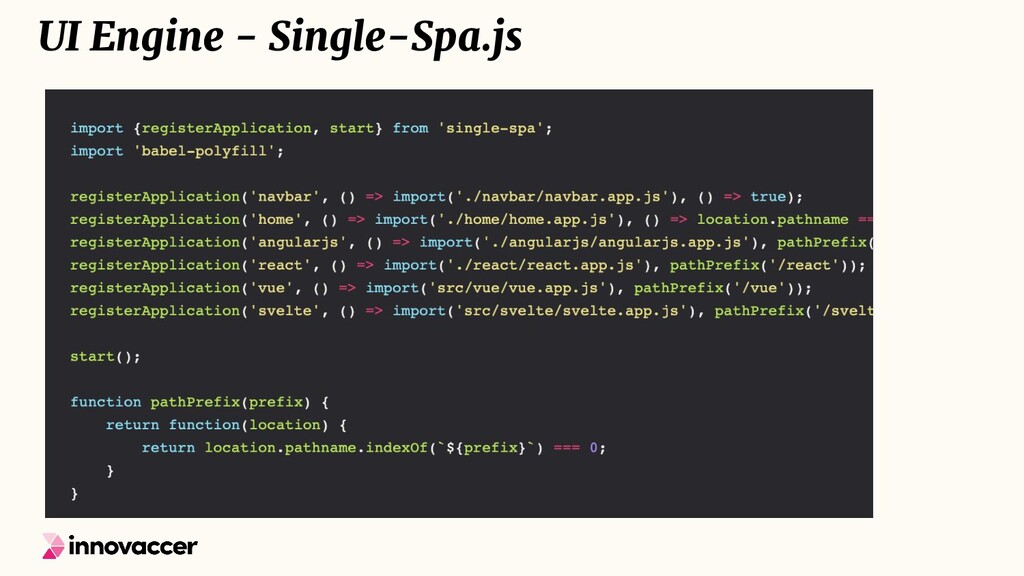
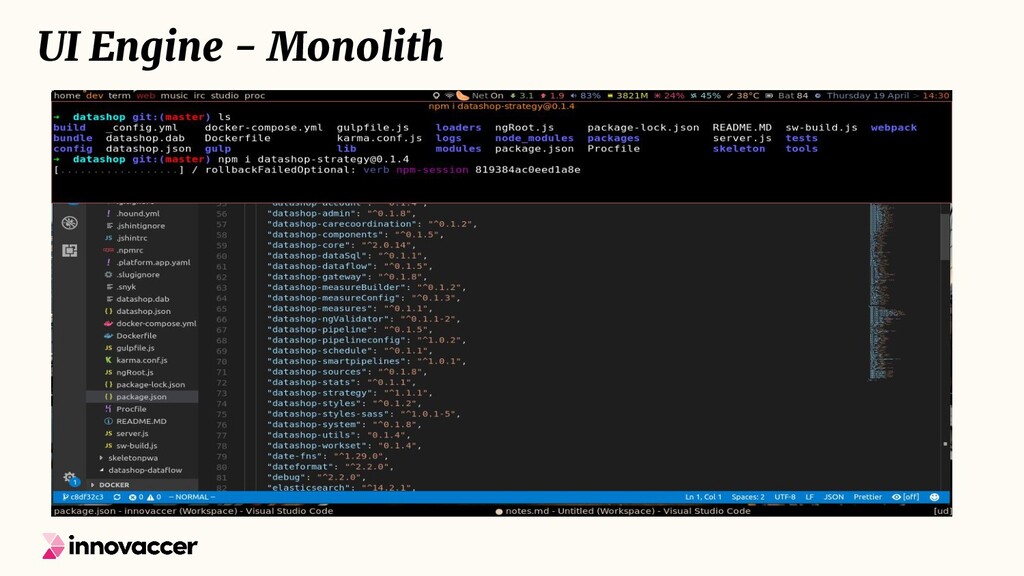
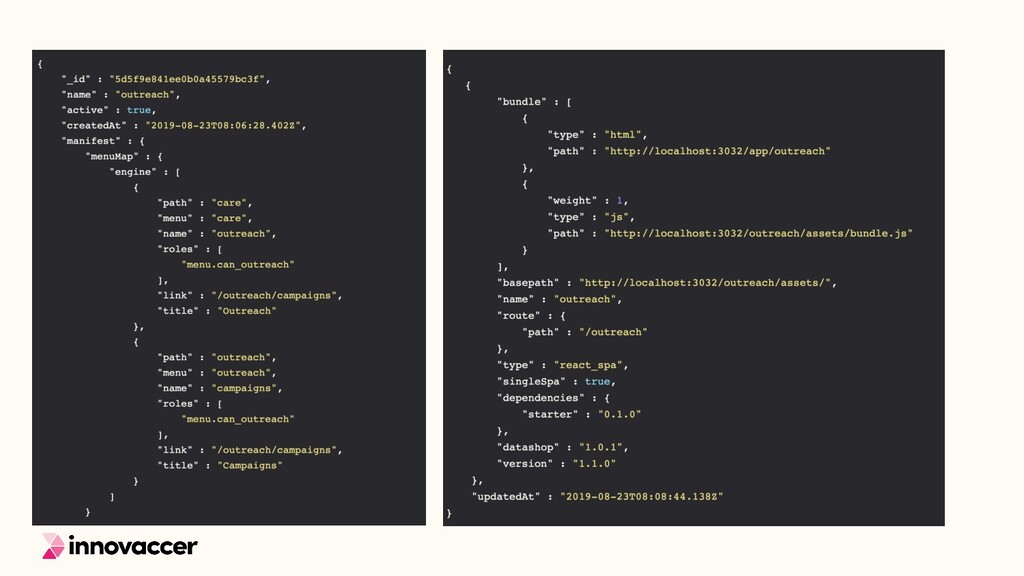
  10. UI Engine • Simple, declarative dependency injection based application composition

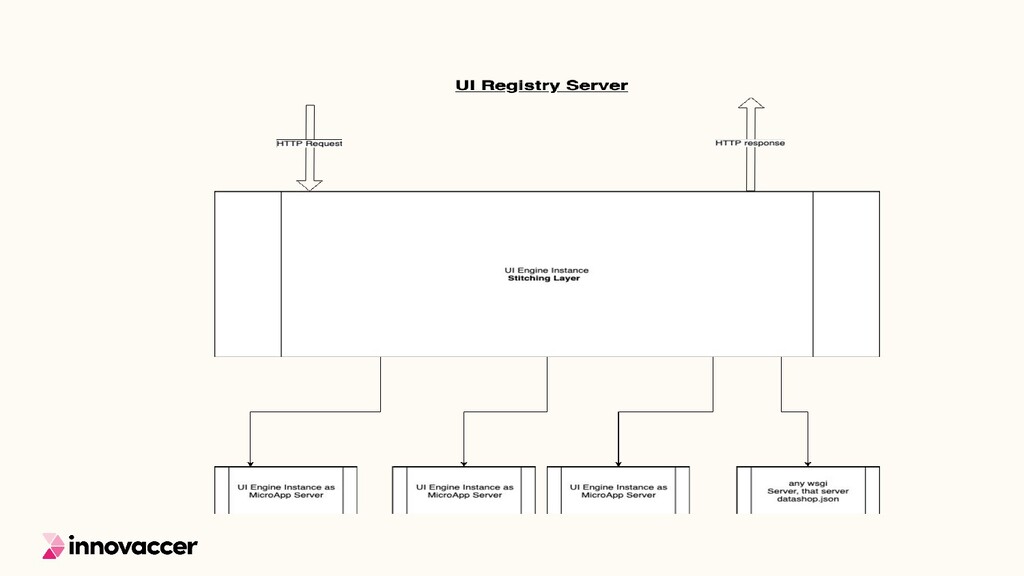
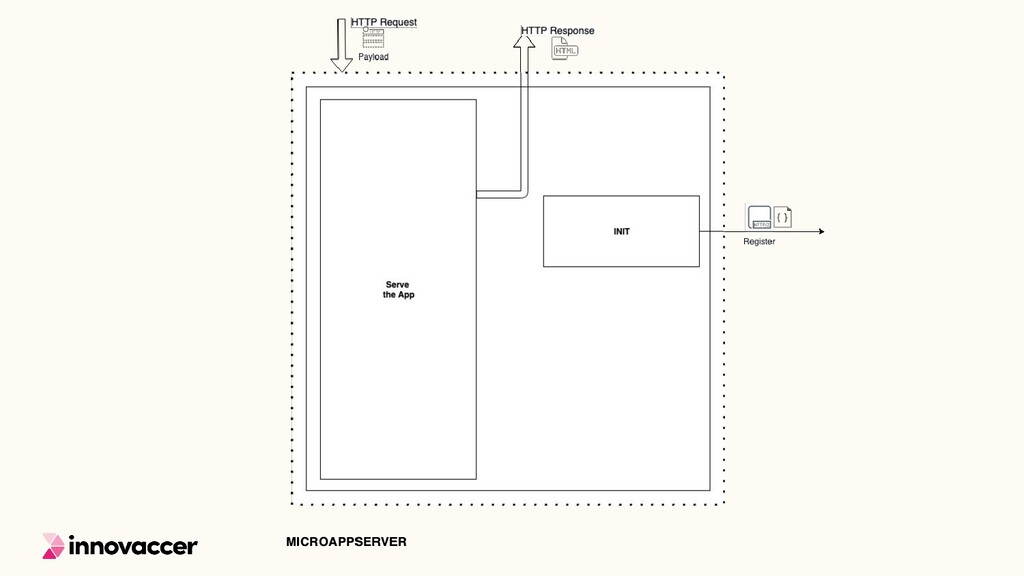
    layer • Application lifecycle management • Application shell architecture and pluggable micro frontends • Support for both browser and server environments
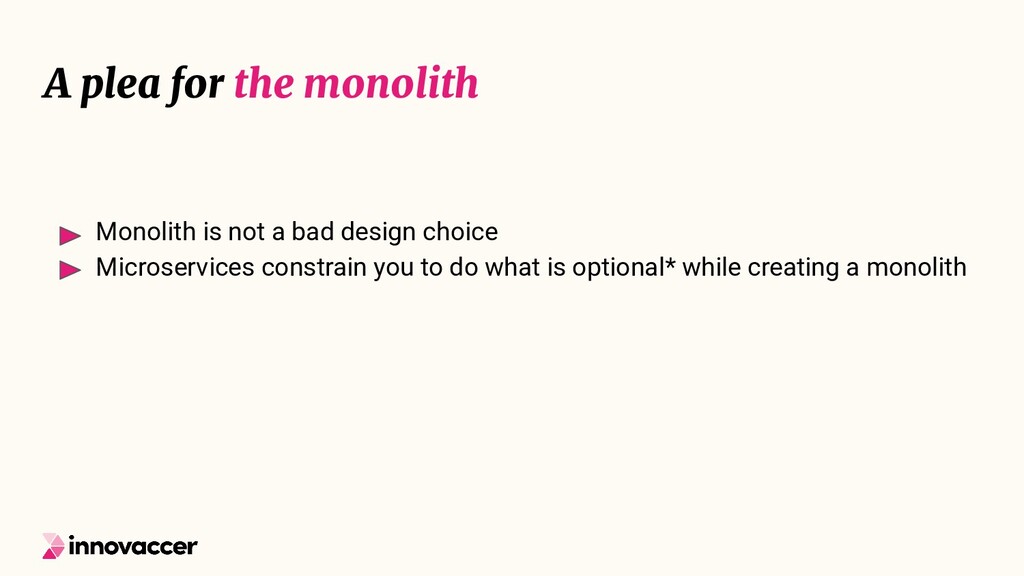
  11. A plea for the monolith Monolith is not a bad

    design choice Microservices constrain you to do what is optional* while creating a monolith
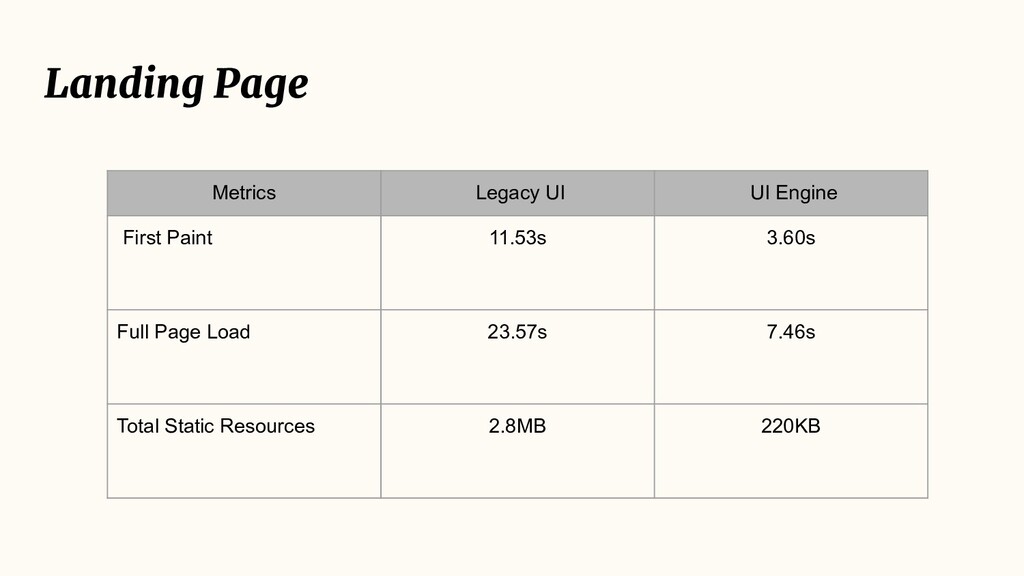
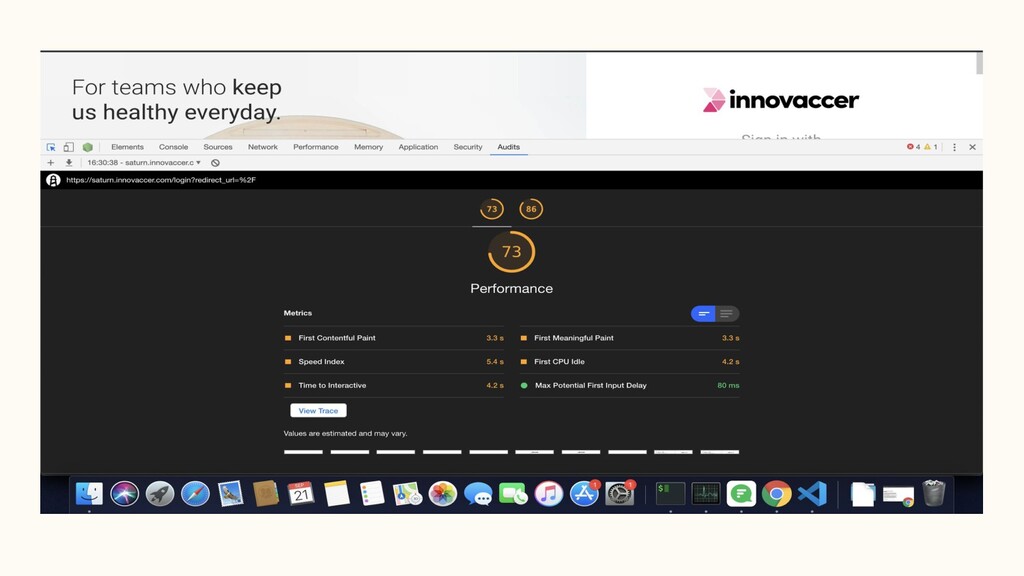
  12. Metrics Legacy UI UI Engine First Paint 11.53s 3.60s Full

    Page Load 23.57s 7.46s Total Static Resources 2.8MB 220KB Landing Page
  13. Process Using Design System and Pattern Library Develop a new

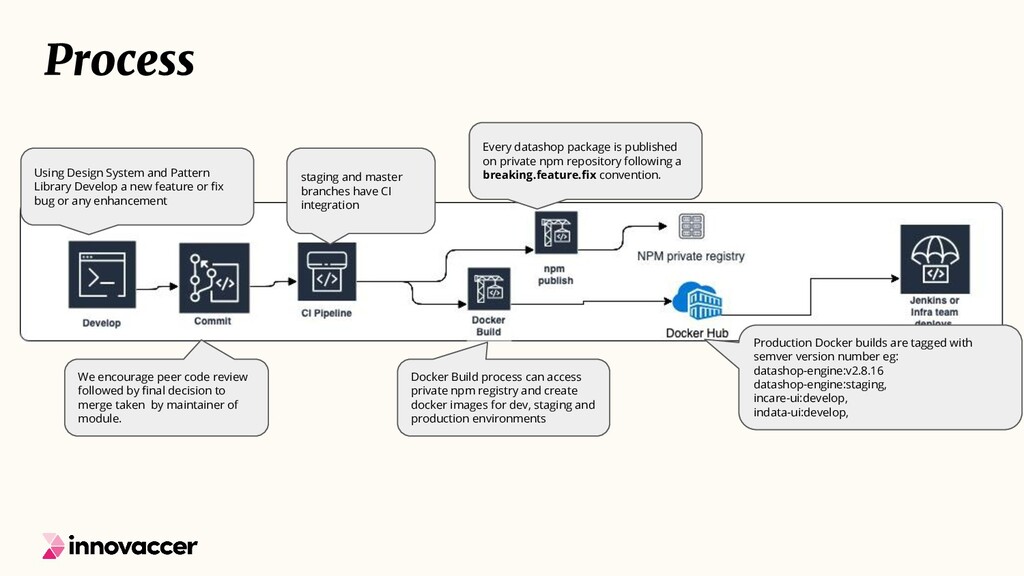
    feature or fix bug or any enhancement We encourage peer code review followed by final decision to merge taken by maintainer of module. staging and master branches have CI integration Every datashop package is published on private npm repository following a breaking.feature.fix convention. Docker Build process can access private npm registry and create docker images for dev, staging and production environments Production Docker builds are tagged with semver version number eg: datashop-engine:v2.8.16 datashop-engine:staging, incare-ui:develop, indata-ui:develop,
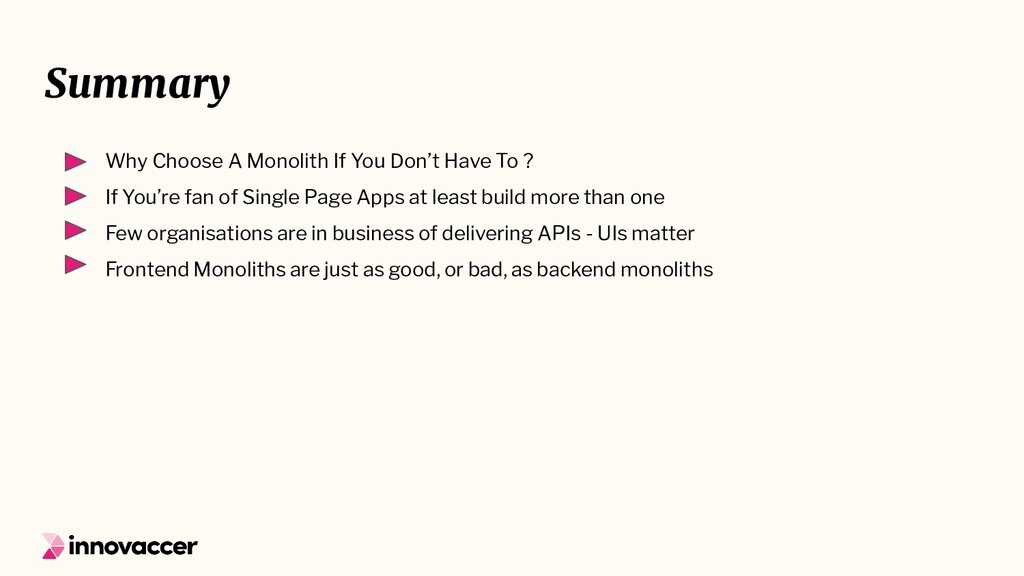
  14. Summary Why Choose A Monolith If You Don’t Have To

    ? If You’re fan of Single Page Apps at least build more than one Few organisations are in business of delivering APIs - UIs matter Frontend Monoliths are just as good, or bad, as backend monoliths
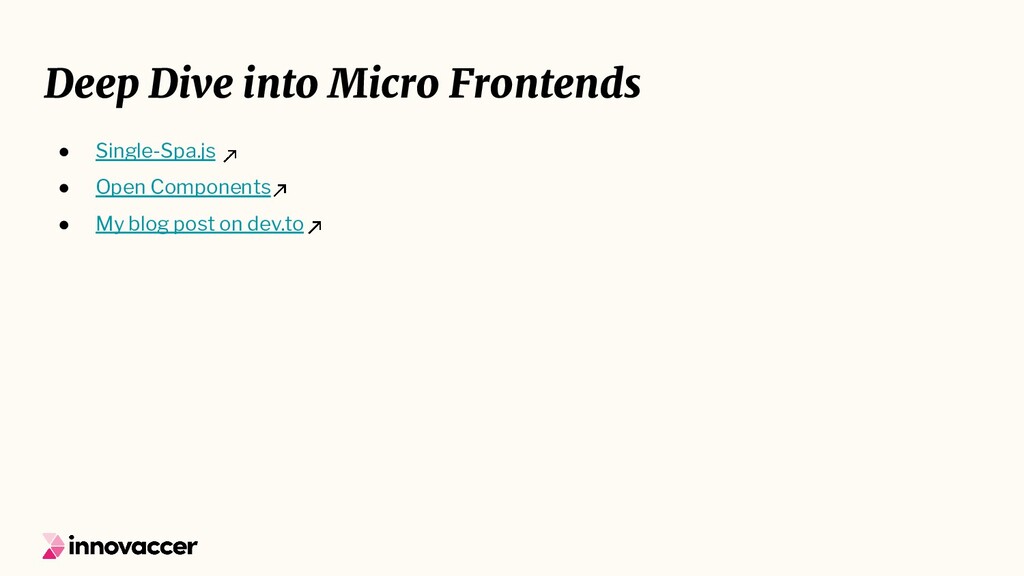
  15. • Single-Spa.js • Open Components • My blog post on

    dev.to Deep Dive into Micro Frontends
  16. Thank You Github: @aregee Twitter: @iamaregee Breaking Down the Last

    Monolith - Published here are under Creative Commons ShareAlike 2.0
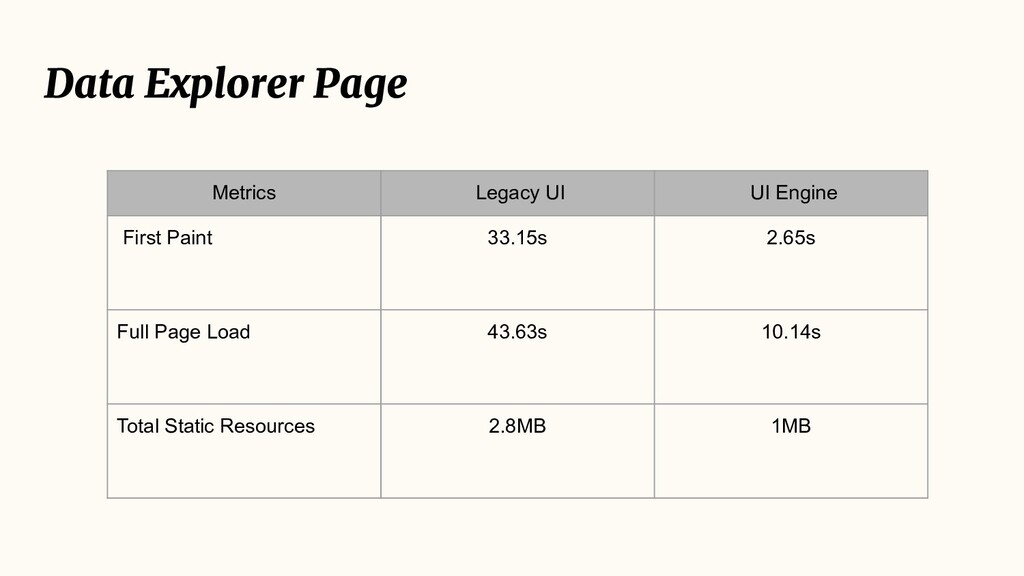
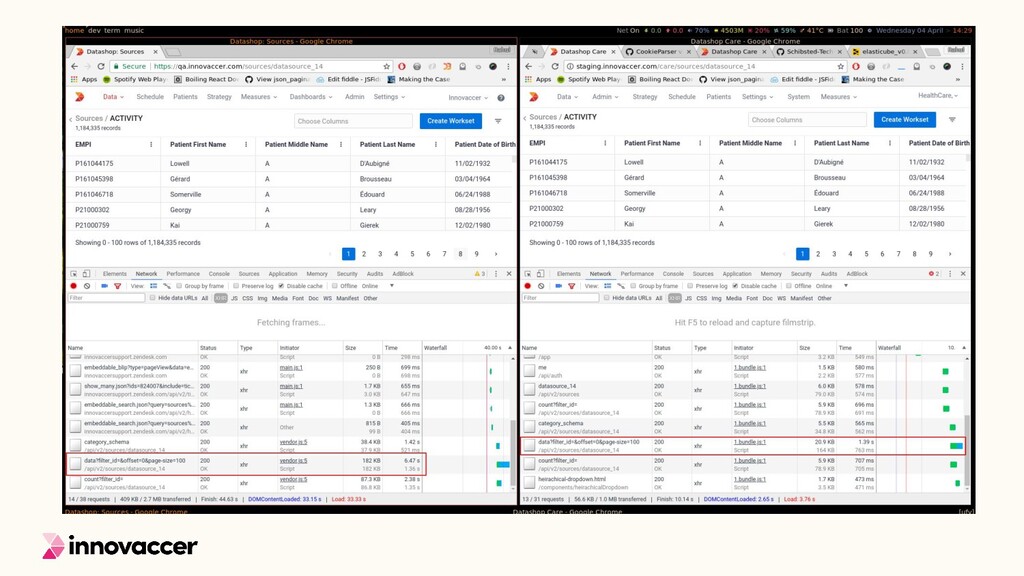
  17. Metrics Legacy UI UI Engine First Paint 33.15s 2.65s Full

    Page Load 43.63s 10.14s Total Static Resources 2.8MB 1MB Data Explorer Page
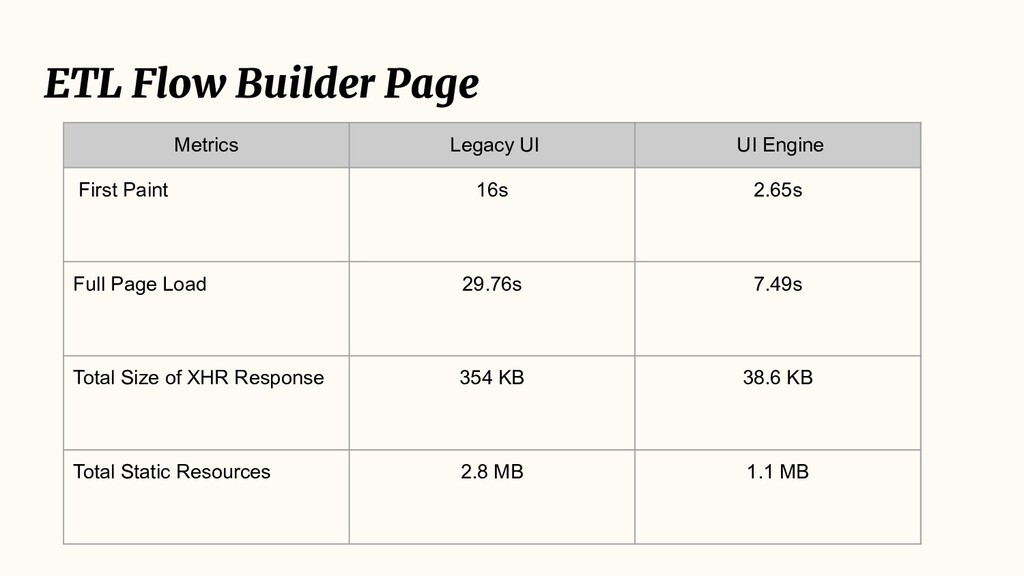
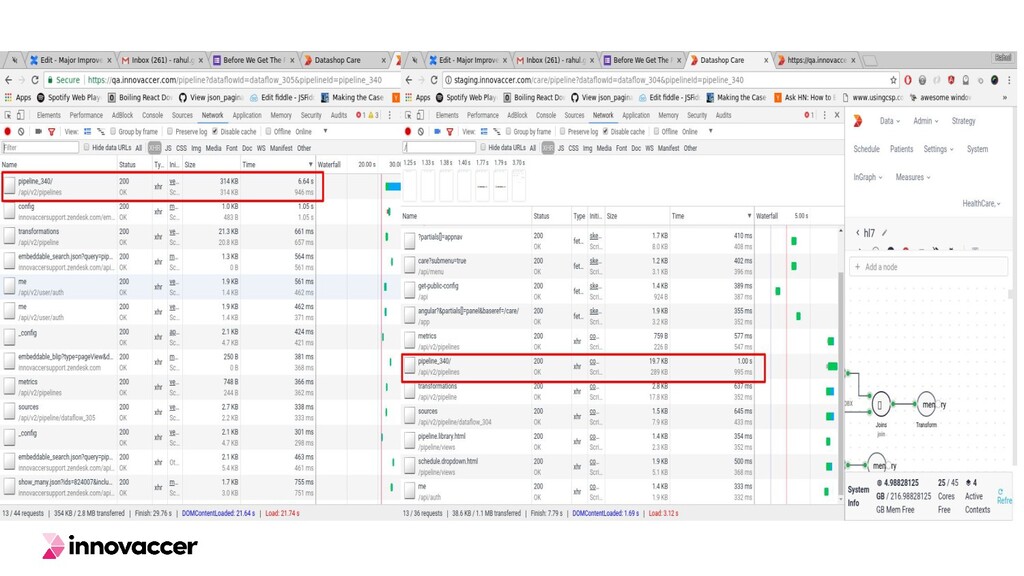
  18. Metrics Legacy UI UI Engine First Paint 16s 2.65s Full

    Page Load 29.76s 7.49s Total Size of XHR Response 354 KB 38.6 KB Total Static Resources 2.8 MB 1.1 MB ETL Flow Builder Page