Printed Circuit Boards (PCBs) are the fundamental building blocks in the world of electronics. From consumer devices to advanced machinery, PCBs are essential for connecting electrical components, making them a cornerstone of modern technology. Understanding what PCB is and how it works is vital for anyone involved in electronics or manufacturing. This article will dive into the various types of PCBs, their manufacturing process, components, applications, and future trends, all while maintaining an optimal focus on the keyword “PCB” with a 3% keyword density for SEO.
What is a PCB?
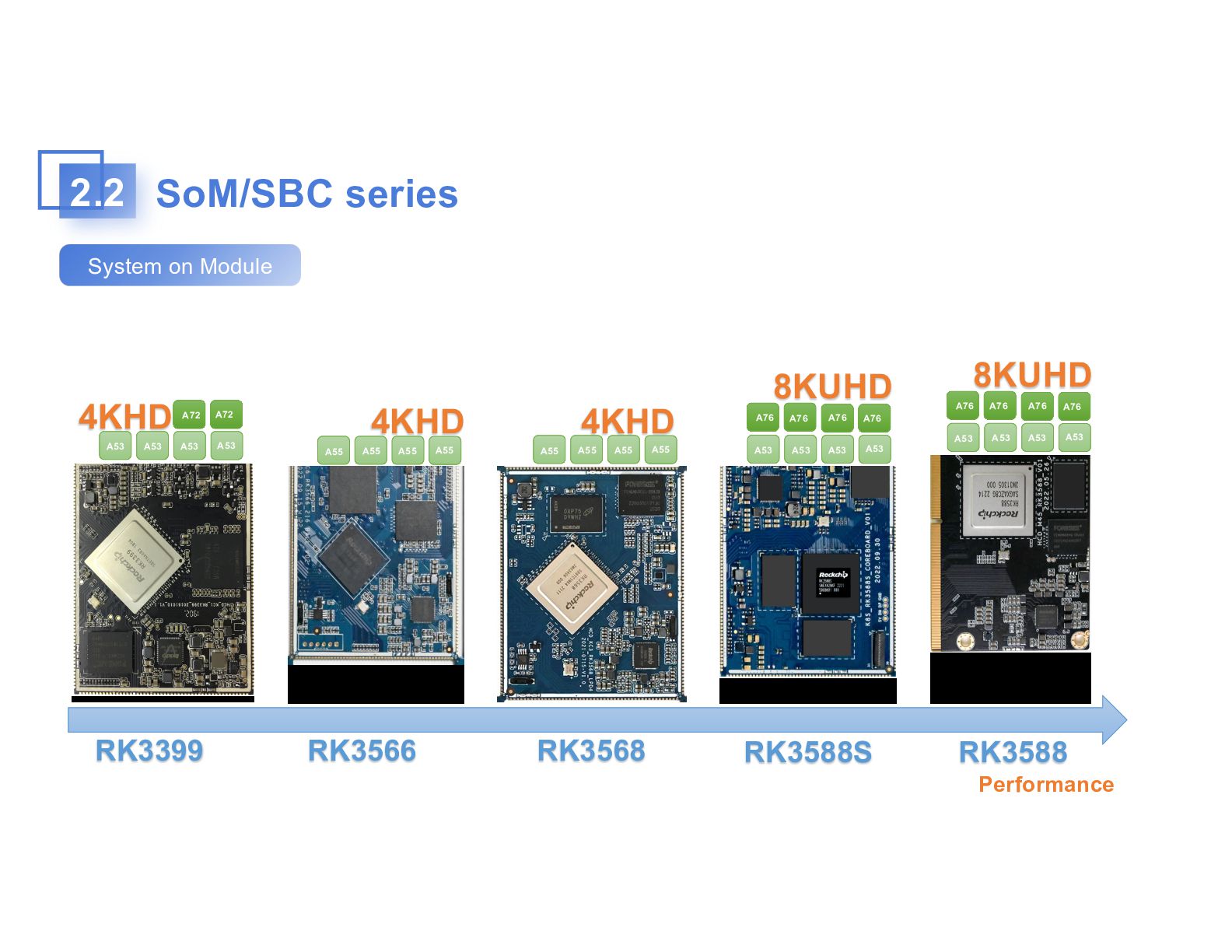
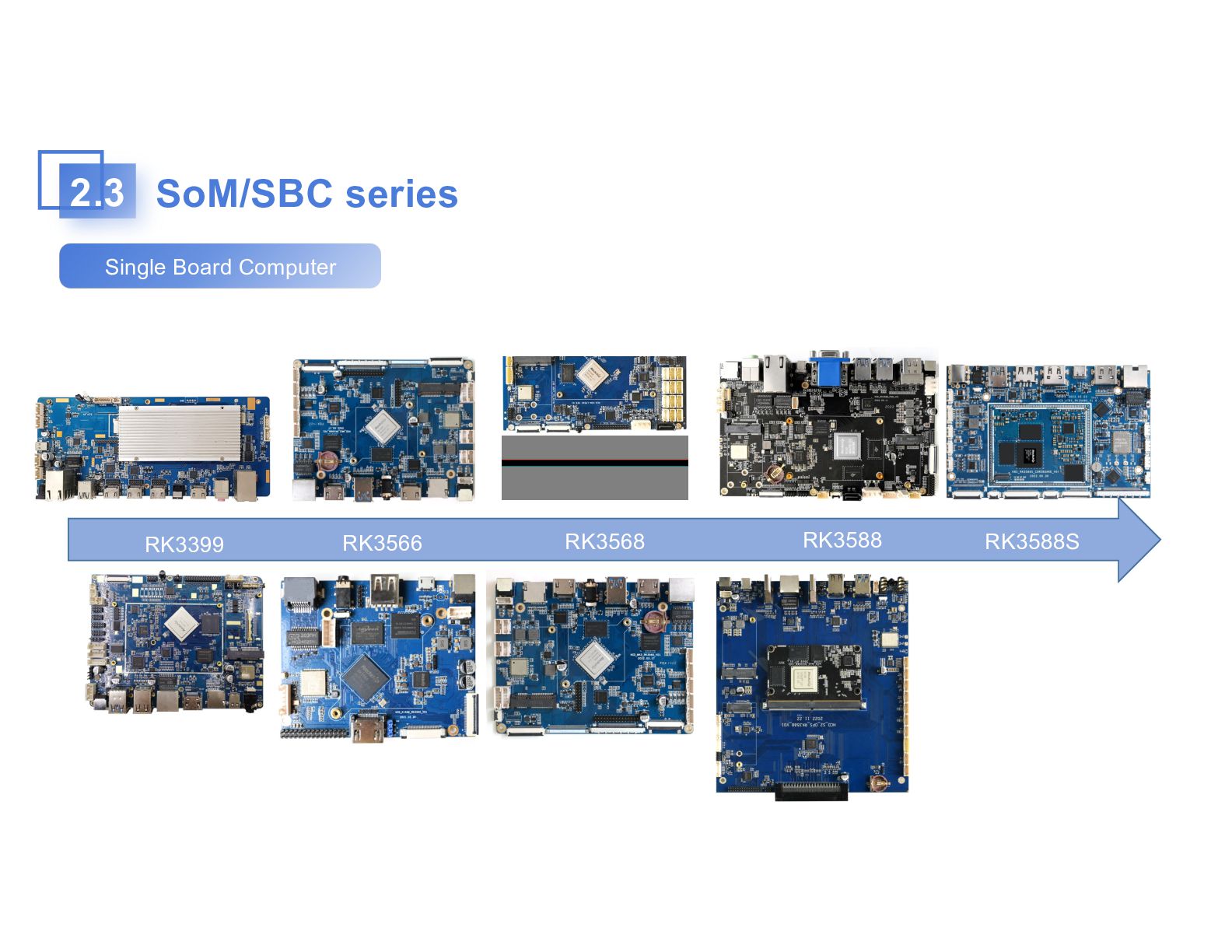
A Printed Circuit Board (PCB) is a flat board used to connect and support electronic components using conductive pathways. These pathways, often made of copper, are etched onto the board, allowing electrical signals to flow between various components like resistors, capacitors, and transistors. PCBs can be single-sided, double-sided, or multi-layered depending on the complexity of the circuit.
PCBs are primarily made from non-conductive materials such as fiberglass, which provides durability and structure to the board. Over the years, PCBs have evolved from simple designs to more sophisticated models capable of handling advanced electronics in sectors like automotive, telecommunications, medical devices, and consumer electronics.
Types of PCB
Different types of PCBs are used based on their application and complexity. The main types include:
Single-Sided PCB:
The simplest form of PCB, where all components are mounted on one side of the board. These are commonly used in low-cost, low-complexity applications such as toys, LED lights, and basic consumer electronics.
Double-Sided PCB:
In this design, components are mounted on both sides of the PCB. This allows for more components and a higher degree of complexity, making it suitable for more advanced electronic devices.
Multi-Layer PCB:
These boards consist of multiple layers of material, allowing for even more complex circuits and designs. Multi-layer PCBs are widely used in high-performance products like computers, medical devices, and automotive electronics.
Flexible PCB:
Made from flexible materials, these PCBs can be bent or folded. They are commonly used in devices that require flexibility, such as wearable technology, medical devices, and drones.
Rigid-Flex PCB:
Combining both rigid and flexible PCBs, these boards offer durability and flexibility. Rigid-flex PCBs are widely used in aerospace, military, and automotive industries due to their robustness and versatility.
PCB Manufacturing Process
The process of manufacturing a PCB involves several key steps to ensure quality and precision. These steps include:
Designing the PCB Layout
The first step is to design the circuit layout, usually using PCB design software like Eagle or Altium Designer. This software helps engineers place components, route the traces, and determine the board's overall structure.
Photolithography
Once the design is finalized, photolithography is used to transfer the design onto the PCB. A photosensitive layer is applied to the PCB, and ultraviolet light is used to harden the design onto the surface.
Etching
After the design is transferred, the board undergoes an etching process to remove excess copper, leaving behind the necessary circuit traces. This step is crucial to ensure the correct electrical connections.
Drilling
Holes are drilled into the PCB to accommodate components and vias. Vias are small holes that connect different layers of the board, enabling multi-layer PCB designs.
Plating
The drilled holes are then plated with copper to ensure that the electrical signals can travel between layers, completing the circuit.
Solder Mask and Silkscreen
A solder mask is applied to the PCB to prevent accidental soldering and short circuits. A silkscreen is also printed on top to mark the positions of components and other relevant information.
Testing
The final step involves testing the PCB to ensure all the electrical connections are intact and functional. This can involve various methods, such as Automated Optical Inspection (AOI) and functional testing.
Key Components of a PCB
PCBs use a variety of electronic components to form a complete circuit. These include:
Resistors:
Resistors control the flow of electric current, ensuring that components receive the correct amount of power.
Capacitors:
Capacitors store electrical energy and release it as needed. They play a vital role in filtering signals and stabilizing voltage.
Transistors:
Transistors act as switches or amplifiers in a circuit, allowing electrical signals to be controlled and amplified.
Diodes:
Diodes allow current to flow in one direction only, protecting circuits from power surges or reverse polarity.
Inductors:
Inductors store energy in a magnetic field and are often used in power supplies and radio-frequency circuits.
Applications of PCB
PCBs are essential in nearly every electronic device. Some of the most common applications include:
Application Description
Consumer Electronics PCBs are used in smartphones, televisions, computers, and gaming consoles.
Automotive Modern vehicles use PCBs in systems like navigation, infotainment, and sensors.
Medical Devices Medical devices such as pacemakers, MRI machines, and diagnostic equipment rely on PCBs.
Aerospace PCBs are used in communication systems, satellite equipment, and avionics in the aerospace industry.
Industrial Control systems, robotics, and manufacturing automation all rely on PCBs.
Advantages of PCB
The advantages of using PCBs include:
Space Efficiency: PCBs can hold many components in a small area, allowing for compact devices.
Reliability: Once components are soldered onto the board, they are less likely to be damaged compared to traditional wiring.
Cost-Effectiveness: Mass production of PCBs makes them an affordable solution for electronic devices.
Durability: PCBs are typically more durable and resistant to mechanical damage compared to other wiring methods.
The Future of PCB Technology
As technology advances, PCB design and manufacturing continue to evolve. Some of the key trends shaping the future of PCB technology include:
Miniaturization: With the rise of smaller and more powerful electronic devices, the demand for smaller and thinner PCBs is increasing.
Flexible and Wearable Devices: Flexible PCBs will continue to grow in popularity, especially in the wearables market, as more devices need to be compact, lightweight, and bendable.
High-Speed and High-Frequency PCBs: As data transmission speeds increase with 5G and beyond, PCBs that can handle high-frequency signals will become more crucial.
Sustainability: Environmental concerns are pushing for the development of eco-friendly PCBs, using materials that are less harmful to the environment and more recyclable.
PCBs are the backbone of modern electronics, providing the infrastructure necessary for electronic devices to function. From their manufacturing process to their wide array of applications, PCBs play a vital role in industries ranging from consumer electronics to aerospace. As technology continues to advance, PCBs will remain at the heart of innovation in electronics. Understanding what PCB is and its importance will help individuals involved in electronics manufacturing make informed decisions and create better, more efficient products.


 popppiees
 addyosmani
 khoart
 techseoconnect
 letsgokoyo
 trishagee
 baasie
 cromwellryan
 irinanazarova
 swwweet
 shlominoach
 tomoyanonymous