to our daily lives. But often the cheap turn into very expensive! The negative impacts that the indiscriminate use of this type of material brings to the planet - and, especially, to the marine ecosystems - is very worrisome.
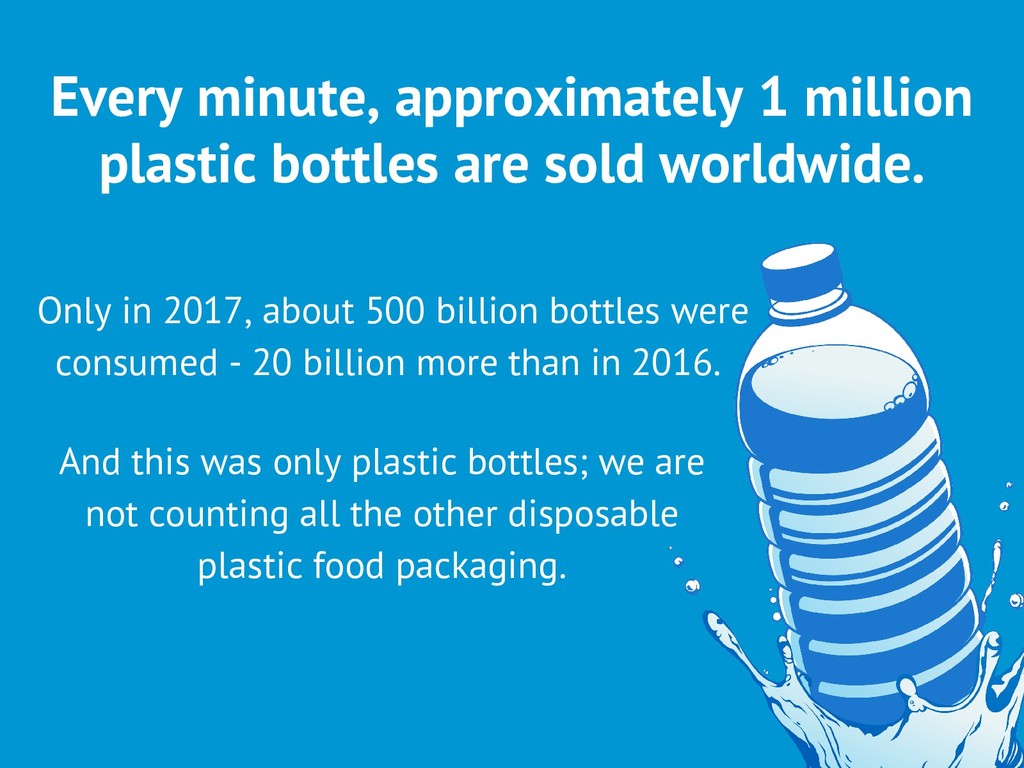
all the other disposable plastic food packaging. Every minute, approximately 1 million plastic bottles are sold worldwide. Only in 2017, about 500 billion bottles were consumed - 20 billion more than in 2016.
ends up in the ocean... According to a recent study by the Ellen MacArthur Foundation in partnership with McKinsey, we currently discharge eight million tons of plastic in the oceans a year - the equivalent of one garbage truck per minute. The fact is that oceans are increasingly being filled with plastic and other wastes that we throw away. It is estimated that today there are 150 million tons of plastic in the seas.
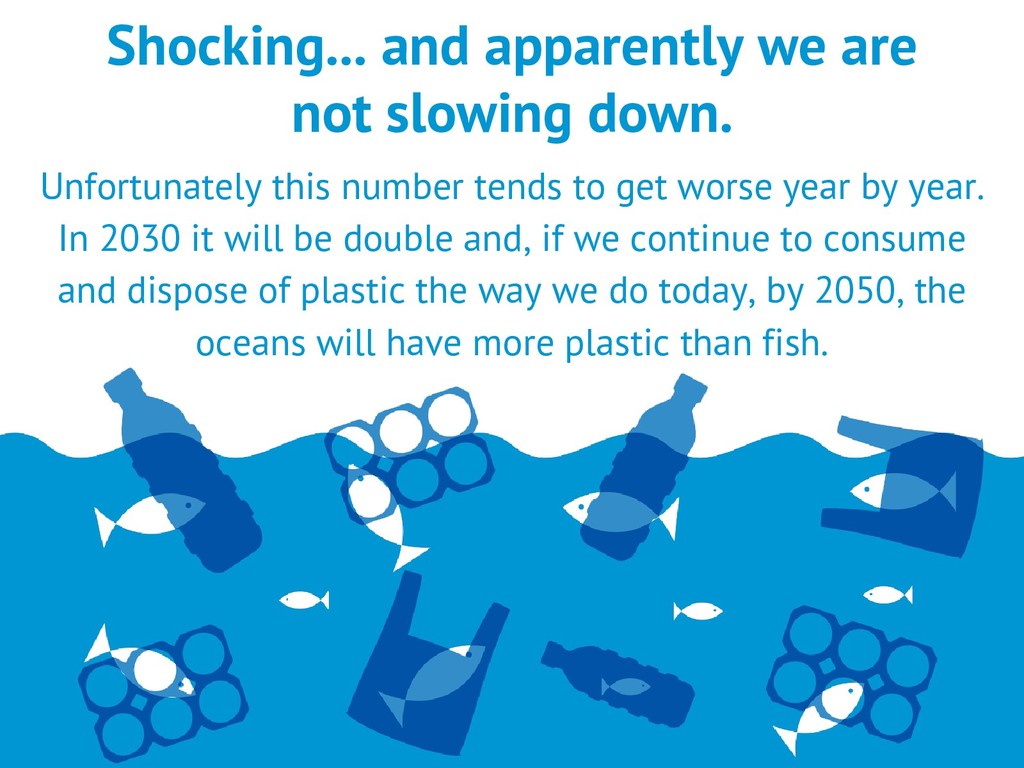
In 2030 it will be double and, if we continue to consume and dispose of plastic the way we do today, by 2050, the oceans will have more plastic than fish. Shocking... and apparently we are not slowing down.
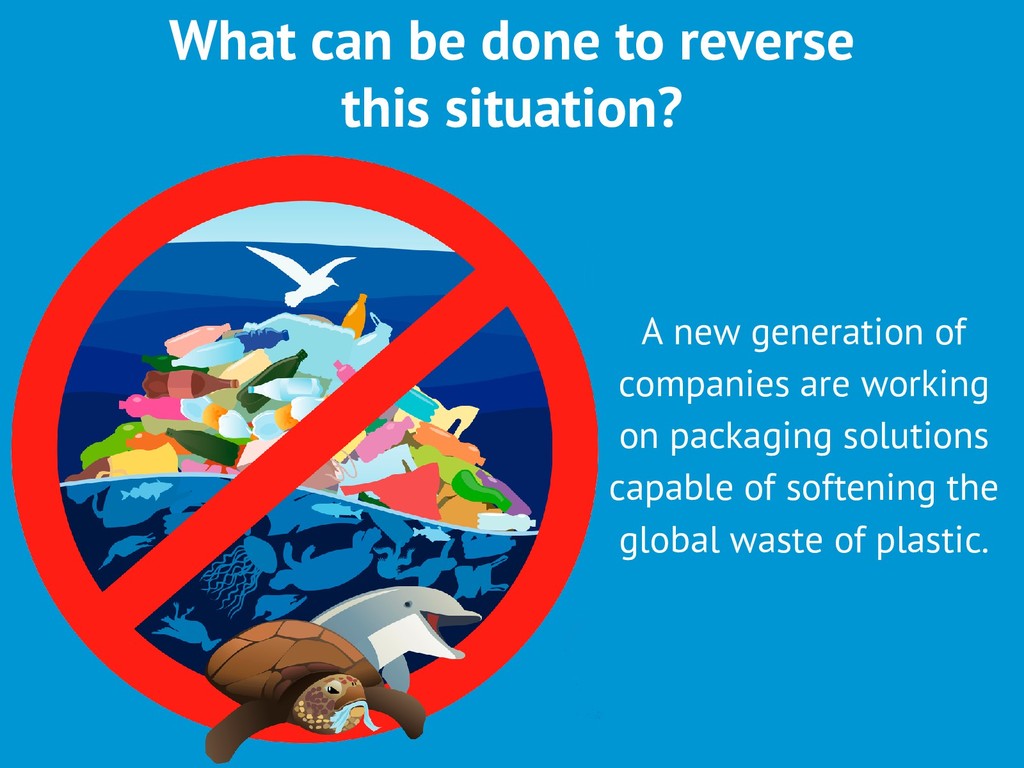
more sustainable options and decrease our dependence on plastic. One of the solutions is the use of Biodegradable packaging options that can be turned into compost. With the increasing amount of plastic waste produced in the world, some environmentally concerned companies have begun to question the need for the packaging they produce - and how to reduce the environmental impacts generated by them.
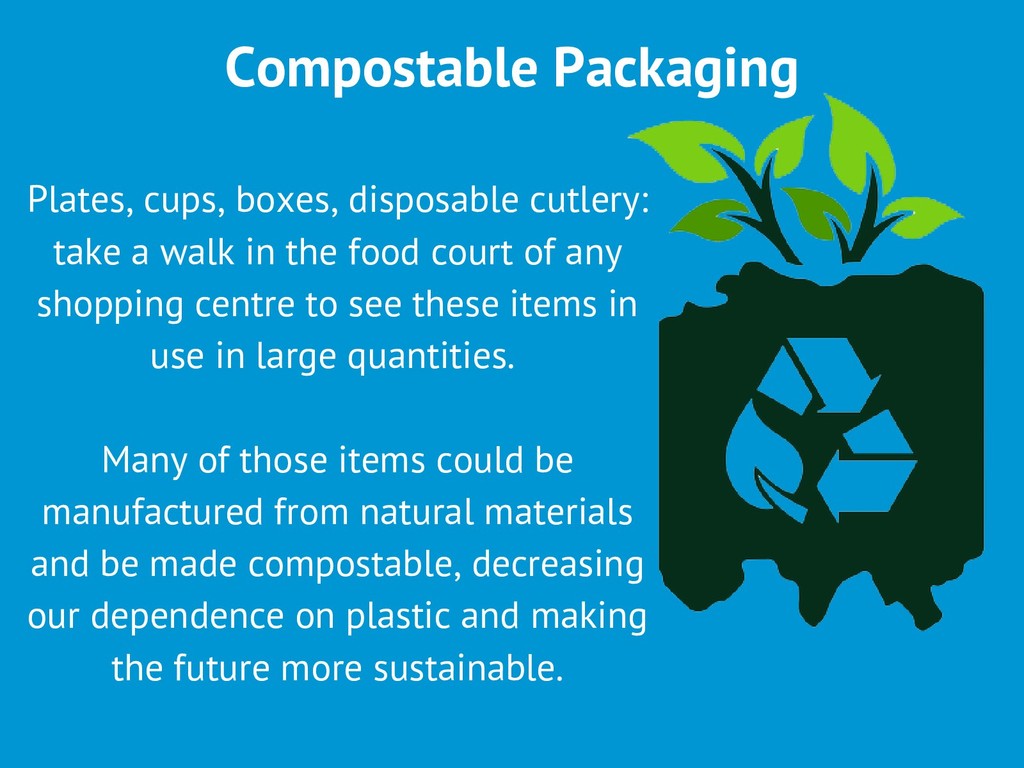
food court of any shopping centre to see these items in use in large quantities. Many of those items could be manufactured from natural materials and be made compostable, decreasing our dependence on plastic and making the future more sustainable. Compostable Packaging


 baasie
 tammyeverts
 bethany
 jeffersonlam
 lynnandtonic
 jonoalderson
 reverentgeek
 kastner
 pwiseman
 paigeccino
 mkilby
 stephaniewalter