Institute of Art with a Bachelor of Fine Arts in Creative Writing and a minor in Art History. I’ve toured art museums (Musée d’Orsay, Uffizi Gallery, Rijksmuseum, Tate Modern, etc.) around the world, published art criticism, and continue to pursue adult education on the subject.
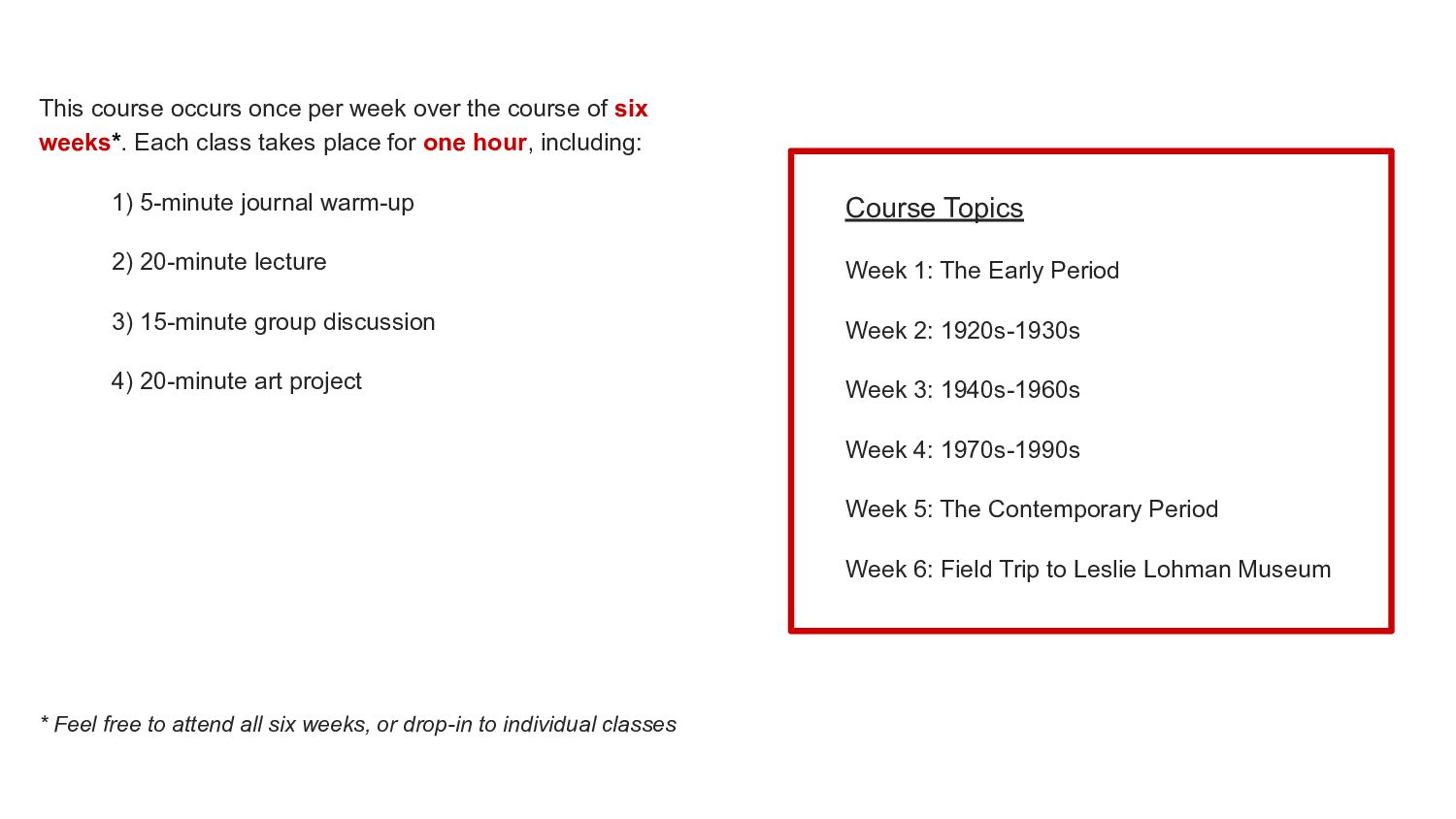
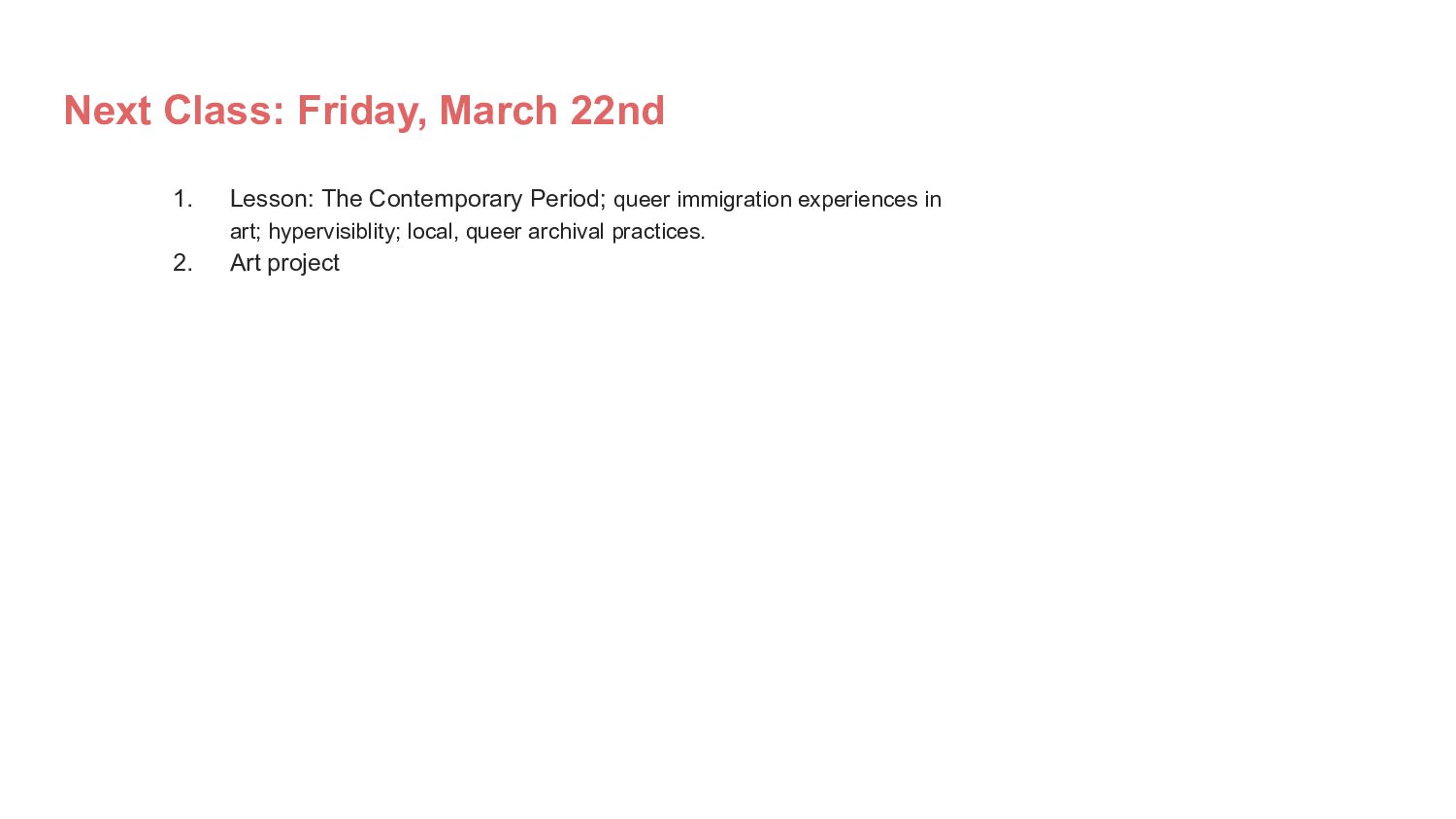
six weeks*. Each class takes place for one hour, including: 1) 5-minute journal warm-up 2) 20-minute lecture 3) 15-minute group discussion 4) 20-minute art project * Feel free to attend all six weeks, or drop-in to individual classes Course Topics Week 1: The Early Period Week 2: 1920s-1930s Week 3: 1940s-1960s Week 4: 1970s-1990s Week 5: The Contemporary Period Week 6: Field Trip to Leslie Lohman Museum
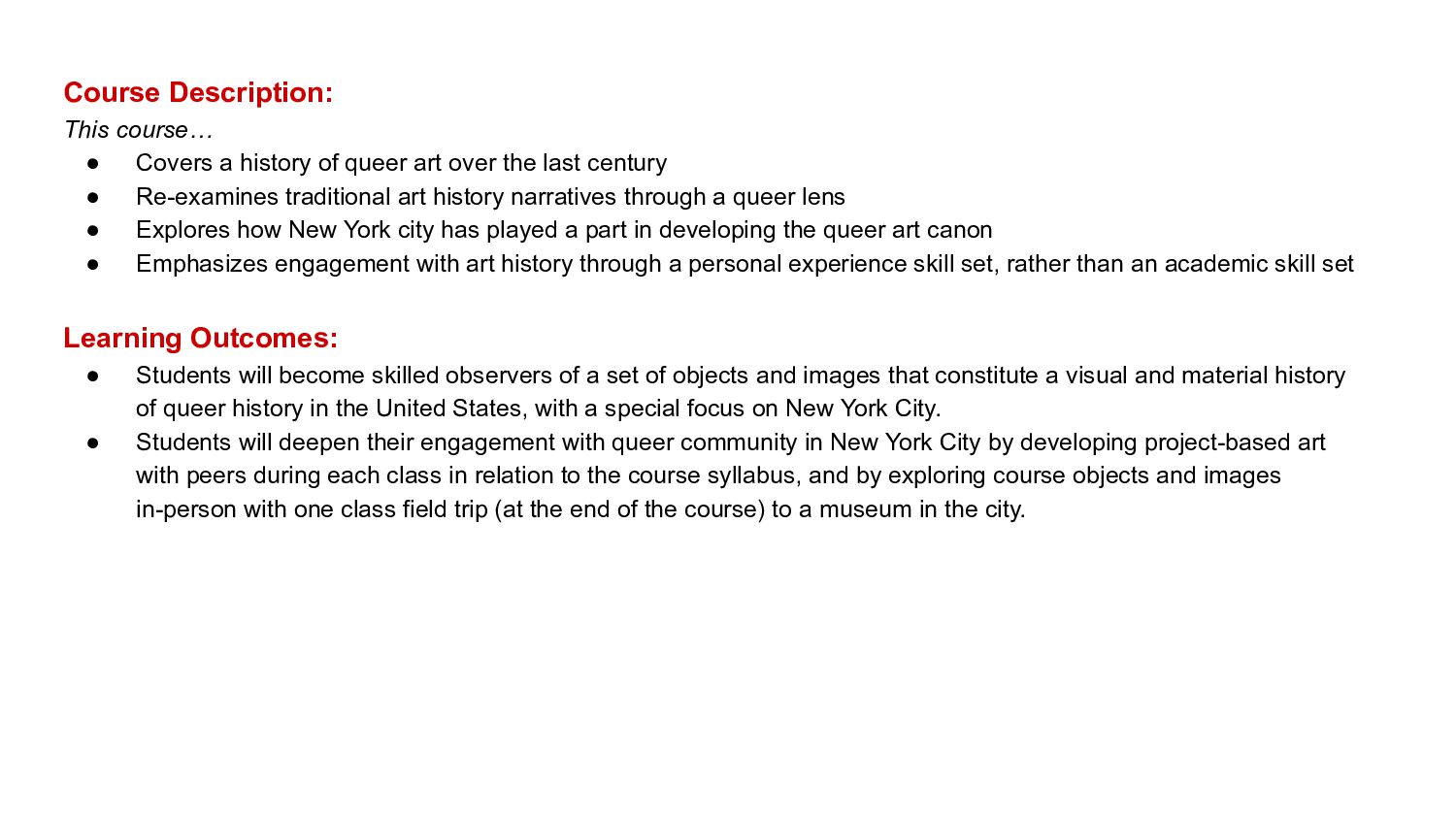
art over the last century • Re-examines traditional art history narratives through a queer lens • Explores how New York city has played a part in developing the queer art canon • Emphasizes engagement with art history through a personal experience skill set, rather than an academic skill set Learning Outcomes: • Students will become skilled observers of a set of objects and images that constitute a visual and material history of queer history in the United States, with a special focus on New York City. • Students will deepen their engagement with queer community in New York City by developing project-based art with peers during each class in relation to the course syllabus, and by exploring course objects and images in-person with one class field trip (at the end of the course) to a museum in the city.
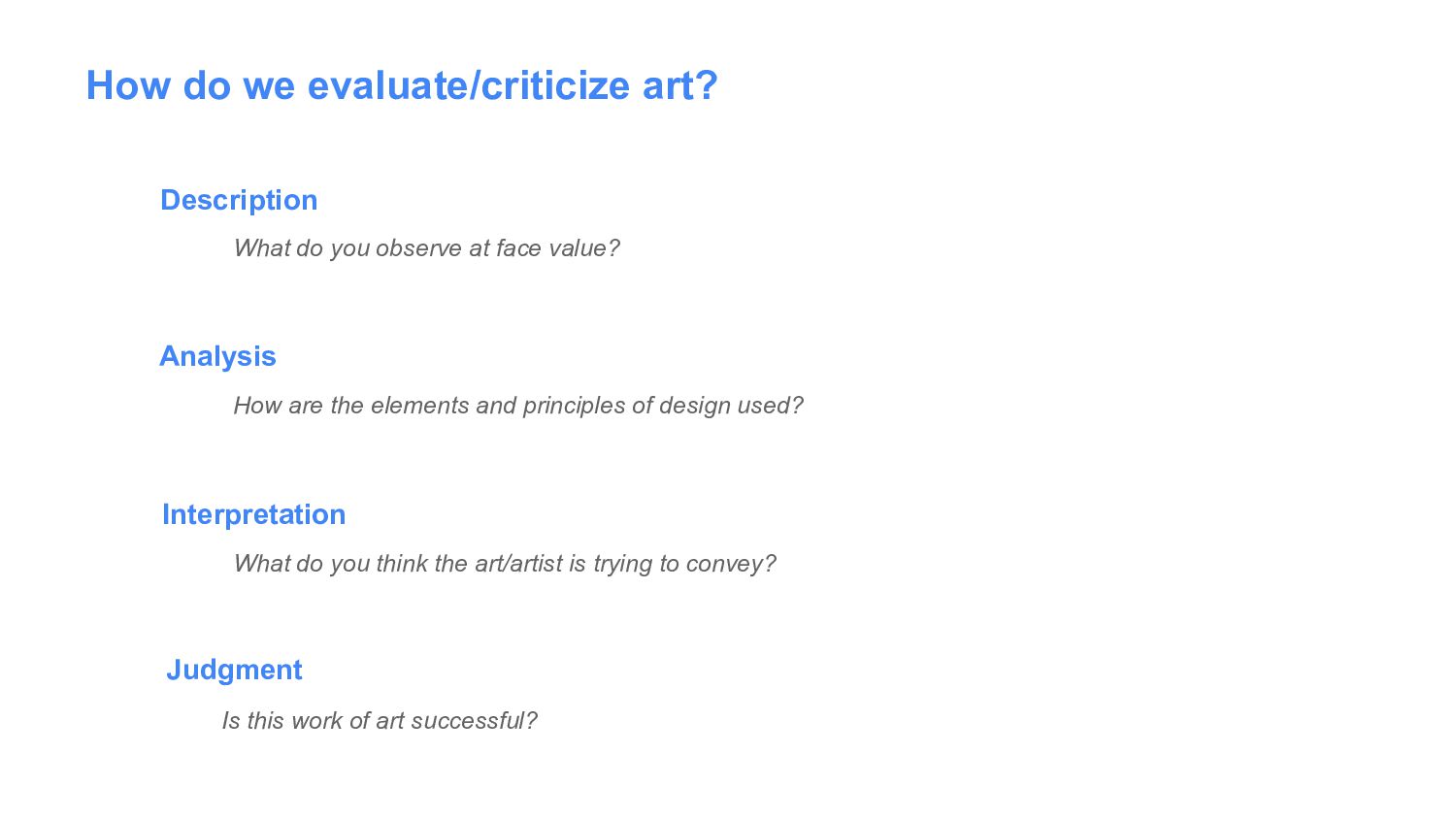
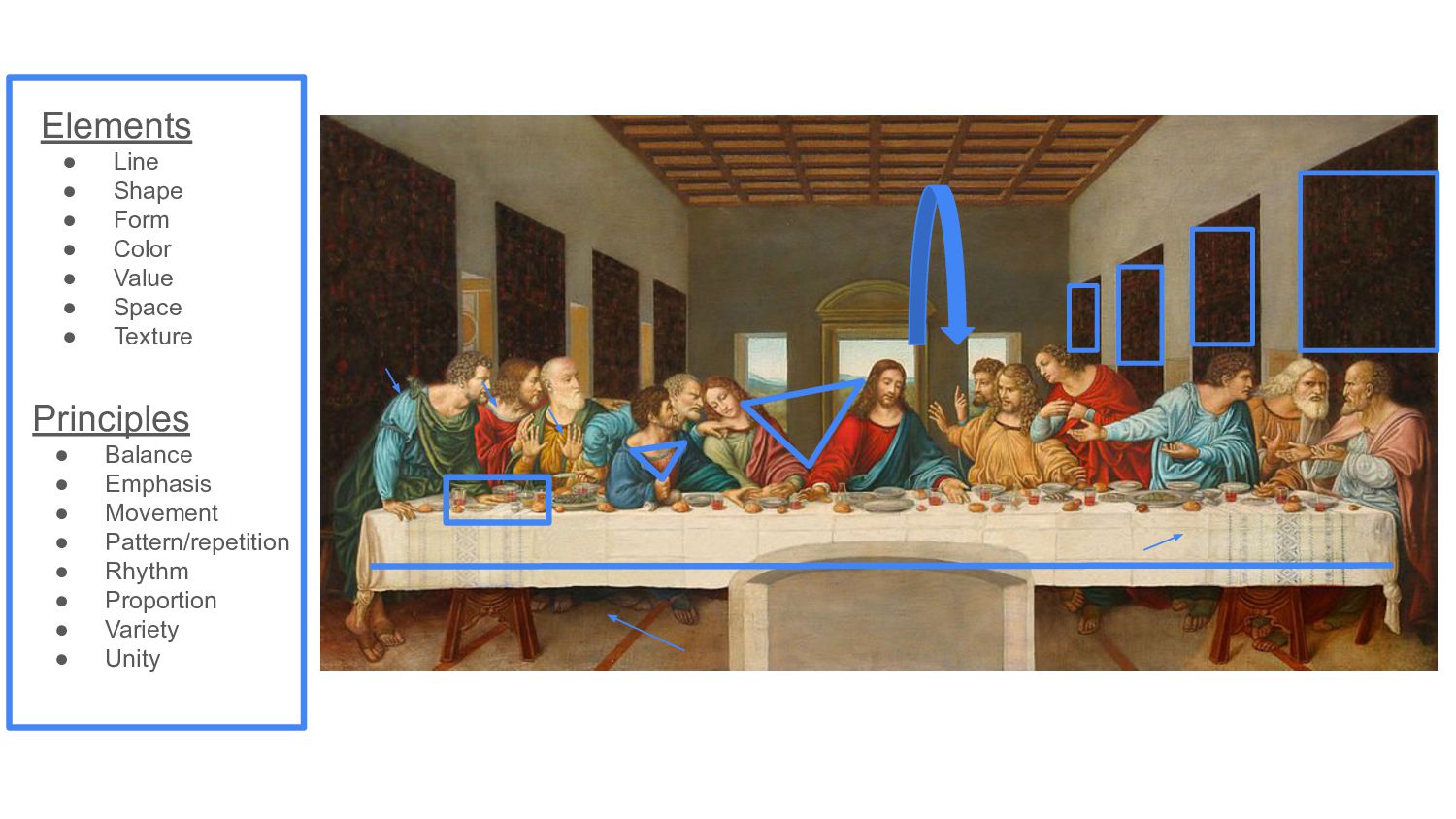
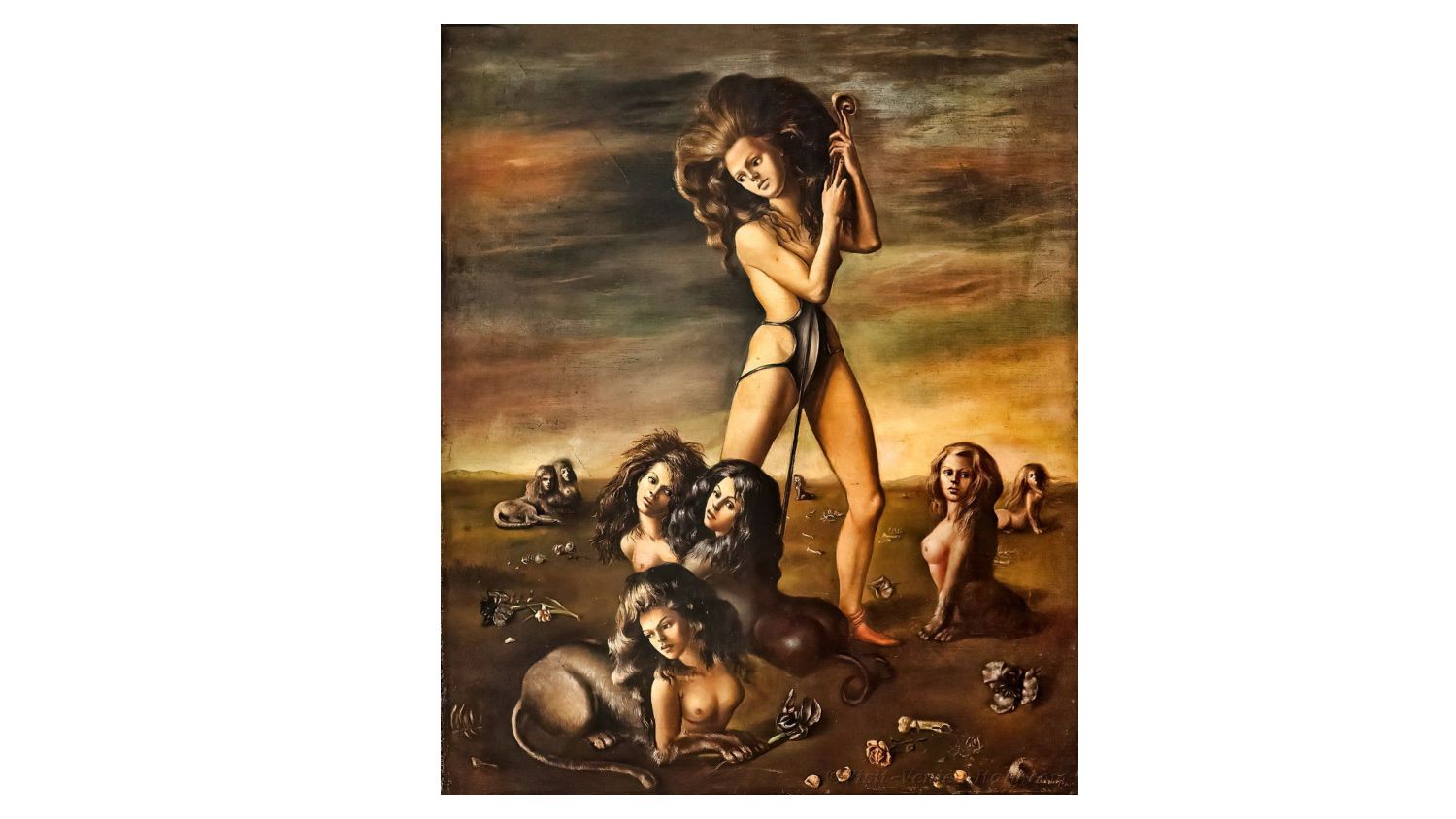
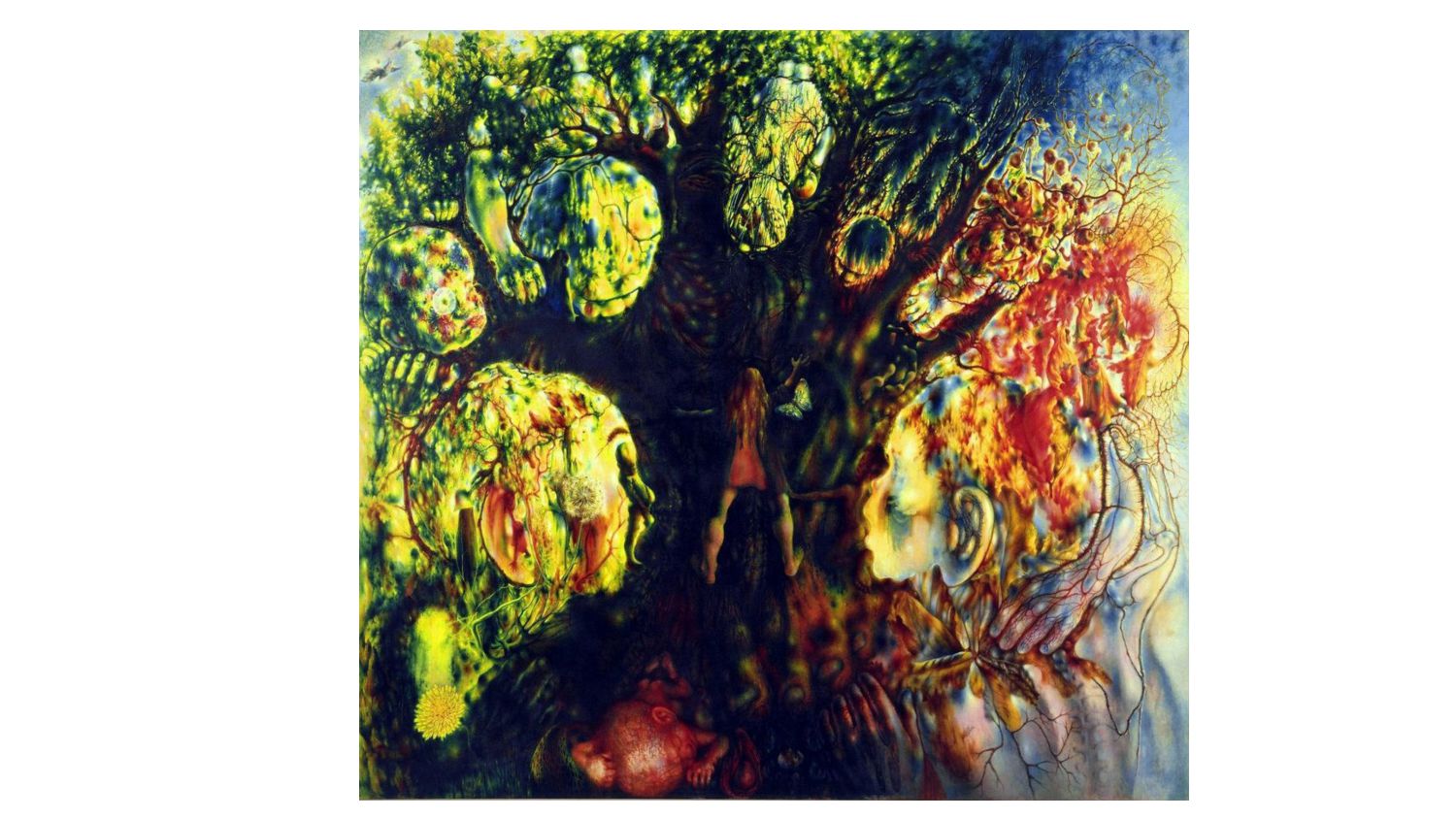
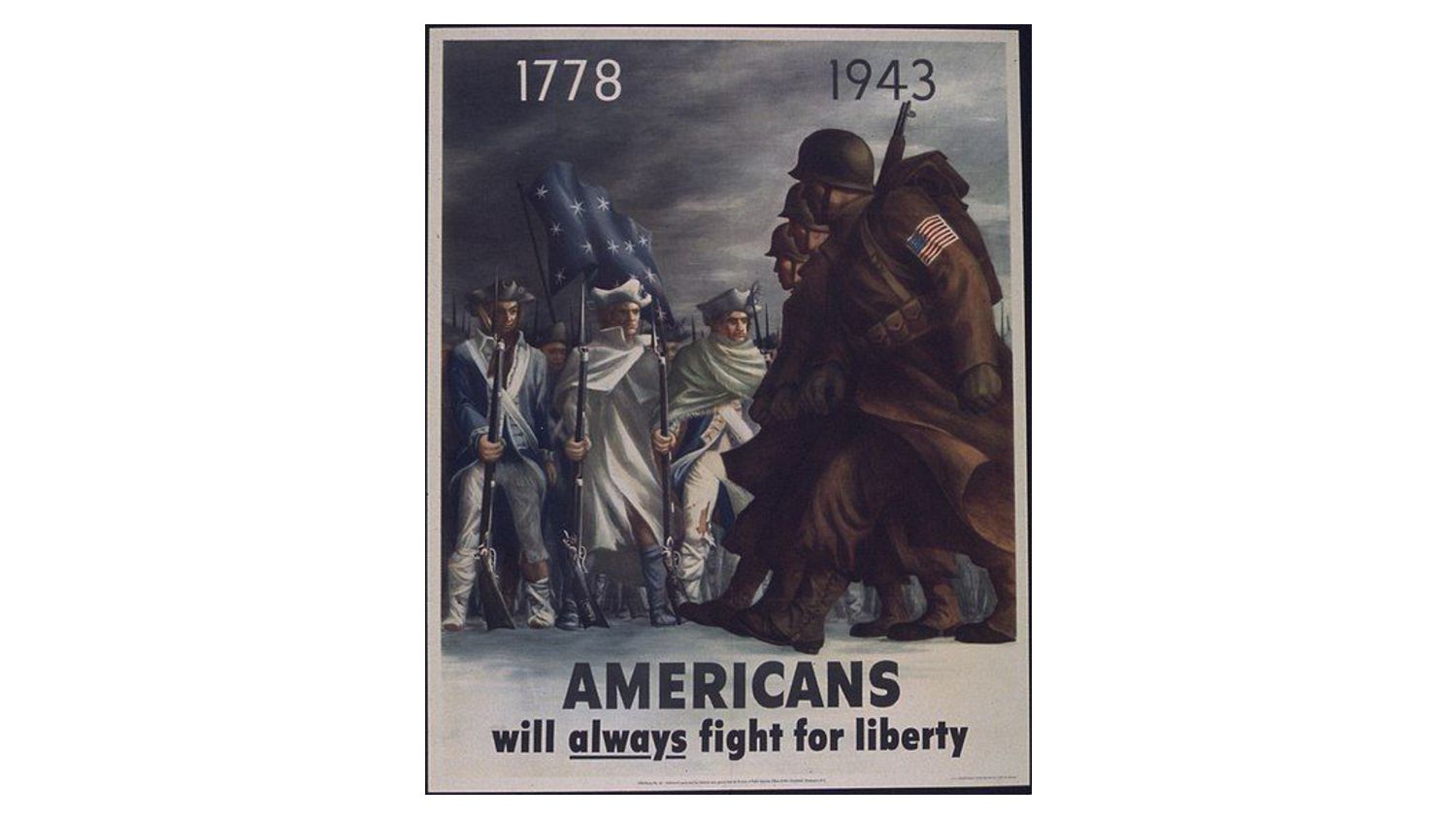
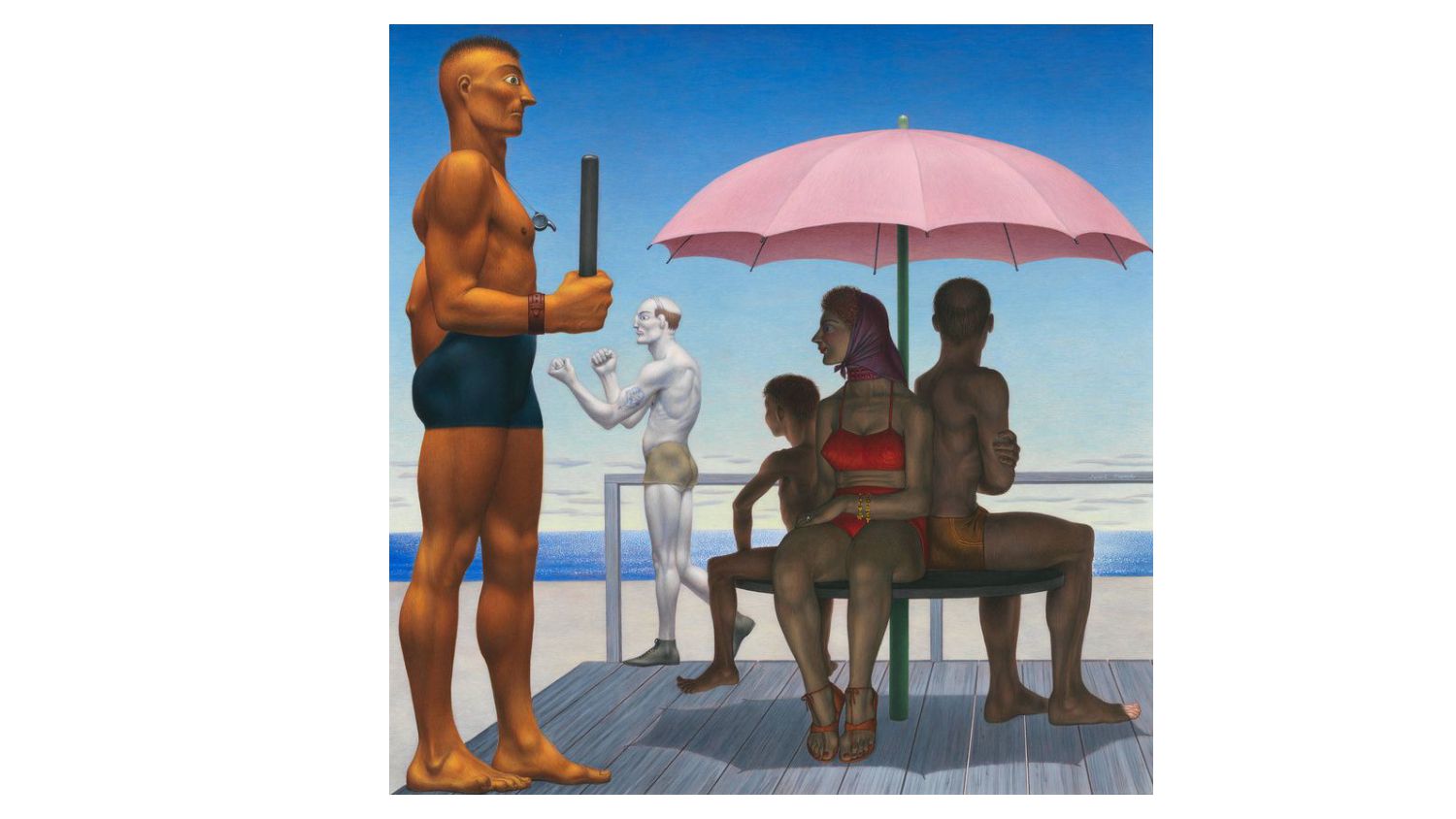
Judgment How are the elements and principles of design used? What do you think the art/artist is trying to convey? Is this work of art successful? How do we evaluate/criticize art?
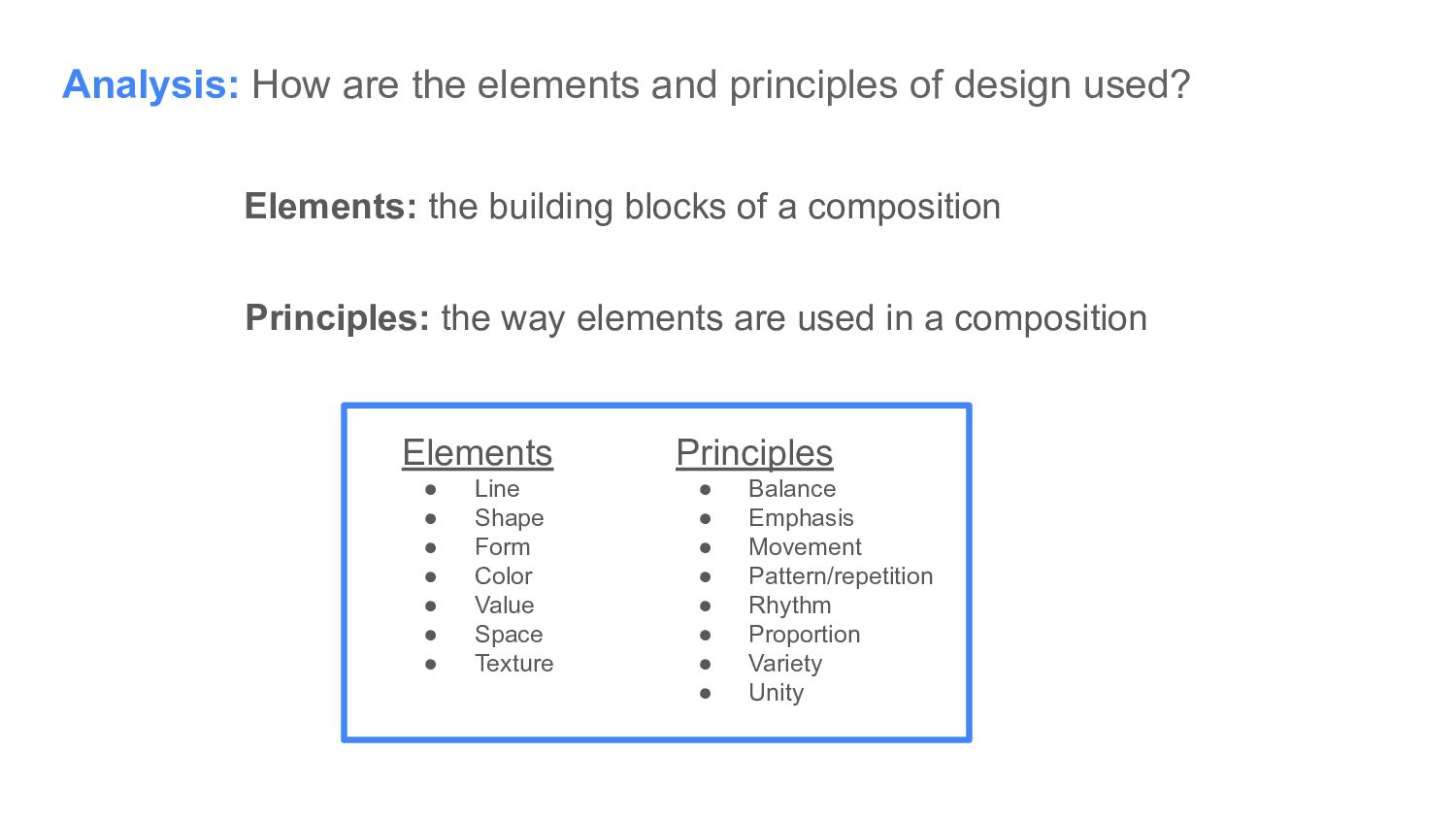
Elements: the building blocks of a composition Principles: the way elements are used in a composition Elements • Line • Shape • Form • Color • Value • Space • Texture Principles • Balance • Emphasis • Movement • Pattern/repetition • Rhythm • Proportion • Variety • Unity
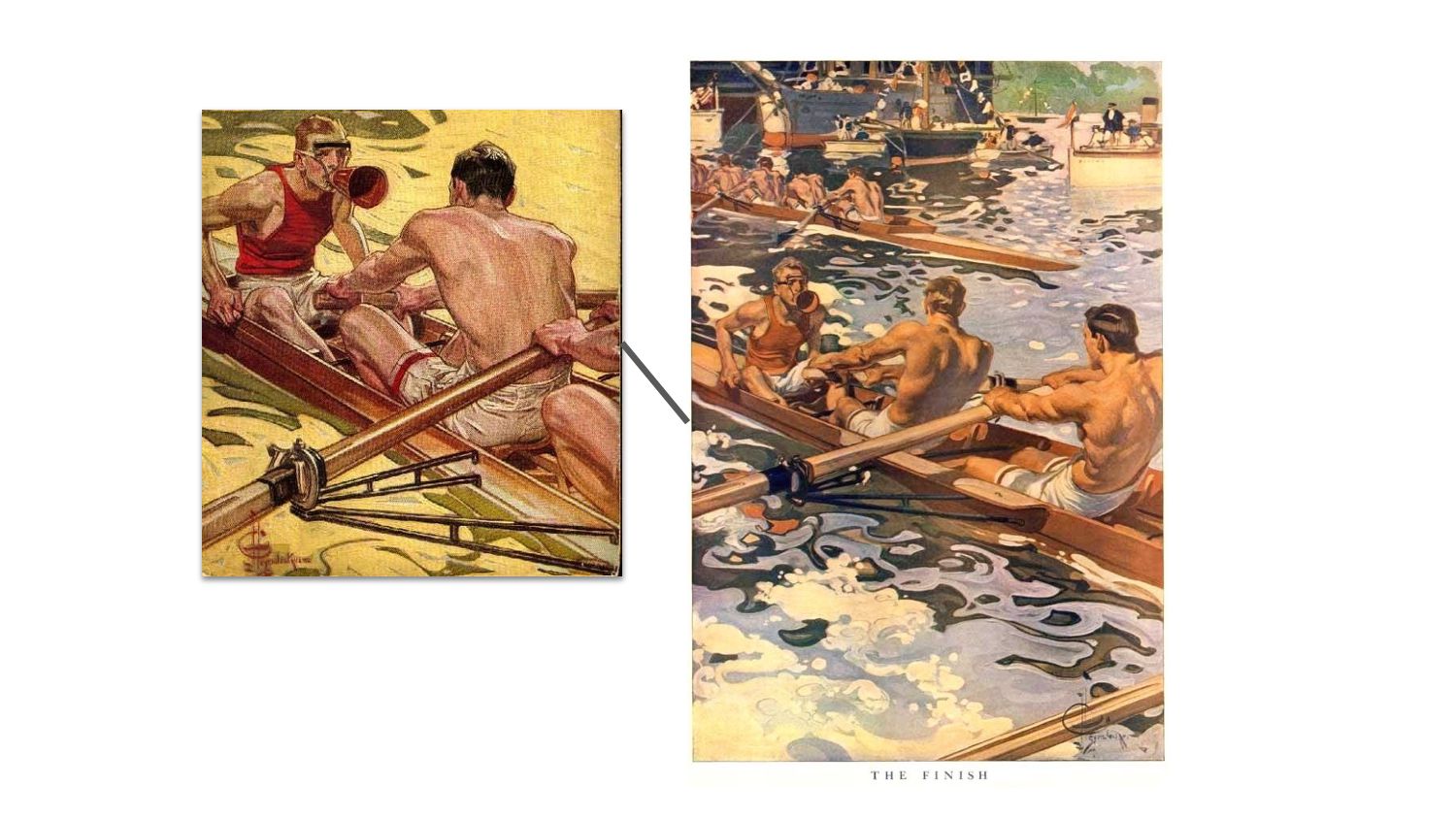
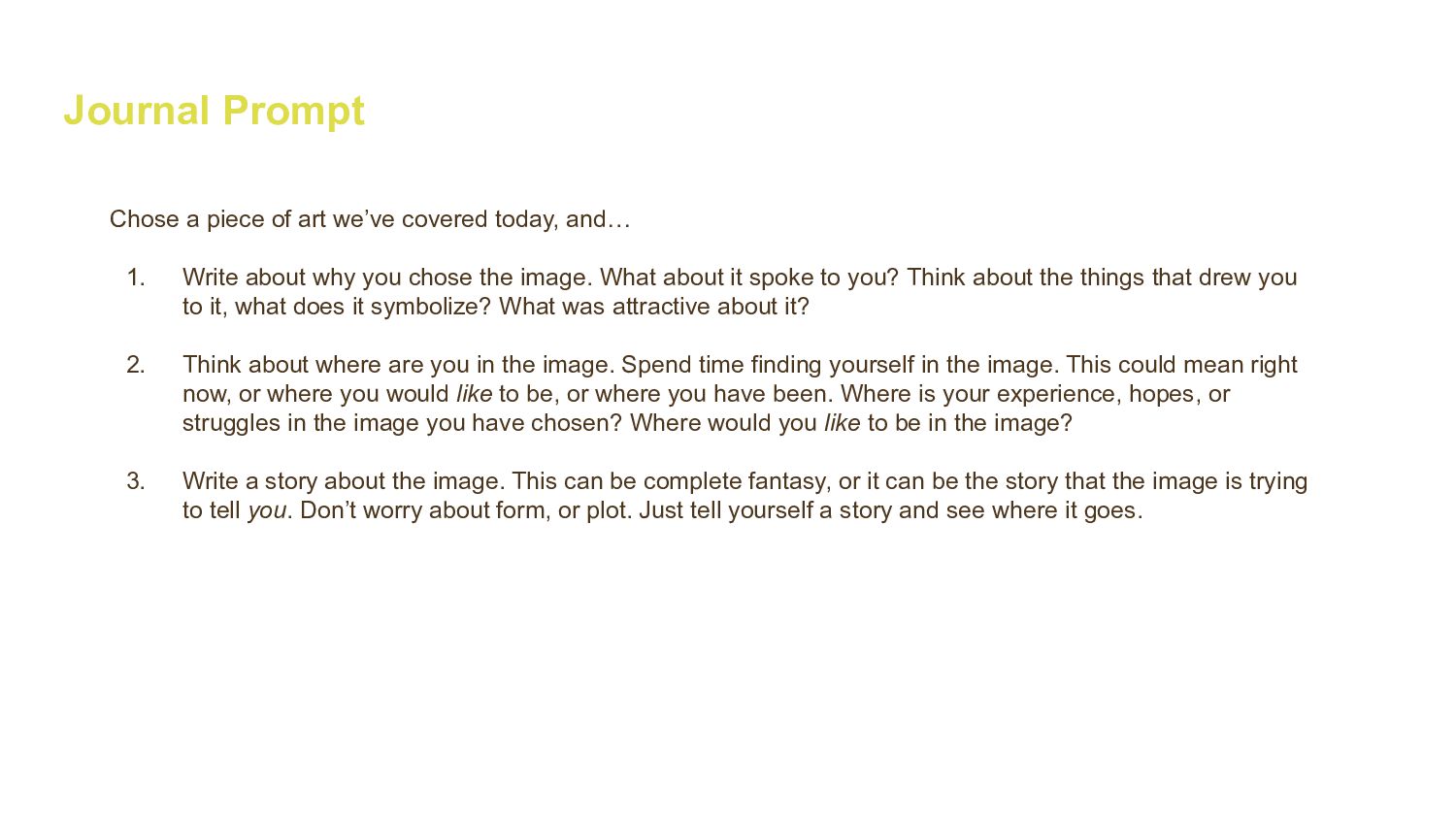
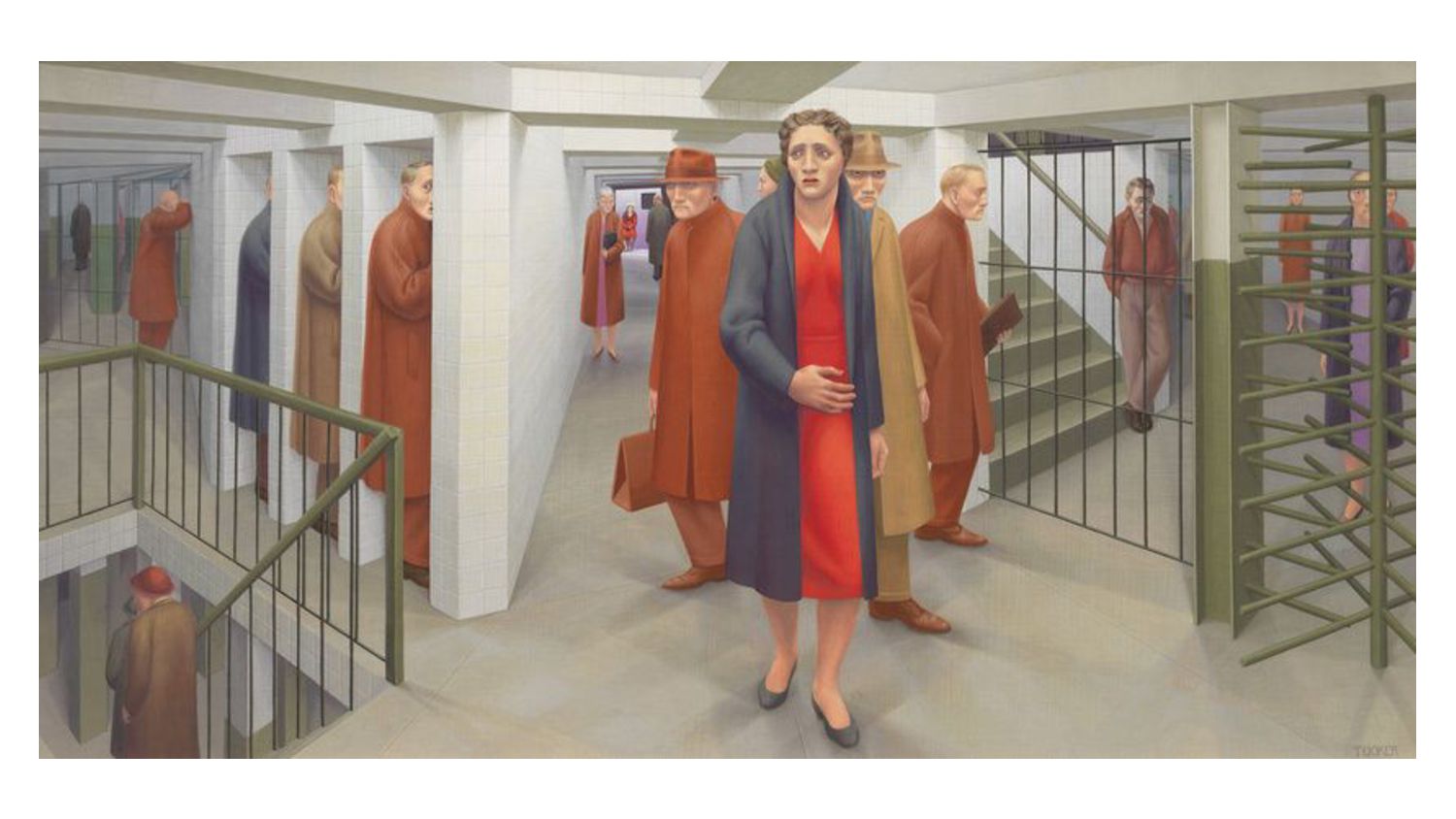
and… 1. Write about why you chose the image. What about it spoke to you? Think about the things that drew you to it, what does it symbolize? What was attractive about it? 2. Think about where are you in the image. Spend time finding yourself in the image. This could mean right now, or where you would like to be, or where you have been. Where is your experience, hopes, or struggles in the image you have chosen? Where would you like to be in the image? 3. Write a story about the image. This can be complete fantasy, or it can be the story that the image is trying to tell you. Don’t worry about form, or plot. Just tell yourself a story and see where it goes.
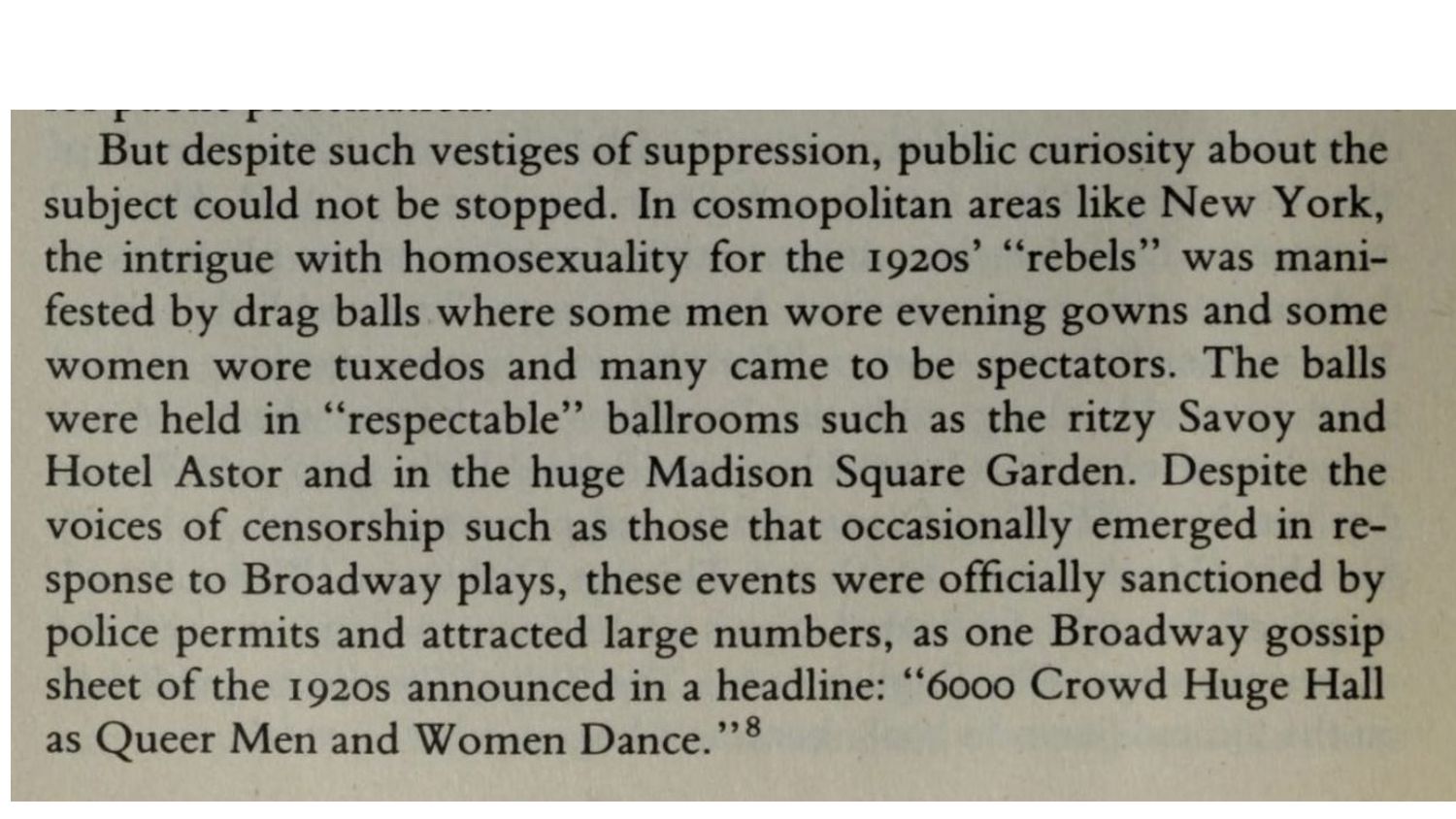
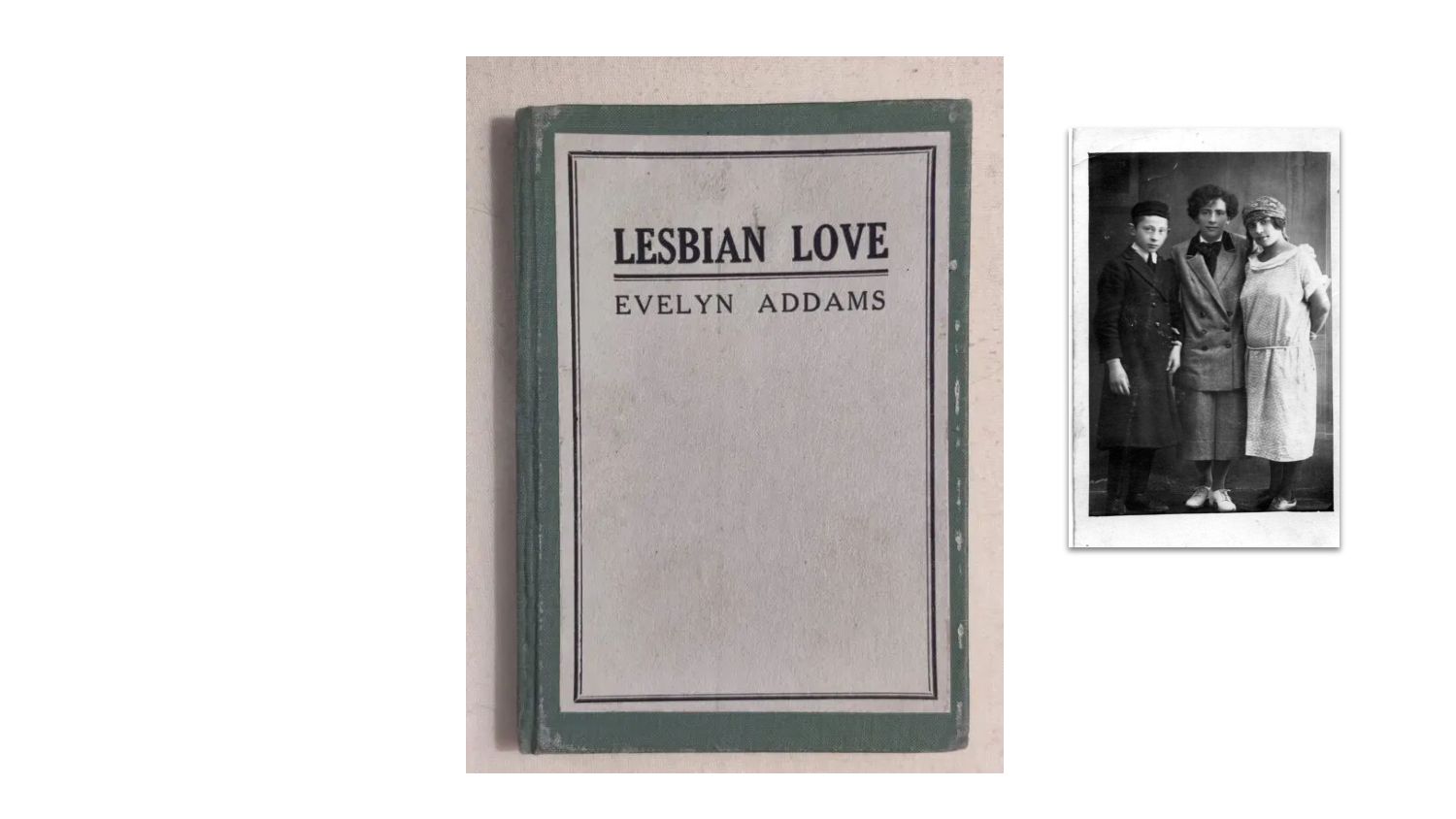
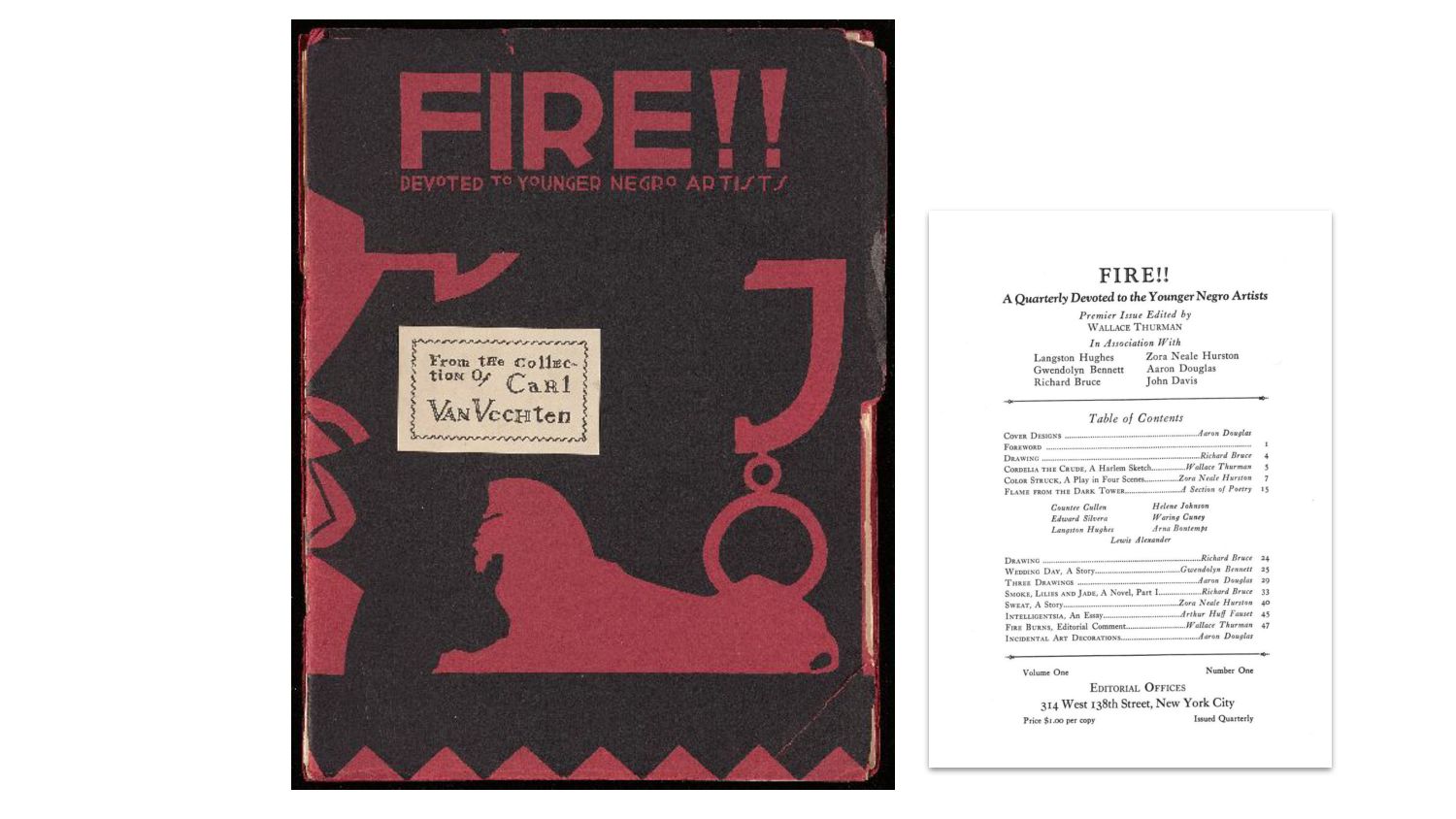
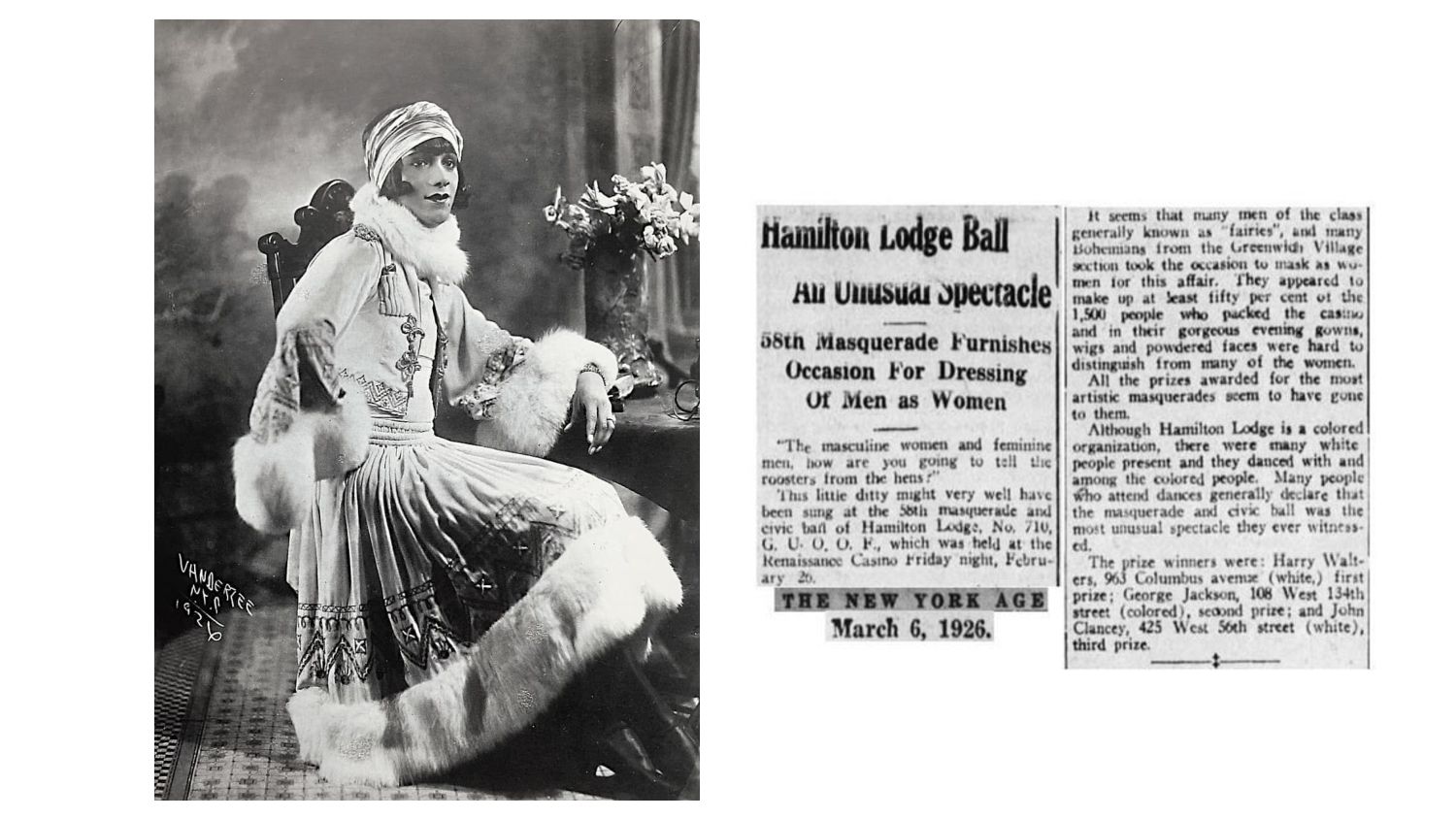
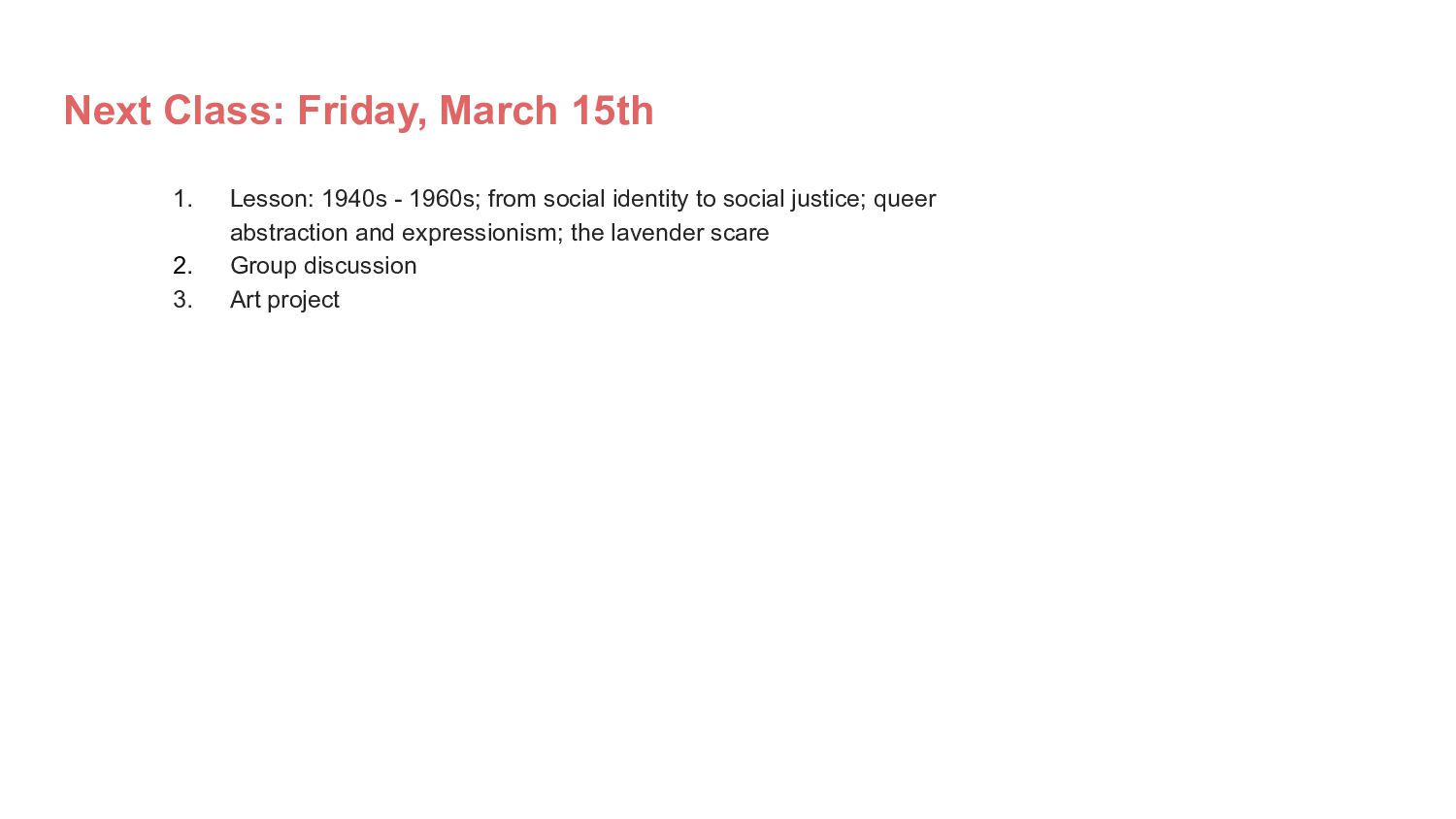
◦ Zines. Lesbian Love ◦ The Influence of Black Lesbian & Transgender Blues Women of the Harlem Renaissance on Emerging Queer Communities ◦ The Drag Ball 2. Group discussion 3. Art project
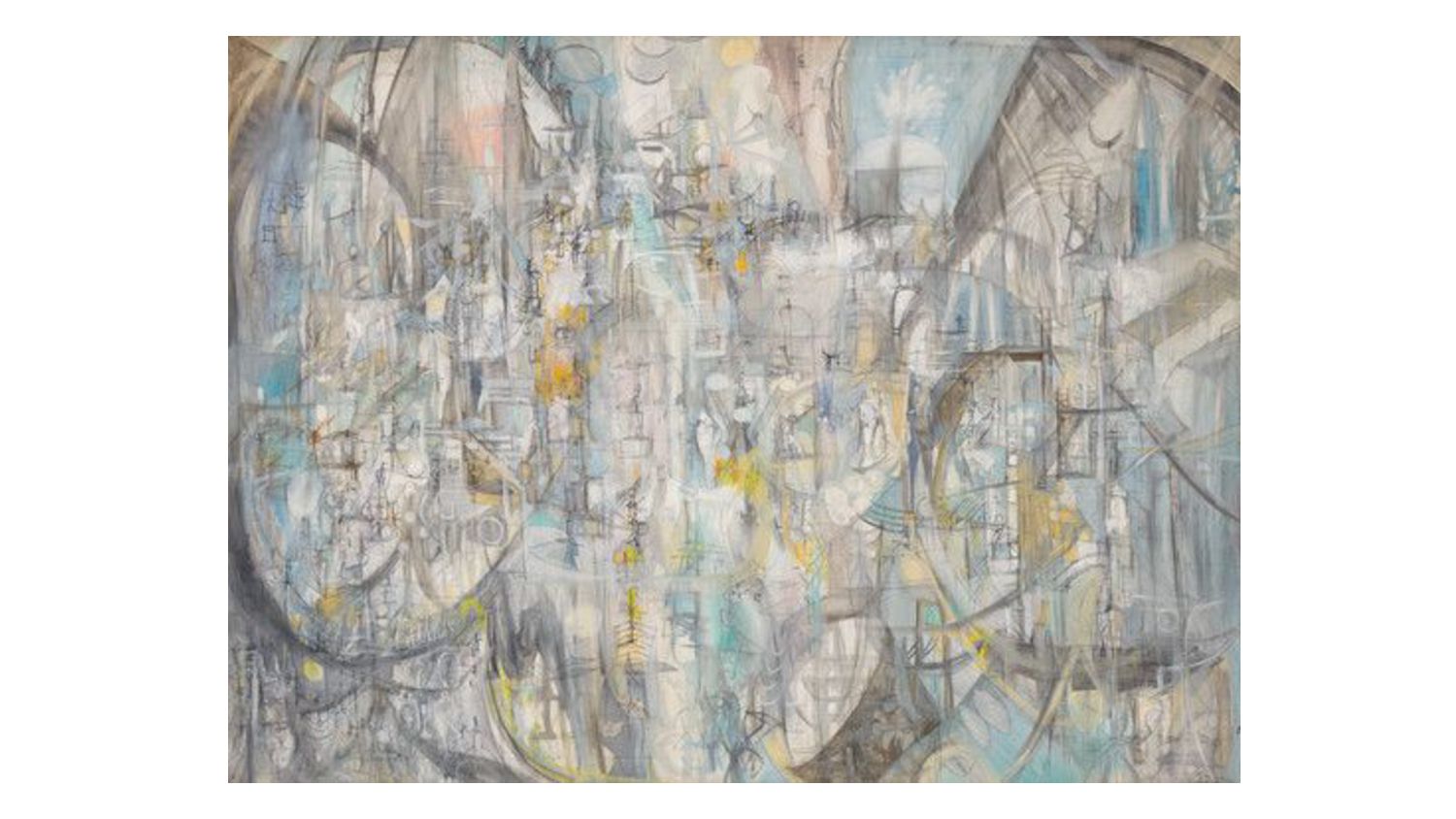
and… 1. Write about why you chose the image. What about it spoke to you? Think about the things that drew you to it, what does it symbolize? What was attractive about it? 2. Think about where are you in the image. Spend time finding yourself in the image. This could mean right now, or where you would like to be, or where you have been. Where is your experience, hopes, or struggles in the image you have chosen? Where would you like to be in the image? 3. Write a story about the image. This can be complete fantasy, or it can be the story that the image is trying to tell you. Don’t worry about form, or plot. Just tell yourself a story and see where it goes.
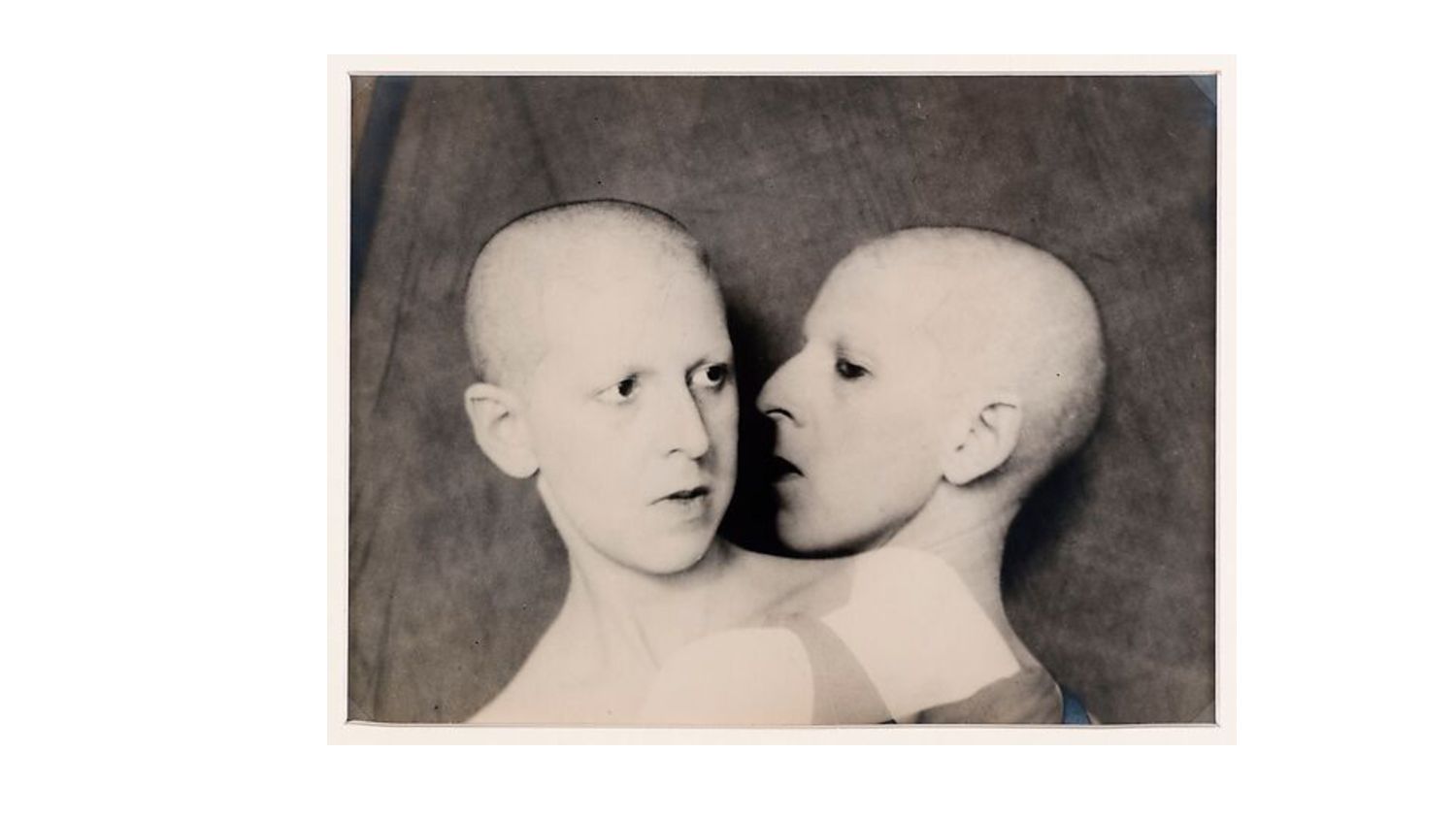
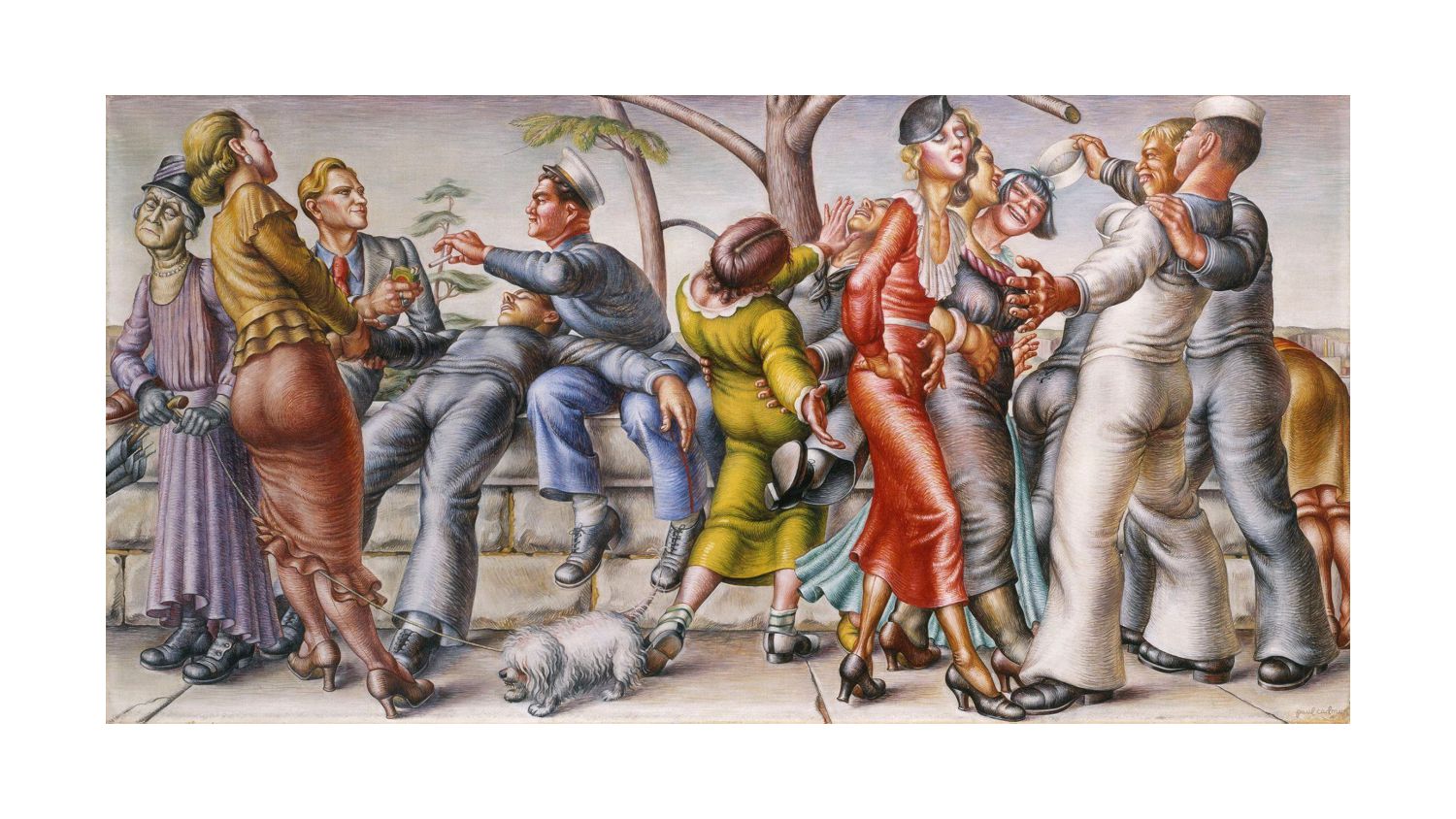
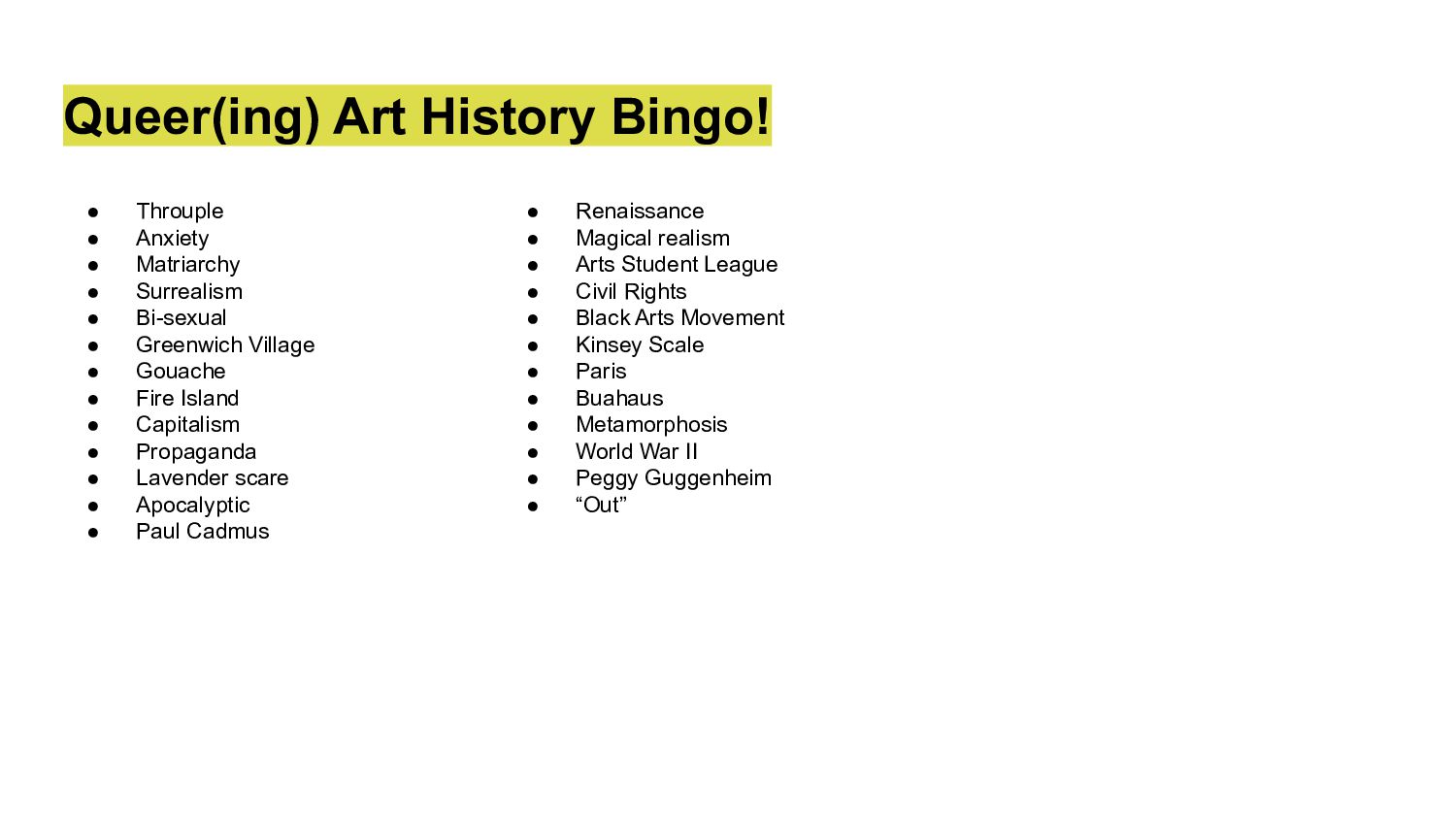
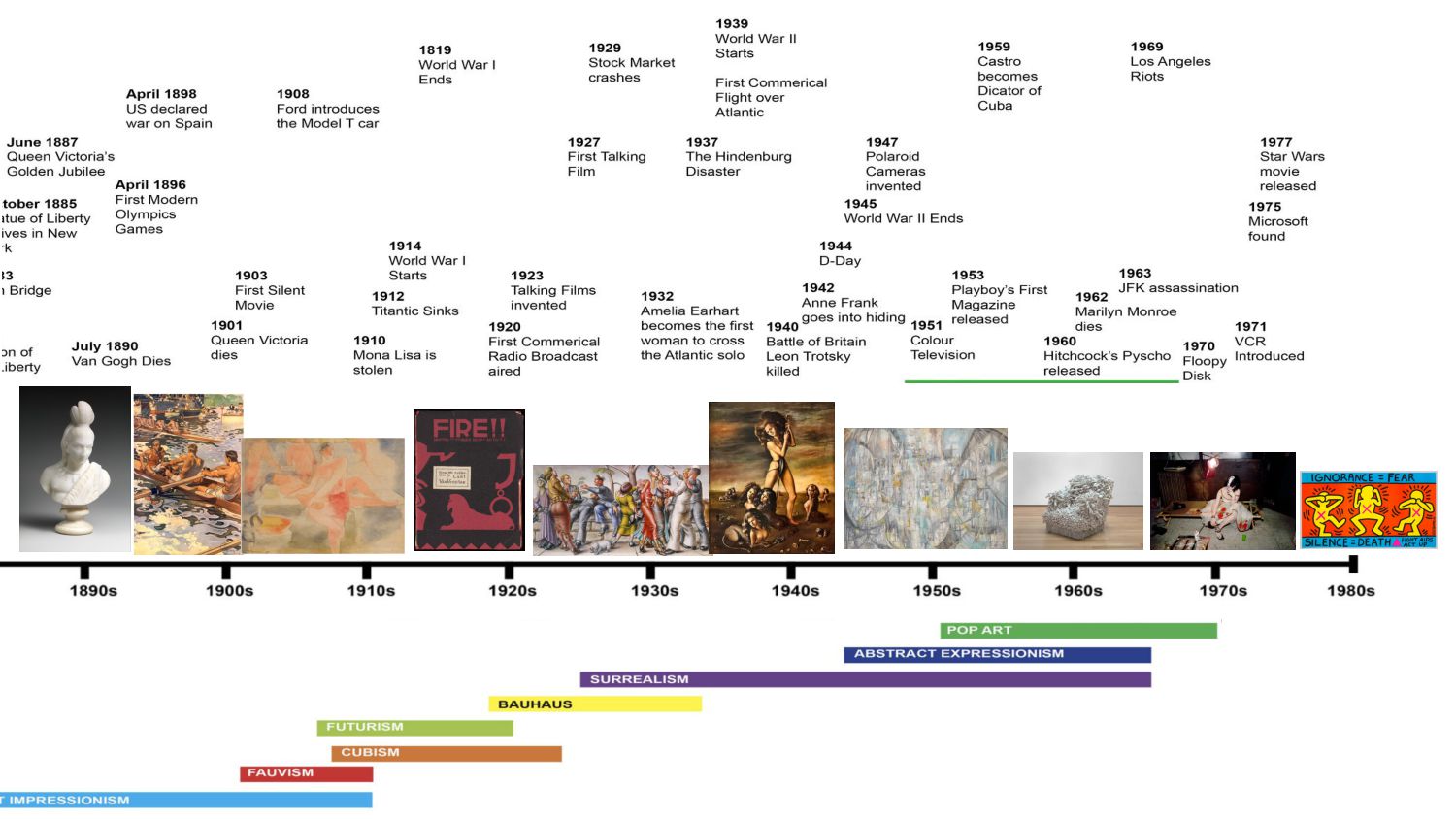
• Surrealism • Bi-sexual • Greenwich Village • Gouache • Fire Island • Capitalism • Propaganda • Lavender scare • Apocalyptic • Paul Cadmus • Renaissance • Magical realism • Arts Student League • Civil Rights • Black Arts Movement • Kinsey Scale • Paris • Buahaus • Metamorphosis • World War II • Peggy Guggenheim • “Out”
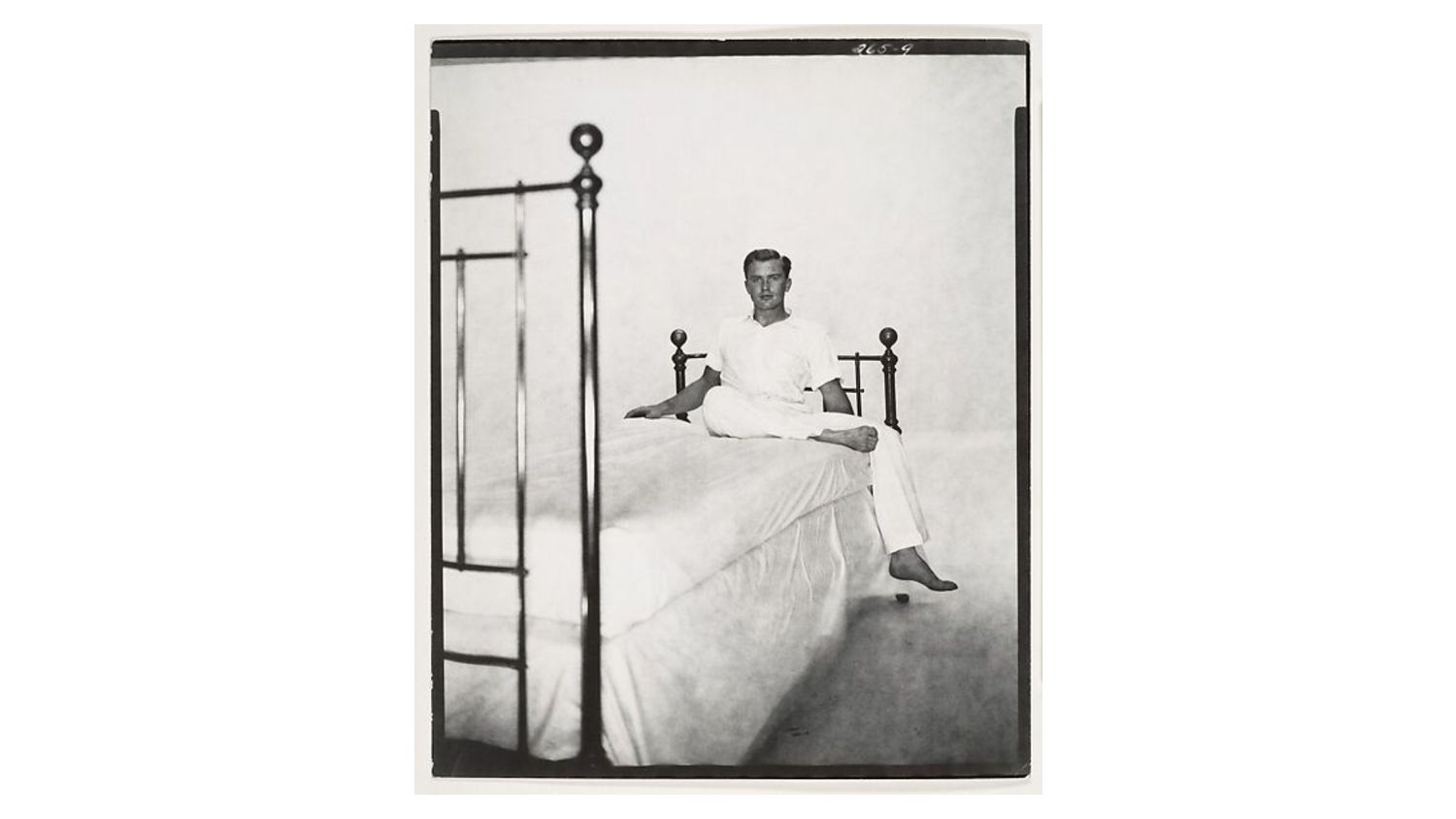
and… 1. Write about why you chose the image. What about it spoke to you? Think about the things that drew you to it, what does it symbolize? What was attractive about it? 2. Think about where are you in the image. Spend time finding yourself in the image. This could mean right now, or where you would like to be, or where you have been. Where is your experience, hopes, or struggles in the image you have chosen? Where would you like to be in the image? 3. Write a story about the image. This can be complete fantasy, or it can be the story that the image is trying to tell you. Don’t worry about form, or plot. Just tell yourself a story and see where it goes.
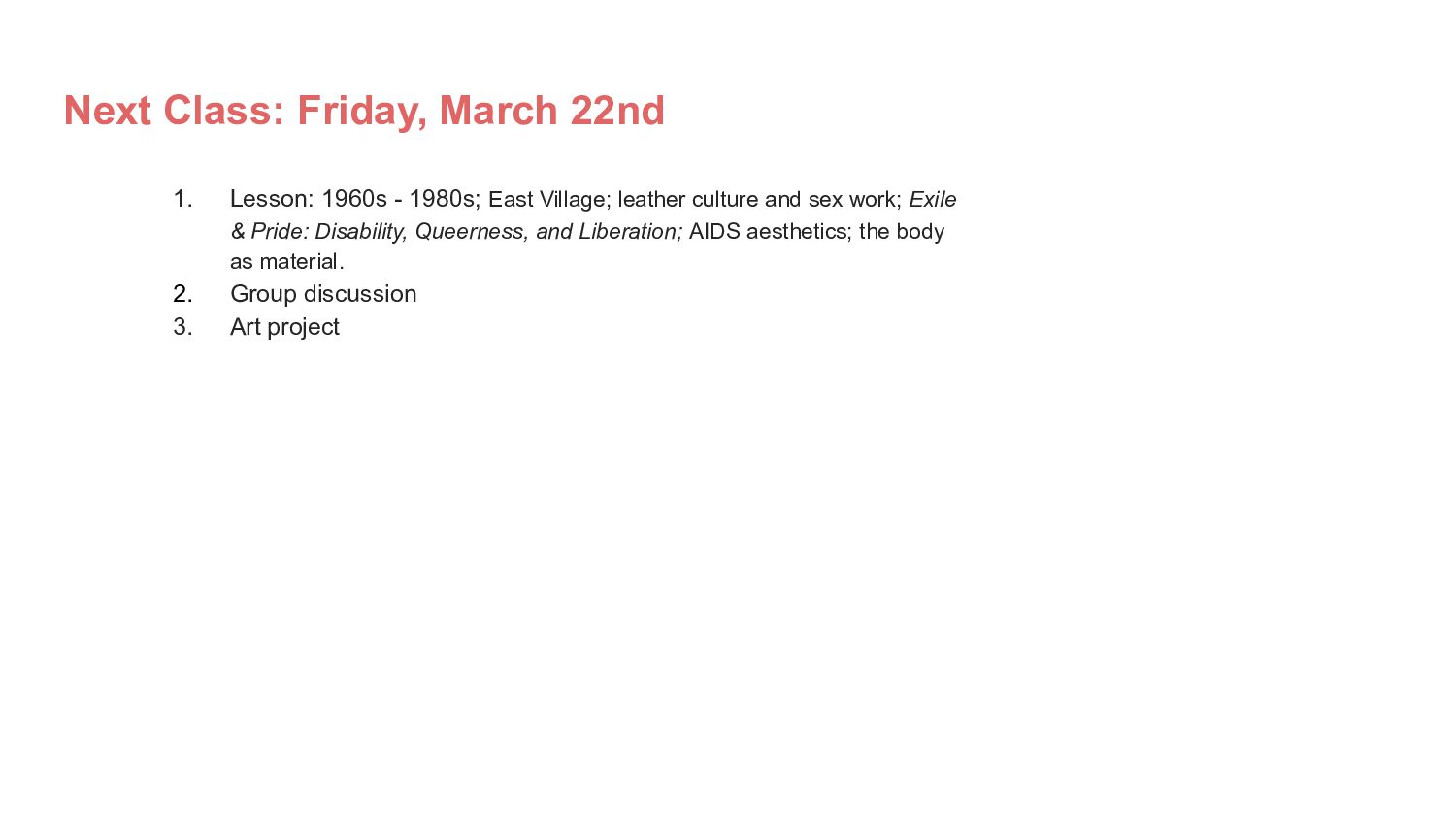
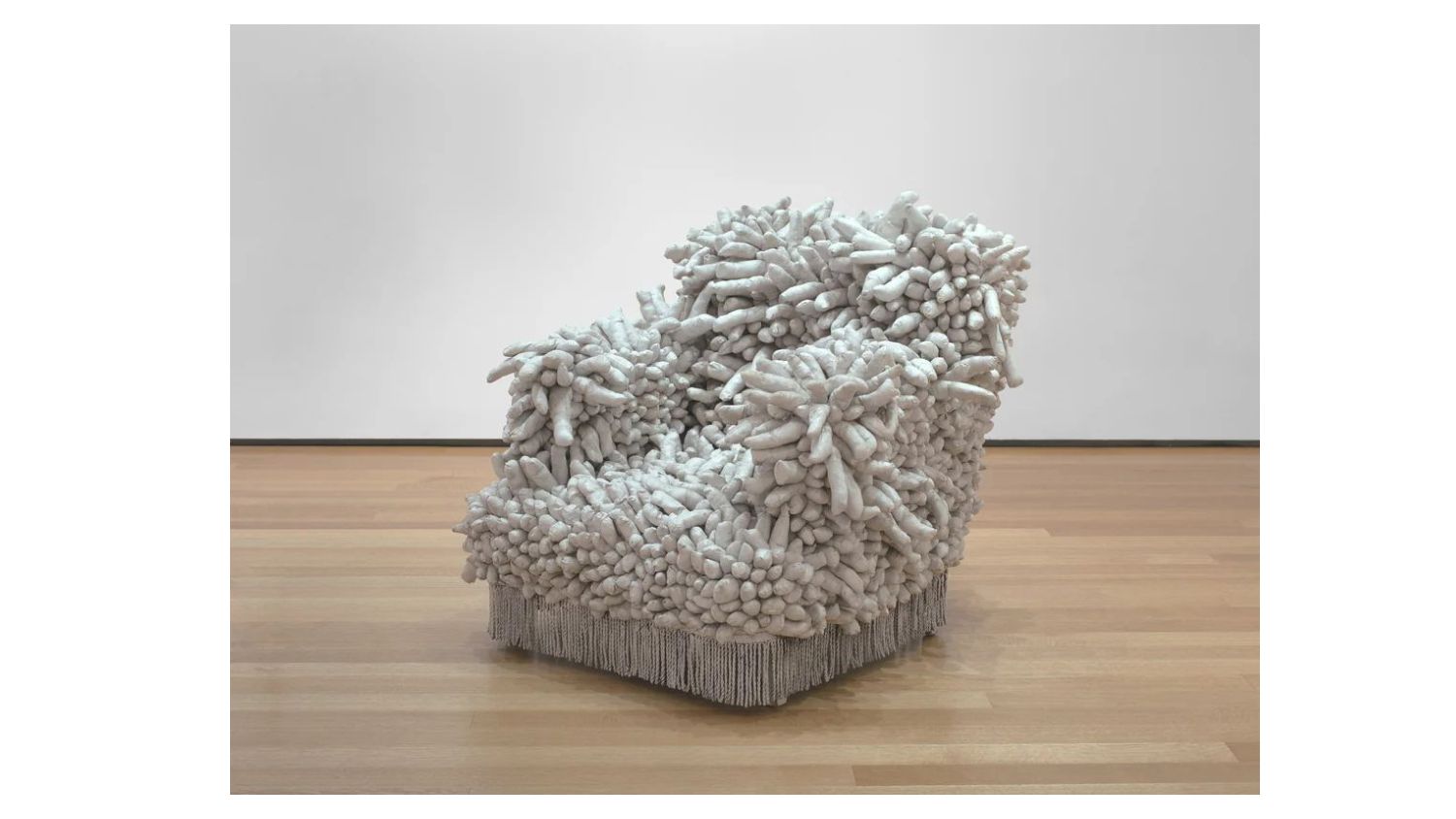
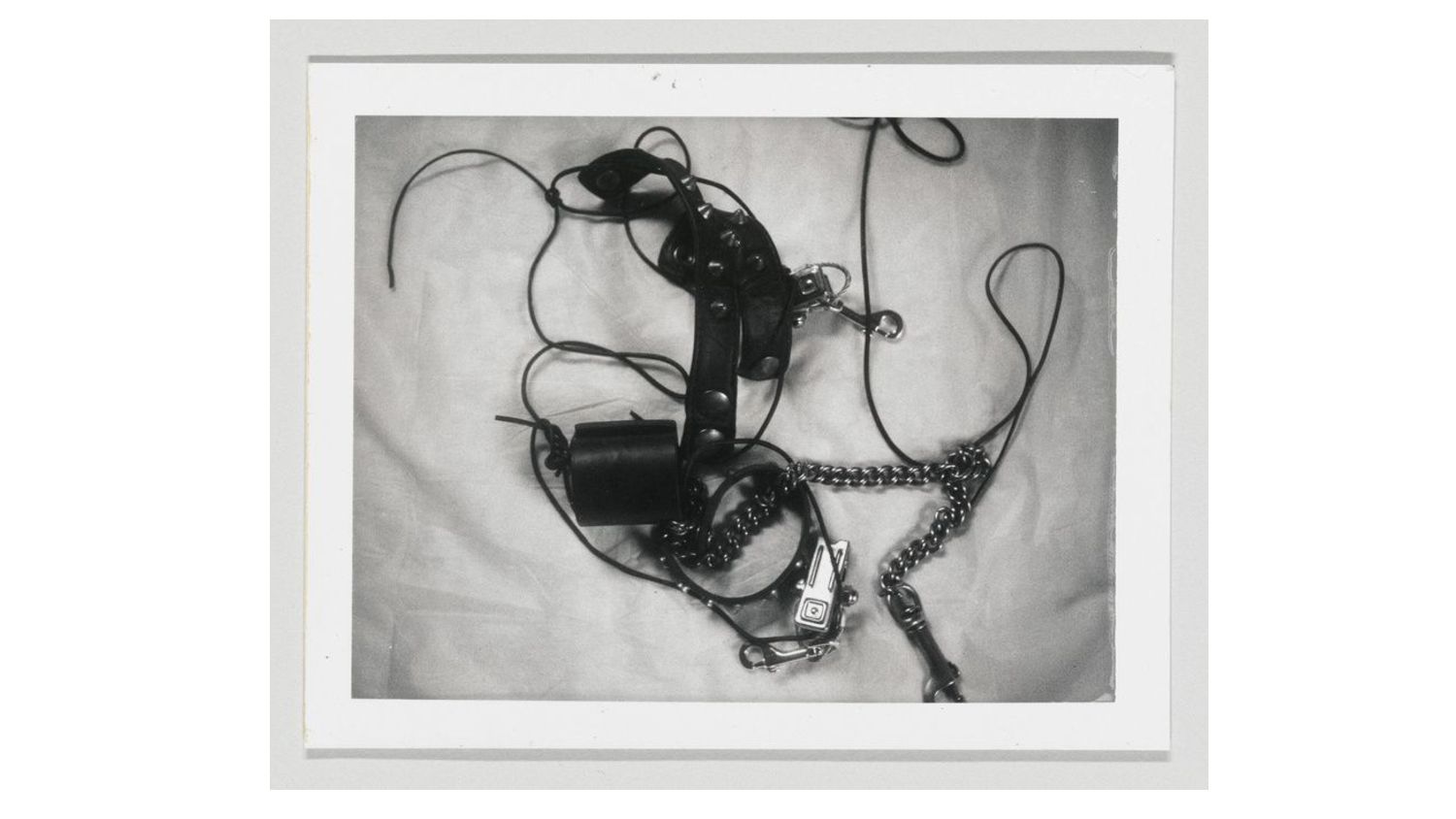
East Village; leather culture and sex work; Exile & Pride: Disability, Queerness, and Liberation; AIDS aesthetics; the body as material. 2. Group discussion 3. Art project
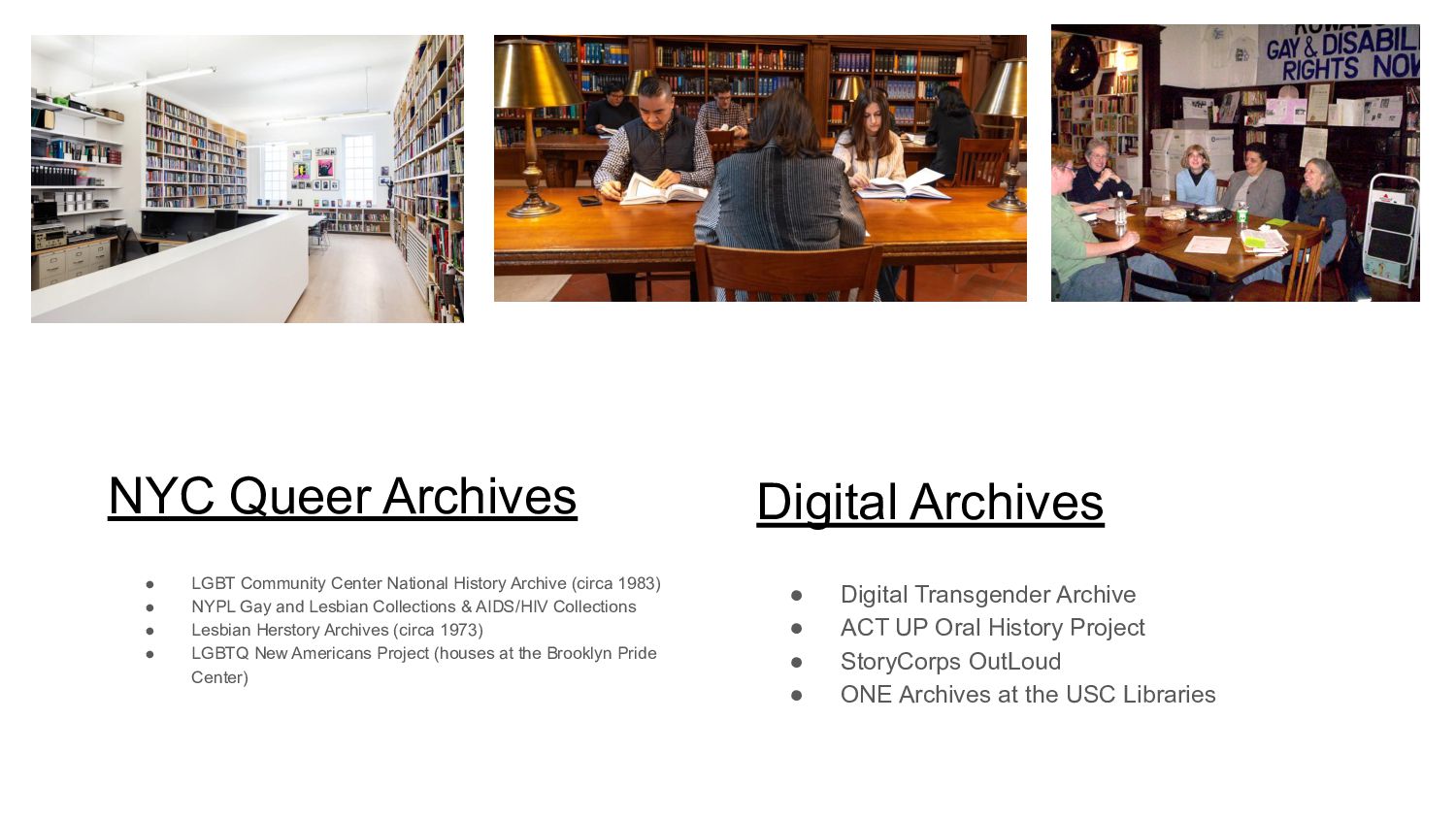
(circa 1983) • NYPL Gay and Lesbian Collections & AIDS/HIV Collections • Lesbian Herstory Archives (circa 1973) • LGBTQ New Americans Project (houses at the Brooklyn Pride Center) Digital Archives • Digital Transgender Archive • ACT UP Oral History Project • StoryCorps OutLoud • ONE Archives at the USC Libraries


 aleyda
 destraynor
 pedronauck
 shpigford
 productmarketing
 akademiya2063
 sarafernandez
 eileencodes
 cassininazir
 katarinadahlin
 mongodb
 tammyeverts