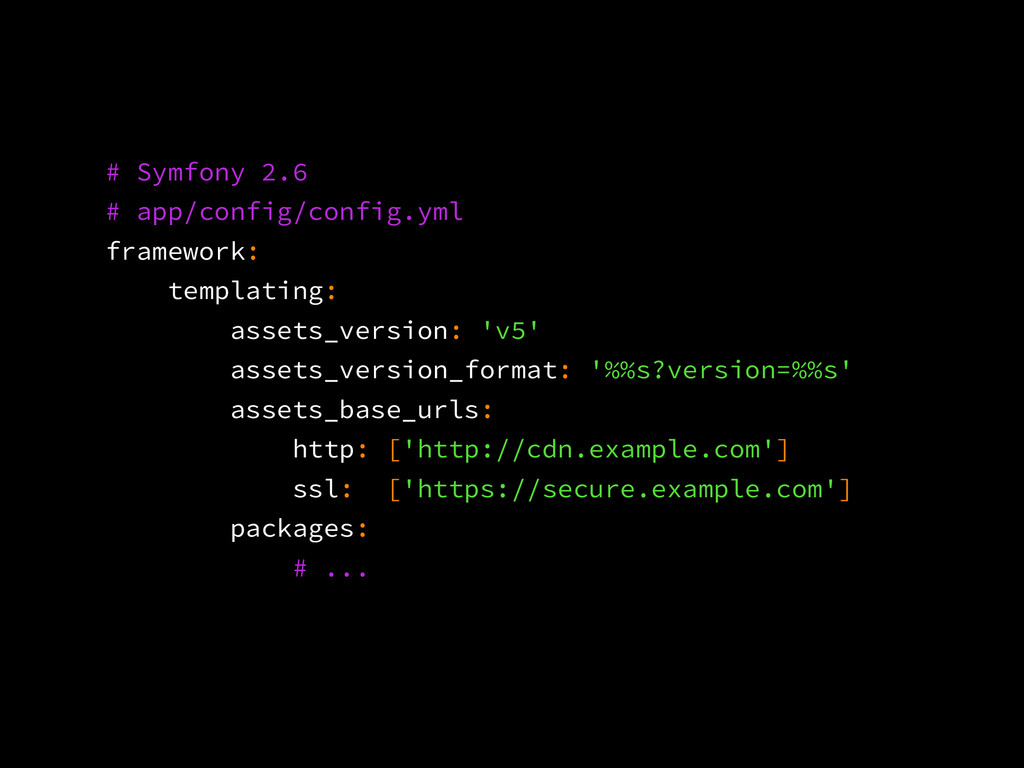
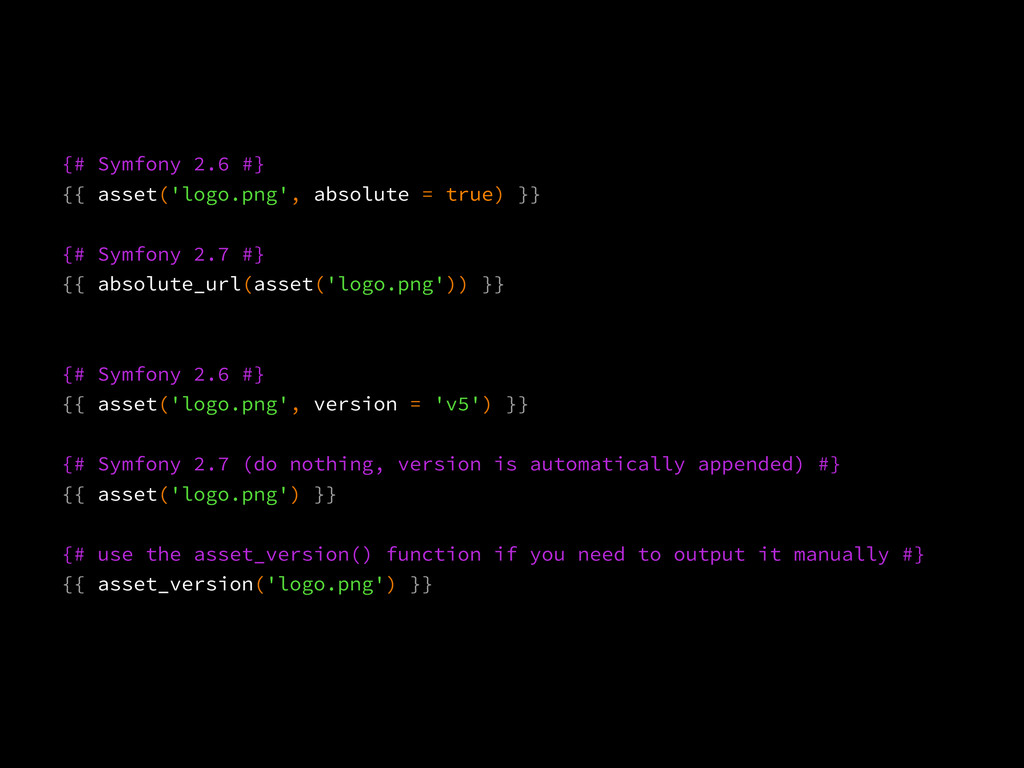
{# Symfony 2.7 #} {{ absolute_url(asset('logo.png')) }} {# Symfony 2.6 #} {{ asset('logo.png', version = 'v5') }} {# Symfony 2.7 (do nothing, version is automatically appended) #} {{ asset('logo.png') }} {# use the asset_version() function if you need to output it manually #} {{ asset_version('logo.png') }}
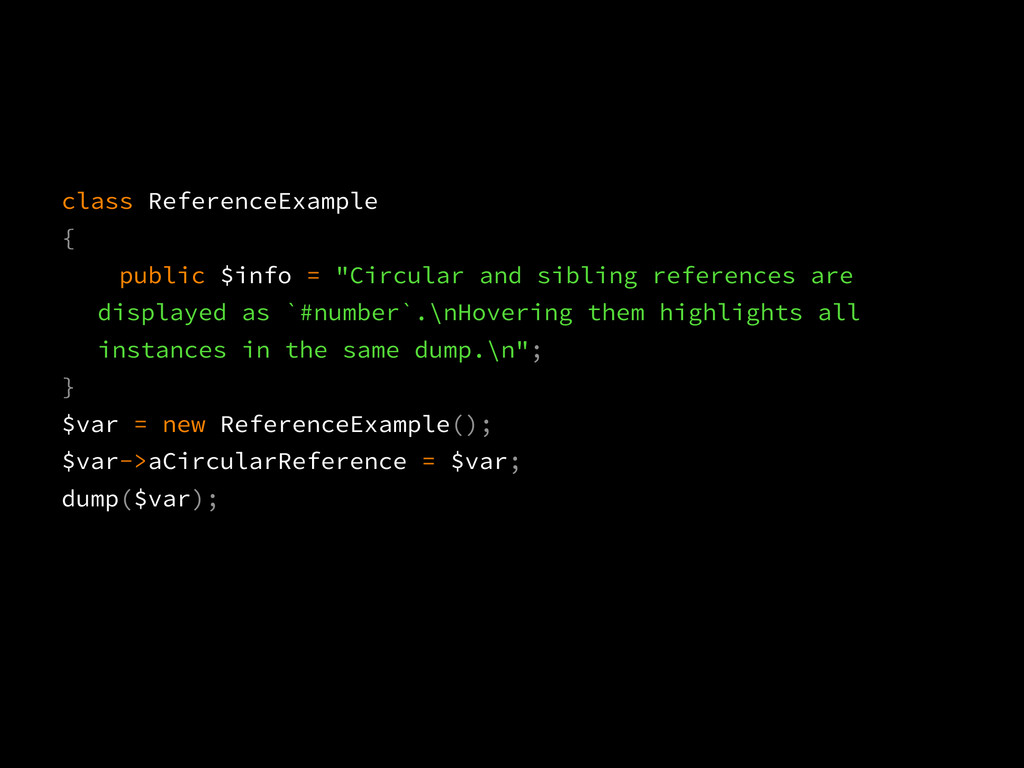
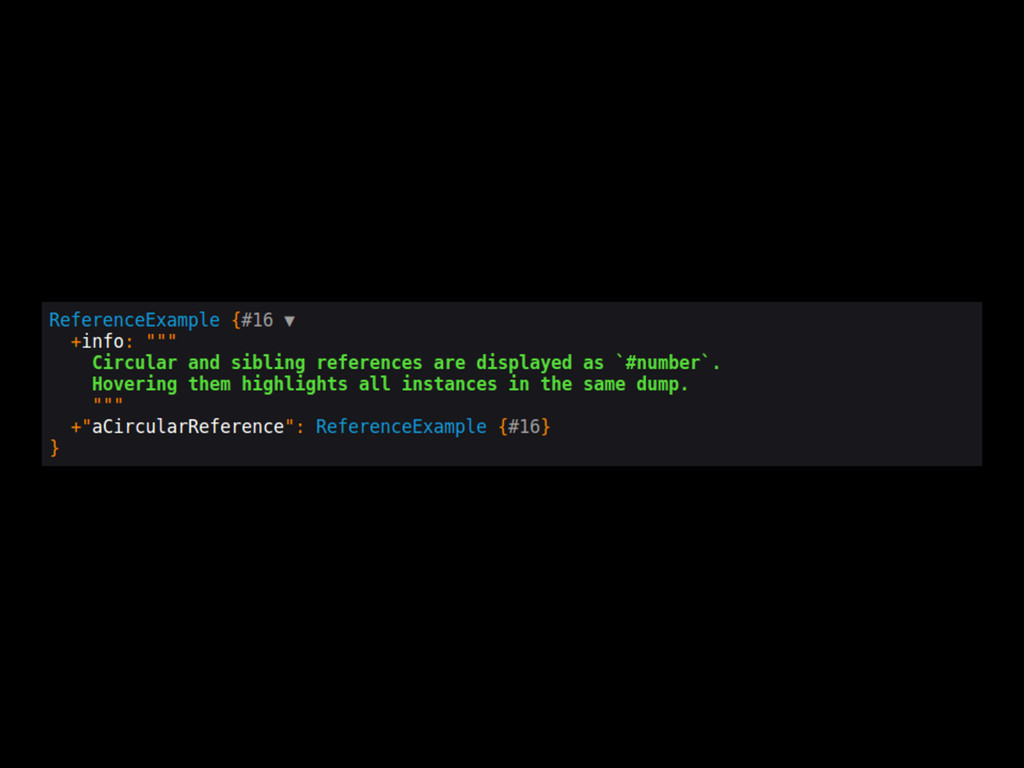
are displayed as `#number`.\nHovering them highlights all instances in the same dump.\n"; } $var = new ReferenceExample(); $var->aCircularReference = $var; dump($var);
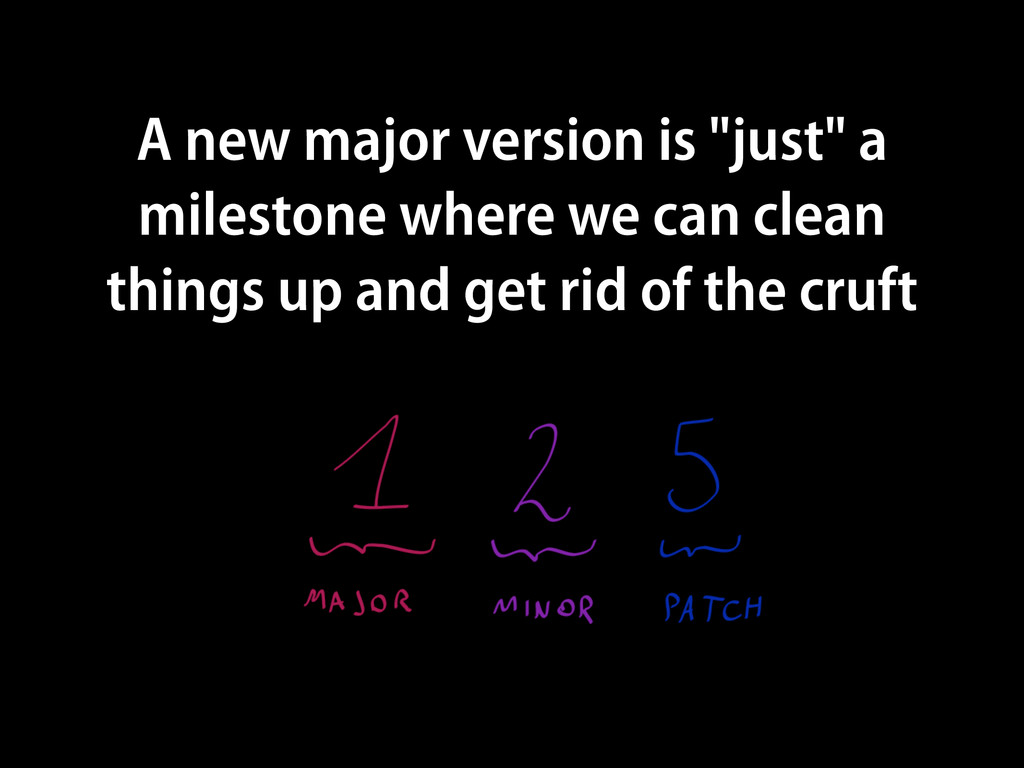
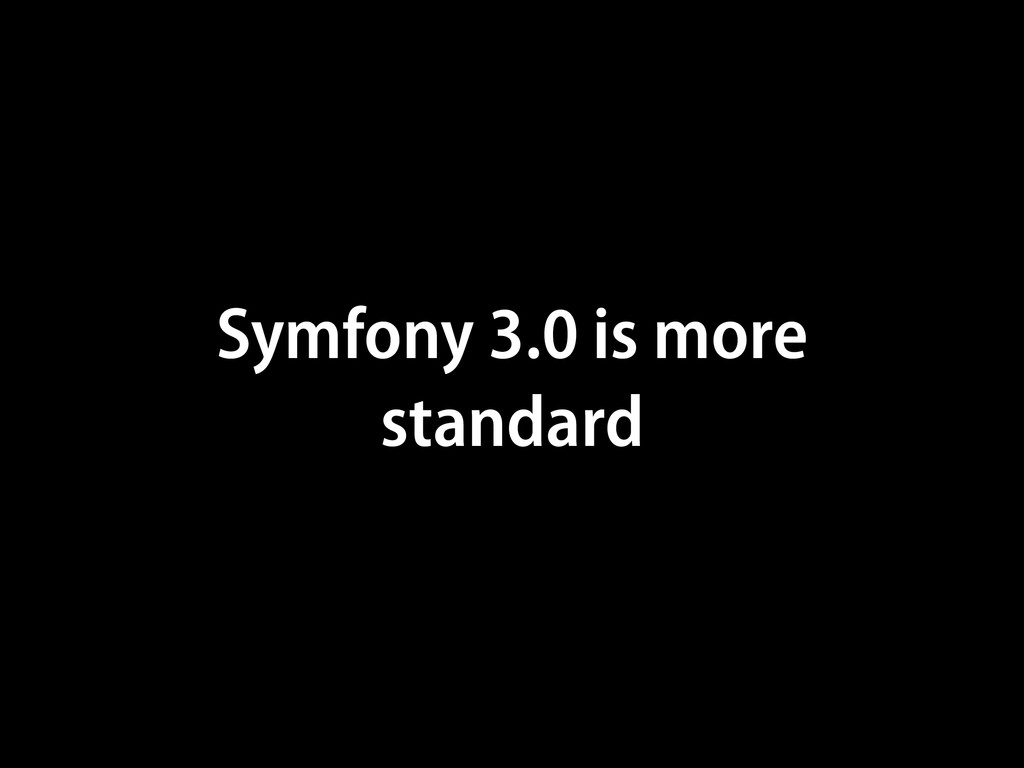
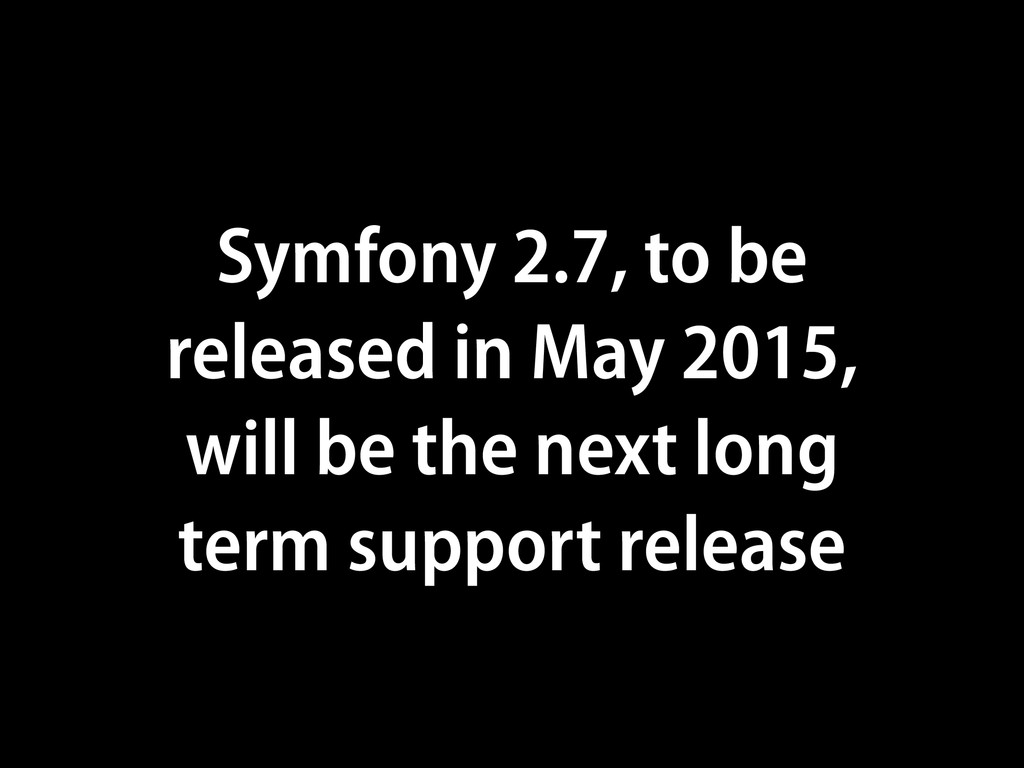
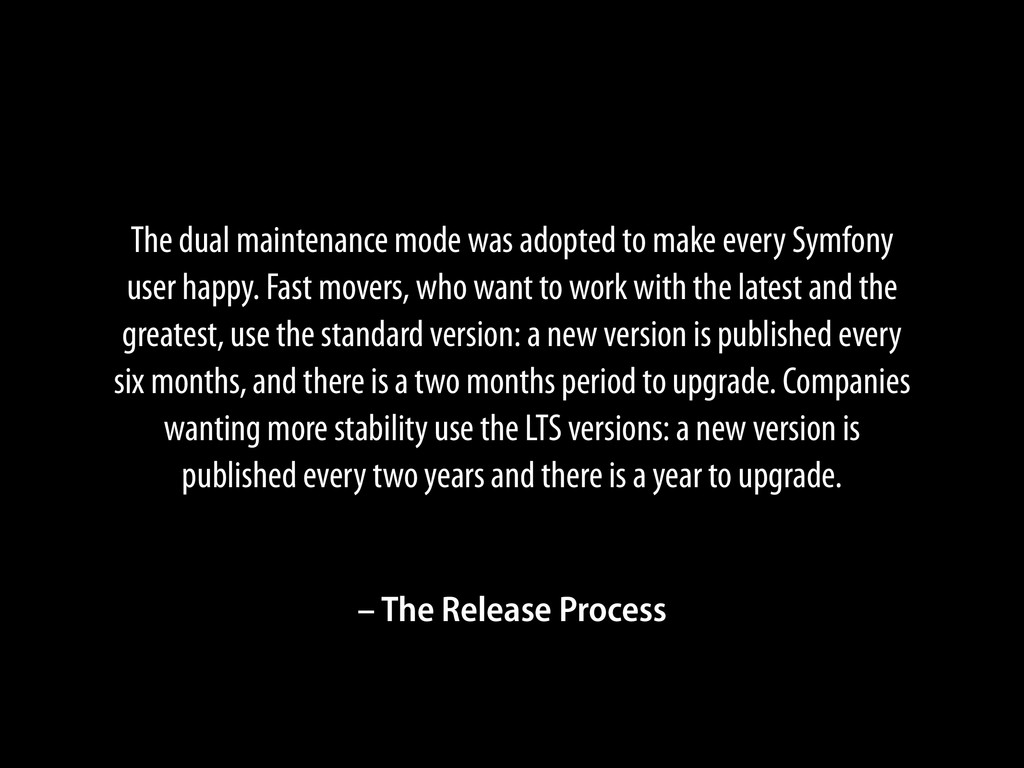
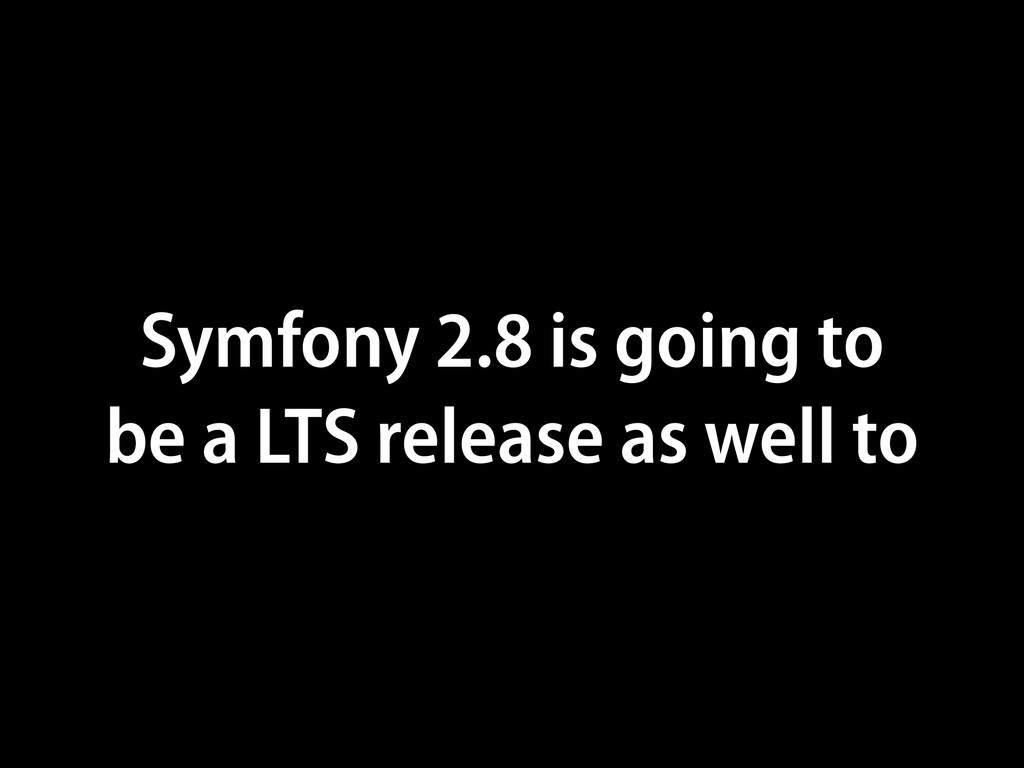
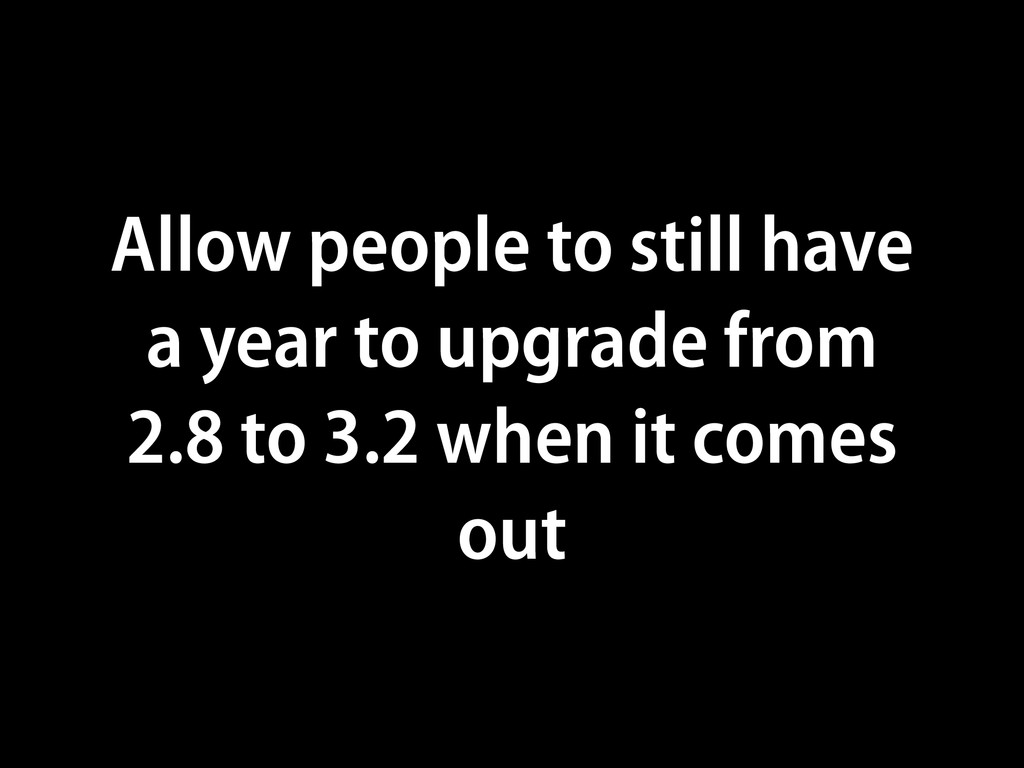
to make every Symfony user happy. Fast movers, who want to work with the latest and the greatest, use the standard version: a new version is published every six months, and there is a two months period to upgrade. Companies wanting more stability use the LTS versions: a new version is published every two years and there is a year to upgrade.
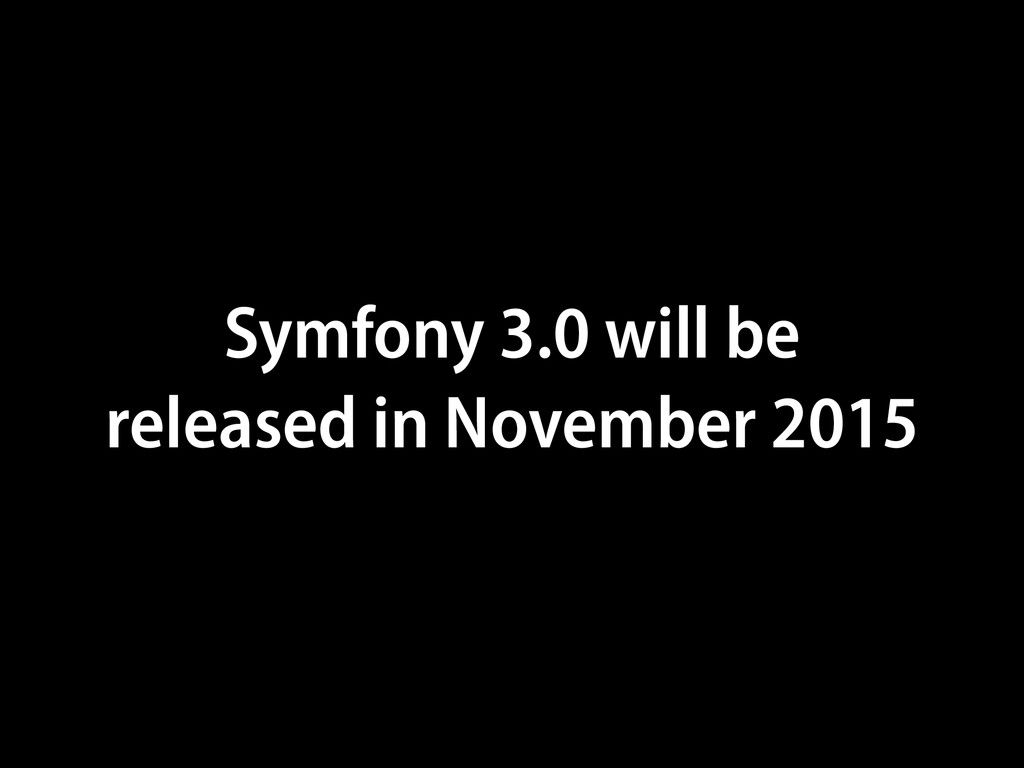
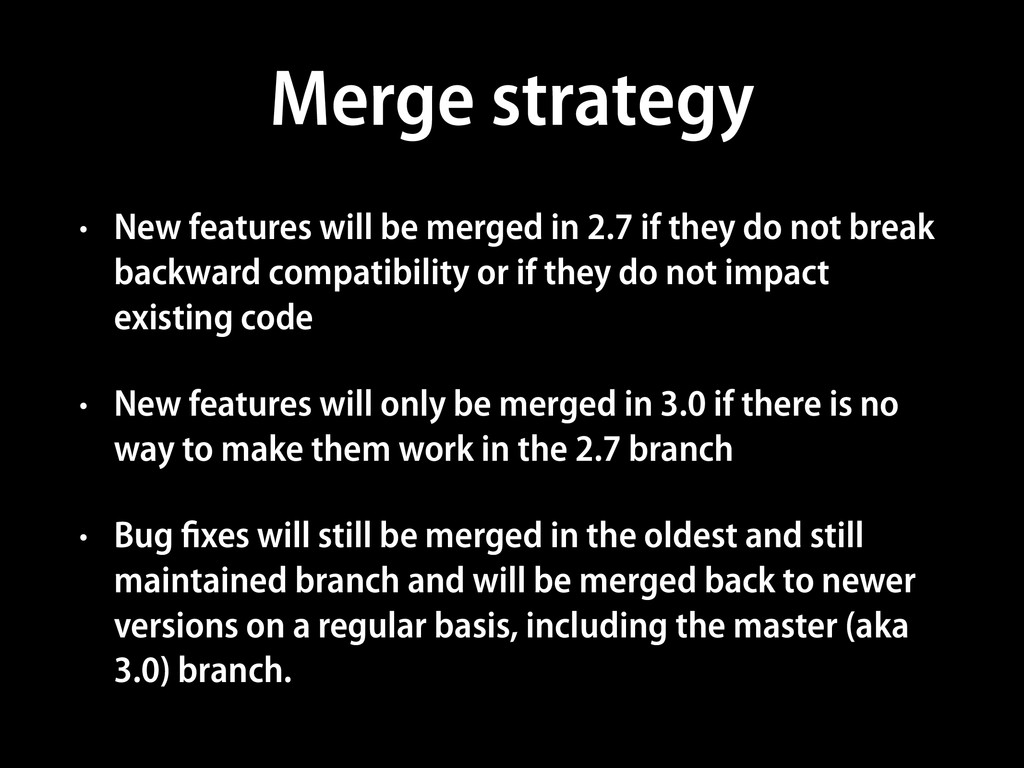
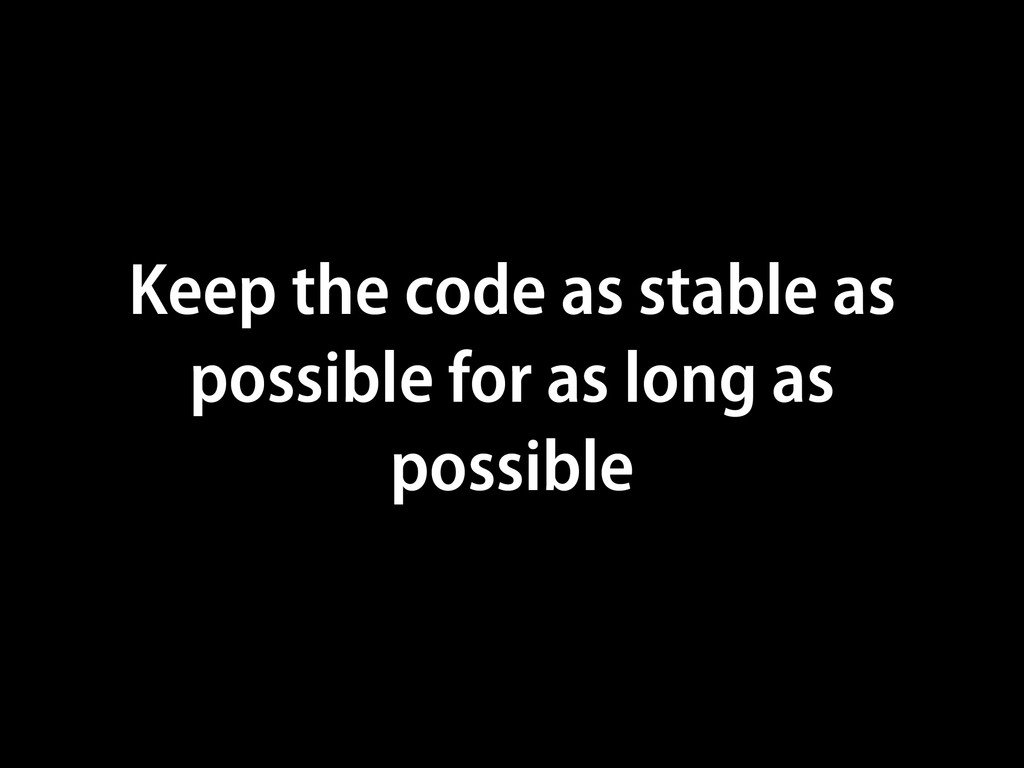
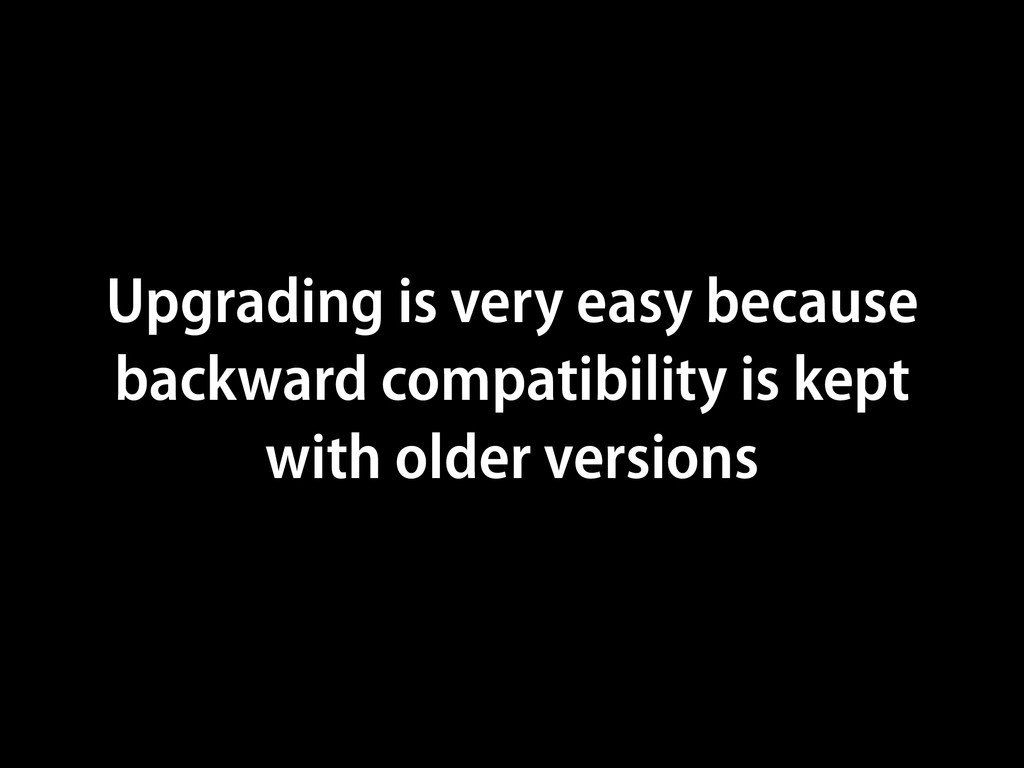
if they do not break backward compatibility or if they do not impact existing code • New features will only be merged in 3.0 if there is no way to make them work in the 2.7 branch • Bug fixes will still be merged in the oldest and still maintained branch and will be merged back to newer versions on a regular basis, including the master (aka 3.0) branch.


 4o1sobblue
 carta_engineering
 nealle
 namiki64
 codmoninc
 jtakeda
 ludicmind
 shugo
shugo
 tetsuya28
 willnet
 rfdnxbro
 ezaki
ezaki
 sonatard
 baasie
 rmw
rmw
 chrisshort
 axbom
axbom
 codingconduct
 aarron
 smashingmag
 lcolladotor
 tammyeverts
 techseoconnect
 mkilby








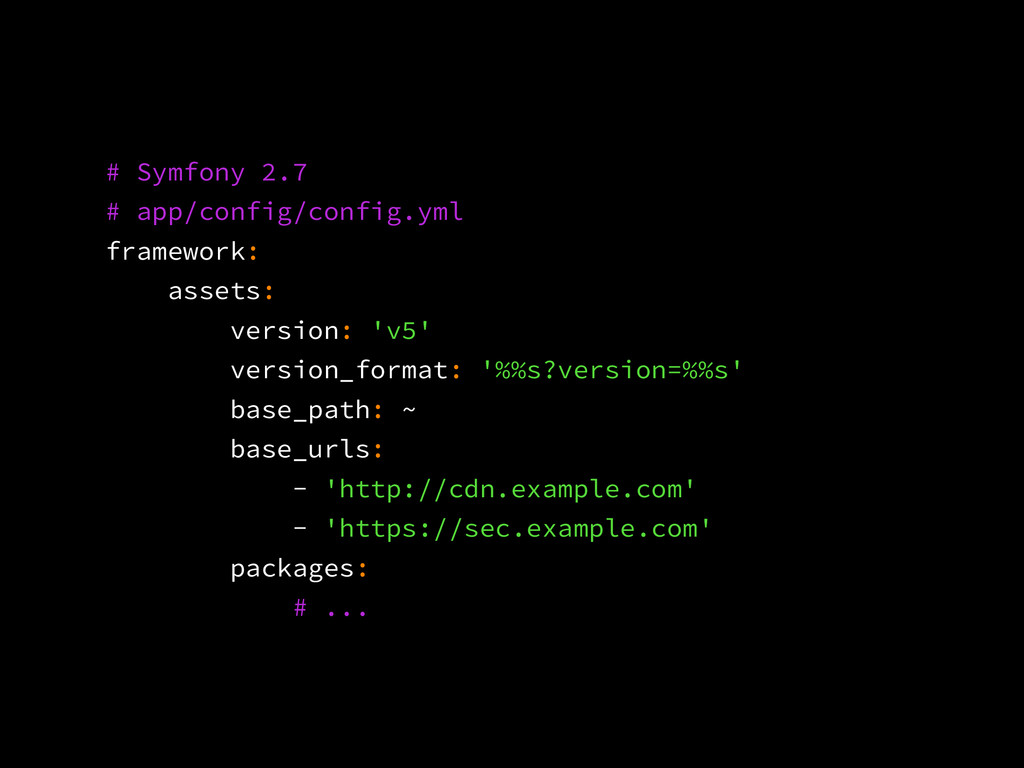
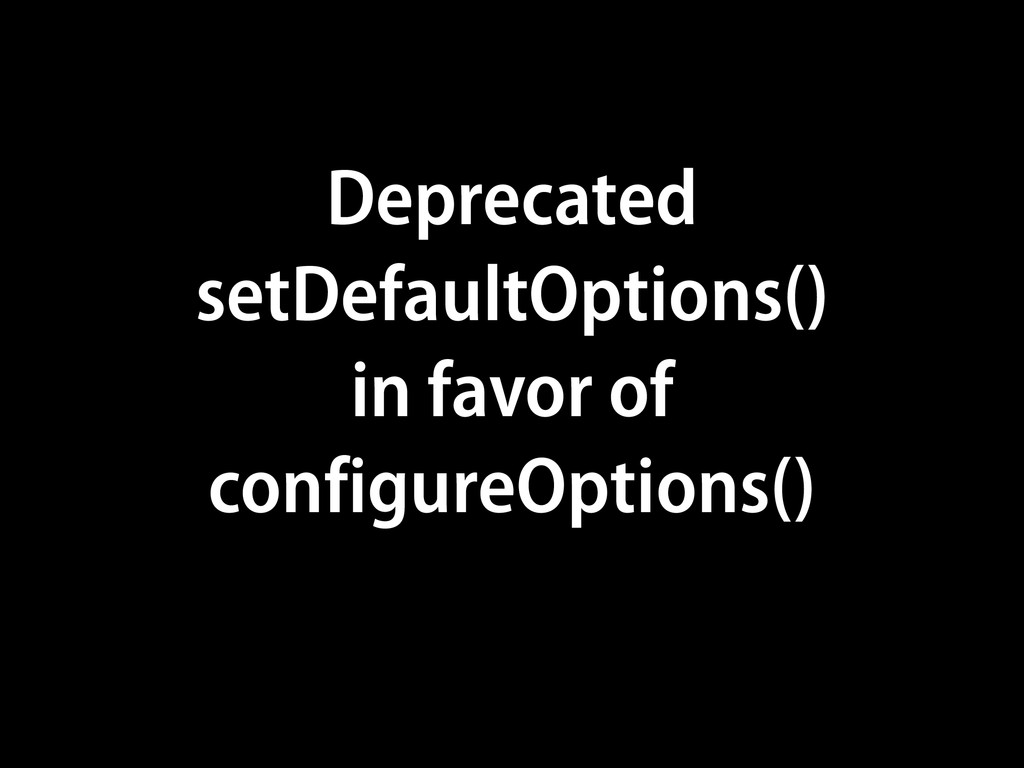
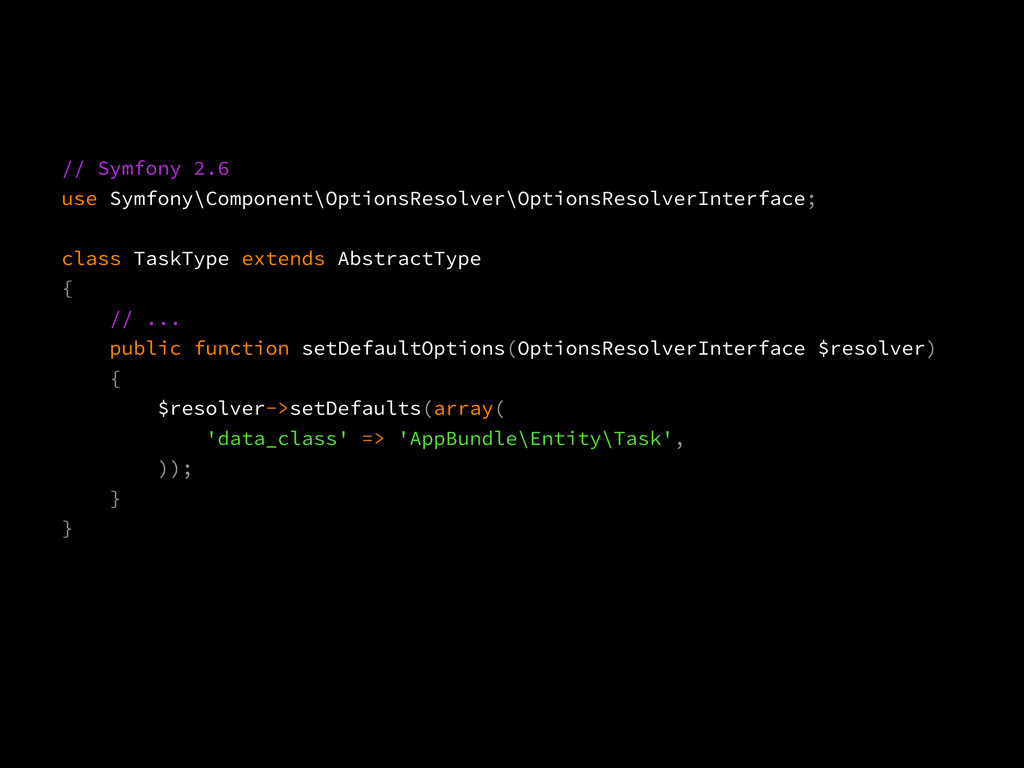
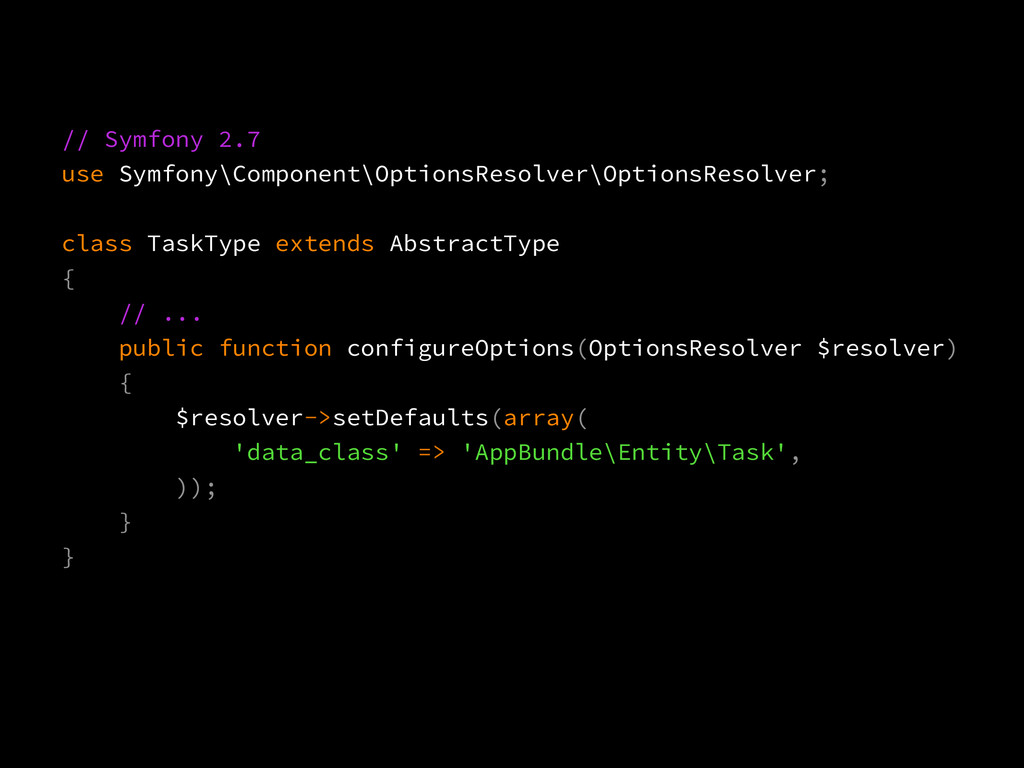
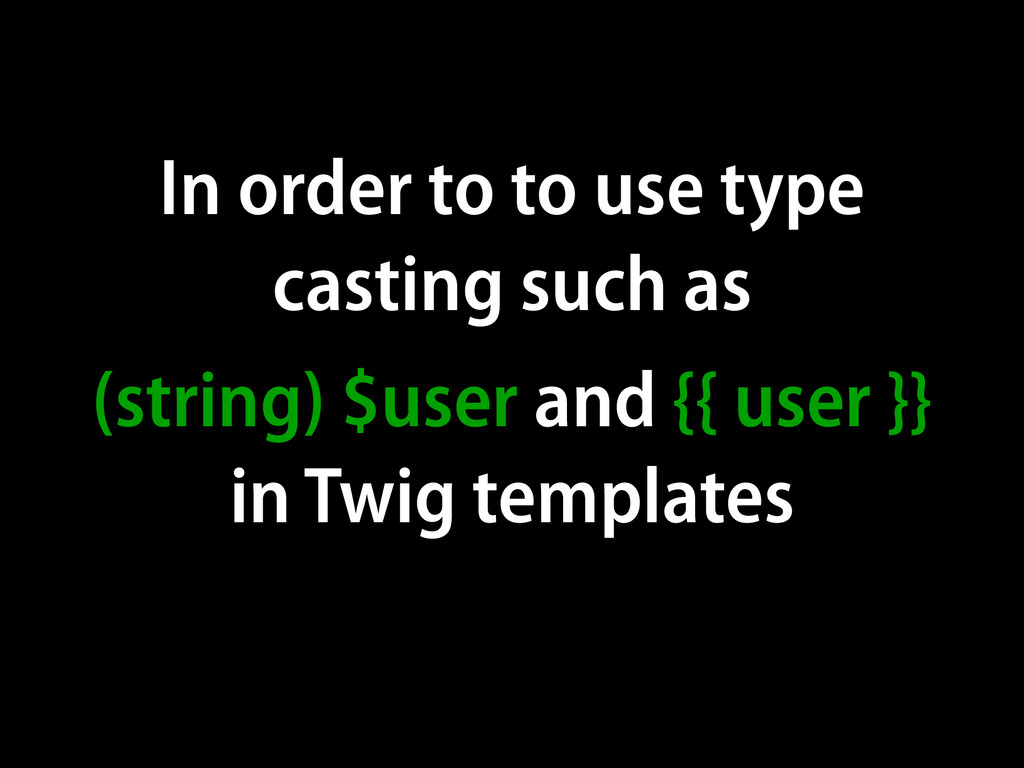
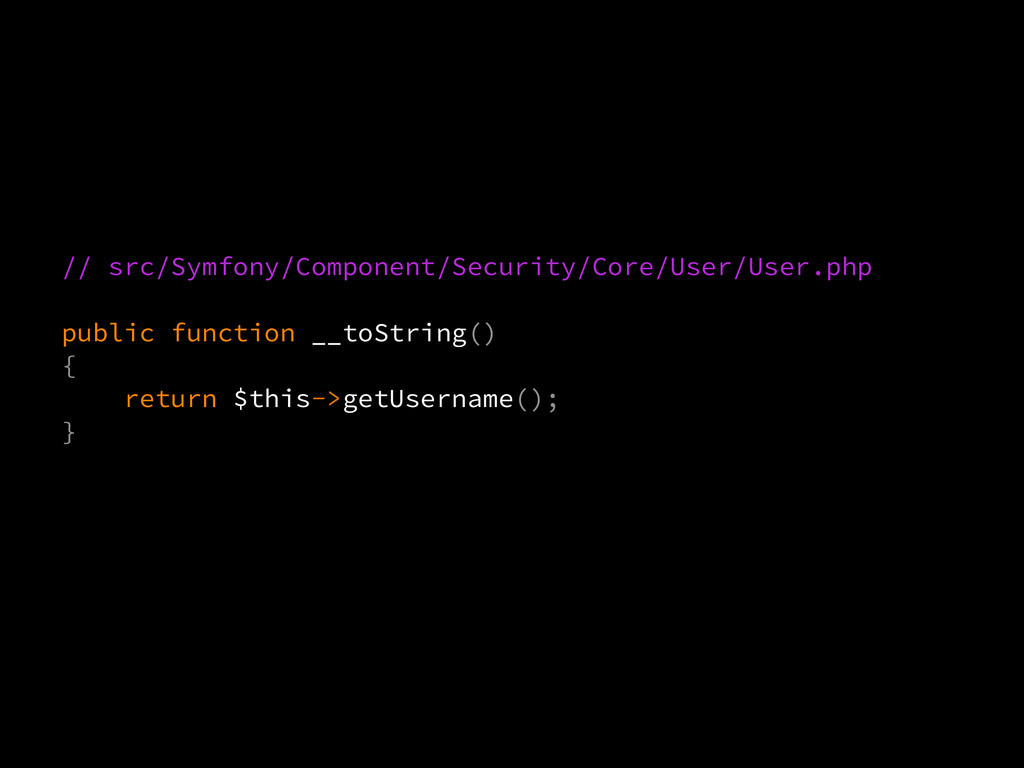

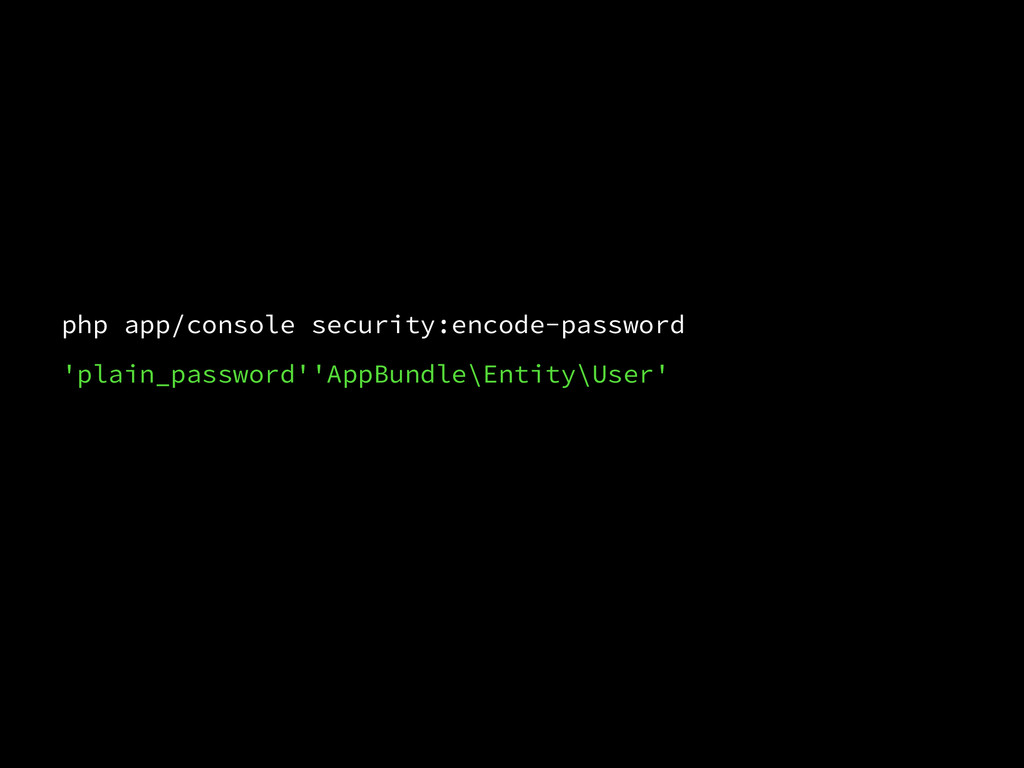
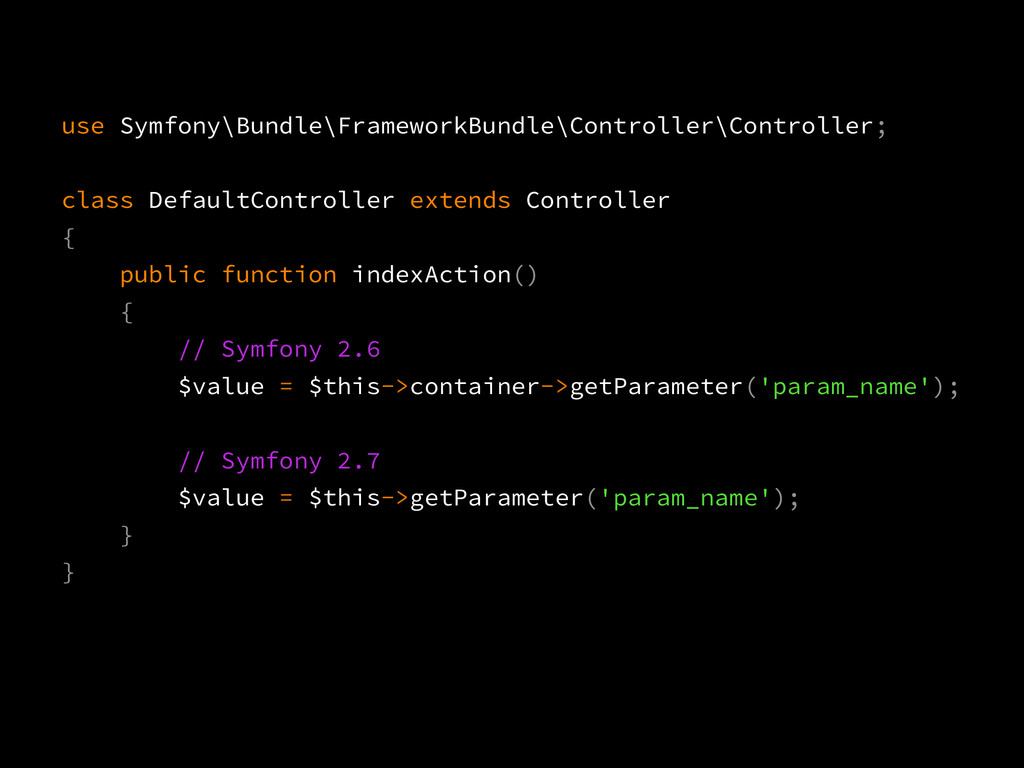

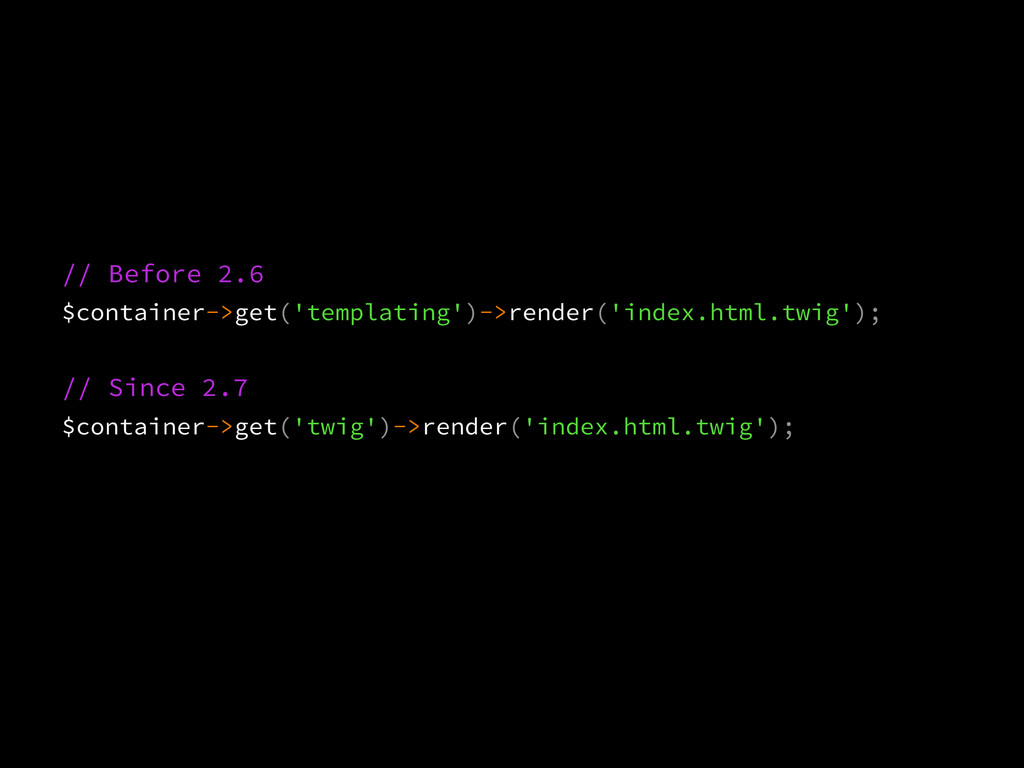
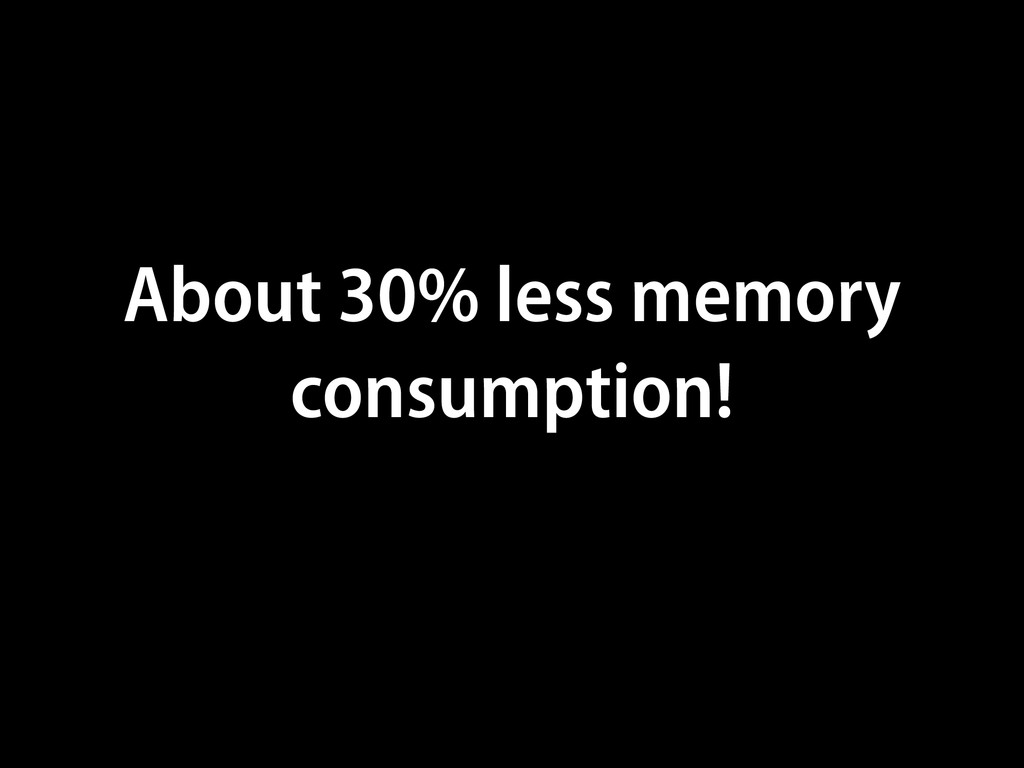

![# app/config/security.yml security: role_hierarchy: ROLE_ADMIN: [ ROLE_USER, FEATURE_ALPHA, ROLE_ALLOWED_TO_SWITCH ]](https://files.speakerdeck.com/presentations/37f08d9fb0f647f48799ca5aa67ce609/slide_41.jpg)
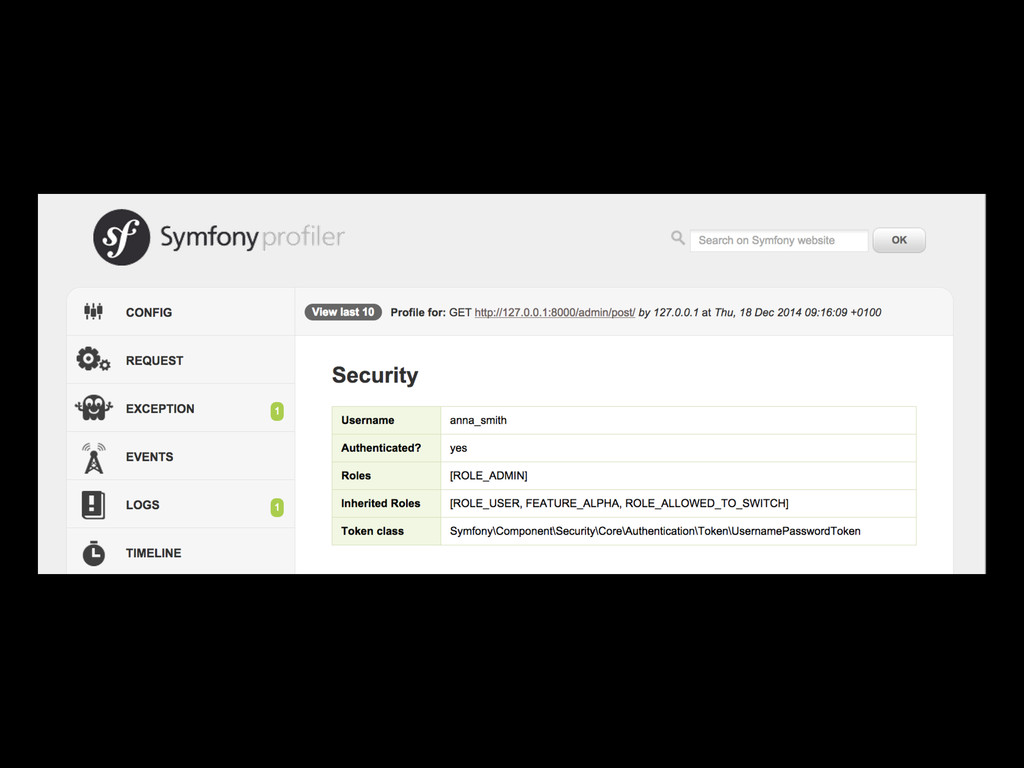


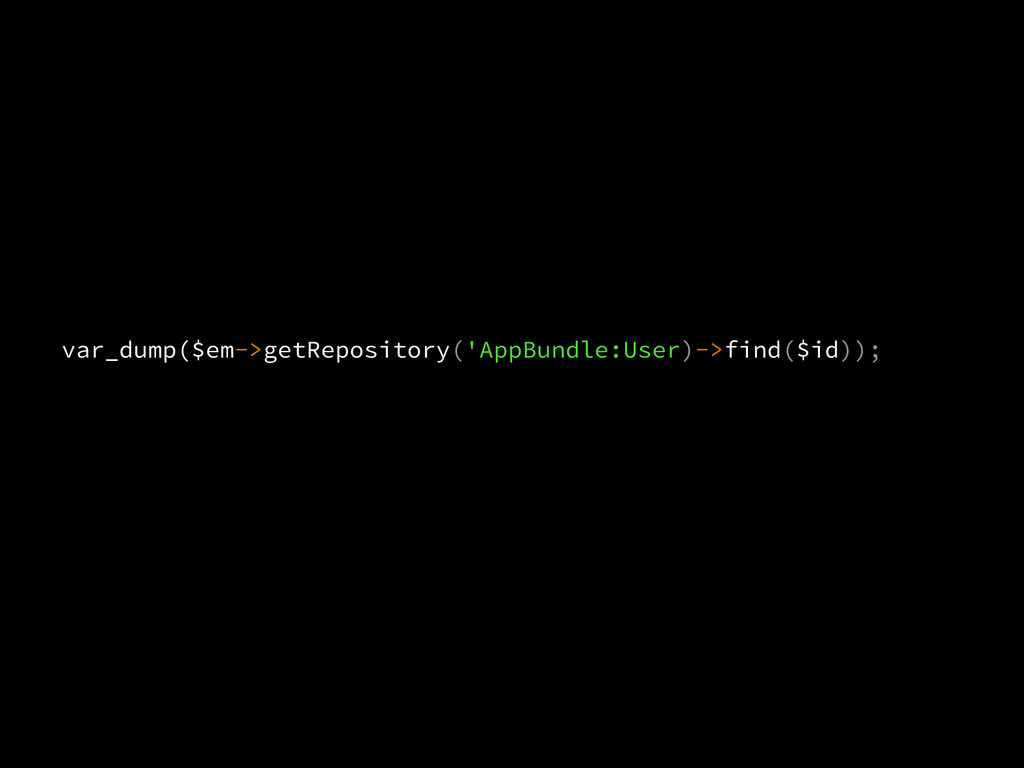
![// AppKernel.php if (in_array($this->getEnvironment(), array('dev', 'test'))) { $bundles[] = new](https://files.speakerdeck.com/presentations/37f08d9fb0f647f48799ca5aa67ce609/slide_46.jpg)

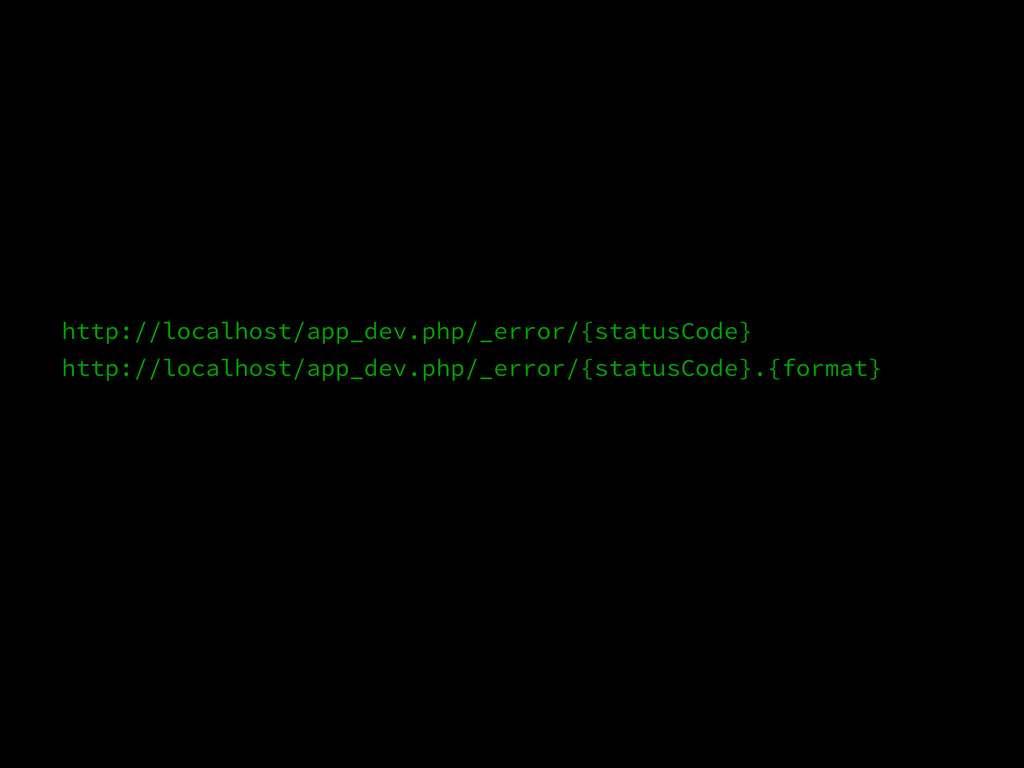
![# app/config/config.yml twig: form: resources: ['bootstrap_3_layout.html.twig'] #resources: ['bootstrap_3_horizontal_layout.html.twig']](https://files.speakerdeck.com/presentations/37f08d9fb0f647f48799ca5aa67ce609/slide_54.jpg)
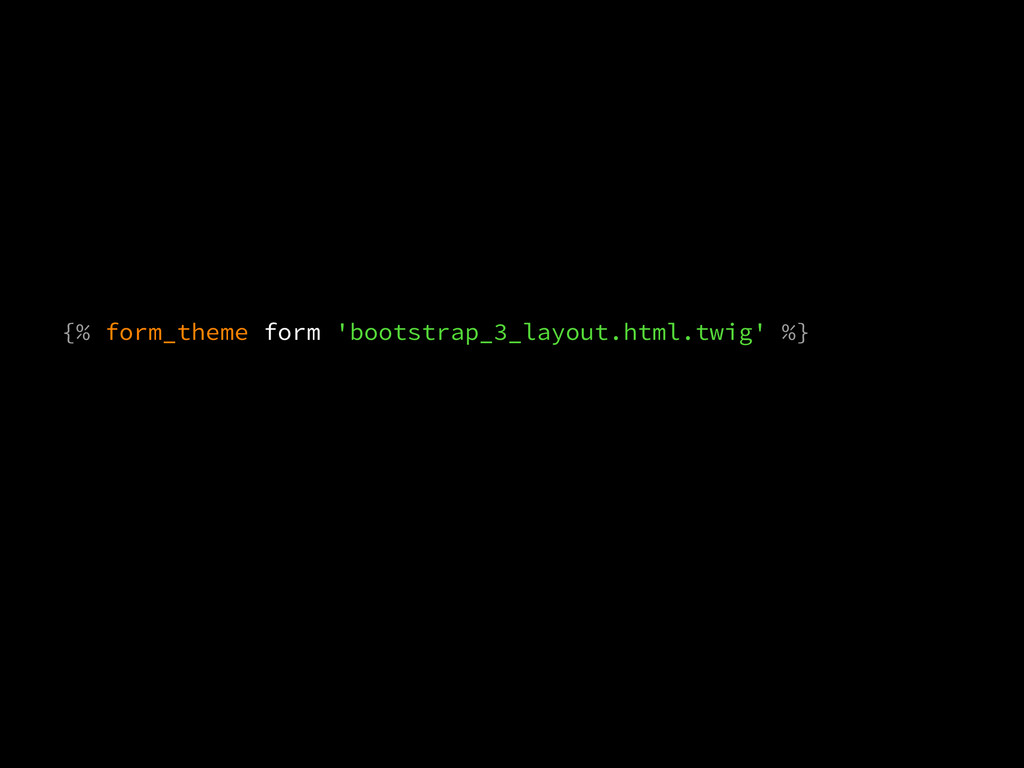

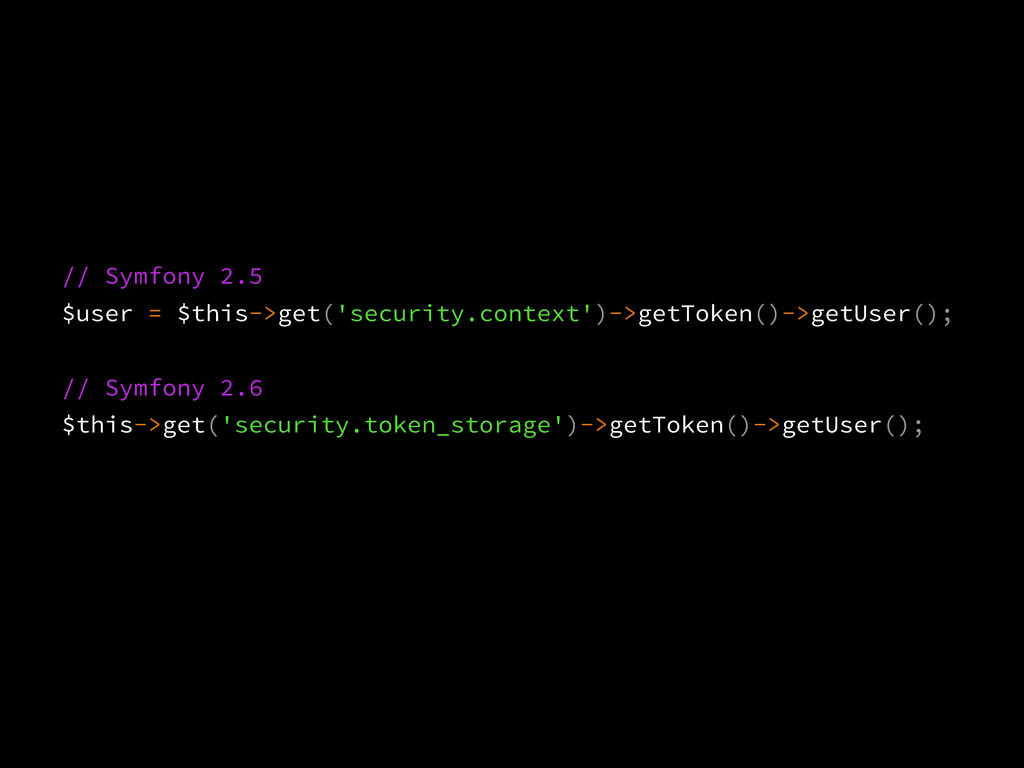
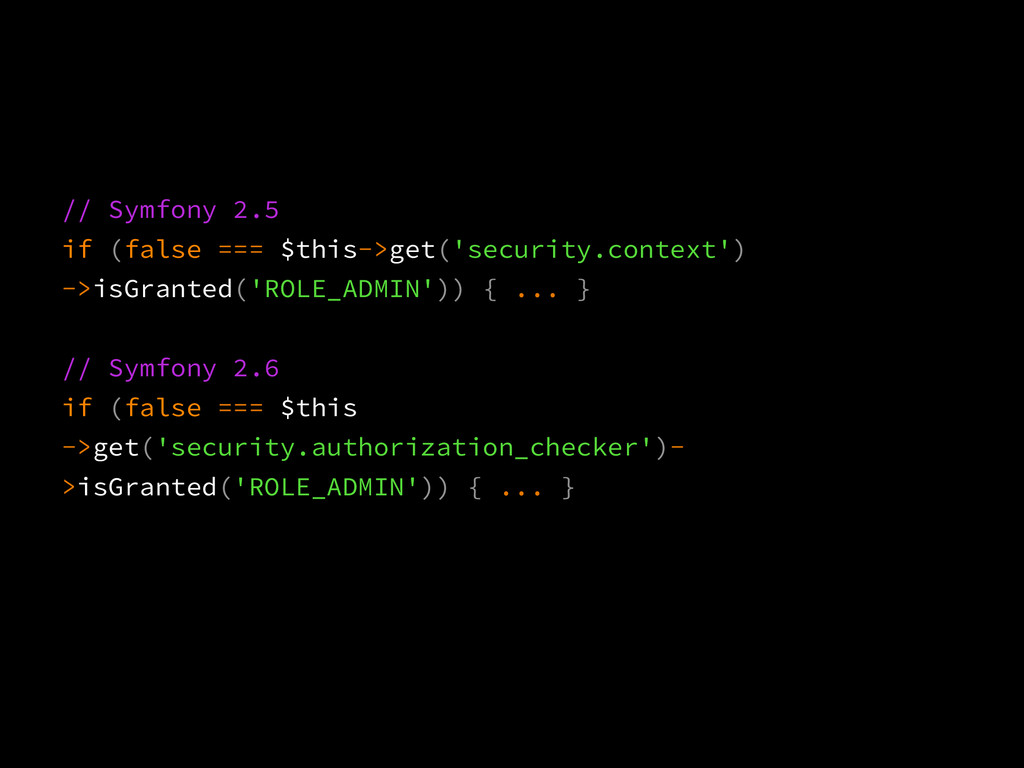
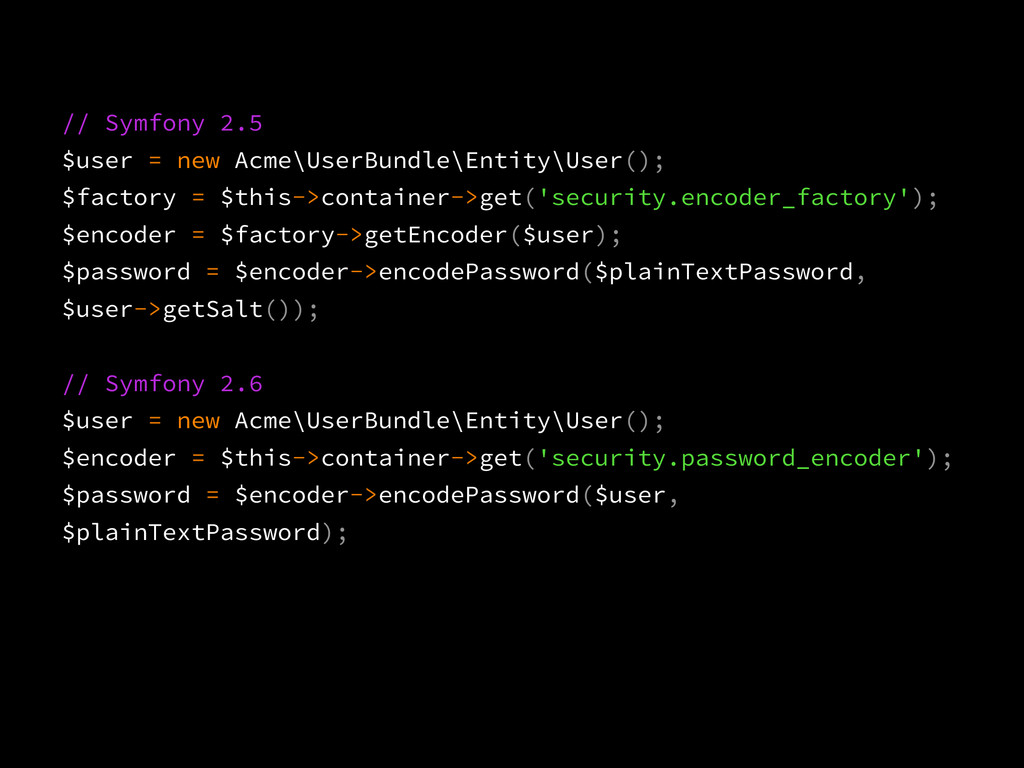
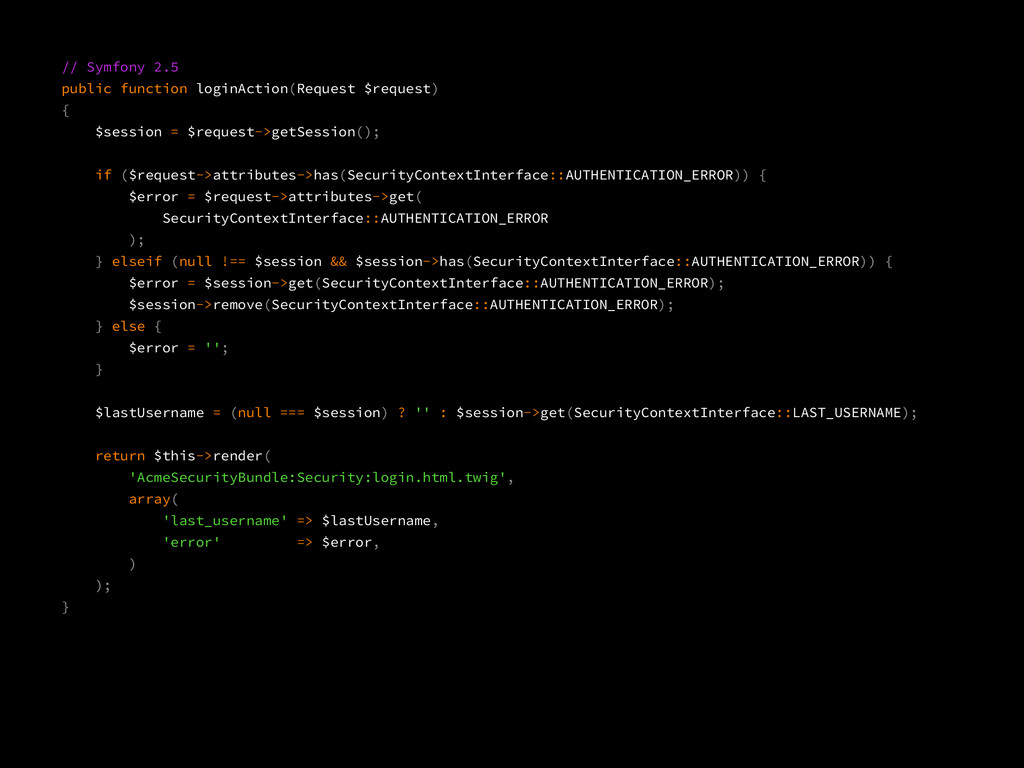


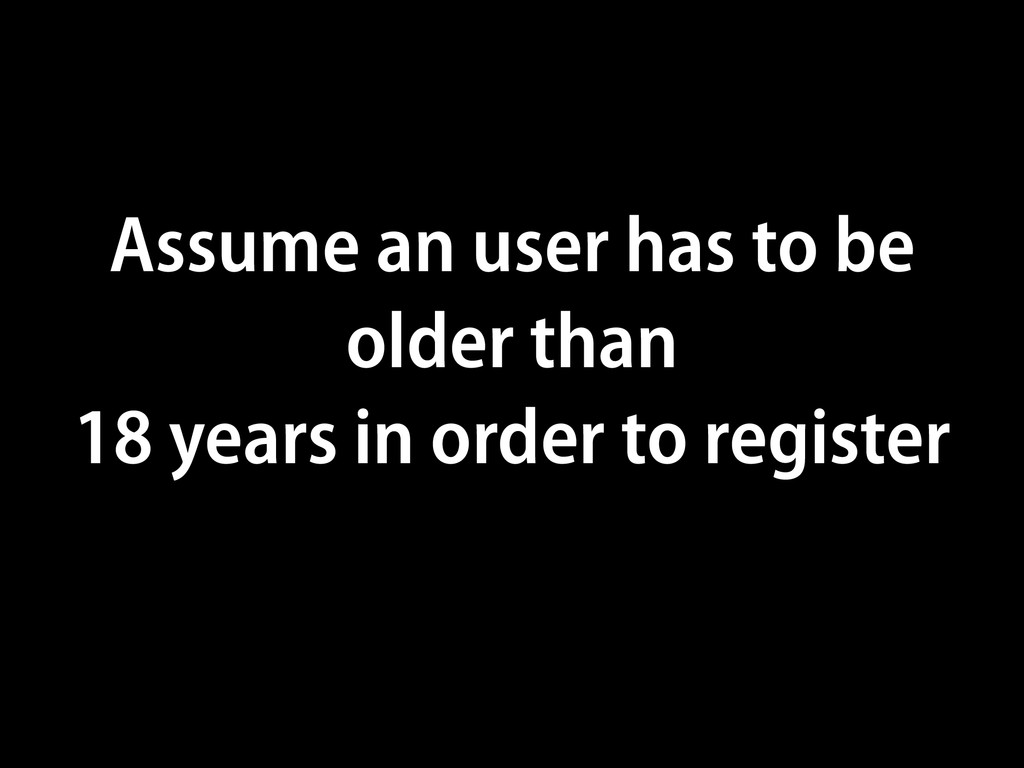
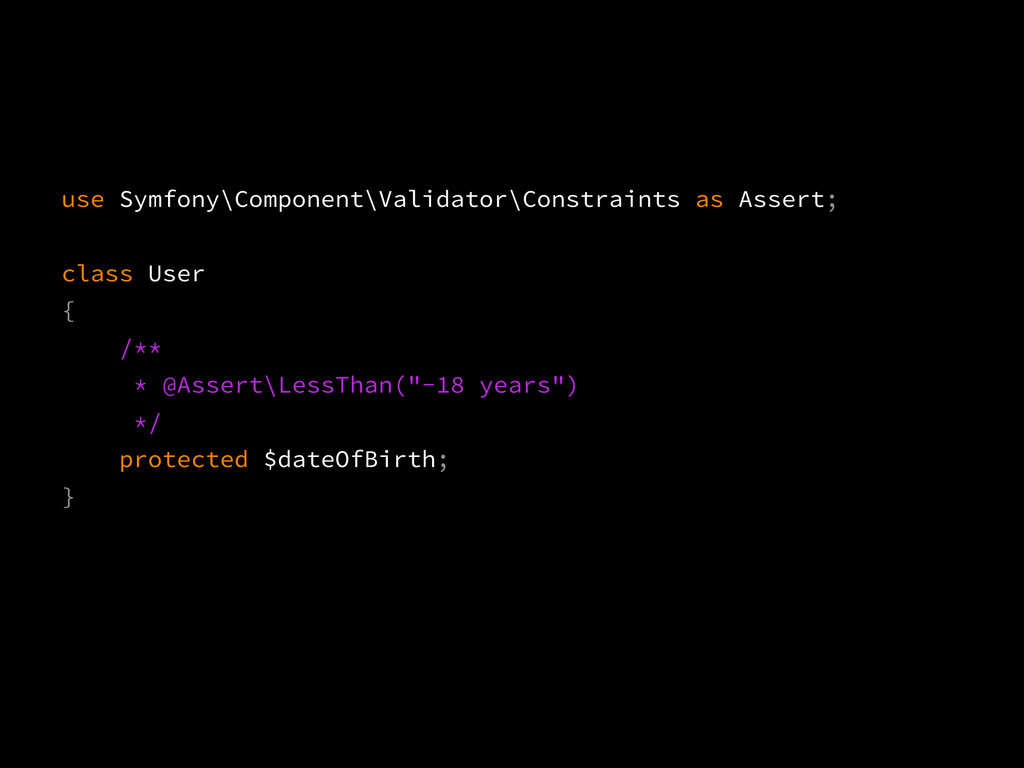
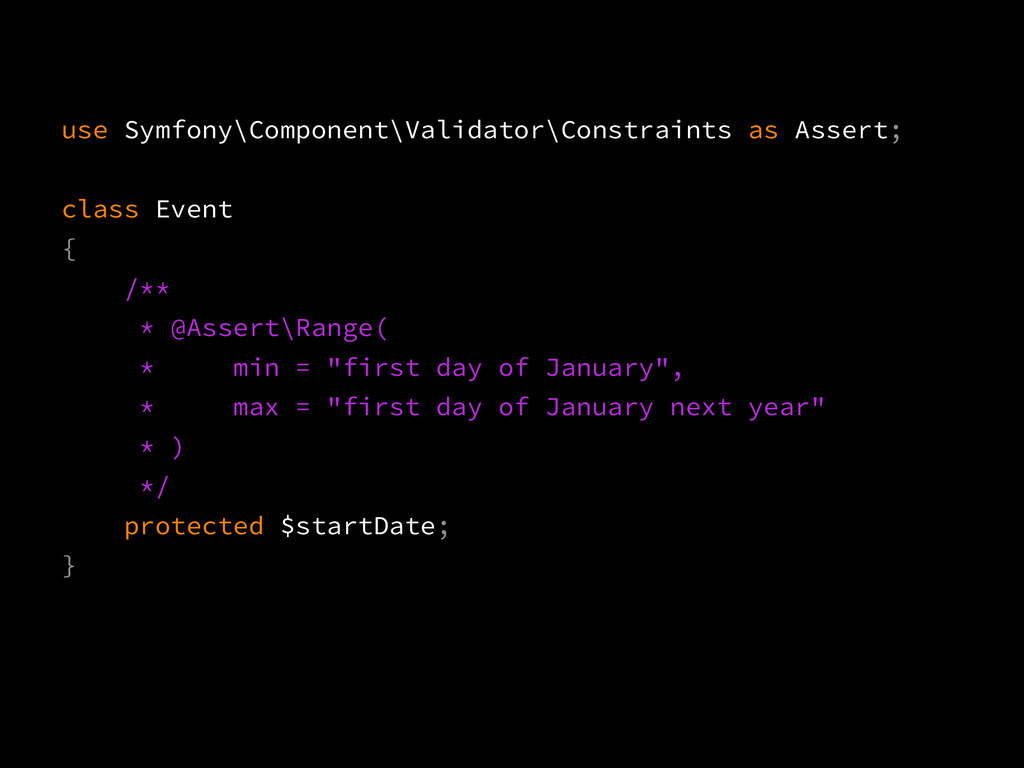

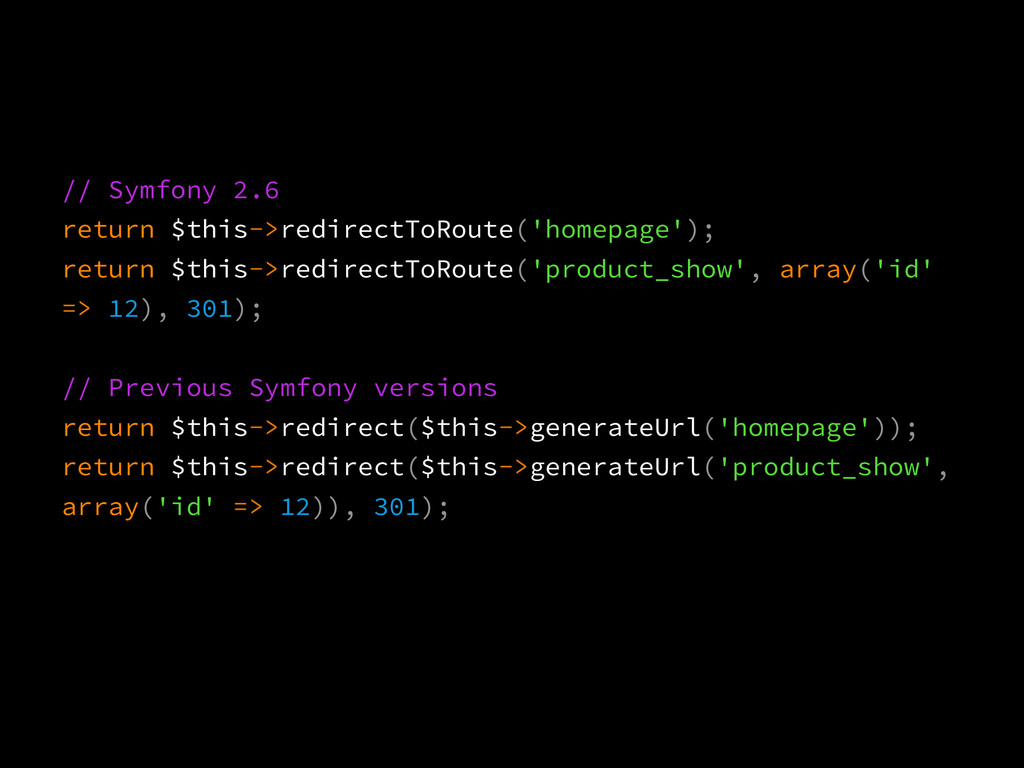
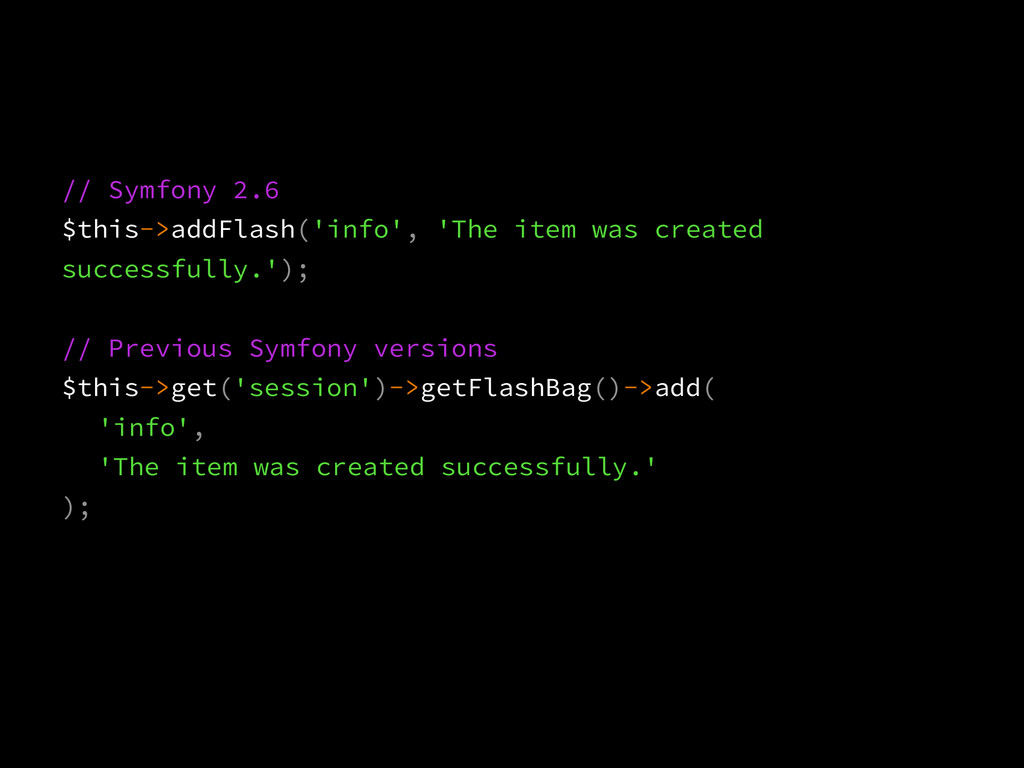
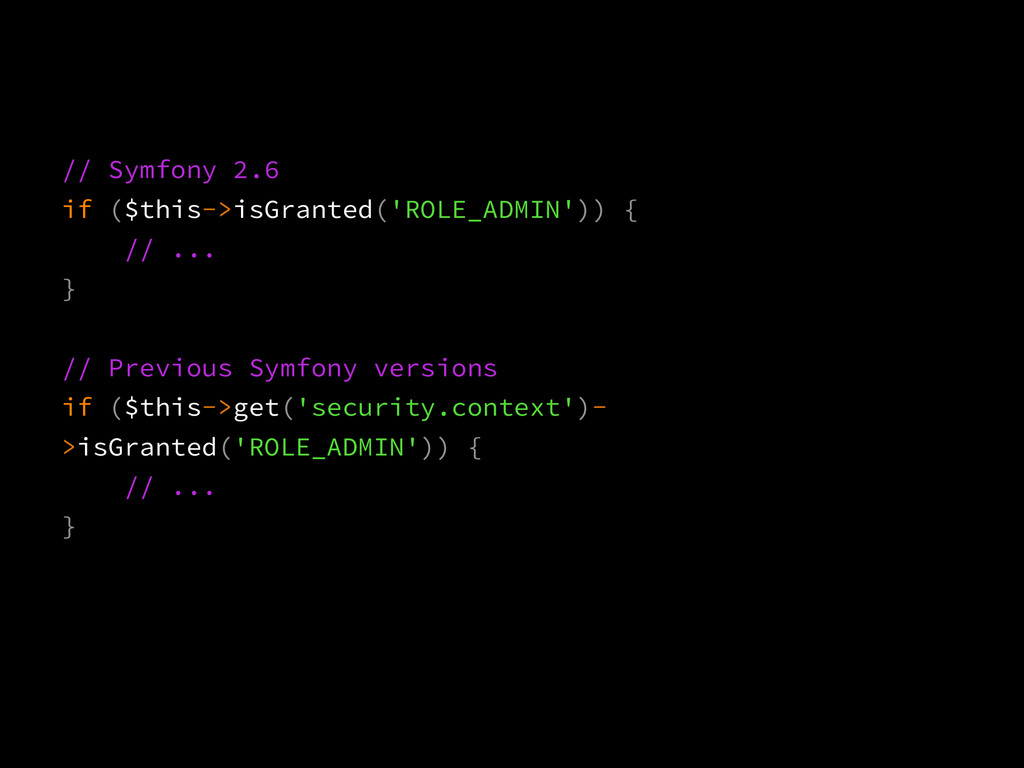
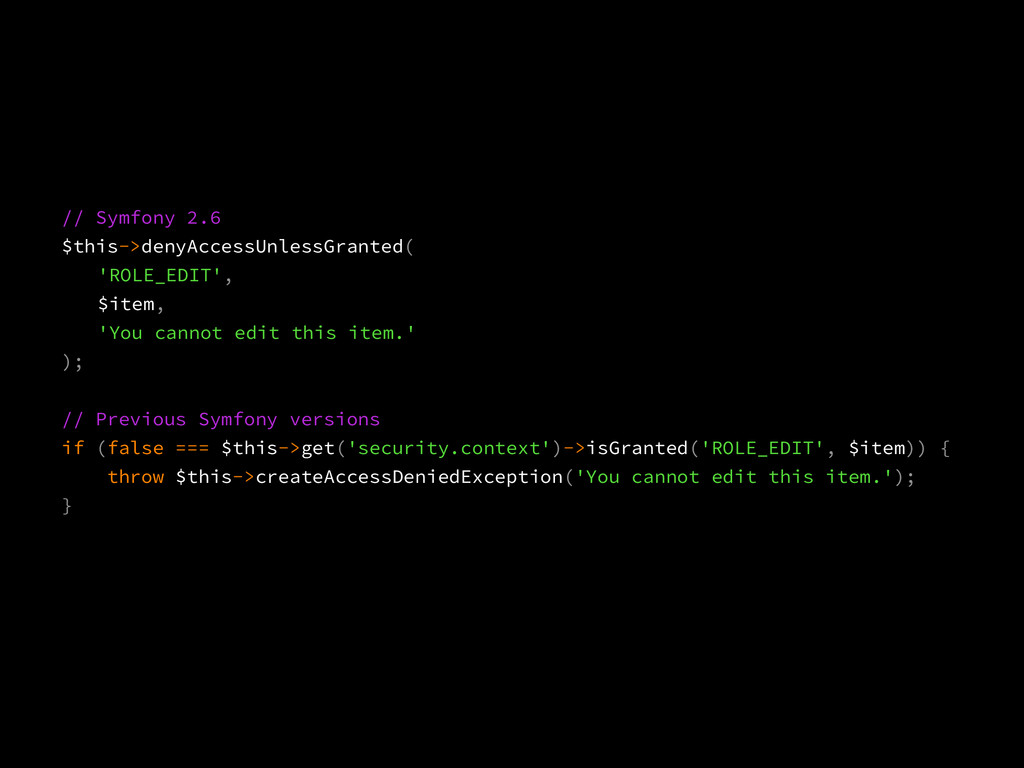
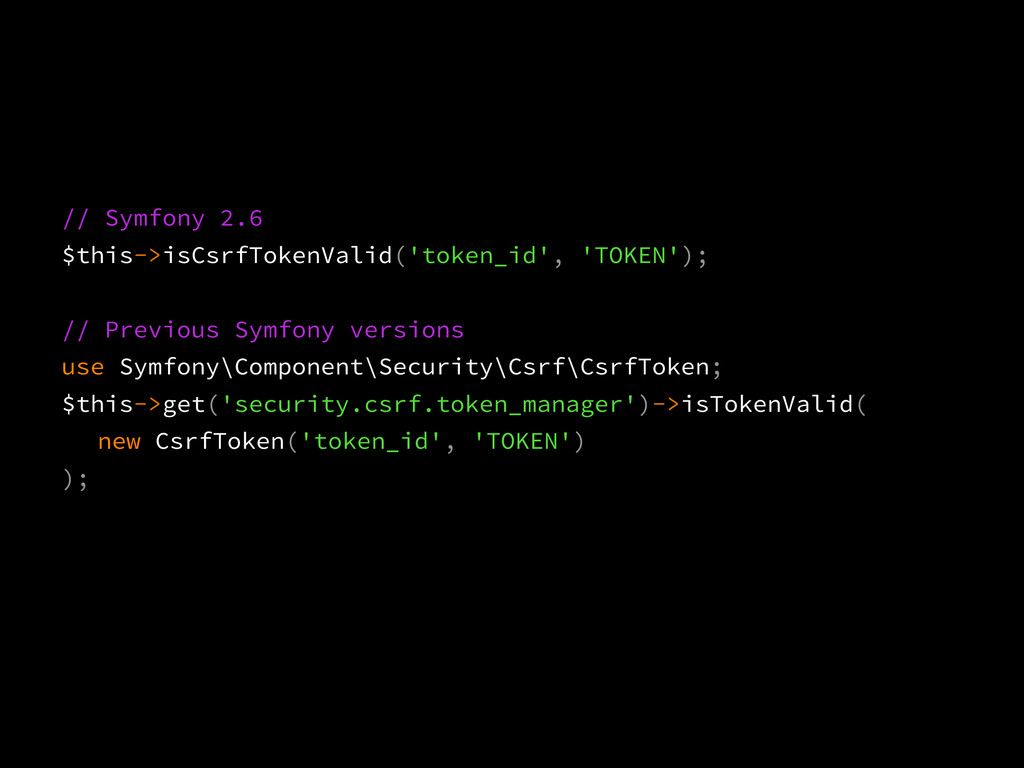




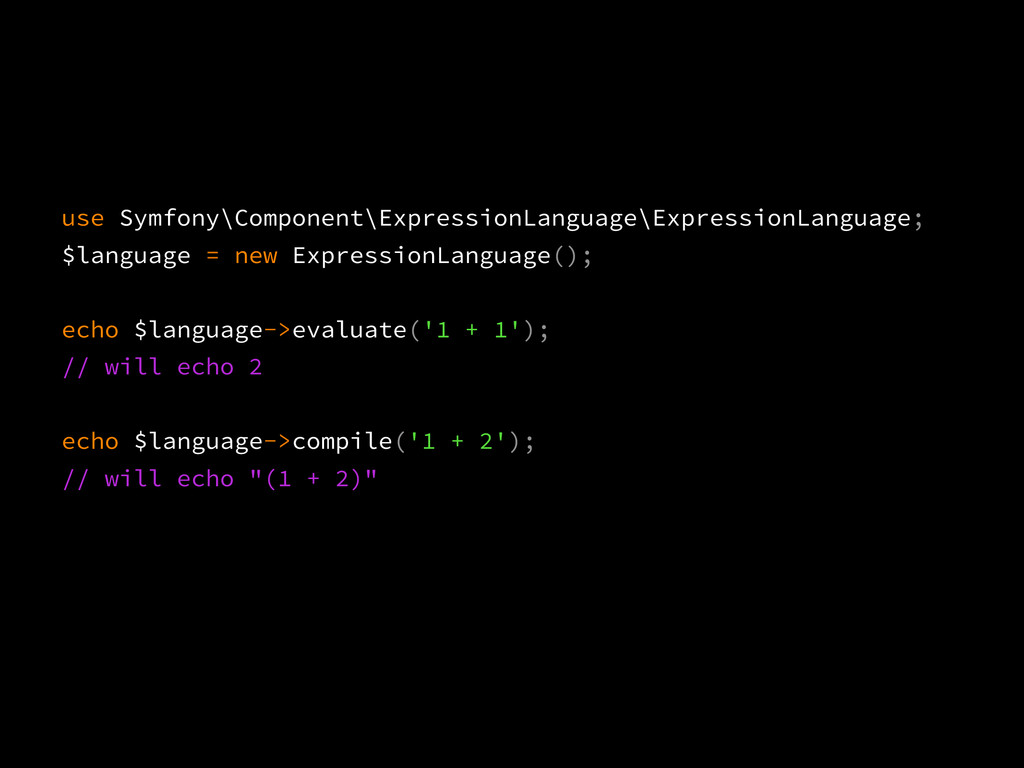
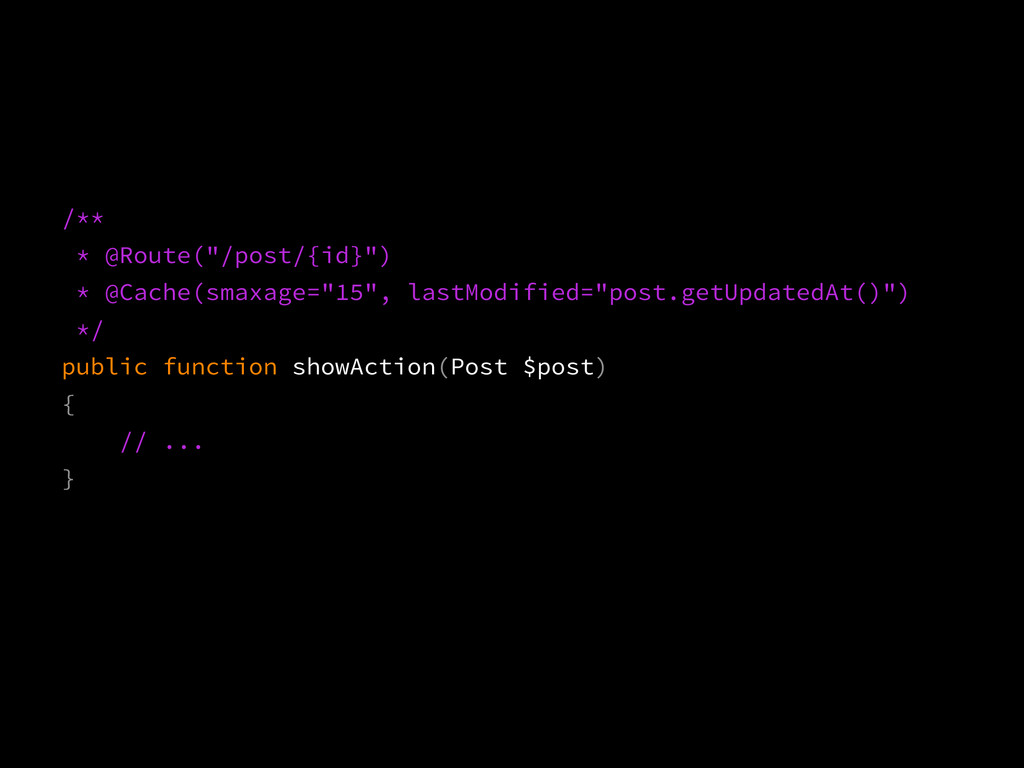
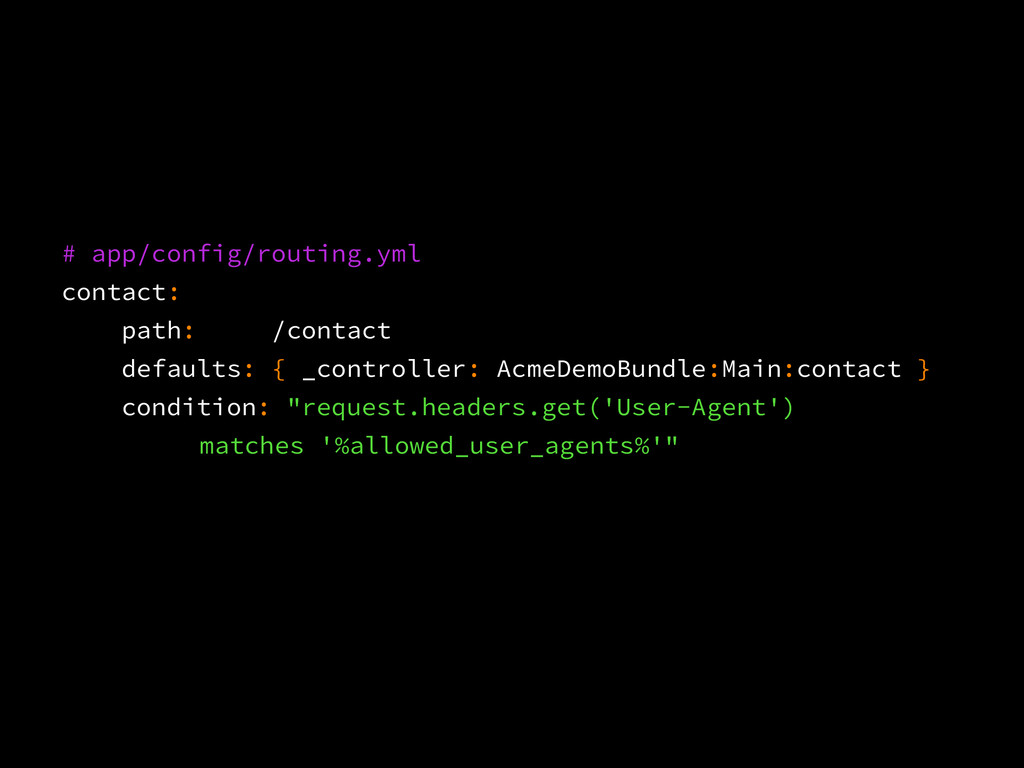
![hello: path: /hello/{name} condition: "context.getMethod() in ['GET', 'HEAD'] and request.headers.get('User-Agent')](https://files.speakerdeck.com/presentations/37f08d9fb0f647f48799ca5aa67ce609/slide_83.jpg)