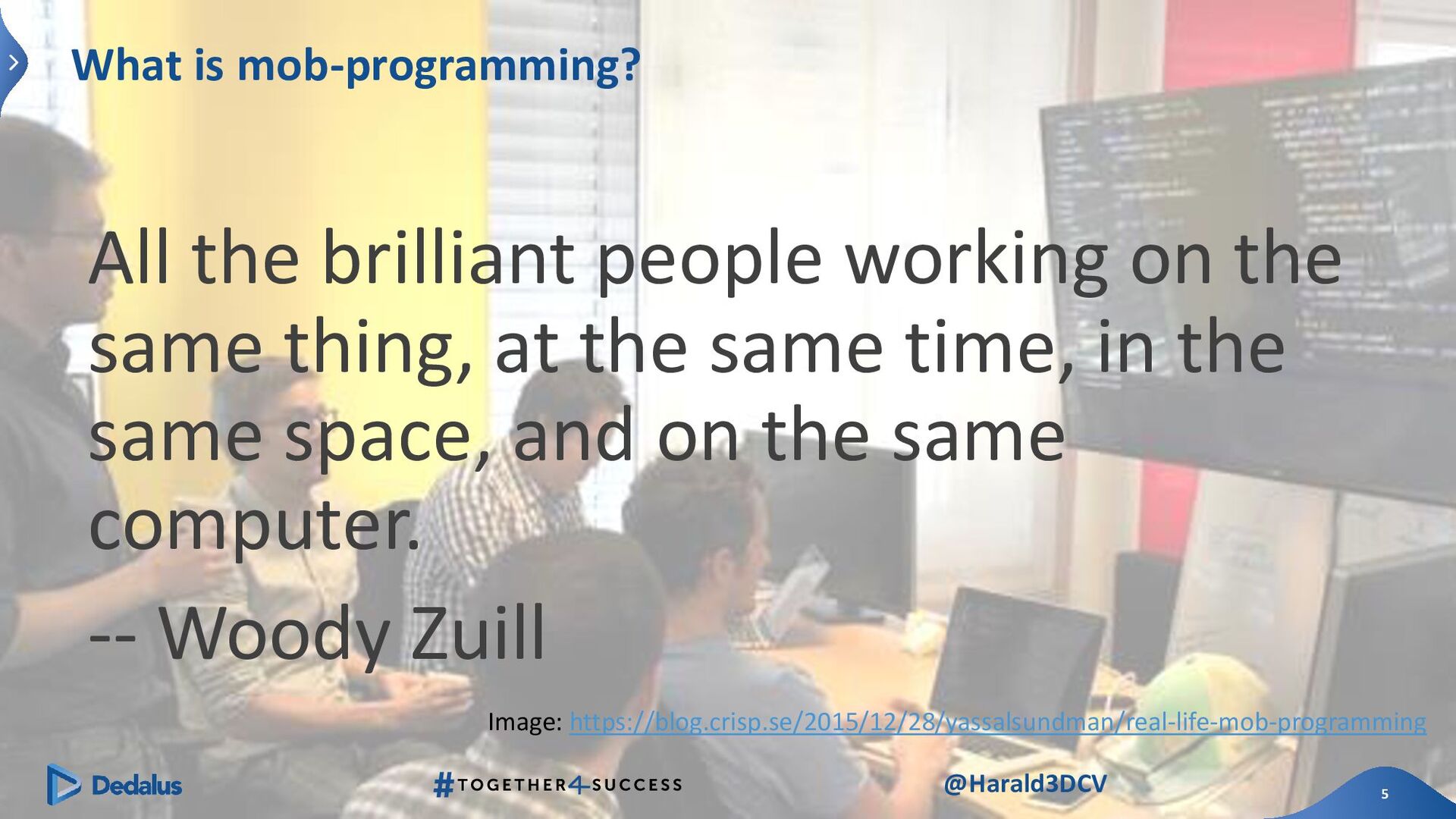
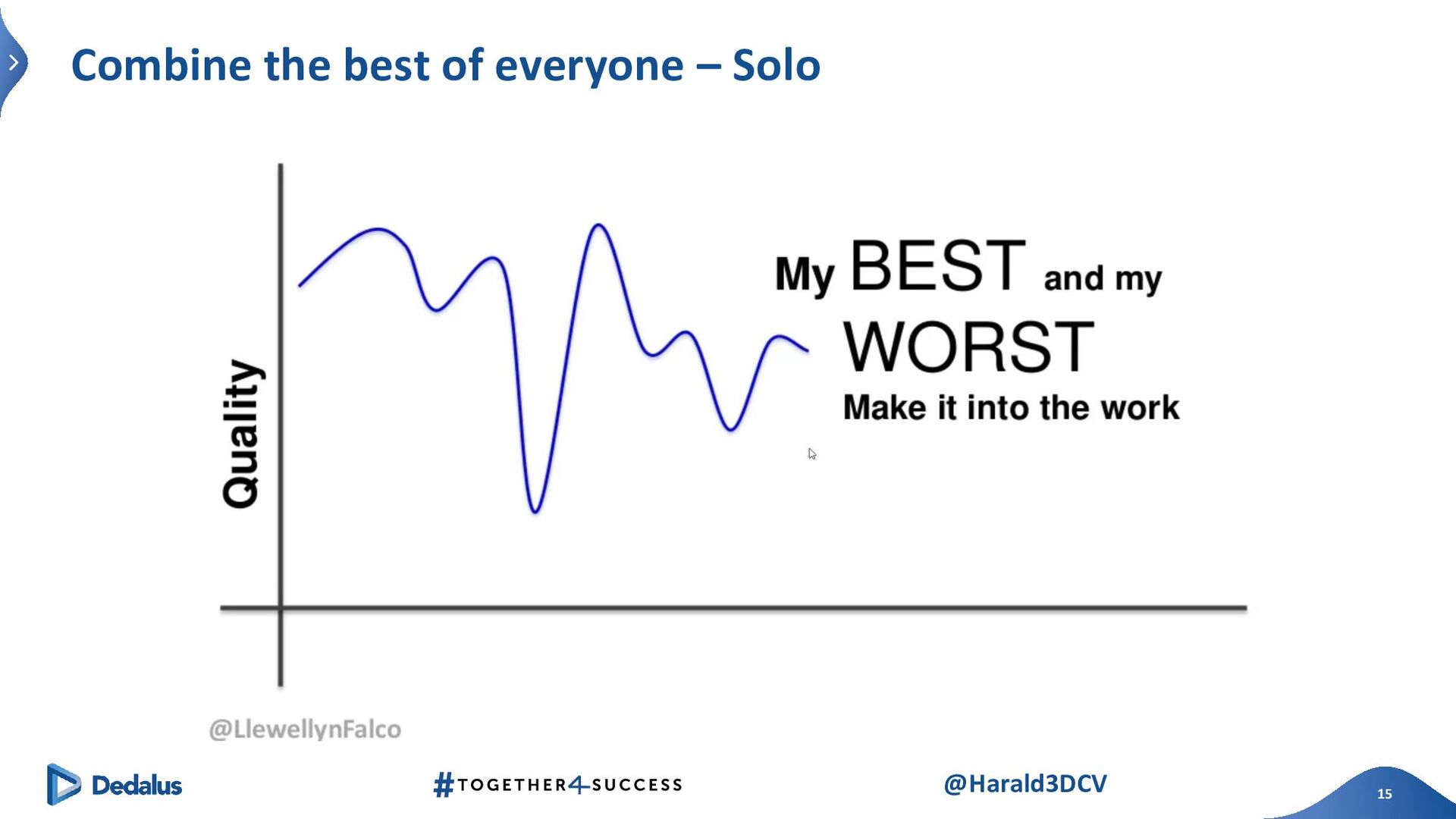
Mob-programming sounds like a crazy idea. As today's development work is more often a learning problem than an execution problem, it might be less crazy than one might think. The time it takes to finish a task does not scale linearly and a new idea or insight from prior experience might reduce the effort to a fraction.
Mob-programming allows for easier balancing of the trade-off between learning, knowledge transfer, and getting things done.
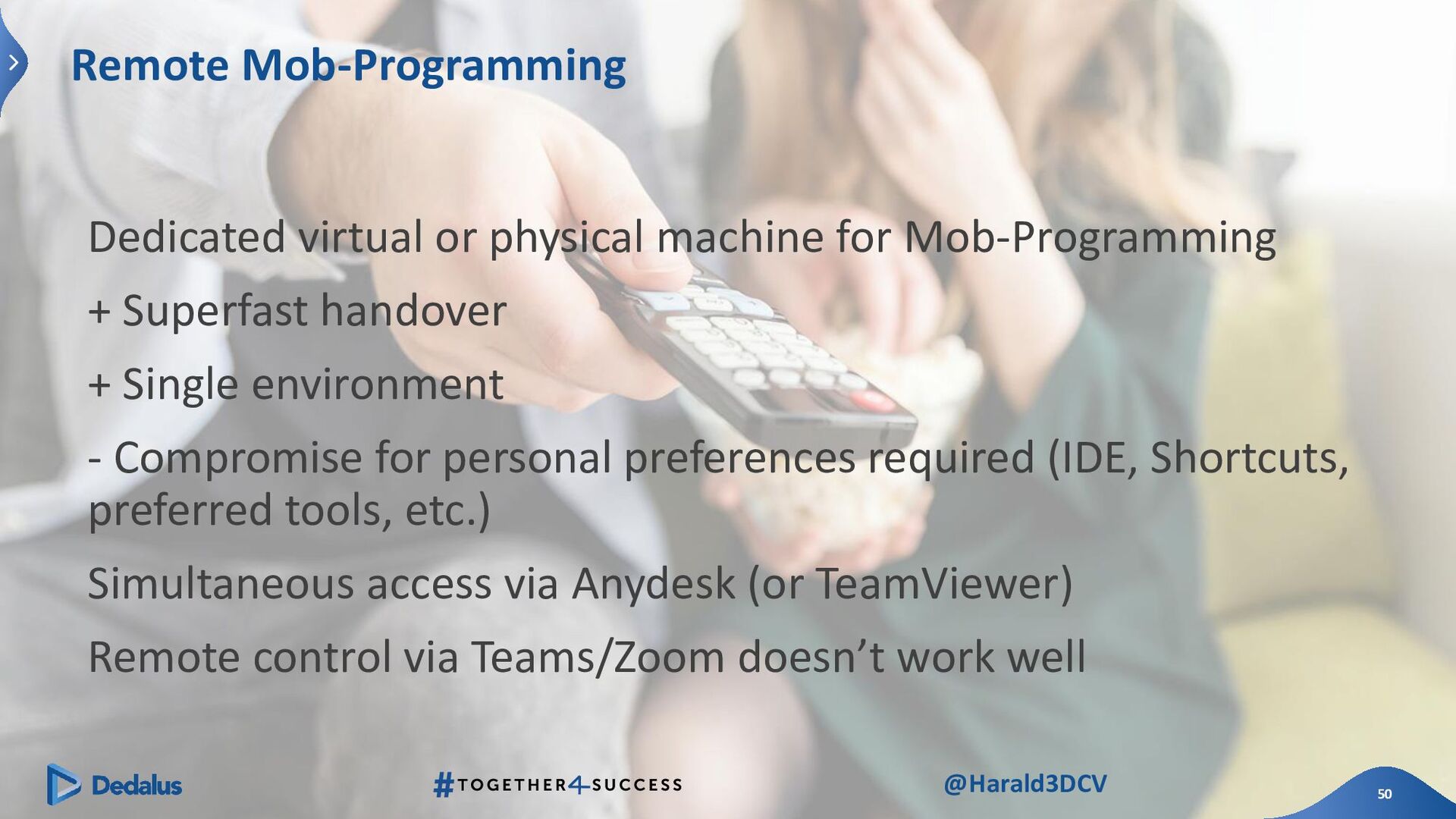
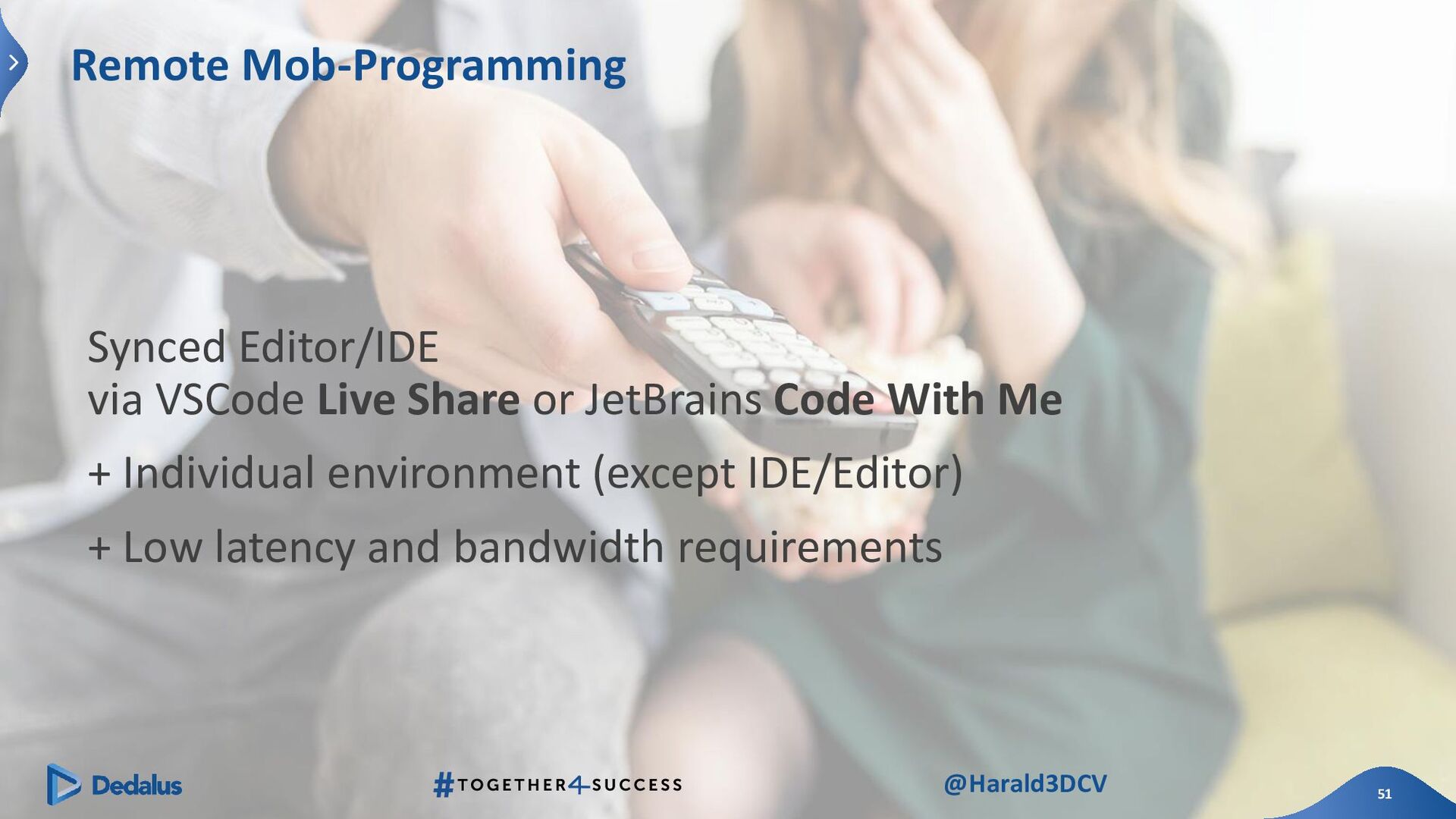
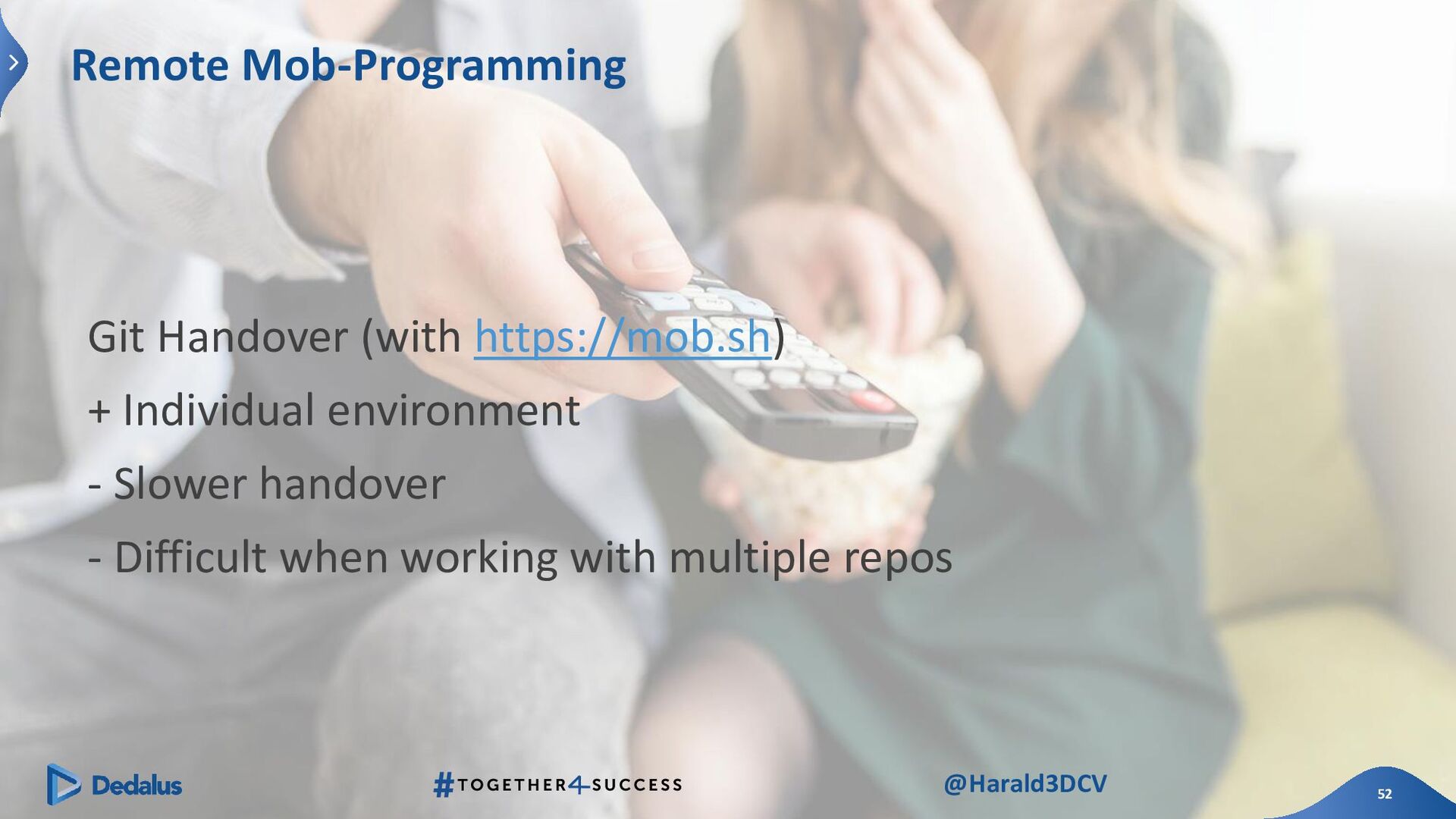
How might it be helpful to our daily work? Mob-programming means high bandwidth learning in the context of the task at hand. Participants can even learn on different levels of experience simultaneously. It helps to get a common understanding of a software project and it’s easier to apply new practices as a team. When things don’t work as expected, a mob rarely runs out of ideas. Mob-programming also works well when being done remotely.
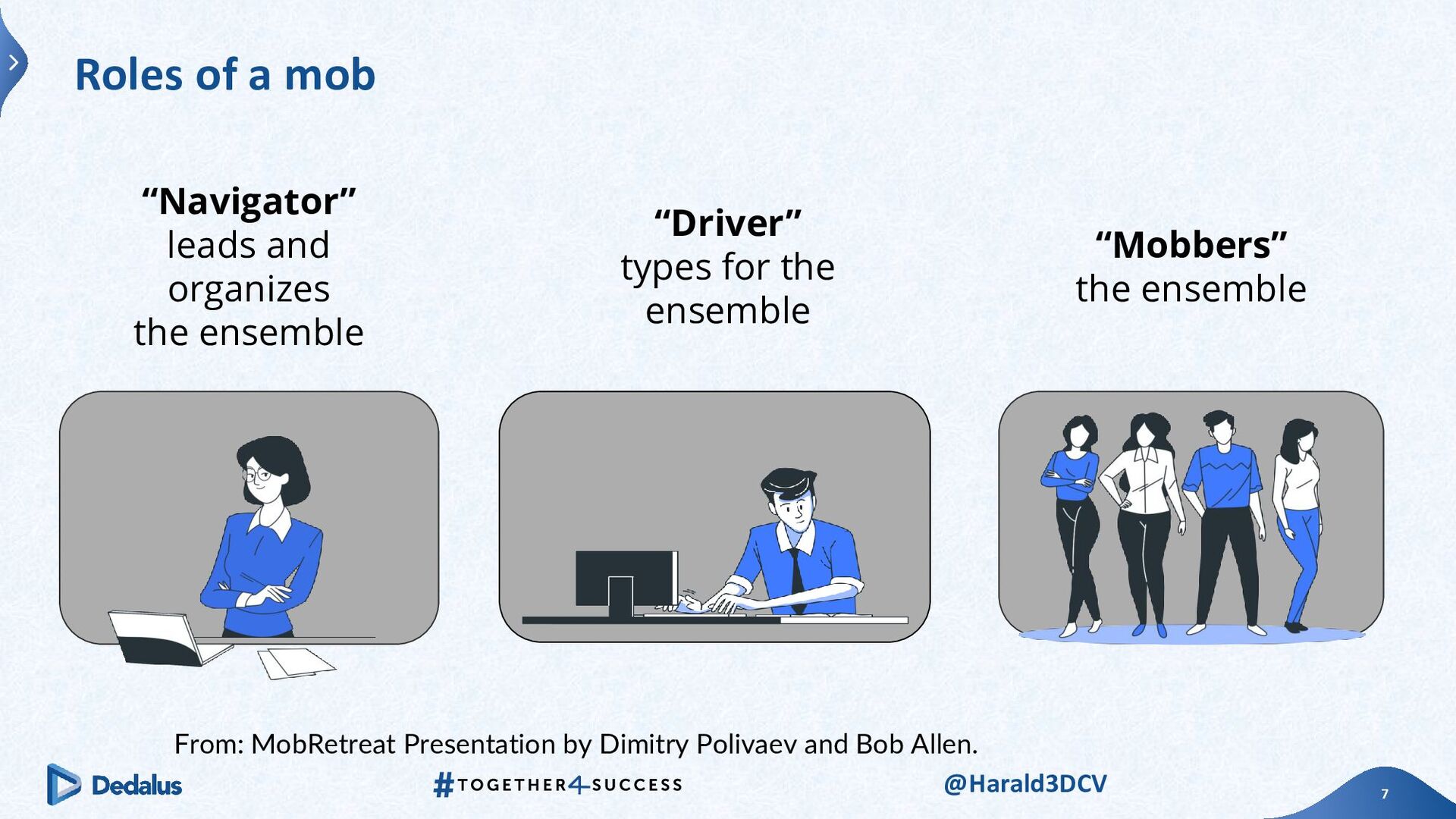
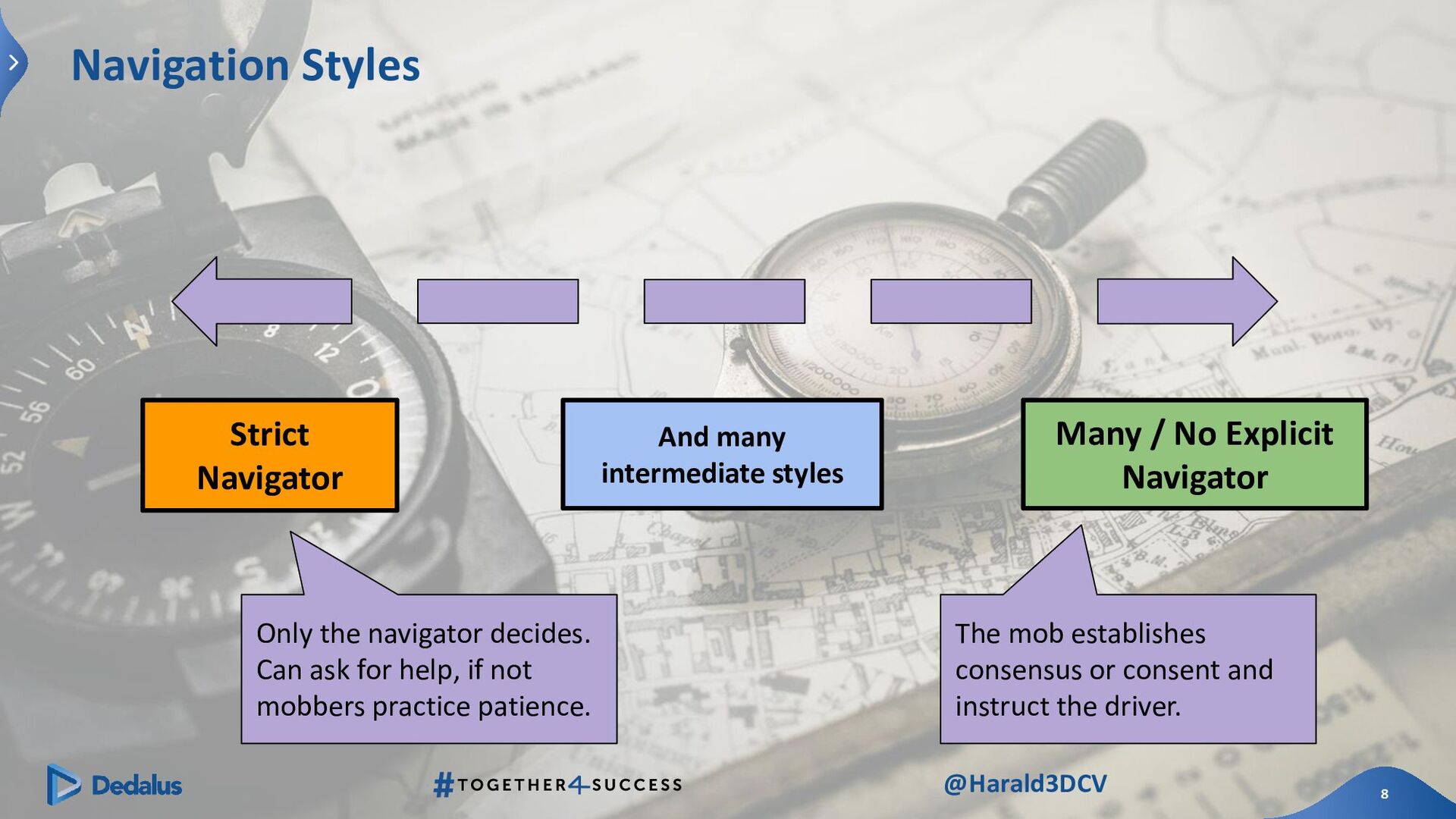
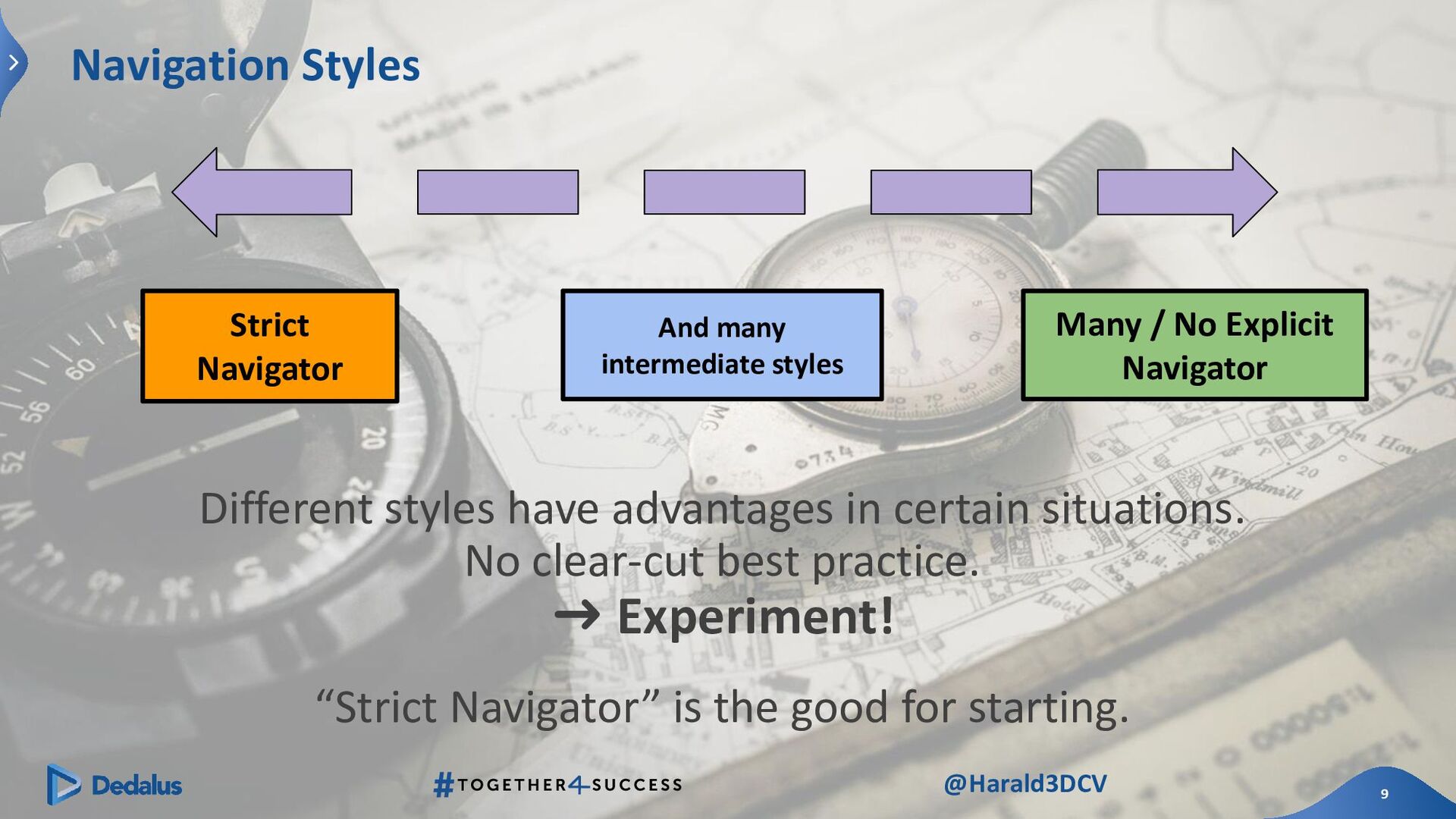
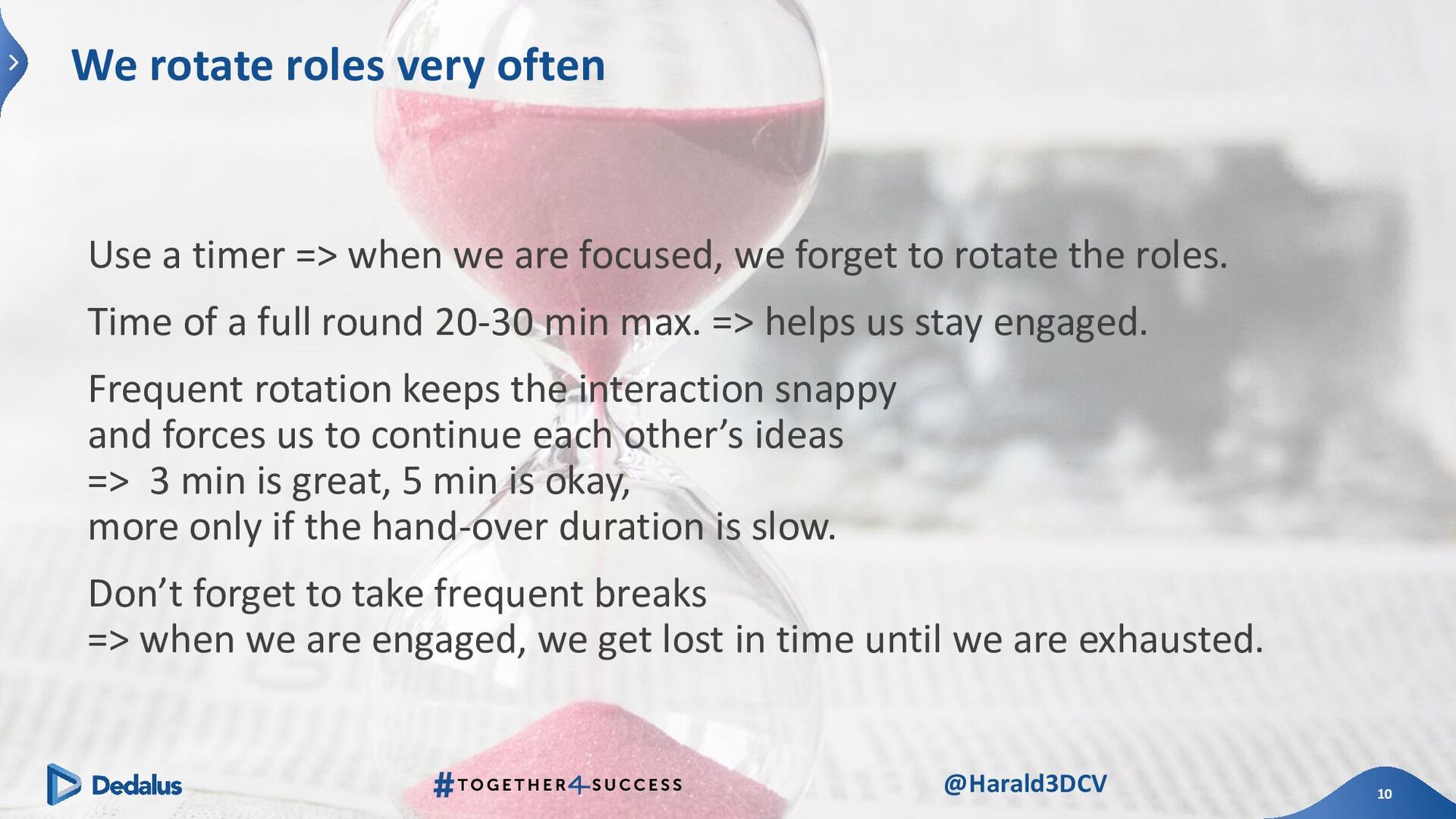
This talk explains a typical mob-programming workflow and offers ideas on how to start experimenting and where to go next.


 eitanlees
 sferik
 portentint
 chriscoyier
 soudai
 apolaine
 inesmontani
 aemeredith
 honzajavorek
 badams
 khoart
 helenjbeal