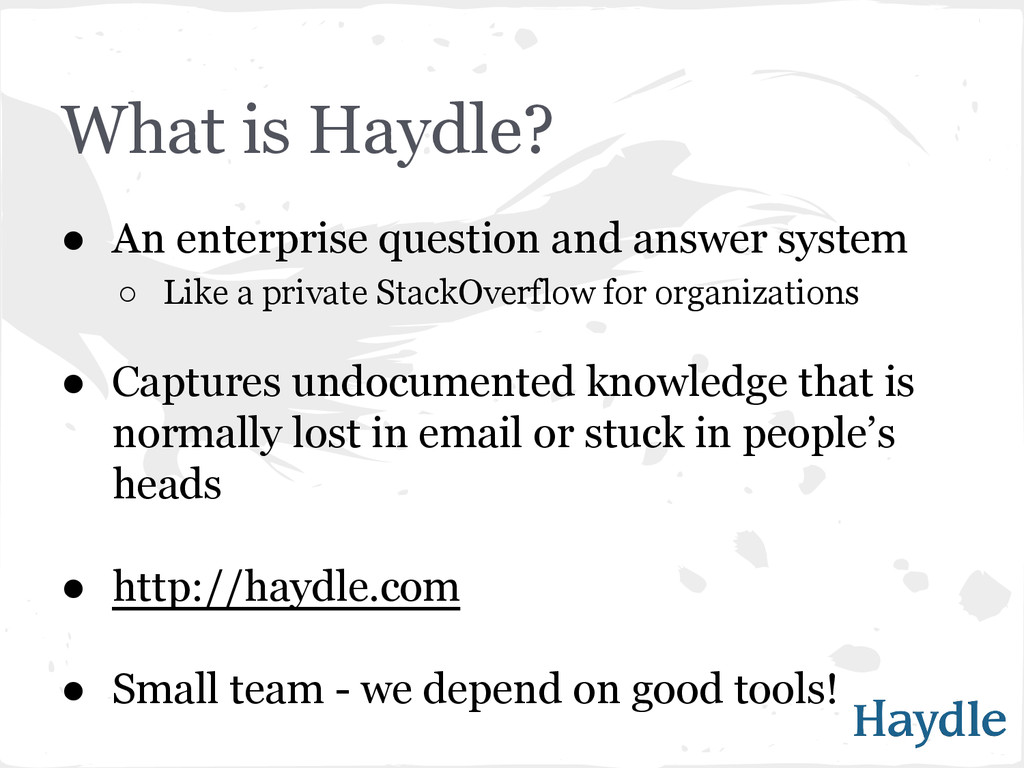
◦ Like a private StackOverflow for organizations • Captures undocumented knowledge that is normally lost in email or stuck in people’s heads • http://haydle.com • Small team - we depend on good tools!
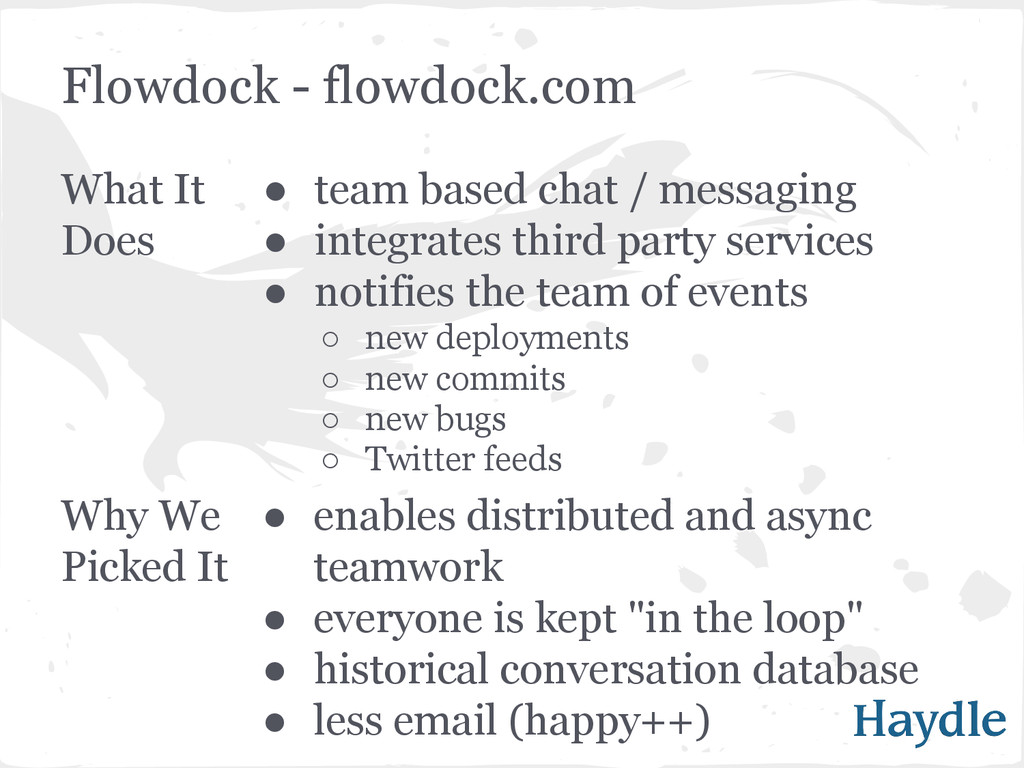
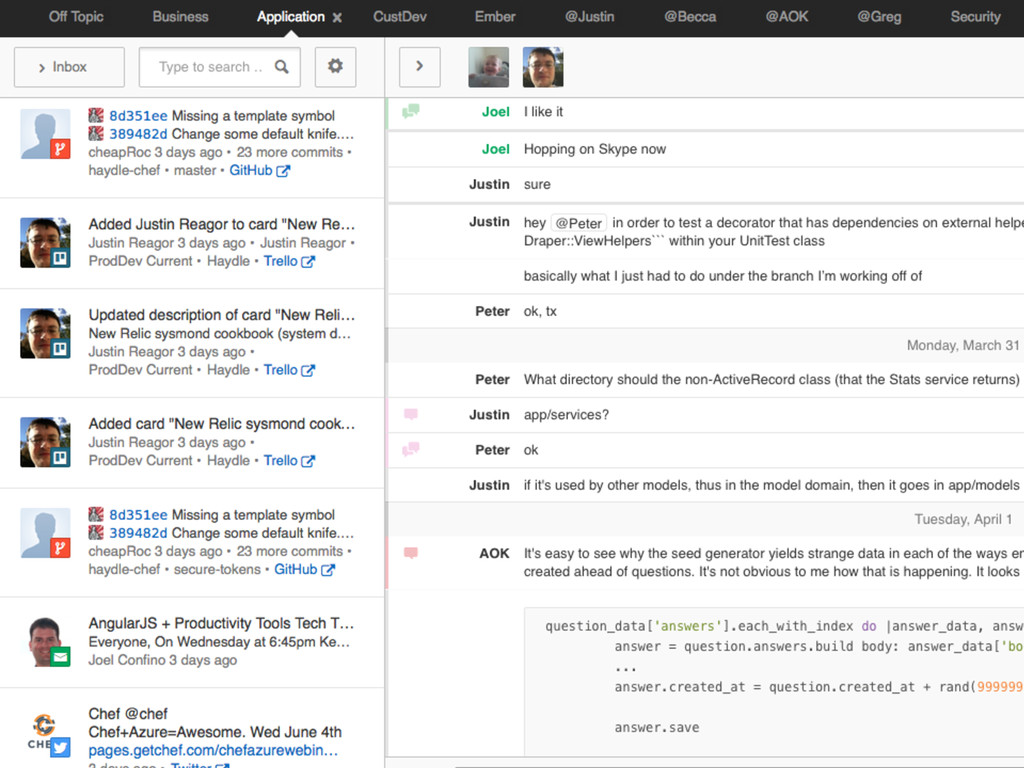
integrates third party services • notifies the team of events ◦ new deployments ◦ new commits ◦ new bugs ◦ Twitter feeds What It Does • enables distributed and async teamwork • everyone is kept "in the loop" • historical conversation database • less email (happy++) Why We Picked It
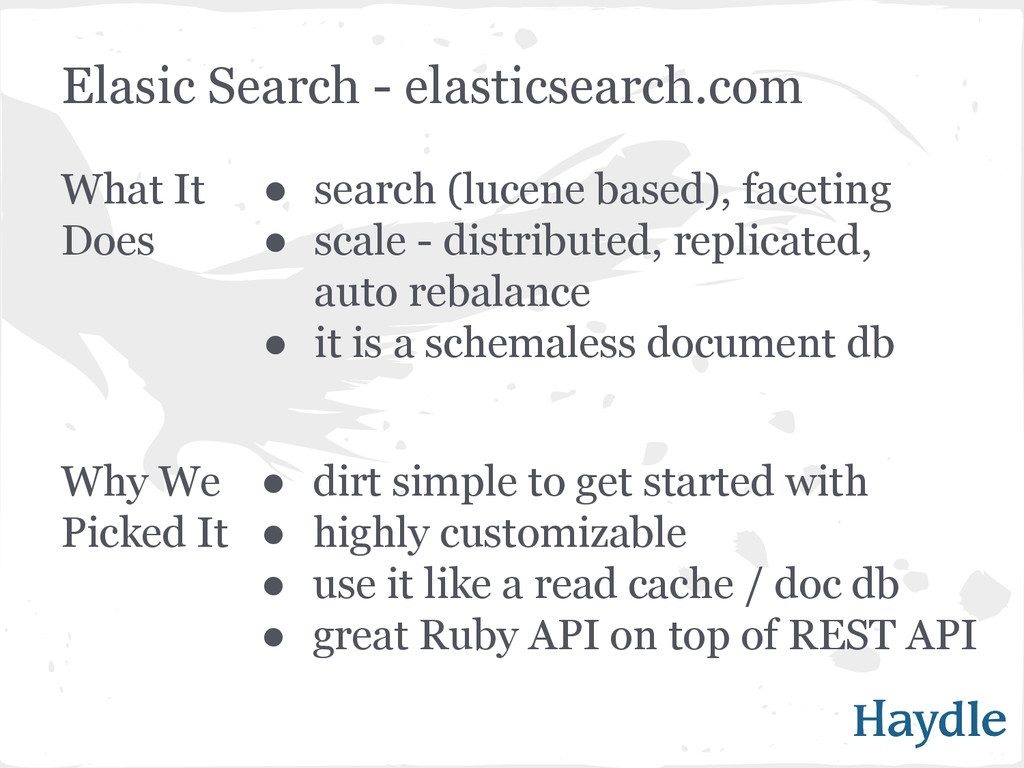
to get started with • highly customizable • use it like a read cache / doc db • great Ruby API on top of REST API Why We Picked It • search (lucene based), faceting • scale - distributed, replicated, auto rebalance • it is a schemaless document db
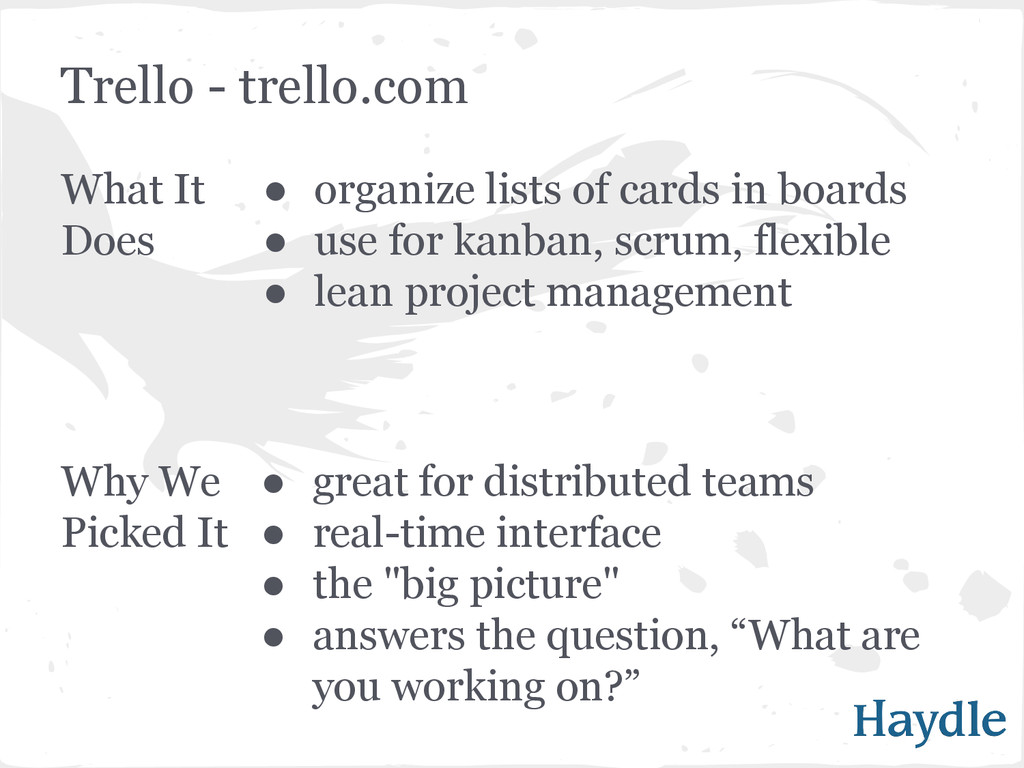
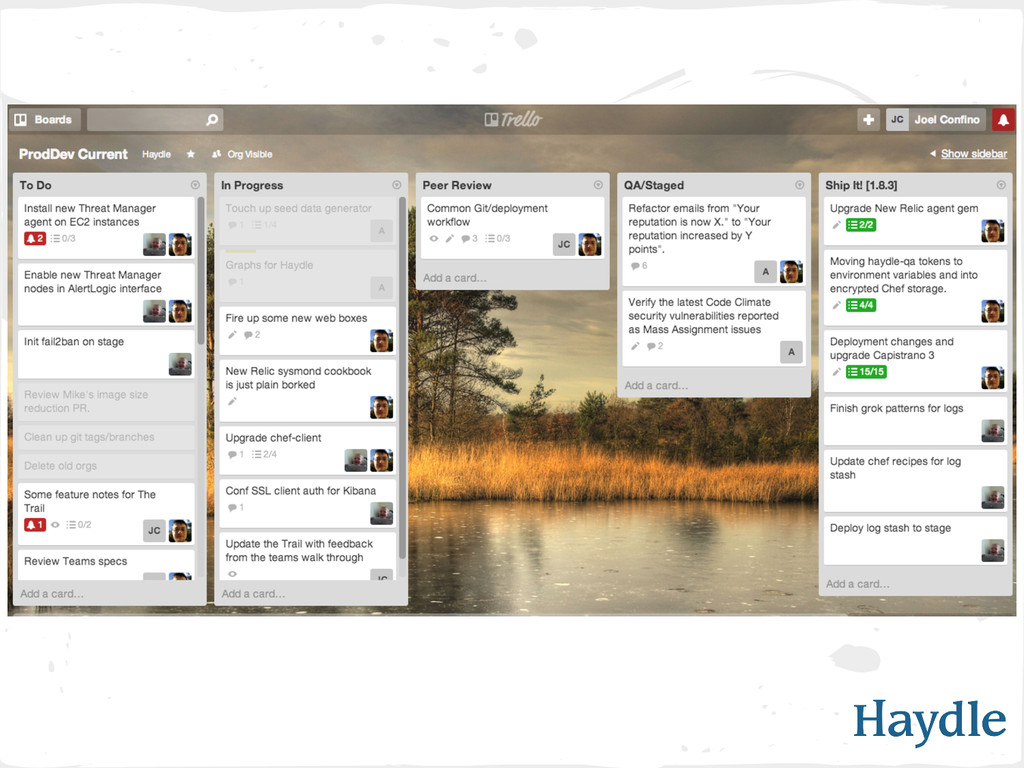
• use for kanban, scrum, flexible • lean project management What It Does • great for distributed teams • real-time interface • the "big picture" • answers the question, “What are you working on?” Why We Picked It
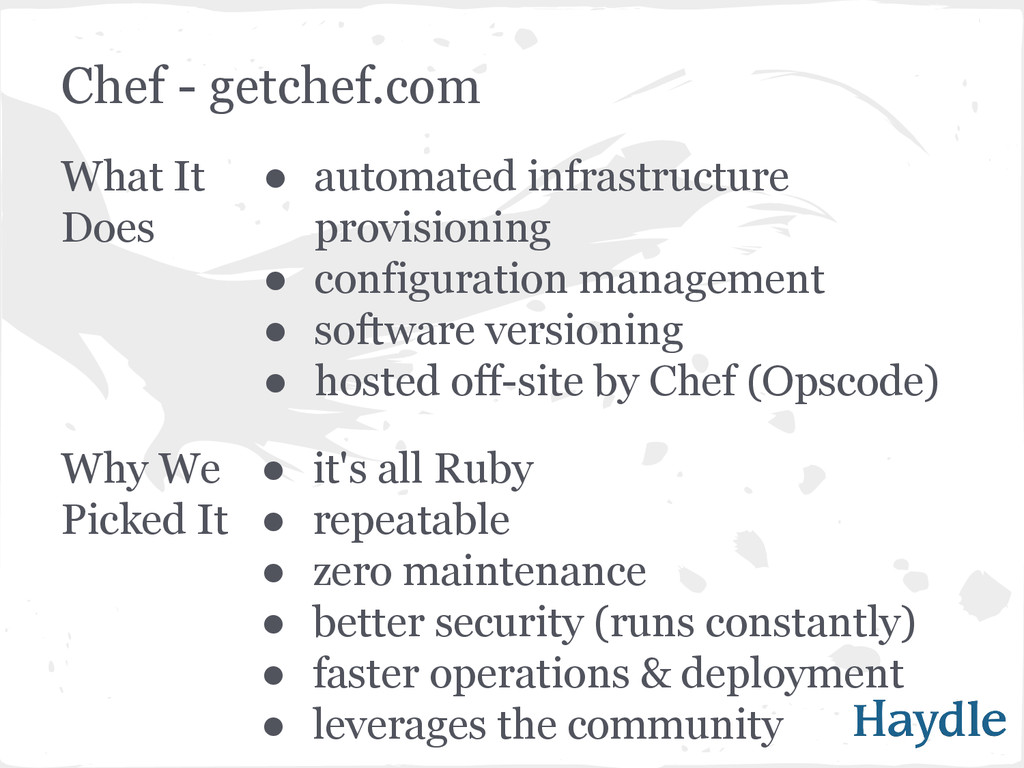
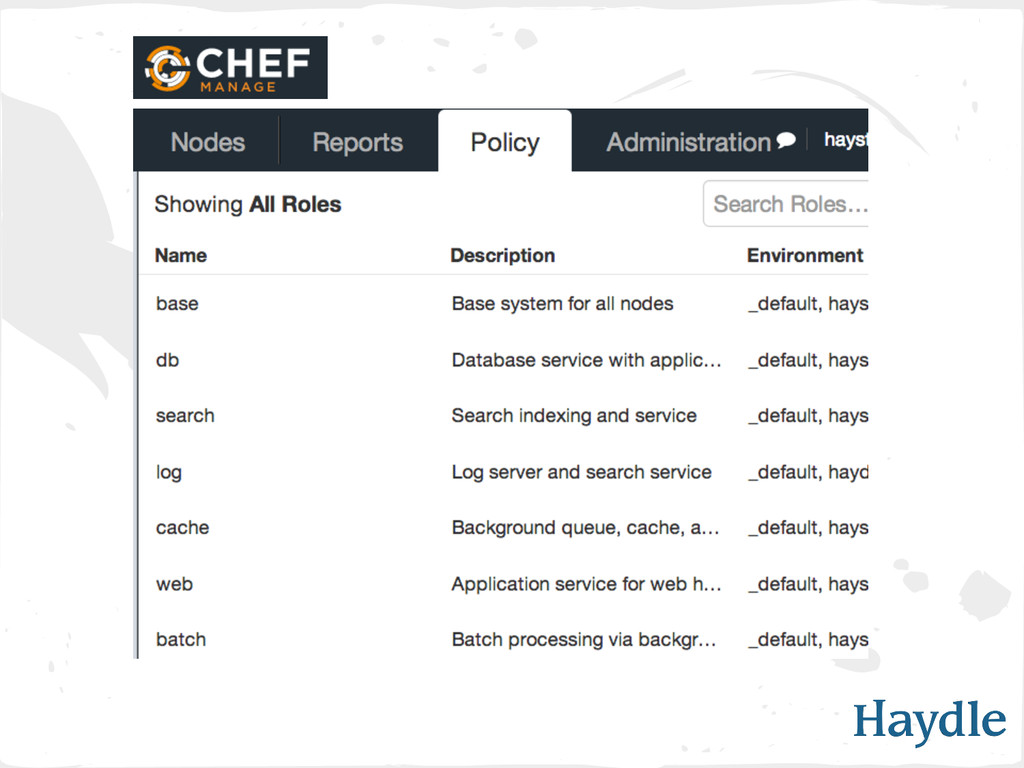
• software versioning • hosted off-site by Chef (Opscode) What It Does • it's all Ruby • repeatable • zero maintenance • better security (runs constantly) • faster operations & deployment • leverages the community Why We Picked It
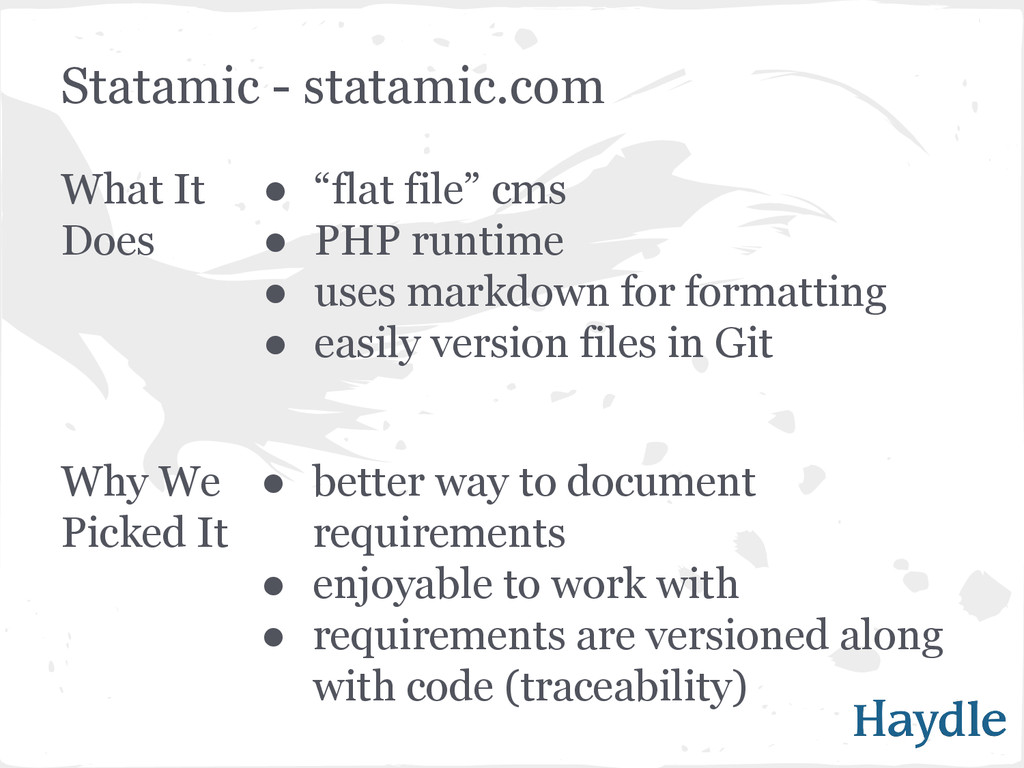
document requirements • enjoyable to work with • requirements are versioned along with code (traceability) • “flat file” cms • PHP runtime • uses markdown for formatting • easily version files in Git Why We Picked It
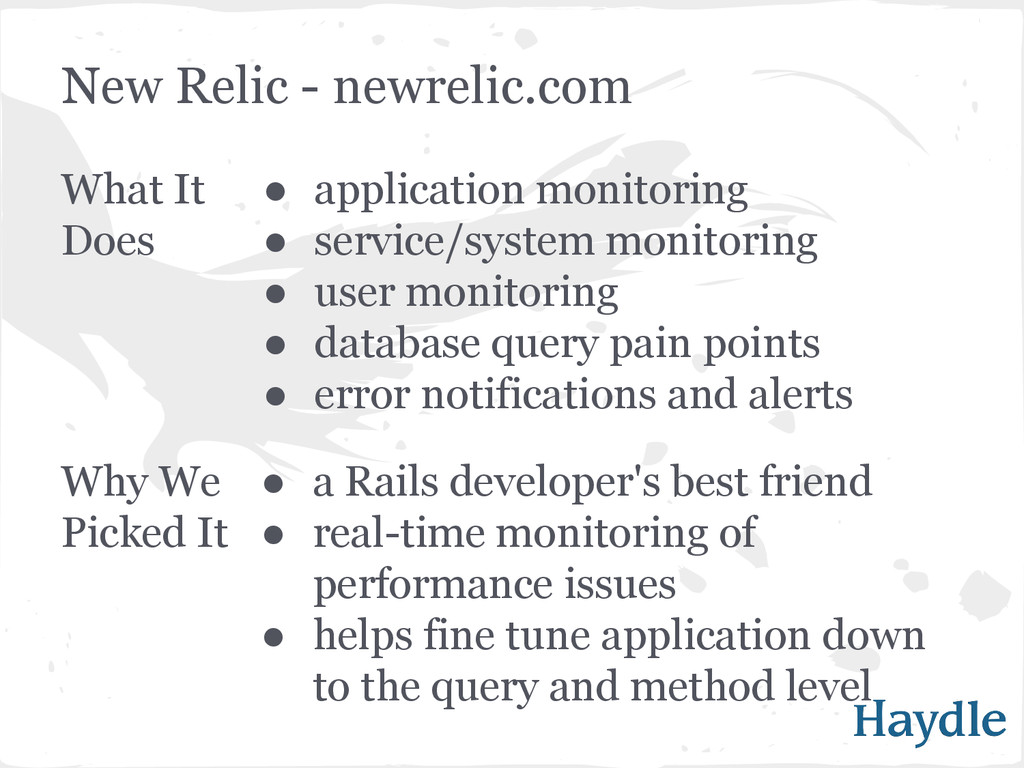
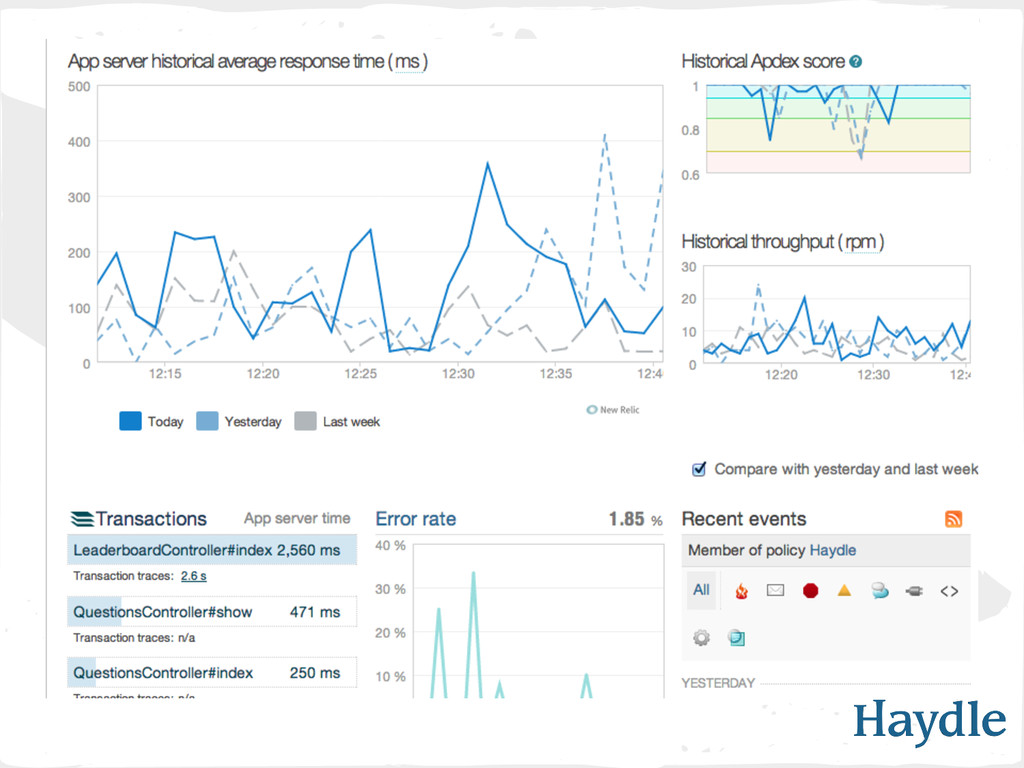
developer's best friend • real-time monitoring of performance issues • helps fine tune application down to the query and method level • application monitoring • service/system monitoring • user monitoring • database query pain points • error notifications and alerts Why We Picked It
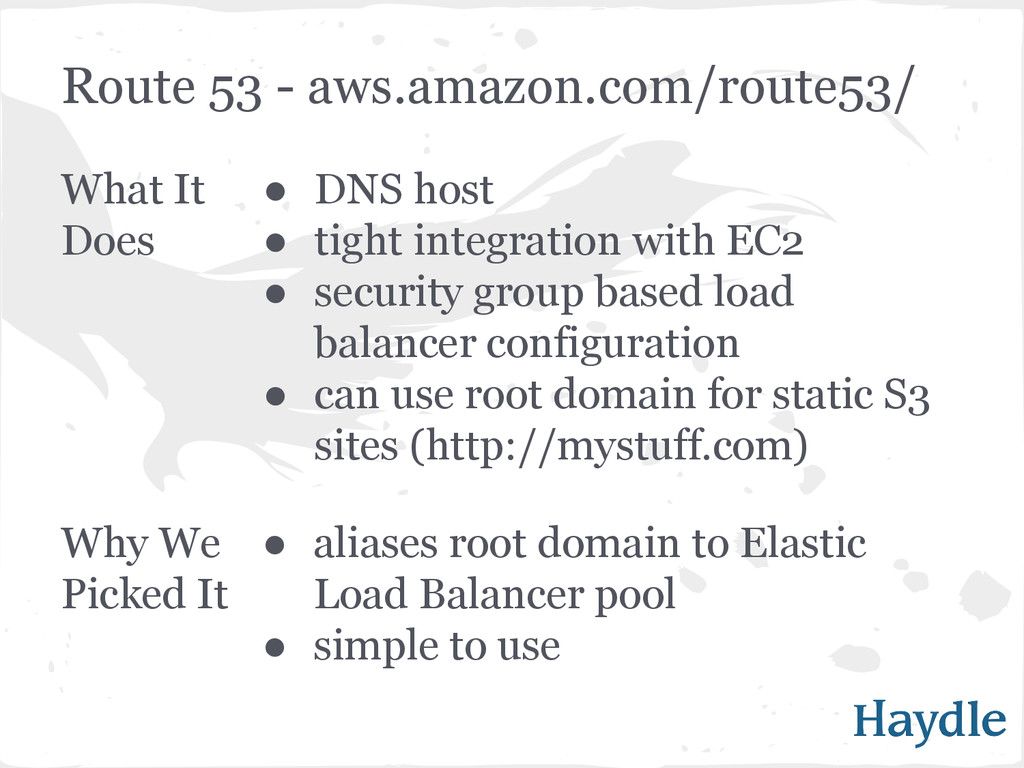
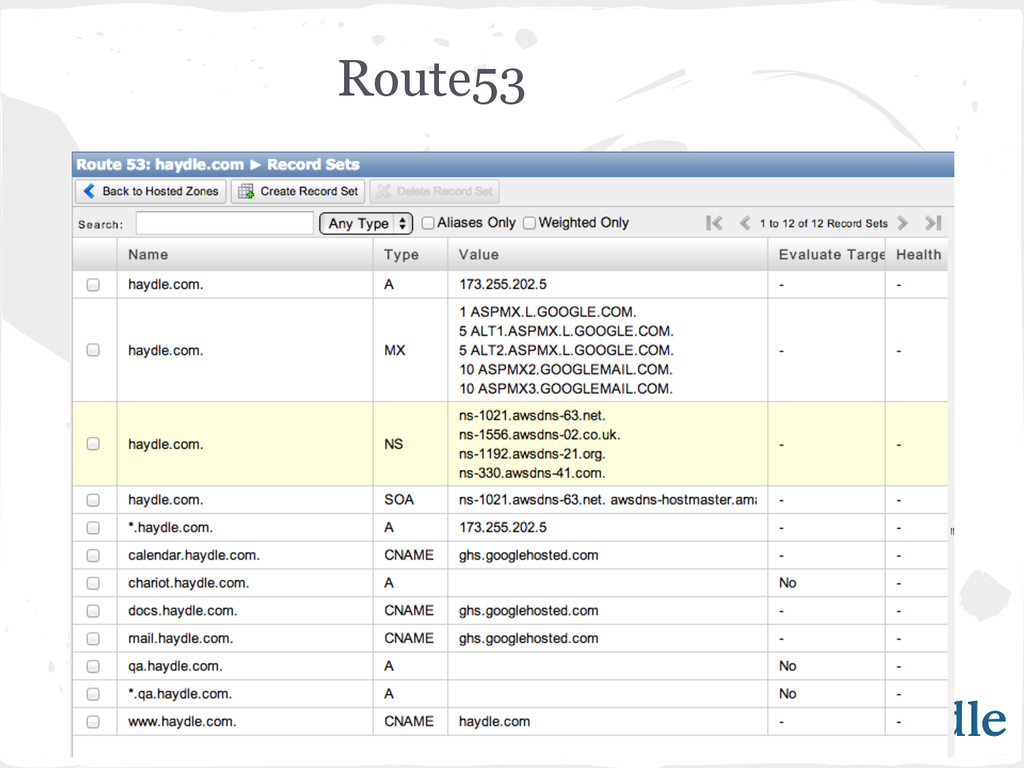
with EC2 • security group based load balancer configuration • can use root domain for static S3 sites (http://mystuff.com) What It Does • aliases root domain to Elastic Load Balancer pool • simple to use Why We Picked It
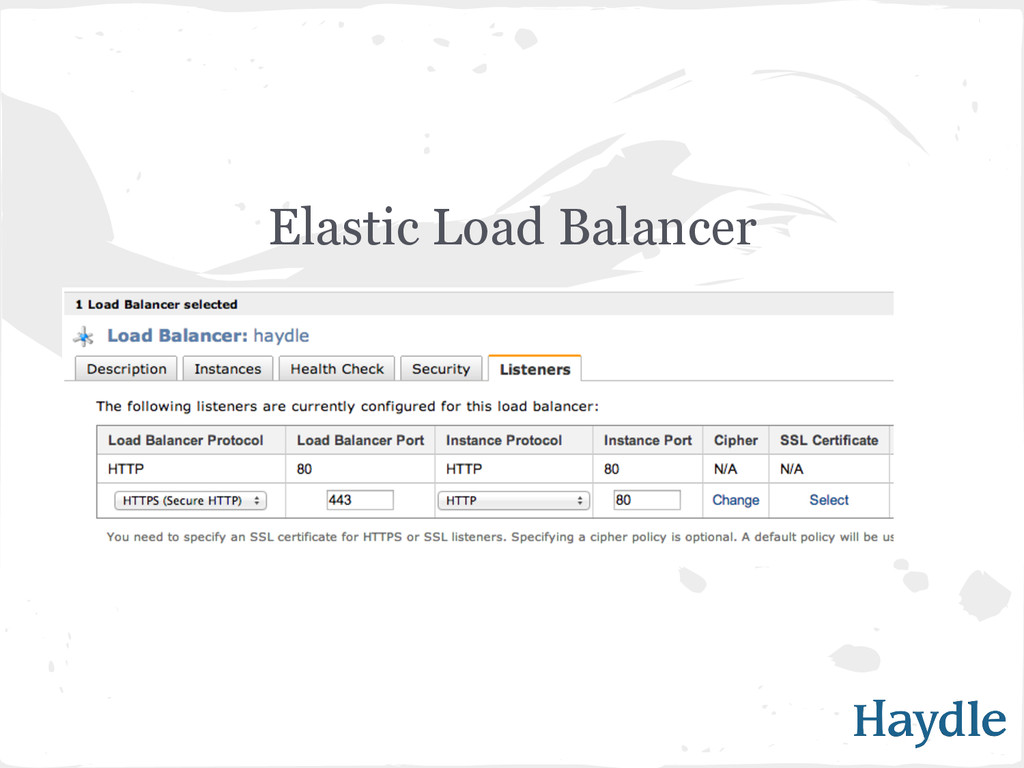
integration with EC2 • security group based configuration • can terminate SSL Elastic Load Balancer - aws.amazon. com/elasticloadbalancer/ What It Does • dynamically provisions external IP addresses through Route 54 • simple to use • less SSL overhead Why We Picked It
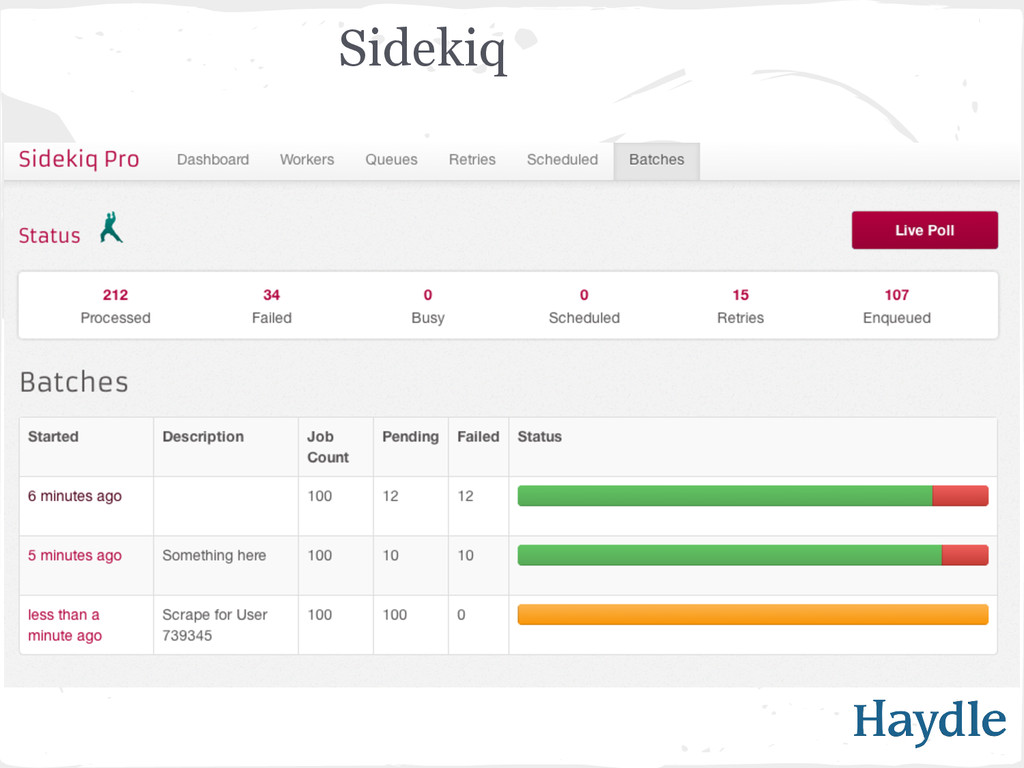
lightweight workers (threads!) • separate queues and priorities • sweet Sinatra web interface What It Does Why We Picked It • uses Redis, hey, we use Redis! • off loads app servers of async work; move app users along • we can support recurring tasks • wrap logic around jobs (single worker can queue more jobs)
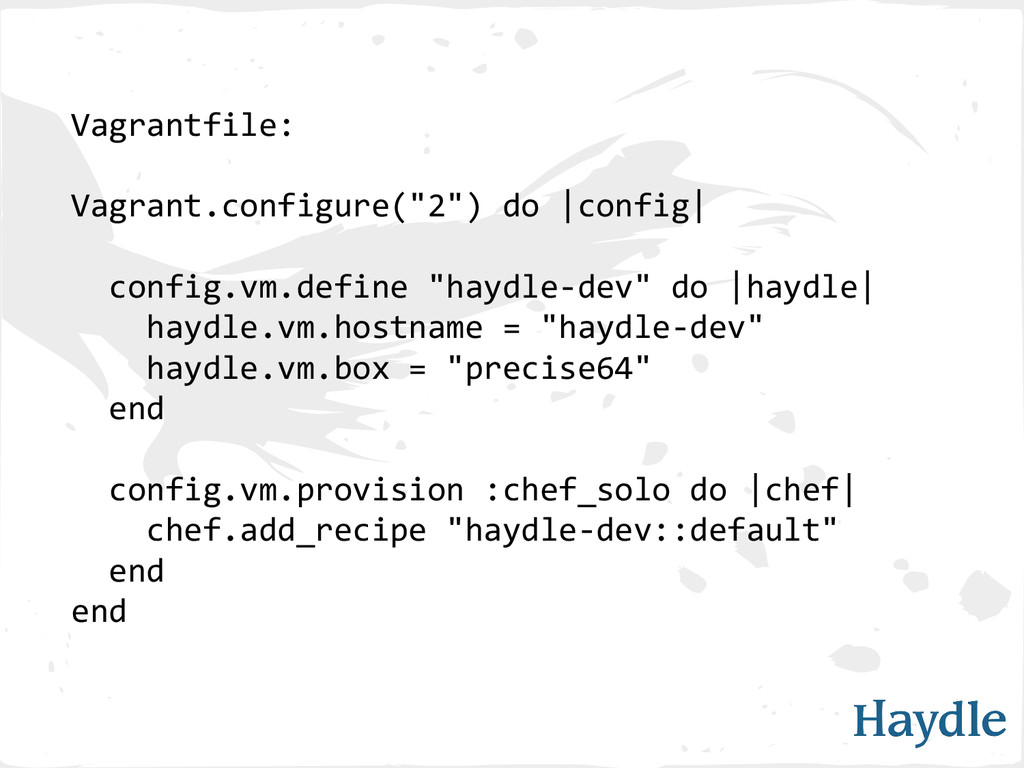
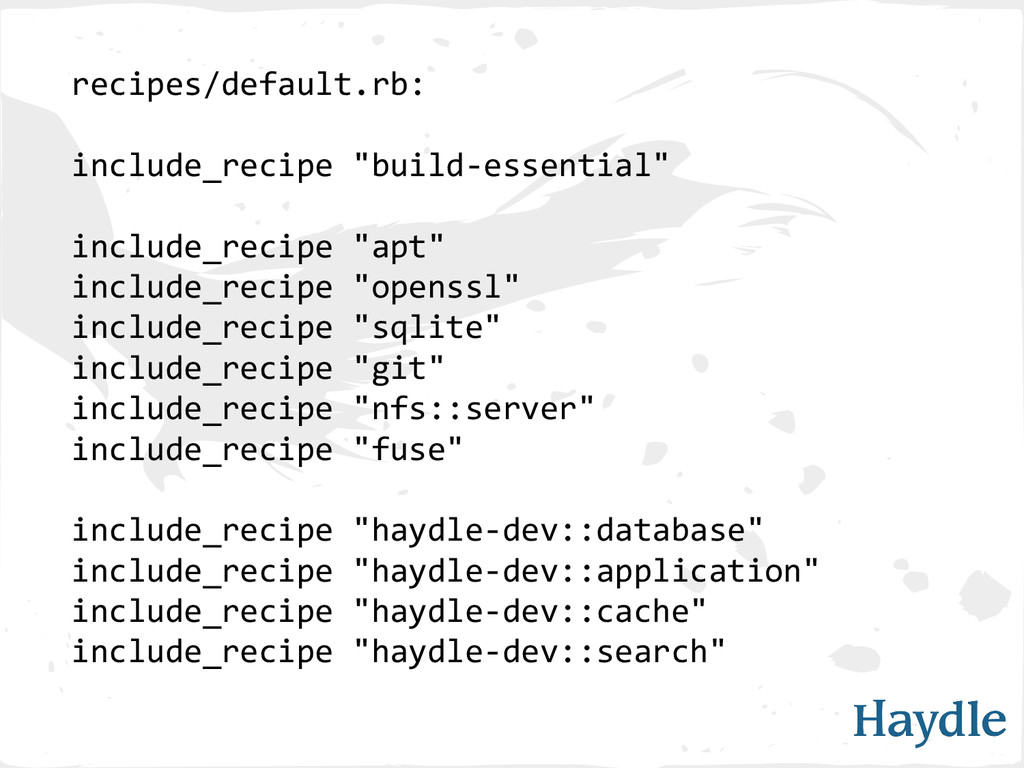
you want installed in a single file in your project • wrapper around VirtualBox and Chef (or lots of things) What It Does • great way to test Chef recipes • keeps all devs on same versions of dependencies like Elastic Search • easily on-board new devs • tweak/iterate dev environment Why We Picked It
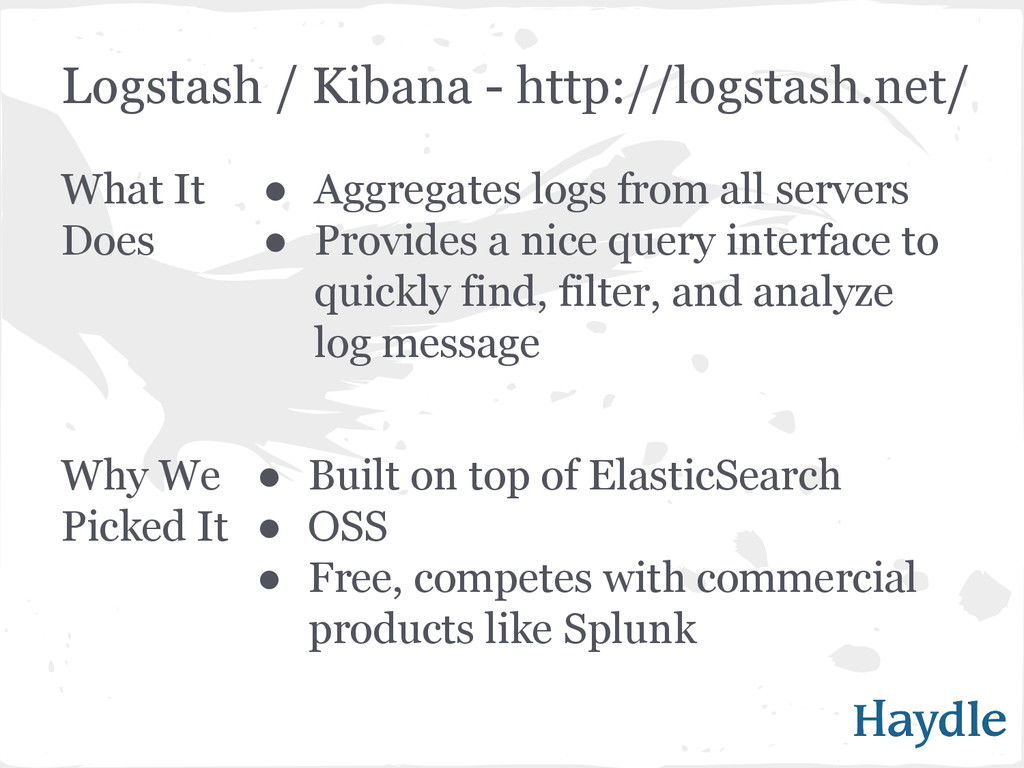
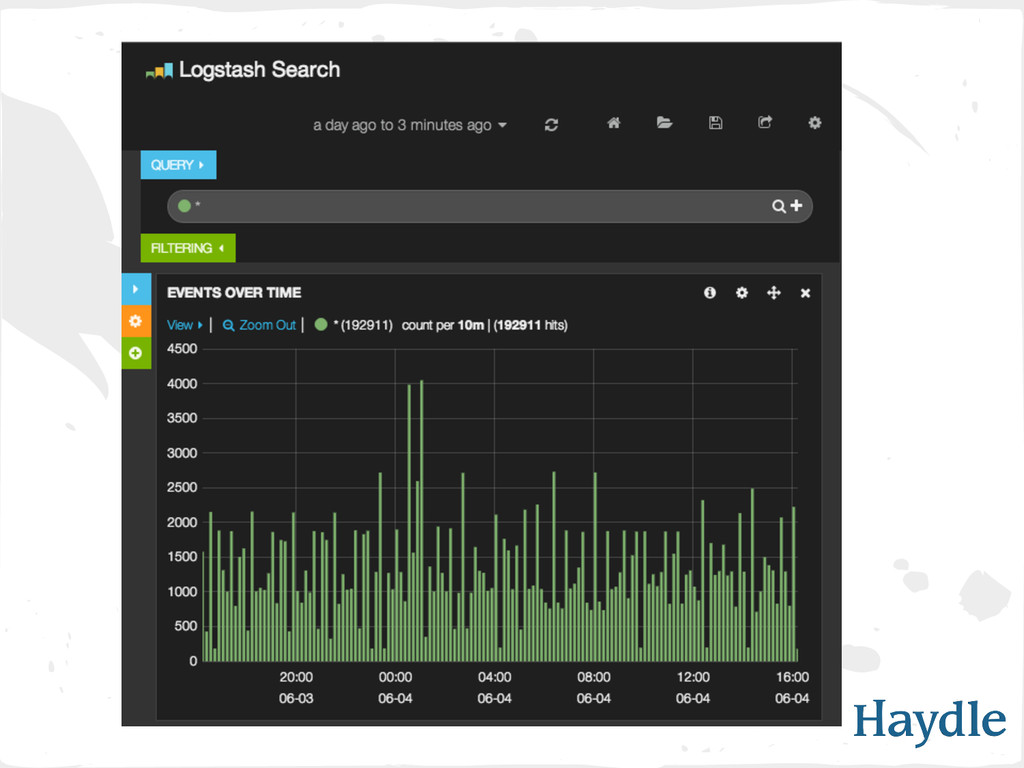
servers • Provides a nice query interface to quickly find, filter, and analyze log message What It Does • Built on top of ElasticSearch • OSS • Free, competes with commercial products like Splunk Why We Picked It
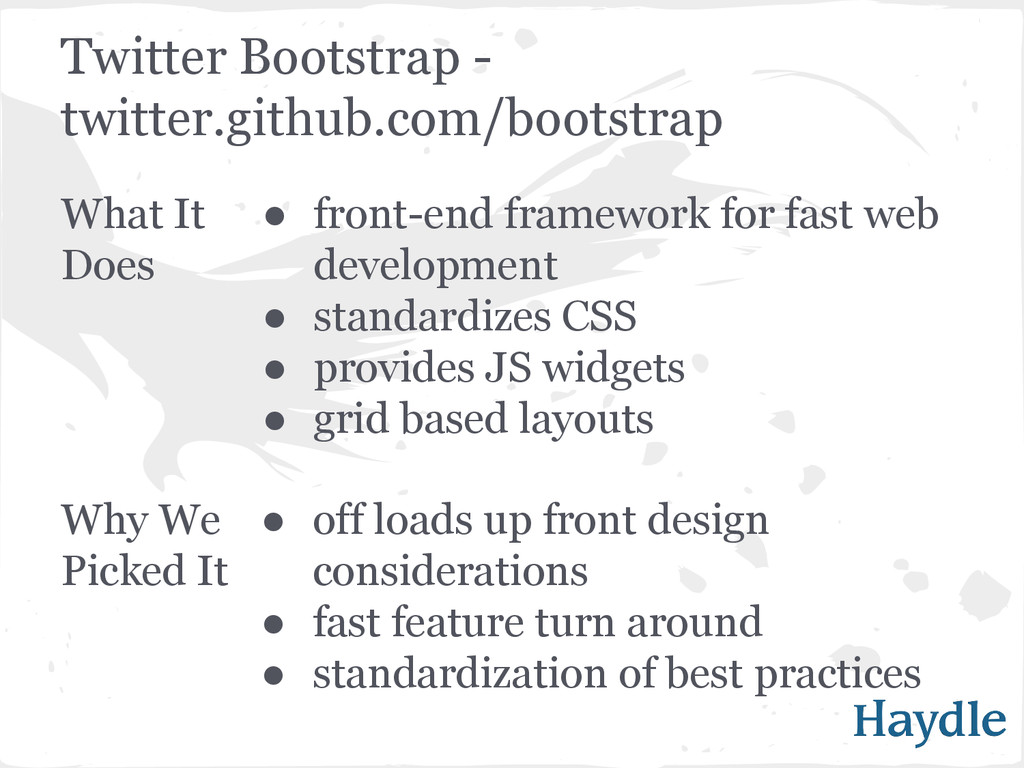
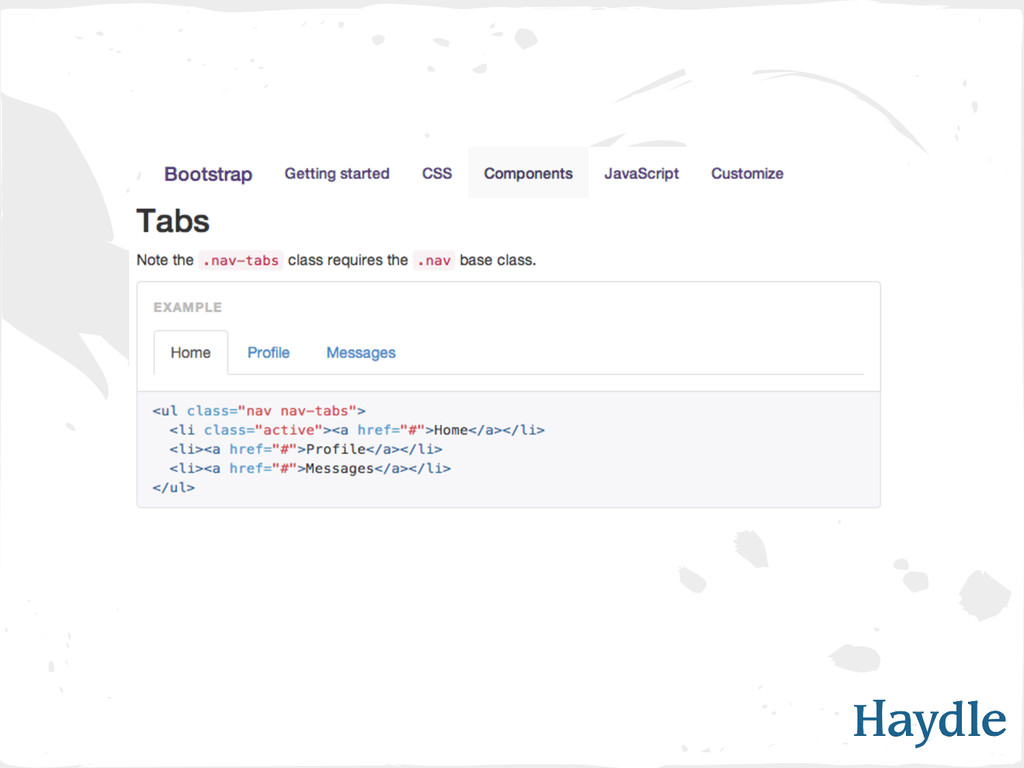
turn around • standardization of best practices Twitter Bootstrap - twitter.github.com/bootstrap • front-end framework for fast web development • standardizes CSS • provides JS widgets • grid based layouts What It Does Why We Picked It
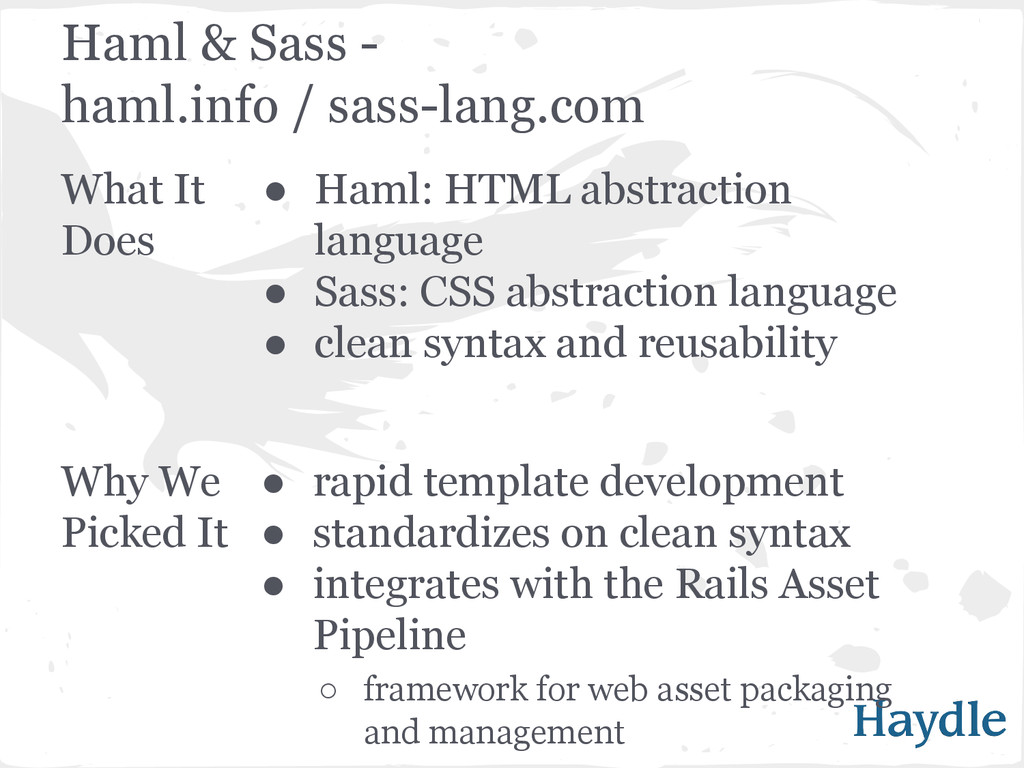
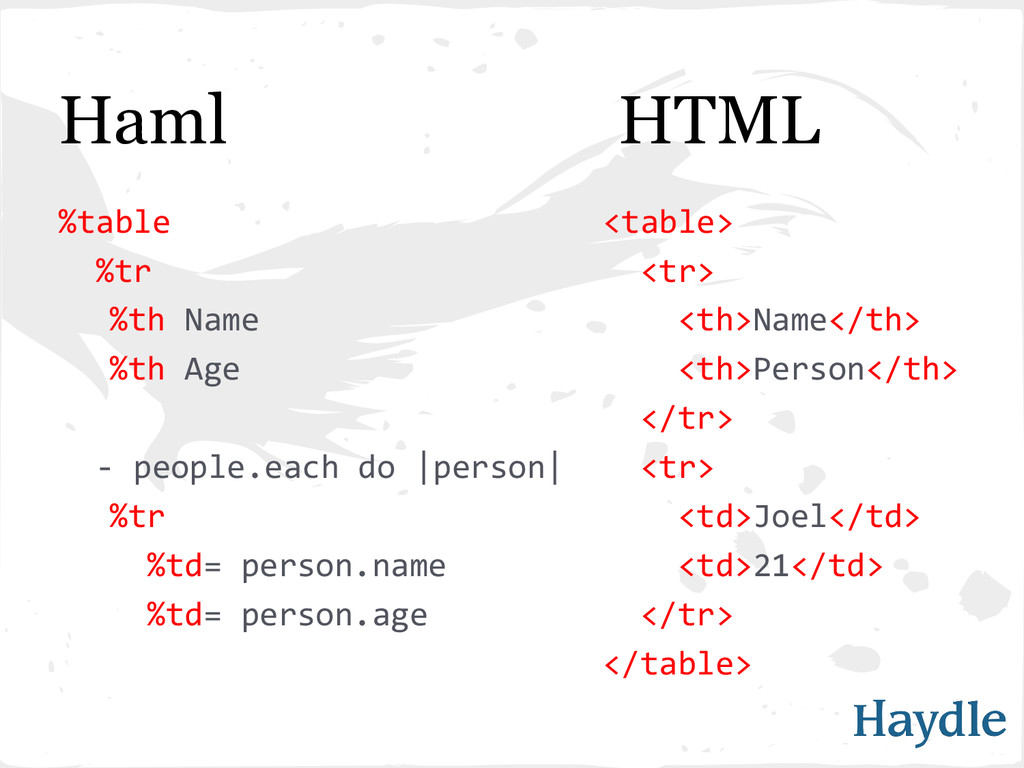
integrates with the Rails Asset Pipeline ◦ framework for web asset packaging and management Haml & Sass - haml.info / sass-lang.com • Haml: HTML abstraction language • Sass: CSS abstraction language • clean syntax and reusability What It Does Why We Picked It
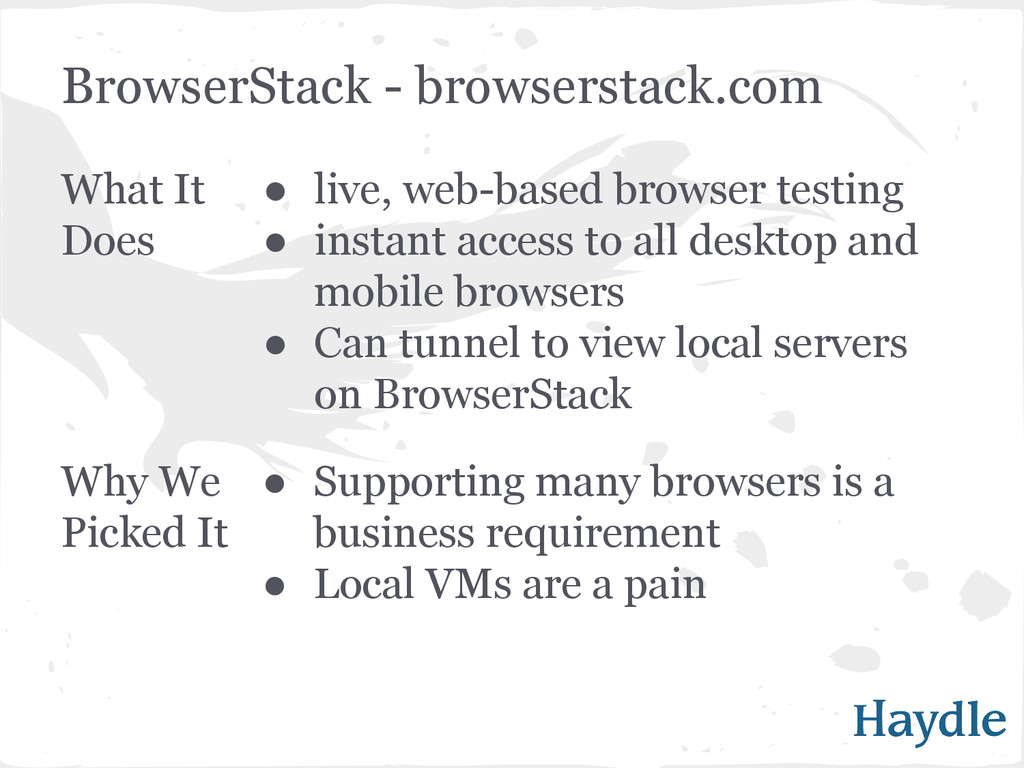
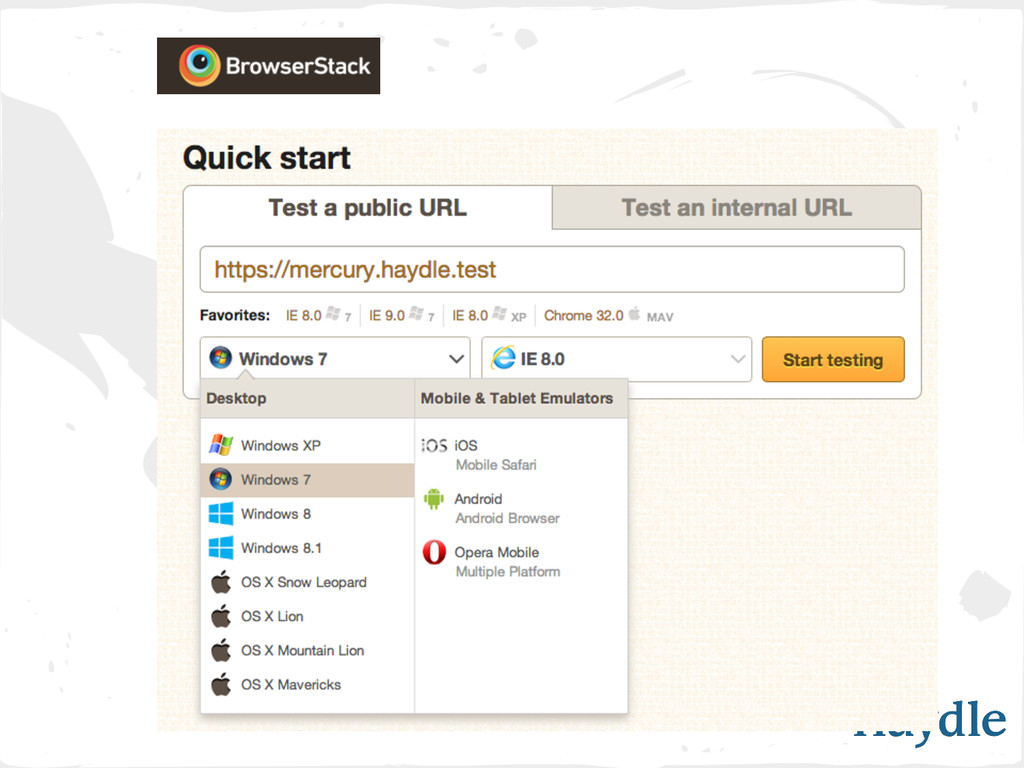
VMs are a pain BrowserStack - browserstack.com • live, web-based browser testing • instant access to all desktop and mobile browsers • Can tunnel to view local servers on BrowserStack What It Does Why We Picked It
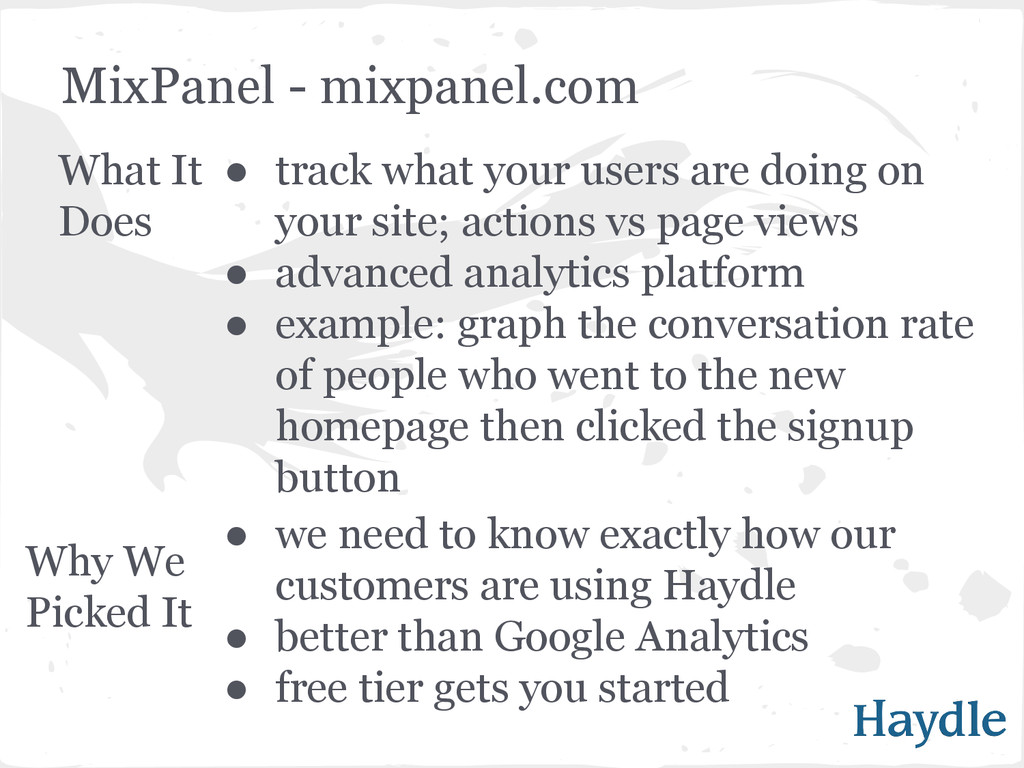
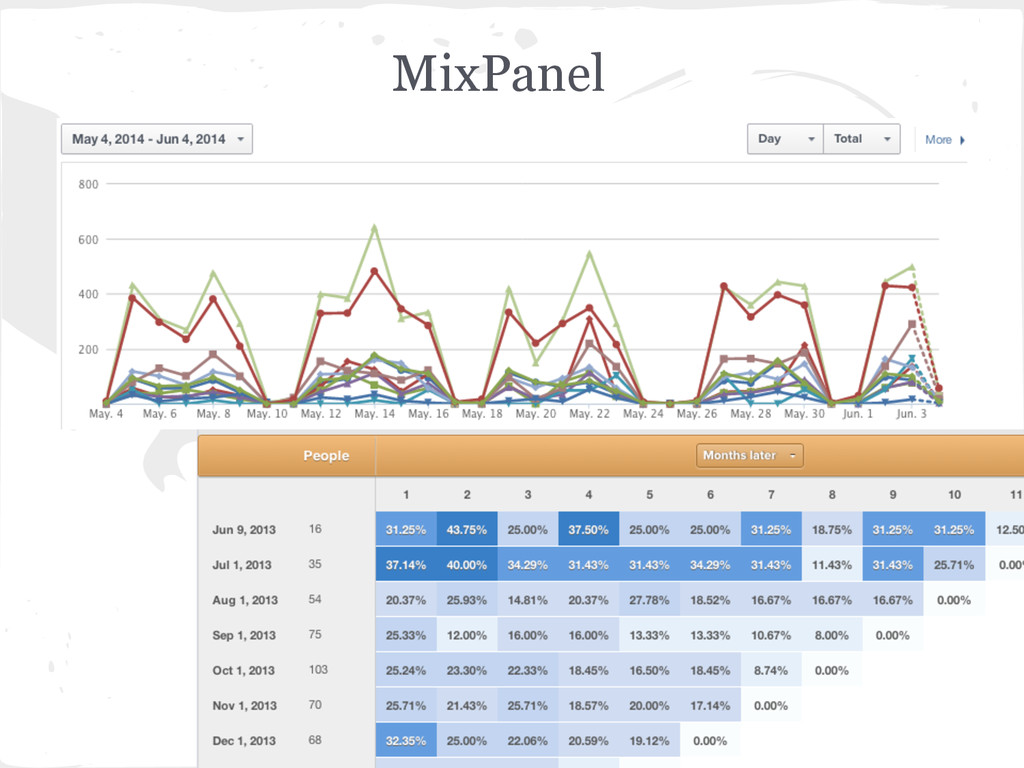
using Haydle • better than Google Analytics • free tier gets you started MixPanel - mixpanel.com • track what your users are doing on your site; actions vs page views • advanced analytics platform • example: graph the conversation rate of people who went to the new homepage then clicked the signup button What It Does Why We Picked It
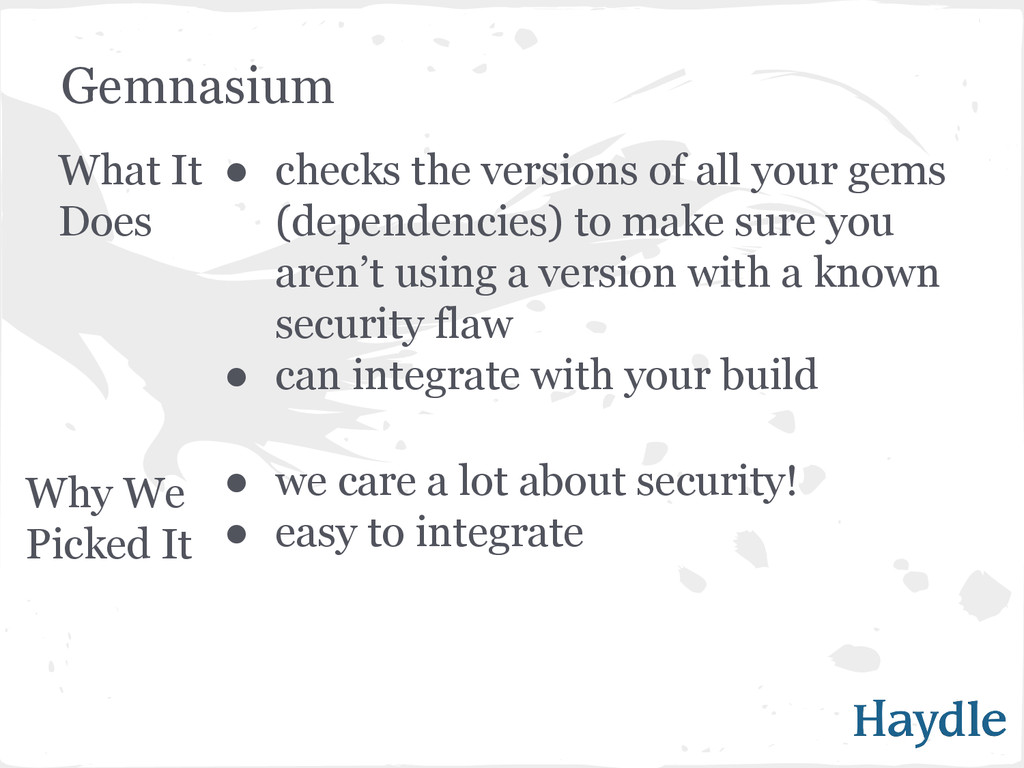
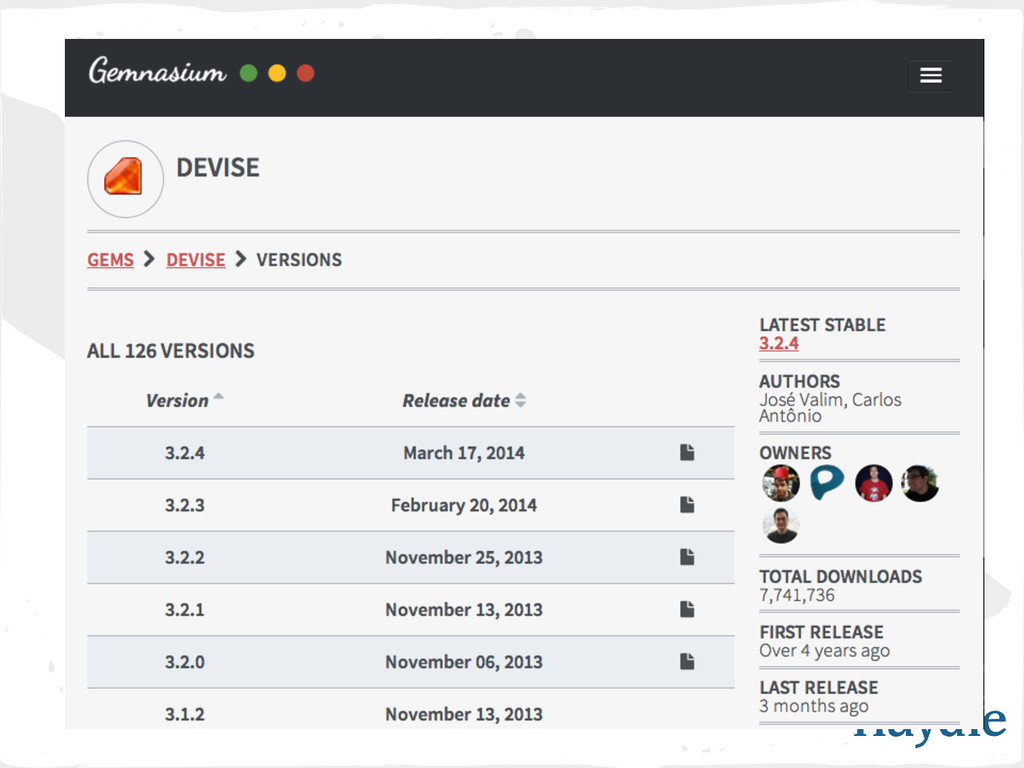
integrate Gemnasium • checks the versions of all your gems (dependencies) to make sure you aren’t using a version with a known security flaw • can integrate with your build What It Does Why We Picked It
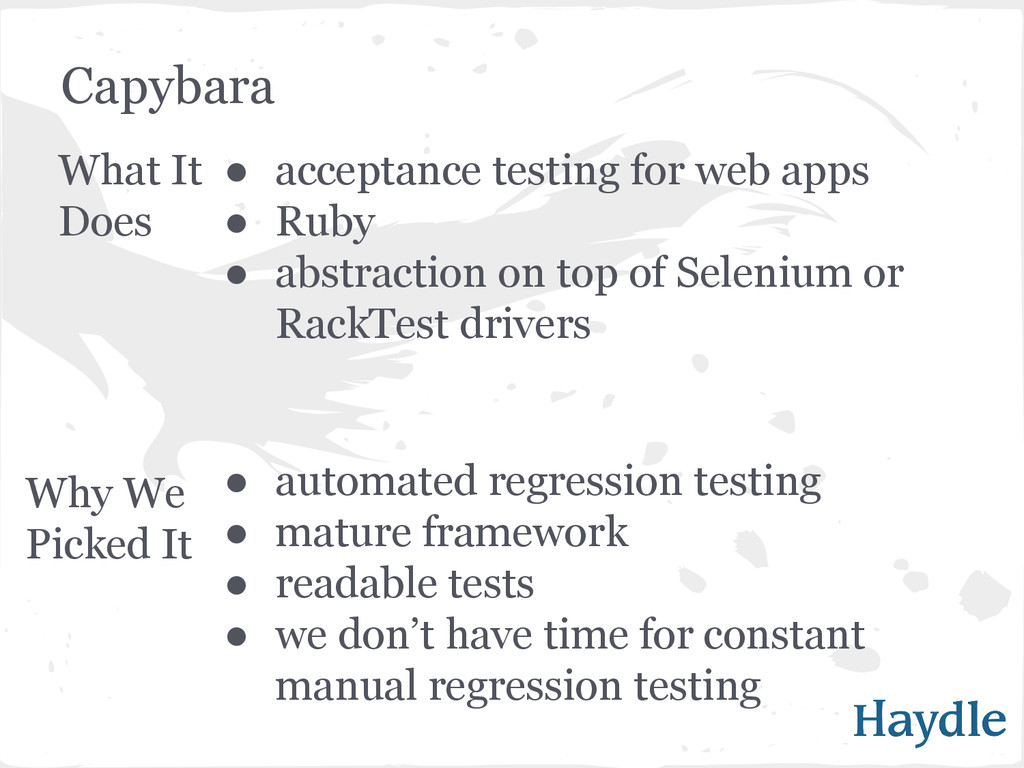
• we don’t have time for constant manual regression testing Capybara • acceptance testing for web apps • Ruby • abstraction on top of Selenium or RackTest drivers What It Does Why We Picked It
me in" do visit '/sessions/new' within("#session") do fill_in 'Login', :with => '[email protected]' fill_in 'Password', :with => 'password' end click_link 'Sign in' expect(page).to have_content 'Success' end end
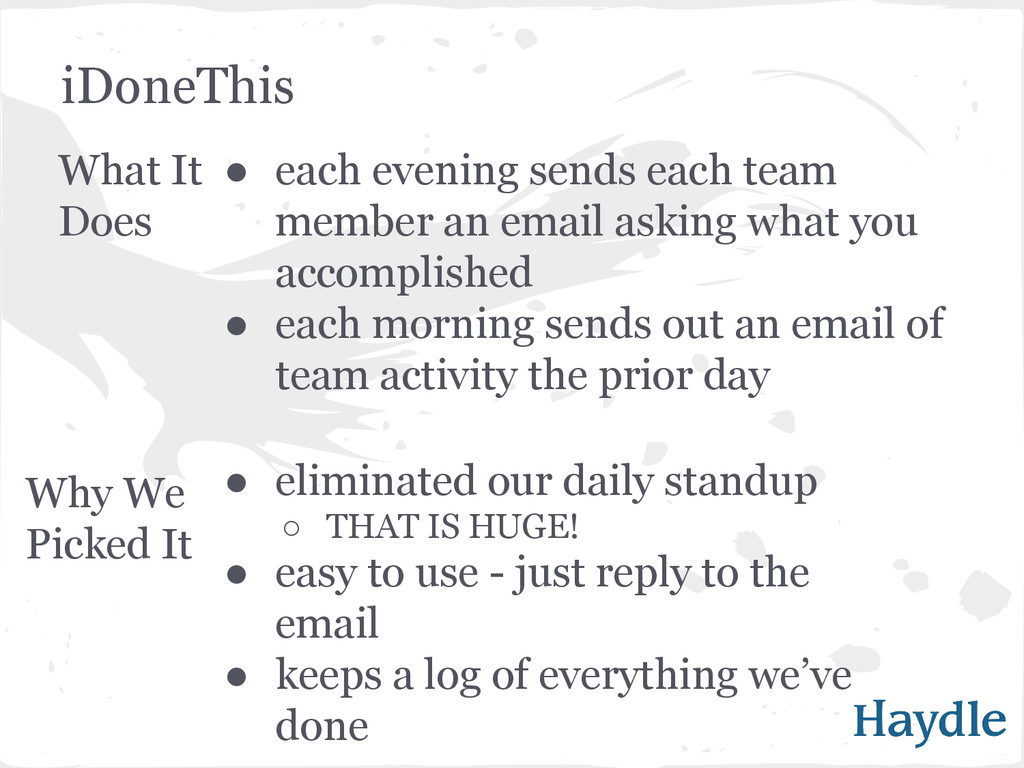
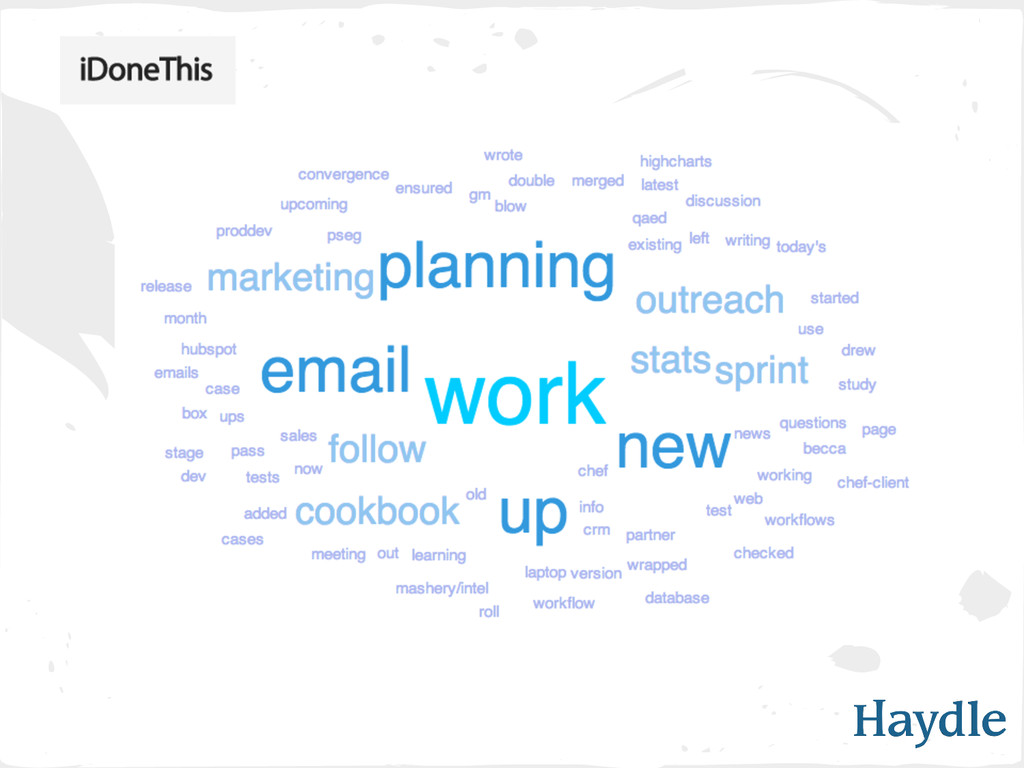
easy to use - just reply to the email • keeps a log of everything we’ve done iDoneThis • each evening sends each team member an email asking what you accomplished • each morning sends out an email of team activity the prior day What It Does Why We Picked It
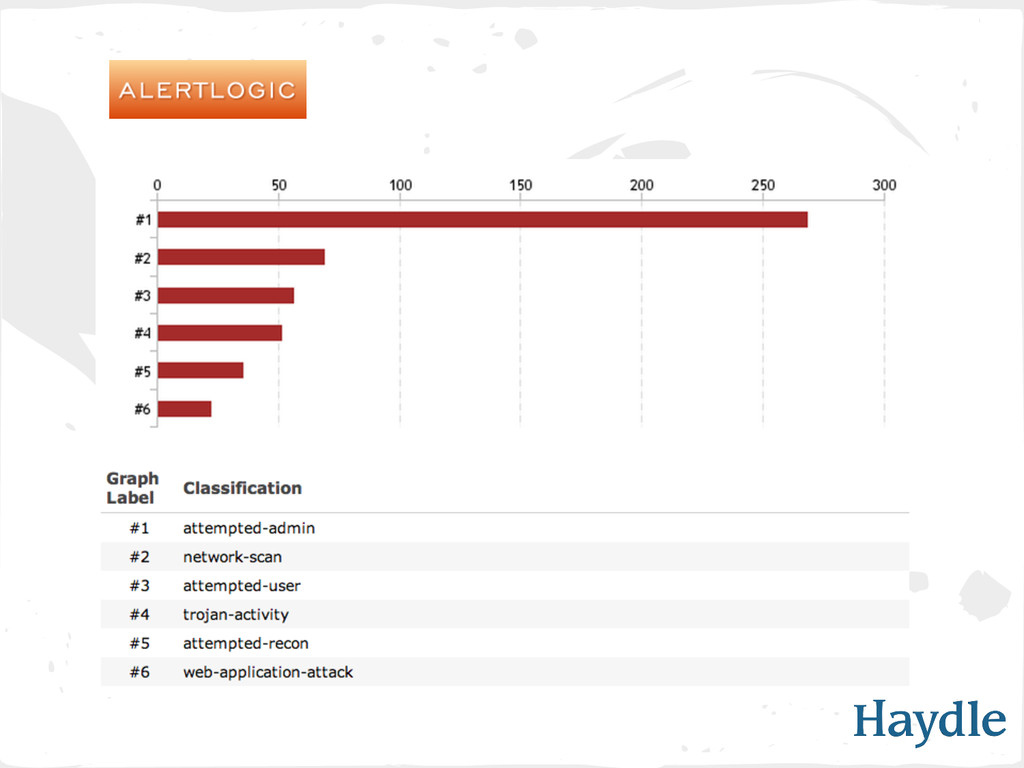
cheaper to use AlertLogic than do it ourselves • good product, good support • enterprise customers require an IDS AlertLogic • managed intrusion detection system • quick setup via the AWS marketplace What It Does Why We Picked It


 occhi
 kaminashi
 kworkdev
 pfn
 camiha
 puhitaku
 hiracky16
 akhino
 glaforge
 endonanana
 raspython3
 codatum
 oripsolob
 csswizardry
 sferik
 chriscoyier
 palkan
 jmmastey
 lemiorhan
 carmenintech
 kevinliebholz
 marcelosomers
 irinanazarova
 jonoalderson