Upgrade to Pro — share decks privately, control downloads, hide ads and more …

Machine Learning at Scale with Kubeflow

Sponsored · Ship Features Fearlessly Turn features on and off without deploys. Used by thousands of Ruby developers. →

Machine Learning at Scale with Kubeflow

En esta sesión revisaremos Kubeflow, con un caso práctico para que puedas entender como Kubeflow te puede ayudar a gestionar tu modelo de Machine Learning.
Durante la sesión veremos el ciclo completo del modelo, la edición con Jupyter, la creación de los contenedores de entrenamiento y predicción, la gestión del un A/B testing y el uso de herramientas como Tensorboard y la modificación de los parámetros del modelo.

Avatar for Israel Olalla

Israel Olalla

November 23, 2018

Other Decks in Programming

Transcript

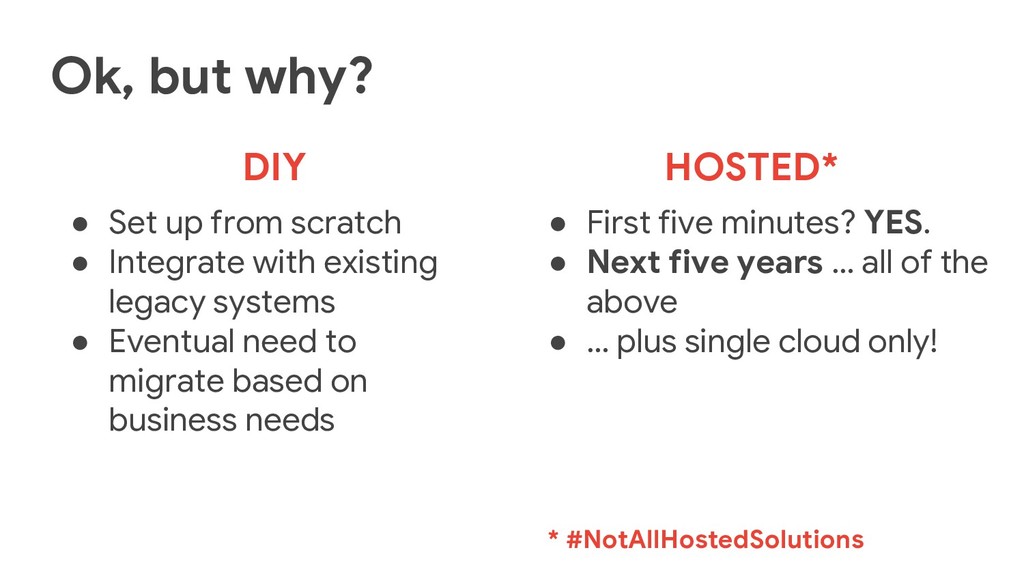
  1. Ok, but why? • Set up from scratch • Integrate

    with existing legacy systems • Eventual need to migrate based on business needs DIY HOSTED* • First five minutes? YES. • Next five years … all of the above • … plus single cloud only! * #NotAllHostedSolutions
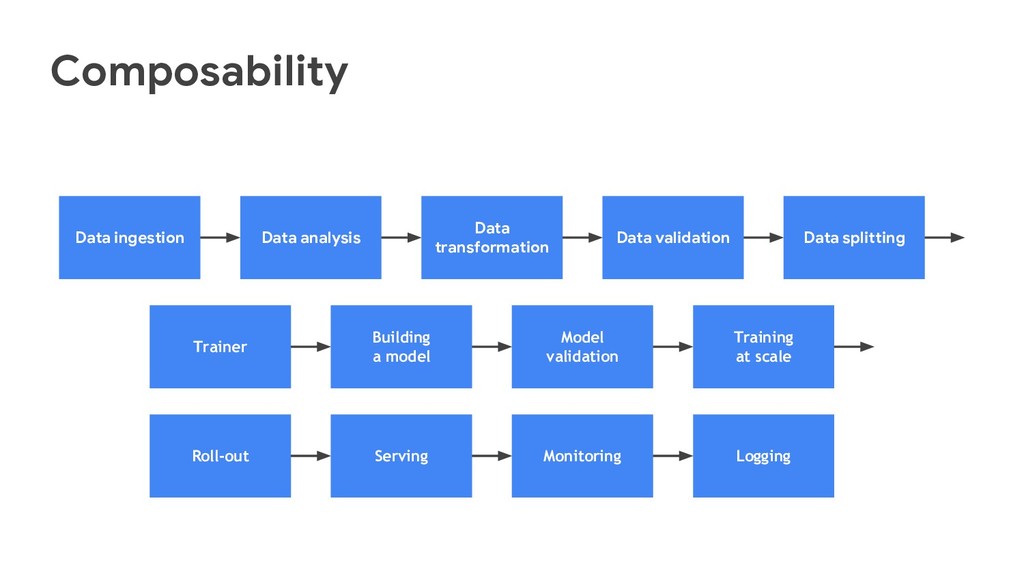
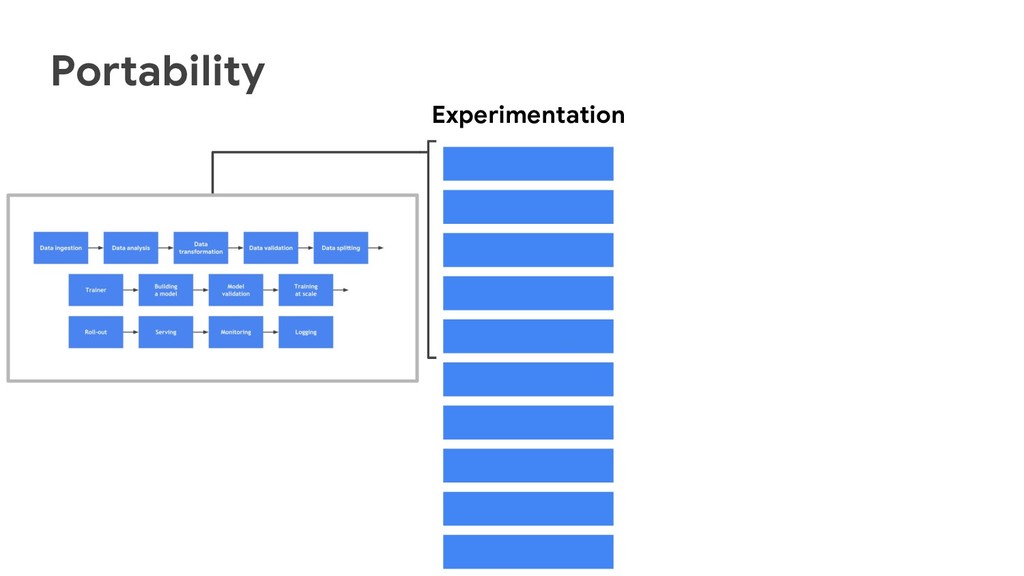
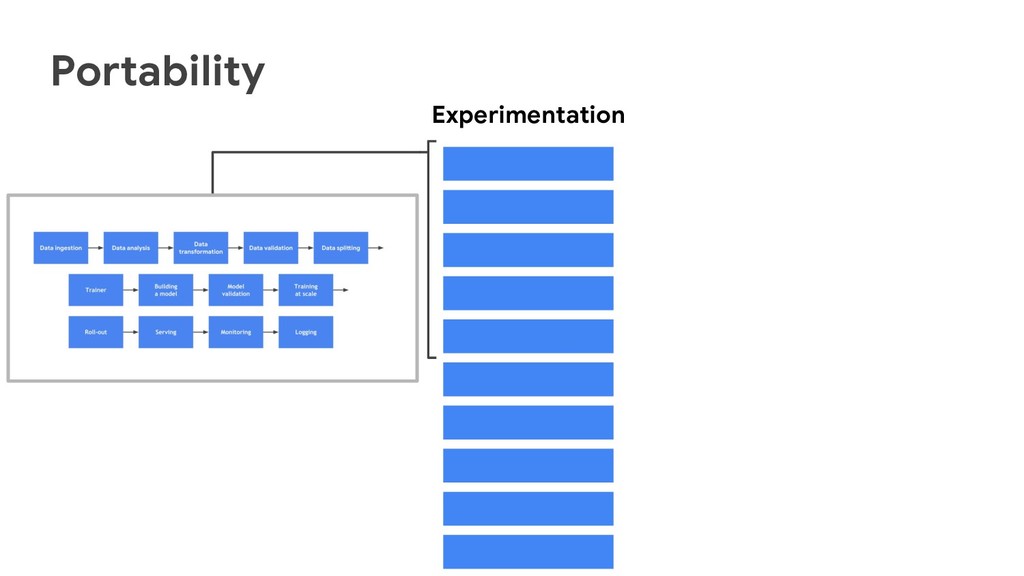
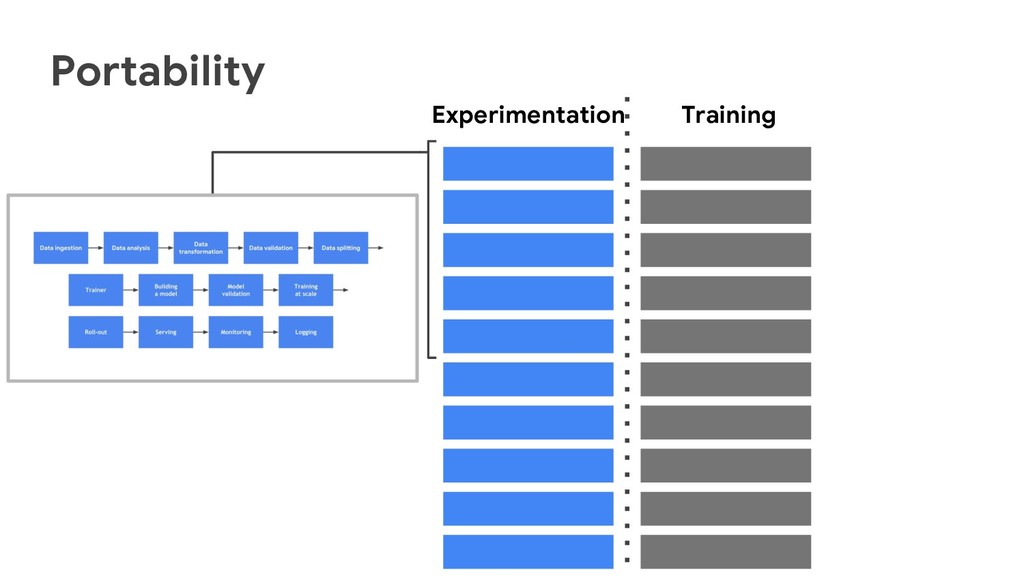
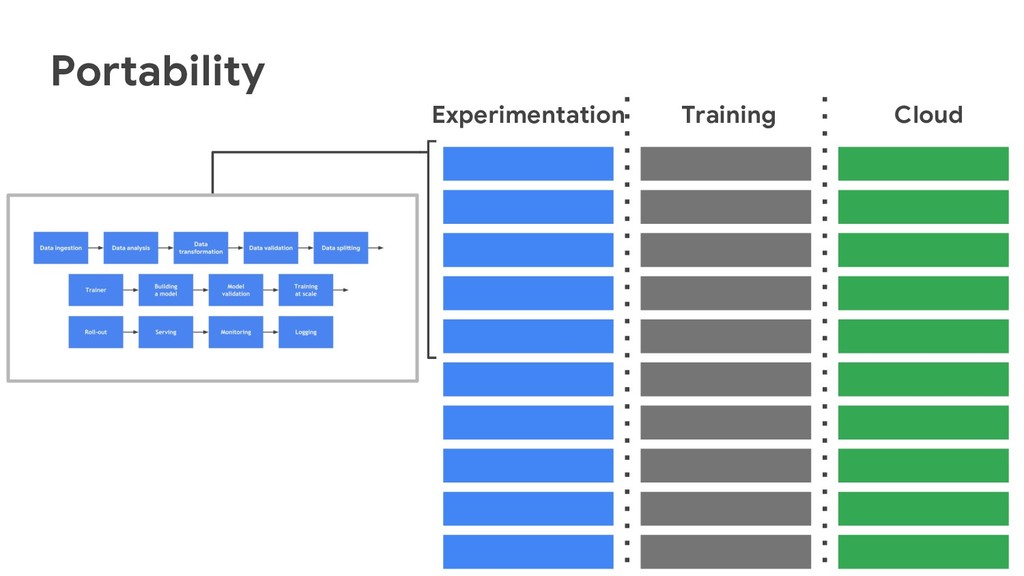
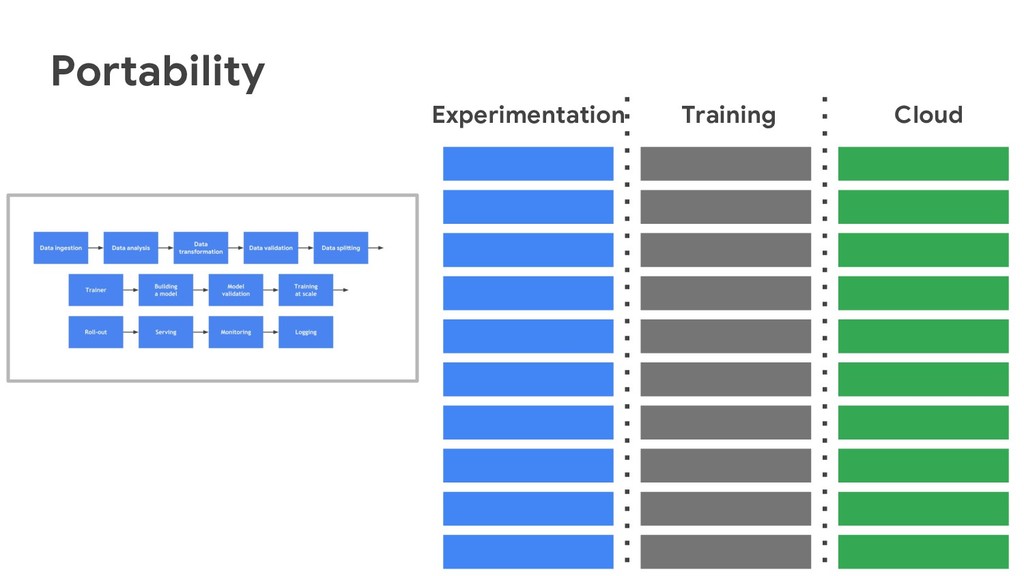
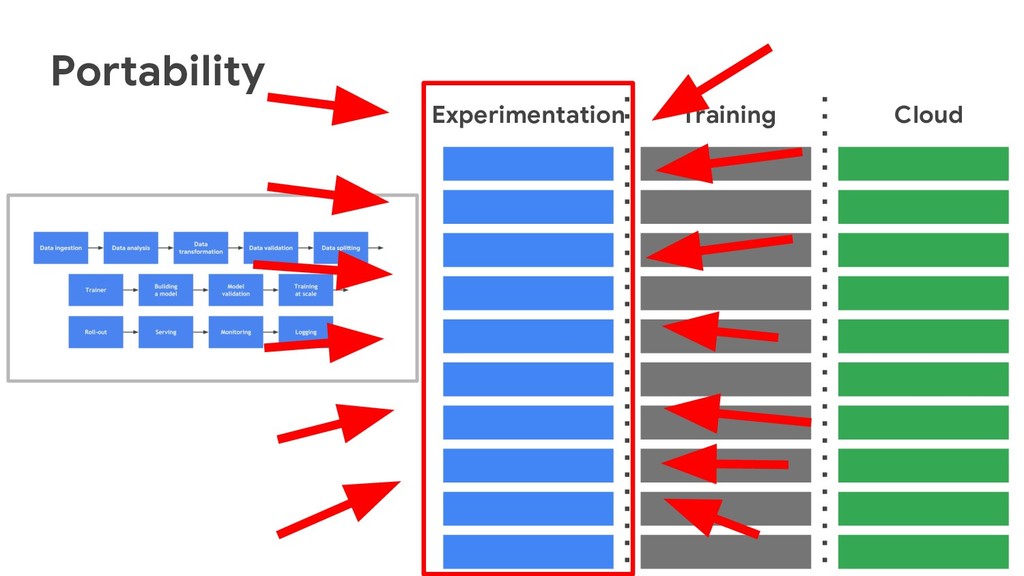
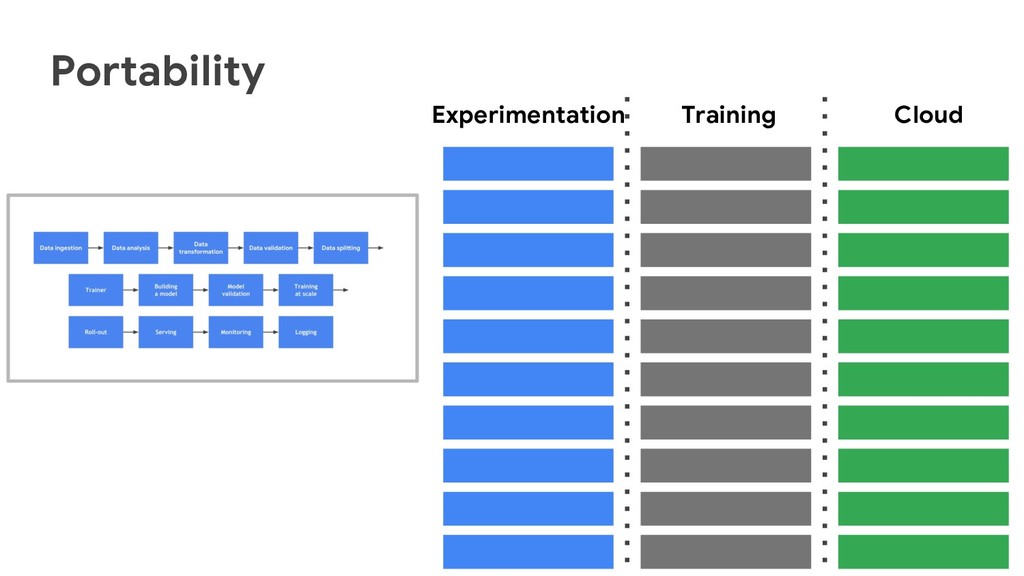
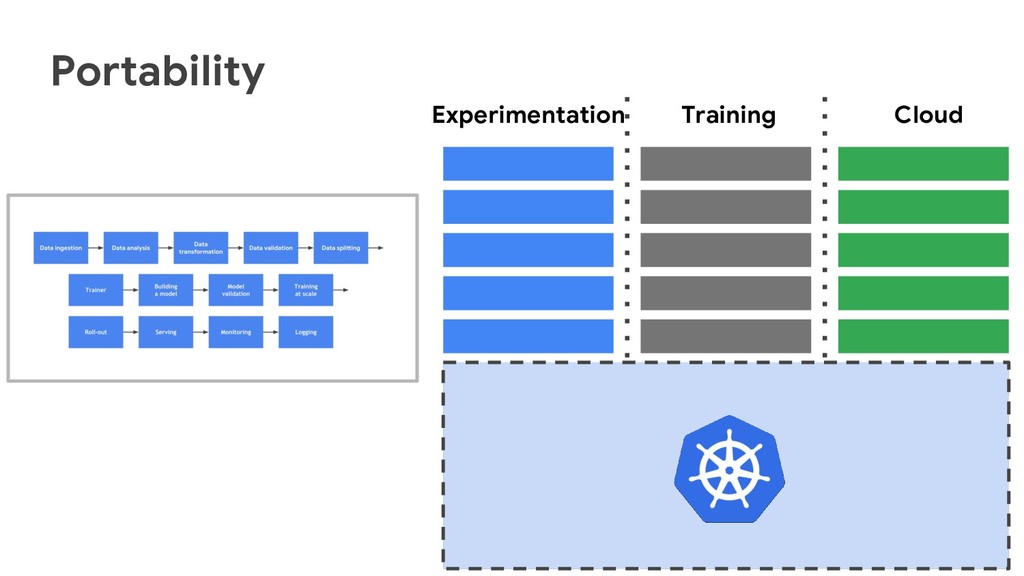
  2. Building a model Data ingestion Data analysis Data transformation Data

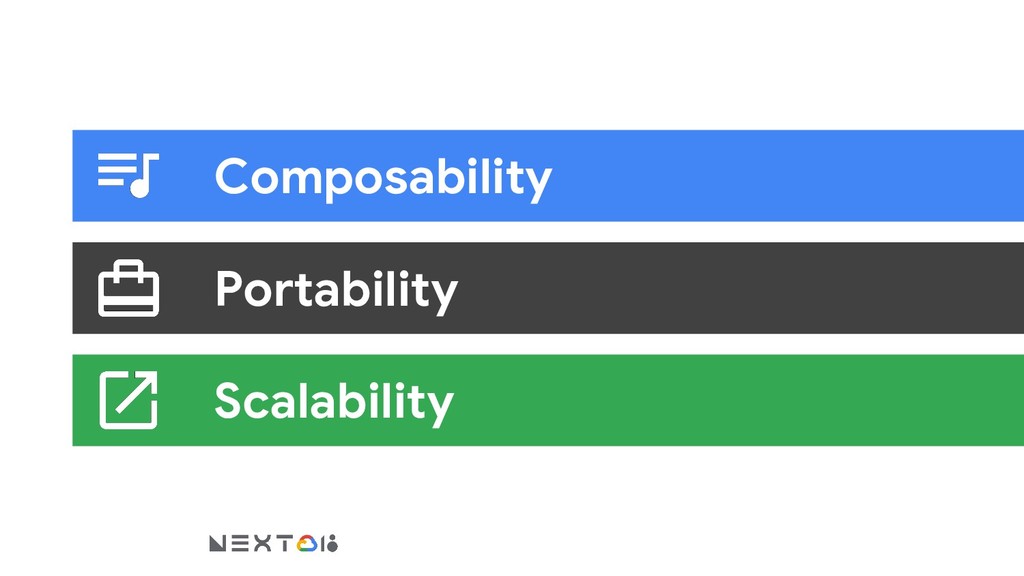
    validation Data splitting Trainer Model validation Training at scale Logging Roll-out Serving Monitoring Composability
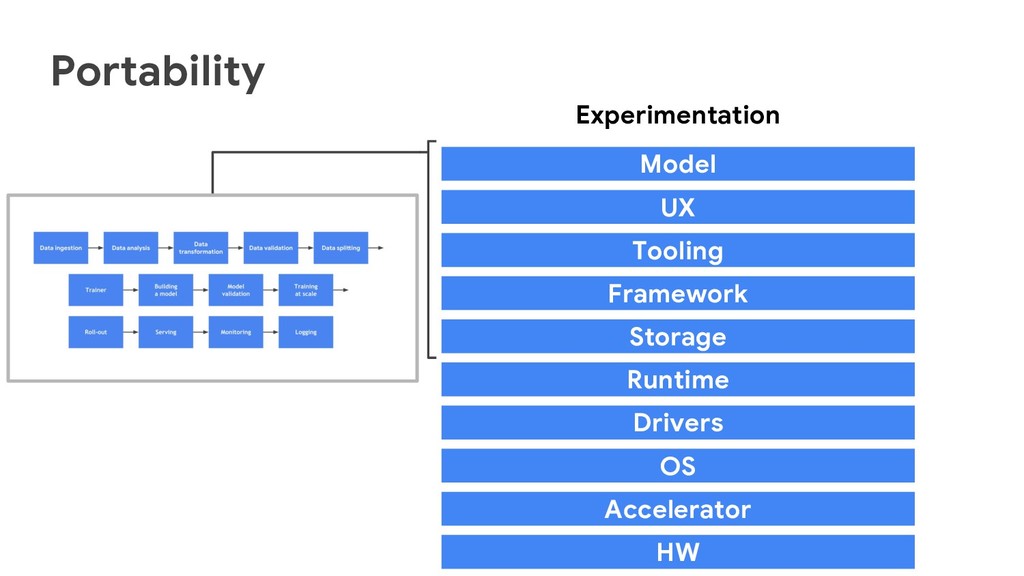
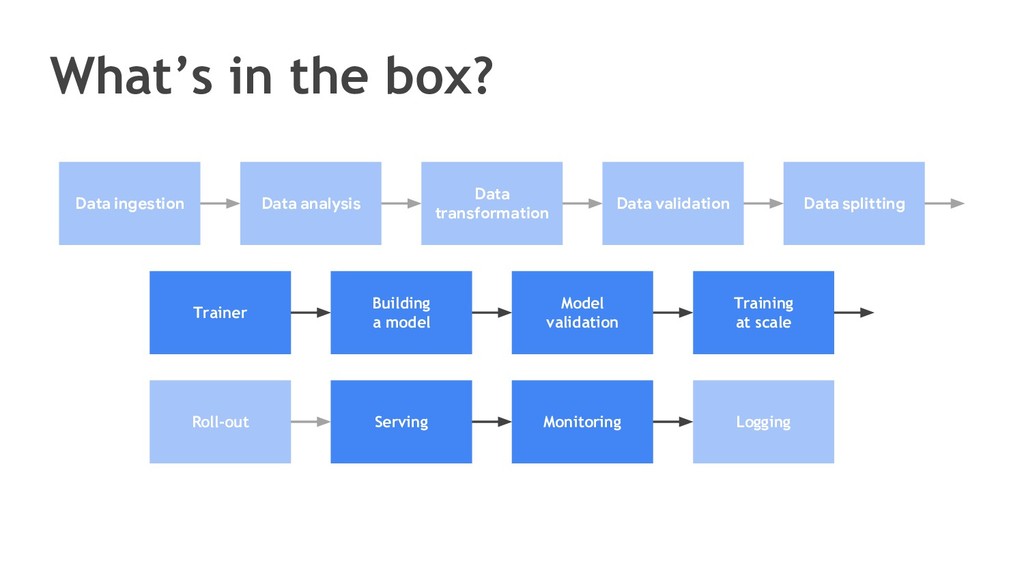
  3. What’s in the box? Data ingestion Data analysis Data transformation

    Data validation Data splitting Logging Roll-out Building a model Trainer Model validation Training at scale Serving Monitoring
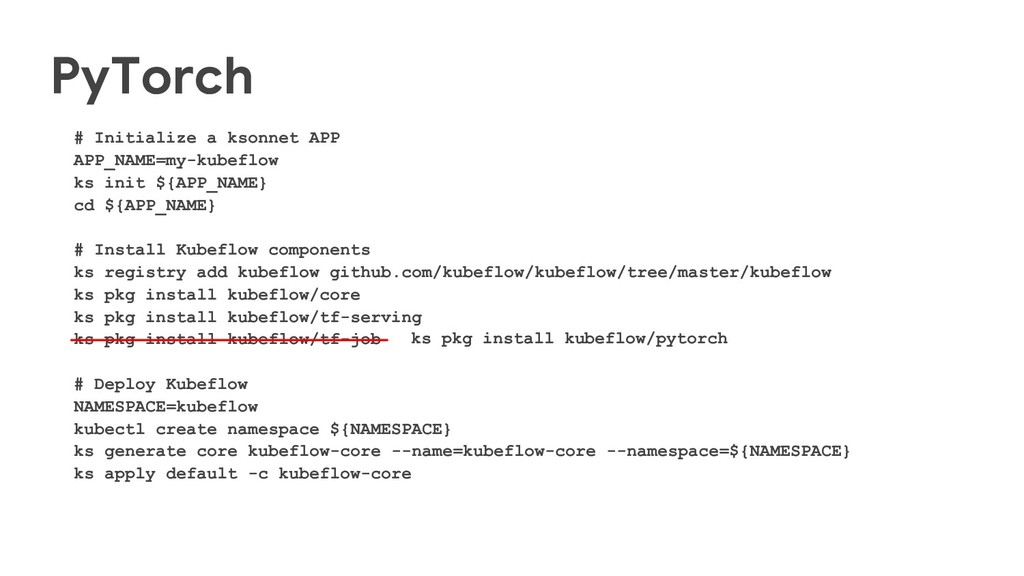
  4. PyTorch # Initialize a ksonnet APP APP_NAME=my-kubeflow ks init ${APP_NAME}

    cd ${APP_NAME} # Install Kubeflow components ks registry add kubeflow github.com/kubeflow/kubeflow/tree/master/kubeflow ks pkg install kubeflow/core ks pkg install kubeflow/tf-serving ks pkg install kubeflow/tf-job # Deploy Kubeflow NAMESPACE=kubeflow kubectl create namespace ${NAMESPACE} ks generate core kubeflow-core --name=kubeflow-core --namespace=${NAMESPACE} ks apply default -c kubeflow-core ks pkg install kubeflow/pytorch
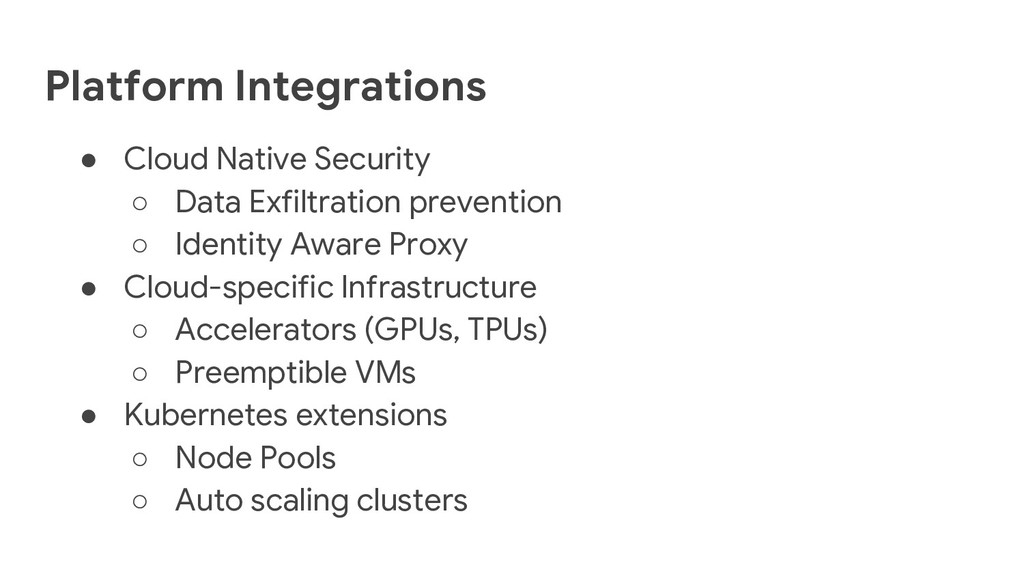
  5. Platform Integrations • Cloud Native Security ◦ Data Exfiltration prevention

    ◦ Identity Aware Proxy • Cloud-specific Infrastructure ◦ Accelerators (GPUs, TPUs) ◦ Preemptible VMs • Kubernetes extensions ◦ Node Pools ◦ Auto scaling clusters
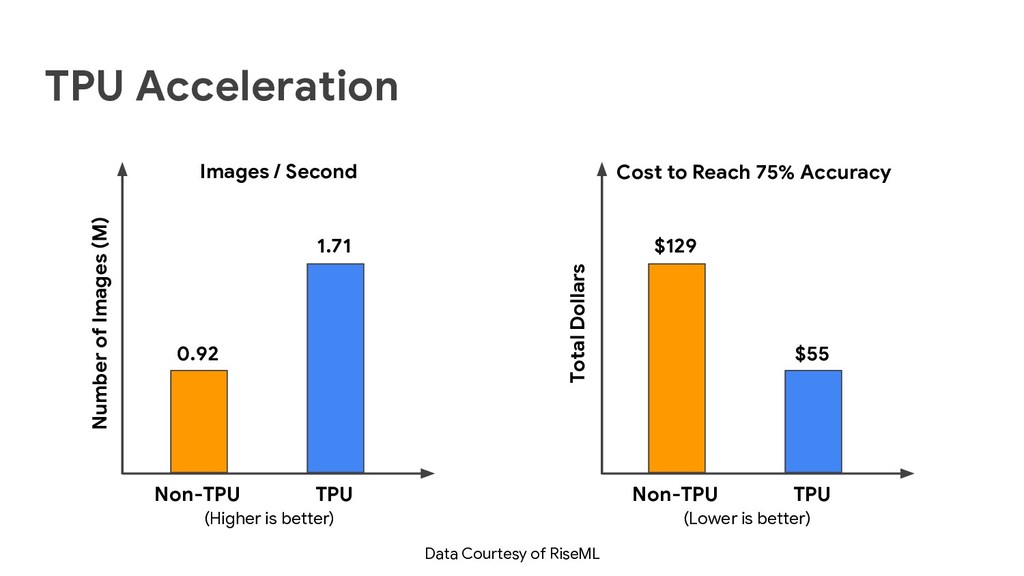
  6. TPU Acceleration Number of Images (M) Images / Second Data

    Courtesy of RiseML Non-TPU 0.92 TPU 1.71 (Higher is better) Total Dollars Cost to Reach 75% Accuracy TPU $55 Non-TPU $129 (Lower is better)
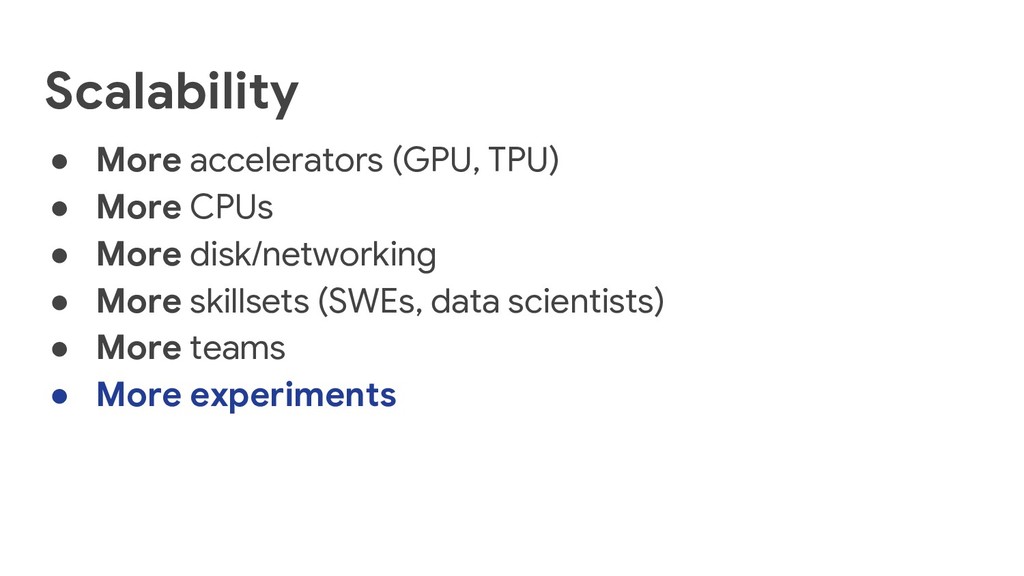
  7. Scalability • More accelerators (GPU, TPU) • More CPUs •

    More disk/networking • More skillsets (SWEs, data scientists) • More teams • More experiments
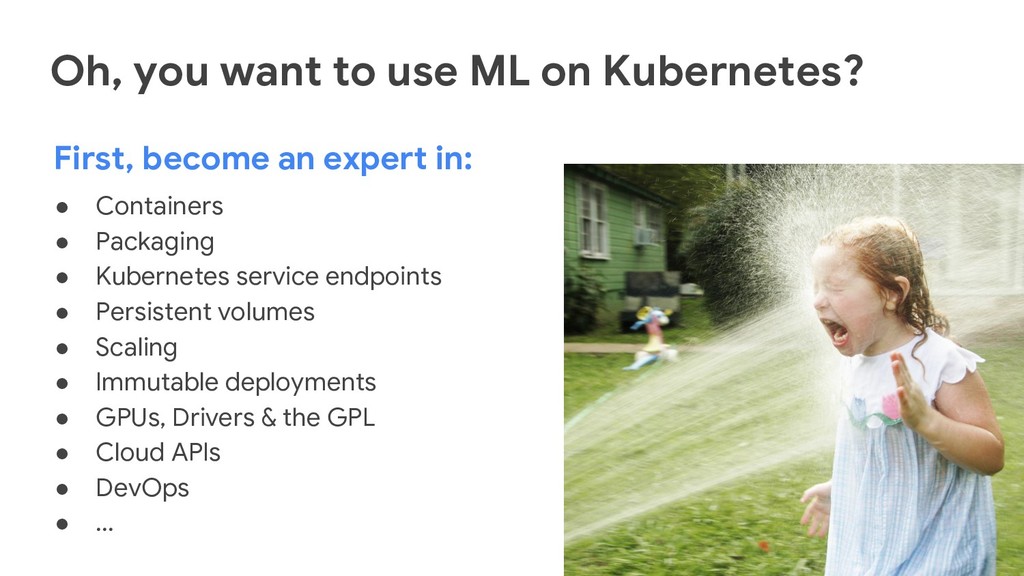
  8. • Containers • Packaging • Kubernetes service endpoints • Persistent

    volumes • Scaling • Immutable deployments • GPUs, Drivers & the GPL • Cloud APIs • DevOps • ... First, become an expert in: Oh, you want to use ML on Kubernetes?
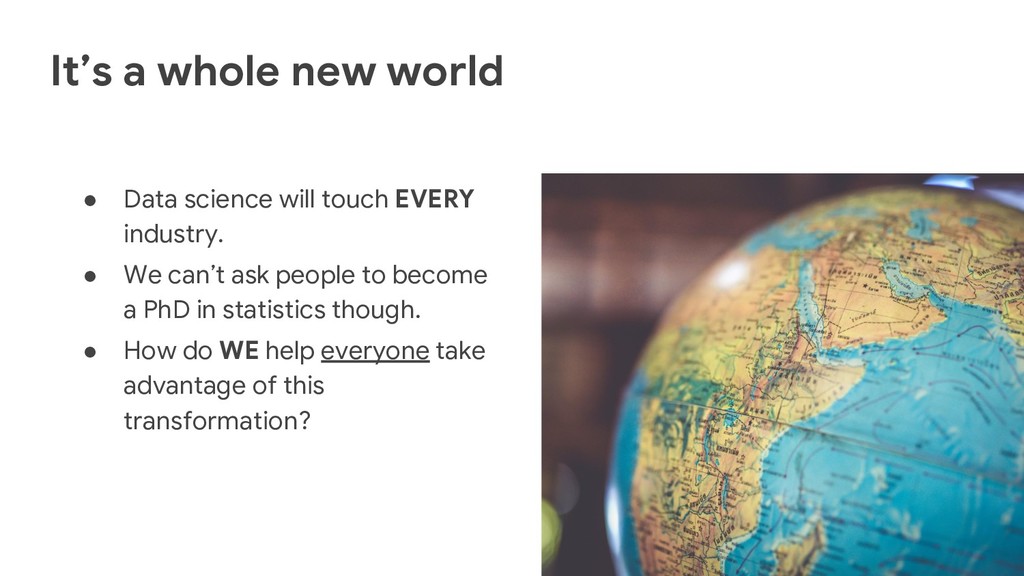
  9. • Data science will touch EVERY industry. • We can’t

    ask people to become a PhD in statistics though. • How do WE help everyone take advantage of this transformation? It’s a whole new world