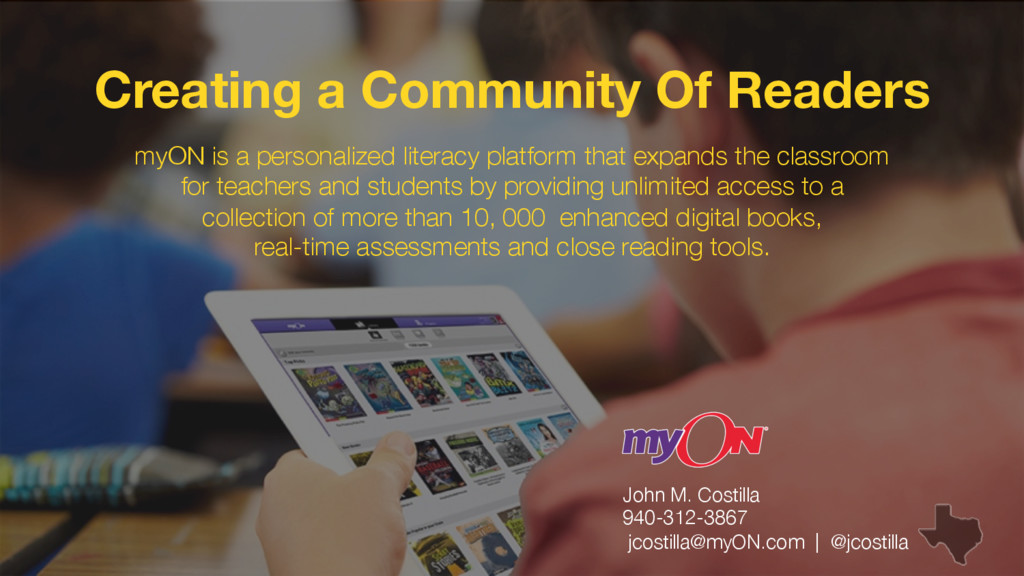
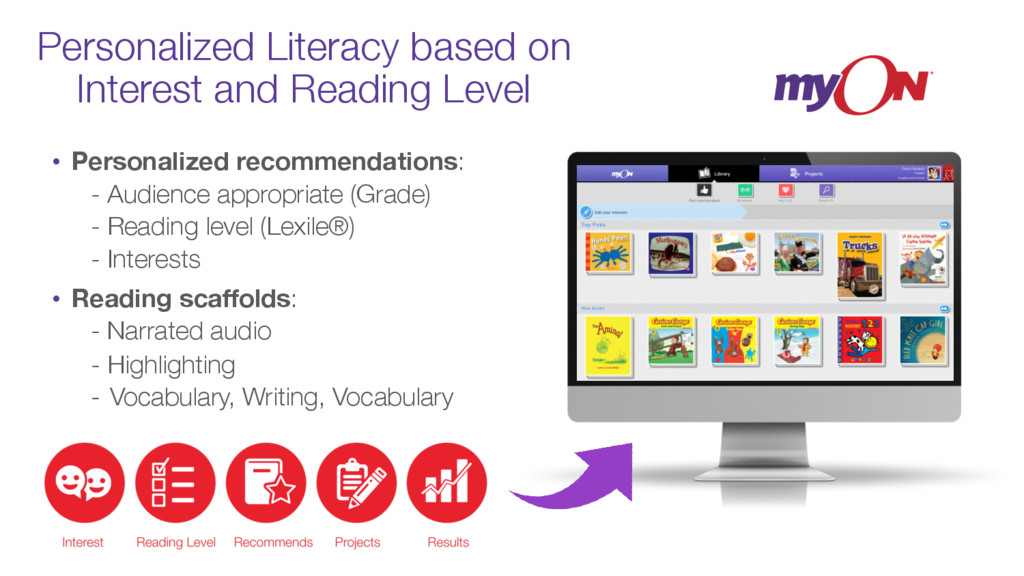
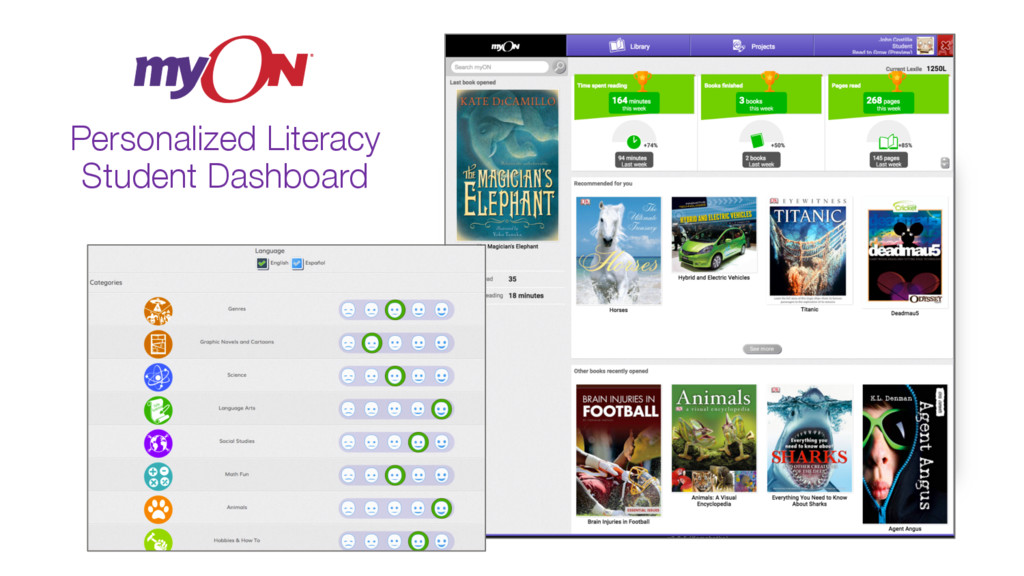
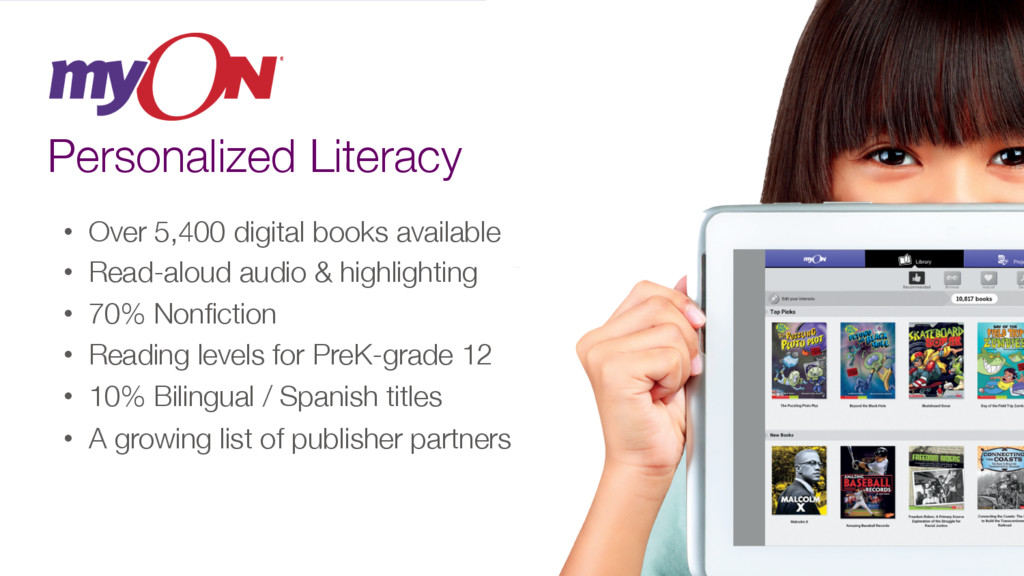
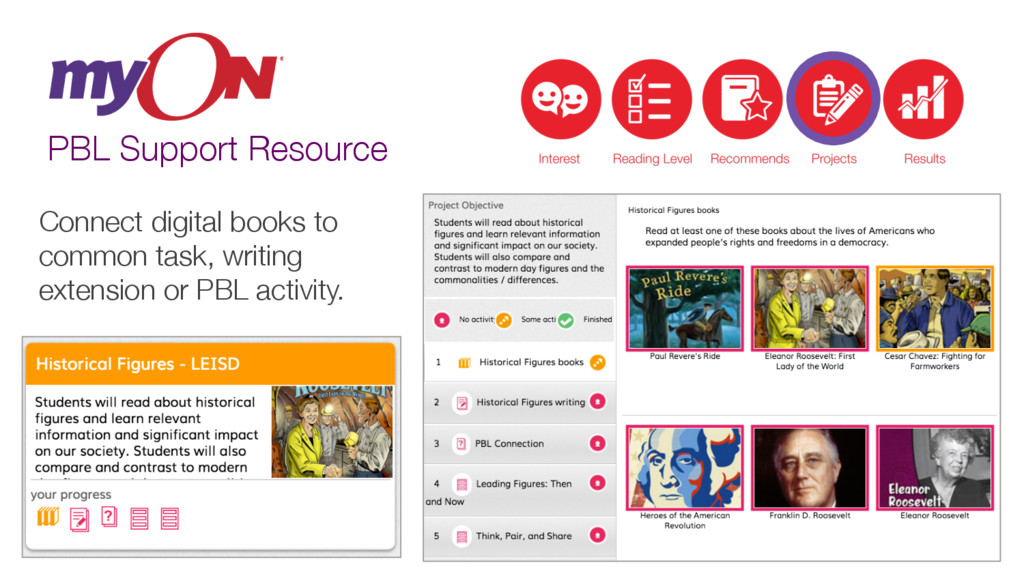
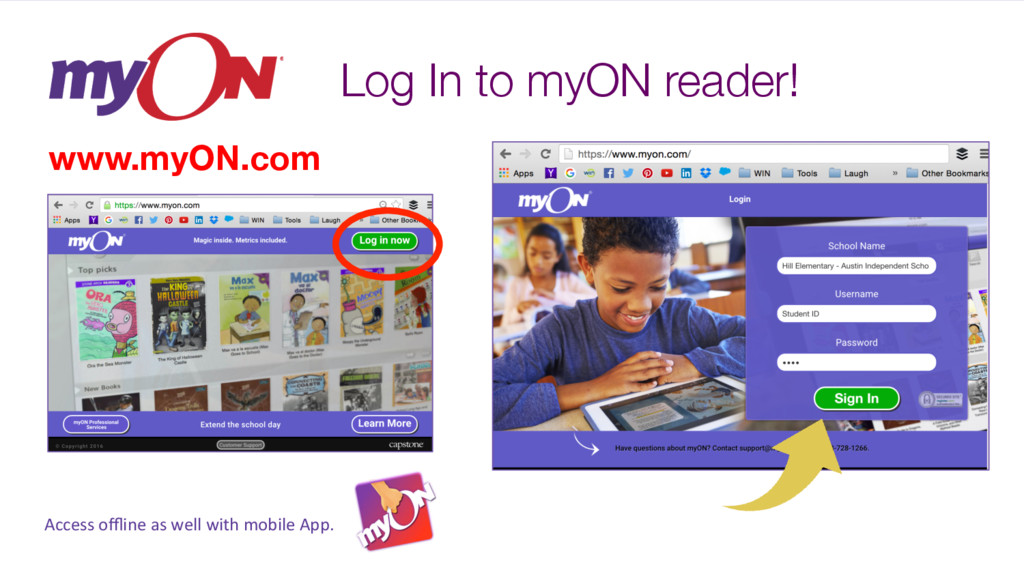
platform that expands the classroom for teachers and students by providing unlimited access to a collection of more than 10, 000 enhanced digital books, real-time assessments and close reading tools. John M. Costilla 940-312-3867 [email protected] | @jcostilla
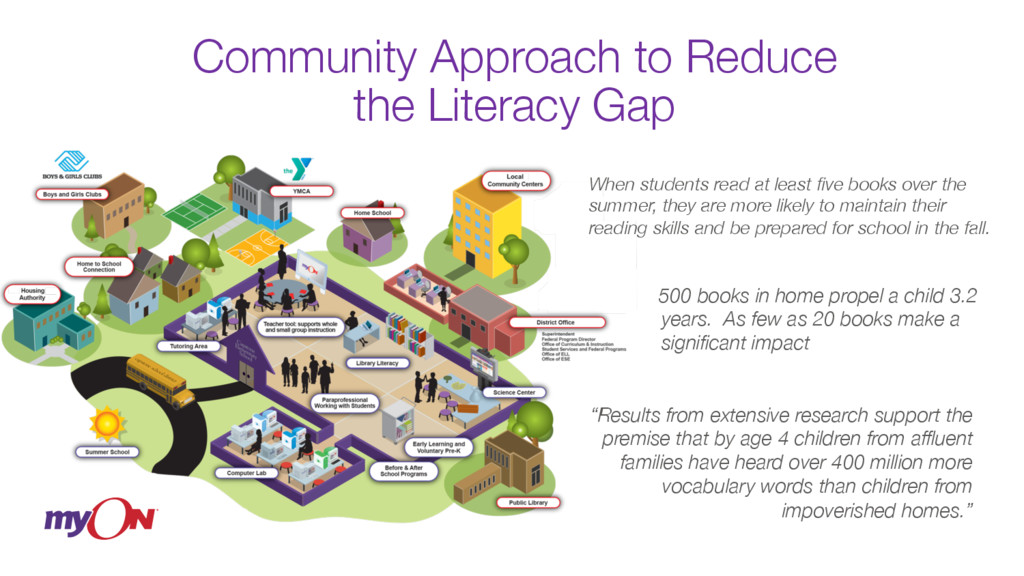
at least five books over the summer, they are more likely to maintain their reading skills and be prepared for school in the fall. “Results from extensive research support the premise that by age 4 children from affluent families have heard over 400 million more vocabulary words than children from impoverished homes.” 500 books in home propel a child 3.2 years. As few as 20 books make a significant impact
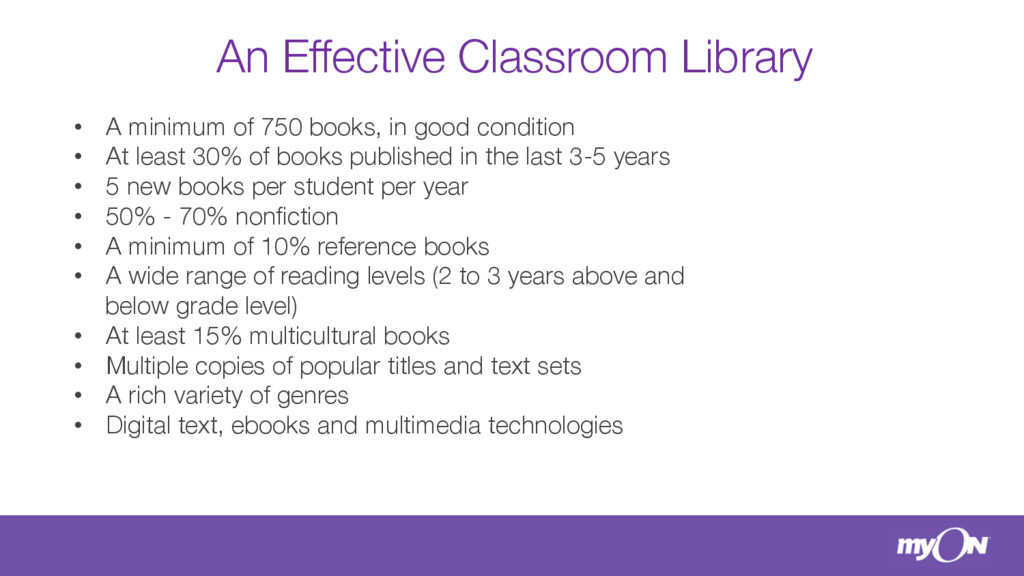
in good condition • At least 30% of books published in the last 3-5 years • 5 new books per student per year • 50% - 70% nonfiction • A minimum of 10% reference books • A wide range of reading levels (2 to 3 years above and below grade level) • At least 15% multicultural books • Multiple copies of popular titles and text sets • A rich variety of genres • Digital text, ebooks and multimedia technologies
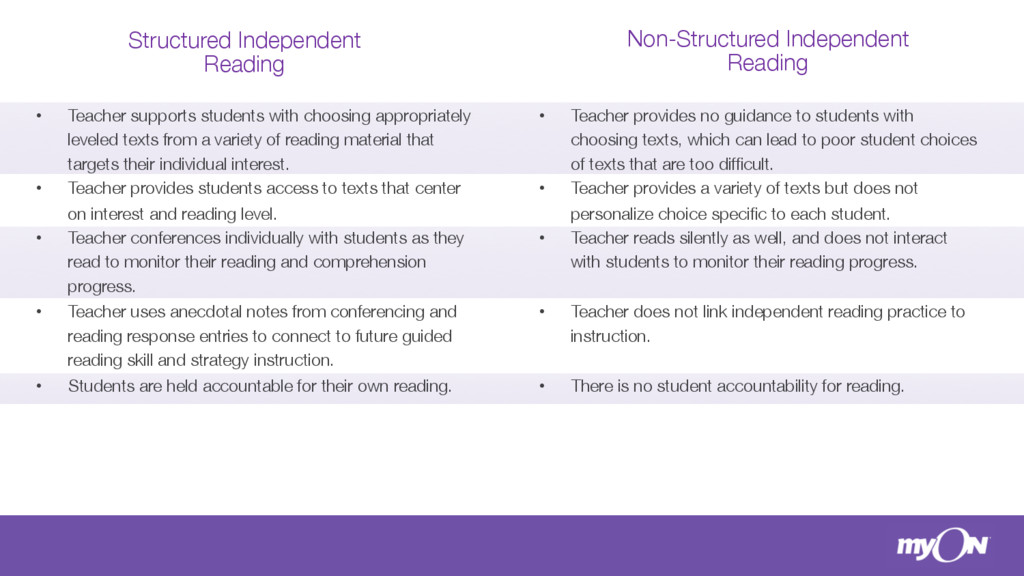
leveled texts from a variety of reading material that targets their individual interest. • Teacher provides students access to texts that center on interest and reading level. • Teacher conferences individually with students as they read to monitor their reading and comprehension progress. • Teacher uses anecdotal notes from conferencing and reading response entries to connect to future guided reading skill and strategy instruction. • Students are held accountable for their own reading. Non-Structured Independent Reading • Teacher provides no guidance to students with choosing texts, which can lead to poor student choices of texts that are too difficult. • Teacher provides a variety of texts but does not personalize choice specific to each student. • Teacher reads silently as well, and does not interact with students to monitor their reading progress. • Teacher does not link independent reading practice to instruction. • There is no student accountability for reading.
reading strategies to a self-selected text. The focus is on students taking charge of their own reading – they choose their own texts, read independently and take responsibility to work through any challenges presented by the text.
Apply reading strategies • Re-read texts • Select texts that match their interest and reading levels • Perform on Next-Gen assessments by building stamina Independent Reading helps students to:
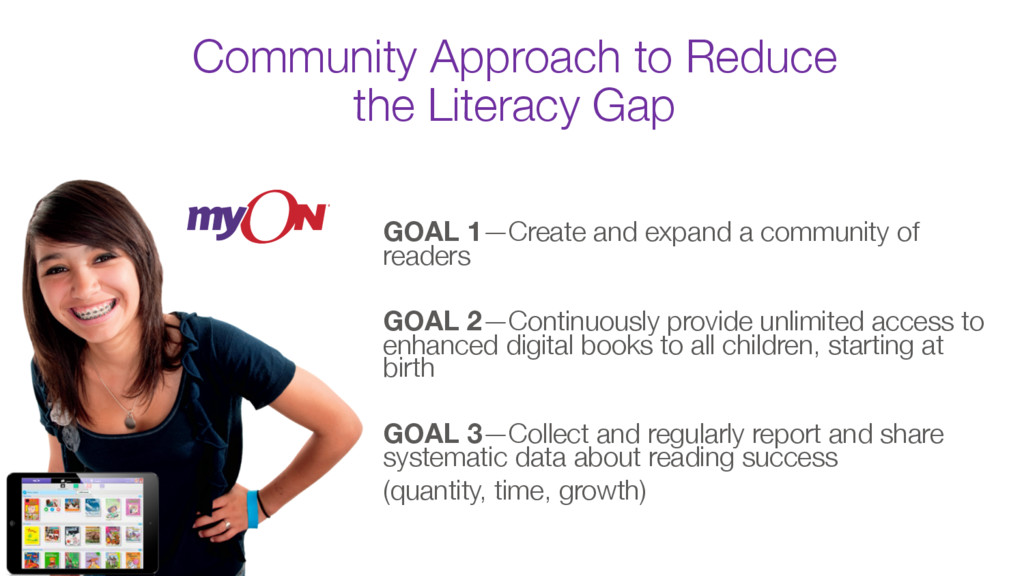
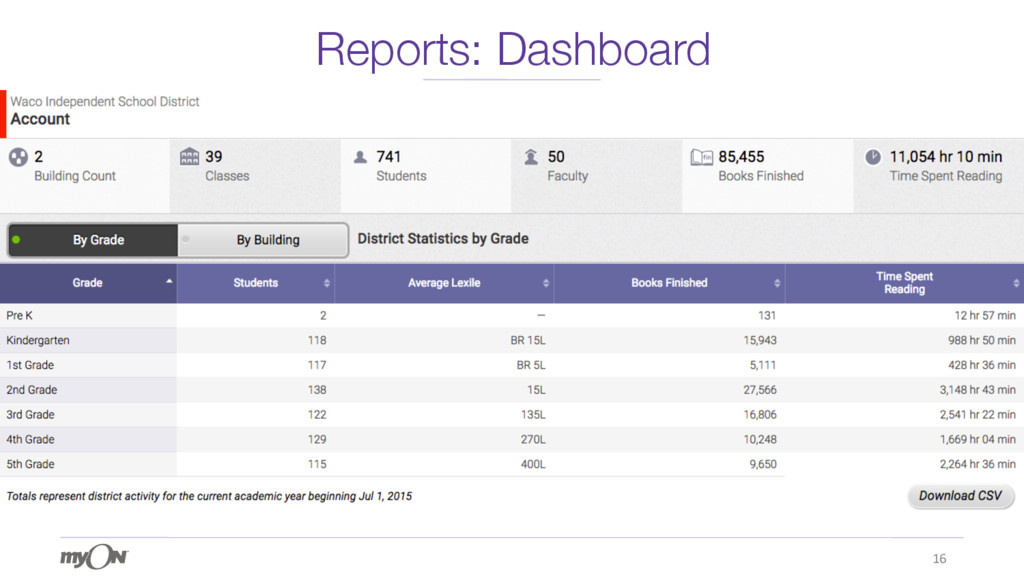
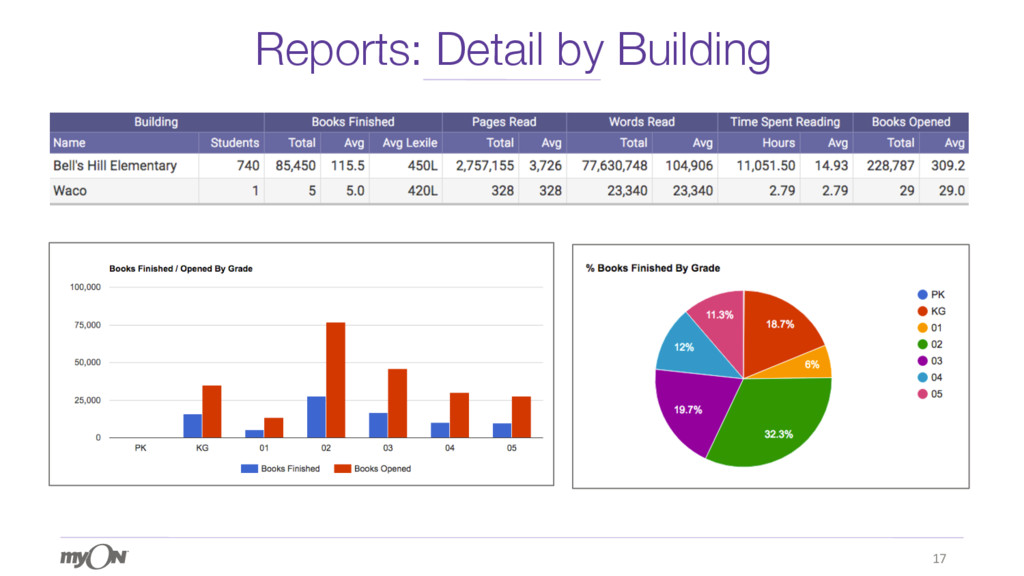
expand a community of readers GOAL 2—Continuously provide unlimited access to enhanced digital books to all children, starting at birth GOAL 3—Collect and regularly report and share systematic data about reading success (quantity, time, growth)


 katiecoart
 iamctodd
 schroneko
 productmarketing
 uxyall
 watany
 ryanjones
 eileencodes
 tessaabrams
 reverentgeek
 eitanlees
 csswizardry