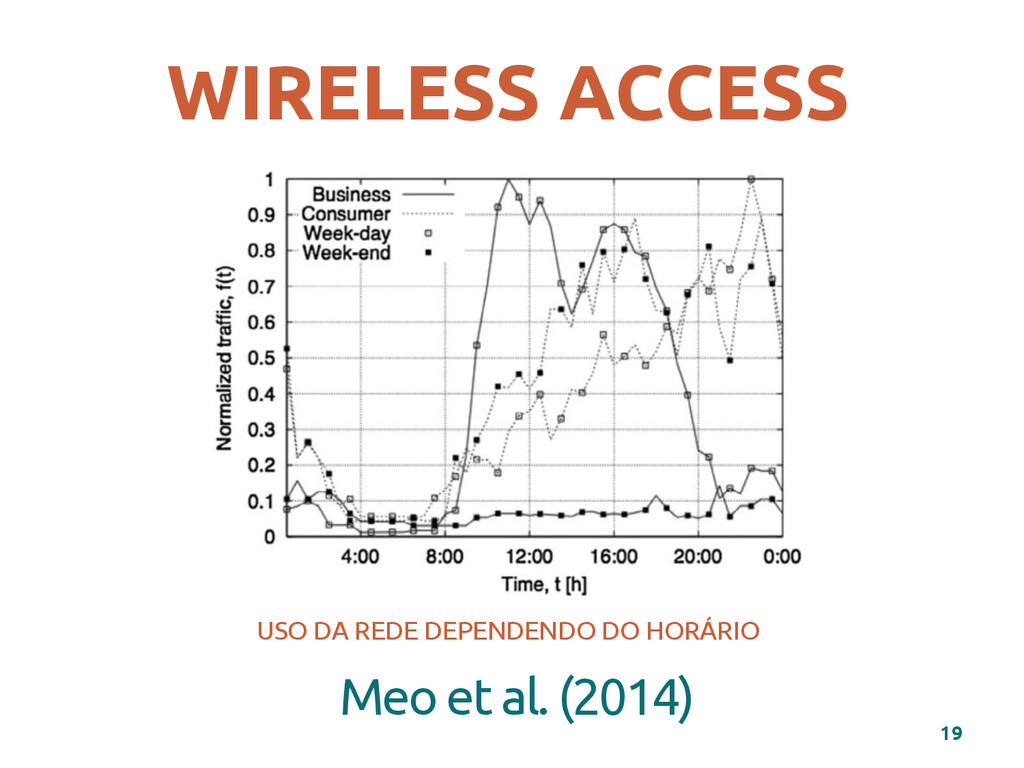
Upgrade to Pro — share decks privately, control downloads, hide ads and more …

LitReview #2

LitReview #2

Apresentação de dois artigos para a cadeira de Redes Avançadas do UFC

Avatar for Joari Santiago

Joari Santiago

May 13, 2015

Other Decks in Technology

Transcript

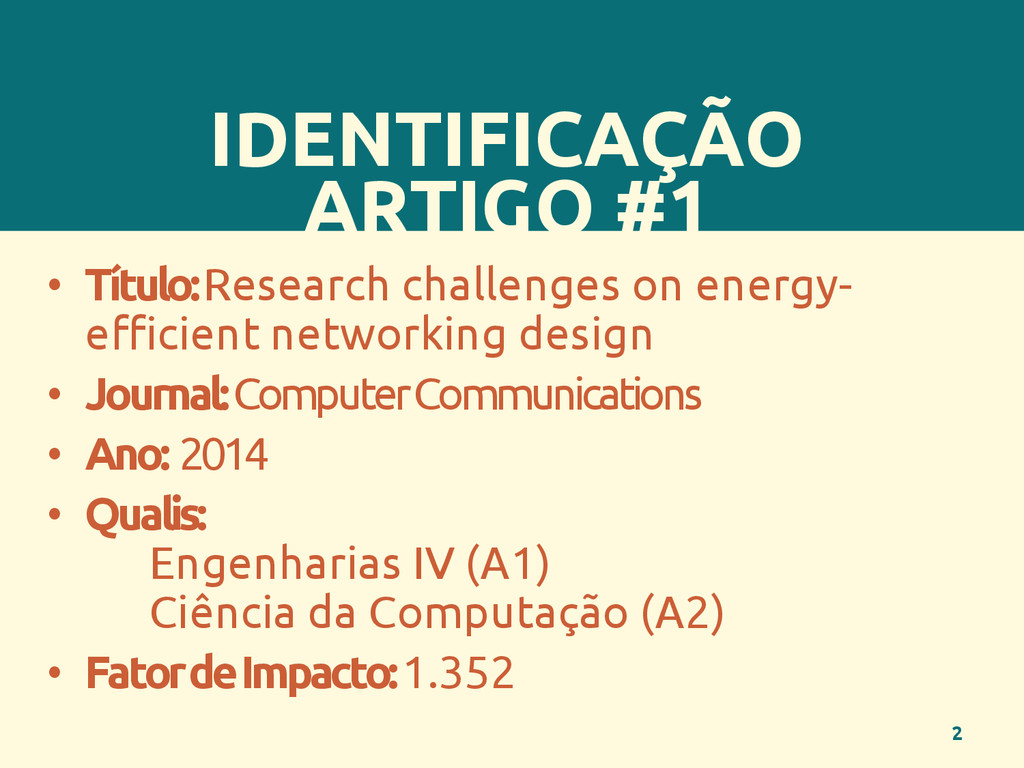
  1. • Título: Research challenges on energy- efficient networking design •

    Journal: Computer Communications • Ano: 2014 • Qualis: Engenharias IV (A1) Ciência da Computação (A2) • Fator de Impacto: 1.352 IDENTIFICAÇÃO ARTIGO #1 2
  2. • Michela Meo (Department of Electronics and Telecommunication, Politecnico di

    Torino, Italy) • Esther Le Rouzic (Division Innovation, Marketing et Technologies, Orange Labs, France) • Ruben Cuevas, Carmen Guerrero (Department of Telematic Engineering, University Carlos III of Madrid, Spain) 3 AUTORES ARTIGO #1
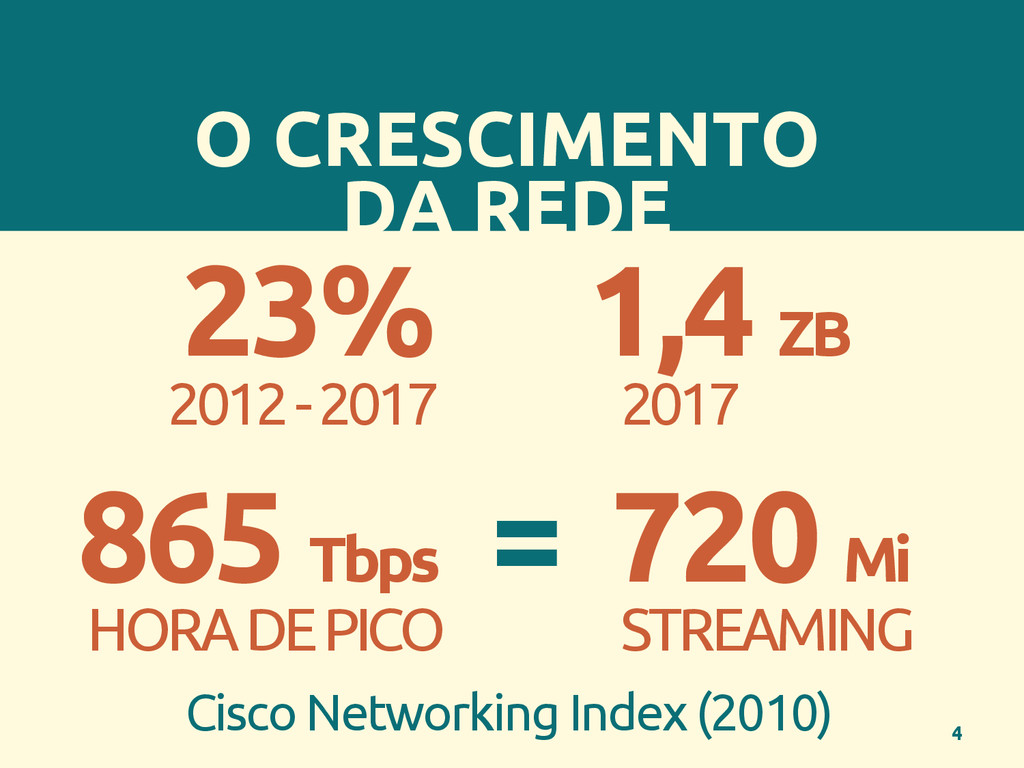
  3. 4 O CRESCIMENTO DA REDE 23% 2012 - 2017 Cisco

    Networking Index (2010) 1,4 ZB 2017 865 Tbps HORA DE PICO 720 Mi STREAMING =
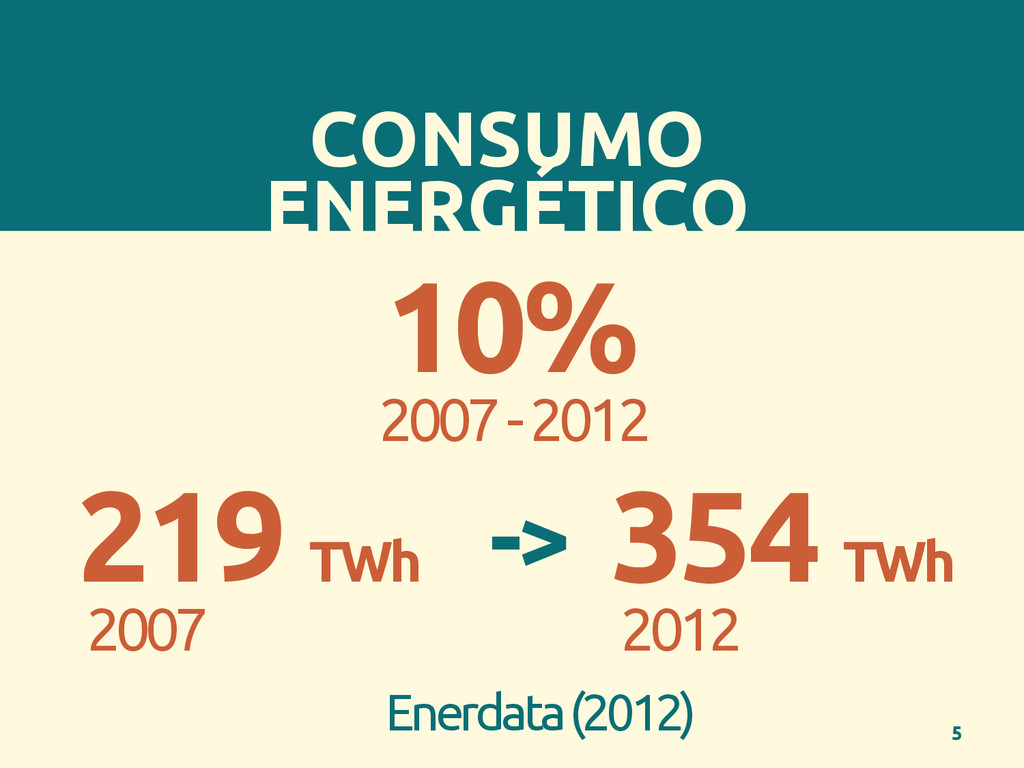
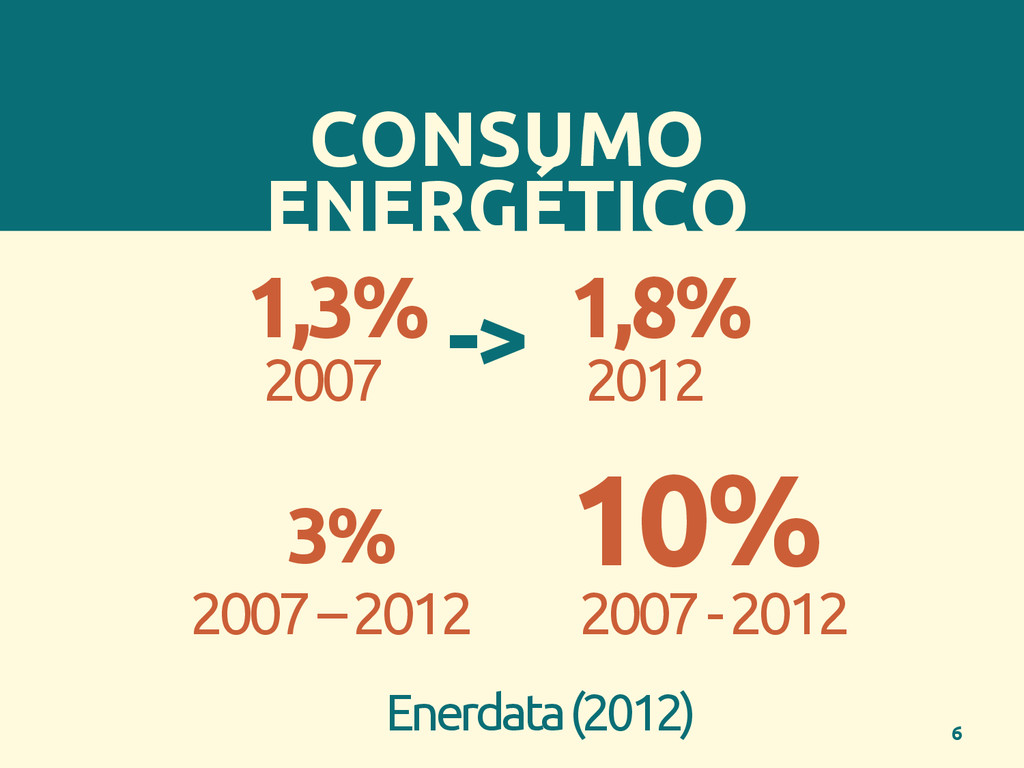
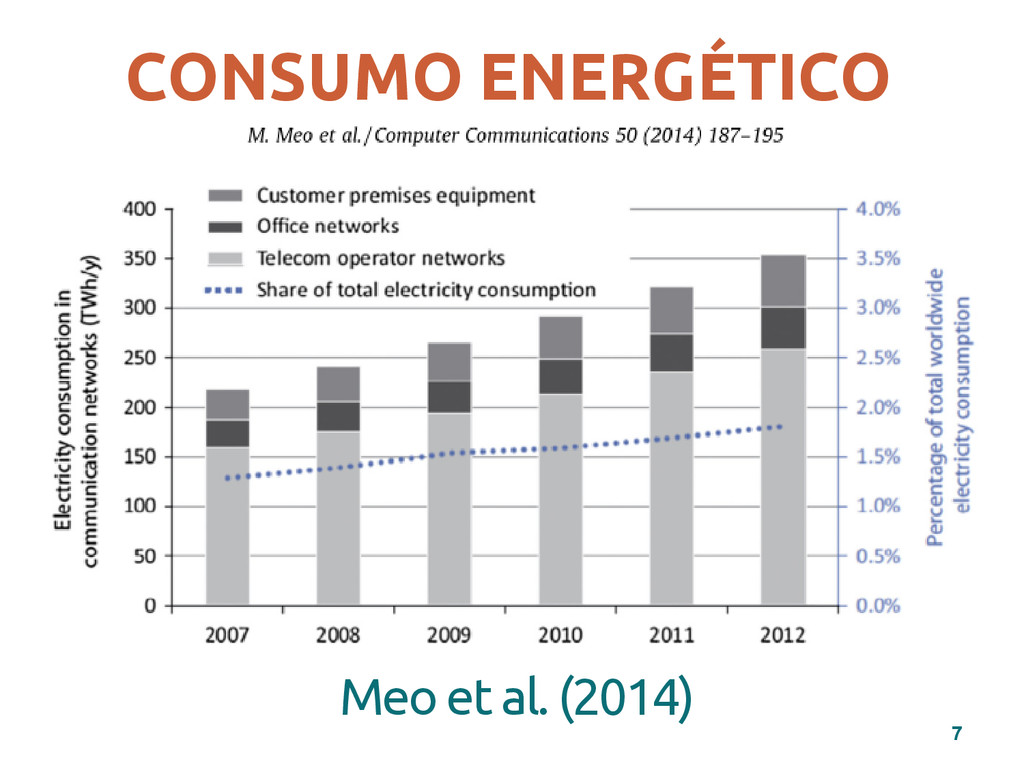
  4. 6 CONSUMO ENERGÉTICO Enerdata (2012) 10% 2007 - 2012 3%

    2007 – 2012 1,3% 2007 1,8% 2012 ->
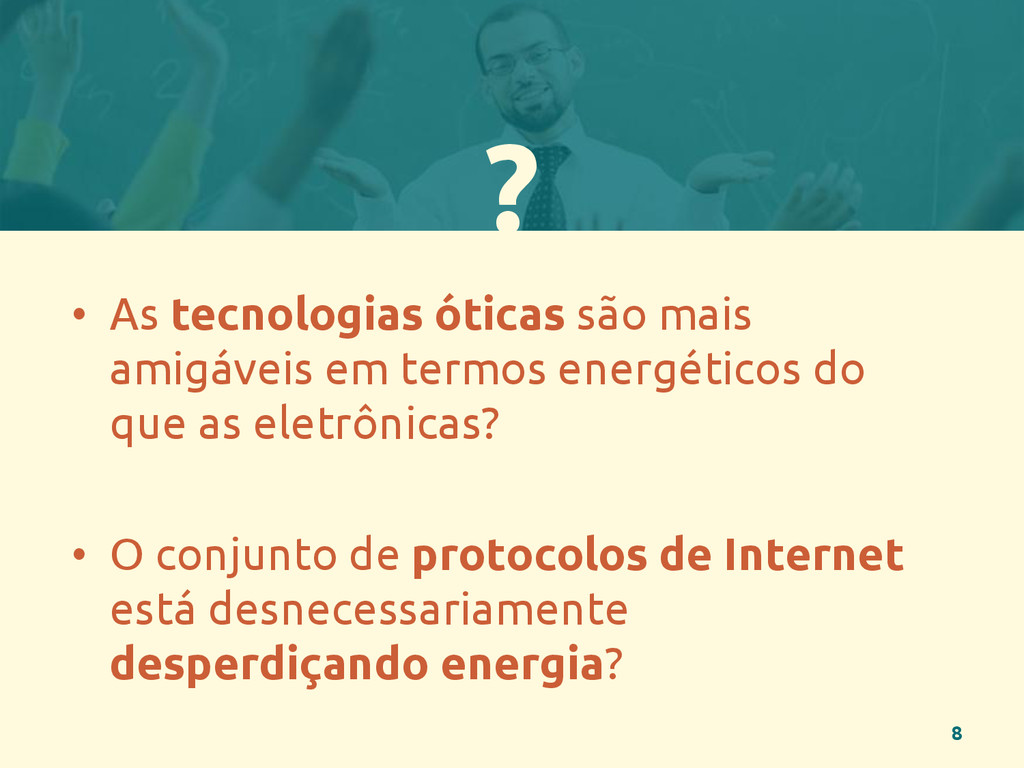
  5. ? • As tecnologias óticas são mais amigáveis em termos

    energéticos do que as eletrônicas? • O conjunto de protocolos de Internet está desnecessariamente desperdiçando energia? 8
  6. Estabelecer a integração da comunidade de investigação da União Europeia

    em green networking com a perspectiva de que, a longo prazo, a Europa consolide sua liderança nesse domínio. Trend NoE 10
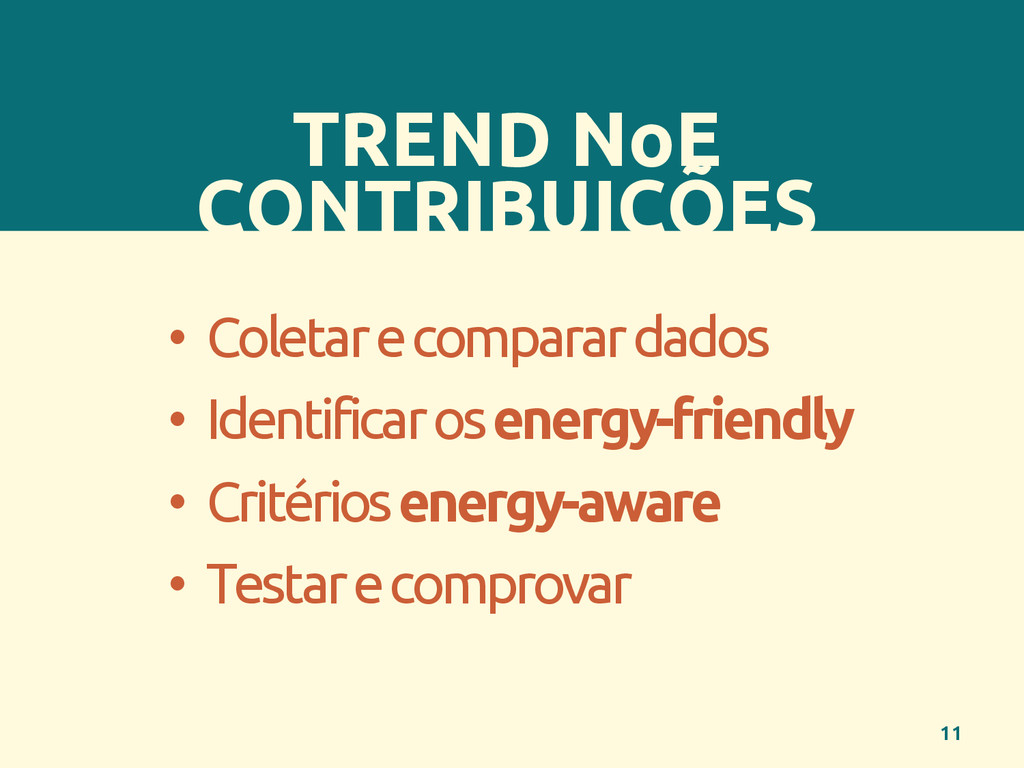
  7. • Coletar e comparar dados • Identificar os energy-friendly •

    Critérios energy-aware • Testar e comprovar 11 TREND NoE CONTRIBUIÇÕES
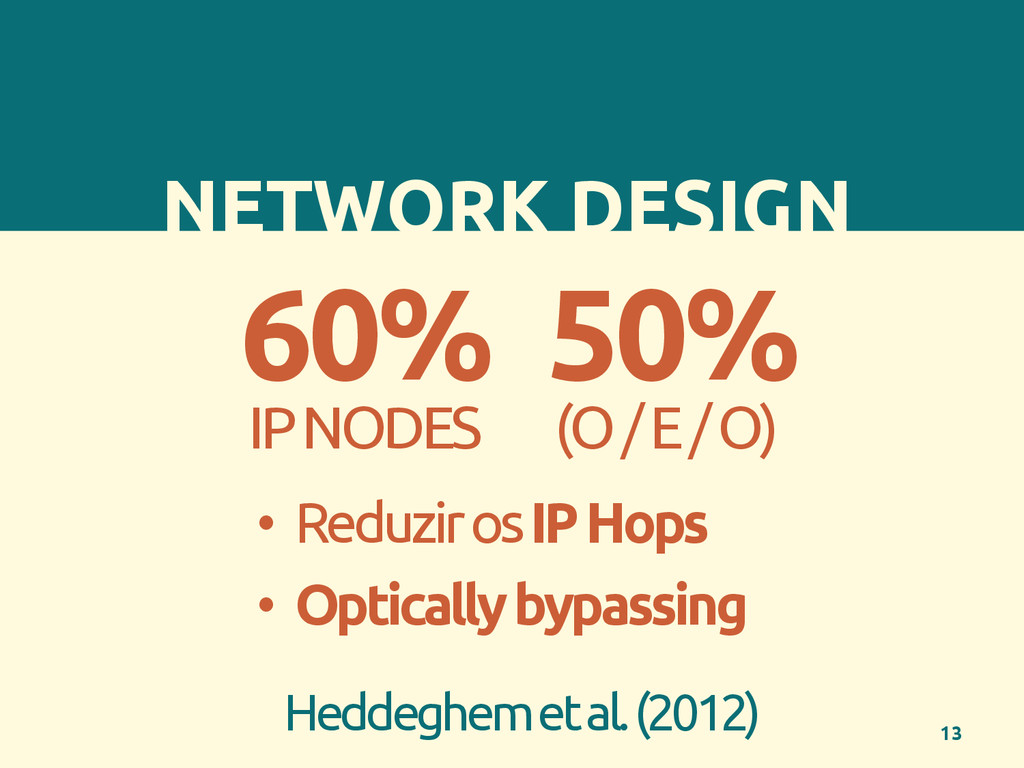
  8. • Reduzir os IP Hops • Optically bypassing 13 NETWORK

    DESIGN 60% IP NODES 50% (O / E / O) Heddeghem et al. (2012)
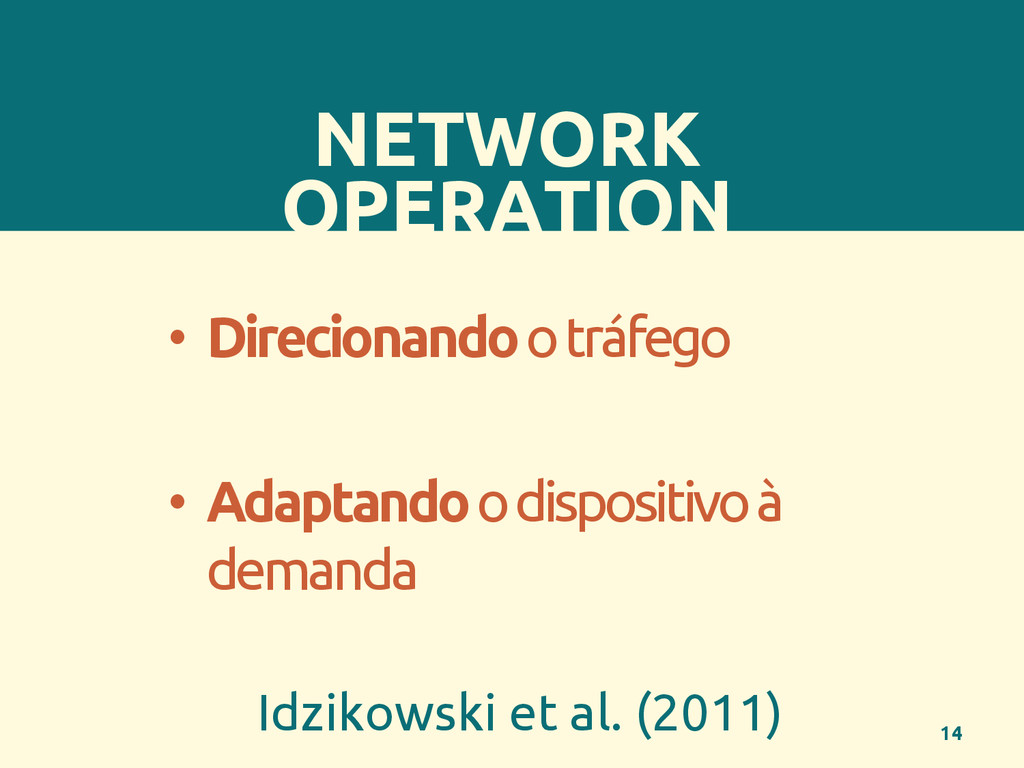
  9. • Direcionando o tráfego • Adaptando o dispositivo à demanda

    14 NETWORK OPERATION Idzikowski et al. (2011)
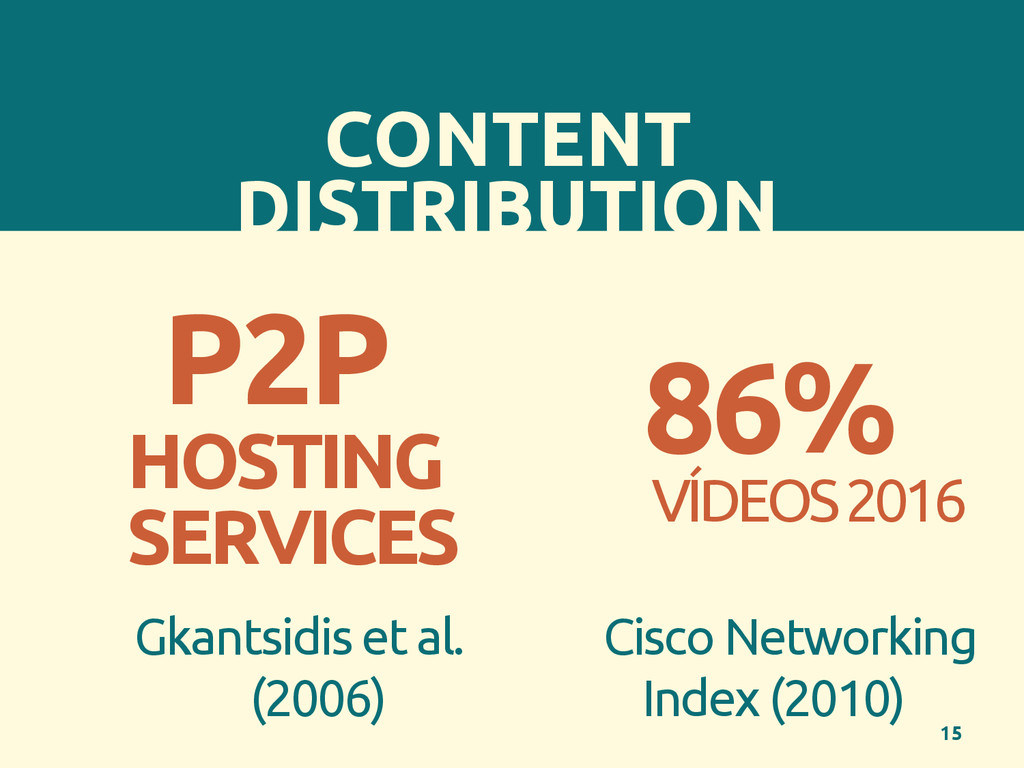
  10. 15 CONTENT DISTRIBUTION P2P HOSTING SERVICES 86% VÍDEOS 2016 Cisco

    Networking Index (2010) Gkantsidis et al. (2006)
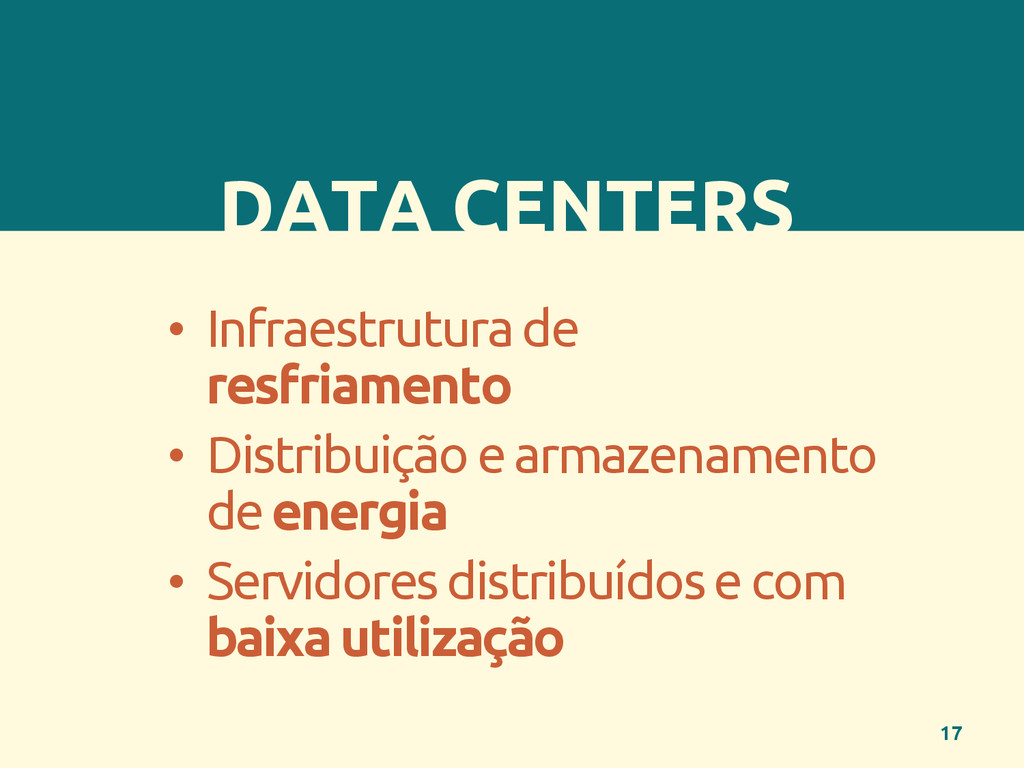
  11. • Infraestrutura de resfriamento • Distribuição e armazenamento de energia

    • Servidores distribuídos e com baixa utilização 17 DATA CENTERS
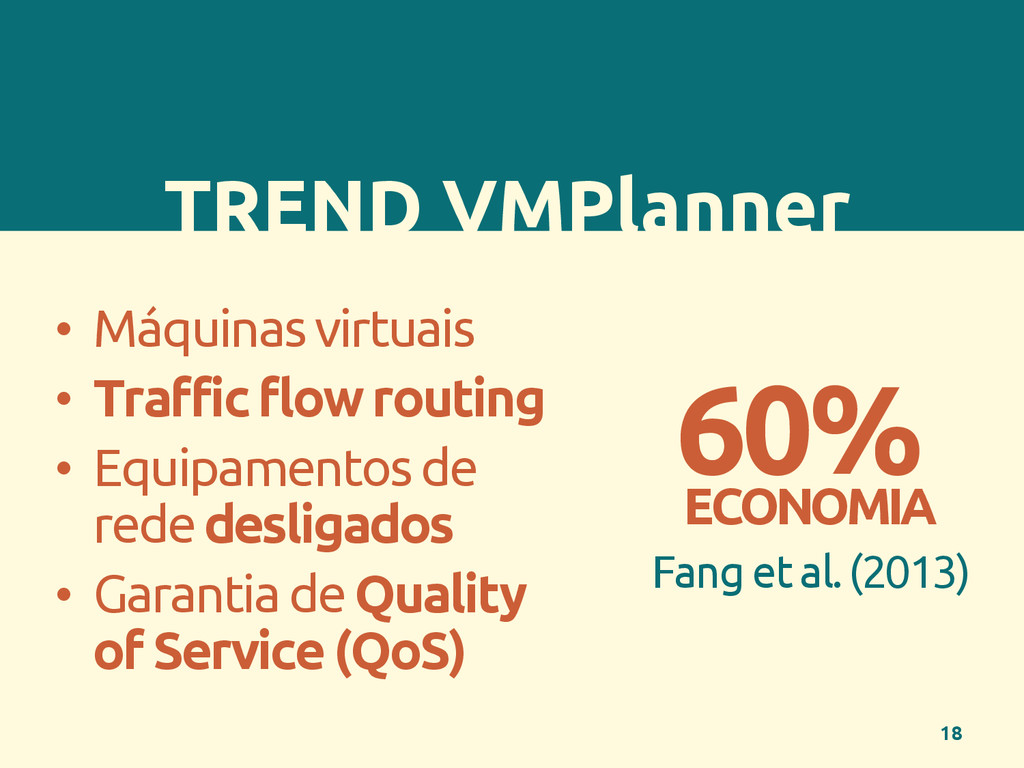
  12. • Máquinas virtuais • Traffic flow routing • Equipamentos de

    rede desligados • Garantia de Quality of Service (QoS) 18 TREND VMPlanner 60% ECONOMIA Fang et al. (2013)
  13. 20 PONTOS POSITIVOS •Assunto vasto, os autores foram diretos. •

    Vários pontos-chave, características que impactam o consumo de energia.
  14. 21 PONTOS POSITIVOS •Relatórios do aumento de tráfego. • Comparação

    do consumo mundial em relação aos dispositivos de rede. • Outras iniciativas
  15. 22 PONTOS NEGATIVOS • Utilizar mais gráficos ou tabelas para

    juntar os dados • Figuras confusas, mas explicadas no texto • Termos não explicados
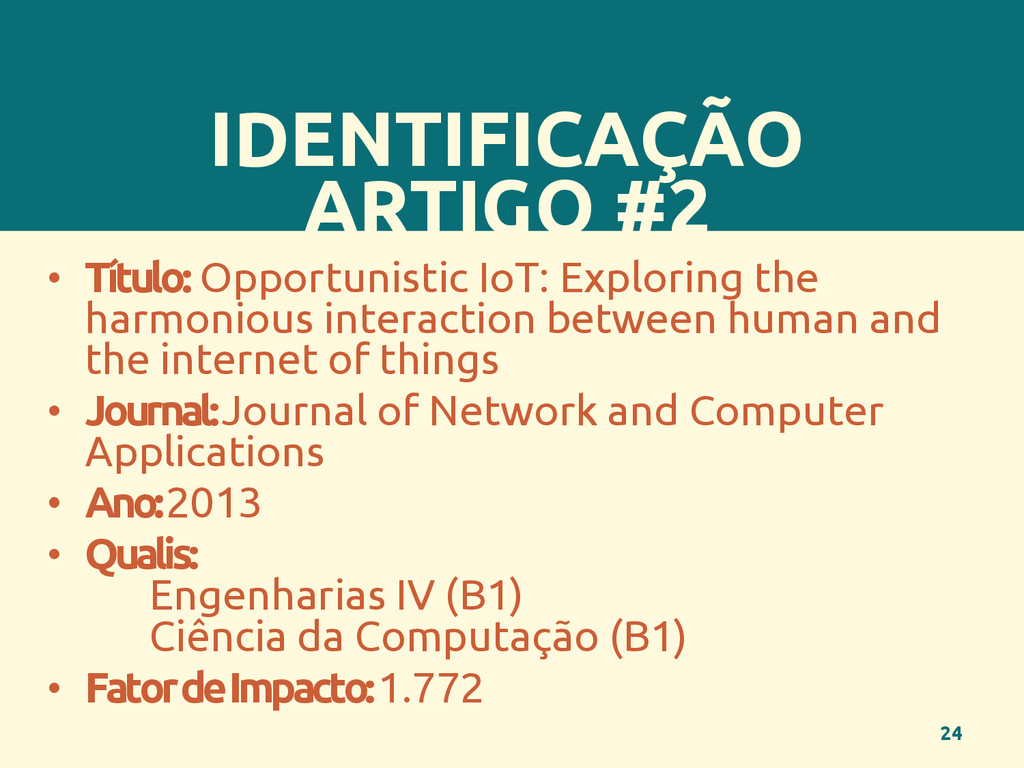
  16. • Título: Opportunistic IoT: Exploring the harmonious interaction between human

    and the internet of things • Journal: Journal of Network and Computer Applications • Ano: 2013 • Qualis: Engenharias IV (B1) Ciência da Computação (B1) • Fator de Impacto: 1.772 IDENTIFICAÇÃO ARTIGO #2 24
  17. • Bin Guo (Northwestern Polytechnical University, China) • Daqing Zhang

    (Institut TELECOM SudParis, France) • Zhu Wang, Zhiwen Yu , Xingshe Zhou (Northwestern Polytechnical University, China) 25 AUTORES ARTIGO #2
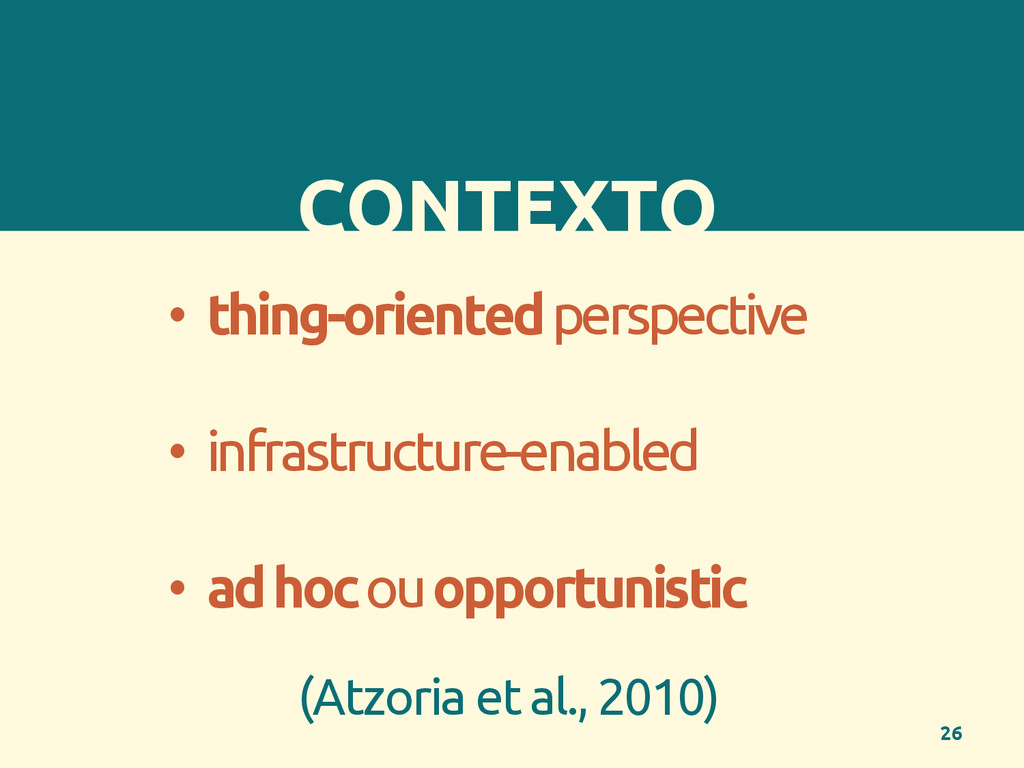
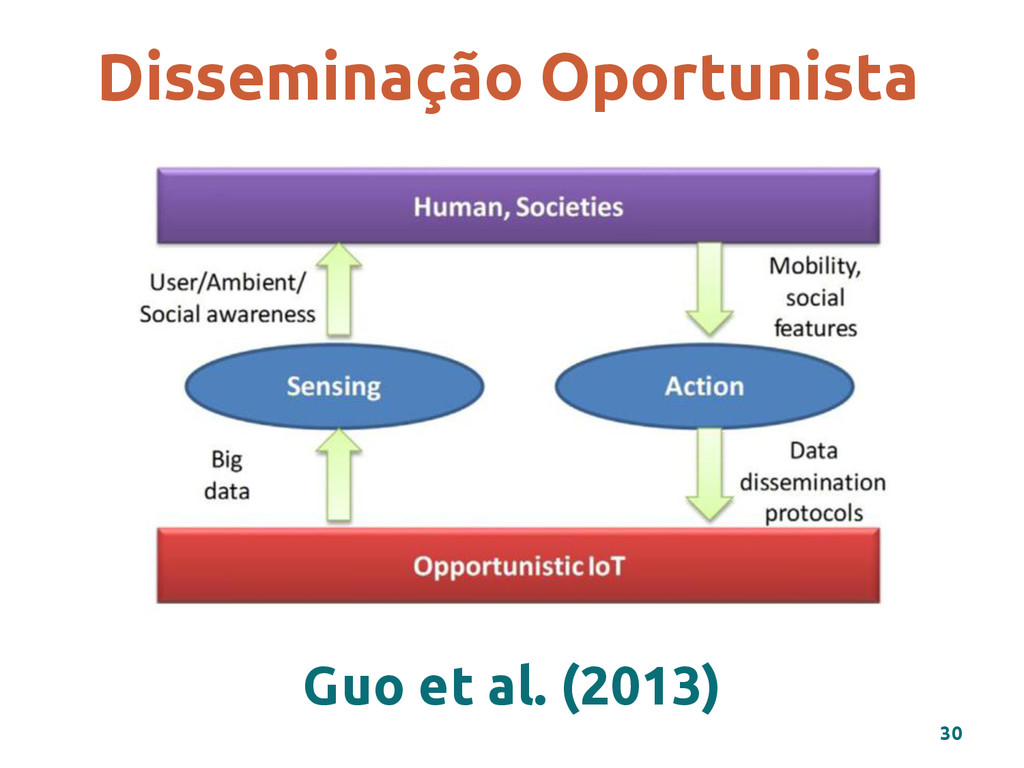
  18. Redes oportunistas são human-centric pelo fato de seguirem a forma

    como as pessoas oportunamente se comunicam. 27 Guo et al. (2013)
  19. • broker-based solution • user popularity • social willingness •

    social network structure • preferences 31 EXEMPLO
  20. • Design of data dissemination protocols • Estimate their ‘‘social

    popularity’’ • Selfish is a basic attribute of human beings • Data anonymization • Data credibility 32 DESAFIOS
  21. 35 PONTOS POSITIVOS • Bem escrito • Muitas referências (32)

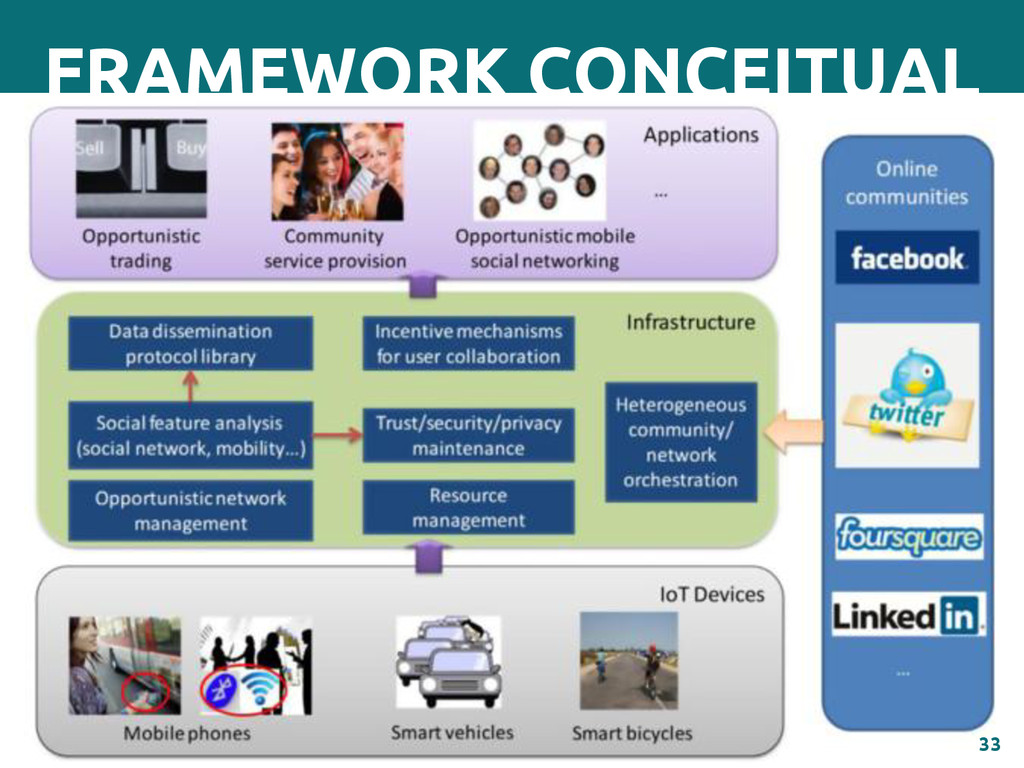
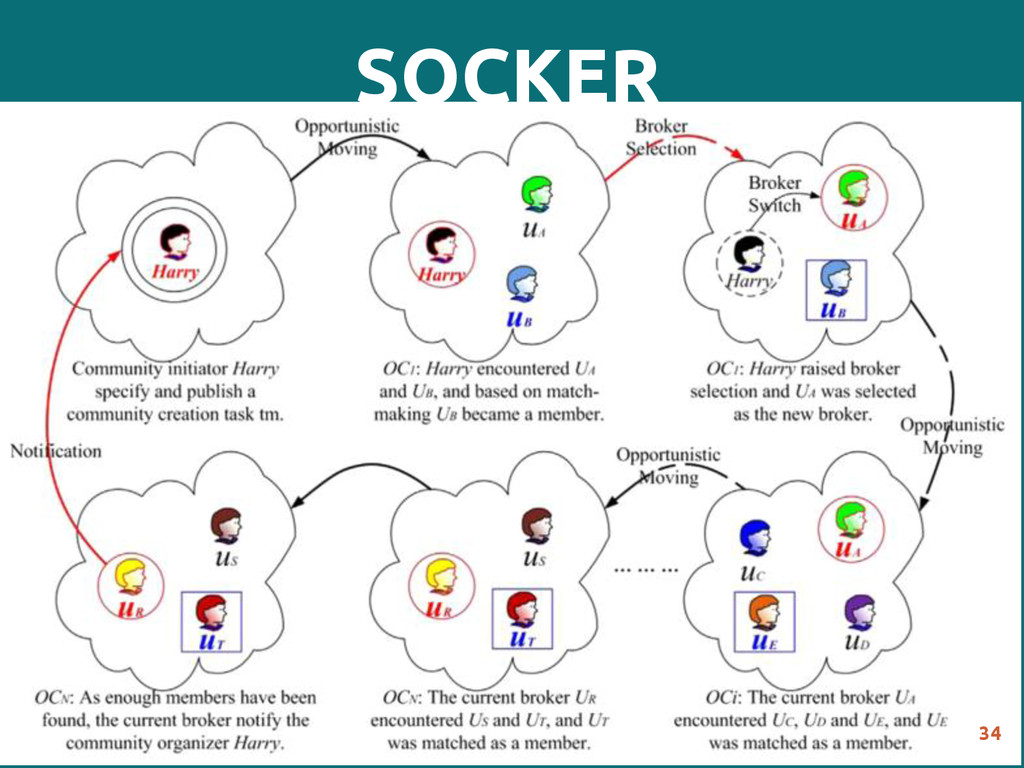
    • Relaciona conceitos que aparentemente são iguais • Exemplos práticos • Propõe framework conceitual que auxilia no entendimento dos conceitos • Aplicação SOCKER
  22. 36 PONTOS NEGATIVOS • Figuras confusas • Autorreferência (5) causava

    um pouco de desconforto • Referências cruzadas
  23. • Gkantsidis et al. (2006) C. Gkantsidis, T. Karagiannis, Pablo

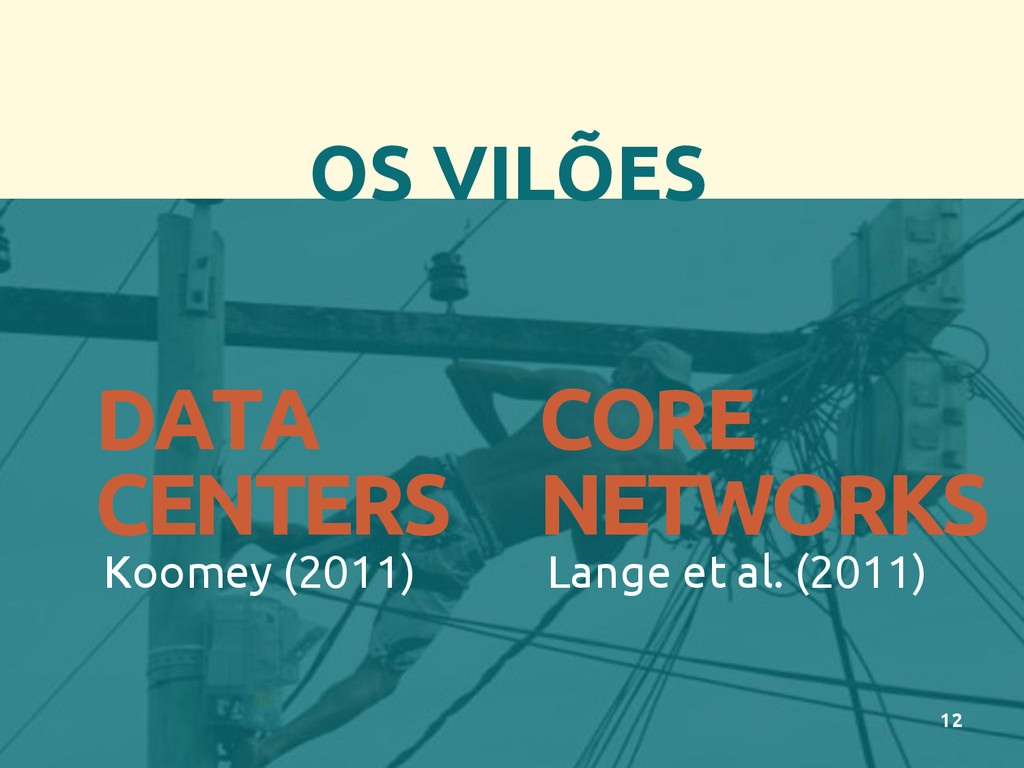
    Rodriguez, M. Vojnovic, Planet scale software updates, in: Proc. ACM SIGCOMM, 2006. • Cisco Networking Index (2010) Cisco visual networking index: forecast and methodology, 2011– 2016, 2012 • Atzoria et al. (2010) Atzoria L, Iera A, Morabito G. The internet of things: a survey. Computer Networks 2010;54(15):2787–805. • Koomey (2011) J. Koomey, Growth in data center electricity use 2005–2010, Analytics Press, Oakland, CA, August 2011, http://www.analyticspress.com/datacenters.html 38 BIBLIOGRAFIA
  24. • Lange et al. (2011) C. Lange, D. Kosiankowski, R.

    Weidmann, A. Gladisch, Energy consumption of telecommunication networks and related improvement options, IEEE J. Sel. Top. Quantum Electron. 17 (2) (2011) 285–295 • Idzikowski et al. (2011) F. Idzikowski, S. Orlowski, C. Raack, H. Woesner, A. Wolisz, Dynamic routing at different layers in IP-over-WDM networks maximizing energy savings, Opt. Switching Networking, Spec. Issue Green Commun. 8 (3) (2011) 181–200 • Langner et al. (2012) T. Langner, C. Schindelhauer, A. Souza, Optimal file-distribution in heterogeneous and asymmetric storage networks, in: Proc. SOFSEM, 2011. 39 BIBLIOGRAFIA
  25. • Enerdata (2012) Global energy statistical yearbook 2012 Enerdata (2012),

    <http://yearbook. enerdata.net/world-electricity-production- map-graph-and-data.html> • Heddeghem et al. (2012) W. Van Heddeghem et al., Power consumption modeling in optical multilayer networks, Photonic Network Commun. 24 (2) (2012) 86–102 • Fang et al. (2013) W. Fang, X. Liang, S. Li, L. Chiaraviglio, N. Xiong, VMPlanner: optimizing virtual machine placement and traffic flow routing to reduce network power costs in cloud data centers, J. Comput. Network 57 (1) (2013) 179–196 40 BIBLIOGRAFIA