Upgrade to Pro
— share decks privately, control downloads, hide ads and more …
Speaker Deck
Sign up for free
Menu
Search
Features
All features
Private URLs
Password Protection
Custom URLS
Scheduled publishing
Remove Branding
Restrict embedding
Deck Collections
Notes
Features
All features
Private URLs
Password Protection
Custom URLS
Scheduled publishing
Remove Branding
Restrict embedding
Deck Collections
Notes
Explore
Featured decks
Featured speakers
Programming
Technology
Storyboards
Explore
Featured decks
Featured speakers
Programming
Technology
Storyboards
Pricing
Search
Sign in
Sign up for free
Advanced Redis - by Russ Smith
Search
Las Vegas Ruby Group
March 13, 2013
100
0
Share
Embed
Copy iframe code
Copy JS code
Copy link
Start on current slide
Advanced Redis - by Russ Smith
Las Vegas Ruby Group
March 13, 2013
More Decks by Las Vegas Ruby Group
See All by Las Vegas Ruby Group
Ruby ISO Standard - David Grayson
lvrug
0
180
Windows Automation - Howard Feldman
lvrug
0
120
Separating Your Application from Rails - Brian Hughes
lvrug
0
170
SWIG and Ruby - David Grayson
lvrug
0
120
Practical Object-Oriented Design in Ruby - Charles Jackson
lvrug
3
160
The Hamster Gem - Ryan Mulligan
lvrug
1
150
Varnish+Redis - Russ Smith
lvrug
1
150
Lambdas and Pops - Jan Hettich
lvrug
0
130
Making Good Use of Fonts - Russ Smith
lvrug
1
120
Featured
See All Featured
Build The Right Thing And Hit Your Dates
maggiecrowley
39
3.5k
Measuring & Analyzing Core Web Vitals
bluesmoon
9
1k
[SF Ruby Conf 2025] Rails X
palkan
3
1.4k
Leadership Guide Workshop - DevTernity 2021
reverentgeek
1
380
Making Projects Easy
brettharned
120
6.8k
Sam Torres - BigQuery for SEOs
techseoconnect
PRO
0
560
The innovator’s Mindset - Leading Through an Era of Exponential Change - McGill University 2025
jdejongh
PRO
1
360
個人開発の失敗を避けるイケてる考え方 / tips for indie hackers
panda_program
123
22k
Lessons Learnt from Crawling 1000+ Websites
charlesmeaden
PRO
1
1.6k
Chrome DevTools: State of the Union 2024 - Debugging React & Beyond
addyosmani
10
1.4k
What the history of the web can teach us about the future of AI
inesmontani
PRO
1
720
The Straight Up "How To Draw Better" Workshop
denniskardys
239
140k
Transcript
Advanced Redis Techniques
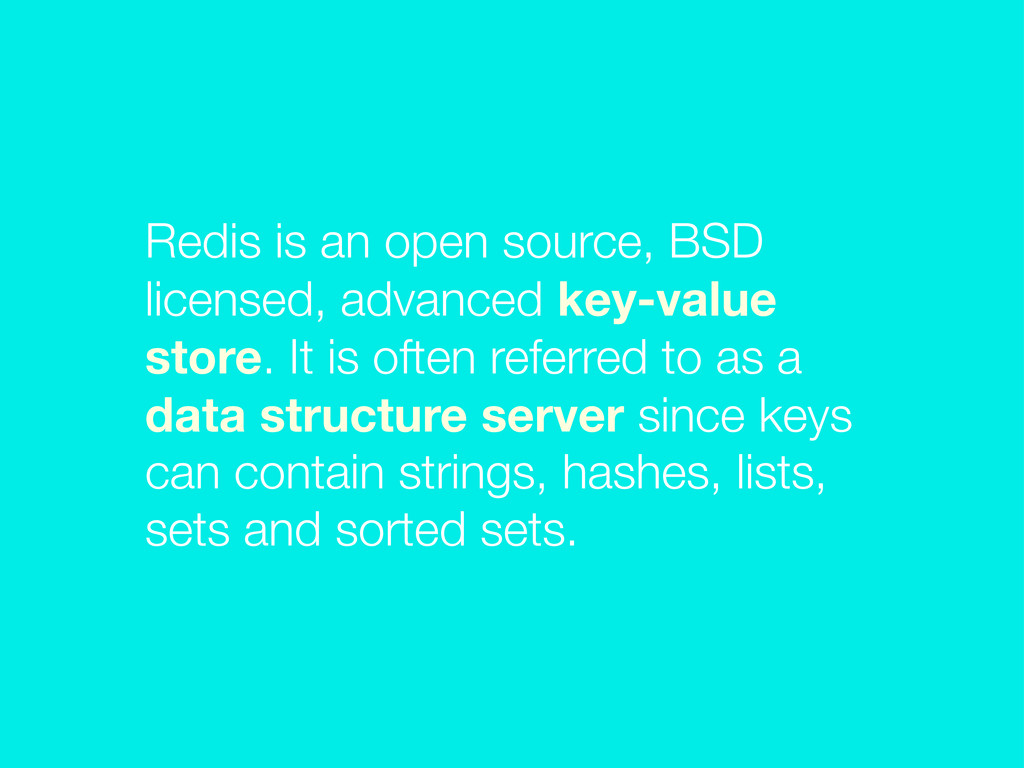
Redis is an open source, BSD licensed, advanced key-value store.
It is often referred to as a data structure server since keys can contain strings, hashes, lists, sets and sorted sets.
the basics
ca16403c13fc9 46:count":902} {KEY:VALUE} {"von:counter s:downloads:
lists[milk,egg s,cereal,baco n,salt,plates, oranges,lettu
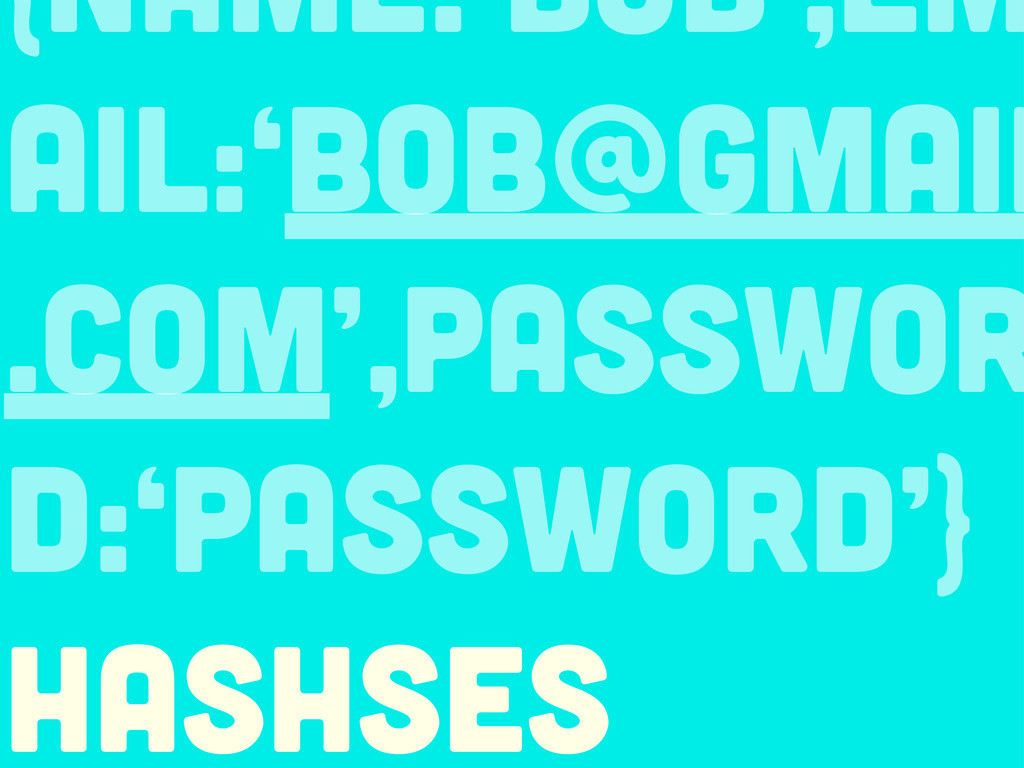
{name:‘bob’,em ail:‘bob@gmail .com’,passwor d:‘password’} hashsES
So what makes it different?
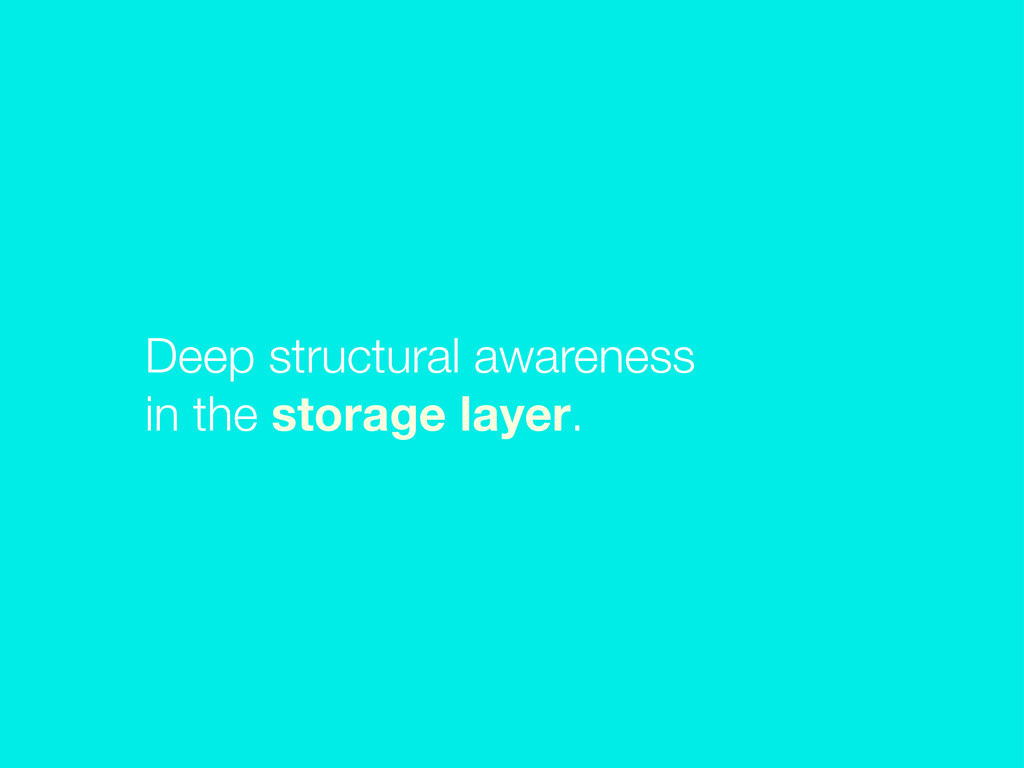
Deep structural awareness in the storage layer.
push, pop, sets, sorted sets, pub/Sub, unions, intersect, etc
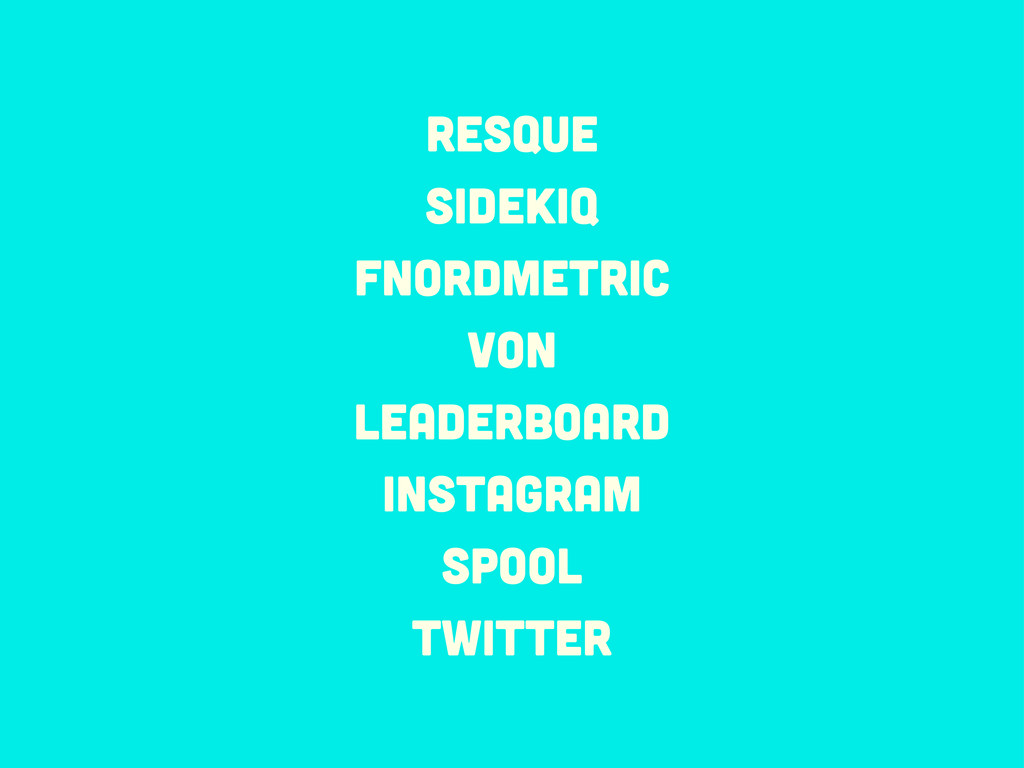
so what about the cool kids
Resque Sidekiq Fnordmetric VON leaderboard instagram spool twitter
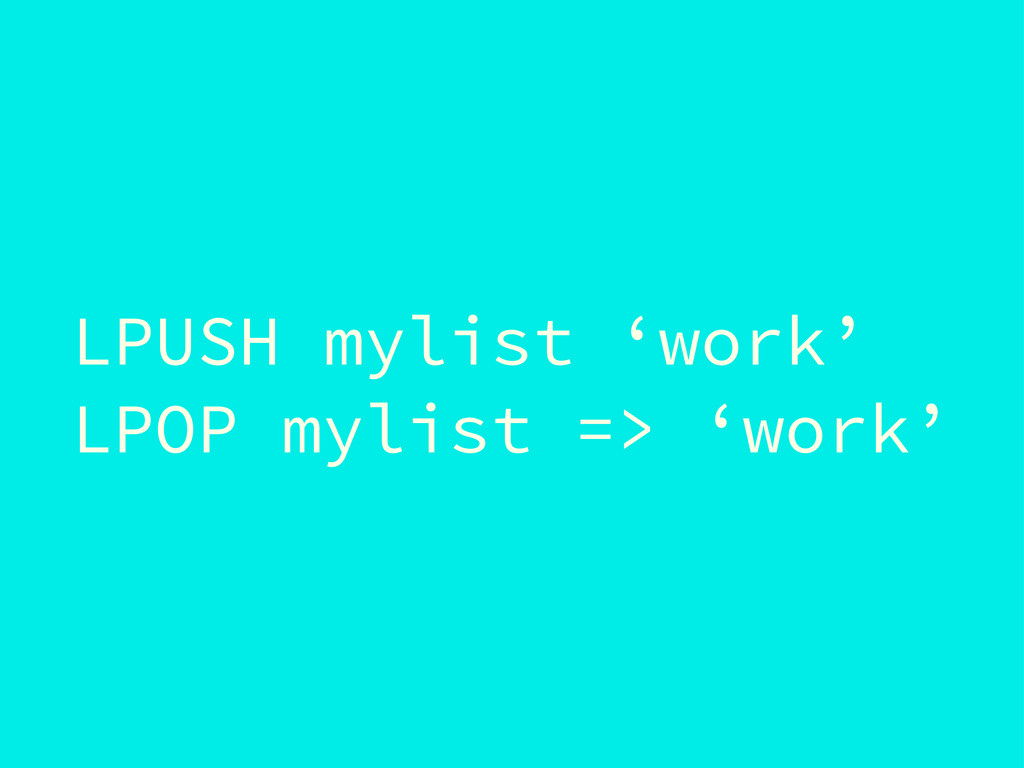
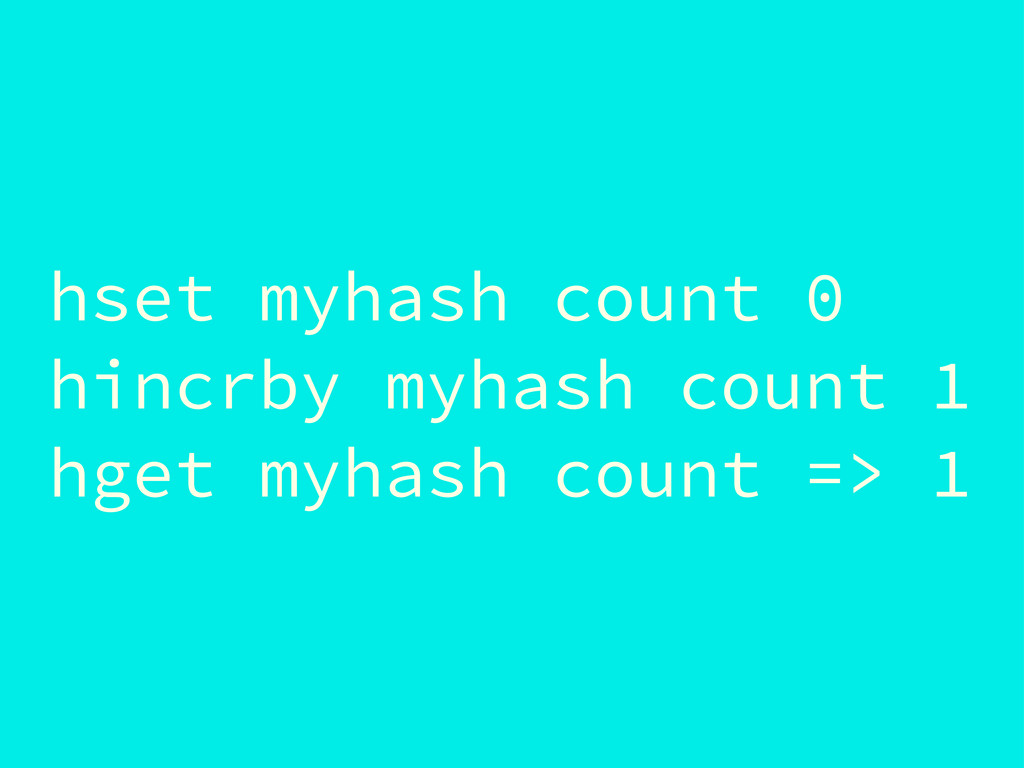
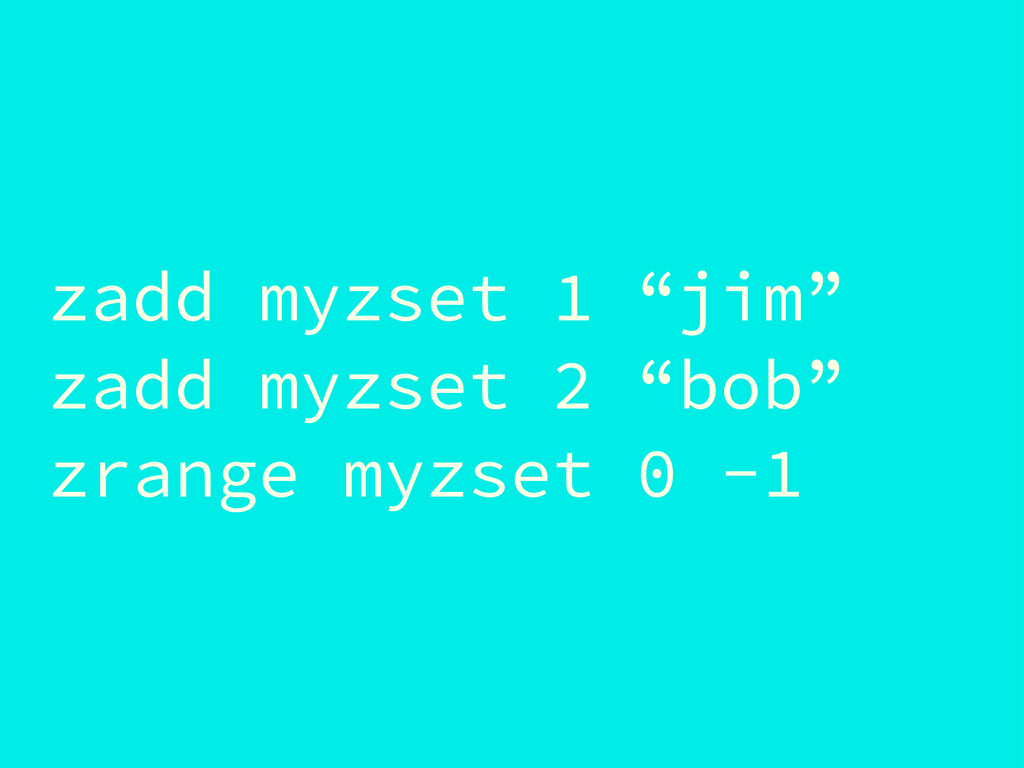
USE the built in data structures
LPUSH mylist ‘work’ LPOP mylist => ‘work’
hset myhash count 0 hincrby myhash count 1 hget myhash
count => 1
zadd myzset 1 “jim” zadd myzset 2 “bob” zrange myzset
0 -1
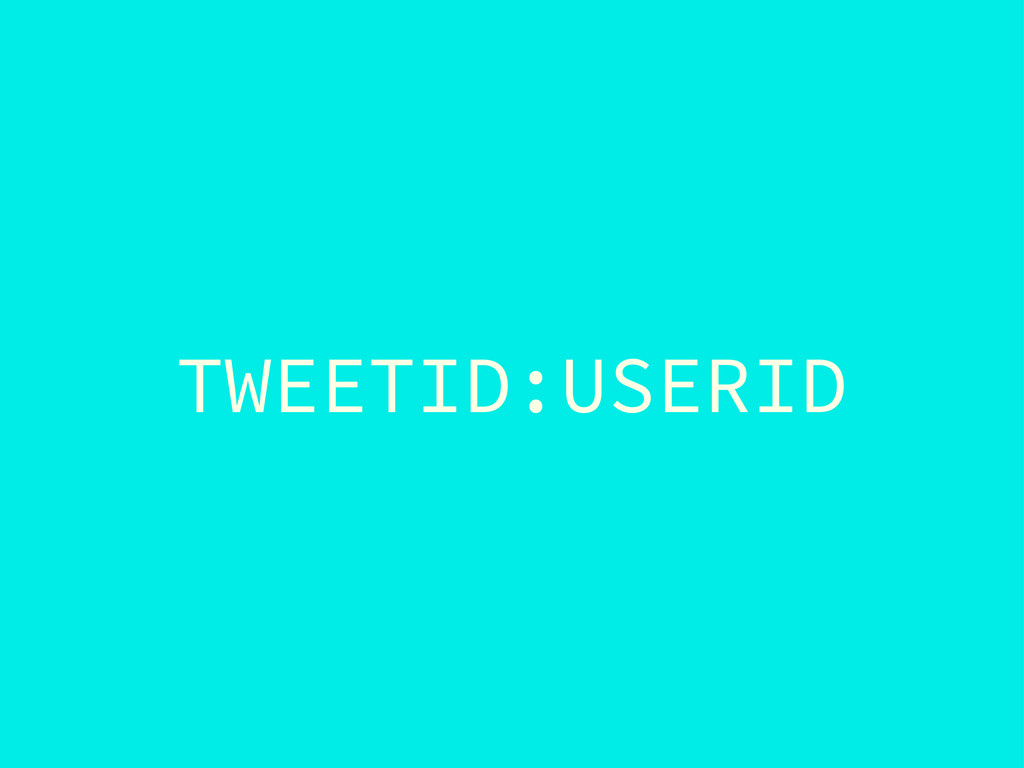
store only what you need
TWEETID:USERID
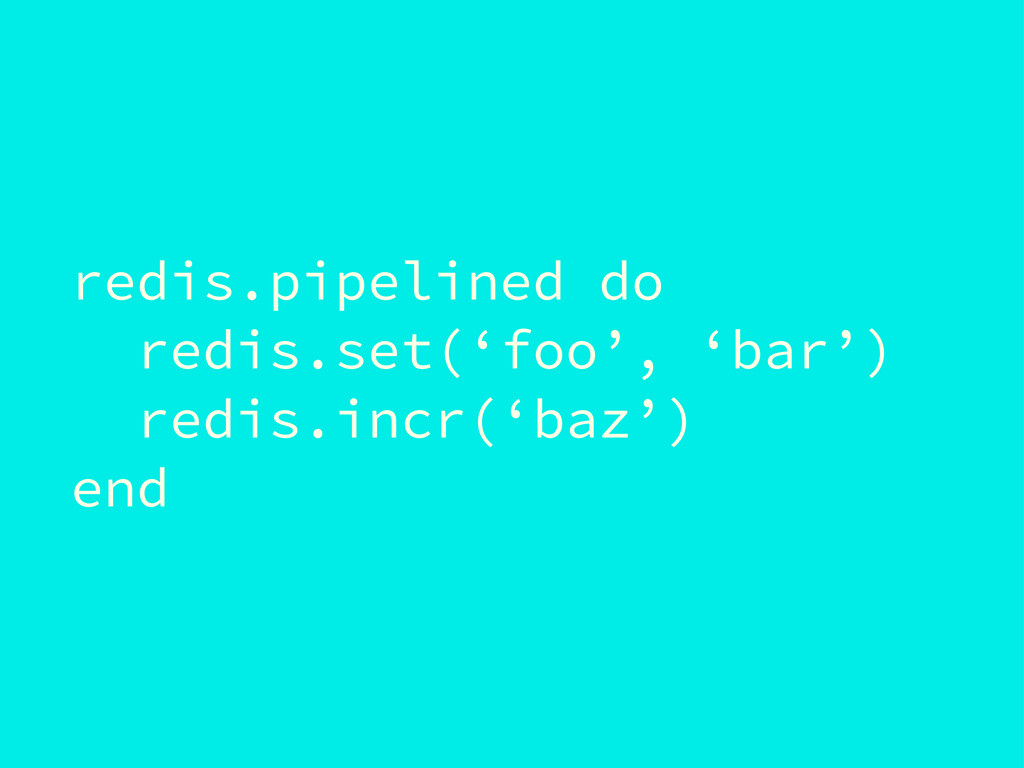
USE the pipeline FOR roflscale
redis.pipelined do redis.set(‘foo’, ‘bar’) redis.incr(‘baz’) end
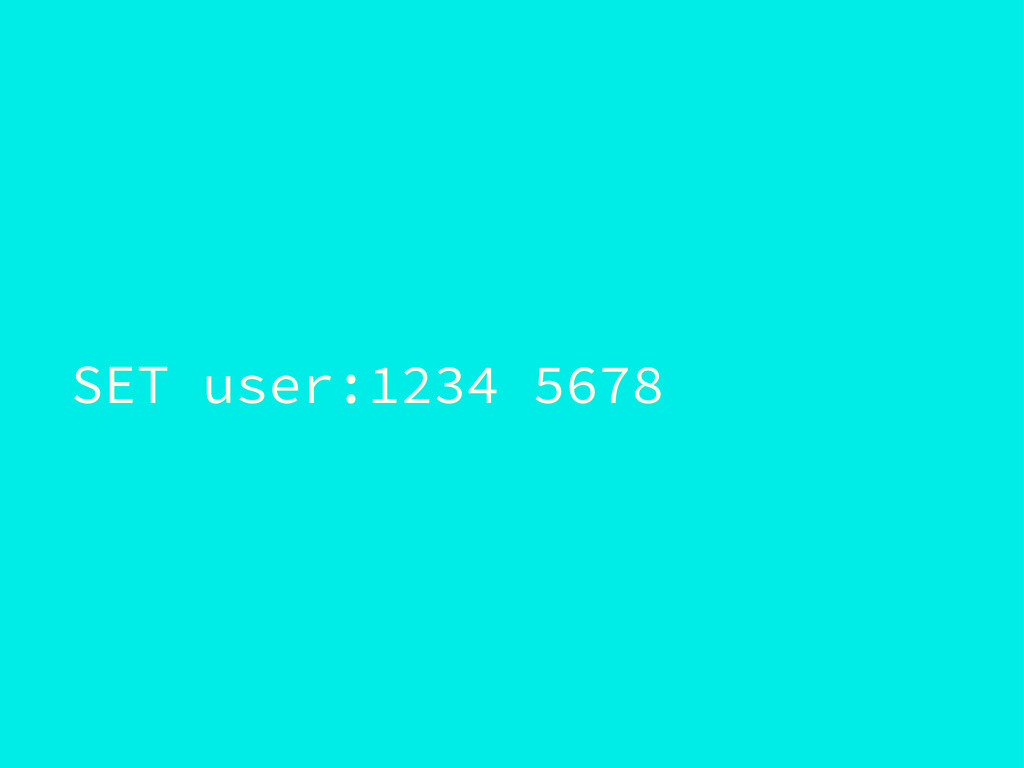
Optimize what you are storing
SET user:1234 5678
* 3,000,000 = 21gb
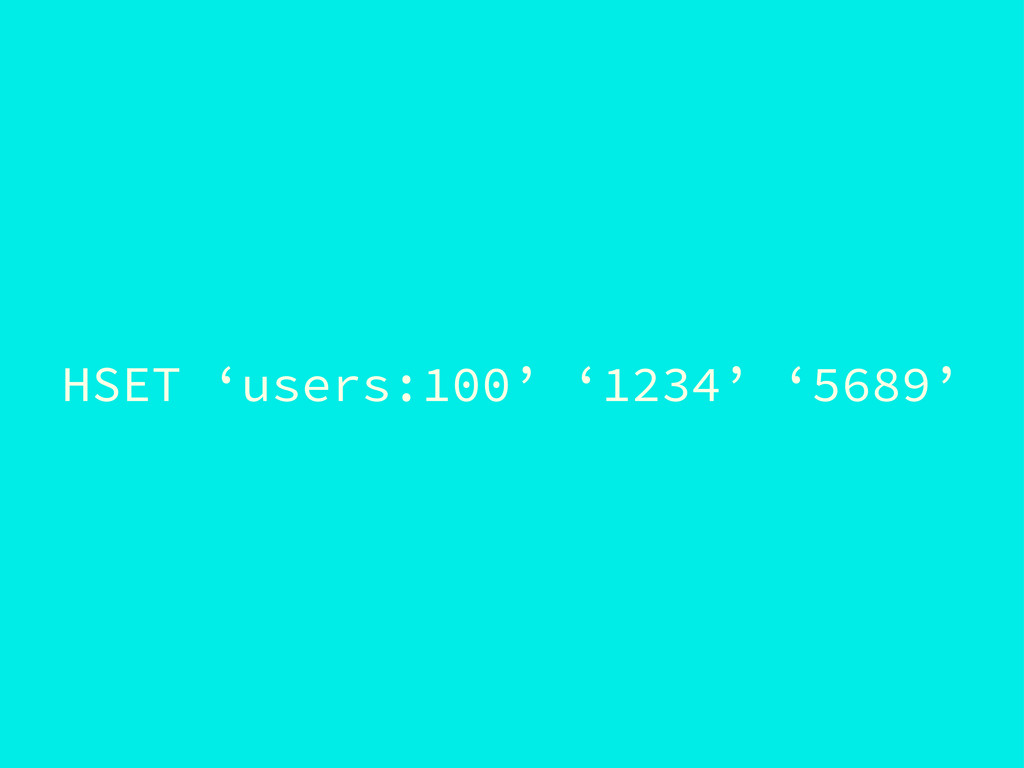
HSET ‘users:100’ ‘1234’ ‘5689’
* 3,000,000 = 5gb
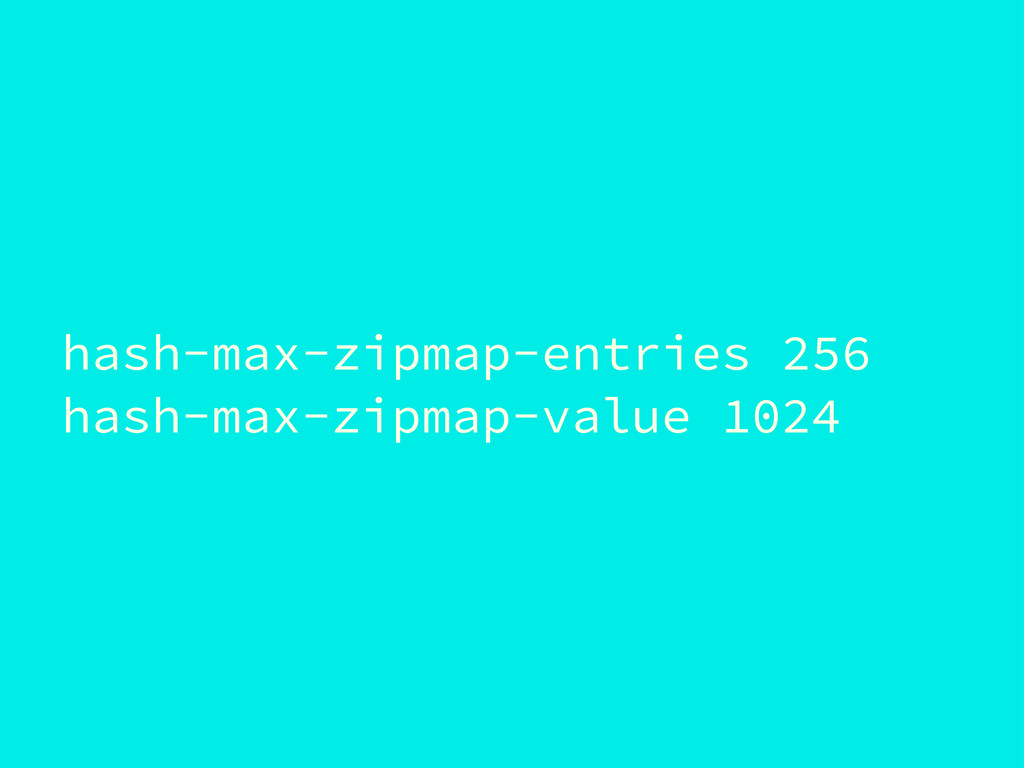
hash-max-zipmap-entries 256 hash-max-zipmap-value 1024
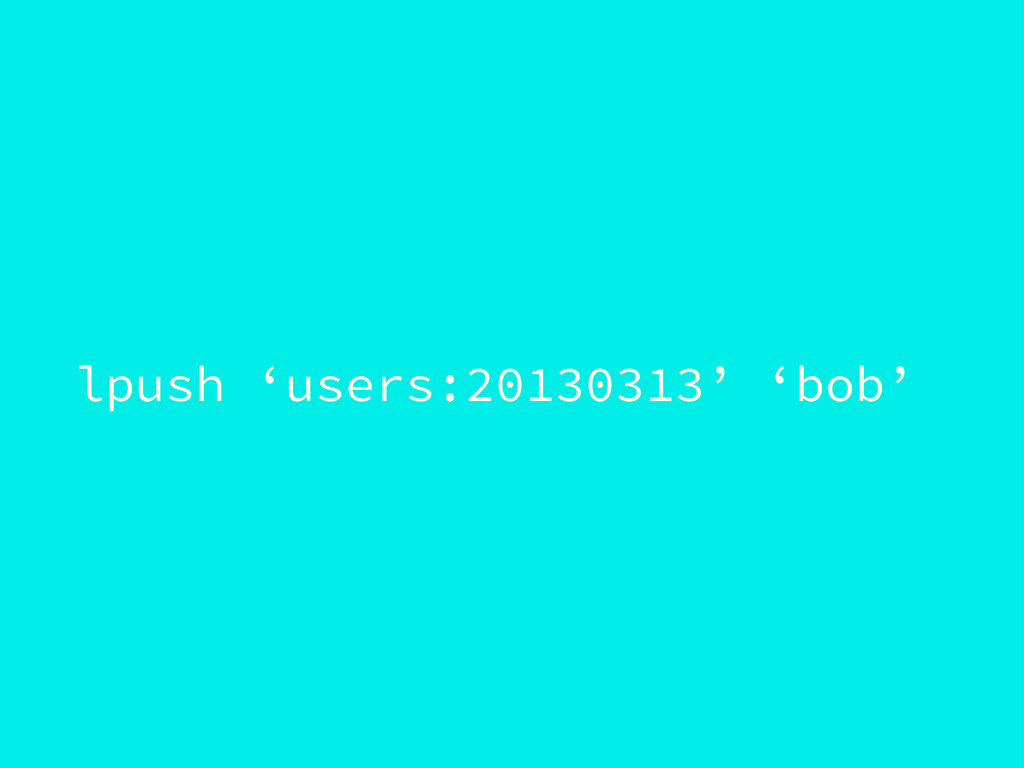
Shard the data
lpush ‘users:20130313’ ‘bob’
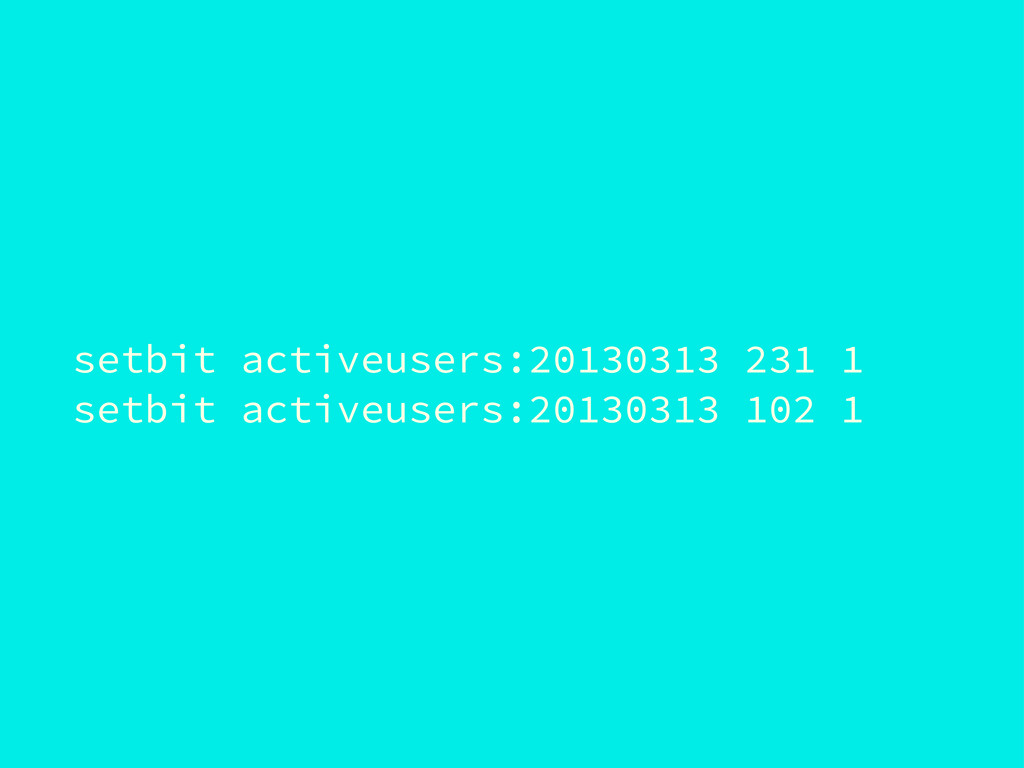
GETting REALLY nerdy
setbit activeusers:20130313 231 1 setbit activeusers:20130313 102 1
devops tips
Write the data to disk
save 60 1000
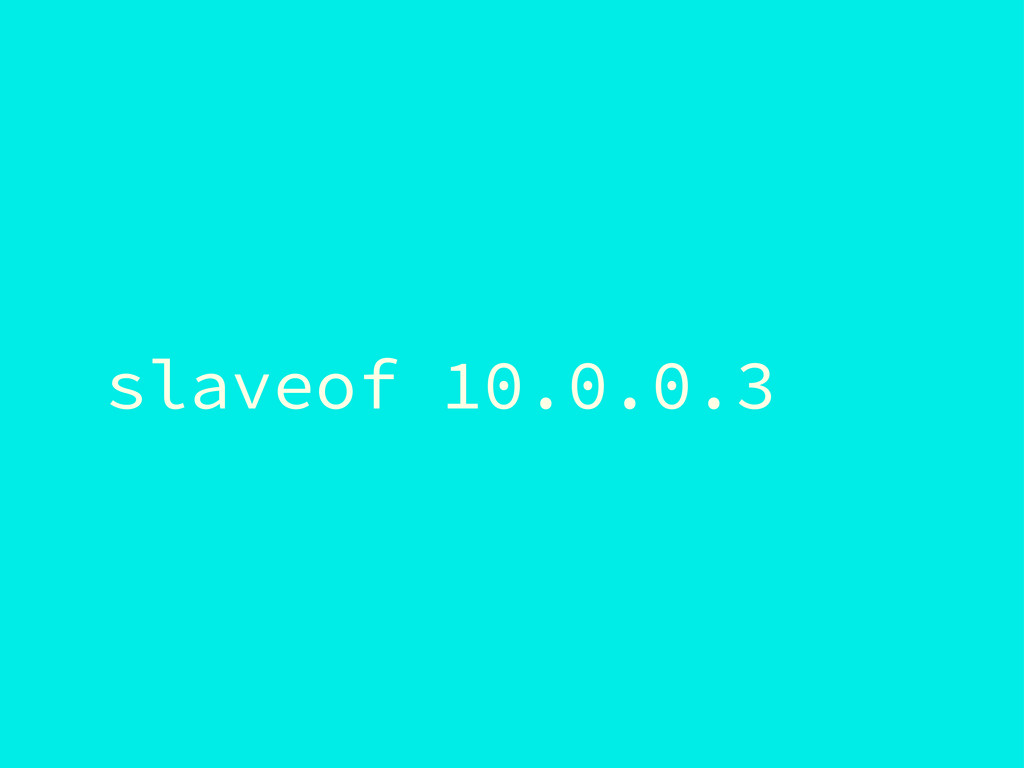
Replicate for high availability & redundancy
slaveof 10.0.0.3
use Sentinel for automatic failover
None


 lvrug
lvrug
 maggiecrowley
 bluesmoon
 palkan
 reverentgeek
 brettharned
 techseoconnect
 jdejongh
 panda_program
 charlesmeaden
 addyosmani
 inesmontani
 denniskardys