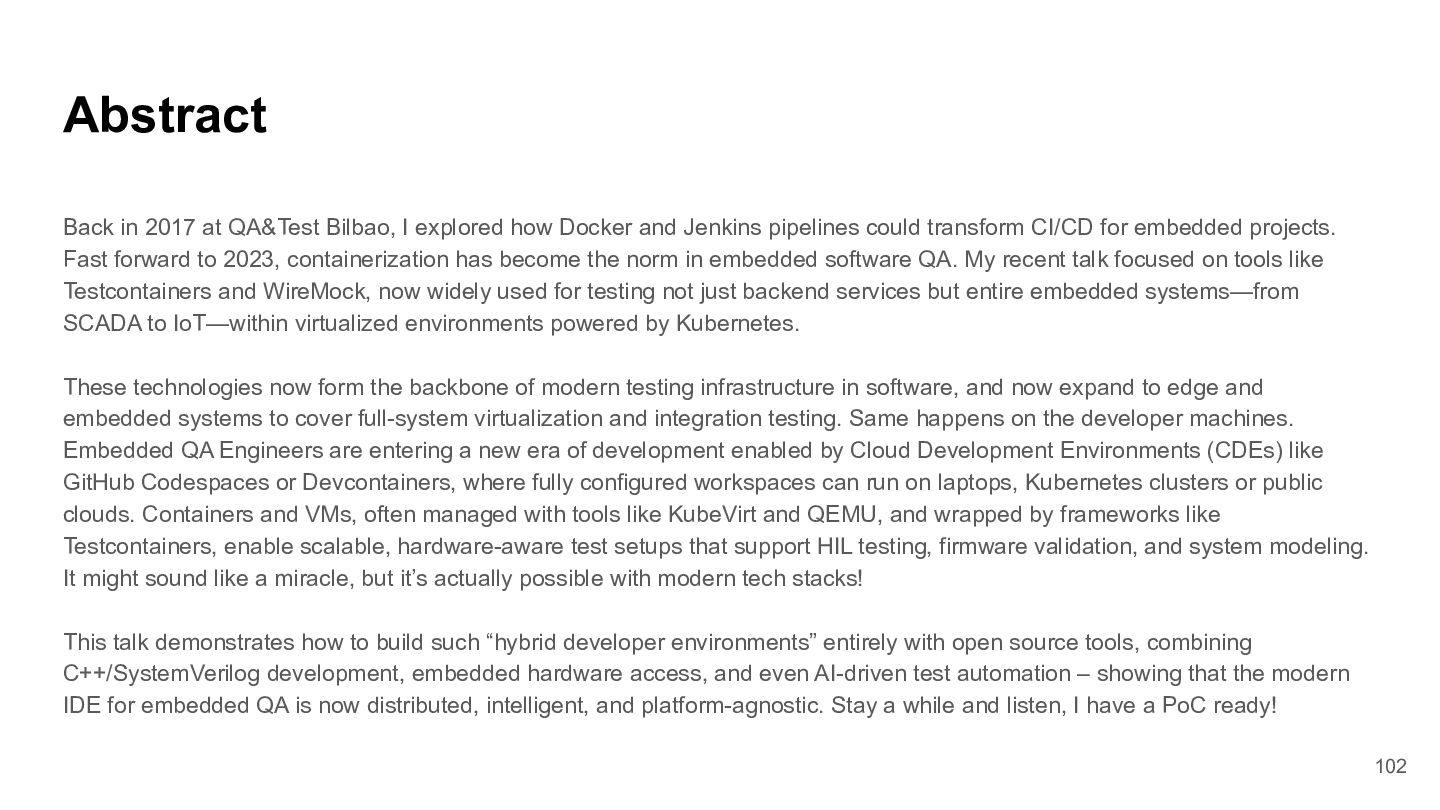
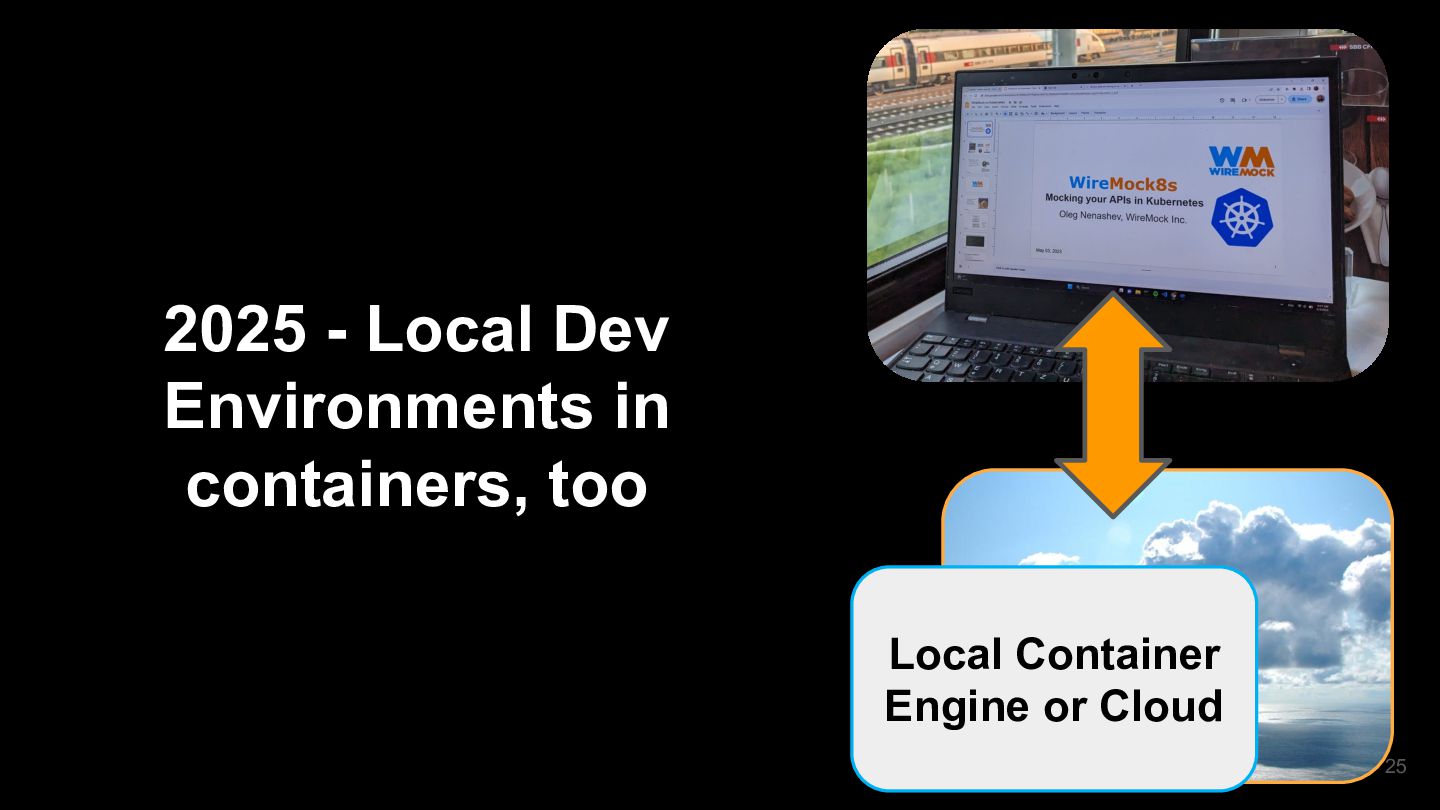
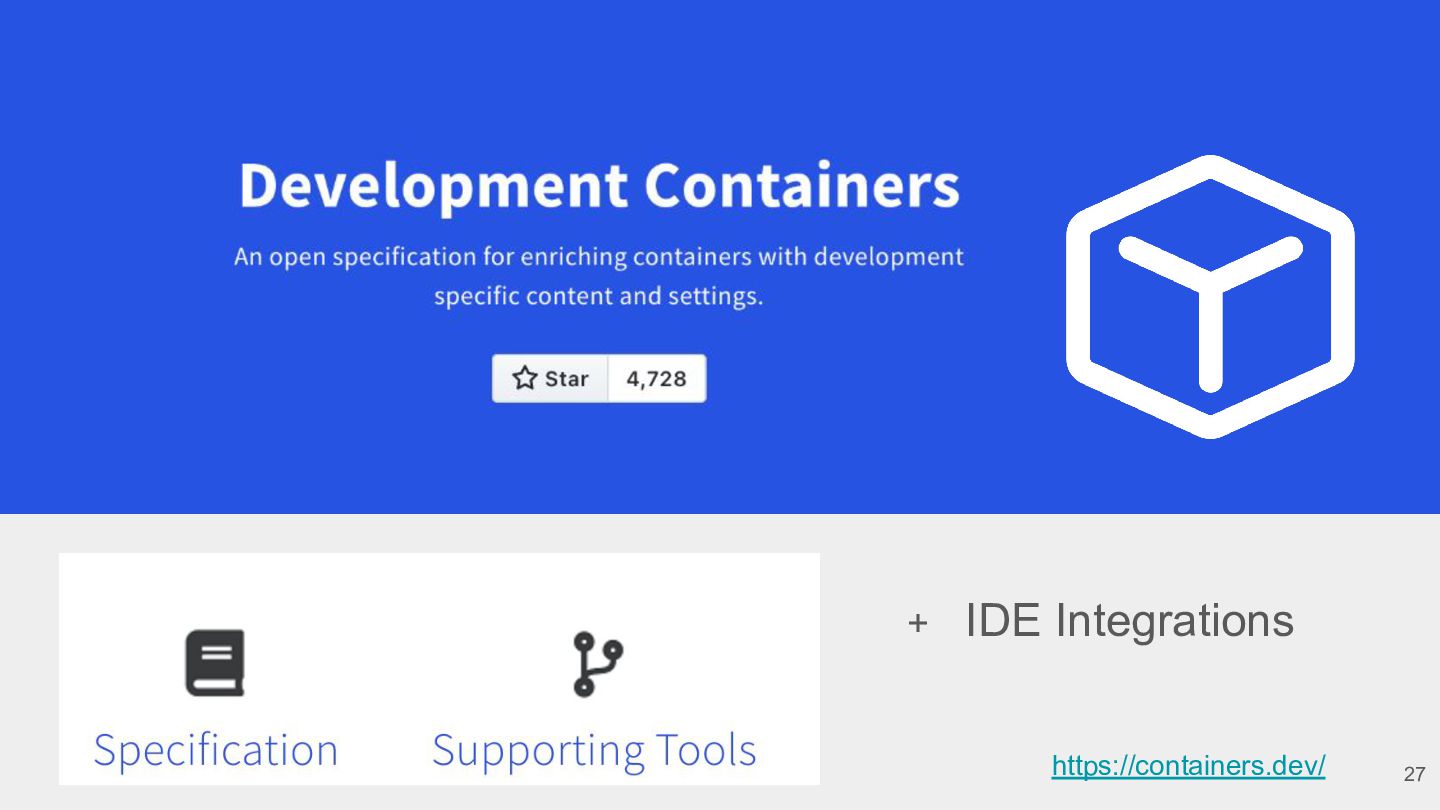
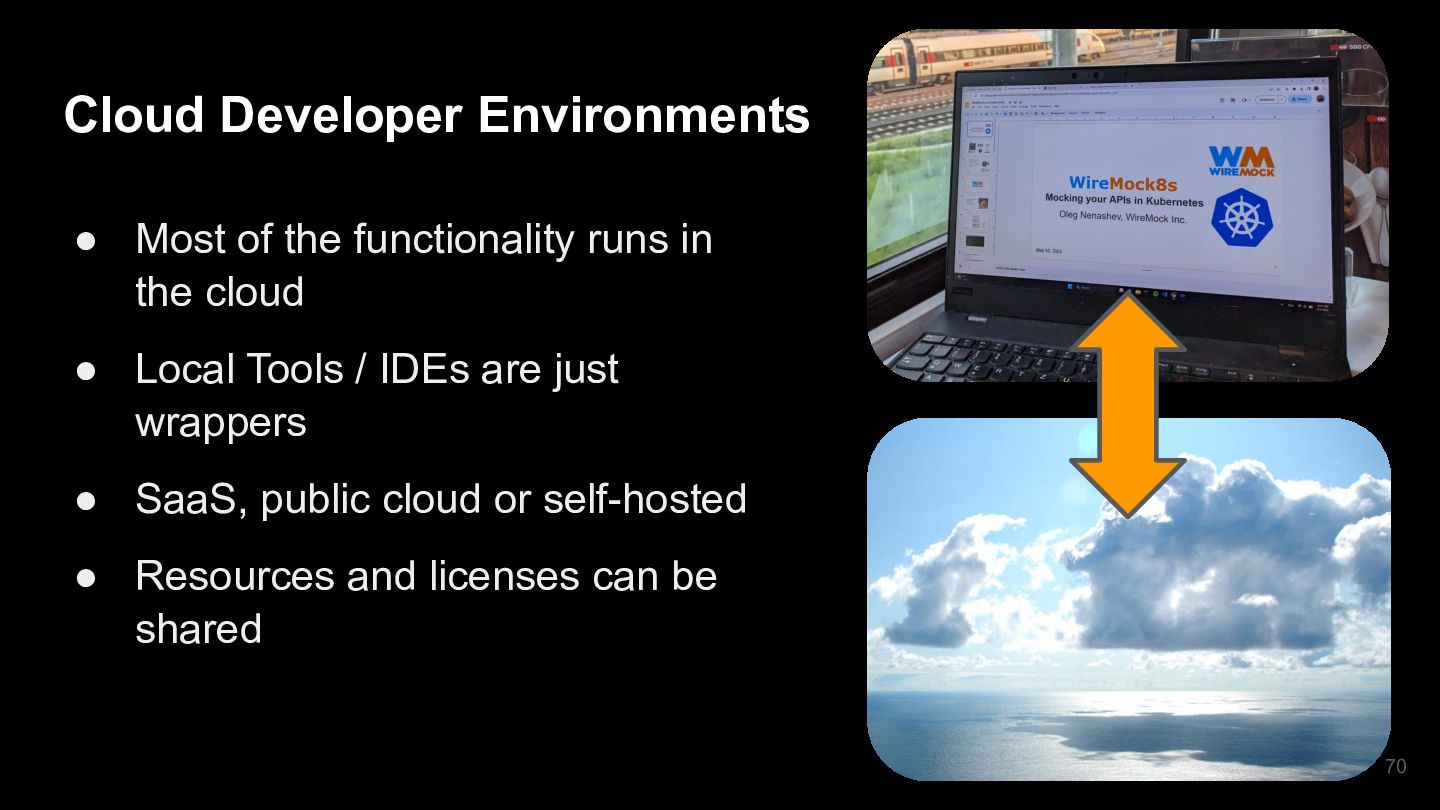
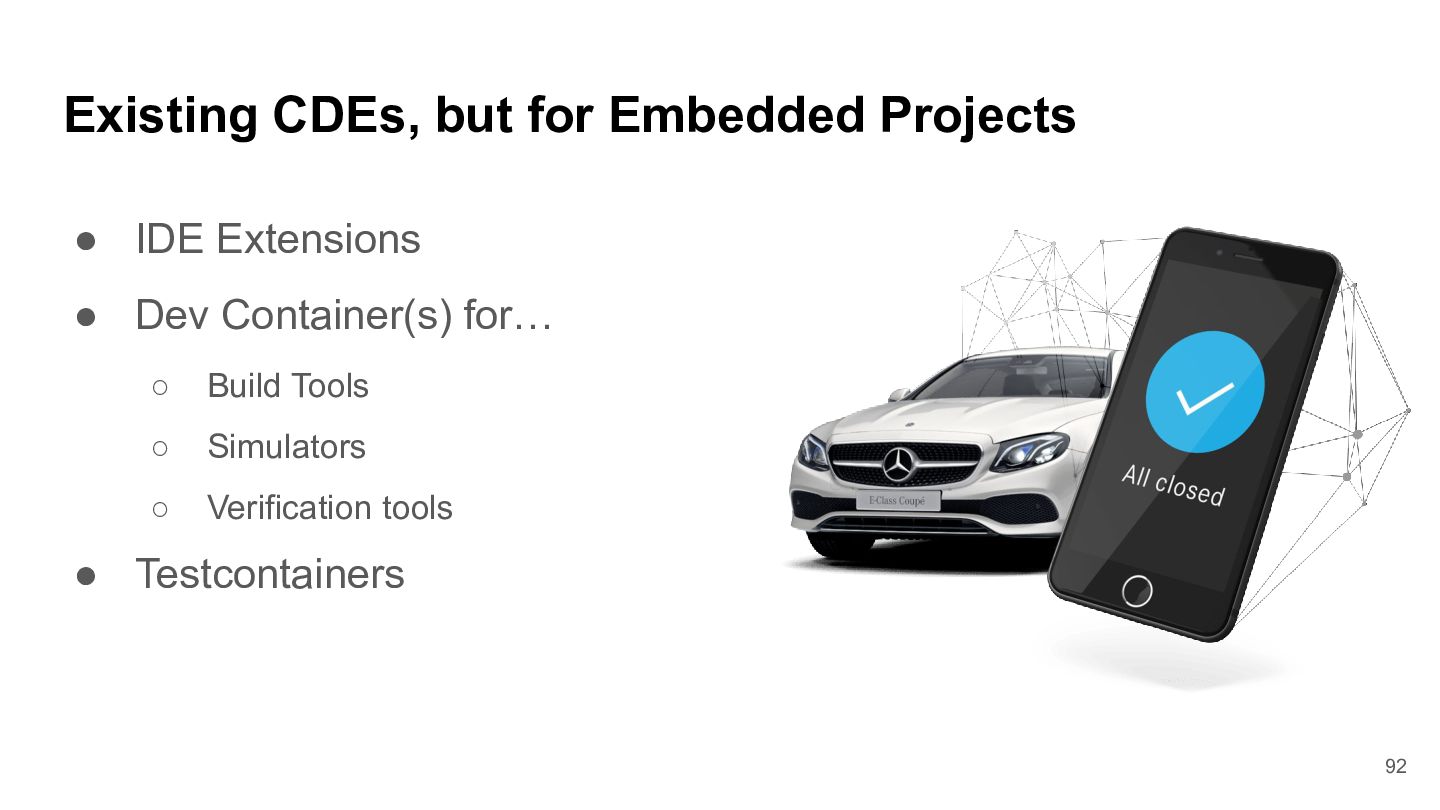
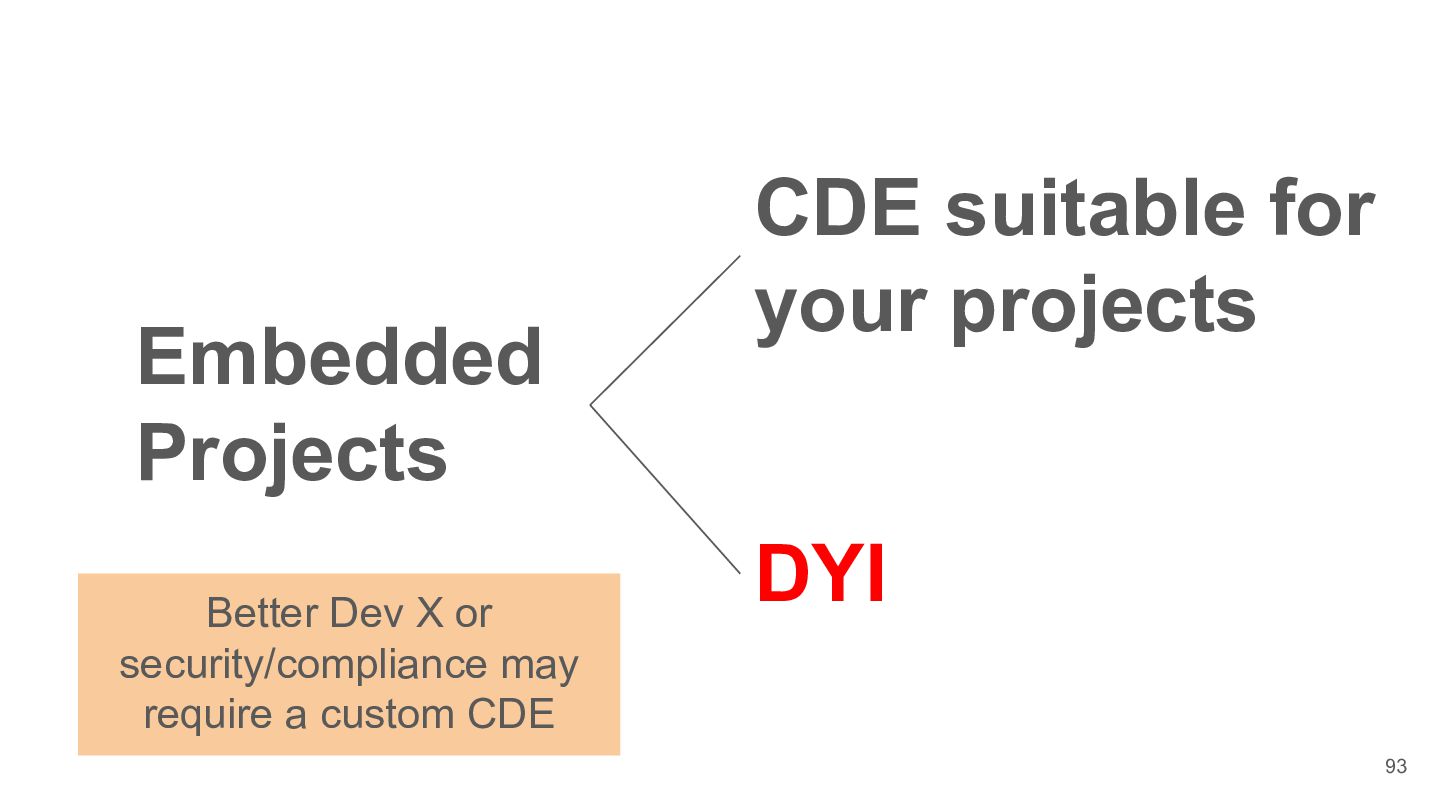
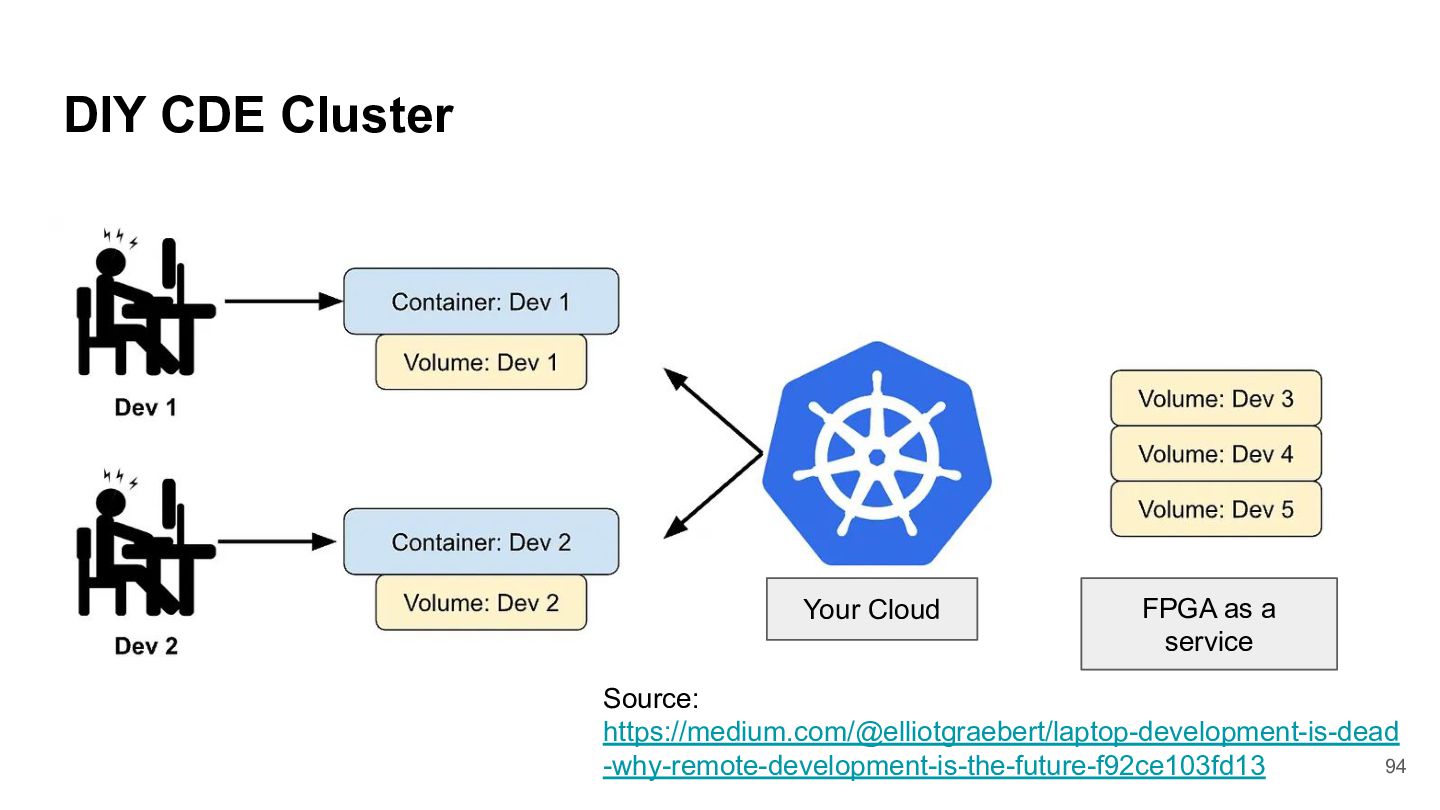
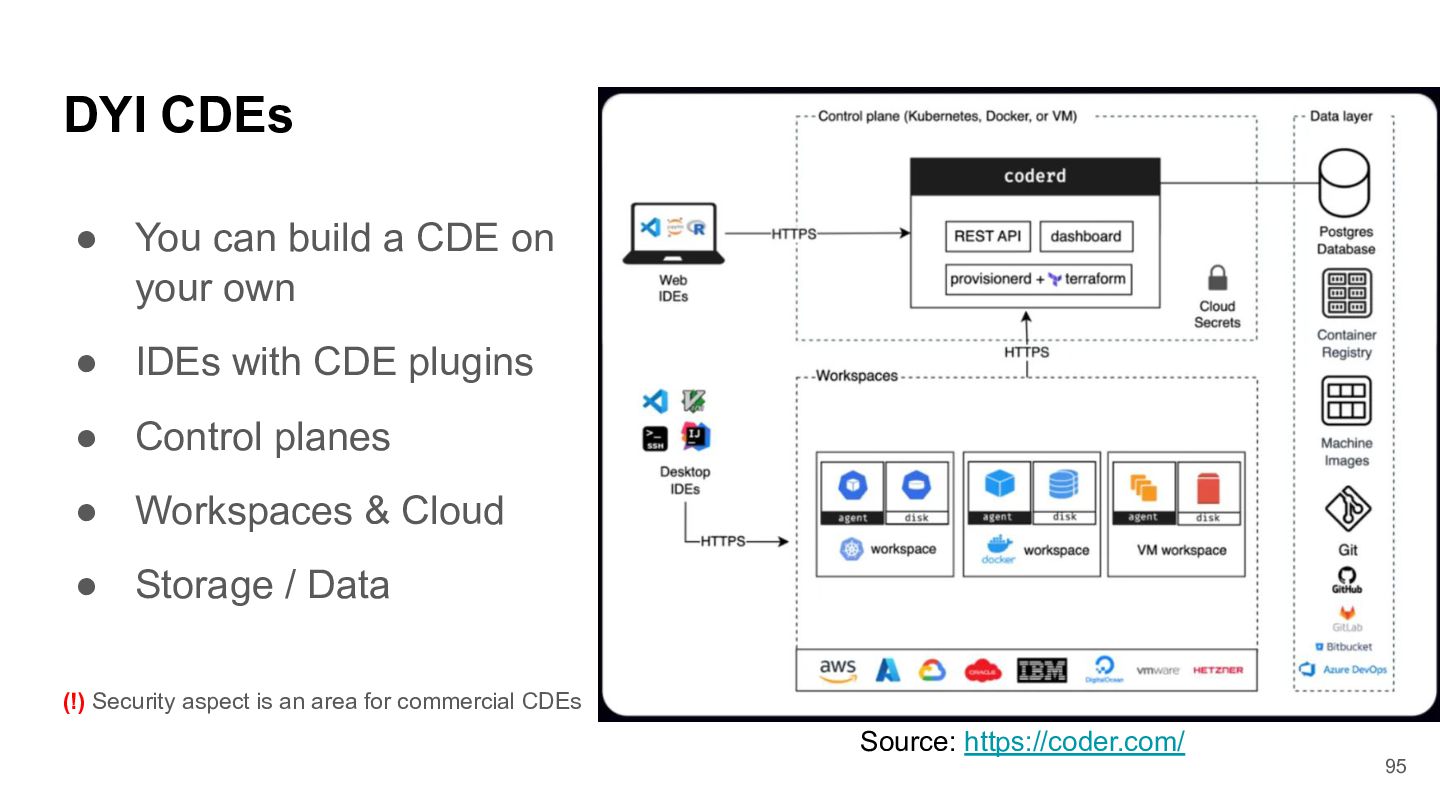
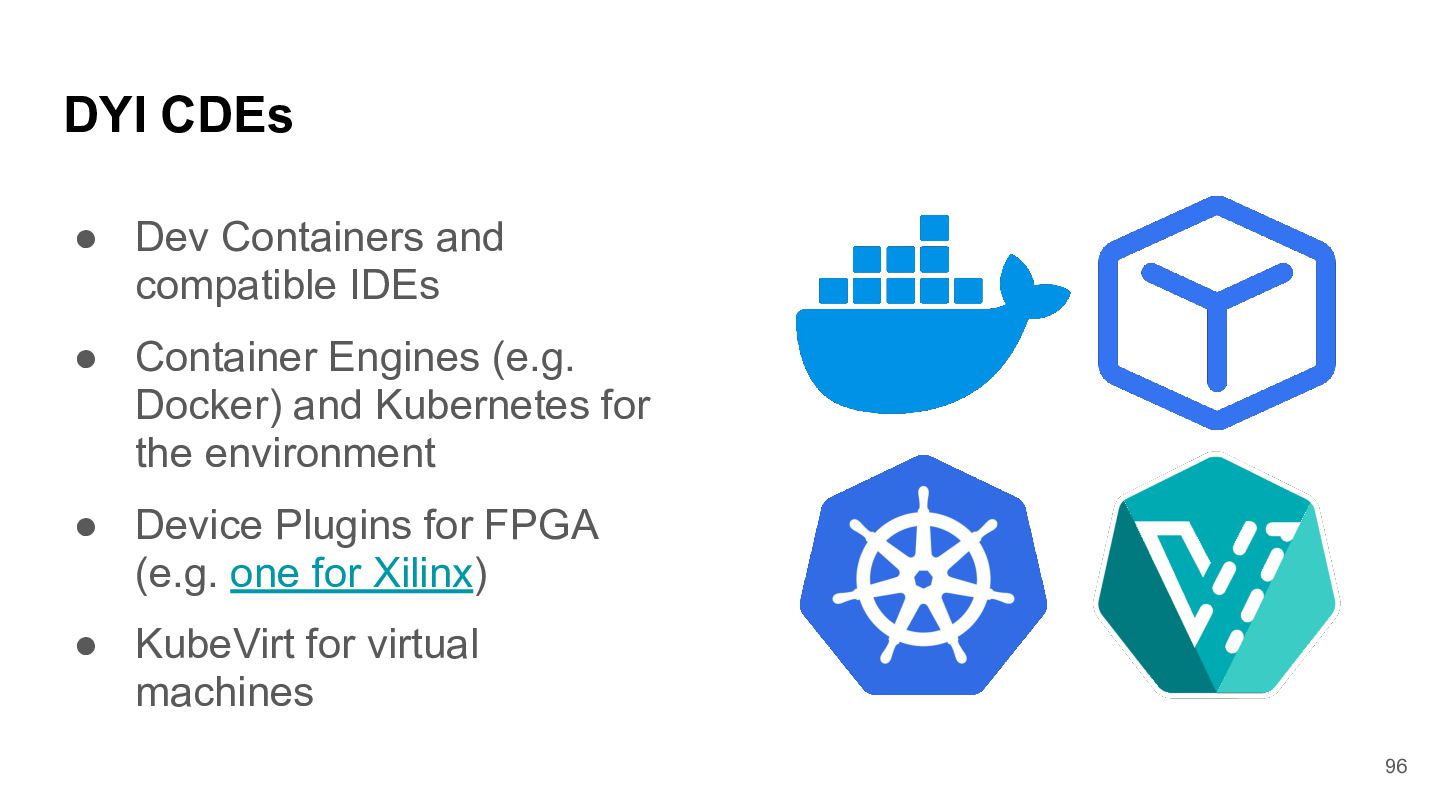
Embedded development and QA are entering a new era, enabled by Cloud Development Environments (CDEs) such as GitHub Codespaces or Devcontainers, which allow fully configured workspaces to run on laptops, Kubernetes clusters, or public clouds. Containers and VMs, often managed with tools like KubeVirt and QEMU and wrapped by frameworks like Testcontainers, enable scalable, hardware-aware test setups for HIL testing, firmware validation, and system modeling. It might sound like a miracle, but modern tech stacks make it possible!
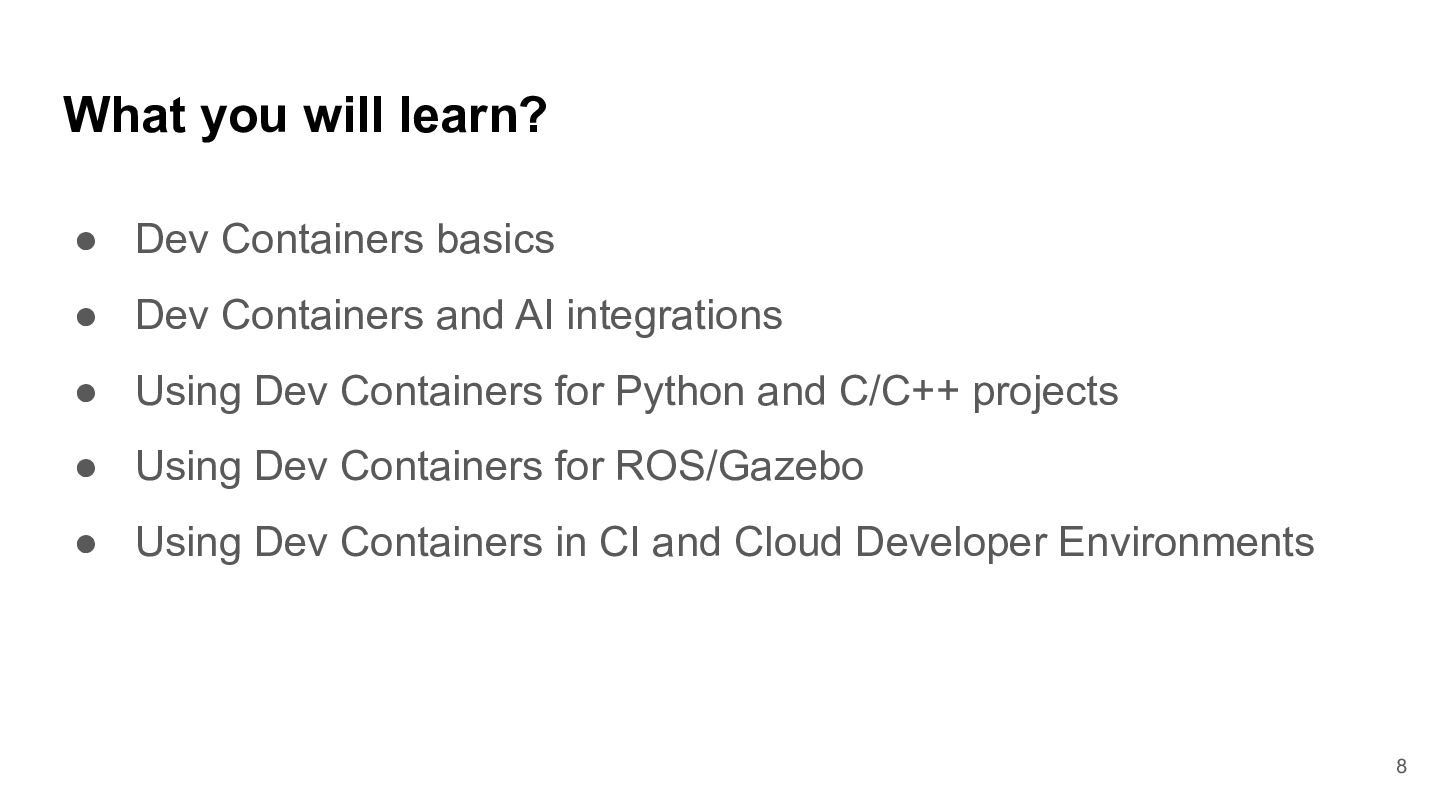
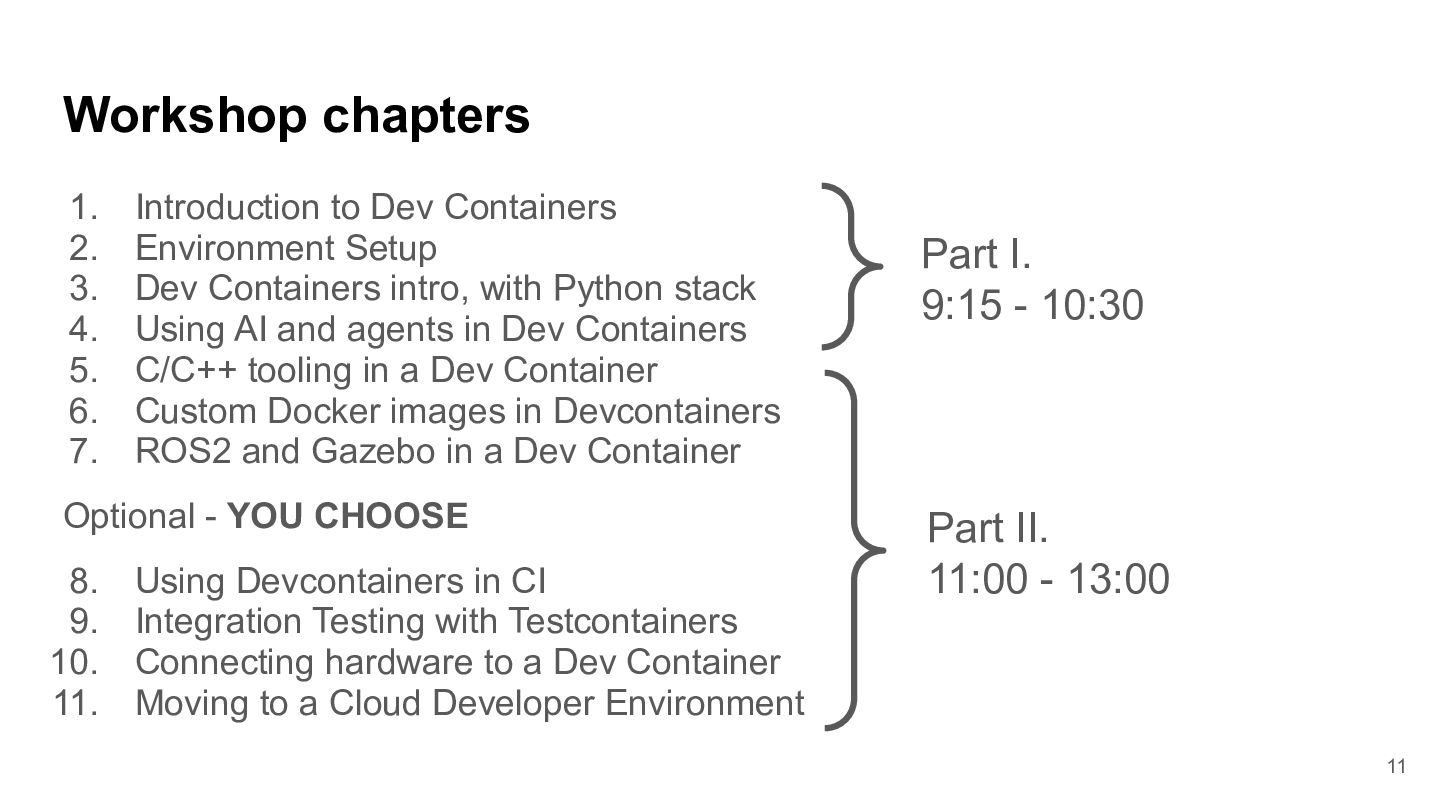
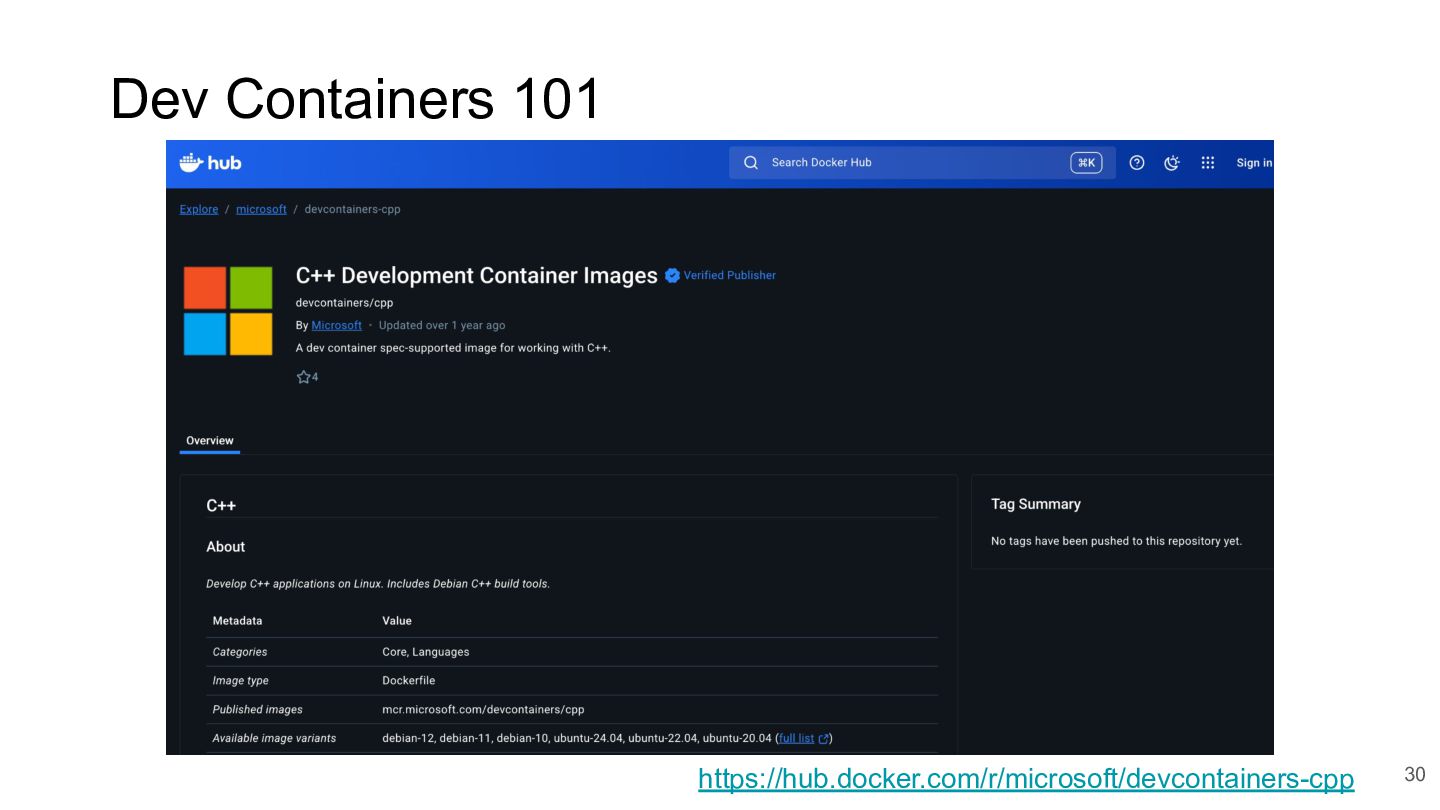
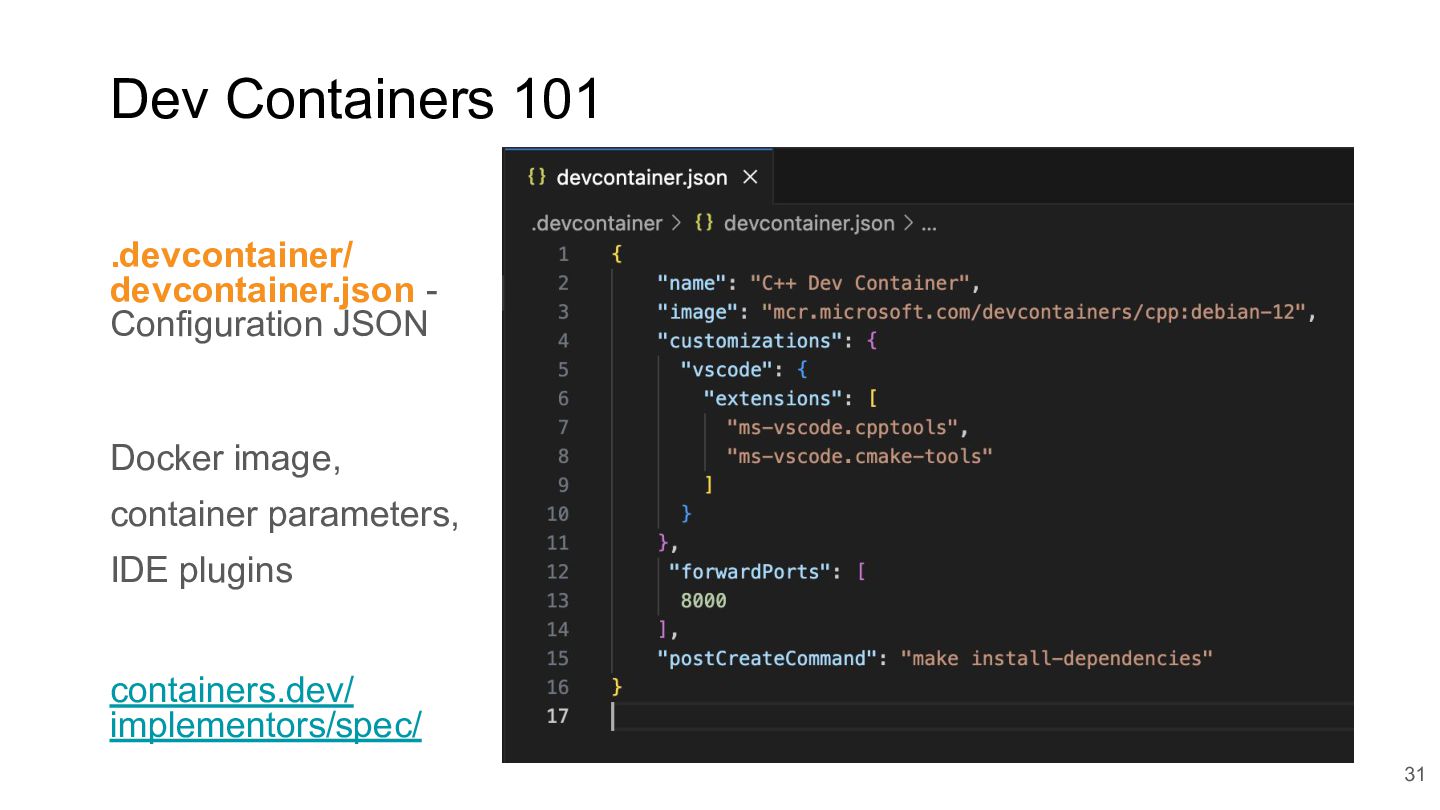
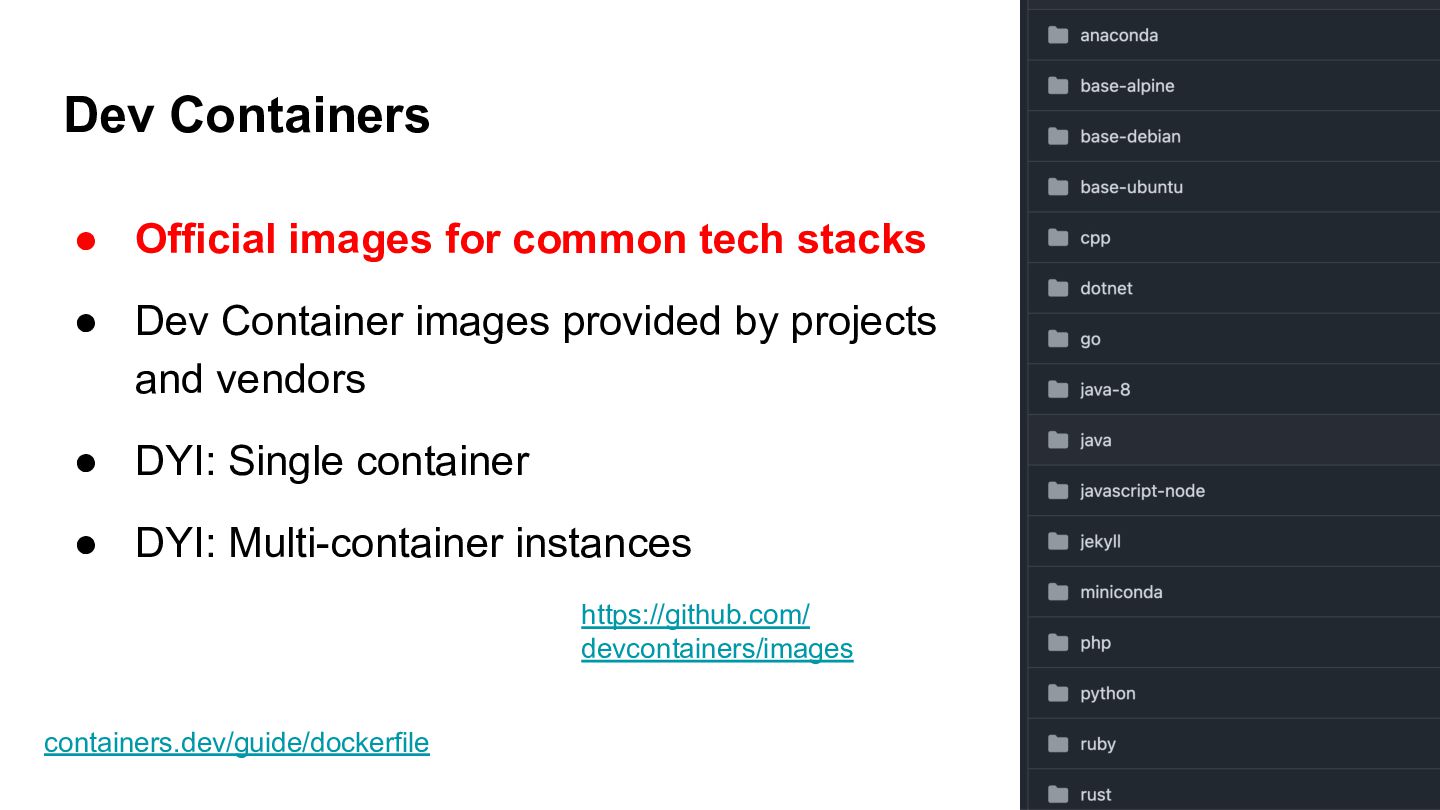
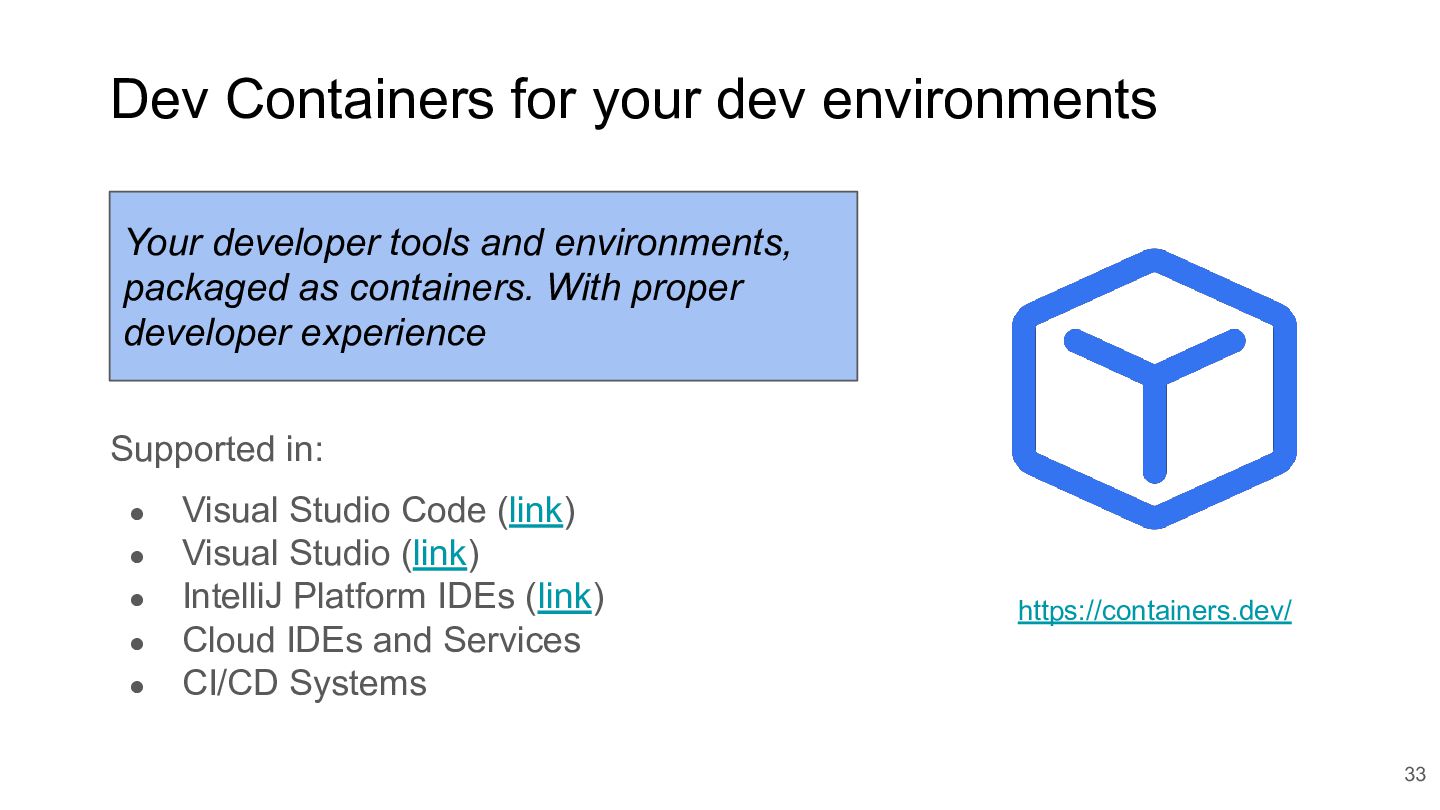
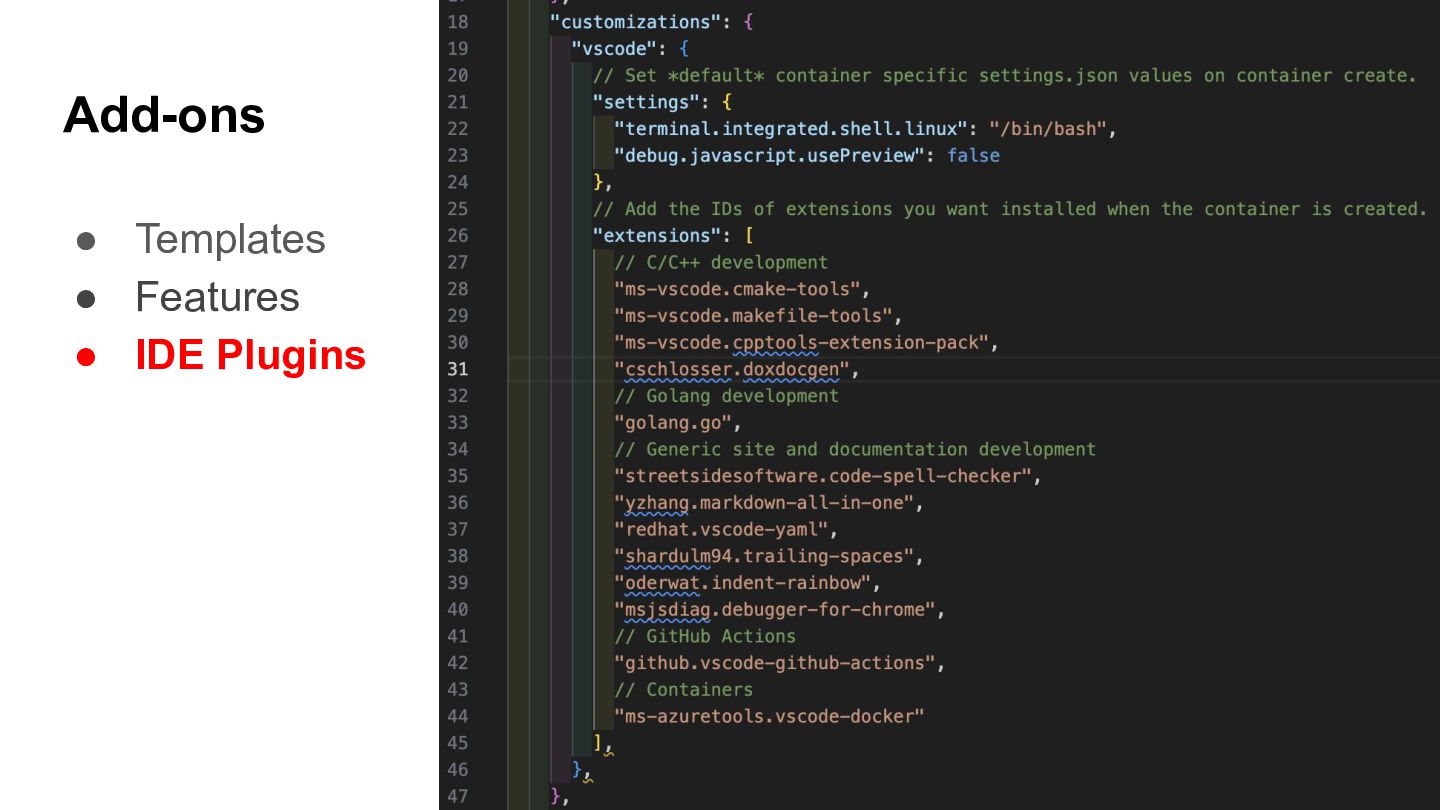
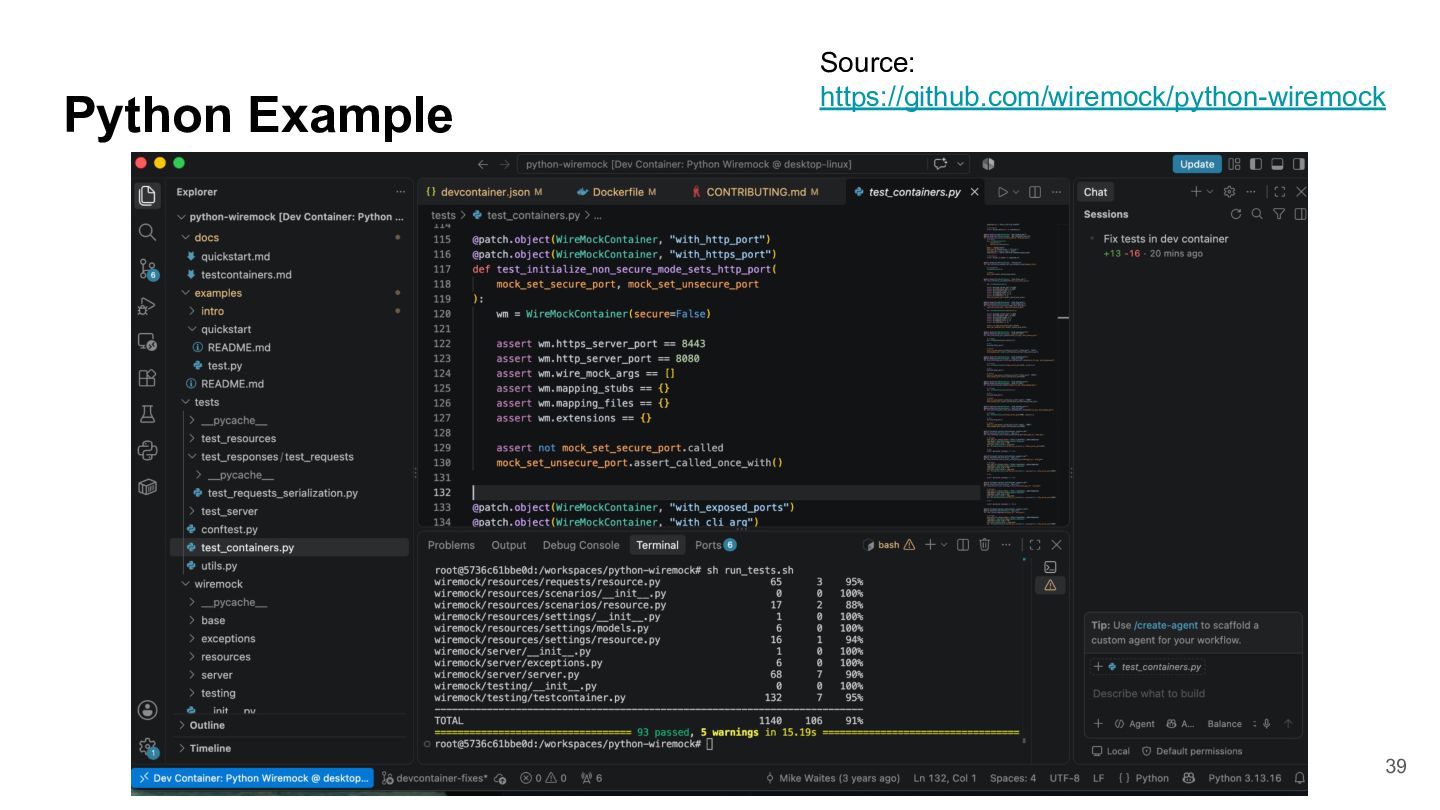
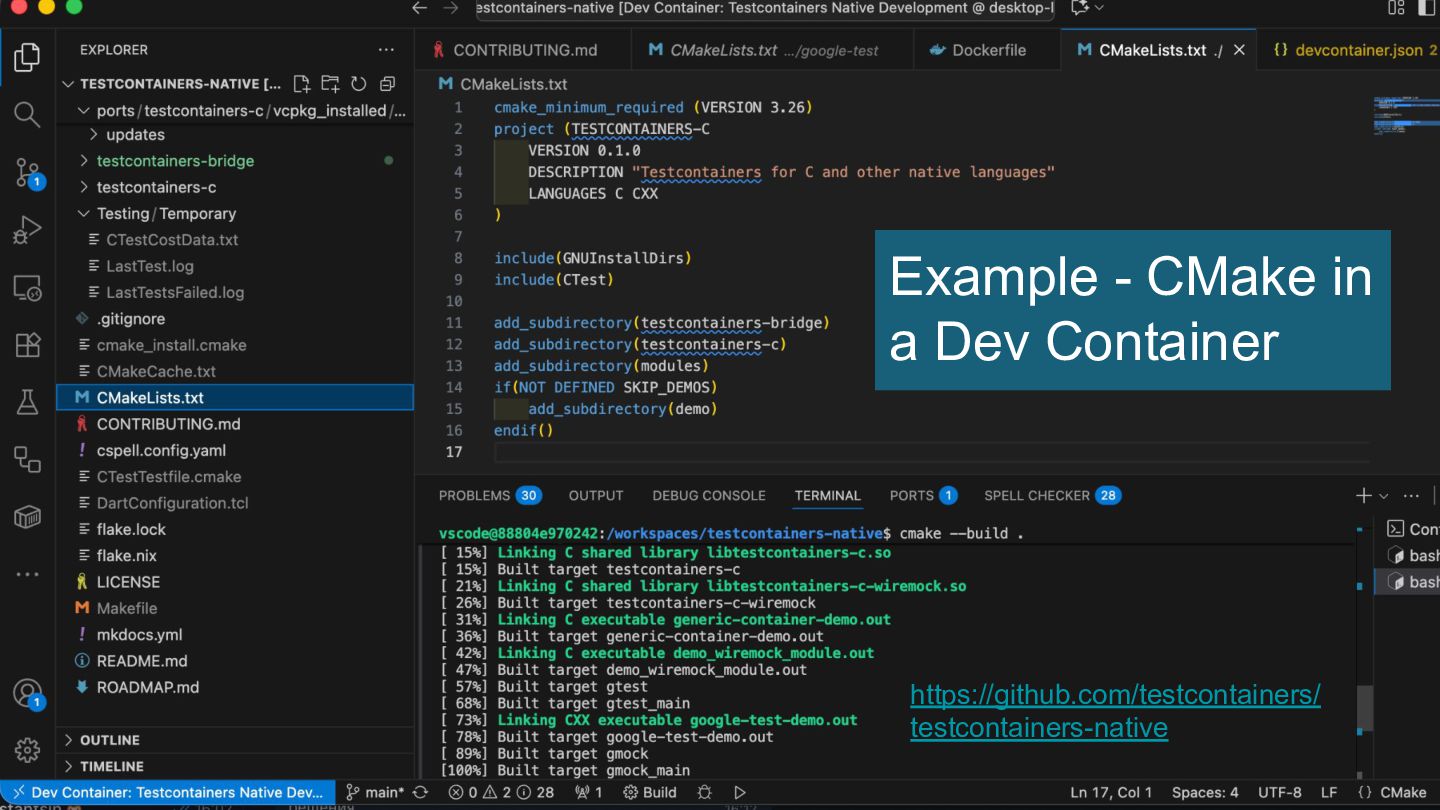
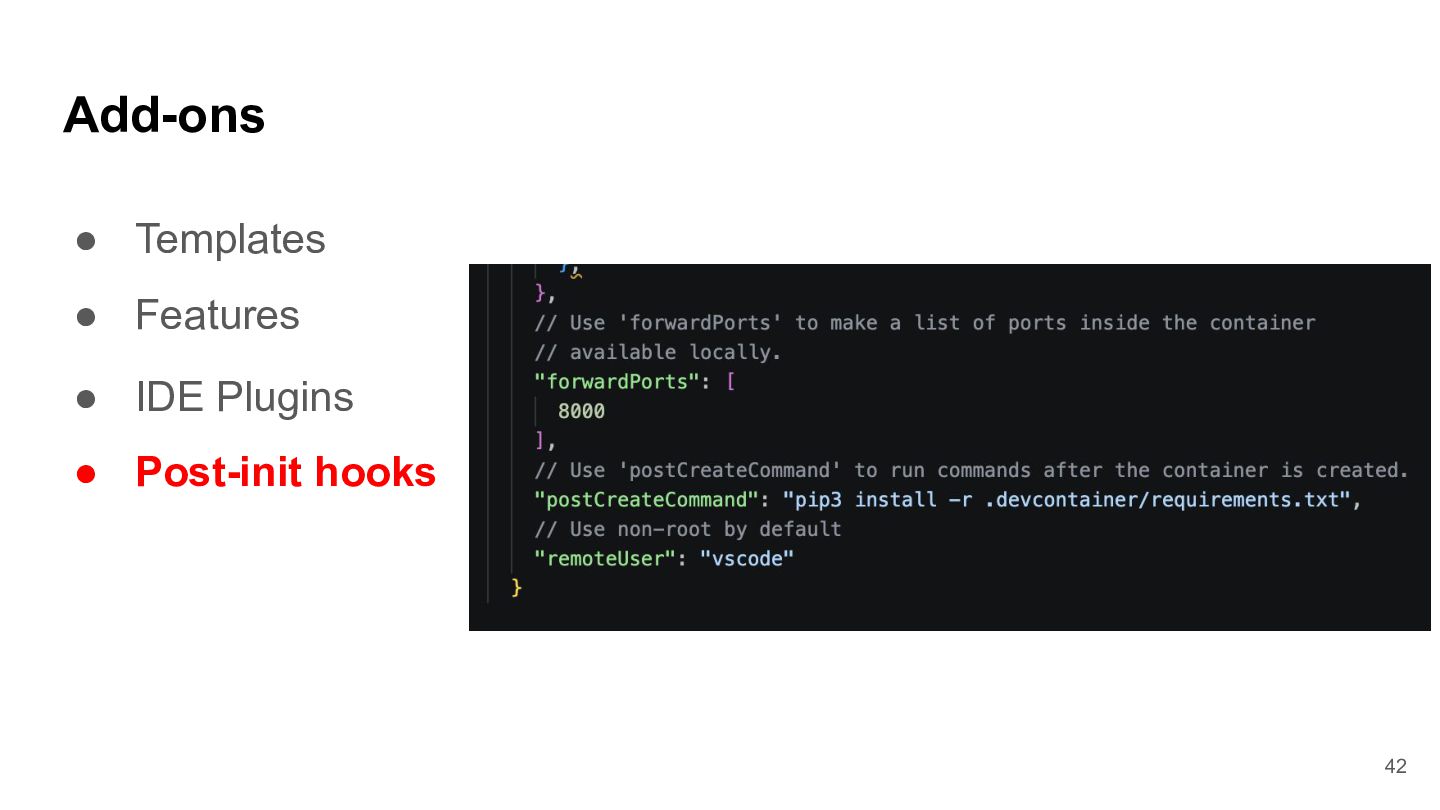
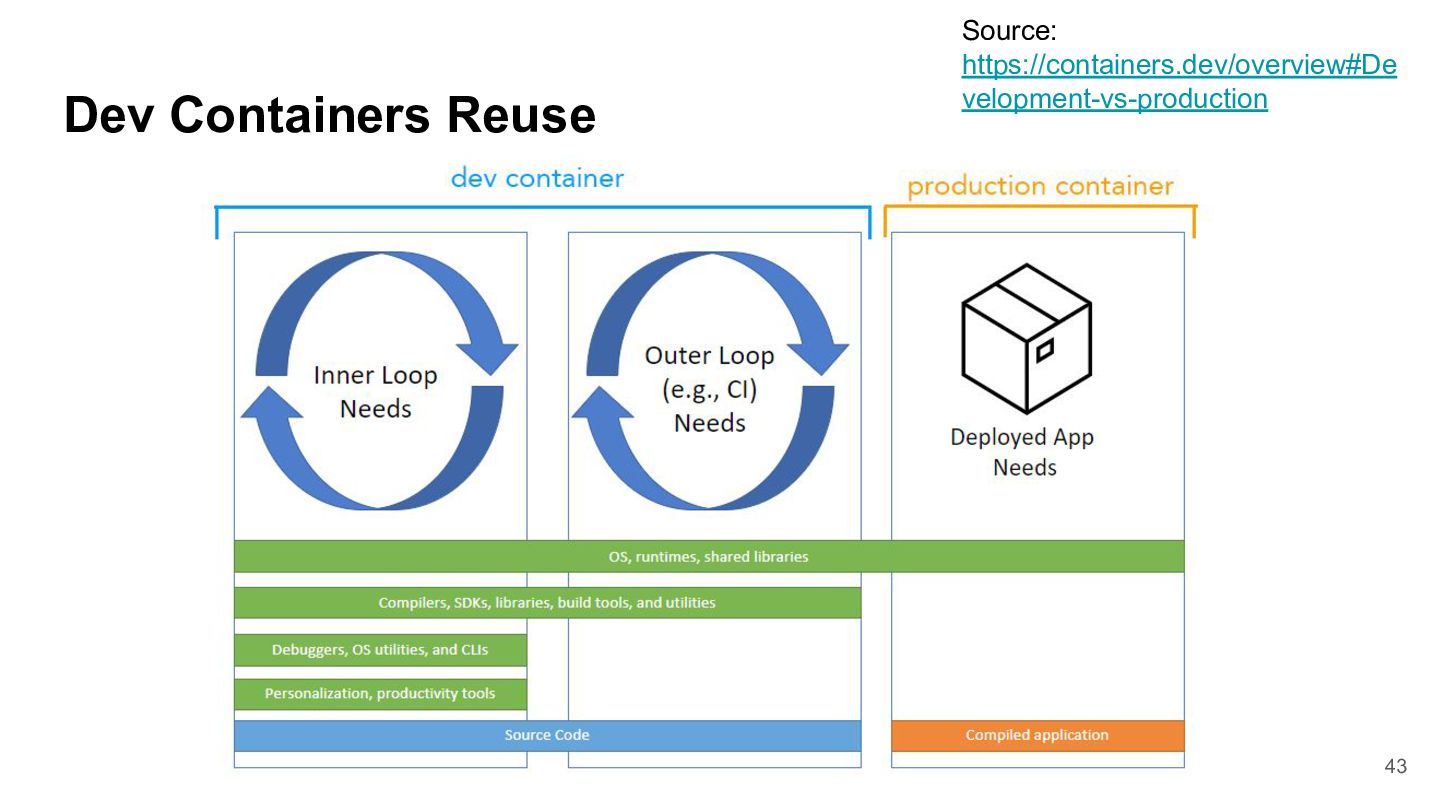
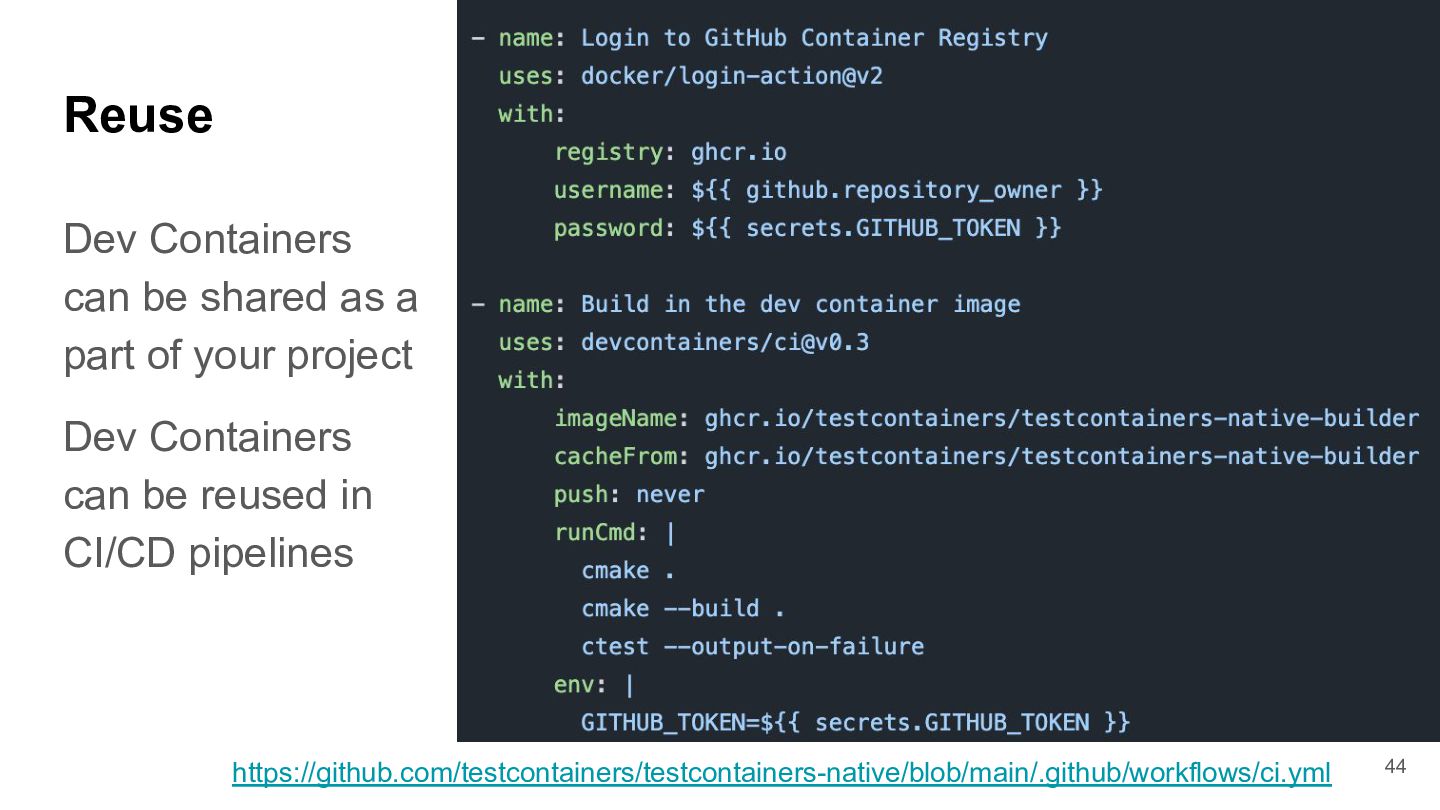
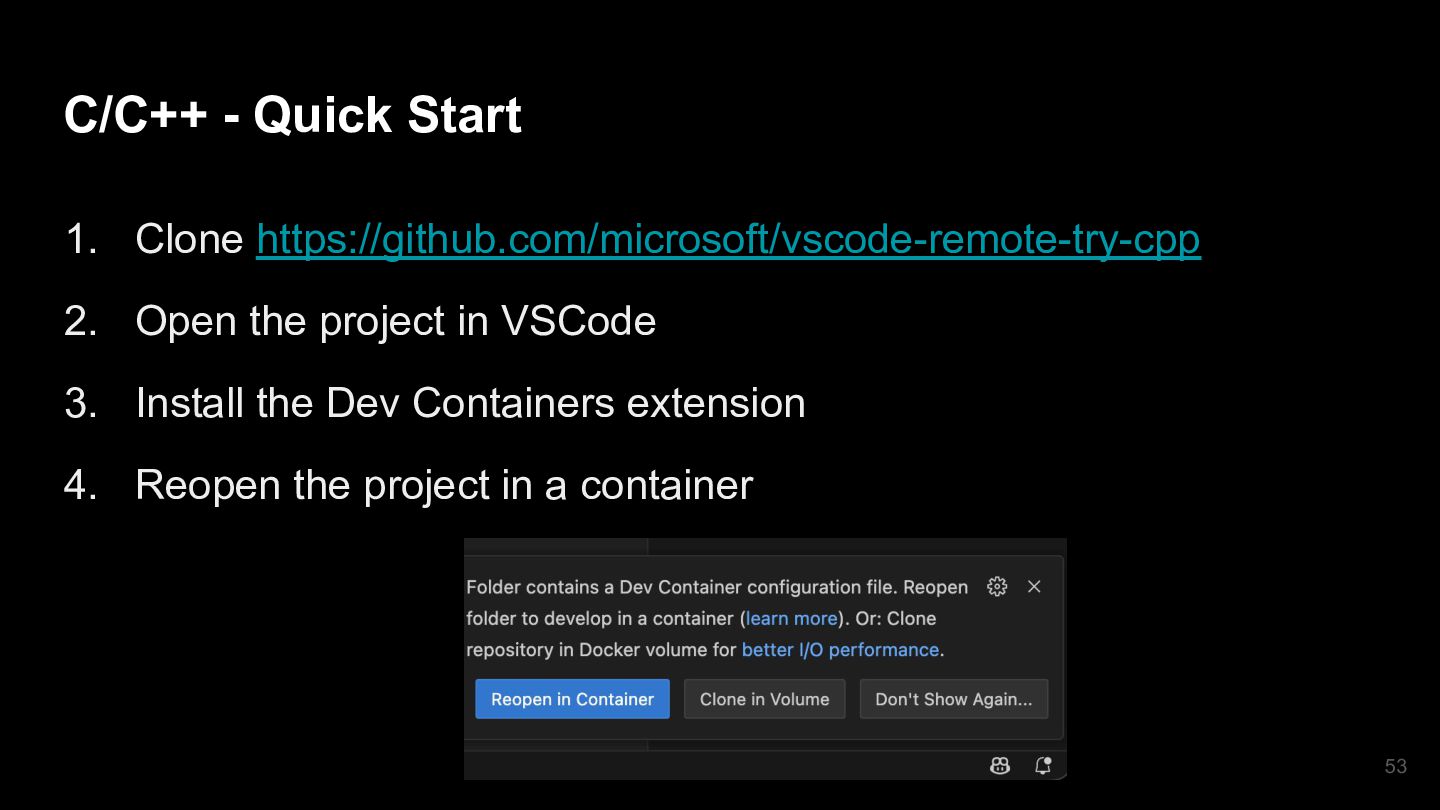
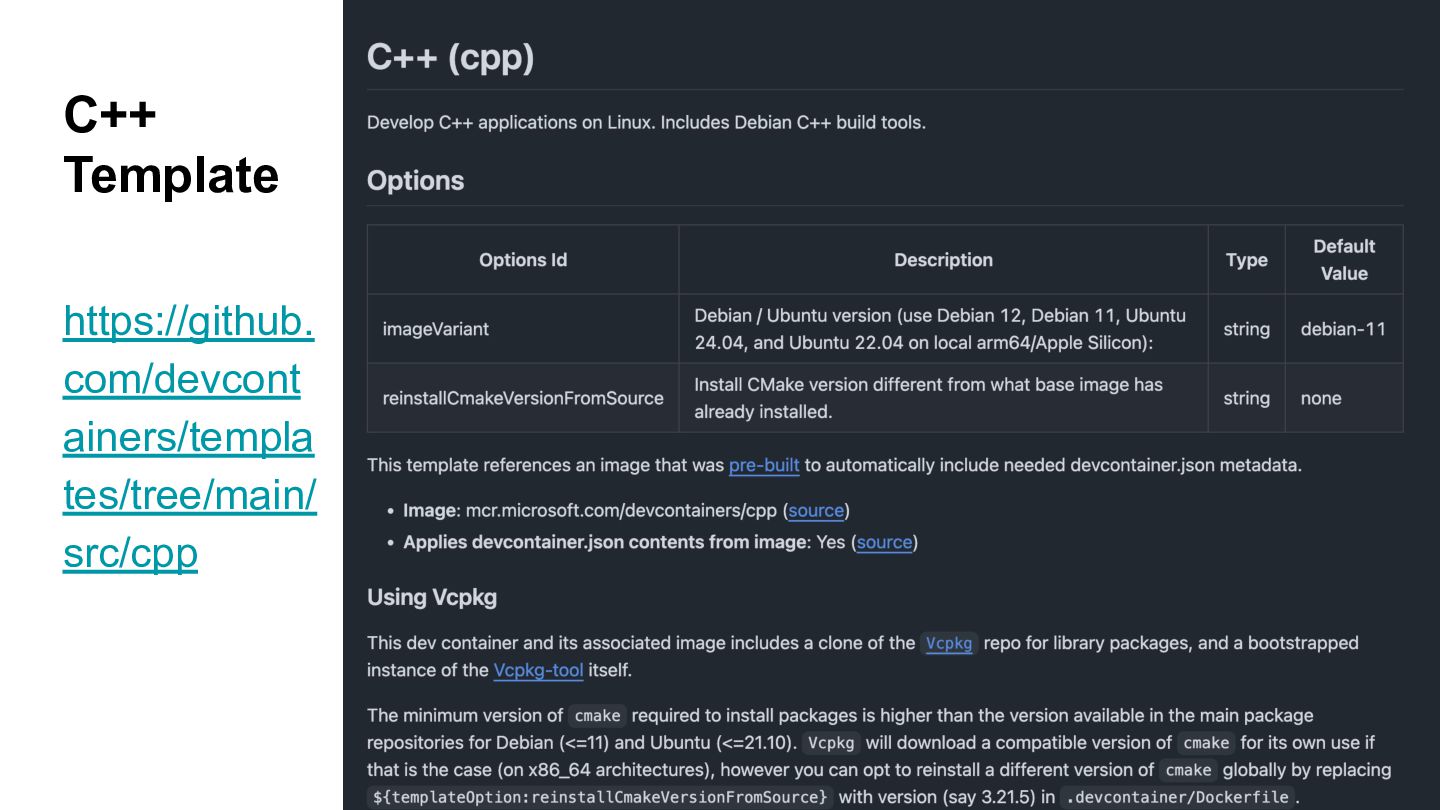
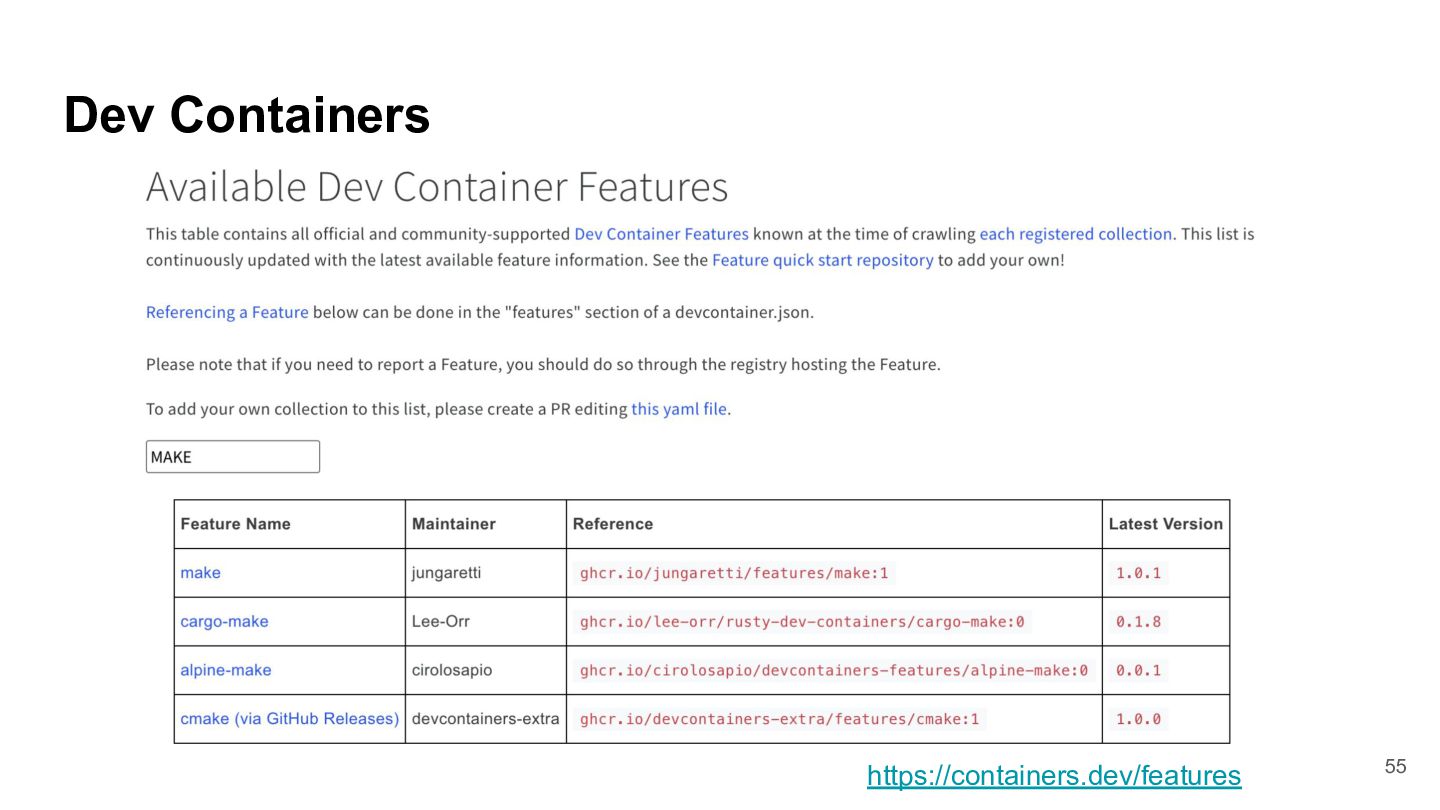
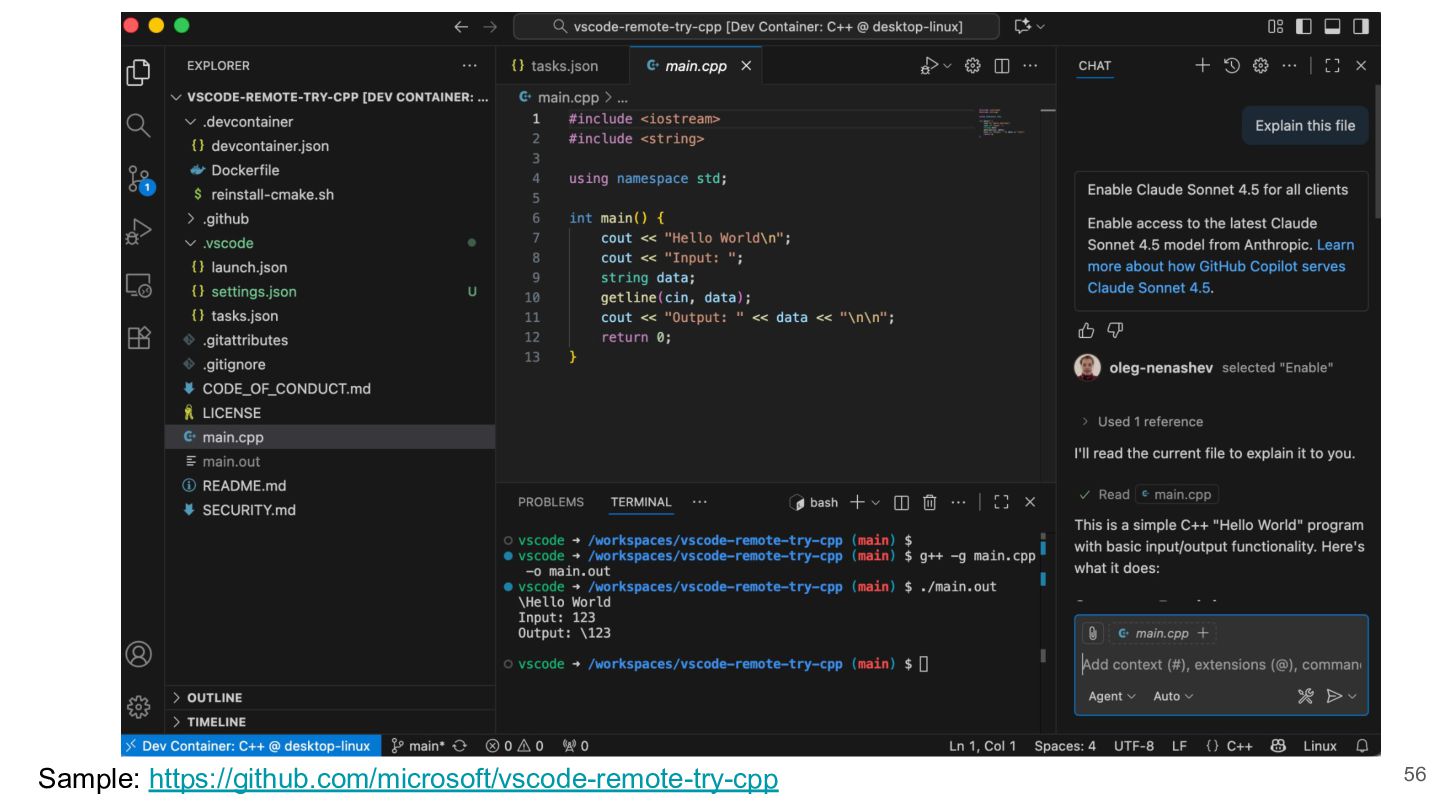
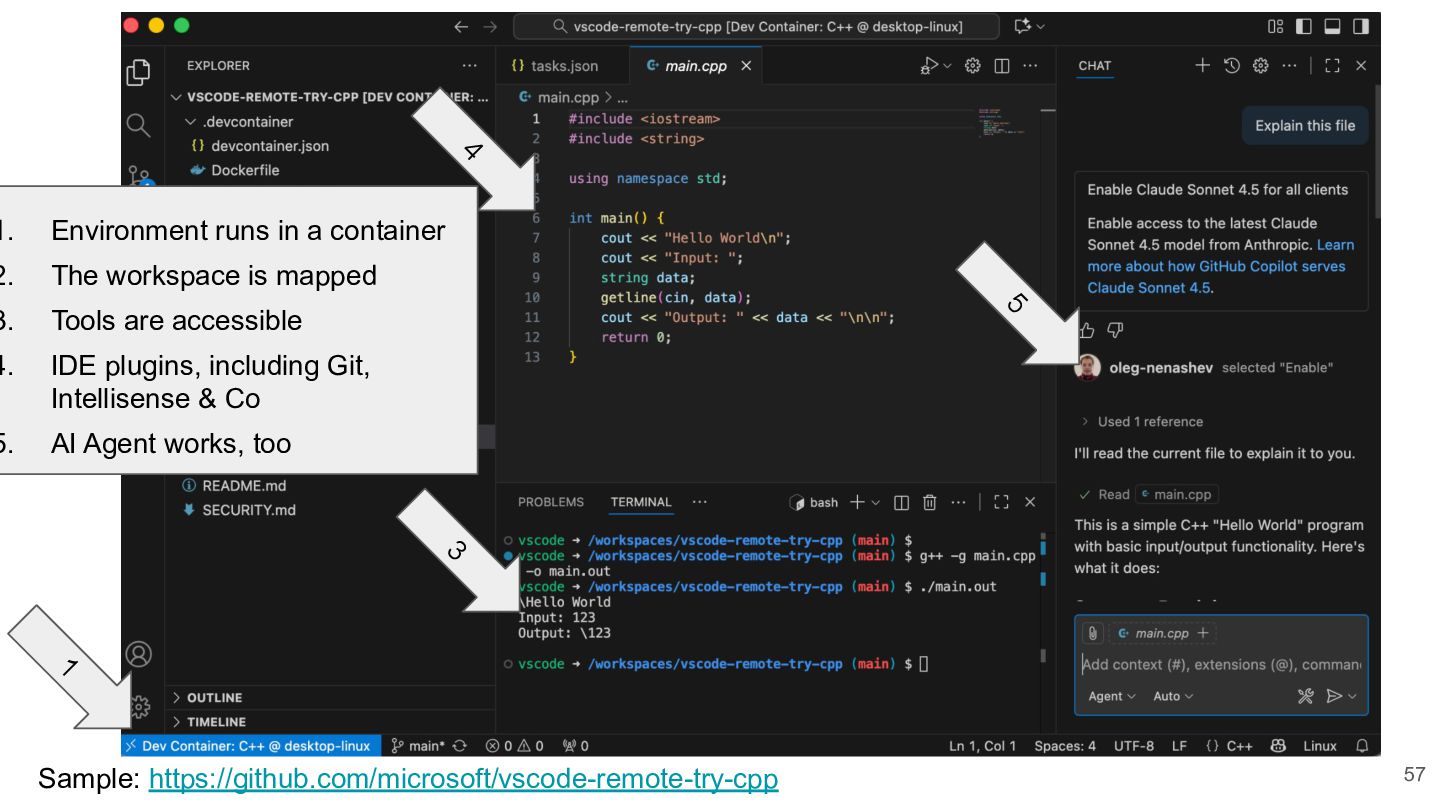
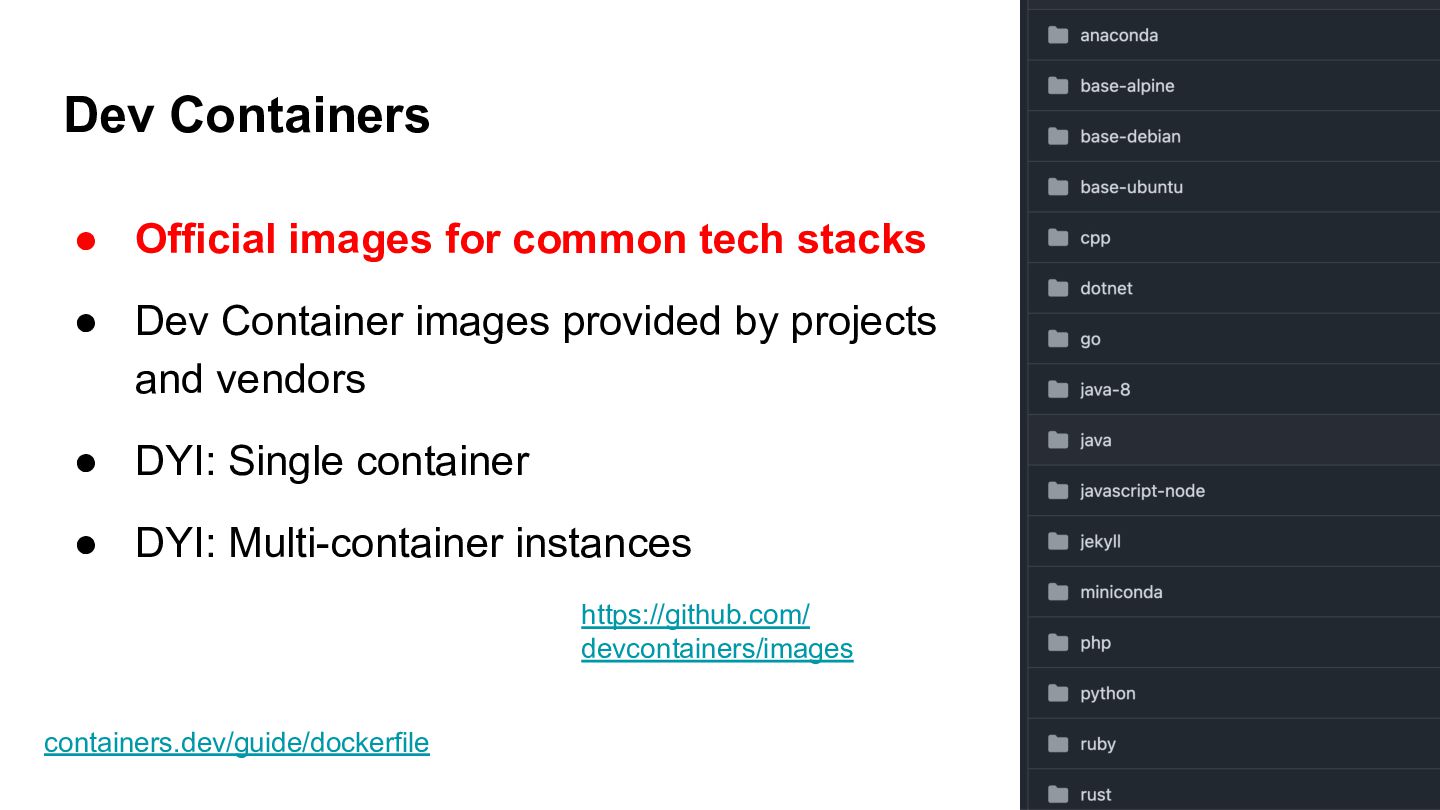
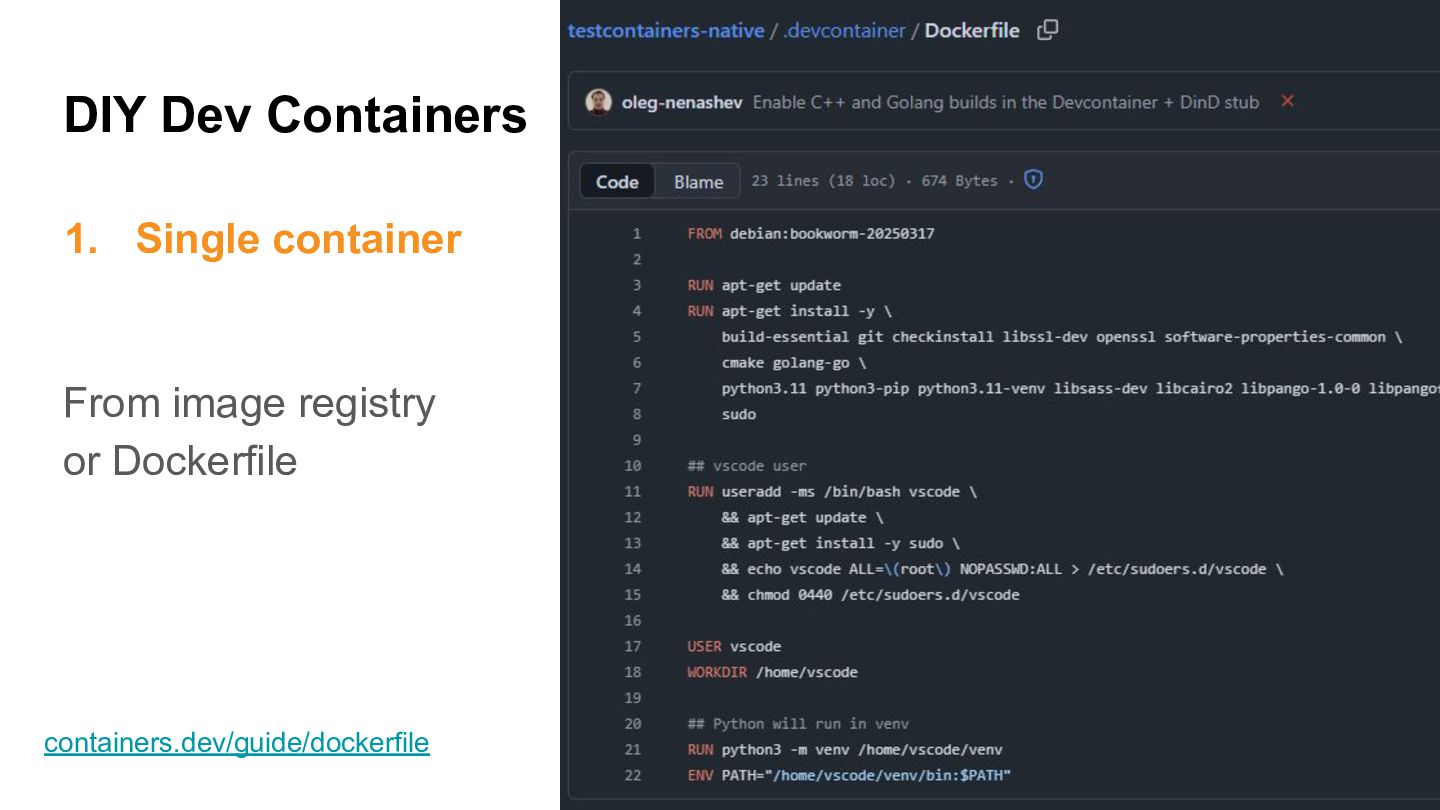
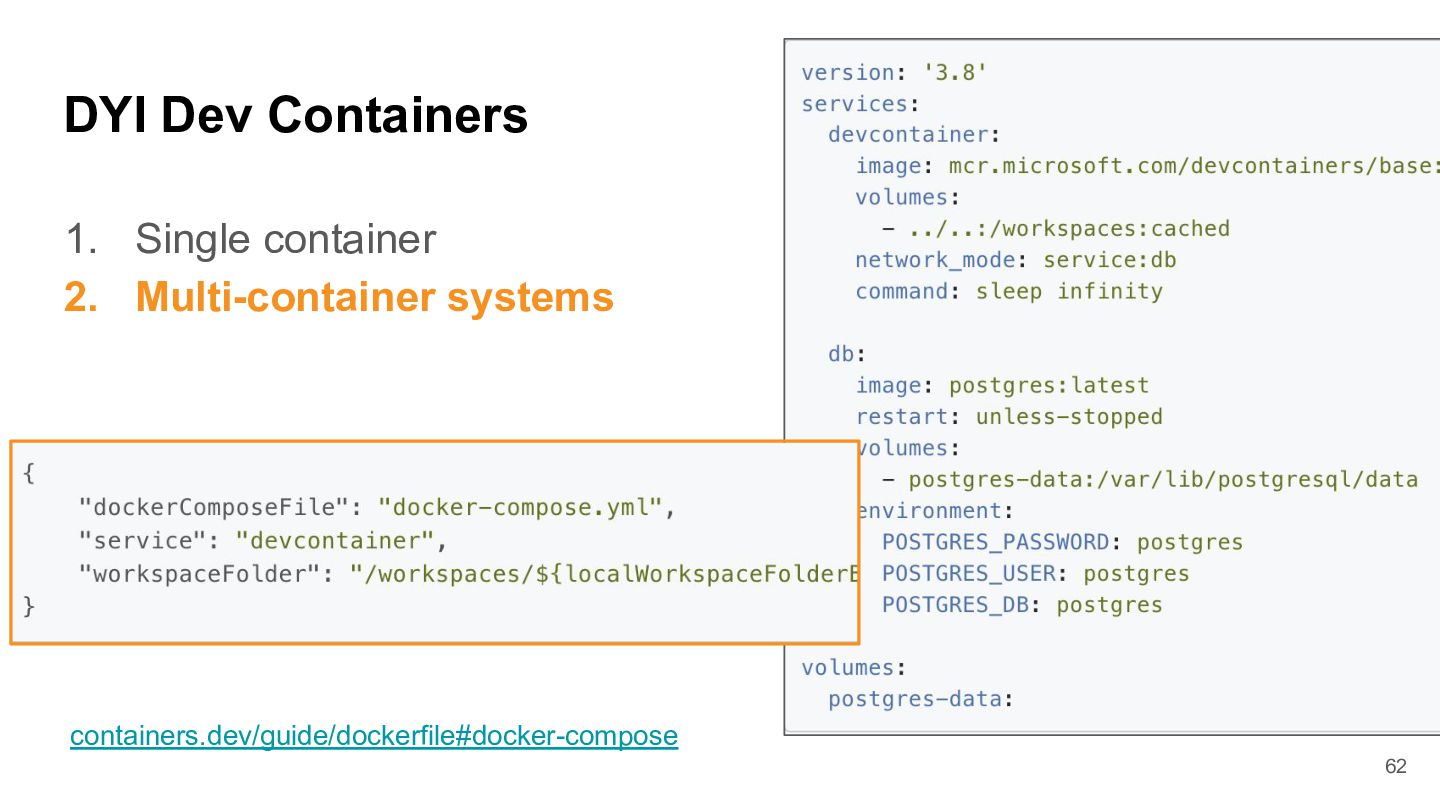
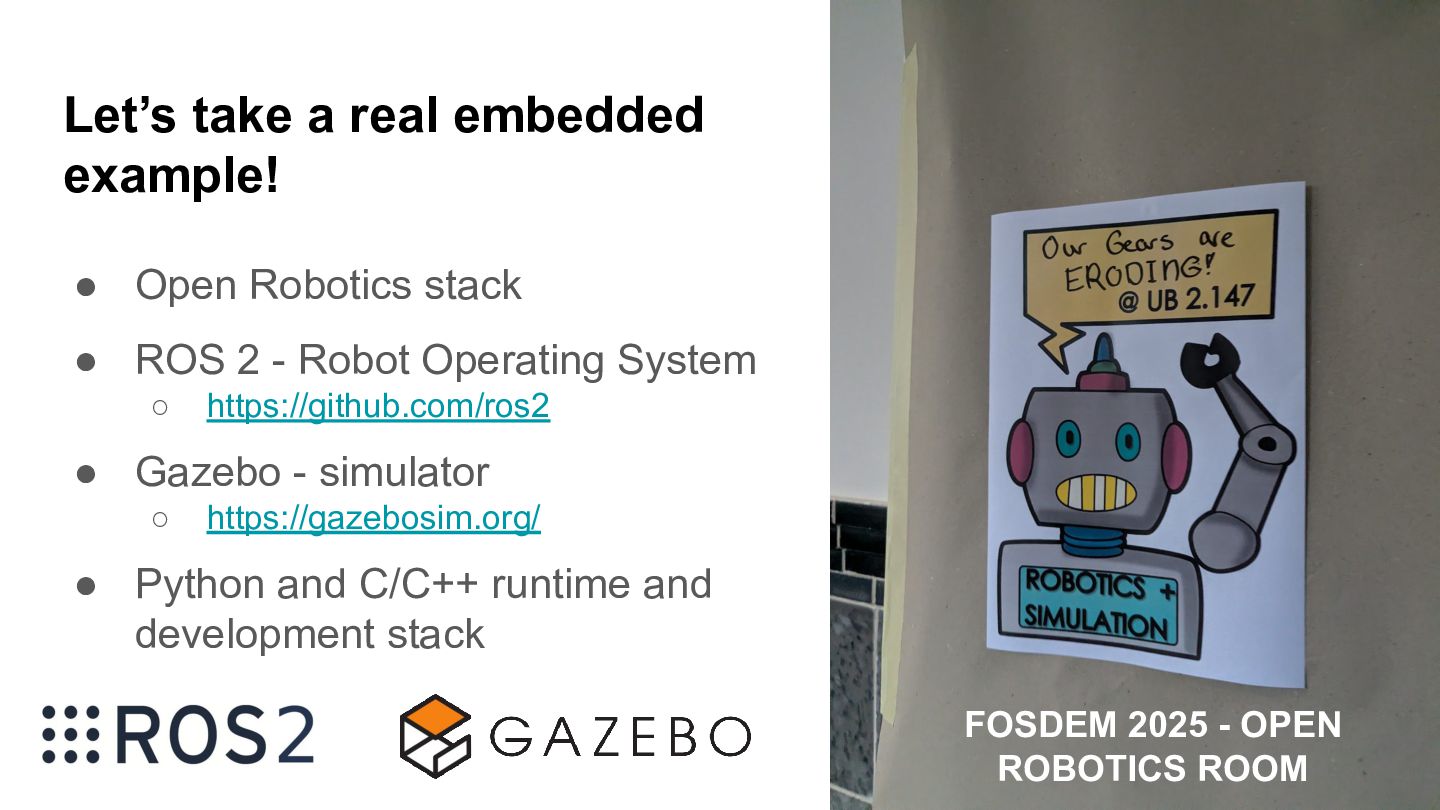
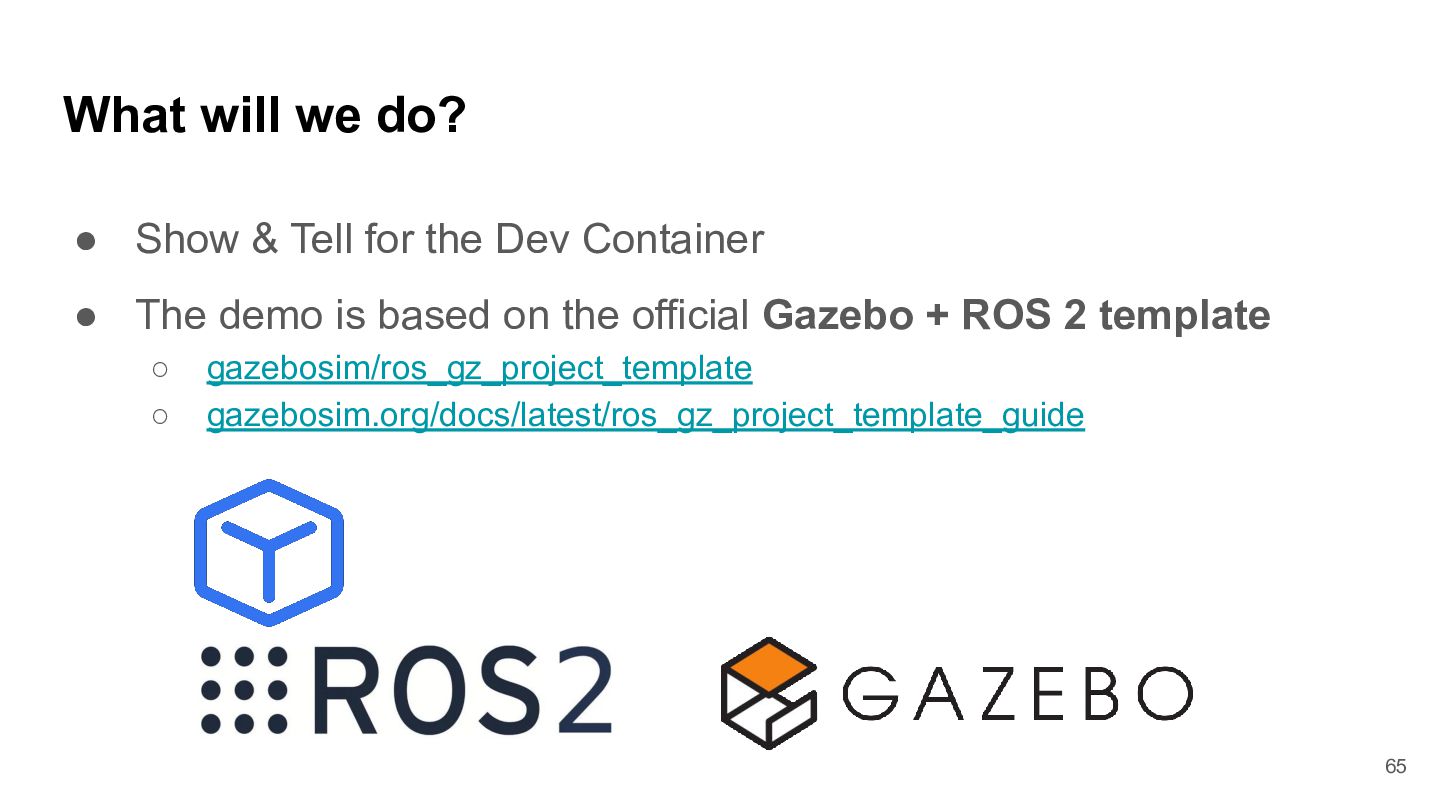
During this workshop, we'll build a containerized developer environment for a robotics project using the open-source ROS2 stack (C++/Python, CMake, custom build tools, Gazebo, etc.), or another example nominated by the audience. Step by step, you will learn to define and customize Dev Containers for their technology stacks, adapt IDEs for embedded workflows, and package the full environment for sharing across teams and reuse in CI/CD pipelines.
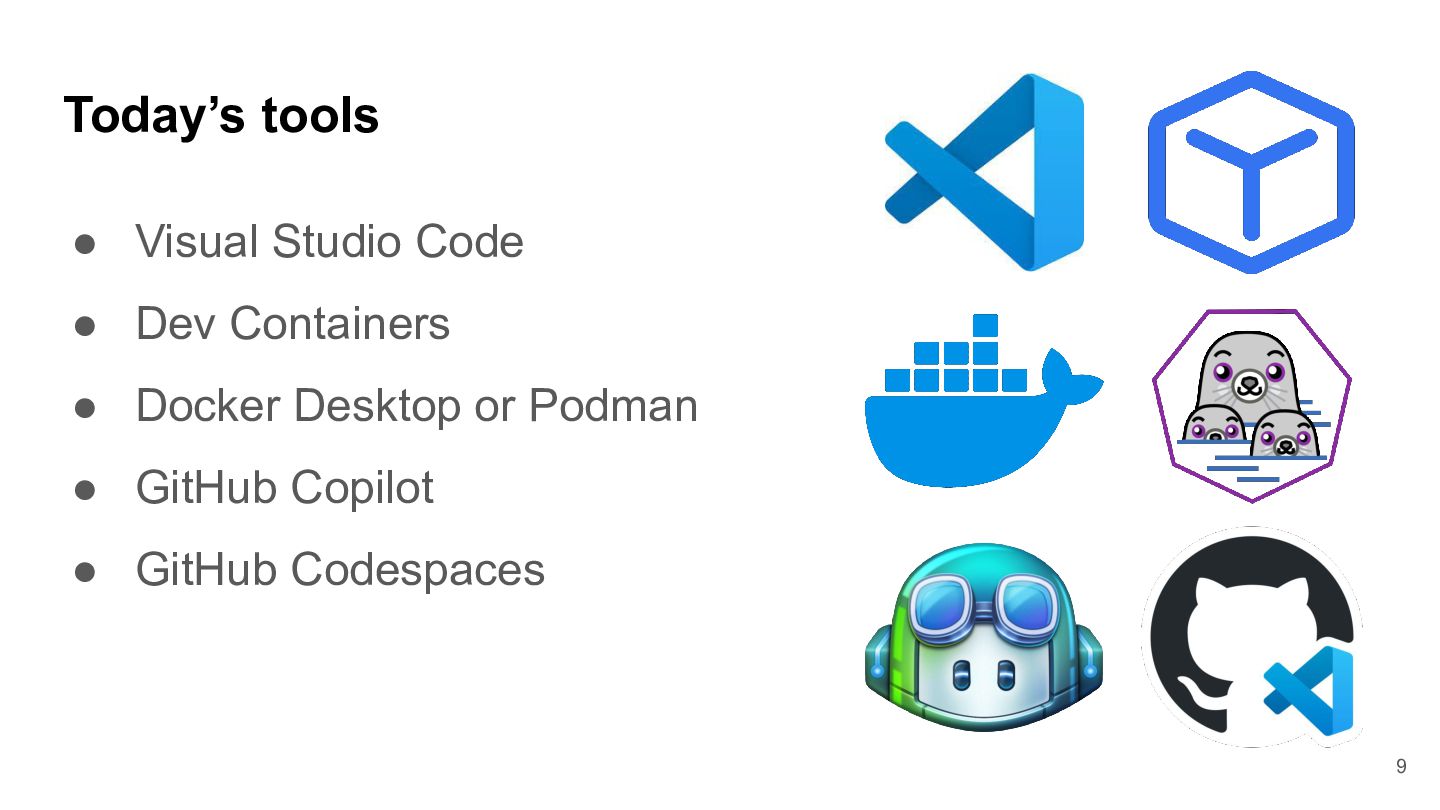
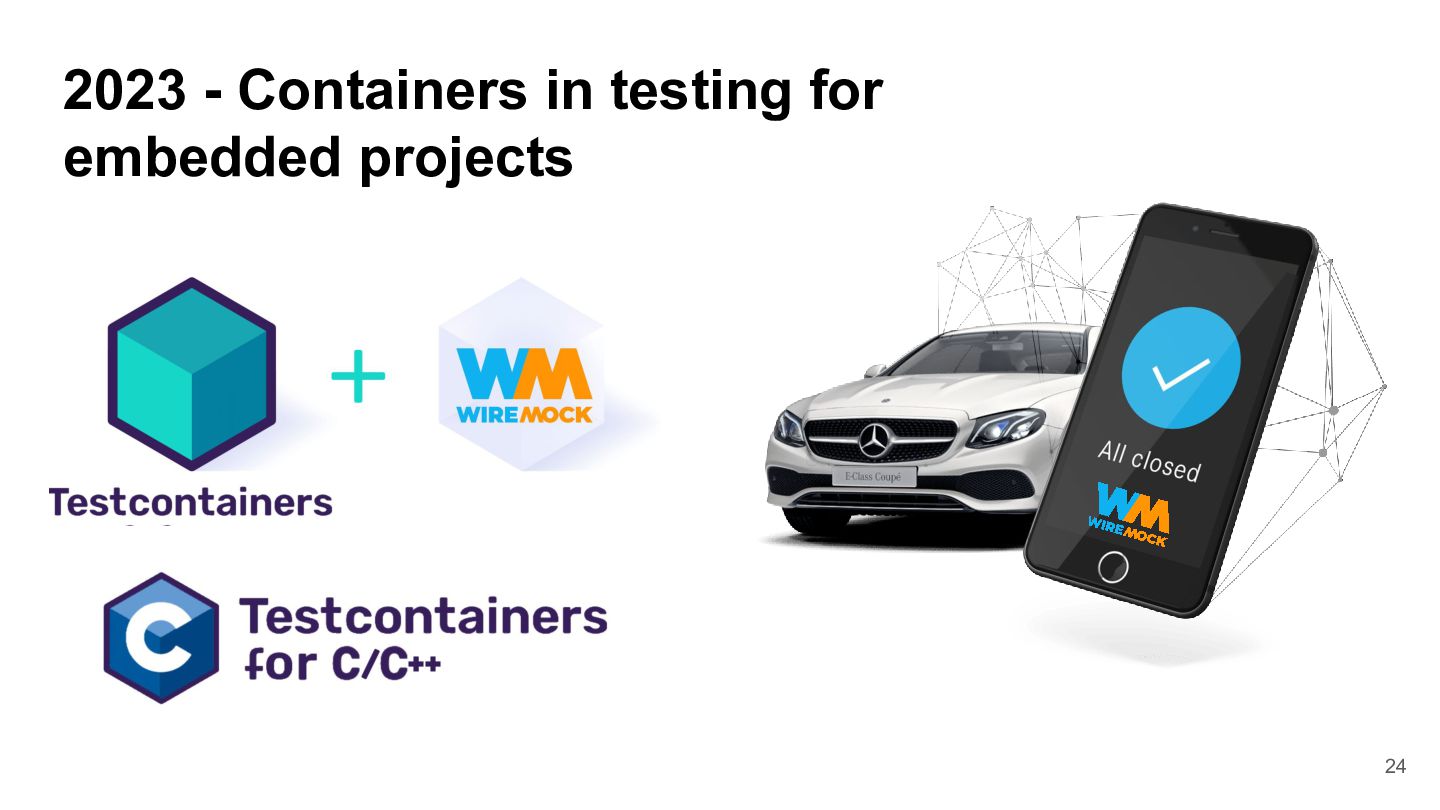
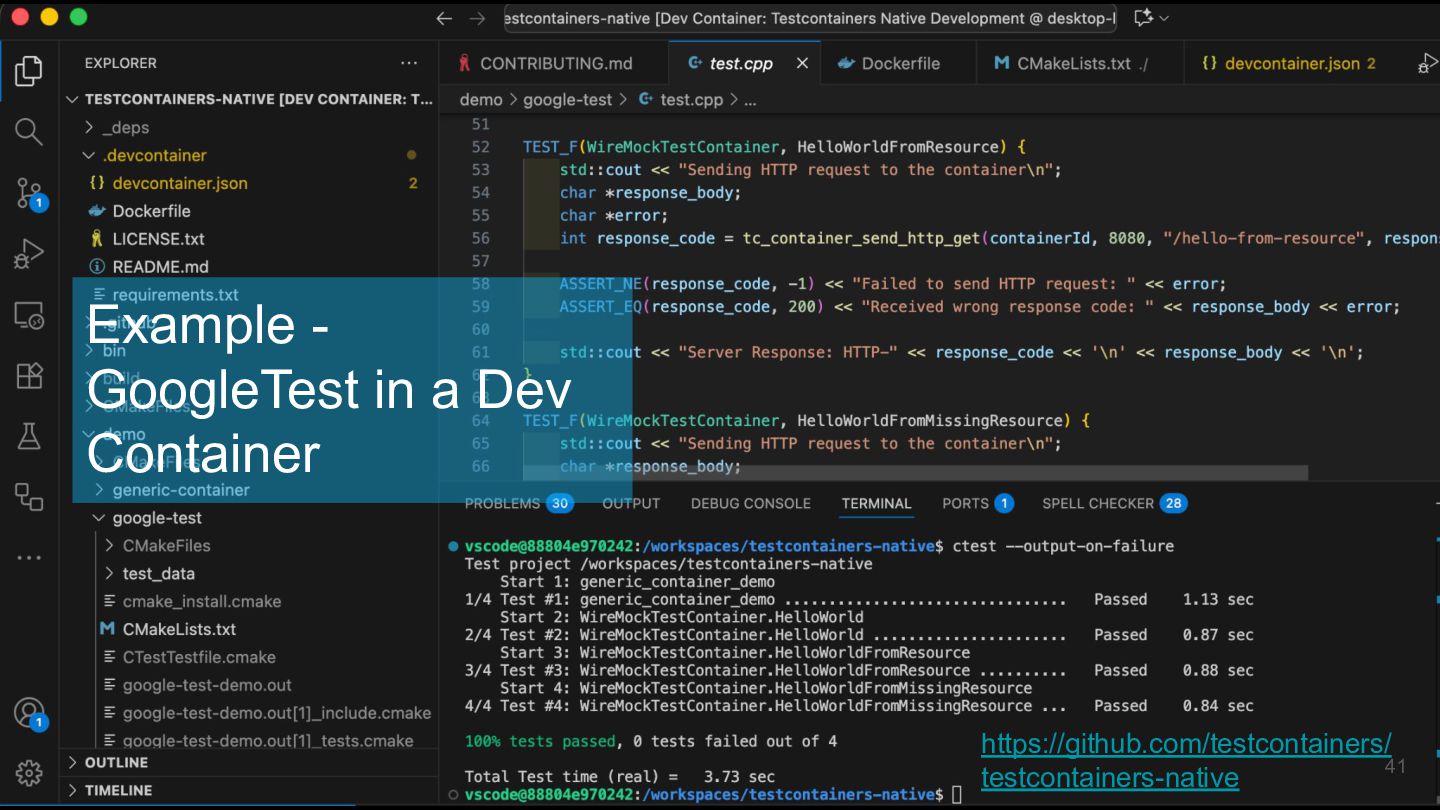
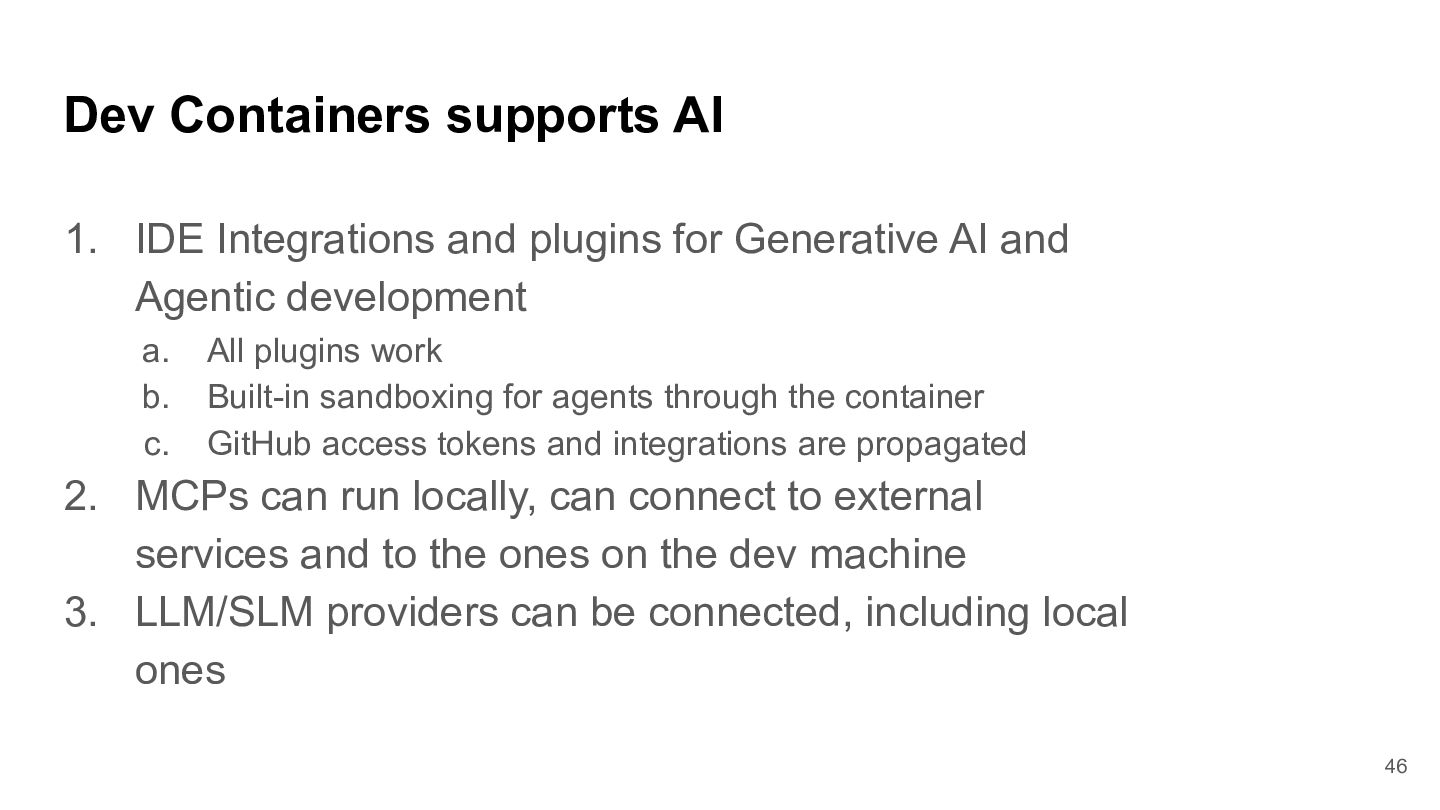
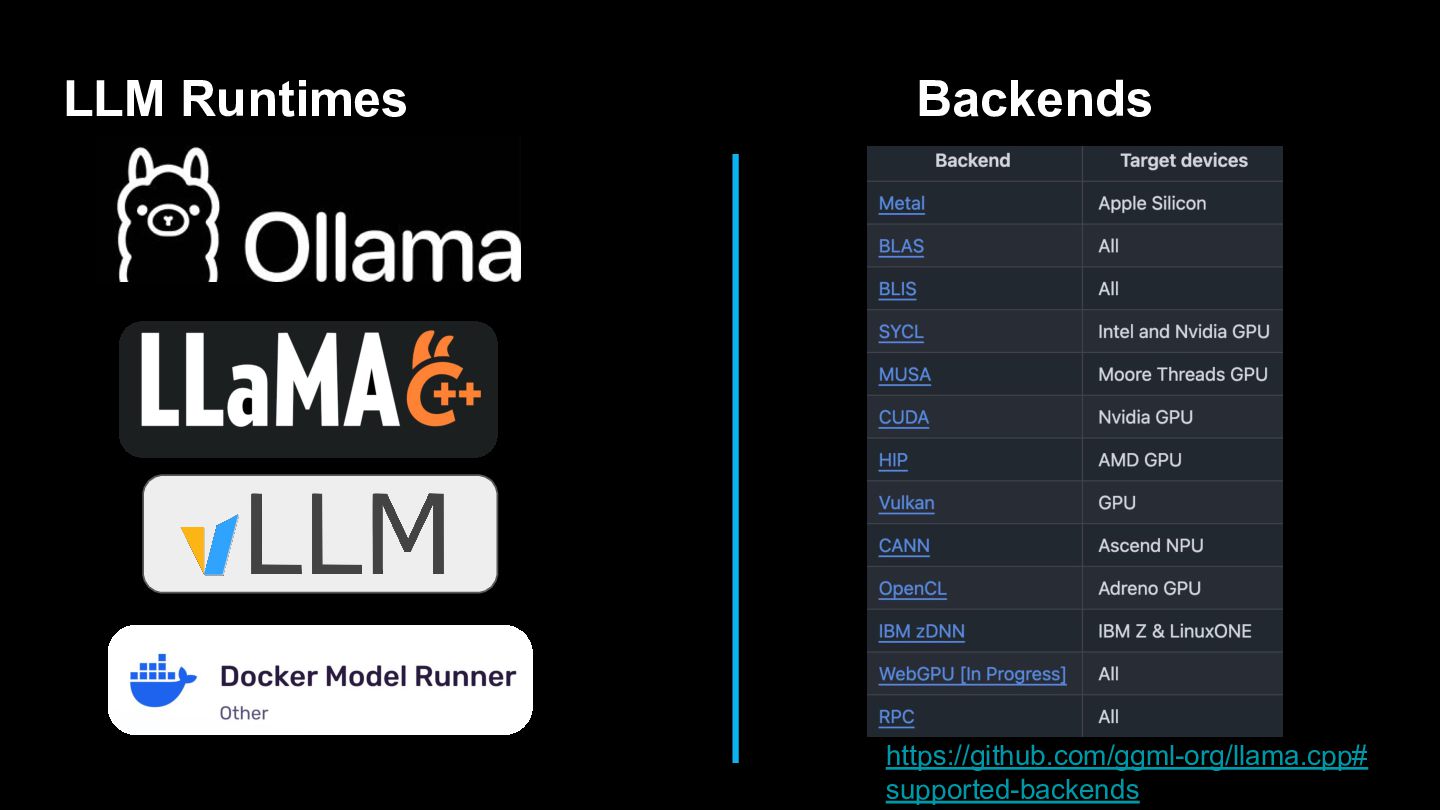
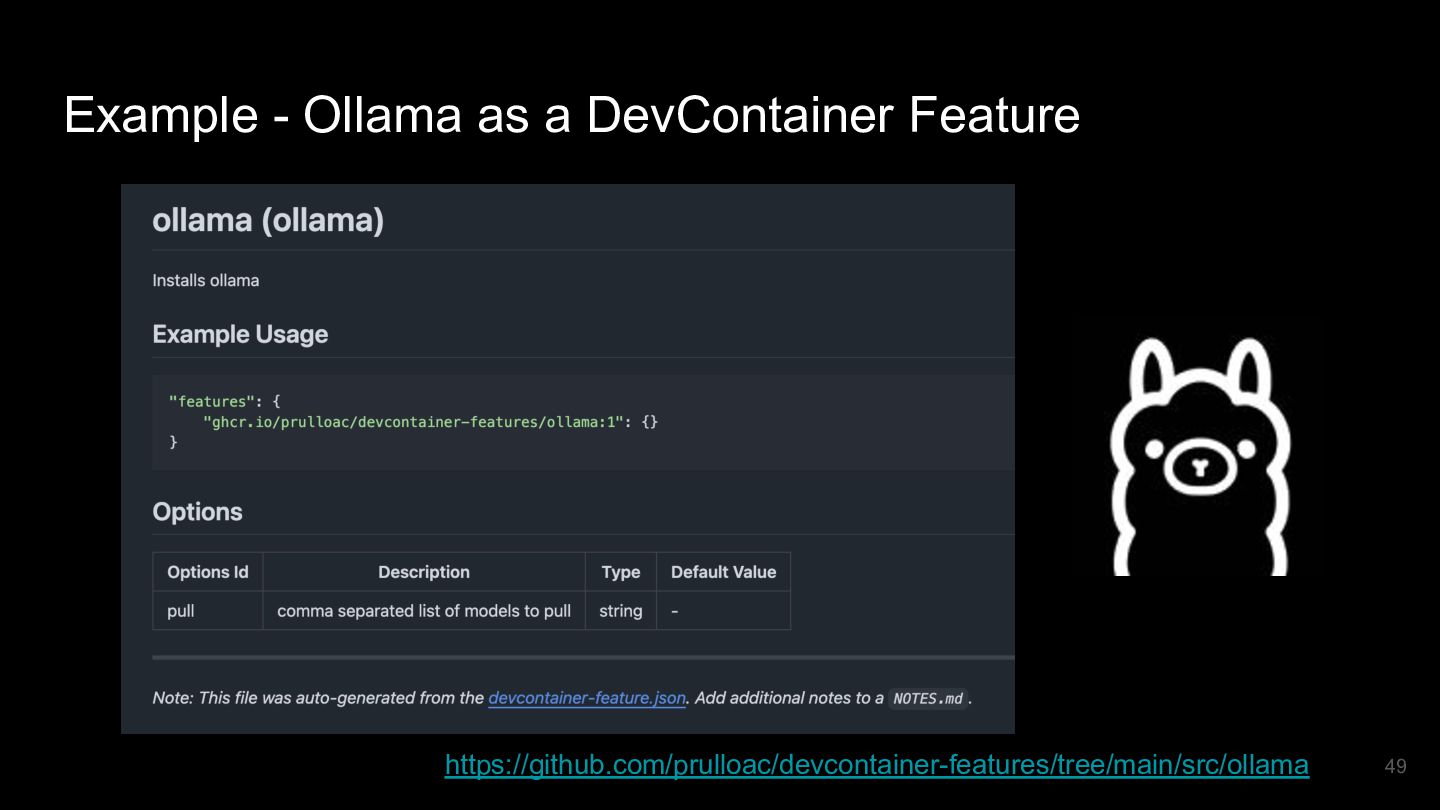
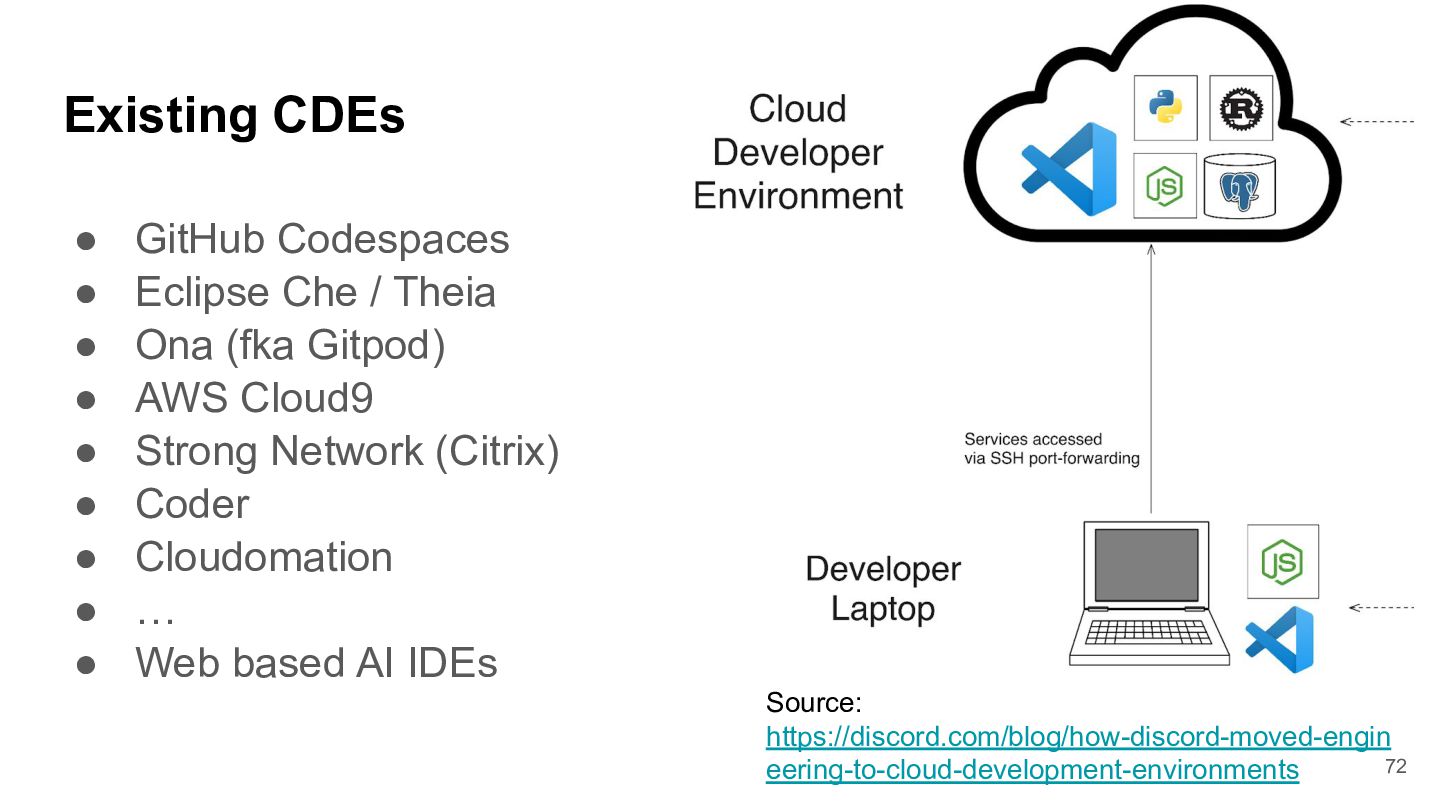
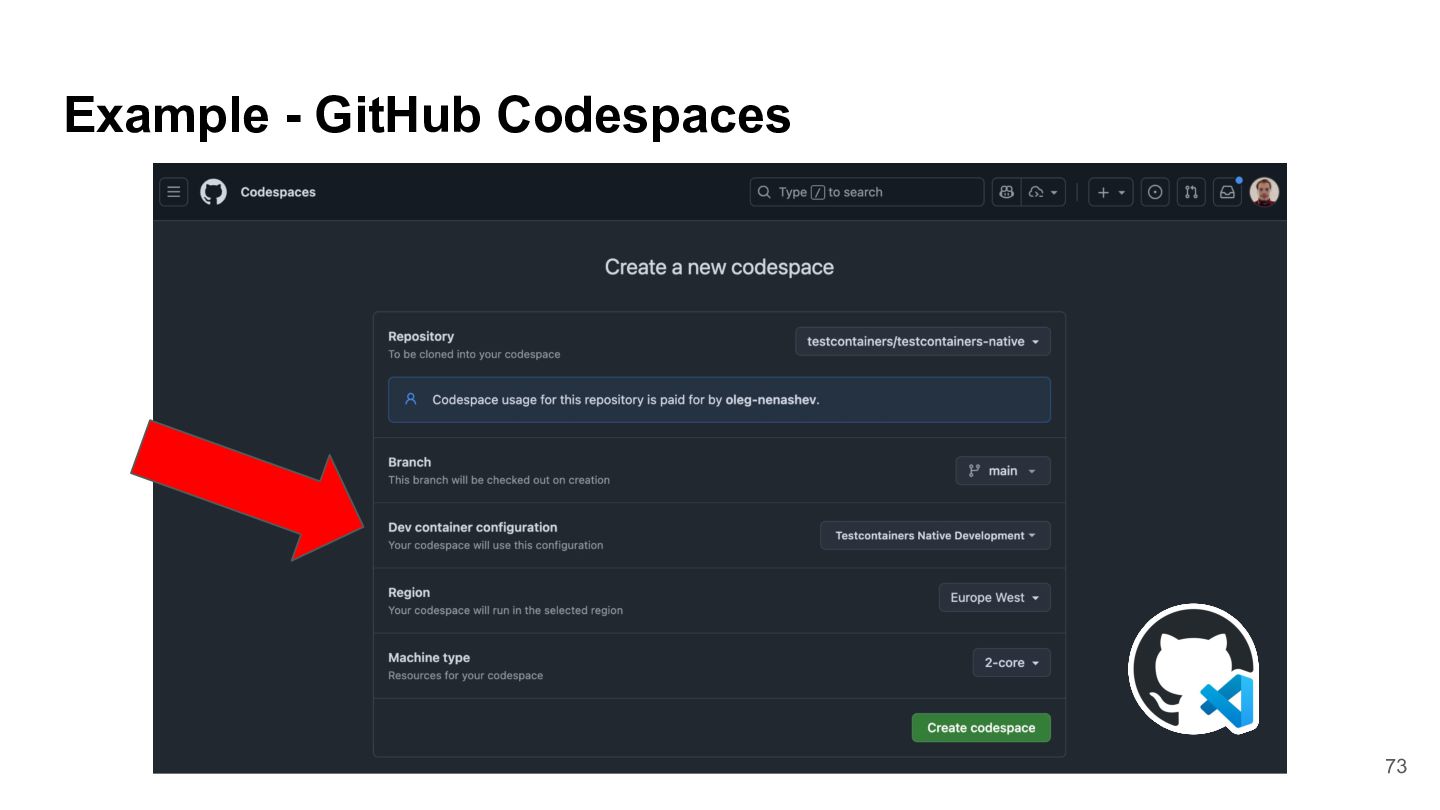
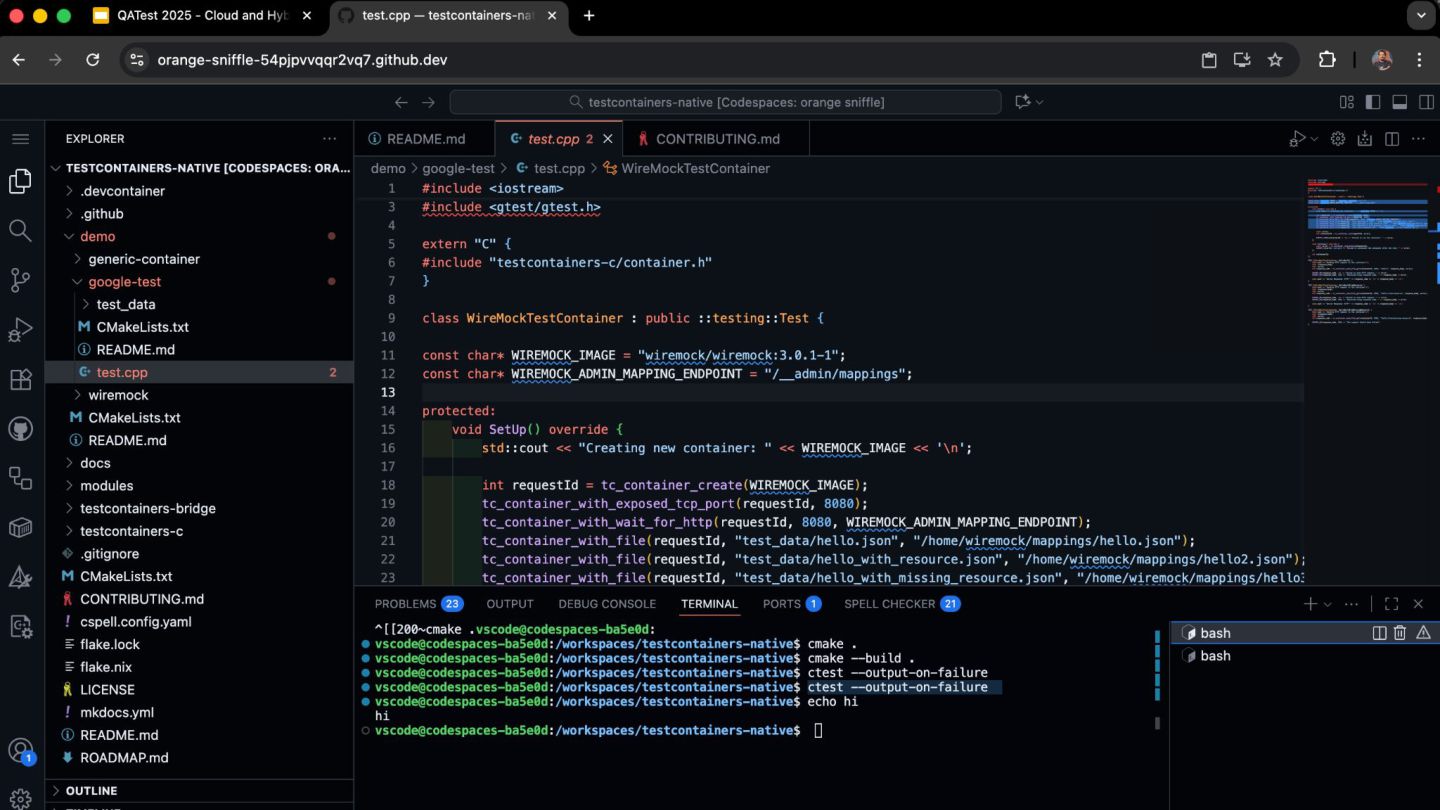
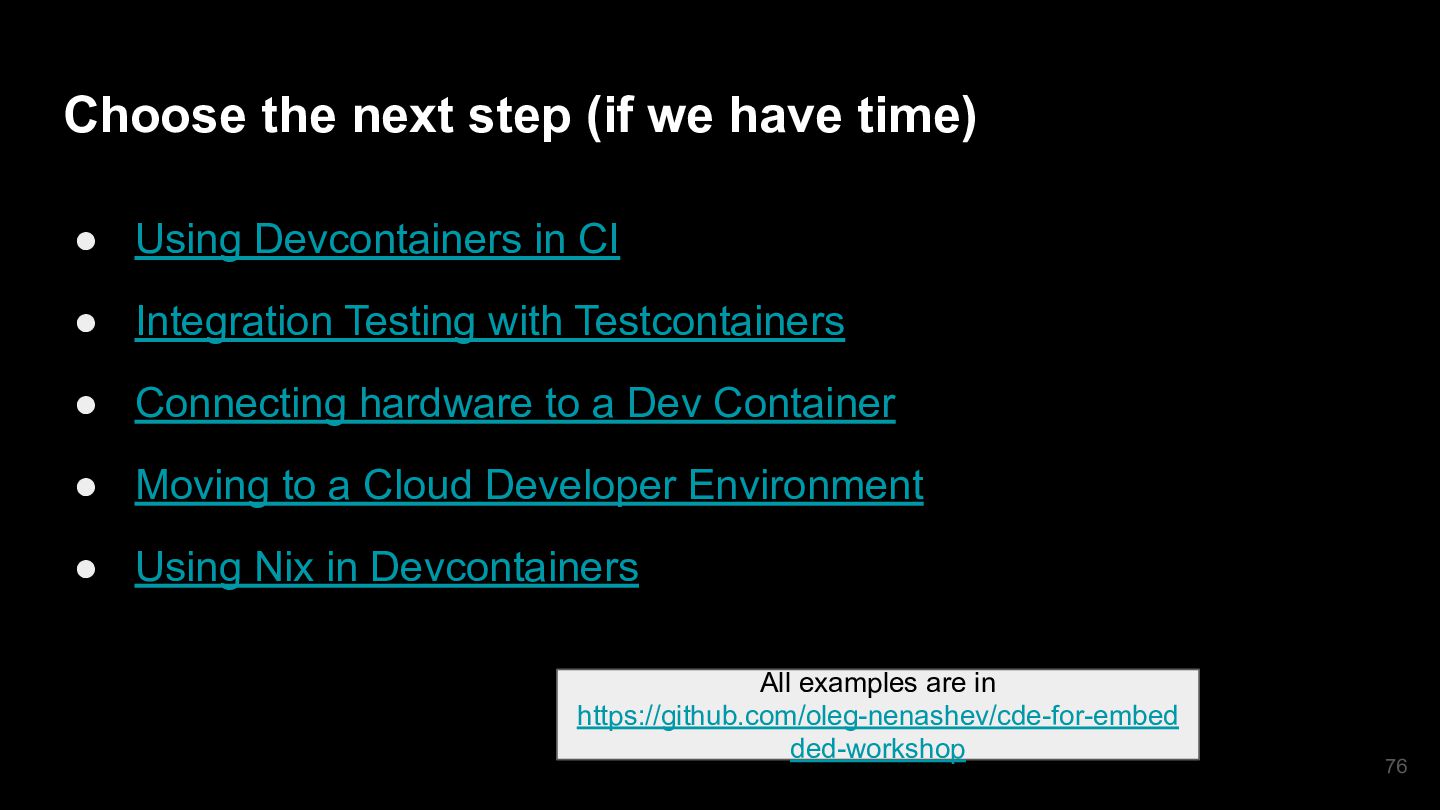
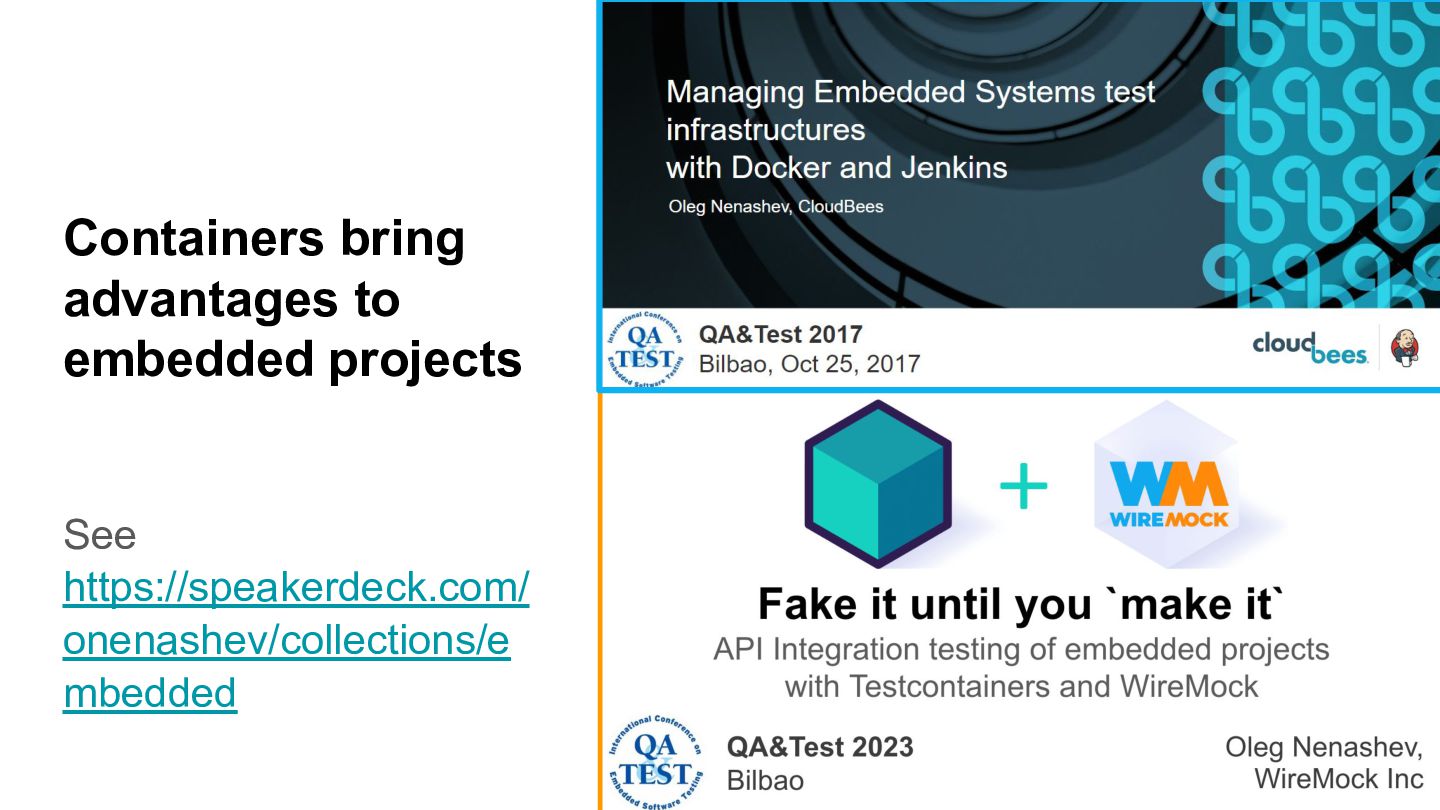
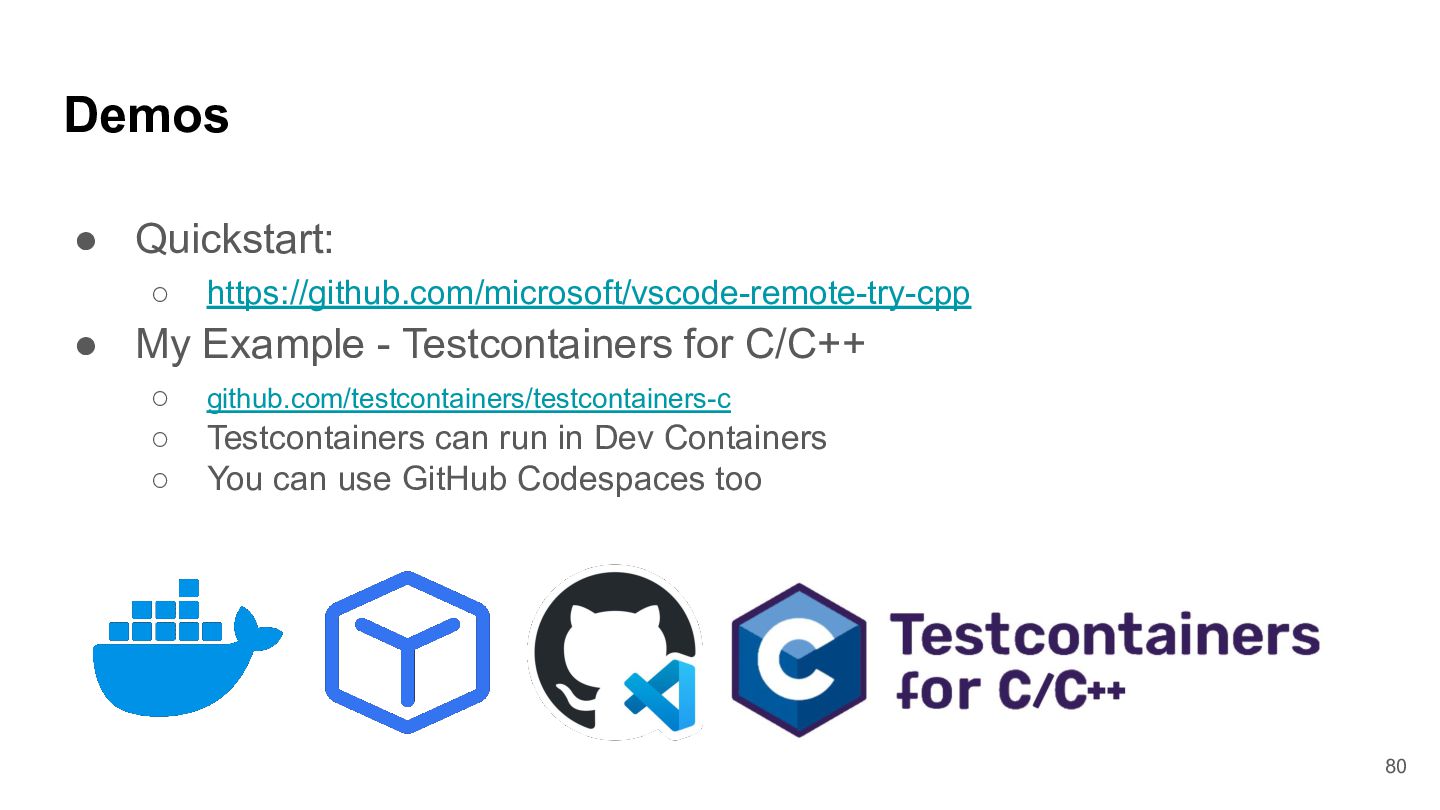
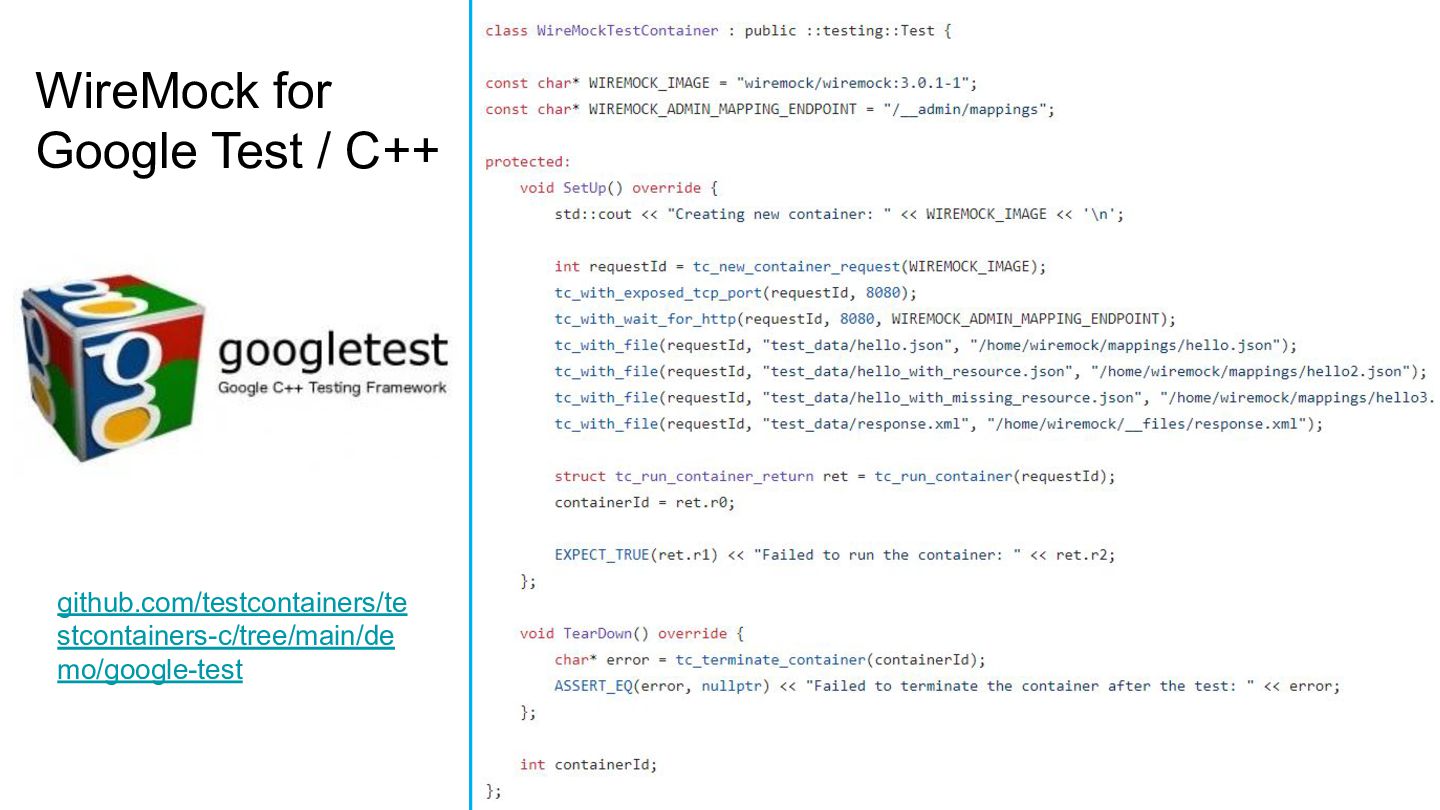
We will also explore how to move these environments beyond the laptop and run them on cloud-based development platforms such as GitHub Codespaces and similar providers. The workshop will also show how tools such as Testcontainers and API-mocking frameworks can support integration testing, even in embedded projects where external services, simulated devices, and distributed components increasingly play an important role. Last but not least, we'll explore leveraging the local AI capabilities of large and Small Language Models in our developer environments and tests, using Dev Containers features and Testcontainers extensions.
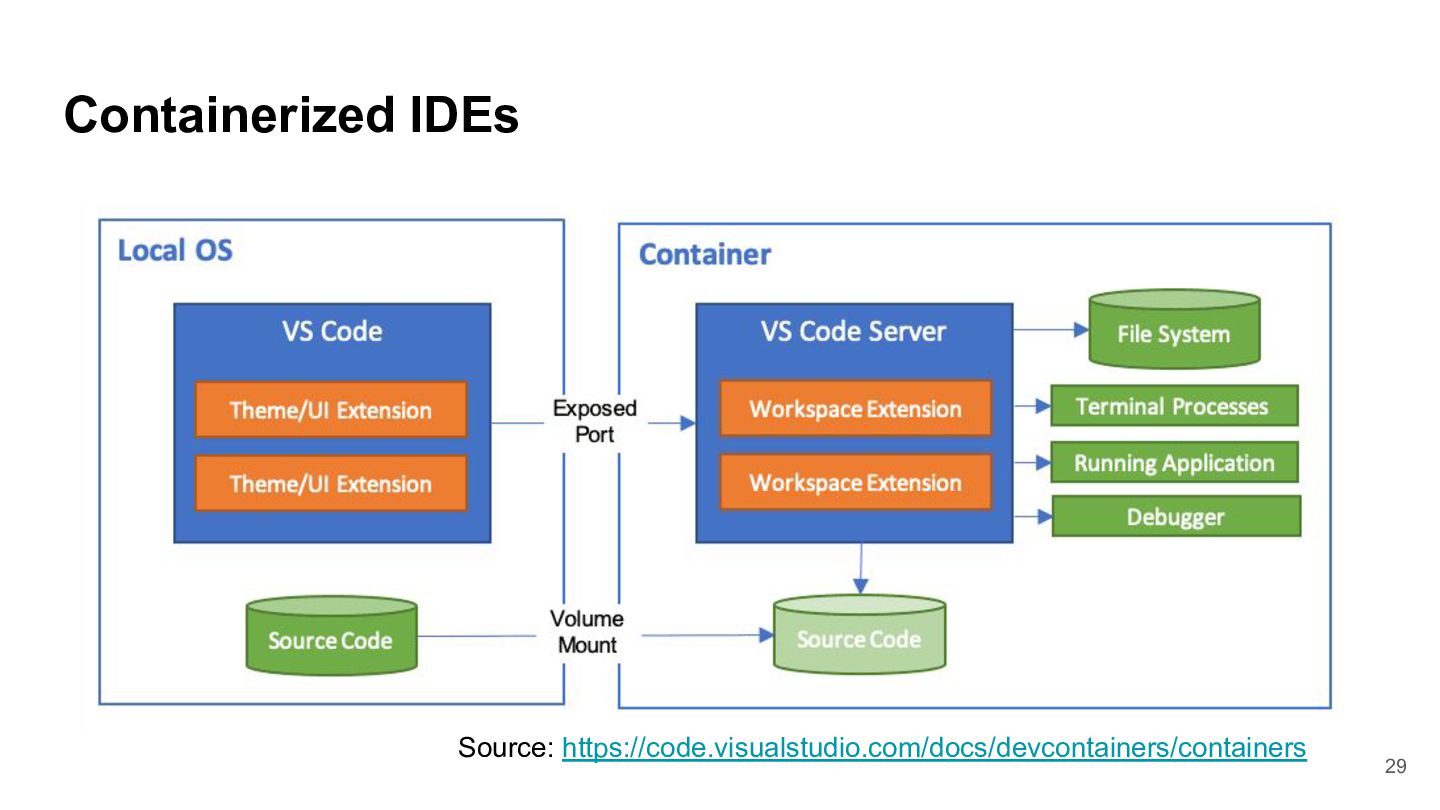
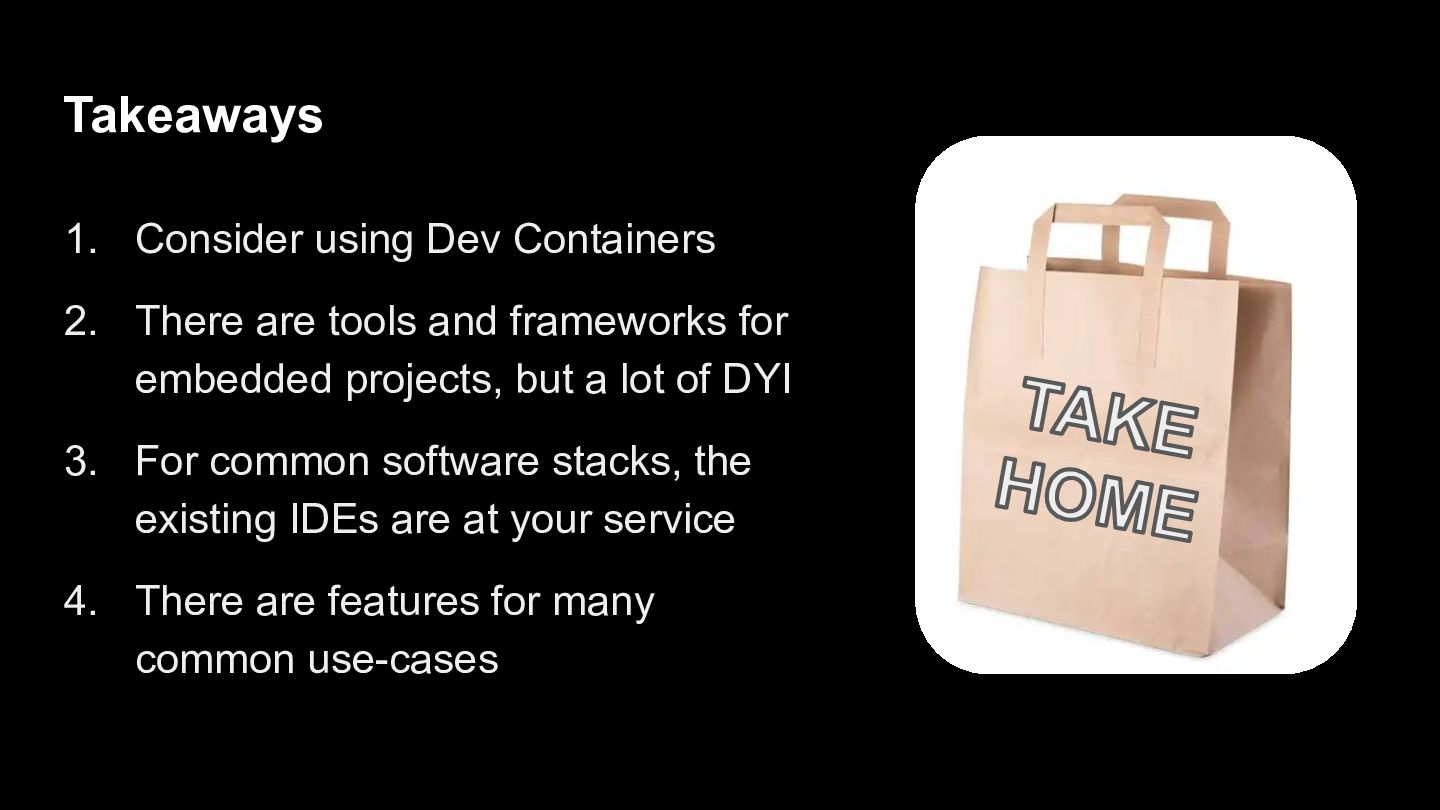
By the end of the session, participants will understand how to virtualize their IDEs, standardize developer onboarding, and create reusable development environments that connect local workstations, cloud platforms, and automated pipelines.


 onenashev
 addyosmani
 szymonslowik
 427marketing
 jnunemaker
 reverentgeek
 palkan
 kimpetersen
 techseoconnect
 ryanjones
 skipperchong


![QUESTIONS? Contacts: E-mail: [email protected] GitHub: oleg-nenashev Twitter: @oleg_nenashev #OpenToWork 99](https://files.speakerdeck.com/presentations/91b3d075a1b94c758d3a24364d97efcd/slide_98.jpg)