1. Performance as a global issue for companies 2. Ways of mitigation performance issues 3. How we are struggling with performance 4. Tooling, Frameworks, Guides Goal: Tell everyone how Fitbit deals with performance as an engineering practise.
Performance a problem for you? • Small startups don’t have a scale that requires factoring performance • Startups have a lot of other things to do to stay competitive and growing • Big companies experience a lot of Performance issues as the systems scale and architecture chosen hits its limits
Strength in Numbers • Hundreds of microservices are running in production on dozens of mesos workers • Large scale of mysql & cassandra shards • Large Google Cloud footprint and growing • Over 25 millions of active users (as of Jan 2018) • Lots of teams utilizing the same shared frameworks
There is no sustainable process of performance testing • Business doesn’t think about this until serious down time or outage happens • Team often don’t know how to do this even they know that this is important • Performance decreases silently and often do not trigger alerts Why companies are experiencing issues with performance ?
other companies are mitigating performance issues • Over building - more hardware to spread things out • Tooling to help teams understand if the release is good • Dashboards showing key performance metrics increase/decrease • Automated alerting process if something is wrong
was Fitbit like in the past.. • There is no tooling for performance testing, every team does this ad-hoc (if it actually does) • There is no common practise to load test microservices before releases. • It’s hard to say what is the capacity of your service and how much does it cost to the company to keep it running • A lot of false positive alerts, alerting mechanism was not flexible enough
does Fitbit do now? • Special team that drives best performance practises & governs guidelines/documentation • “Loadstorm” tool for performance testing • Synthetic Test Data • “Redline” tool for stress testing • Live test with real traffic • Meanshift solution for anomaly detection • Workshops among developers to explain them how to deal with performance tools
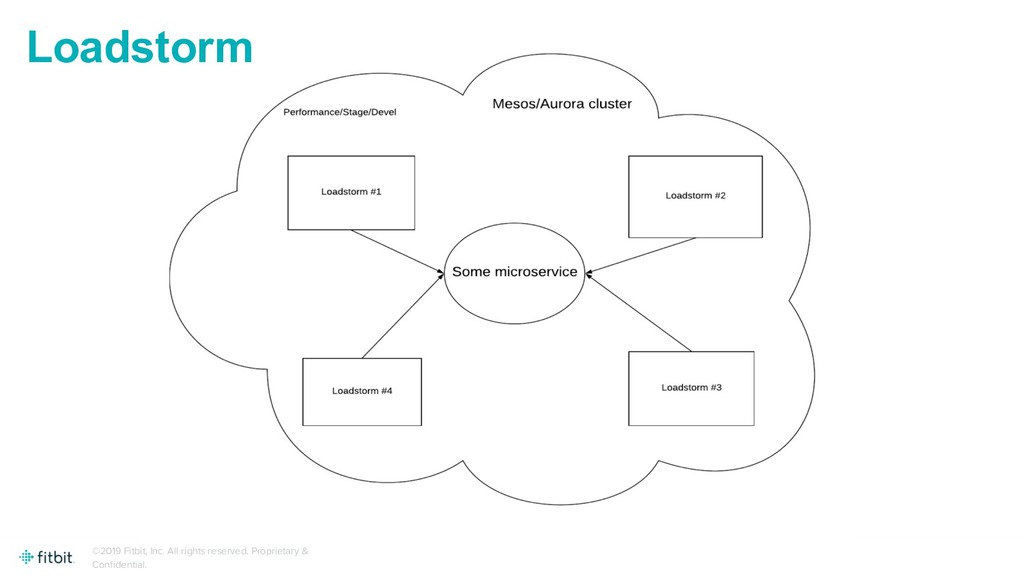
• This is an in-house tool uses JMeter for performance testing • Can be embedded into your CI pipelines • Provides statistics for all your performance tests • Comparing results of all runs and visualizing it • Flexible and configurable • Geo distributed across different clusters and environments
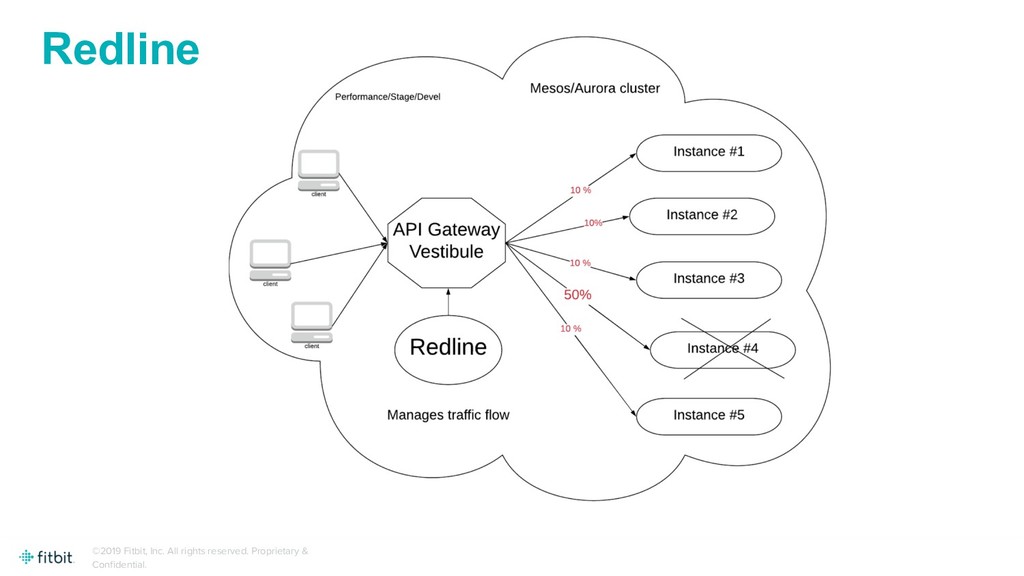
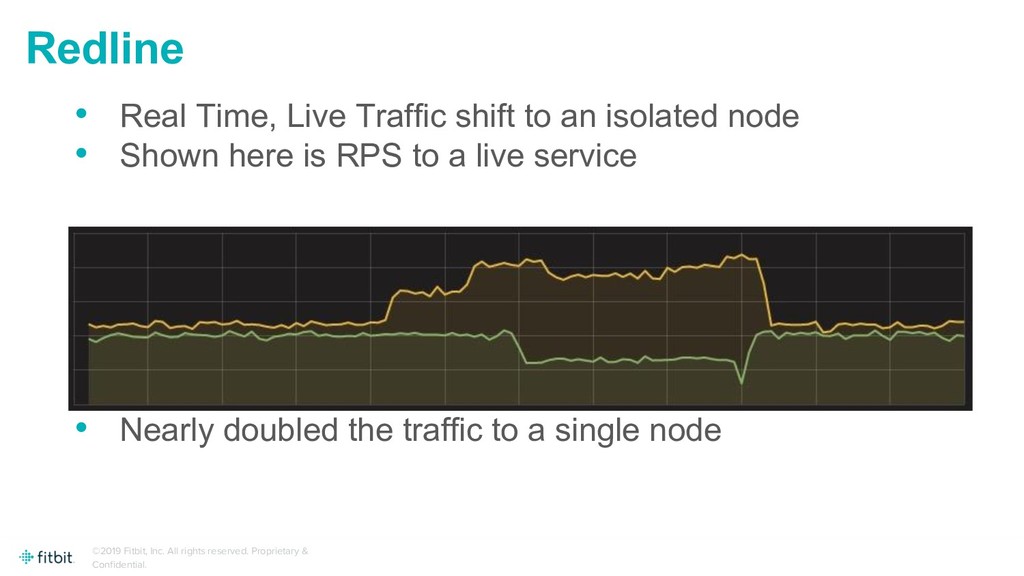
• This is an in-house tool that can stress test your service against production traffic • Help us to plan our capacity and budget • Supports HAproxy and Vestibule (in house API gateway) • Supports step by step traffic direction • Automatically stops bombing your service when “redline” achieved
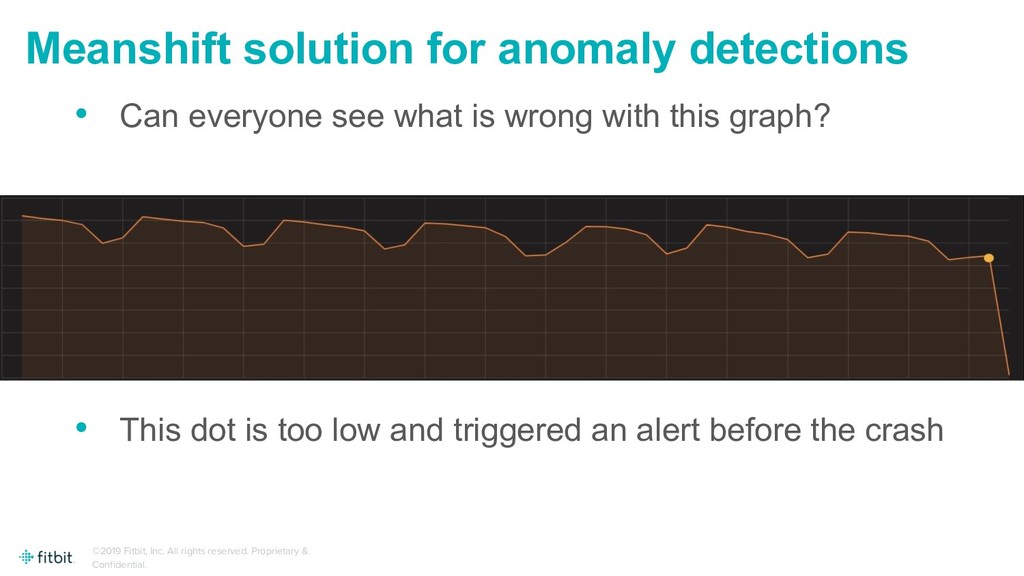
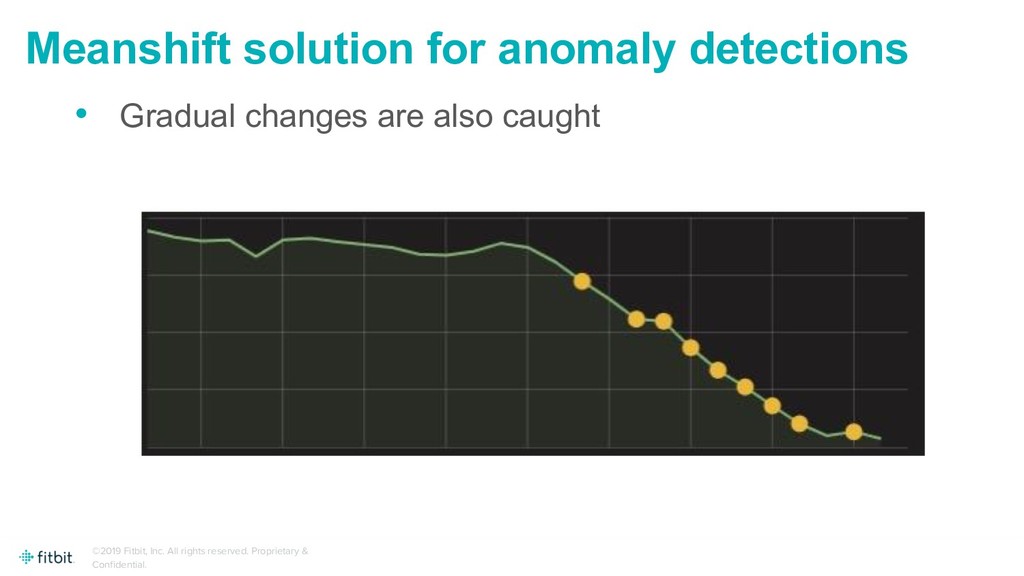
solution for anomaly detections • In-house R based solution using Mean Shift, Seasonal Trend Decomposition using Loess (STL) algorithms • Detects anomalies in time series patterns • Alerts when anomalies is detected (this is configurable) • Helps us to understand the problems that cannot be detected with alerts
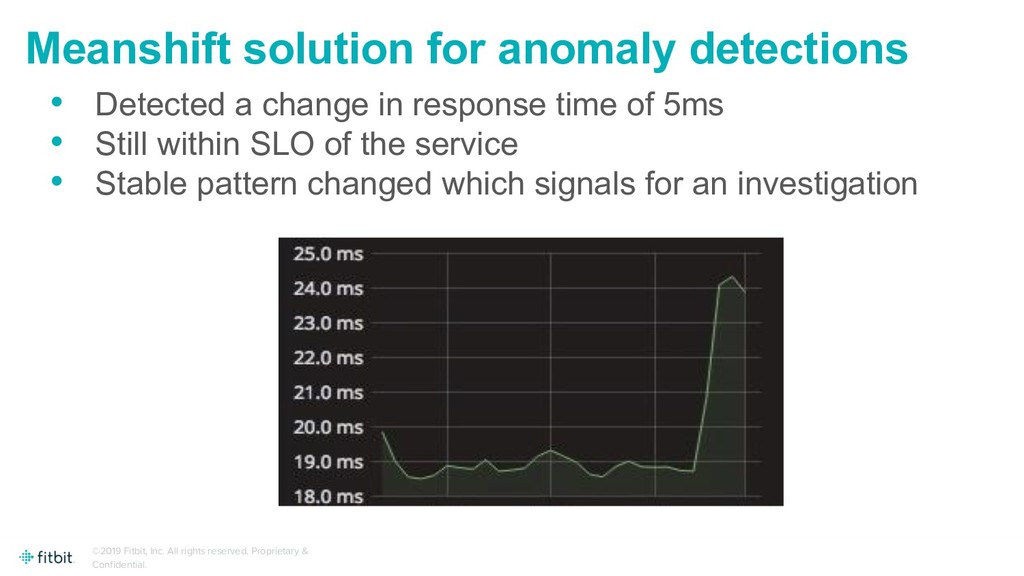
solution for anomaly detections • Detected a change in response time of 5ms • Still within SLO of the service • Stable pattern changed which signals for an investigation
for future • Make performance testing first class citizen in our company • Fully integrate performance into teams pipelines • Cultivate performance culture among Fitbit engineers • Understand our budget/capacity and save more money for the company

 SiteGround - Reliable hosting with speed, security, and support you can count on.


 kishida
 naokihaba
 uyuki234
 sylph01
 ivargrimstad
 iwiwi
 tomokon
 htkym
 lef237
 colorful12
 deka_morita
 akihisaikeda
 lauravandoore
 dugsong
 iamctodd
 kimpetersen
 marktimemedia
 rocio
 holman
 honzajavorek
 eileencodes
 trallard
 inesmontani