$30 off During Our Annual Pro Sale. View Details »

Cross-Functional Strategy for Visual Regression...

Avatar for Taiga Kiyokawa Taiga Kiyokawa
November 16, 2025
4

Cross-Functional Strategy for Visual Regression Testing, JSConf JP 2025

These slides are for 10 min. LT at JSConf JP 2025 on November 16. (The actual presentation was made in Japanese. These are for non-Japanese speakers.)

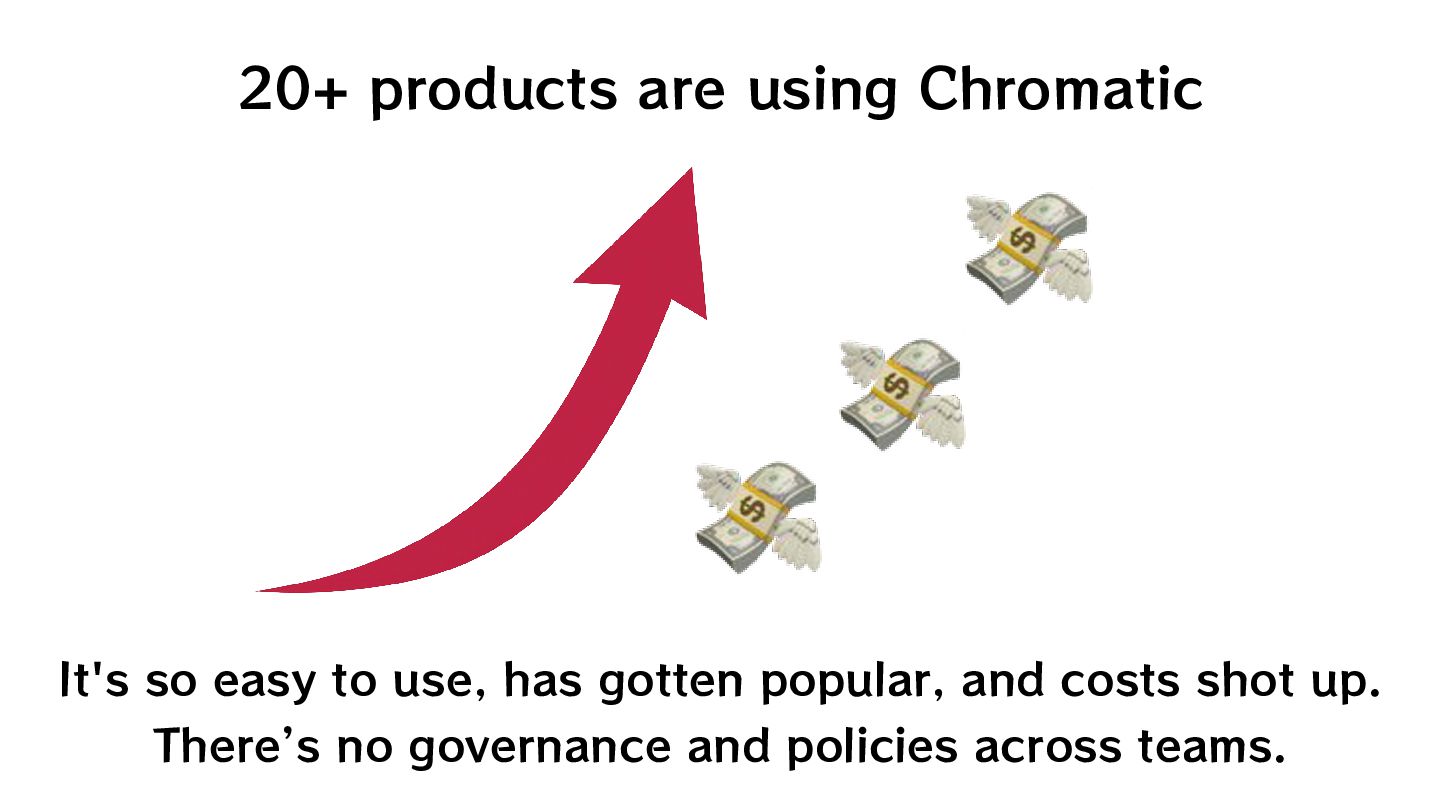
In the B2B area at Money Forward, more than 20 products use Chromatic for Visual Regression Testing (VRT). As usage grew, the cost increased much faster than expected, and we began to face issues with governance and unclear guidelines.

In this talk, I share how our cross-functional team is defining the purpose and scope of VRT, clarifying responsibilities between product teams and the design system, exploring alternative testing methods, and optimizing Chromatic usage to build a sustainable VRT strategy across the organization.

https://jsconf.jp/2025/en/talks/visual-regression-testing-chromatic

Avatar for Taiga Kiyokawa

Taiga Kiyokawa

November 16, 2025
Tweet

Transcript

  1. Cross-Functional Strategy for Visual Regression Testing Taiga Kiyokawa 2025.11.16 JSConf

    JP 2025 Track C LT ̶ Should we keep using Chromatic? ̶
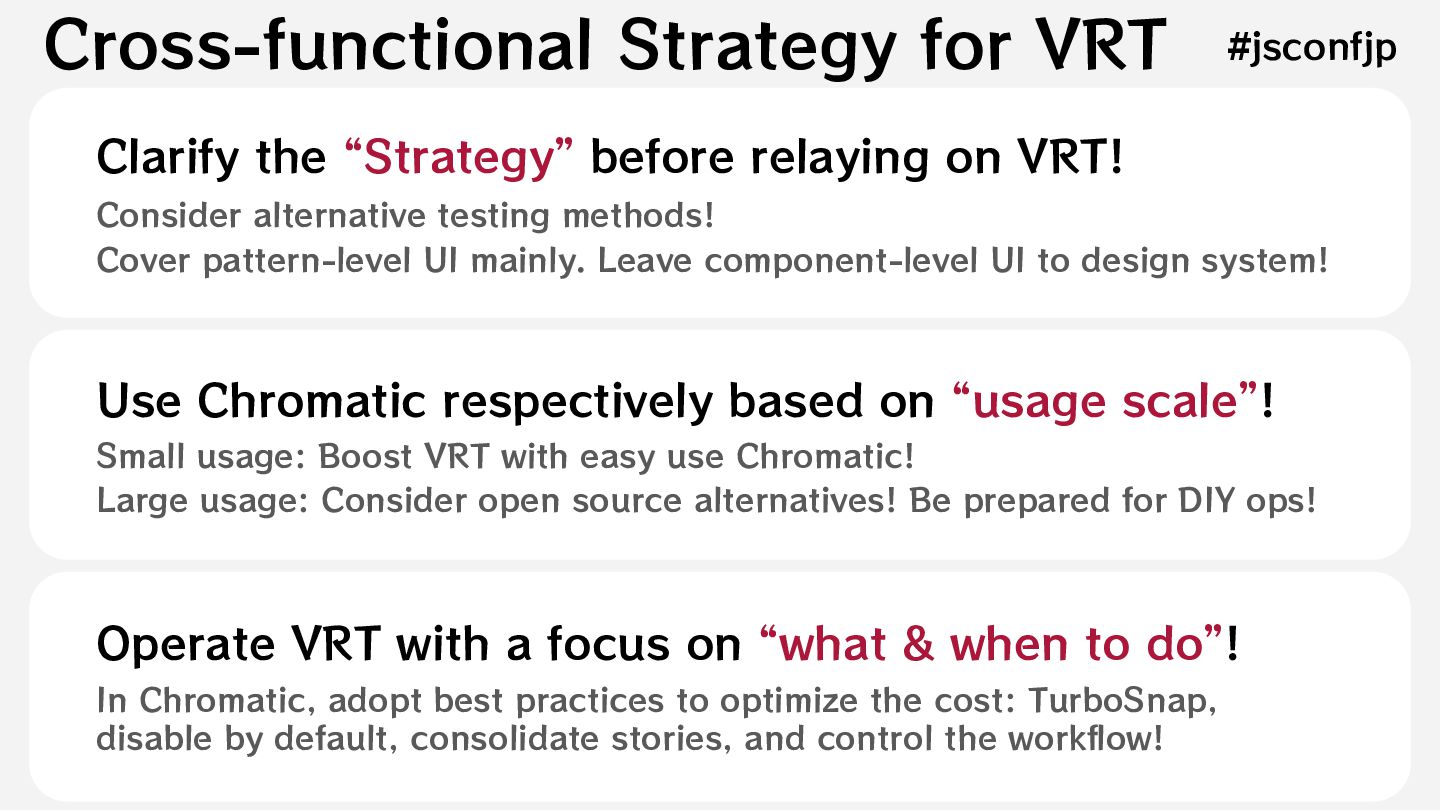
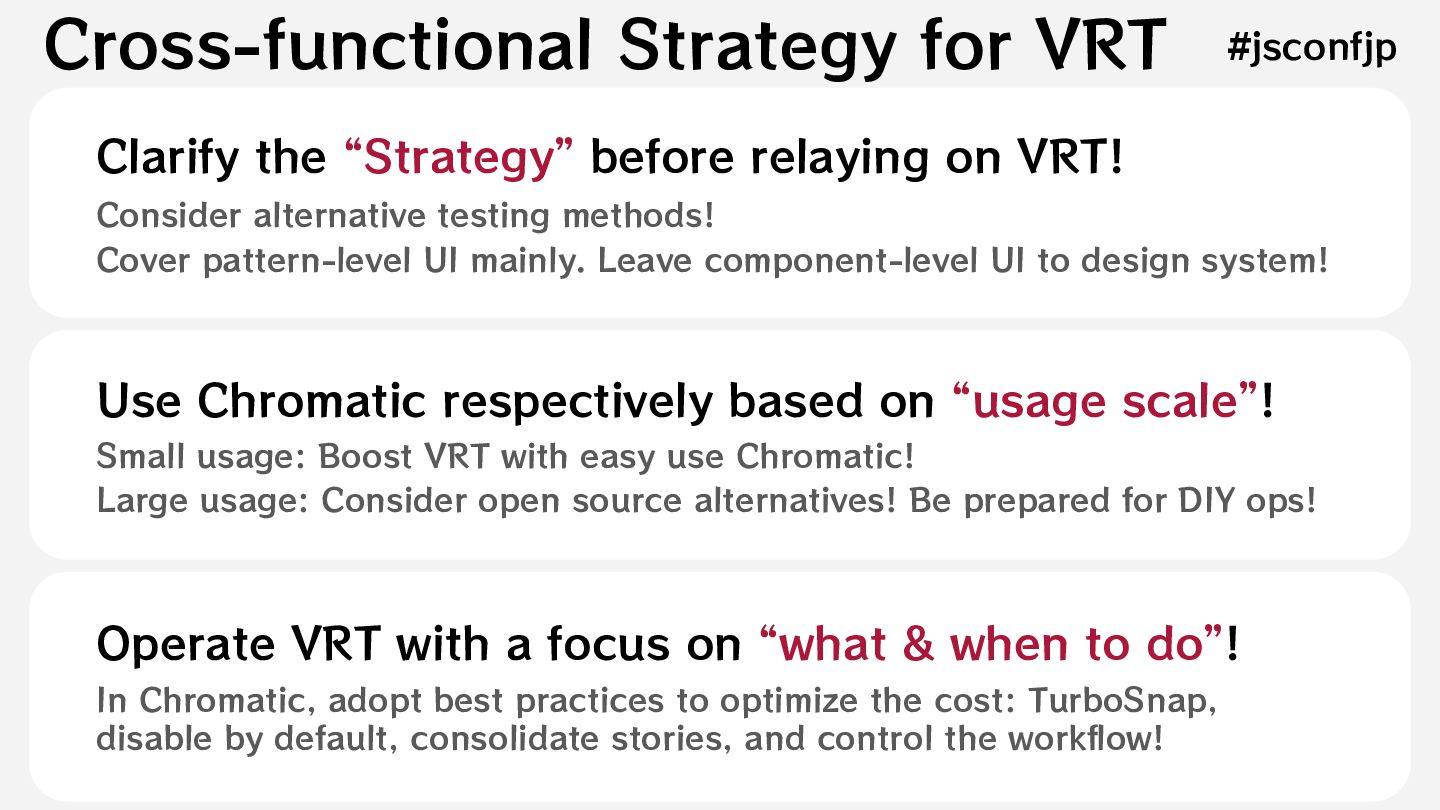
  2. Cross-functional Strategy for VRT Clarify the “Strategy” before relaying on

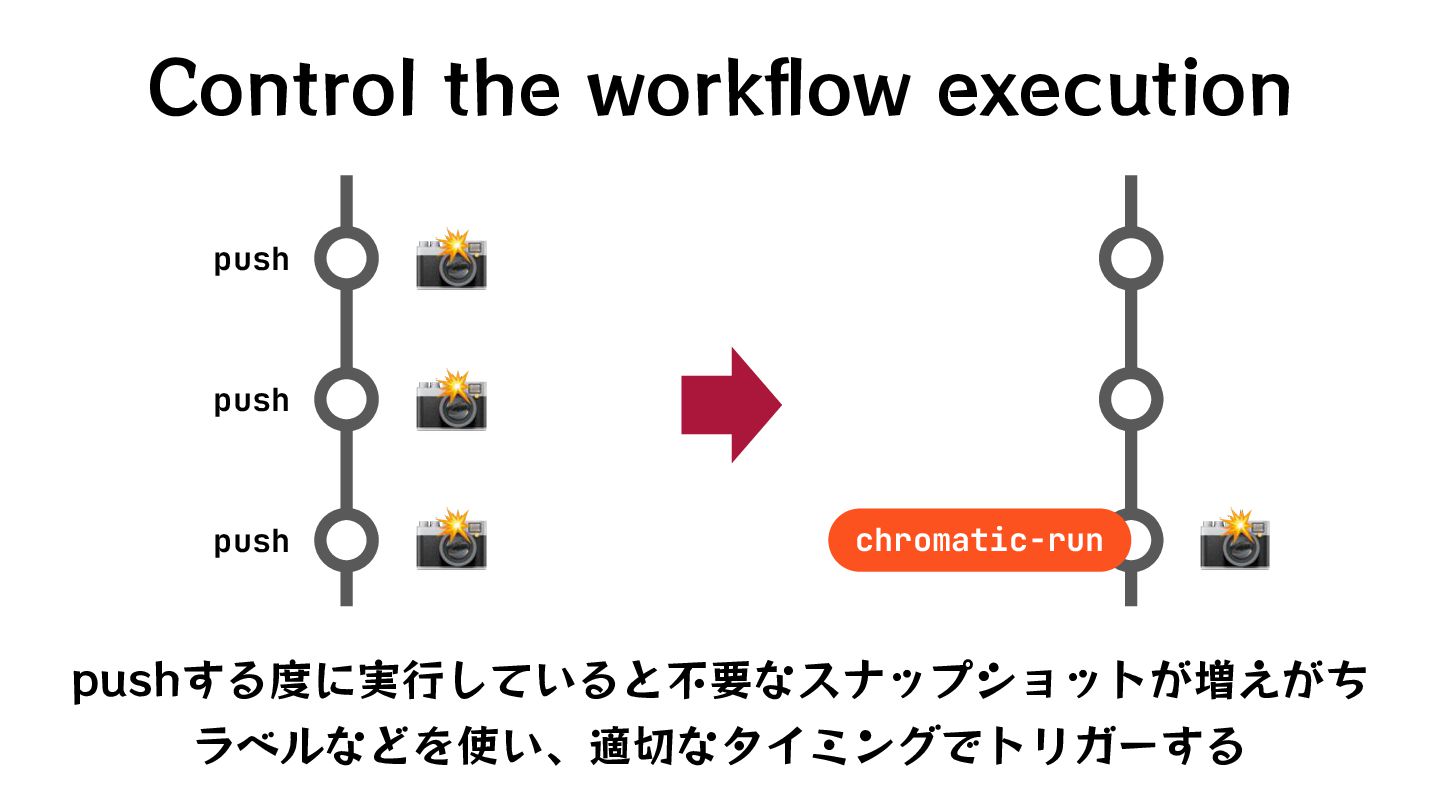
    VRT! Use Chromatic respectively based on “usage scale”! Operate VRT with a focus on “what & when to do”! Consider alternative testing methods! Cover pattern-level UI mainly. Leave component-level UI to design system! Small usage: Boost VRT with easy use Chromatic! Large usage: Consider open source alternatives! Be prepared for DIY ops! In Chromatic, adopt best practices to optimize the cost: TurboSnap, disable by default, consolidate stories, and control the workflow! #jsconfjp
  3. Taiga @taigakiyokawa Web frontend engineer at Money Forward, Inc. Design

    System, Accessibility, Technical Standardization Props in my room: DeLorean, Master Sword, Kanedaʼs Motorcycle
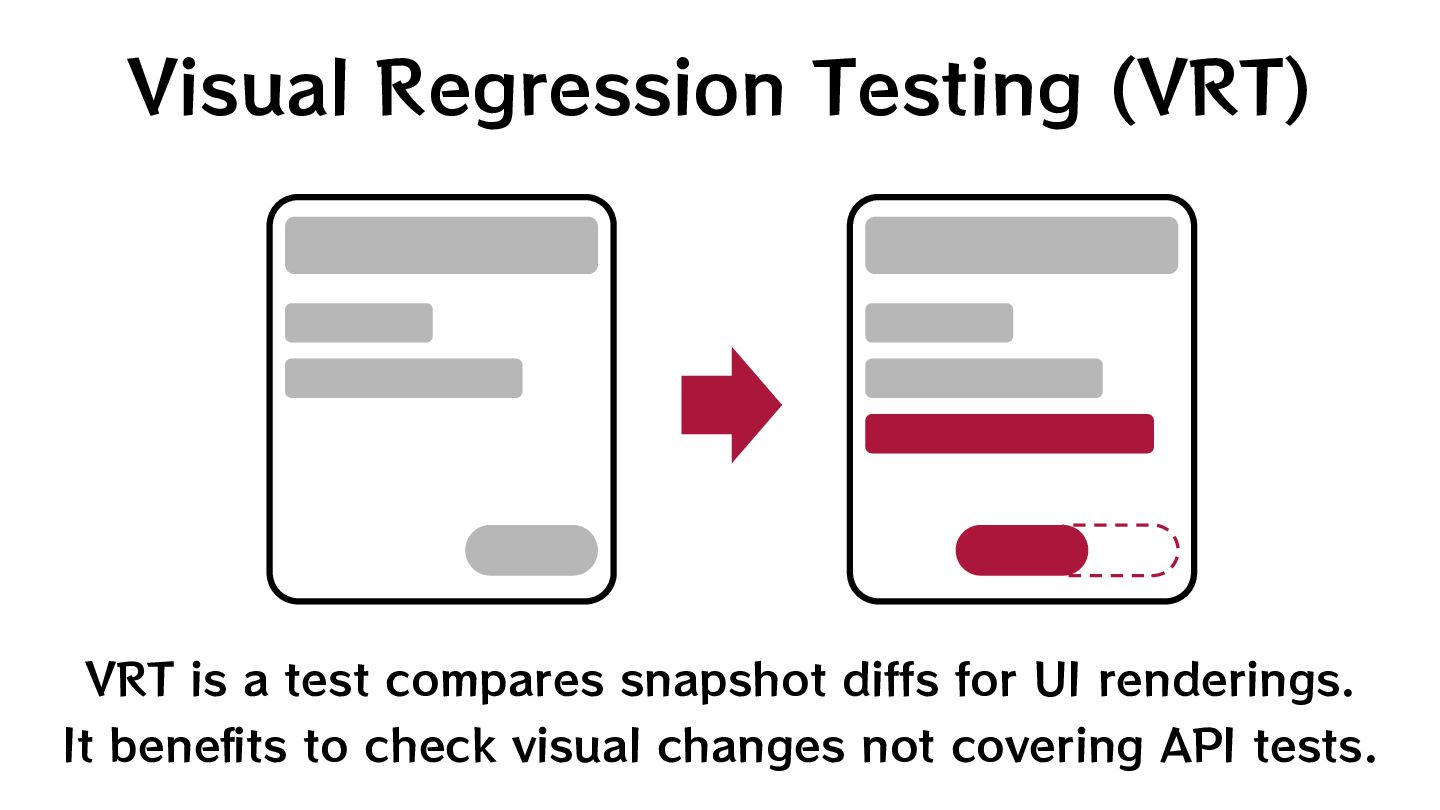
  4. Visual Regression Testing (VRT) VRT is a test compares snapshot

    diffs for UI renderings. It benefits to check visual changes not covering API tests.
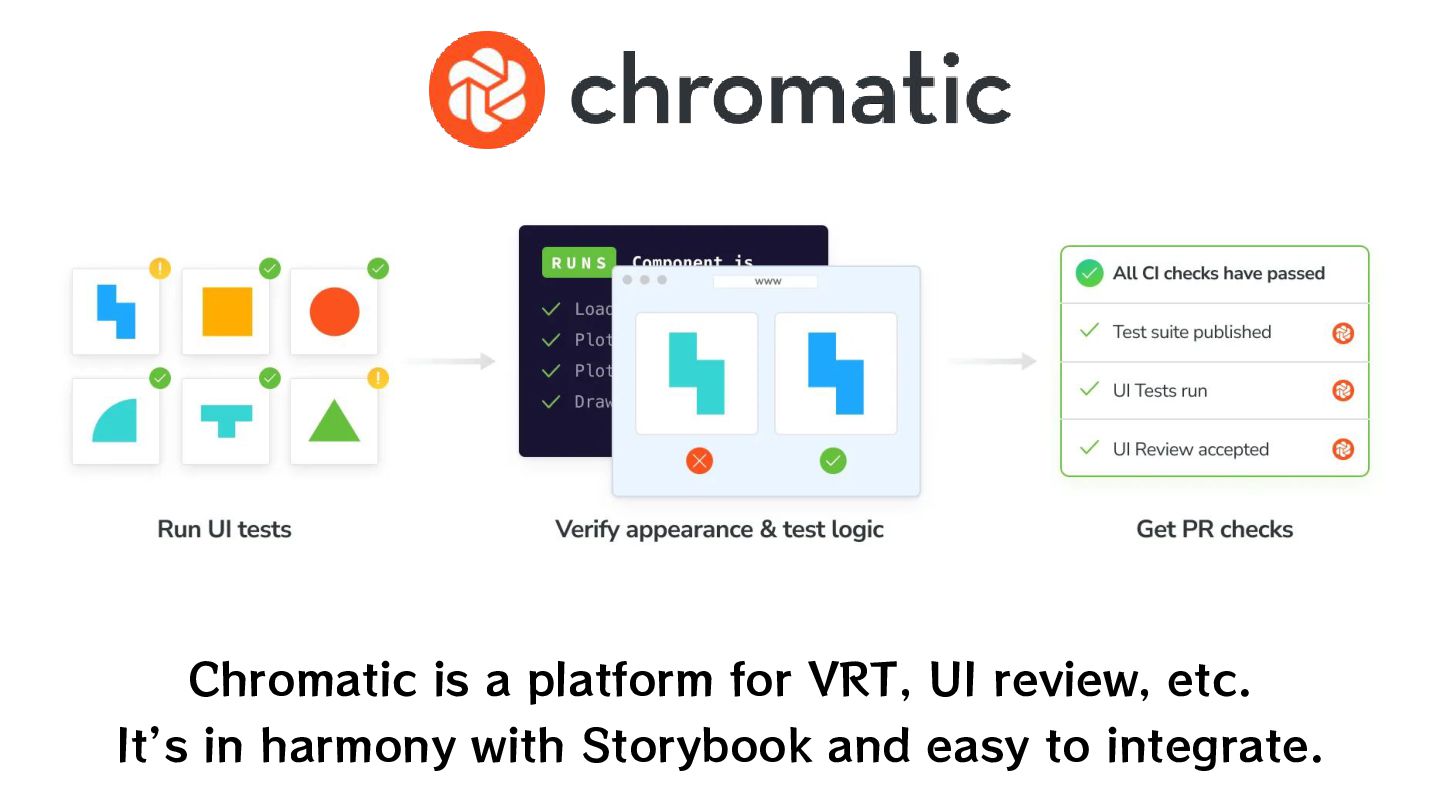
  5. Chromatic is a platform for VRT, UI review, etc. Itʼs

    in harmony with Storybook and easy to integrate. Chromatic
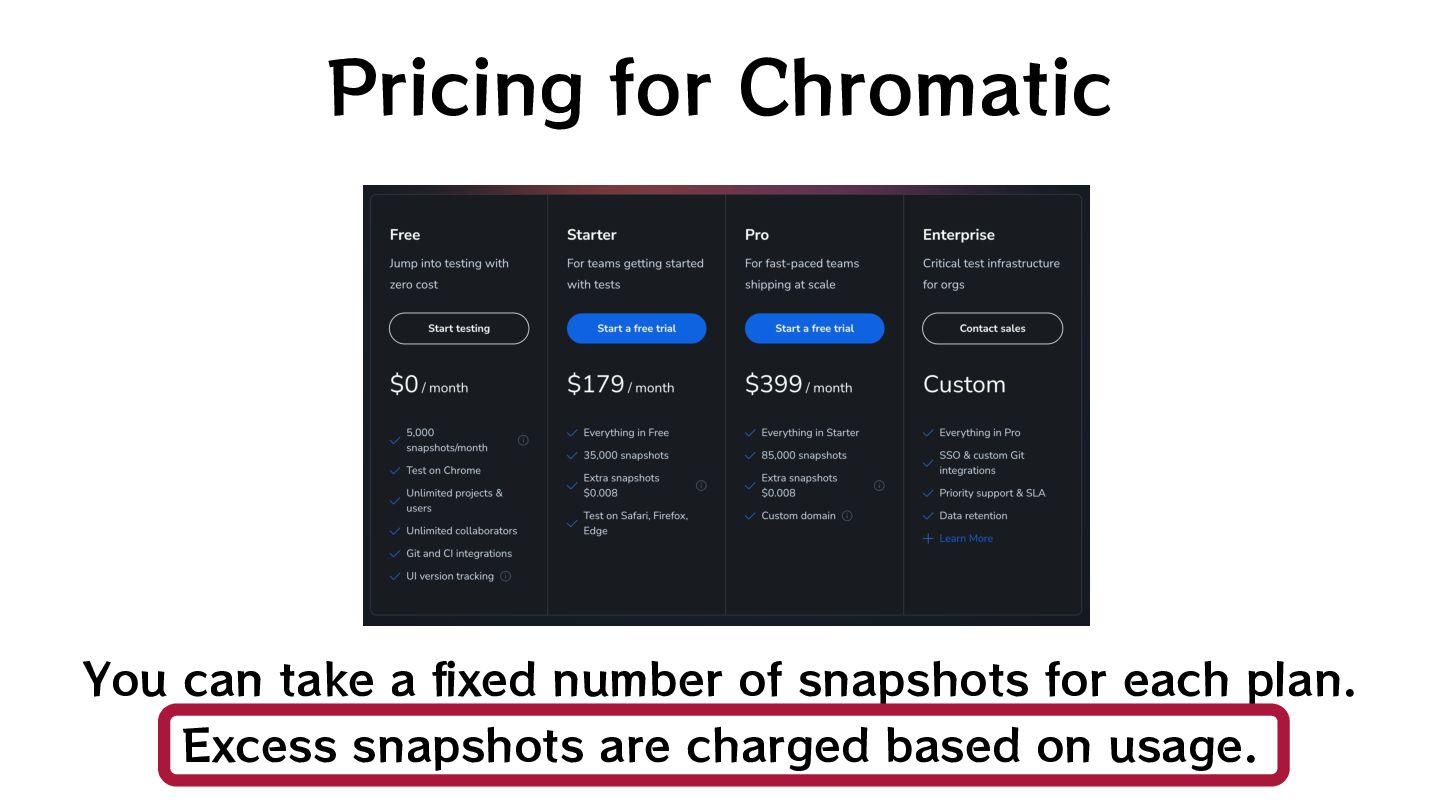
  6. Pricing for Chromatic You can take a fixed number of

    snapshots for each plan. Excess snapshots are charged based on usage.
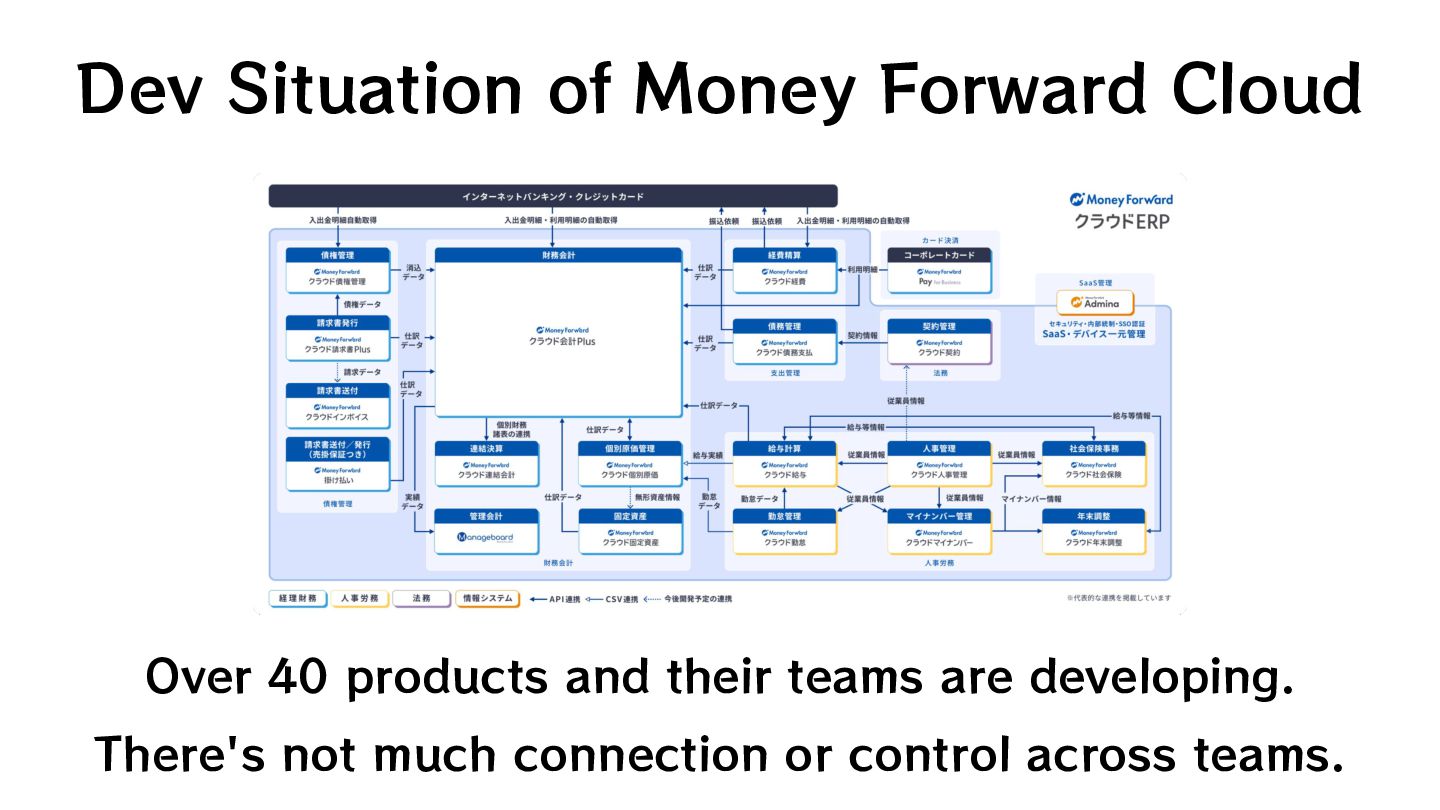
  7. Dev Situation of Money Forward Cloud Over 40 products and

    their teams are developing. There's not much connection or control across teams.
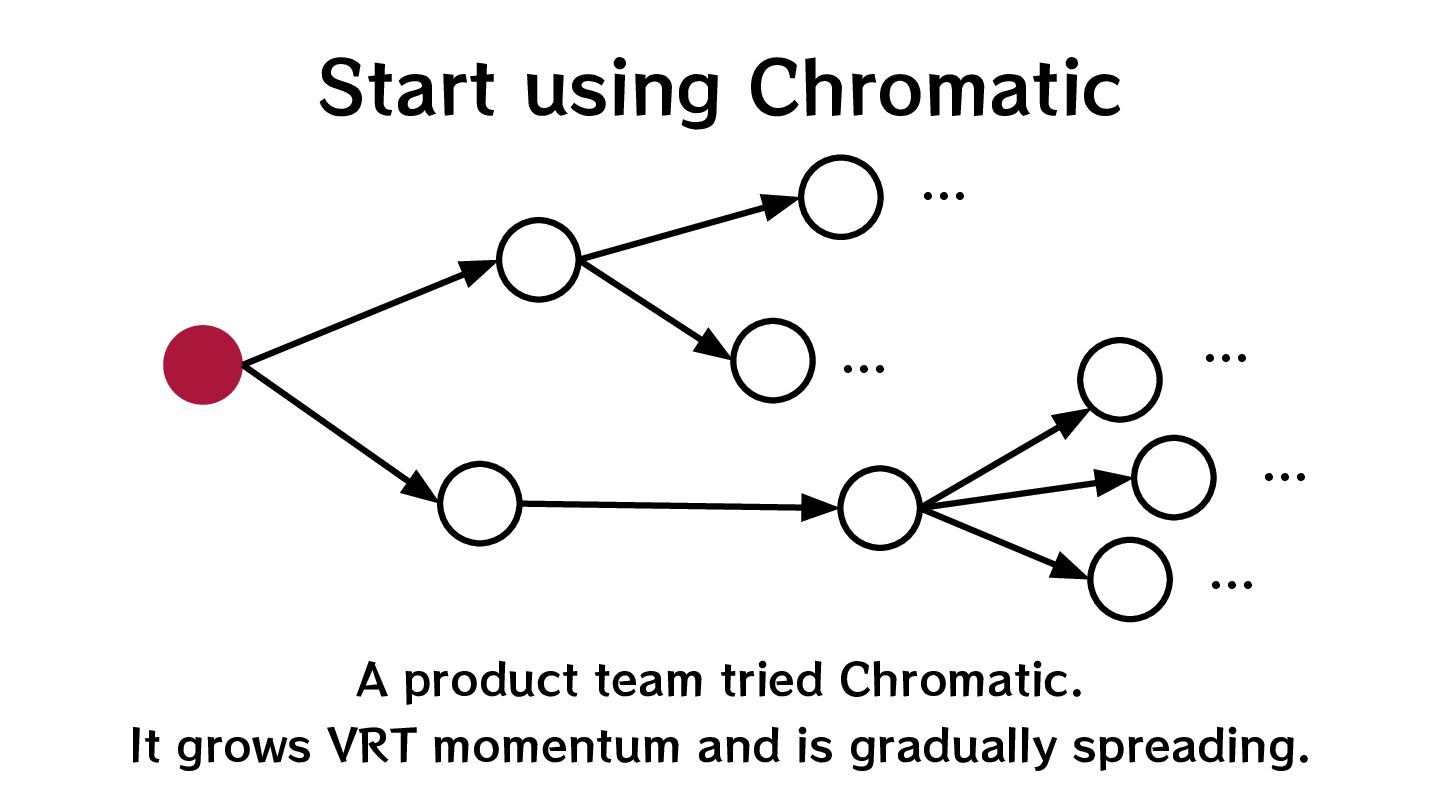
  8. Start using Chromatic A product team tried Chromatic. It grows

    VRT momentum and is gradually spreading. … … … … …
  9. 20+ products are using Chromatic It's so easy to use,

    has gotten popular, and costs shot up. Thereʼs no governance and policies across teams.
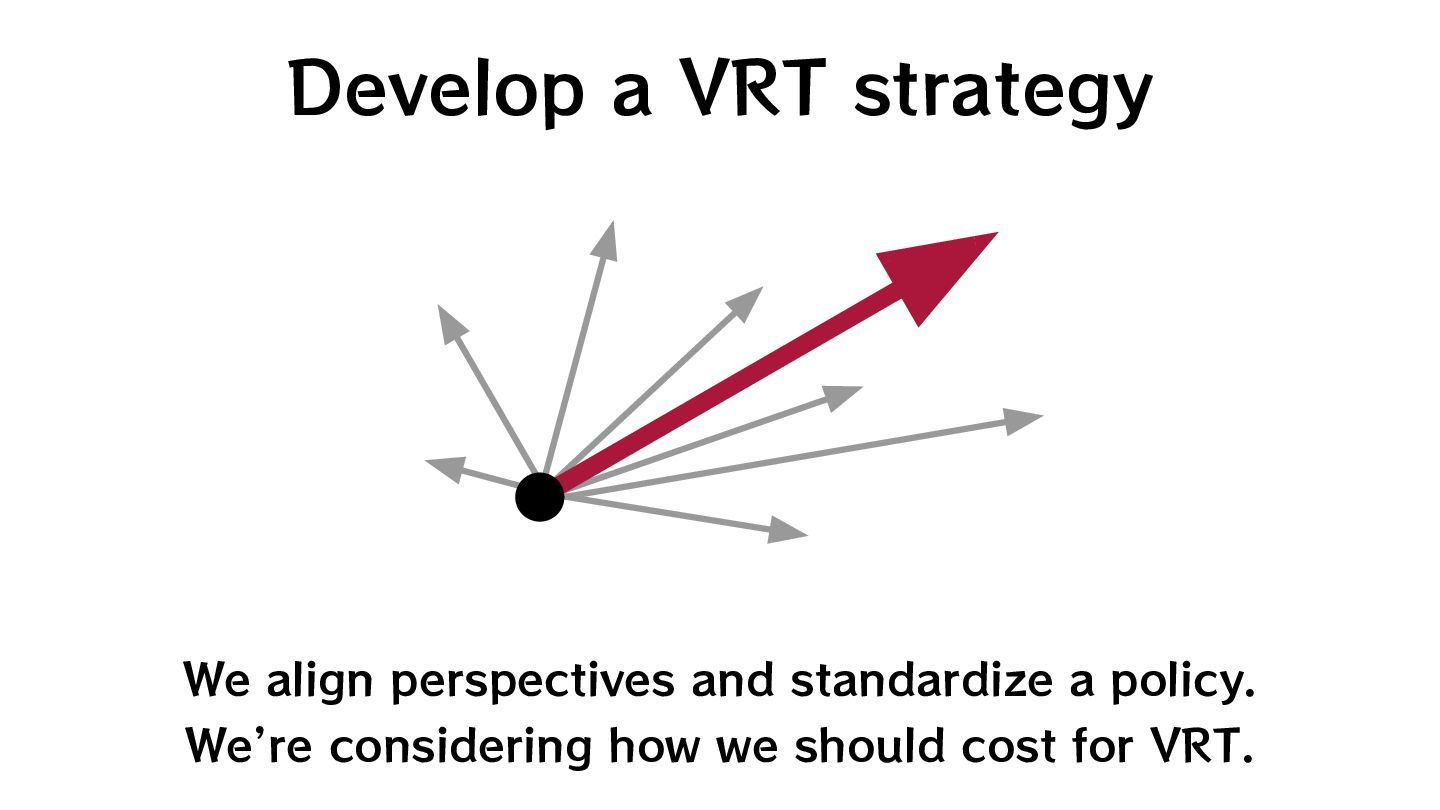
  10. Develop a VRT strategy We align perspectives and standardize a

    policy. Weʼre considering how we should cost for VRT.
  11. VRT brings great peace of mind UIʼs direct inspection feels

    like a “last line of defence.” The more coverage, the better (it seems).
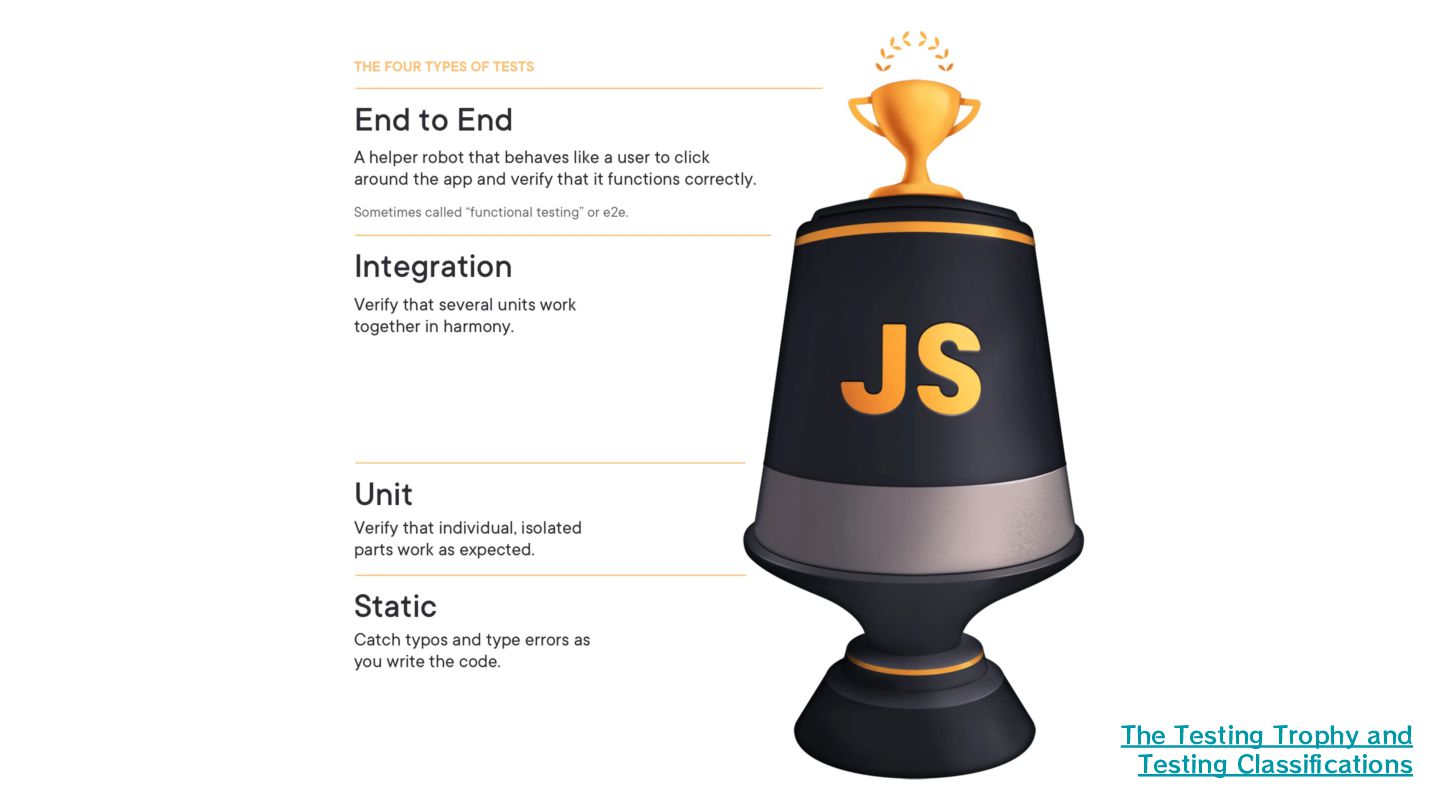
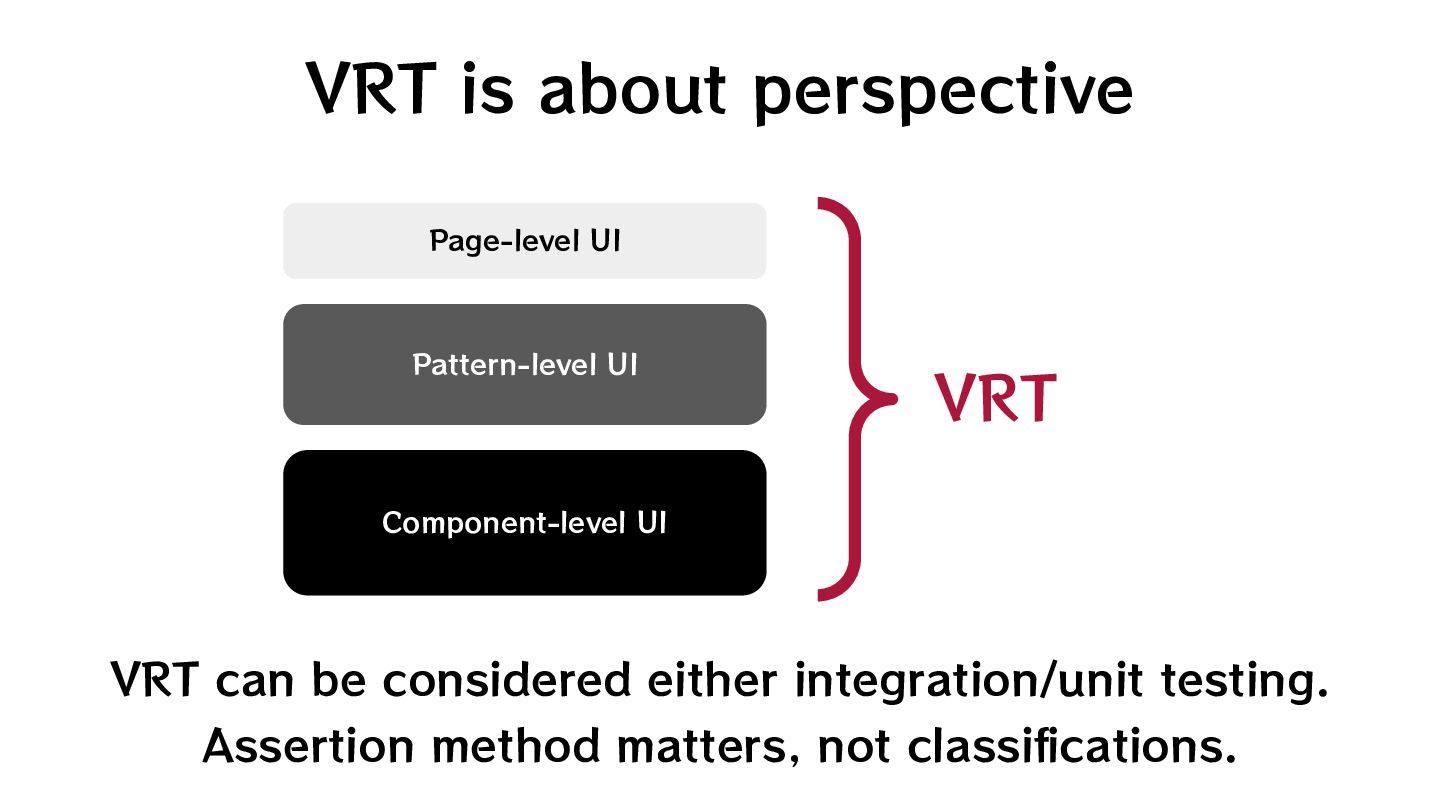
  12. VRT is about perspective VRT can be considered either integration/unit

    testing. Assertion method matters, not classifications. Component-level UI Pattern-level UI Page-level UI VRT
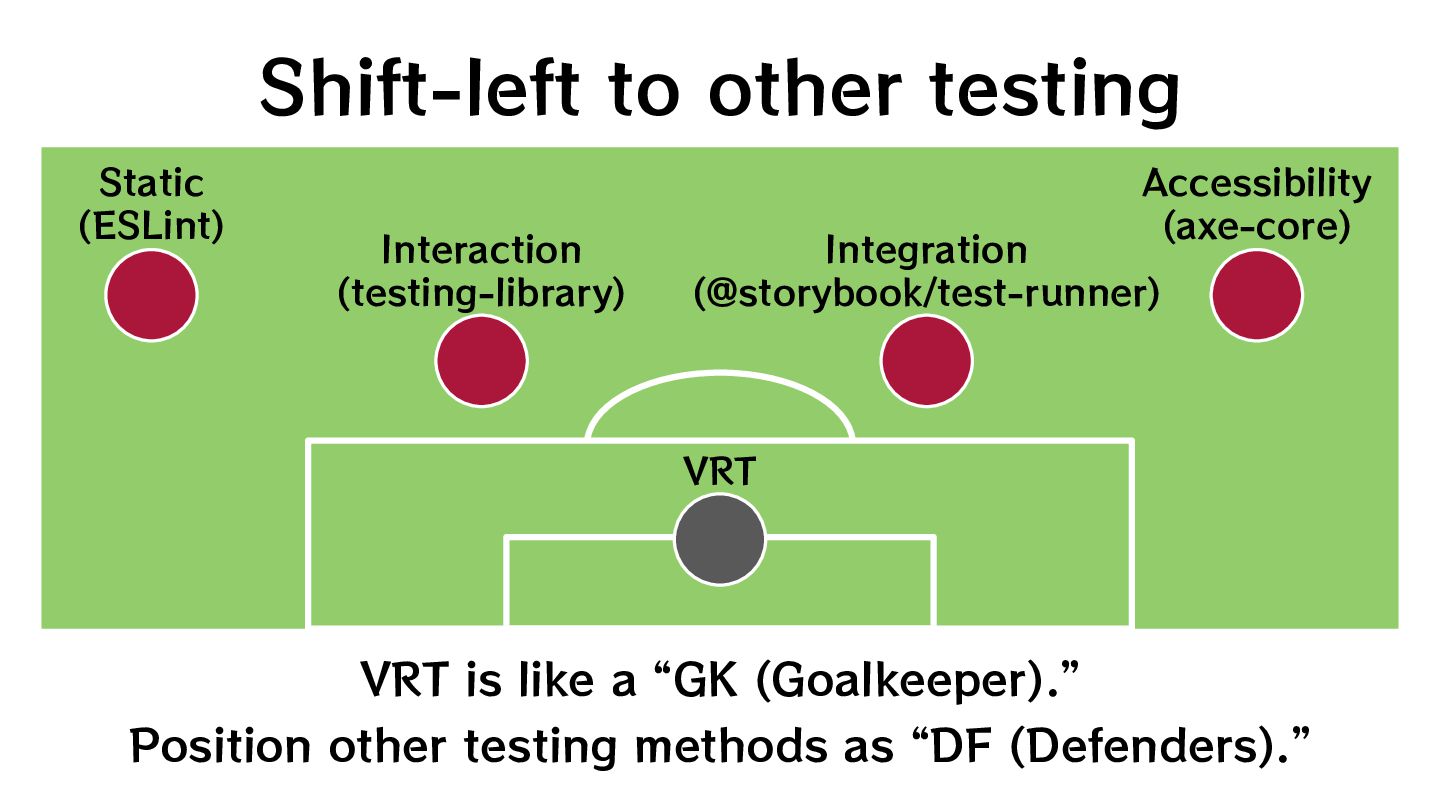
  13. Shift-left to other testing VRT is like a “GK (Goalkeeper).”

    Position other testing methods as “DF (Defenders).” VRT Static (ESLint) Accessibility (axe-core) Interaction (testing-library) Integration (@storybook/test-runner)
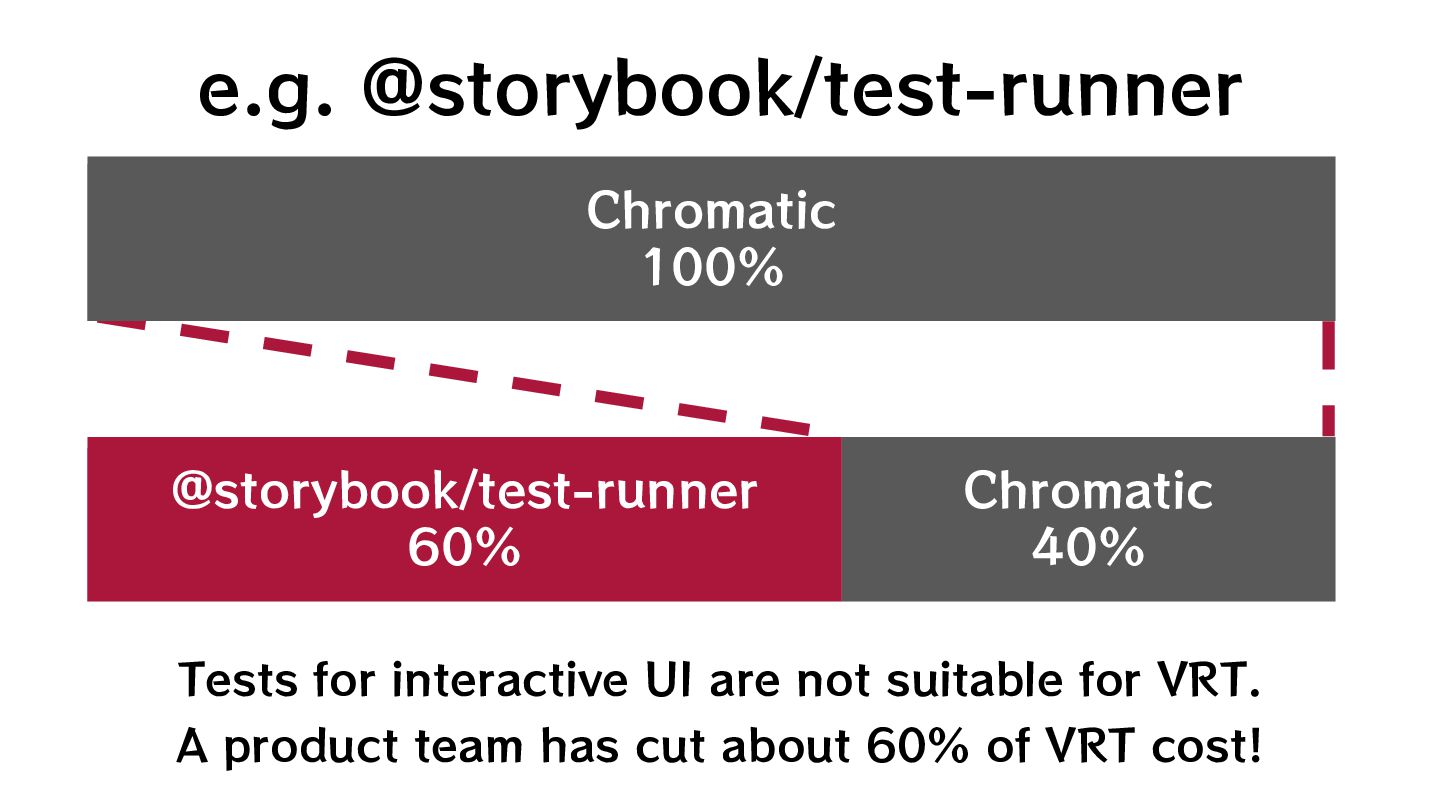
  14. e.g. @storybook/test-runner Tests for interactive UI are not suitable for

    VRT. A product team has cut about 60% of VRT cost! Chromatic 100% Chromatic 40% @storybook/test-runner 60%
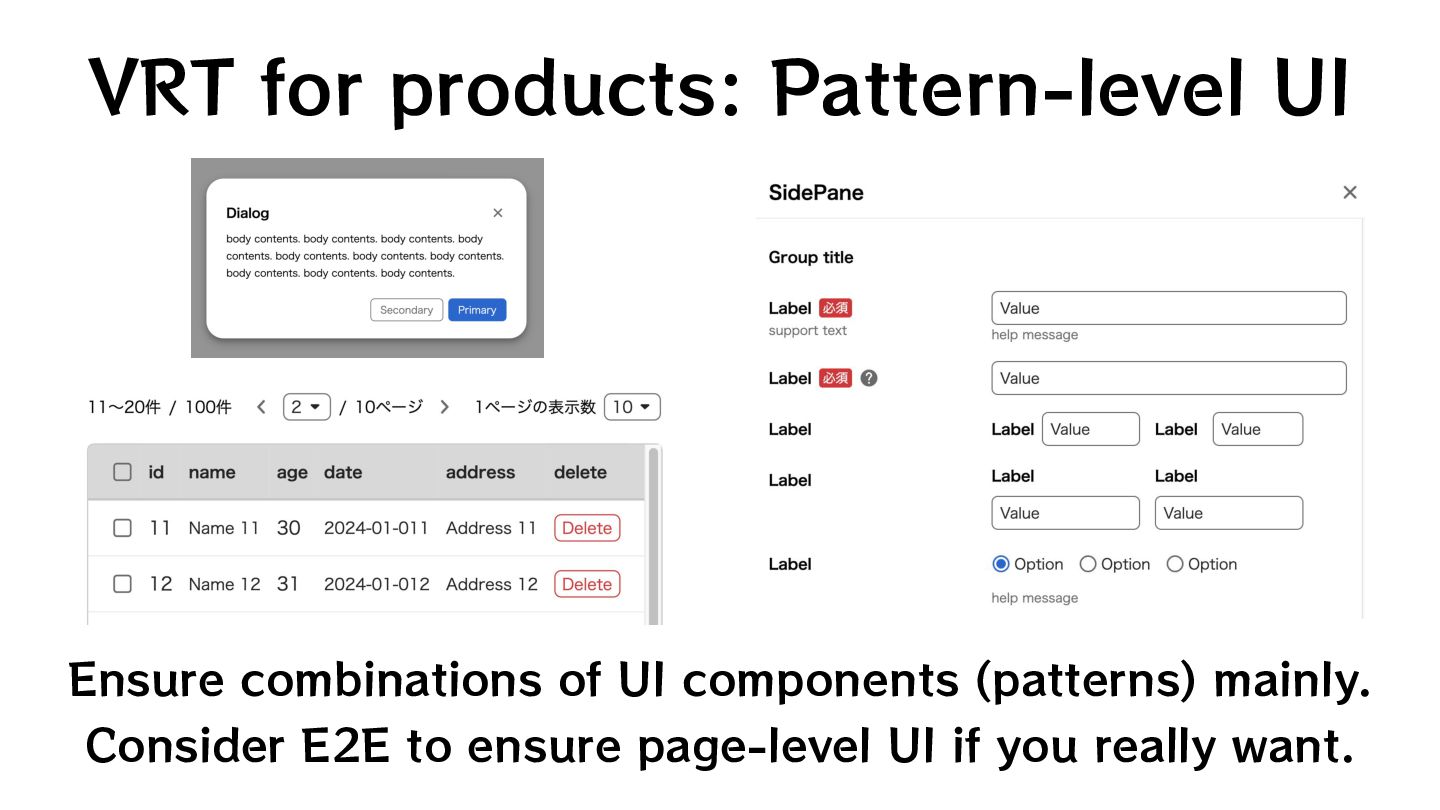
  15. VRT for products: Pattern-level UI Ensure combinations of UI components

    (patterns) mainly. Consider E2E to ensure page-level UI if you really want.
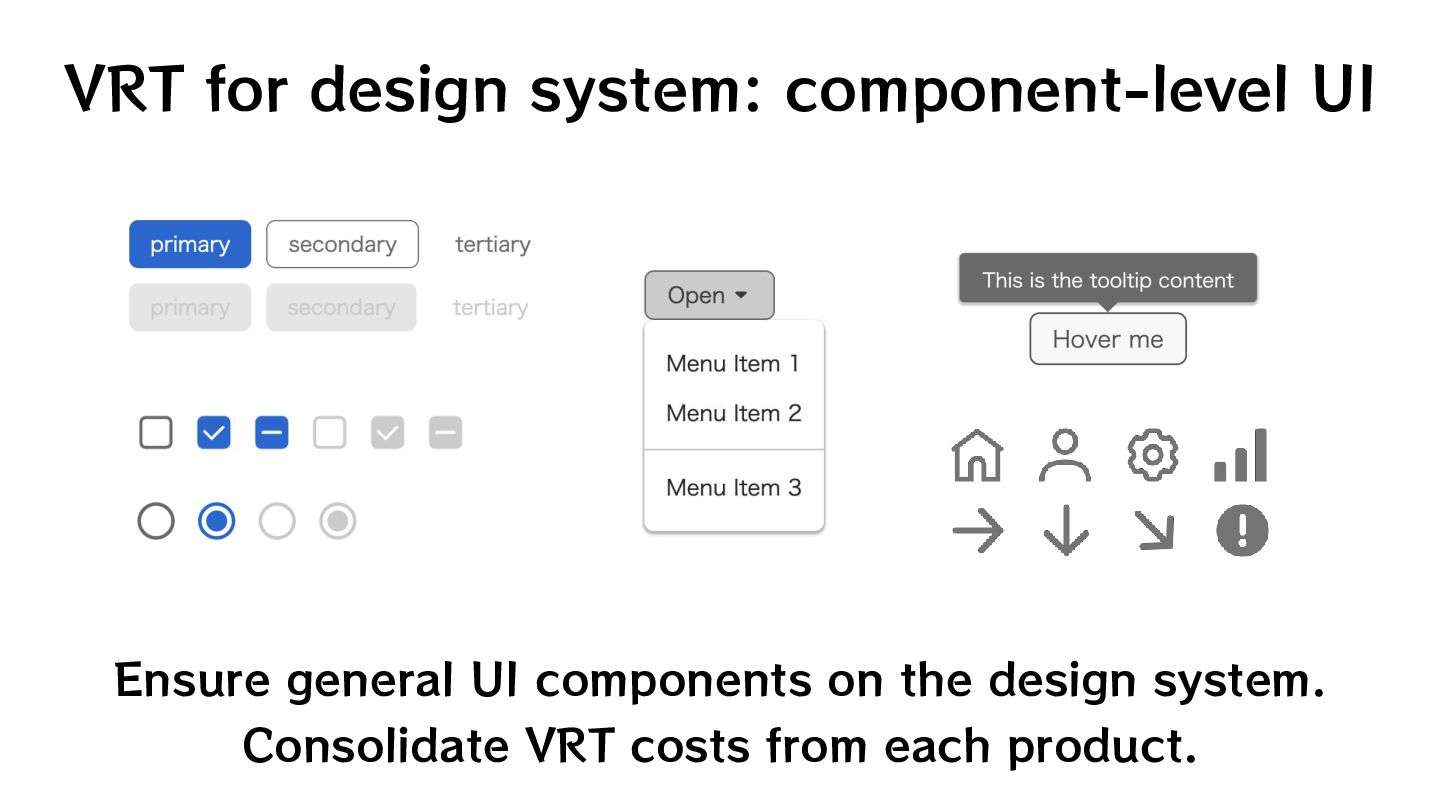
  16. VRT for design system: component-level UI Ensure general UI components

    on the design system. Consolidate VRT costs from each product.
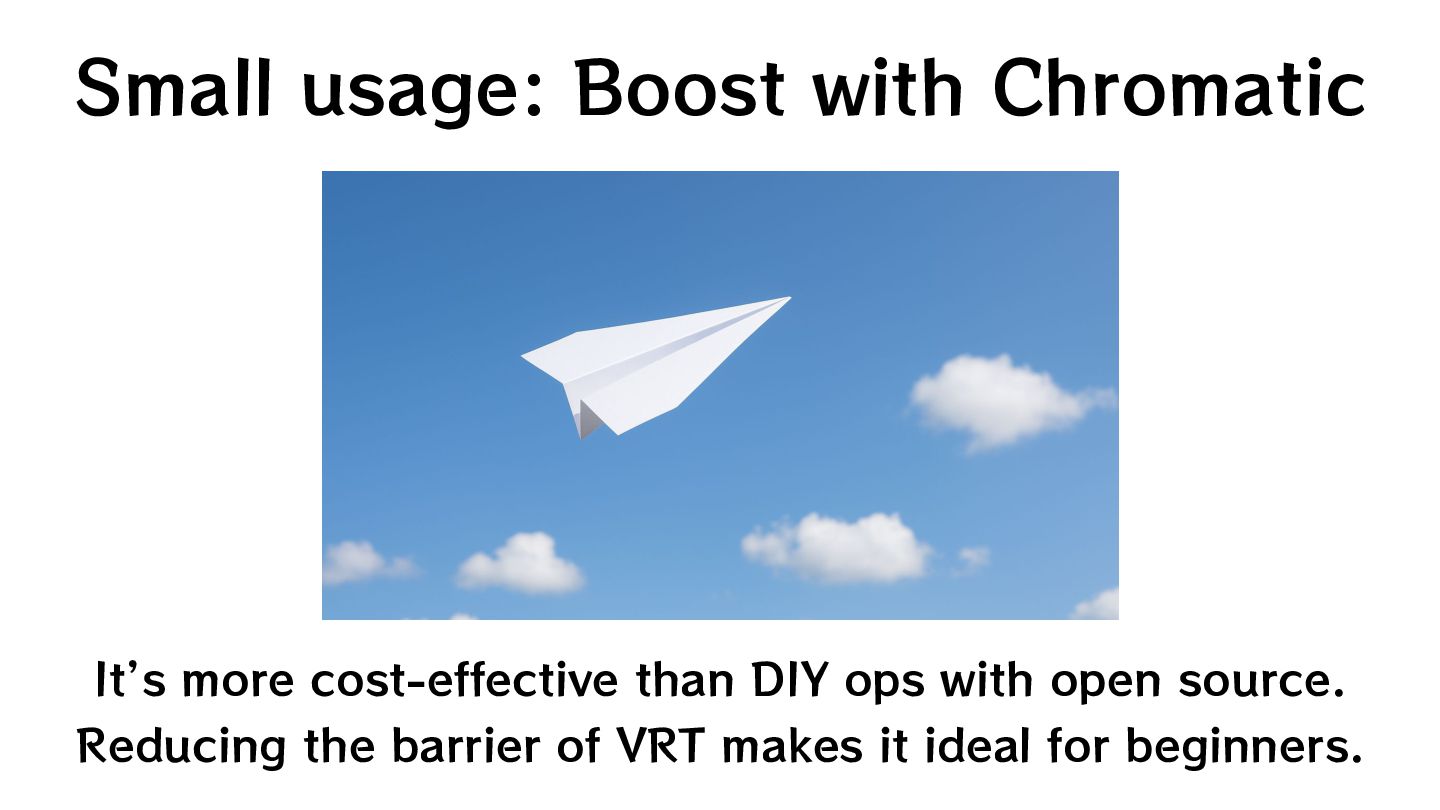
  17. Small usage: Boost with Chromatic Itʼs more cost-effective than DIY

    ops with open source. Reducing the barrier of VRT makes it ideal for beginners.
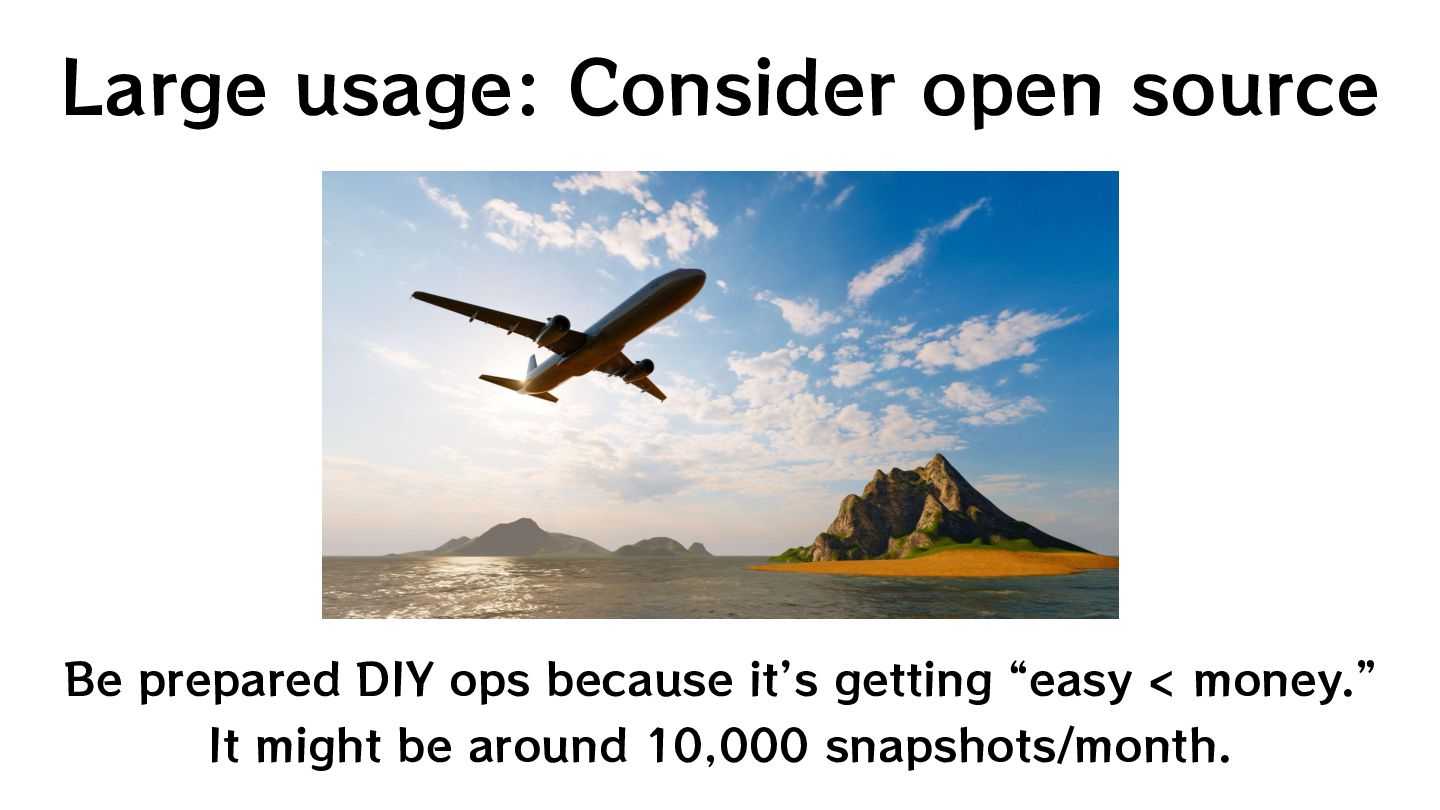
  18. Large usage: Consider open source Be prepared DIY ops because

    itʼs getting “easy < money.” It might be around 10,000 snapshots/month.
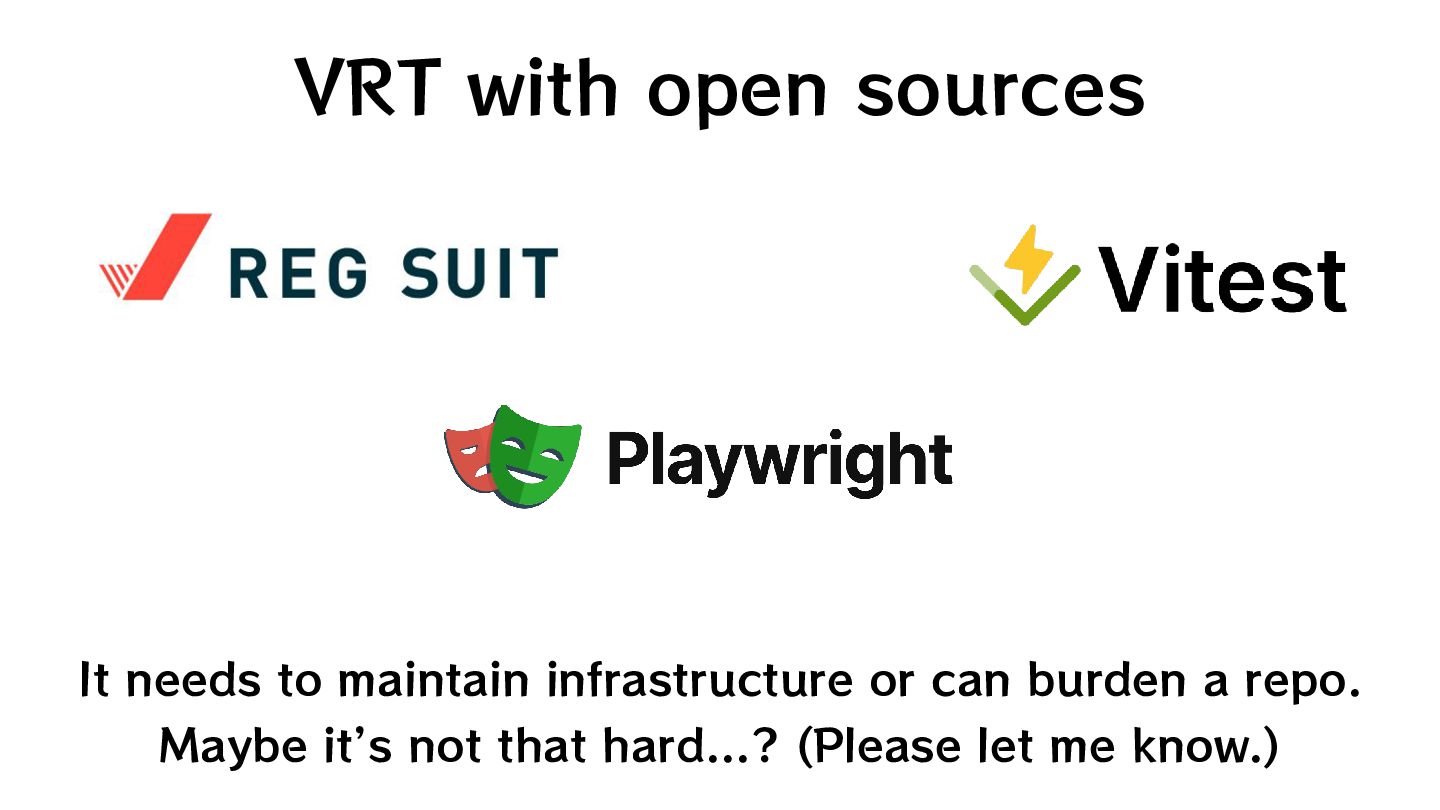
  19. VRT with open sources It needs to maintain infrastructure or

    can burden a repo. Maybe itʼs not that hard...? (Please let me know.)
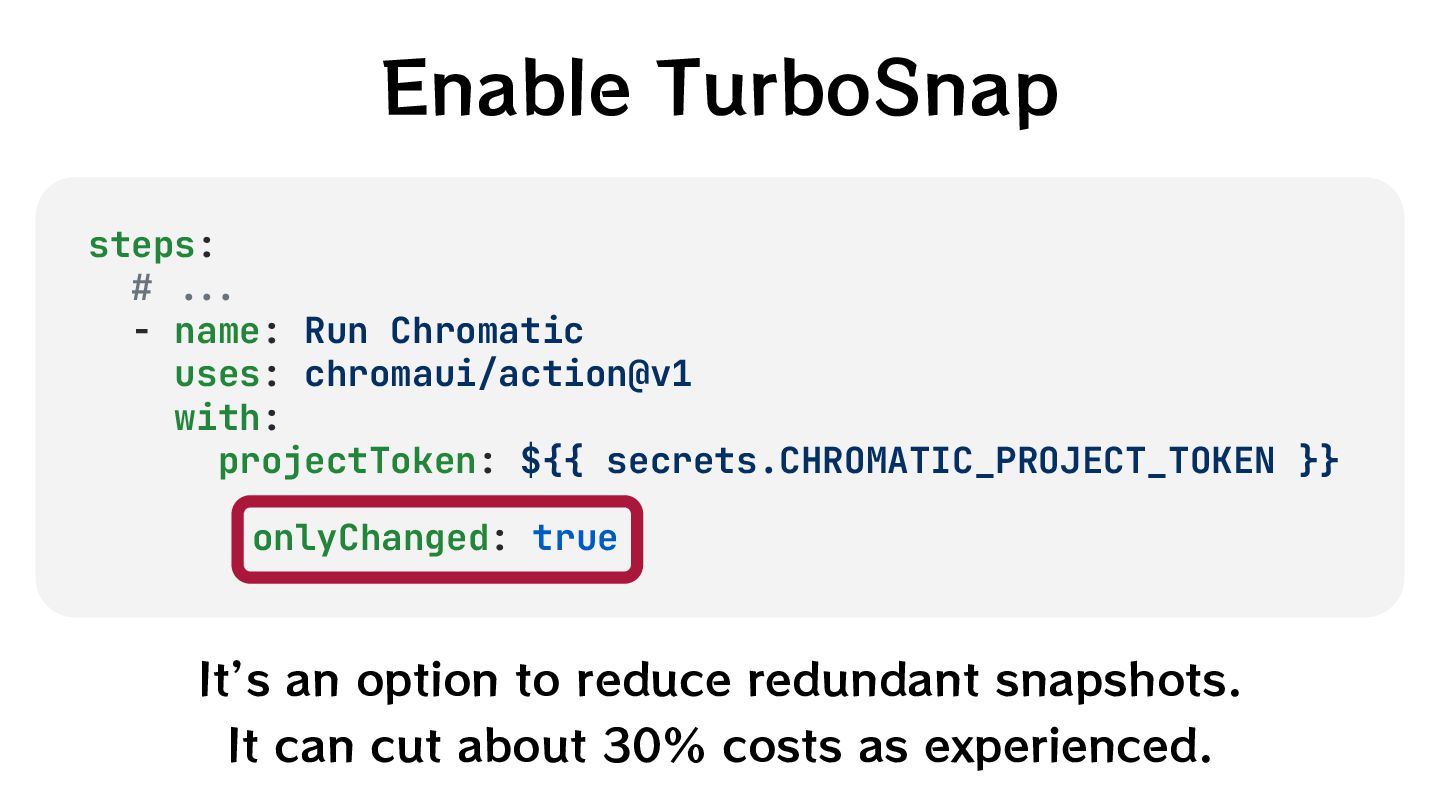
  20. Enable TurboSnap Itʼs an option to reduce redundant snapshots. It

    can cut about 30% costs as experienced. steps: # ... - name: Run Chromatic uses: chromaui/action@v1 with: projectToken: ${{ secrets.CHROMATIC_PROJECT_TOKEN }} onlyChanged: true
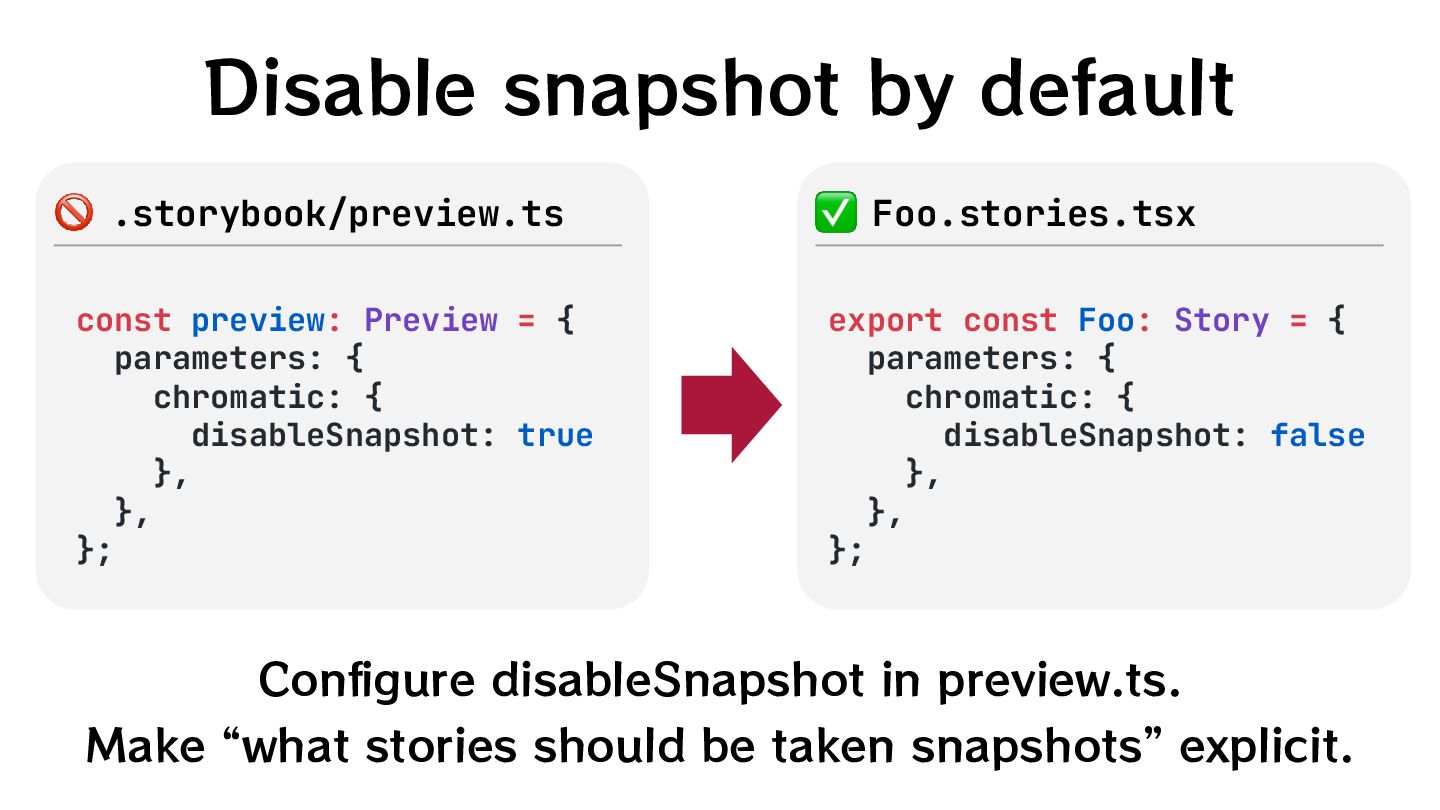
  21. Disable snapshot by default Configure disableSnapshot in preview.ts. Make “what

    stories should be taken snapshots” explicit. const preview: Preview = { parameters: { chromatic: { disableSnapshot: true }, }, }; export const Foo: Story = { parameters: { chromatic: { disableSnapshot: false }, }, }; .storybook/preview.ts Foo.stories.tsx
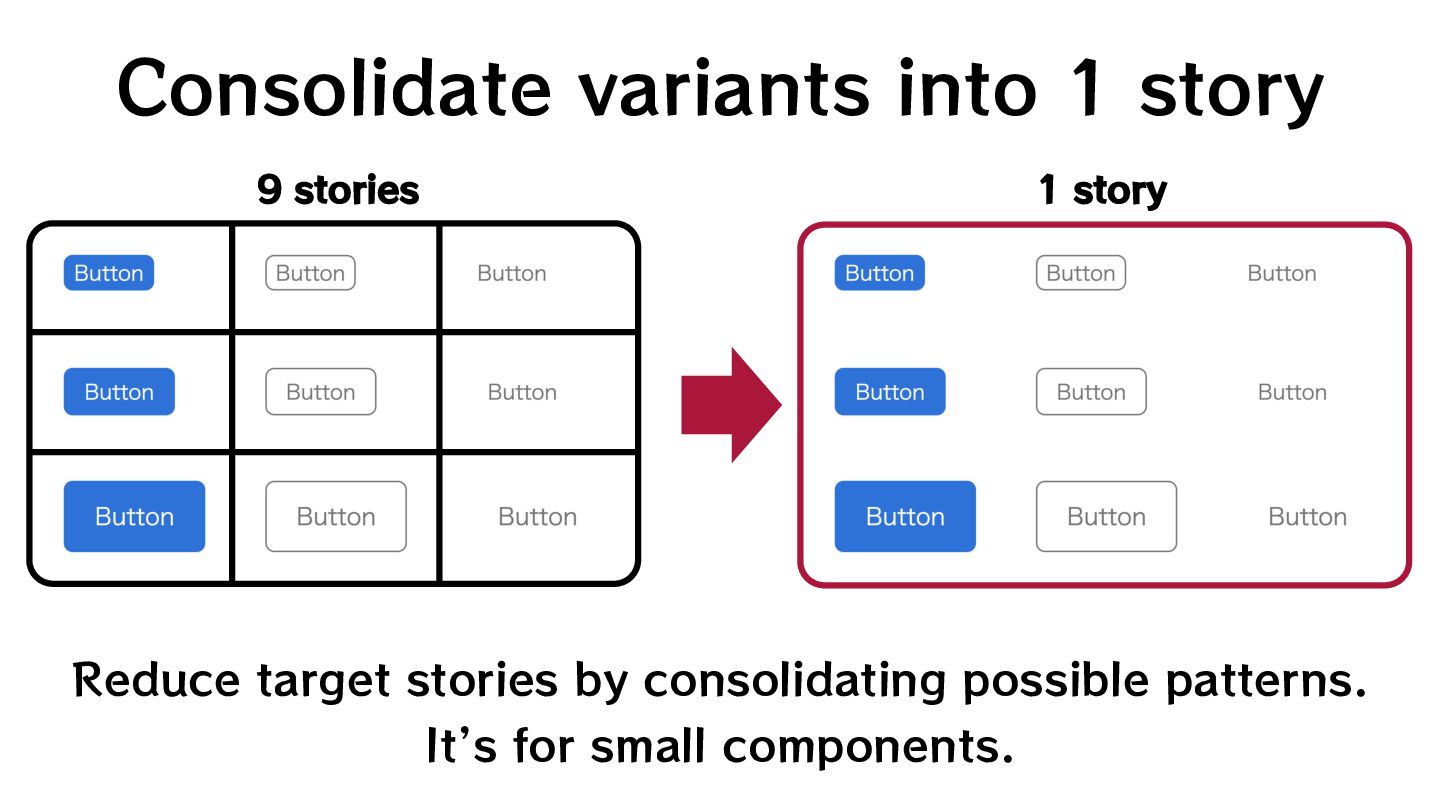
  22. Consolidate variants into 1 story Reduce target stories by consolidating

    possible patterns. Itʼs for small components. 9 stories 1 story
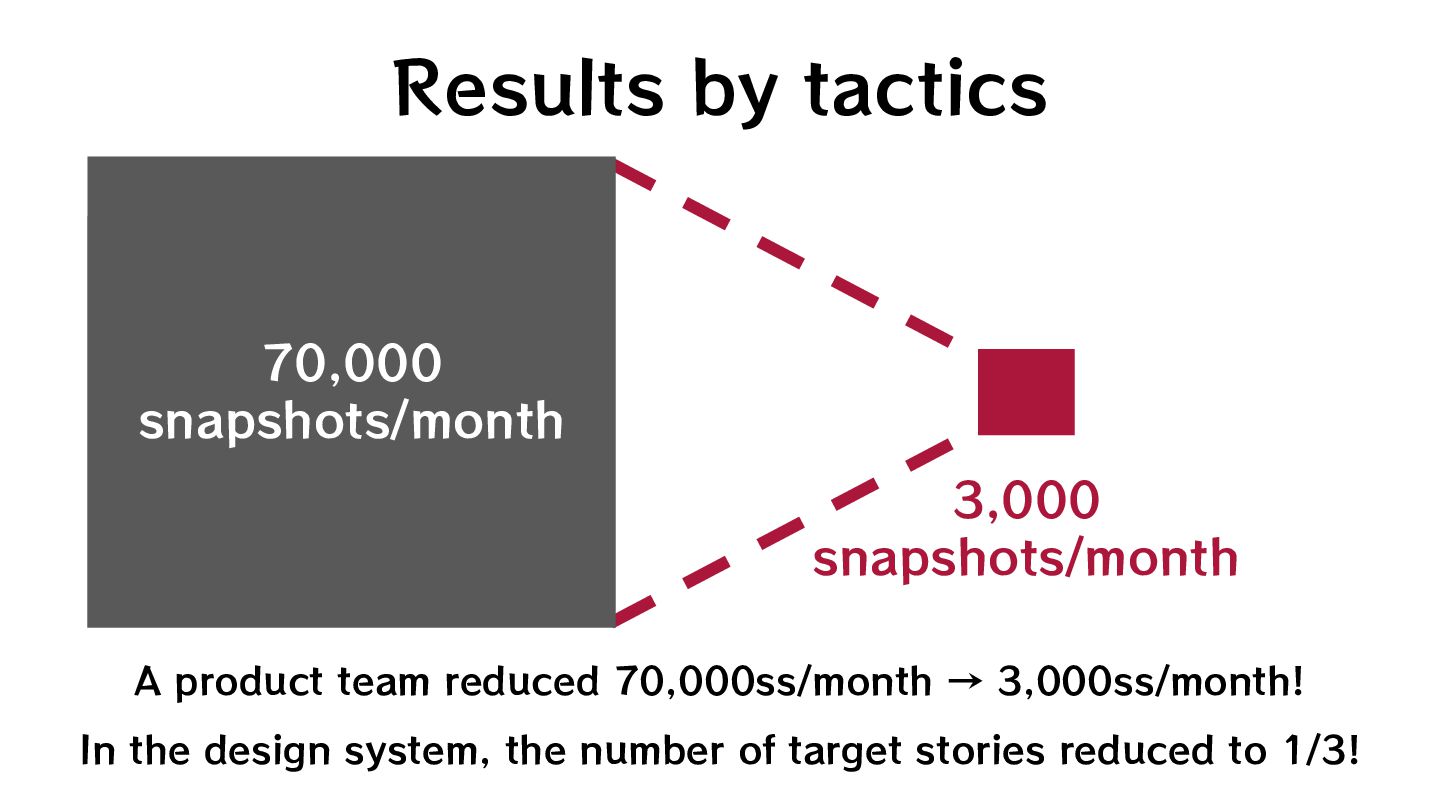
  23. Results by tactics A product team reduced 70,000ss/month → 3,000ss/month!

    In the design system, the number of target stories reduced to 1/3! 3,000 snapshots/month 70,000 snapshots/month
  24. Cross-functional Strategy for VRT Clarify the “Strategy” before relaying on

    VRT! Use Chromatic respectively based on “usage scale”! Operate VRT with a focus on “what & when to do”! Consider alternative testing methods! Cover pattern-level UI mainly. Leave component-level UI to design system! Small usage: Boost VRT with easy use Chromatic! Large usage: Consider open source alternatives! Be prepared for DIY ops! In Chromatic, adopt best practices to optimize the cost: TurboSnap, disable by default, consolidate stories, and control the workflow! #jsconfjp