Upgrade to Pro — share decks privately, control downloads, hide ads and more …

Cat Weight Loss Vet Online: Understanding Why Y...

Sponsored · Your Podcast. Everywhere. Effortlessly. Share. Educate. Inspire. Entertain. You do you. We'll handle the rest. →

Cat Weight Loss Vet Online: Understanding Why Your Cat Is Losing Weight

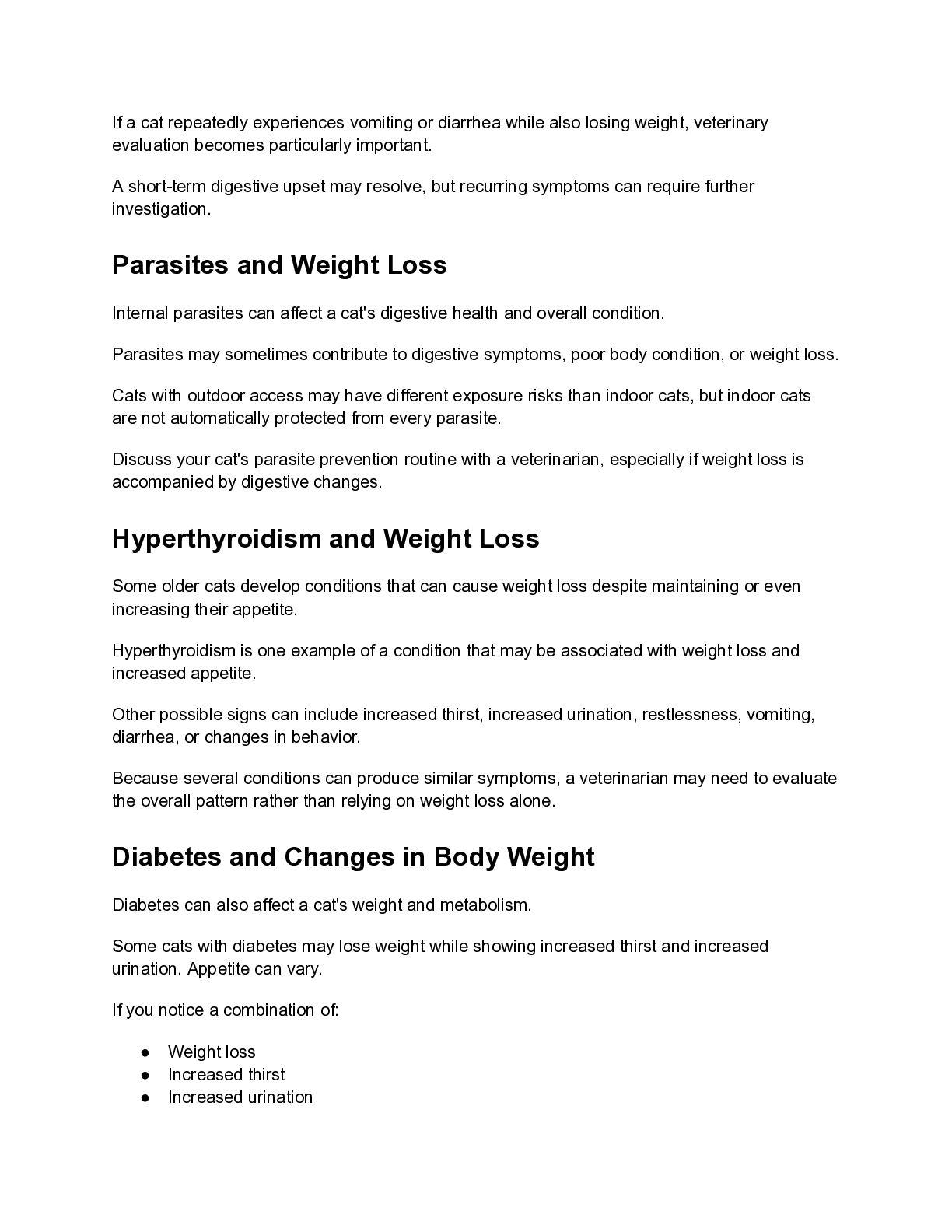
For owners who notice unexplained weight loss, a cat weight loss vet online consultation can be a convenient way to discuss the changes with a licensed veterinarian from home. VirtualVetDesk lists weight loss among the cat health concerns its online veterinary service can assess and advise on.

Avatar for virtual dog behavior consult

virtual dog behavior consult

September 18, 2026

Transcript

  1. Cat Weight Loss Vet Online: Understanding Why Your Cat Is

    Losing Weight Weight loss in cats can be easy to overlook, especially when it happens gradually. A cat may continue eating, playing, and behaving normally for a while even though its body weight is slowly decreasing. However, unexplained weight loss should not be ignored because it can be associated with dietary problems, stress, dental issues, digestive conditions, parasites, diabetes, thyroid disease, kidney problems, or other underlying health concerns. Cats are also known for hiding signs of illness. By the time an owner notices a significant change in body condition, the underlying issue may have been developing for some time. Paying attention to weight, appetite, drinking habits, litter box behavior, energy levels, and changes in appearance can help identify potential problems earlier. For owners who notice unexplained weight loss, a cat weight loss vet online consultation can be a convenient way to discuss the changes with a licensed veterinarian from home. VirtualVetDesk lists weight loss among the cat health concerns its online veterinary service can assess and advise on. Is Weight Loss Always a Sign of Illness? Not every change on the scale means that a cat is sick. Weight can naturally fluctuate depending on age, activity level, diet, and other factors. For example, a cat may lose a small amount of weight after becoming more active or following an intentional dietary adjustment recommended by a veterinarian.
  2. The concern arises when weight loss is: •​ •​ •​

    •​ •​ •​ •​ •​ •​ Unplanned Persistent Rapid Accompanied by reduced appetite Accompanied by increased thirst Associated with vomiting or diarrhea Combined with lethargy Accompanied by changes in urination Associated with changes in grooming or behavior Unexplained weight loss deserves attention because it can sometimes be an early sign of an underlying health problem. How Can You Tell If Your Cat Is Losing Weight? Some cats lose weight so gradually that their owners do not notice immediately. Regular monitoring can help. You may notice: •​ •​ •​ •​ •​ •​ •​ The ribs becoming easier to feel The spine or hip bones becoming more prominent Less muscle around the back legs A thinner appearance around the waist A looser-fitting collar or harness Reduced muscle mass Changes in the shape of the face or body Long-haired cats can be particularly difficult to assess visually because their fur may hide changes in body condition. Using a reliable scale and recording your cat's weight regularly can provide a more objective picture. Common Causes of Weight Loss in Cats There are many possible causes of feline weight loss. The reason cannot be determined from weight loss alone, so veterinary assessment is important. Reduced Food Intake
  3. One of the simplest explanations for weight loss is that

    the cat is not consuming enough calories. A cat may eat less because of: •​ •​ •​ •​ •​ •​ •​ •​ •​ Stress Dental discomfort Nausea Changes in food Difficulty chewing Pain Illness Competition with other pets Changes in feeding location Even a gradual reduction in food intake can eventually result in noticeable weight loss. Dental Problems Can Affect Eating Dental and oral health can influence how much a cat wants to eat. A cat with dental discomfort may approach its food but hesitate, chew differently, drop food, or eat less than usual. Other possible signs include bad breath, drooling, pawing at the mouth, or reluctance to eat hard food. Some cats continue eating despite dental pain, so weight loss may sometimes be one of the more noticeable signs. If weight loss is accompanied by changes in eating behavior, dental health should be discussed with a veterinarian. Digestive Problems and Weight Loss Digestive problems can interfere with a cat's ability to maintain healthy body weight. Conditions involving the gastrointestinal tract may cause: •​ •​ •​ •​ •​ •​ Vomiting Diarrhea Reduced appetite Changes in stool Abdominal discomfort Poor nutrient absorption
  4. If a cat repeatedly experiences vomiting or diarrhea while also

    losing weight, veterinary evaluation becomes particularly important. A short-term digestive upset may resolve, but recurring symptoms can require further investigation. Parasites and Weight Loss Internal parasites can affect a cat's digestive health and overall condition. Parasites may sometimes contribute to digestive symptoms, poor body condition, or weight loss. Cats with outdoor access may have different exposure risks than indoor cats, but indoor cats are not automatically protected from every parasite. Discuss your cat's parasite prevention routine with a veterinarian, especially if weight loss is accompanied by digestive changes. Hyperthyroidism and Weight Loss Some older cats develop conditions that can cause weight loss despite maintaining or even increasing their appetite. Hyperthyroidism is one example of a condition that may be associated with weight loss and increased appetite. Other possible signs can include increased thirst, increased urination, restlessness, vomiting, diarrhea, or changes in behavior. Because several conditions can produce similar symptoms, a veterinarian may need to evaluate the overall pattern rather than relying on weight loss alone. Diabetes and Changes in Body Weight Diabetes can also affect a cat's weight and metabolism. Some cats with diabetes may lose weight while showing increased thirst and increased urination. Appetite can vary. If you notice a combination of: •​ Weight loss •​ Increased thirst •​ Increased urination
  5. •​ Increased appetite it is important to discuss these changes

    with a veterinarian. These symptoms do not automatically mean diabetes is present, but they are useful information for veterinary assessment. Kidney Problems and Weight Changes Kidney-related conditions can occur more commonly as cats get older. Possible signs may include changes in drinking, urination, appetite, energy, and body weight. Weight loss in an older cat should therefore be taken seriously, particularly if other changes occur at the same time. An online consultation can be a useful first discussion for non-emergency symptoms, but some cats may require an in-person examination and diagnostic testing to identify the underlying cause. Stress Can Affect a Cat's Weight Cats can be sensitive to environmental changes. Stressors may include: •​ •​ •​ •​ •​ •​ •​ •​ •​ Moving to a new home A new pet entering the household Changes in routine Loud construction Changes in feeding arrangements Conflict between cats Changes in litter box location Travel Major household changes Stress may cause some cats to eat less or change their normal behavior. However, unexplained weight loss should not automatically be blamed on stress. Medical causes should be considered, particularly when weight loss continues. Weight Loss and Appetite: Why the Combination Matters One of the most useful details for a veterinarian is whether your cat's appetite has changed.
  6. Weight Loss With Reduced Appetite If your cat is losing

    weight and eating less, possible causes can include dental problems, nausea, gastrointestinal issues, pain, stress, or other illnesses. Weight Loss With Normal Appetite A cat that continues eating normally but steadily loses weight may require investigation for metabolic, digestive, or other underlying conditions. Weight Loss With Increased Appetite Weight loss combined with increased hunger can also provide an important clue and may occur with certain metabolic conditions. The appetite pattern does not provide a diagnosis by itself, but it gives the veterinarian valuable information. When Should You Contact an Online Vet? An online consultation can be useful when you notice gradual or unexplained changes and want professional guidance about what to do next. VirtualVetDesk states that its licensed veterinarians can assess and advise on cat concerns including weight loss and lethargy, as well as nutrition, diet, and weight management. Consider arranging an online consultation if: •​ •​ •​ •​ •​ •​ •​ •​ •​ •​ Your cat is gradually losing weight You are unsure whether your cat's body condition is healthy Appetite has changed Your cat is drinking more than usual Your cat is urinating more frequently Vomiting or diarrhea is recurring Your cat seems less active Your cat's coat or grooming habits have changed You have concerns about diet or feeding Your cat has an existing medical condition and its weight is changing The veterinarian can review the history and help determine whether remote guidance is appropriate or whether an in-person examination should be arranged. What Information Should You Prepare?
  7. Before your online appointment, collect as much useful information as

    possible. Weight History Write down your cat's current weight and, if available, previous measurements. A series of measurements can be much more informative than a single number. Appetite Record whether your cat is eating: •​ •​ •​ •​ •​ •​ More than usual Less than usual The same amount Only certain foods Smaller portions No food at all Water Intake Note whether your cat's drinking habits have changed. Litter Box Habits Changes in urine or stool can provide important information. Digestive Symptoms Record vomiting, diarrhea, constipation, or changes in stool appearance. Behavior Note changes in activity, hiding, sleeping, grooming, or interaction. Diet Have the names of foods, treats, supplements, and feeding schedules available. This information can help make an online consultation more productive. How to Monitor Your Cat's Weight at Home Regular weight monitoring can be useful.
  8. Try to weigh your cat under similar conditions each time.

    For example, use the same scale and record measurements consistently. For smaller cats, a pet scale can be useful. Some owners can also weigh themselves while holding the cat and then subtract their own weight, although a dedicated scale may provide more consistent measurements. Keep a simple record with: Date — Weight — Appetite — Other Symptoms This makes it easier to identify gradual trends. Why Body Condition Matters The number on the scale is only part of the picture. Two cats can weigh the same amount while having different body compositions depending on breed, frame size, age, and muscle mass. A veterinarian may consider: •​ •​ •​ •​ •​ •​ Muscle condition Fat coverage Body shape Rib visibility Spine and hip prominence Overall appearance This is why weight management should be individualized rather than based only on a generic target number. Can Diet Help a Cat Gain Weight? Diet may play an important role when a cat is underweight, but simply offering more food is not always the right solution. The correct approach depends on why the cat lost weight. For example, increasing food intake without addressing dental pain, nausea, digestive disease, parasites, or another medical problem may not solve the underlying issue. VirtualVetDesk offers nutrition and diet advice as part of its cat services, including personalized diet and nutrition guidance.
  9. A veterinarian can help determine whether a dietary adjustment is

    appropriate and how it should be approached. Avoid Sudden Diet Changes If you want to change your cat's food, avoid making multiple changes at once without veterinary guidance. Sudden dietary changes can sometimes cause digestive upset. A veterinarian can help you select an appropriate food and discuss a gradual transition when necessary. This is particularly important for cats that already have digestive problems or are losing weight. What Happens During an Online Consultation? A virtual consultation usually starts with a discussion of your cat's symptoms and history. The veterinarian may ask about: •​ •​ •​ •​ •​ •​ •​ •​ •​ •​ •​ •​ •​ Weight changes Appetite Water consumption Urination Stool Vomiting Energy levels Diet Medications Previous illnesses Age Lifestyle Recent environmental changes If appropriate, you may also show your cat through video. VirtualVetDesk explains that its online cat consultations can be conducted through video or chat, with owners able to share photos or short videos when helpful. The service describes professional assessment, personalized treatment recommendations, and written care plans as part of its consultation process. When an In-Person Examination May Be Necessary
  10. Online veterinary care can be useful for many non-emergency concerns,

    but unexplained weight loss may sometimes require physical examination or diagnostic testing. A veterinarian may recommend an in-person visit if the history or visible symptoms suggest that additional evaluation is necessary. Diagnostic testing may be needed in some cases to investigate conditions that cannot be identified through an online consultation alone. The goal of an online consultation is not to replace necessary physical care. Instead, it can help determine the appropriate next step. Weight Loss in Kittens Kittens have different nutritional and growth requirements from adult cats. A kitten that is failing to gain weight, losing weight, refusing food, or experiencing repeated vomiting or diarrhea should receive veterinary attention promptly. Because young cats are still developing, changes in growth and body condition deserve careful monitoring. Do not place a growing kitten on a weight-loss diet unless specifically instructed by a veterinarian. Weight Loss in Senior Cats Older cats deserve particular attention when their weight changes. Age-related health conditions can affect appetite, digestion, metabolism, hydration, and muscle mass. A senior cat that is gradually becoming thinner should be assessed rather than assuming that weight loss is simply part of getting older. Regular weight monitoring can help owners identify changes before they become severe. Weight Loss and Muscle Loss Not all weight loss represents loss of body fat. Cats can also lose muscle mass. Muscle loss may be particularly noticeable around the spine, hips, and hind legs. Older cats and cats with chronic health problems may be more vulnerable to muscle loss.
  11. If you notice that your cat appears thinner or weaker

    even though its weight change seems small, mention this during the veterinary consultation. Red Flags That Need Prompt Attention Weight loss becomes more concerning when it occurs alongside other significant symptoms. Contact a veterinarian promptly if your cat is losing weight and also has: •​ •​ •​ •​ •​ •​ •​ •​ •​ •​ •​ Persistent vomiting Repeated diarrhea Severe lethargy Significant appetite loss Difficulty breathing Collapse Severe weakness Major changes in drinking or urination Signs of significant pain Blood in vomit or stool Other rapidly worsening symptoms If your cat appears seriously ill or is experiencing an emergency, seek direct in-person veterinary care rather than waiting for an online consultation. A Cat That Stops Eating Needs Attention A cat refusing food should not be ignored. VirtualVetDesk advises that a cat that has stopped eating for 24–48 hours should be seen by a veterinarian promptly. The online vet can assess the situation and determine whether the cat needs urgent in-person care. If your cat is refusing food and also has vomiting, severe weakness, dehydration, or other serious symptoms, seek veterinary care promptly. Supporting Healthy Weight at Home Once medical concerns have been addressed, maintaining an appropriate body condition becomes an important part of long-term cat care. Helpful habits can include: •​ Feeding an appropriate complete diet •​ Measuring portions
  12. •​ •​ •​ •​ •​ •​ Monitoring treats Providing regular

    access to fresh water Encouraging appropriate activity Monitoring body weight Observing appetite Scheduling routine veterinary care Avoid making major changes based solely on appearance. A veterinarian can help determine what is appropriate for your cat's individual needs. Why Early Attention Matters Cats can compensate for health problems for a surprisingly long time. A gradual decrease in weight may be the only visible sign of an underlying issue. Early attention allows owners to document the change and discuss it before additional symptoms become severe. Even when the eventual cause is relatively manageable, identifying it early can make care more straightforward. Final Thoughts Unexplained weight loss in cats deserves attention, particularly when it continues or occurs alongside appetite changes, vomiting, diarrhea, increased thirst, increased urination, lethargy, or behavioral changes. There are many possible causes, ranging from diet and stress to dental problems, parasites, digestive disorders, metabolic conditions, and other health concerns. Because weight loss is a symptom rather than a diagnosis, the underlying reason should be considered before making major changes to your cat's diet or treatment. A cat weight loss vet online consultation can be a convenient starting point for discussing gradual weight changes, appetite concerns, diet, and other symptoms from home. VirtualVetDesk specifically includes weight loss, lethargy, nutrition, diet, and weight management among the cat concerns covered by its online veterinary service. Before your appointment, record your cat's weight, appetite, water intake, litter box habits, diet, and any additional symptoms. The more complete the information, the easier it may be for the veterinarian to understand the situation and recommend the appropriate next step. If your cat is severely weak, has stopped eating, is experiencing serious symptoms, or appears to be having an emergency, seek direct veterinary care promptly.
  13. Regular monitoring, appropriate nutrition, veterinary guidance, and early attention to

    unexplained changes can all help support your cat's long-term health and well-being.