Upgrade to Pro — share decks privately, control downloads, hide ads and more …

apidays New York 2025 - Designing APIs with Ope...

apidays New York 2025 - Designing APIs with OpenAPI by Mike Amundsen (Author, API Strategist & Advisor)

Designing APIs with OpenAPI: Build the Right APIs the Right Way
Mike Amundsen, Author of "Design and Build Great APIs", API Strategist & Advisor at amundsen.com, Inc.

apidays New York 2025
API Management for Surfing the Next Innovation Waves: GenAI and Open Banking
May 14 & 15, 2025

------

Check out our conferences at https://www.apidays.global/

Do you want to sponsor or talk at one of our conferences?
https://apidays.typeform.com/to/ILJeAaV8

Learn more on APIscene, the global media made by the community for the community:
https://www.apiscene.io

Explore the API ecosystem with the API Landscape:
https://apilandscape.apiscene.io/

Avatar for apidays

apidays PRO

May 23, 2025

More Decks by apidays

Other Decks in Programming

Transcript

  1. Designing APIs with OpenAPI • API Design Assets • Prototyping

    Your API Design with OpenAPI • Building with Open OpenAPI • Defining OpenAPI Paths • Modifying Your API in Production
  2. Design Assets Design assets are any digital resources that are

    created or used in the design process. -- Uxcel https://app.uxcel.com/glossary/assets
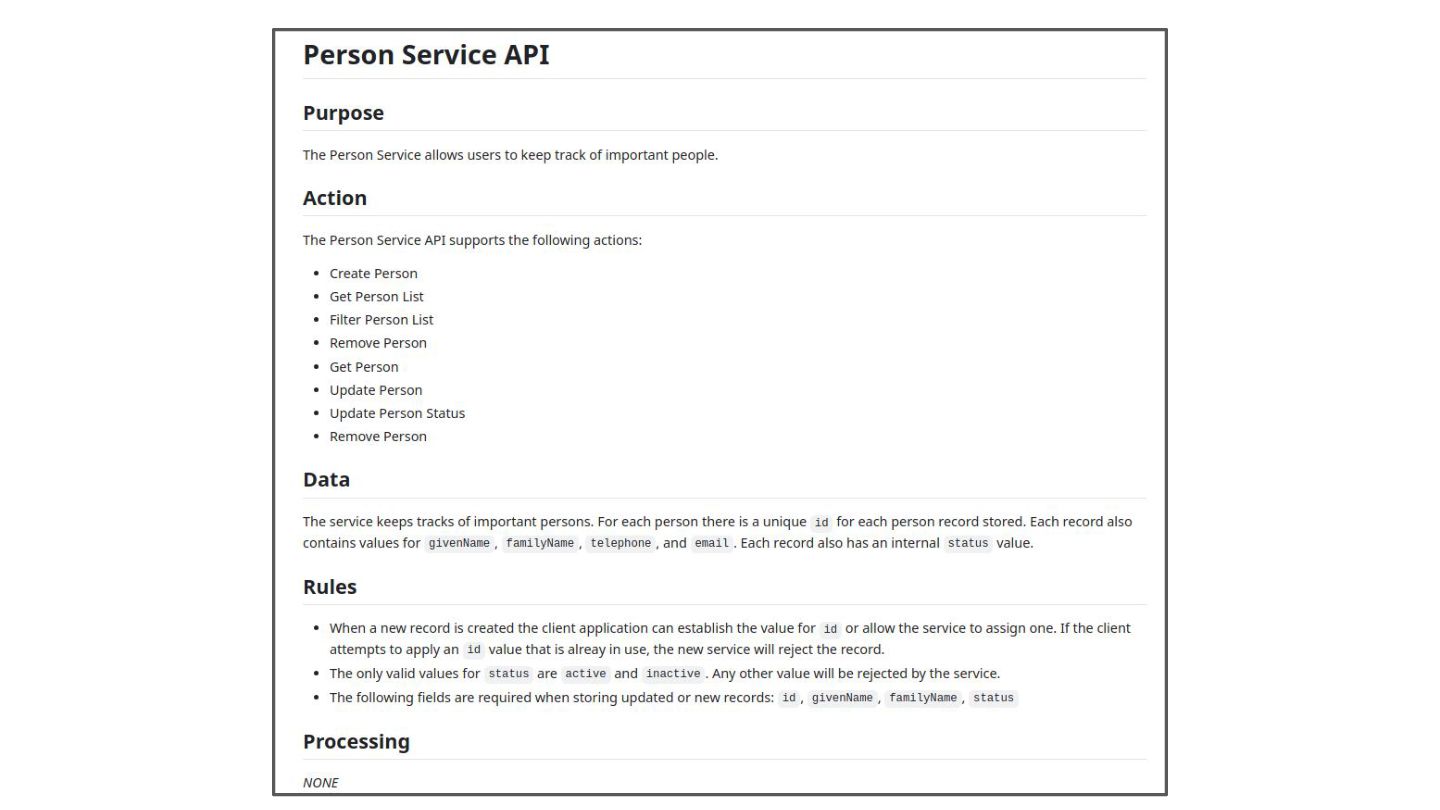
  3. API Design Assets • API Story ◦ Shared, accessible, repeatable

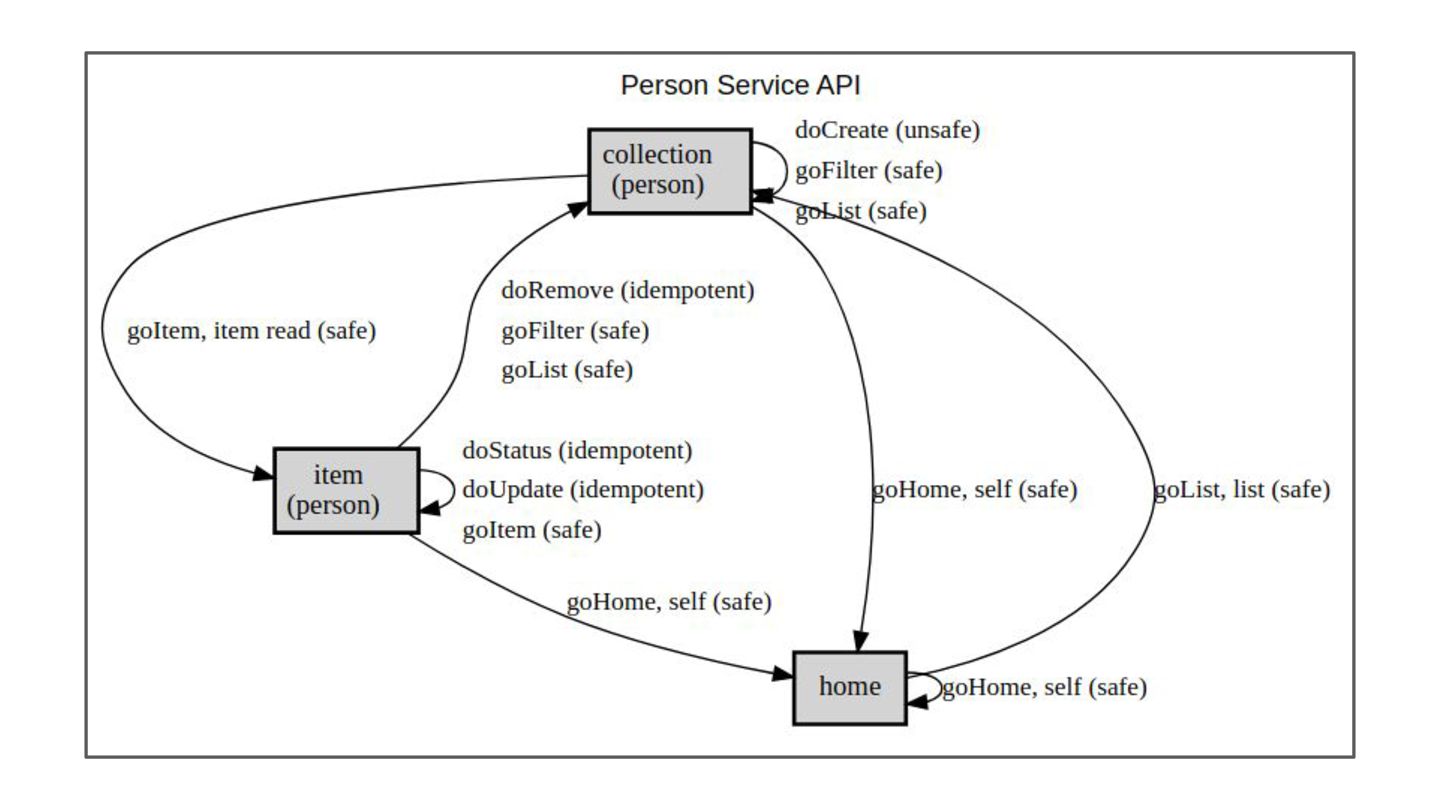
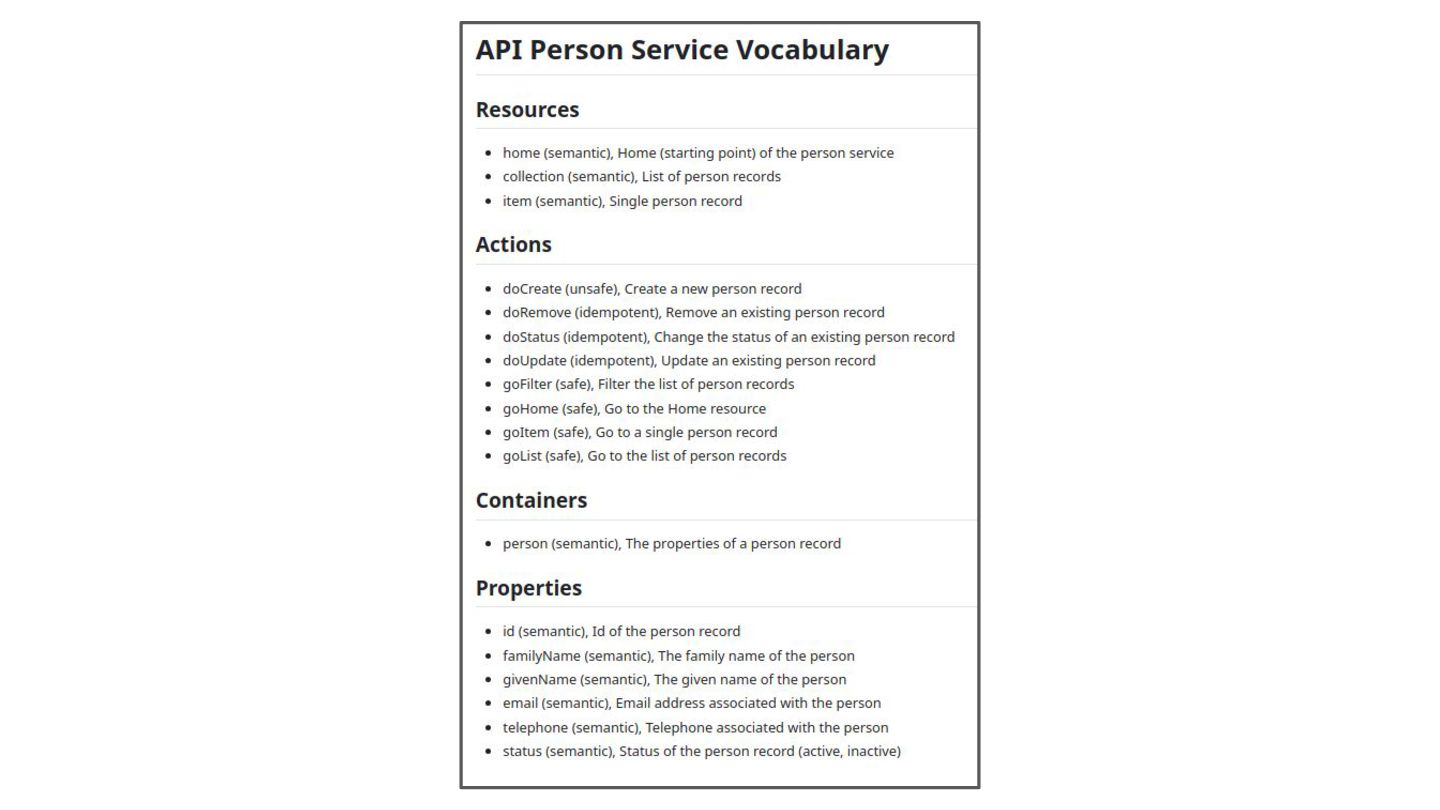
    • API Diagram ◦ Display the interactions • API Vocabulary ◦ The "magical words" of the API
  4. What is an API Prototype? A first, typical or preliminary

    model of something, especially a machine, from which other forms are developed or copied. -- Oxford Dictionary
  5. OpenAPI Basic Info • Contains the basic shared information about

    your API • Key elements to include are: ◦ version ◦ title ◦ description • Other elements: ◦ servers ◦ paths ◦ components
  6. The OpenAPI Component Parameters • Important properties: ◦ name, in,

    required, schema/type • Recommend properties: ◦ description, example
  7. The OpenAPI Component Responses • Important properties: ◦ content (media

    type) ◦ schema (use $ref) • Don't forget: ◦ description
  8. The OpenAPI Component RequestBodies • Use to support arguments in

    POST/PUT requests • Important properties: ◦ description, required, content, schema • Note: you can support more than one content element
  9. Leveraging OpenAPI Components • The OpenAPI Components Section ◦ Organize

    your OpenAPI definition ◦ Improve the consistency of your API design • Parameters, Schemas, Responses, & RequestBodies ◦ Parameters for inline queries ◦ Schemas for shared objects (item/collection) ◦ Responses for general use responses (e.g. errors) ◦ RequestBodies for POST/PUT requests (e.g. addItem)
  10. The OpenAPI Paths Section • Paths are the 'heart' of

    OpenAPI documents • One top-level entry for each resource/URL • One or more HTTP methods for each resource • One or more parameters, requestBodies, responses
  11. Modifying Your API in Production • Beyond Versioning • Three

    Rules for Modifying Production APIs • Testing and Deploying Modified APIs
  12. Modifying Your API in Production • Beyond Versioning ◦ First,

    do no harm • Three Rules for Modifying Production APIs ◦ Take nothing away, don't redefine, additions are optional • Testing and Deploying Modified APIs ◦ Don't replace tests, support reversible releases, salesforce vs AWS
  13. Designing APIs with OpenAPI : Review • API Design Assets

    • Prototyping Your API Design with OpenAPI • Leveraging OpenAPI Components • Defining OpenAPI Paths • Modifying Your API in Production
  14. "Good design is actually a lot harder to notice than

    poor design, in part because good designs fit our needs so well that the design is invisible,"  — Don Norman The Design of Everyday Things