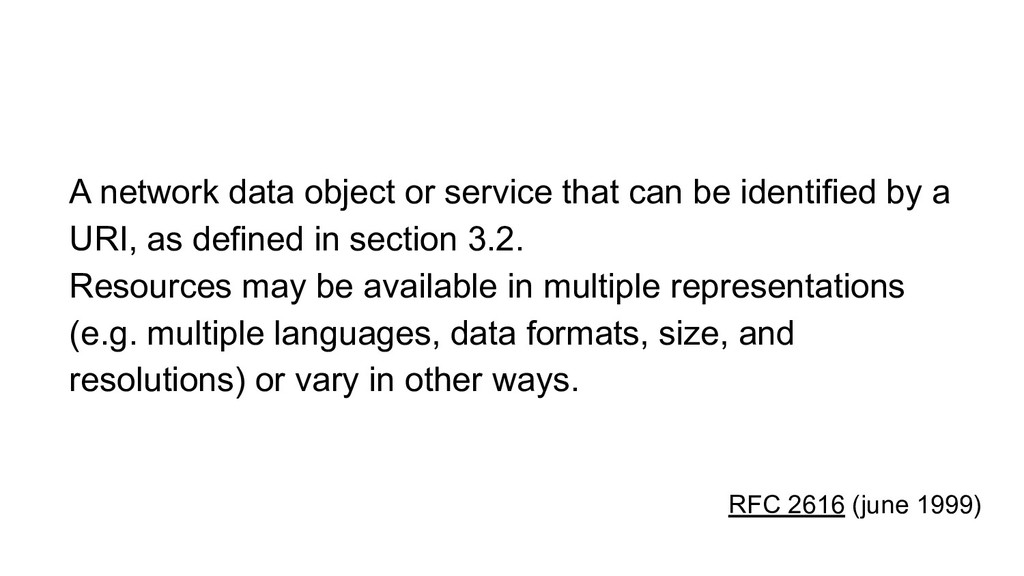
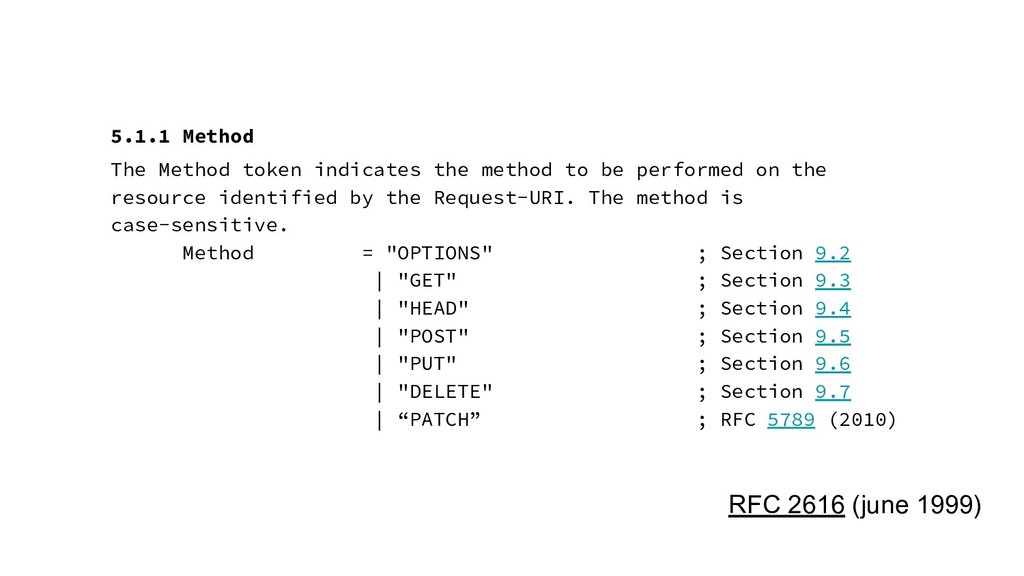
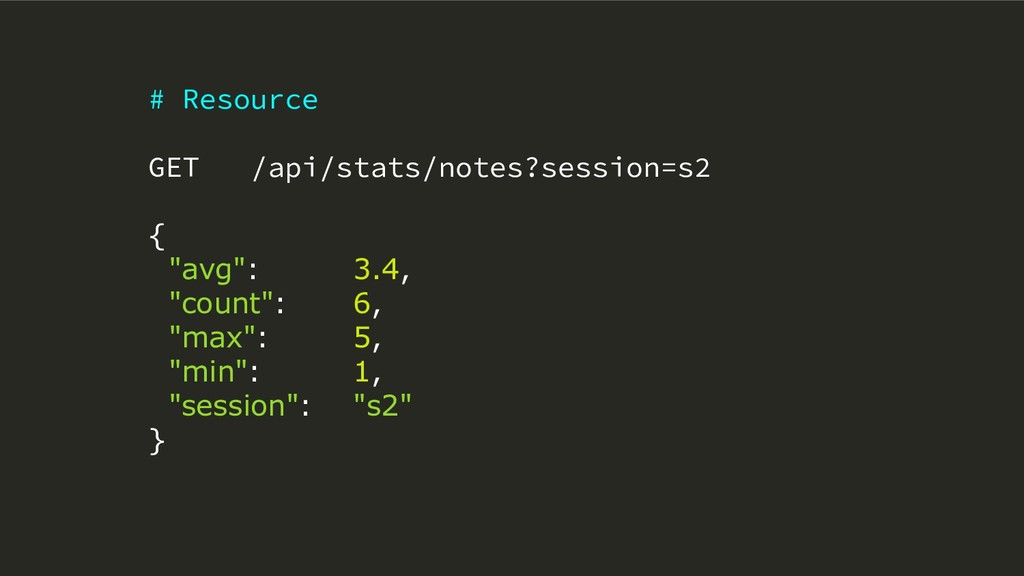
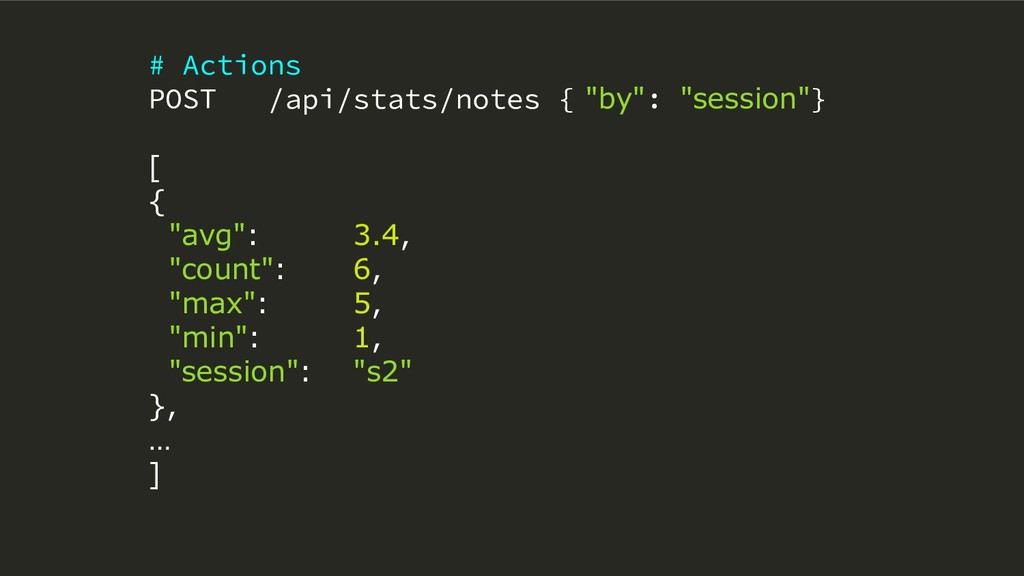
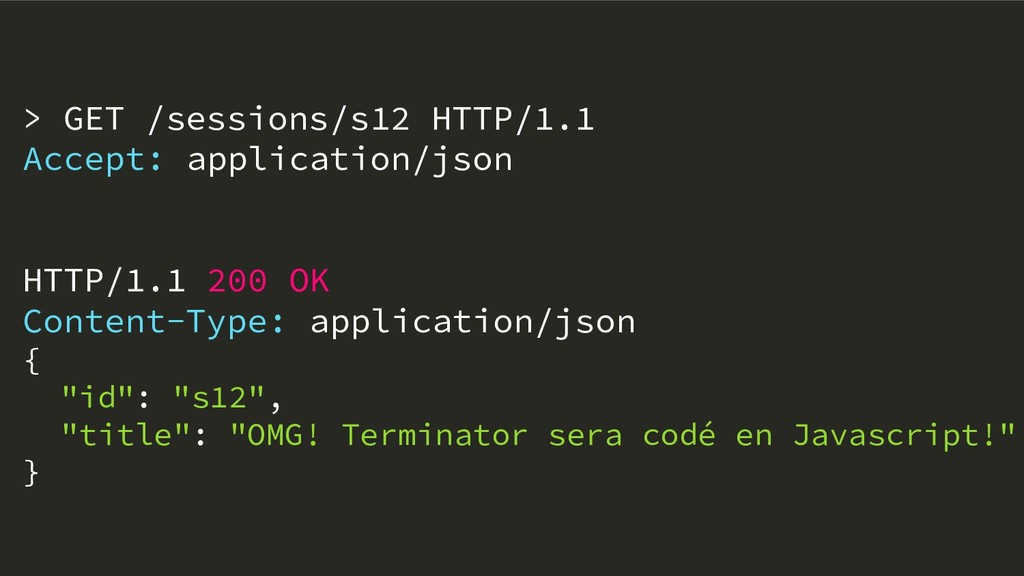
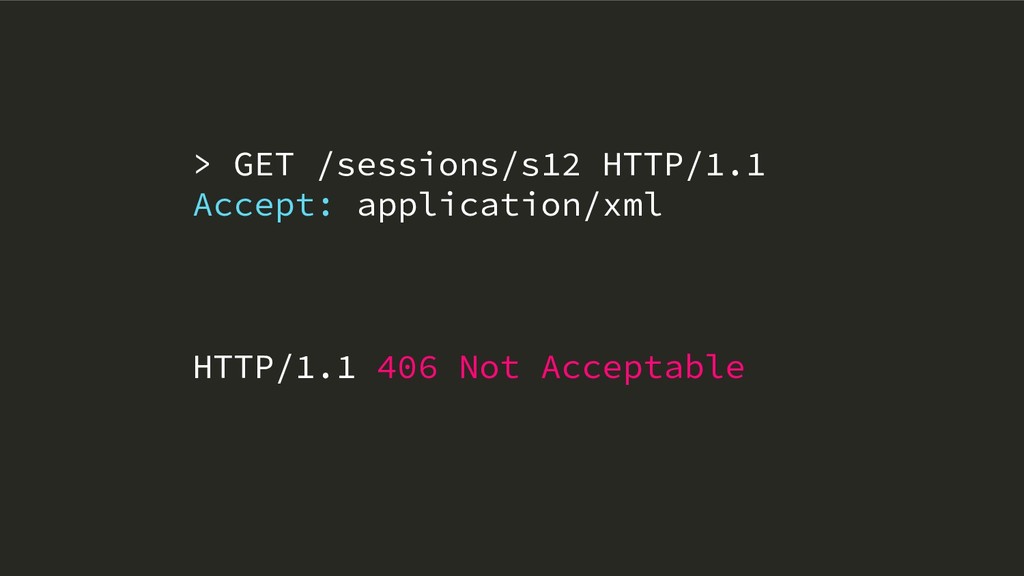
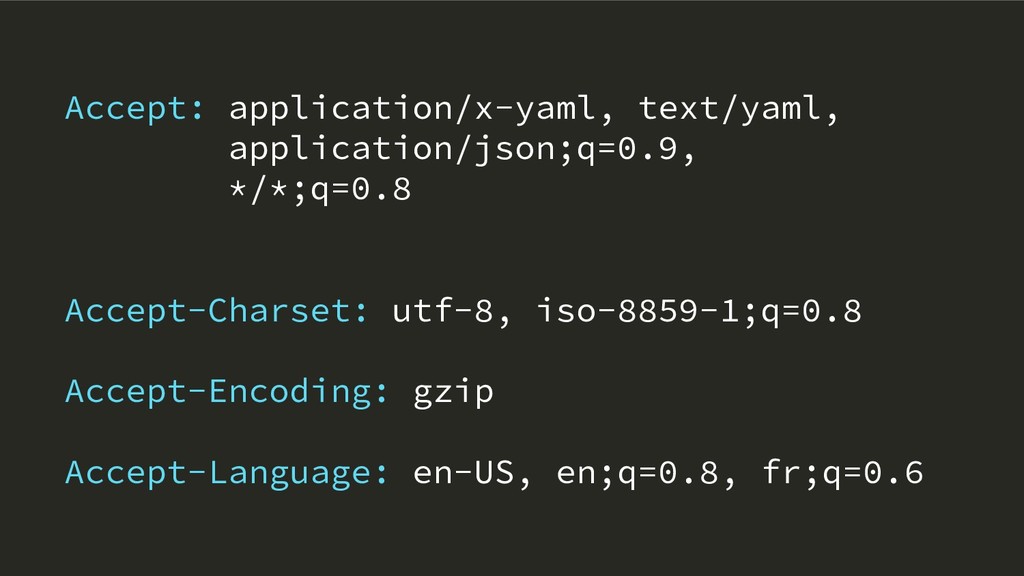
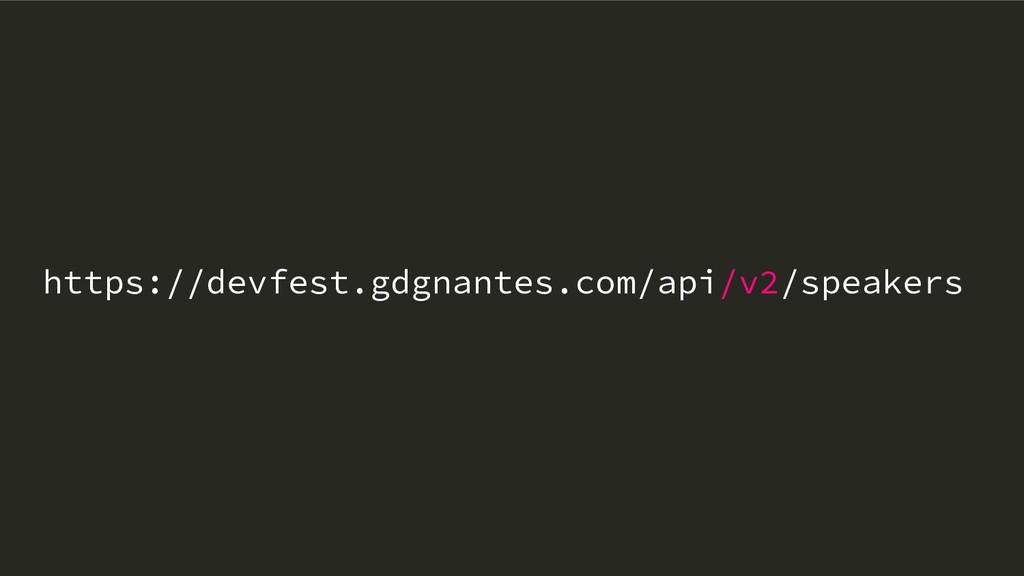
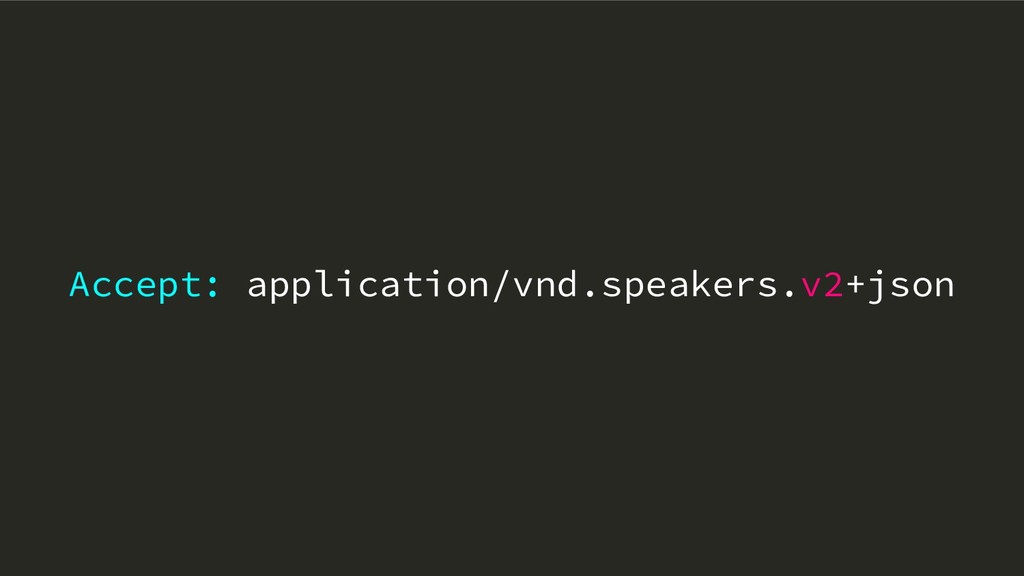
by a URI, as defined in section 3.2. Resources may be available in multiple representations (e.g. multiple languages, data formats, size, and resolutions) or vary in other ways. RFC 2616 (june 1999)
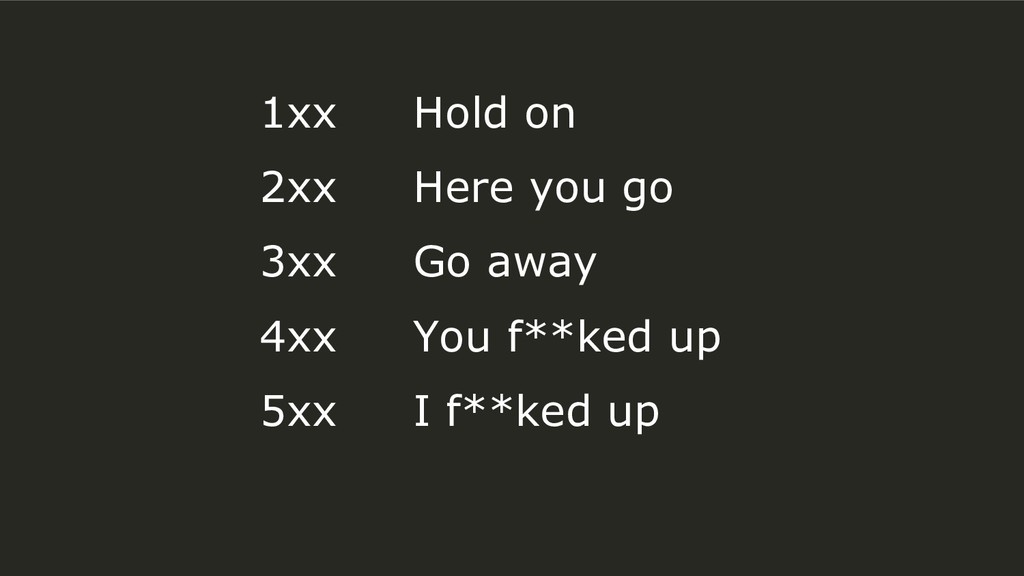
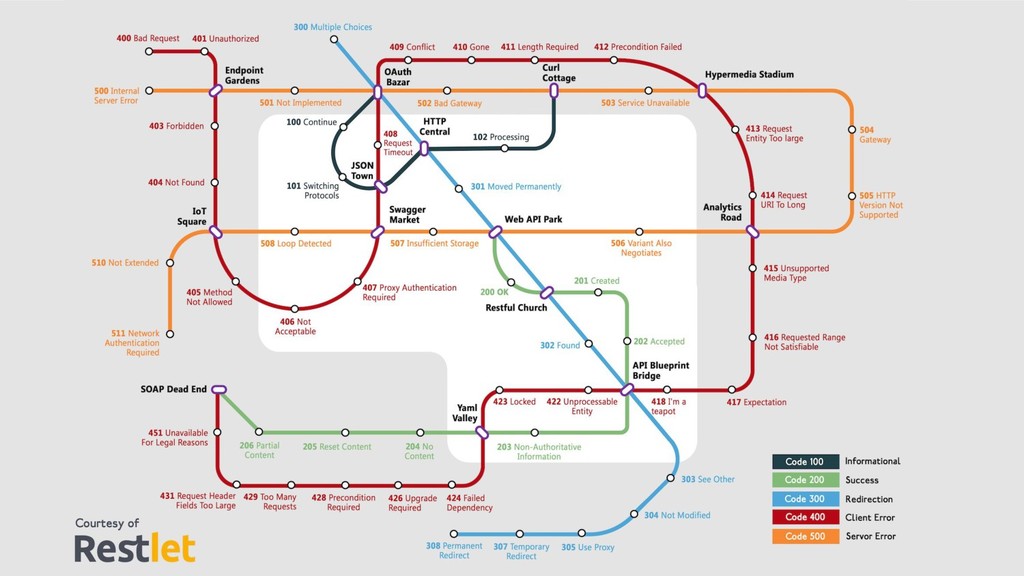
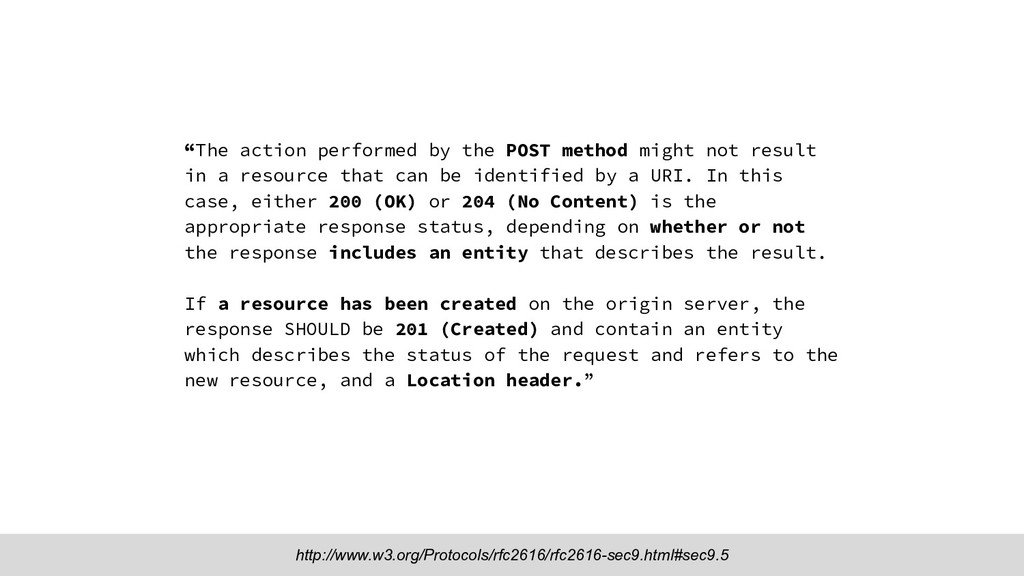
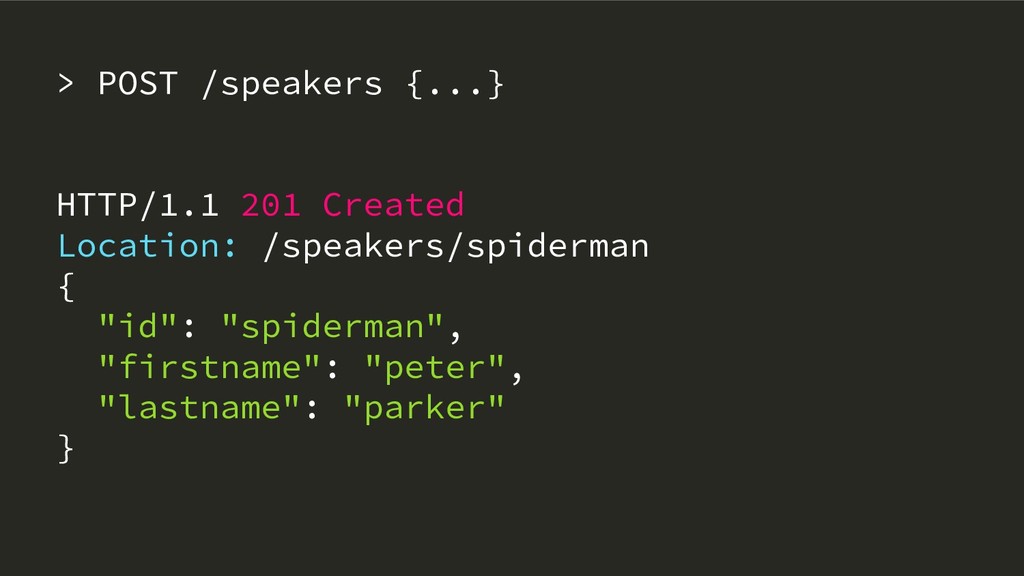
in a resource that can be identified by a URI. In this case, either 200 (OK) or 204 (No Content) is the appropriate response status, depending on whether or not the response includes an entity that describes the result. If a resource has been created on the origin server, the response SHOULD be 201 (Created) and contain an entity which describes the status of the request and refers to the new resource, and a Location header.” http://www.w3.org/Protocols/rfc2616/rfc2616-sec9.html#sec9.5
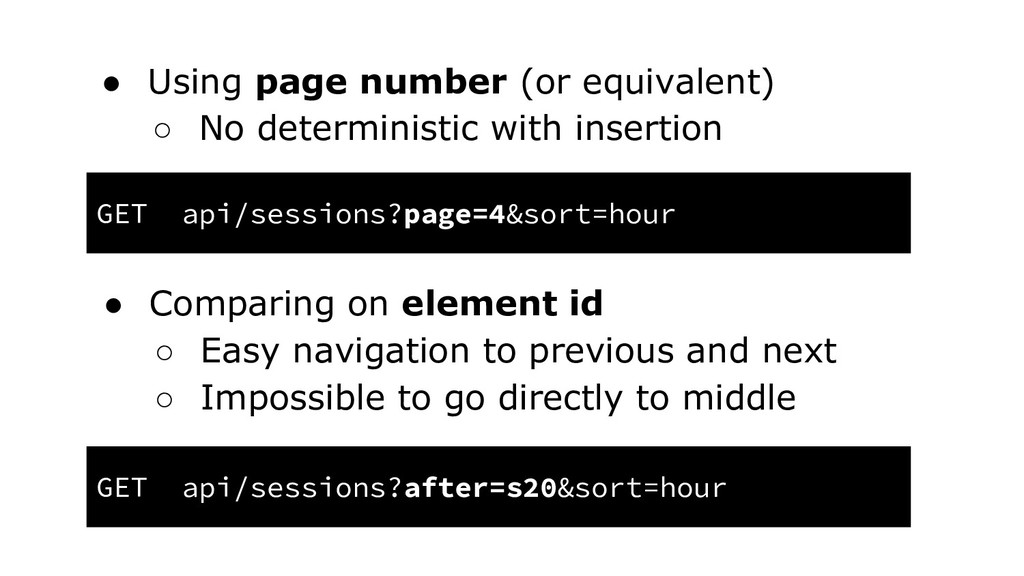
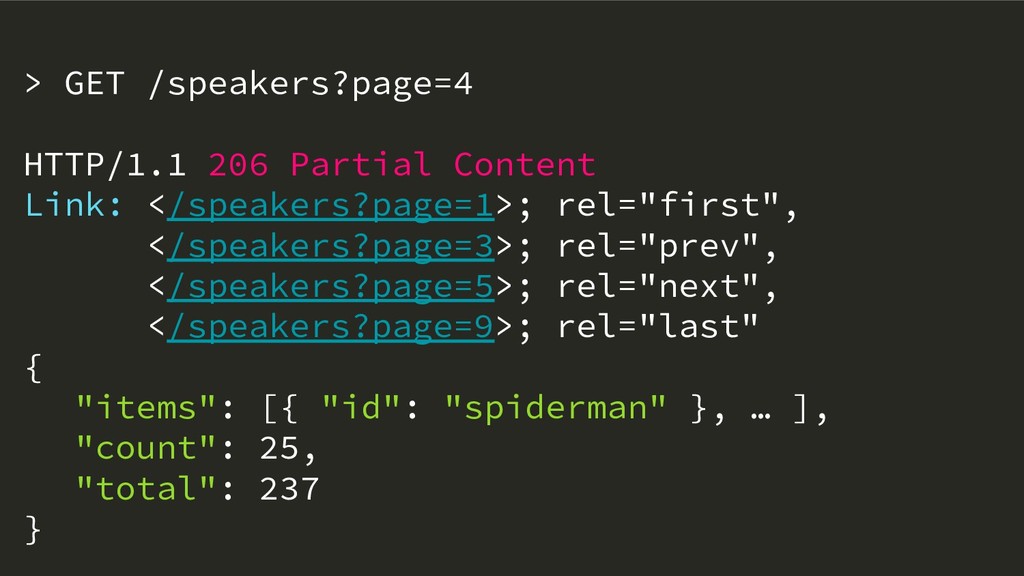
insertion GET api/sessions?page=4&sort=hour GET api/sessions?after=s20&sort=hour • Comparing on element id ◦ Easy navigation to previous and next ◦ Impossible to go directly to middle
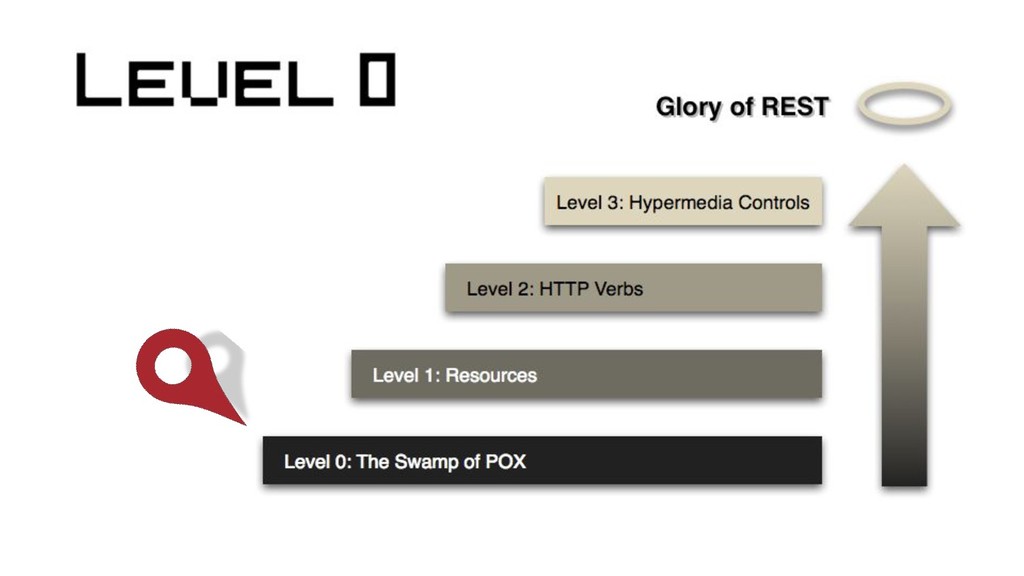
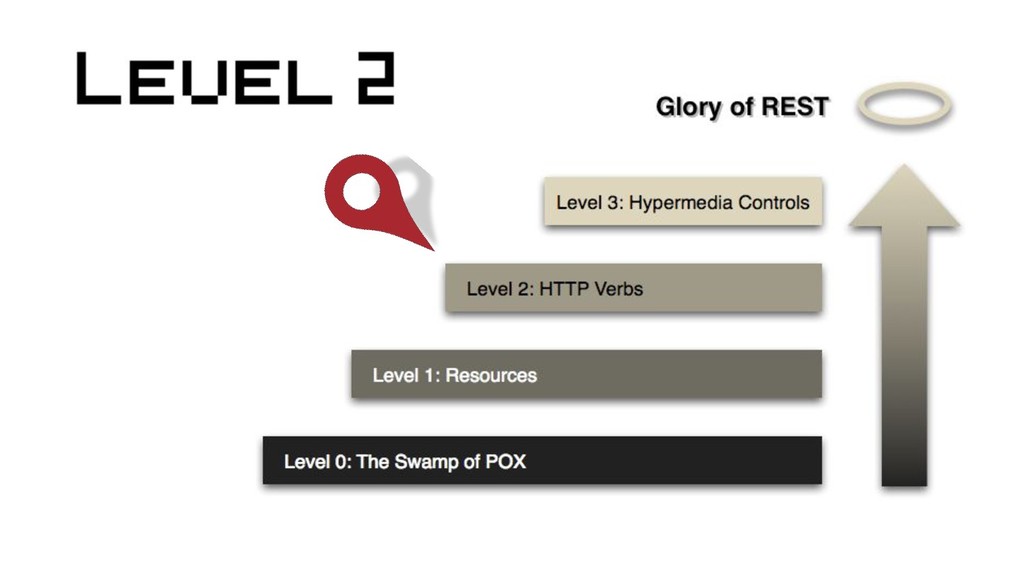
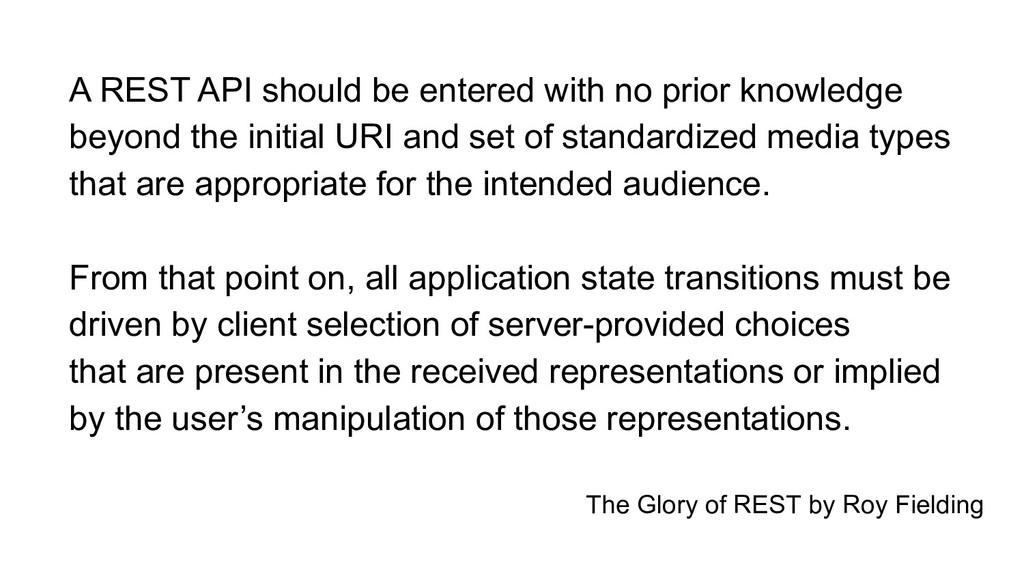
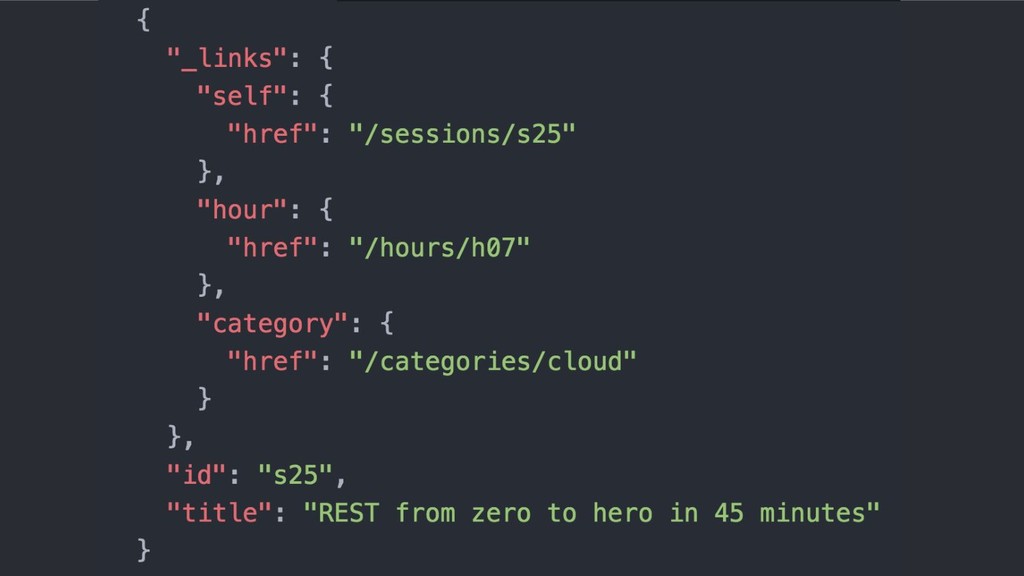
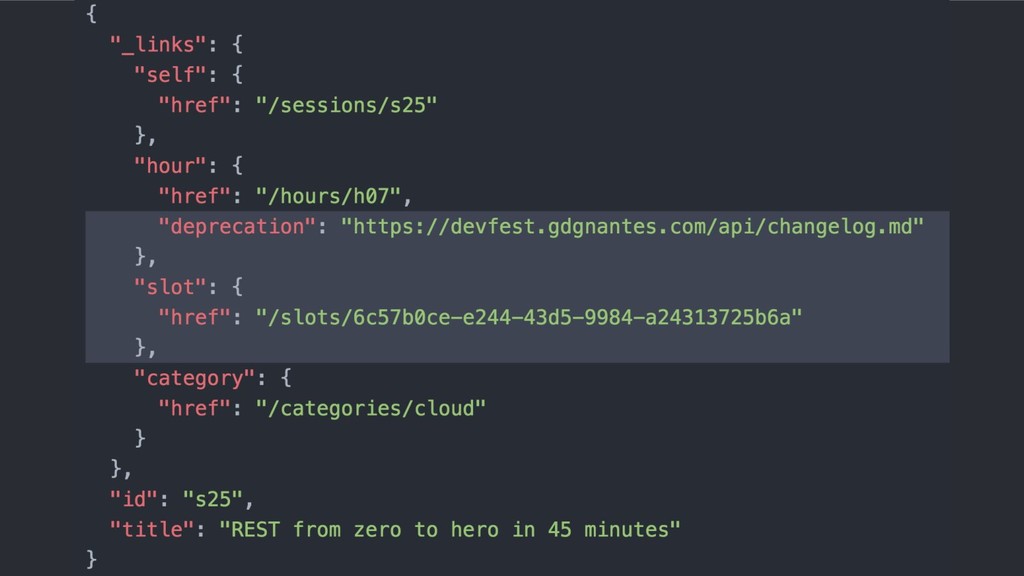
beyond the initial URI and set of standardized media types that are appropriate for the intended audience. From that point on, all application state transitions must be driven by client selection of server-provided choices that are present in the received representations or implied by the user’s manipulation of those representations. The Glory of REST by Roy Fielding


 optim
 artoy
 kawashimo0
 neuecc
 ryu1013
 kasacchiful
 kishida
 guaca
 n_takehata
 satoshi256kbyte
 panda728
 ichirokano2
 davidcarrasco
 jacobian
 palkan
 tammyeverts
 soysaucechin
 aleyda
 nmsamuel
 jonoalderson
 trishagee
 frankvandijk
 cargoodrich