Upgrade to Pro — share decks privately, control downloads, hide ads and more …

Sticks & Stones: Microaggressions & Inclusiveness

Sticks & Stones: Microaggressions & Inclusiveness

You've heard about diversity problems in tech, right? We know the problem exists at every point in the process: education, internship opportunities, hiring. We don't talk much about what happens to the people we do work with.

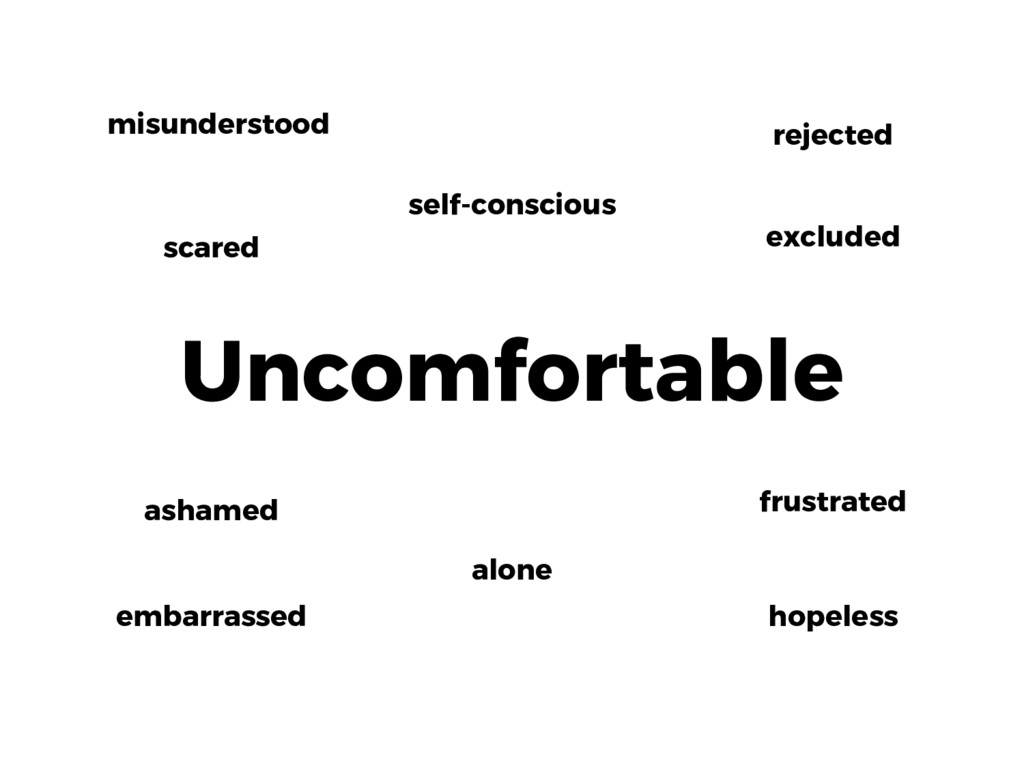
As documentarians, we spend time thinking about the best words to use for our products, tutorials, manuals. We know that words matter. "Microaggressions" are the small indignities that people of color, non-cis-gendered folks, women, and others experience on a daily basis. Microaggressions at work tell us, over and over, that we don't really belong in that workplace. So let's talk about the words we use with our coworkers. Let's talk about how we can all make inclusion a daily practice at work, not just a hiring problem.

See notes at https://cutebit.de/blog/writethedocs-2017-sticks-and-stones-microaggressions-and-inclusive-language-at-work/

Avatar for Cory Williamson-Cardneau

Cory Williamson-Cardneau

September 11, 2017

Other Decks in Technology

Transcript

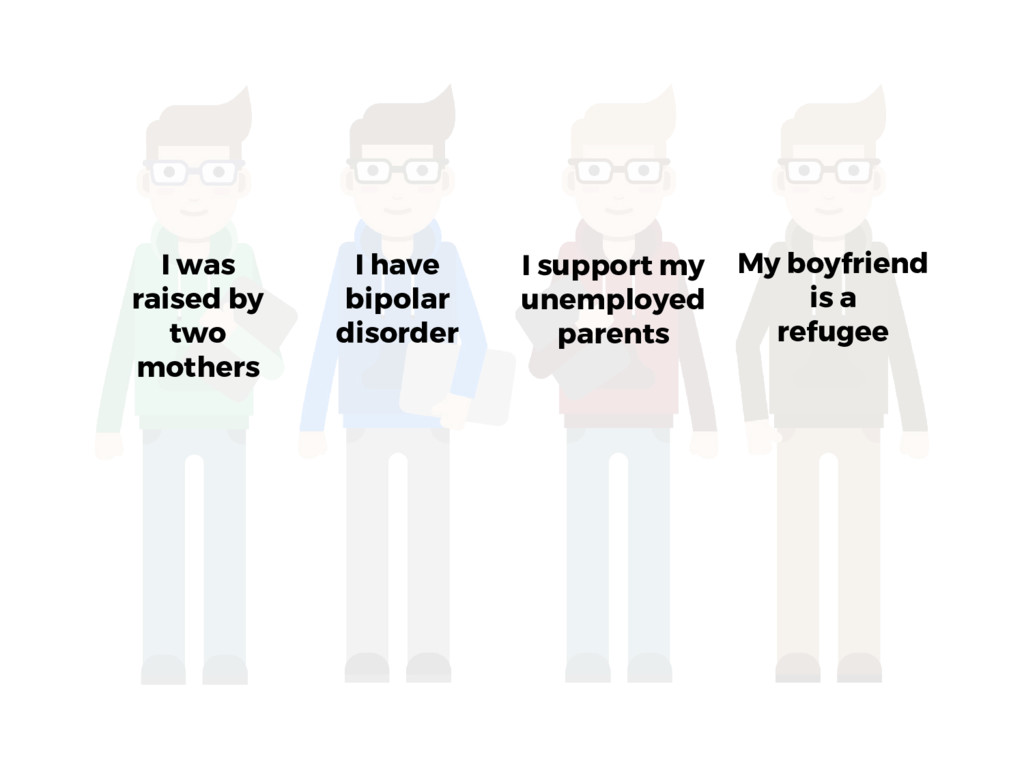
  1. I was raised by two mothers I have bipolar disorder

    My boyfriend is a refugee I support my unemployed parents
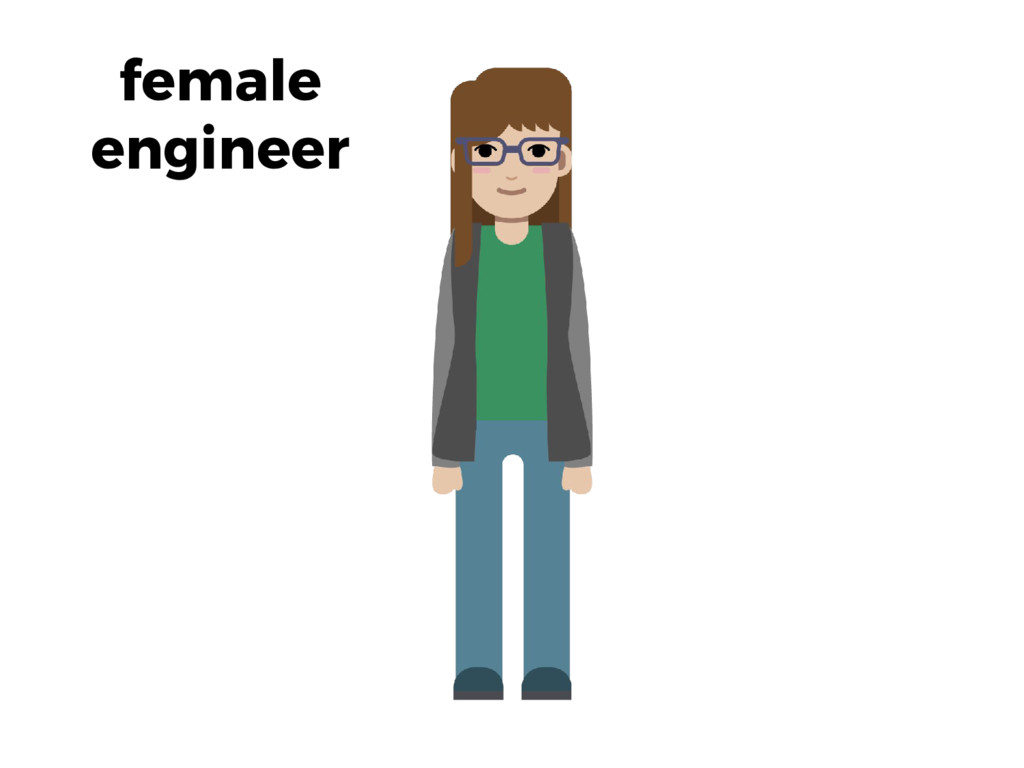
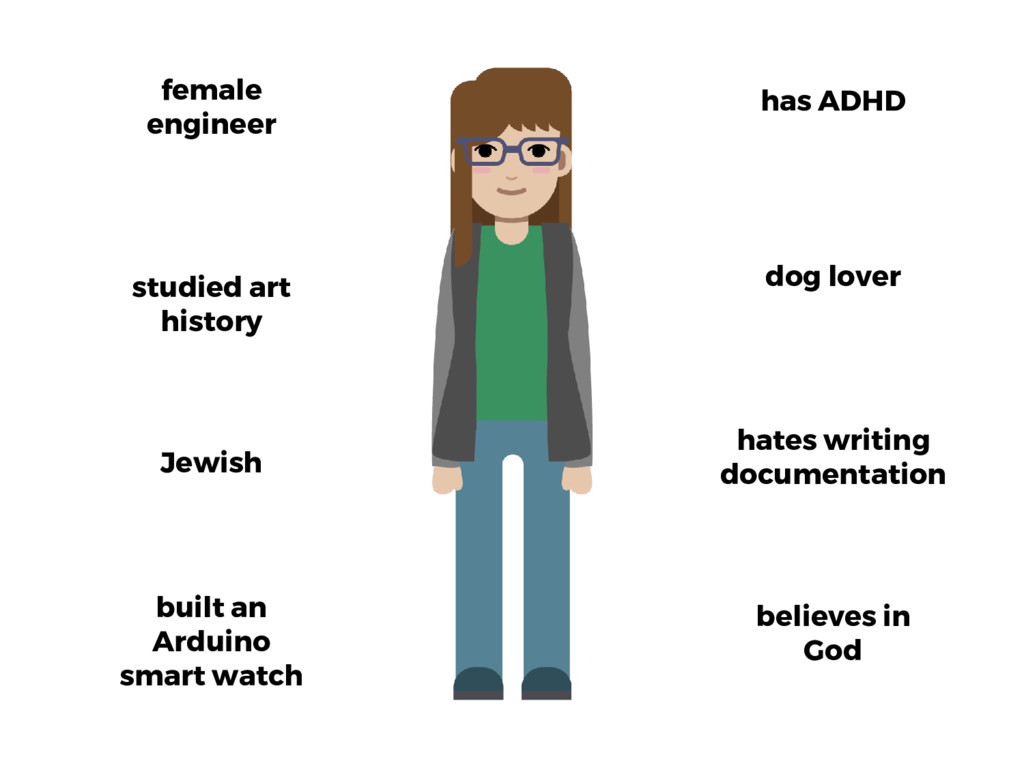
  2. female engineer built an Arduino smart watch Jewish dog lover

    has ADHD hates writing documentation studied art history believes in God
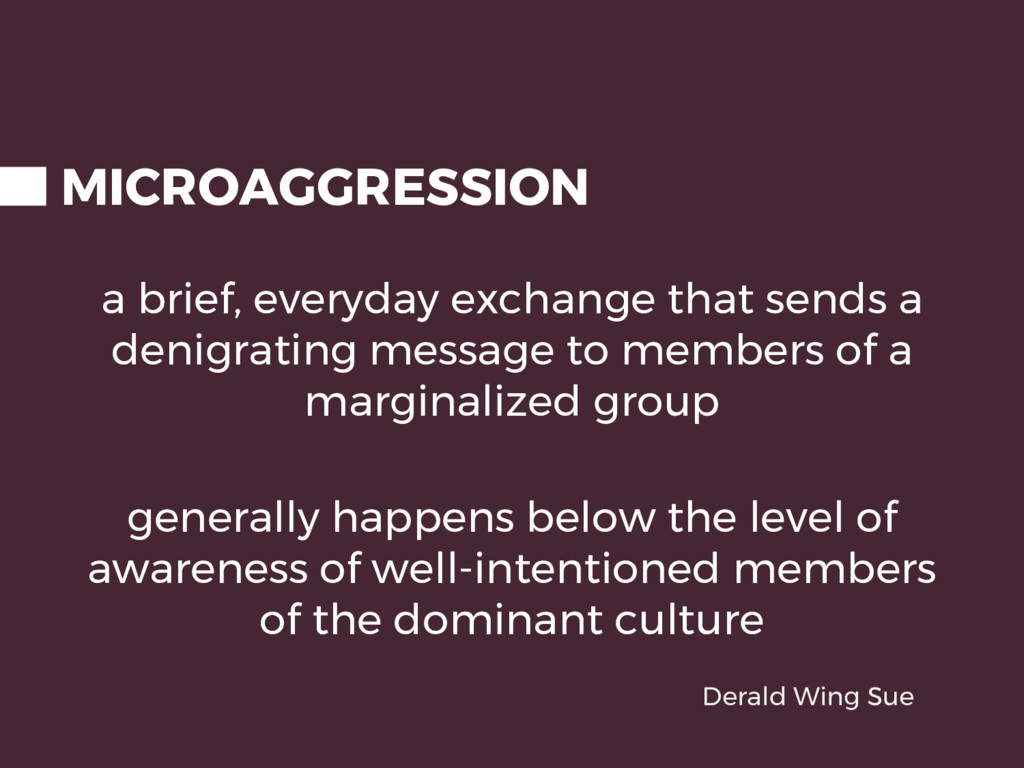
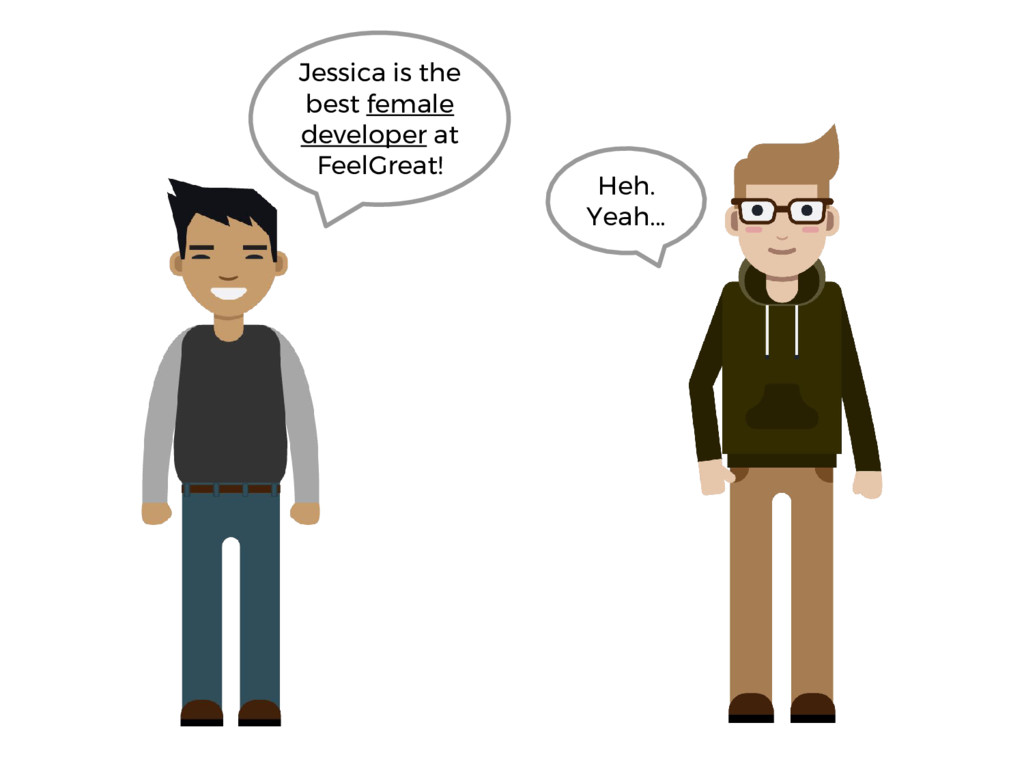
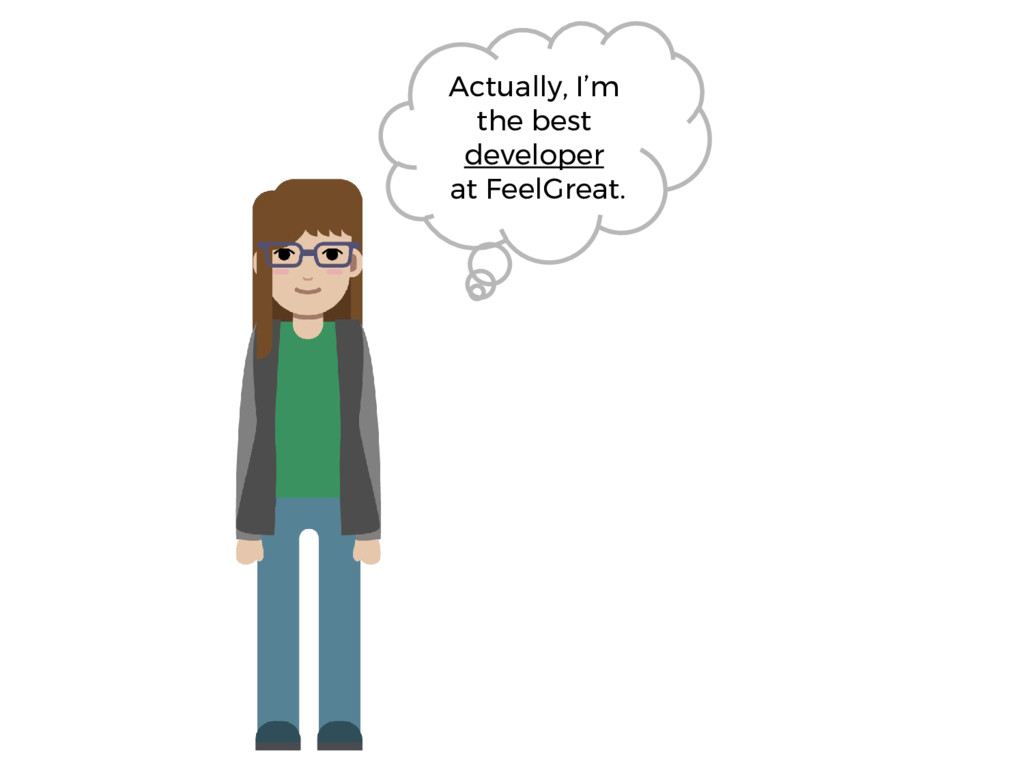
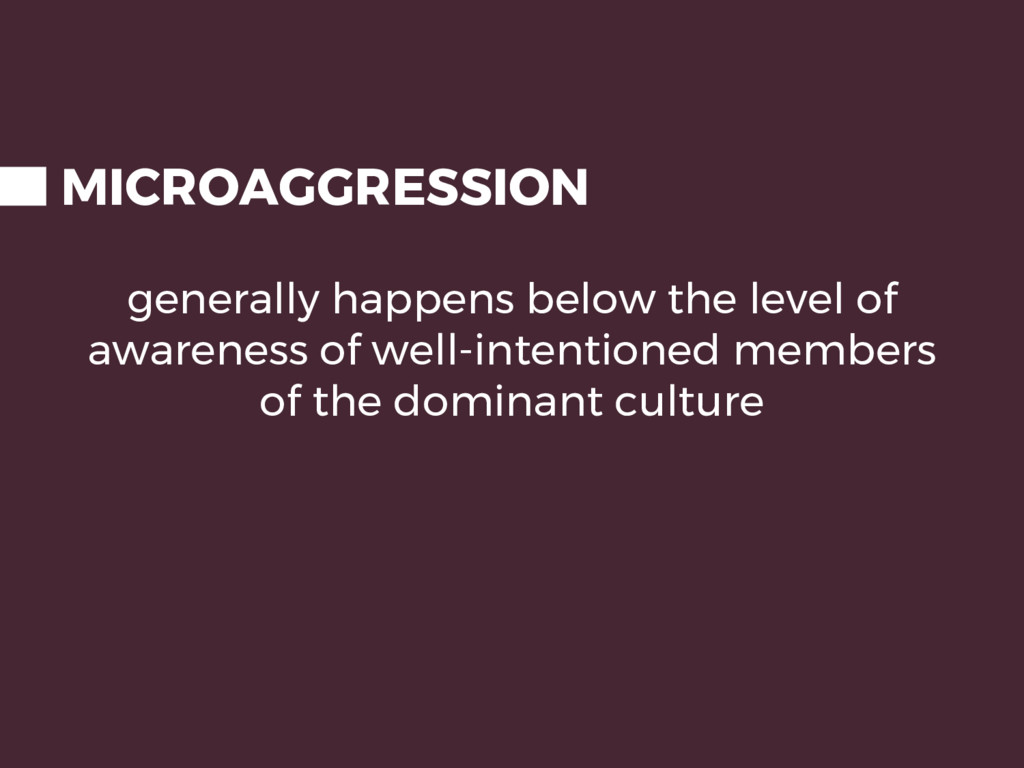
  3. MICROAGGRESSION a brief, everyday exchange that sends a denigrating message

    to members of a marginalized group generally happens below the level of awareness of well-intentioned members of the dominant culture Derald Wing Sue
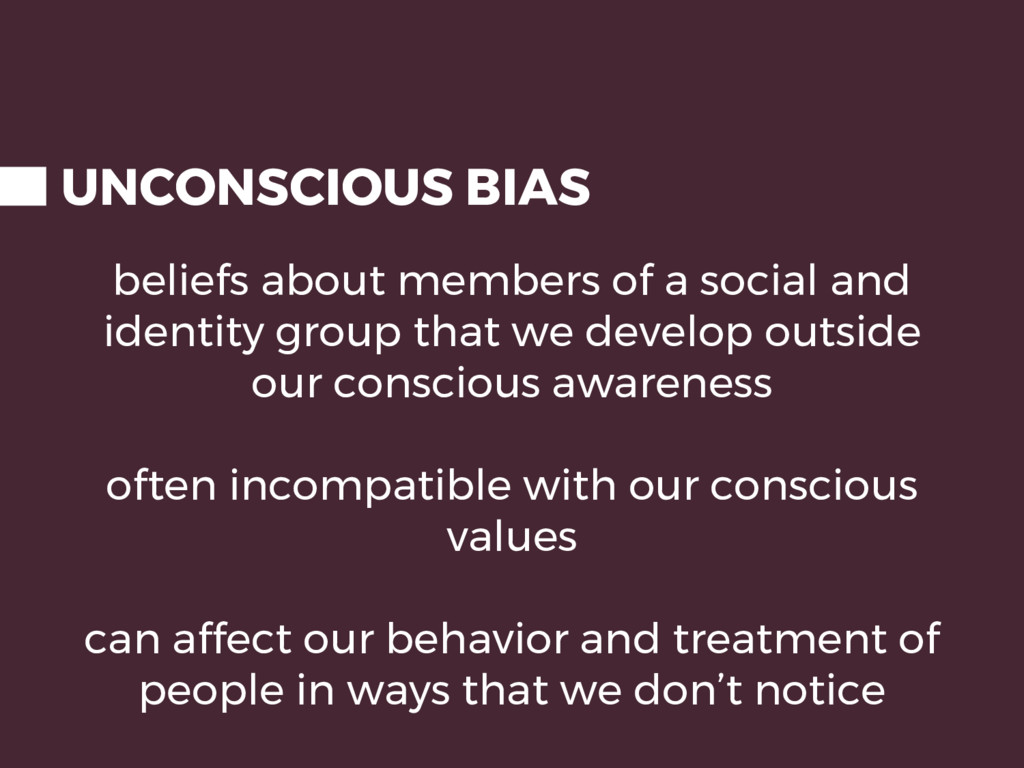
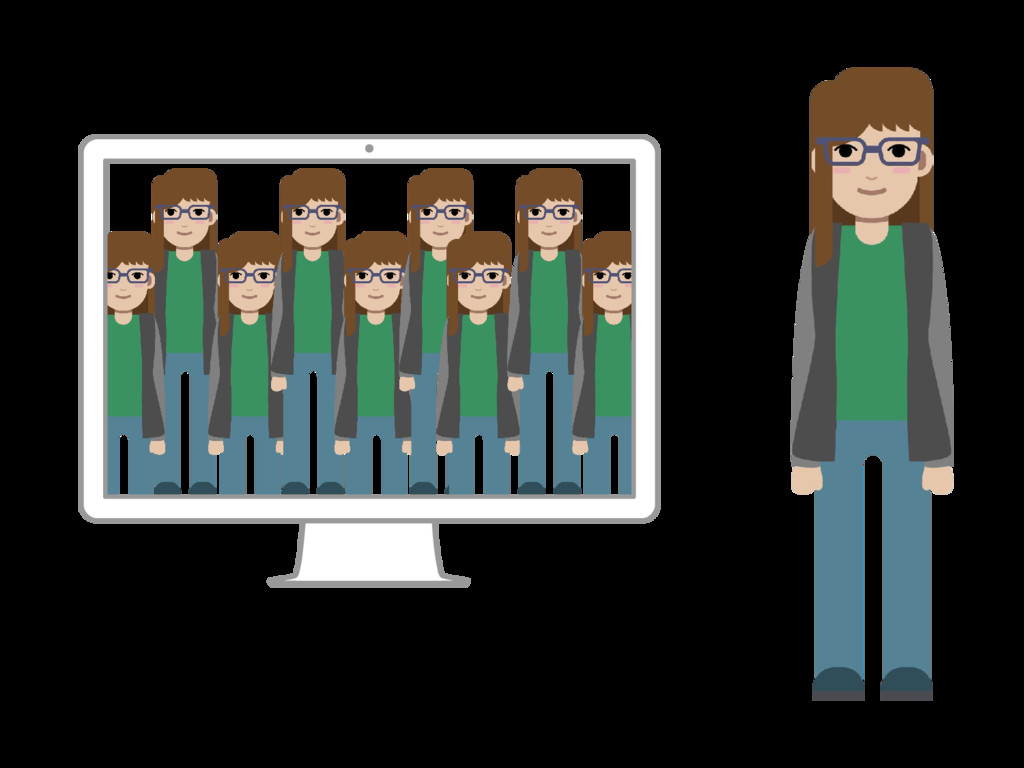
  4. UNCONSCIOUS BIAS beliefs about members of a social and identity

    group that we develop outside our conscious awareness often incompatible with our conscious values can affect our behavior and treatment of people in ways that we don’t notice
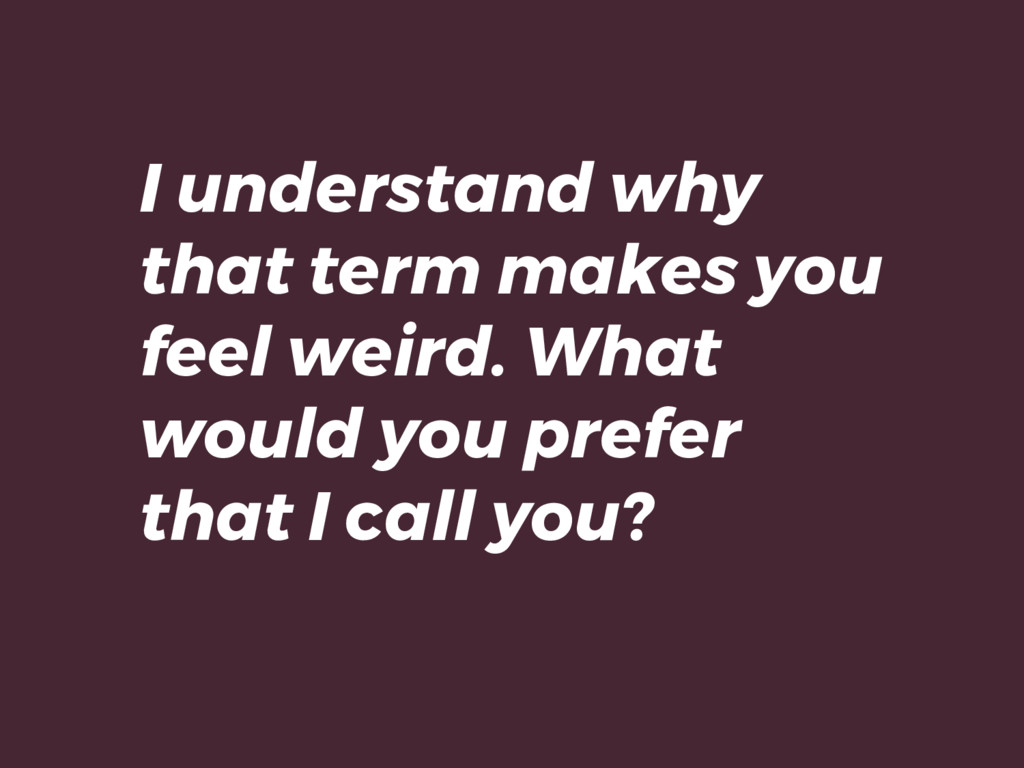
  5. I understand why that term makes you feel weird. What

    would you prefer that I call you?
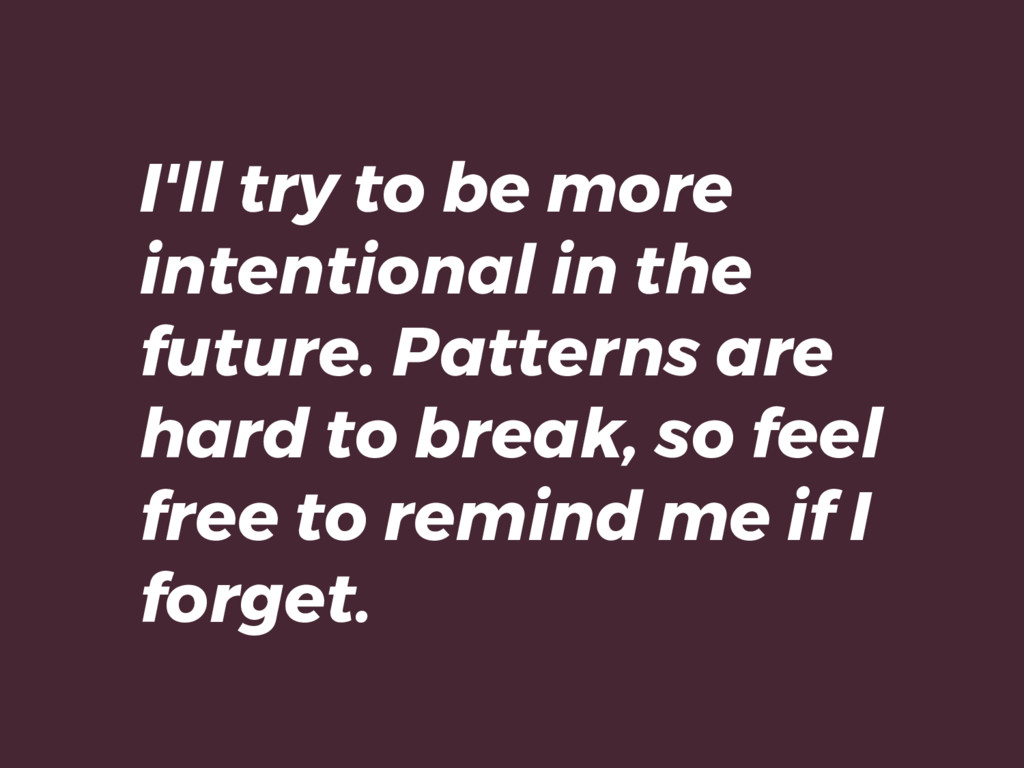
  6. I'll try to be more intentional in the future. Patterns

    are hard to break, so feel free to remind me if I forget.
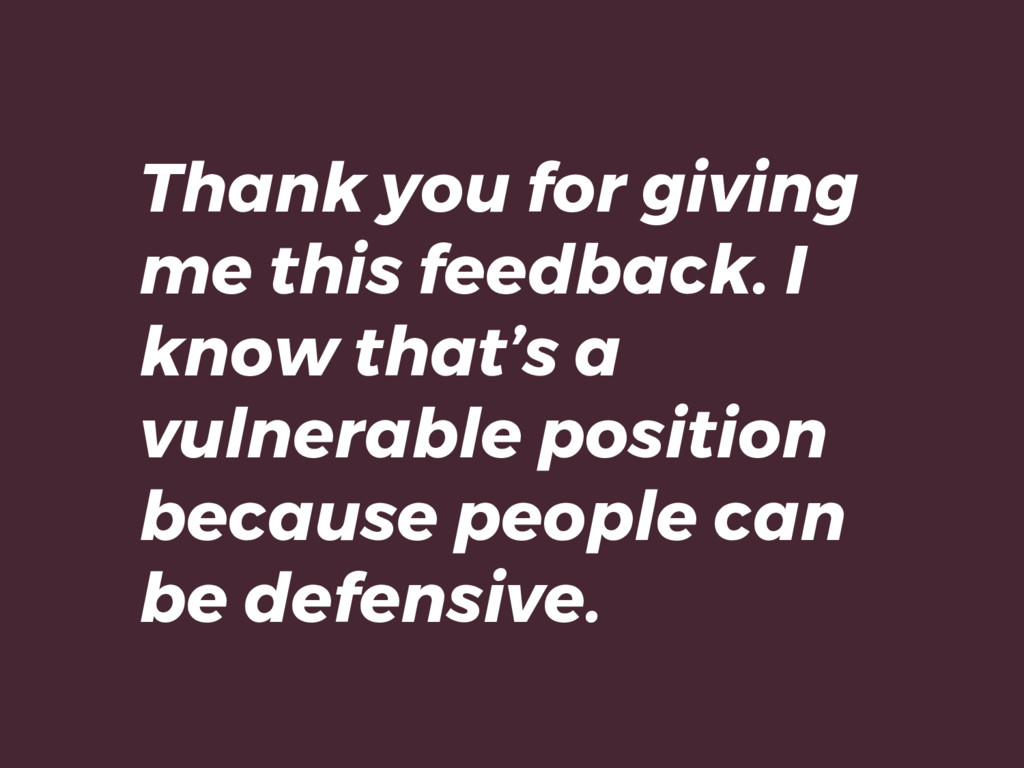
  7. Thank you for giving me this feedback. I know that’s

    a vulnerable position because people can be defensive.
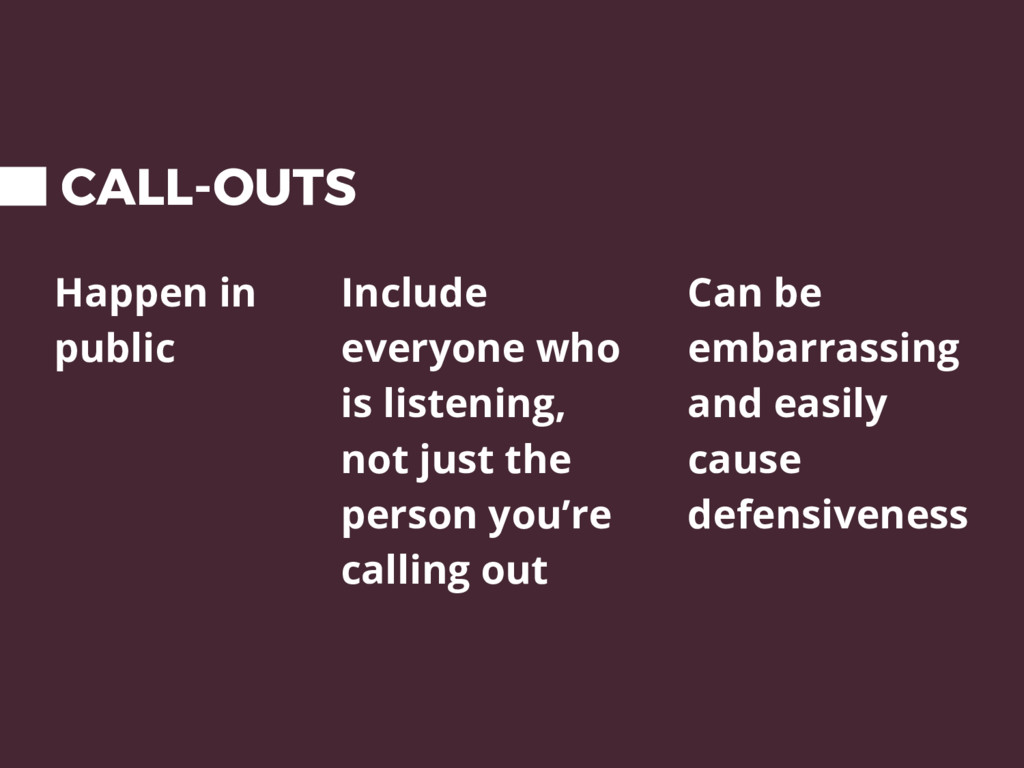
  8. CALL-OUTS Happen in public Include everyone who is listening, not

    just the person you’re calling out Can be embarrassing and easily cause defensiveness
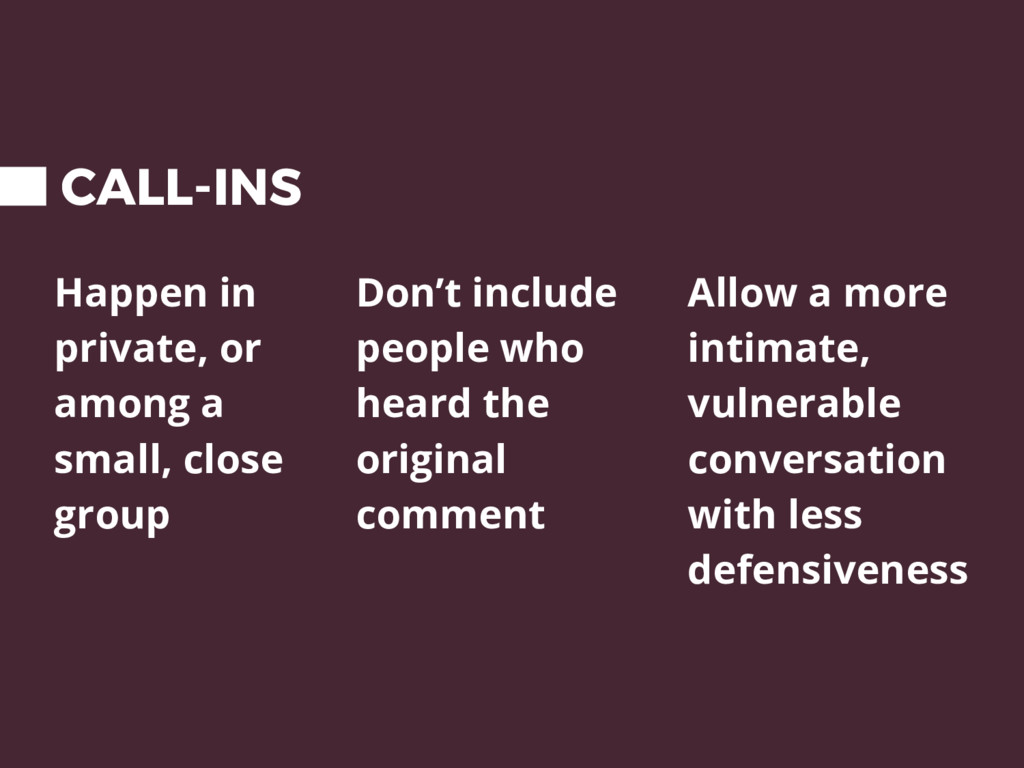
  9. CALL-INS Happen in private, or among a small, close group

    Don’t include people who heard the original comment Allow a more intimate, vulnerable conversation with less defensiveness
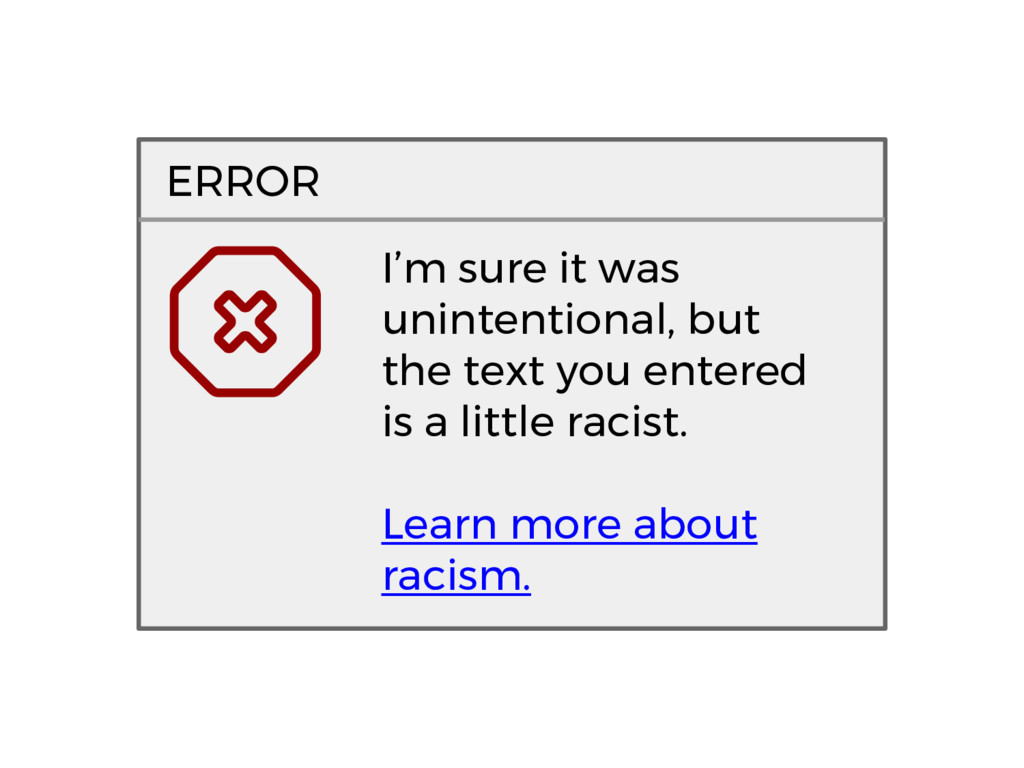
  10. ERROR I’m sure it was unintentional, but the text you

    entered is a little racist. Learn more about racism.
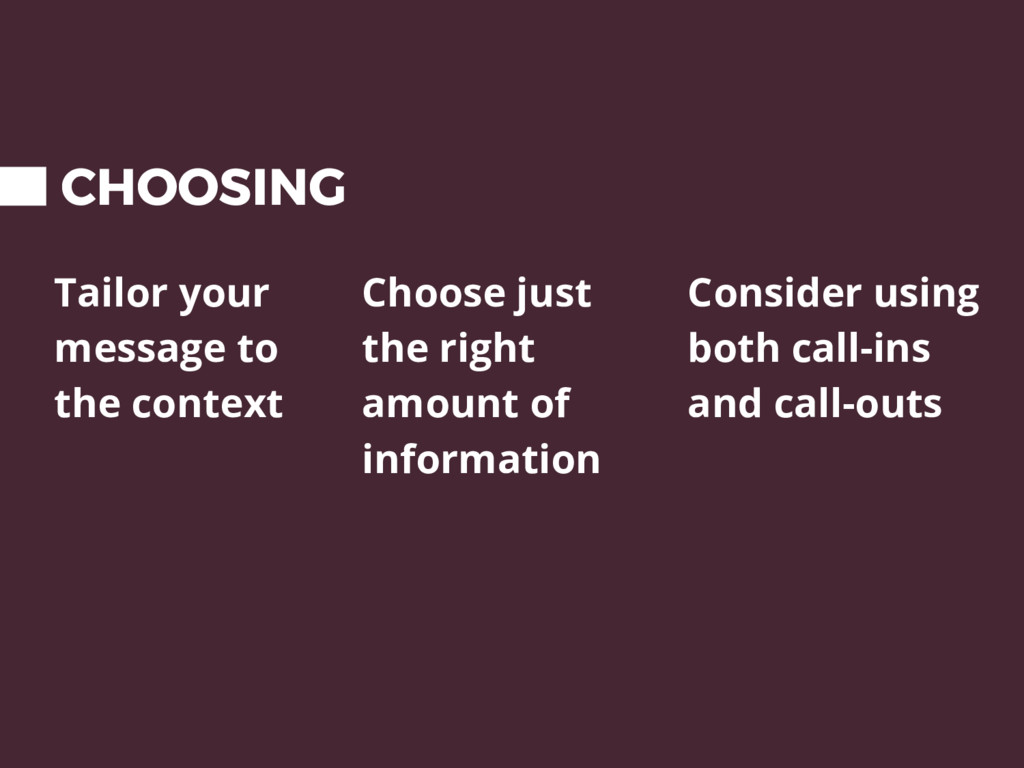
  11. CHOOSING Tailor your message to the context Choose just the

    right amount of information Consider using both call-ins and call-outs
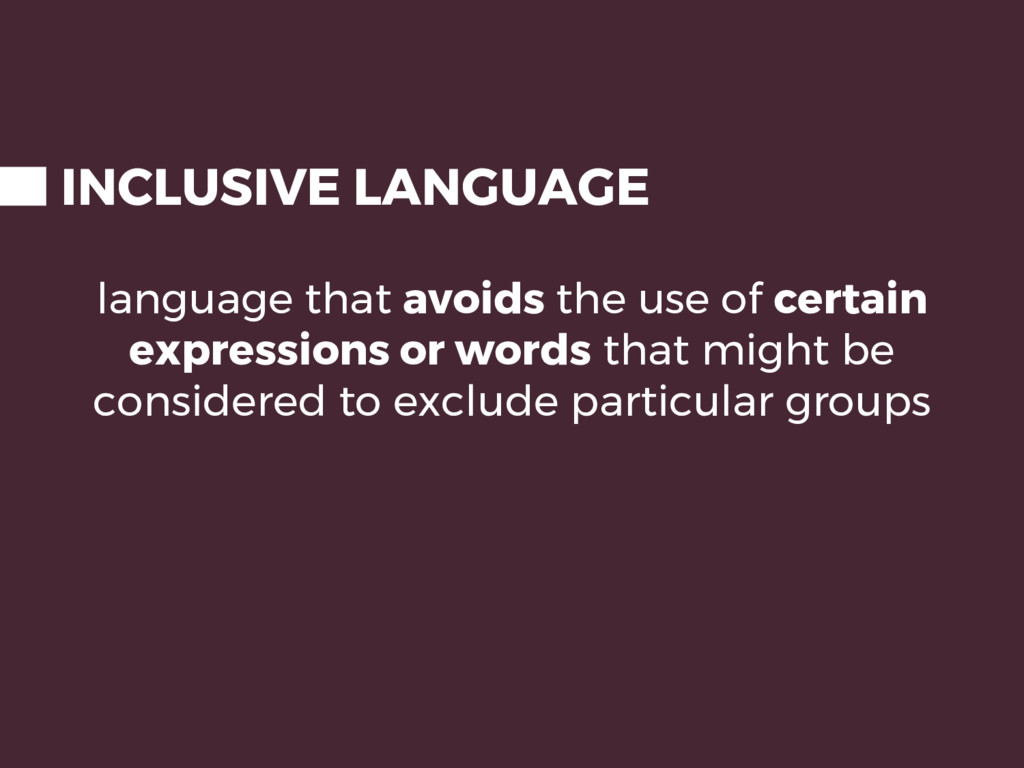
  12. INCLUSIVE LANGUAGE language that avoids the use of certain expressions

    or words that might be considered to exclude particular groups