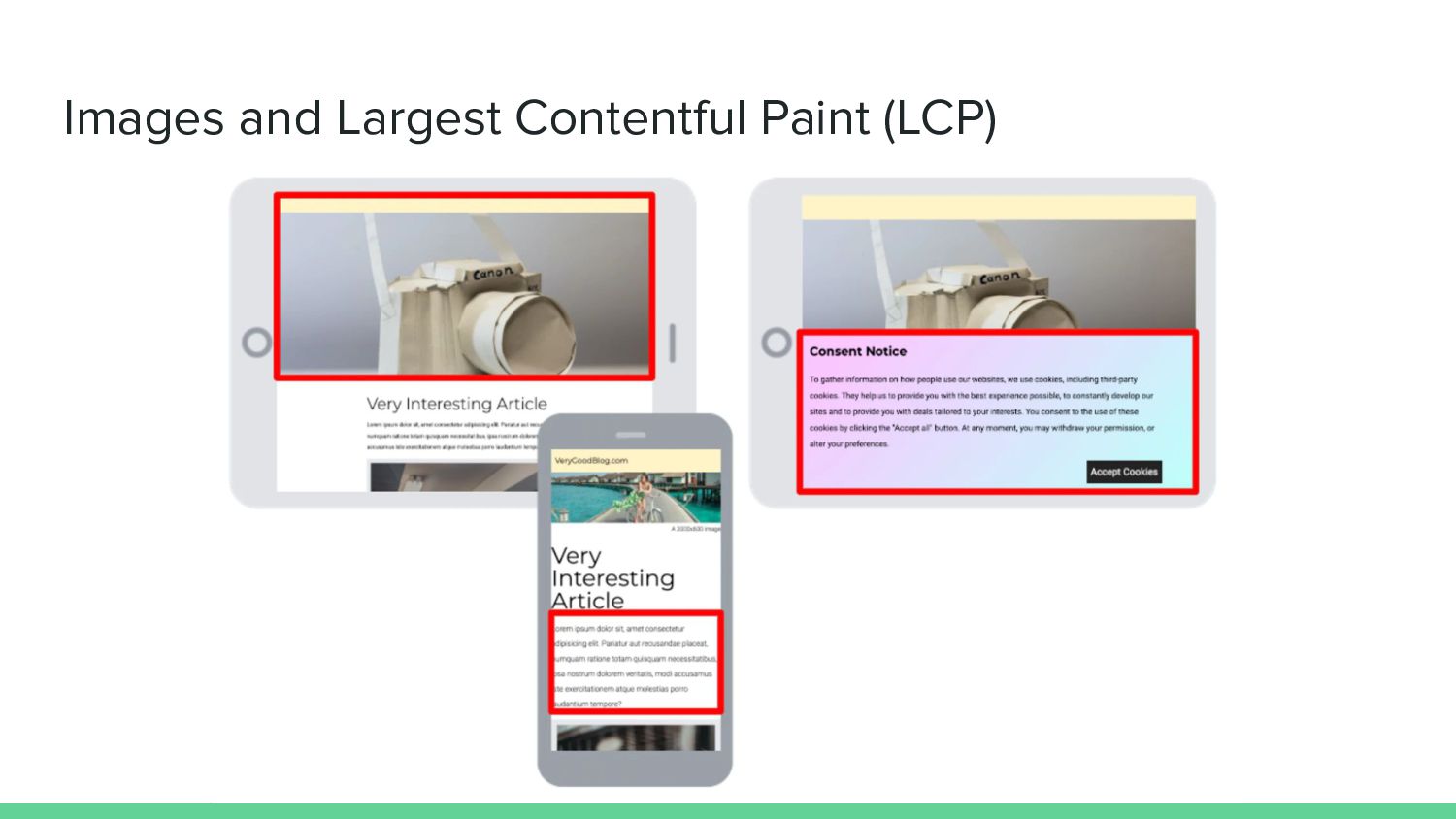
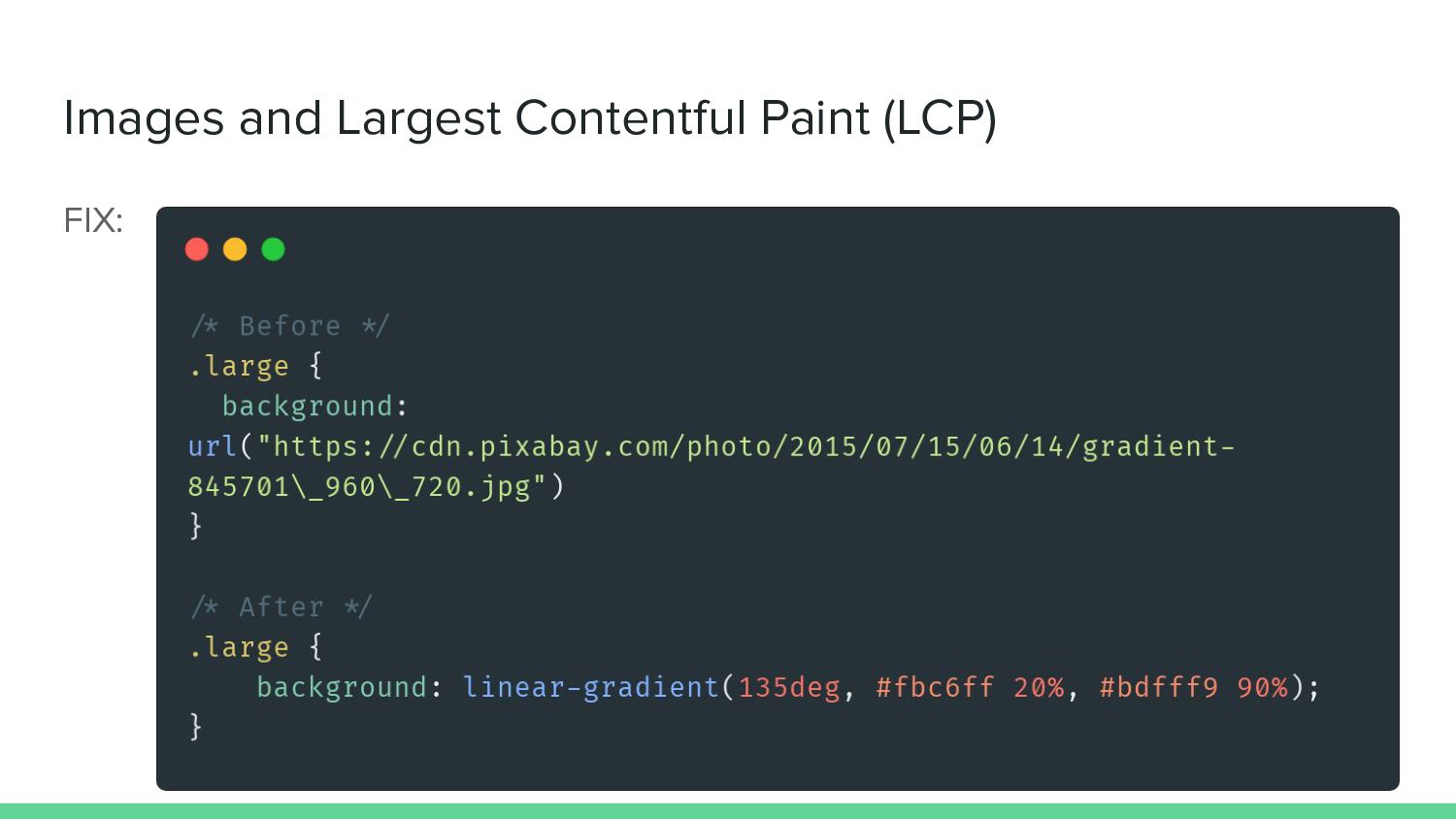
Largest Contentful Paint (LCP) element on a page. Other page elements that can be the LCP element include text blocks and video poster images. The time at which the LCP element loads determines LCP. It's important to note that a page's LCP element can vary from page load to page load depending on the content that is visible to the user when the page is first displayed.
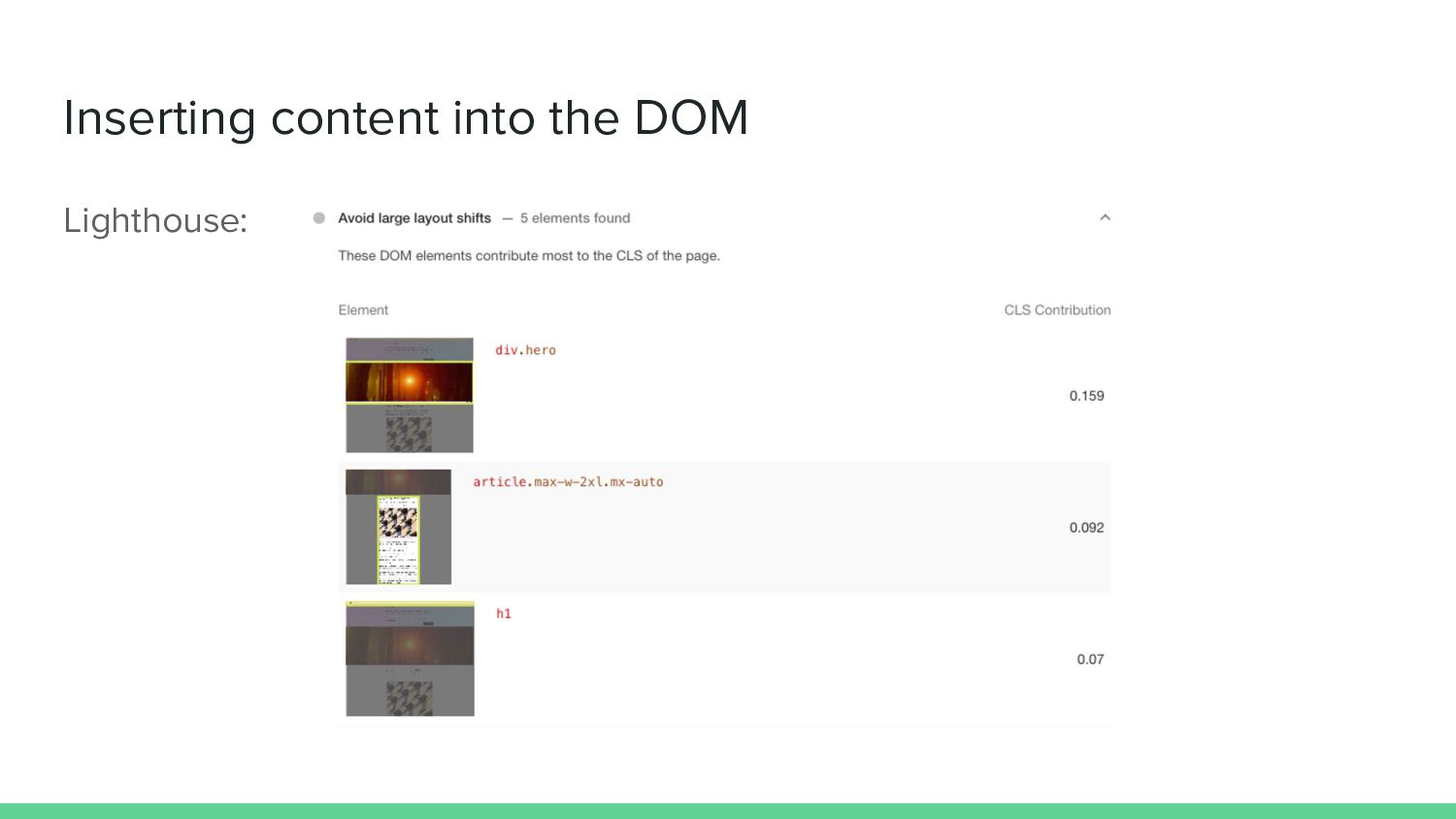
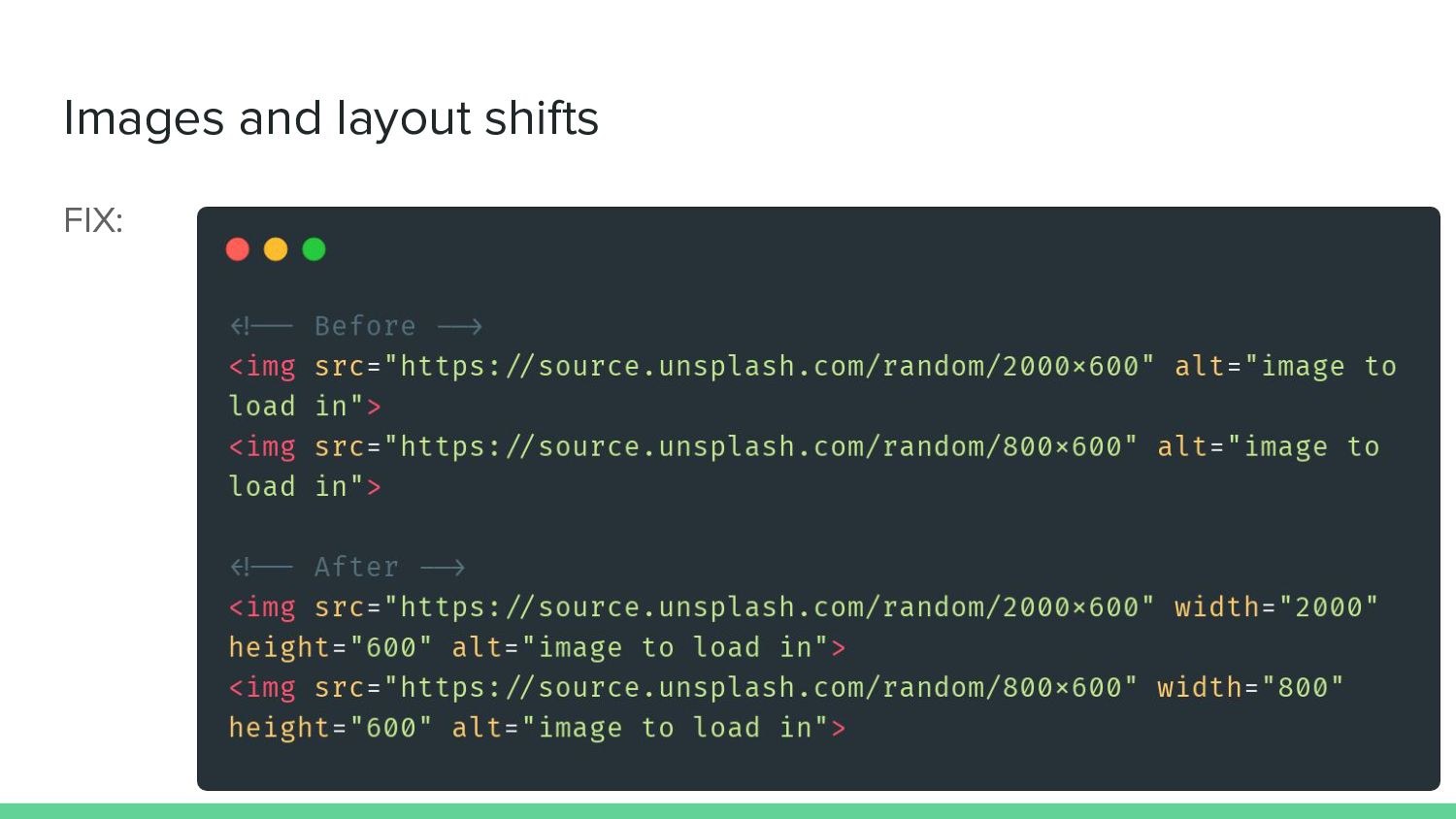
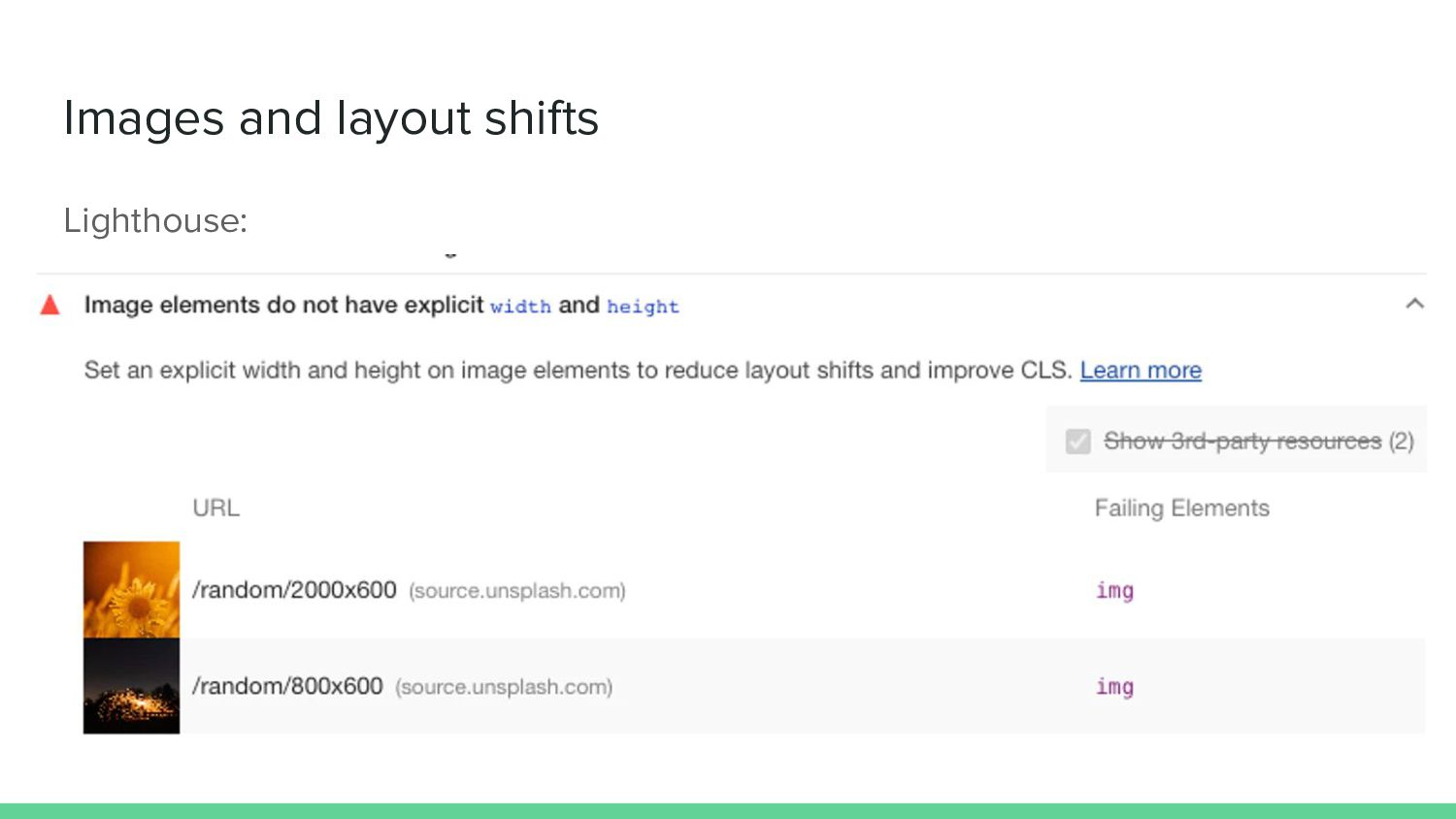
of an image once the image loads. If the image load occurs after the page has been rendered, but no space has been reserved for the image, a layout shift occurs when the image appears.
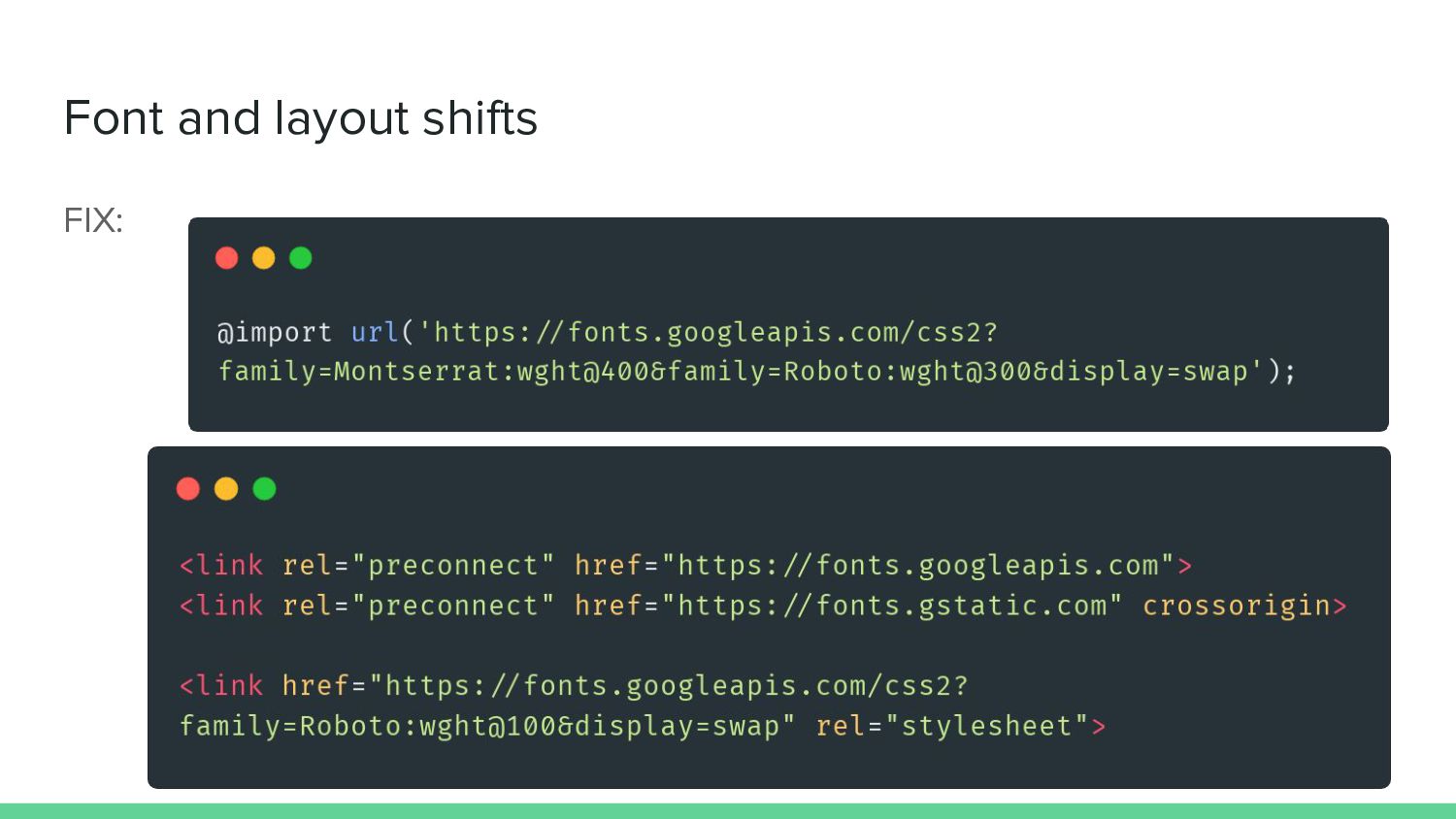
render a text element if its associated web fonts have not loaded yet. This is done to prevent a "flash of unstyled text" (FOUT). In many situations, this delays First Contentful Paint (FCP). In some situations, this delays Largest Contentful Paint (LCP).
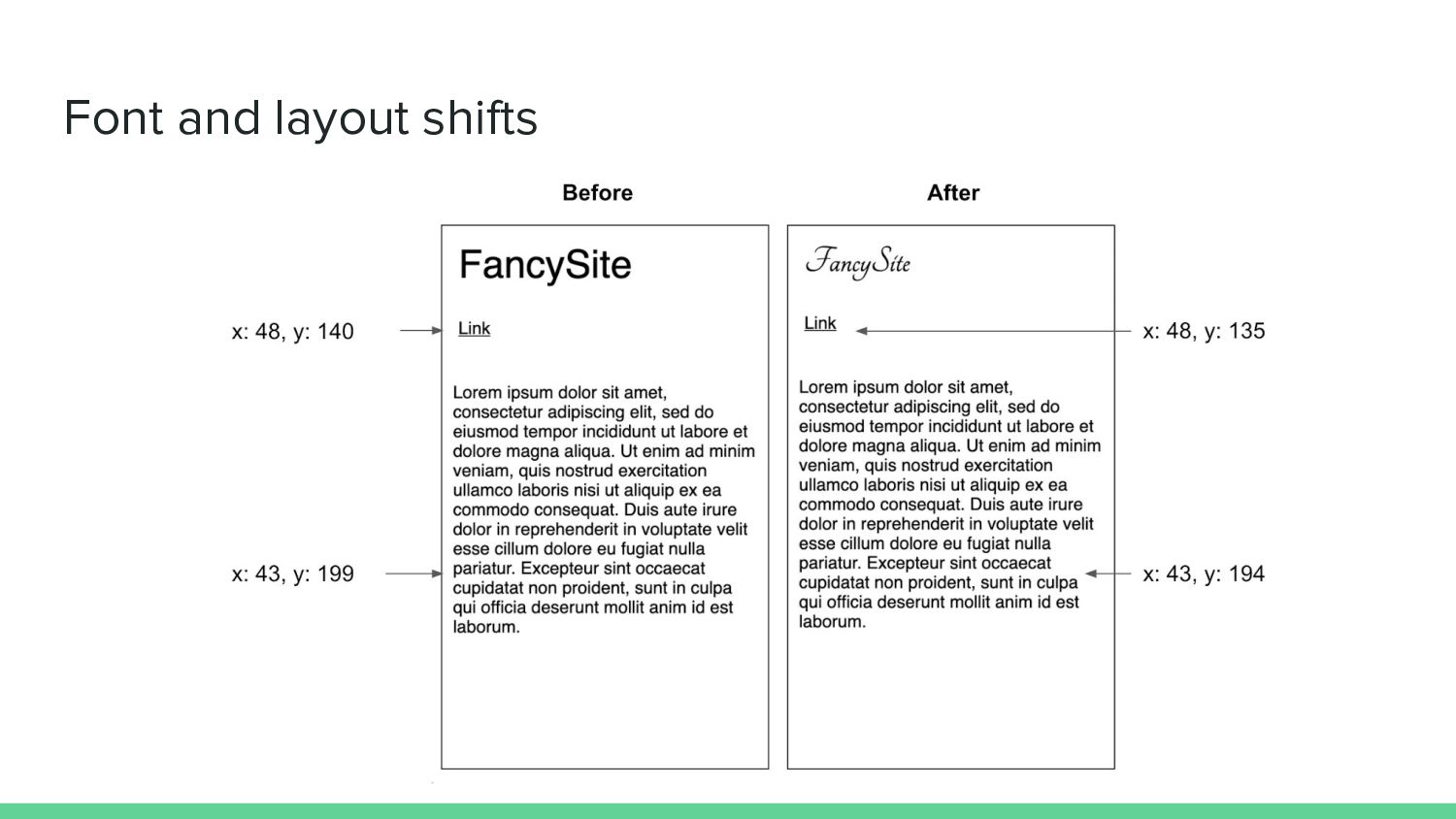
content to the user quickly, has the potential to cause layout shifts. These layout shifts occur when a web font and its fallback font take up different amounts of space on the page. Using similarly proportioned fonts will minimize the size of these layout shifts.
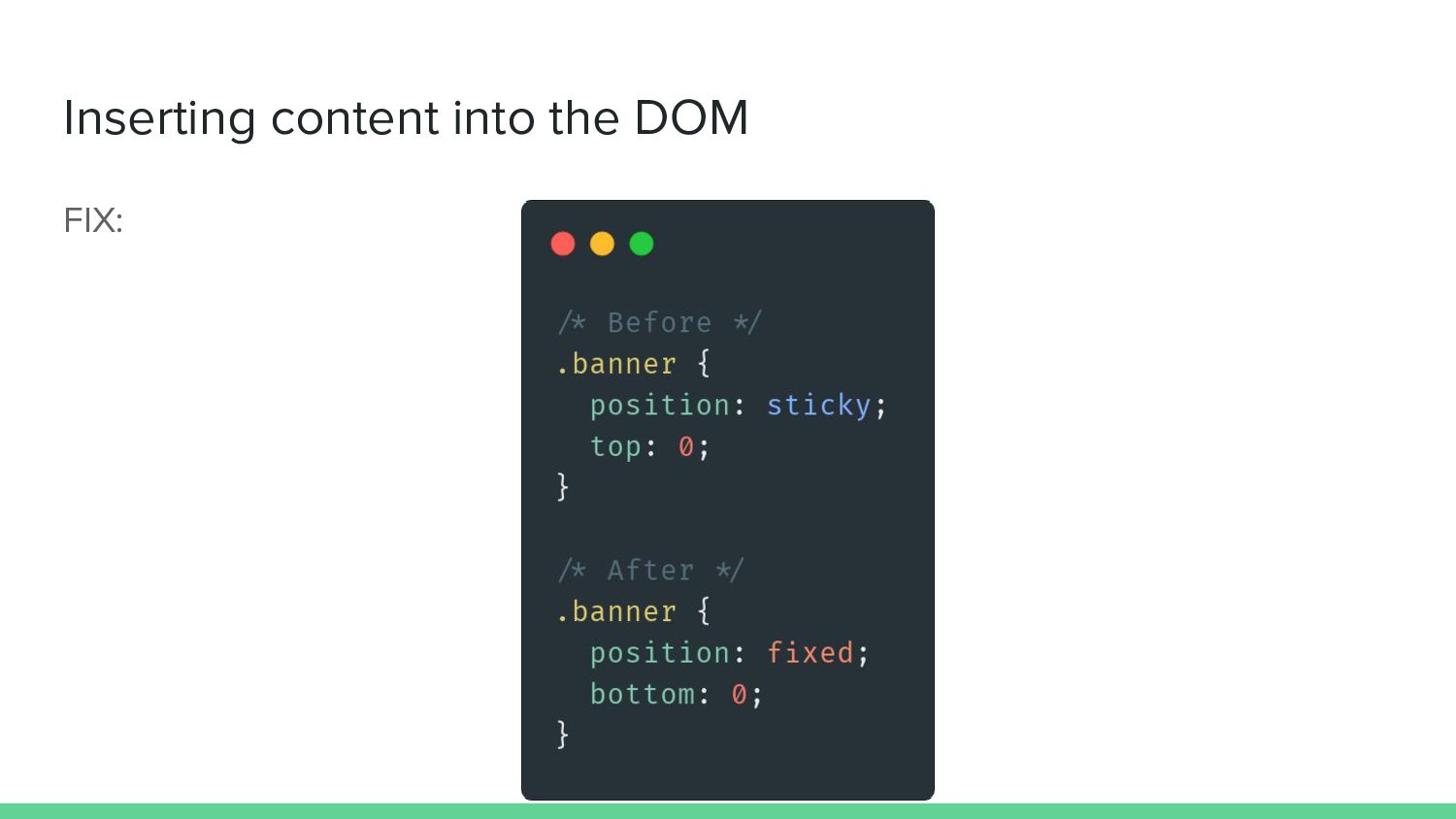
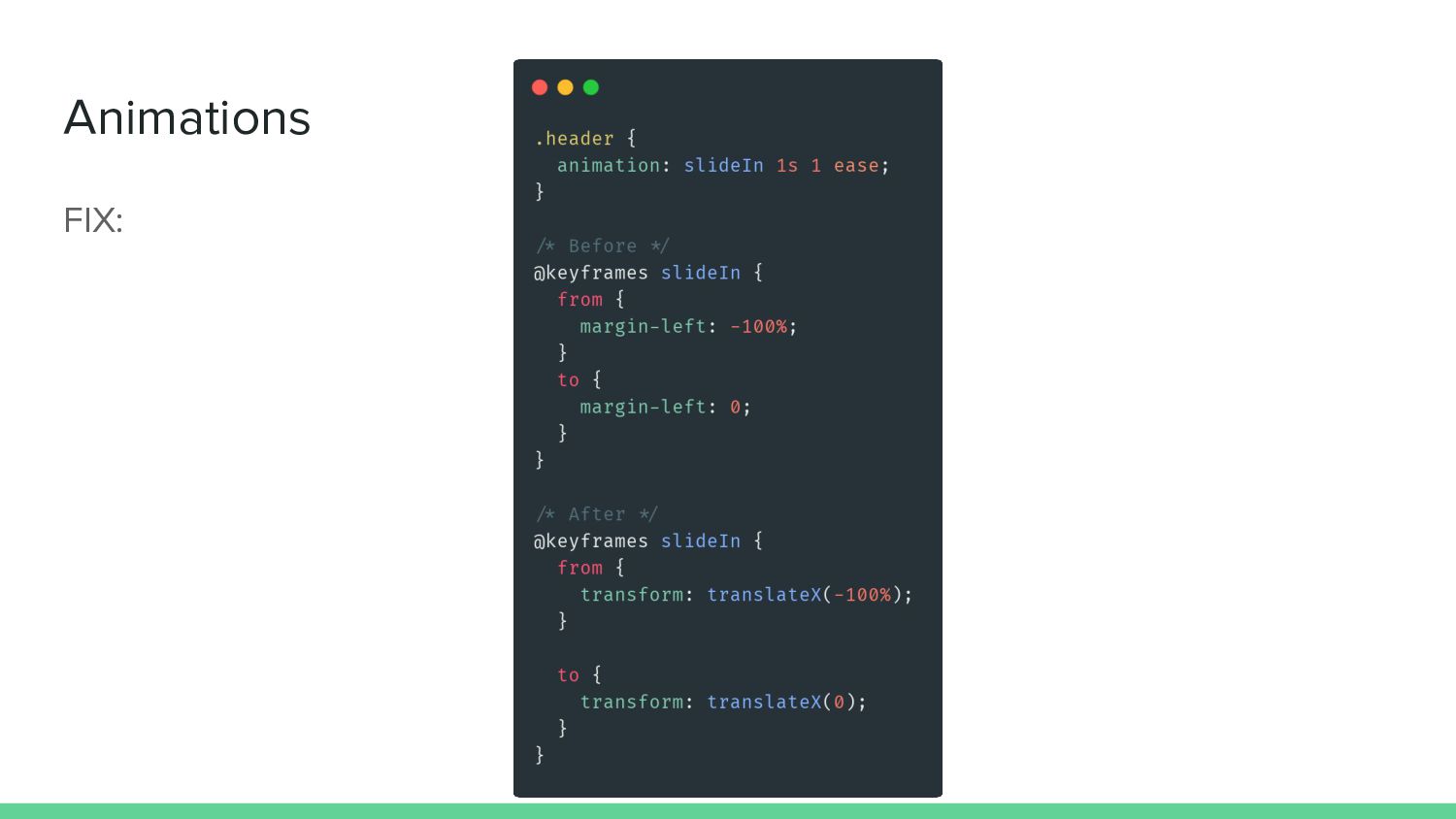
when they cause layout shifts. There are two types of animations that you should avoid using: animations that trigger layout and "animation-like" effects that move page elements. Typically these animations can be replaced with more performant equivalents by using CSS properties like transform, opacity, and filter.
encounters a stylesheet, it will stop downloading other resources until the browser has downloaded and parsed the stylesheet. This may delay LCP. To improve performance, consider removing unused CSS, inlining critical CSS, and deferring non-critical CSS.


 cypresskuo
 oracle4engineer
 masakiokuda
 shuheioka123
 taiki45
 ymotongpoo
 ryomaru0825
 kworkdev
 htkym
htkym
 hironobuiga
 kohbis
 tomtanaka
 axbom
axbom
 lfama
lfama
.png) helenjbeal
helenjbeal
 danielanewman
 ipullrank
 mraible
 konakalab
 orderedlist
 eileencodes
 csswizardry
 nikkihalliwell
 ryanjones