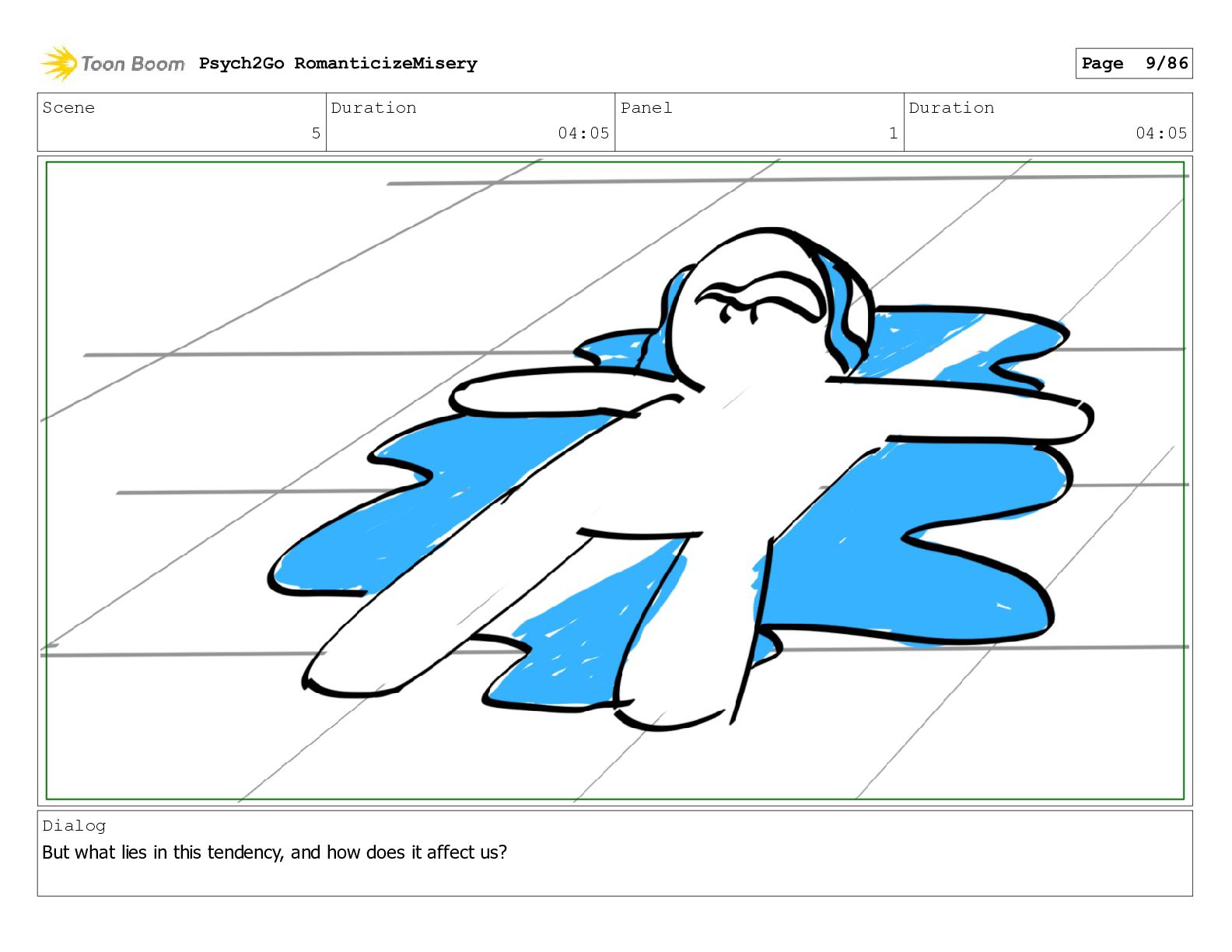
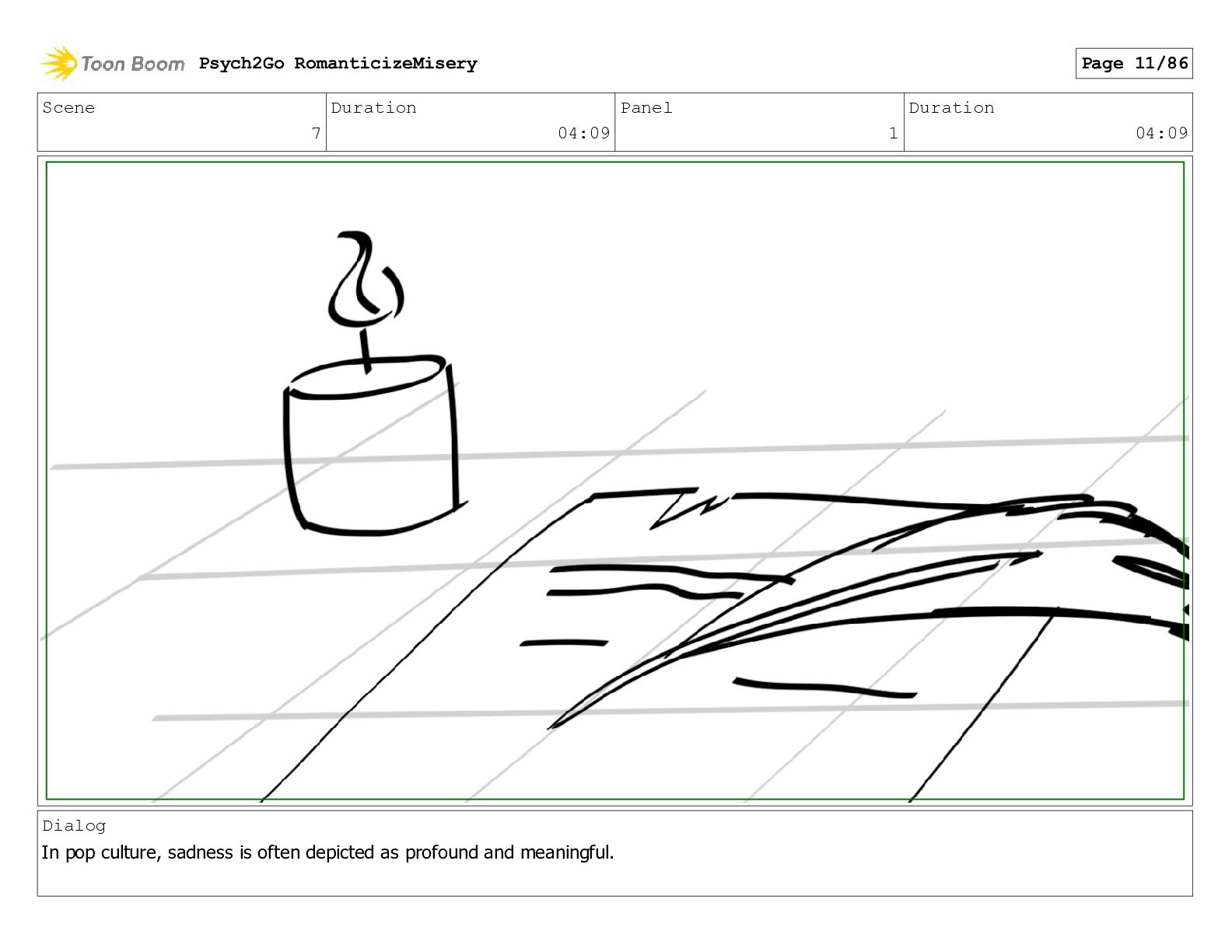
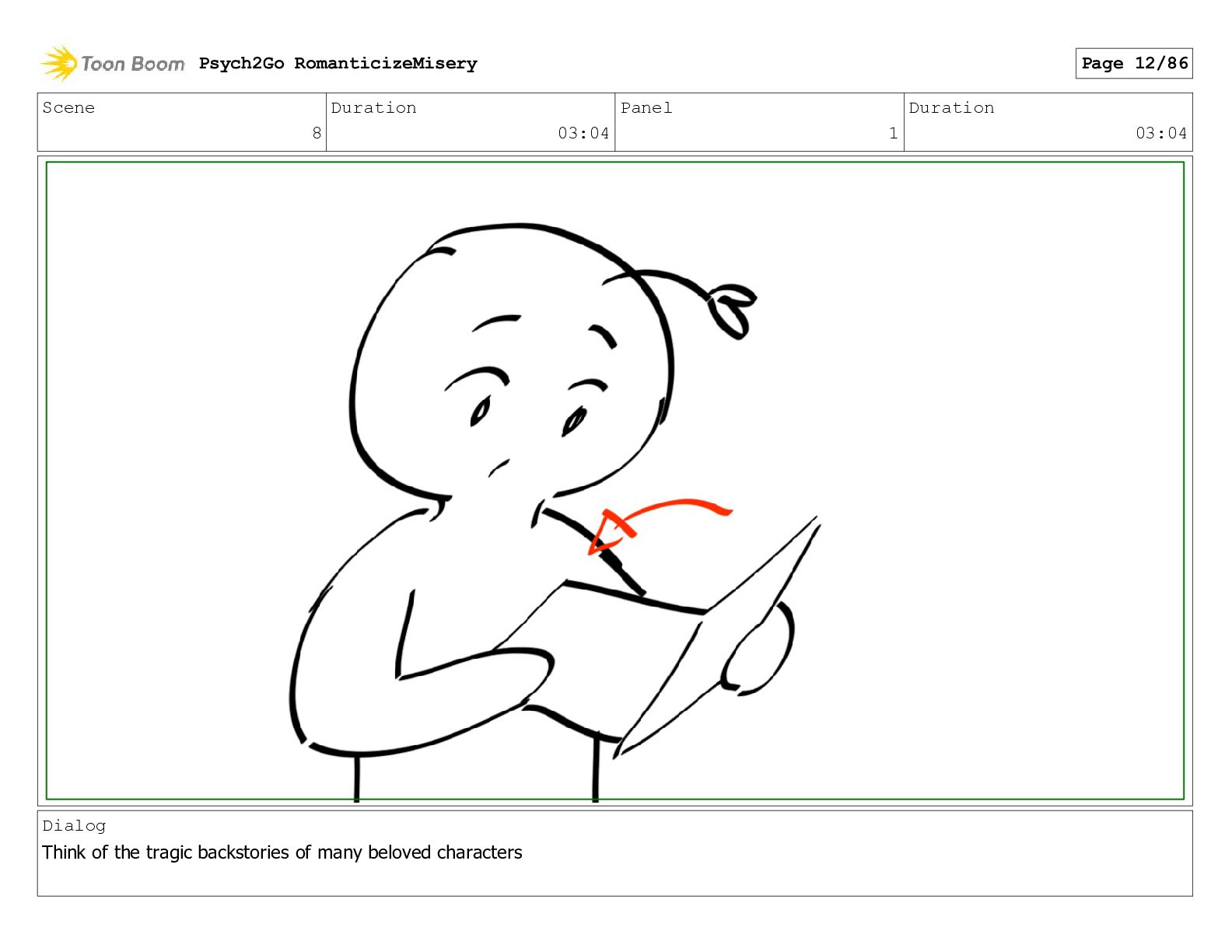
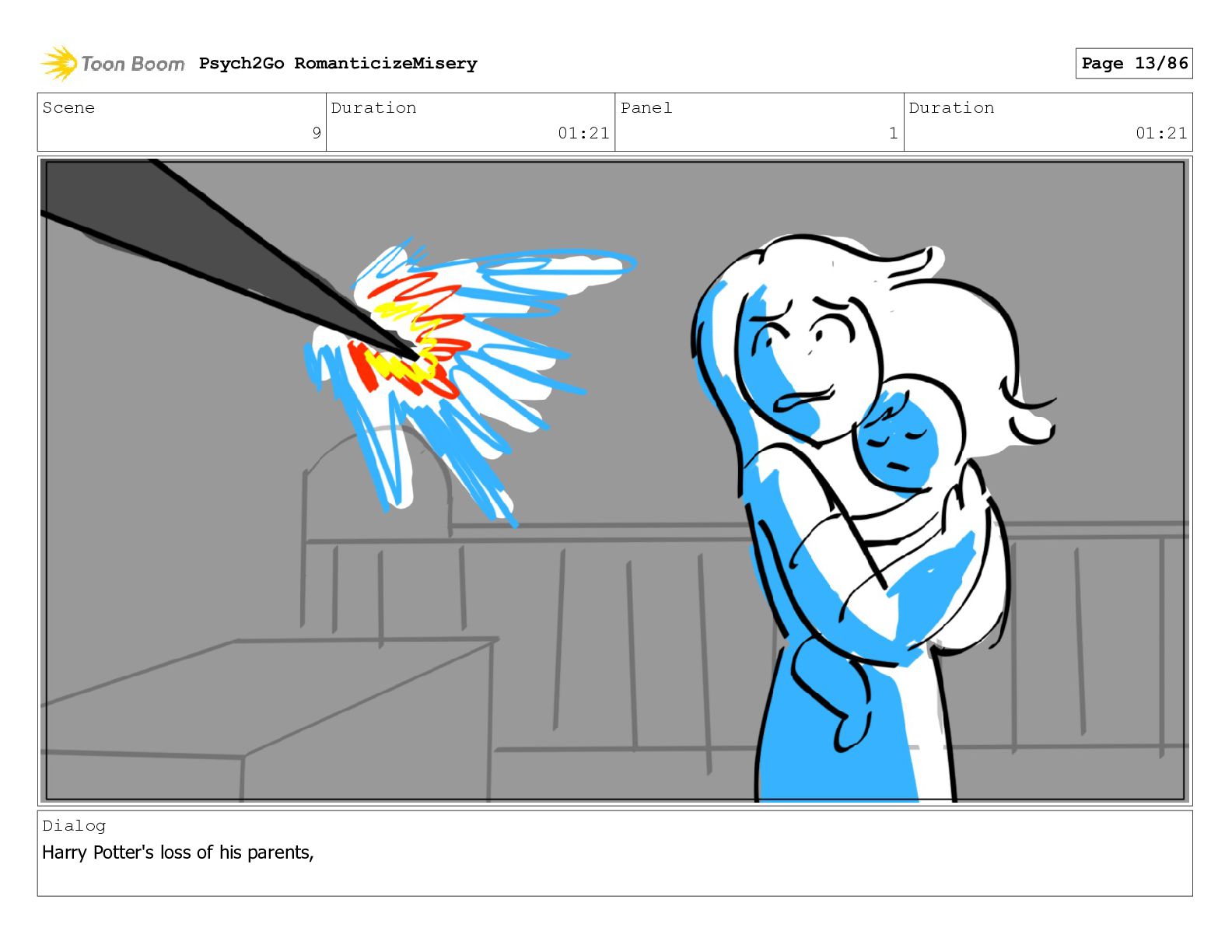
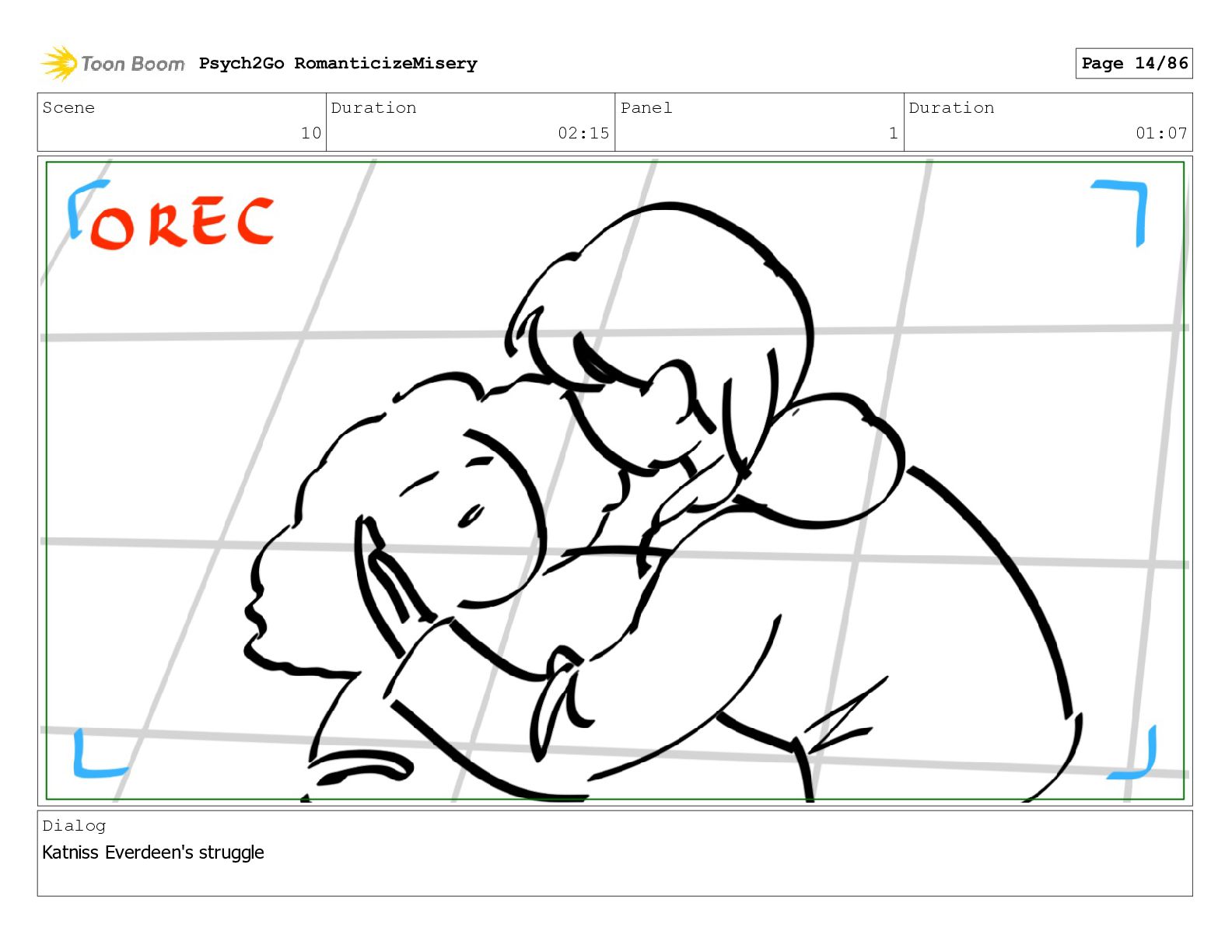
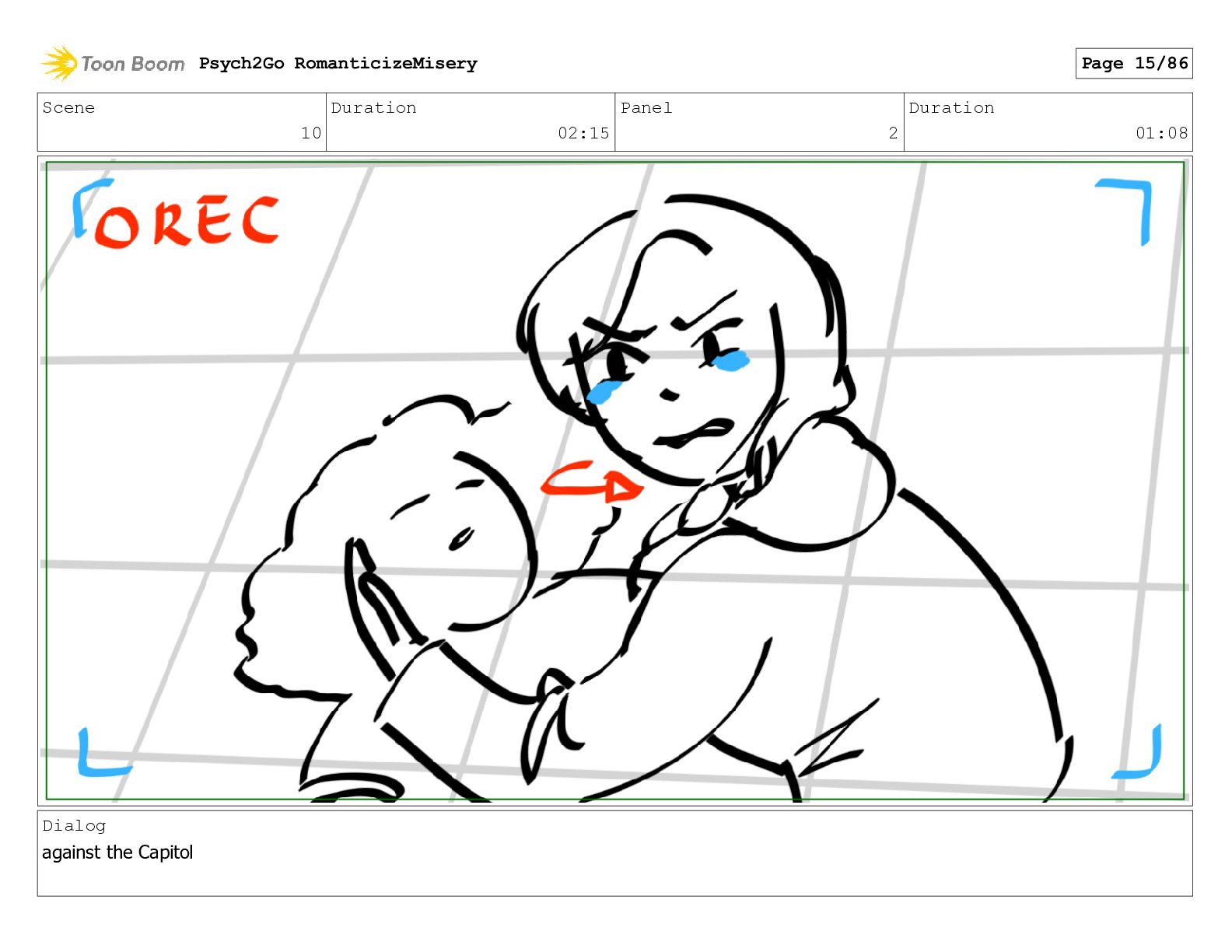
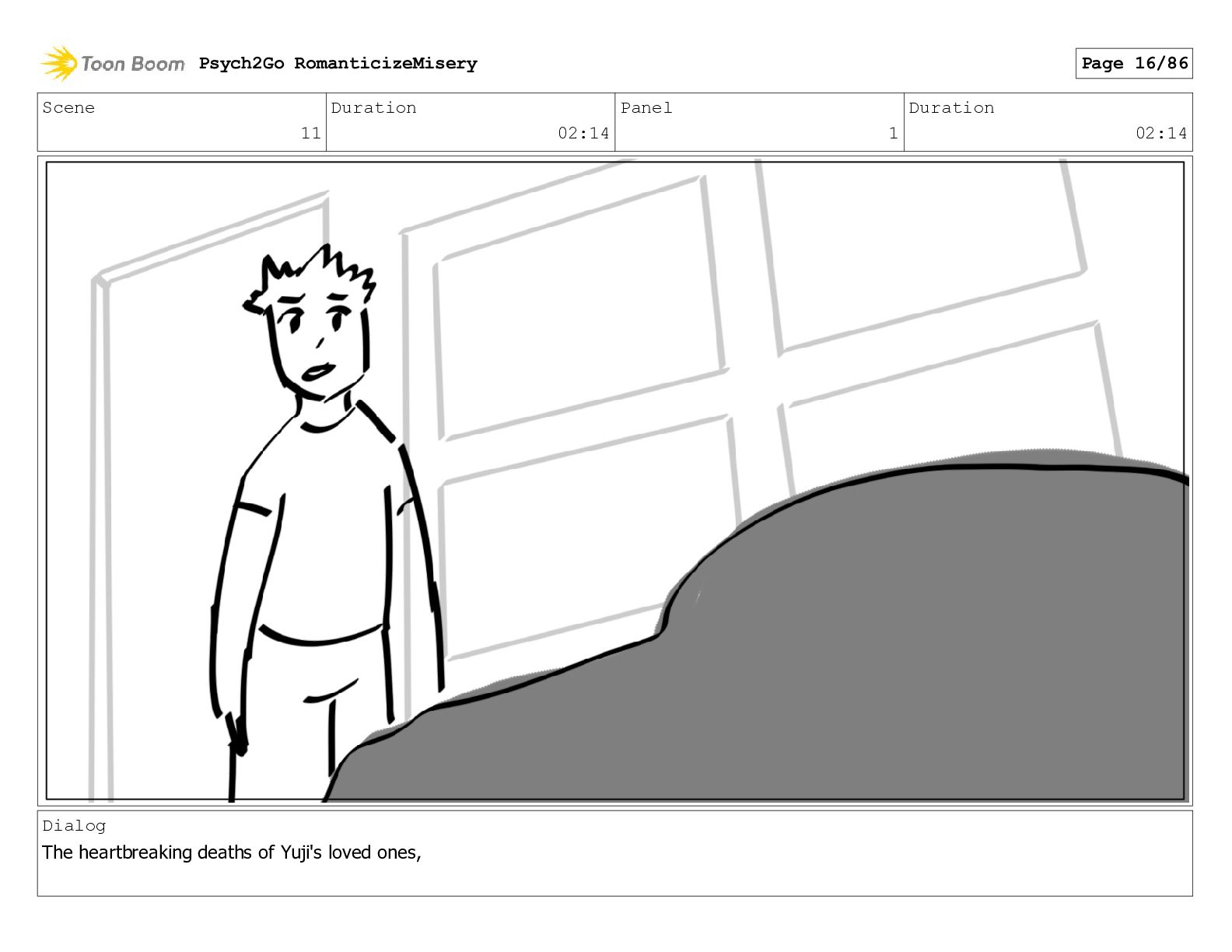
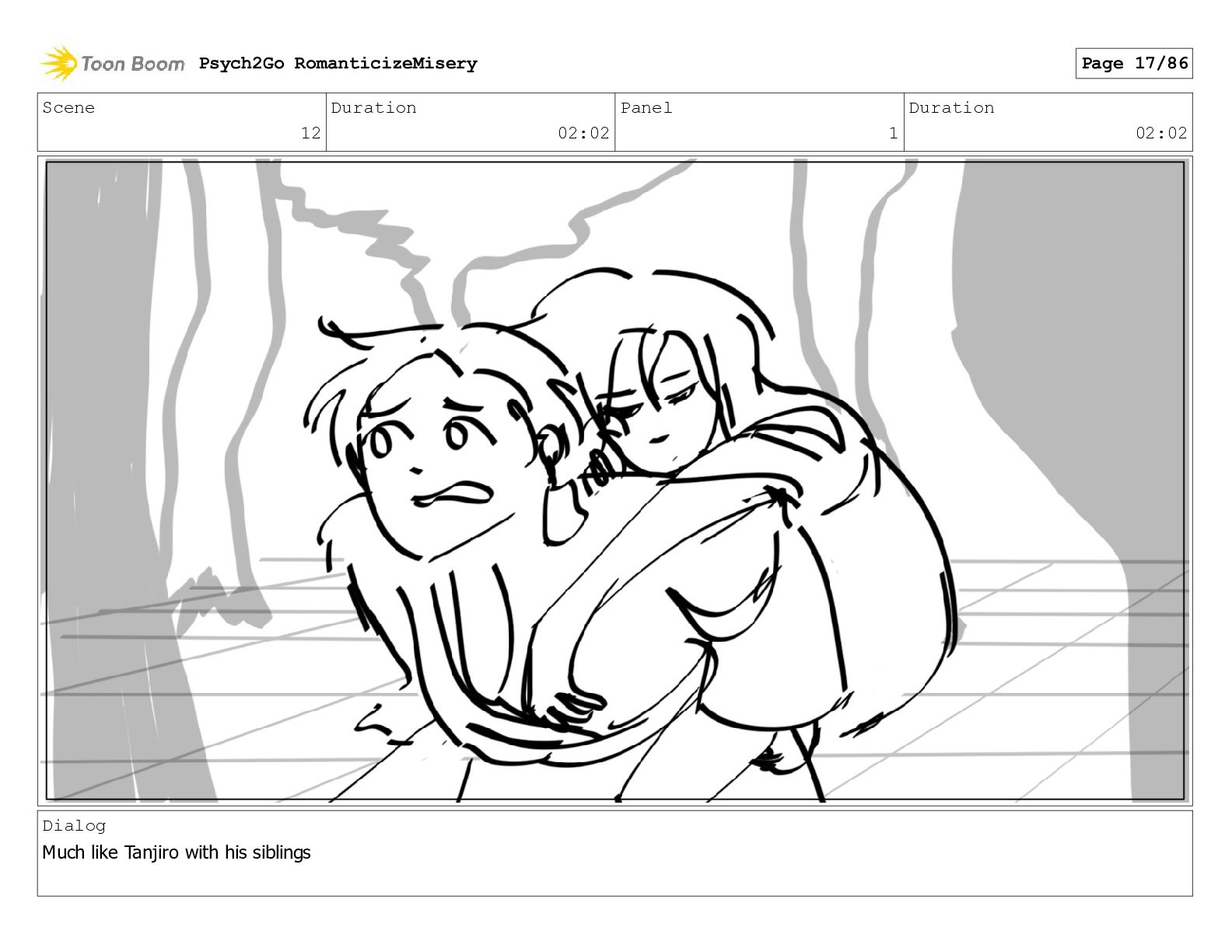
propels these stories forward, making us more invested in their characters. It's almost as if we crave sadness, agony, and tragedy. Psych2Go RomanticizeMisery Page 18/86
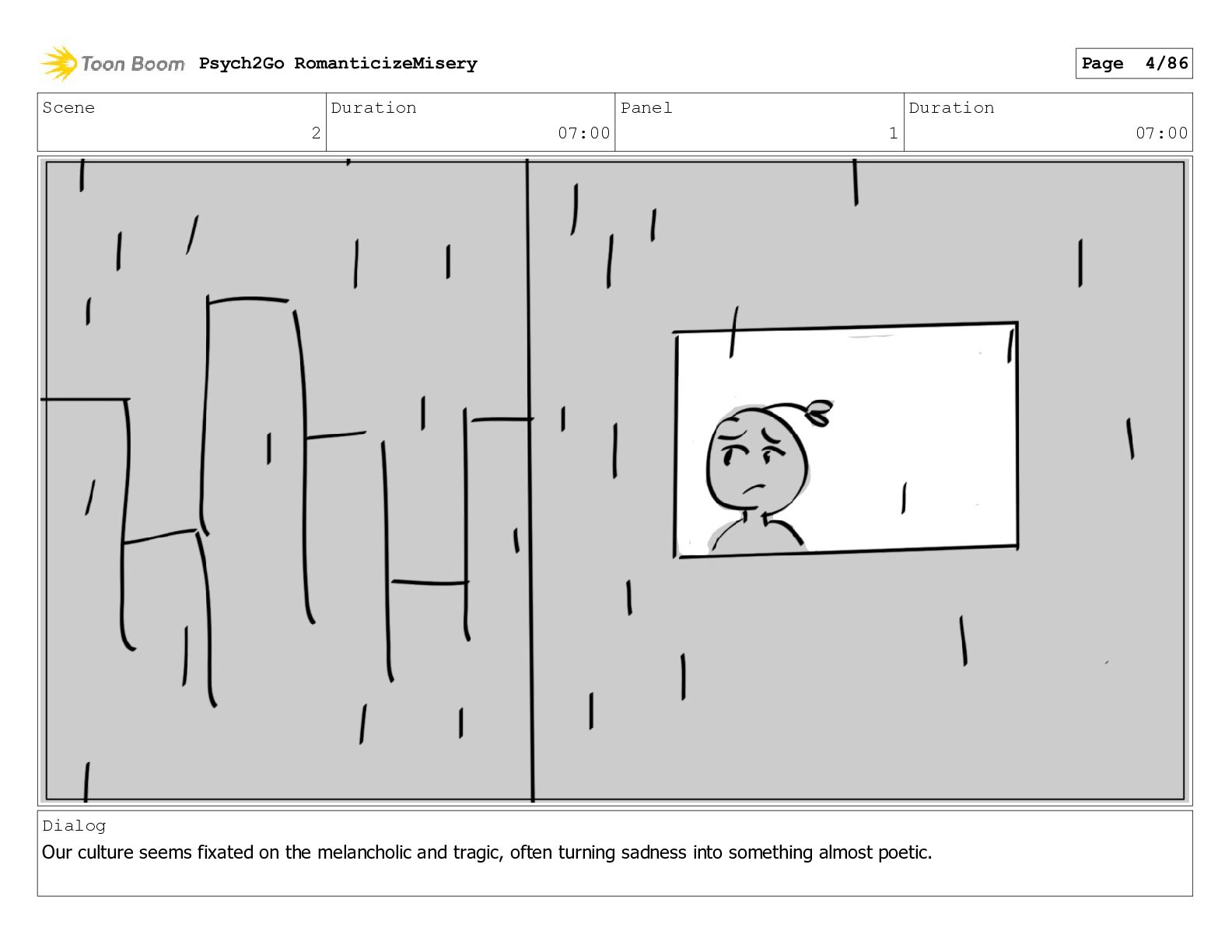
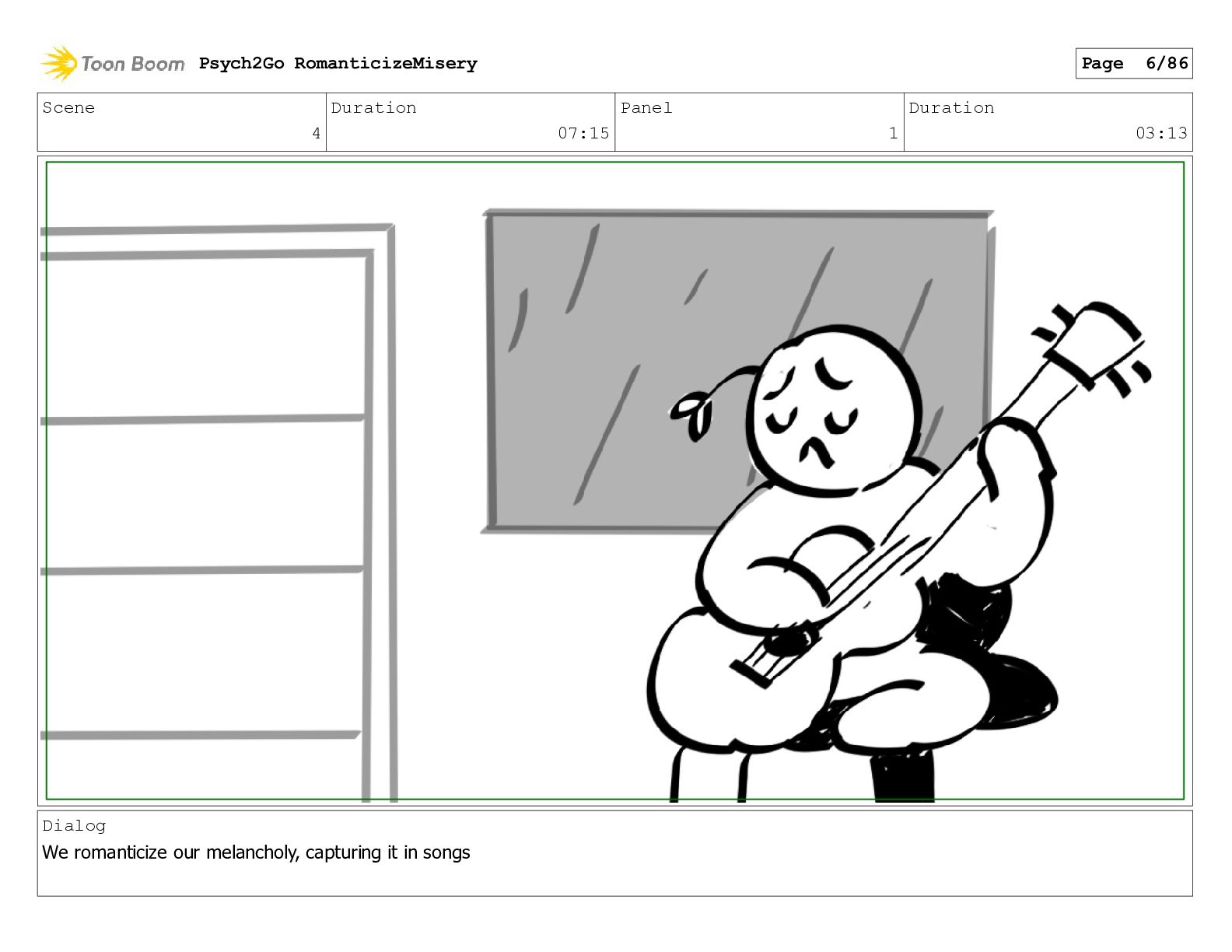
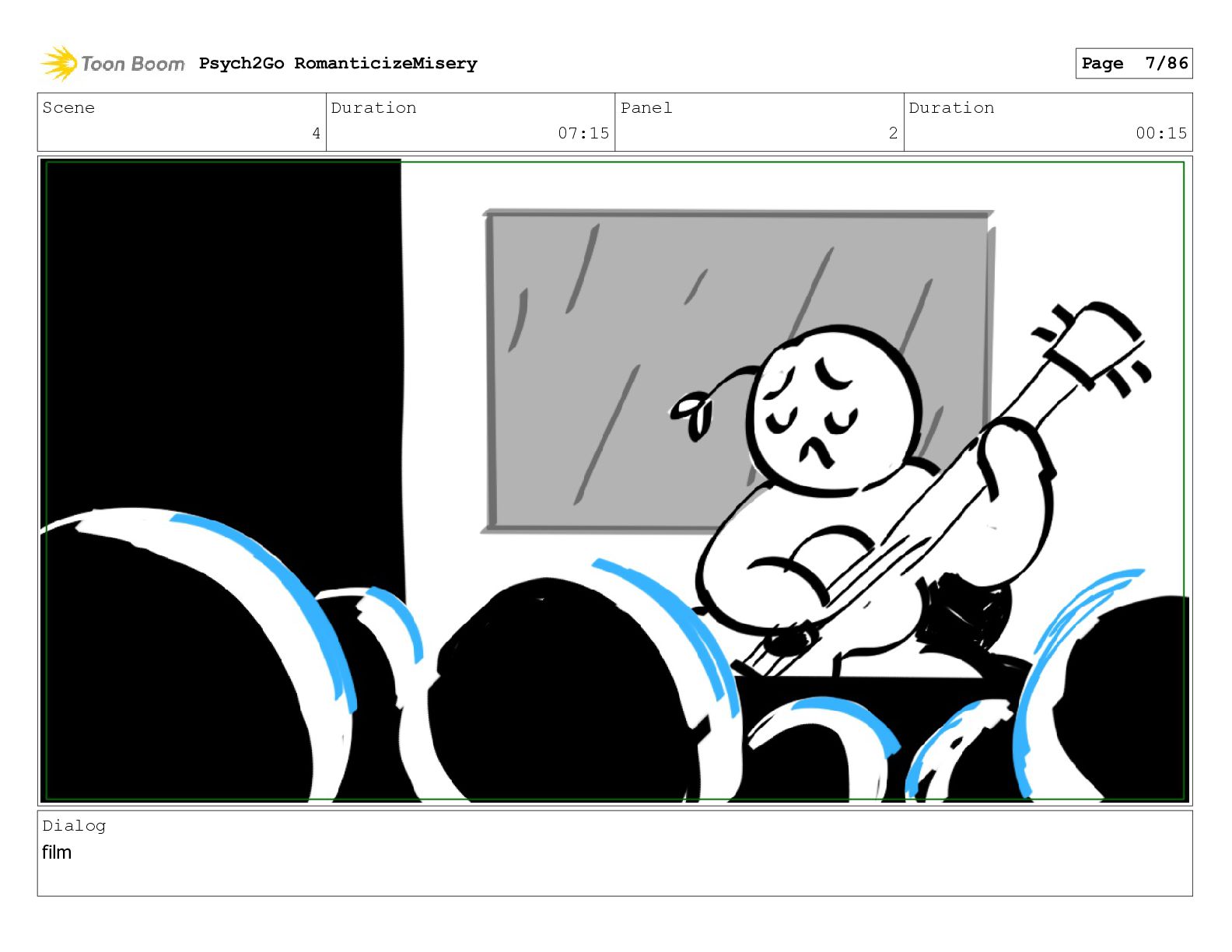
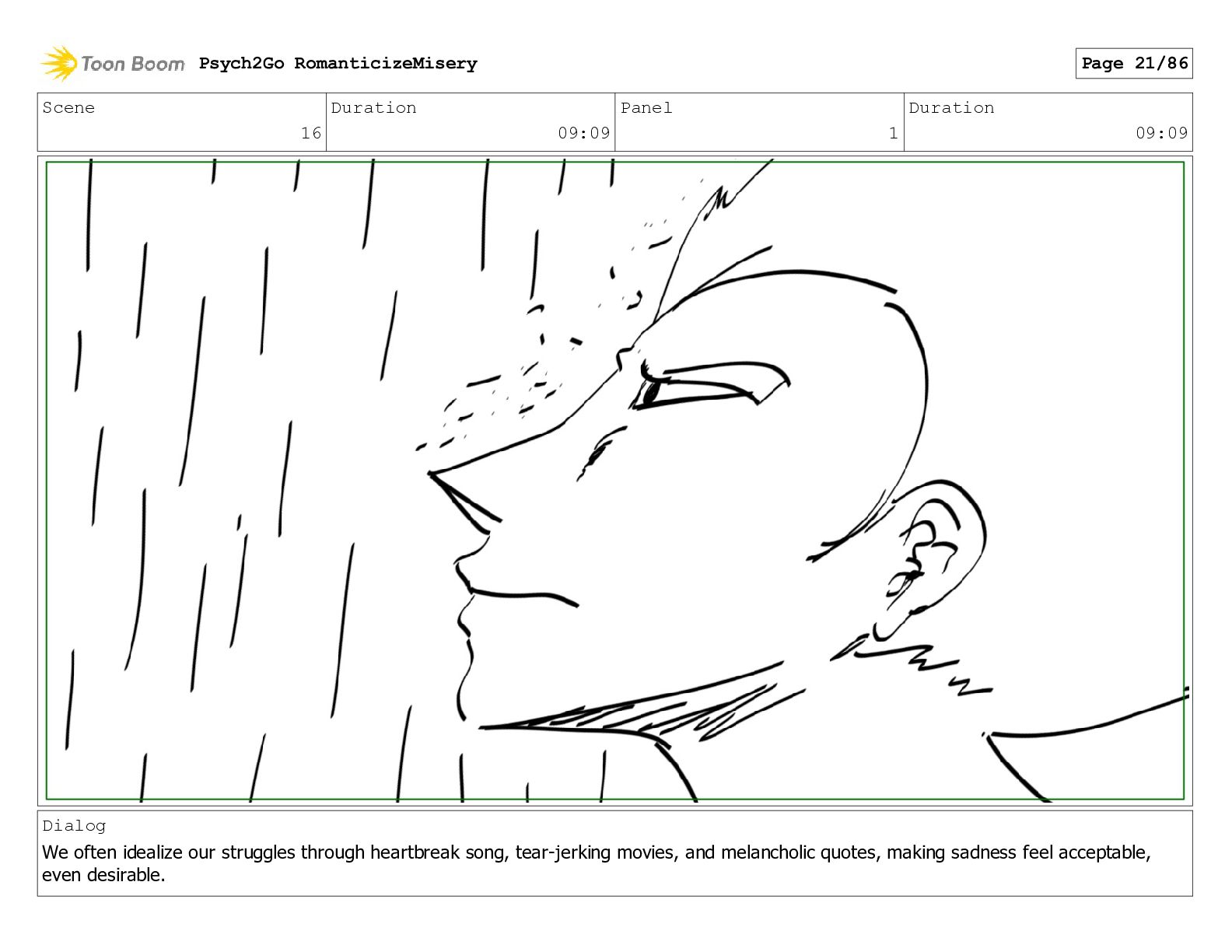
often idealize our struggles through heartbreak song, tear-jerking movies, and melancholic quotes, making sadness feel acceptable, even desirable. Psych2Go RomanticizeMisery Page 21/86
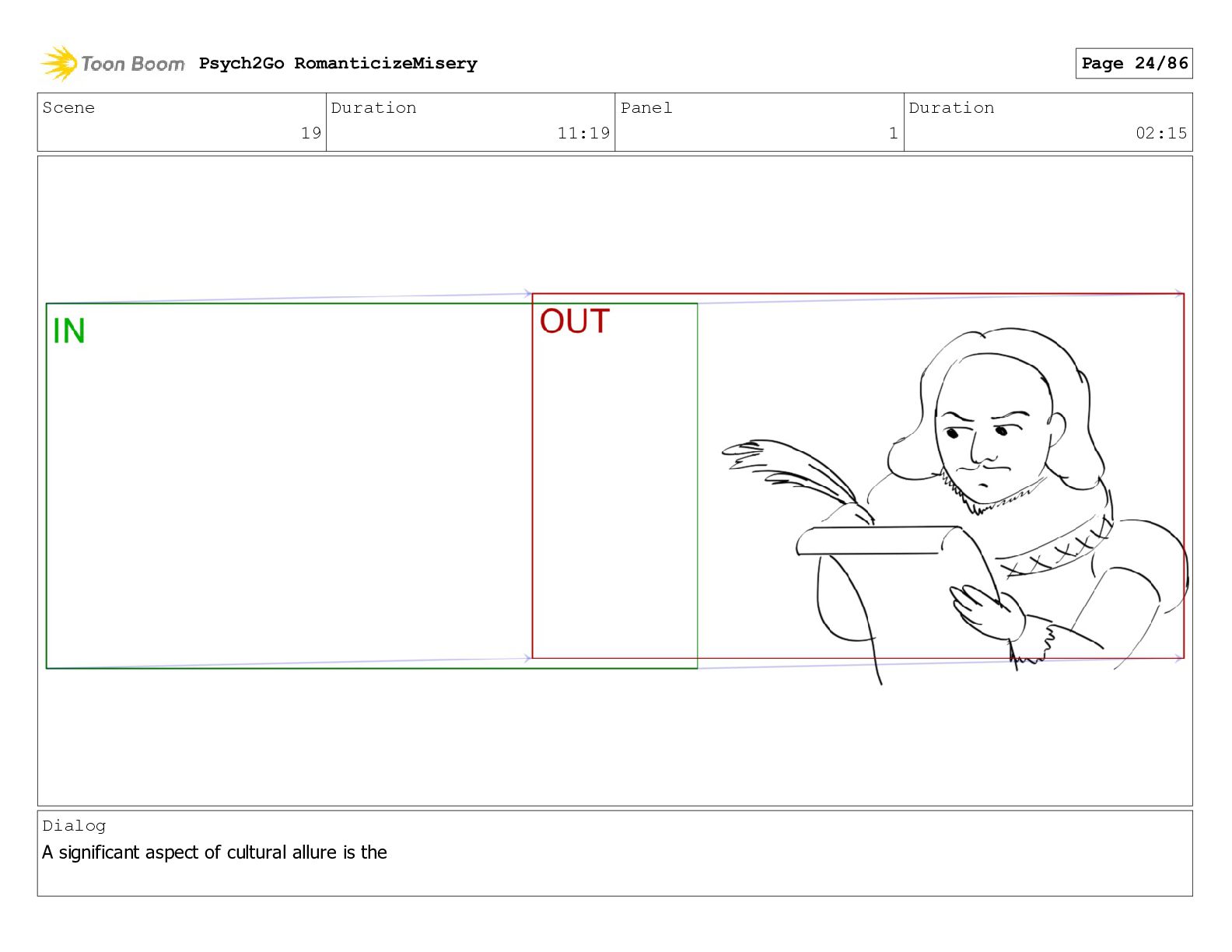
artist" trope. This narrative suggests that great art requires great suffering, leading to the romanticization of sadness and mental illness. Psych2Go RomanticizeMisery Page 25/86
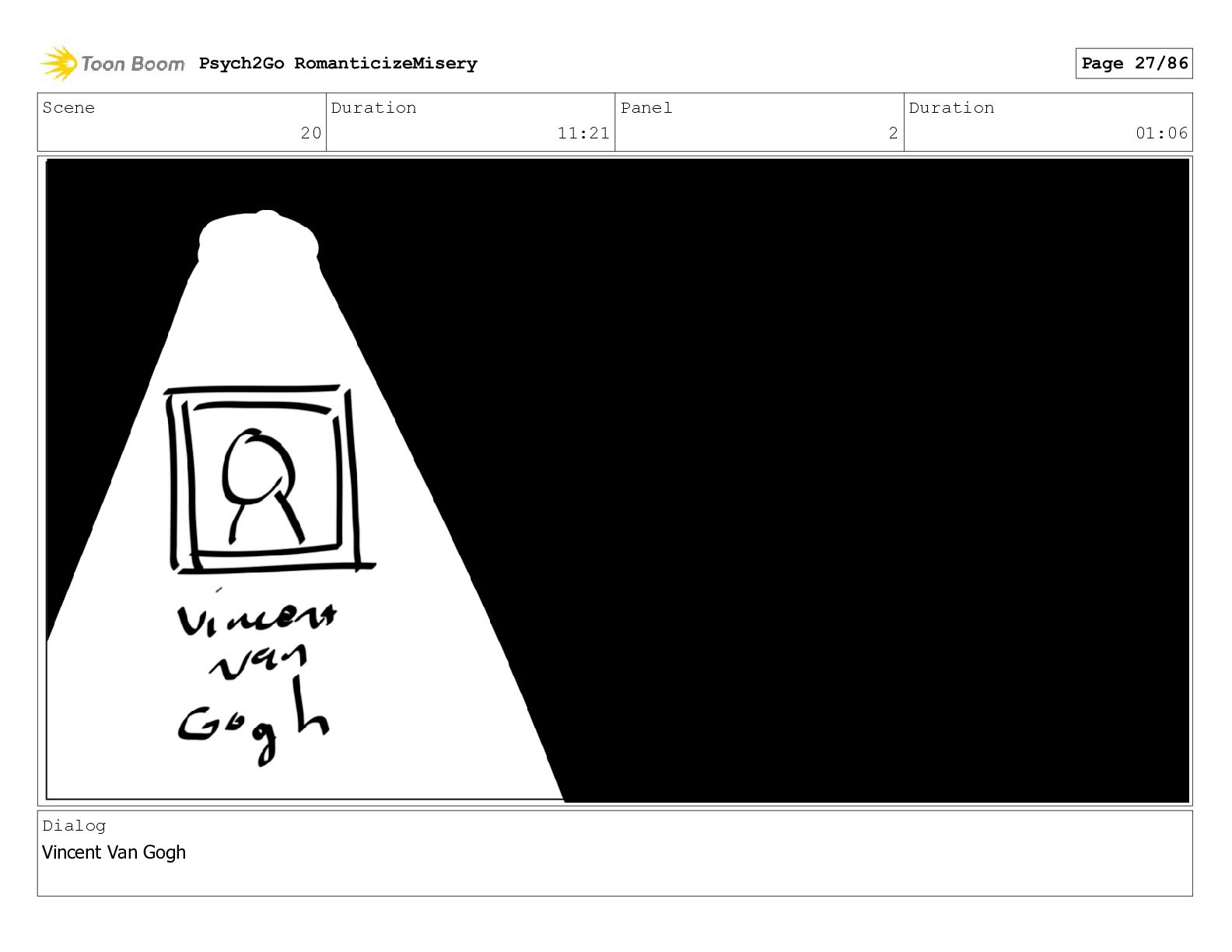
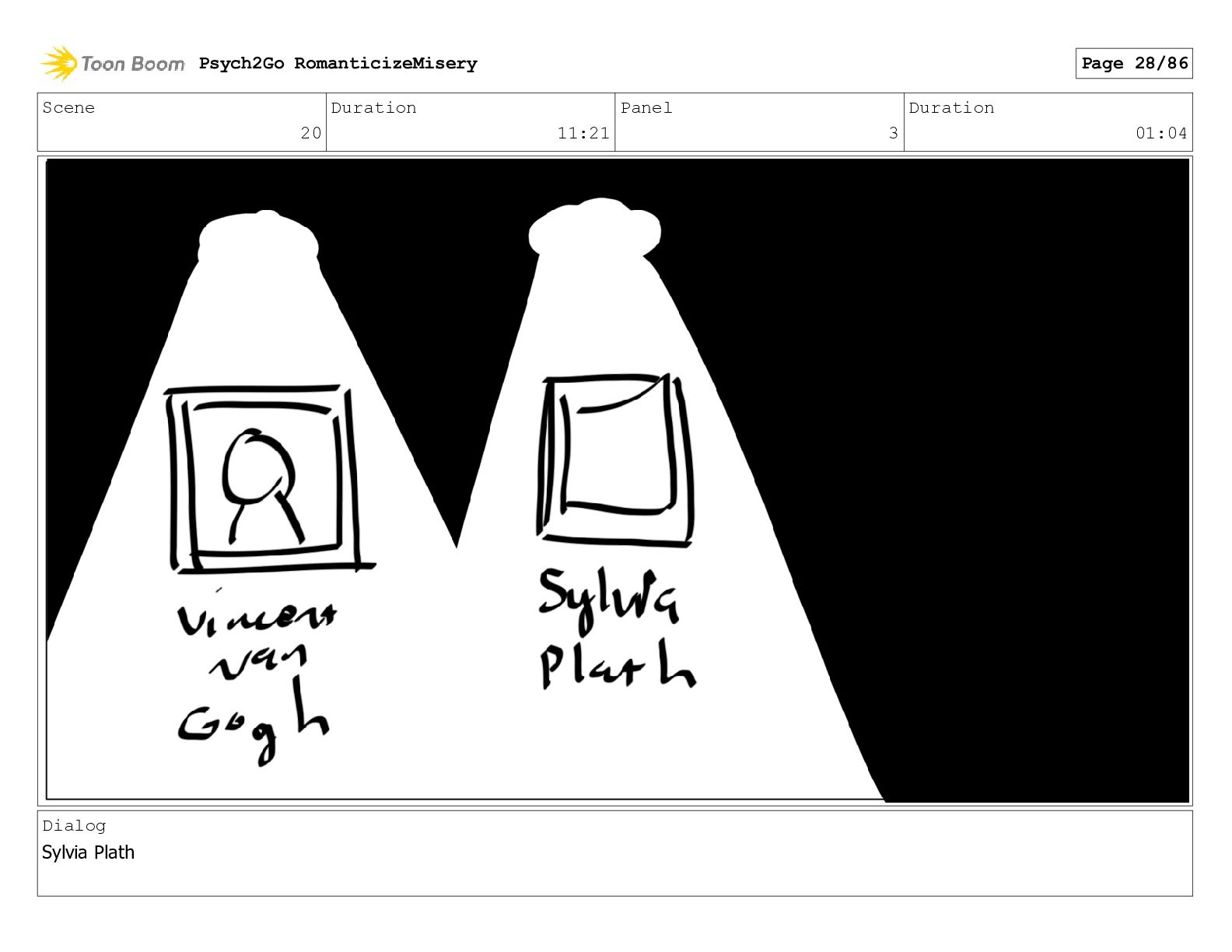
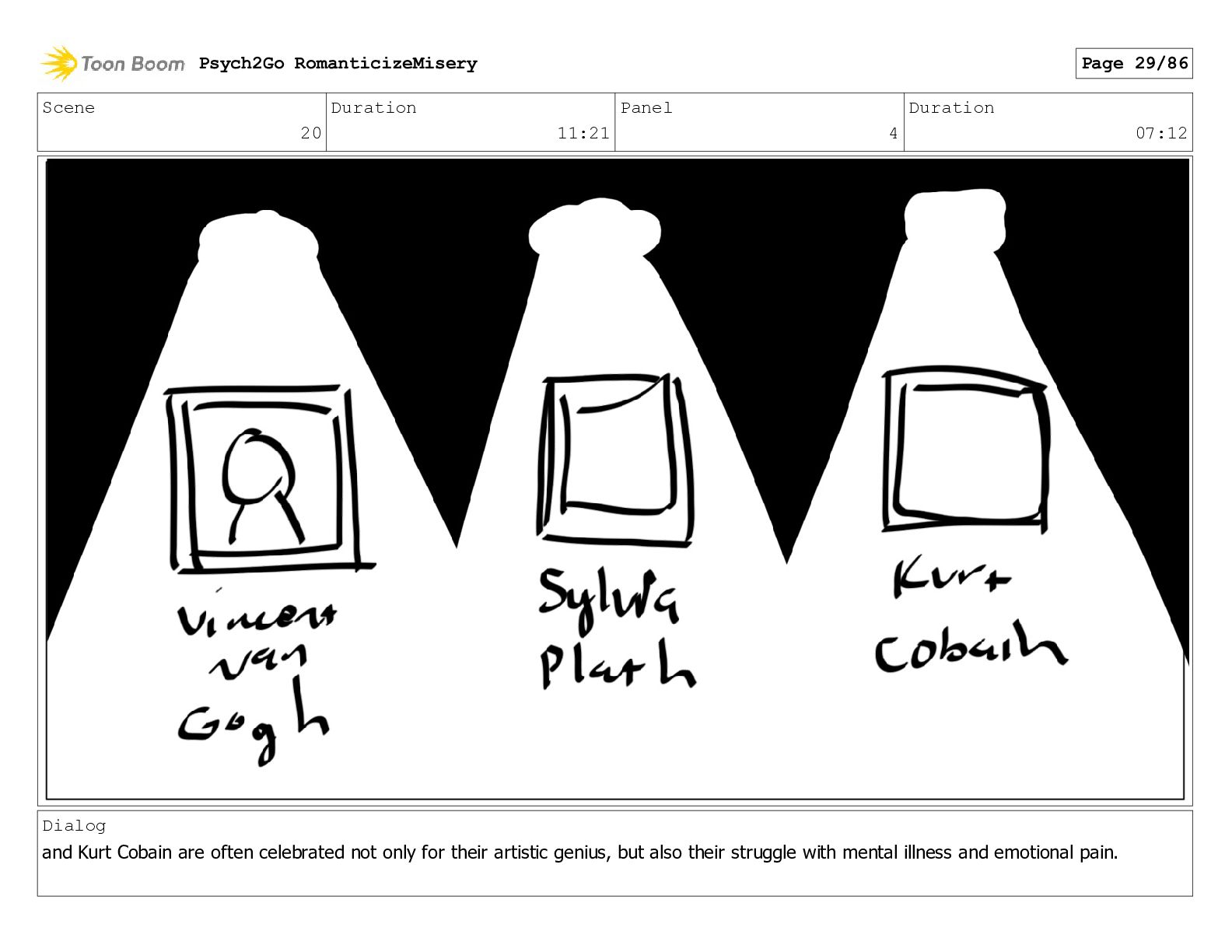
Kurt Cobain are often celebrated not only for their artistic genius, but also their struggle with mental illness and emotional pain. Psych2Go RomanticizeMisery Page 29/86
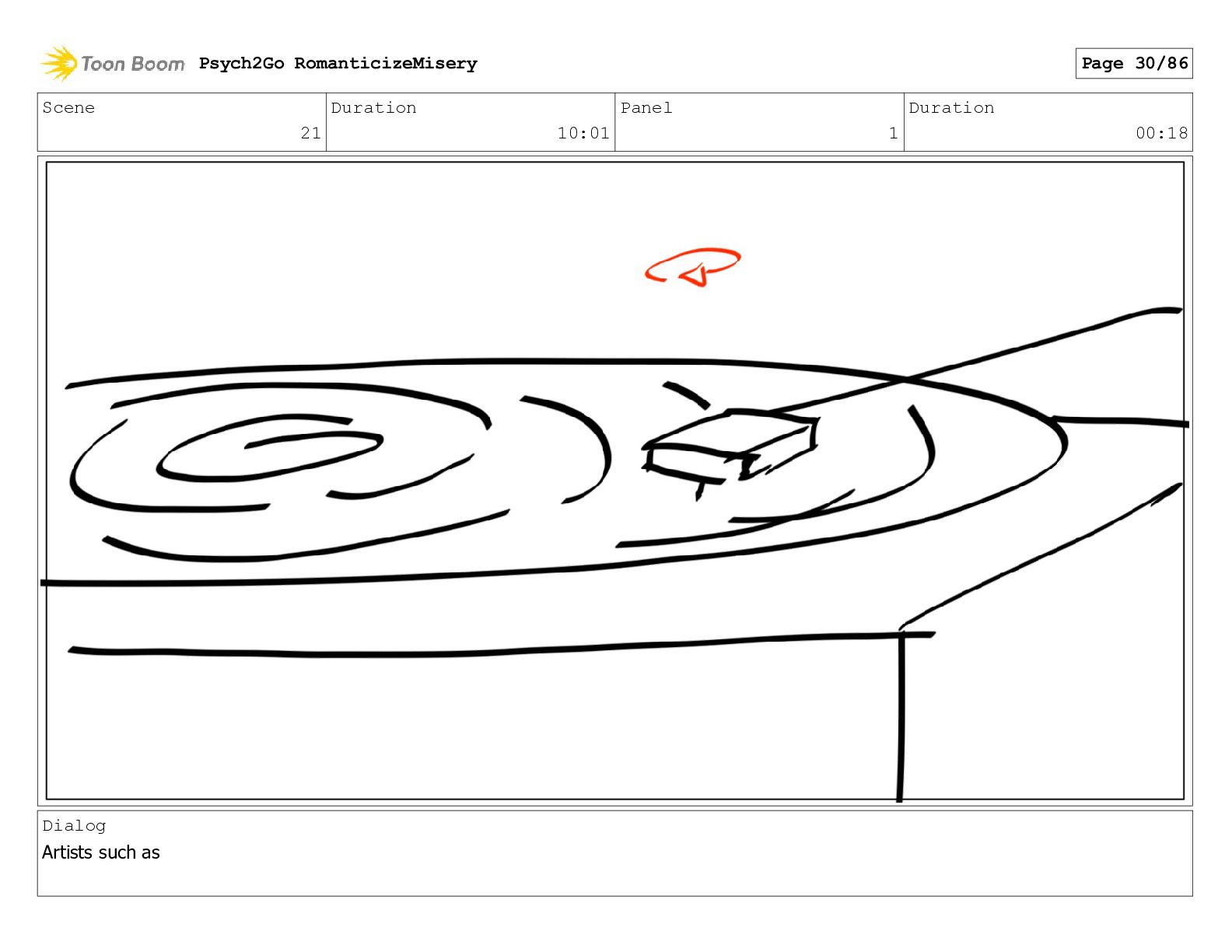
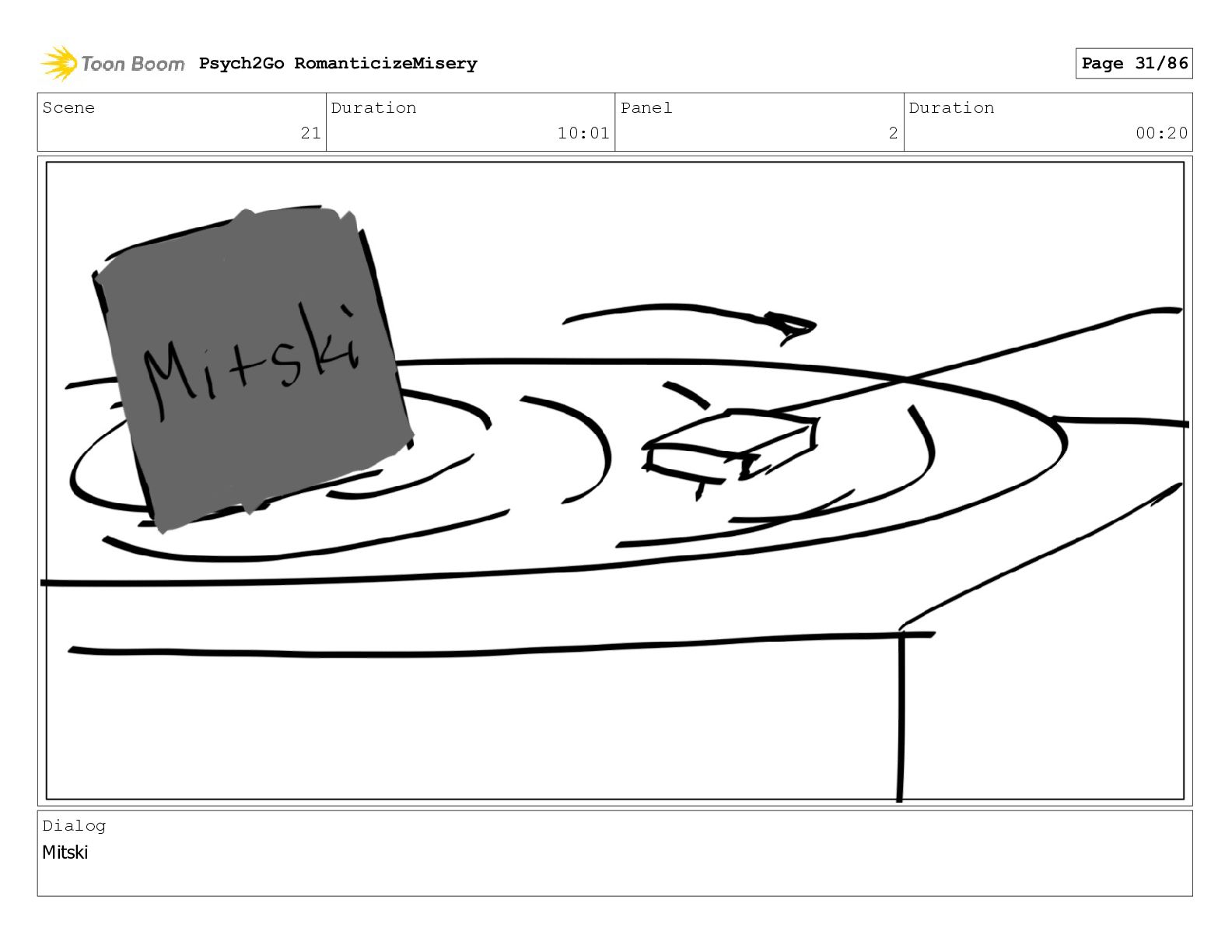
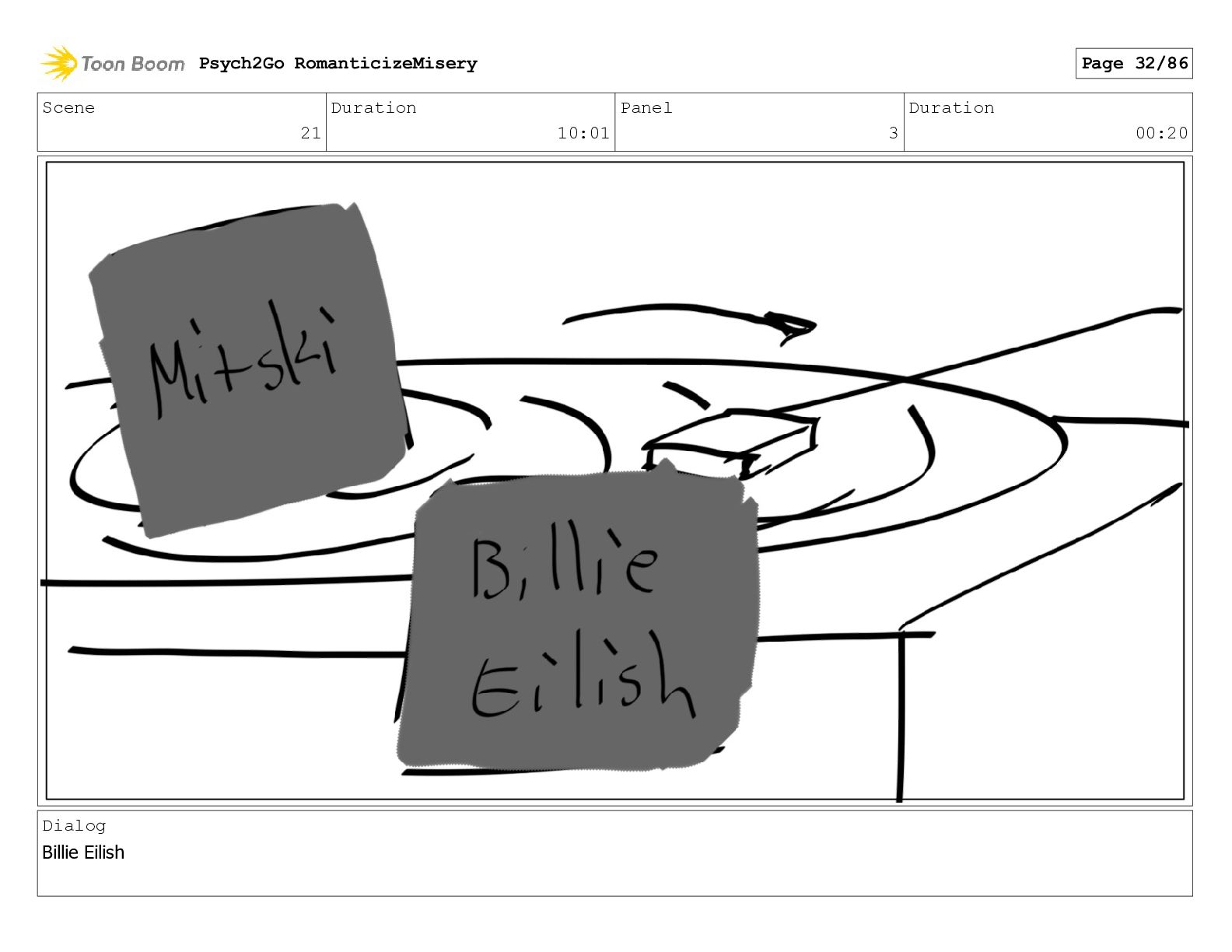
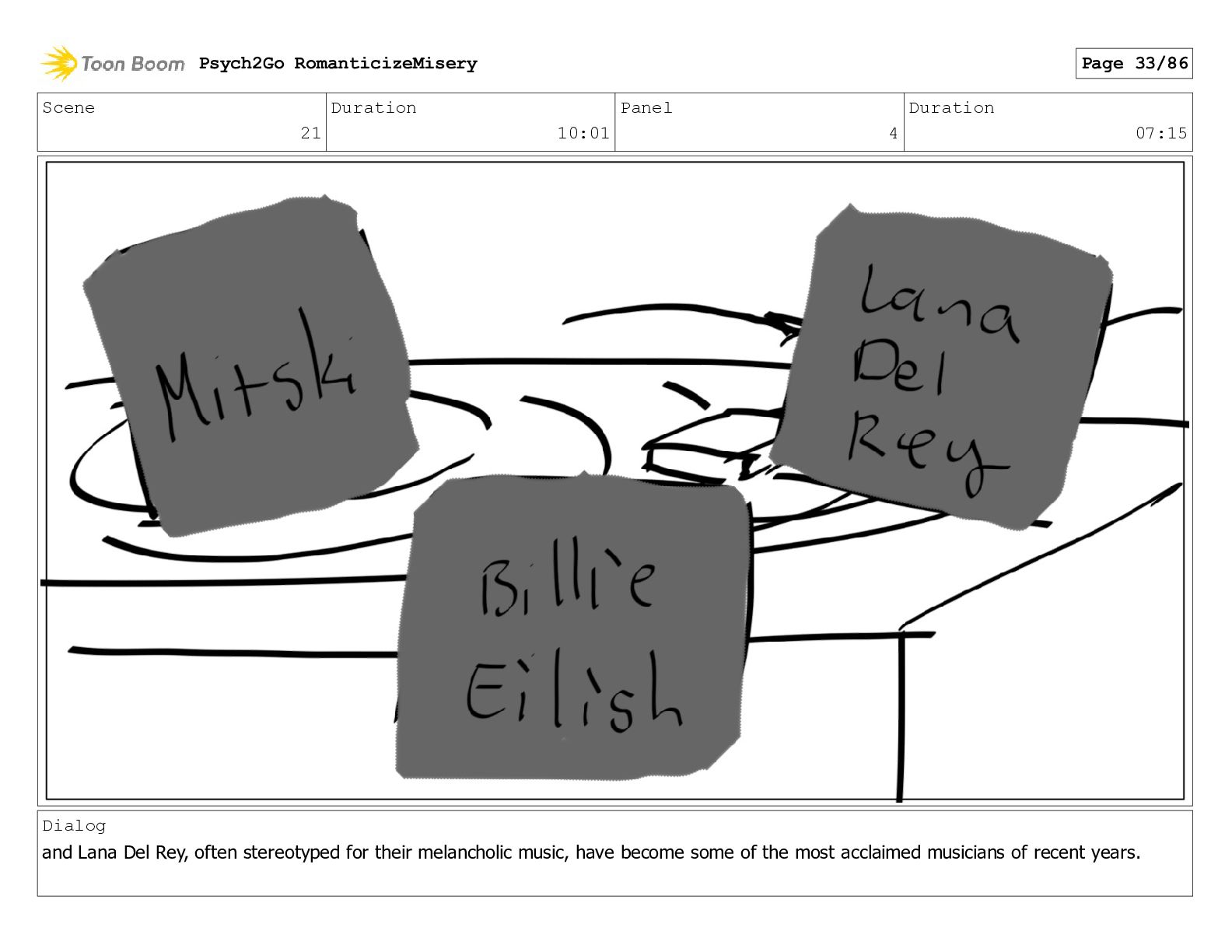
Lana Del Rey, often stereotyped for their melancholic music, have become some of the most acclaimed musicians of recent years. Psych2Go RomanticizeMisery Page 33/86
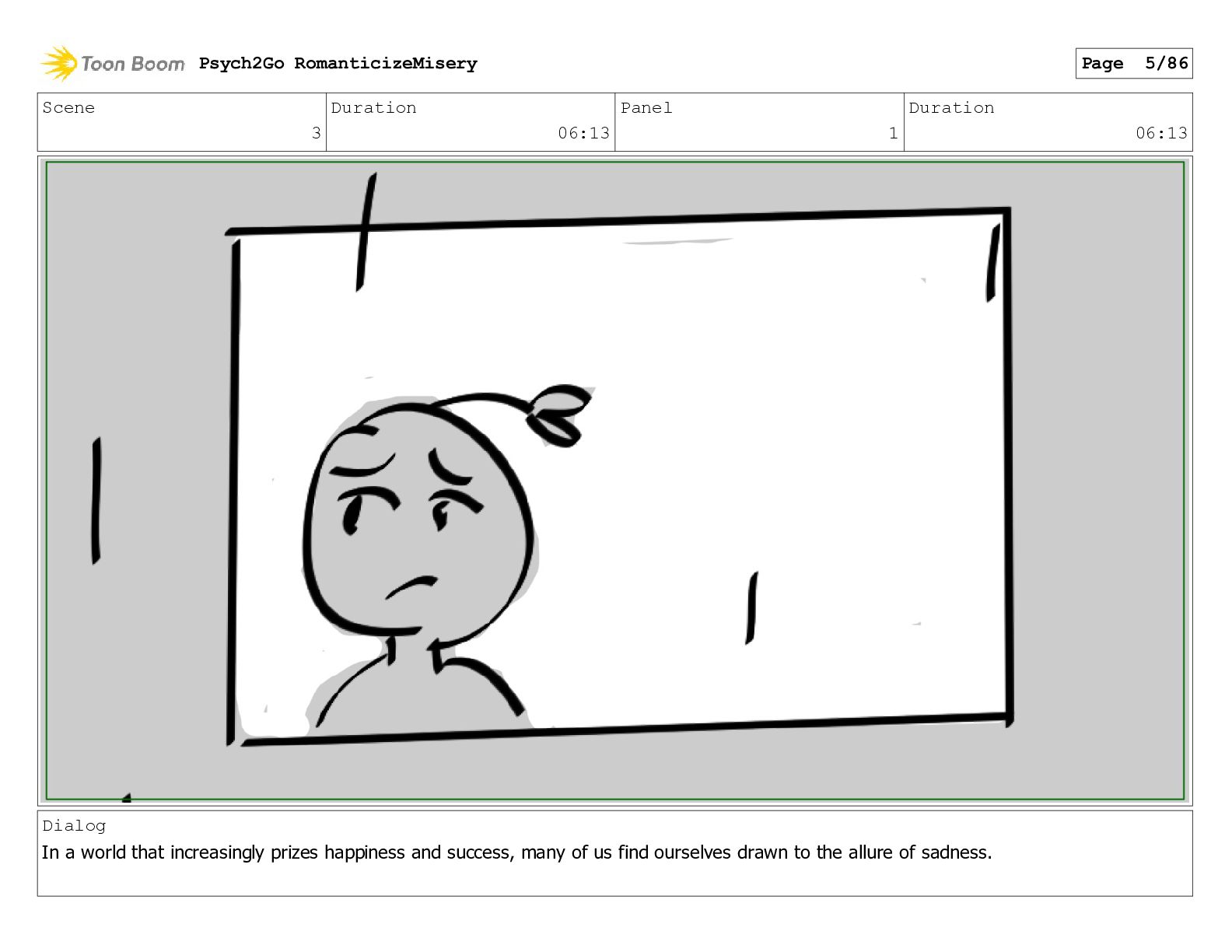
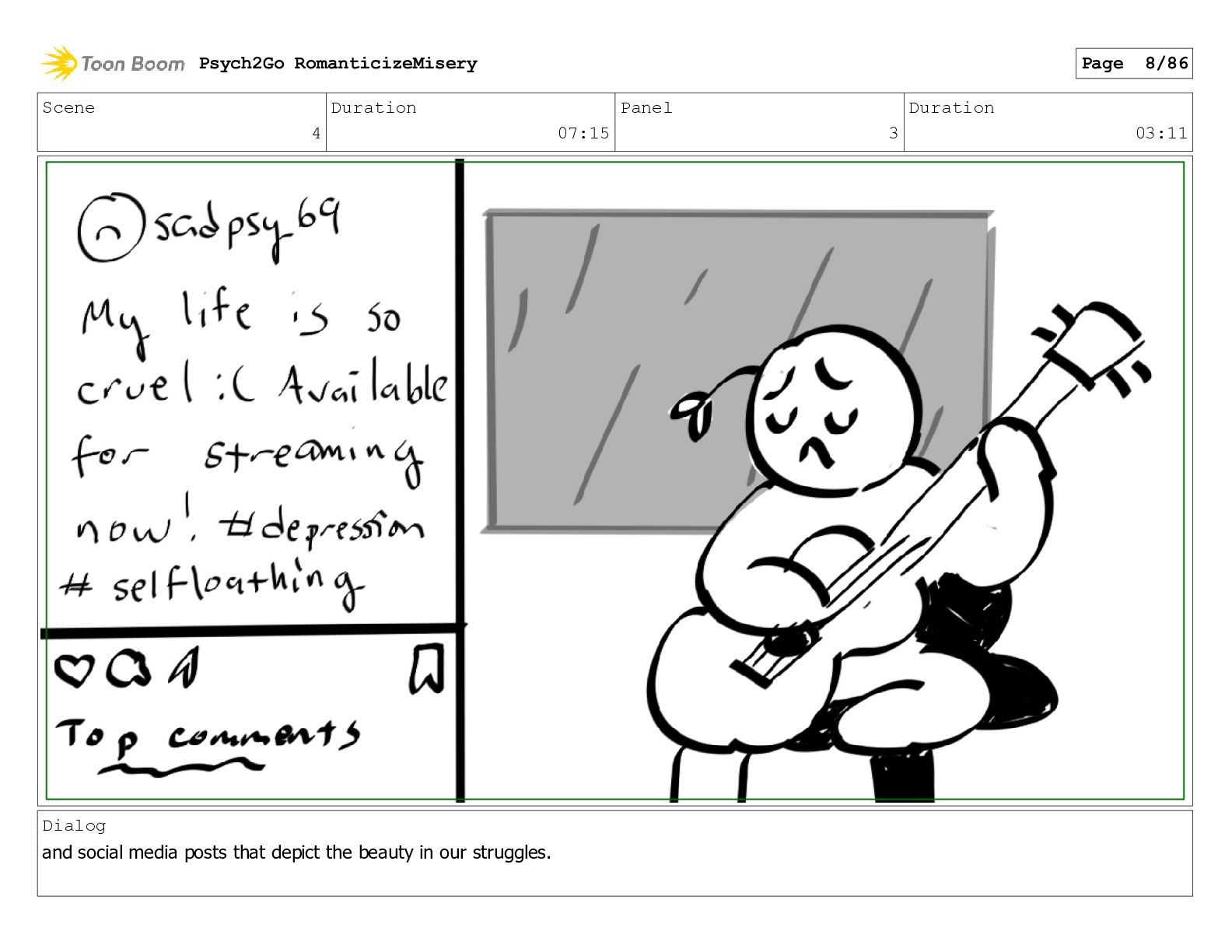
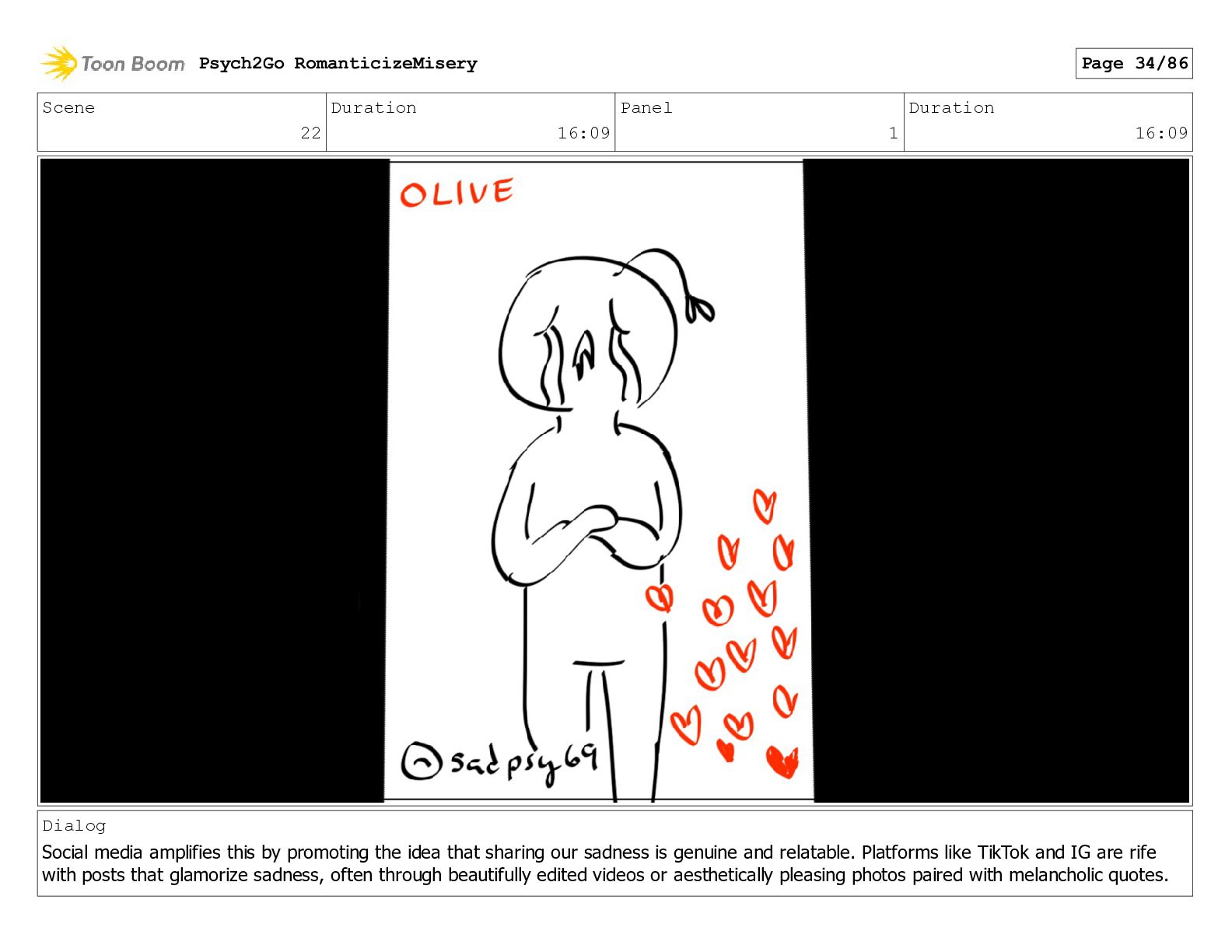
media amplifies this by promoting the idea that sharing our sadness is genuine and relatable. Platforms like TikTok and IG are rife with posts that glamorize sadness, often through beautifully edited videos or aesthetically pleasing photos paired with melancholic quotes. Psych2Go RomanticizeMisery Page 34/86
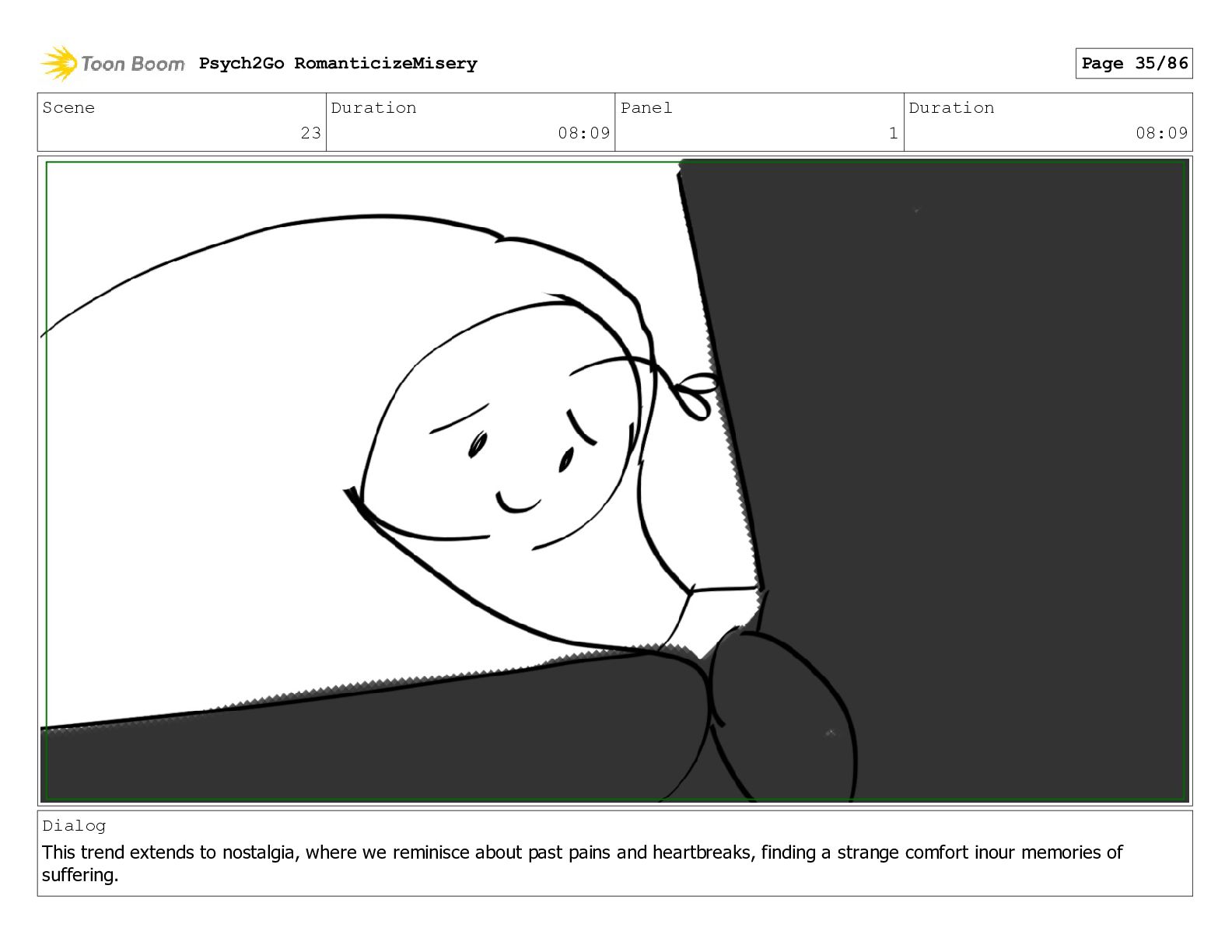
trend extends to nostalgia, where we reminisce about past pains and heartbreaks, finding a strange comfort inour memories of suffering. Psych2Go RomanticizeMisery Page 35/86
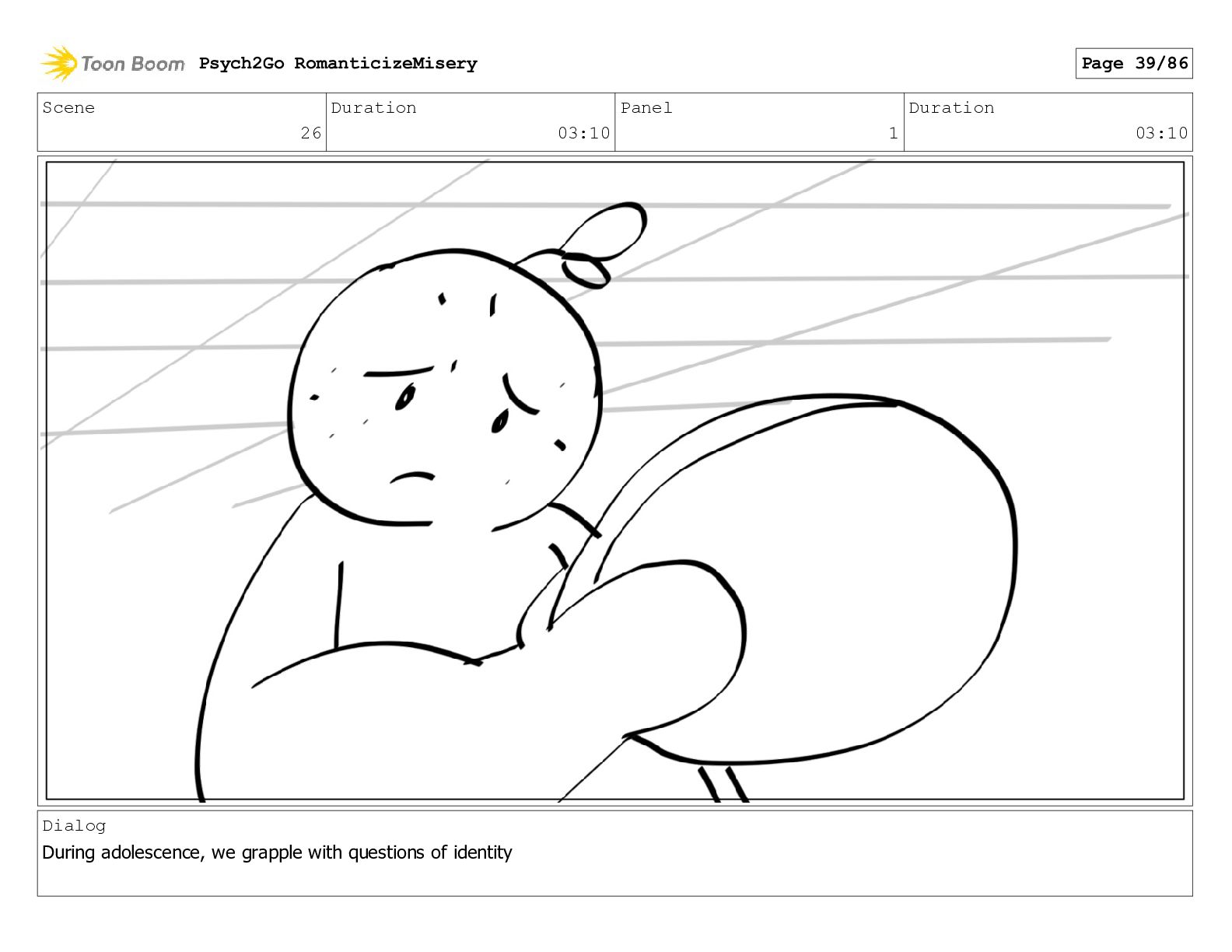
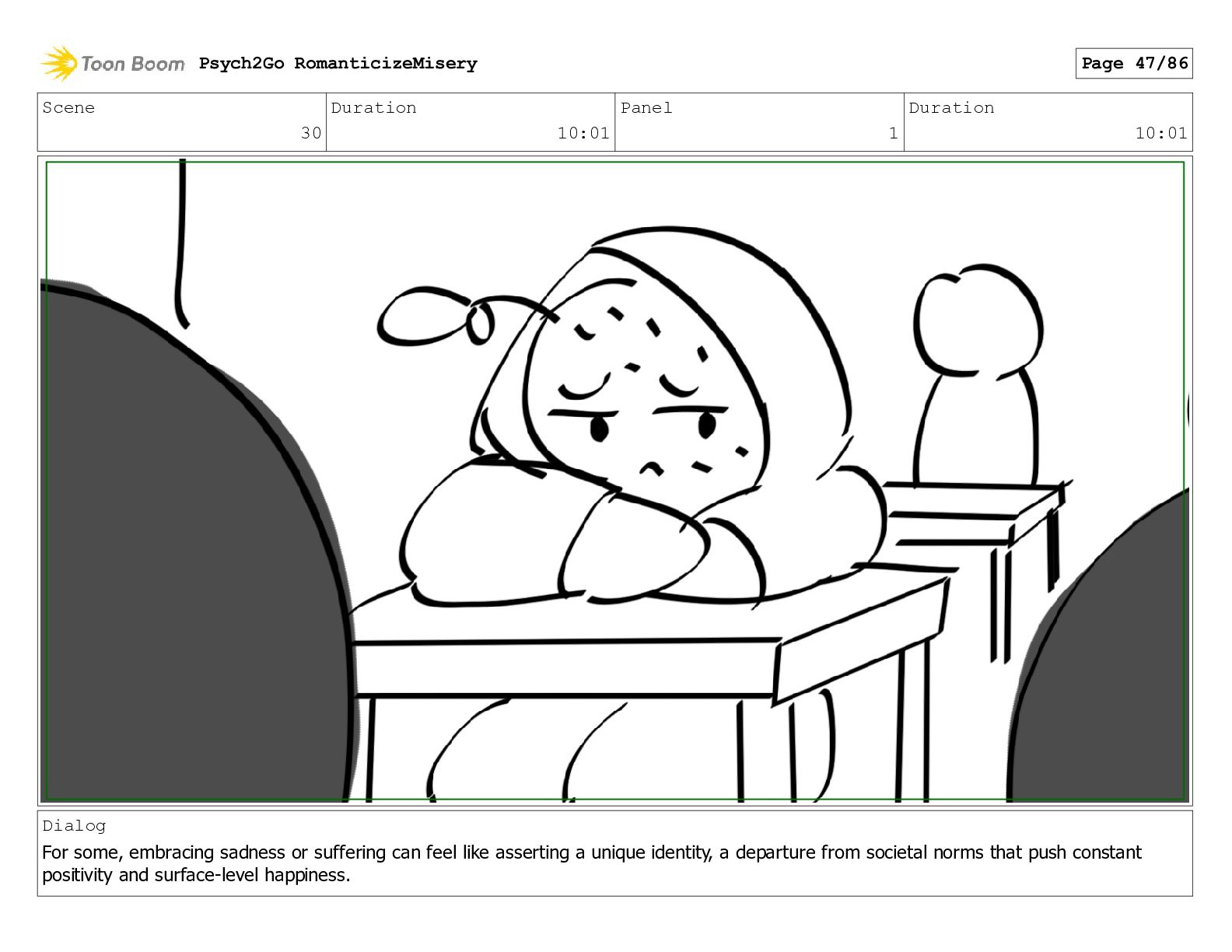
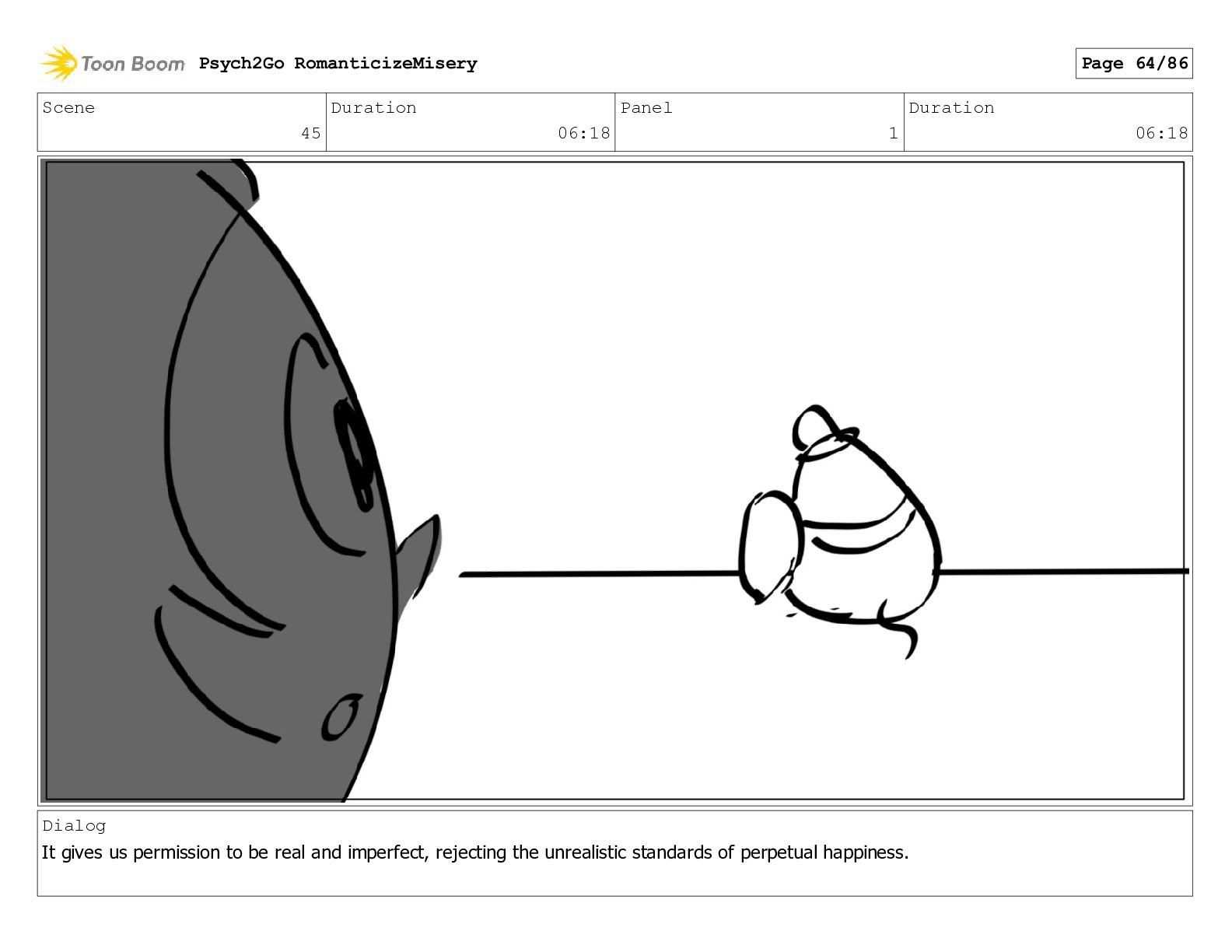
some, embracing sadness or suffering can feel like asserting a unique identity, a departure from societal norms that push constant positivity and surface-level happiness. Psych2Go RomanticizeMisery Page 47/86
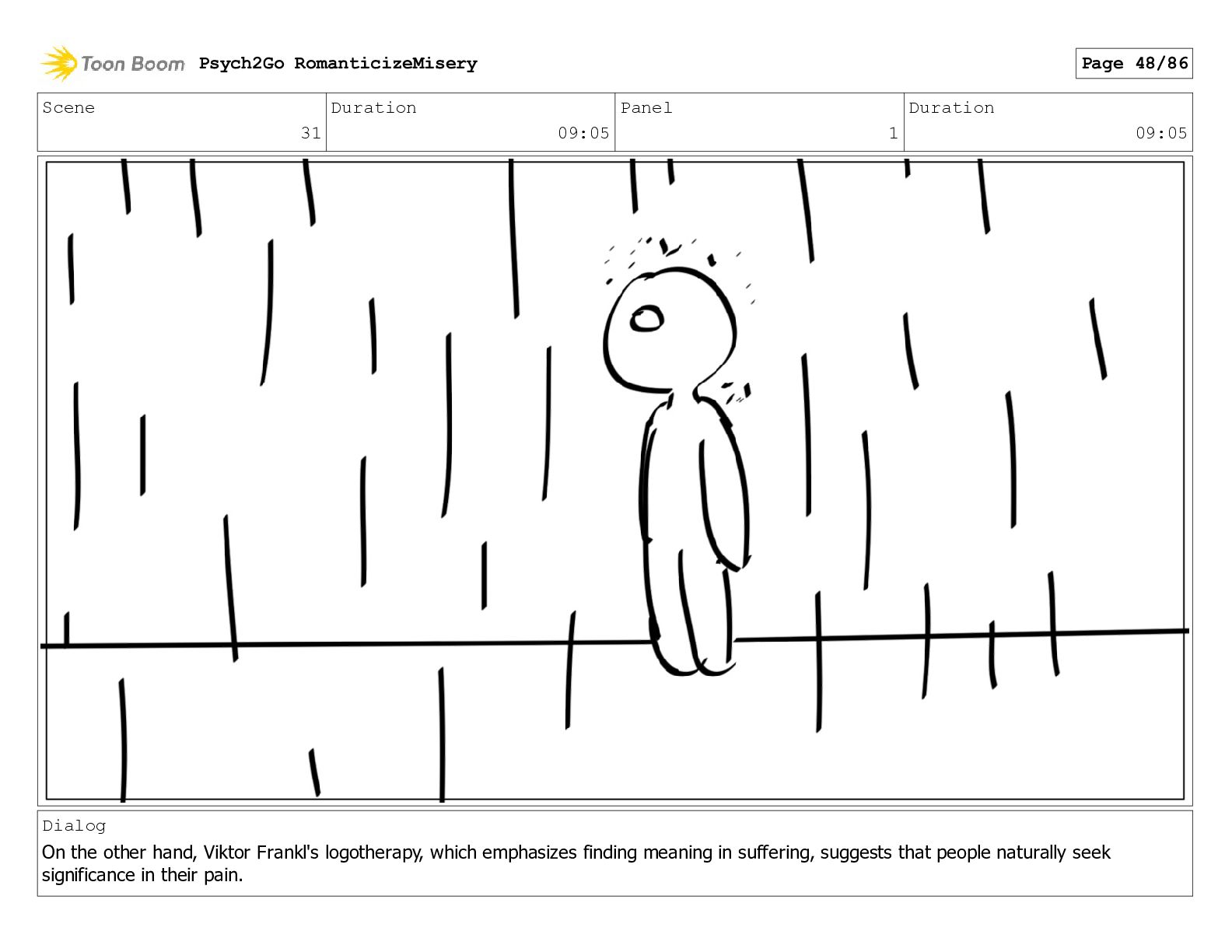
the other hand, Viktor Frankl's logotherapy, which emphasizes finding meaning in suffering, suggests that people naturally seek significance in their pain. Psych2Go RomanticizeMisery Page 48/86
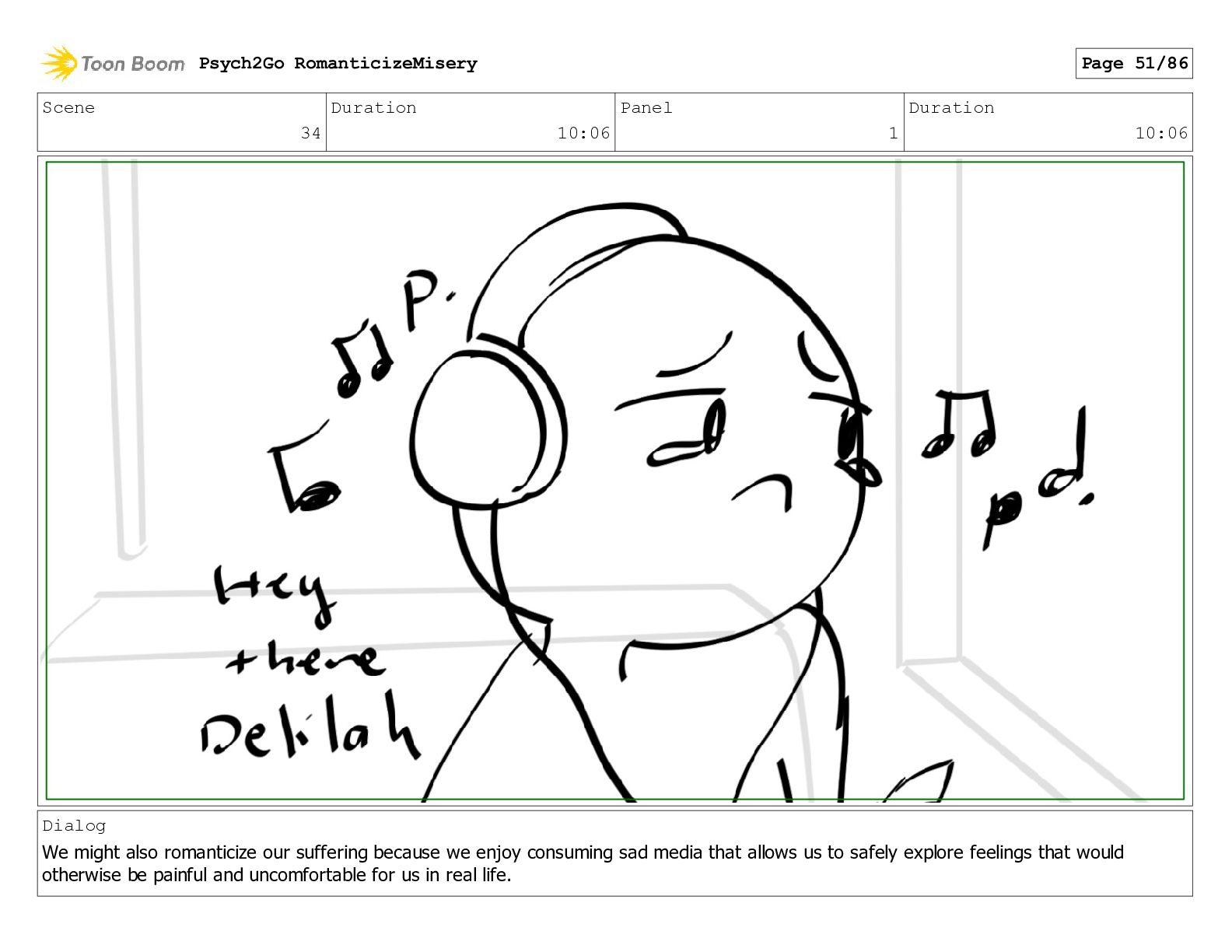
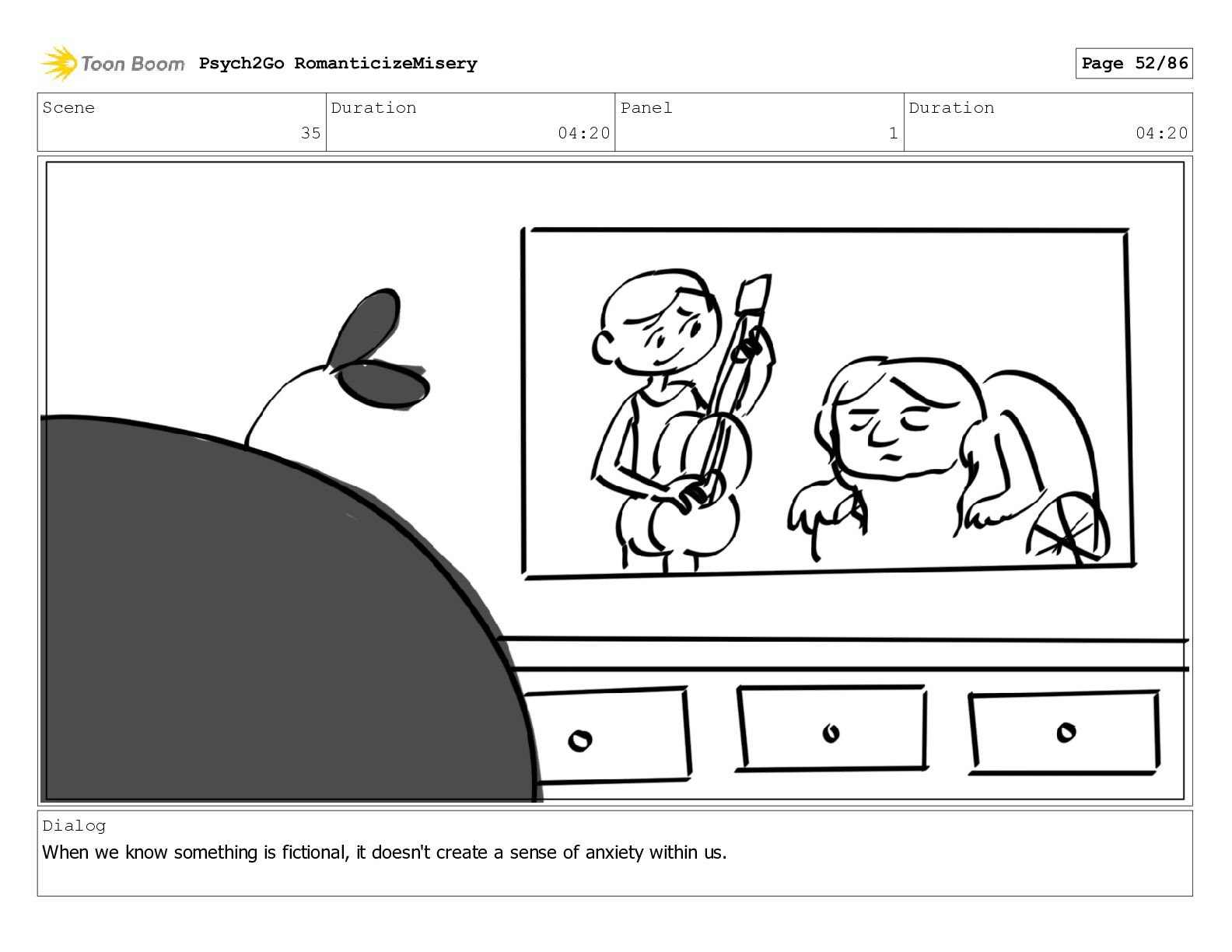
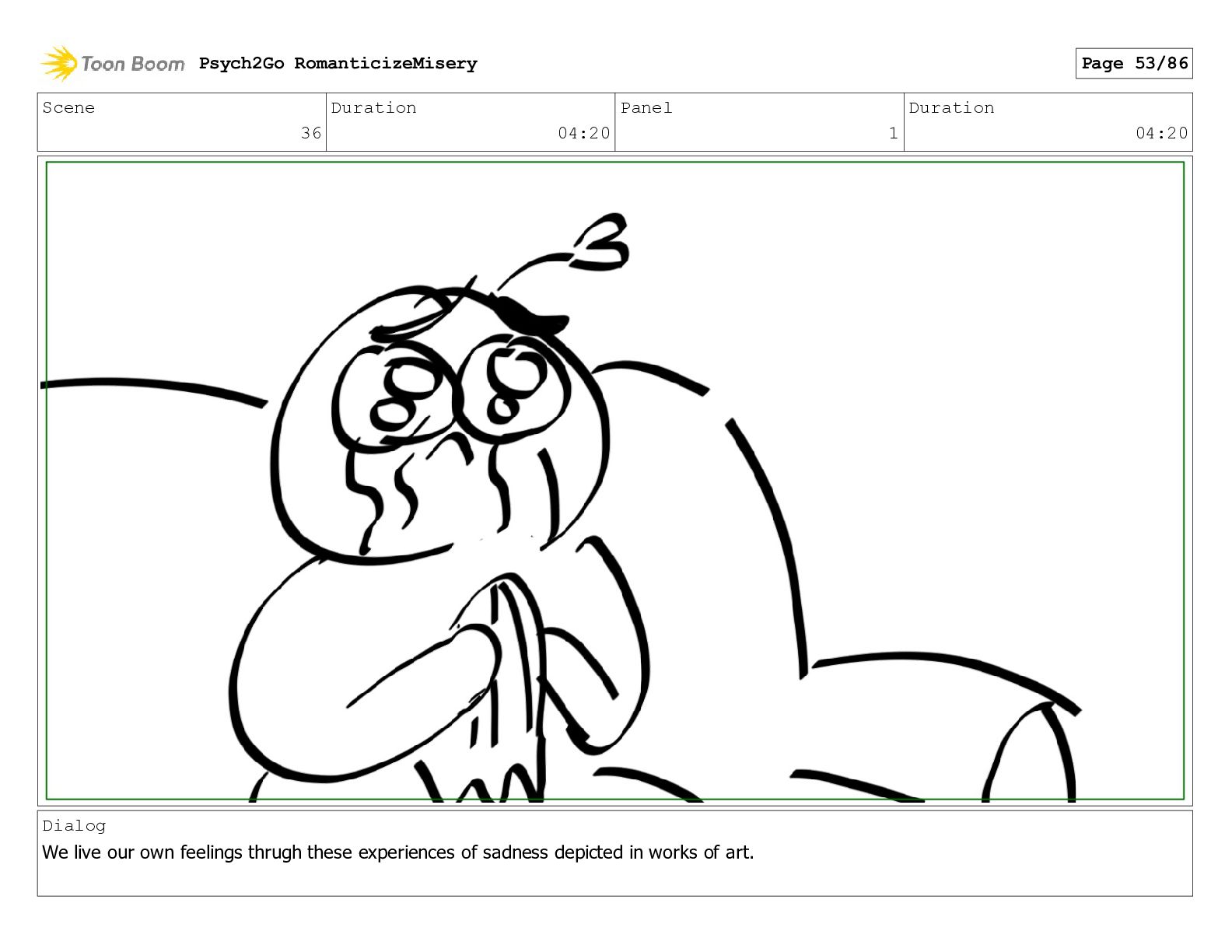
might also romanticize our suffering because we enjoy consuming sad media that allows us to safely explore feelings that would otherwise be painful and uncomfortable for us in real life. Psych2Go RomanticizeMisery Page 51/86
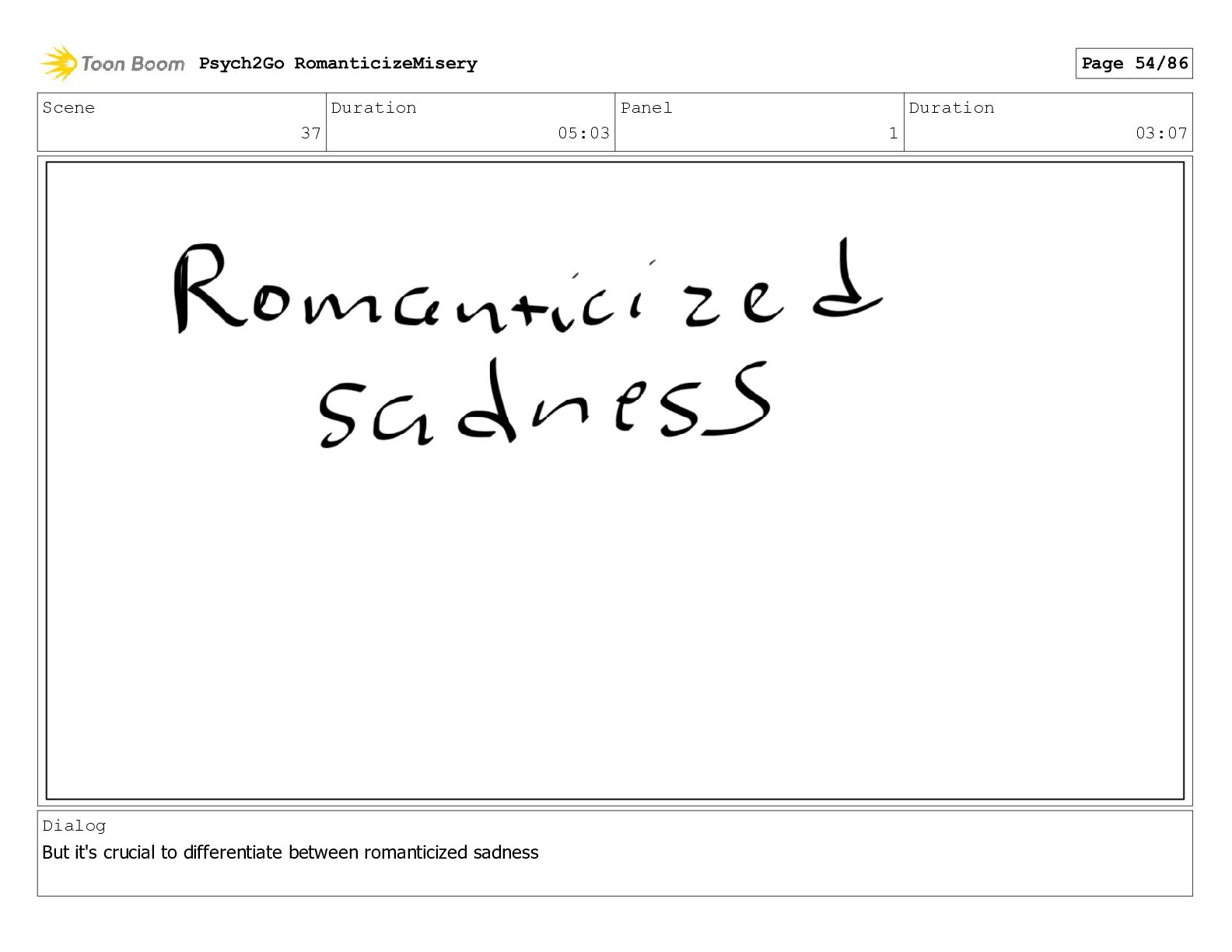
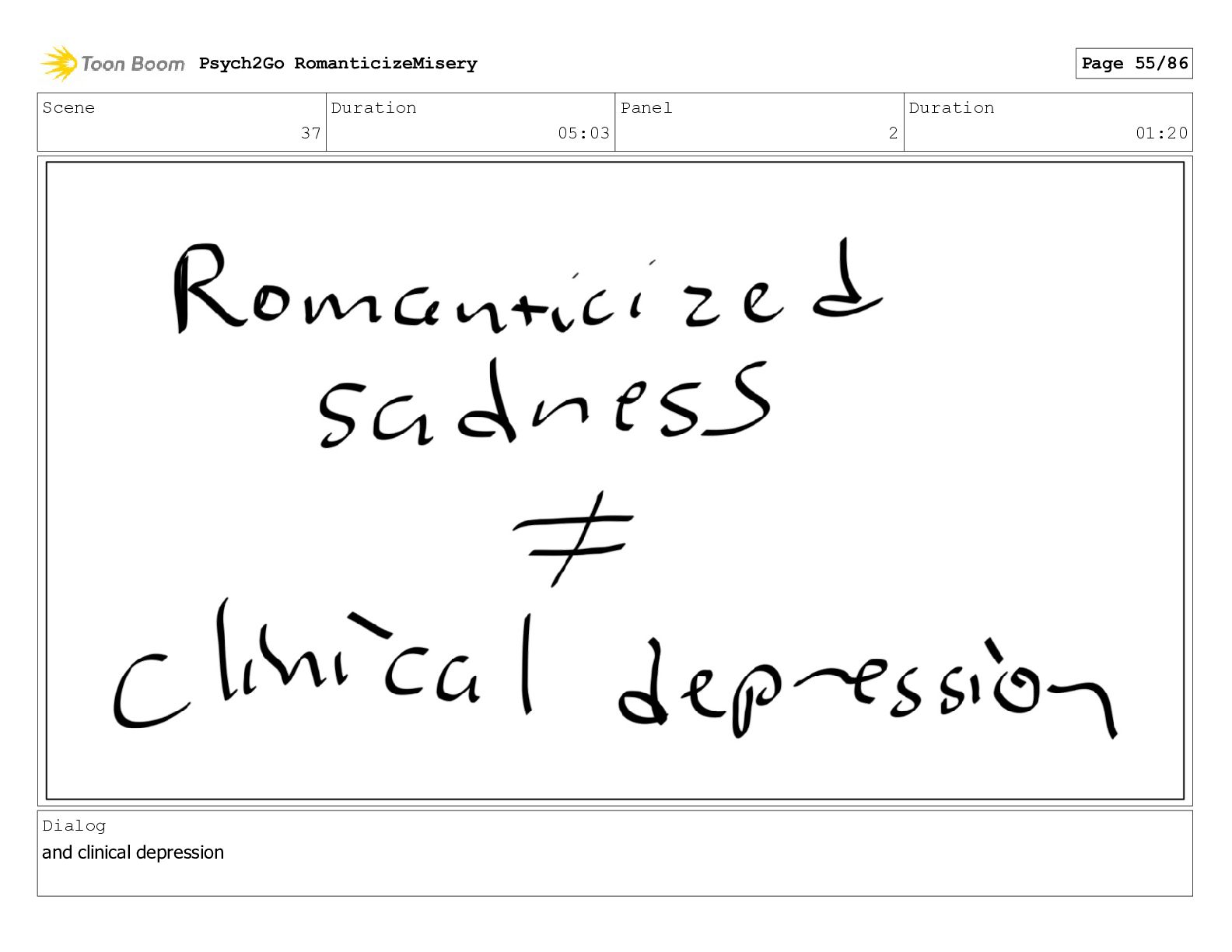
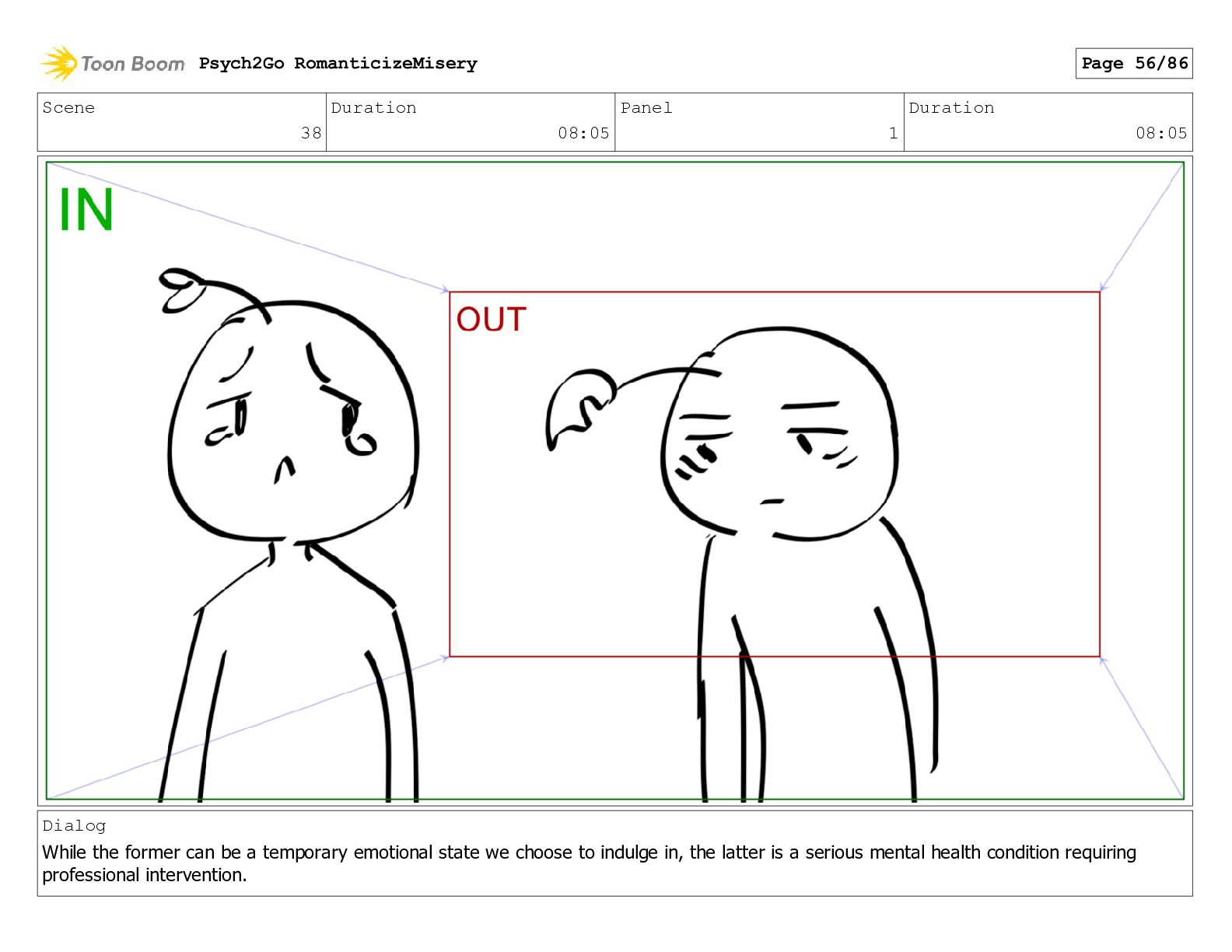
the former can be a temporary emotional state we choose to indulge in, the latter is a serious mental health condition requiring professional intervention. Psych2Go RomanticizeMisery Page 56/86
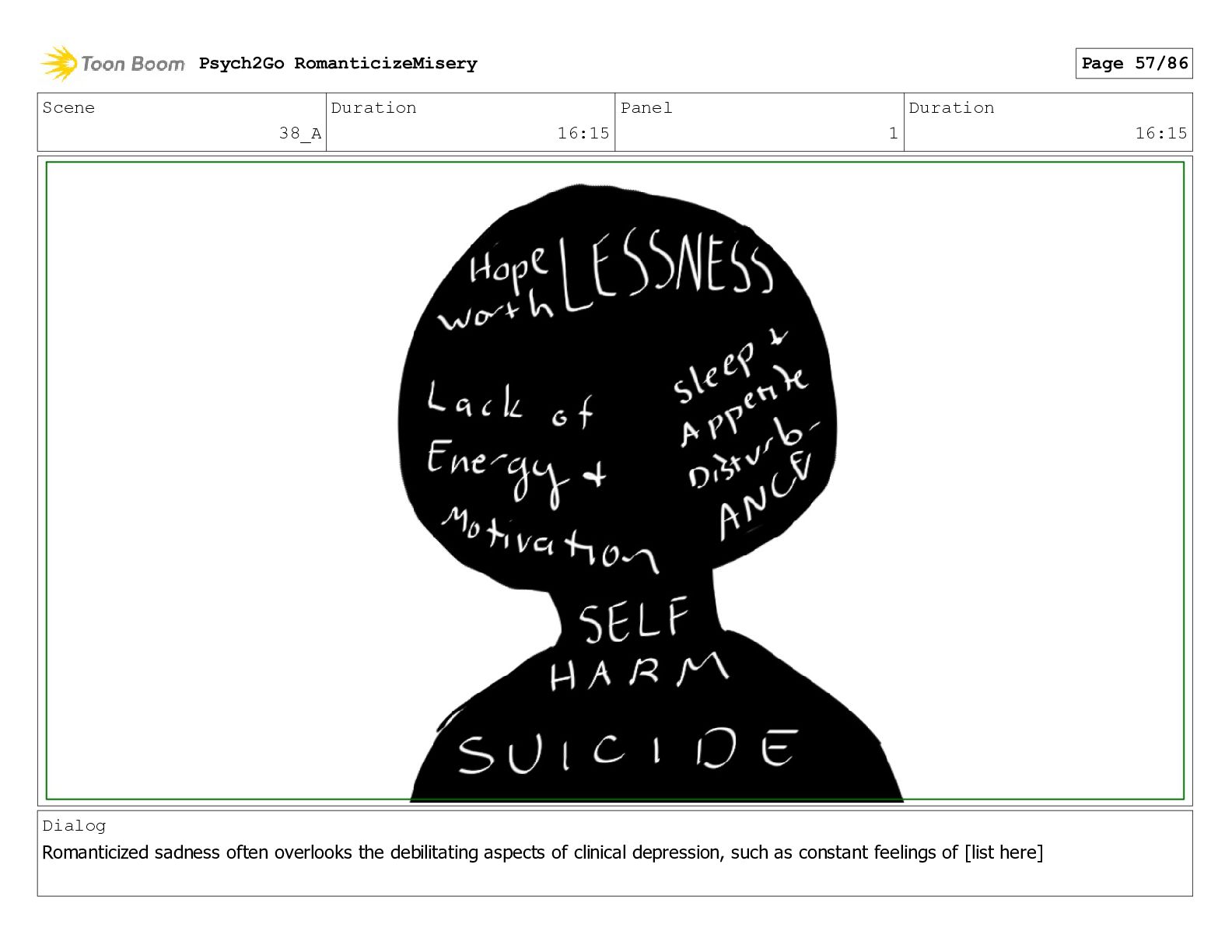
sadness often overlooks the debilitating aspects of clinical depression, such as constant feelings of [list here] Psych2Go RomanticizeMisery Page 57/86
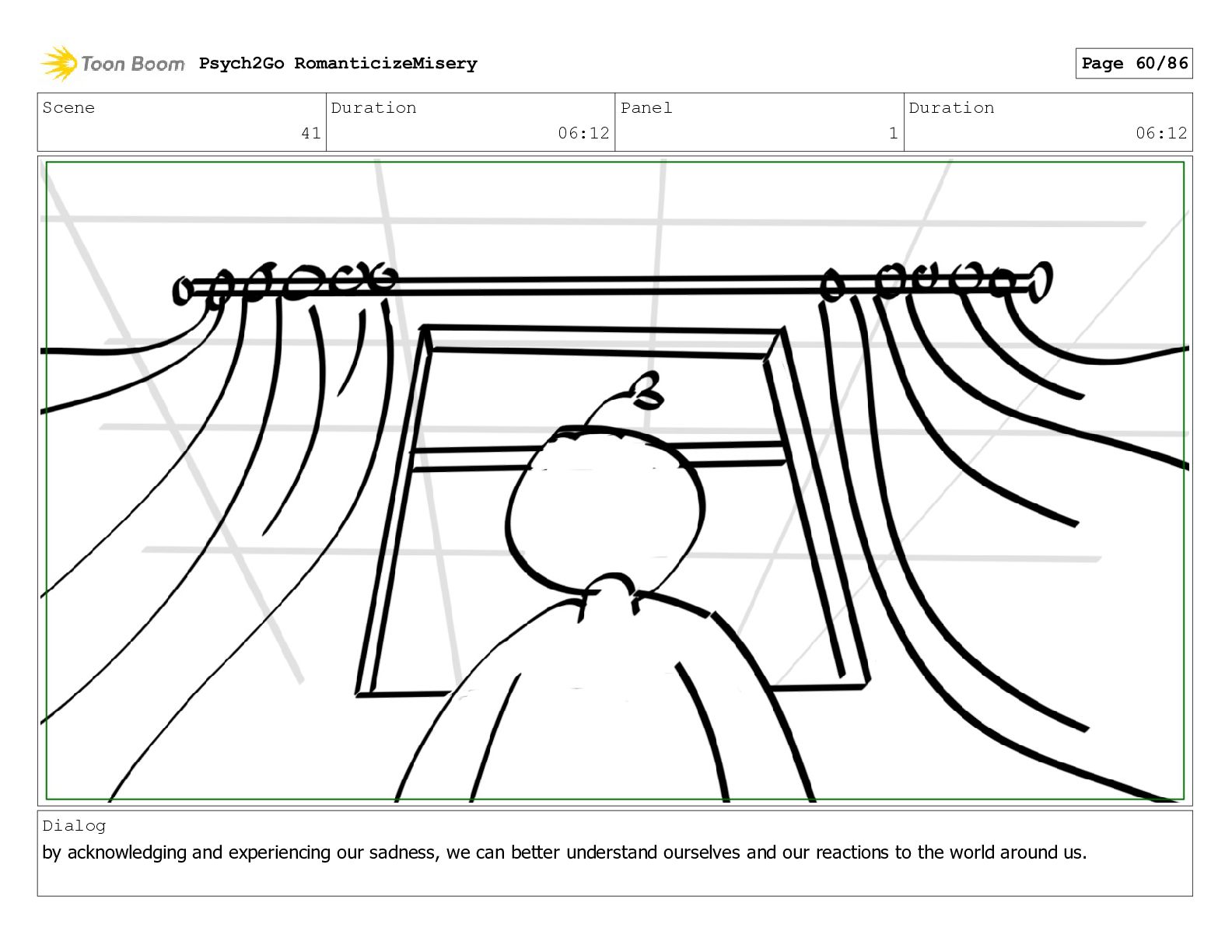
acknowledging and experiencing our sadness, we can better understand ourselves and our reactions to the world around us. Psych2Go RomanticizeMisery Page 60/86
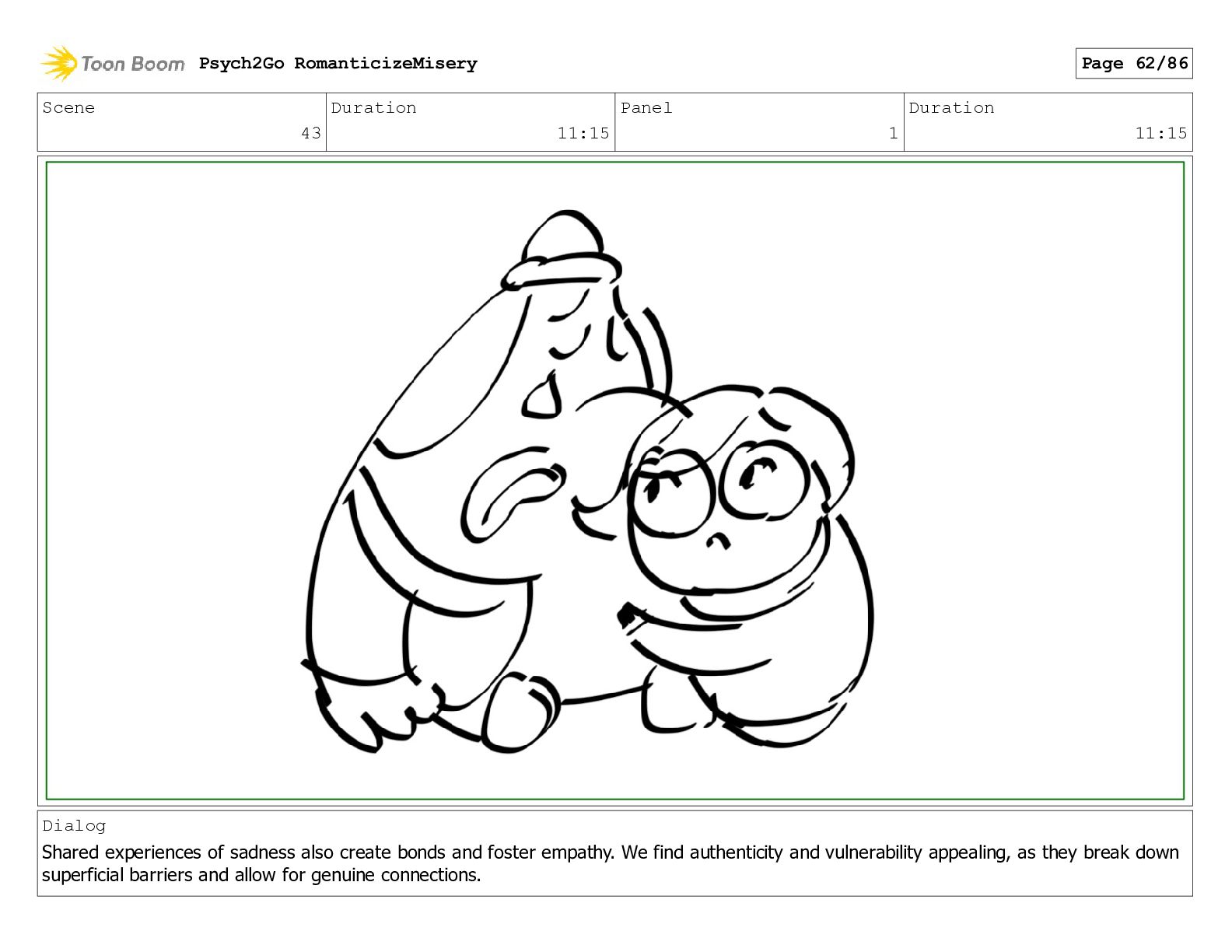
experiences of sadness also create bonds and foster empathy. We find authenticity and vulnerability appealing, as they break down superficial barriers and allow for genuine connections. Psych2Go RomanticizeMisery Page 62/86
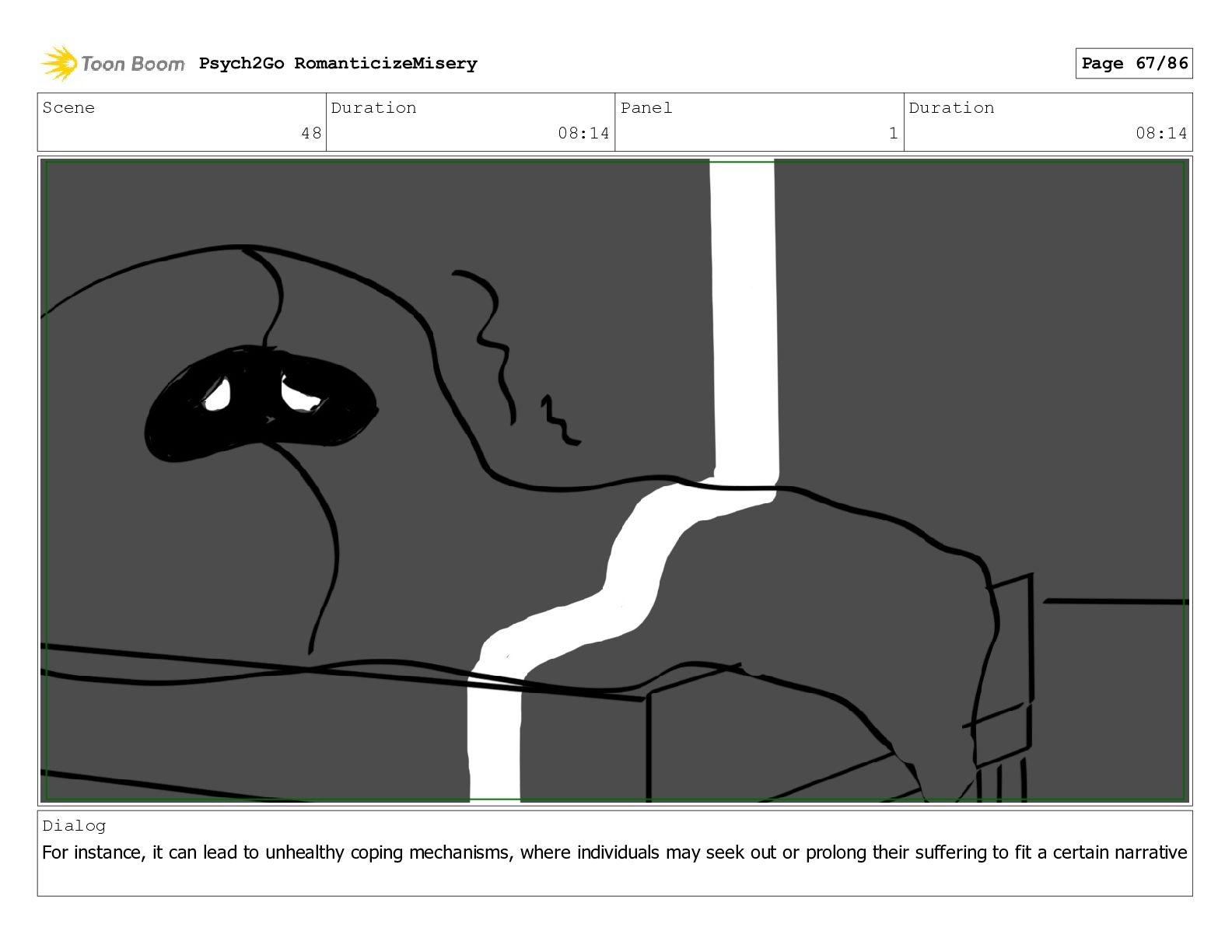
instance, it can lead to unhealthy coping mechanisms, where individuals may seek out or prolong their suffering to fit a certain narrative Psych2Go RomanticizeMisery Page 67/86
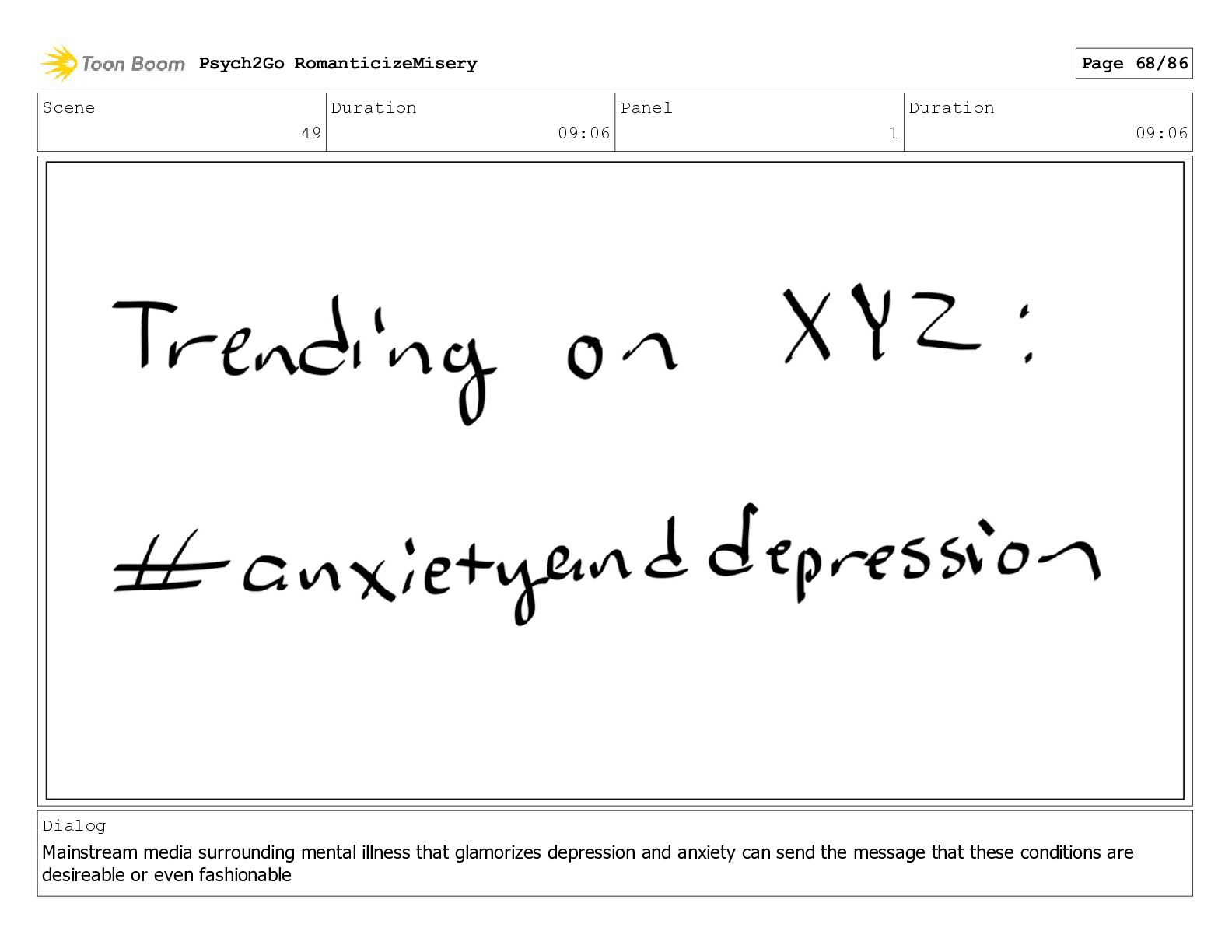
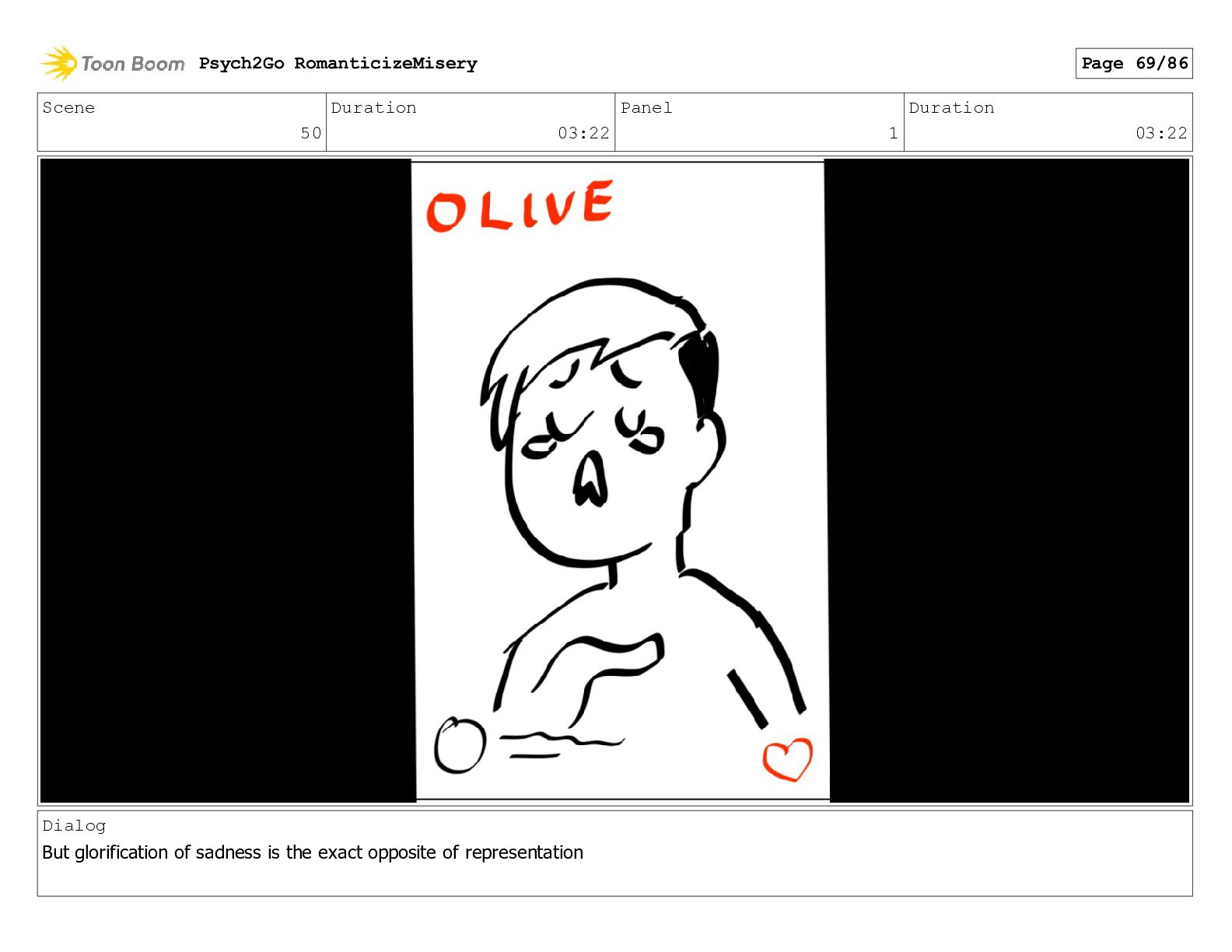
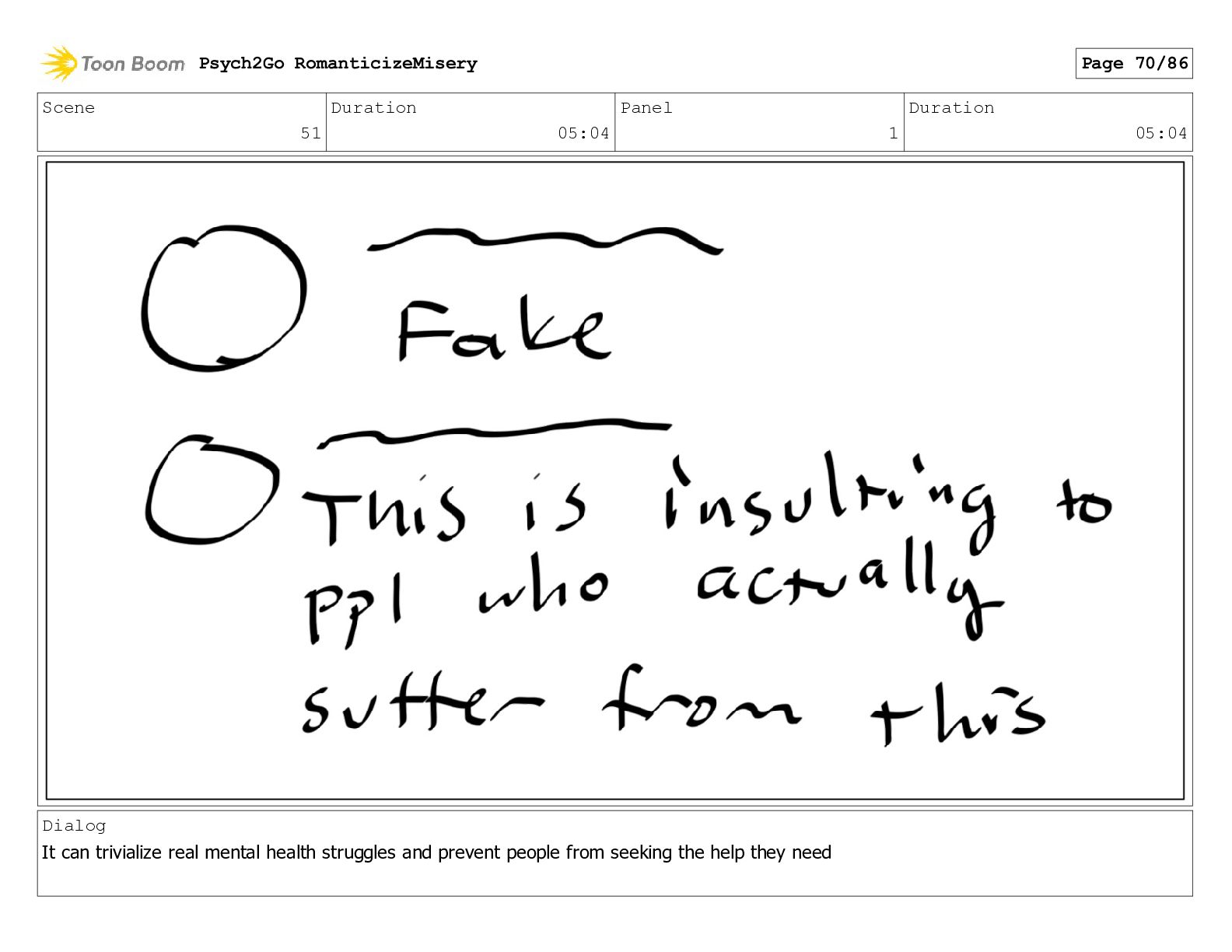
media surrounding mental illness that glamorizes depression and anxiety can send the message that these conditions are desireable or even fashionable Psych2Go RomanticizeMisery Page 68/86
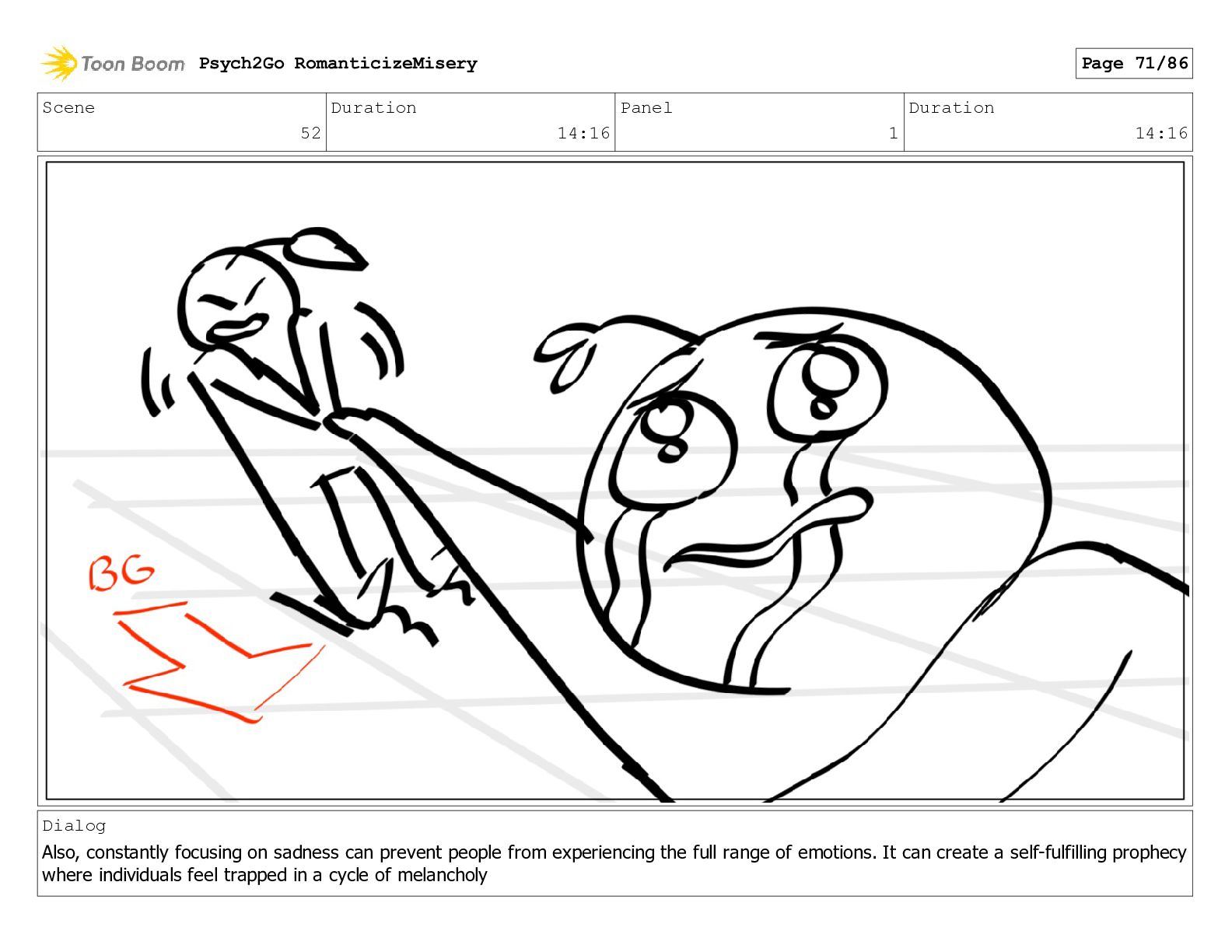
constantly focusing on sadness can prevent people from experiencing the full range of emotions. It can create a self-fulfilling prophecy where individuals feel trapped in a cycle of melancholy Psych2Go RomanticizeMisery Page 71/86
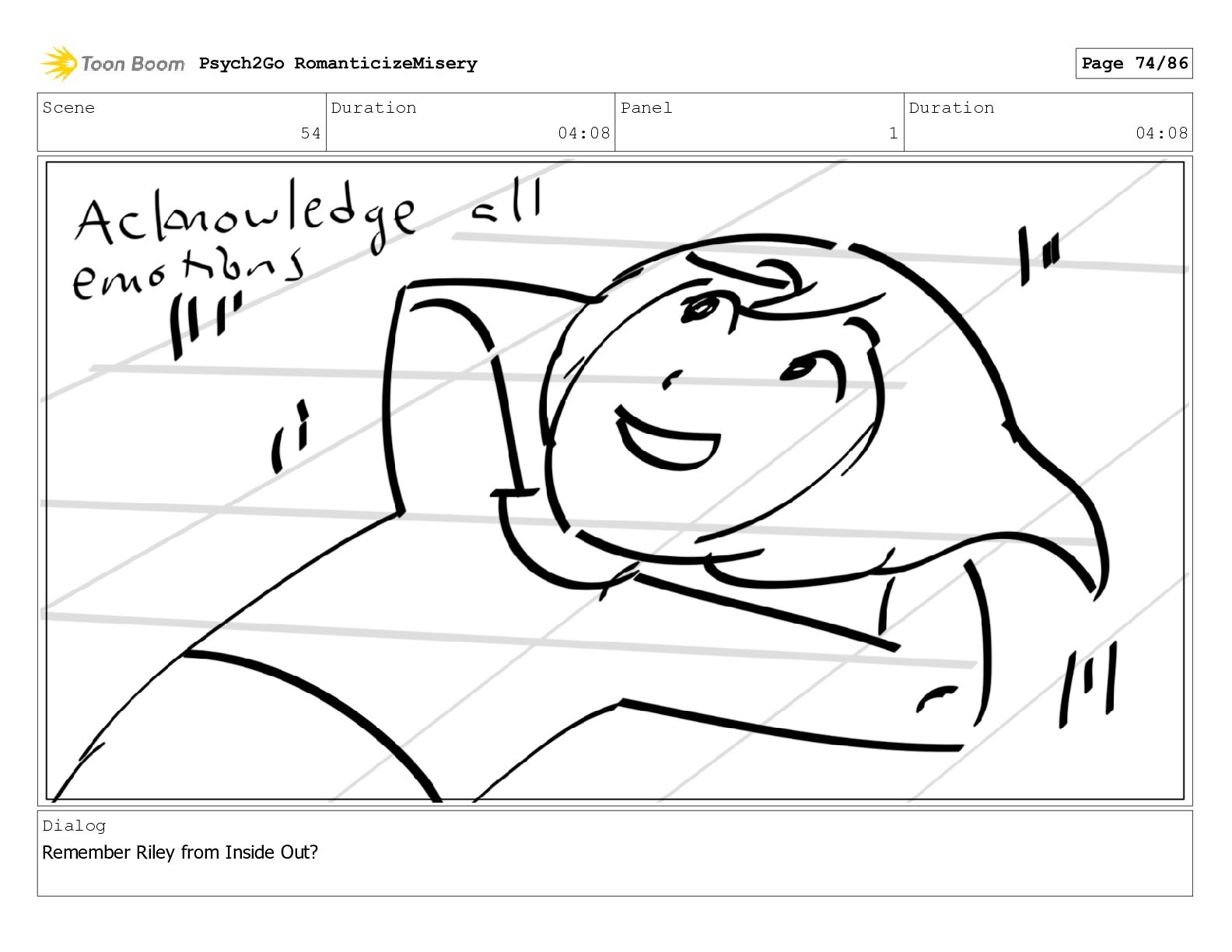
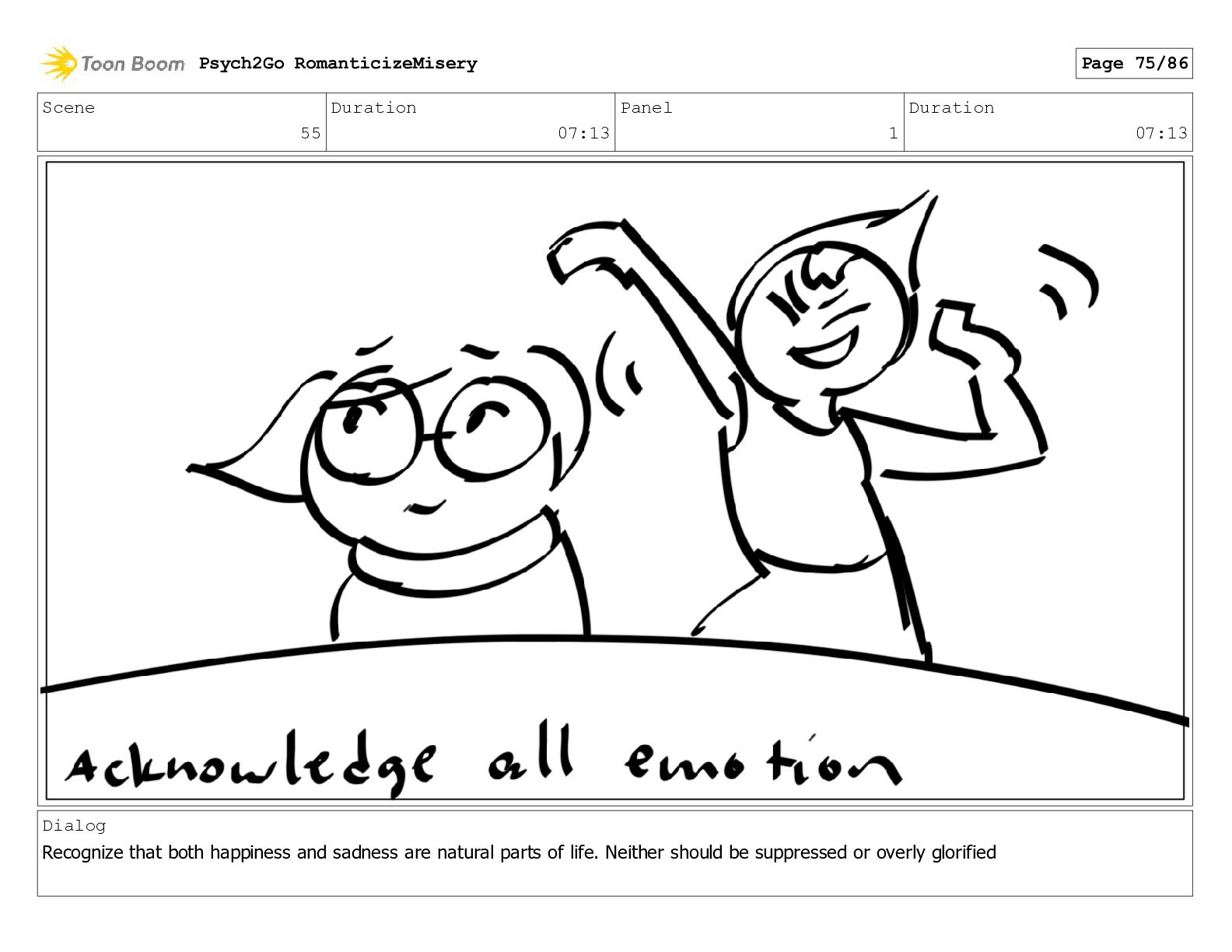
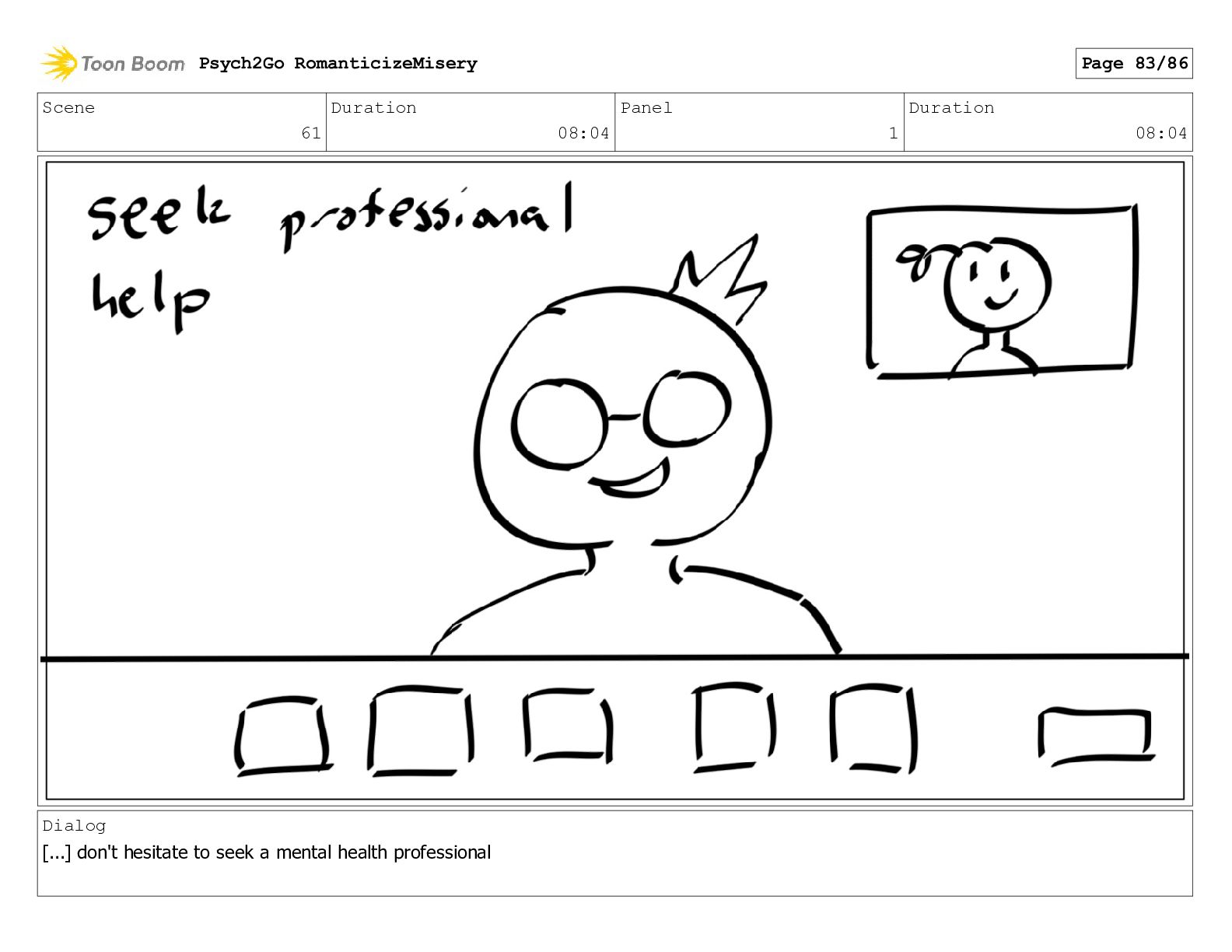
appreciate the value of all emotions without getting stuck in sadness, consider these practical, psychology-backed tips: Psych2Go RomanticizeMisery Page 73/86
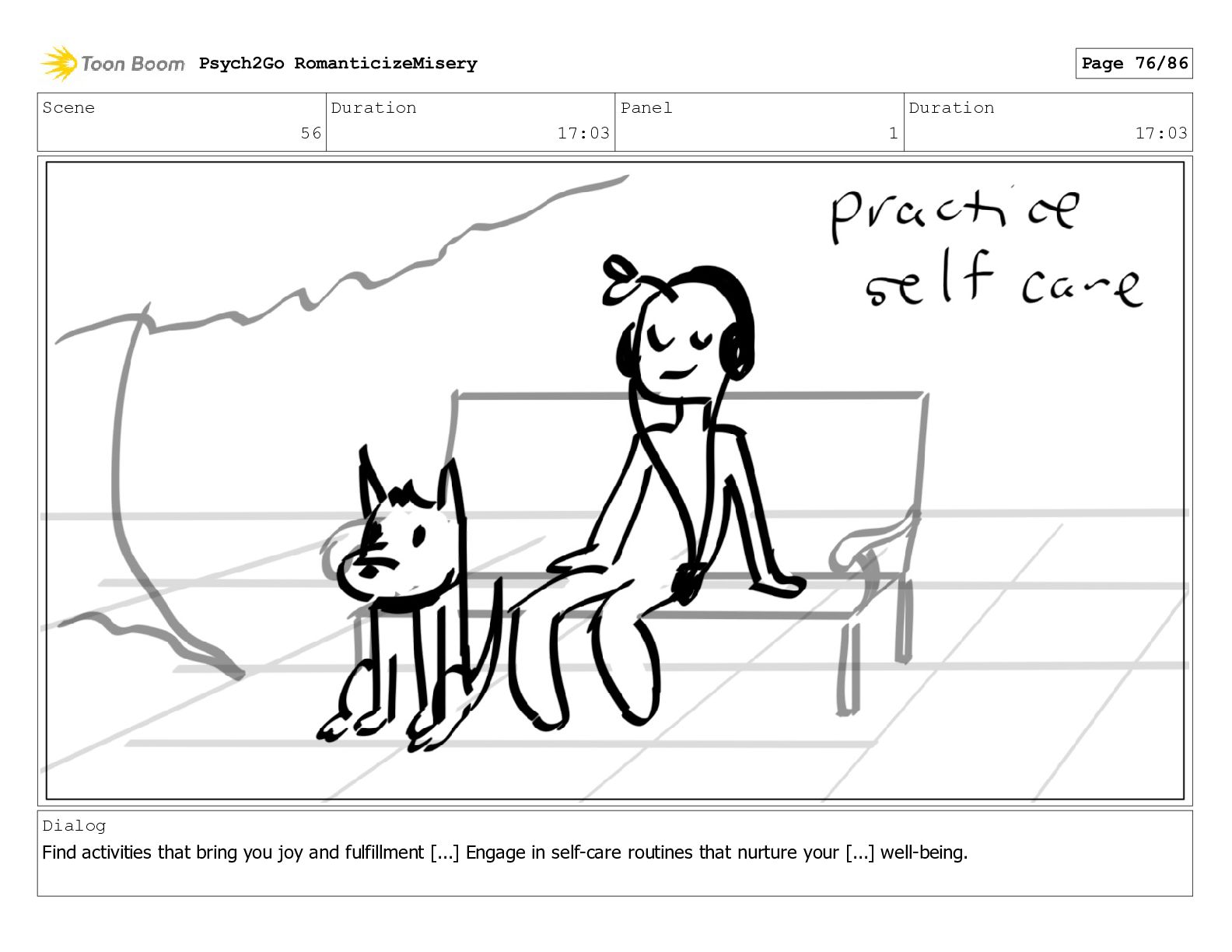
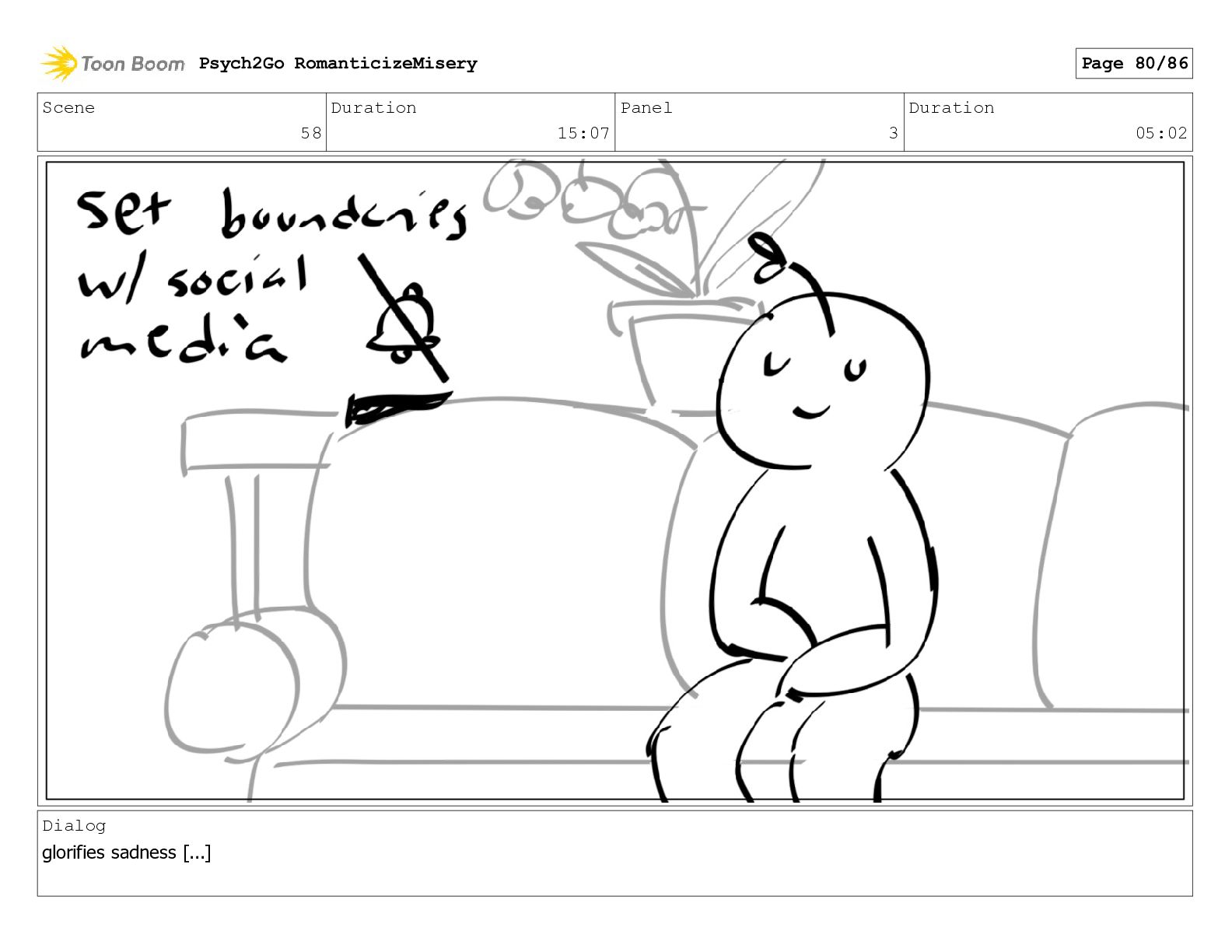
activities that bring you joy and fulfillment [...] Engage in self-care routines that nurture your [...] well-being. Psych2Go RomanticizeMisery Page 76/86


 dandansoysauce2011
 tonyrice
 colly
 bkeepers
 auna
 jdejongh
 mlcsv
 techseoconnect
 samtorres
 ryanjones
 tammyeverts
 tmiket
 sstephenson