Upgrade to Pro — share decks privately, control downloads, hide ads and more …

7-9-26 - Boston Java Users ACM Chapter - Reinve...

7-9-26 - Boston Java Users ACM Chapter - Reinventing testing practices in the AI era

From https://www.meetup.com/nejug1/events/315171444/

Testing is hard, which is why developers tend to avoid it. Testing non-deterministic things is even harder, which is unfortunate, since we're all writing AI-infused applications, and AI models are notoriously non-deterministic. What happens when the applications start using advanced features, such as RAG, tools, and agents? How do you test these applications? There must be some tools, technologies, and practices out there that can help, while not costing your organization lots of money!

Join Eric as he visits a topic he’s been chasing for well over a year. The AI landscape changes at a breathtaking pace, so what new capabilities and strategies are available?

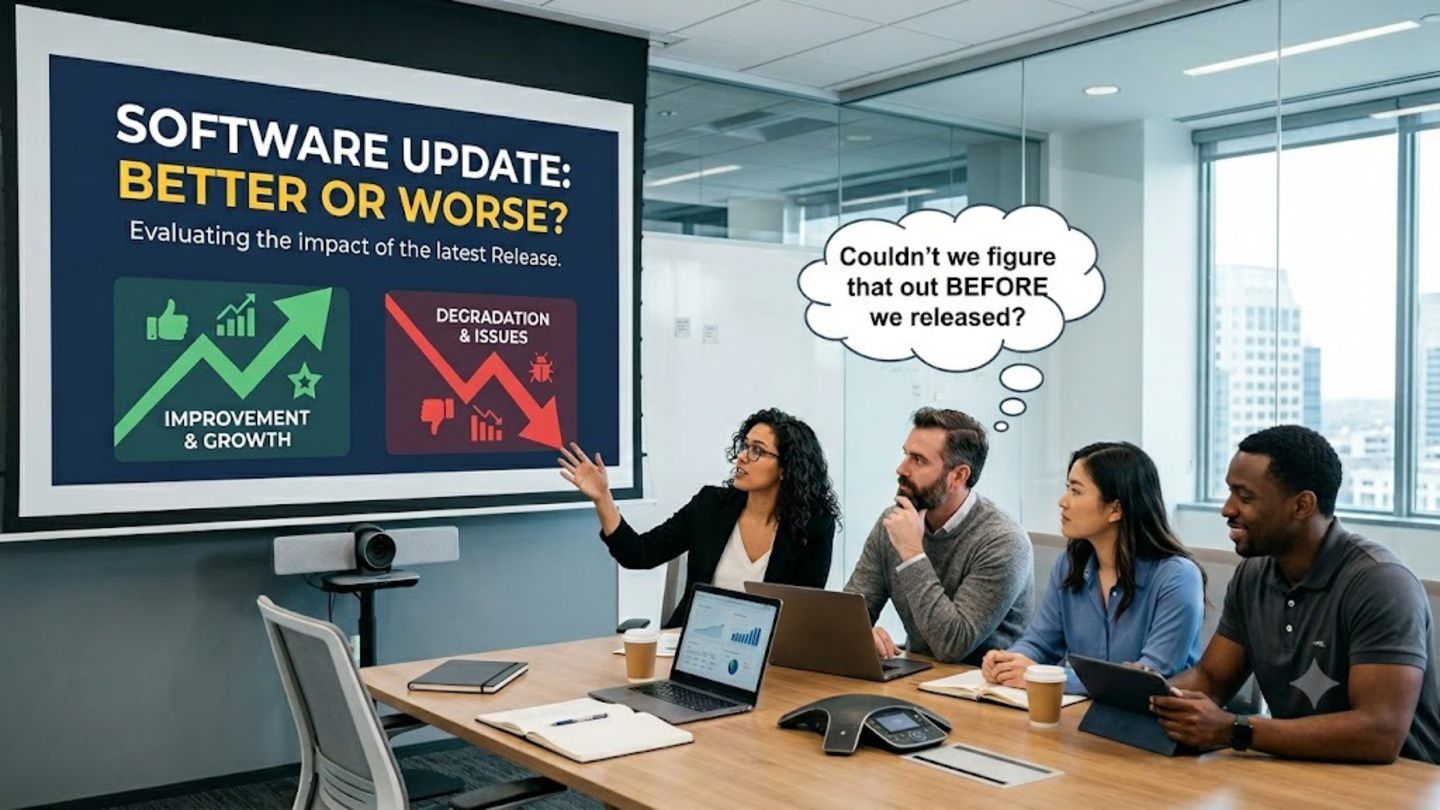
Hopefully by the end of the presentation you will be able to answer the question "If I change my model/prompt/application, did I get better or worse"?

Avatar for Eric Deandrea

Eric Deandrea PRO

July 09, 2026

More Decks by Eric Deandrea

Other Decks in Technology

Transcript

  1. @edeandrea What are you hoping to learn here? What are

    you hoping to learn here? What are you going to leave with?
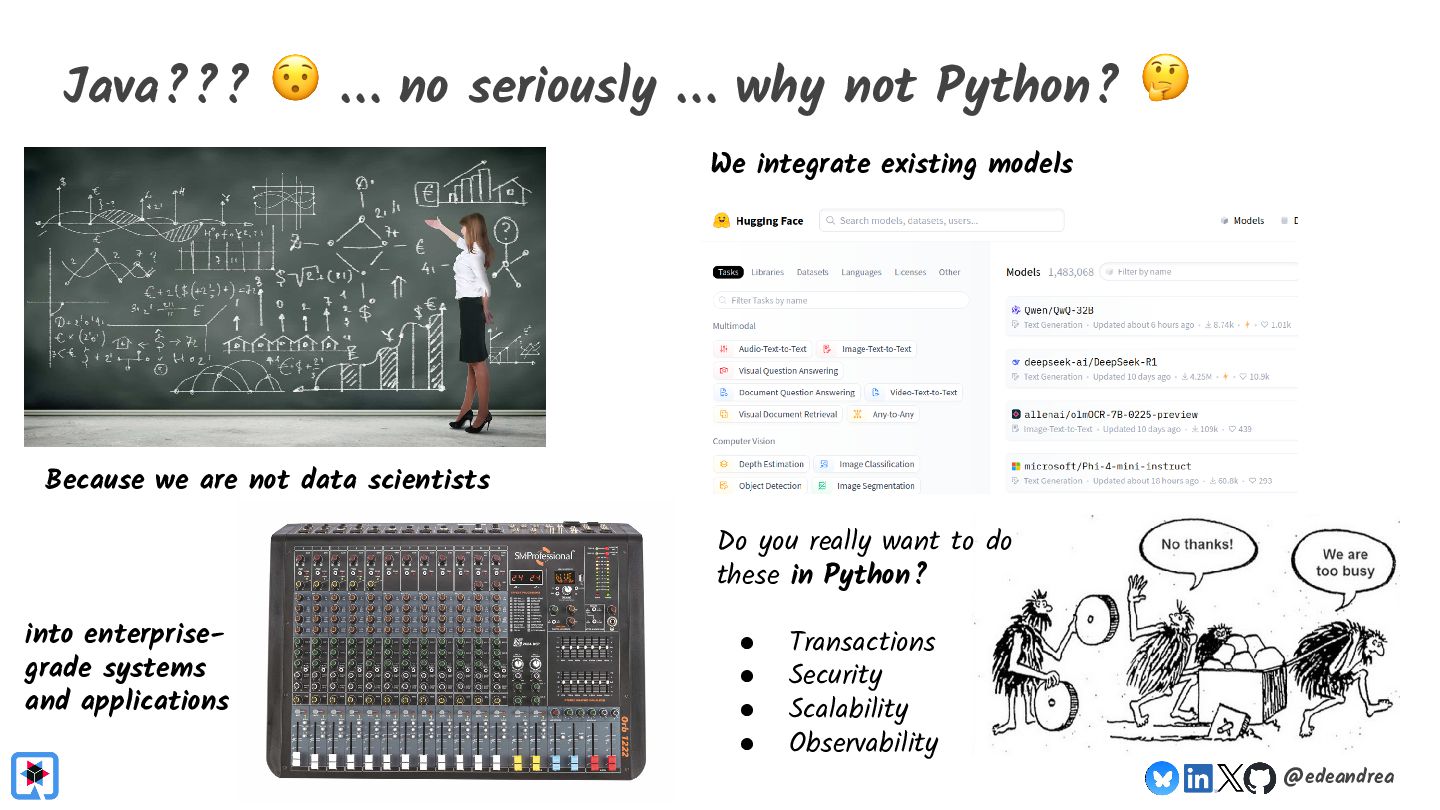
  2. @edeandrea Because we are not data scientists We integrate existing

    models Do you really want to do these in Python? • Transactions • Security • Scalability • Observability into enterprise- grade systems and applications Java??? 😯 … no seriously … why not Python? 🤔
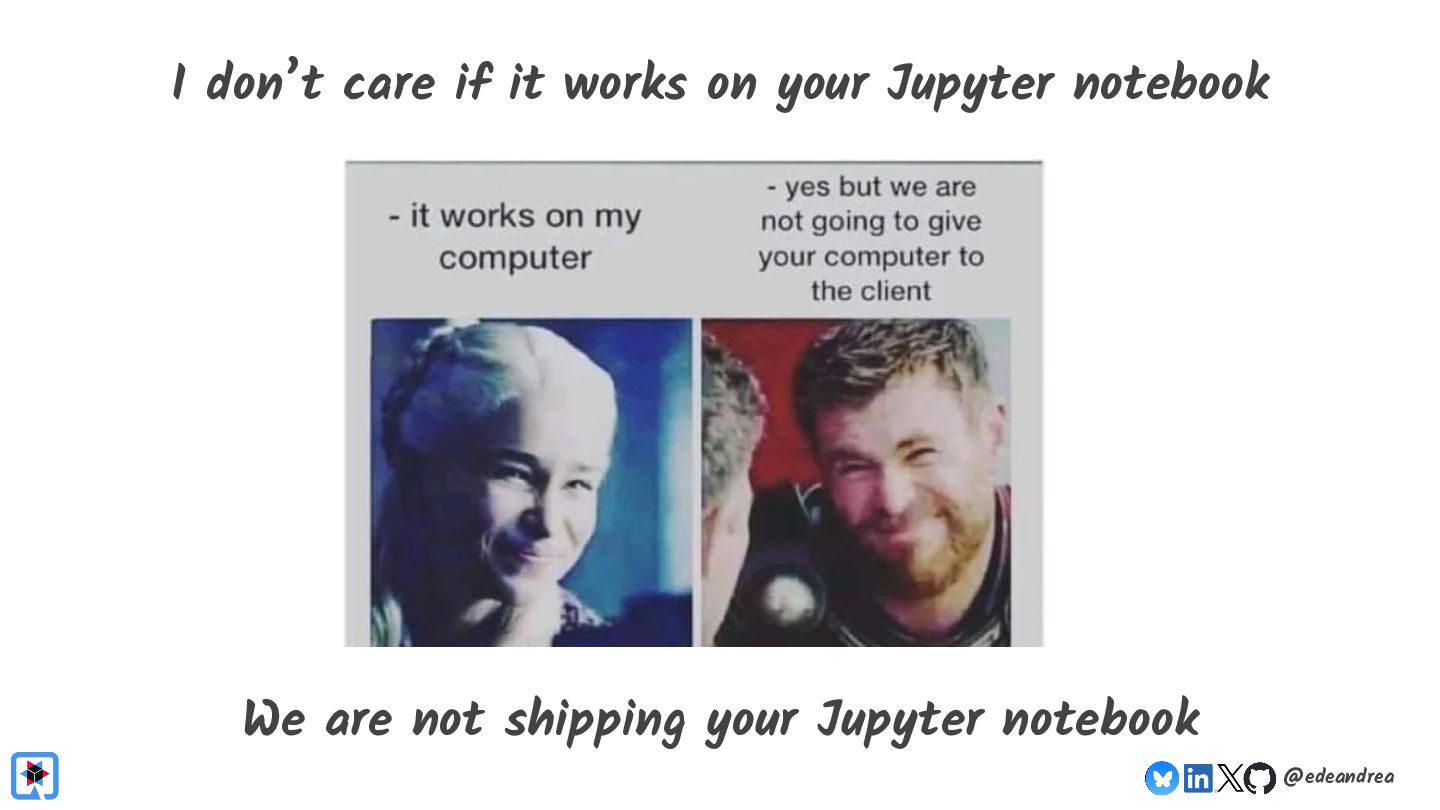
  3. @edeandrea I don’t care if it works on your Jupyter

    notebook We are not shipping your Jupyter notebook
  4. @edeandrea • Java Champion • 27+ years software development experience

    • Works on Open Source projects Quarkus LangChain4j, Quarkus LangChain4j Docling Java Langfuse Java, Quarkus Langfuse Spring Boot, Spring Framework, Spring Security Testcontainers Wiremock Microcks • Boston Java Users ACM Chapter Vice Chair & Board Member • Published Author • Cat lover Who am I?
  5. @edeandrea • Showcase & explain Quarkus, how it enables modern

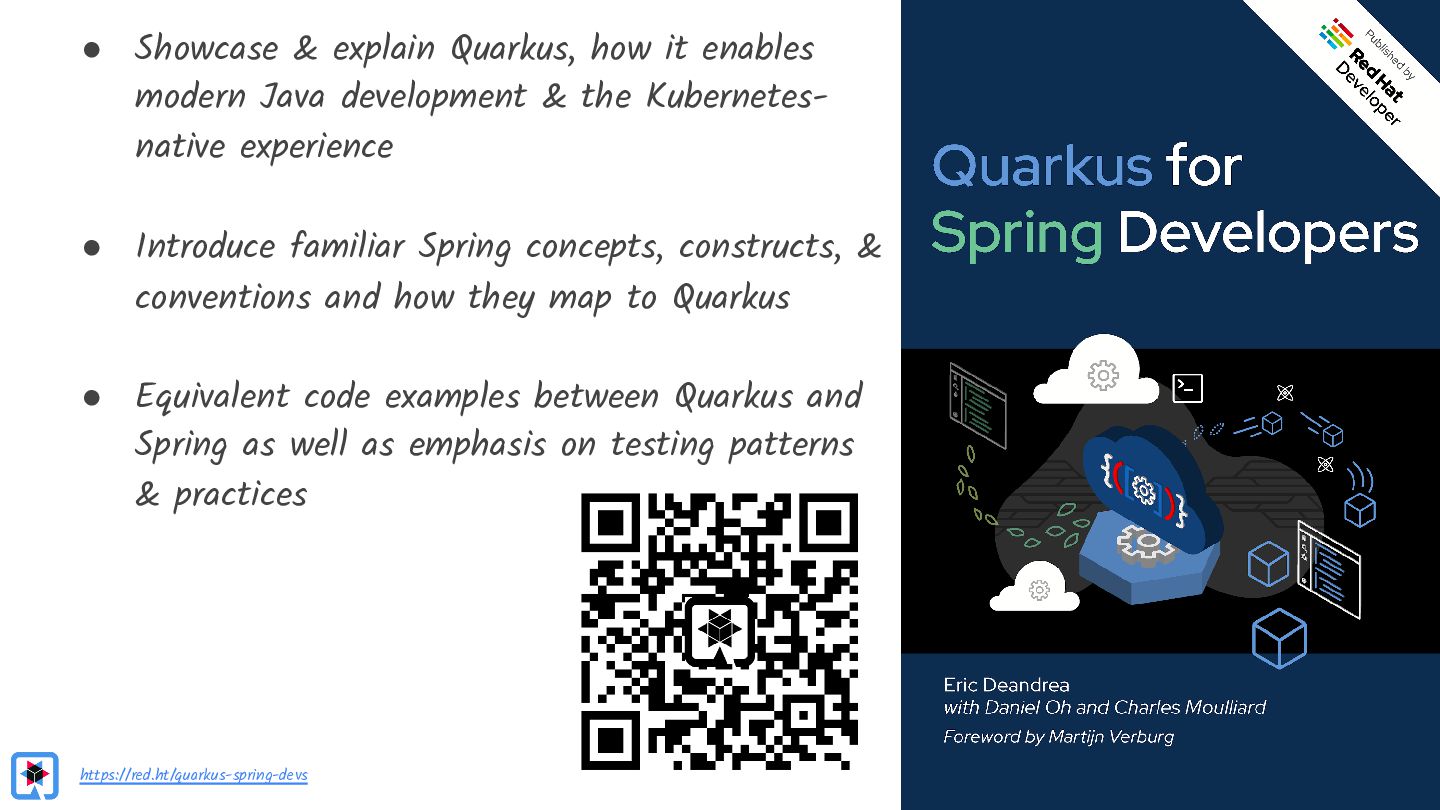
    Java development & the Kubernetes- native experience • Introduce familiar Spring concepts, constructs, & conventions and how they map to Quarkus • Equivalent code examples between Quarkus and Spring as well as emphasis on testing patterns & practices 1 0 https://red.ht/quarkus-spring-devs
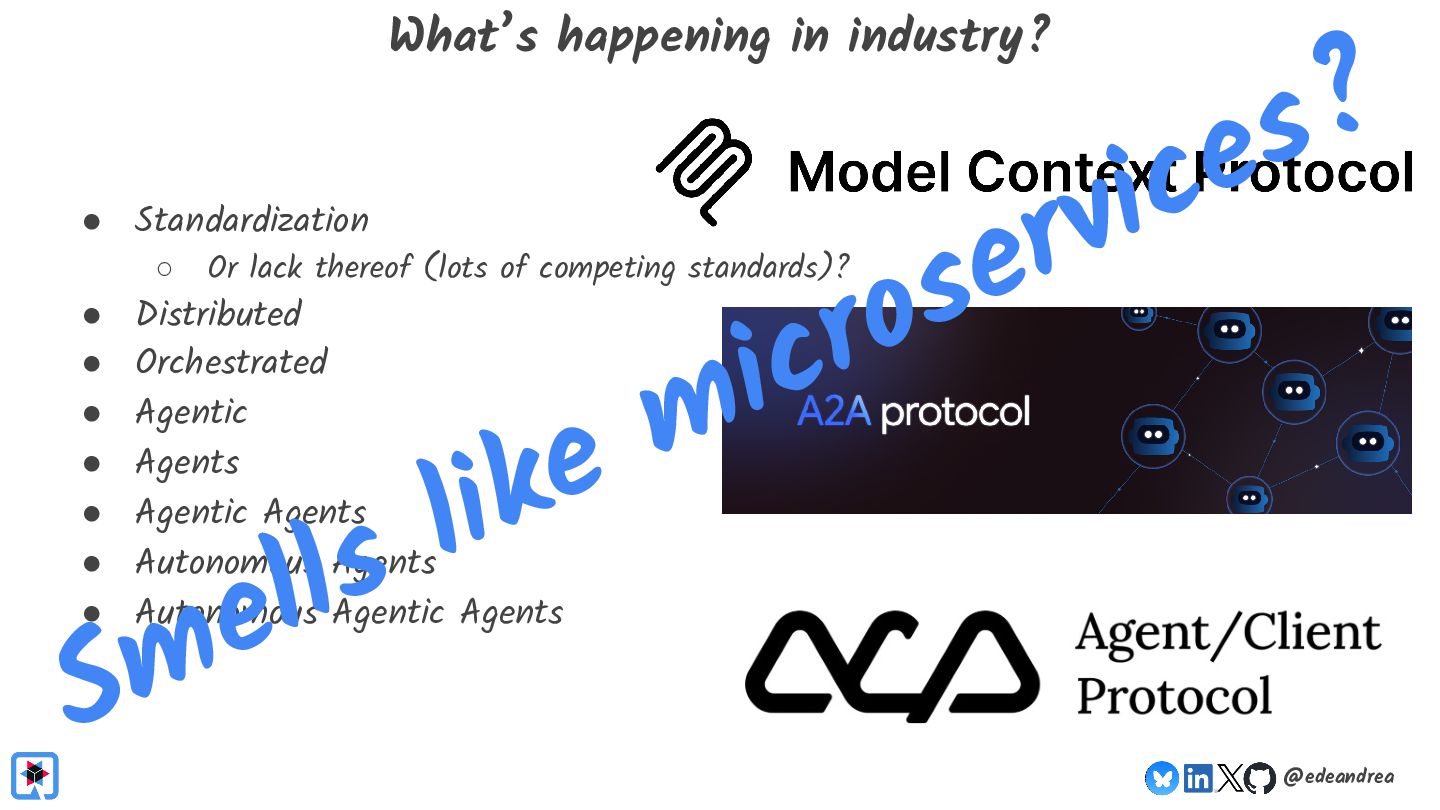
  6. @edeandrea What’s happening in industry? • Standardization ◦ Or lack

    thereof (lots of competing standards)? • Distributed • Orchestrated • Agentic • Agents • Agentic Agents • Autonomous Agents • Autonomous Agentic Agents Smells like microservices?
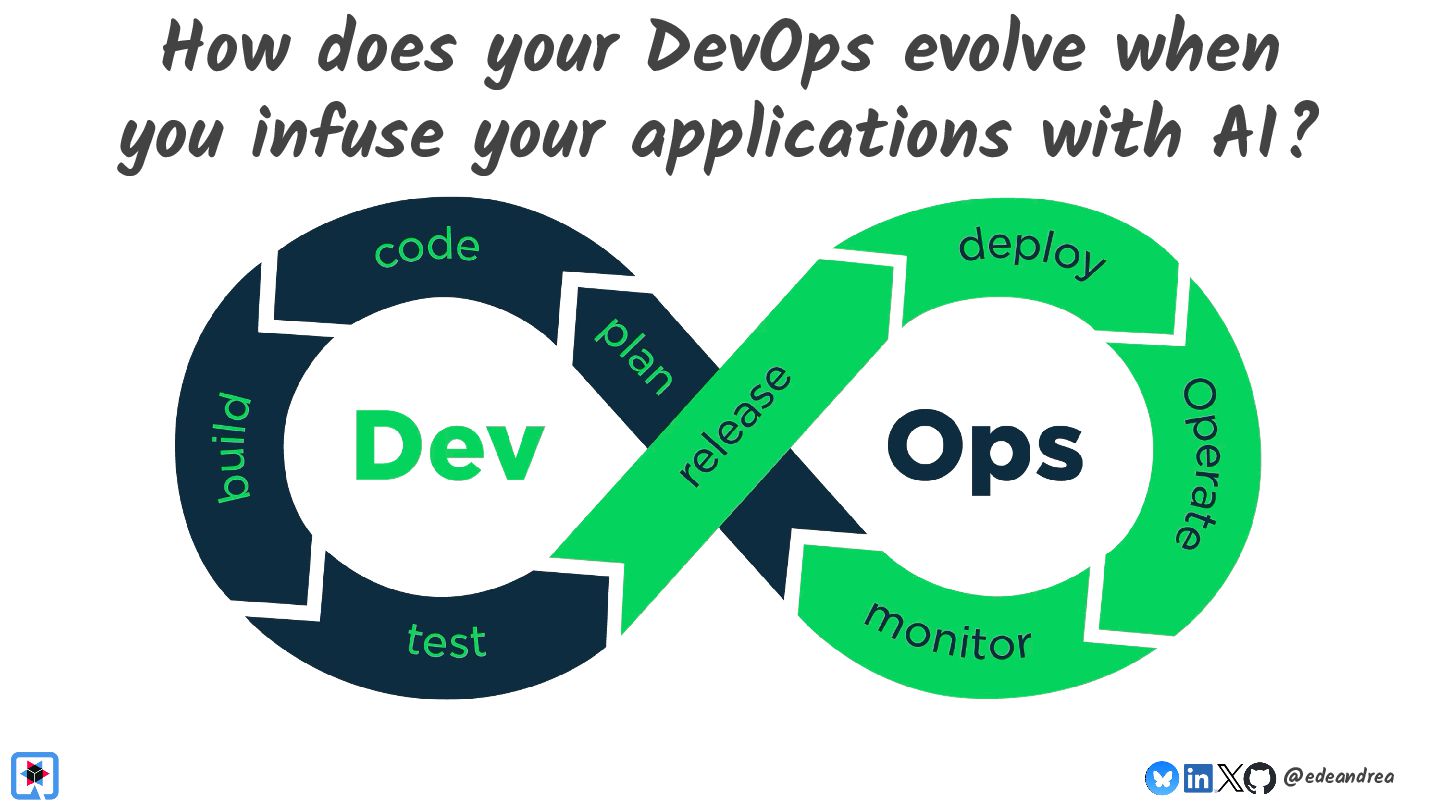
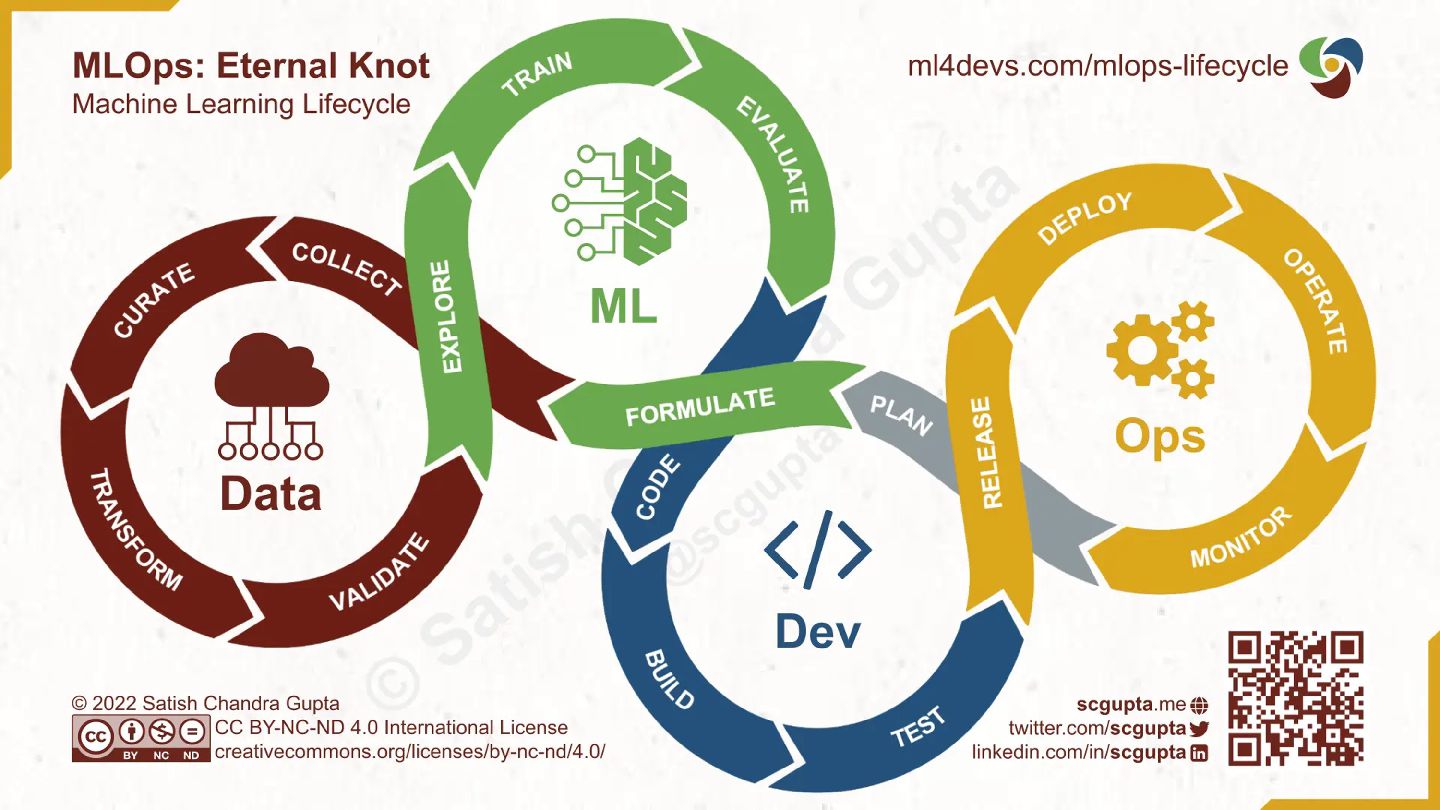
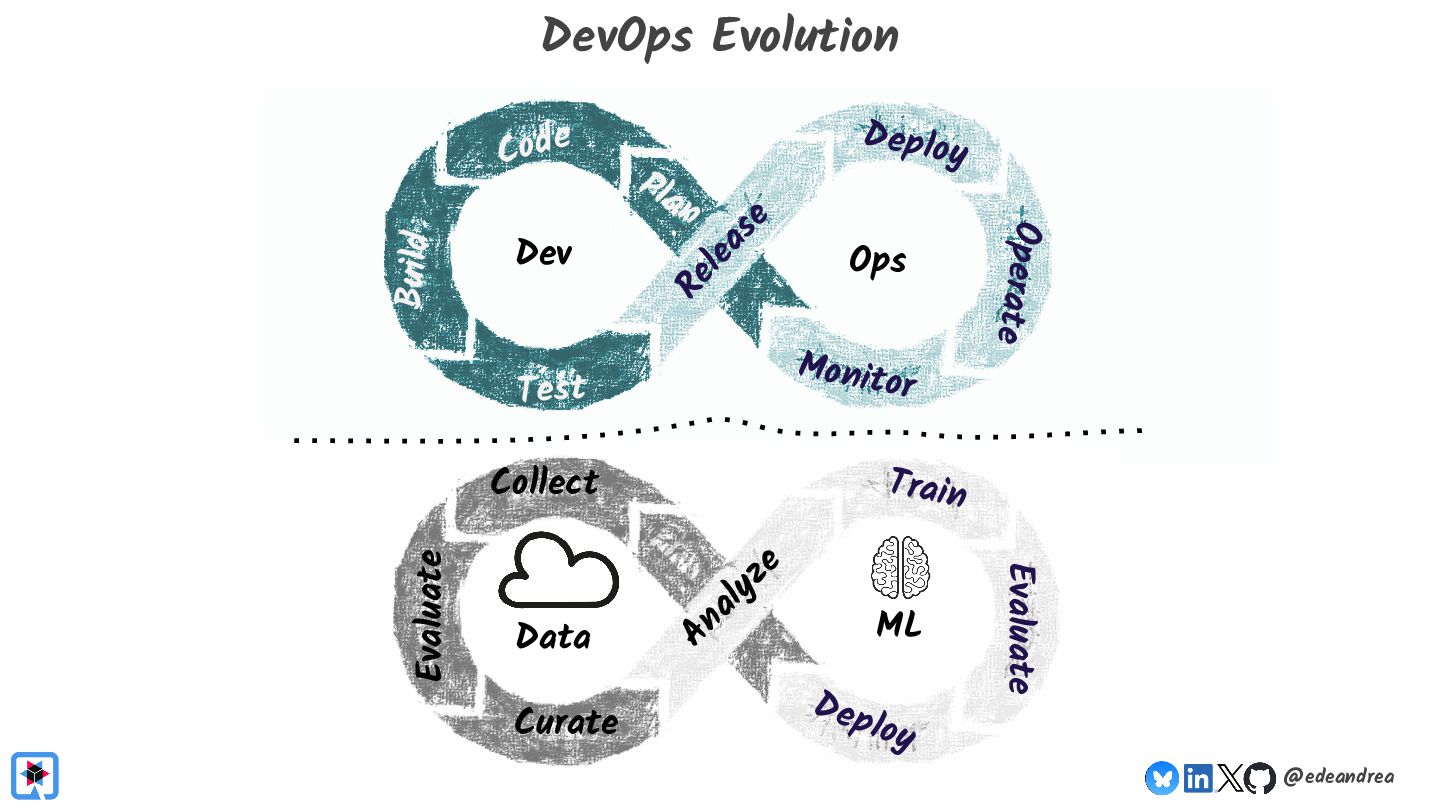
  7. @edeandrea DevOps Evolution Dev Ops Release Deploy Operate Monitor Plan

    Code Build Test Train Evaluate Deploy Collect Evaluate Curate Analyze Data ML
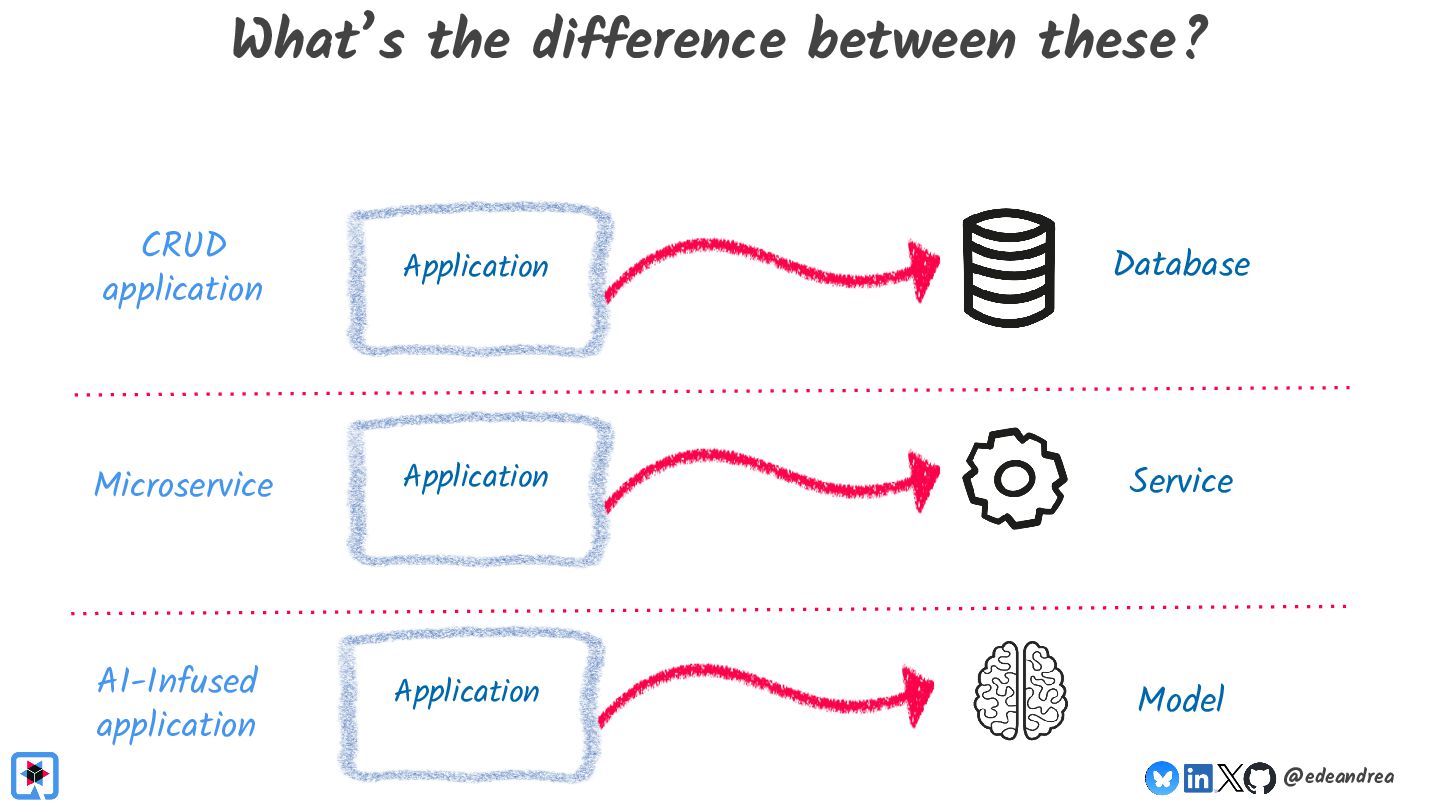
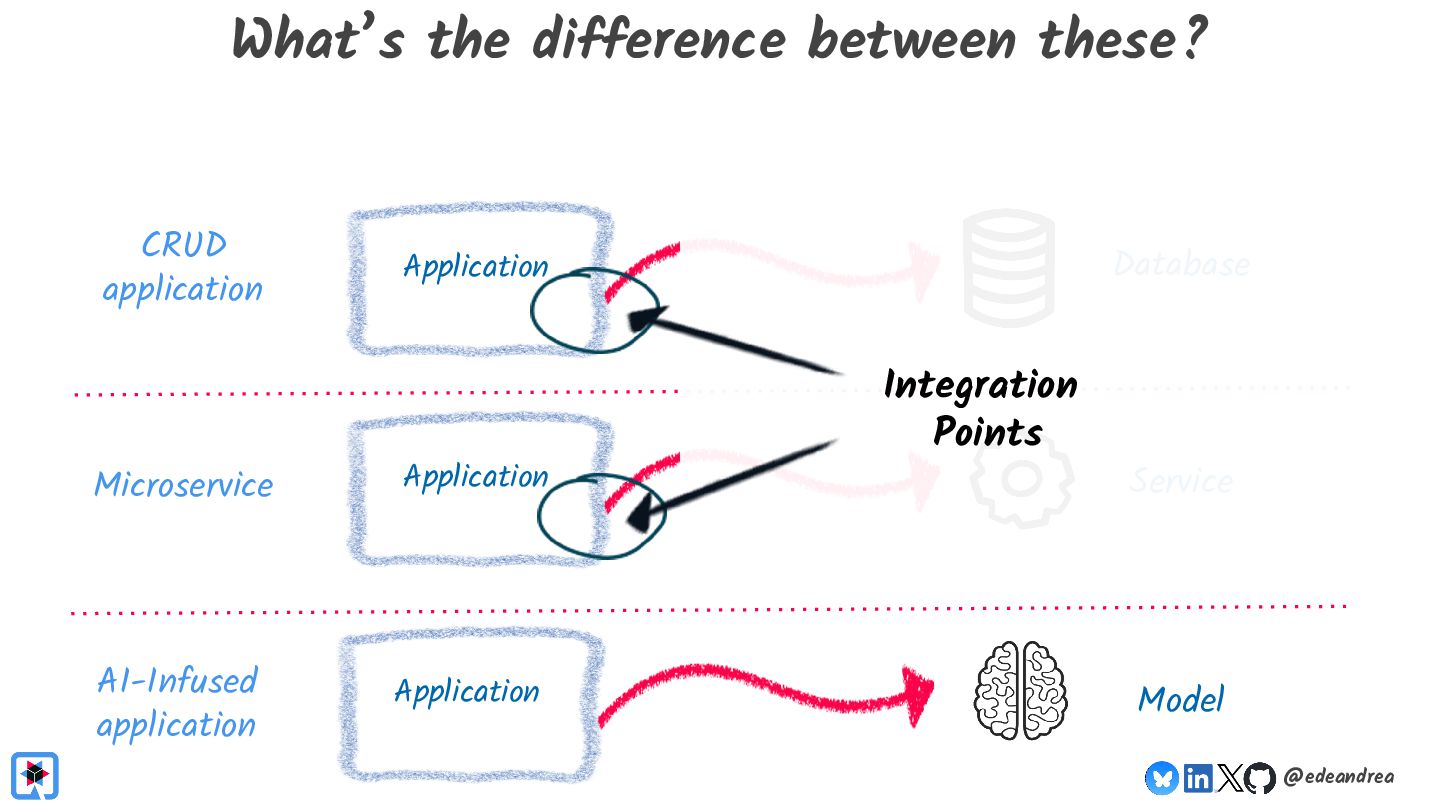
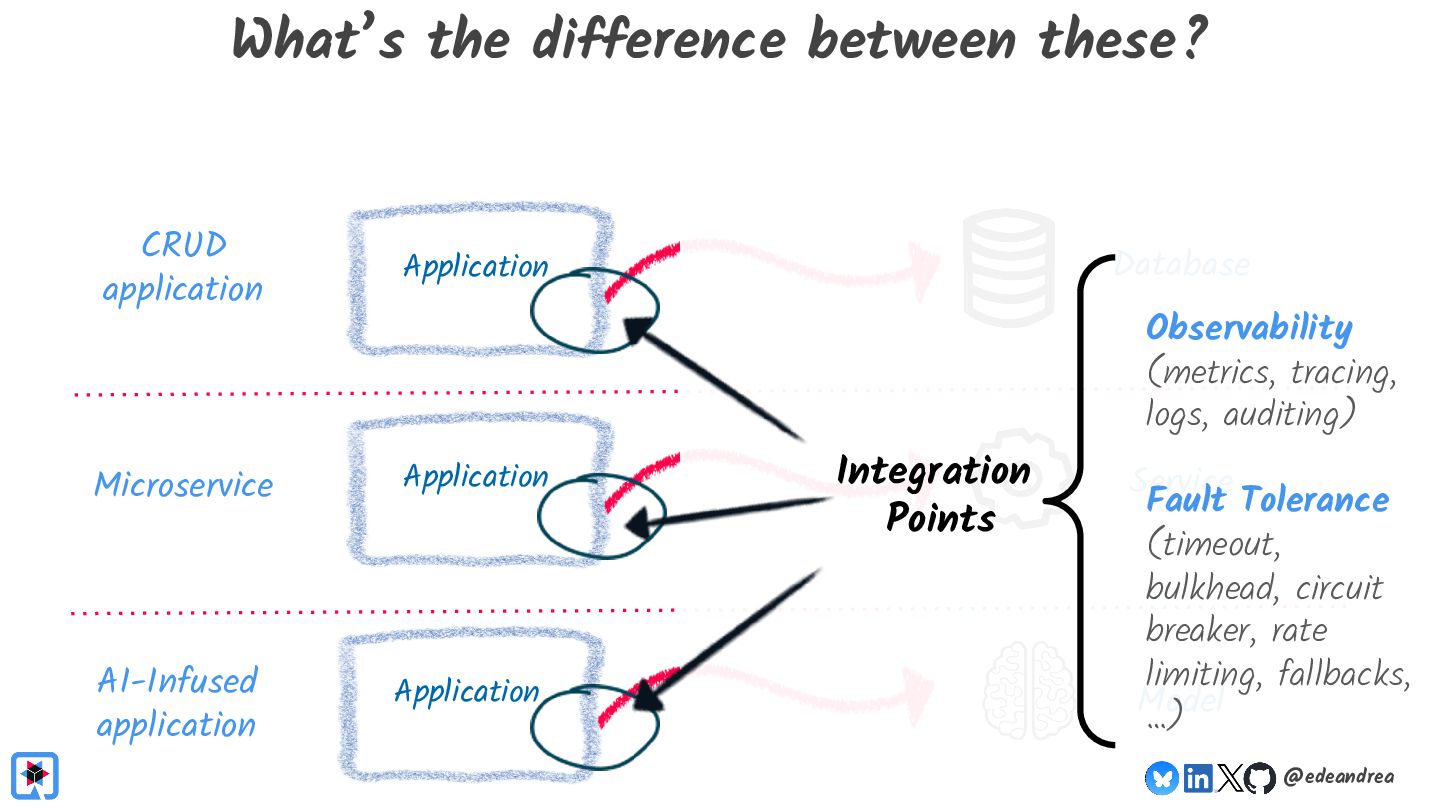
  8. @edeandrea Application Database Application Service CRUD application Microservice Application Model

    AI-Infused application Integration Points What’s the difference between these?
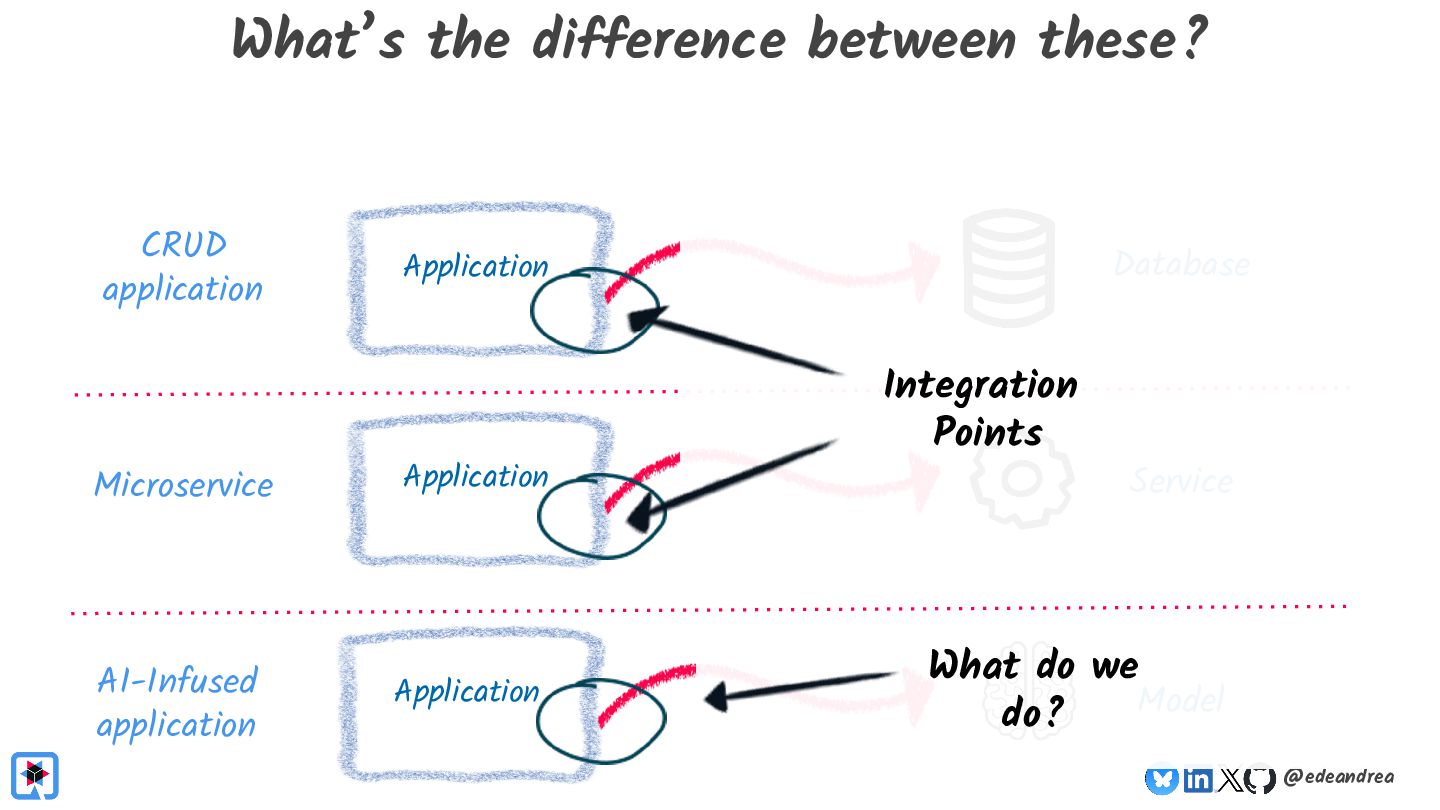
  9. @edeandrea Application Database Application Service CRUD application Microservice Application Model

    AI-Infused application Integration Points What’s the difference between these? What do we do?
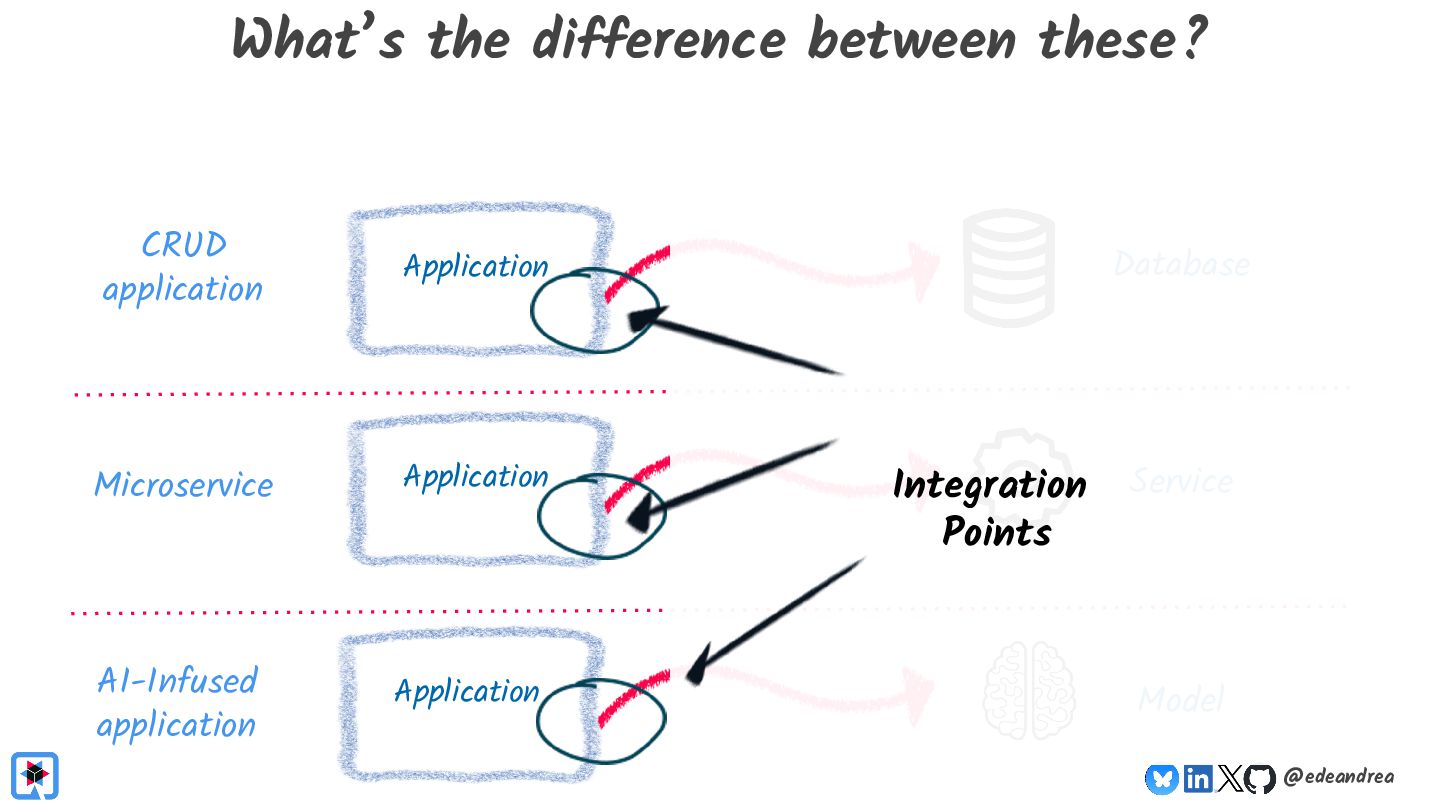
  10. @edeandrea Application Database Application Service CRUD application Microservice Application Model

    AI-Infused application Integration Points What’s the difference between these?
  11. @edeandrea Application Database Application Service CRUD application Microservice Application Model

    AI-Infused application Integration Points Observability (metrics, tracing, logs, auditing) Fault Tolerance (timeout, bulkhead, circuit breaker, rate limiting, fallbacks, …) What’s the difference between these?
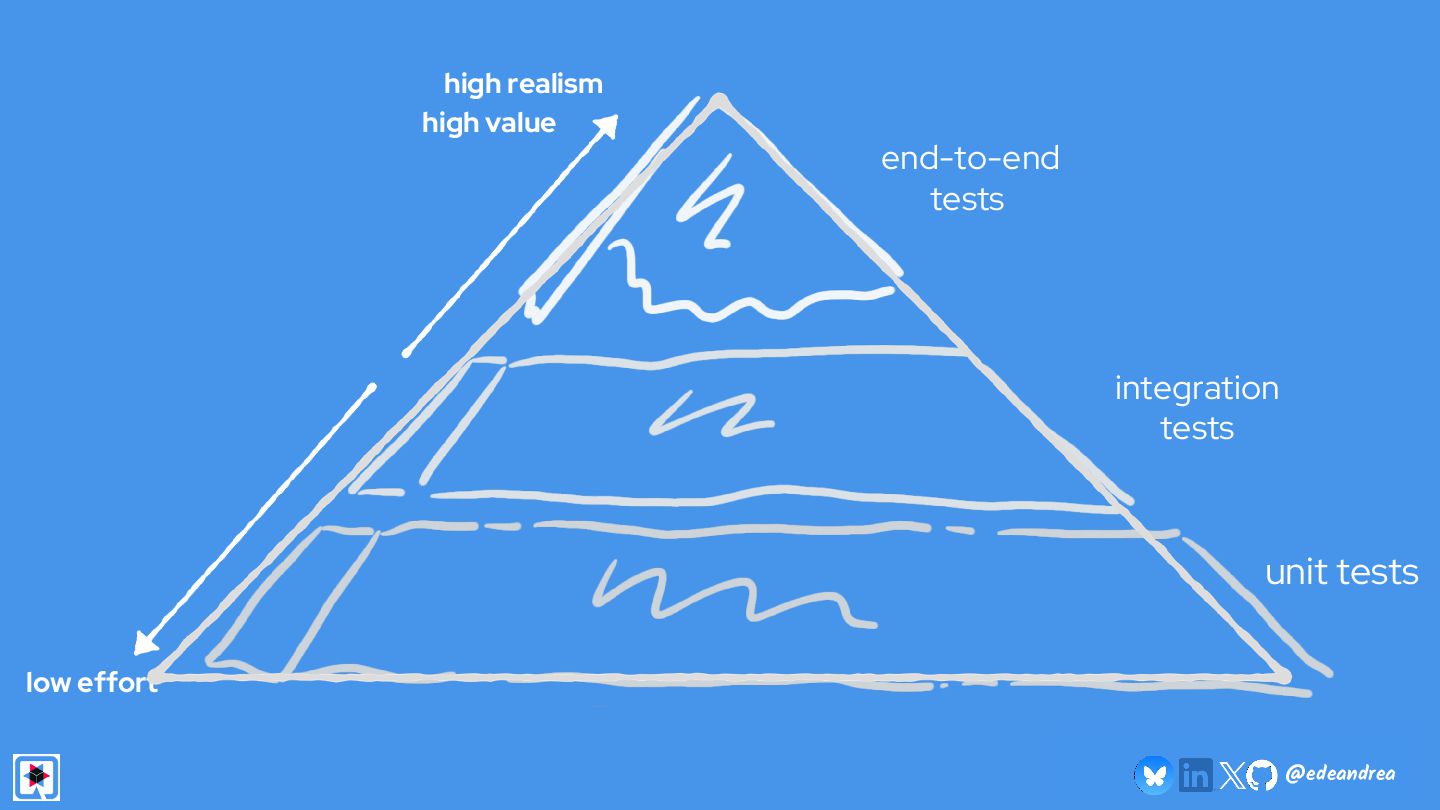
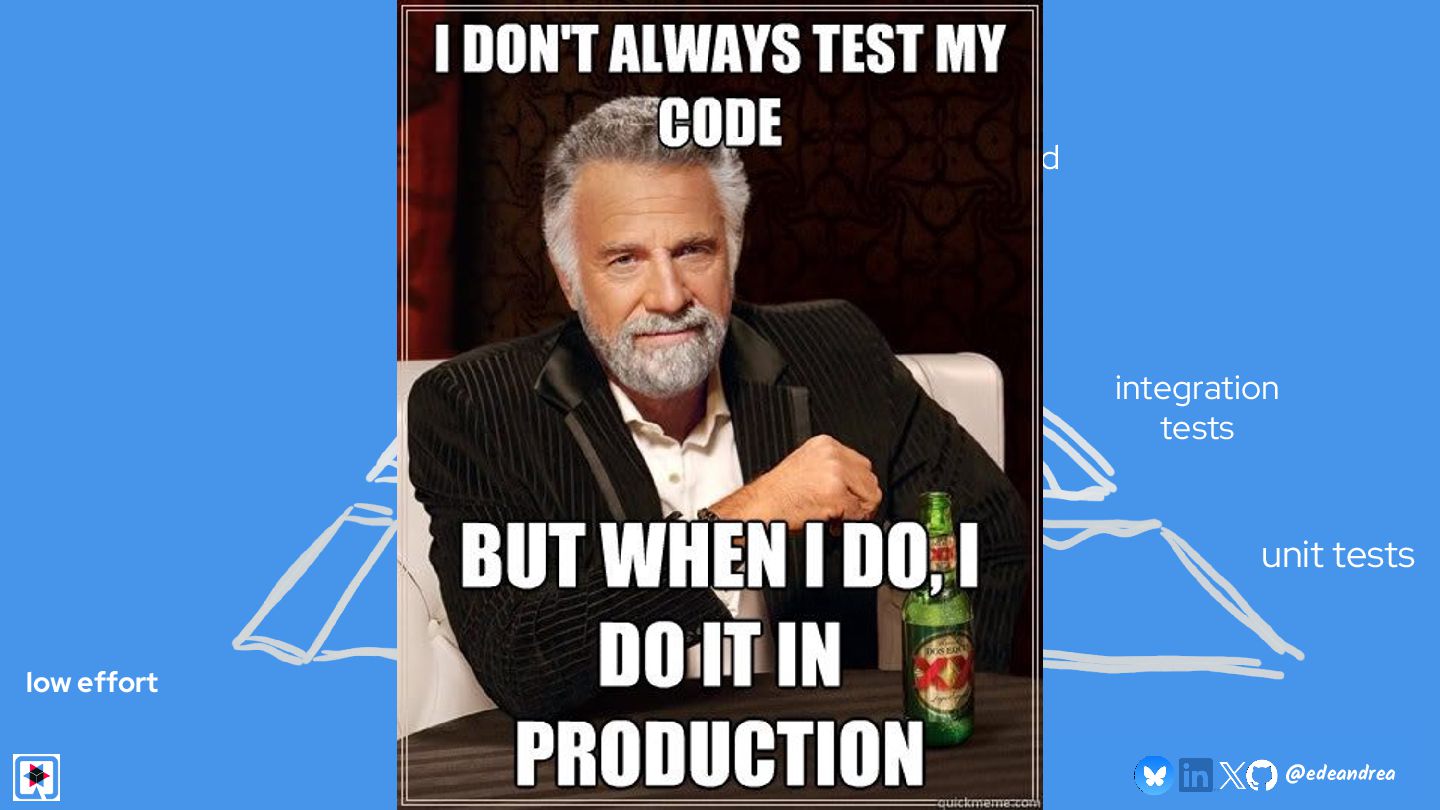
  12. @edeandrea @edeandrea end-to-end tests unit tests integration tests low effort

    high realism tests with application server test REST endpoints tests using AI
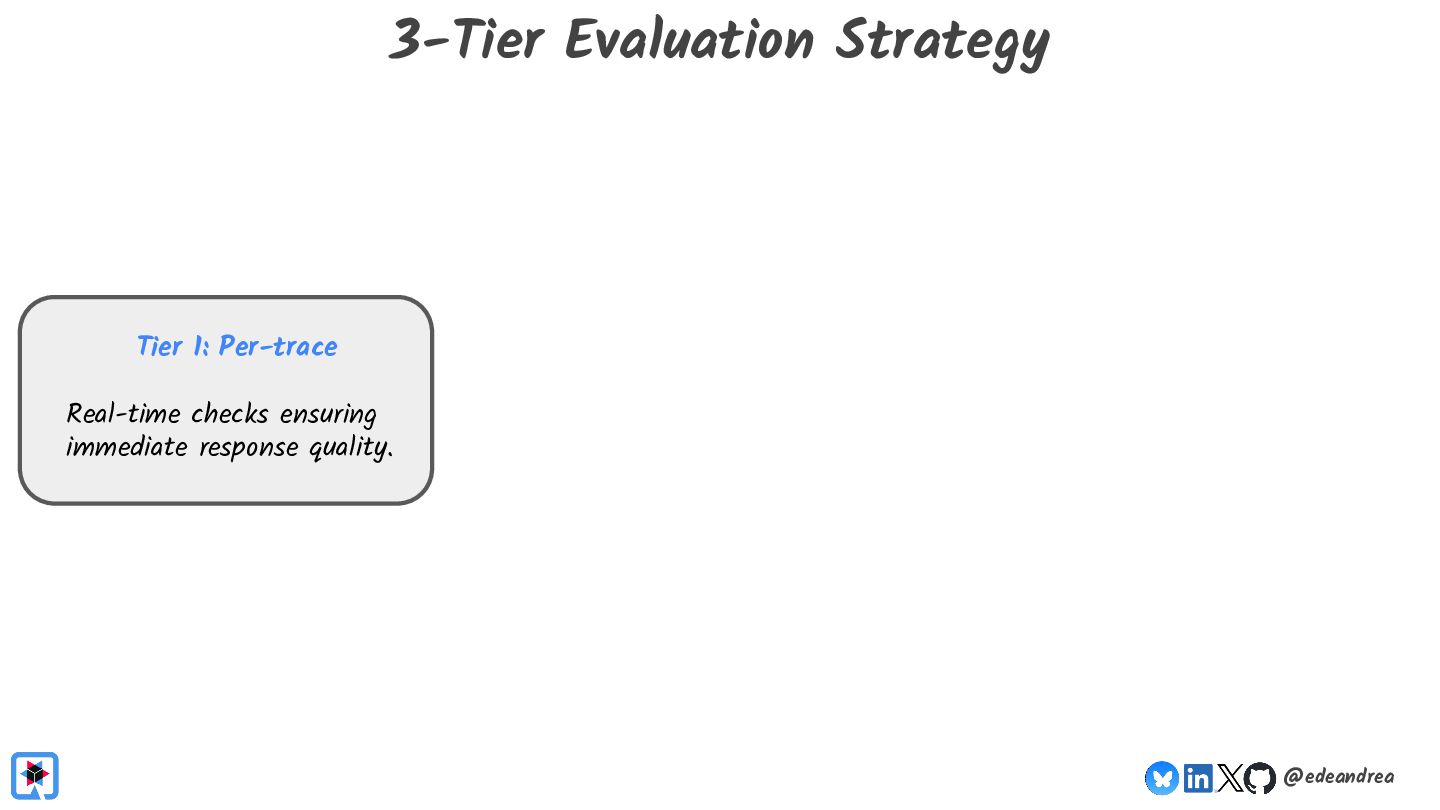
  13. @edeandrea 3-Tier Evaluation Strategy Tier 1: Per-trace Real-time checks ensuring

    immediate response quality. Tier 2: Per-session Post-hoc analysis of full user journeys measuring sentiment and goal success.
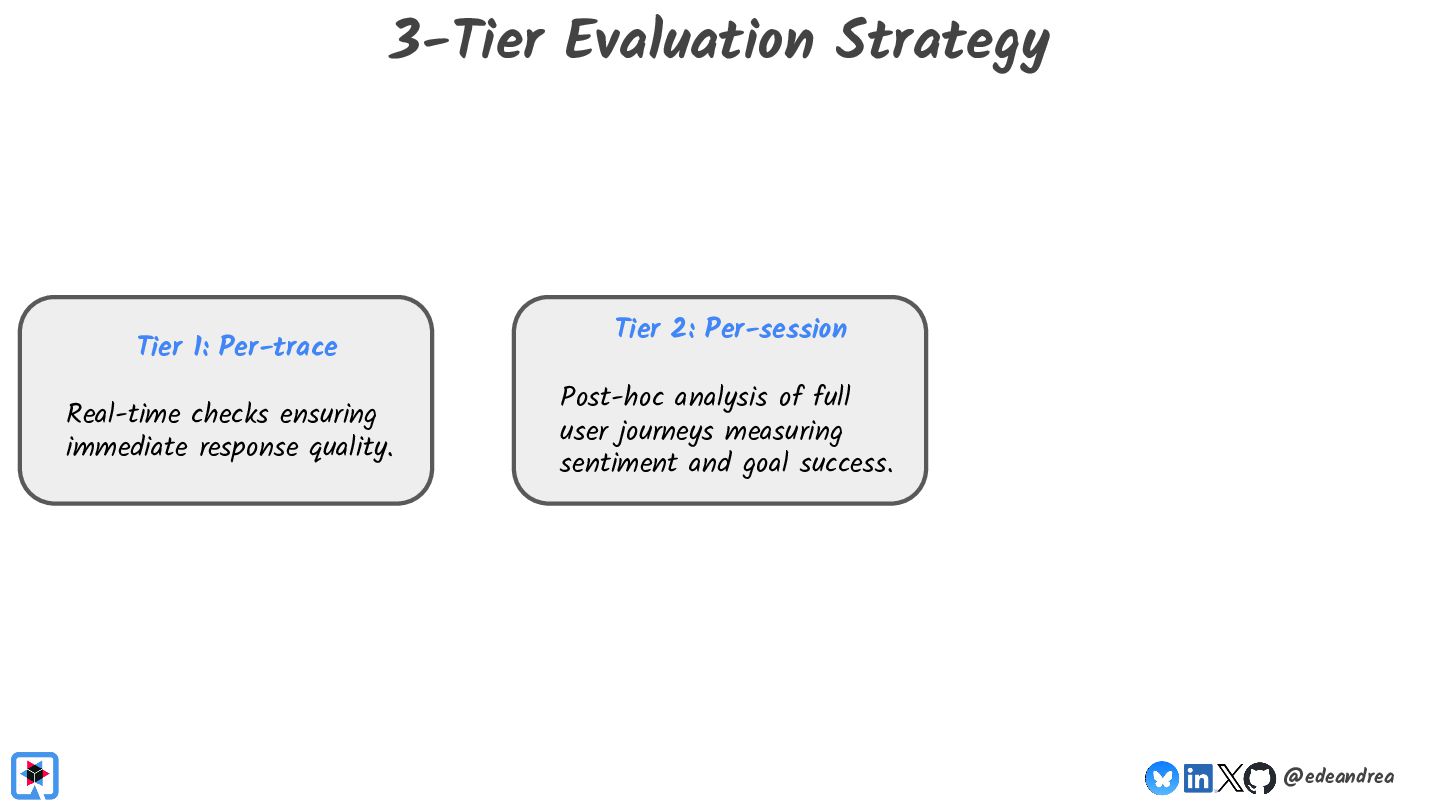
  14. @edeandrea 3-Tier Evaluation Strategy Tier 1: Per-trace Real-time checks ensuring

    immediate response quality. Tier 2: Per-session Post-hoc analysis of full user journeys measuring sentiment and goal success. Tier 3: Drift detection Automated gates comparing production metrics against historical baselines.
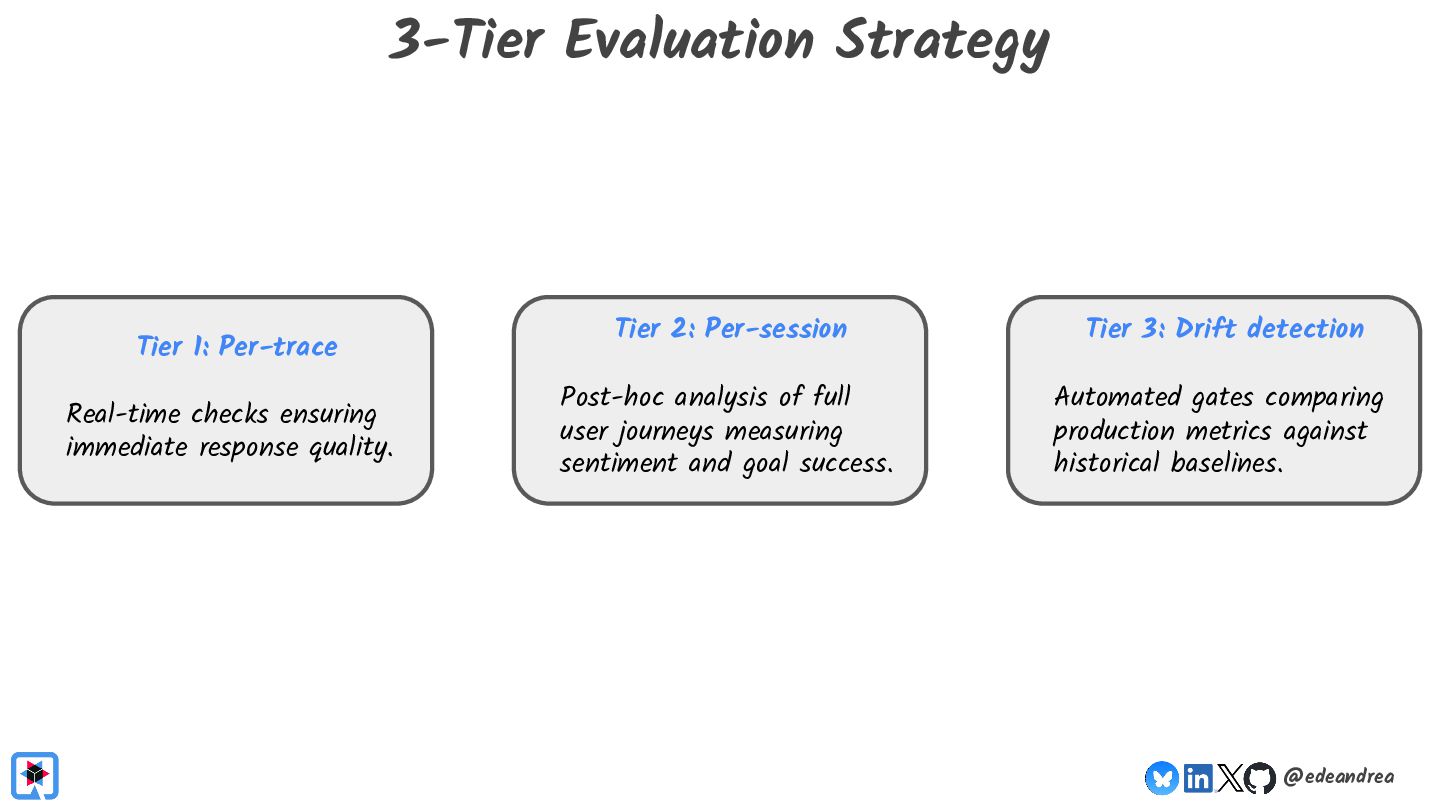
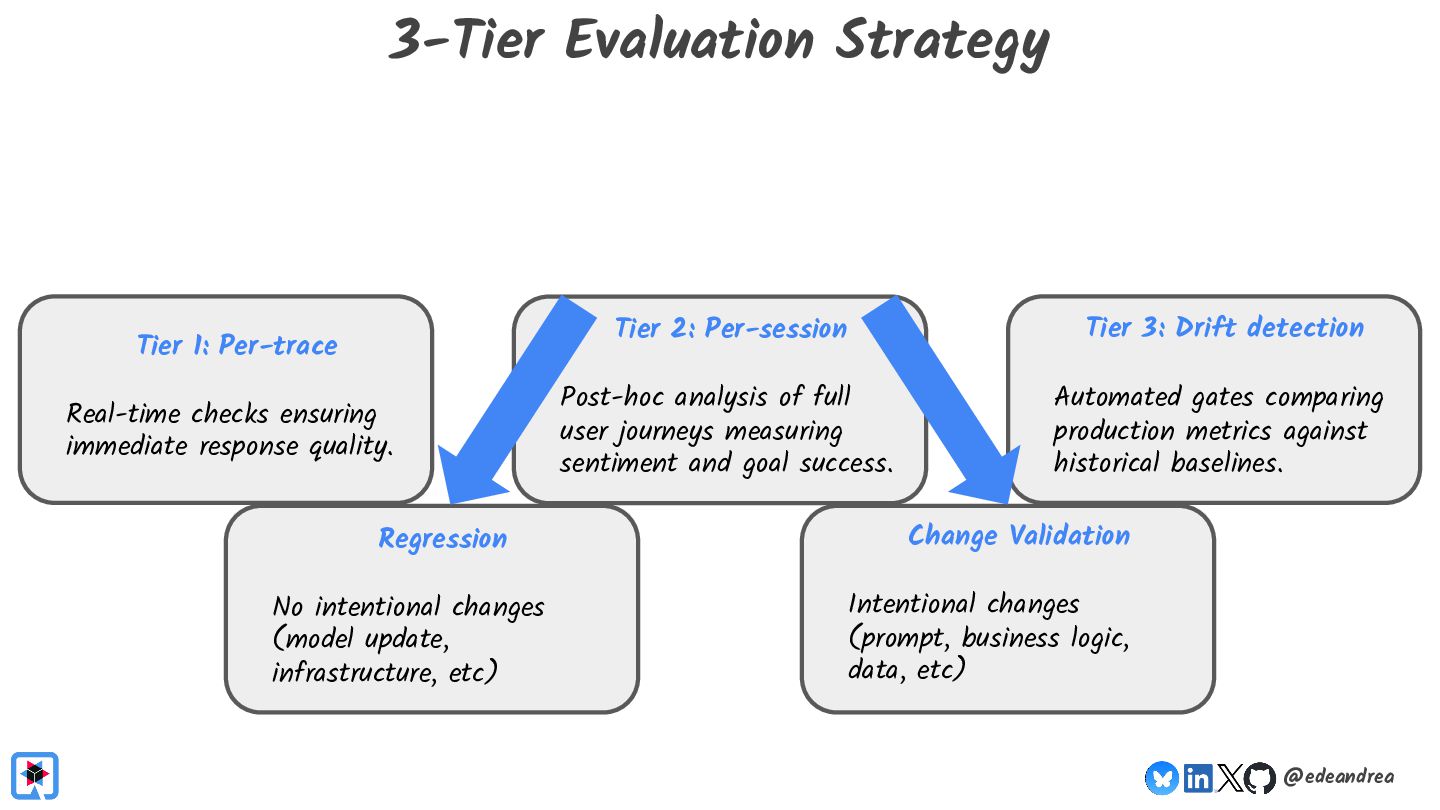
  15. @edeandrea 3-Tier Evaluation Strategy Tier 1: Per-trace Real-time checks ensuring

    immediate response quality. Tier 2: Per-session Post-hoc analysis of full user journeys measuring sentiment and goal success. Tier 3: Drift detection Automated gates comparing production metrics against historical baselines. Regression No intentional changes (model update, infrastructure, etc) Change Validation Intentional changes (prompt, business logic, data, etc)
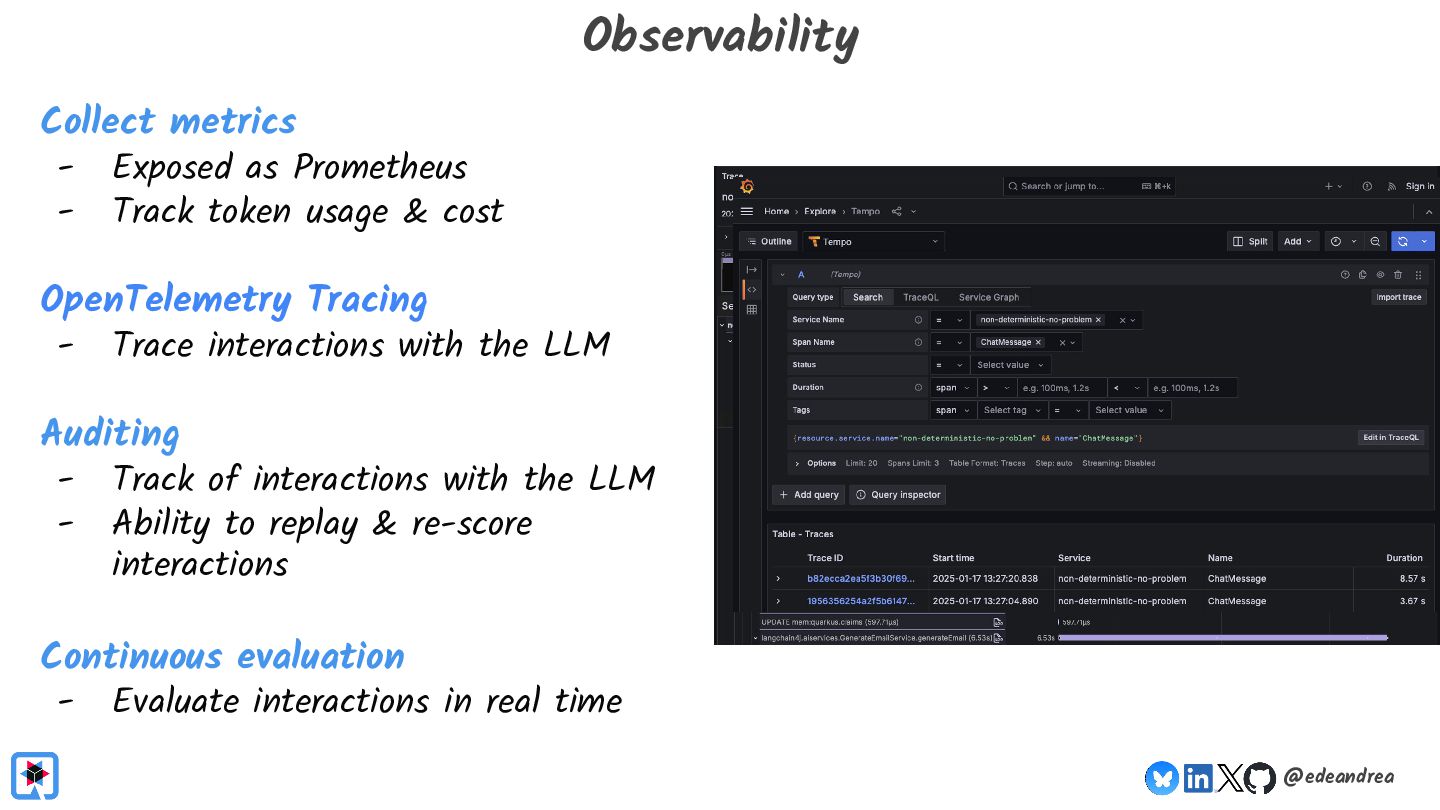
  16. @edeandrea Observability Collect metrics - Exposed as Prometheus - Track

    token usage & cost OpenTelemetry Tracing - Trace interactions with the LLM Auditing - Track of interactions with the LLM - Ability to replay & re-score interactions Continuous evaluation - Evaluate interactions in real time
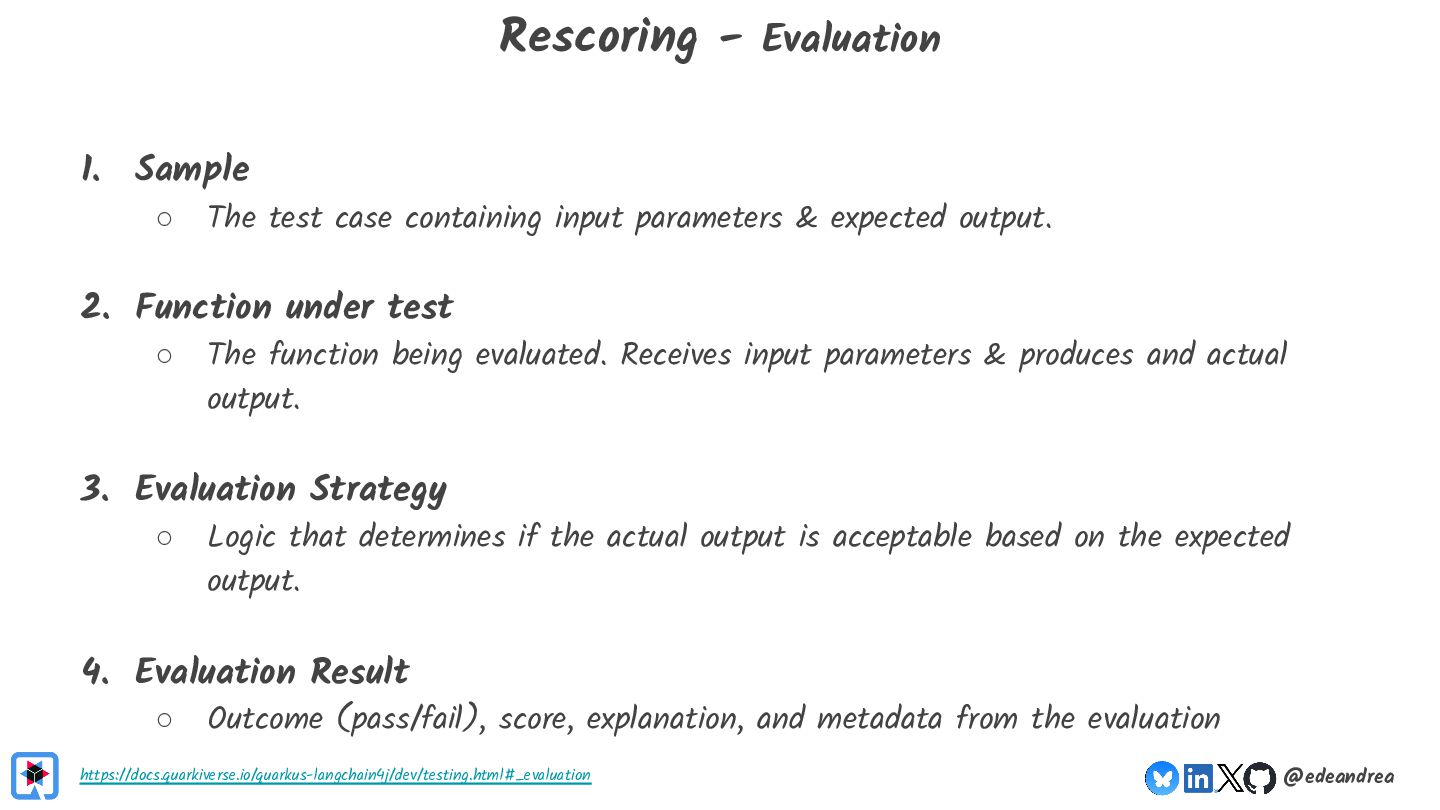
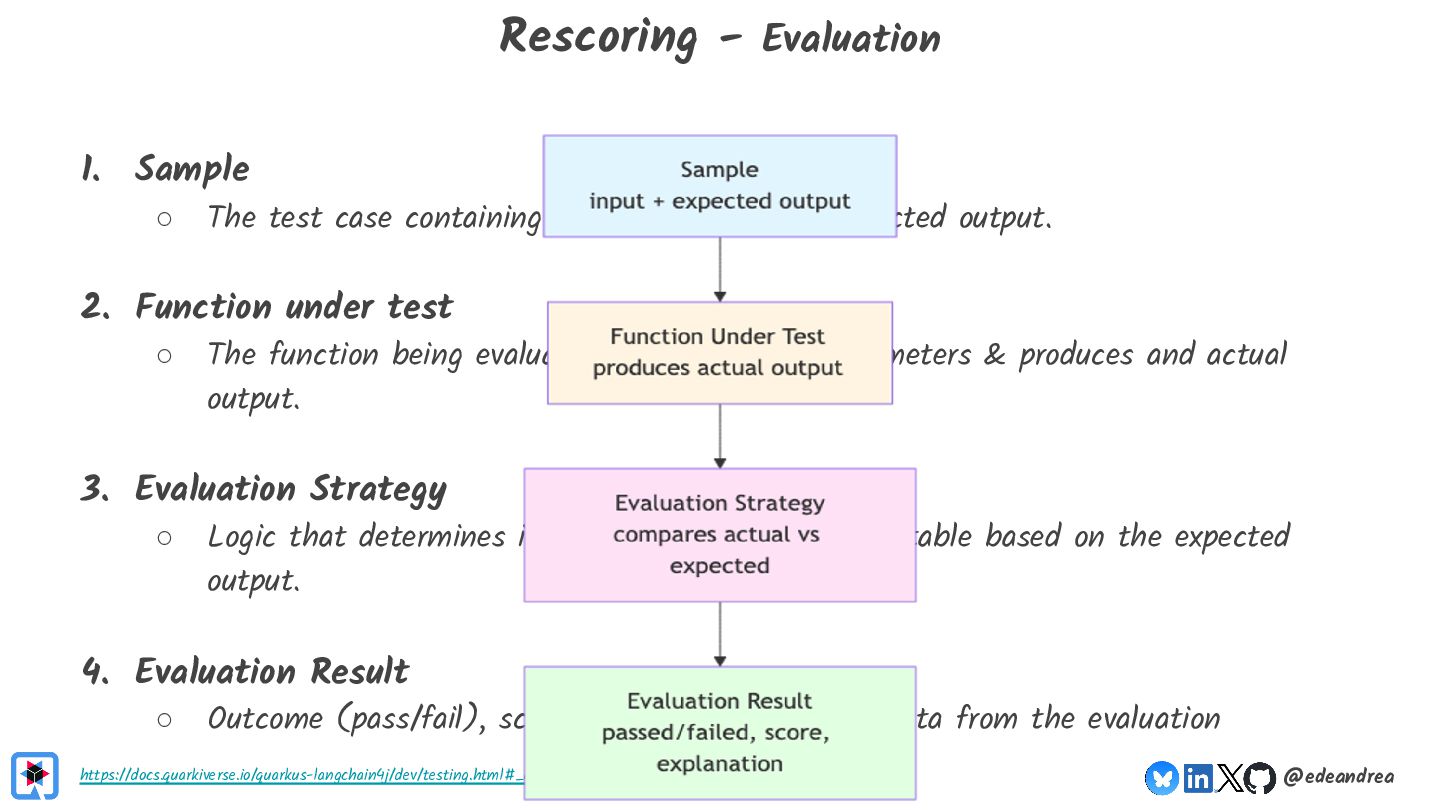
  17. @edeandrea Rescoring - Evaluation https://docs.quarkiverse.io/quarkus-langchain4j/dev/testing.html#_evaluation 1. Sample ◦ The test

    case containing input parameters & expected output. 2. Function under test ◦ The function being evaluated. Receives input parameters & produces and actual output. 3. Evaluation Strategy ◦ Logic that determines if the actual output is acceptable based on the expected output. 4. Evaluation Result ◦ Outcome (pass/fail), score, explanation, and metadata from the evaluation
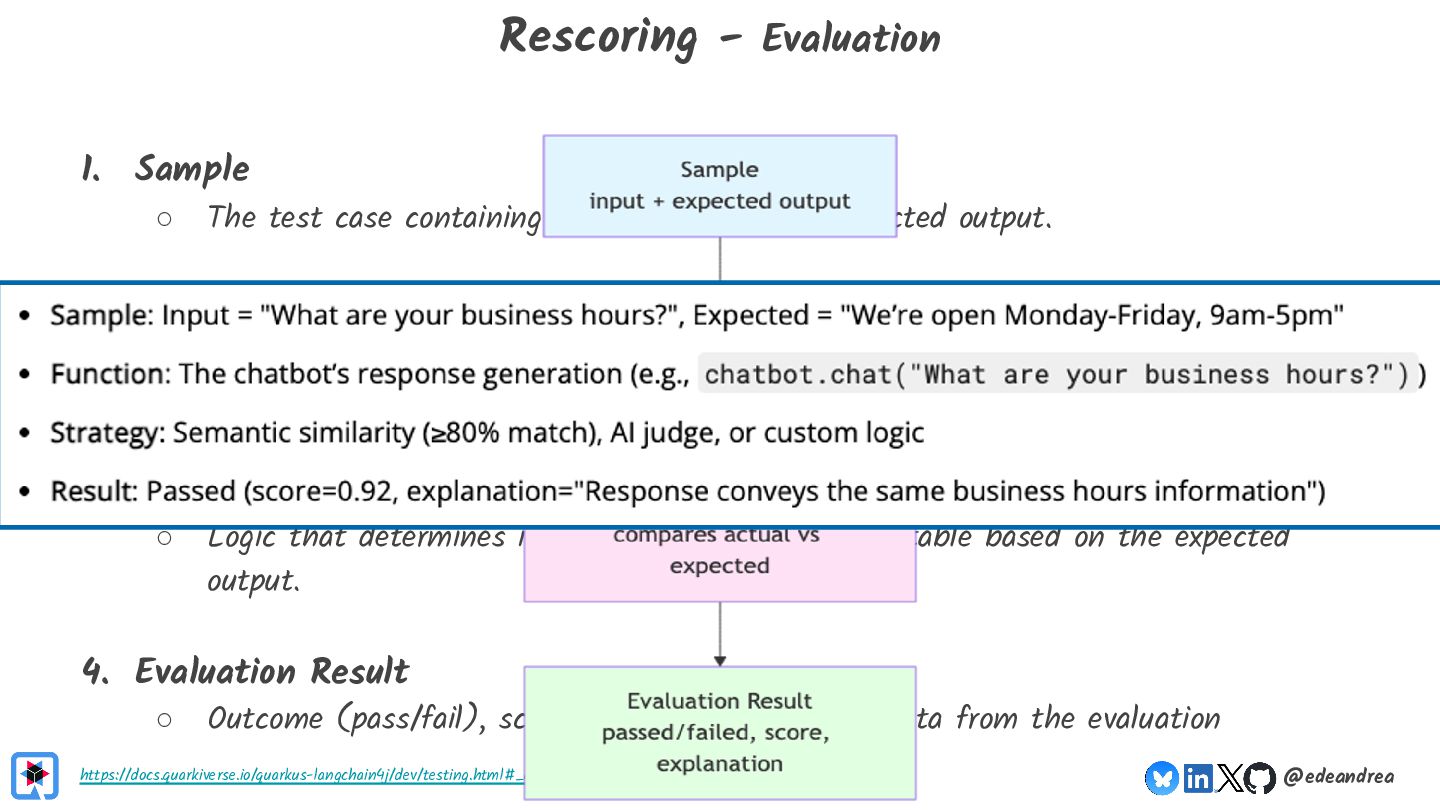
  18. @edeandrea Rescoring - Evaluation https://docs.quarkiverse.io/quarkus-langchain4j/dev/testing.html#_evaluation 1. Sample ◦ The test

    case containing input parameters & expected output. 2. Function under test ◦ The function being evaluated. Receives input parameters & produces and actual output. 3. Evaluation Strategy ◦ Logic that determines if the actual output is acceptable based on the expected output. 4. Evaluation Result ◦ Outcome (pass/fail), score, explanation, and metadata from the evaluation
  19. @edeandrea Rescoring - Evaluation https://docs.quarkiverse.io/quarkus-langchain4j/dev/testing.html#_evaluation 1. Sample ◦ The test

    case containing input parameters & expected output. 2. Function under test ◦ The function being evaluated. Receives input parameters & produces and actual output. 3. Evaluation Strategy ◦ Logic that determines if the actual output is acceptable based on the expected output. 4. Evaluation Result ◦ Outcome (pass/fail), score, explanation, and metadata from the evaluation
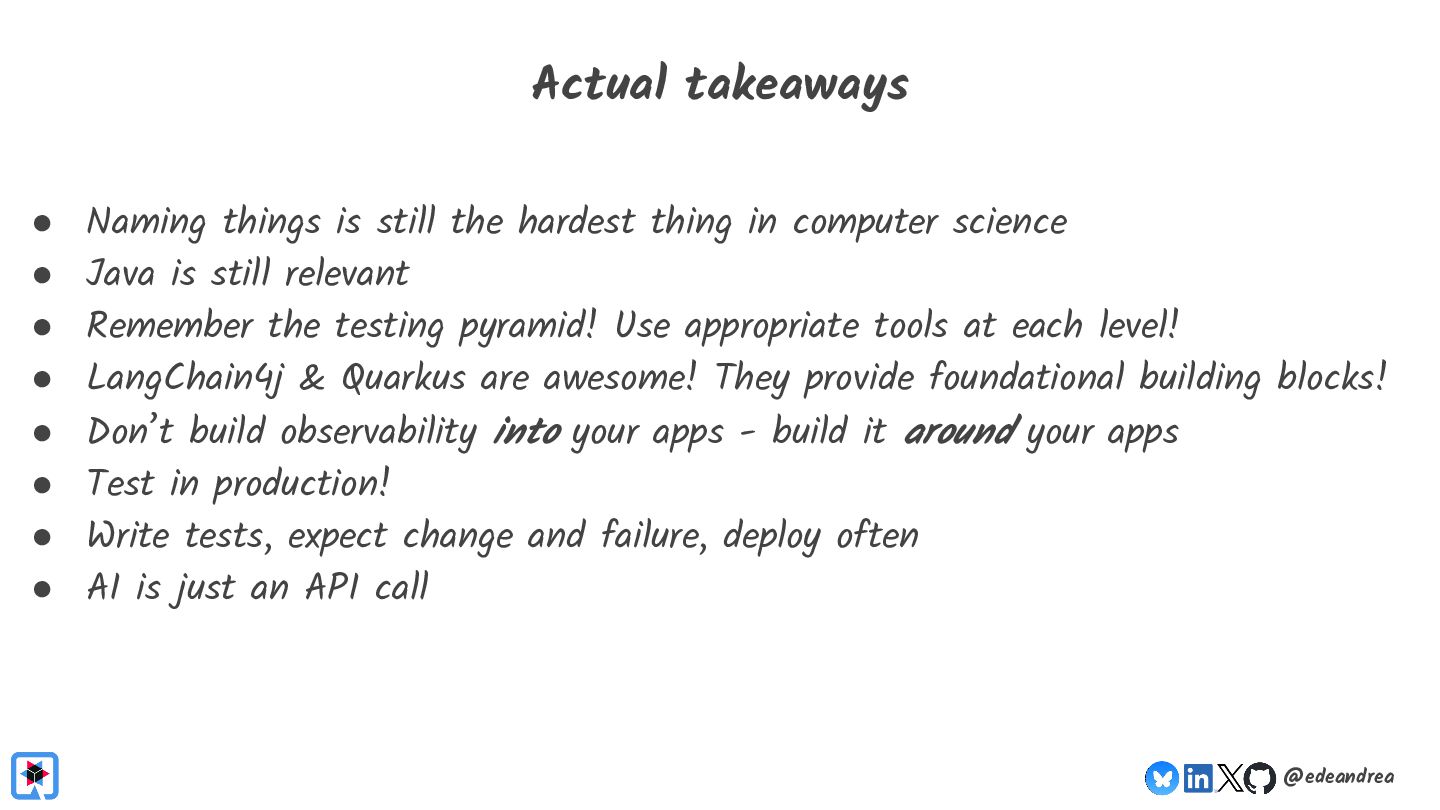
  20. @edeandrea • Naming things is still the hardest thing in

    computer science • Java is still relevant • Remember the testing pyramid! Use appropriate tools at each level! • LangChain4j & Quarkus are awesome! They provide foundational building blocks! • Don’t build observability into your apps - build it around your apps • Test in production! • Write tests, expect change and failure, deploy often • AI is just an API call Actual takeaways