Evolution of AI • Types of AI • The Relationship Between AI, Machine Learning, and Deep Learning • The Three Main Schools of AI • AI Tools • AI Integration
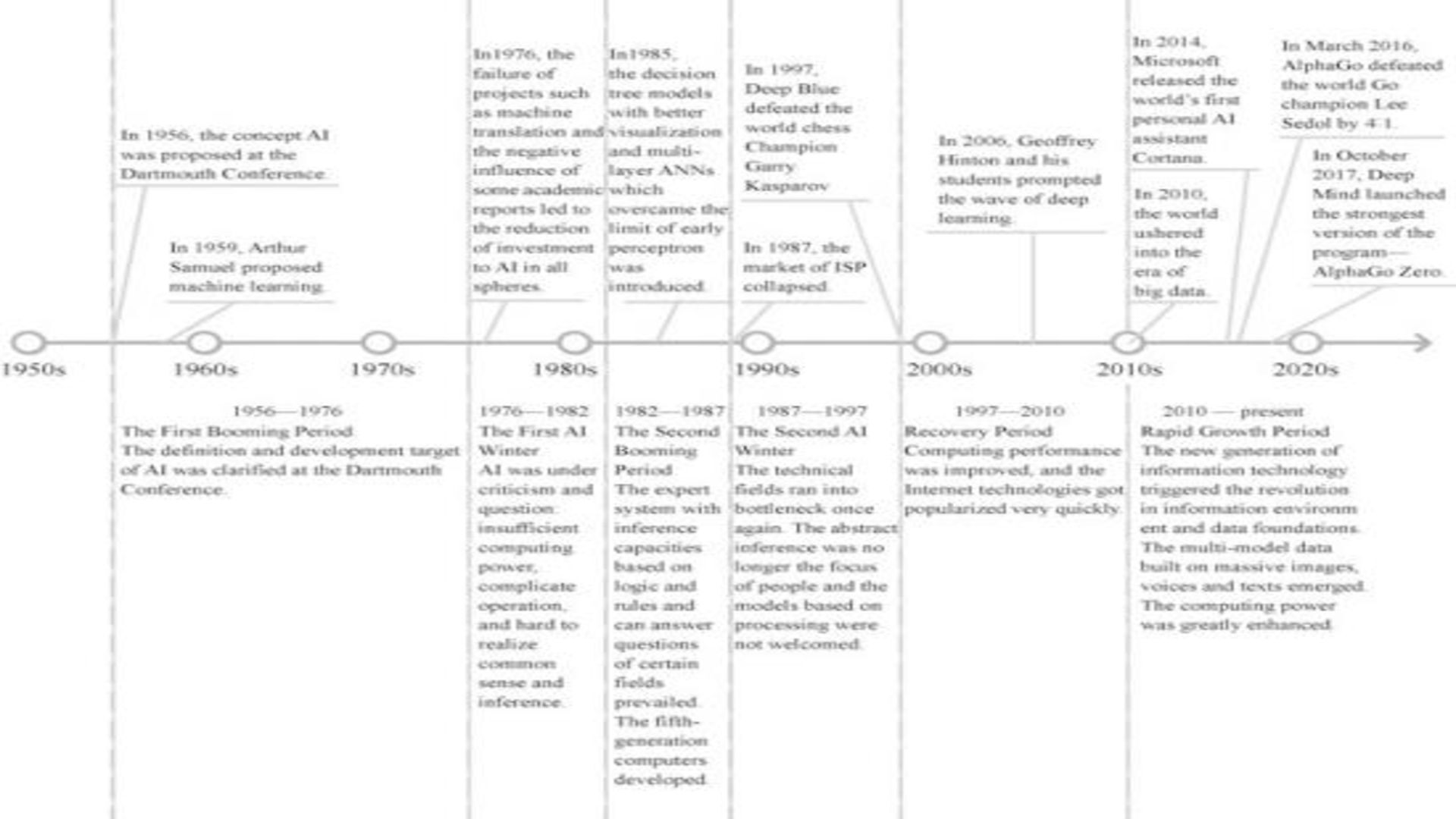
Artificial Intelligence as a concept. • The first proposed definition was by the famous John McCarthy at the 1956 Dartmouth Conference who outlined that “Artificial Intelligence is about letting a machine simulate the intelligent behavior of humans as precisely as it can be ” What do you think about this???
I. spoken or written language, II. words or texts, III. flexibly master the phonology, semantics, and grammar of a language IV. manage verbal thinking, and convey or decode the connotation of linguistic expressions through the verbal thinking. Have you ever had about the concept of Linguistic Relativity????
to; I. Calculate, II. Quantify, III. Reason, IV. Summarize, V. Classify effectively, VI. And to carry out complicated mathematical operations. X-tics include sensitivity to abstract concepts such as logical patterns and relationships, statements and claims, and functions
potential to accurately recognize the visual space and timings around it, and to represent what they perceived visually in paintings and graphs. II. Persons with such intelligence are very sensitive to spatial relationships such as color, line, shape and form.
capacity to use one’s whole body to express thoughts and emotions, and to use hands and other tools to fashion products or manipulate objects. II. There are a lot of particular physical skills demonstrated by this kind of intelligence such as balance, coordination, agility, strength, suppleness, speed, and tactile abilities.
with the ability to discern pitch, tone, melody, rhythm, and timbre. II. Persons having relatively high musical intelligence are particularly sensitive to pitch, tone, melody, rhythm/ timbre and are more competitive in performing, creating and reflecting on music.
effectively with others. II. Such persons with strong interpersonal intelligence can better recognize the moods and temperaments of others, empathize with their feelings and emotions, notice the hidden information of different interpersonal relationships, and respond appropriately.
Being able to understand oneself and then act accordingly based on such knowledge. II. Such persons are able to discern their strengths and weaknesses, recognize their inner hobbies, moods, intentions, temperaments and self-esteem, and they like to think independently.
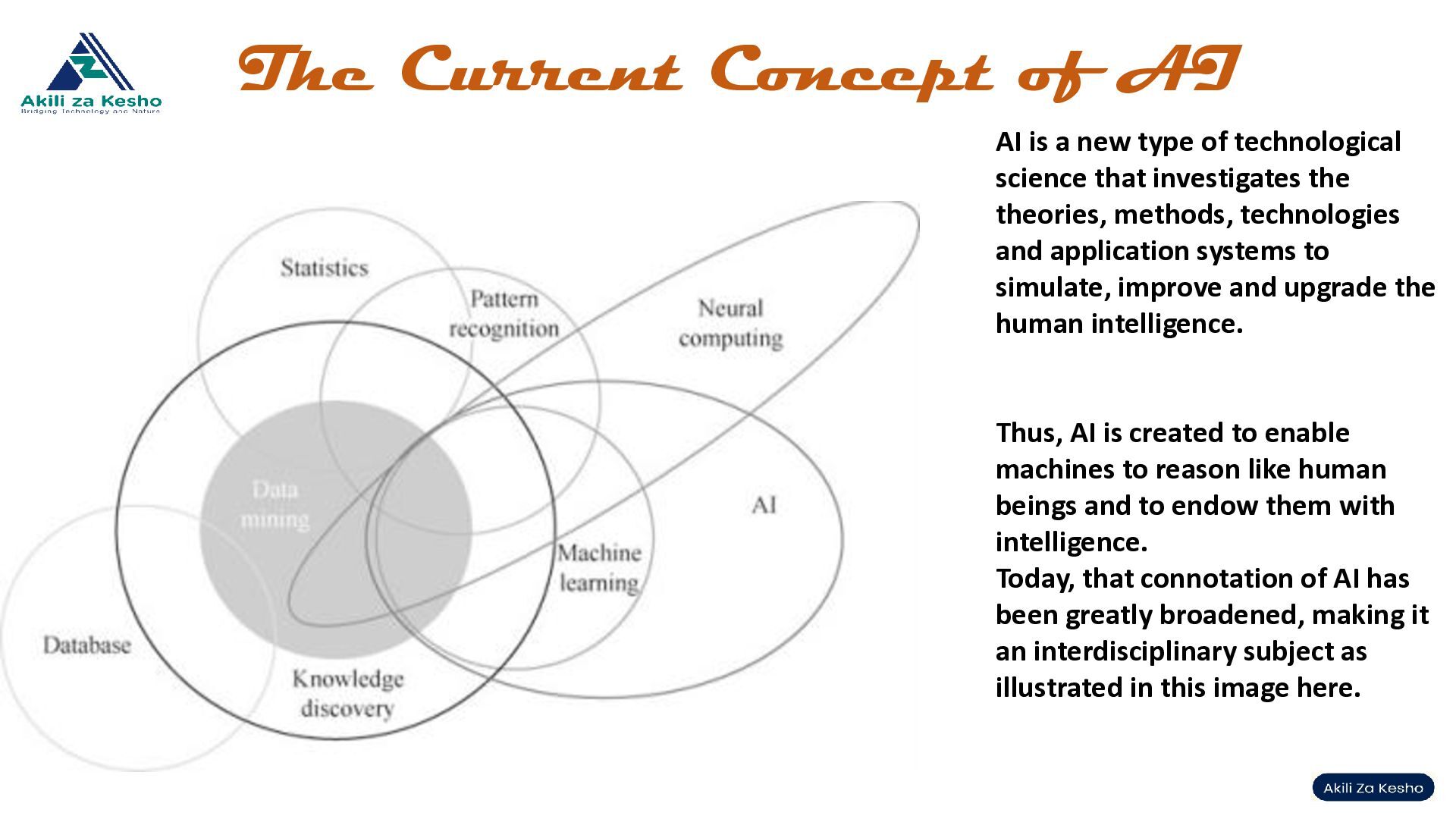
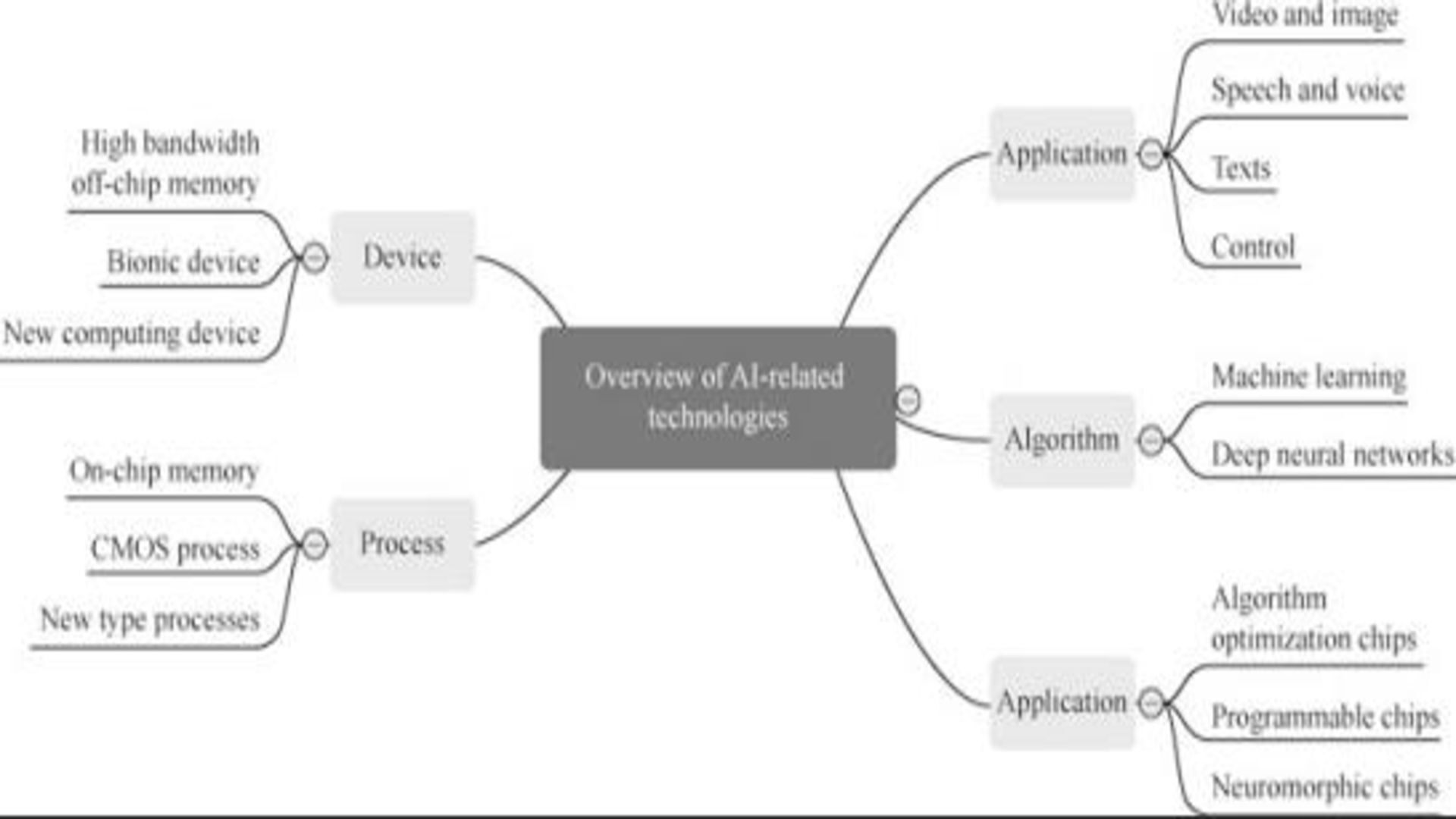
the theories, methods, technologies and application systems to simulate, improve and upgrade the human intelligence. Thus, AI is created to enable machines to reason like human beings and to endow them with intelligence. Today, that connotation of AI has been greatly broadened, making it an interdisciplinary subject as illustrated in this image here. The Current Concept of AI
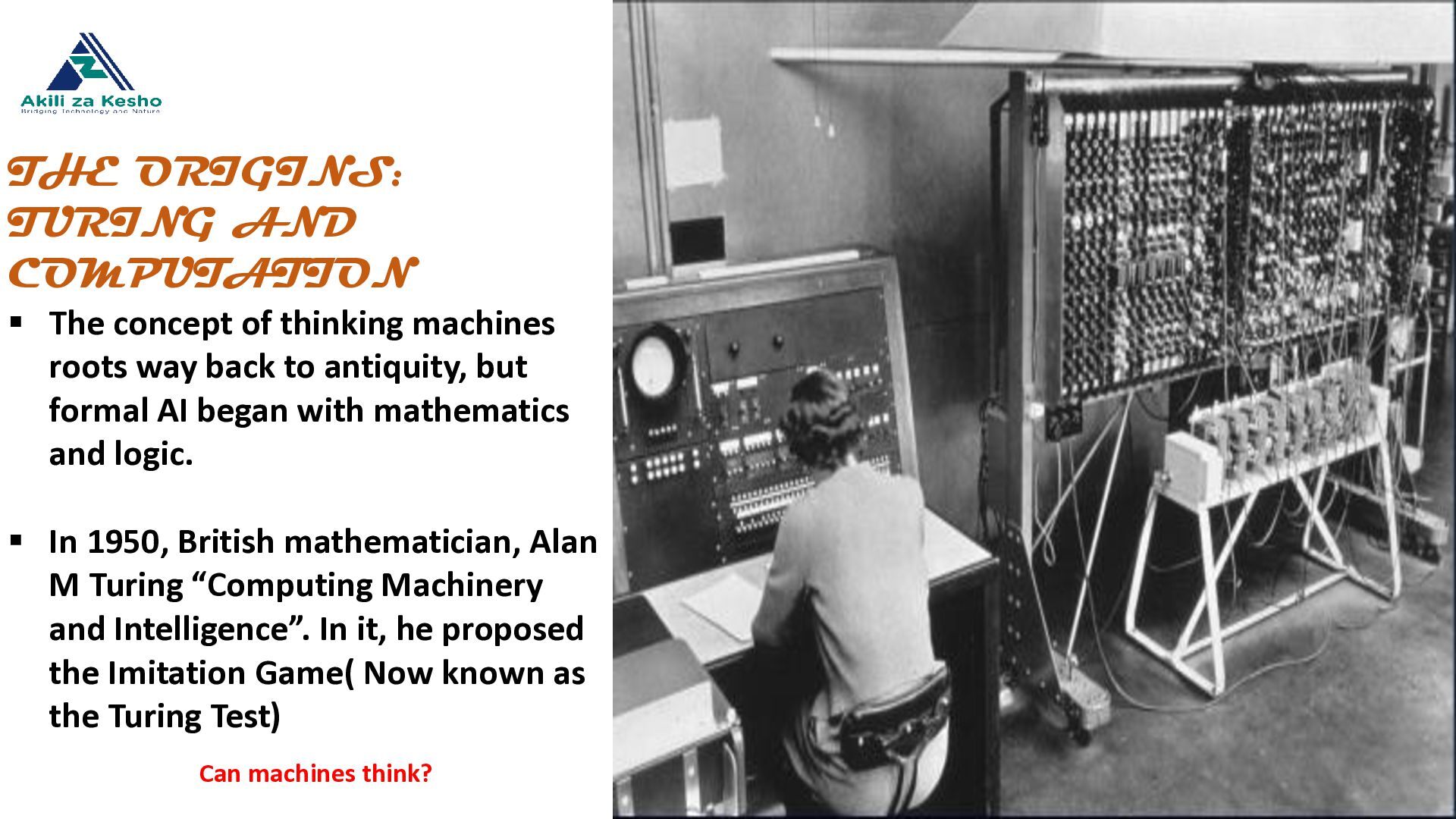
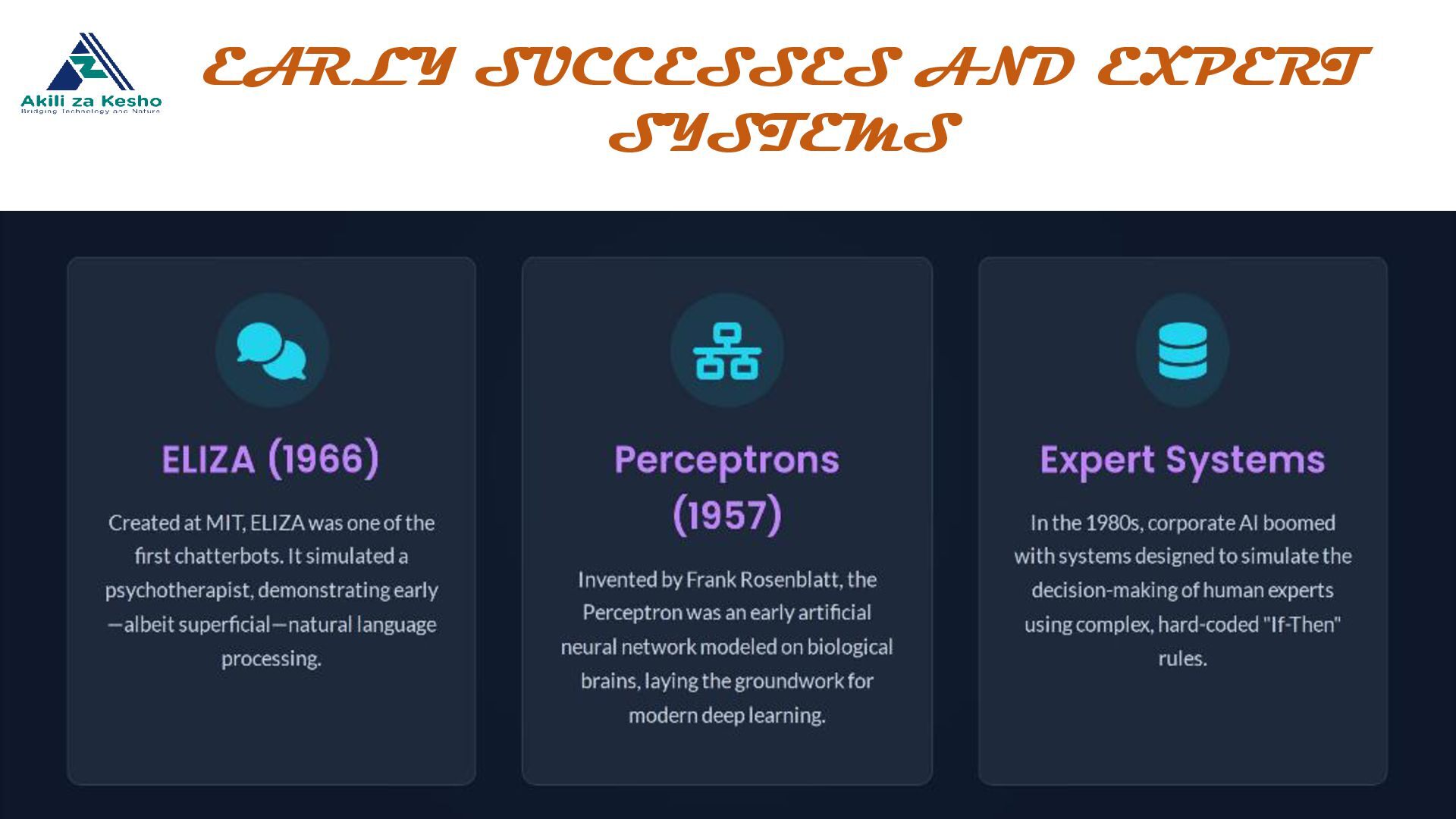
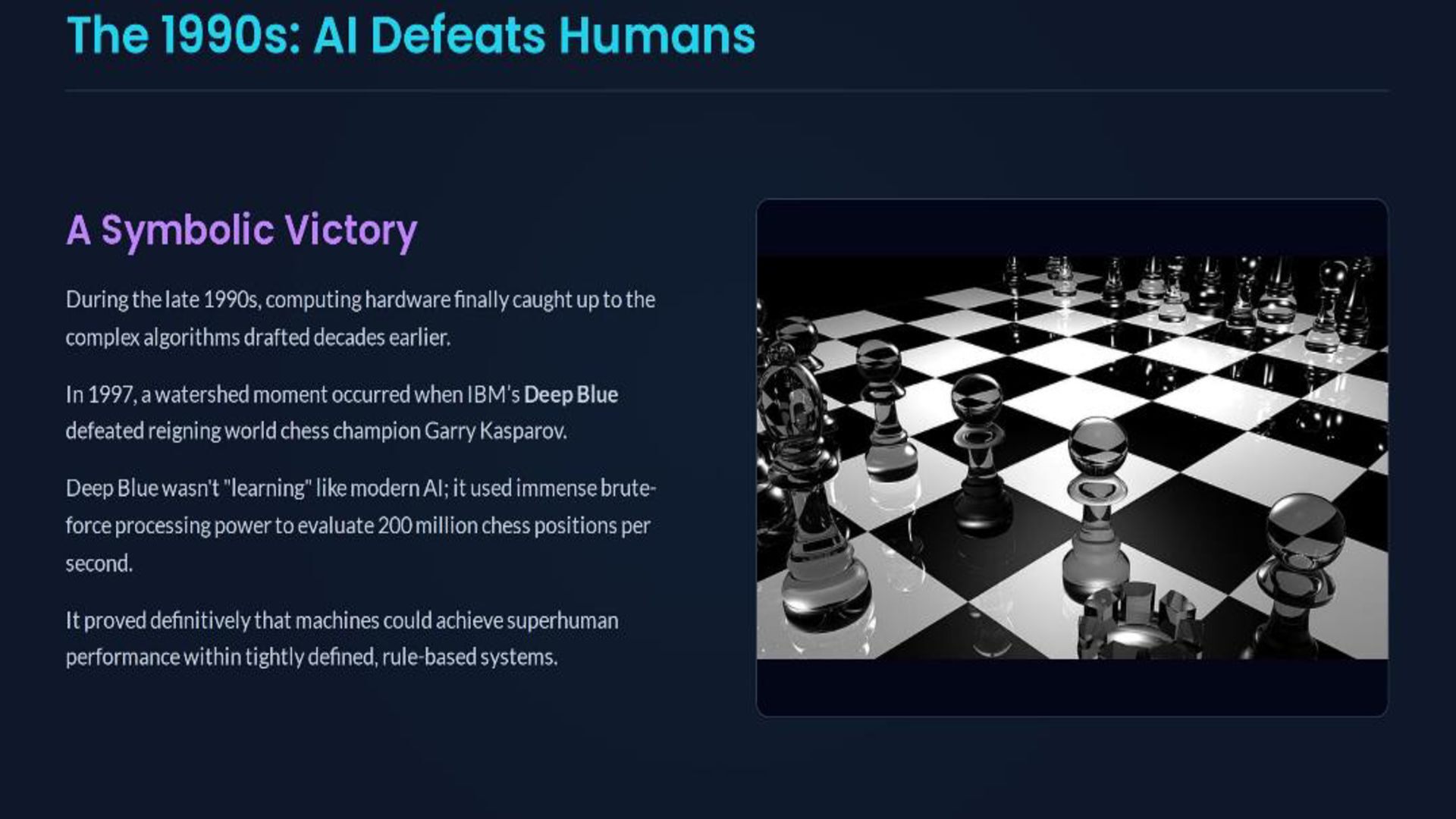
machines roots way back to antiquity, but formal AI began with mathematics and logic. In 1950, British mathematician, Alan M Turing “Computing Machinery and Intelligence”. In it, he proposed the Imitation Game( Now known as the Turing Test) Can machines think?
John McCarthy officially introduced AI as a new discipline at the 2-month long Dartmouth Conference, which marked the official birth of AI. • He coined the term Artificial Intelligence.
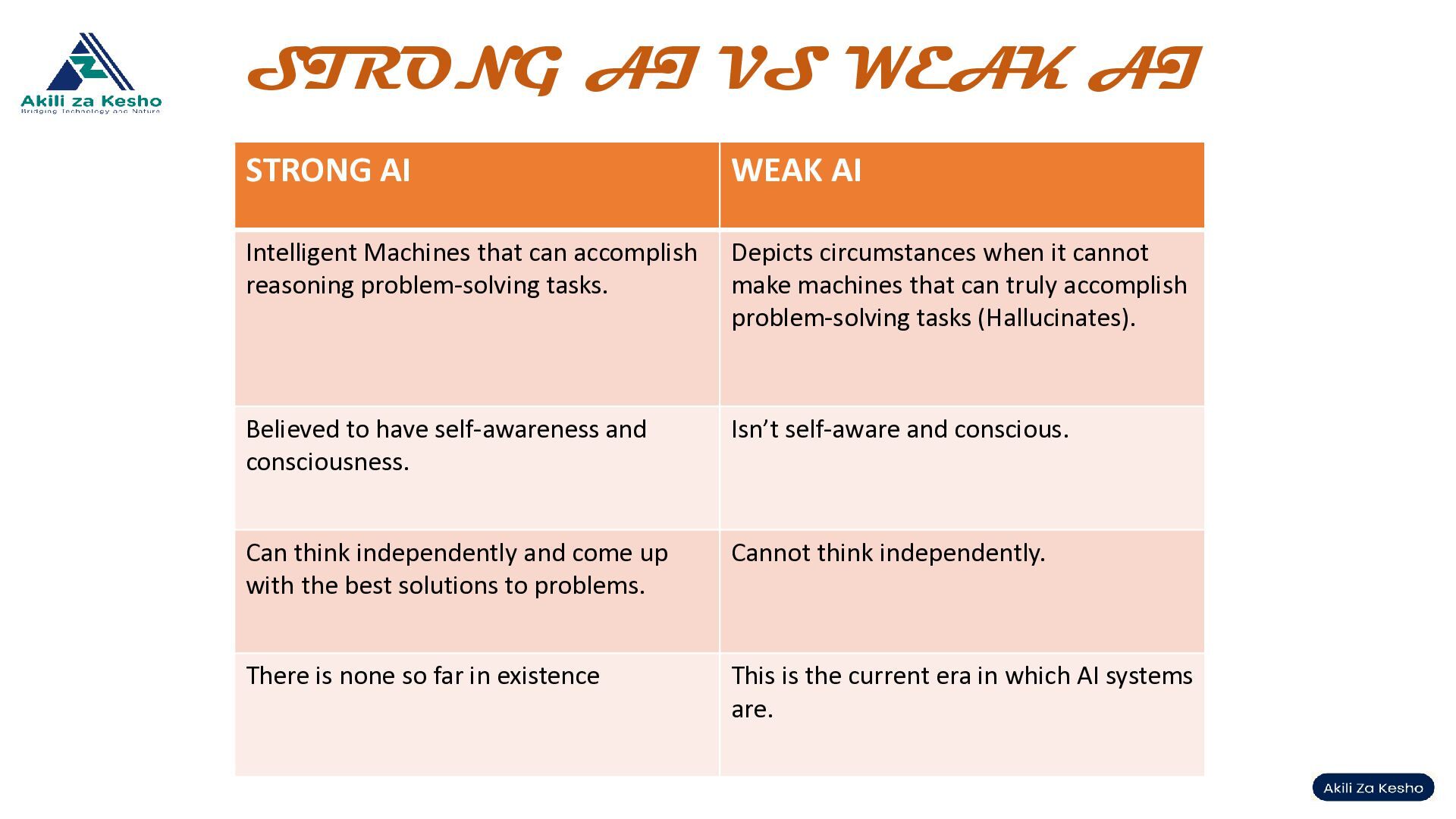
Machines that can accomplish reasoning problem-solving tasks. Depicts circumstances when it cannot make machines that can truly accomplish problem-solving tasks (Hallucinates). Believed to have self-awareness and consciousness. Isn’t self-aware and conscious. Can think independently and come up with the best solutions to problems. Cannot think independently. There is none so far in existence This is the current era in which AI systems are.
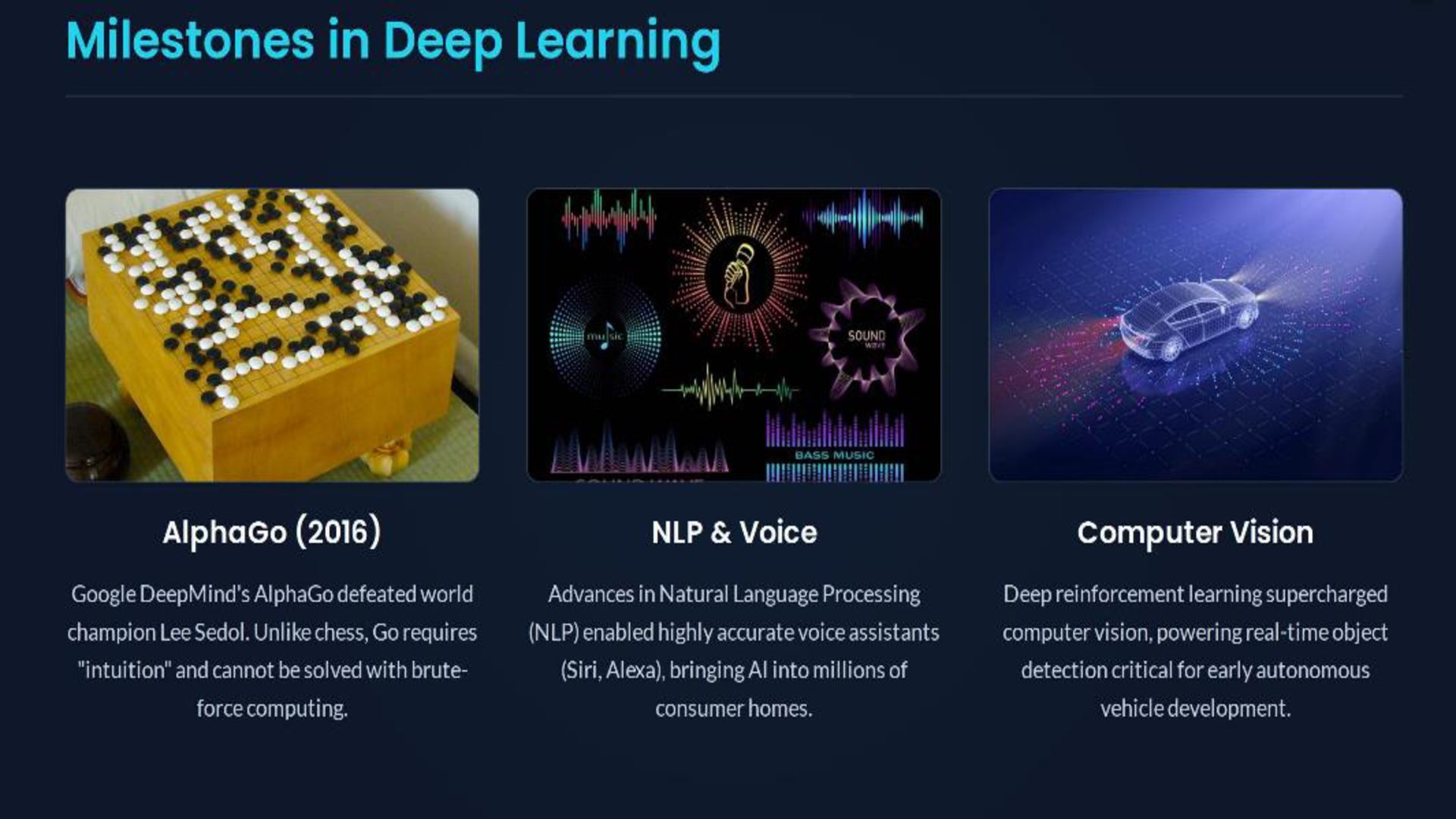
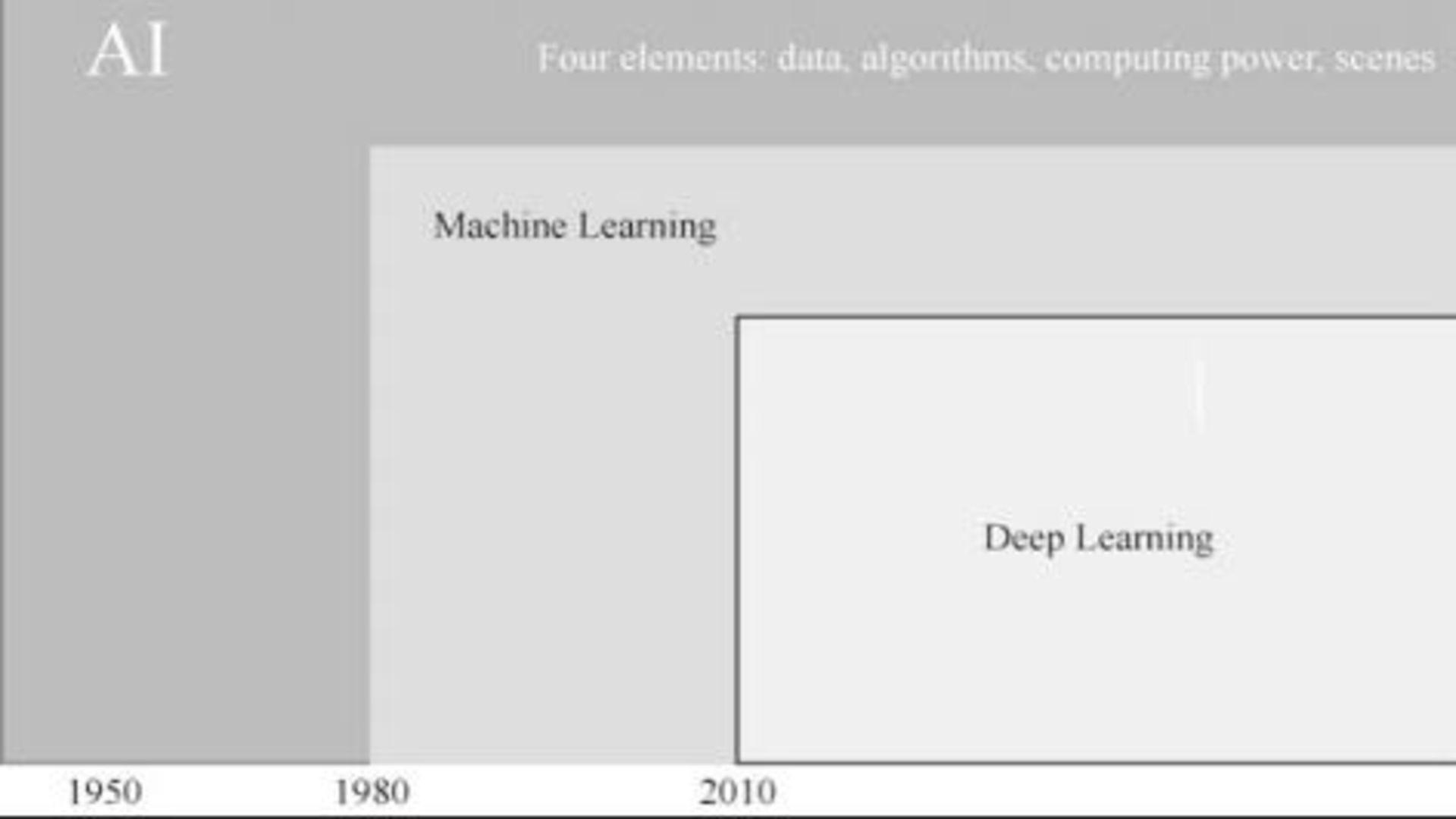
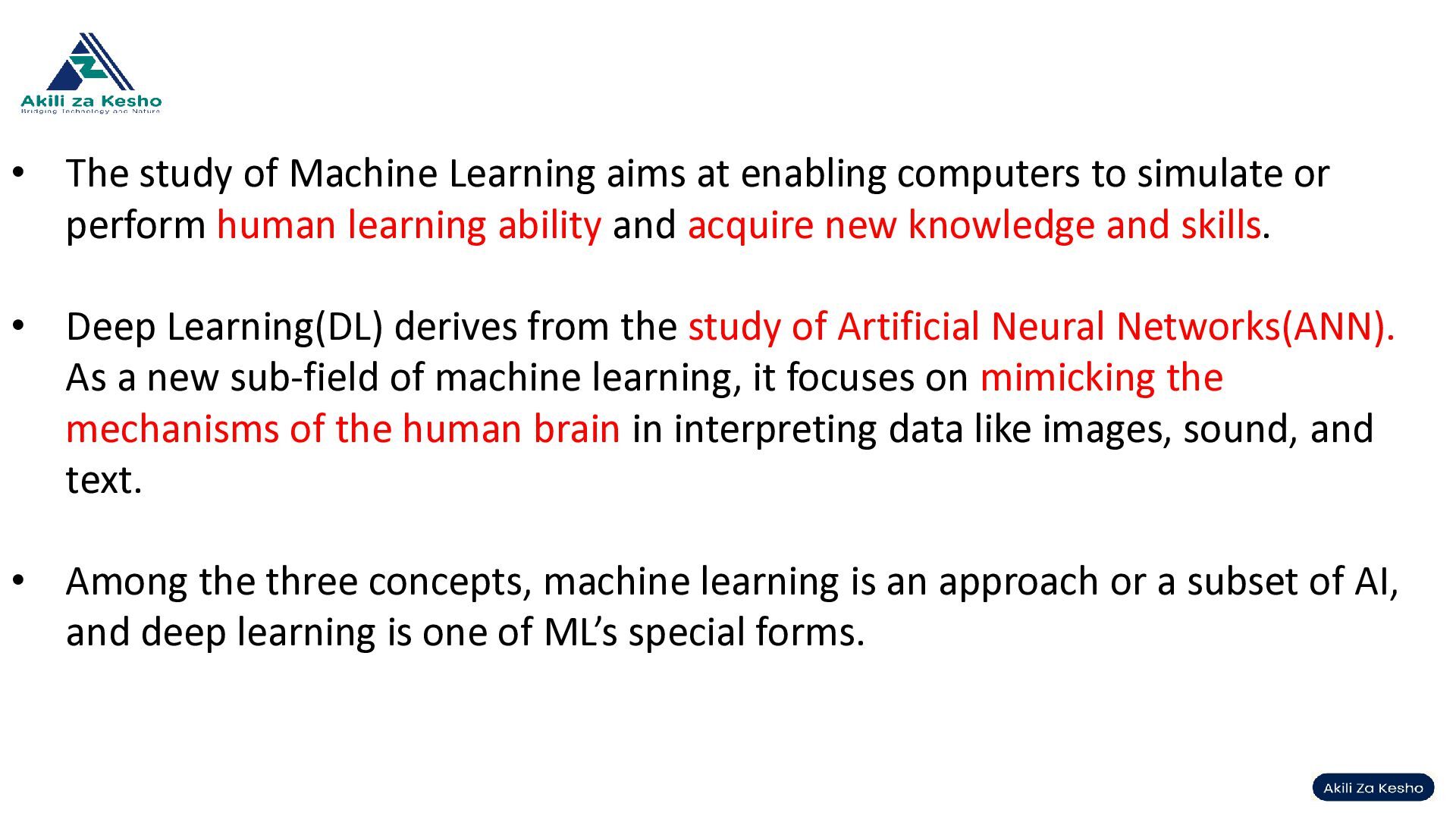
to simulate or perform human learning ability and acquire new knowledge and skills. • Deep Learning(DL) derives from the study of Artificial Neural Networks(ANN). As a new sub-field of machine learning, it focuses on mimicking the mechanisms of the human brain in interpreting data like images, sound, and text. • Among the three concepts, machine learning is an approach or a subset of AI, and deep learning is one of ML’s special forms.
human beings consists of the interference and processing of symbols. A human is an example of a physical symbol system, and so is a computer therefore computers should be able to; • Simulate human intelligent activities, • Knowledge representation, • Knowledge reasoning, • Knowledge application. Symbolism thus argues that knowledge and concepts can be represented by symbols. The core idea here is reasoning specifically symbolic reasoning and machine reasoning.
human logical thinking is neurons, rather than a process of symbol processing. • It believes that the human brain is different from computers thus putting forward a connectionist model, imitating brain work to replace the computer working model operated by symbols. • It stems from bionics, specifically the study of human brain models. The core idea of connectionism lies in neural networks and deep learning.
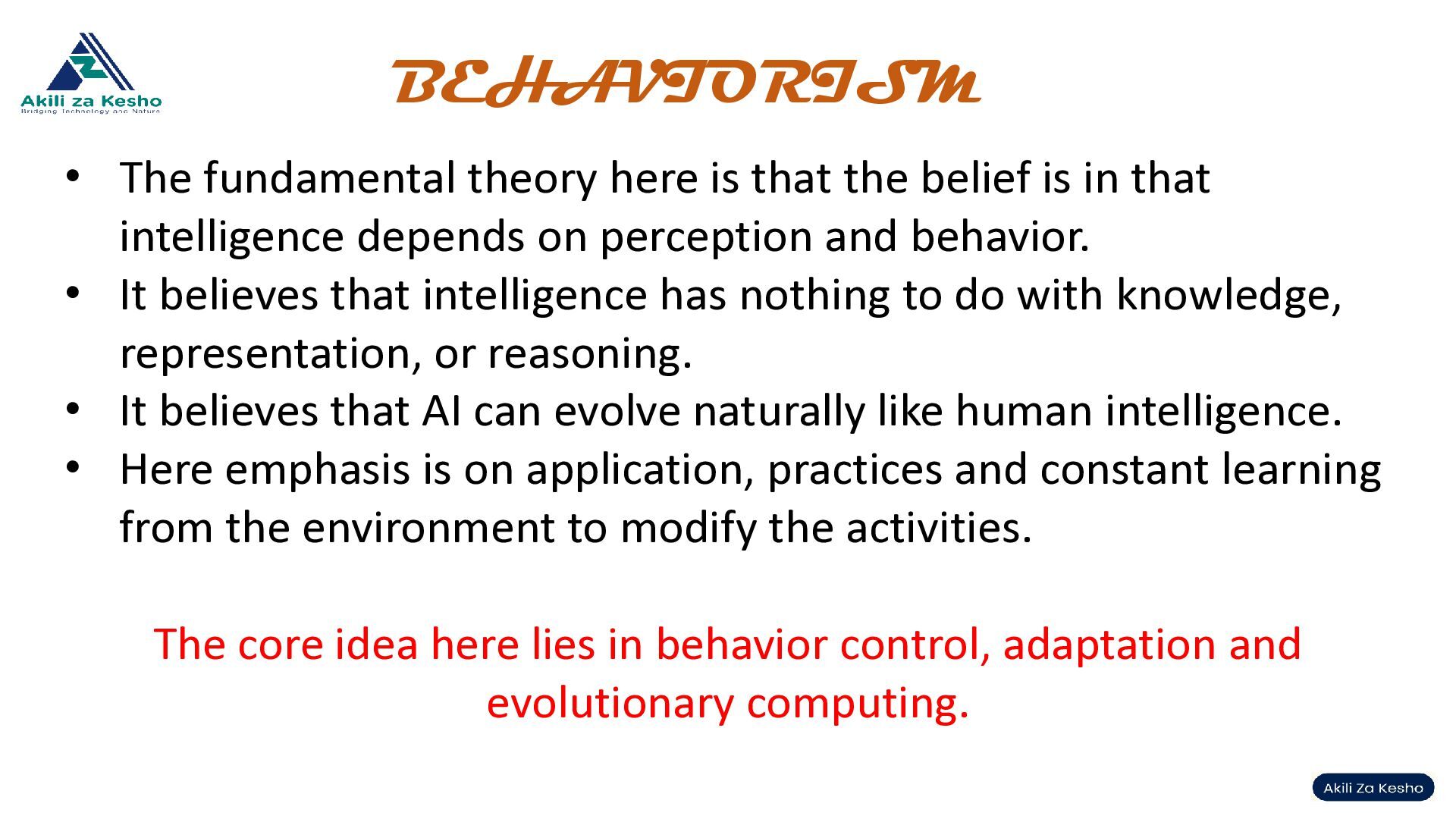
is in that intelligence depends on perception and behavior. • It believes that intelligence has nothing to do with knowledge, representation, or reasoning. • It believes that AI can evolve naturally like human intelligence. • Here emphasis is on application, practices and constant learning from the environment to modify the activities. The core idea here lies in behavior control, adaptation and evolutionary computing.
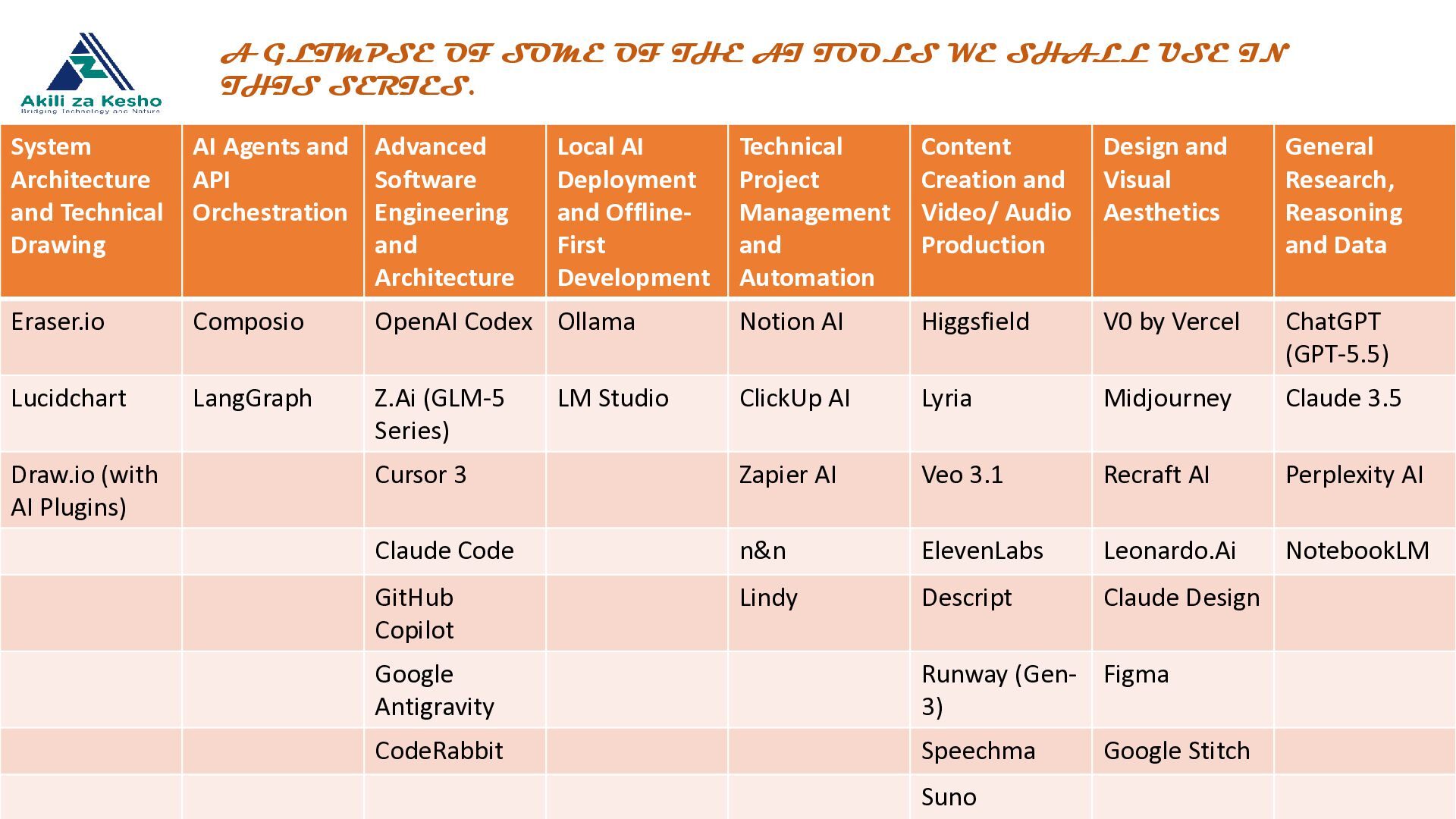
USE IN THIS SERIES. System Architecture and Technical Drawing AI Agents and API Orchestration Advanced Software Engineering and Architecture Local AI Deployment and Offline- First Development Technical Project Management and Automation Content Creation and Video/ Audio Production Design and Visual Aesthetics General Research, Reasoning and Data Eraser.io Composio OpenAI Codex Ollama Notion AI Higgsfield V0 by Vercel ChatGPT (GPT-5.5) Lucidchart LangGraph Z.Ai (GLM-5 Series) LM Studio ClickUp AI Lyria Midjourney Claude 3.5 Draw.io (with AI Plugins) Cursor 3 Zapier AI Veo 3.1 Recraft AI Perplexity AI Claude Code n&n ElevenLabs Leonardo.Ai NotebookLM GitHub Copilot Lindy Descript Claude Design Google Antigravity Runway (Gen- 3) Figma CodeRabbit Speechma Google Stitch Suno


 egaboaaron
 ivry_presentationmaterials
 4o1sobblue
 kaminashi
 kworkdev
 teamlab
 bitkey
 yazm
 moznion
 nttcom
 codmoninc
 raspython3
 endonanana
 davidcarrasco
 panda_program
 denniskardys
 skoyamalab
 jakevdp
 sstephenson
 garrettdimon
 honnibal
 katarinadahlin
 rakko
 aemeredith
 chrisshort