harbor: Harbor = Harbor([[] for _ in range(N_STACKS)]) for line in bottomup: tokens = [ ''.join(x for _, x in g[1]) for g in groupby( enumerate(line), lambda t: t[0] // N_CHARS_IN_BOX_TOKEN ) ] boxes: List[Box] = [t.strip('[] ') for t in tokens] for box, stack in zip(boxes, harbor.iter_stacks()): if box: stack.append(box) return harbor
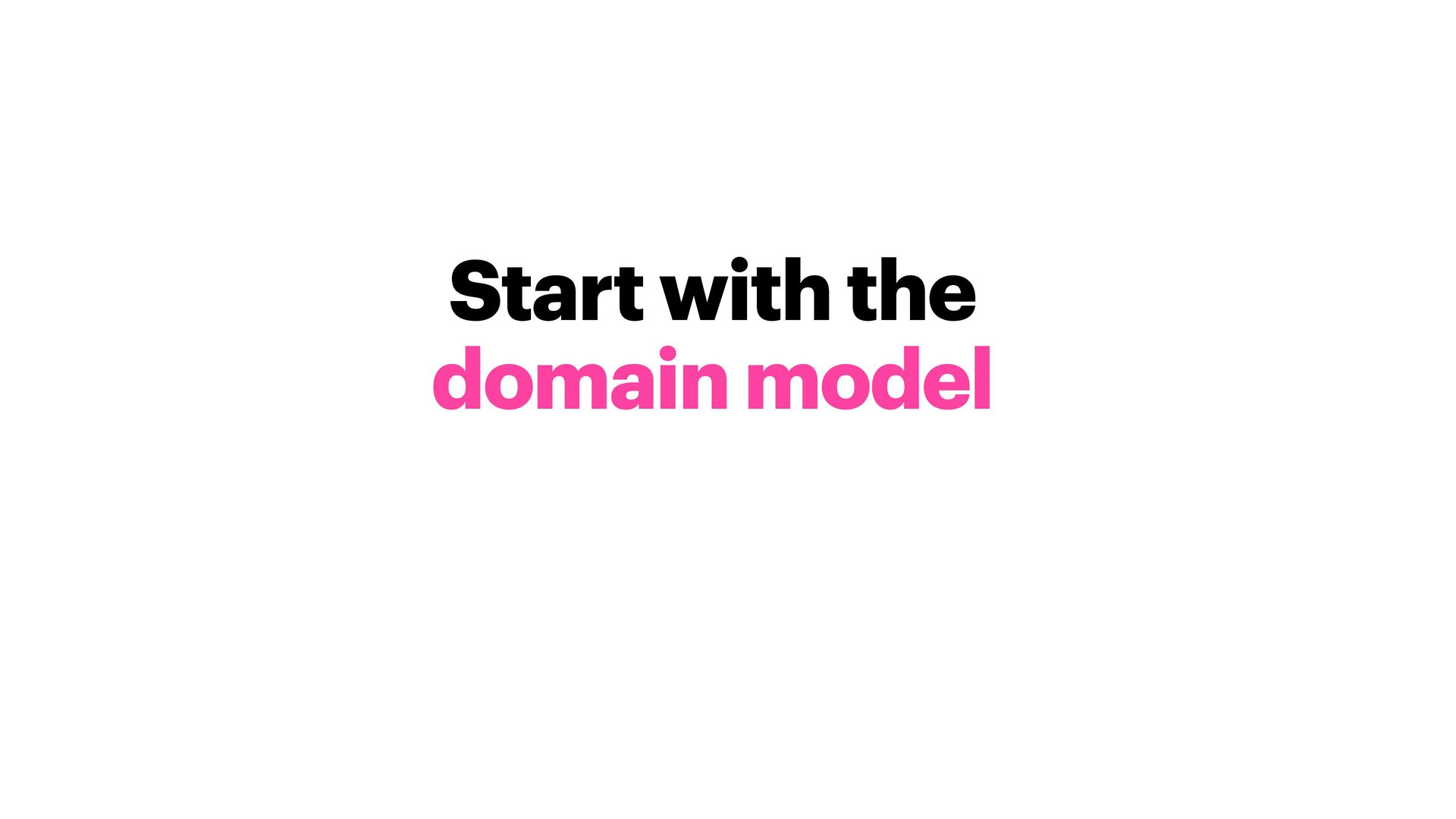
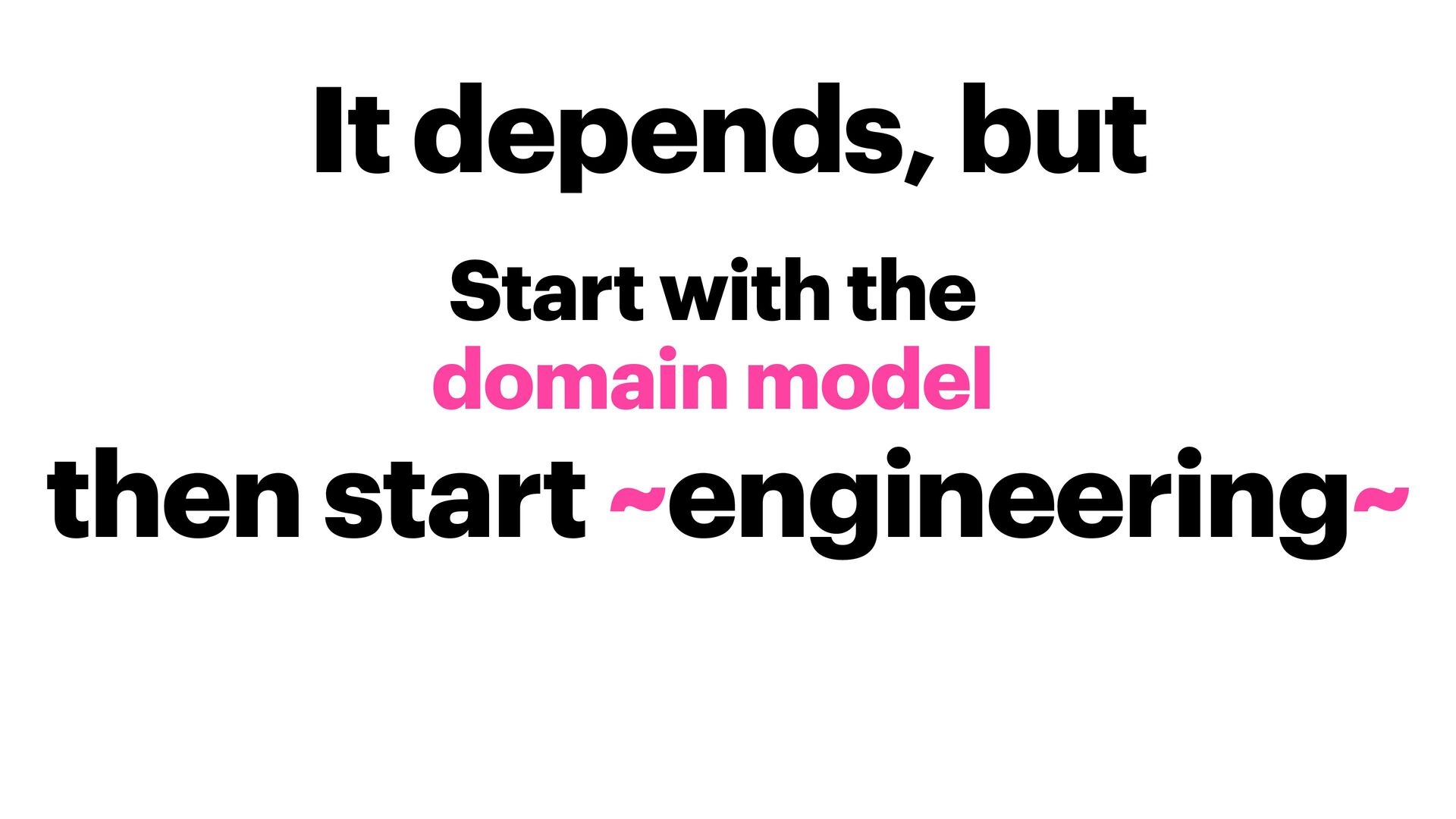
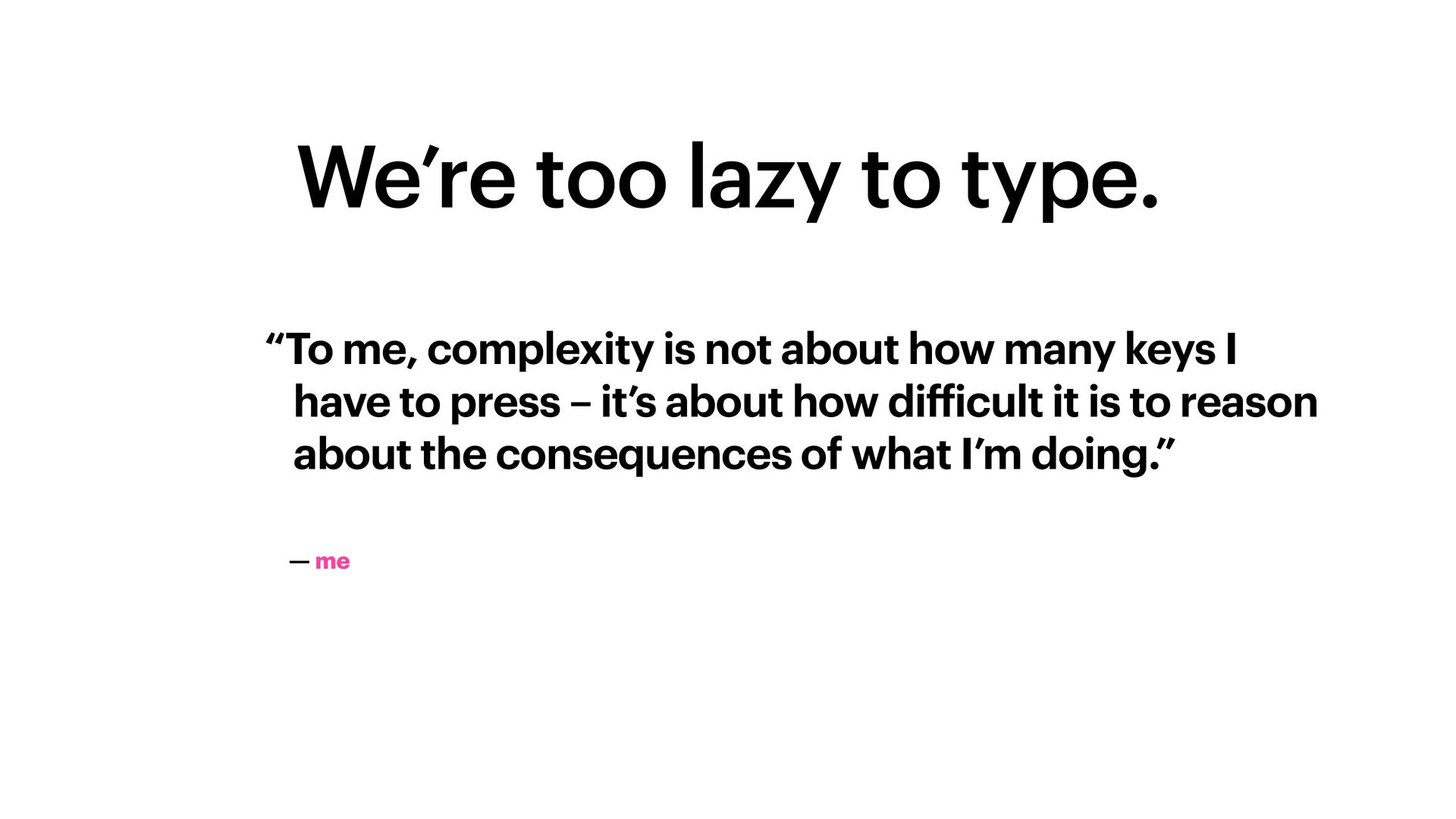
of your program, that interacts with the "outside world". Once it's inside, organize it into nice data structures so that operations (i.e. code) are as self-evident as possible.” — Matthew Drury
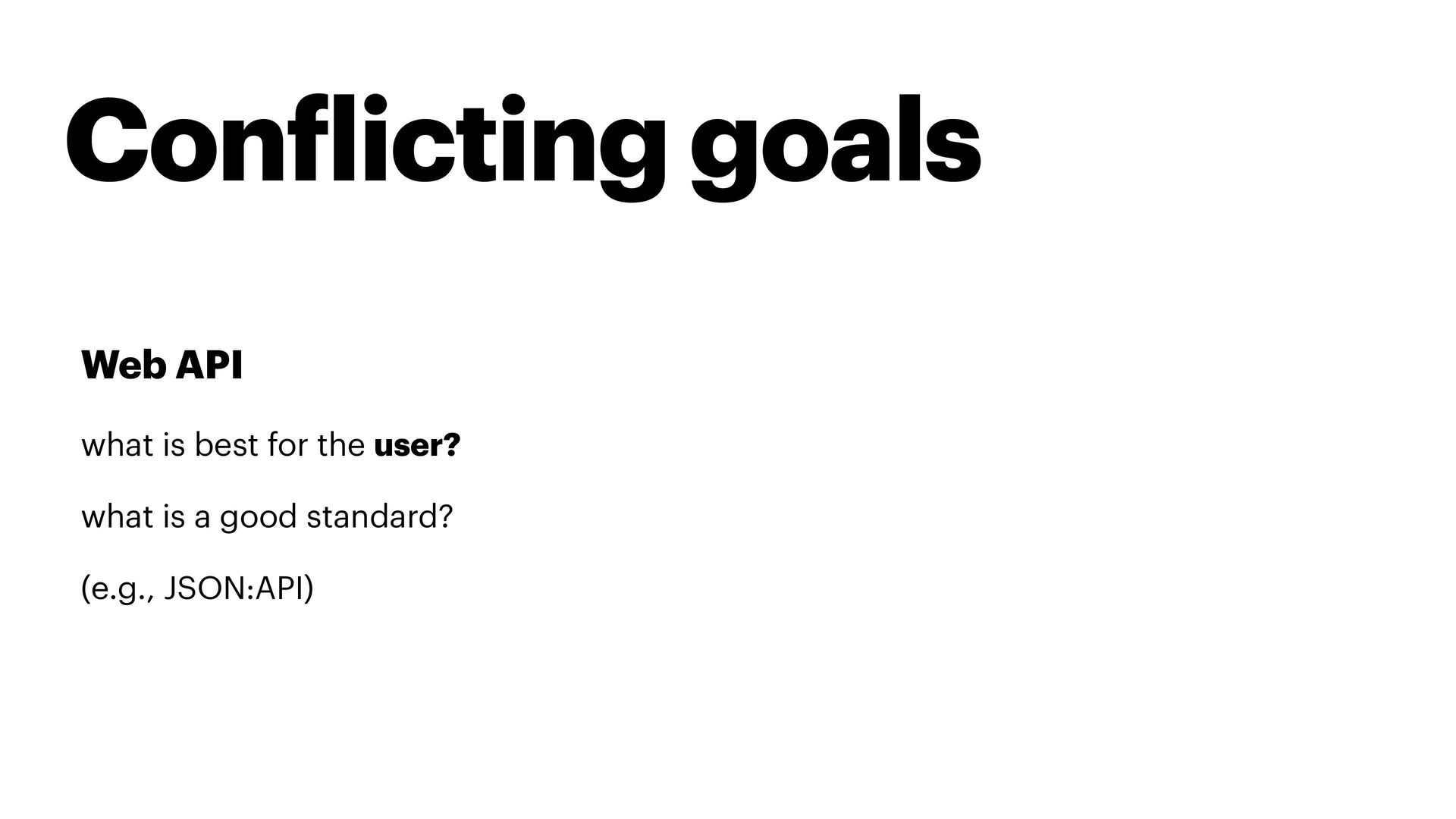
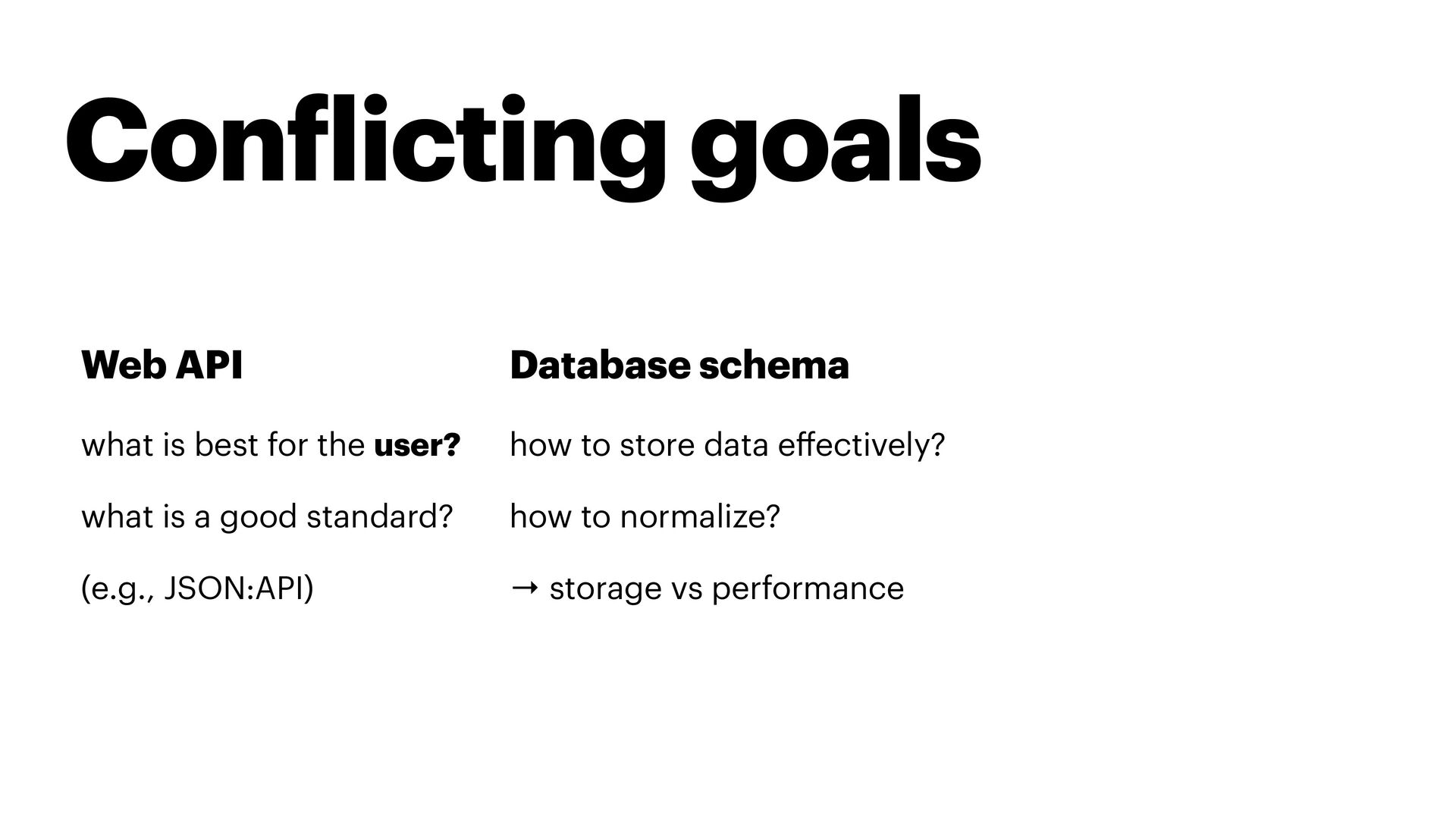
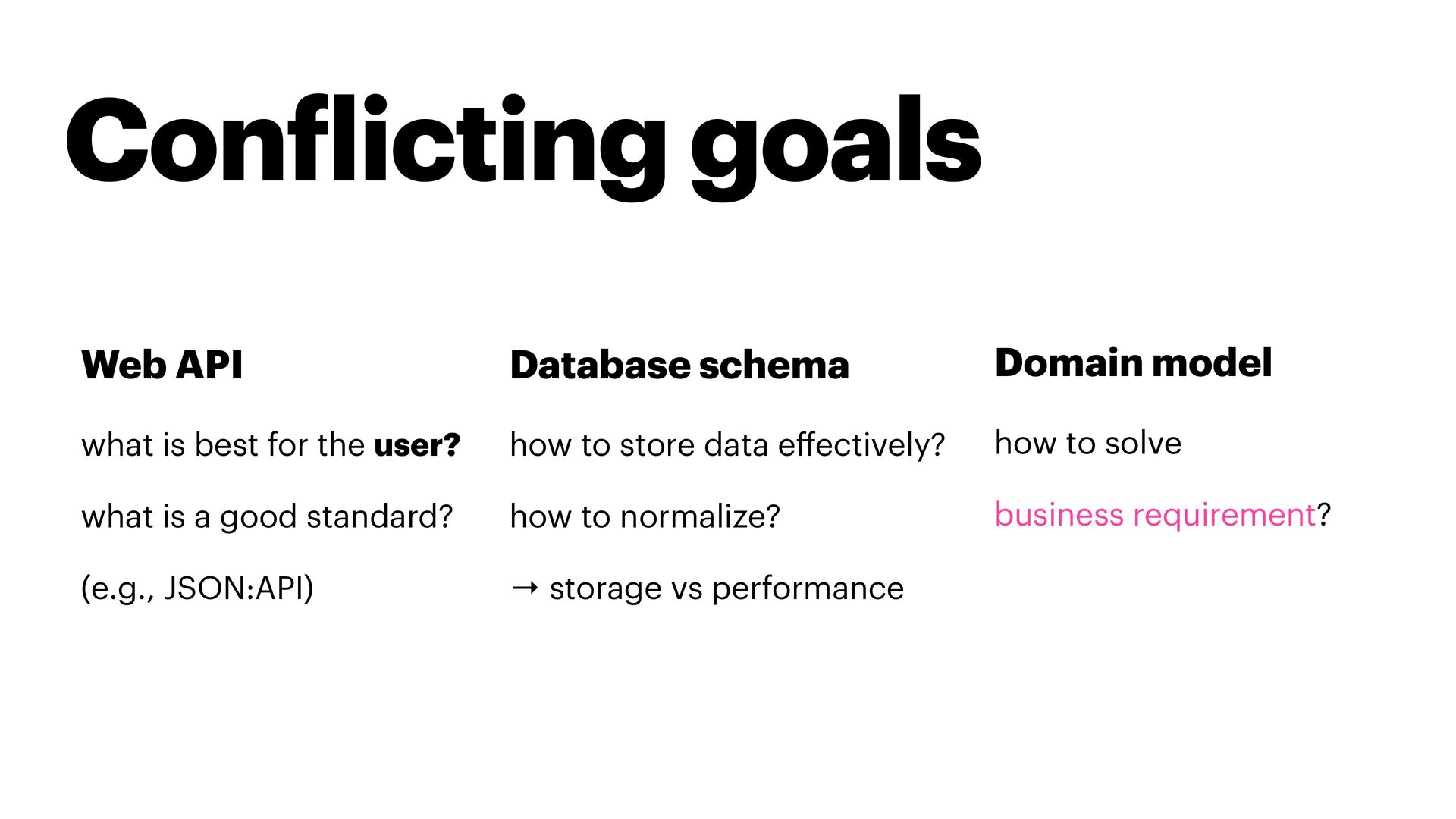
the user? what is a good standard? (e.g., JSON:API) Database schema how to store data e ff ectively? how to normalize? → storage vs performance Domain model how to solve business requirement?
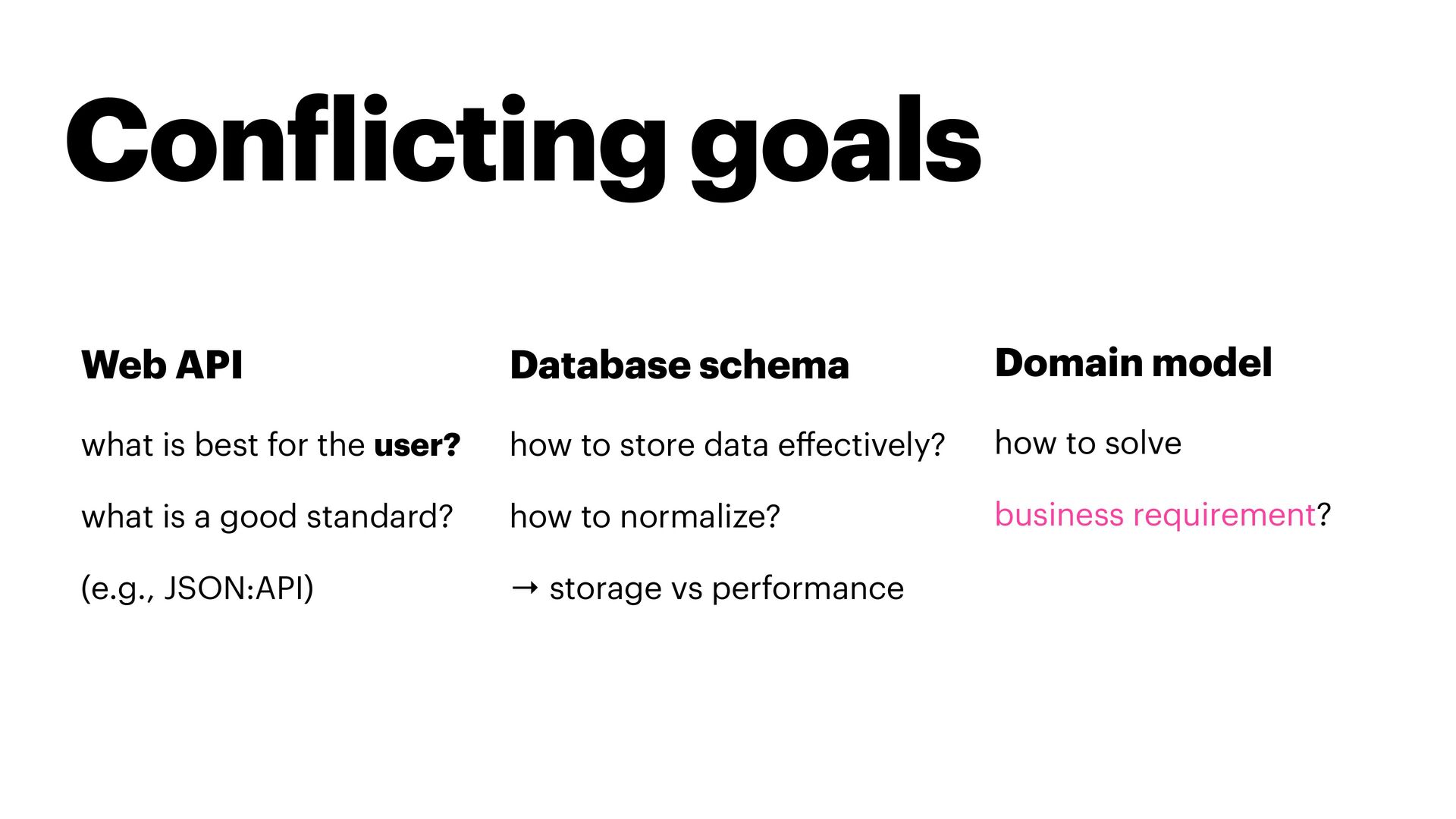
the user? what is a good standard? (e.g., JSON:API) Database schema how to store data e ff ectively? how to normalize? → storage vs performance Domain model how to solve business requirement?
the user? what is a good standard? (e.g., JSON:API) Database schema how to store data e ff ectively? how to normalize? → storage vs performance Domain model how to solve business requirement?
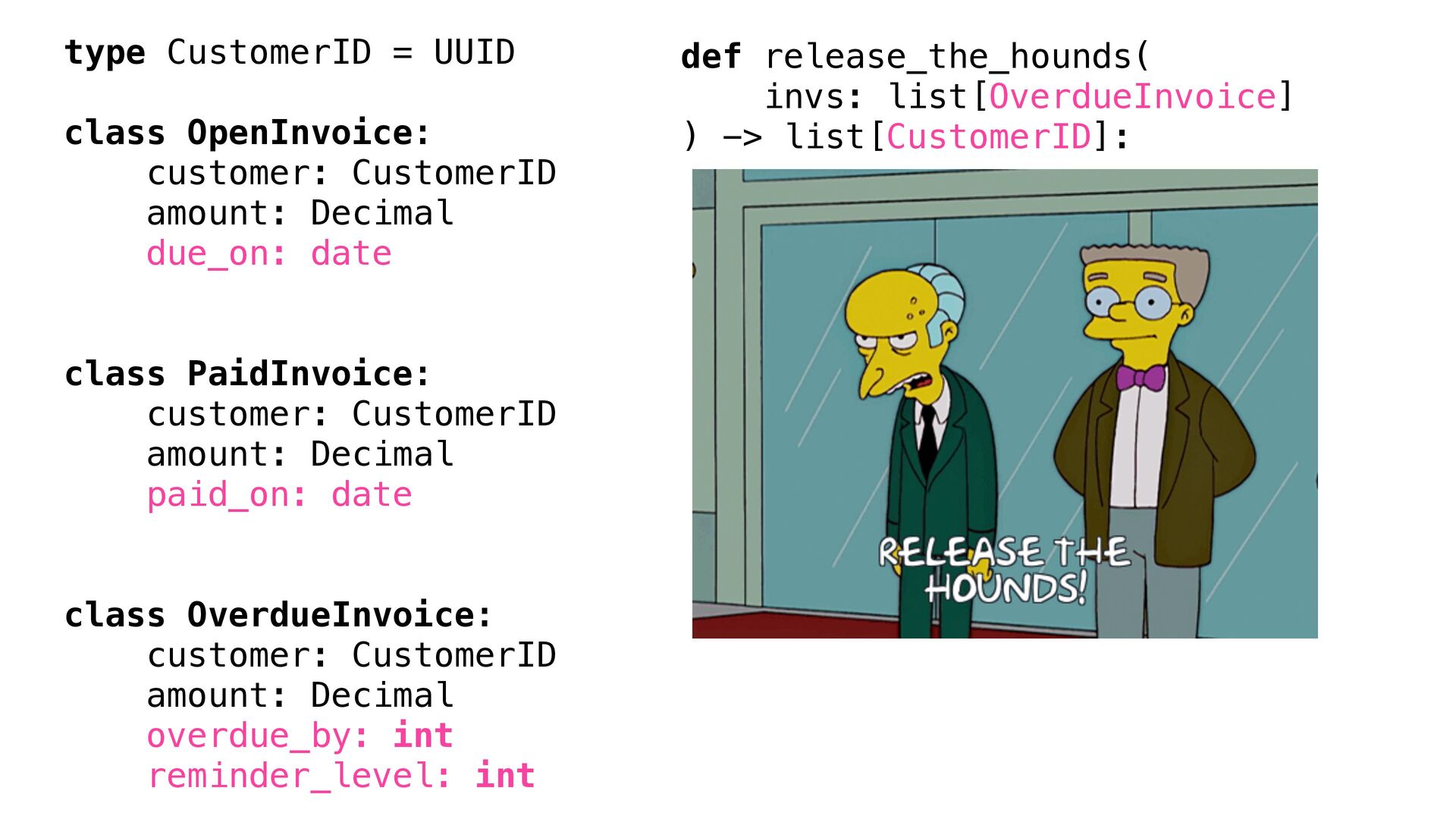
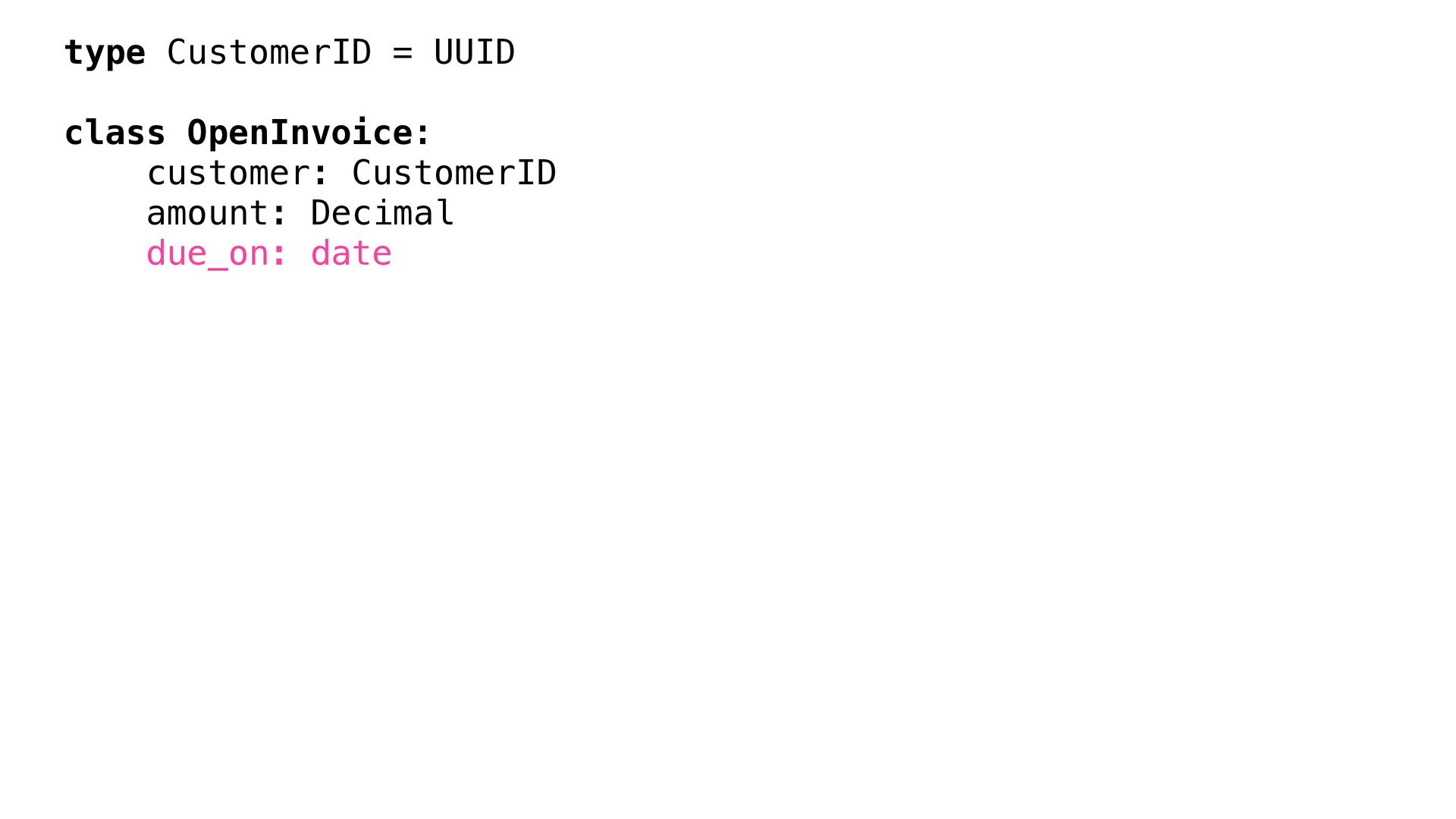
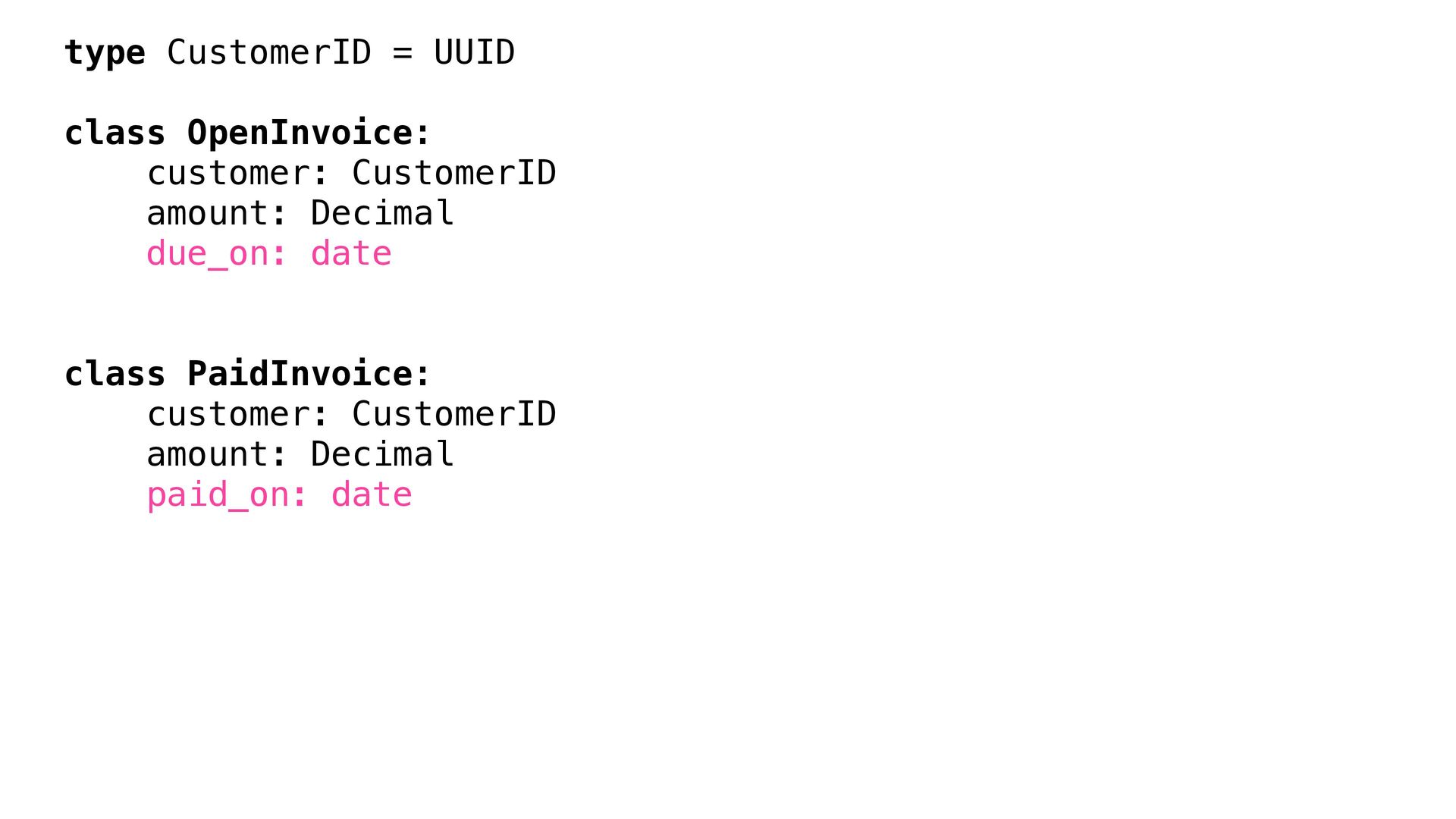
due_on: date class PaidInvoice: customer: CustomerID amount: Decimal paid_on: date class OverdueInvoice: customer: CustomerID amount: Decimal overdue_by: int reminder_level: int
due_on: date class PaidInvoice: customer: CustomerID amount: Decimal paid_on: date def release_the_hounds( invs: list[OverdueInvoice] ) -> list[CustomerID]: ... class OverdueInvoice: customer: CustomerID amount: Decimal overdue_by: int reminder_level: int
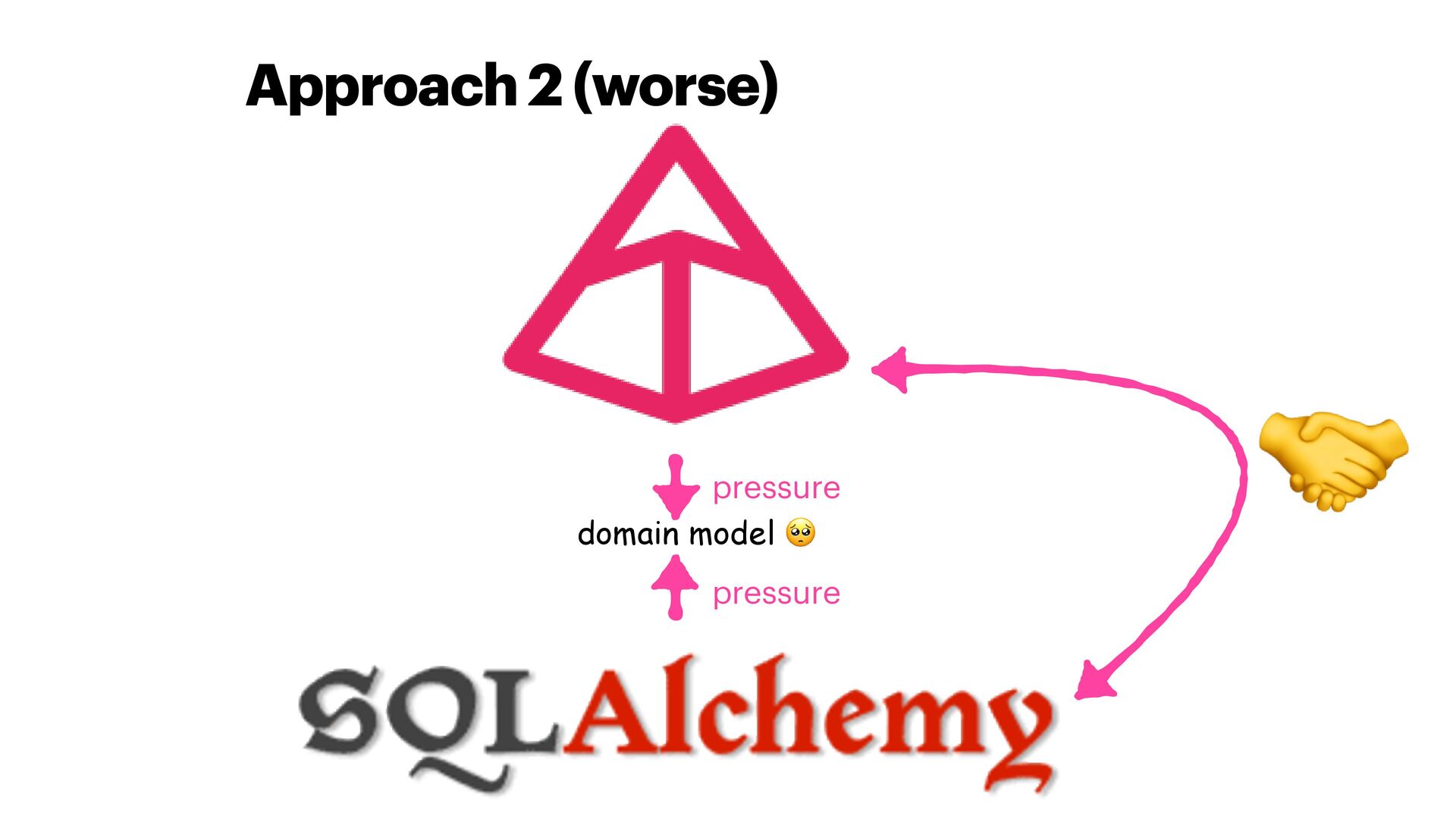
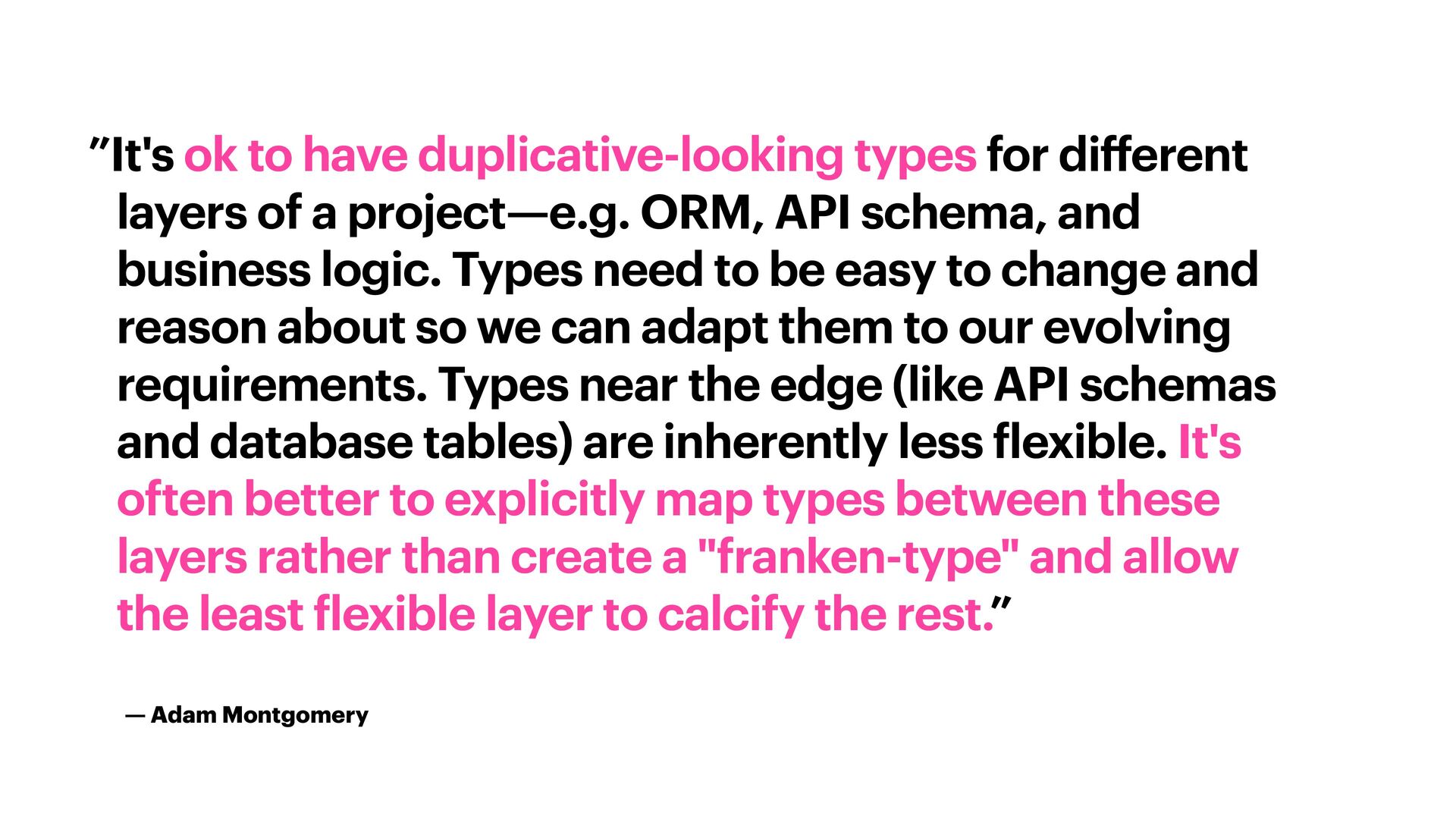
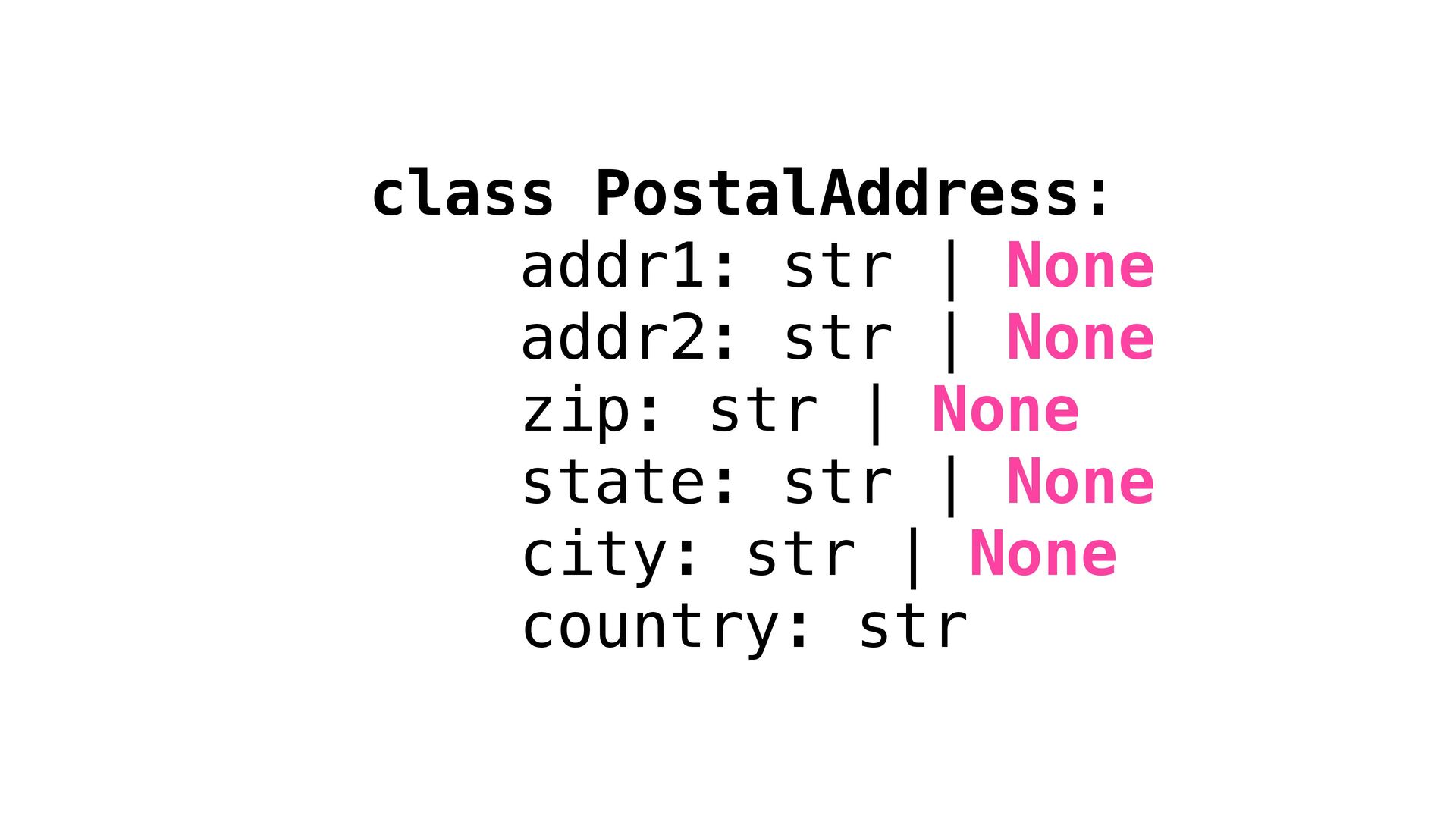
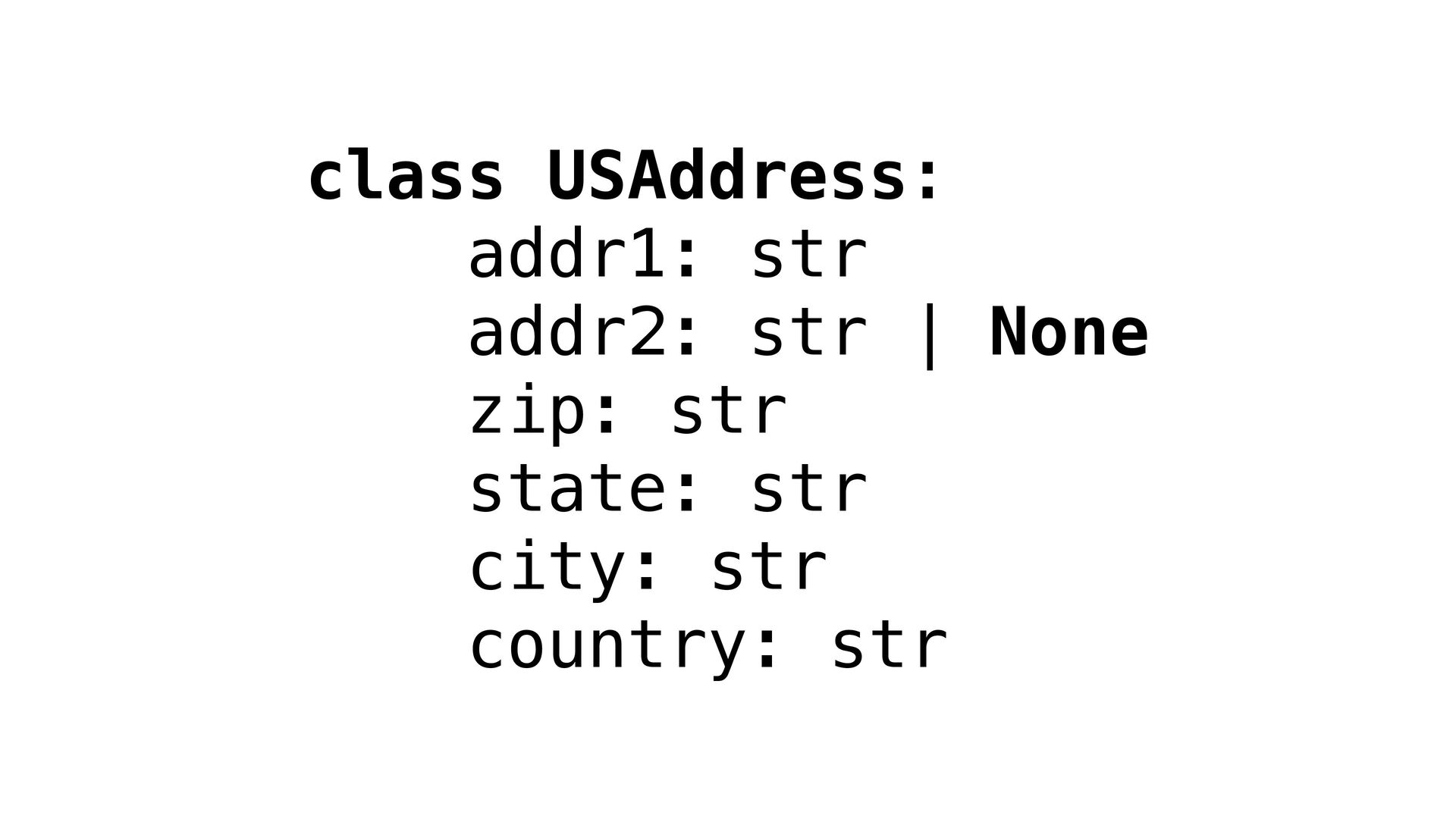
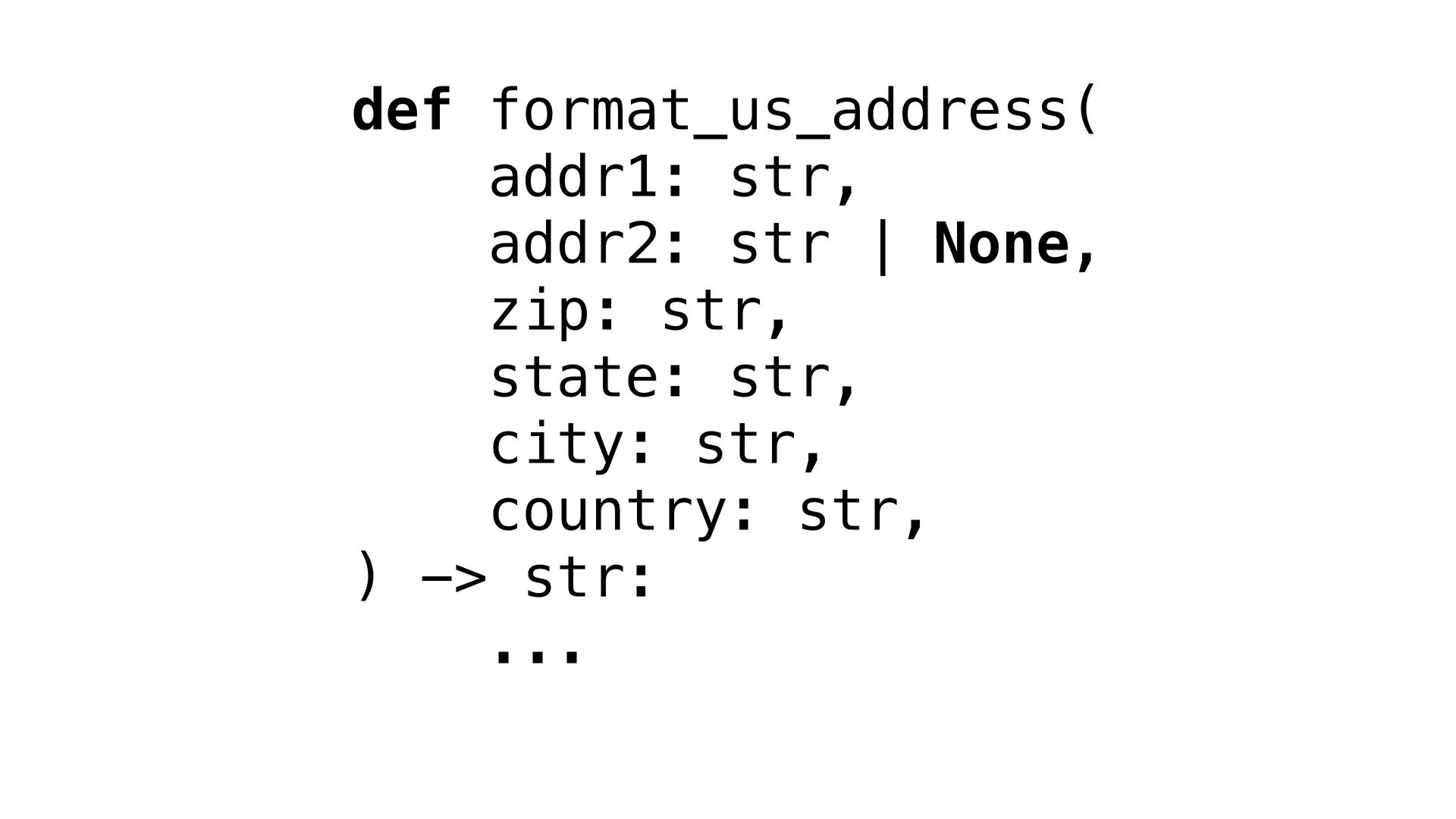
layers of a project—e.g. ORM, API schema, and business logic. Types need to be easy to change and reason about so we can adapt them to our evolving requirements. — Adam Montgomery
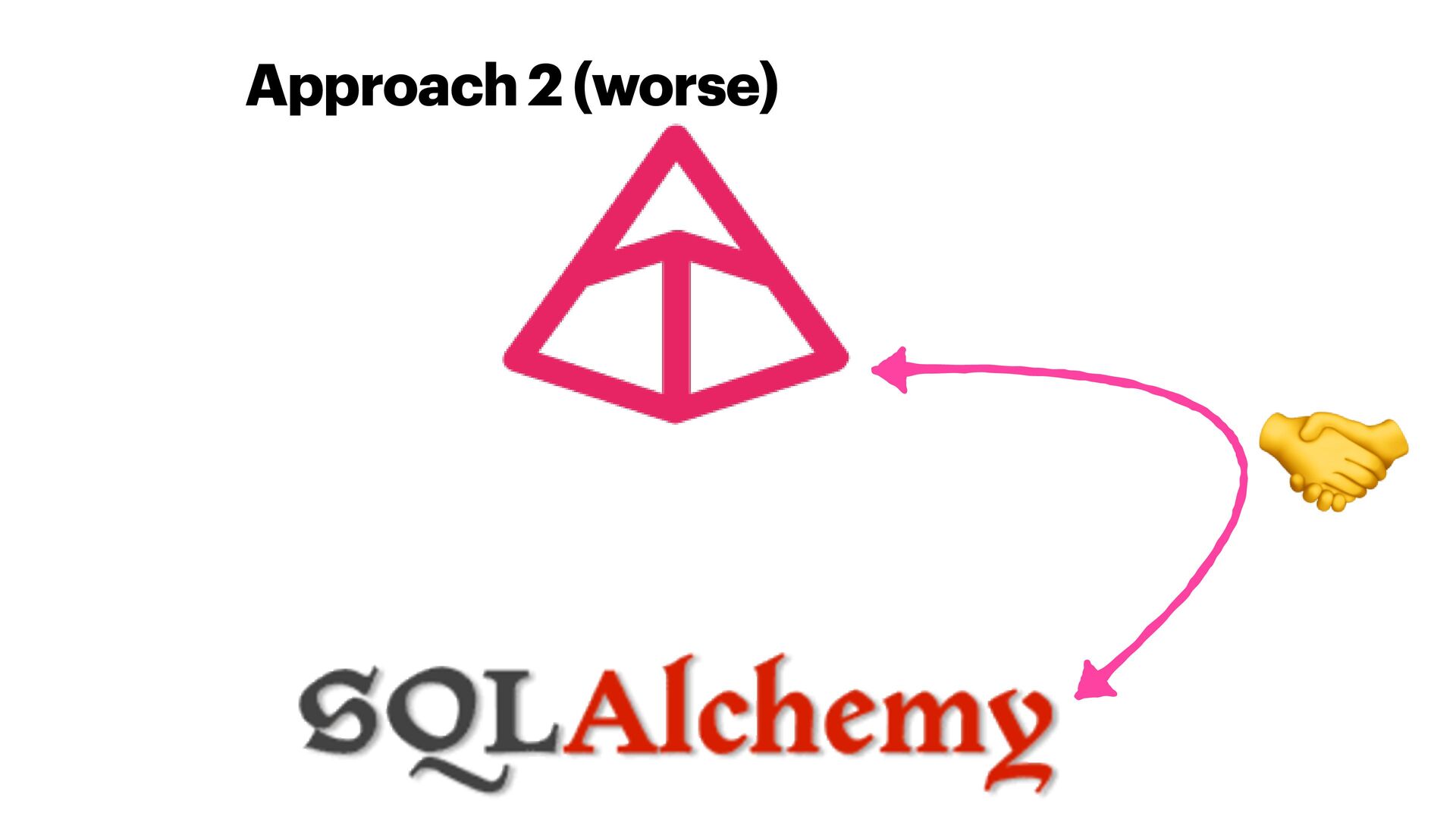
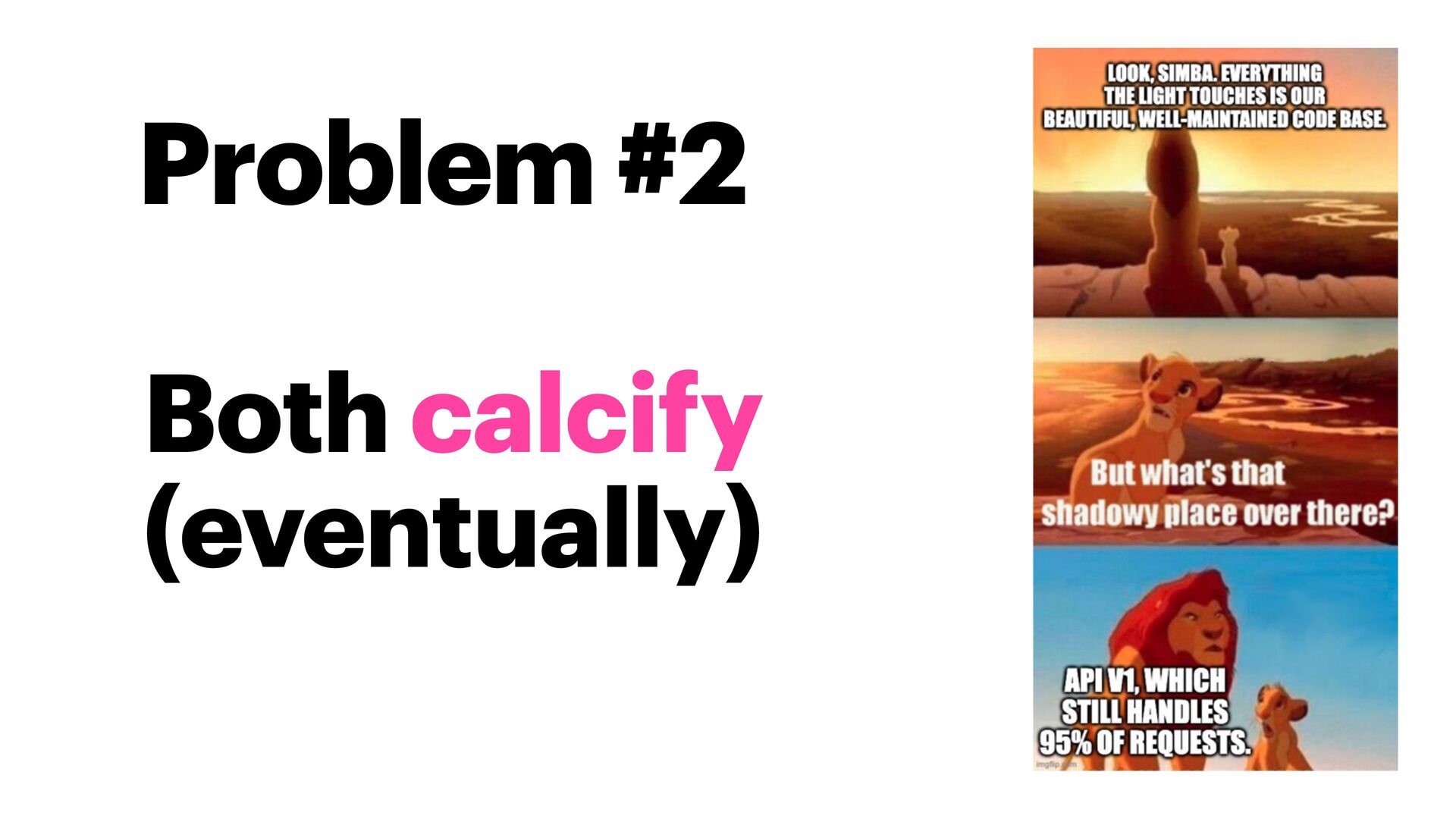
near the edge (like API schemas and database tables) are inherently less f lexible. It's often better to explicitly map types between these layers rather than create a "franken-type" and allow the least f lexible layer to calcify the rest.” — Adam Montgomery


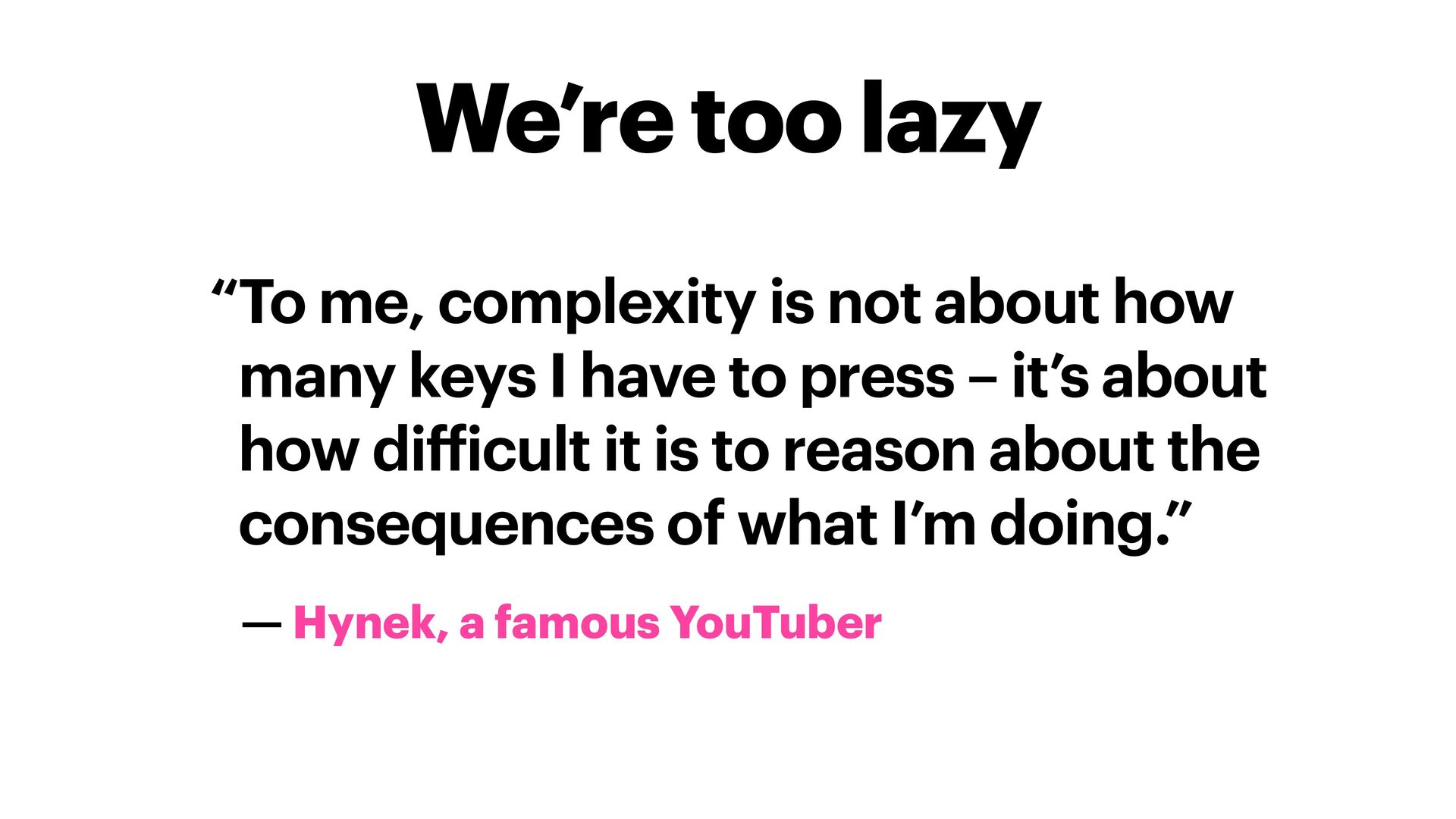
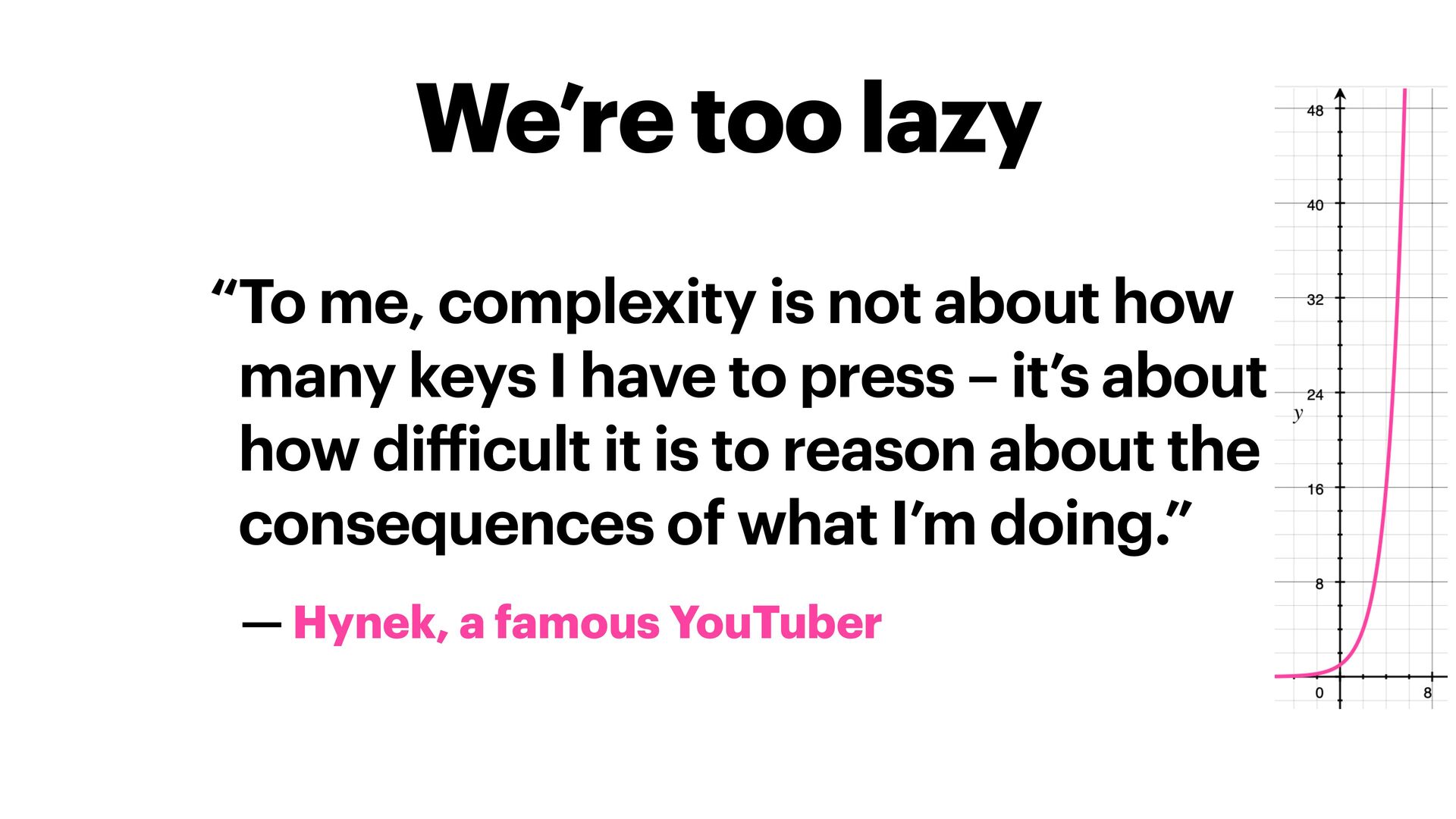
 hynek
hynek
 prota
prota
 syumai
 colorful12
 utakaha
 seike460
 mpyw
mpyw
 oku053
 armondando
 artoy
artoy
 hatsu38
 uyuki234
 mixplace
 sabderemane
 techseoconnect
 vanstee
 jacobian
 cromwellryan
 varn
varn
 eileencodes
 kristinabergwall1
 geoffreycrofte
 addyosmani
 kneath
 lynnandtonic



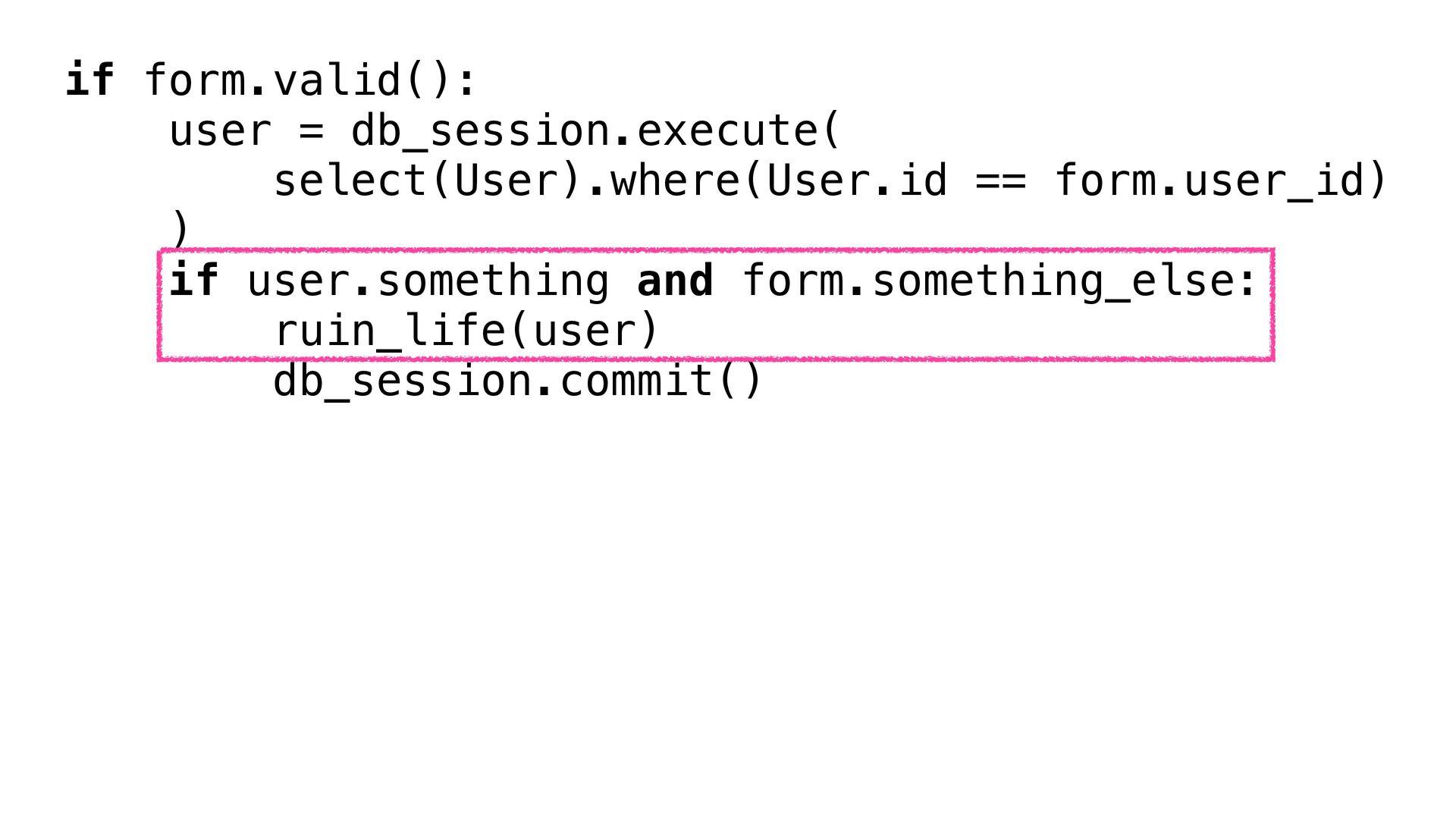



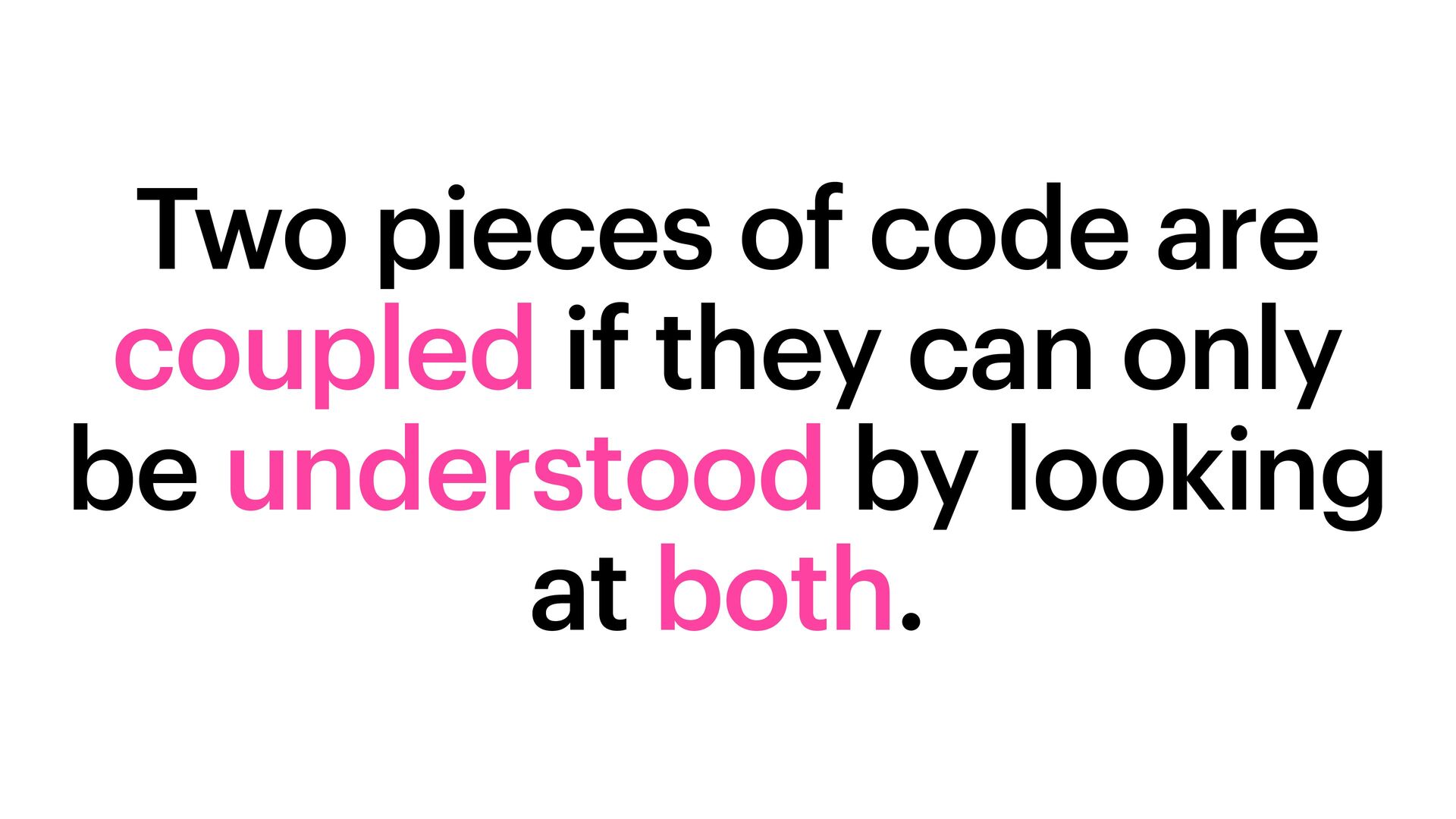
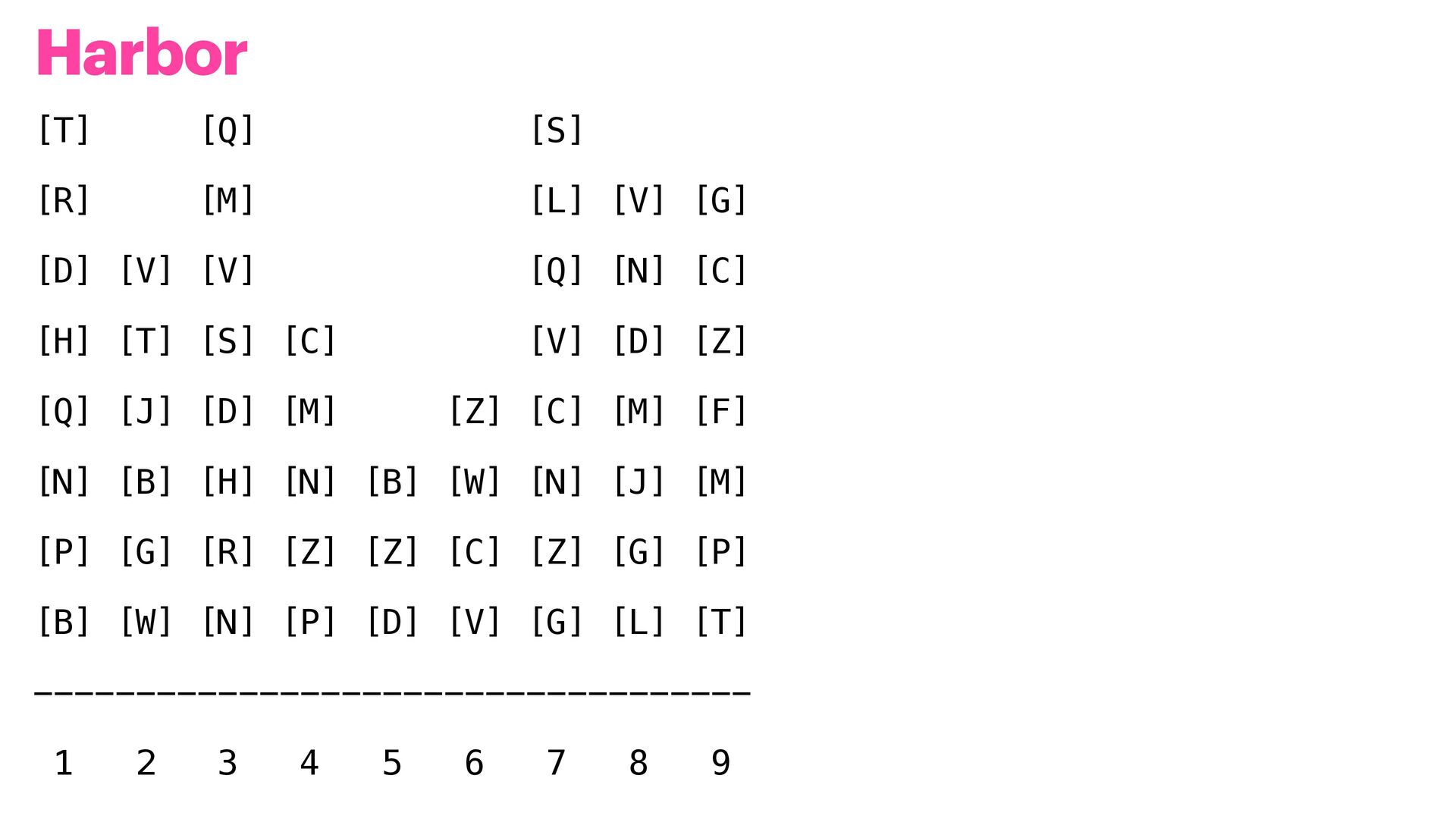
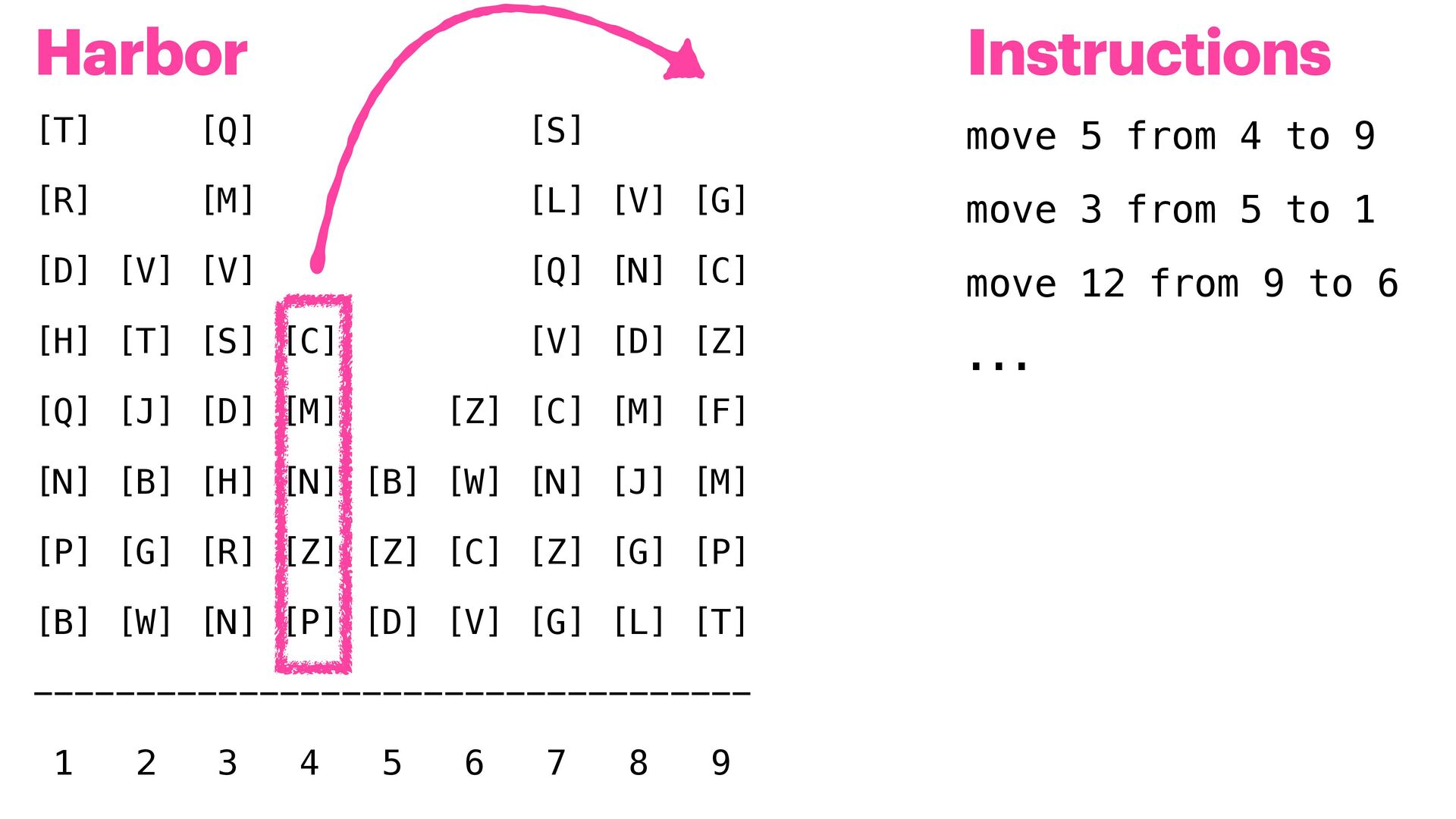

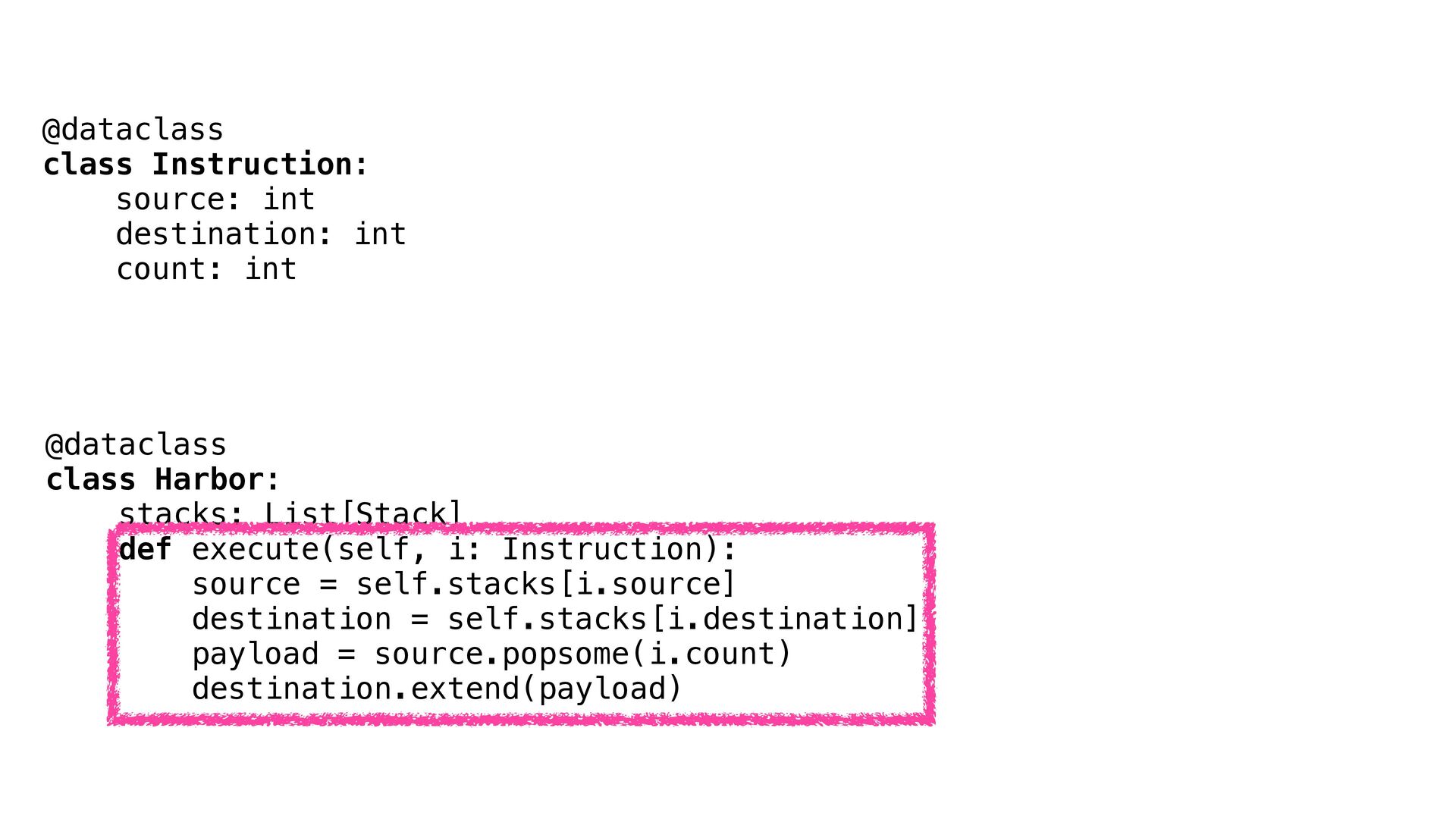
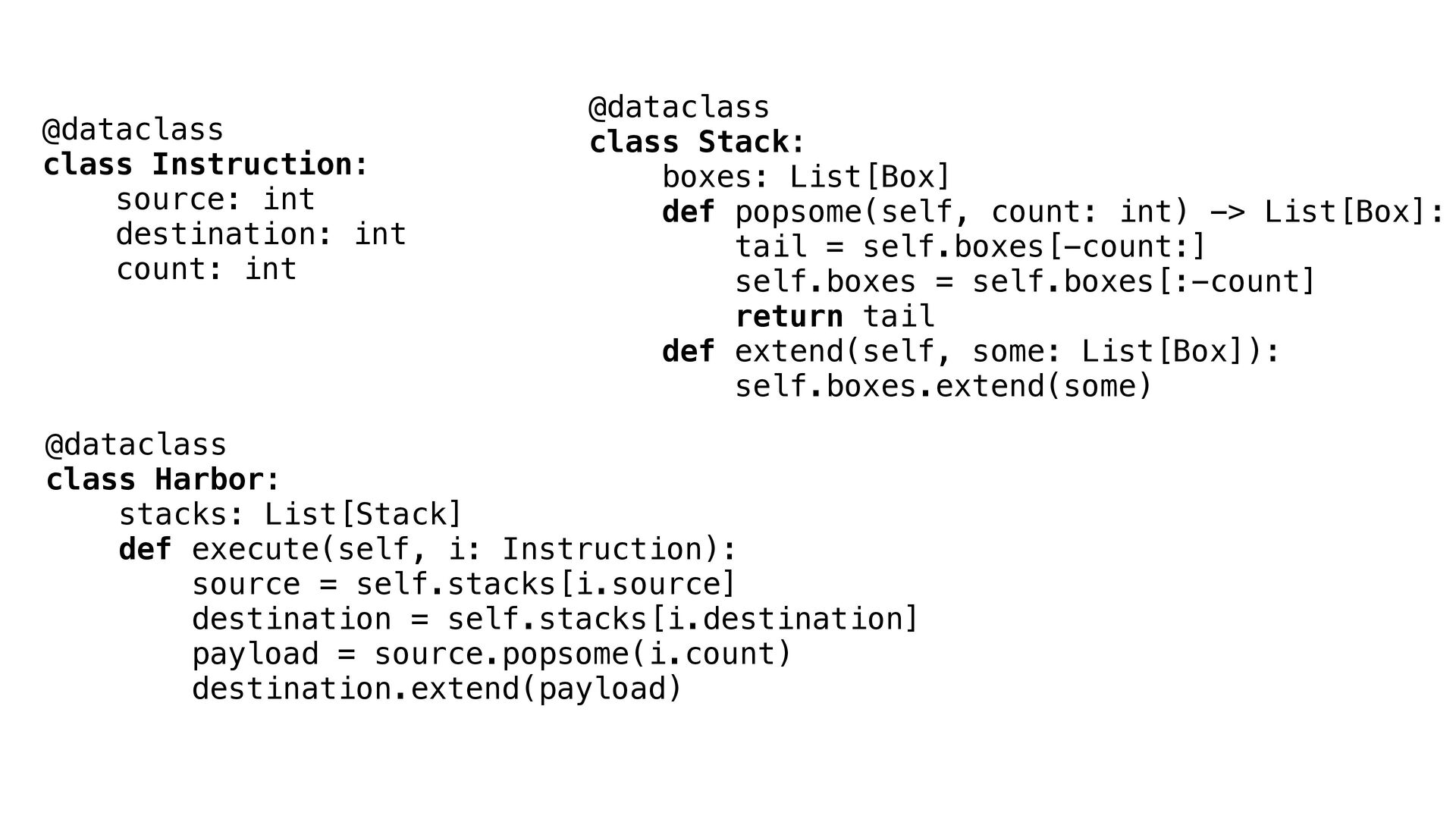
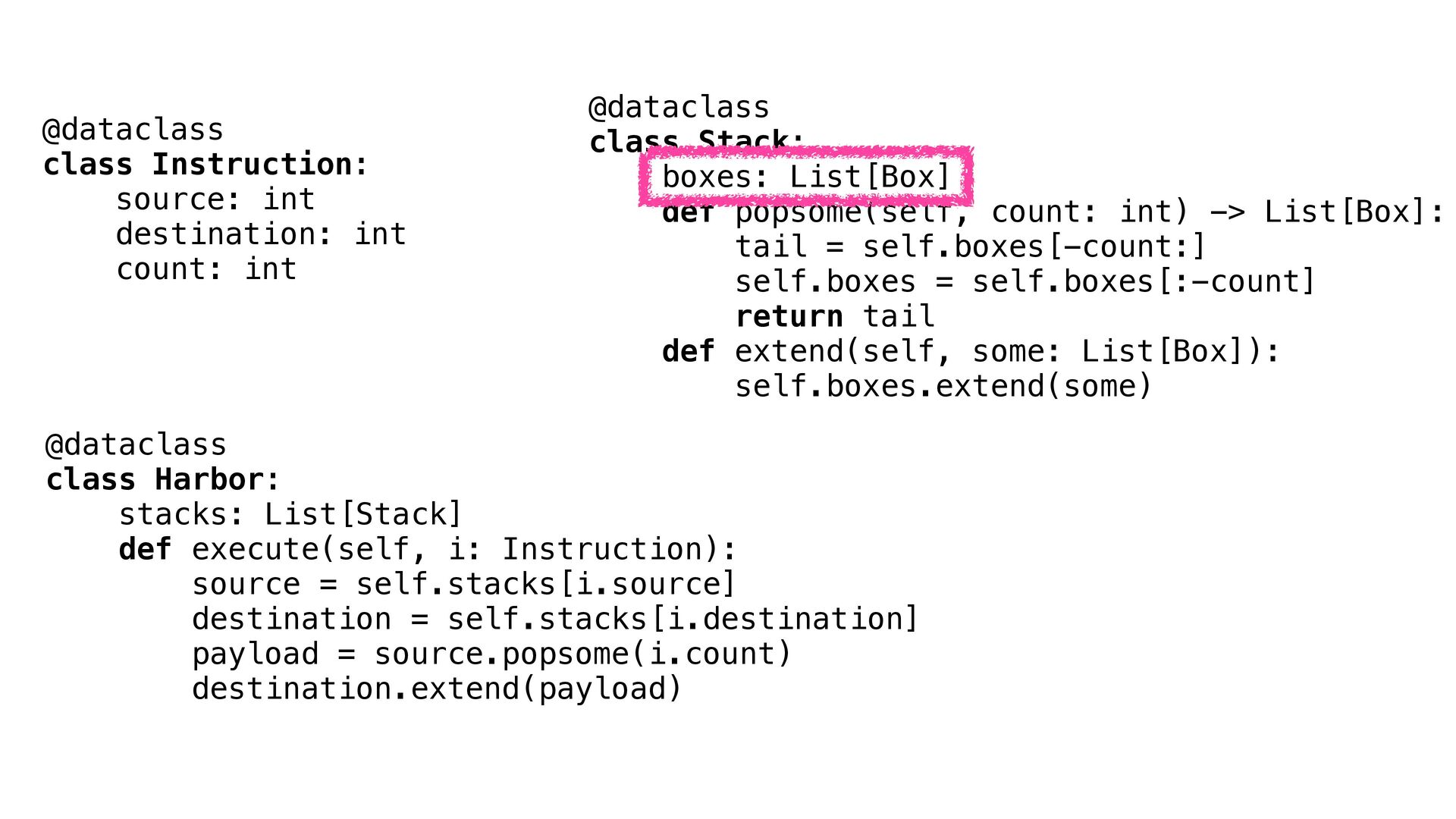
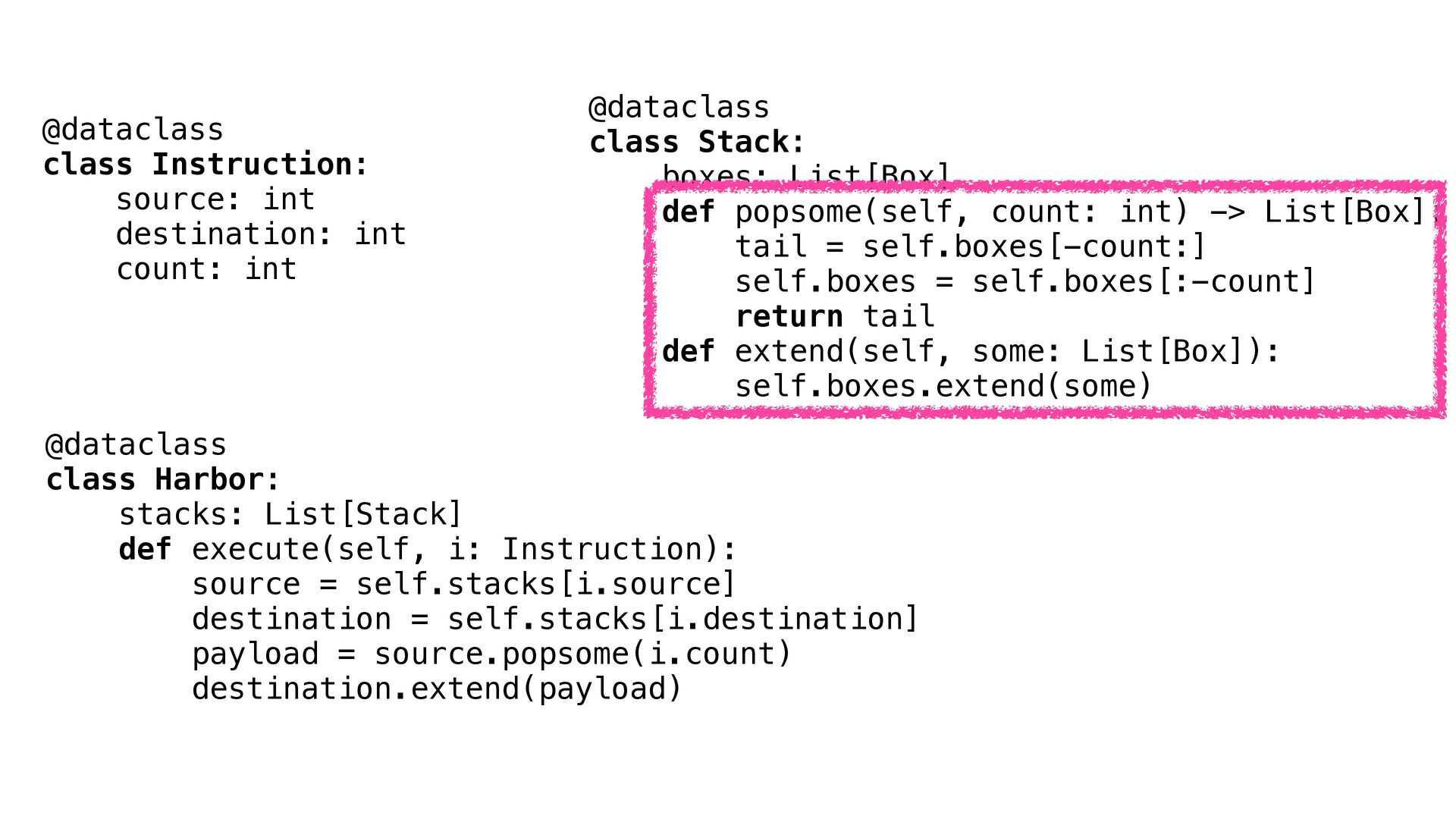
![[T] [Q] [S] [R] [M] [L] [V] [G] [D] [V]](https://files.speakerdeck.com/presentations/b1739930e0be482e97056c6a230ba1e0/slide_27.jpg)
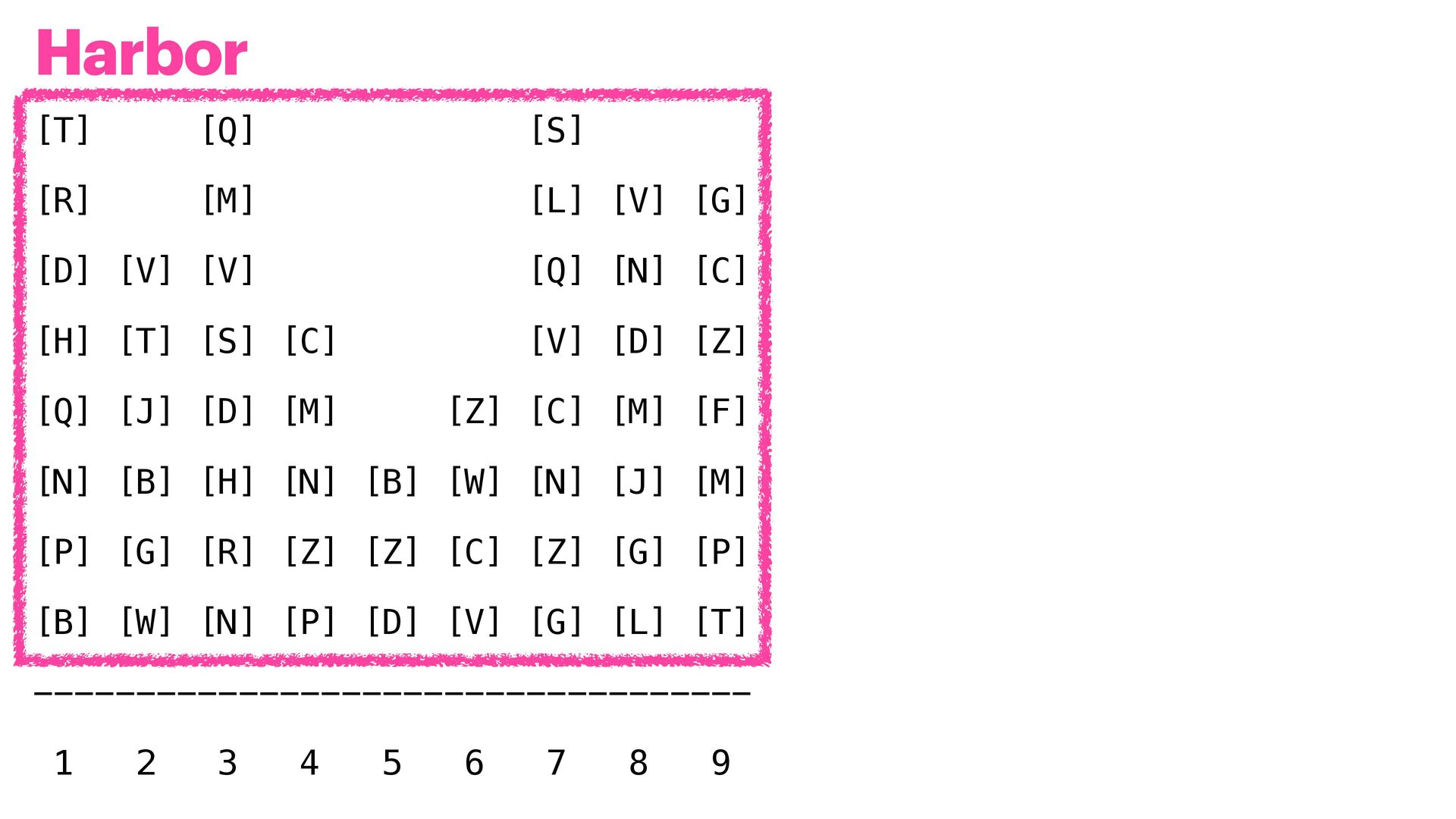
![[T] [Q] [S] [R] [M] [L] [V] [G] [D] [V]](https://files.speakerdeck.com/presentations/b1739930e0be482e97056c6a230ba1e0/slide_28.jpg)
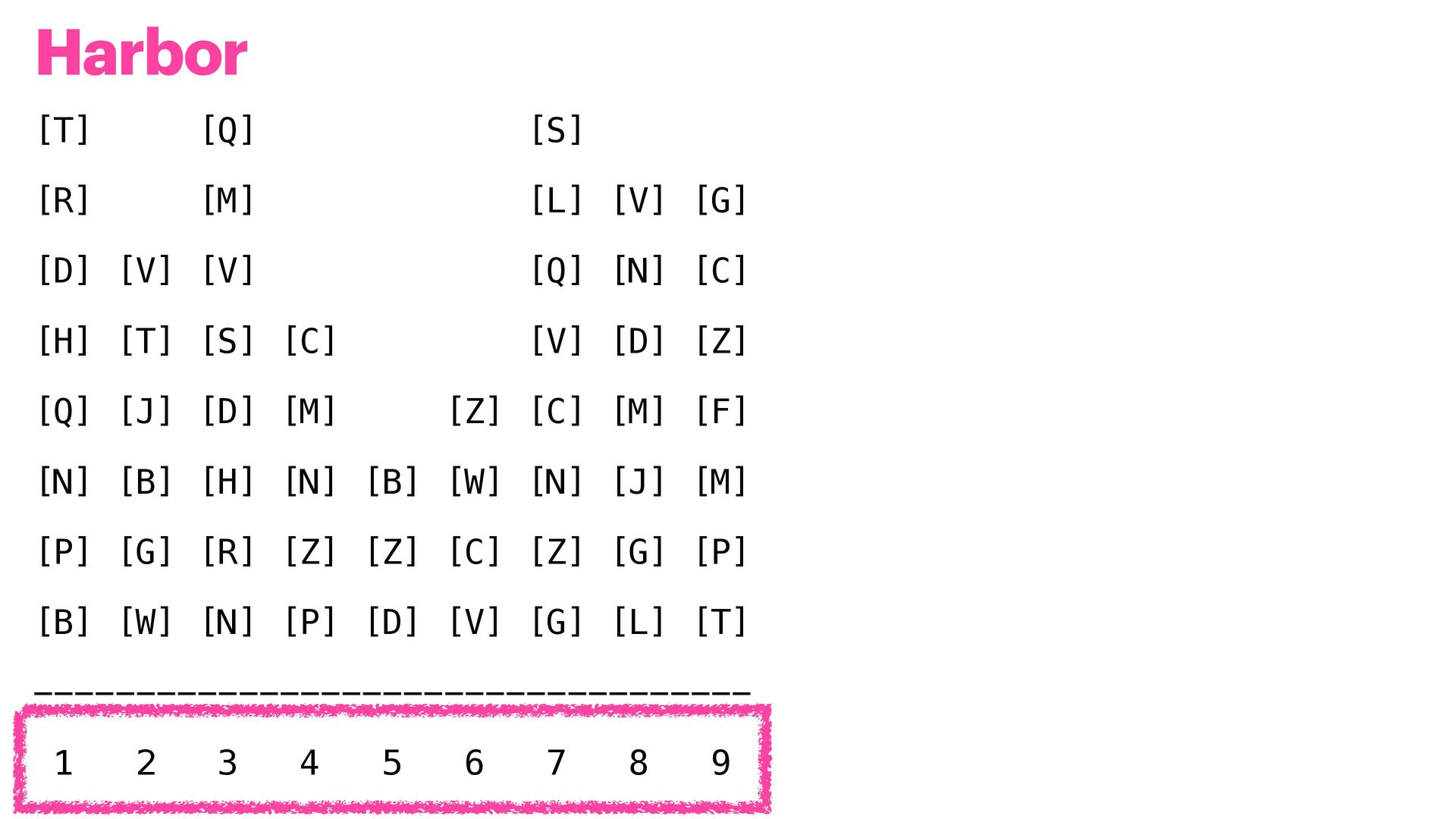
![[T] [Q] [S] [R] [M] [L] [V] [G] [D] [V]](https://files.speakerdeck.com/presentations/b1739930e0be482e97056c6a230ba1e0/slide_29.jpg)
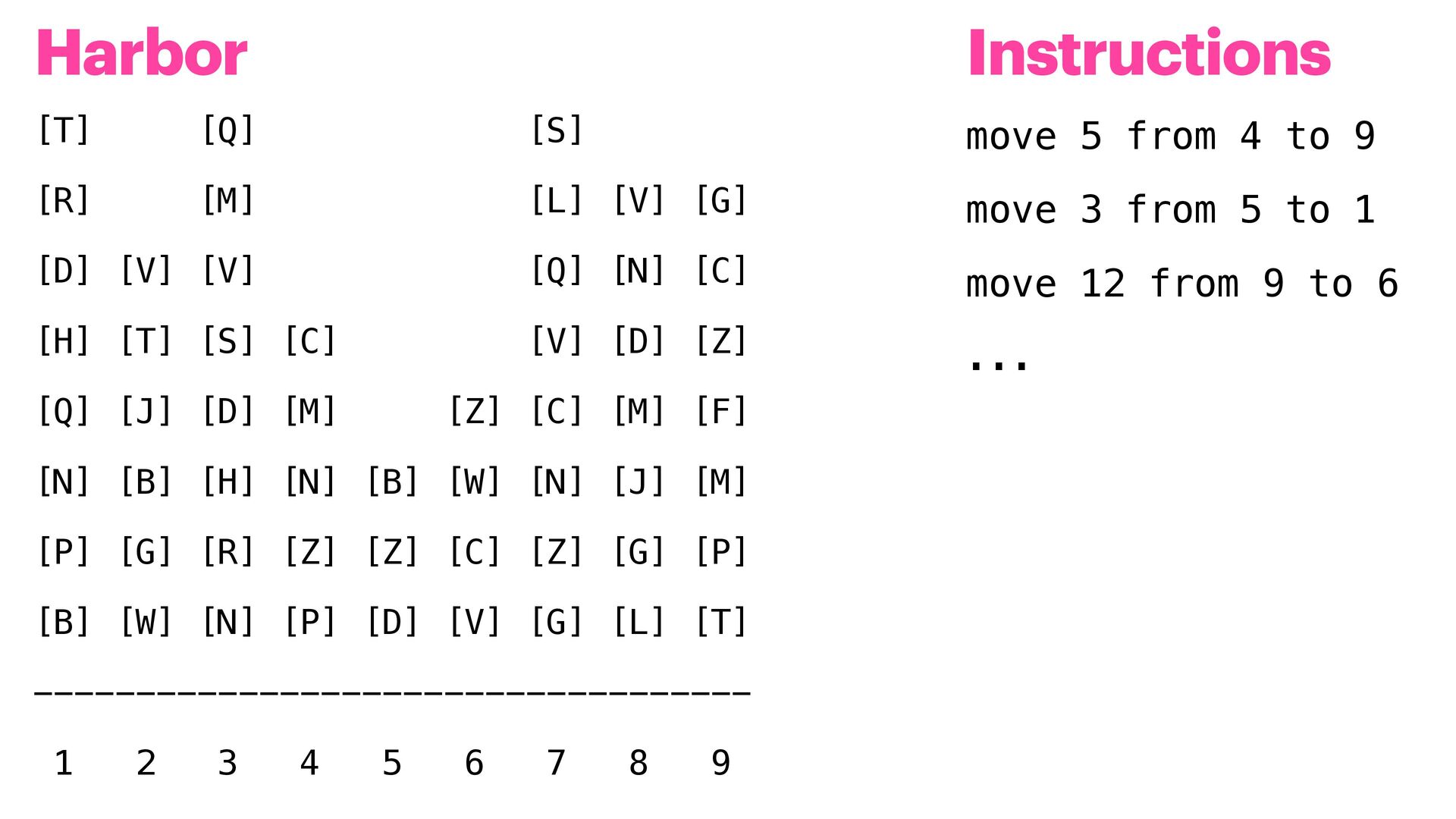
![[T] [Q] [S] [R] [M] [L] [V] [G] [D] [V]](https://files.speakerdeck.com/presentations/b1739930e0be482e97056c6a230ba1e0/slide_30.jpg)
![[T] [Q] [S] [R] [M] [L] [V] [G] [D] [V]](https://files.speakerdeck.com/presentations/b1739930e0be482e97056c6a230ba1e0/slide_31.jpg)
![[T] [Q] [S] [R] [M] [L] [V] [G] [D] [V]](https://files.speakerdeck.com/presentations/b1739930e0be482e97056c6a230ba1e0/slide_32.jpg)


![The Darkness def parse_harbor(stackstr: Iterable[str]) -> Harbor: bottomup = list(stackitr)[:-1]](https://files.speakerdeck.com/presentations/b1739930e0be482e97056c6a230ba1e0/slide_45.jpg)