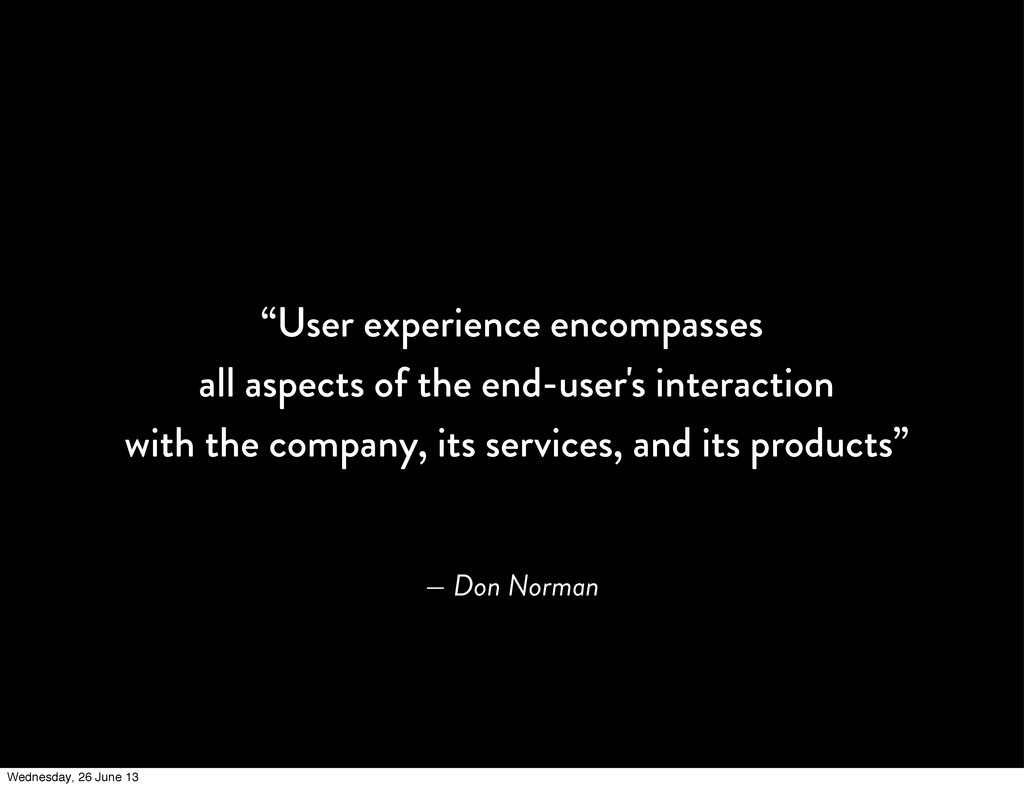
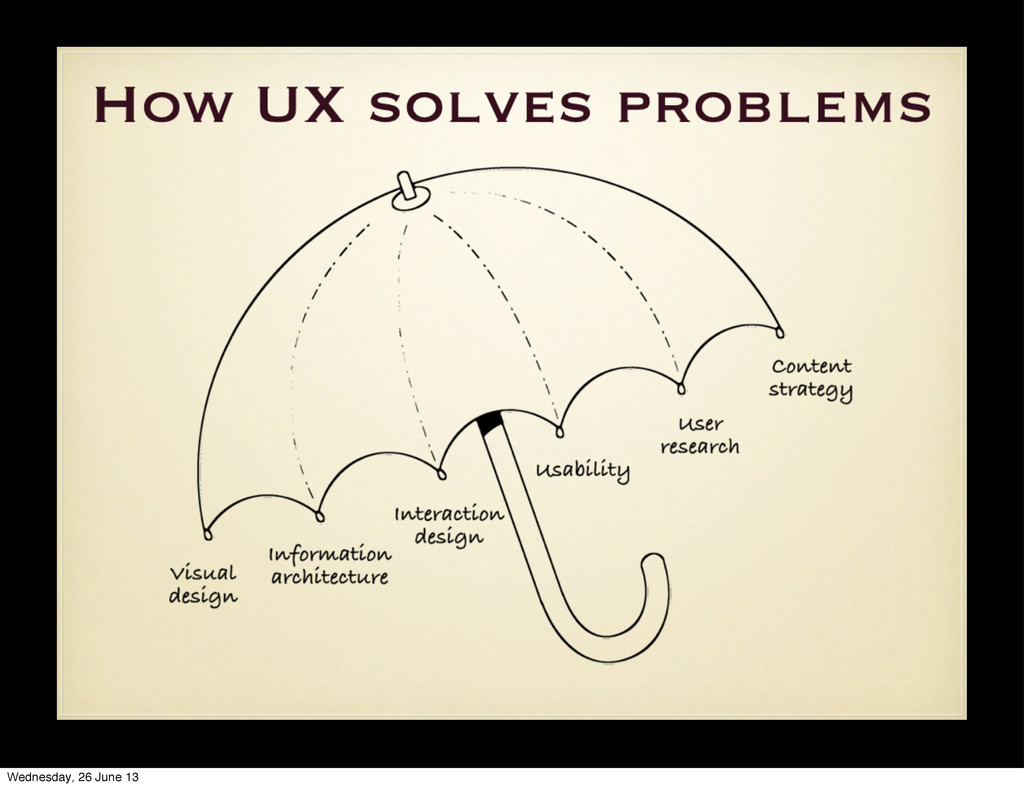
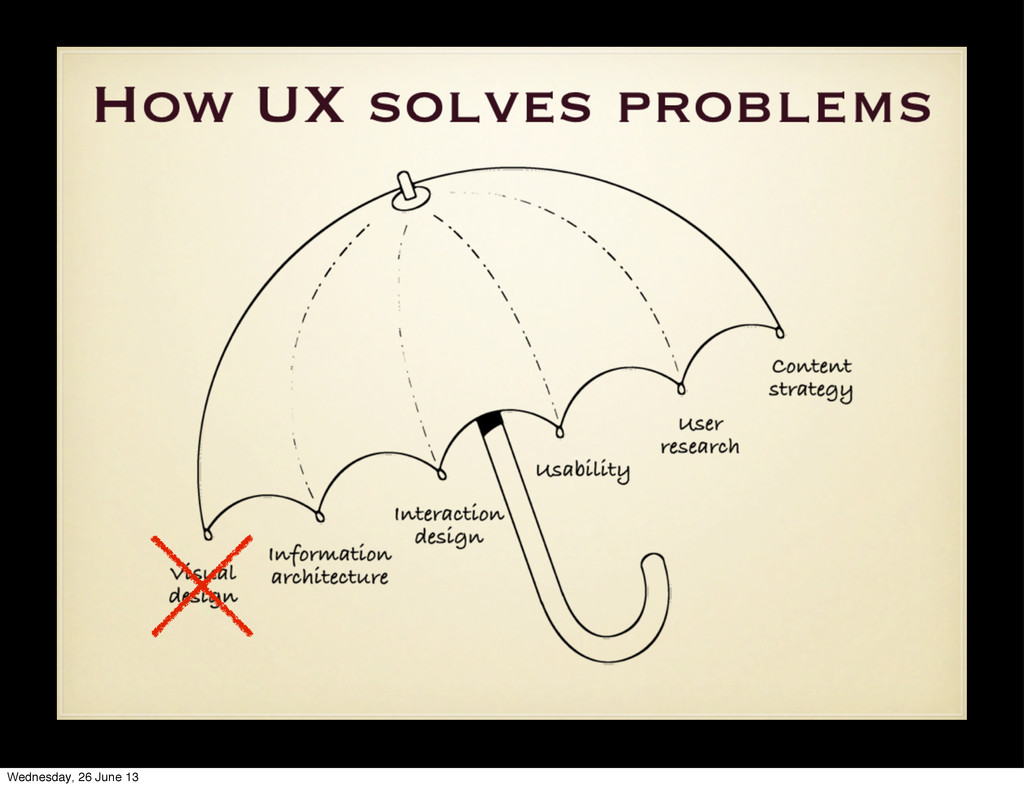
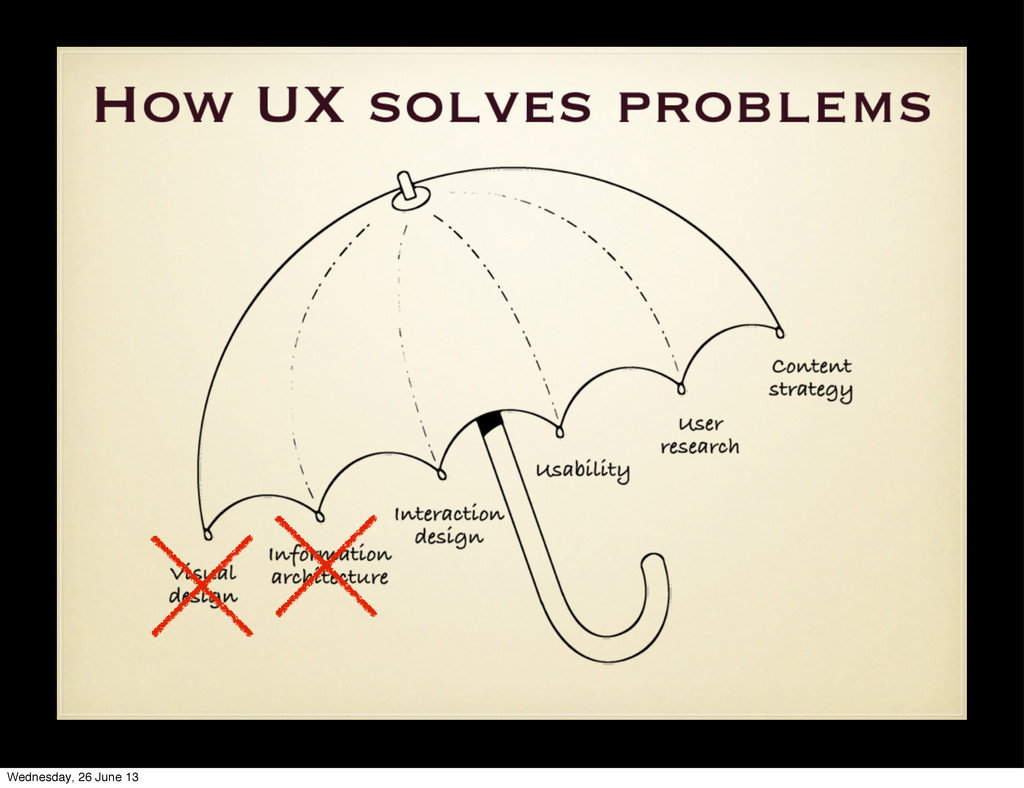
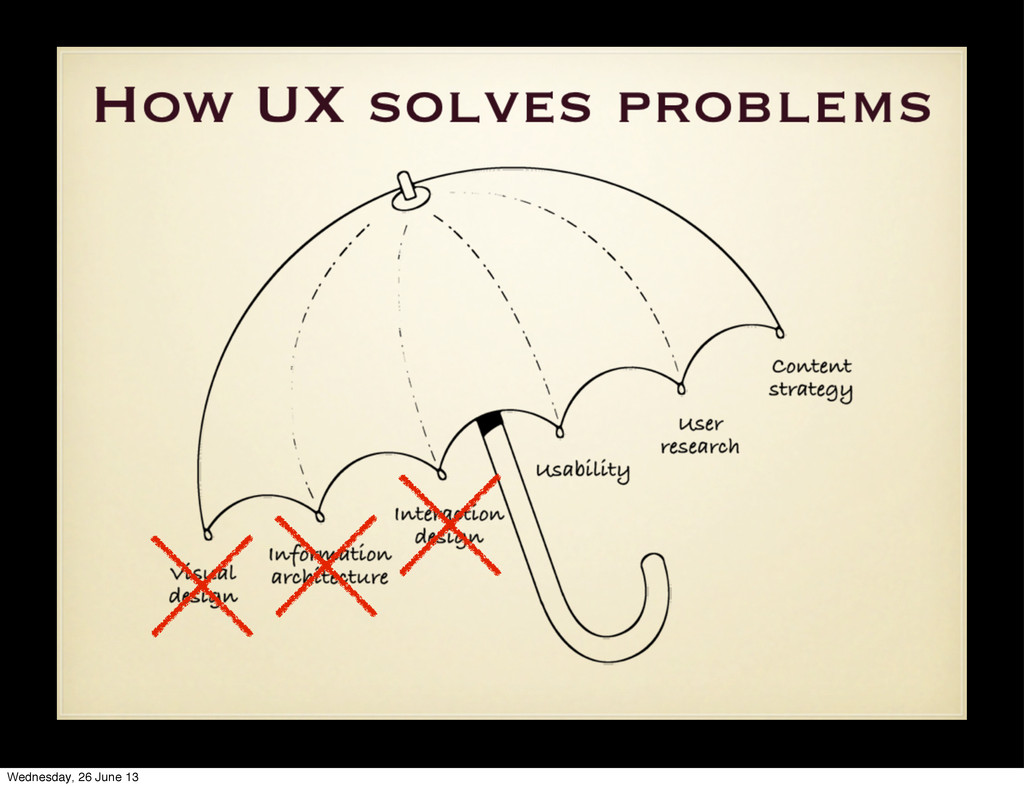
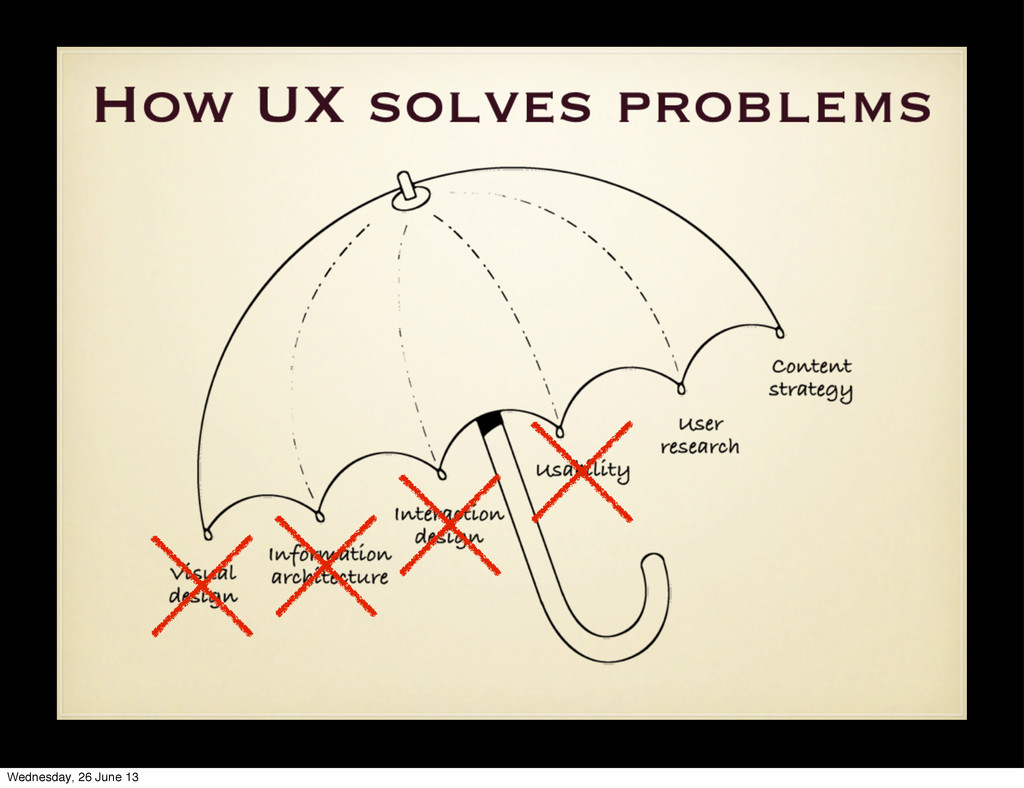
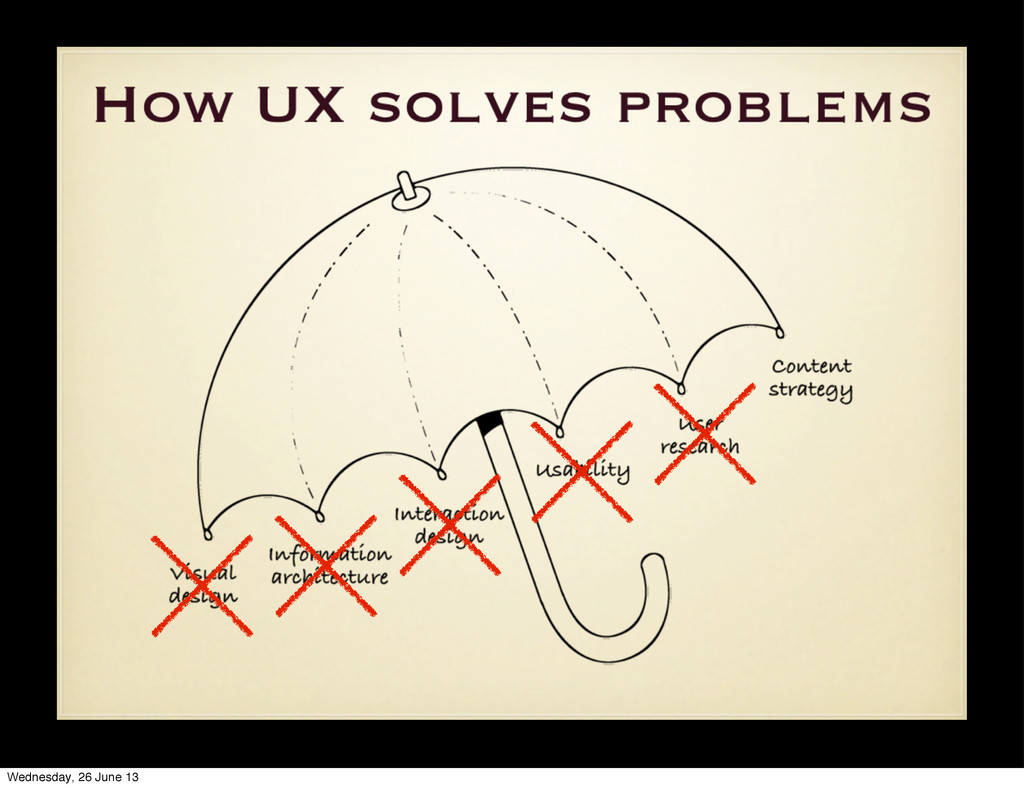
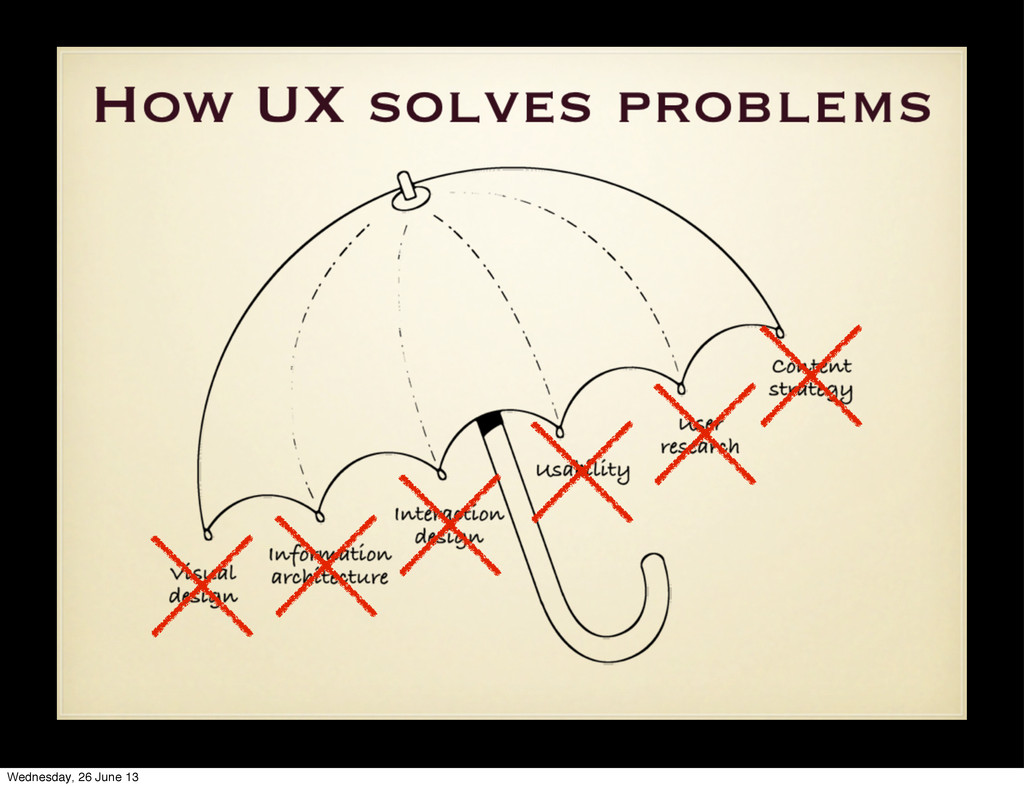
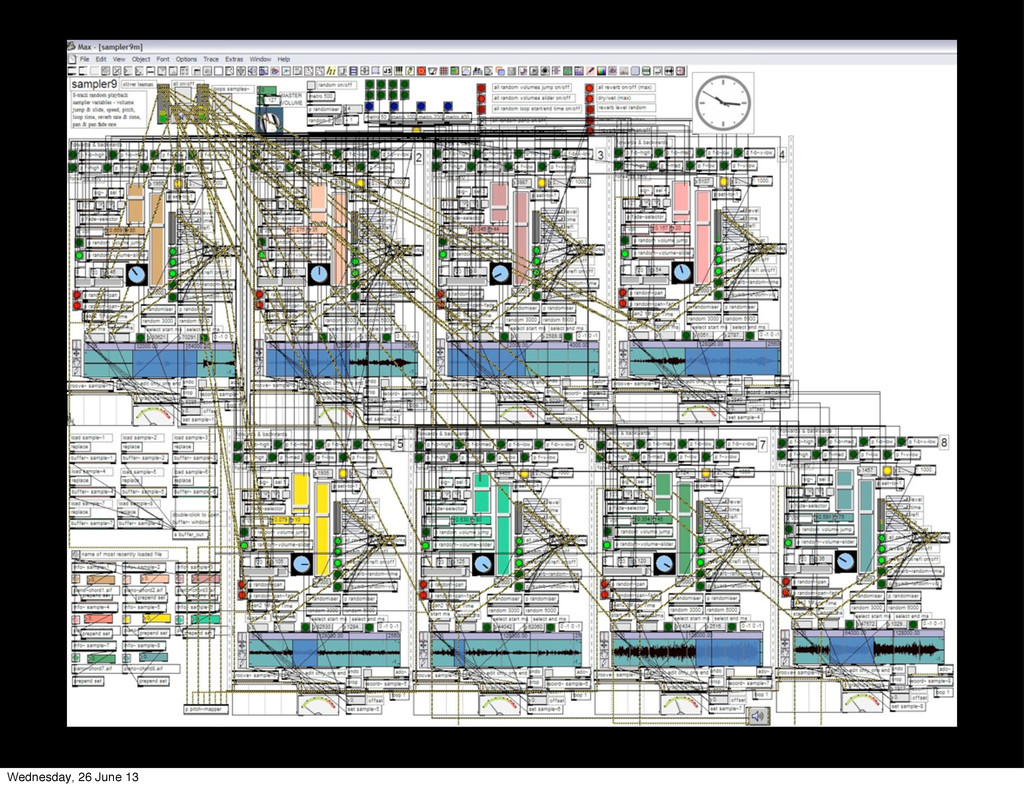
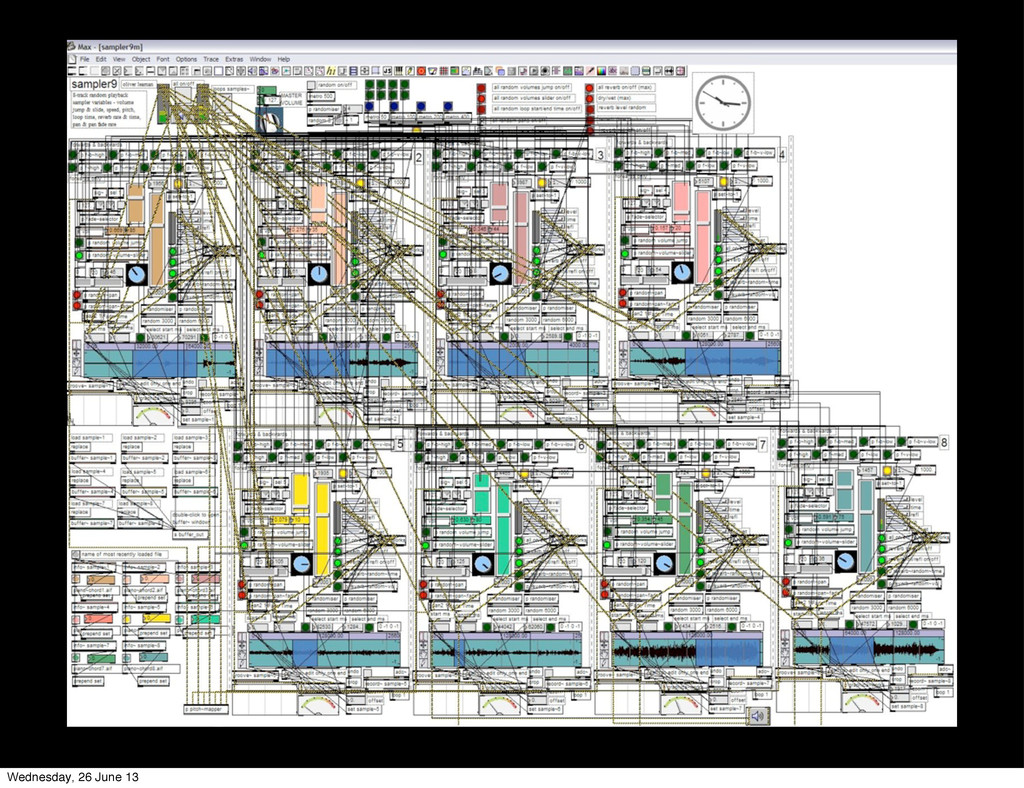
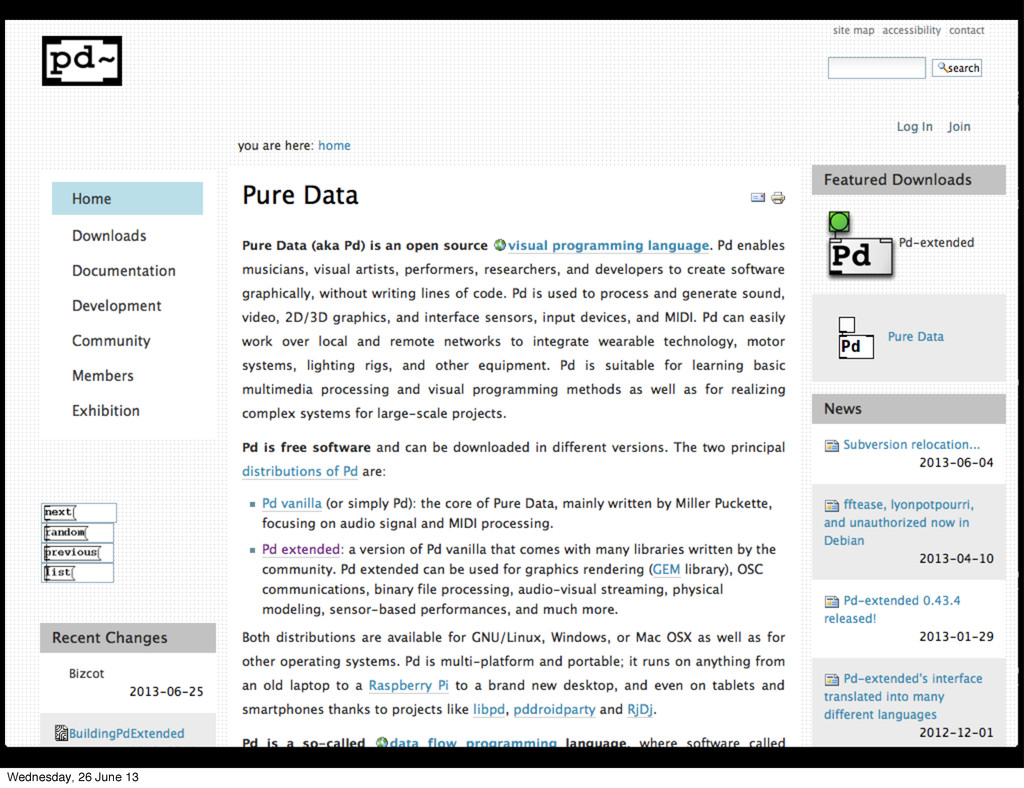
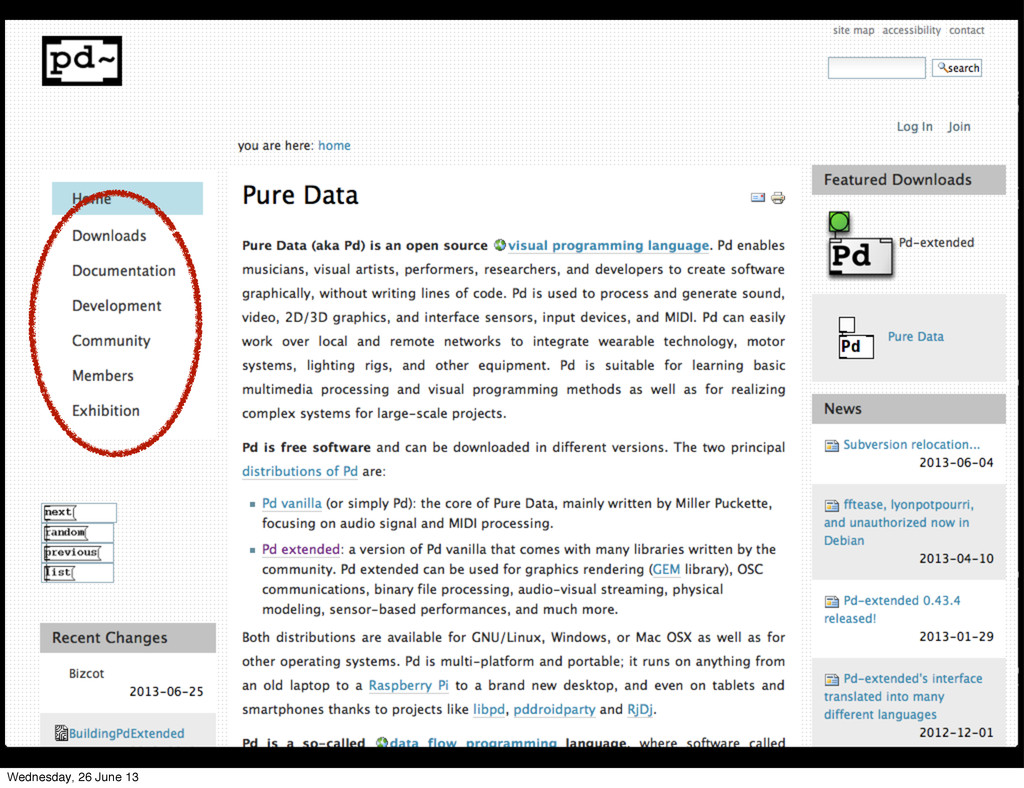
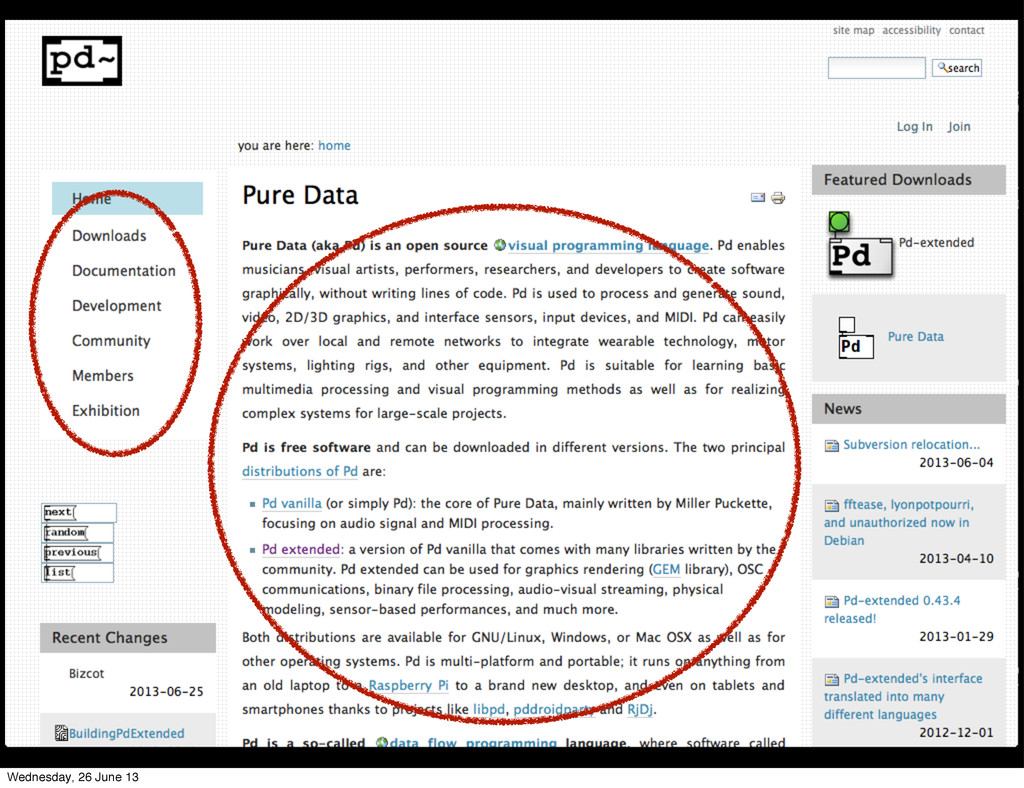
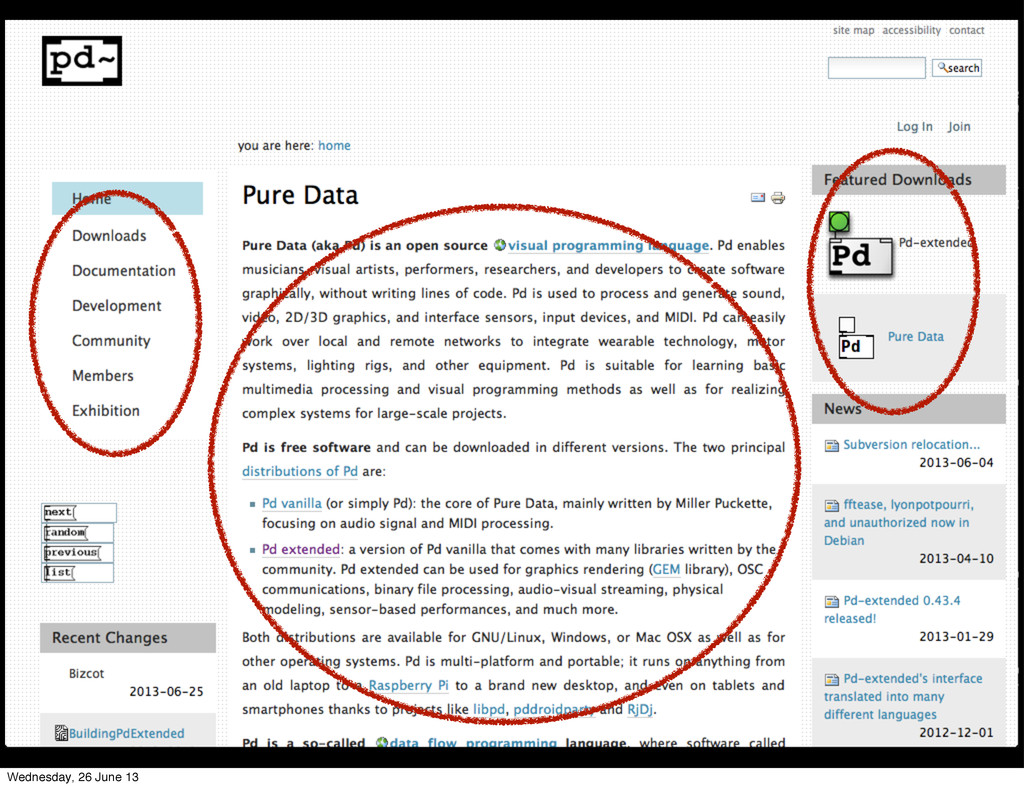
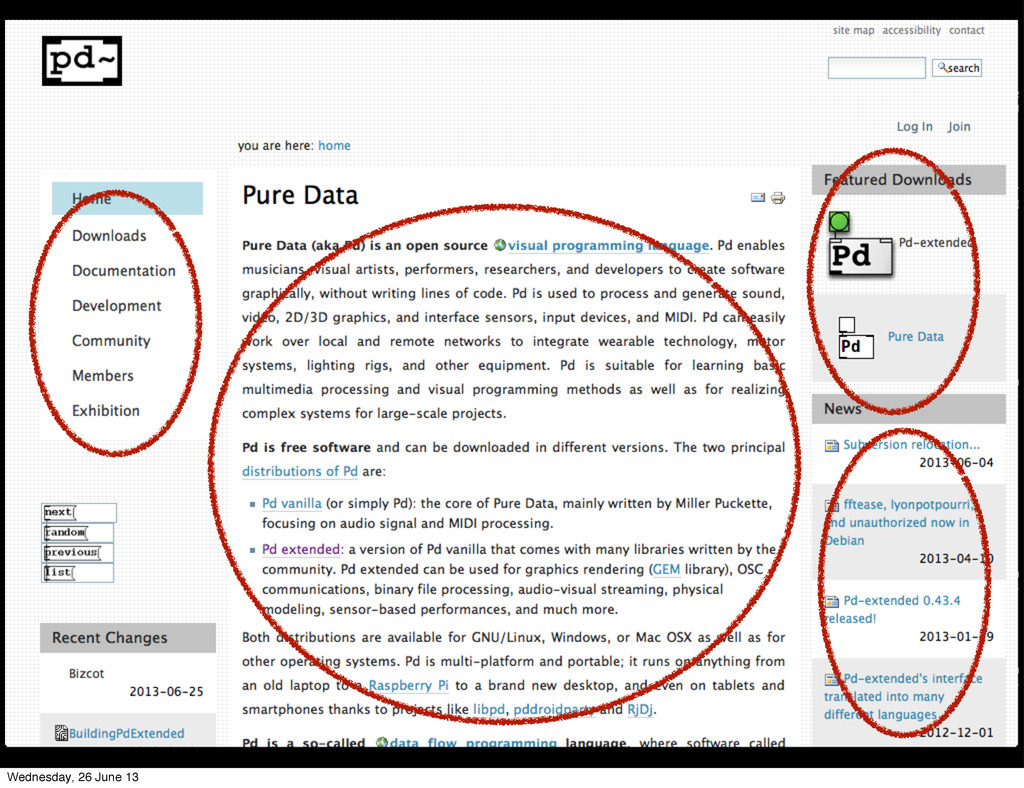
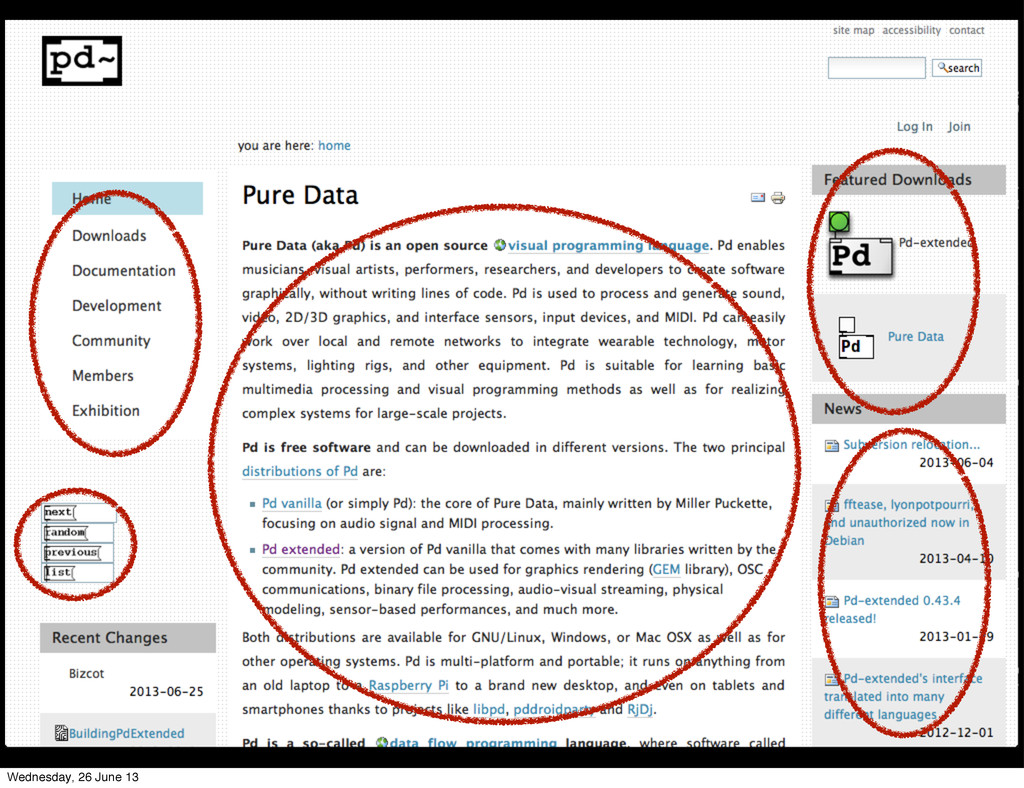
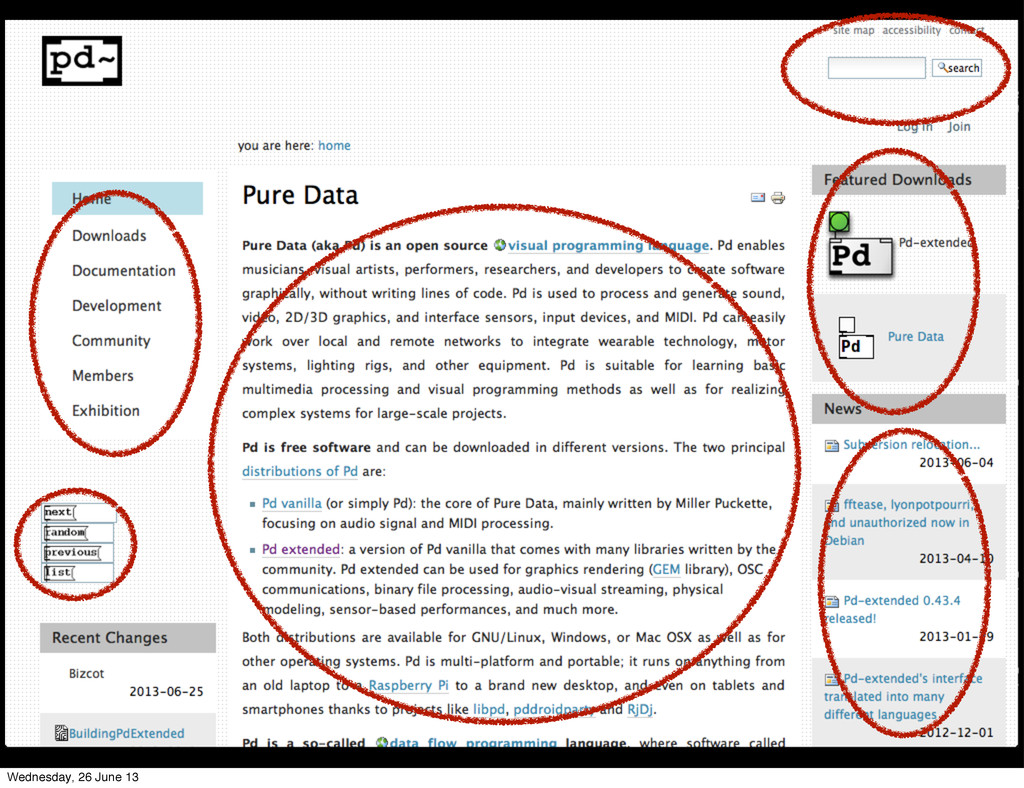
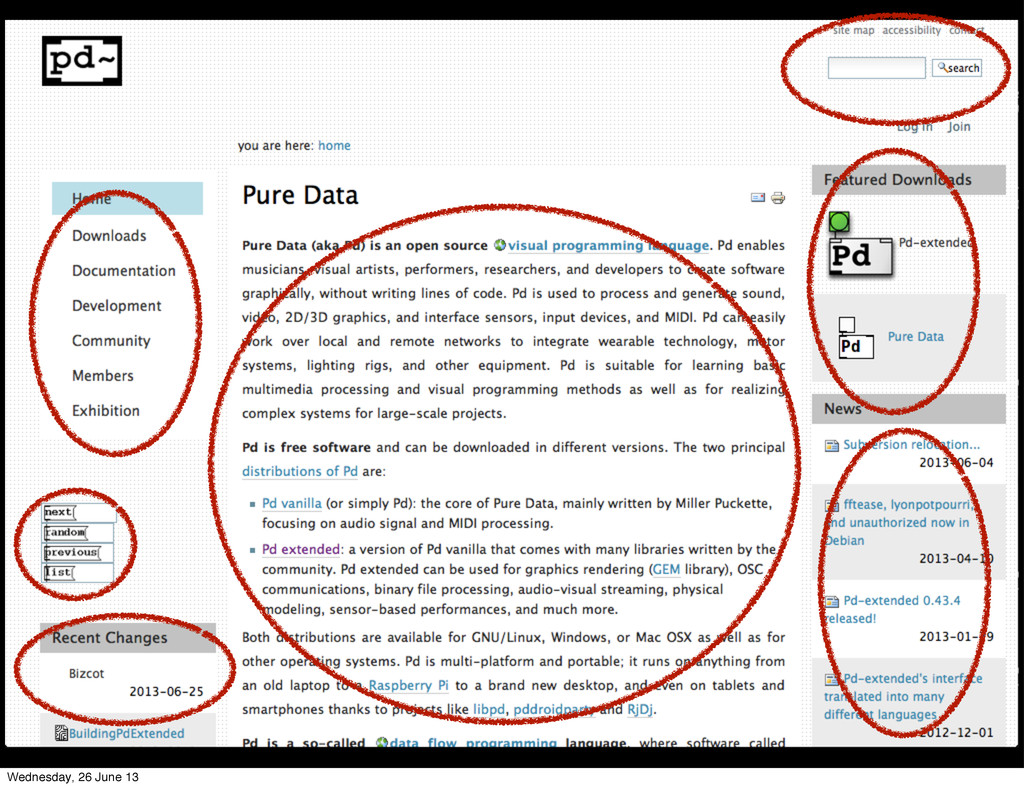
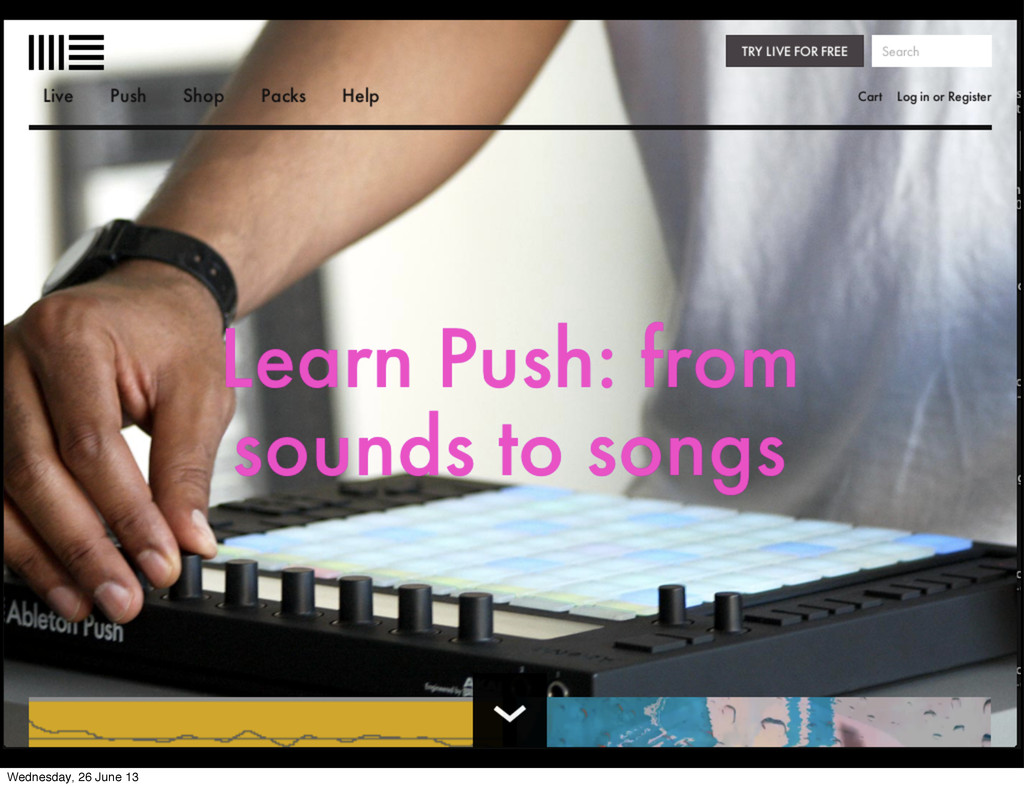
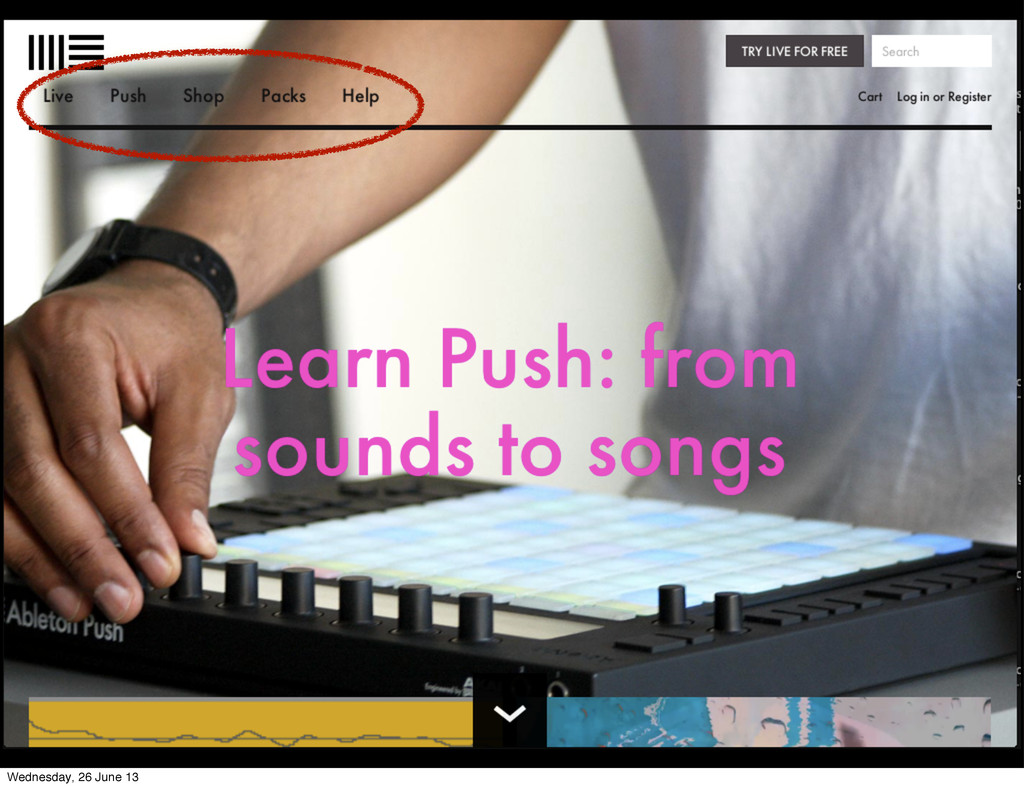
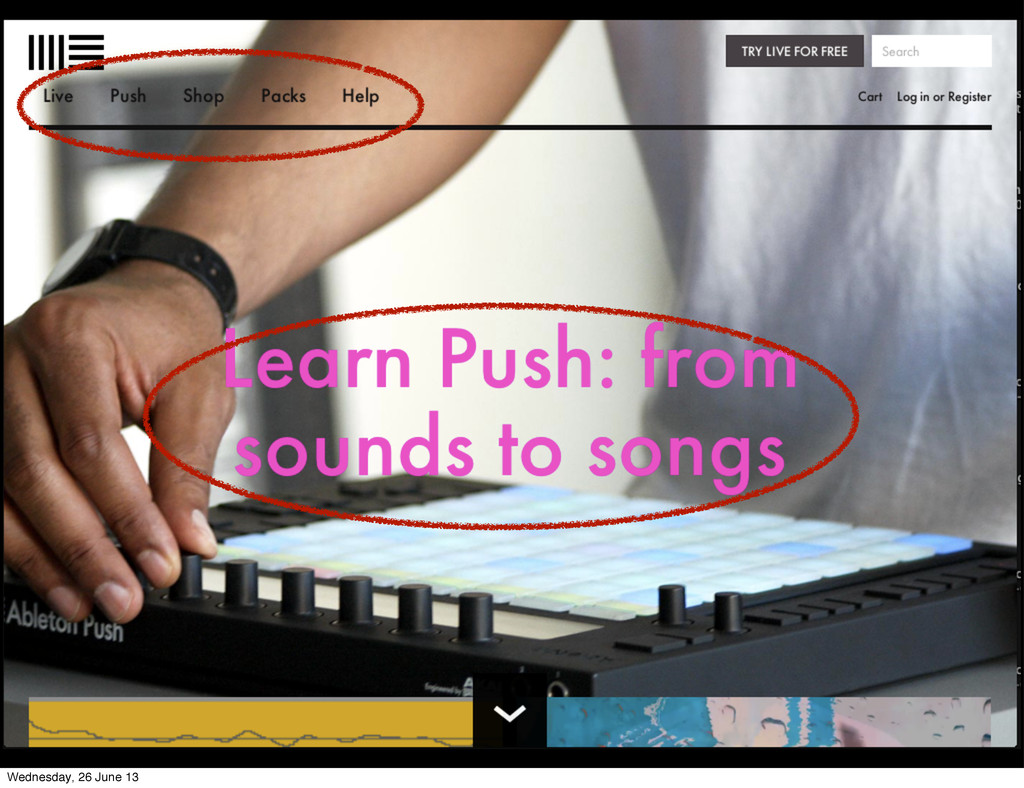
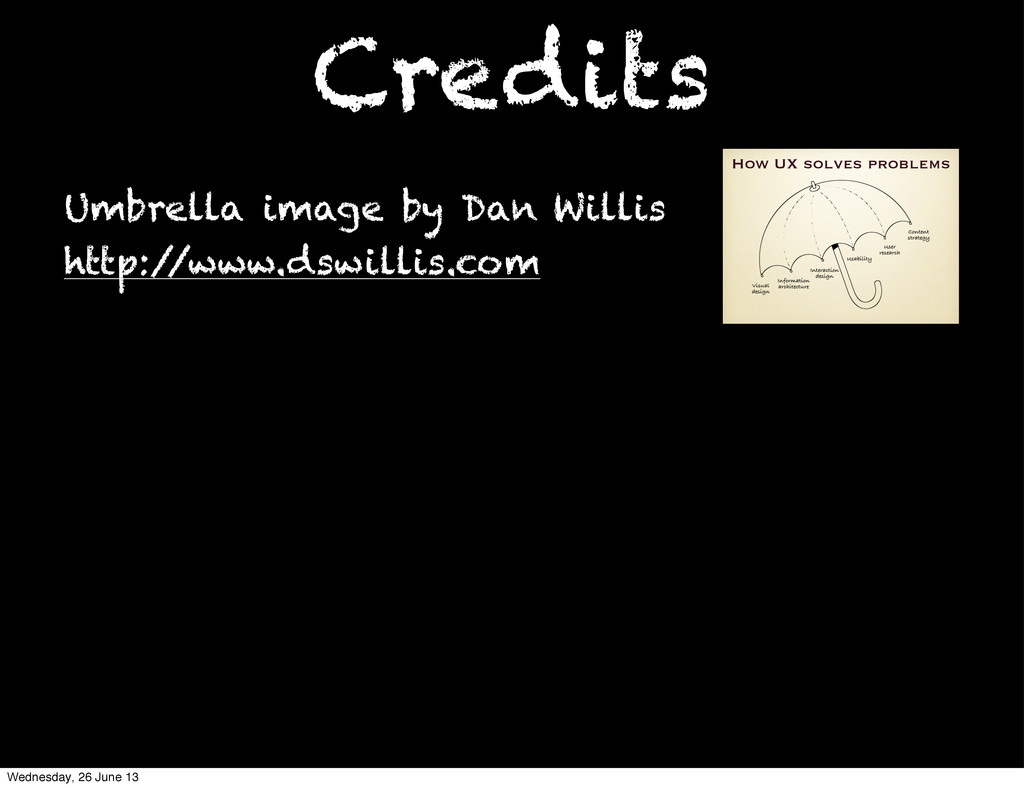
The role of programming in academic research is diverse, ranging from short experimental scripts to large-scale applications serving as a independent research outputs. Regardless of scale, user experience (UX) is often given a low priority. Researchers commonly develop software for themselves, and if it is released publicly, the code is provided “as is” with little thought given to the experience of the end user. Another scenario is the institutional “flagship project” involving software arising from years of development, with a proportionate user and developer community. In these cases basic details of user experience are also often neglected, and the assumption is made that other researcher-users will “make it work”. If software and its surrounding ecosystem do not provide good user experience, it will ultimately be less widely adopted and the productivity of users will be encumbered. This translates into less effective research with lower impact. In this talk I will discuss the state of the art in user experience design, and suggest ways in which the UX of academic software can be improved.


 persolserverworks
 akitoshiga
 teamlab
 ivry_presentationmaterials
 pfn
 keeg
 onk
 occhi
 moznion
 mhrtech
 shumei_ito
 terapyon
 kimpetersen
 skipperchong
 akademiya2063
 erikaheidi
 inesmontani
 aleyda
 minecr
 addyosmani
 jnunemaker
 eileencodes
 soysaucechin
 bryan