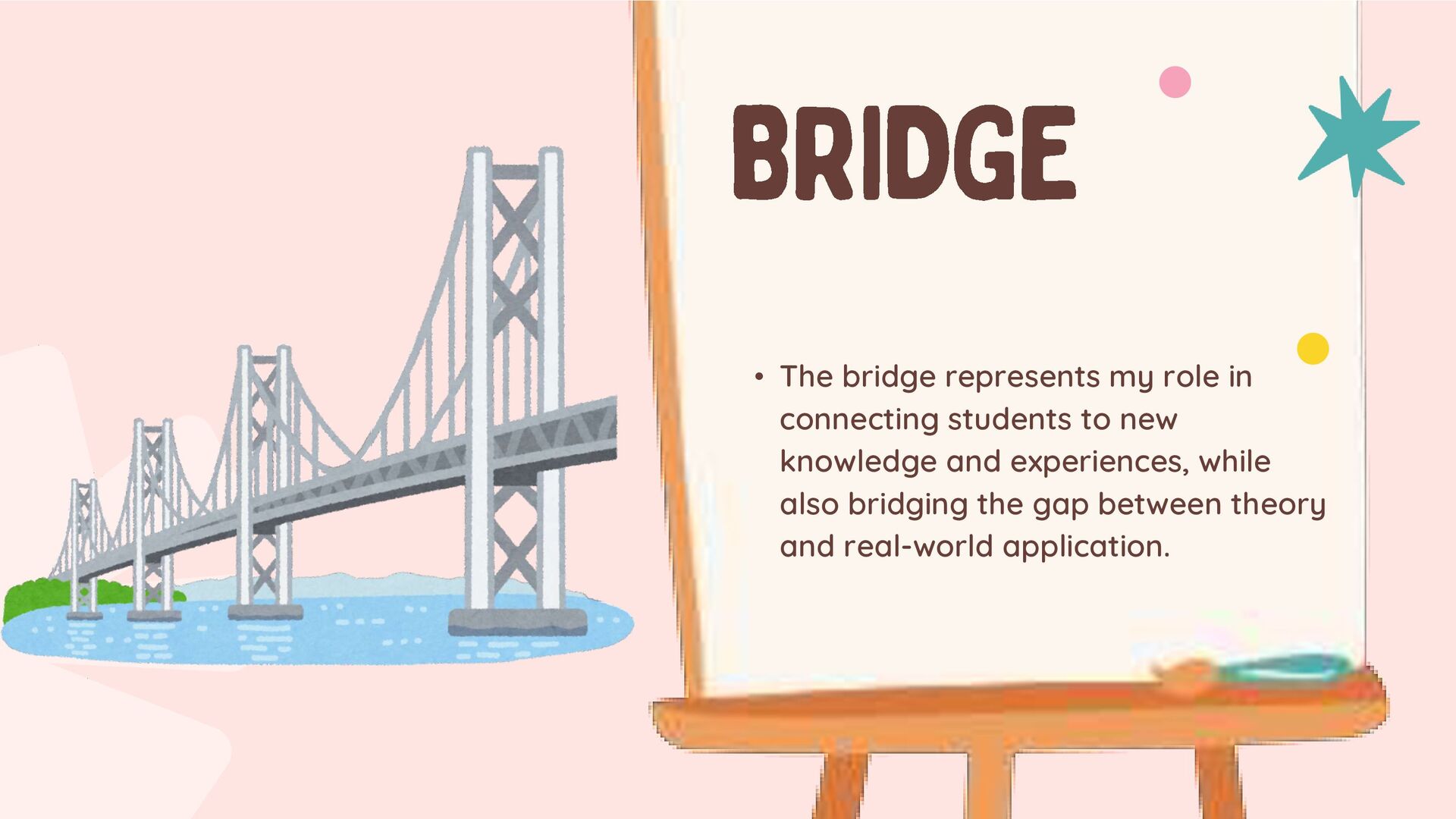
see teaching as more than just imparting knowledge. It's a never-ending path of development, inspiration, and friendship. My goal with this DigiBox is to use symbolic artifacts that represent the essential ideas that inform my work as an educator to convey my key beliefs about teaching and learning.
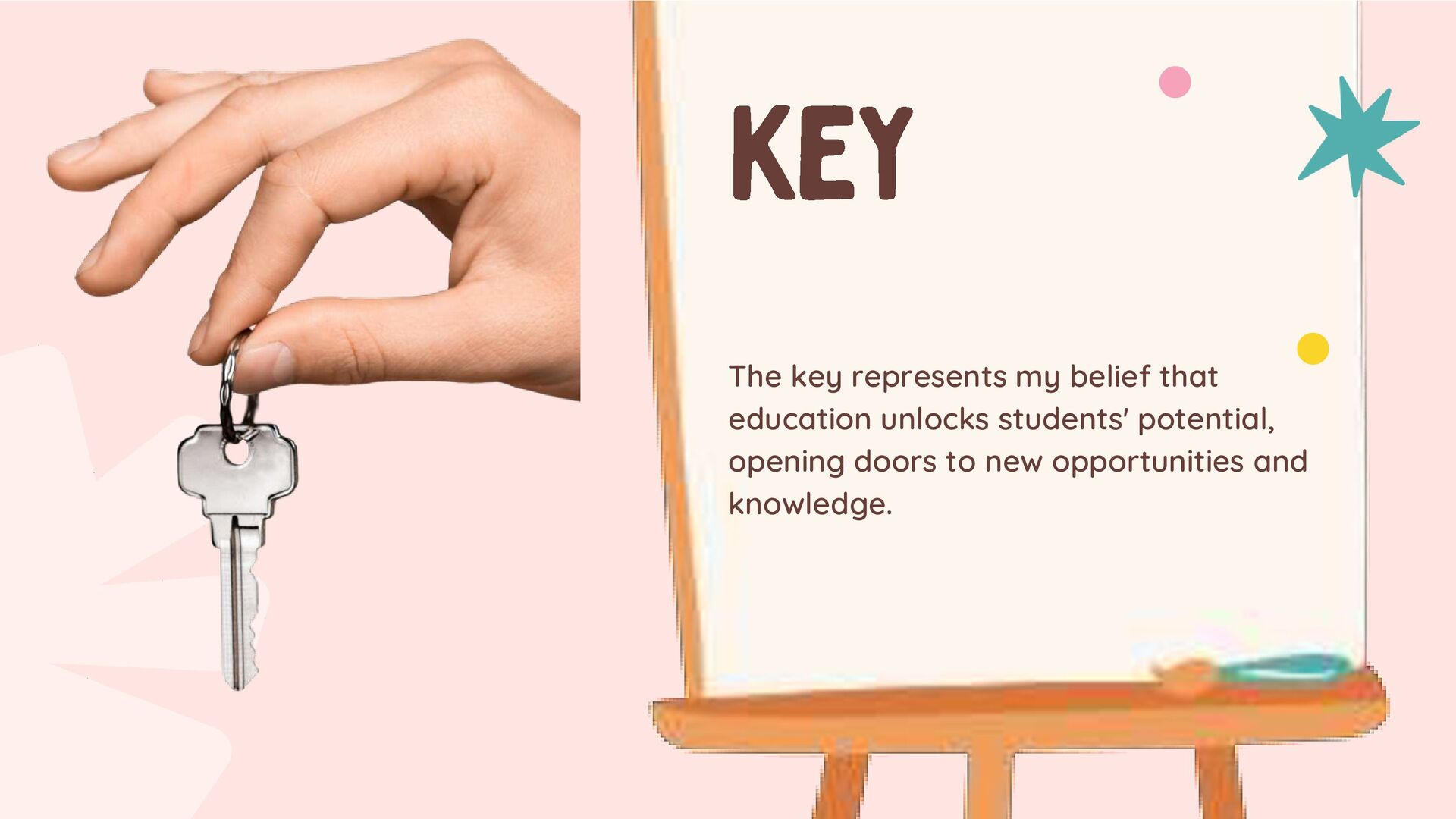
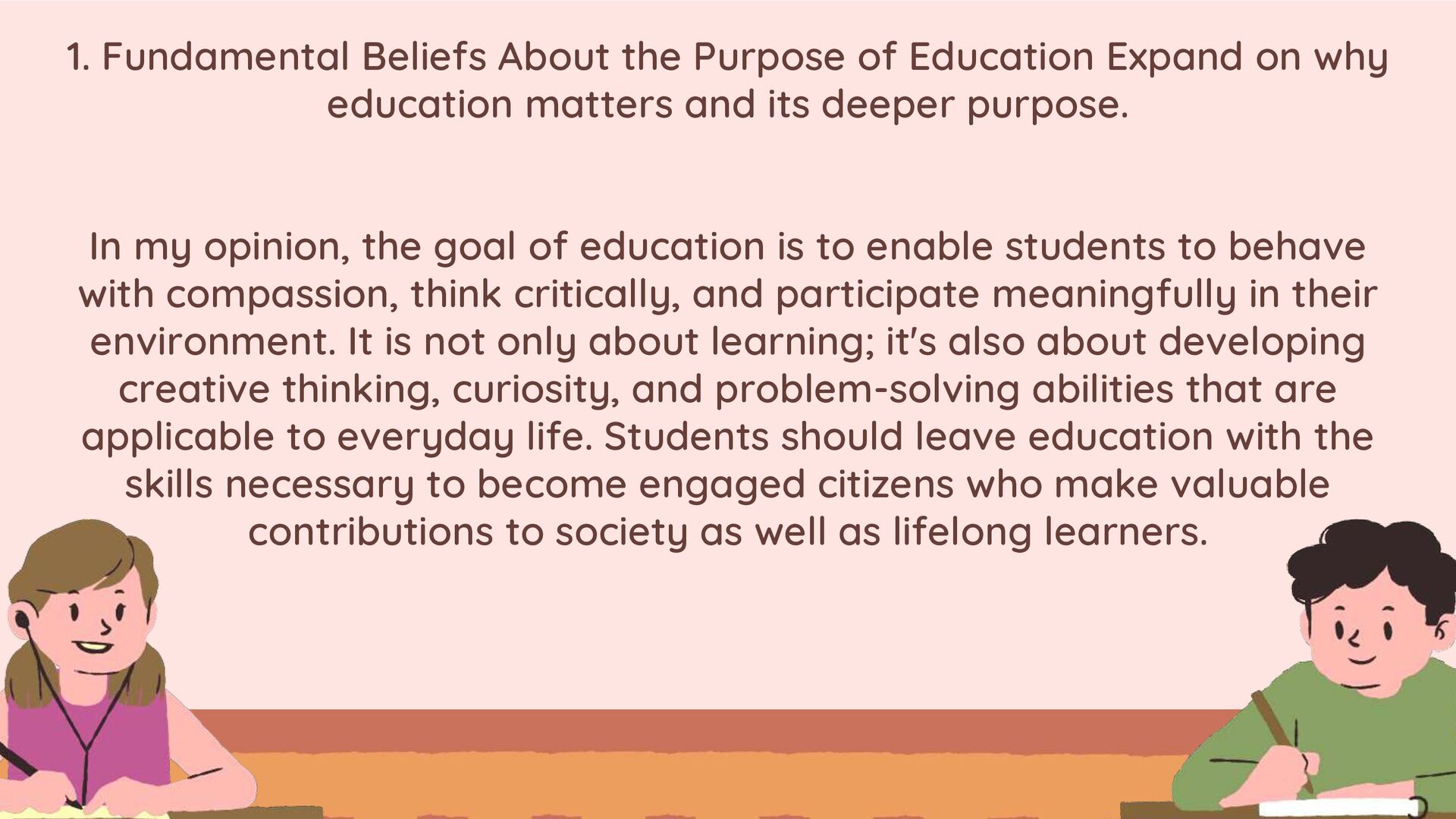
why education matters and its deeper purpose. In my opinion, the goal of education is to enable students to behave with compassion, think critically, and participate meaningfully in their environment. It is not only about learning; it's also about developing creative thinking, curiosity, and problem-solving abilities that are applicable to everyday life. Students should leave education with the skills necessary to become engaged citizens who make valuable contributions to society as well as lifelong learners.
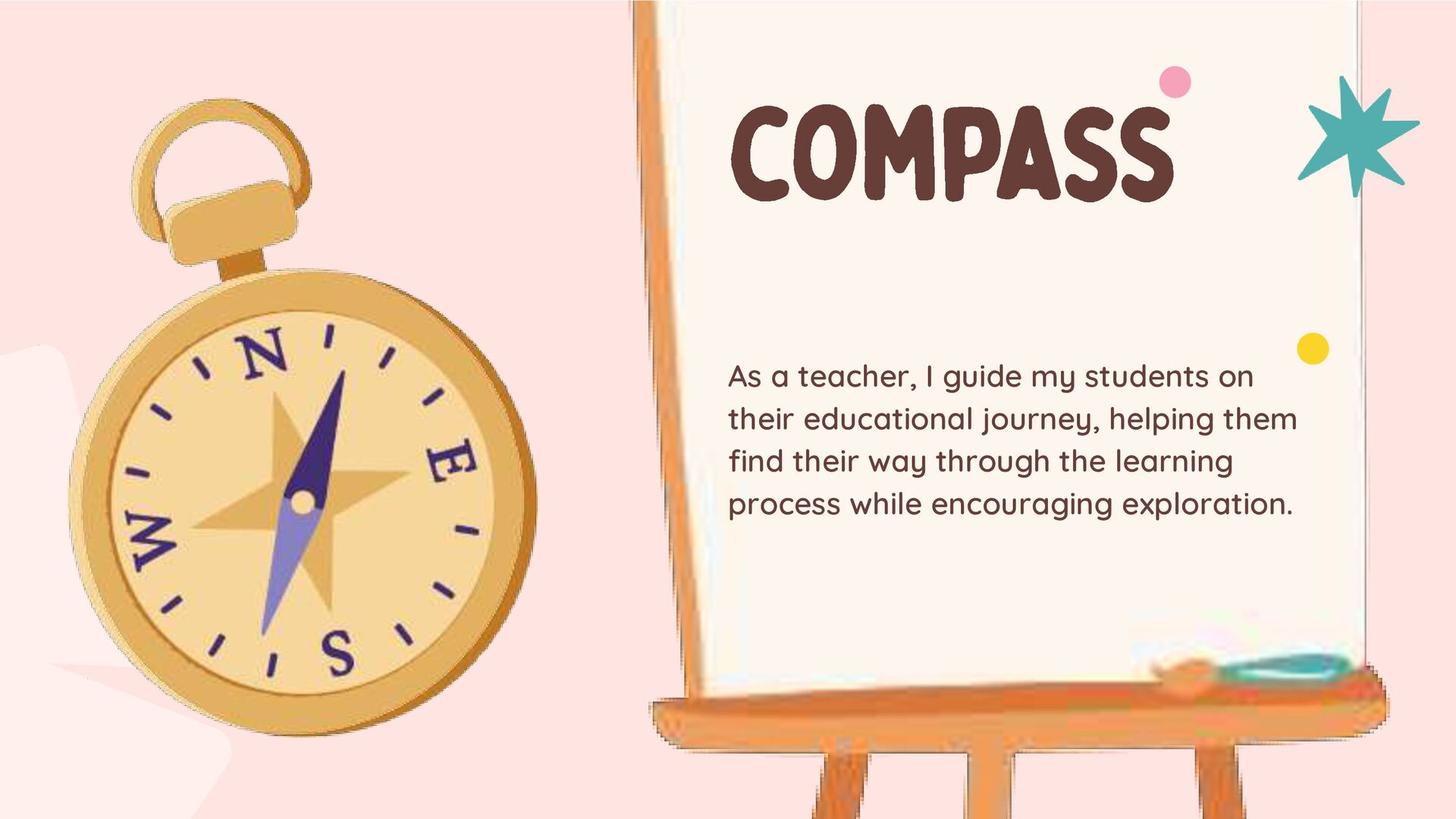
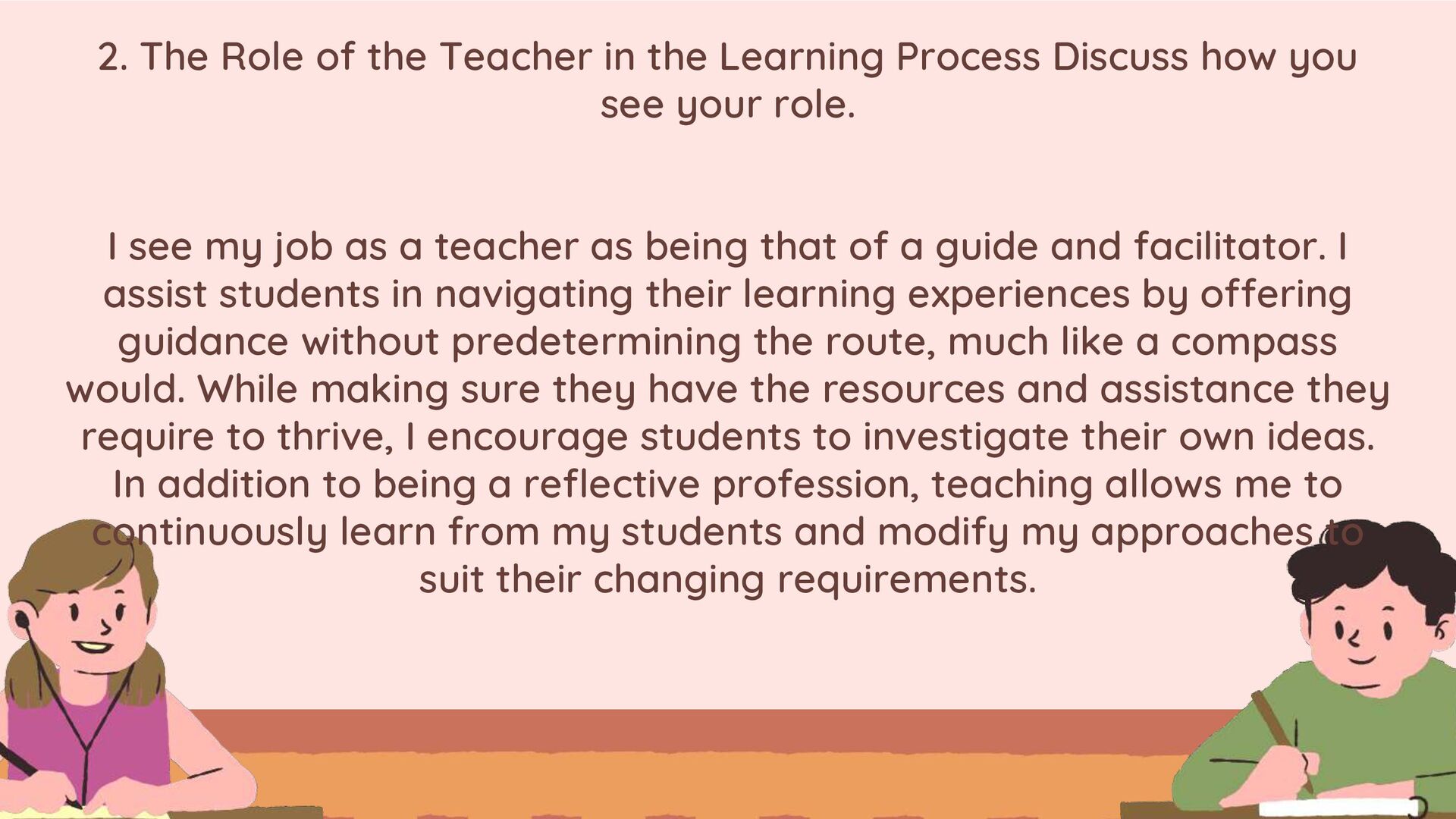
Discuss how you see your role. I see my job as a teacher as being that of a guide and facilitator. I assist students in navigating their learning experiences by offering guidance without predetermining the route, much like a compass would. While making sure they have the resources and assistance they require to thrive, I encourage students to investigate their own ideas. In addition to being a reflective profession, teaching allows me to continuously learn from my students and modify my approaches to suit their changing requirements.
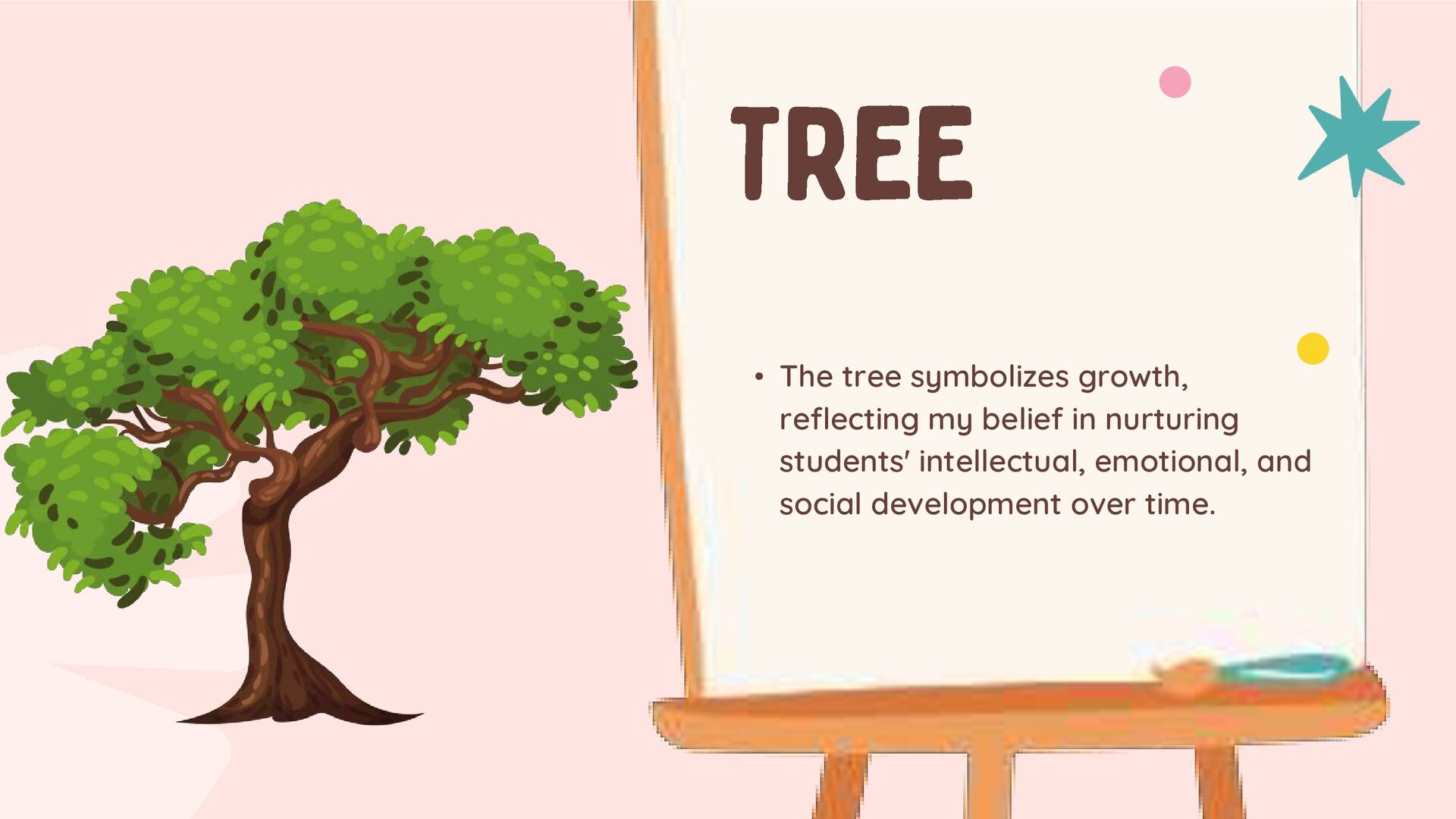
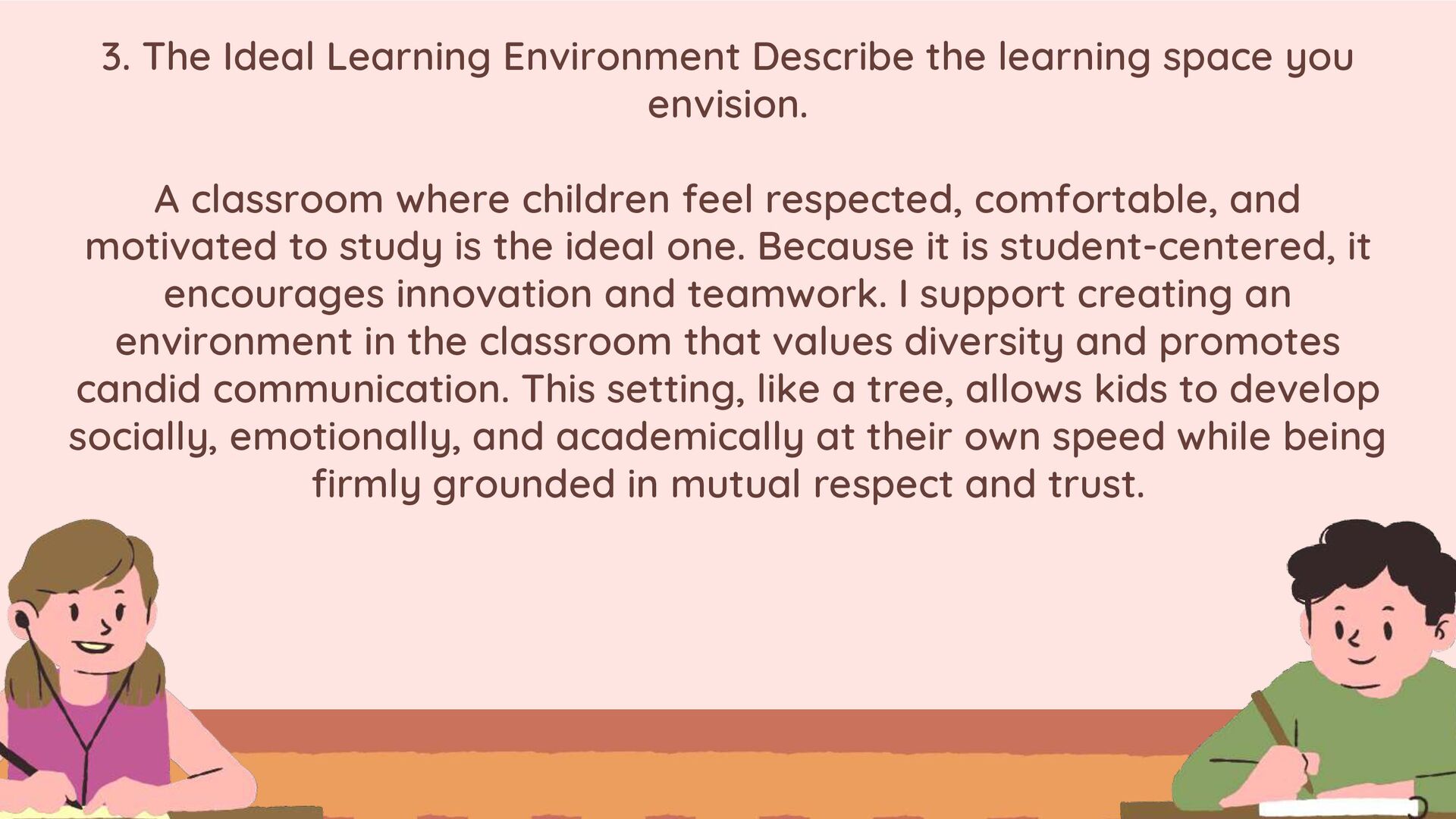
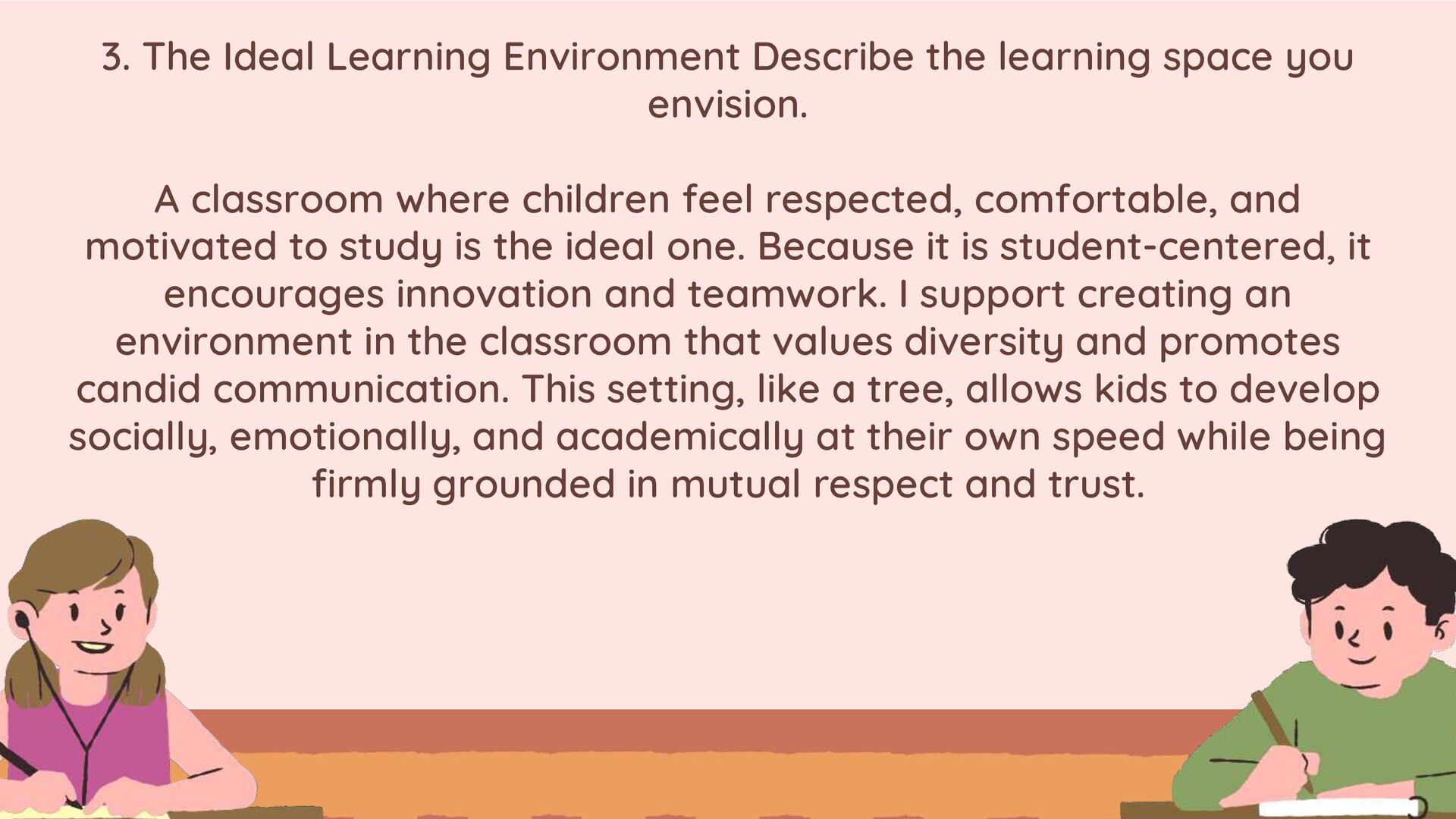
envision. A classroom where children feel respected, comfortable, and motivated to study is the ideal one. Because it is student-centered, it encourages innovation and teamwork. I support creating an environment in the classroom that values diversity and promotes candid communication. This setting, like a tree, allows kids to develop socially, emotionally, and academically at their own speed while being firmly grounded in mutual respect and trust.
envision. A classroom where children feel respected, comfortable, and motivated to study is the ideal one. Because it is student-centered, it encourages innovation and teamwork. I support creating an environment in the classroom that values diversity and promotes candid communication. This setting, like a tree, allows kids to develop socially, emotionally, and academically at their own speed while being firmly grounded in mutual respect and trust.
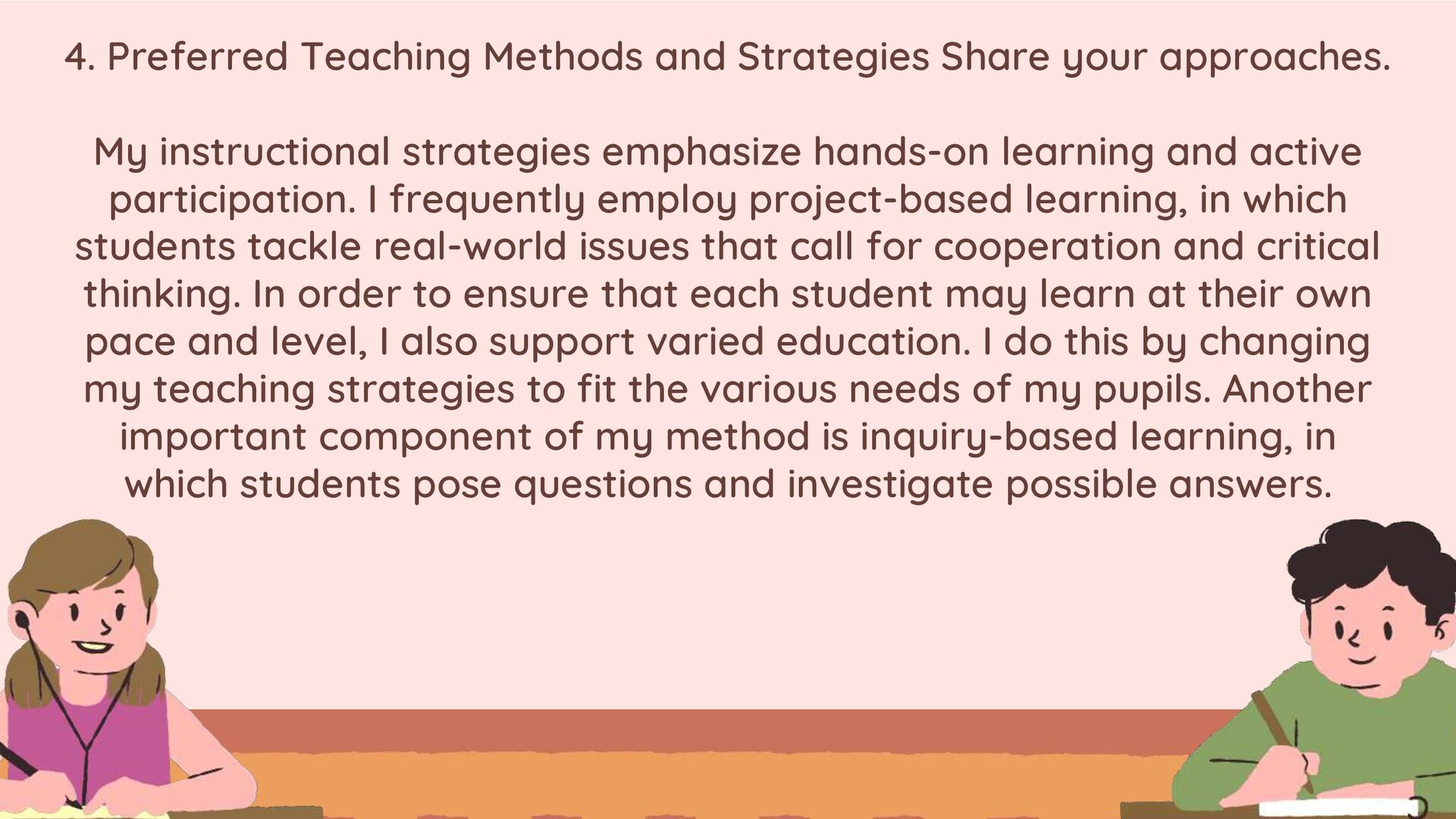
instructional strategies emphasize hands-on learning and active participation. I frequently employ project-based learning, in which students tackle real-world issues that call for cooperation and critical thinking. In order to ensure that each student may learn at their own pace and level, I also support varied education. I do this by changing my teaching strategies to fit the various needs of my pupils. Another important component of my method is inquiry-based learning, in which students pose questions and investigate possible answers.
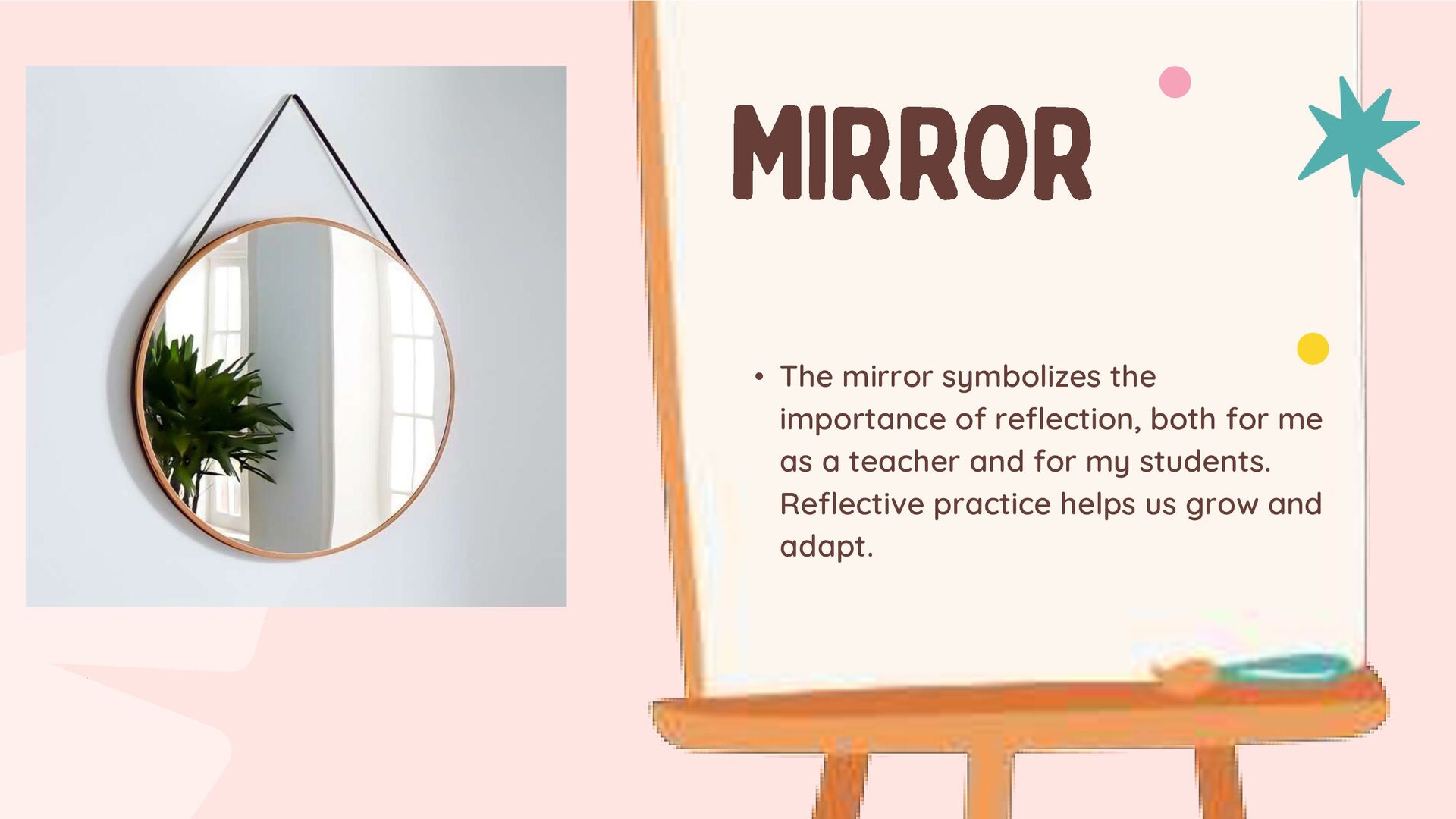
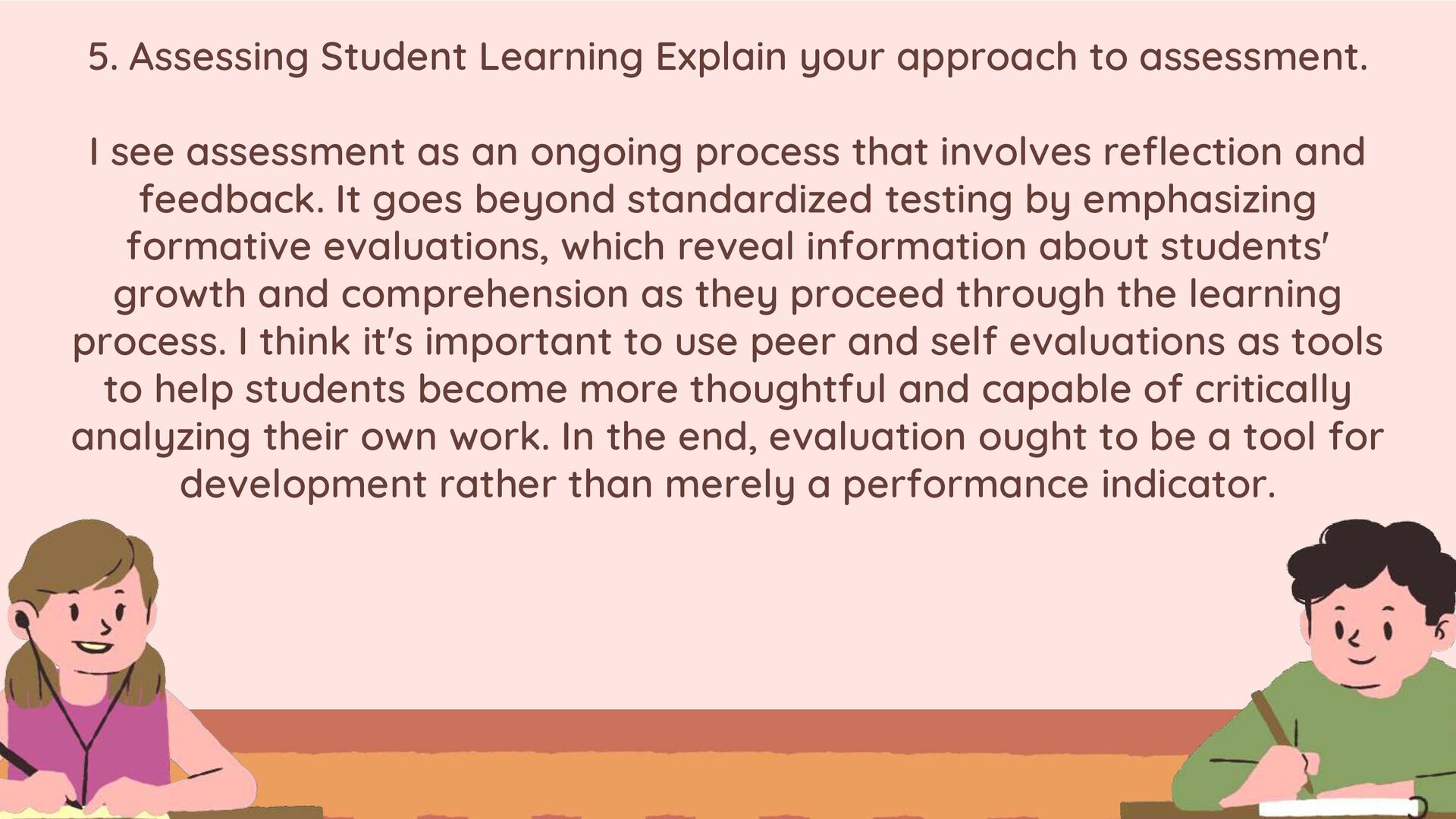
see assessment as an ongoing process that involves reflection and feedback. It goes beyond standardized testing by emphasizing formative evaluations, which reveal information about students' growth and comprehension as they proceed through the learning process. I think it's important to use peer and self evaluations as tools to help students become more thoughtful and capable of critically analyzing their own work. In the end, evaluation ought to be a tool for development rather than merely a performance indicator.
My approach to teaching is quite similar to constructivist theories, especially those of Lev Vygotsky and Jean Piaget. In my opinion, learning occurs most effectively when students actively create their own understanding through practical application and social interaction. The Zone of Proximal Development, a theory developed by Vygotsky, is particularly relevant to my teaching since it highlights how crucial it is to assist students as they advance to new conceptual levels. Furthermore, I agree with John Dewey's progressive viewpoint because I believe that education should equip students to actively participate in a democratic society.


 thoeni
 davidcarrasco
 morganepeng
 keithpitt
 baasie
 erikaheidi
 takai
 garrettdimon
 michielstock
 tammielis
 shlominoach
 popppiees