Horse Honey Review 2026: Features, Benefits, an...

Horse Honey Review 2026: Features, Benefits, and Potential Side Effects!
Why Are People Searching for Horse Honey Reviews?
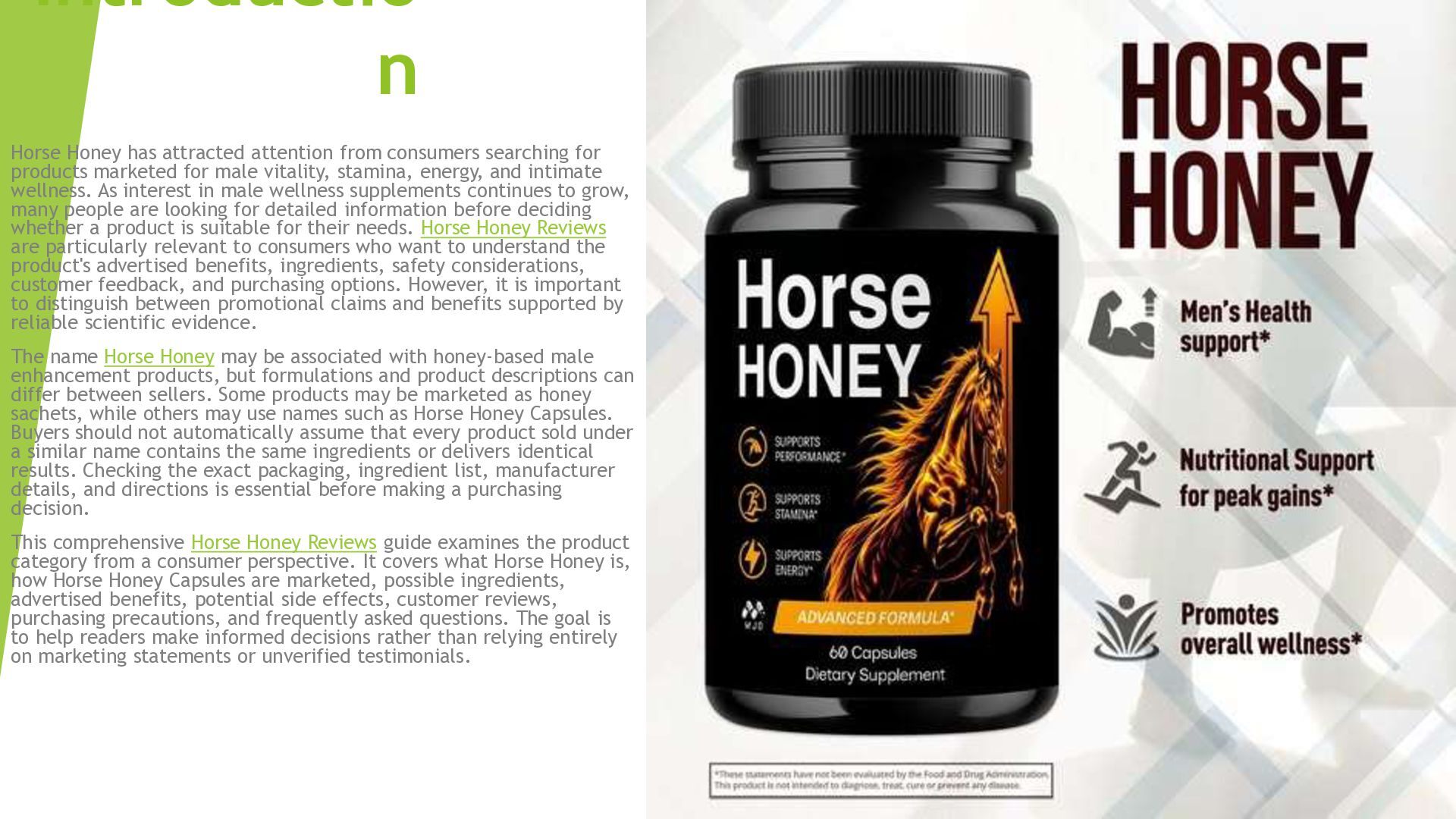
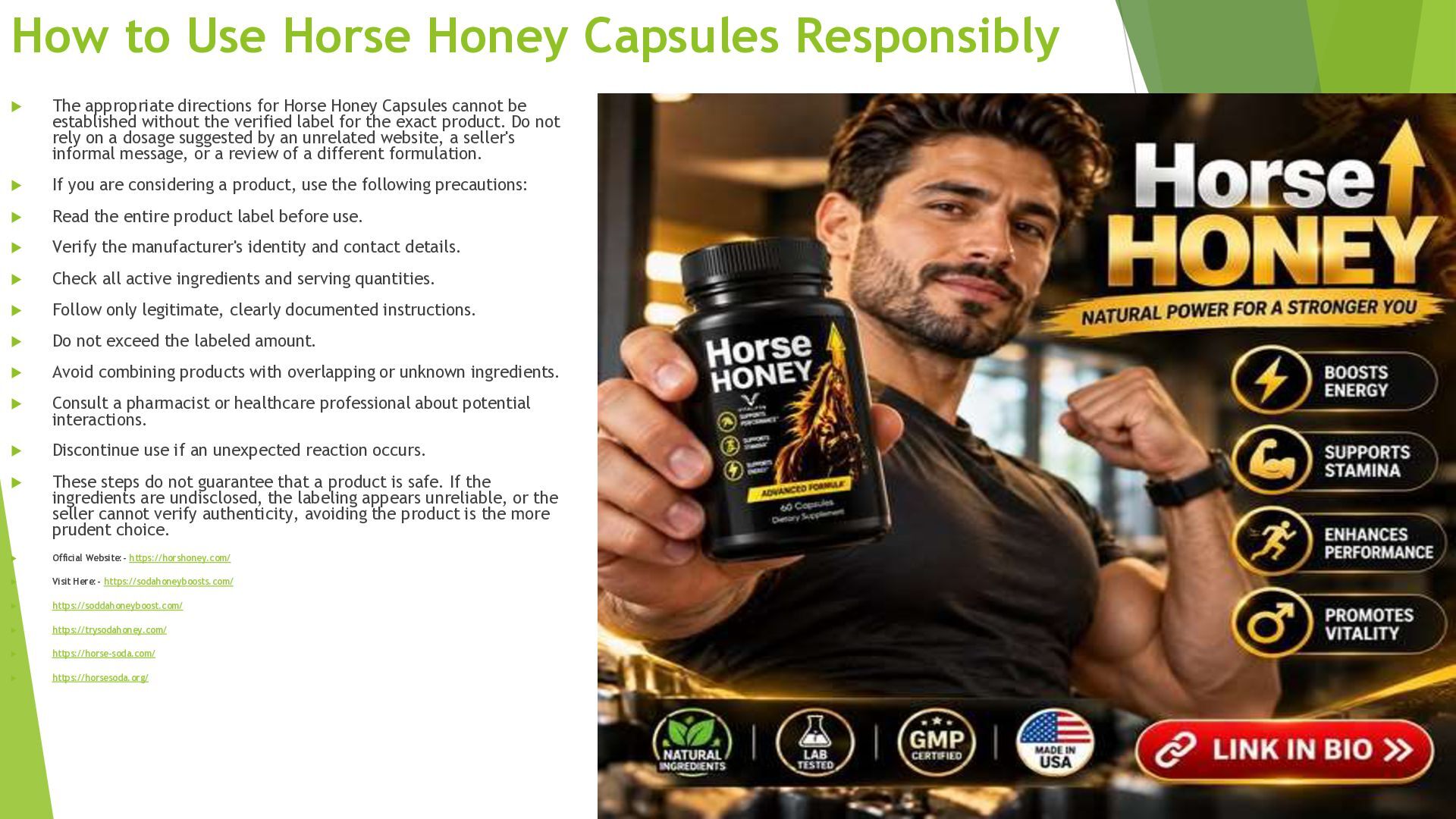
Consumers often search for Horse Honey Reviews because they want independent information before spending money on a product. Advertisements may highlight convenience, confidence, stamina, and intimate wellness, but potential buyers usually need more than promotional language to make a responsible decision.
One common reason for researching reviews is uncertainty about effectiveness. People want to know whether the product produces noticeable results, how long any effects might last, and whether the advertised benefits are realistic. Unfortunately, testimonials alone cannot answer these questions reliably. Individual experiences may be influenced by expectations, other health factors, and differences between formulations.
Another reason is safety. Consumers may want to know whether Horse Honey causes headaches, stomach discomfort, allergic reactions, or other unwanted effects. Reliable safety information should come from the ingredient list, appropriate clinical evidence, product testing, and qualified healthcare professionals rather than anonymous online comments alone.
Price and authenticity are also important concerns. Similar product names, unofficial websites, and misleading advertisements can make it difficult to determine whether a seller is offering a genuine product. Reading reviews can help identify questions worth investigating, but consumers should verify important claims independently.
Horse Honey Ingredients: What Should You Check?
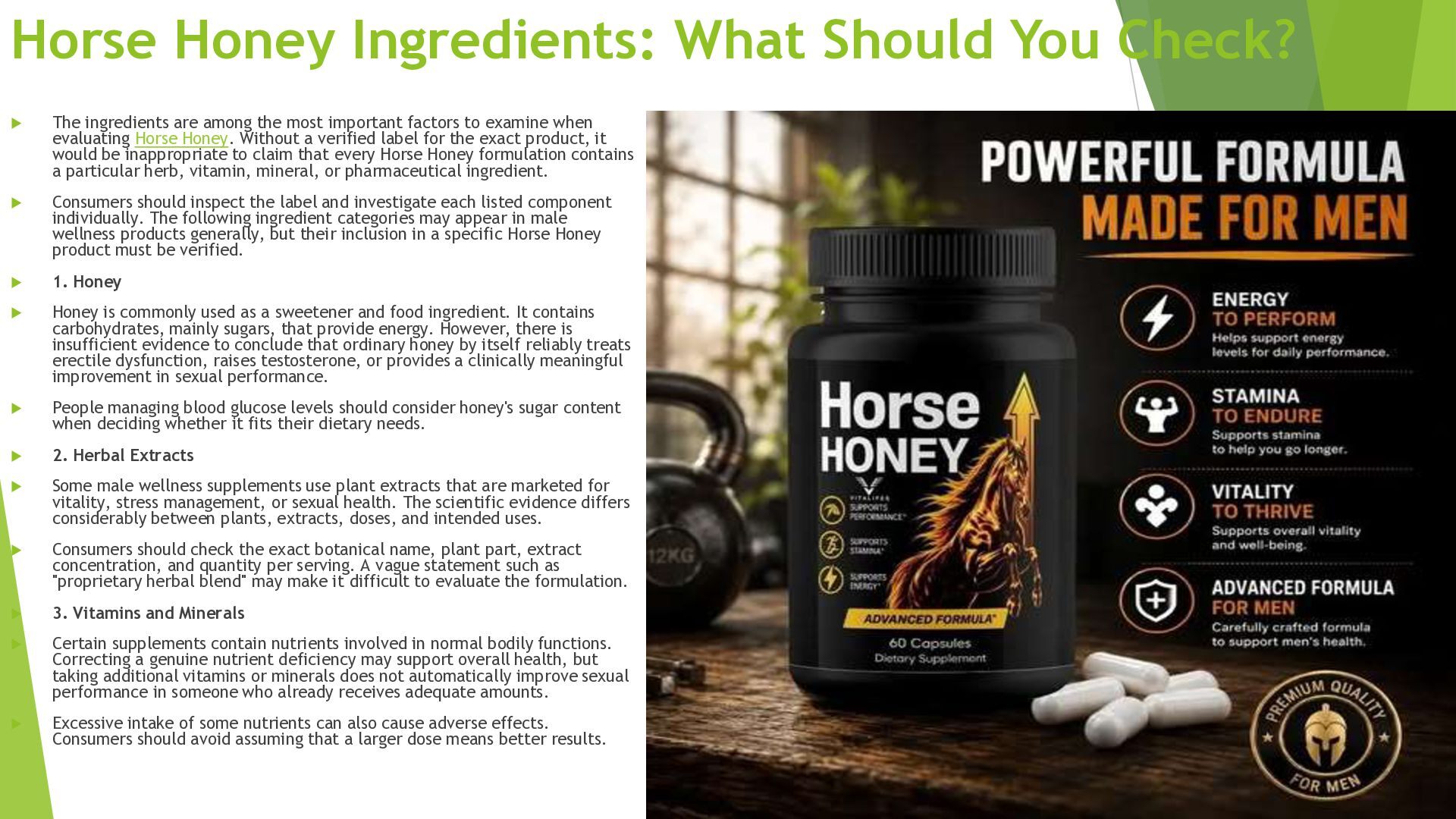
The ingredients are among the most important factors to examine when evaluating Horse Honey. Without a verified label for the exact product, it would be inappropriate to claim that every Horse Honey formulation contains a particular herb, vitamin, mineral, or pharmaceutical ingredient.
Consumers should inspect the label and investigate each listed component individually. The following ingredient categories may appear in male wellness products generally, but their inclusion in a specific Horse Honey product must be verified.
1. Honey
Honey is commonly used as a sweetener and food ingredient. It contains carbohydrates, mainly sugars, that provide energy. However, there is insufficient evidence to conclude that ordinary honey by itself reliably treats erectile dysfunction, raises testosterone, or provides a clinically meaningful improvement in sexual performance.
People managing blood glucose levels should consider honey's sugar content when deciding whether it fits their dietary needs.
2. Herbal Extracts
Some male wellness supplements use plant extracts that are marketed for vitality, stress management, or sexual health. The scientific evidence differs considerably between plants, extracts, doses, and intended uses.
Consumers should check the exact botanical name, plant part, extract concentration, and quantity per serving. A vague statement such as "proprietary herbal blend" may make it difficult to evaluate the formulation.
3. Vitamins and Minerals
Certain supplements contain nutrients involved in normal bodily functions. Correcting a genuine nutrient deficiency may support overall health, but taking additional vitamins or minerals does not automatically improve sexual performance in someone who already receives adequate amounts.
Excessive intake of some nutrients can also cause adverse effects. Consumers should avoid assuming that a larger dose means better results.
4. Other Active Ingredients
Products advertised for male enhancement may contain additional substances that require careful evaluation. Consumers should verify that all active ingredients are disclosed and that their quantities are clear.
Undeclared ingredients are a serious concern because they may interact with prescription medicines or cause unexpected reactions. Products making dramatic promises without transparent labeling deserve particular caution.

 jeffersonlam
 cassininazir
 lara
 stuffmc
 katarinadahlin
 honzajavorek
 geoffreycrofte
 marcduiker
 baasie
 helenjbeal
 charlesmeaden
 hannesfritz