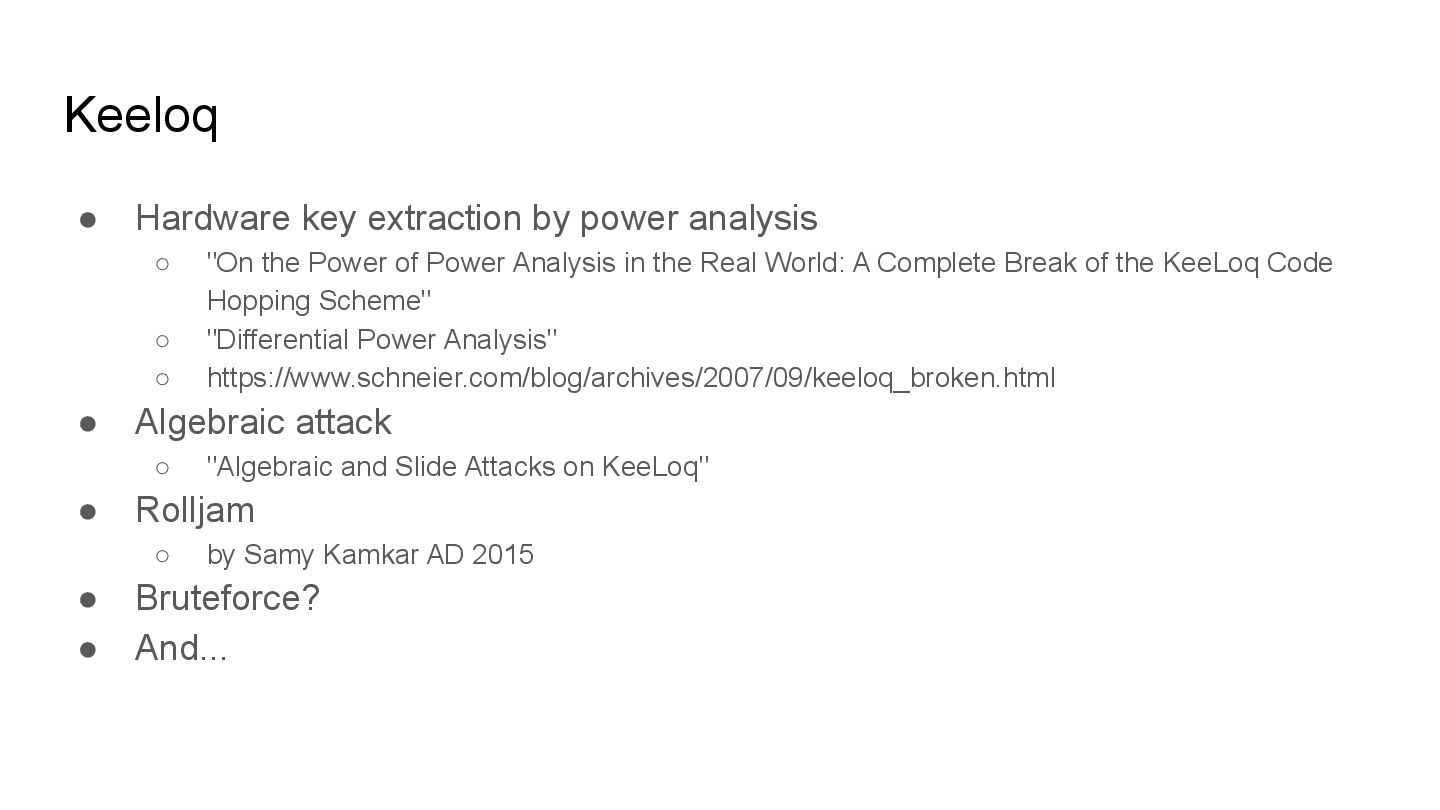
the Power of Power Analysis in the Real World: A Complete Break of the KeeLoq Code Hopping Scheme" ◦ "Differential Power Analysis" ◦ https://www.schneier.com/blog/archives/2007/09/keeloq_broken.html • Algebraic attack ◦ "Algebraic and Slide Attacks on KeeLoq" • Rolljam ◦ by Samy Kamkar AD 2015 • Bruteforce? • And...
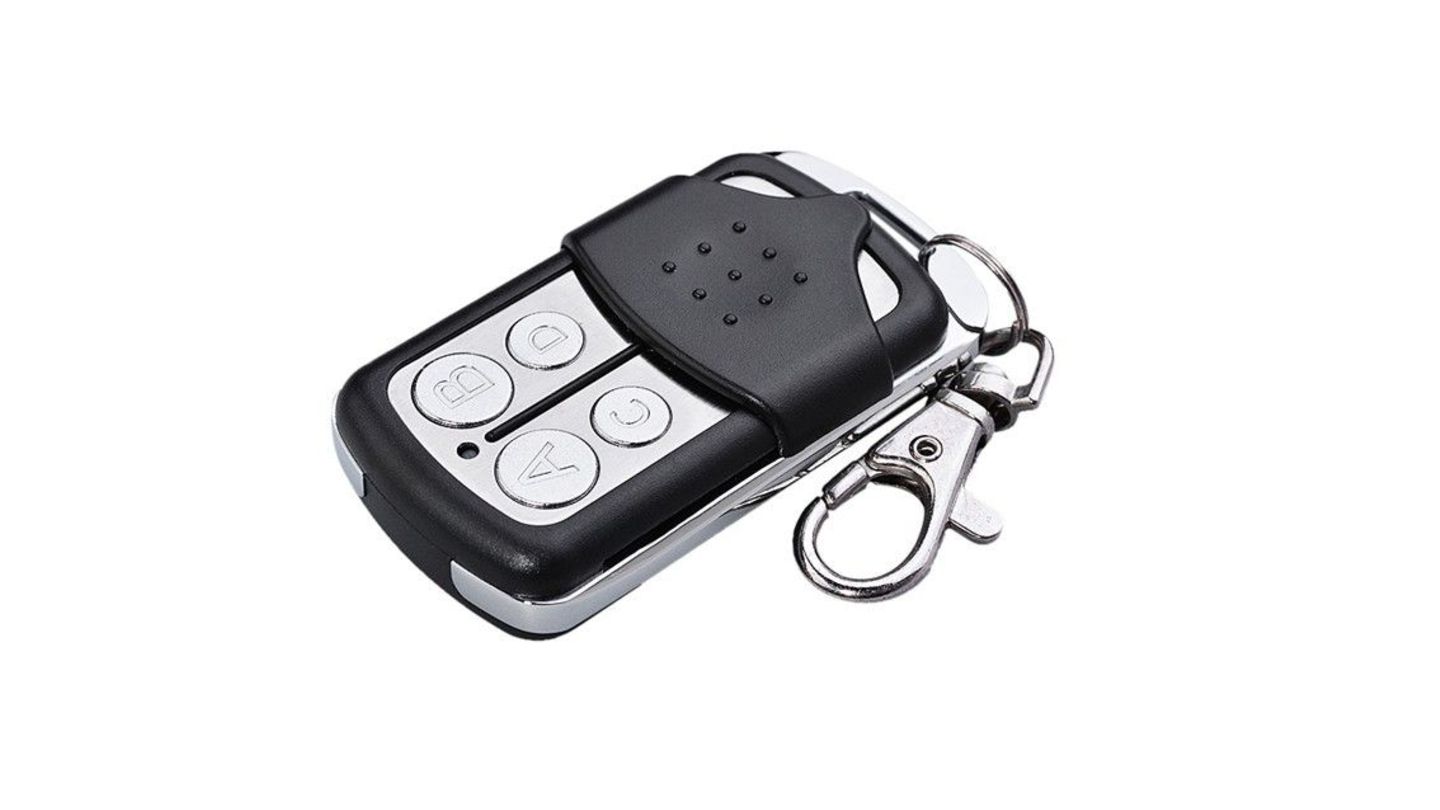
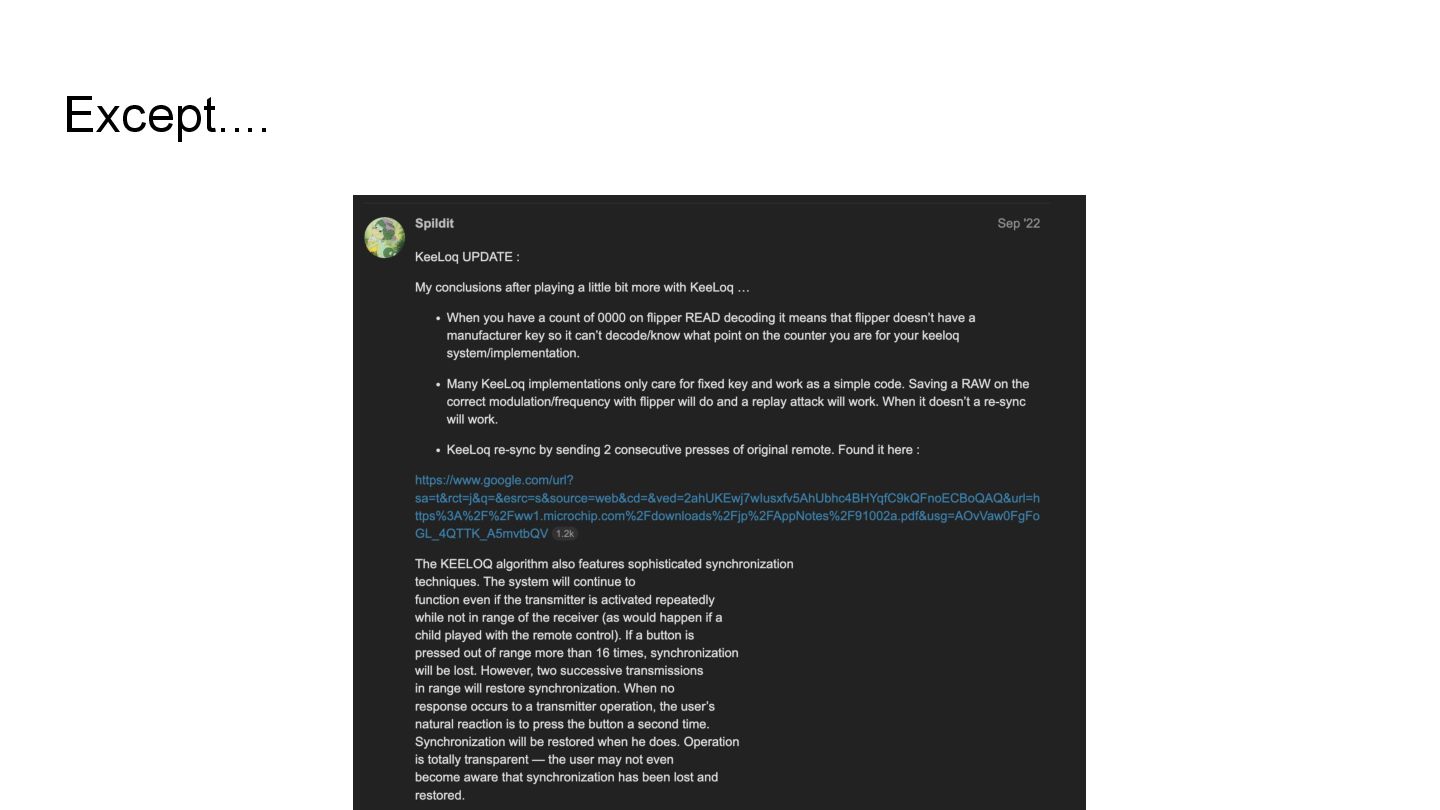
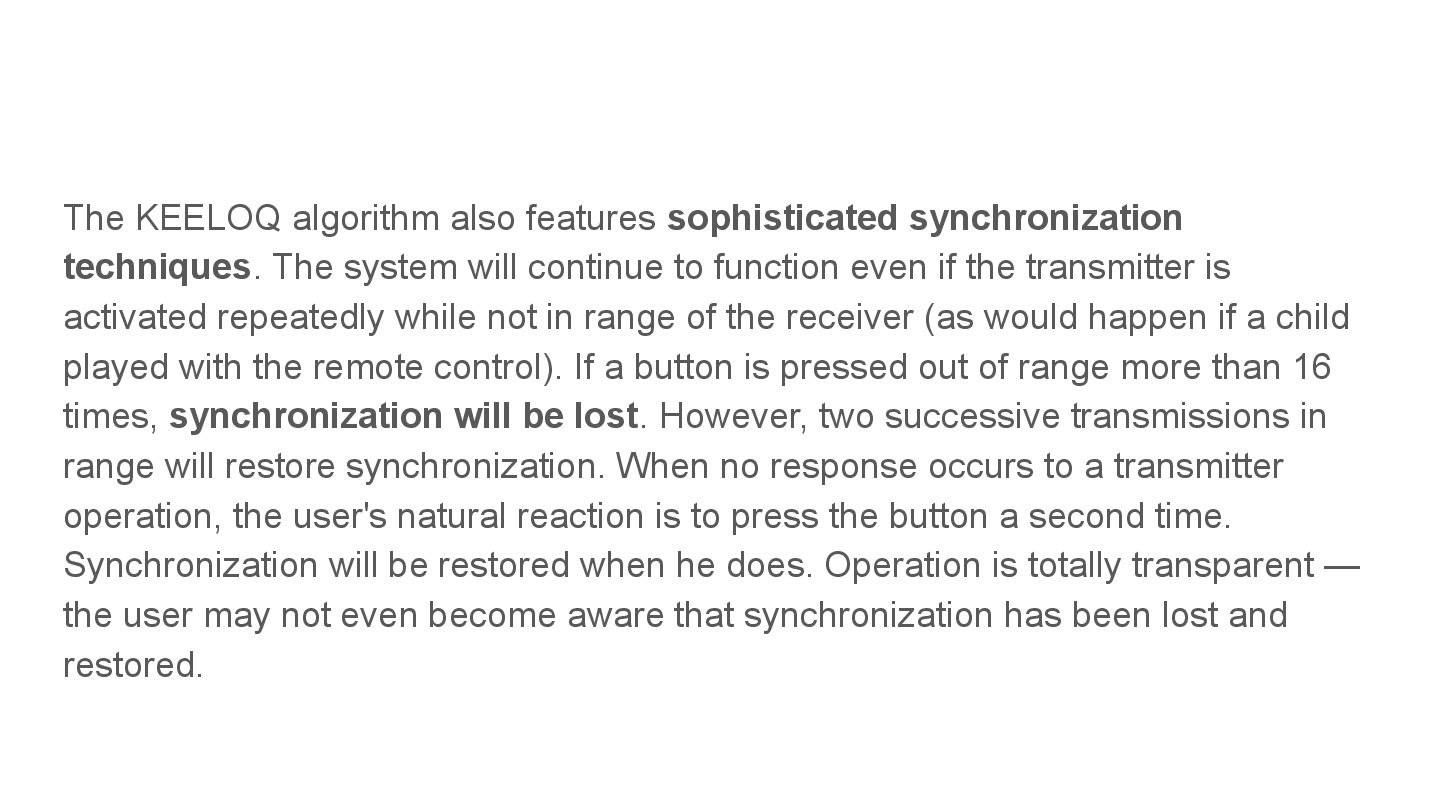
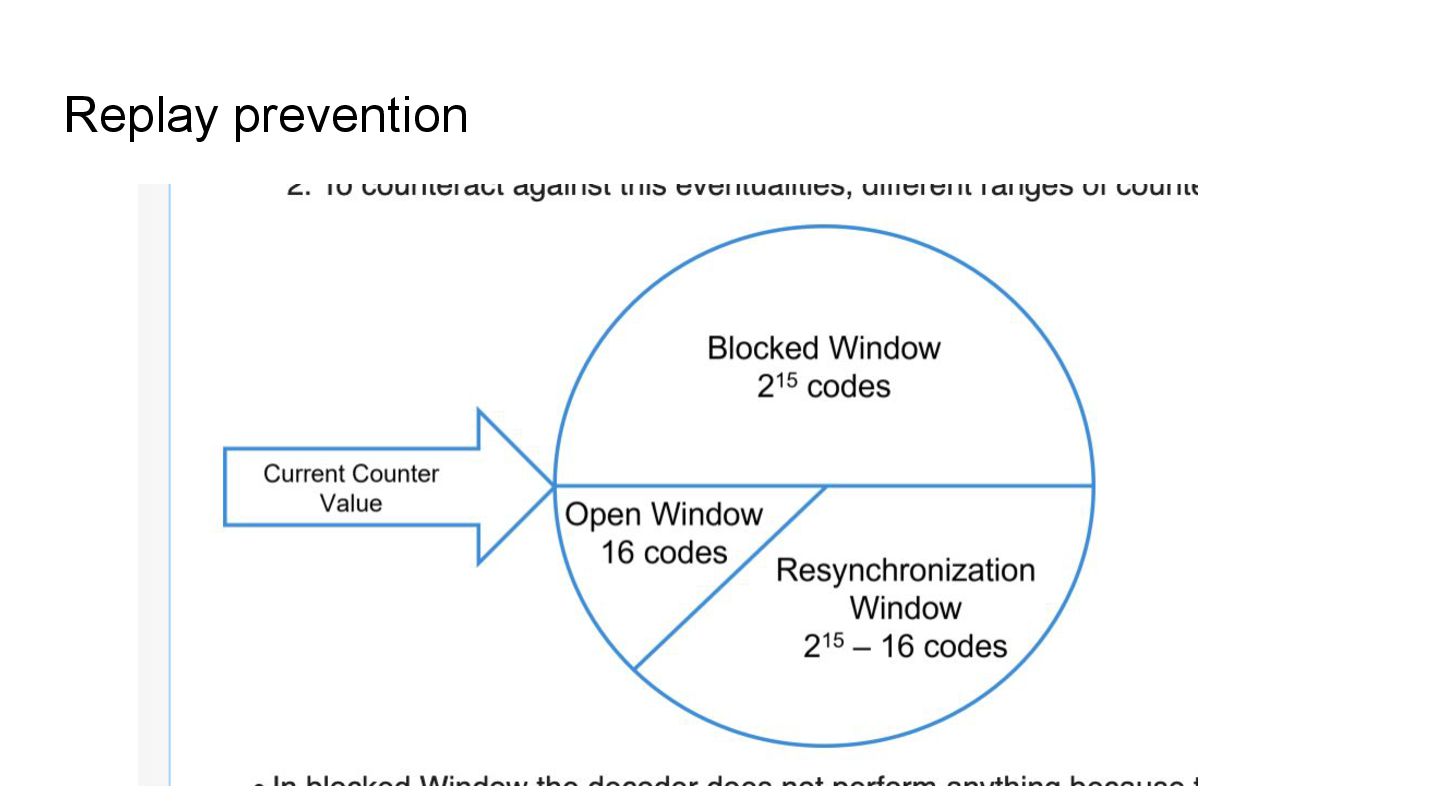
will continue to function even if the transmitter is activated repeatedly while not in range of the receiver (as would happen if a child played with the remote control). If a button is pressed out of range more than 16 times, synchronization will be lost. However, two successive transmissions in range will restore synchronization. When no response occurs to a transmitter operation, the user's natural reaction is to press the button a second time. Synchronization will be restored when he does. Operation is totally transparent — the user may not even become aware that synchronization has been lost and restored.
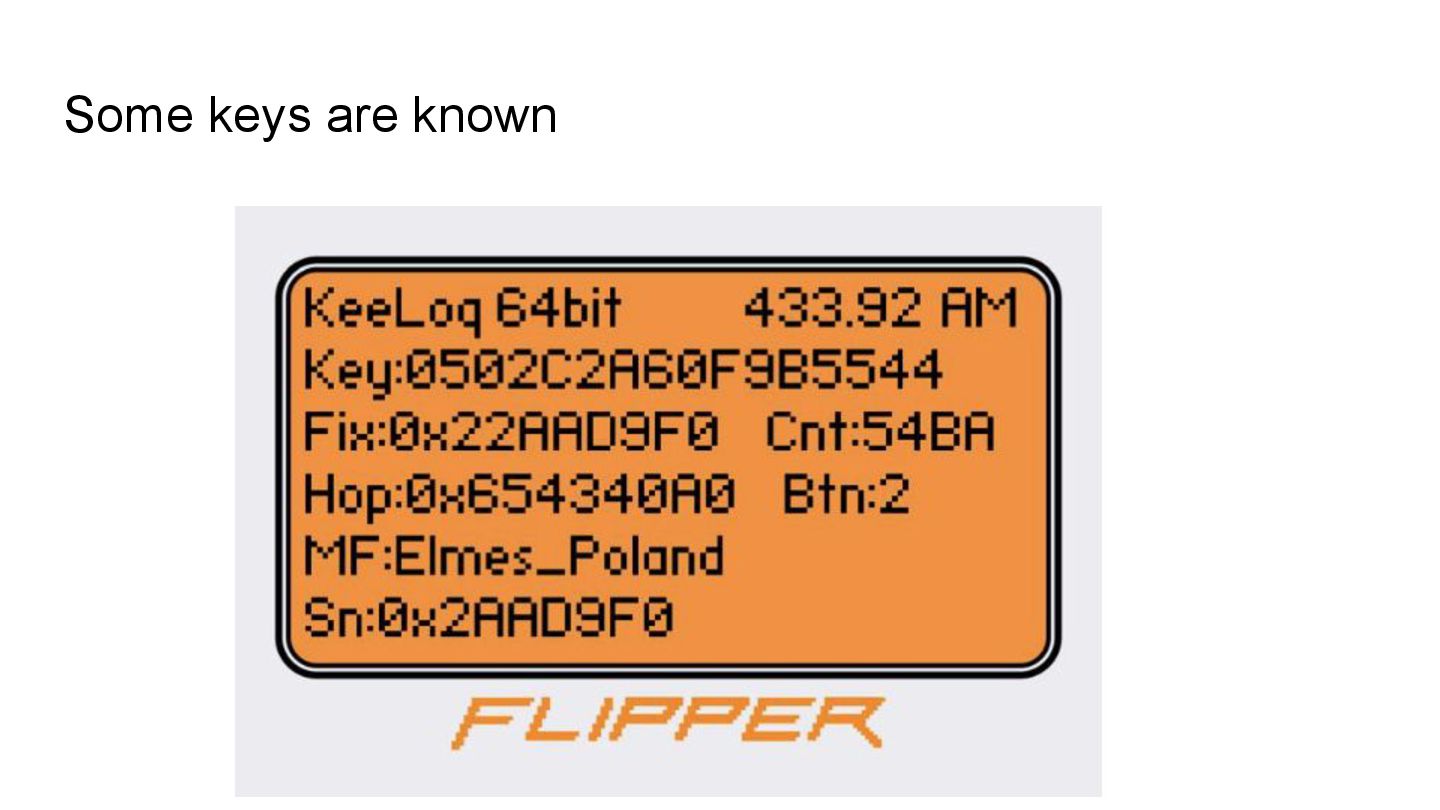
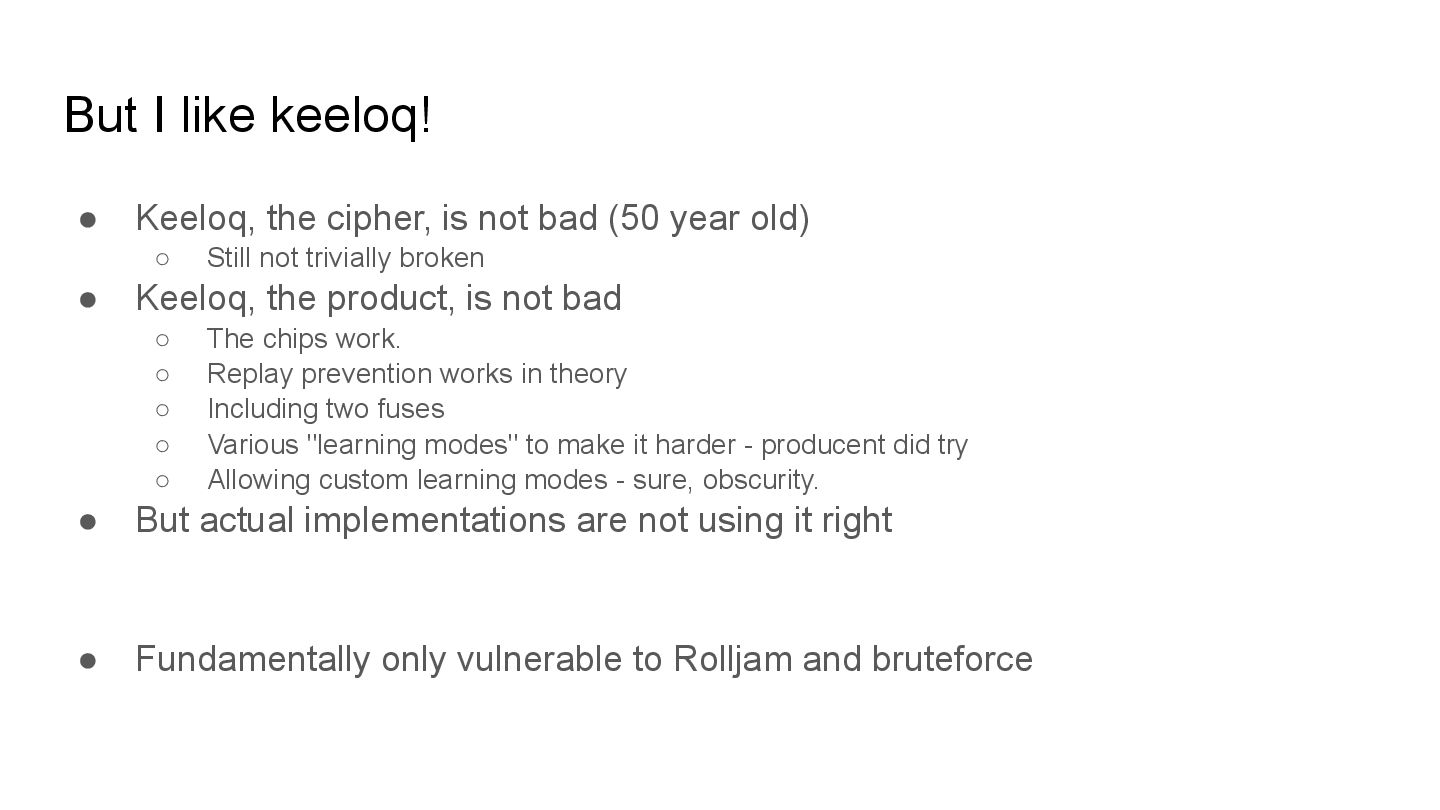
bad (50 year old) ◦ Still not trivially broken • Keeloq, the product, is not bad ◦ The chips work. ◦ Replay prevention works in theory ◦ Including two fuses ◦ Various "learning modes" to make it harder - producent did try ◦ Allowing custom learning modes - sure, obscurity. • But actual implementations are not using it right • Fundamentally only vulnerable to Rolljam and bruteforce
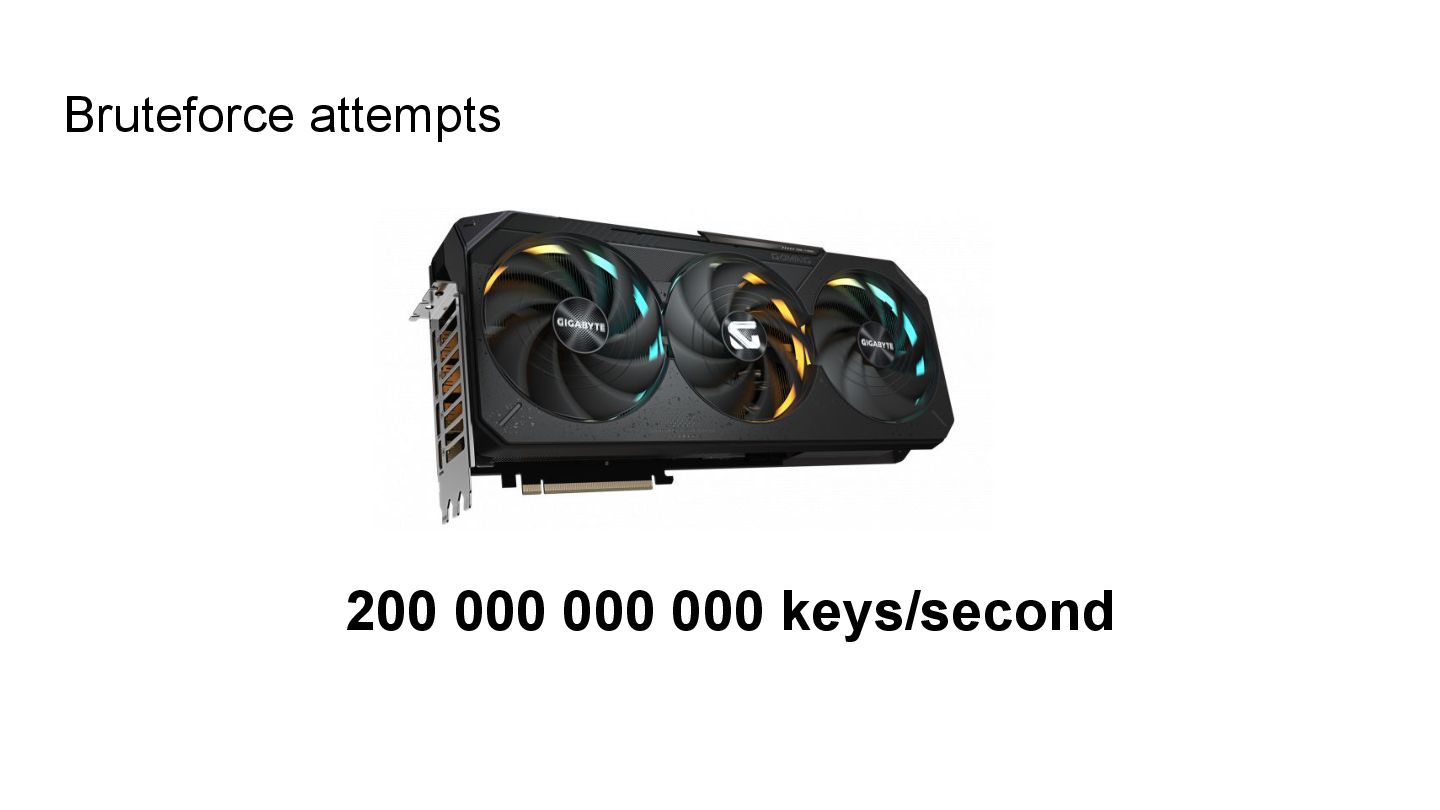
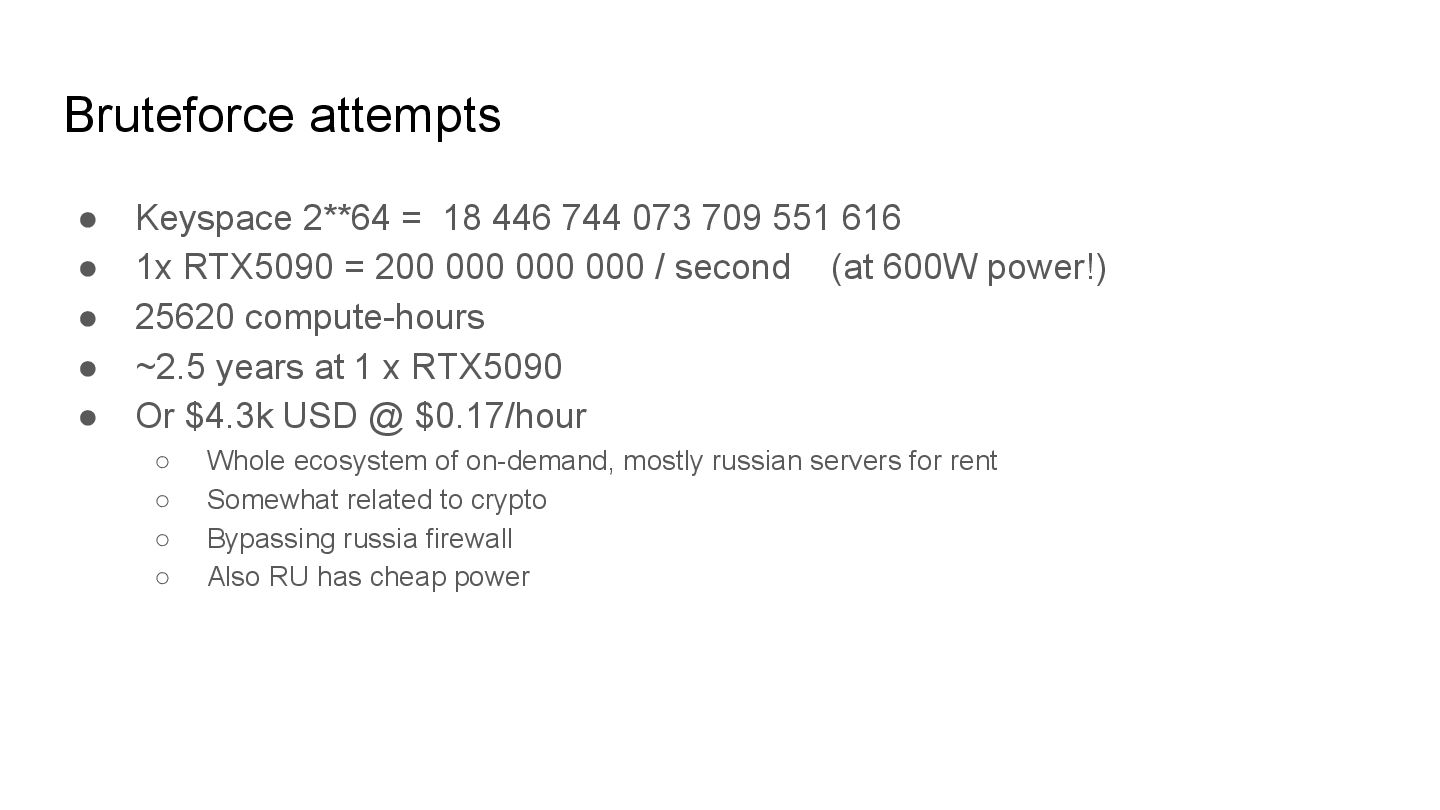
709 551 616 • 1x RTX5090 = 200 000 000 000 / second (at 600W power!) • 25620 compute-hours • ~2.5 years at 1 x RTX5090 • Or $4.3k USD @ $0.17/hour ◦ Whole ecosystem of on-demand, mostly russian servers for rent ◦ Somewhat related to crypto ◦ Bypassing russia firewall ◦ Also RU has cheap power


 majek04
 schlessera
 charlesmeaden
.jpg) cargoodrich
cargoodrich
 codingconduct
 philnash
 3n
3n
 marcelosomers
 letsgokoyo
 rabernat
 keithpitt
 malarkey
 lynnandtonic