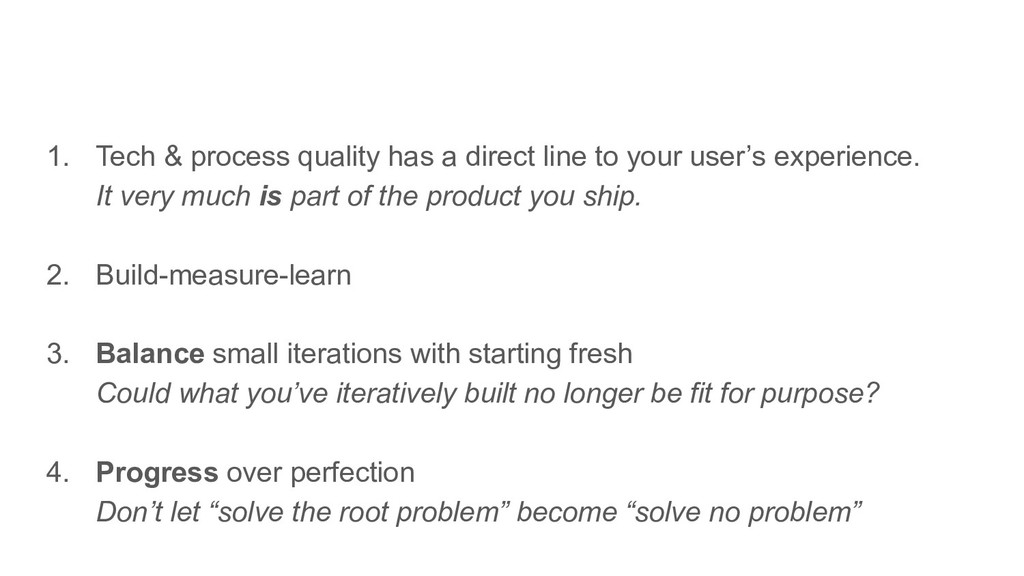
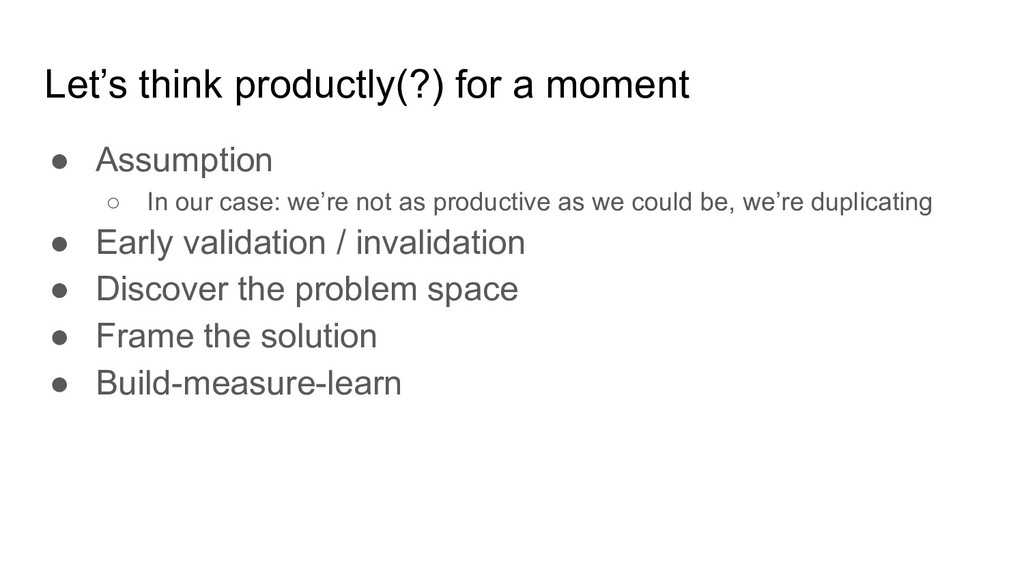
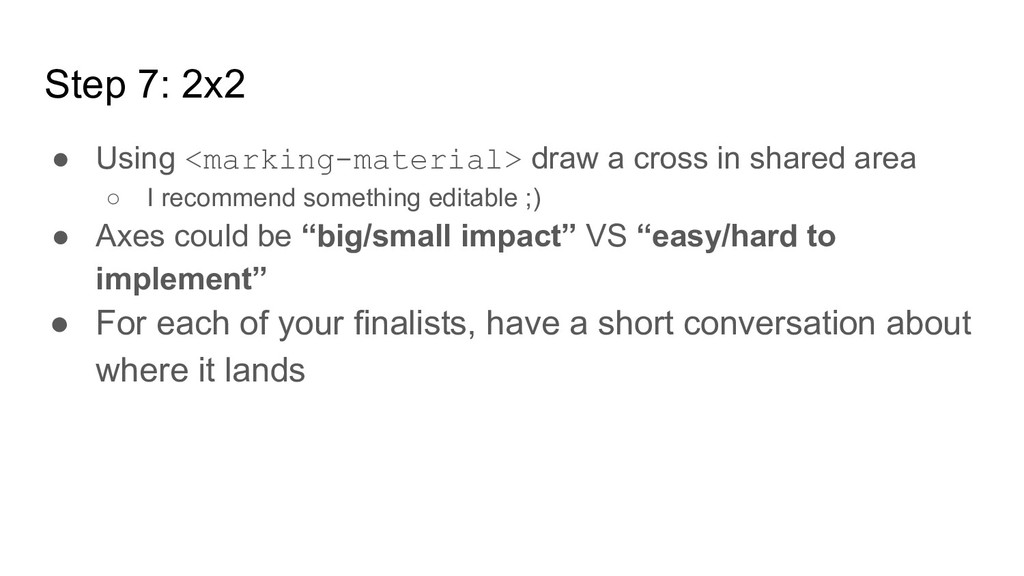
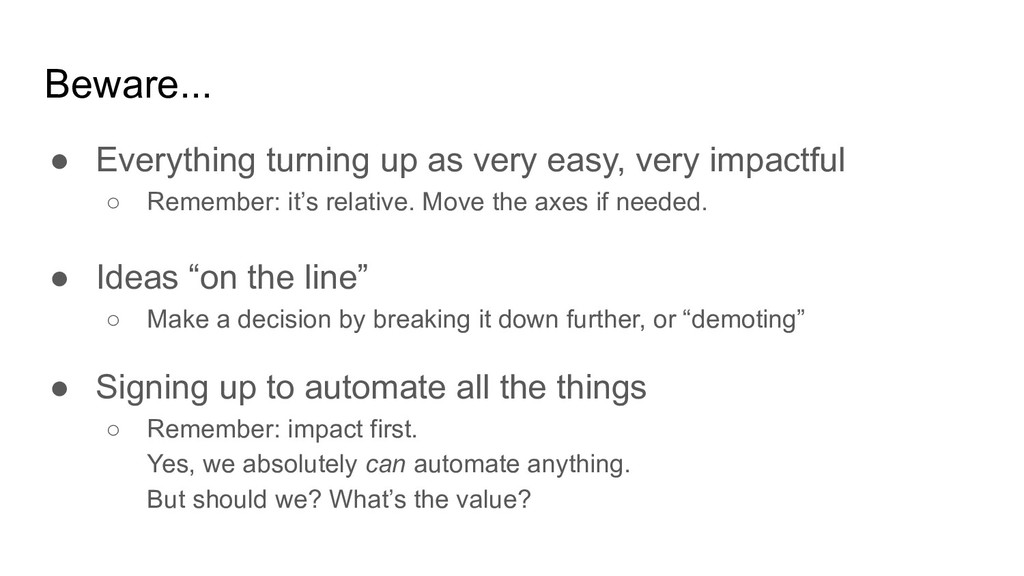
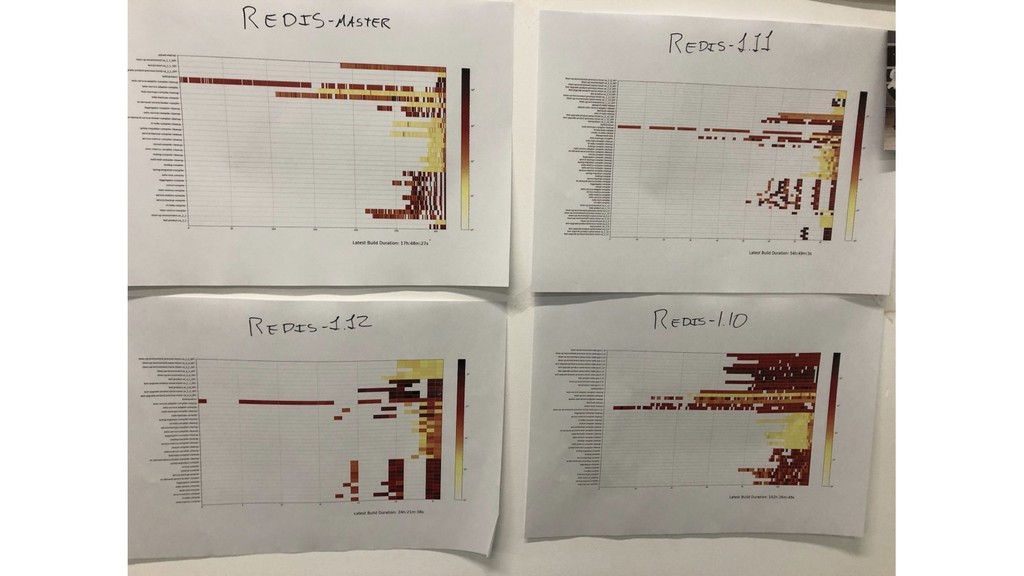
We have successfully applied product principles to developing, well, products; listening to users, delivering the highest value features first, measuring success. What if the same principles apply to the “non-user facing” aspects of the software your team writes; architecture, codebase health and technical debt? In other words, what if your product’s technical quality...is a product?
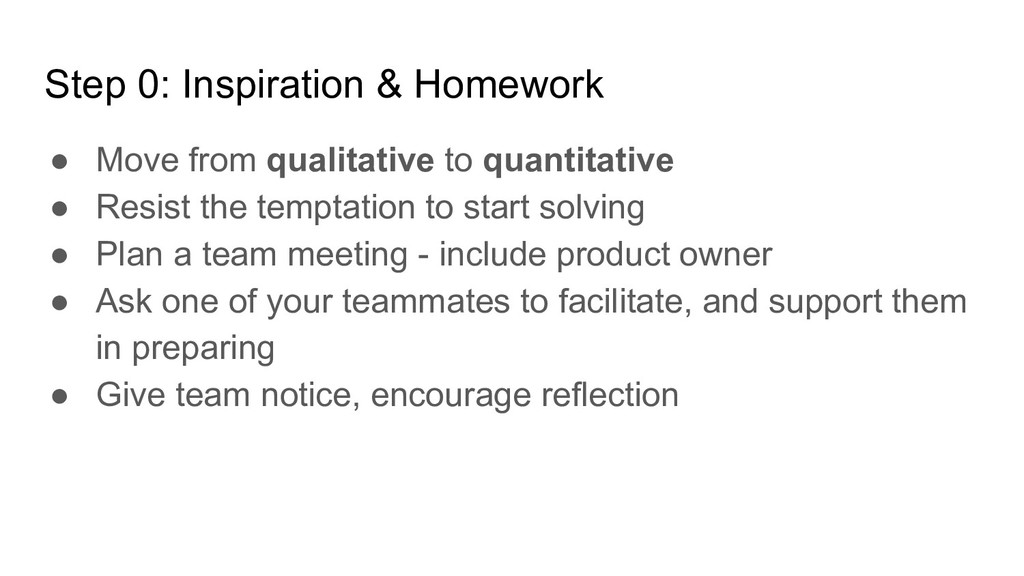
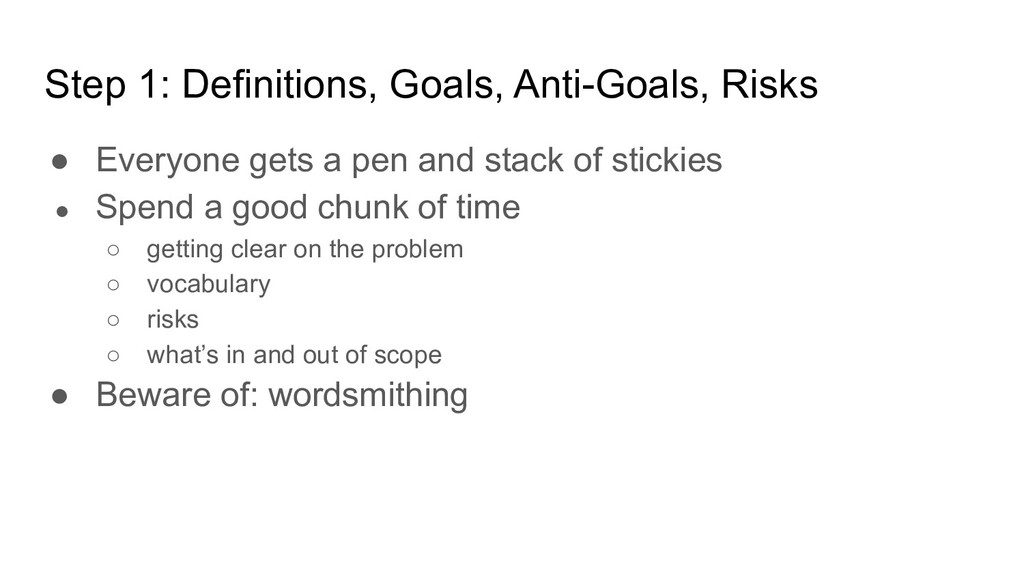
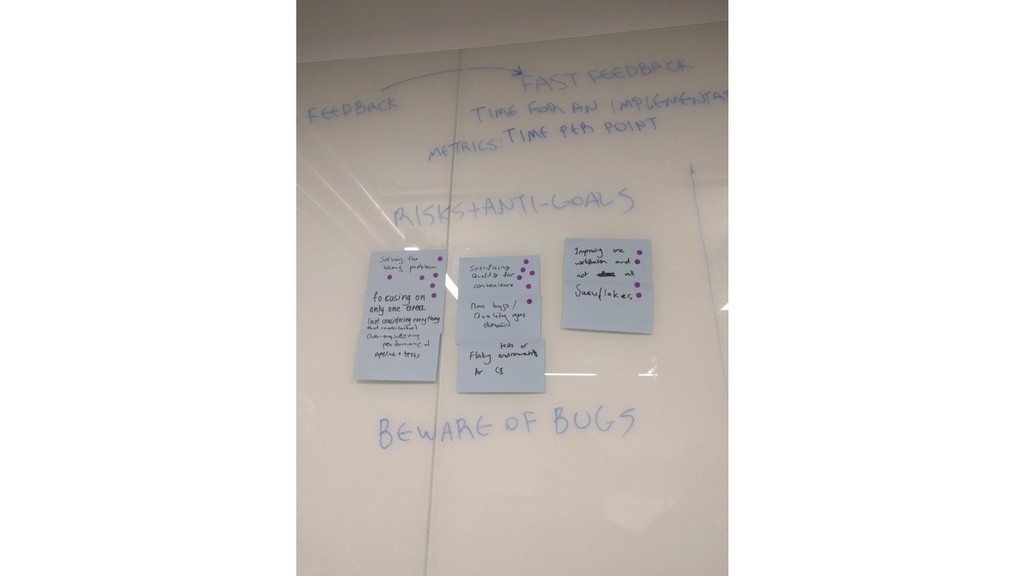
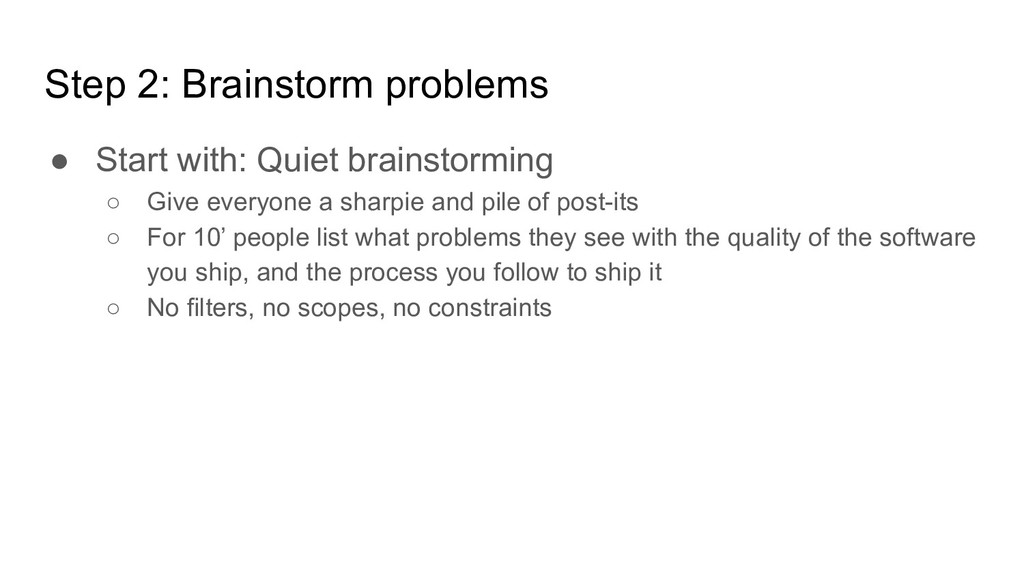
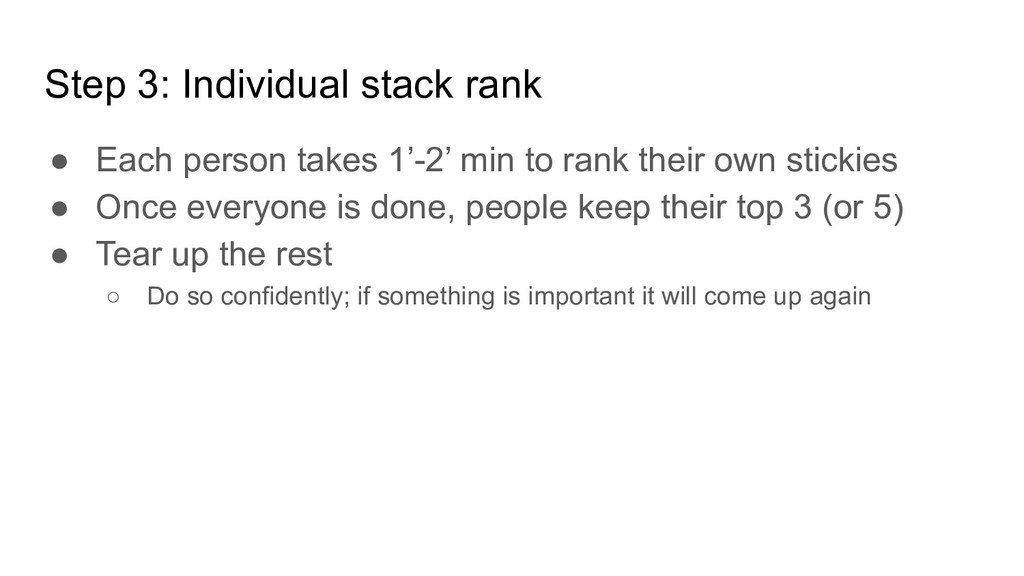
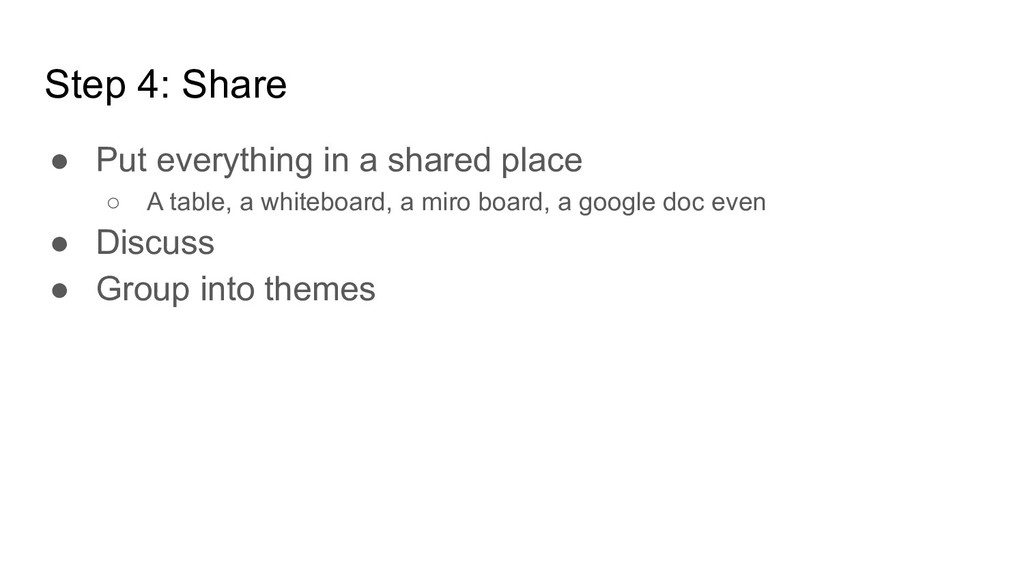
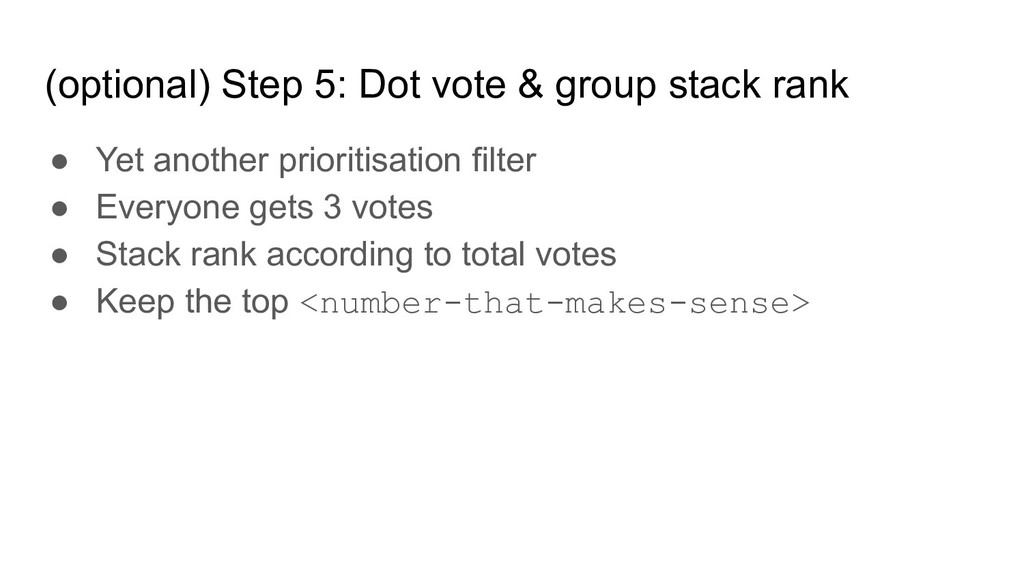
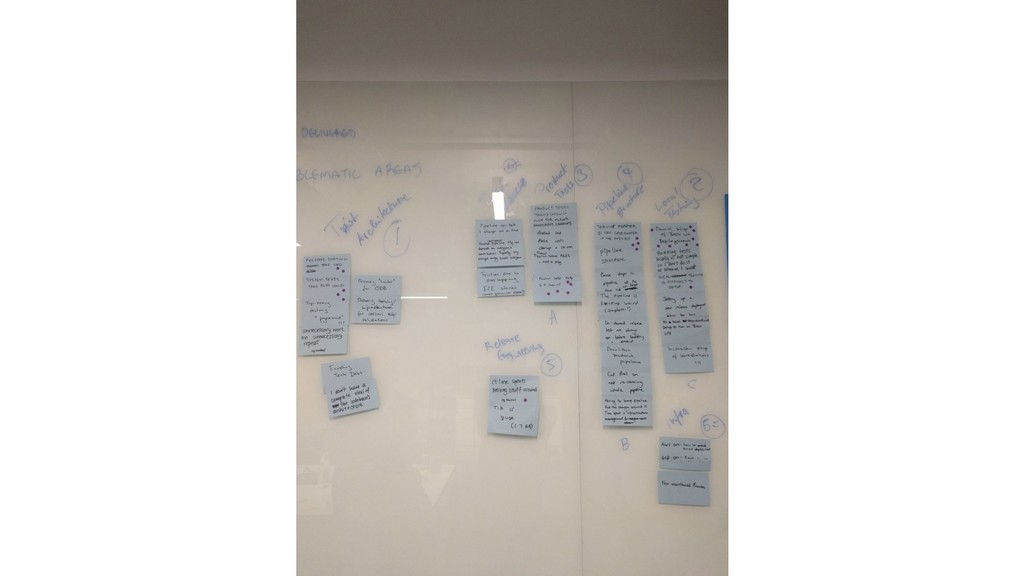
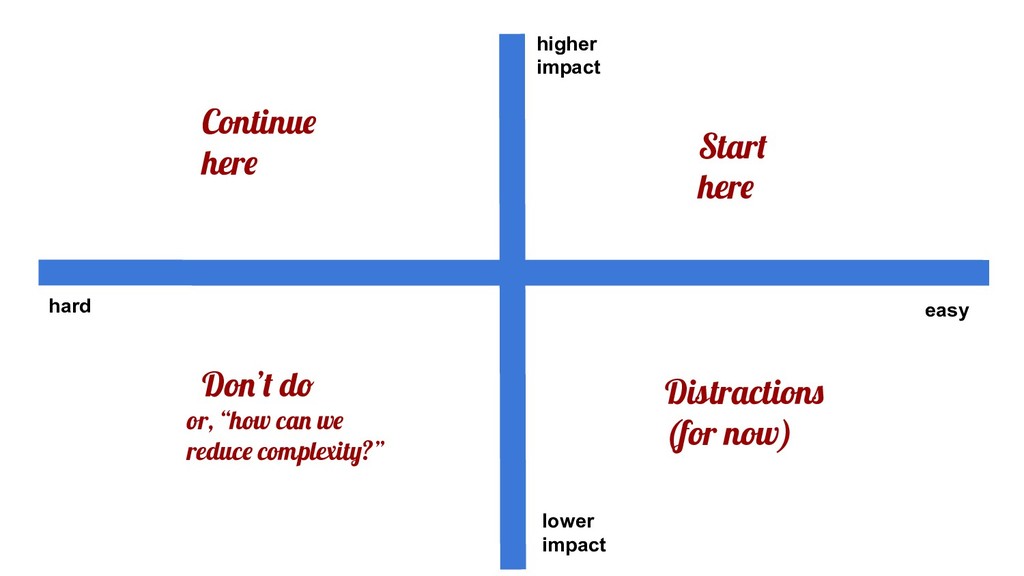
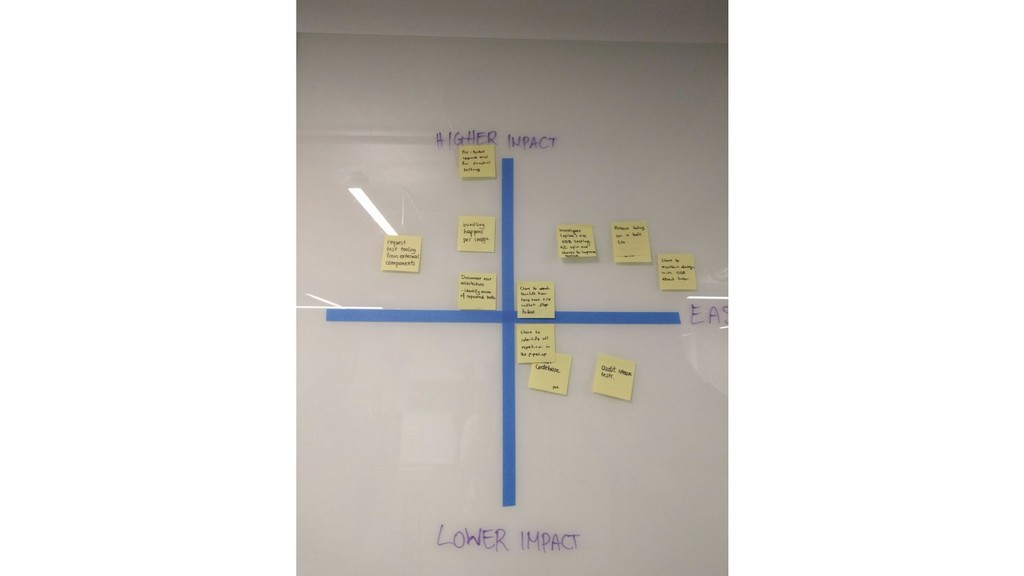
In this talk, I’ll go through a framework that you can use as a reference when deciding what aspects of tech debt to address, in what order, and in what way. You can adjust that to match your team’s special context and challenges, but I’ll also take you through some implementations that I’ve seen in engineering teams as examples. By the end of the session, you’ll have tools that will help you choose the most effective way towards engineering setup and decision making that works for your team, but also grow your team’s muscles towards identifying these areas in the future.


 pfn
 oikon48
 terurou
 nttcom
 namiki64
 shuta13
 akitoshiga
 ishikawa_satoru
 takuroabe
 carta_engineering
 shugo
 gogutan
 inesmontani
 smashingmag
 stuffmc
 aki_iinuma
 chriscoyier
 ryanjones
 skipperchong
 rkendrick25
 sonatard
 cassininazir
 aleyda