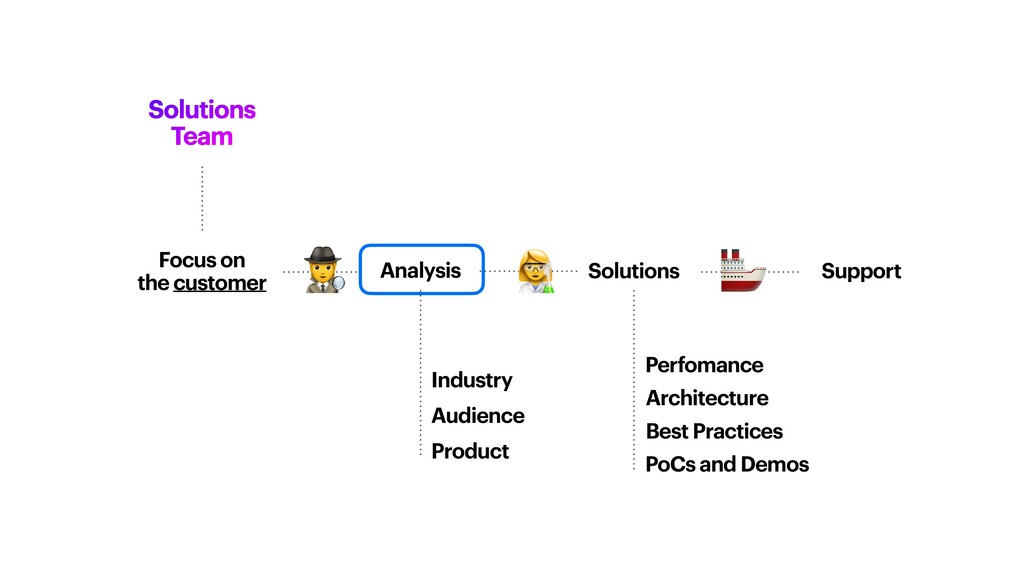
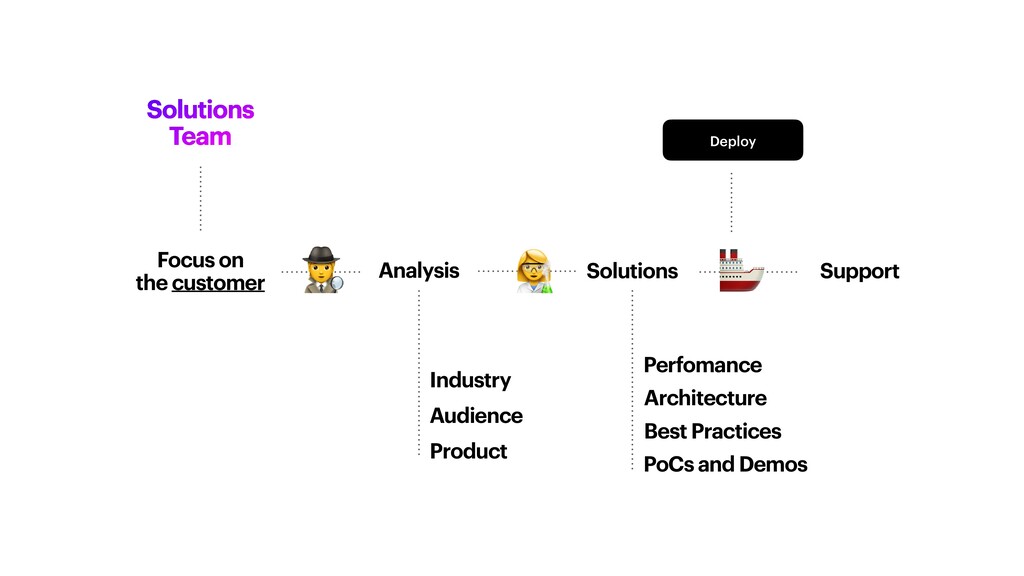
• Overview of Modern Web Applications • What’s a Solutions Team? • Solutions Team Playbook and Work f low • Some techniques to build resilient Web Applications
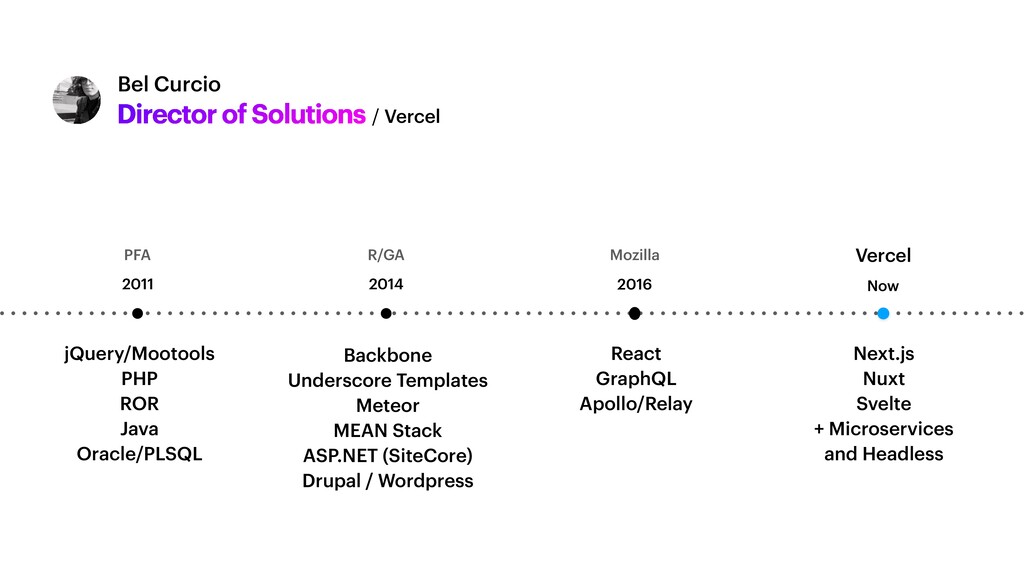
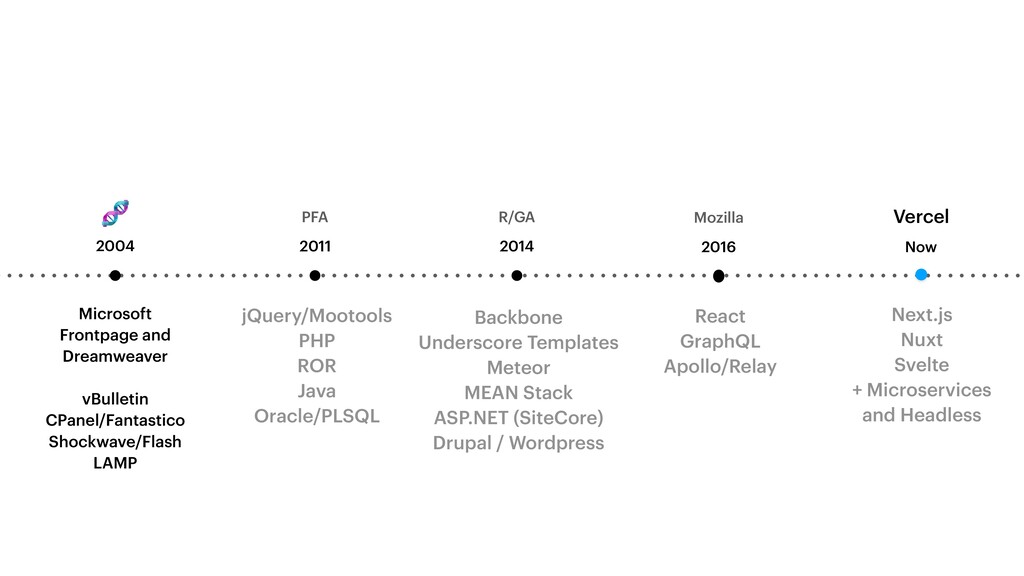
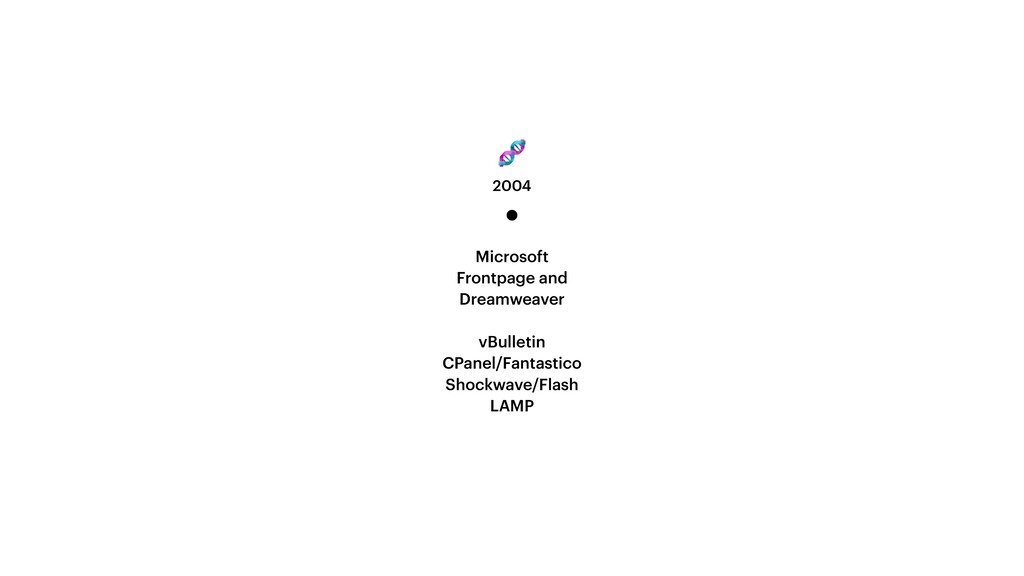
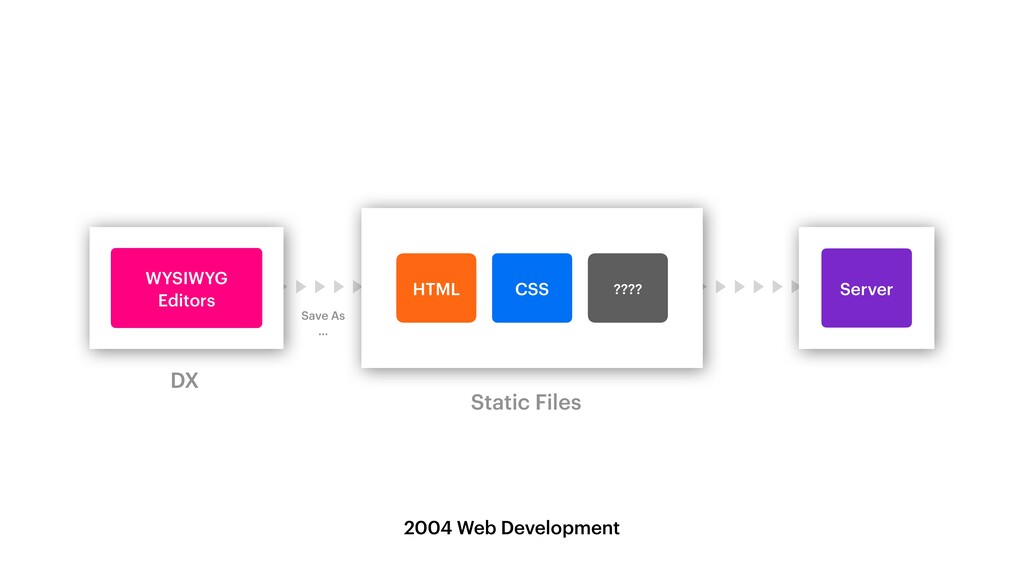
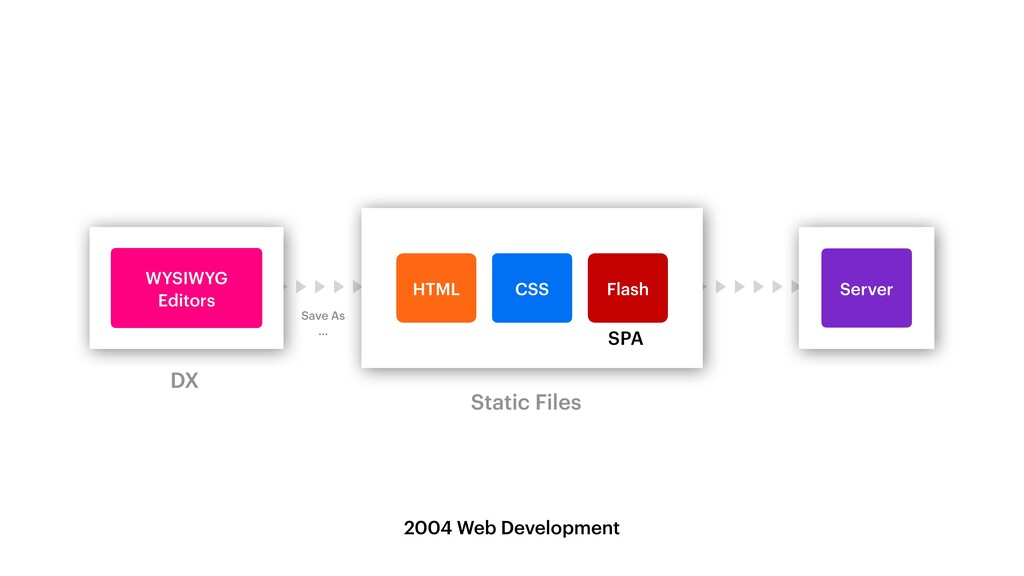
Underscore Templates Meteor MEAN Stack ASP.NET (SiteCore) Drupal / Wordpress Mozilla 2016 React GraphQL Apollo/Relay Vercel Now Next.js Nuxt Svelte + Microservices and Headless 2004 Microsoft Frontpage and Dreamweaver vBulletin CPanel/Fantastico Shockwave/Flash LAMP 🧬
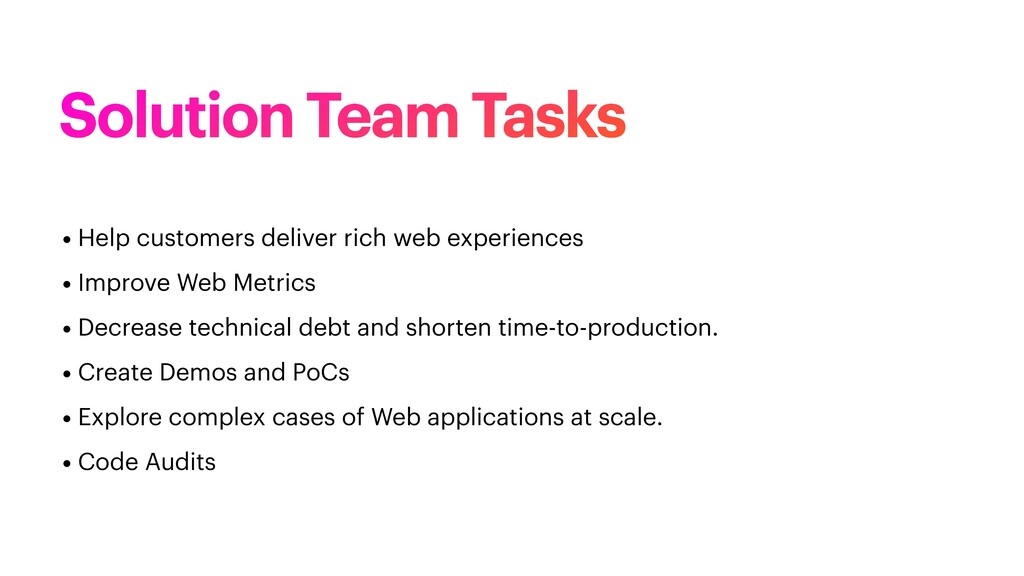
• Improve Web Metrics • Decrease technical debt and shorten time-to-production. • Create Demos and PoCs • Explore complex cases of Web applications at scale. • Code Audits
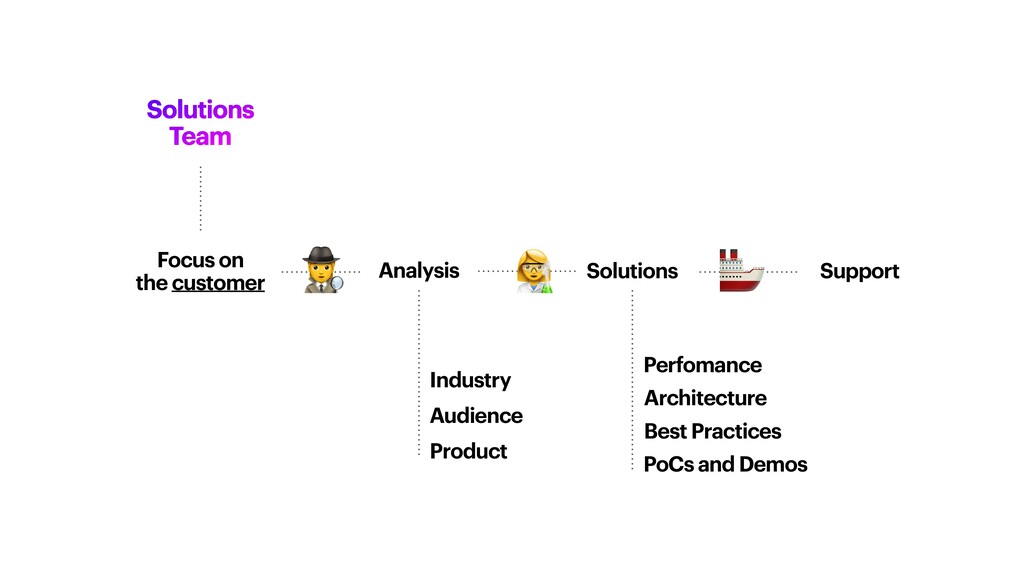
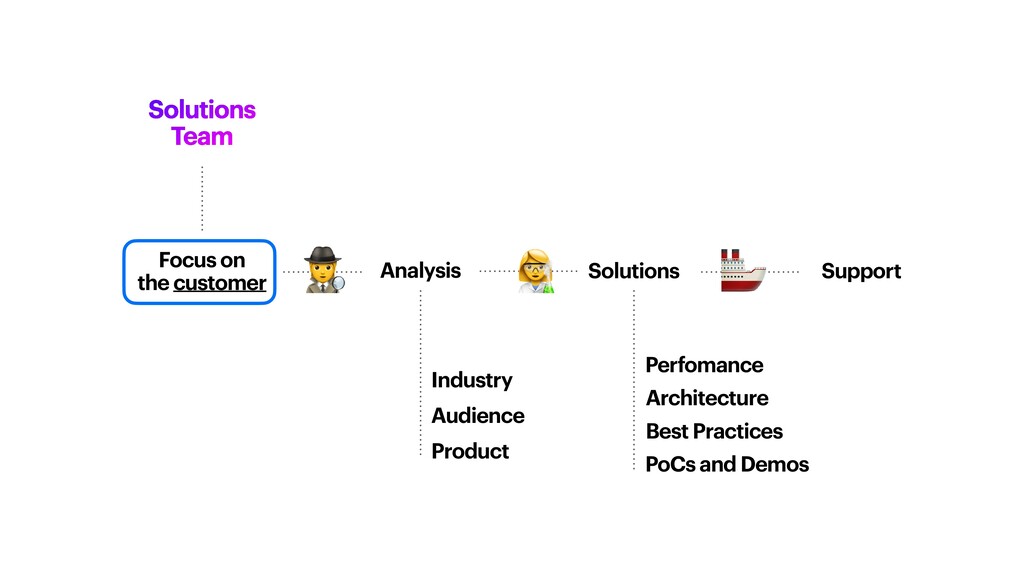
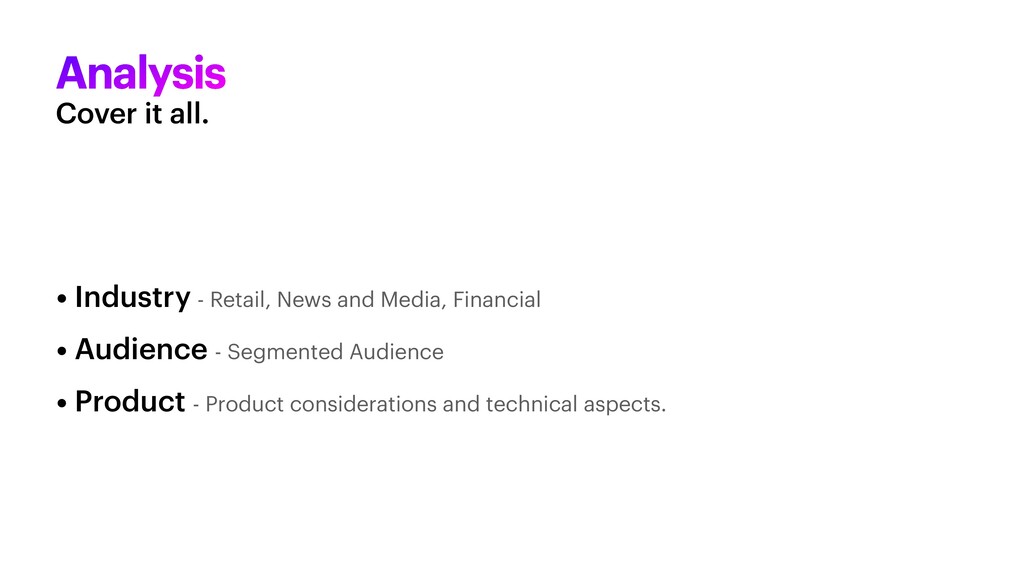
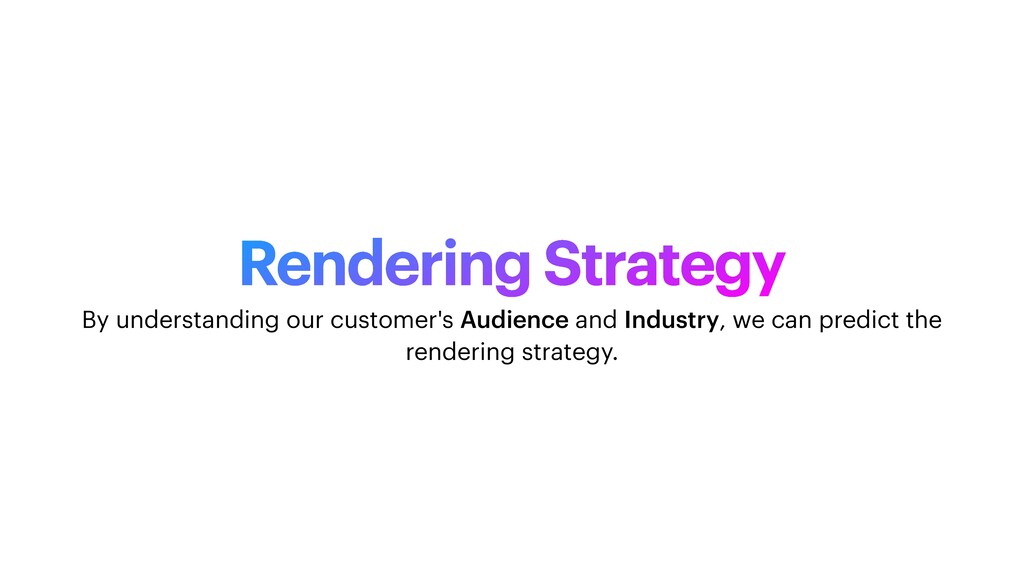
• Retail • Low tolerance on price & stock changes • News & Media • Engagement through community • Ads, Paywalls, Bots • Financial • No UX queues • Real-time and optimistic updates • Target and Segmentation • From which part of the globe you get most of your visitors? • Devices
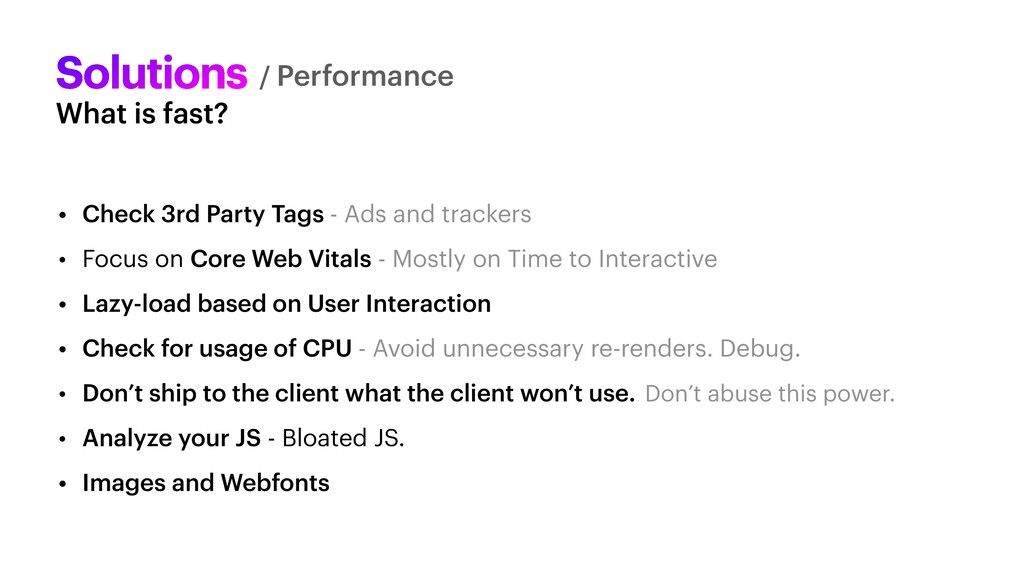
Ads and trackers • Focus on Core Web Vitals - Mostly on Time to Interactive • Lazy-load based on User Interaction • Check for usage of CPU - Avoid unnecessary re-renders. Debug. • Don’t ship to the client what the client won’t use. Don’t abuse this power. • Analyze your JS - Bloated JS. • Images and Webfonts / Performance
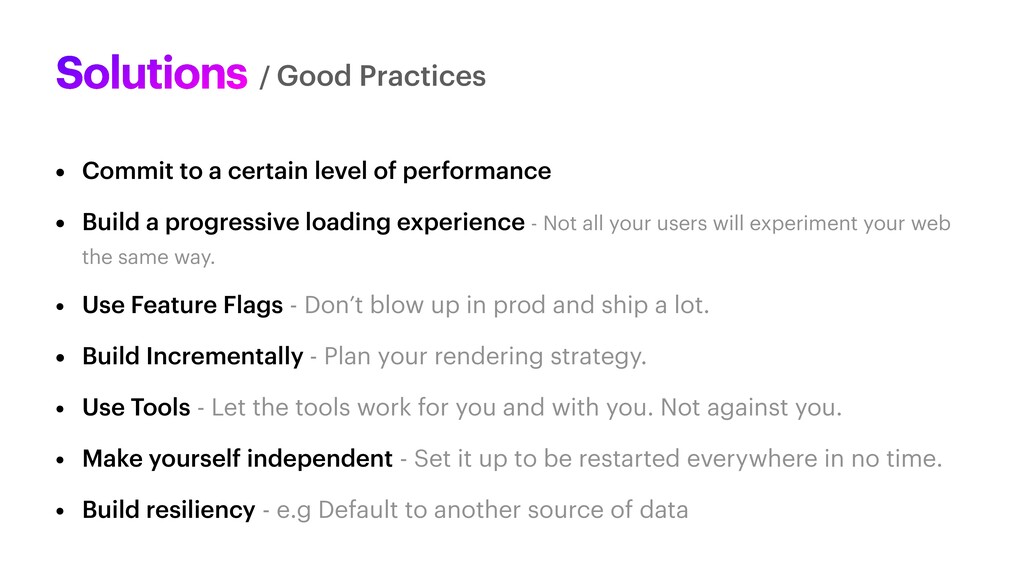
a progressive loading experience - Not all your users will experiment your web the same way. • Use Feature Flags - Don’t blow up in prod and ship a lot. • Build Incrementally - Plan your rendering strategy. • Use Tools - Let the tools work for you and with you. Not against you. • Make yourself independent - Set it up to be restarted everywhere in no time. • Build resiliency - e.g Default to another source of data Solutions / Good Practices


 okbel
okbel
 tsutsui
 akkeylab
 kntkymt
 drumath2237
 kenkino
 otouto
 uyuki234
 hokaccha
 ssssota
 touyou
 findyinc
 nokomoro3
 twada
twada
 mkilby
 techseoconnect
 stephaniewalter
 akademiya2063
 bcantrill
 tammielis
 akashhashmi
 frankvandijk
 rkaga
rkaga
 jeffersonlam
 cassininazir