G U I D E T O C O N T R I B U T I N G O P E N S O U R C E C O D E ! R O B S H A R P H E A D O F T E C H N O L O G Y @ R AT E C I T Y. C O M . A U ! P L A Y S W E L L W I T H O T H E R S
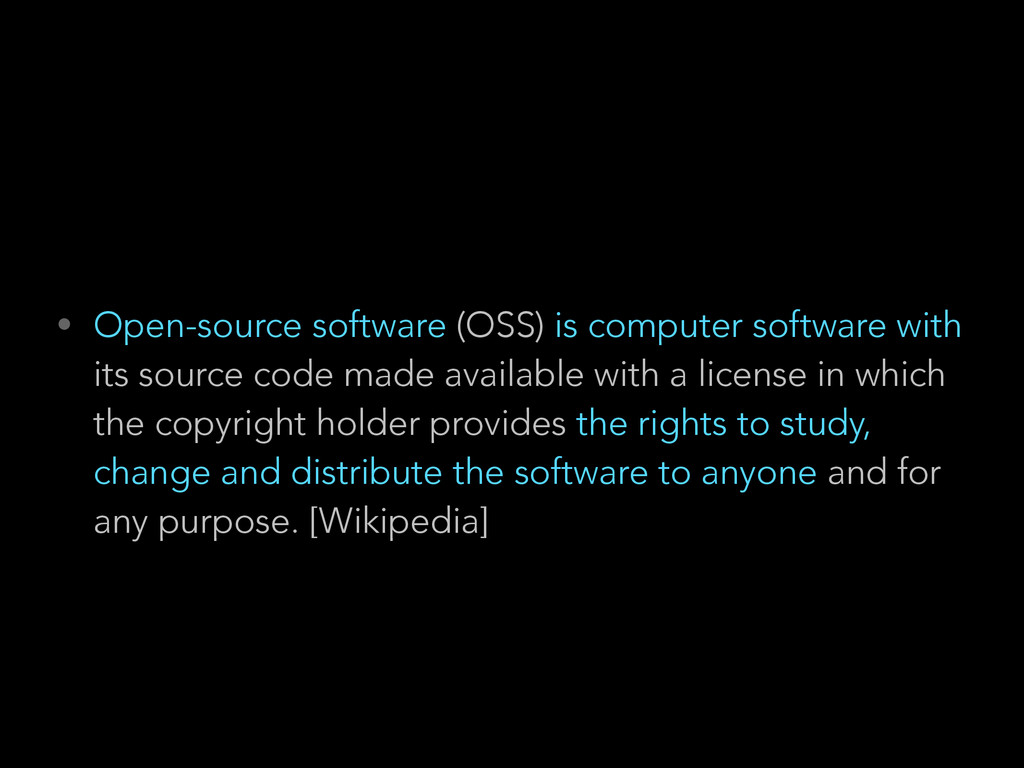
code made available with a license in which the copyright holder provides the rights to study, change and distribute the software to anyone and for any purpose. [Wikipedia]
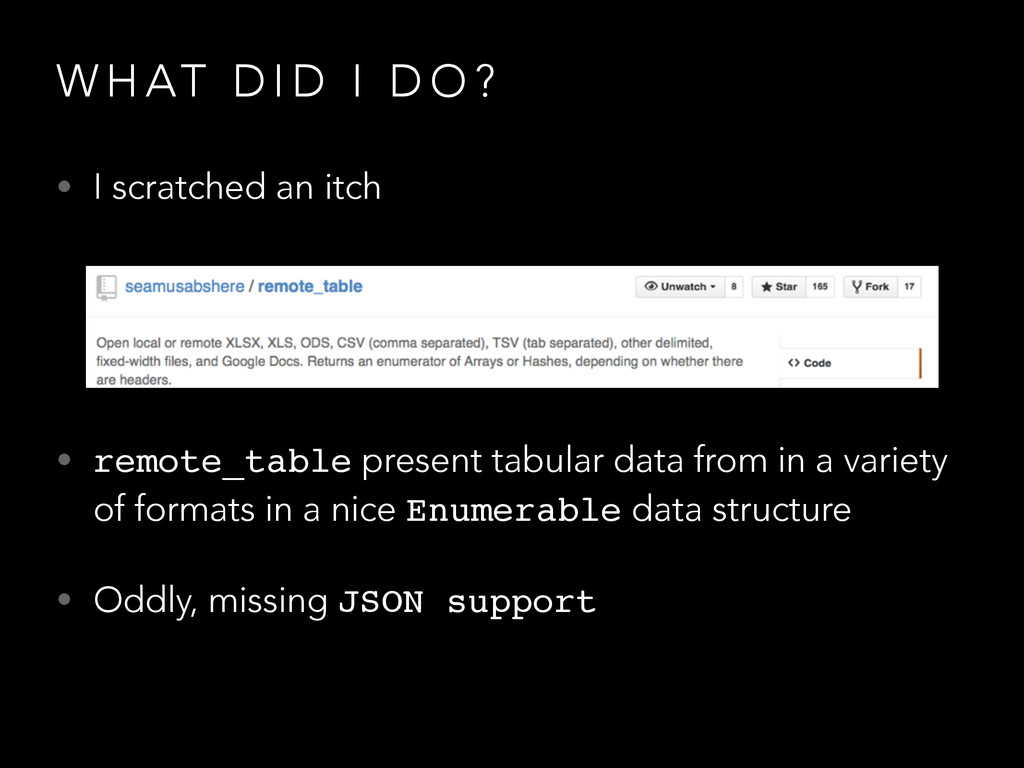
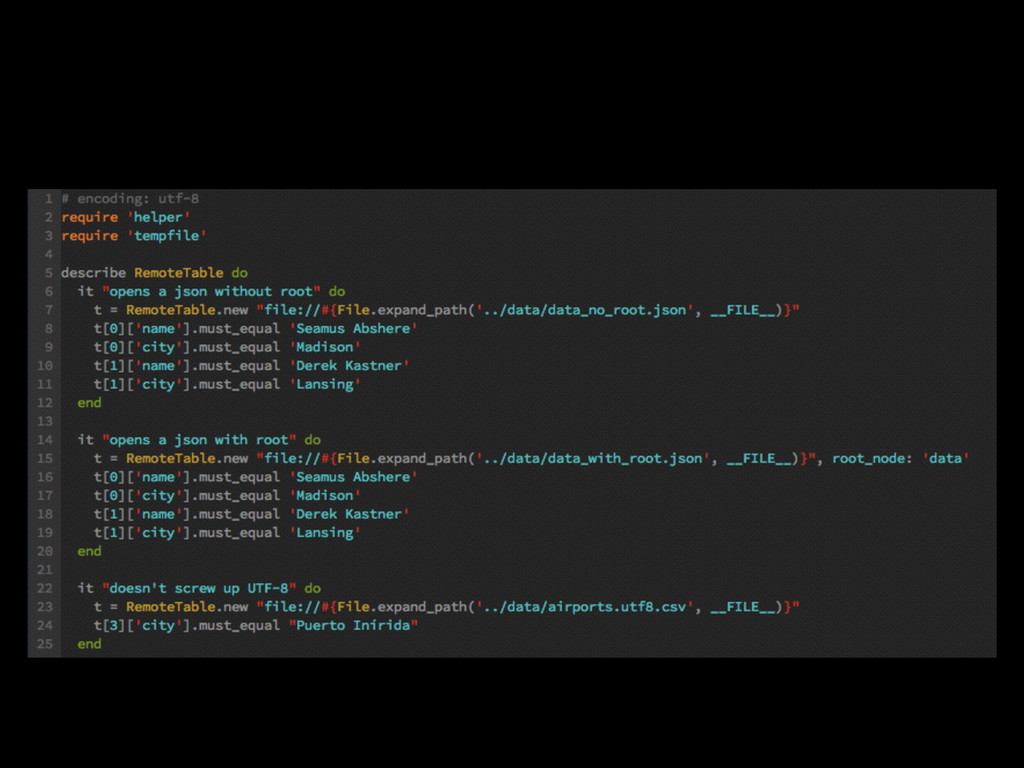
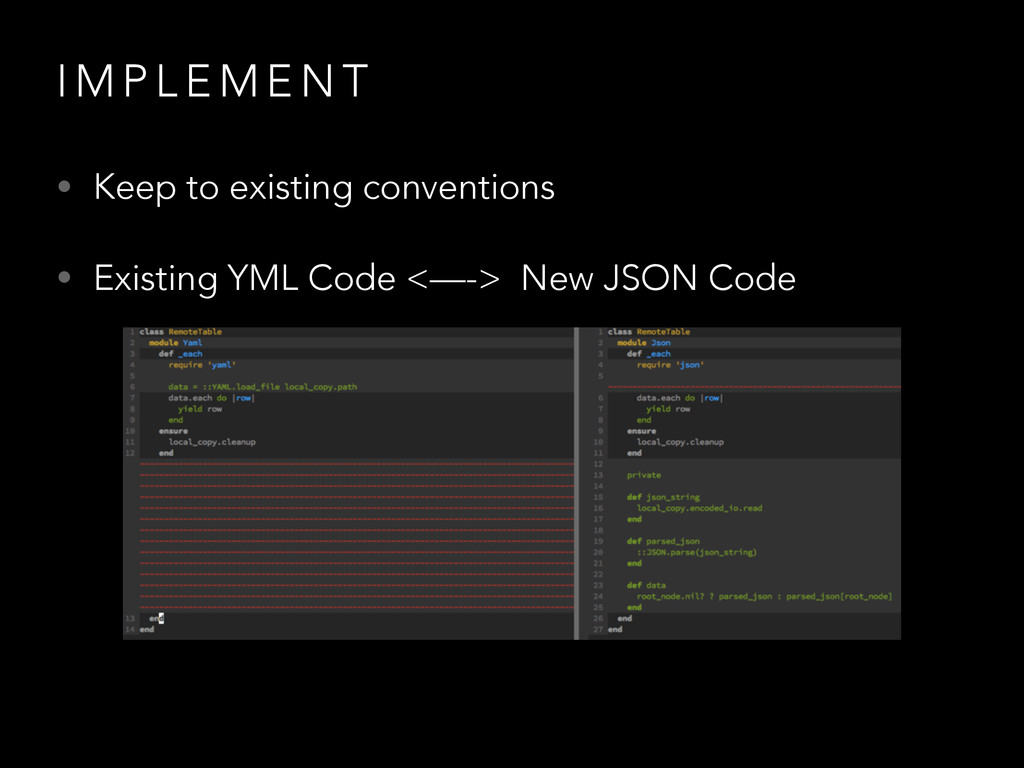
• I scratched an itch ! ! • remote_table present tabular data from in a variety of formats in a nice Enumerable data structure • Oddly, missing JSON support
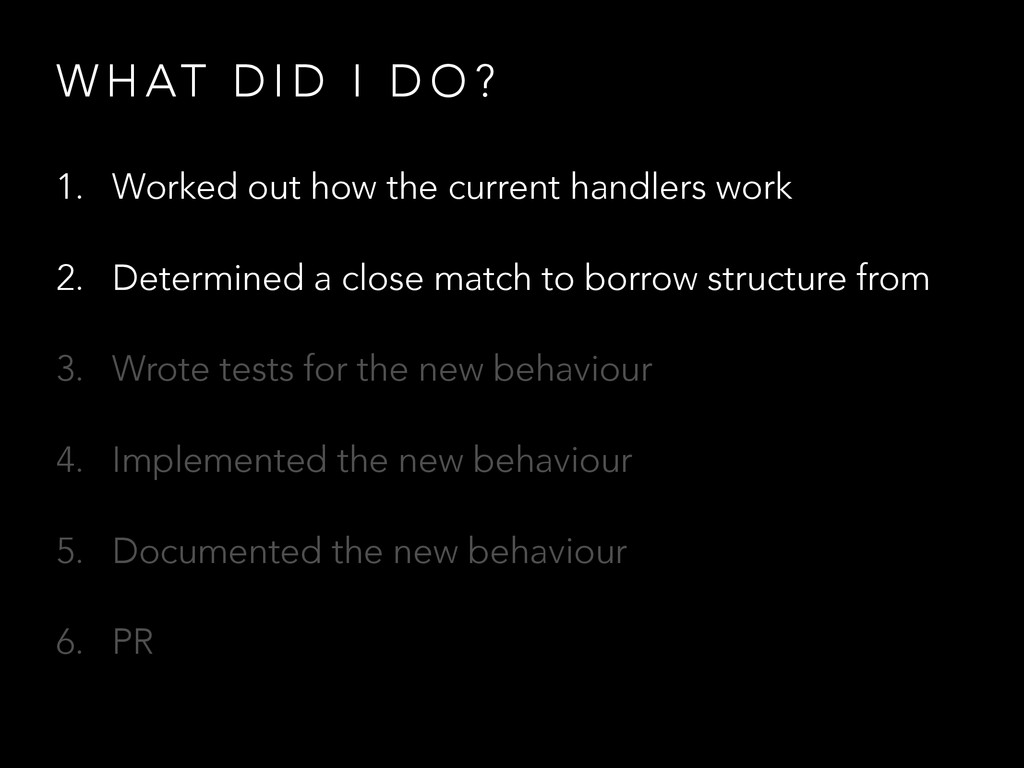
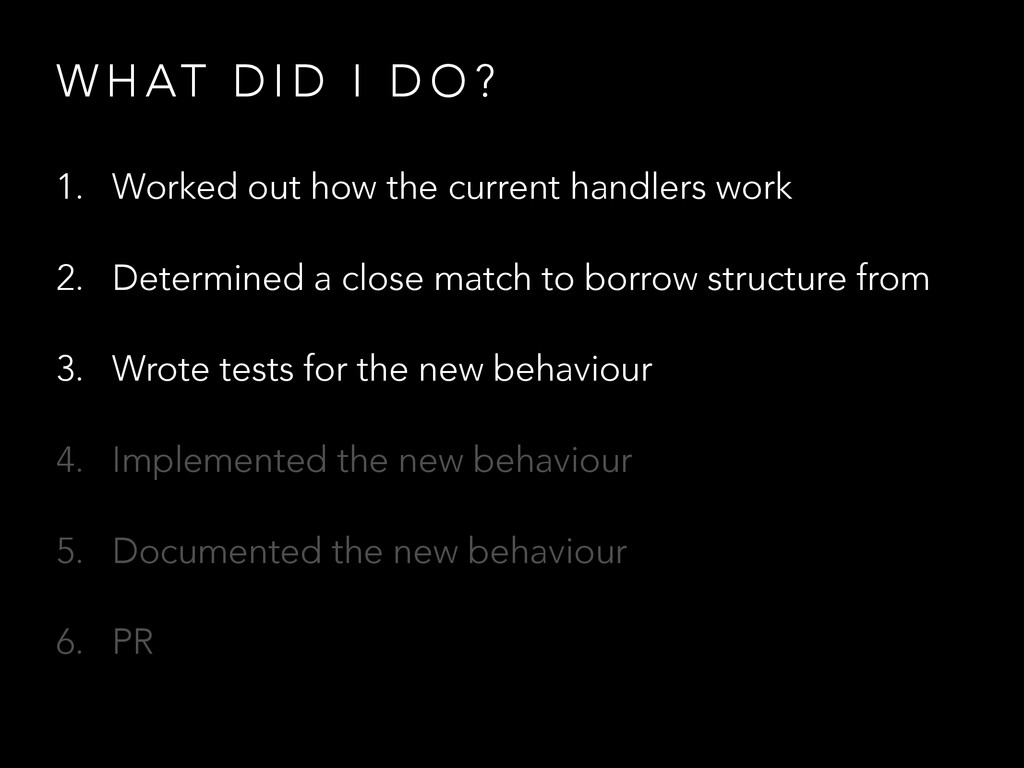
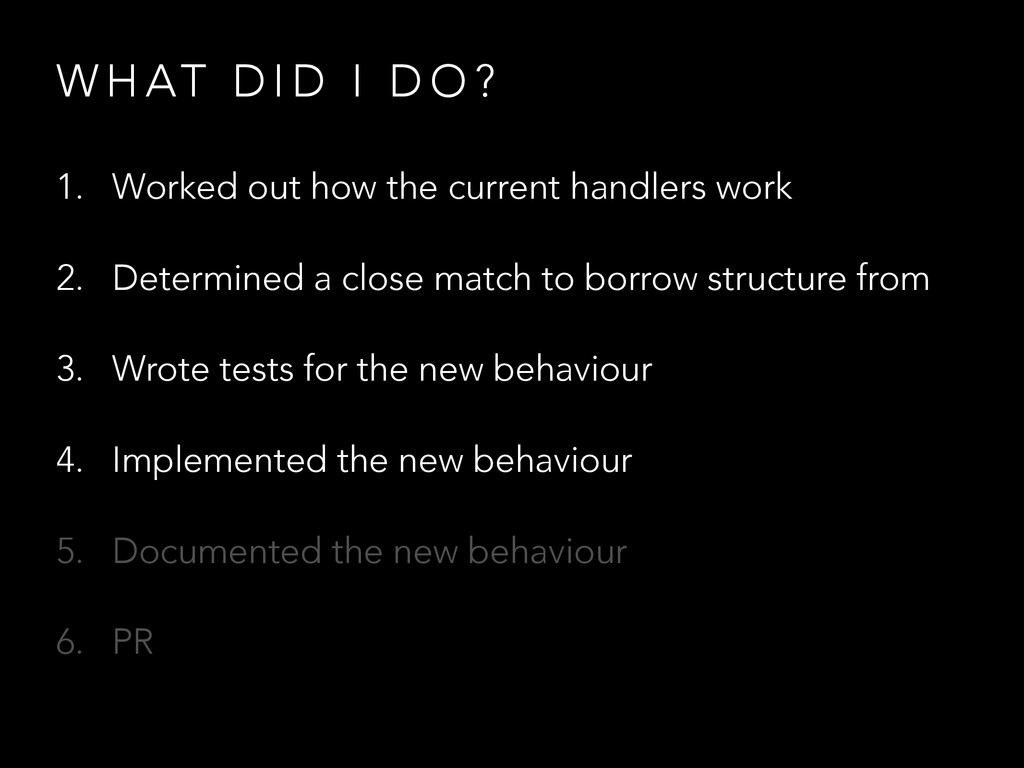
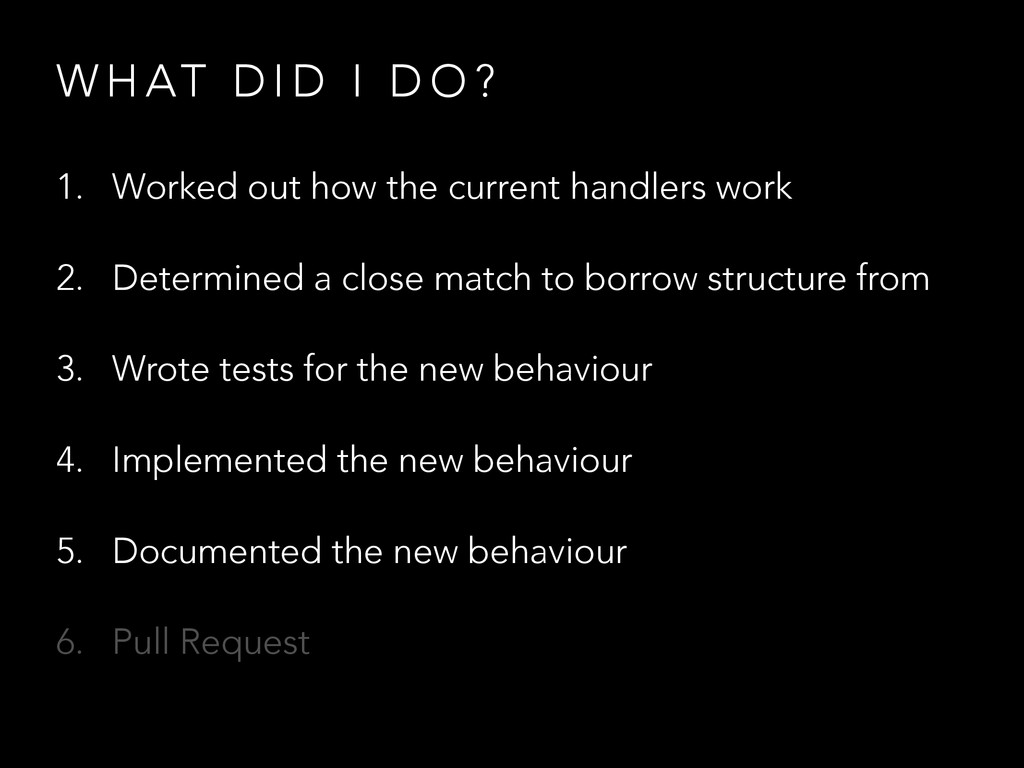
1. Worked out how the current handlers work 2. Determined a close match to borrow structure from 3. Wrote tests for the new behaviour 4. Implemented the new behaviour 5. Documented the new behaviour 6. PR
1. Worked out how the current handlers work 2. Determined a close match to borrow structure from 3. Wrote tests for the new behaviour 4. Implemented the new behaviour 5. Documented the new behaviour 6. PR
1. Worked out how the current handlers work 2. Determined a close match to borrow structure from 3. Wrote tests for the new behaviour 4. Implemented the new behaviour 5. Documented the new behaviour 6. PR
1. Worked out how the current handlers work 2. Determined a close match to borrow structure from 3. Wrote tests for the new behaviour 4. Implemented the new behaviour 5. Documented the new behaviour 6. Pull Request
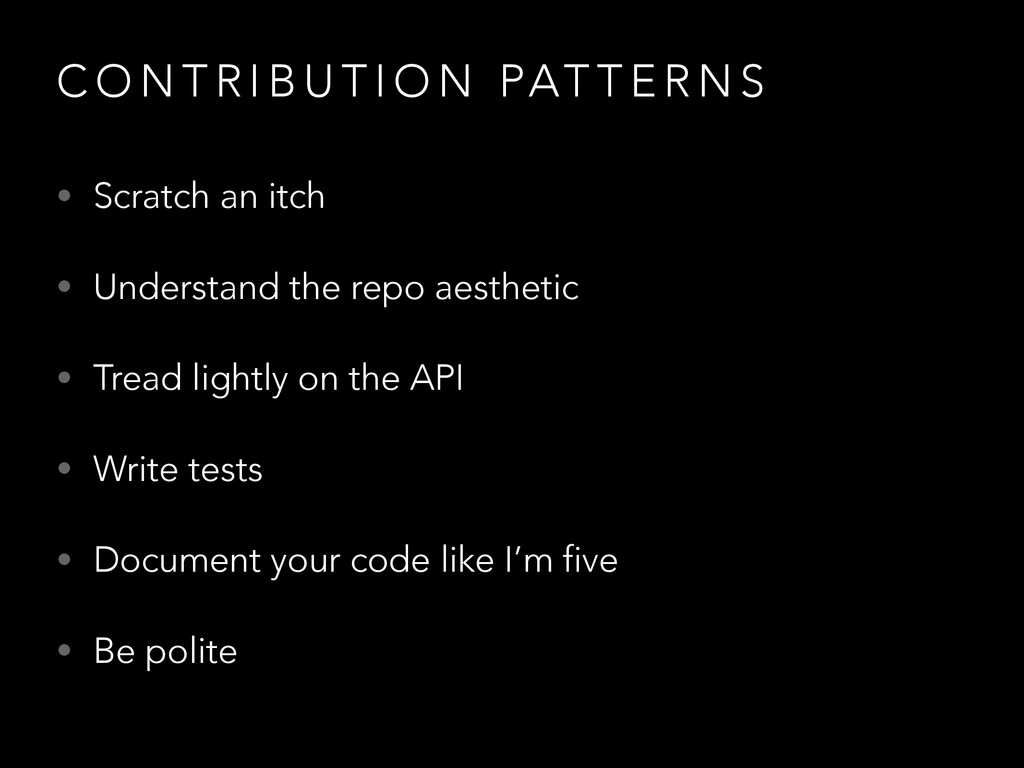
O N PAT T E R N S • Scratch an itch • Understand the repo aesthetic • Tread lightly on the API • Write tests • Document your code like I’m five • Be polite


 qnm
 tomokusaba
 takuroabe
 jtakeda
 iktakahiro
 bitkey
 hiracky16
 kizawa2020
 mohab1
 pfn
 takahashim
 shuta13
 codmoninc
 baasie
 quramy
 jmmastey
 andyhume
 samlambert
 kimpetersen
 reverentgeek
 livdayseo
 bcantrill
 rmw
 csswizardry
 katarinadahlin