Dependent Types (and other ideas for guaranteeing correctness with types)
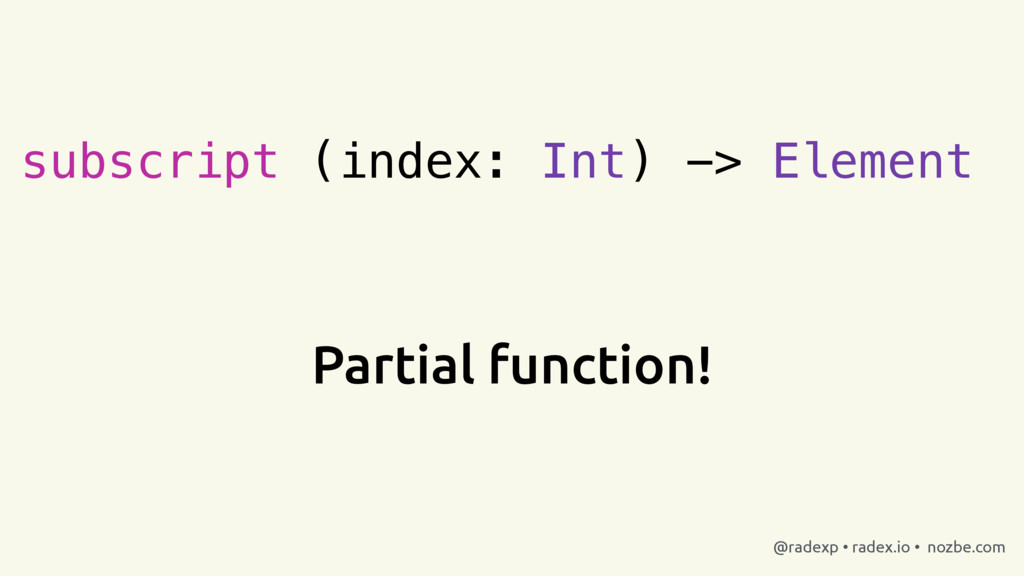
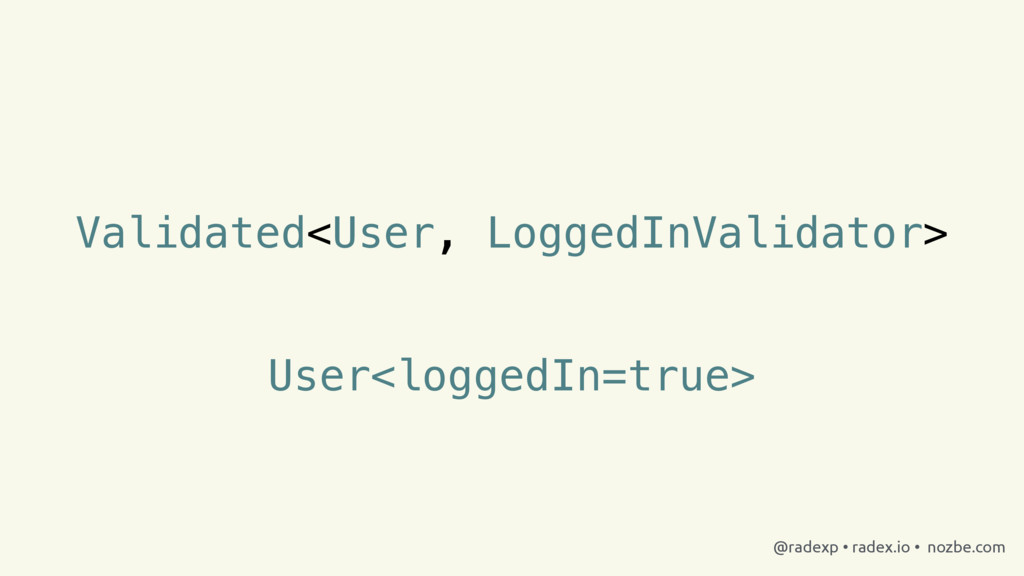
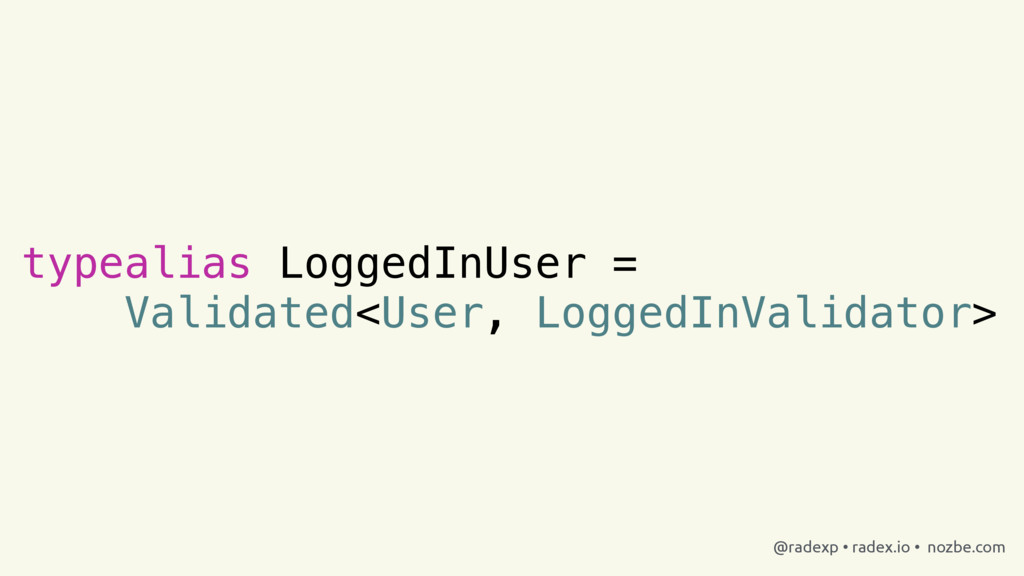
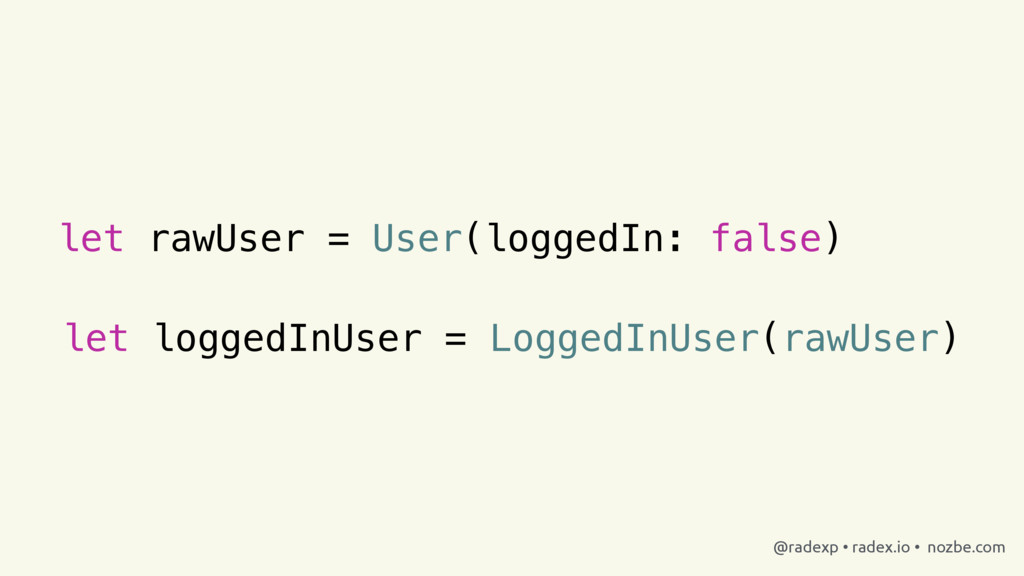
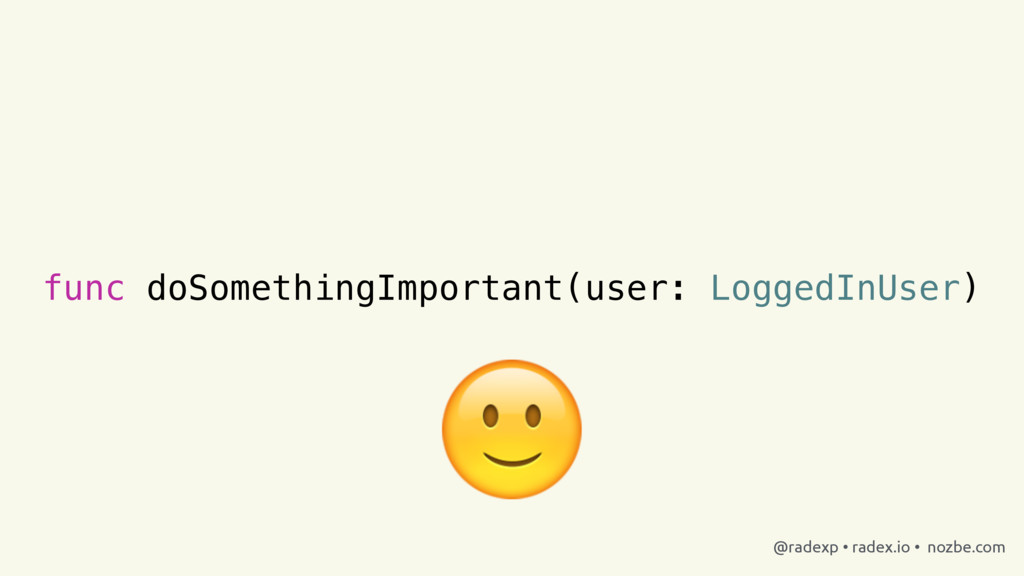
A few strategies for protecting yourself from your future self's mistakes. Write more robust code by expressing constraints in the type signature and avoiding partial functions. Give your compiler the tools it needs to assist you. Let it help you.


 radex
radex
 syumai
 sorah
sorah
 irinanazarova
 tmikov2023
 akase244
 oniak3ibm
 akihisaikeda
 rshindo
 hschwentner
 iwiwi
iwiwi
 ichirokano2
 timakin
 brad_frost
 coloredviolet
 keathley
 tmiket
 portentint
 watany
 chriscoyier
 reverentgeek
 kneath
 aarron
 thekraken
 mfonobong