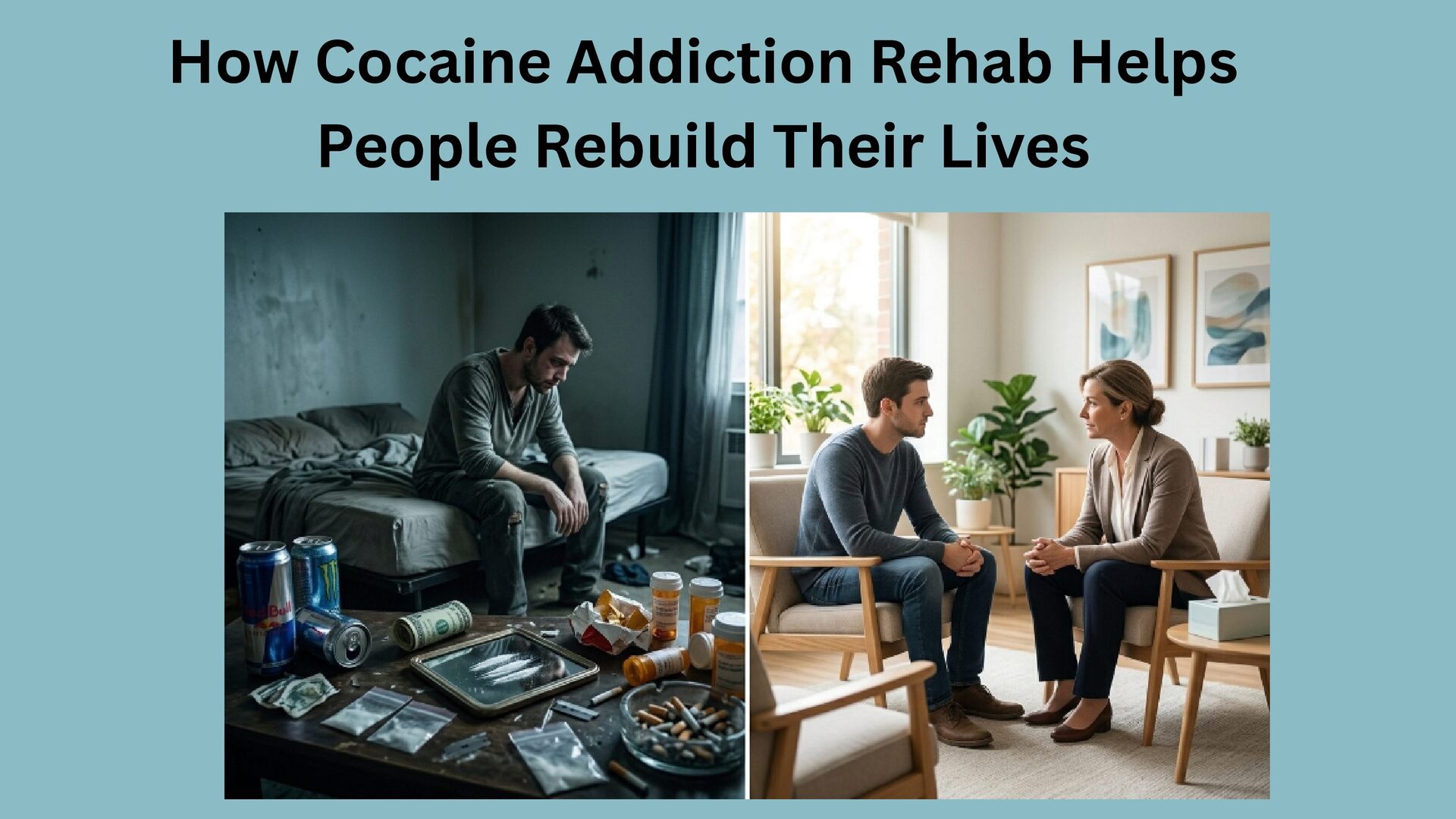
How Cocaine Addiction Rehab Helps People Rebuild Their Lives
Cocaine addiction rehab helps individuals break the cycle of drug use and rebuild their lives. Learn how treatment supports recovery, mental health, and long-term stability.
life, from physical health and mental well-being to relationships, work, and financial stability. What may begin as occasional use can slowly develop into a pattern that feels difficult to control. The drug creates intense but short-lived feelings of energy and confidence, which often lead people to use it repeatedly. Over time, the brain starts relying on cocaine to produce those feelings, making it harder to function without it. This is where cocaine addiction rehab becomes important. Professional treatment helps individuals break the cycle of substance use while providing the support needed to rebuild healthy habits, restore stability, and work toward long-term recovery.
system by causing a rapid increase in dopamine, a chemical linked to pleasure and motivation. The effect is powerful but temporary. Once the feeling fades, many people want to experience it again, leading to repeated use. As this pattern continues, the brain adapts and becomes less responsive to natural sources of enjoyment. This change often causes people to use larger amounts or use more frequently to achieve the same effect. What starts as recreational use can gradually turn into dependency. Many individuals continue using cocaine even when it begins affecting their health, relationships, finances, or daily responsibilities because the brain has become conditioned to seek the drug despite negative consequences.
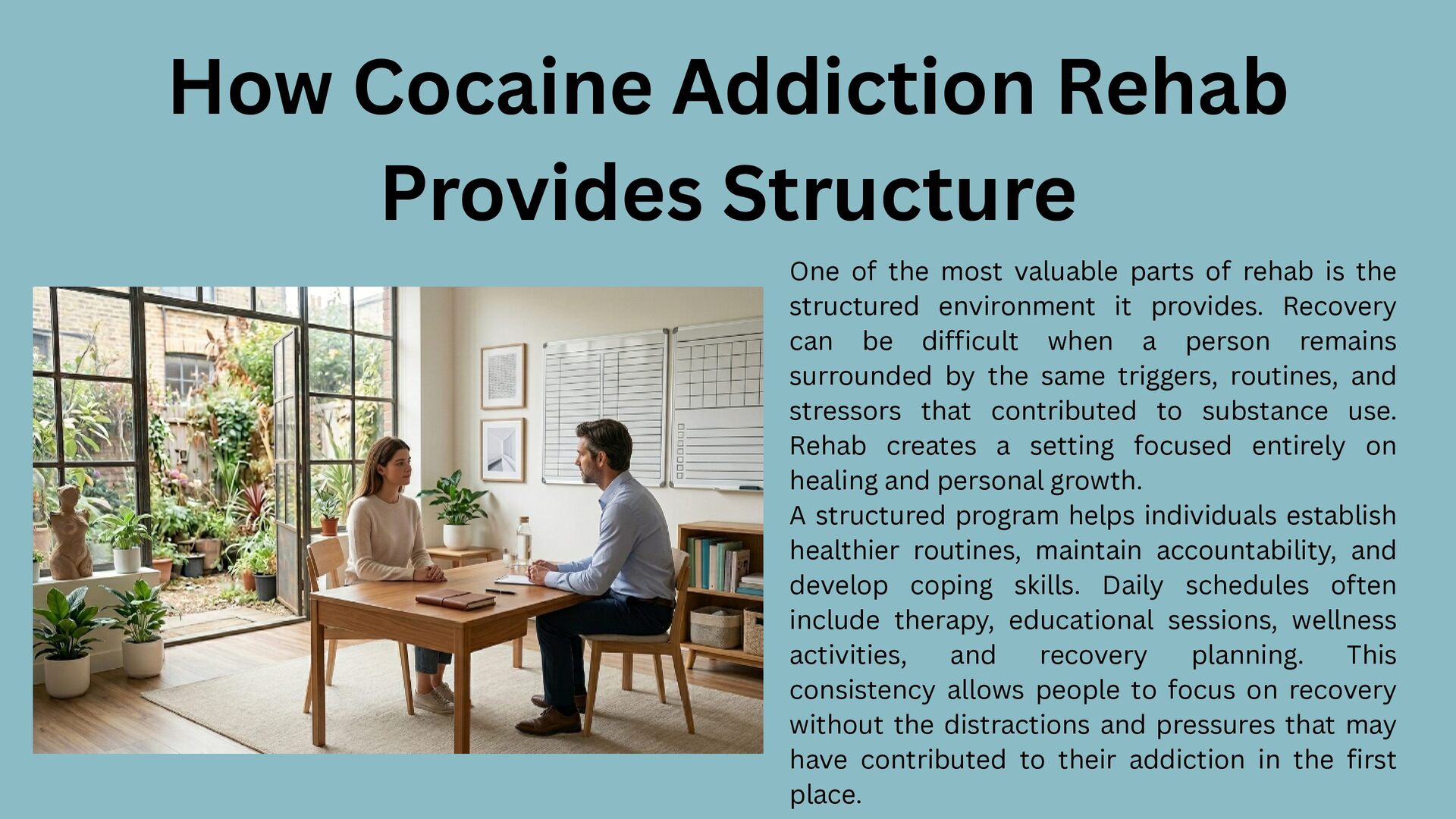
valuable parts of rehab is the structured environment it provides. Recovery can be difficult when a person remains surrounded by the same triggers, routines, and stressors that contributed to substance use. Rehab creates a setting focused entirely on healing and personal growth. A structured program helps individuals establish healthier routines, maintain accountability, and develop coping skills. Daily schedules often include therapy, educational sessions, wellness activities, and recovery planning. This consistency allows people to focus on recovery without the distractions and pressures that may have contributed to their addiction in the first place.
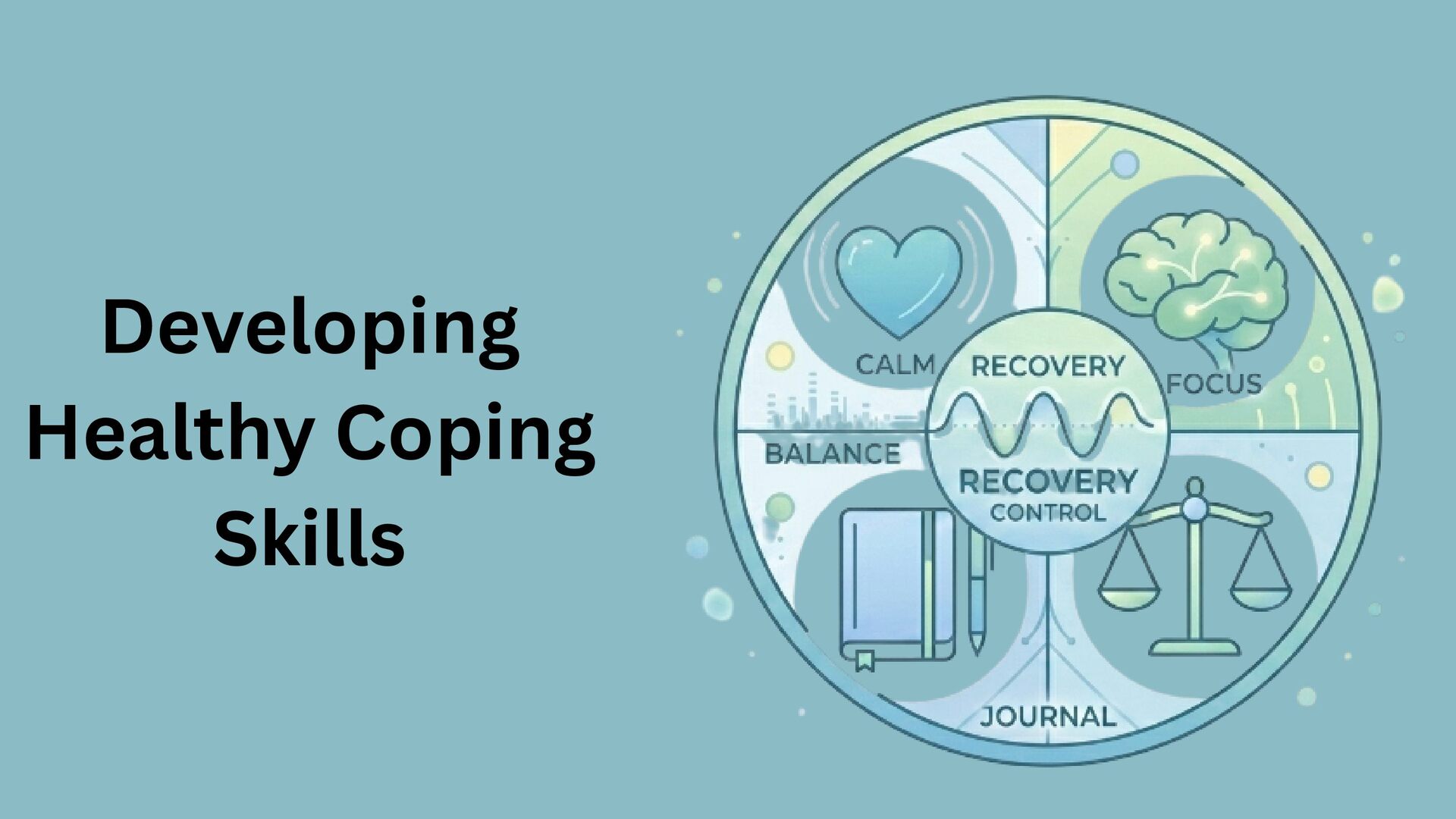
than stopping cocaine use. Addiction often has emotional and psychological factors that need attention. Many people use substances to cope with stress, trauma, anxiety, depression, or other personal challenges. If these underlying issues remain untreated, the risk of relapse increases. Therapy helps individuals understand the thoughts, emotions, and behaviors connected to their addiction. Through counseling and evidence-based treatment approaches, people learn healthier ways to manage difficult situations. This process helps build emotional resilience and creates a stronger foundation for long-term recovery.
family members, friends, and loved ones. Recovery provides an opportunity to repair those relationships through honest communication and personal growth. While rebuilding trust takes time, many individuals find that recovery helps them reconnect with people who matter most. Rehab also helps restore confidence that may have been lost during addiction. Achieving recovery goals, learning new coping skills, and maintaining progress can help individuals regain a sense of control over their lives. This renewed confidence often becomes an important source of motivation throughout the recovery journey.
stopping drug use. It is also about creating a meaningful and fulfilling life. Rehab helps individuals identify personal goals, rebuild healthy routines, and focus on long- term well-being. Many people discover interests, relationships, and opportunities that were neglected during active addiction. As physical and mental health improve, daily life often becomes more manageable and rewarding. The progress may be gradual, but each step helps build a stronger future. Long-term recovery is possible when individuals continue applying the skills and lessons learned during treatment.
health, relationships, and overall quality of life, but recovery is possible with the right support. Rehab provides the structure, guidance, and therapeutic tools needed to address both the physical and psychological aspects of addiction. By learning healthier coping strategies, rebuilding confidence, and creating new routines, individuals can move beyond substance use and begin building a more stable and rewarding future.


 ks91
 reverentgeek
 bryan
 ianozsvald
 codingconduct
 thekraken
 katiecoart
 jonoalderson
 rabernat
 3n
 destraynor