Your Podcast. Everywhere. Effortlessly.
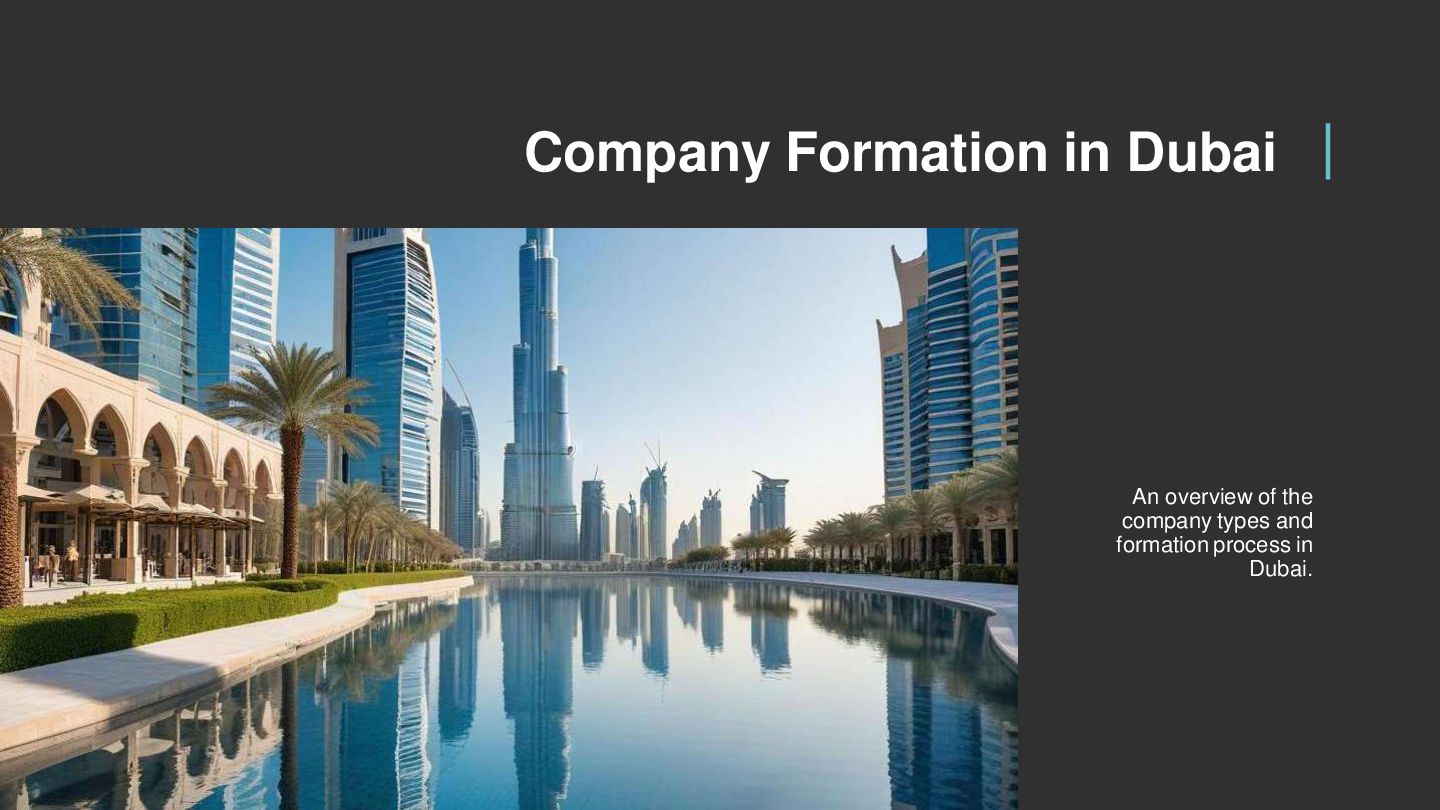
Dubai has rapidly grown into one of the world's most dynamic business hubs, thanks to its strategic location, investor-friendly policies, and world-class infrastructure.
Step 1: Choose Your Business Activity
Start by defining your business activity. The Department of Economic Development (DED) in Dubai lists over 2,000 business activities, including commercial, industrial, professional, and tourism-related ventures.
Tips:
Ensure your activity aligns with your business goals.
Some activities may require additional approvals from specific authorities.
Step 2: Decide on a Legal Structure
Your business structure will determine your ownership rights, liability, and legal framework. Common options include:
Sole Proprietorship
Limited Liability Company (LLC)
Civil Company
Branch Office
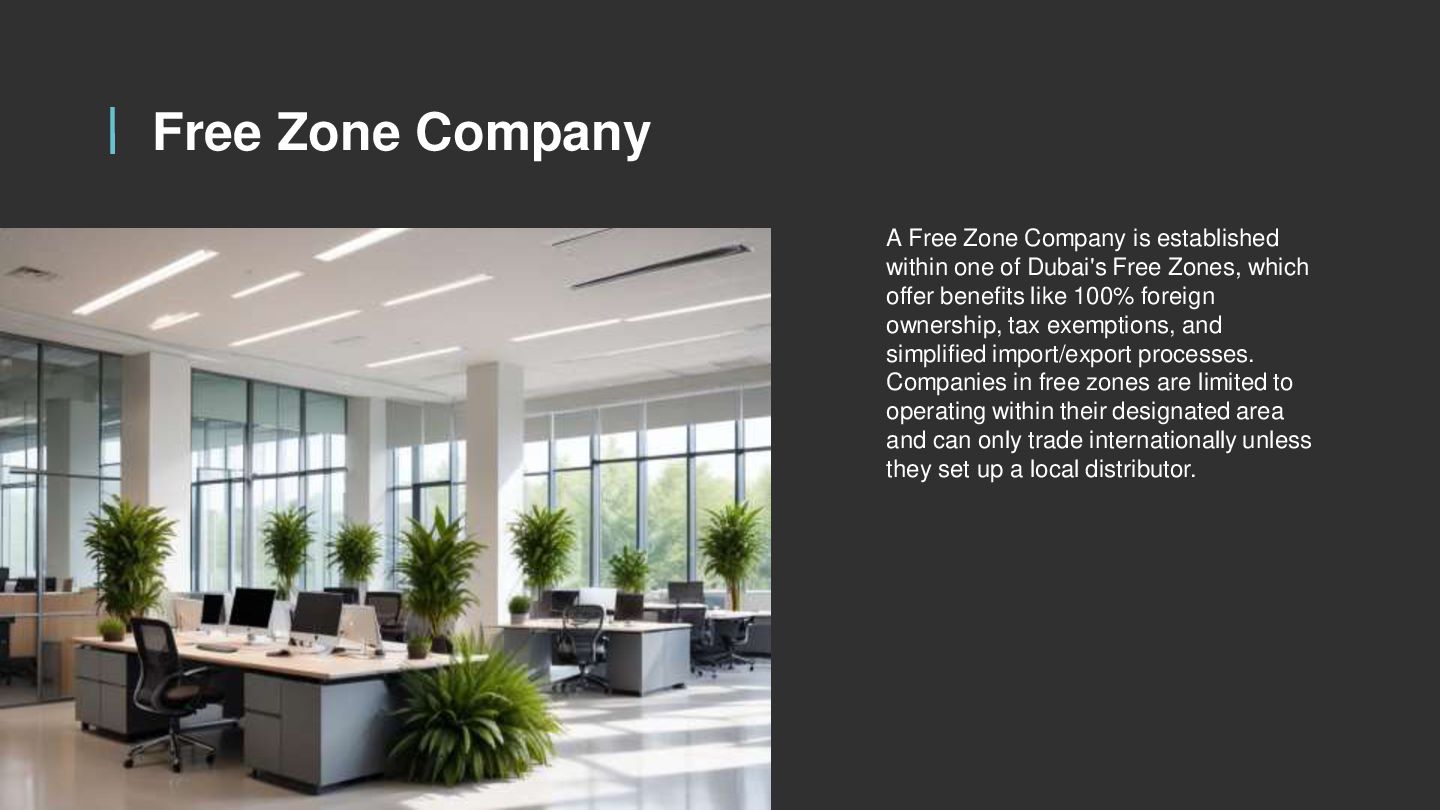
Free Zone Company
Offshore Company
Note: Foreign investors often prefer Free Zone or LLC setups due to full ownership and tax benefits.
Step 3: Choose a Business Name
Choose a trade name that follows Dubai’s naming conventions:
Avoid offensive or blasphemous language.
Must reflect the nature of the business.
No abbreviations (e.g., using initials) unless it's part of a brand.
Submit the name for approval through the DED or relevant Free Zone authority.
Step 4: Apply for Initial Approval
Get initial approval from the DED (or Free Zone authority), which indicates that the government has no objection to you starting a business.
You’ll need:
Business name approval
Passport copies of owners/partners
Description of your business activity
Step 5: Choose a Business Location
You can either:
Lease office space in the mainland
Set up in a Free Zone, which often includes flexible desk/office solutions
Opt for a virtual office, depending on your license type
Ensure your location complies with local zoning regulations and has a tenancy contract.
Step 6: Draft a Memorandum of Association (MOA)
The MOA outlines the ownership structure and operational framework of your business. It’s required for most legal entities and must be notarized.
This is typically done with the help of a legal consultant or business setup service.
Step 7: Submit Documents and Pay Fees
Prepare and submit the following:
MOA
Lease agreement (Ejari for mainland)
Passport copies
Initial approval certificate
Completed application form
Pay the applicable license fees (these vary depending on your business activity and location).
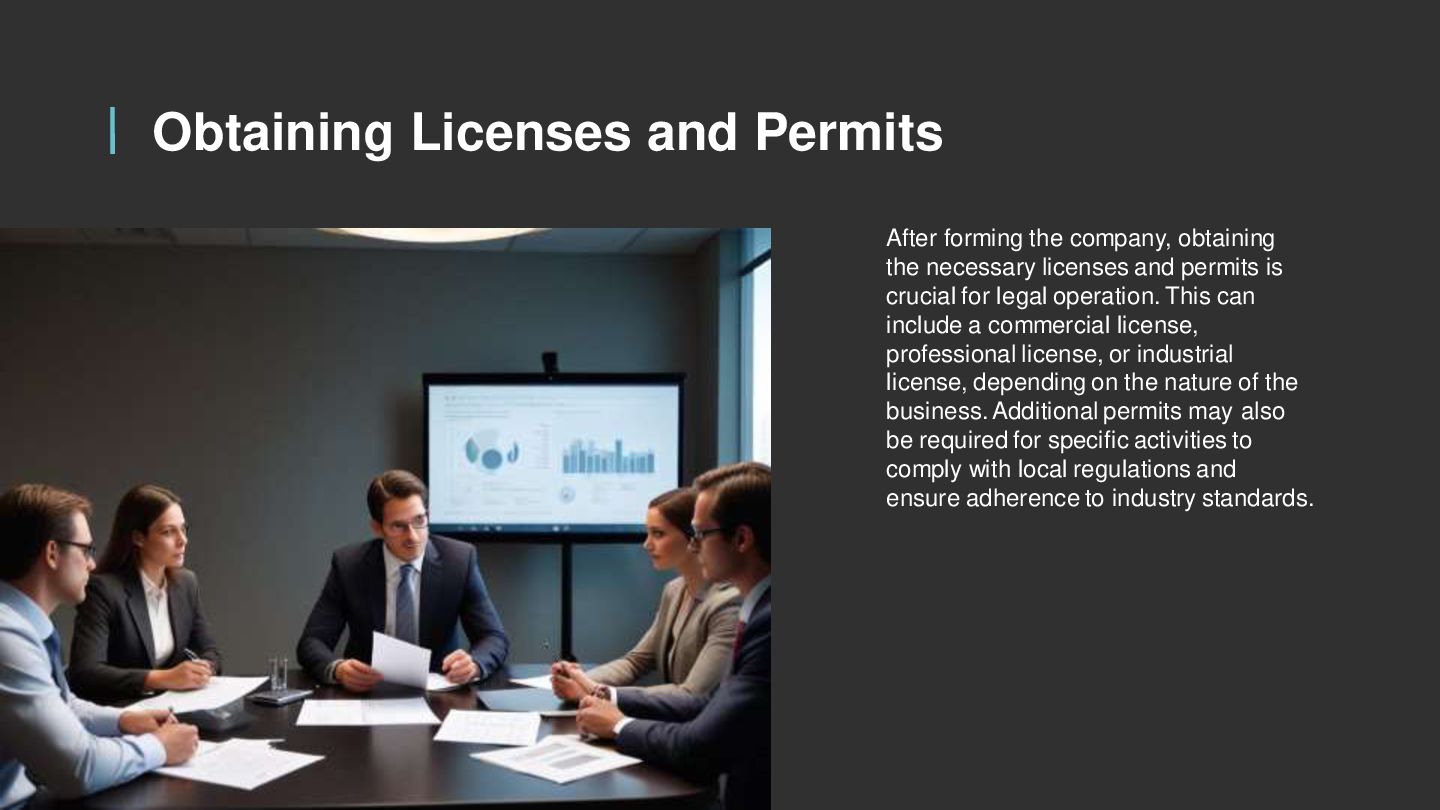
Step 8: Obtain Your Business License
Once everything is approved and submitted, you’ll receive your:
Trade License
Chamber of Commerce registration
Establishment Card (for labor and immigration purposes)
Step 9: Apply for Visas
You can apply for residency visas for yourself, your employees, and dependents under your business license.
The number of visas you can apply for depends on the size of your office and business activity.
Step 10: Open a Corporate Bank Account
Choose a local or international bank operating in the UAE. Requirements vary, but you’ll generally need:
Your trade license
MOA
Shareholder documents
Residency visa (for some banks)
Types of Business Setups in Dubai
1. Mainland
100% foreign ownership allowed in most sectors (as of recent reforms)
Ability to do business anywhere in the UAE
2. Free Zone
Full foreign ownership
Tax exemptions
Fast setup and simplified regulations
Restricted to doing business within the Free Zone or abroad
3. Offshore
Ideal for international business without physical presence
No physical office required
Not allowed to trade within the UAE
Final Thoughts
Setting up a business in Dubai may seem complex, but with the right guidance, it’s a streamlined process. Whether you’re launching a startup, opening a branch, or expanding your global presence, Dubai offers unmatched opportunities in a thriving economic environment.


 uxyall
 inesmontani
 cassininazir
 mza
 ipullrank
 tmiket
 tammyeverts
 rocio
 mayunak
 eileencodes
 tamaranovitovic
 mclloyd